Blog

  • UPS rolls out new peak shipping surcharge

    UPS rolls out new peak shipping surcharge

    UPS announced a new peak charge applicable during selected weeks in November and December 2017 for US residential, large packages and packages over maximum limits. The new charge is designed to enable UPS to continue to provide best-in-class value to customers while offsetting some of the additional expenses incurred during significant volume surges.

    “We’re focused on helping our customers achieve success during some of their most important selling seasons,” said Alan Gershenhorn, UPS chief commercial officer. “To meet their requirements, UPS flexes its delivery network to process near double our already massive regular daily volume, and that creates exceptional demands.”

    To meet peak volume demand, among many other investments, UPS acquires on a temporary basis and often at shorter-term premium rates, additional air and truck cargo capacity, temporary facilities, and additional sorting and delivery personnel.

    Further, shipments which are larger, heavier, or have unconventional shapes or sizes create even greater operational complexity during high-demand periods.

    “Our goal is to help every customer obtain the delivery capacity they need, combined with predictable and timely service they count on from UPS, even when there is limited capacity in the UPS network,” Gershenhorn continued.

    The company’s new per-piece peak charge* for the US 48 contiguous states and intrastate Alaska and Hawaii** for applicable package types and periods is summarized in this chart***:

    Nov 19 to
    Nov 25
    Nov 26 to
    Dec 2
    Dec 3 to   Dec 9 Dec 10 to
    Dec 16
    Dec 17 to
    Dec 23
    UPS Next Day Air Residential

    n/a

    n/a

    n/a

    n/a

    $0.81

    UPS 2nd Day Air Residential

    n/a

    n/a

    n/a

    n/a

    $0.97

    UPS 3 Day Select Residential

    n/a

    n/a

    n/a

    n/a

    $0.97

    Ground Residential

    $0.27

    $0.27

    n/a

    n/a

    $0.27

    n/a = no additional charge during this period
    * Peak Surcharge to be published Sept 1, 2017 in a revised version of the UPS U.S. Rate & Service Guide
    ** For packages to and from Alaska and Hawaii, the surcharge is posted on ups.com/rates
    ***Chart does not show all potentially applicable peak surcharges. 

    “With the new peak charge, per-package costs for many shipments will only marginally increase during this very busy time of the year.” Gershenhorn continued.

    For example, a five-pound UPS Next Day Air package shipped from Atlanta, GA to a residential address in Philadelphia, PA will increase about one percent, compared to non-peak shipping times. A similar package shipped to a commercial address would experience no additional cost.

    From November 19 through December 23, UPS will also apply peak surcharges to Large Packages and packages that exceed maximum size limits. These charges are in addition to normal surcharges applicable to such packages. When shipping packages that exceed UPS’s published maximum size limits, customers are encouraged to consider using UPS Freight.
  • AirAsia named world’s best low-cost airline for 9th consecutive time

    AirAsia named world’s best low-cost airline for 9th consecutive time

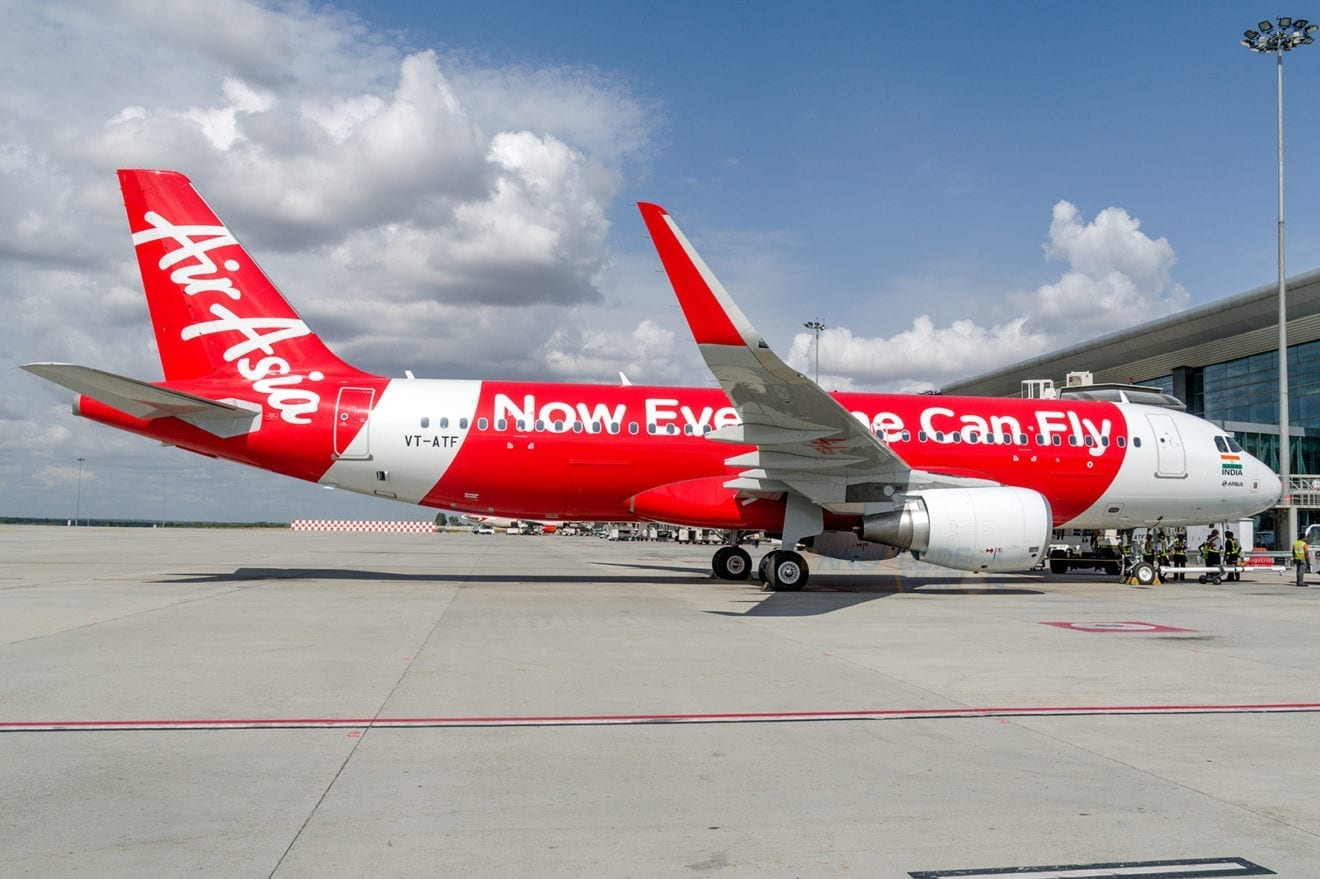
    AirAsia has been named the World’s Best Low-Cost Airline for the ninth time in a row at the 2017 Skytrax World Airline Awards.

    The awards, known as the “Oscars of the aviation industry”, was presented to Asia’s largest low-cost carrier at a ceremony held at Musée de l’Air et de l’Espace, Le Bourget Airport in Paris on Tuesday.

    AirAsia Group cabin crew head Suhaila Hassan, who has been with the company for 20 years, accepted the award, flanked by AirAsia ambassador David Foster and Brazilian football player Roberto Carlos at the ceremony that saw 71 awards being given away.

    The airline was also named Asia’s Best Low-Cost Airline in Asia.

    “We are now nine times world champion. To put it into perspective, Brazil won the FIFA World Cup five times, Michael Jordan was NBA champion six times and Michael Phelps holds the record for most first place finishes at a single Olympics with eight gold medals,” said AirAsia Group chief executive officer Tan Sri Tony Fernandes.

    “We take the world champion title seriously and we will strive to continue to improve for both our guests and shareholders,” he added.

    He said over the last 15 years, the group has created a great brand and wants to move towards One AirAsia, a truly Asean community airline.

    “We also want to recreate ourselves as a digital airline and use technology to drive more value,” said Fernandes.

    Meanwhile, AirAsia X, AirAsia’s long-haul sister airline, bagged the World’s Best Low-Cost Airline Premium Cabin and World’s Best Low-Cost Airline Premium Seat awards for the fifth straight year.

    The Skytrax Awards are the global benchmark of airline excellence with over 19.9 million customer surveys completed worldwide by more than 105 nationalities, measuring standards across 49 key performance indicators of an airline’s frontline products and services.

    AirAsia and AirAsia X have won a combined 25 Skytrax World Airline Awards since the awards were introduced in 2001.

    AirAsia is Asia’s largest low-cost carrier by the number of passengers carried, with an extensive network covering more than 120 destinations in 26 countries across Asia, Australia and New Zealand, the Middle East and the United States.

  • New KBank JCB Credit Card for Japan Enthusiasts and Travelers

    New KBank JCB Credit Card for Japan Enthusiasts and Travelers

    KBank and JCB International (JCBI), the international operations subsidiary of JCB Co., Ltd., have introduced the “KBank JCB Credit Card” to accommodate Japanese culture and lifestyles. A wide range of attractive privileges are offered, with first-year targets of 100,000 cards and spending of 2 billion Baht.

    Mr. Pipit Aneaknithi, KBank President, said the popularity of Japan has continued to flourish in Thailand. Being among the most-visited destinations of Thai travelers, Japan welcomed 900,000 tourists from Thailand in 2016, generating the sixth-highest tourism receipts of worldwide visitors. In addition to their charming shopping venues and unique cultural tourism sites, appealing marketing activities and promotional campaigns have been added as attractions for Thai customers. Last year, spending in Japan via K-Credit Card amounted to approximately 3.3 billion Baht, with accommodations, apparel and retail merchandise ranked as the top three spending categories. Japan is therefore an interesting market.

    On account of all this, KBank has partnered with JCBI to launch the KBank JCB Credit Card under the concept, “Superb Deals! for Japan Lovers”. There are Platinum, Gold and Classic cards, beautifully designed in a modern Japanese style. More fun is found with card envelopes in a Moire’ pattern that is animated when the card is pulled out of the envelope, unique among credit cards in Thailand. A target of 100,000 new cards has been set for the card’s initial year, with total card spending of 2 billion Baht.

    The KBank JCB Credit Card offers multiple exclusive privileges selected for Japan lovers to enjoy their experiences both in Thailand and Japan. Cardholders, especially career people, who prefer Japanese food or shopping for Japanese brands, will get many more discounts and special offers from airlines, hotels and leading stores, which can be divided into three categories as follows.

    – J-Highlighto: Scores of unique privileges are offered, such as 2x KBank Reward Points for any spending in Japan without minimum amount, zero-percent installment payment up to 10 months for purchase of air tickets and package tours to Japan with Majestic Travel, a discount of 0.15 Baht for every 100 Yen purchased with Thai Baht using the KBank JCB Credit Card at any KBank branch or Foreign Exchange Booth (excluding Suvarnabhumi and Don Mueang International Airport branches), as well as the use of airport lounge services worldwide.

    – J-Discounto: Japan enthusiasts in Thailand can enjoy numerous discounts when spending with the KBank JCB Credit Card in dining, shopping and travel categories. For instance, they may get up to a 20-percent discount on foods at participating Japanese restaurants or with leading Japanese brands, specially-priced packaged foods, mobile Wi-Fi rental at a special rate, and cheaper Cathay Pacific air tickets, or they may redeem their accumulated points for extra discounts at leading department stores.

    – J-Benefito: These include discounts, special reward points and other privileges at well-known shopping malls, retail and drug stores, such as Matsuya, Takeya, Big Camera, Marui, Matsumoto Kiyoshi, Sundrug, Sapporo Drug Store, Tsuruha Drug Store, Kirindo, and Big Drug, as well as personal accident insurance coverage of up to 8 million Baht.

    Mr. Kimihisa Imada, President and Chief Operating Officer (COO) of JCB International Co., Ltd., said that Thailand is one of JCB’s top destinations for business expansion and service provision to JCB credit cardholders, because of the growing popularity of Japanese culture in Thailand. The present cooperation with KBank is an important step for JCB’s business strategy in Thailand, given that KBank is the market leader in the merchant business and credit card spending, as well as being JCB’s strong business partner. This cooperation will offer KBank JCB credit cardholders greater convenience in spending and traveling in both Thailand and Japan, as well.

    Currently, as JCB’s paying agent, JCB cards are issued in 23 countries and territories, with a combined total of 105 million cards. Cooperating with business partners is one of JCB’s strategies to bolster business growth. As a provider of payment solutions, JCB is committed to offering superior products and services to its customers globally. The company has formed partnerships with hundreds of leading banks and financial institutions worldwide to expand its credit card and merchant bases.

  • ZTO to expand Zhejiang regional warehouse and sorting hub

    ZTO to expand Zhejiang regional warehouse and sorting hub

    ZTO Express (Cayman) Inc., an express delivery company in China, will expand its Zhenjiang regional warehouse and sorting hub.

    Announced at 19th China Zhejiang Investment & Trade Symposium, ZTO plans to invest up to RMB150 million (approximately US$22 million) to expand its current Zhejiang regional warehouse and sorting hub. ZTO has obtained land use rights to an over 32,000 square metre piece of land in Jinyi New Urban District, Zhejiang Province to construct additional office space, warehouse and sorting hub with processing capacity for up to one million parcels per day. Construction is expected to be completed by August 2018.

    “Building additional infrastructure at our Zhejiang regional warehouse and sorting hub is another step in our strategy to expand the scale of our network and improve service quality and operational efficiency,” commented Meisong Lai, founder and chief executive officer of ZTO. “Zhejiang is a very important commercial and regional hub for us and is one of the main distribution channels for the thousands of customers and merchants we provide services to in the area. The additional capacity to process up to one million parcels per day will further reduce regional unit logistics costs, improve customer service and in turn strengthen brand loyalty among our customers and merchants.”

  • India’s digital economy can reach $4tr by 2022

    India’s digital economy can reach $4tr by 2022

    India’s digital economy has the potential to reach up to $4 trillion in just four years, according to India’s tech firms. This outshines the government’s goal of making India a $1 trillion digital economy by 2022.

    IT minister Ravi Shankar Prasad, who chaired a meeting with industry captains to chalk out a growth plan, said the government will formulate a new set of strategies to support growth including a new electronics policy, software product policy and a framework for data security and protection.

    “There was unanimity among all the participants that $1 trillion digital economy is an understatement. India has the immense potential to go to [a] $2 trillion to $3 [trillion] to $4 trillion digital economy,” he said.

    The meeting was attended by top experts such as Nasscom President R Chandrashekhar, Google India’s Rajan Anandan, Wipro’s Rishad Premji, Indian Cellular Association national president Pankaj Mohindroo, NIIT chairman Rajendra Pawar and Hike Messenger CEO Kavin Bharti Mittal, among others.

    The government has projected that Indian digital economy will be worth $1 trillion by 2022, from around $450 billion at present.

    As of now, the Indian telecoms market is estimated to be around $150 billion, its electronics market is worth around $ 100 billion, its IT sector is around $150 billion, e-commerce $30-40 billion. The remainder is contributed by the sharing economy such as taxi hailing services, as well as startups.

    The Ministry of Electronics and IT has projected that the IT and IT enabled services sector will grow to $350 billion by 2025, while the electronics sector is poised to touch $300 billion by the same time.

    Telecoms and e-commerce are projected to grow to be worth $150 billion each, while the sharing economy and digital skilling each presents a further $30 billion opportunity.

    Digital payments, cyber security and Internet of Things — all of which are expanding rapidly — are expected to touch $50 billion, $35 billion and $20 billion respectively.

    It was also projected that the digital economy will generate 30 million employment opportunities by 2024-25, which is double than the current scenario. The ministry has identified digital payments, Make In India, Start-Up India, Skill India among the key drivers of the digital economy.

  • Sébastien Béal on helping out retailers with Locarise in Japan

    Sébastien Béal on helping out retailers with Locarise in Japan

    We interviewed exclusively Sébastien Béal, French founder & CEO of Locarise, company based in Tokyo, Japan that offers solutions for retailers.

    1. Could you briefly introduce your business?

    Locarise’s mission is to make physical spaces intelligent to raise the satisfaction level of those whom visit them and increase their values for those who operate them.

    By connecting different sources of existing and new data into one AI based platform we present unique insights to the space managers that traditionally took a lot of effort to survey, collect and analyze. One type of space where we have a huge impact is retail store where we quantify the user journey from before it enters the store to the POS. One other is shopping malls where we bring new data based approach to tenant mix, rent optimization and customer engagement.

    2. How and why did you start your business?

    I started Locarise 4 years ago after working 4 years in a Robotics Research Laboratory in Japan. Some of our research there have been the technical building blocks to the business problem we wanted to solve: how to make retail stores have the same data available to them than the e-commerce websites?

    3. How is it to be an entrepreneur in Japan?

    In one way, it is very similar, I imagine, than everywhere else: there are a lot of obstacles to overcome at the beginning to find a good team, product-market fit, first customers etc…

    Compared to the country where I am from, France, there are certainly less government support and investor money available to entrepreneurs. However, we believe in the Japanese market, the infrastructure for doing business, appart for Banking, is really good and a less dynamic startup environment means more opportunities for risk takers.

    4. Who is your typical client? How do you attract new clients?

    Our typical client in the retail sector is a multi-stores brand or mall operator who is looking into making better decisions in a difficult and competitive environment.

    5. How did you finance your business? How much capital was needed at the start?

    As “newcomers” in the Japan startup ecosystem, we decided to join a local incubator called Open Network Lab to support us at the beginning. After our first successes, we raised additional capital to accelerate our growth from angels and later Venture Capitalists.

    6. Do you plan to develop your business outside of Tokyo/Japan (other Asian countries)?

    We currently have operations in France for 1 year and customers are using our solution all across Asia.

    7. What are the challenges you have faced or are still facing in your business?

    With the help of our investors we decided to enter Europe very early, one challenge that we faced at the beginning was to grow both geographies together.

    8. Did you require special set of skills as an entrepreneur in this industry?

    Having a mix of knowledge between retail and technology is a good thing to have in our industry where the digital transformation is happening very fast.

    9. What would be your best piece of advice for aspiring entrepreneurs that want to set up a business in Japan?

    First, if you really want to do it, just go now and be ready to change your idea or model on the way! Don’t wait for the ideal timing because it doesn’t exist. Then once you started, give yourself the time to succeed: things can take longer to happen but if you always spend time with your customers and understand them, you will succeed.en but if you always spend time with your customers and understand them, you will succeed.

  • Bebe to revive e-commerce through new Global Brands Group partnership

    Bebe to revive e-commerce through new Global Brands Group partnership

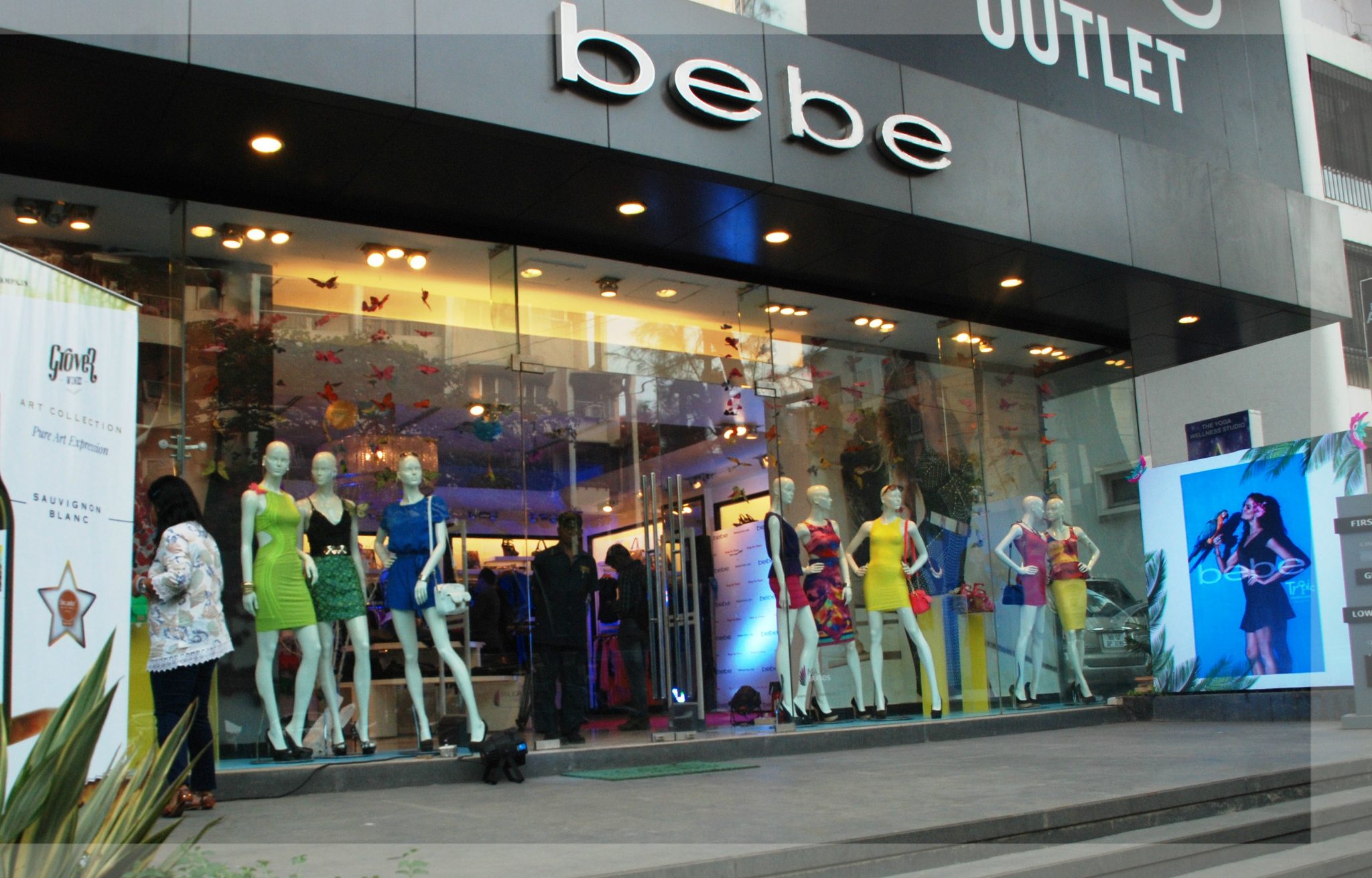
    Bebe Stores may have terminated its store leases this month, but the company is not totally out of commission. The retailer announced on Thursday that it is partnering with Global Brands Group to relaunch the Bebe e-commerce platform and its international brick-and-mortar stores.

    Global Brands has been a licensee of Bebe, alongside Bluestar Alliance, which forged a joint venture with Bebe in 2016. Bluestar Alliance CEO Joseph Gabbay said that Global Brands will focus on e-commerce while Bluestar will “continue to build out the wholesale and department store distribution for the Bebe brand,” as well as continue managing the brand.

    Gabbay added, “Our efforts will concentrate on an omni-channel distribution approach to service and expand the bebe customer, both domestically and internationally.”

    The agreement marks as the first initiative of Global Brands’ direction for Bebe’s e-commerce, direct-to-consumer divisions and international operations. Global Brands also appointed Nathan Jenden as Creative Director. The designer studied at Central Saint Martins and the Royal College of Art, served as an apprentice under John Galliano, served as Creative Director of DVF and operated his eponymous label.

    “Bebe is an iconic fashion brand with a loyal, global following,” said Sandra Campos, the recently appointed President of the Bebe division at Global Brands Group. “With Global Brands’ renowned expertise behind us, we see a tremendous opportunity to relaunch a new e-commerce platform that best reflects who our global customer is and how she shops.”

    The partnership between Bebe and Global Brands is very similar to a deal Global Brands made with BCBG and Marquee Brands in June. The company reached a deal with BCBG and Marquee Brands to acquire some rights of the BCBG and keep the company in business.

    New partnership deals with Bebe and BCBG are part of Global Brands’ new three-year plan that it announced in June designed for the company to achieve $5 billion in revenue by 2020.

  • Indonesian supermarket opened in Qatar

    Indonesian supermarket opened in Qatar

    A supermarket selling Indonesian products was opened in the Messaieed City, located around 40 kilometers from Doha, Qatar. The Indonesian supermarket, called KWIQ Supermarket, was officially opened to the public on June 17 by Indonesian Ambassador to Qatar Muhammad Basri Sidehabi, as quoted from the official website of the Indonesian Ministry of Foreign Affairs on Monday.

    “This Indonesian supermarket serves as a concrete manifestation of Deputy Minister of Foreign Affairs A.M. Fachirs instruction during a coordination meeting last month,” Sidehabi noted.

    The deputy minister had instructed the Indonesian representative to focus on feasible and concrete efforts and to dare to innovate for the benefit of the people, he said.

    The supermarket is expected to encourage the Indonesian diaspora to develop businesses in Qatar as well as to serve as a platform for Indonesian businessmen keen to expand their business in Qatar.

    The plan to set up an Indonesian supermarket was initiated by the KWIQ cooperative group.

    Head of the KWIQ cooperative group Kartini Sarsilaningsih said Indonesian citizens living in Messaieed and Wakrah are keen to support the plan to set up an Indonesian supermarket in Qatar.

    Sasilaningsih said the business holds high potential, adding that the Government of Qatar is currently conducting diversification of products following the diplomatic rift with several gulf countries.

    She hoped that in future, the Indonesian supermarket would gain greater support from Indonesian business entities and producers that are looking to expand their business in Qatar.

    “For now, the supermarket has set a target to function as a distributor for Indonesian products since it has a business network,” she revealed.

    The supermarket has been supported by the Indonesian Business Association in Qatar and is selling Indonesian products, such as food and beverages and household appliances.

  • Shinsegae Department Store to strengthen online presence in China

    Shinsegae Department Store to strengthen online presence in China

    South Korean retail conglomerate Shinsegae Group that announced a complete pullout of its discount Emart stores from China instead has beefed up online activities in the world’s most populated and biggest e-commerce market.

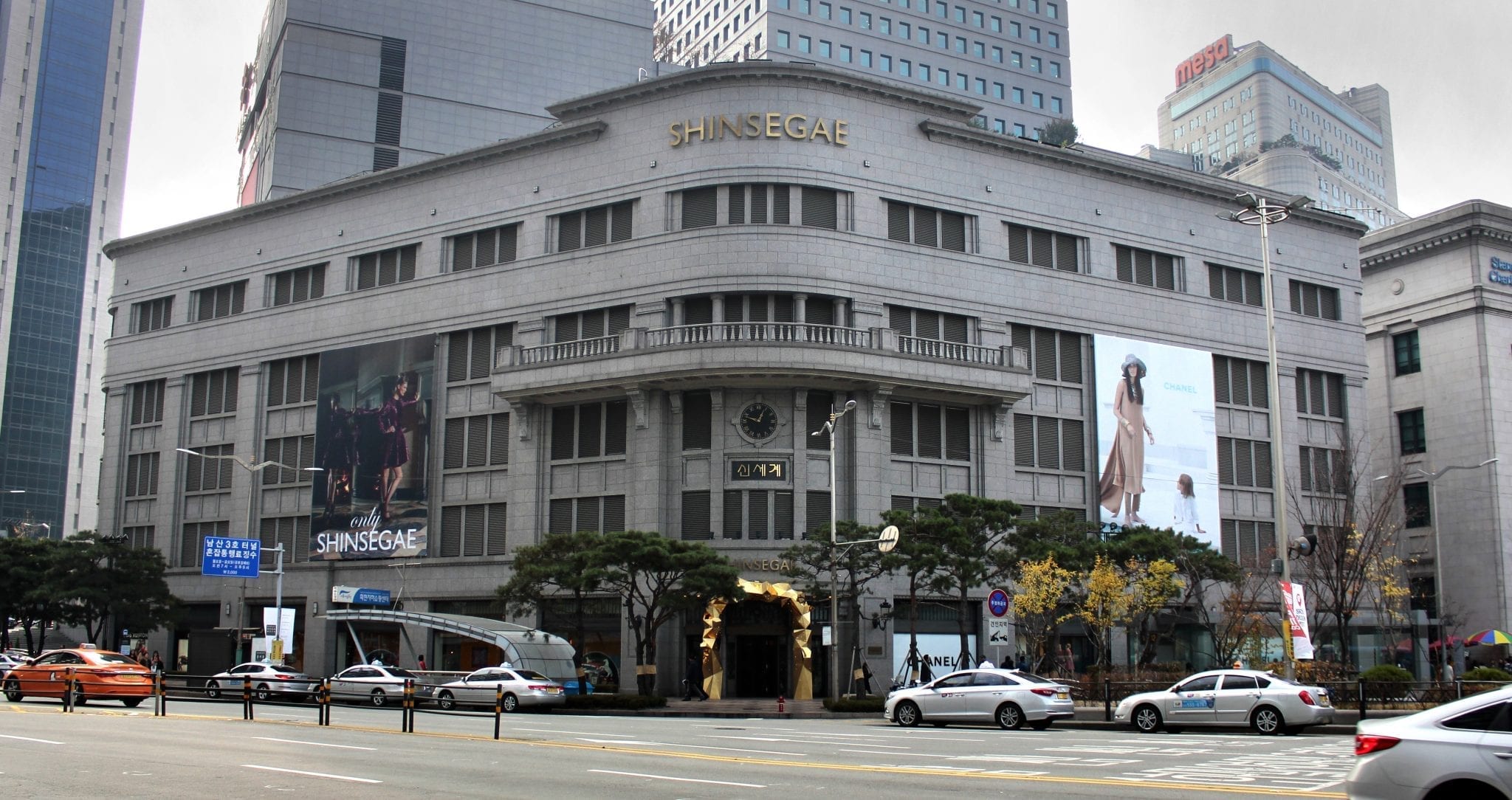
    Shinsegae Department Store said that it will open beauty and fashion shops at Tmall Global, China’s biggest online shopping platform operated by Alibaba Group Holding. It plans to gradually add other product lines like children’s goods and home appliances starting the latter half of this year. Through Alibaba that commands 80 percent of Chinese e-commerce market, Tmall has attracted nearly 800 million visitors last year alone. Shinsegae Department Store said it is the first Korean department store to open shops at Tmall.

    To make it easier for Chinese consumers to purchase a range of merchandise offered by Shinsegae, the Korean retailer will allow them to pay with Alibaba’s mobile payment service Alipay and ship goods via the Chinese e-commerce giant’s logistics arm Cainiao. The company expects its partnership with Cainiao will help cut customs clearance time by two days.

    Shinsegae Group has worked hard to attract consumers abroad via online retail platform. Following the opening of online marketplace SSG.com in Chinese, Japanese, and English language on top of Korean service, its online sales to Chinese customers nearly doubled in the first half this year compared to a year ago period.

    Outlook for online sales in China looks bright, too. According to Korean statistics bureau’s data, Chinese consumers’ purchases of Korean products through online shopping malls grew 6 percent during the first three months of this year, while the number of Chinese visitors to Korea dropped sharply during the same period. Cosmetics and fashion products especially sold well and their sales grew nearly 7 percent on quarter to take 90.2 percent of the country’s total online sales to Chinese consumers.

    The company’s decision to attract Chinese consumers via online comes after other Korean retail giants have decided to close down their brick-and-mortar stores in China amid intensifying competition and dwindling sales. E-Mart Inc., a discount store unit of Shinsegae Group, recently decided to entirely pull out of China by the end of this year, 24 years after it first opened its store in the country.

    But Shinsegae Group’s department store arm pins high hopes on its Chinese business that will be carried out via online. The partnership with China’s biggest online shopping mall has provided a chance for the company to grow its presence in global e-commerce market. The company also plans to add additional online shopping platforms in other countries such as Japan and the United States to provide online shopping services tailored for each market.

  • Takata would stop making air-bag inflators under new plan

    Takata would stop making air-bag inflators under new plan

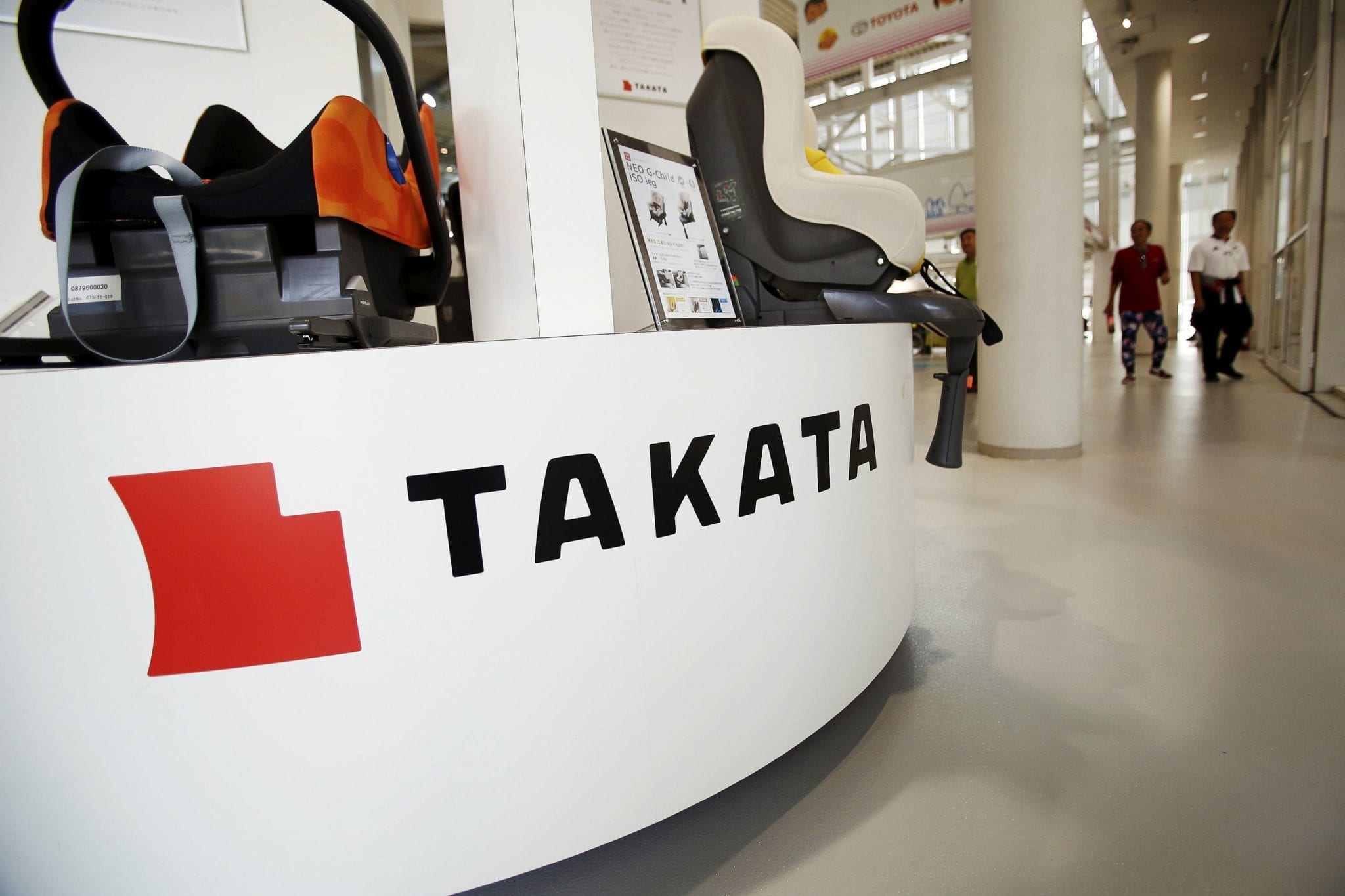
    Japan’s Takata, facing bankruptcy over the biggest recall in automotive history, would stop making air-bag inflators after completing a global recall, under a restructuring plan under consideration by its steering committee, sources told Reuters on Friday.

    The committee is discussing plans with rival Key Safety Systems Inc (KSS) which is negotiating to take control of the company. Any plan would require final approval from Takata’s board before the air bag maker submits them as part of expected bankruptcy filings in the United States and Japan.

    Takata declined to comment on the plans.

    Takata is still building replacements required under a recall of around 100 million inflators that could detonate with excessive force after prolonged exposure to heat.

    Exploding Takata airbag inflators have been blamed for at least 16 deaths and more than 150 injuries worldwide.

    Takata would stop producing airbag inflators after it completes production of replacement parts and fulfills existing supply contracts for them with automaker clients, the sources said.

    One source said existing contracts would likely end around 2020.

    Job cuts are also on the table, the sources said, including upper-level managers involved in manipulating inflator test results to conceal possible defects. Many plant managers would likely remain to ensure that production continues during the transition period.

    The plan is critical for a bankruptcy restructuring that could be launched as early as next week. Takata is hoping to erase billions in liabilities and resolve the recall of air-bag inflators.

    Any bankruptcy would pose limited risk to Takata’s ability to supply the roughly 100 million replacement inflators required to complete the global recall, one of the sources familiar with the company’s plans said. U.S. vehicle safety regulators are putting pressure on Takata and automakers to speed up the replacement of defective inflators in the United States.

    The plan would also have Takata air bags and seatbelts rebranded as KSS products after Takata emerges from bankruptcy. Michigan-based KSS, owned by Chinese supplier Ningbo Joyson Electronic, currently is a smaller competitor to Takata in airbags and seatbelts.

  • MSIG Insurance Continues its Digital Transformation with a Social Purpose in Singapore

    MSIG Insurance Continues its Digital Transformation with a Social Purpose in Singapore

    With its recent launch of the MSIG SpeeDi app in Thailand, MSIG Insurance continues its digital transformation in the region with the introduction of a unique telematics device for its motor customers. With the aim of encouraging safer driving in Singapore, the device tracks driver behaviour and provides feedback after each trip via a mobile app.

    Supporting traffic safety solutions in Singapore since 2007

    MSIG Insurance, in collaboration with its non-profit organisation Mitsui Sumitomo Insurance Welfare Foundation, has been offering research grants in Singapore over the last 10 years to encourage researchers to come up with novel solutions to tackle road safety issues. Some of the research that the foundation has supported in the past years include a study to design and create prototypes that improve traffic safety among secondary school students (2008), understanding an elderly driver’s perspective to determine if age affects their driving abilities (2012), and more recently, to analyse cyclists’ behaviour on roads and footpaths (2016). 

    “It is our mission to help secure a sustainable future for the community at large. Traffic safety is an important topic in Singapore where there is increasing usage of roads, by both pedestrians as well as vehicle owners. We wish to play our part in raising awareness of this issue and to also positively impact driver behaviour through the use of technology,” said Mr Alan Wilson, Regional CEO, MSIG Holdings (Asia) Pte Ltd.

     Promoting safer drivers

    The introduction of MSIG’s telematics device will contribute to this social purpose. The device aims to influence driver behaviour to create safer drivers, which will in turn lead to safer roads. A pilot study conducted with over 100 drivers in March 2016 showed that 85% of drivers agreed that the device had encouraged them to be safer drivers. The app will provide drivers with feedback on their driving behaviour once each journey ends, and an overall driving score will be assessed based on these factors: distance, speed and driving style such as cornering, acceleration and braking. Four scoring bands will indicate the driving score, with Green indicating the best (or safest), followed by Yellow, Orange, and Red.

    Introducing MSIG UMax

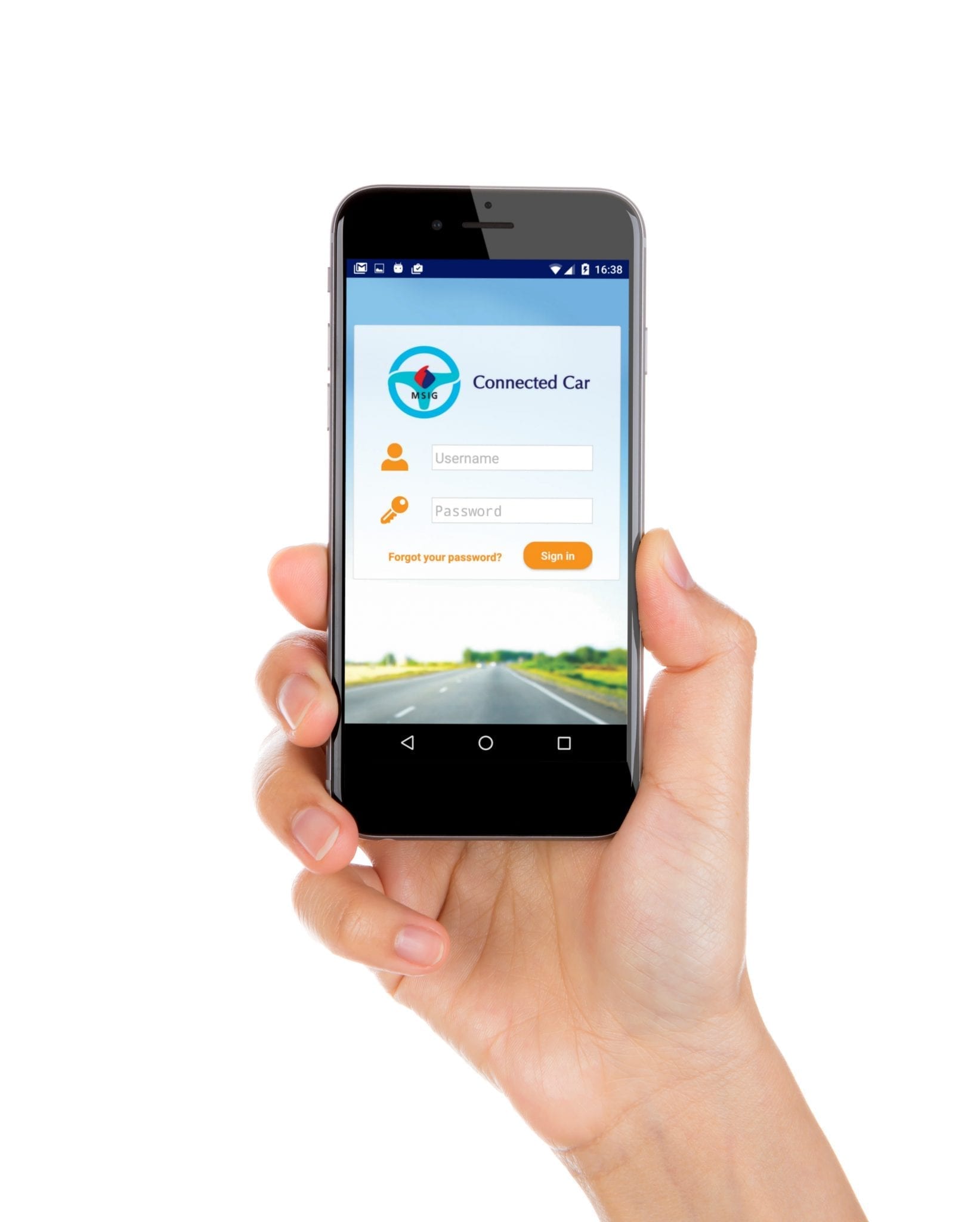
    The encouraging results from the pilot study has led to the introduction of a new product – MSIG UMax motor insurance, a ‘Pay How You Drive’ model that rewards the customer based on driving performance. Customers who sign up for MSIG UMax will have the device professionally installed without extra costs and are able to access their driving data through the free smartphone app – MSIG Connected Car.

    “We are delighted to be introducing more options to the market. As consumers become more connected than ever, ‘Pay How You Drive’ is a more intuitive model for drivers. It is also a customised system and encourages our customers to drive more safely as they get direct feedback from the app,” said Mr Michael Gourlay, CEO, MSIG Singapore.

    Locate your vehicle in Singapore and Malaysia

    Drivers with the device will also be able to use the mobile app to locate their vehicle in Singapore. A value-added option will allow the vehicle location service to be enabled in West Malaysia.

    Enjoy savings as a proven safe driver

    In the first year, the premium will still be based on the existing pricing method using a combination of factors such as the vehicle make and model, driver’s profile and claims history. Driving data will be assessed 60 days from the policy commencement date.

    In the unfortunate event of an accident, drivers can bring down their own damage excess by 50% if they have achieved a driving score within the Yellow band in a 30-day period before the accident, or even a complete waiver of the excess if their score is within the Green band.  This excess adjustment is unique to MSIG UMax’s model.

    “With the excess adjustment, drivers can literally reduce their excess to zero if they maintain an excellent driving score,” said Mr Jeremy Lian, Senior Vice President of Technical Services, MSIG Singapore.

  • Rental services popping up in every corner of South Korean life

    Rental services popping up in every corner of South Korean life

    The rental service market in South Korea is rapidly expanding into every corner of South Koreans’ life with items ranging from fashion accessories to digital cameras and furniture, as a growing number of consumers are willing to borrow products at affordable prices.

    According to the KT Economy and Research Lab, the rental business in the country has increased over 30 percent in the last five years, with businesses that rent personal and household goods seeing a 50-percent jump.

    Last year’s market size for rental services is estimated at 25.9 trillion won (US$23.1 billion), sharply up from 19.5 trillion won posted in 2011. The local rental market is expected to further grow to reach 28.7 trillion won this year, 32 trillion won in 2016 and 40 trillion won in 2020, the think tank predicted.

    “Consumers are getting increasingly smart by reducing unnecessary spending while meeting their need to consume,” said Kim Jae-pil, a researcher at KT Economy & Research. “They are also not adverse to sharing goods with others to reduce their financial burden.”

    The researcher says that renting goods has emerged as a lucrative business here, as people, especially the younger generation, are increasingly open to the idea of borrowing items for everyday use and less inclined towards ownership, which was the case with their parents.

    In the past, the country’s rental service sector has been largely led by the auto rental business, as a growing number of young consumers on tight budgets want to experience a wide range of vehicles, with some players nimbly moving to capitalize on such subtle changes.

    Cars registered to rental services are estimated at some 624,000 units in 2016, a more than twofold increase from 280,000 units in 2011, according to data compiled by the Korea Rental Car Association.

    Retail giant Lotte Group and energy conglomerate SK Group are among those who have entered a car rental business.

    Market leader Lotte Rental has some 25 percent market share, with a customer base of some 2.3 million, followed by AJ Rent-a-car with a 12 percent share and SK Networks, which has an 11 percent market share.

    Recently, however, the rental business has further expanded its territory. People nowadays have started renting miscellaneous goods that can be considered rather unusual to borrow.

    SK Planet Co., the operator of leading e-commerce site 11Street, opened up a fashion rental service within the online shopping site named Project Anne last September, joining the rental business race.

    Over 30,000 apparel, handbag and accessory items from some 150 brands are available, with total subscribers standing at 95,000 as of end-February this year, according to the company. A subscriber can rent Gucci or Ferragamo handbags for a minimum fee of 80,000 won per month, with no laundering required, and can later purchase the item.

    SK Planet has partnered up with 17 companies that sell household goods to offer rental services to its users, diversifying the lineups to high-end wedding suits, kids items and beauty equipment, while retaining the existing lineup of air and water purifiers and massage chairs.

    Since its launch on November 2016, transactions in the rental shop have spiked 146 percent as of February.

    “Consumers are becoming more interested in rational or reasonable consumption, opting to borrow goods rather than to own something,” said Kim Min-seok, a manager at 11st. “Consumers can save on the cost by paying reasonable prices (to rental services), and they can trust such rental services.”

    Lotte Department Store, the country’s largest department store chain, operates a premium rental boutique named Salon de Charlotte, which mainly caters to those wanting to borrow party dresses, fancy suits and jewelry.

    Rare or less-sought-after items ready for rental services include suitcases, adjustable beds and golf clubs.

    “The rental business has seen rapid growth in the past few years as consumption was not backed by a rise in income,” said an analyst at SK Securities. “Without a sharp rise in disposable income, rental business in the country will continue to grow.”

  • India’s telecoms sector under “severe financial stress”

    India’s telecoms sector under “severe financial stress”

    India’s Department of Telecom (DoT) has asked the nation’s finance ministry to cut its target for non-tax revenue to be raised from the telecoms industry by nearly 40% due to the “severe financial stress” the sector is facing.

    The Finance Ministry has set a revenue target of 473.04 billion rupees ($7.3 billion) to be raised by the telecom ministry. But the department has asked for this to be cut to 295.24 billion rupees in light of the rapidly declining revenues from all the major operators.

    Non-tax revenue from the sector comes from sources including license fees, spectrum usage charges and spectrum acquisition costs. But the DoT believes there is little prospect of holding the next round of spectrum auctions this year.

    In addition, because license fees are paid as a proportion of revenue, license fees that had been projected to total around 166.64 billion rupees are likely to decline to 92.55 billion rupees in the current financial year.

    Spectrum usage charges are also tracking to be lower than anticipated at 49.7 billion rupees.

    Major operators have been grappling with declining revenues since the entry into the market of disruptive pan-Indian LTE operator Reliance Jio Infocomm with its aggressive free services promotion.

    While the free service period is now over, experts expect the trend of falling revenues to continue for some time as operators feel the brunt of the large tariff cuts they made to stay competitive.

  • SK Telecom sets distance record with quantum repeater

    SK Telecom sets distance record with quantum repeater

    SK Telecom has announced it has developed and successfully tested a quantum repeater over a 112km pilot fiber network.

    The repeater can dramatically extend the distance of quantum communication, and could pave the way for the application of quantum cryptography to commercial LTE networks.

    Quantum cryptography is the most secure form of communications equipment known that cannot be broken with any existing hacking technology. But the previous maximum transmission distance of 80km has been viewed as the largest obstacle to the commercialization of the technology.

    SK Telecom said its new Trusted Repeater can dramatically extend the distance of quantum key distribution (QKD), and has set a new QKD distance record of 112km. For example, the company would be able to transmit quantum keys from Seoul to Busan, at a distance of 460km, by installing five repeaters.

    The operator plans to work with global partners to apply quantum cryptography solutions including the repeater to commercial networks worldwide.

    “SK Telecom has opened a new chapter in the field of quantum technologies by developing the Trusted Repeater, an enabler for long-distance quantum communication,” said Park Jin-hyo, senior vice president and head of network technology of SK Telecom’s R&D Center.

    “SK Telecom will continue to focus on developing key quantum cryptography technologies and building a related ecosystem.”

    The company has been developing quantum cryptography technologies since 2011 at its Quantum Tech lab. In February, SK Telecom entered an agreement with Nokia to cooperate on the quantum cryptography business, and jointly established the Quantum Alliance with Deutsche Telekom.

  • Chanel opens Singapore pop-up store

    Chanel opens Singapore pop-up store

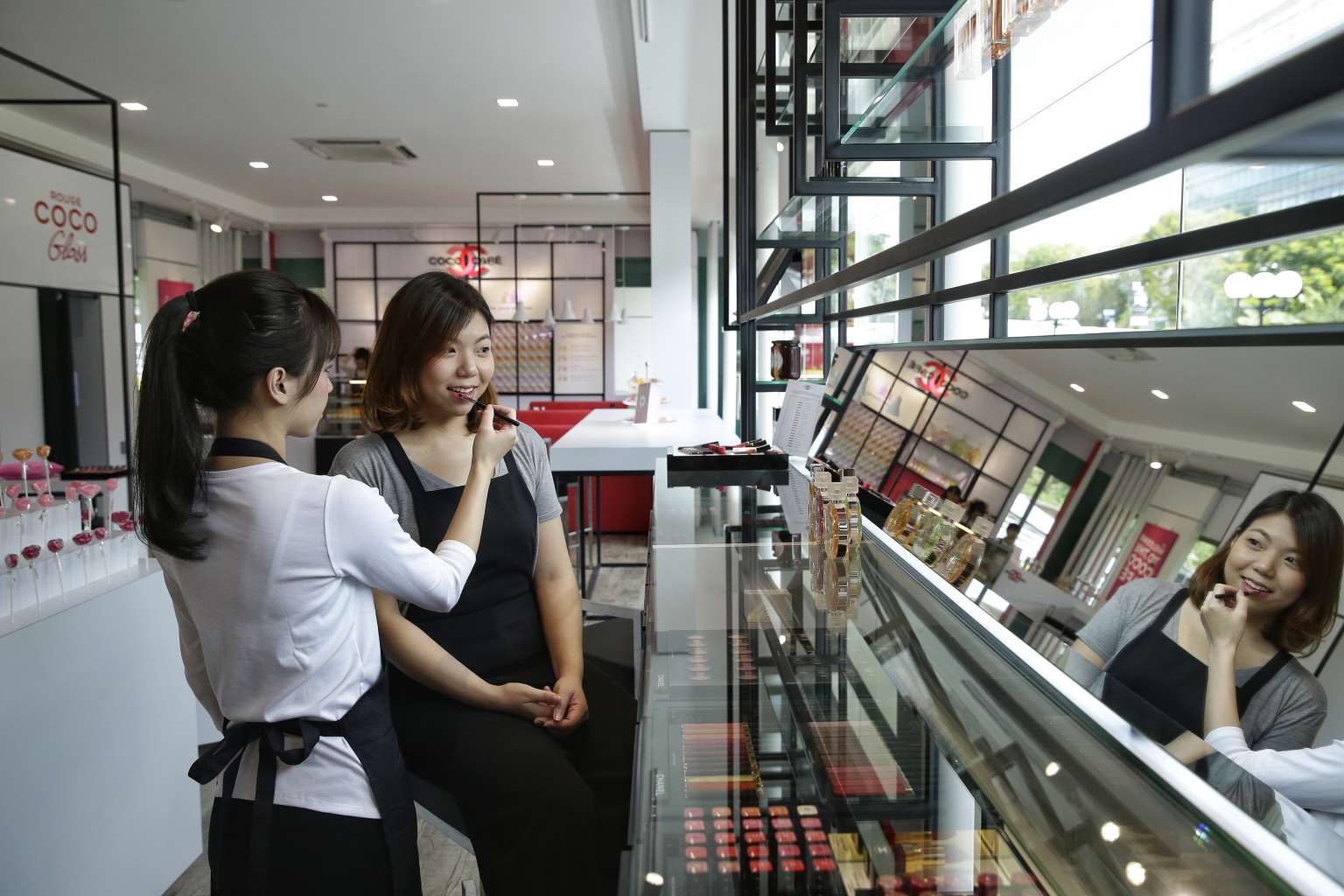
    Chanel has opened new standalone ephemeral boutique at The Shoppes at Marina Bay Sands (MBS). It’s the first of its kind to come to Singapore, in a bid to attract new customers with a hotel-esque retail experience and expanded product offering.

    The French luxury house has opened the Ritz-inspired, 3,000 square-foot-space, as a temporary replacement for the MBS Chanel store, which is currently closed for renovations.

    Split into four rooms, the boutique boasts the Parisian couture brand’s signature black, white and beige palette for an Art Deco-themed store that represents Chanel’s latest collection of women’s fashion and accessories.

    However, Chanel Singapore was very selective with the store pieces, allowing the pop-up to offer a wider selection of items.

    Of particular interest is Chanel’s Paris Cosmopolite 2016/17 Metiers d’art ready-to-wear collection. The Ritz Hotel in Paris, as well as the French capital’s cafe culture and the personal style of Chanel founder Coco Chanel inspired the new line.

    “We wanted the pop-up to not only offer something exciting and unique for our existing customers, but also to encourage new customers, who might not have visited our previous stores,” Stephanie Nussmann, managing director of Chanel for Singapore, told the Strait Times.

    The new MBS Chanel boutique will reopen in November, at the closure of the pop-up. Once completed, the renovated store will cover 9,277 square feet — from its original 6,509 square feet — with extra floor room for ready-to- wear collections. Meeting the needs of a more discerning Singapore customer, it will also offer a wider line of jewellery and watches.  Styling services, allowing customers to have personalised shopping experiences, will also be available.