Blog

  • Money market changes course unexpectedly

    Money market changes course unexpectedly

    The money market has been seeing unexpected happenings in the last two weeks. Until two weeks ago, the liquidity of the banking system had been in a state of tension because lending was higher than mobilized capital. According to the National Finance Supervision Council, while lending increased by 5.2 percent, mobilized capital increased by 3.7 percent only in the first four months of the year.

    However, the money market has unexpectedly reversed with liquidity considerably improved. The interest rate performance in the interbank market last week was different from the weeks before when it decreased sharply from 4.7-4.9 percent to 3.9-4.1 percent for overnight loans (O/N).

    In OMO (Open Market Operations), no commercial bank registered to borrow capital from the State Bank on May 19, which was the first time since the beginning of the year. The average balance in OMO, which was always over VND35 trillion, has dropped to VND4 trillion.

    A BVSC report shows that the banking system’s liquidity has returned to a surplus state.

    Where’s the cash flow coming from?

    In theory, the sudden reverse in the two markets would occurs only if the State Bank (SBV) pumps capital into the market, and the quickest way for SBV to support liquidity is pumping capital through OMO.

    However, the scenario did not occur as the outstanding balance of the banks on OMO is on the decrease and is nearing zero next week.

    In the second scenario, SBV might have bought a big volume of foreign currencies from the market. This could be the foreign direct investment (FDI) flow, foreign portfolio investment (FPI), or foreign currency capital from domestic commercial banks.

    However, analysts don’t think this could happen because it was nearly impossible for foreign investors to disburse more than $1 billion within one week.

    Meanwhile, the foreign currency buy price quoted by SBV is now at VND22,675 per dollar, far lower than the prices in transactions made at commercial banks, at VND22,700 per dollar.

    The third scenario is the most likely one at this moment. SBV might have refinanced commercial banks through VAMC special bond discounts. And the VAMC special bond discount rate must be lower than the interest rate on OMO.

    With the total VAMC bond balance of up to VND280 trillion, the discount of VND35-40 trillion, or 13 percent, will not be a concern for the system.

    If the third scenario is true, many questions will be raised. How much has SBV pumped into the market, to which banks and at what interest rates? Will SBV continue pumping more capital? Which criteria do banks need to have to be refinanced?

  • Consumer spending in Malaysia to increase 5.8% in 2017

    Consumer spending in Malaysia to increase 5.8% in 2017

    It will grow at an annual average of 5.3% between 2017-2021. BMI Research reported that consumer spending in Malaysia is set to increase. The rise will be brought about the increasing disposable income. Real household spending growth in Malaysia will continue to expand the medium term.

    However, it will be modest on the back of an uptick in inflation and slightly weaker currency. Household spending will become more dynamic over the medium term as the share of non-essential spending rises. BMI foresees household spending real to grow at an annual average of 5.3% between 2017-2021. In 2017 we project a y-o-y increase of 5.8%

    Rising disposable incomes will foster discretionary spending, highlighted by robust growth in education; restaurants and hotels; and recreation and culture spending. According to BMI, these categories are set to grow at an annual average rate of 8.7%, 8.5% and 8.2% respectively.

    Consumer spending in Malaysia will benefit from a youthful and increasingly urbanised population; rising household incomes; and low levels of unemployment. The growing middle class and relatively low inflation will help generate demand for non-essential items and luxury goods.

  • Walmart’s future in China increasingly depends on a single Chinese company

    Walmart’s future in China increasingly depends on a single Chinese company

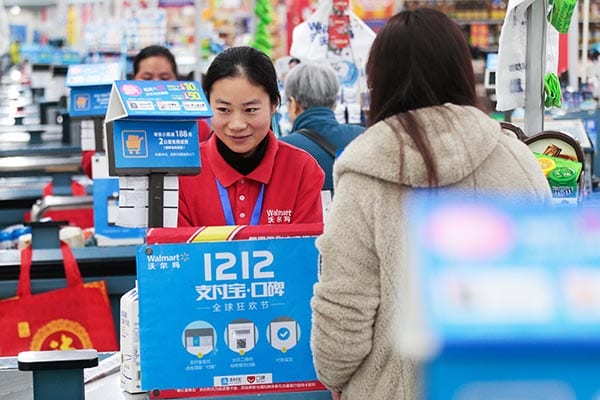
    In China, Walmart is not only betting on e-commerce, it’s betting on a top Chinese e-commerce giant. The US retail giant announced on May 25 that it will open a store on JD.com, one of China’s most popular e-commerce sites, second only to Alibaba. It’s the latest move in a new strategy for the company that has consistently brought it closer to JD, which now has the power to make—or break—the company’s future in China.

    According to Walmart, the online store will carry over 1,700 of Walmart’s most-purchased items from its brick-and-mortar stores in China. Customers that order items before 11:00am can receive their packages on that same day. The orders will be fulfilled using JD’s in-house logistics infrastructure of warehouses, deliverymen, and drones.

    Walmart sold its e-commerce operations to JD in June 2016 after a joint-venture with Yihaodian, a marginal player in China’s online shopping industry, proved unsuccessful. In exchange for the purchase, Walmart took a 5% stake in JD.

    Since then, the two companies have moved quickly to boost Walmart’s online presence. In October 2016 JD launched an online store for Sam’s Club, as well as a store that sold only imported goods from Walmart overseas. That same month, Walmart announced it had invested $50 million in New Dada, a joint venture between JD and logistics network Dada. In April 2017 it launched an online store for Asda, Walmart’s UK subsidiary, selling British-branded products.

    Meanwhile, Walmart has steadily increased its stake in JD–from 5% in June 2016, to 10.8% in October, and then 12.1% this past February.

    Walmart’s bet on e-commerce in China, assisted by JD, comes as its traditional offline retail business there continues to struggle. The company does not regularly disclose financial details about its China business, but there’s plenty of evidence to suggest it is not going great. In 2014 a joint-venture partner revealed that same-store sales across 21 outlets dropped 6 percent between 2014 and 2015. It has also slowed the rate (paywall) of its new store openings in China.

    One of the factors causing Walmart’s middling success in China has been the country’s quick embrace of e-commerce. According to Nielsen, 11% of total retail sales in China come from e-commerce, compared to 8% in the US. And e-commerce sales in China are growing at a rate of 53% annually, compared to roughly 12% in the US. Meanwhile, Chinese consumers are opting to make small purchases either online or in convenience stores, rather than in hypermarkets, according to another Nielsen study. The average shopping basket value for Chinese hypermarket shoppers fell 172.4 yuan (about $25) in 2014 to 162.7 (about $23) yuan in 2015.

    This and other factors have led other overseas retailers to revamp their China strategies, or withdraw altogether. Carrefour, another hypermarket chain in the style of Walmart, suffered a net loss of €58 million (about $65 million) in China during 2016. The company recently started opening smaller outlets modeled after convenience stores. Tesco, from the UK, distanced itself from China when it sold its stores there to domestic retailer China Resources Enterprises in late 2013. And last October, bourgie expats gasped when Marks & Spencer announced it would close its 10 stores in China, citing continued losses.

    By relying on JD to manage its e-commerce operations, Walmart is placing its future in China in the hands of another company, and betting on JD’s success to boost its own. That could turn out all right for Walmart.

    JD, a major competitor to Alibaba, has long differentiated by promising faster deliveries than its rival, thanks to its in-house logistics network. Its market share in business-to-consumer e-commerce (as opposed to “marketplace style” e-commerce, where third-party vendors do the selling) has risen in the past few years, from 18.6% to 24.7%. The company just turned its first-ever operating profit since it listed in New York in 2014, and is investing hugely in drones to make delivery more efficient.

    Both JD and Alibaba have lately turned to groceries and household items as drivers for growth, hoping that repeat purchases will drive up “gross merchandise value,” a metric investors look at to assess the sales value of all purchases (though it’s not the same as revenue). That competitive pressure might squeeze JD’s margins from selling Walmart products online. Given all the headaches Walmart has endured in China in the past—food safety scandals, fickle consumer behavior, and accounting fudges—it might be nice to offload parts of the company’s future to someone else.

  • Hermes’s to Debut Store in Second-Tier Chinese City to Meet Surging Demand

    Hermes’s to Debut Store in Second-Tier Chinese City to Meet Surging Demand

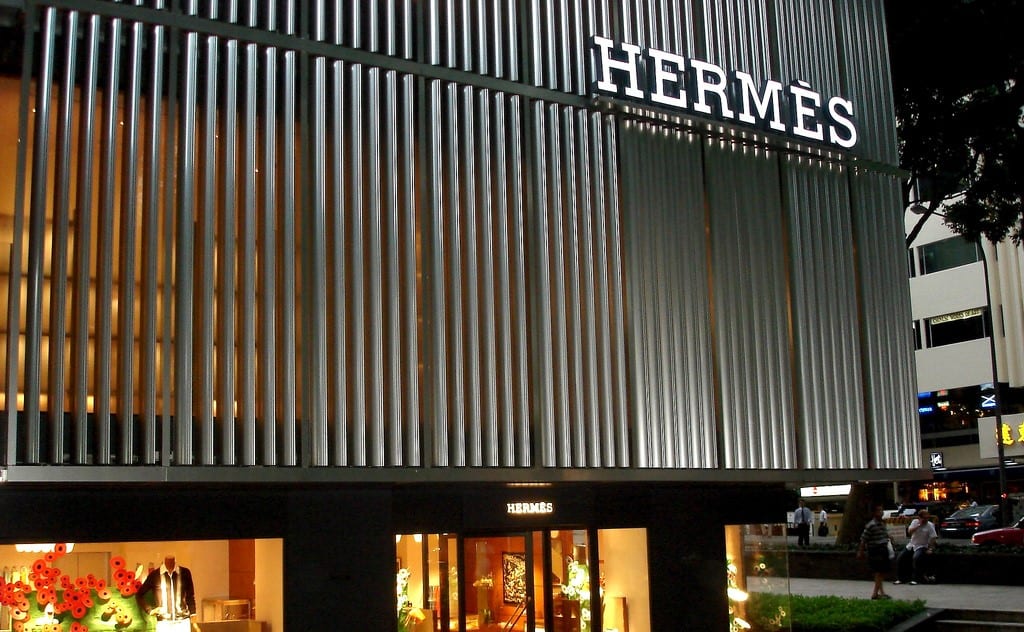
    French luxury house Hermès is set to open a new store in the city of Changsha by summer. The move marks the debut of an Hermès store in a second-tier city in China.

    Chinese cities are divided into four tiers according to their GDP and other factors. First tier cities, like Bejing, Shanghai, and Chengdu, have a GDP of over $300 billion, while second tier cities generally have a GDP ranging between $68 billion and $299 billion.

    International luxury brands have typically chosen to set up physical stores in the country’s metropolitan areas and first-tier cities. But recent studies have shown that lower-tier cities like Changsha will have more “high-income” residents and consumers than Beijing by 2030.

    Hermès has become the latest player in the sector—following the success stories of Gucci and Louis Vuitton—to benefit from the recovery of the luxury retail sector in China. According to the company’s first quarter financial report for 2017, it scored to a double-digit growth rate of 11.2 percent, growing to 1.35 billion euros. This increase was mainly driven by the strong demand of Chinese consumers for its silk scarves and Birkin bags.

    “All geographical areas have grown and we saw an acceleration of sales in mainland China, Hong Kong and Macau, which we have not seen for a while,” global chief executive of Hermès International Group Axel Dumas told.

    Dumas said that the strong China market helped to offset the downward trend in the home market of France and helped the brand re-emerge from its latest wave of doldrums.

    Hermès expanded its distribution networks in the Greater China region throughout 2016. It opened a store in the MixC Shopping Mall in Chongqing—which is one of the most popular tourist destinations in China and has garnered the nickname “Mountain City”—as the brand expected to cash in on the influx of travelers there. Hermès also launched a pop-up store in the China World Shopping Mall in Beijing, according to the annual report, and renovated its store inside the Beijing Peninsula Hotel.

    The French luxury label further stepped up its game in Hong Kong and Macau over the past year despite the fact that the retail environment in the region suffered from a “tourism winter” from mainland China. According to the firm’s annual report, in July, it re-opened the store in Hong Kong International Airport and, in August, launched a new store inside the Wynn Palace Hotel in Macau.

    The aggressive expansion into the Greater China region stands in stark contrast to Hermès’ European markets. The annual report indicated that it closed down stores in several mid-size cities in France. Another benefit to the brand, as per Dumas, is the evolving fashion taste in China, including Chinese consumers’ waning interest in showing off big logos.

  • Xiaomi’s 100th Mi Home Store in China Opens

    Xiaomi’s 100th Mi Home Store in China Opens

    Xiaomi was once heralded as the internet phone king of China after it took the centre stage in selling its smartphones in China. That has however seen a decline due to the influx of other phone makers into the online channel. The likes of OPPO and Vivo have even outpaced Xiaomi by incorporating both offline and online sales channels, leading to a serious decline in revenue. This has prompted the company, dubbed the Apple of China, to open offline stores in China.

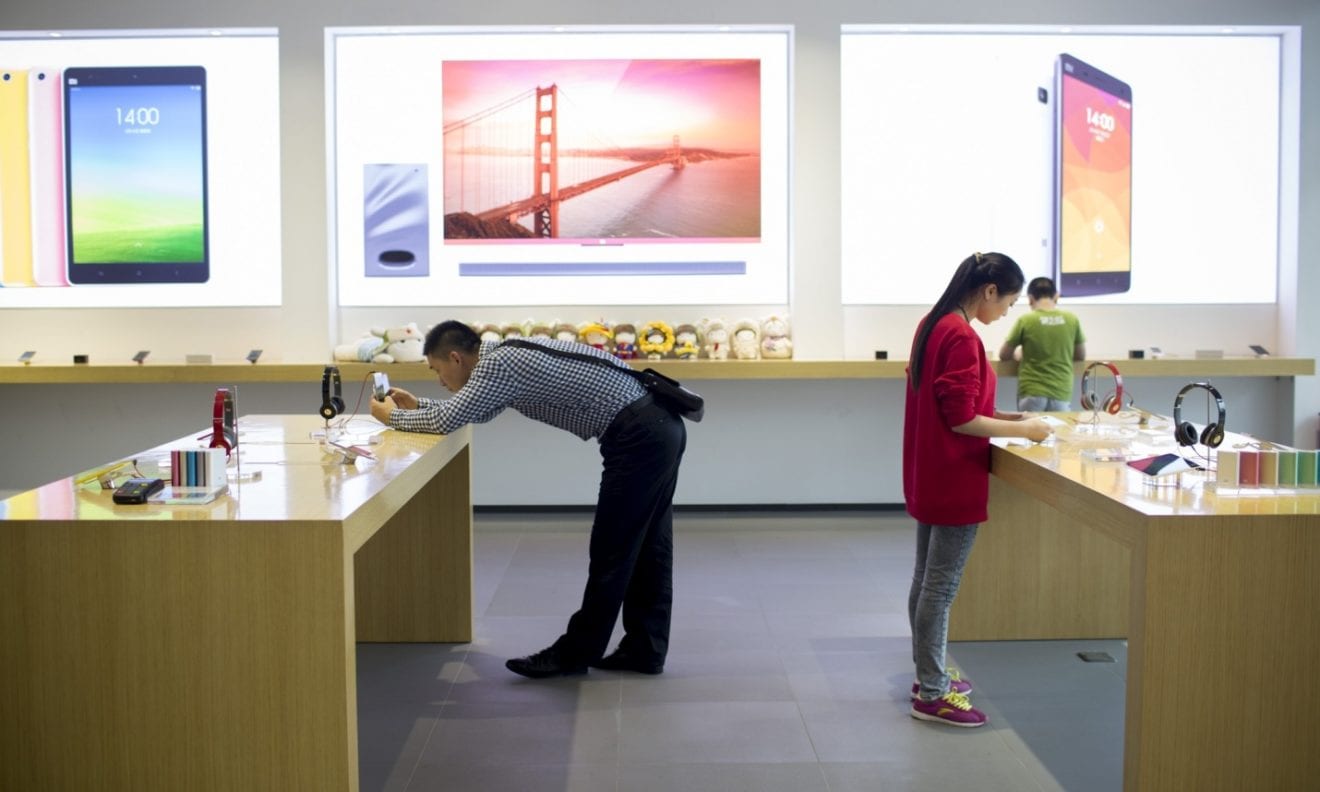
    Xiaomi had revealed last year that it plans to open 1000 Mi stores across several cities in China by the year 2020. In order to achieve that target, the company’s CEO Lei Jun hinted earlier this year that this company would open over 200 retail stores this year. The company has now hit 100 stores in total since the start of the project.The figure followed the opening of four new shops in Zhengzhou, Guangzhou, Foshan and Shanghai. The achievement si coming just five months after the 50th Mi home store was opened in December.

    At present, the Mi Home stores are located in major cities like Beijing, Guangzhou, Shenzhen, Nanjing, Chengdu, Hangzho, Wuhan, Zhuzhai, Zhengzhou, Changsha, Wuxi, Dongguan, Jinan, Dalian, Xiamen, Qingdao, Shenyang and others. Apart from sales, the shops cater for after sales service needs of customers as well as sales of accessories and technical support services. From the look of things, the Mi Stores seem to also stock other Mi smart gadgets apart from smartphones.

    Xiaomi has so far released quite a number of products this year and the pace seems not to be abating. With its recent determined pace, could we see Xiaomi contending at the top three at the end of this year? That is looking likely, even though its competitors are not sleeping either.

  • AirAsia warns of free ticket scam

    AirAsia warns of free ticket scam

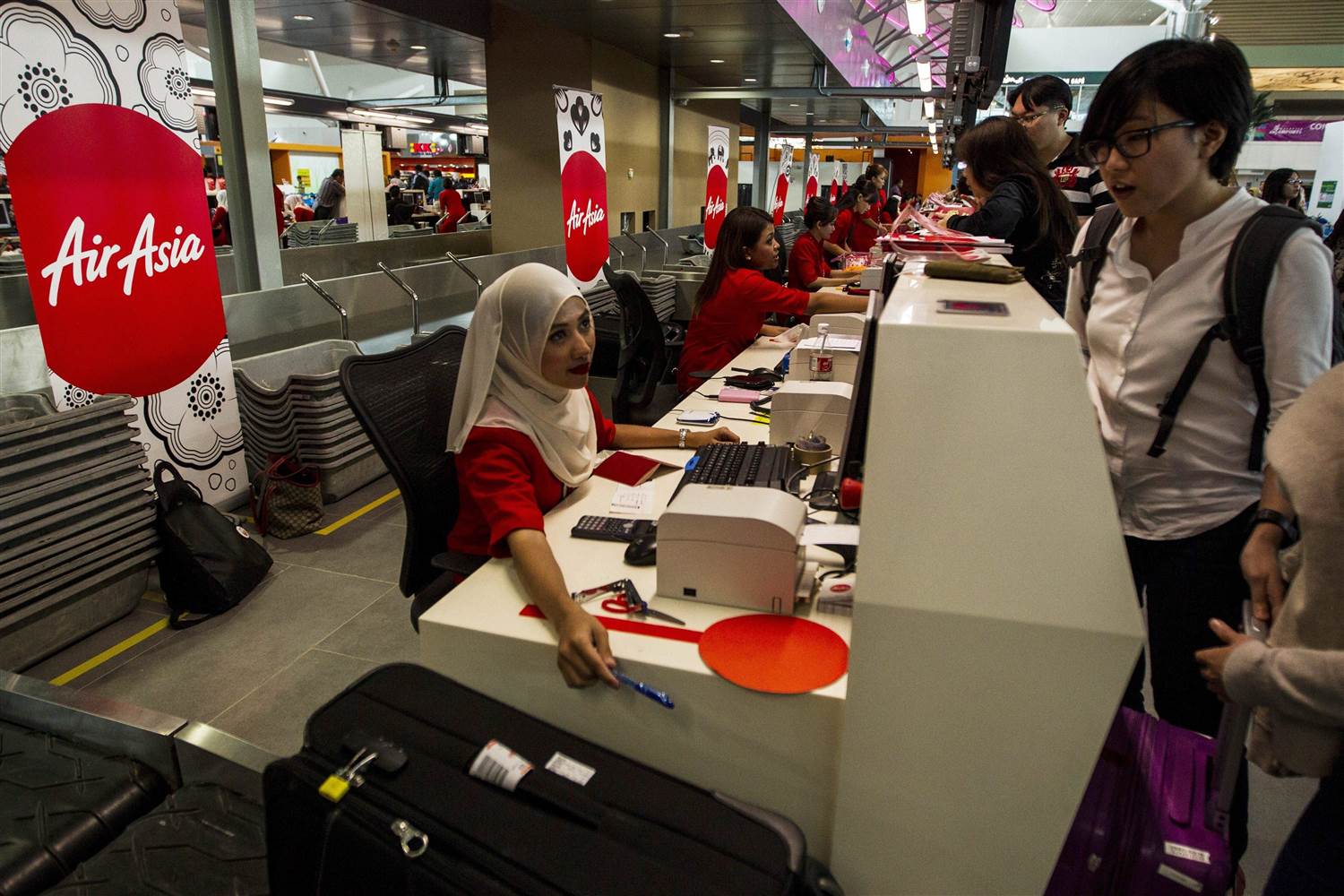
    AirAsia has issued a public warning about a social media post, claiming to offer free flight tickets through an online survey.

    The post asks participants to answer several questions to redeem vouchers, the low-cost carrier said in a statement on Monday.

    “There is also another scam circulating on Facebook, offering 268 free tickets in conjunction with AirAsia’s 28th anniversary.

    “Both scams used the AirAsia brand without authorisation and aim to lure the public to participate in it,” it added.

    The airline said it will not be held liable for any claims pertaining to the false scheme and will not hesitate to take legal action against individuals or groups that organise illegal schemes using the AirAsia brand.

  • Transaction app Alipay launches first non-yuan version in Hong Kong

    Transaction app Alipay launches first non-yuan version in Hong Kong

    Chinese online and mobile payment platform Alipay on Wednesday launched in Hong Kong its first app to handle transactions not denominated in the yuan currency, moving closer to its ambition of widening currency payment options.

    Payments through AlipayHK, which handles mobile payments in Hong Kong dollars, will be accepted at more than 2,000 stores in the city from Thursday, said Ant Financial Services Group, an Alibaba Group affiliate that runs the platform. “Introducing local currency mobile payments to Hong Kong is an important step forward in Ant Financial’s mission to bring our services to more users in more markets,” said Douglas Feagin, the company’s president of global business.

    The effort will help the company, which competes against Tencent Holding’s WeChat Pay, to extend its reach in offline commerce beyond mainland China. Alipay now has more than 450 million active users and payments through it are accepted at more than 2 million brick-and-mortar merchants across China, the company says.

    Its standard app is already supported in more than 120,000 retail stores in 70 overseas markets via local partners, including the United States, but transactions are executed in yuan.

    As many as 8,000 retailers in Hong Kong already accept Alipay’s yuan-based app, and the new app will soon extend to them, said Alipay Hong Kong’s general manager, Venetia Lee.

  • Wanda Partners With Microsoft Accelerator To Empower Digital Transformation

    Wanda Partners With Microsoft Accelerator To Empower Digital Transformation

    Wanda Group, one of the Fortune Global 500 List companies, is tapping into the resources of Microsoft Accelerator to enable the next wave of digital transformation of the retail industry and commercial properties in China.

    For the past four and a half years, Microsoft Beijing Accelerator has accelerated 140 startups in China with alumni in the areas of hybrid cloud, IoT, big data, artificial intelligence, etc. These startups have strong strengths in technology innovation. Combining Wanda Group’s customer resources and Microsoft Accelerator’s alumni, startups will be empowered to do more for digital transformation in China.

    “As an entrepreneur myself, I’ve seen many technology startups face the same challenges. They focus on technology innovation and product development without much customer insight and user data,” said Hanna Lavy, head of Microsoft Global Accelerator Program. “Partners like Wanda Group can provide in-depth business insights and rich customer data to startups. Microsoft Accelerator looks forward to working with Wanda Group to enable startups to transform retail companies and commercial properties into digital businesses.”

    “Wanda Group and Microsoft share the same views on digital technology and business. Cloud computing, big data, IoT and artificial intelligence are the main drivers of the digital transformation of business,” said Jennifer Feng, Deputy GM of IT Center at Wanda Group.” Wanda Group has rich insights and user data as the leader of commercial property and retail business in China and we will partner with Microsoft to bring startups closer to end customers. Microsoft Accelerator will also provide qualified startups to be enlisted as vendors for Wanda Group. ”

    As the world’s largest commercial property enterprise, Wanda Group has opened 189 Wanda Plaza projects in China and plans to open 50 more in 2017. Three years ago, Wanda Group began its fourth business model transformation from commercial property to modern services with the result of forming four sub business groups including Commercial Properties, Cultural Industry Group, Internet Technology Group and Financial Group. Digital transformation is at the core of Wanda Group.

    Wanda Group IT embarked on enabling digital transformation of Wanda Group three years ago. For the past three years, Wanda Group IT has developed Wanda Building Information Modeling(BIM) System and Wanda Intelligent Building Management System in this endeavor with the adoption of Microsoft Azure and HDInsight big data analysis. Wanda BIM system seamlessly integrates the end-to-end information management process from project bidding to delivery for commercial property developers, designers, builders and supervisors.

  • Bolloré Logistics Singapore Unveils Plan for S$10 Million Logistics Automation Facility

    Bolloré Logistics Singapore Unveils Plan for S$10 Million Logistics Automation Facility

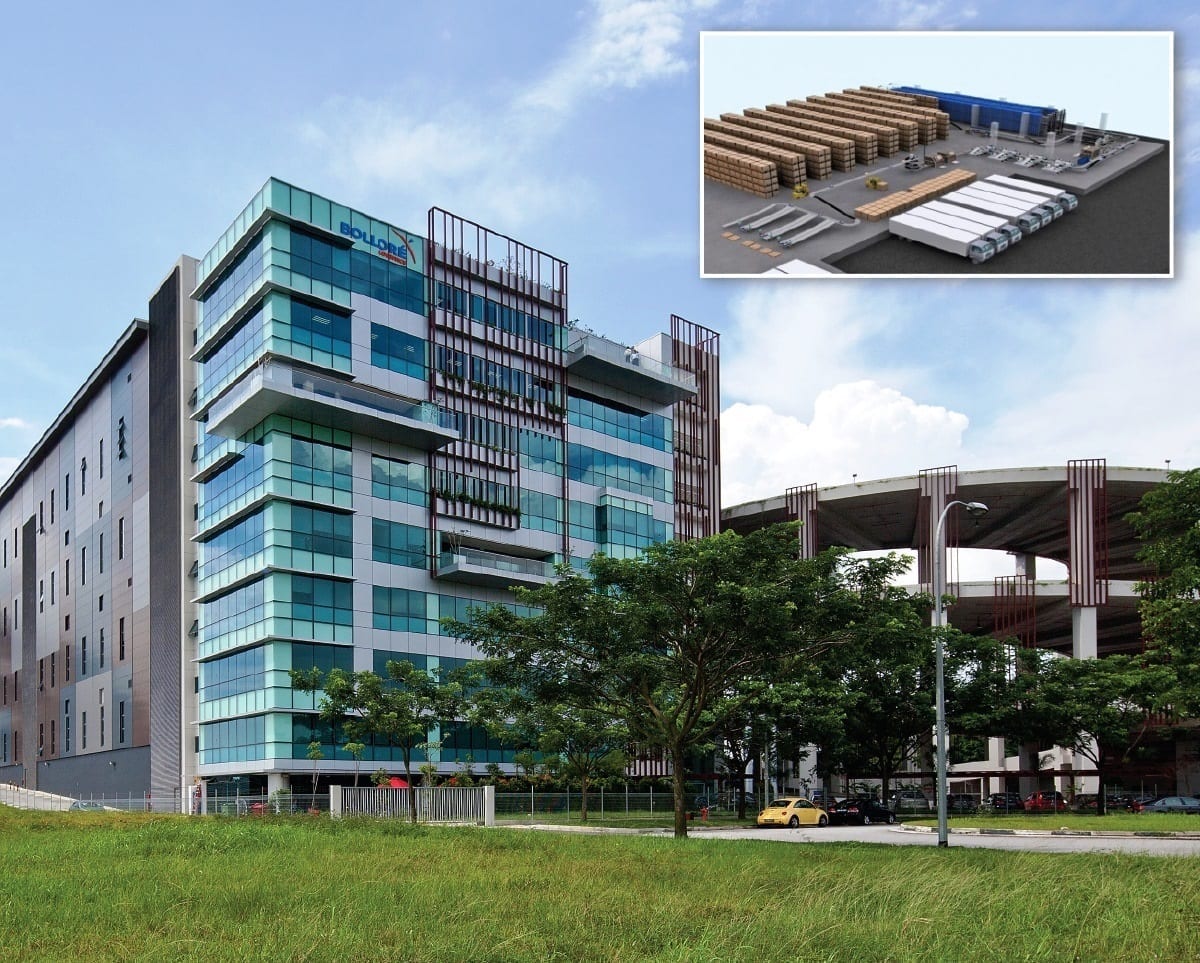
    Bolloré Logistics Singapore, a major player in international logistics and freight forwarding, announces plan for its first automation facility with one of the world’s leading luxury products group LVMH today.

    Supported by the Singapore Economic Development Board (EDB), the new 20,000 square meter automation facility will be built with an investment of S$10 million between Bolloré Logistics and LVMH as part of a long-term partnership to significantly drive productivity and increase space efficiency.

    “Automation is the key for Singapore’s logistics sector to cope with emerging patterns globally. The setup will be housed in Bolloré Logistics Green Hub, our high-tech logistic facility in Pioneer Turn, and we are happy to announce that the co-development of this automation has secured a long term commitment from LVMH. Bolloré Logistics strives to be at the forefront of innovation and prides itself in developing advanced supply chains for its customers,” says Mr. Cyril Dumon, Chief Executive Officer of Bolloré Logistics Asia Pacific.

    “The close partnership between LVMH and Bolloré Logistics has strongly supported the growth of the business in the last 15 years. With the introduction of automation, it further reinforces our connections and emphasizes our expertise on safety, quality, service and efficiency for the next 10 years,” says Mr. Guillaume Mechain, Supply Chain Director of LVMH, Asia Pacific.

    Collectively designed by Bolloré Logistics, LVMH and Dematic, this combination of multi-shuttle system and picking technology is the first of its kind to be deployed in Singapore and the region.

    The state-of-the-art facility will bring significant transformation to tackle supply chain operations – from the order preparation process, inbound to final dispatch of the orders, to integrating control checks that ensure greater accuracy.

    It also allows Bolloré Logistics to meet new challenges arising from the emergence of e-commerce and increase of future distribution channels globally, by bringing with it the capability to prepare e-commerce orders with a high level of accuracy while reducing the time to market, thus increasing its agility and capacity to absorb peak level of activity.

    “Working closely together with Bolloré Logistics, we have developed an innovative automated solution that will bring tremendous improvements in productivity, accuracy and space efficiency. This project represents a number of industry firsts both in Singapore and in the Region and we are delighted to be involved with the Bolloré Logistics team in designing, delivering and supporting the project,” says Mr. Michael Bradshaw, Director Dematic SEA.

    The facility will allow for higher storage density to make efficient use of limited warehouse space in Singapore. In terms of productivity, it will achieve throughput levels up to 10 times as compared to conventional methods, and will improve order lead time while using only half of the existing manpower resources.

    “Bolloré Logistics strongly believes that innovation starts from the bottom and has invested in various training and developmental programs within the company over the years. Our objective is to empower our staff. As part of Change Management, Bolloré Logistics has initiated several HR initiatives and a dedicated pilot development program known as ‘Level Up’. The program which includes a variety of technical and soft skill training, is specifically designed to equip our staff with necessary skills to cope with challenges that may come with automation,” note Mr. Fabien Giordano, Managing Director of Bolloré Logistics Singapore.

    “The ground staff is looking forward to this automation facility. Early communication is already in place to assist the staff so they are prepared for what’s coming. Although staff skills need to be upgraded through training, they can use this chance to expand their skillset and integrate flexibility to increase productivity,” note Mr. Tan Kok Xiong, Supervisor, Bolloré Logistics Singapore.

    With Singapore as the company’s regional hub, the new facility through its adaptable and scalable world-class system aims to create a future-ready infrastructure to support the demands of the Asia Pacific region. The plan is also in line with the government’s direction towards a future-ready Singapore and is supported by EDB.

    “Bolloré Logistics’ partnership with LVMH is an excellent example of the supply chain collaborations that EDB wants to help grow in Singapore. Such investments in operations excellence support Singapore’s efforts to transform the industry and create better jobs for Singaporeans,” says Mr Lee Eng Keat, Executive Director of Logistics, Singapore Economic Development Board.

    This project sets as a flagship and creates a model for Bolloré Logistics globally as the future of warehousing in land-scarce countries once it is slated to complete in January 2018.

    Starting Innovation at the Heart of Asia Pacific

    This initiative is just one of the many in the pipeline under the Bolloré Logistics vision to shift the paradigms of the logistic industry through innovation and technologies starting from the heart of Asia Pacific in Singapore.

    Bolloré Logistics created B.Lab, an internal innovation community in 2016 in order to accelerate the digitization of the supply chain. The objective is to improve our value proposition with existing clients by creating new products, services and innovative processes in relation with the digital.

    Their flagship logistic facility Green Hub in Pioneer Turn – a 42,000 square meter Bolloré Logistics high-tech warehouse facility has achieved remarkable accolades since its launch in 2012. The integrated logistics center also serves as a regional distribution center for multinational corporations. As an eco-friendly solution to reduce CO2 emissions, the group also introduced its first hybrid shuttle in 2015. And in 2016, BlueSG, a subsidiary of the Bolloré Group, has been awarded a 10-year car-sharing contract by the Singapore government to operate a fleet of 1,000 electric cars by 2020 under the national electric vehicle (EV) car-sharing programme, a major step towards Singapore’s vision of a car-lite and an environment friendly society.

  • Japanese retail brand opens store in Davao City

    Japanese retail brand opens store in Davao City

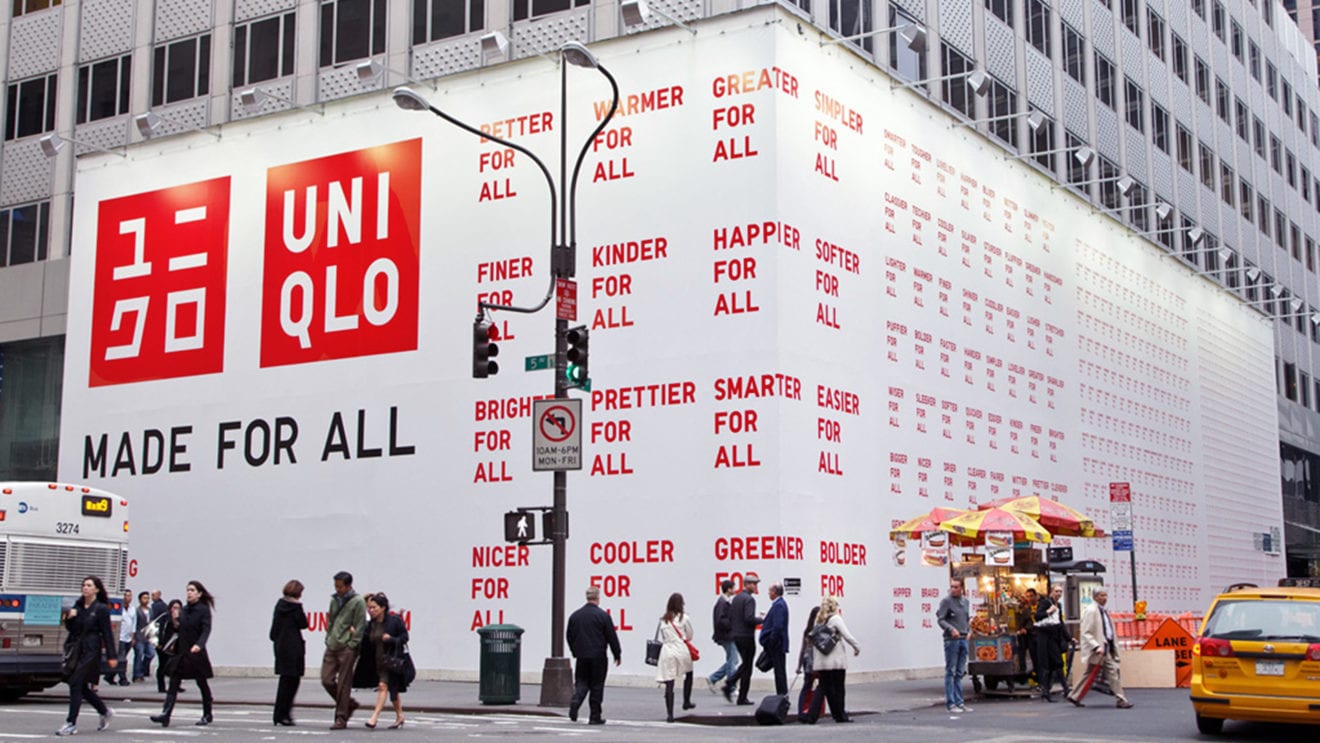
    Top Japanese fashion retail brand Uniqlo will open its first store in Davao City at SM Lanang Premiere this Friday.The store opened its doors today for a special preview to about a hundred selected shoppers mostly members of the media, bloggers, social media influencers and VIPs.

    Uniqlo Philippines chief operating officer Katsumi Kubota said the opening is in time for the 5th year anniversary of the brand’s presence in the Philippines.

    The fashion brand will open two more branches in SM City Davao located in Ecoland this June 2 and in SM Cagayan de Oro by the end of June.

    The SM Lanang branch is the 37th branch in the country. Combined the stores in the Philippines has about 3,000 square meters of retail space.

    Kubota said the three stores in Mindanao will have 100 local personnel. It will also offer the same clothes and accessories sold in its other stores.

    “We recognize the economic growth of the region, we are very excited as we are looking forward to bringing our high-quality and innovative LifeWear pieces closer to Dabawenyos.” Kubota said.

    The brand is known for its LifeWear; innovative, high-quality clothing clothing following the Japanese principles of simplicity, quality and longevity.

    The opening of the stores in Mindanao comes in the heels of the martial law declaration by President Rodrigo Duterte across Mindanao.

    Councilor Mabel Sunga-Acosta of the first district of Davao City and a guest of the store’s special preview said the opening of the store means that the current situation more or less is business as usual but with heightened security measures.

  • Coach brings Modern Luxury concept to three new Asia Pacific stores

    Coach brings Modern Luxury concept to three new Asia Pacific stores

    Coach has strengthened its Asia Pacific travel retail presence with three new store openings, two in airports and one on a cruise ship. The stores are part of Coach’s Modern Luxury concept which aims to provide consumers with an elevated shopping experience.

    The 70sq ft space at Jakarta’s Soekarno-Hatta Airport Terminal 3 offers both male and female products, with a focus on bags, wallets and small leathergoods (SLGs).

    Coach International Vice President Paulo Colino said: “This is a real milestone for Coach opening its first domestic airport store in the Southeast Asia region. We aim to capitalise on the increasing demand of the Coach brand and rising tourism in Indonesia, while building its brand equity and awareness in the country. We opened the store at the beginning of January, and initial results have been well above our expectations.”

    The new store at Changi Airport Terminal 2 is Coach’s first partnership with LS travel retail Asia Pacific outside of China. Colino noted: “We are delighted to have opened a new store at Changi Airport; Singapore is a major hub in the Asia Pacific region and a key location for Coach.”

    The third store is located on the Majestic Princess cruise ship, operated by Princess Cruises. The ship mainly serves Chinese passengers.

    Each new store features the brand’s Modern Luxury retail concept, designed by Creative Director Stuart Vevers.

    Colino commented: “Along with our new store openings, we have also been focused on the renovation of all of our stores. We have over 50% of our Asia Pacific travel retail shop fleet fitted with our new concept, with Kaohsiung Airport in Taiwan being the latest to be renovated. The performance of our renovated stores has been very strong, with the concept going down extremely well with our Asian consumers.”

    Coach said its Modern Luxury concept, as shown here at Kaohsiung Airport, has been “very well-received”

  • Philippine Double Digit Growth to Attract Investors

    Philippine Double Digit Growth to Attract Investors

    The year 2016 was a great period for Philippines in the field of consumer lending which recorded a massive growth. The presidential elections in 2016 led to political stability and consumers had more confidence to take consumer loans. When the global market was highly volatile, consumer lending in the Philippines was an attractive destination with its strong consistently growing economic and financial systems that operate in a safe and sound approach.

    The new government has focussed on tax system and introduced a tax reform program that helped the country’s economic growth with respect to consumer lending. The World Bank signified that the Philippine financial market system will grow rapidly due to its consumer confidence and transparency of building regulations. According to research report “Consumer Lending in the Philippines”, country’s robust banking system is crucial in the consumer lending field where it ensures stability and rapid growth in the country’s economy. Thus, the Filipinos are now more confident to take more loans from the retail banks for automobile or domestic purpose.

    The rapid growth in Philippine domestic economy has created more jobs which washed out poverty to some extent. The recent economic developments in Philippines was somewhat driven by the presidential elections. The fixed capital investment rose to 25.6%. There were vast opportunities in the field of construction, manufacturing and service sectors.

    As per the economy growth statistics for the first quarter of 2017, it showed that the primary income for the nation slowed down by 3.9% and the gross national income has risen to 5.9%. The Philippines economy is aiming at a 6.5% to 7.5% GDP for the year 2017.

    The services sector is the highest contributor to the growth of the nation’s economy. The industry sector stands second and agriculture sector stands in the third place. The IPP (Intellectual Property products) are outstanding with the growth contribution of 27.2%. The export and imported goods contributed 22.3% and 20.8% respectively.


  • Sunway Putra Mall Wins Gold at Kuala Lumpur Mayor’s Tourism Awards 2017

    Sunway Putra Mall Wins Gold at Kuala Lumpur Mayor’s Tourism Awards 2017

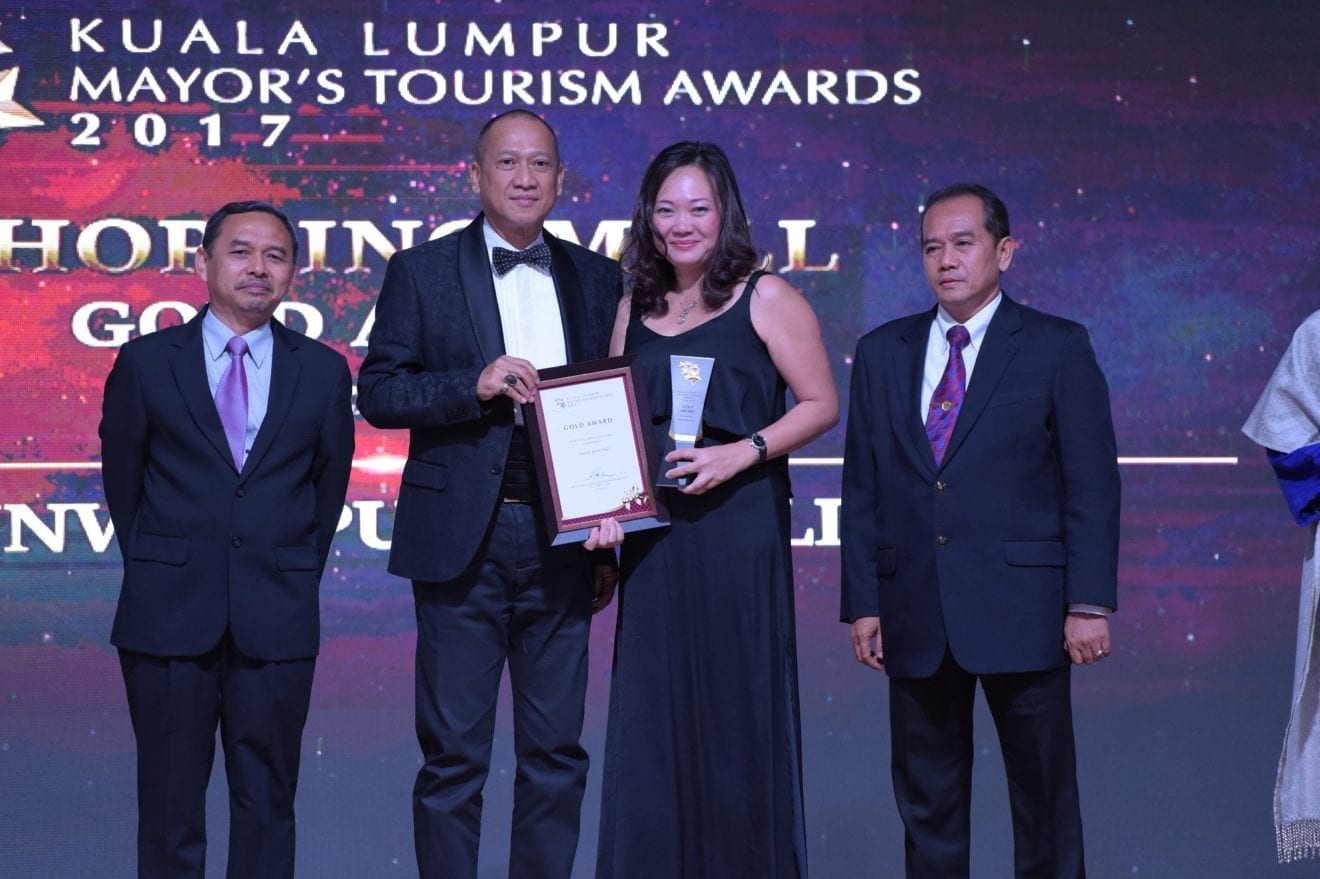
    It was a celebratory affair when Sunway Putra Mall was named the gold award winner in the third edition of the Kuala Lumpur Mayor’s Tourism Awards 2017 gala dinner and award presentation ceremony at Shangri-La Kuala Lumpur.

    The win saw the refurbished two-year old mall emerging as one of the only two winners in the shopping mall category after edging out competition from Suria KLCC, Starhill Gallery, Berjaya Times Square and Low Yat Plaza. It was the mall’s first attempt for the award

    Minister of Tourism and Culture, Dato’ Seri Nazri bin Abdul Aziz presented the award to Sunway Putra Mall General Manager Ms Phang Sau Lian alongside with the Mayor of Kuala Lumpur, Datuk Seri Hj Mhd Amin Nordin bin Abd Aziz in front of a-650 strong audience from the city’s various tourism industry players and related government agencies.

    The Mayor had earlier emphasised that the tourism industry’s contribution to the socio-economic growth and development of Kuala Lumpur was important as it generated revenue and employment opportunities. These awards were recognition towards tourism industry players for boosting the city’s image.

    “The gold award is meaningful to Sunway Putra Mall that despite being only two years in operation after the refurbishment, we are being recognized by the Mayor of Kuala Lumpur as the top two malls in promoting Kuala Lumpur. It is a big honour for Sunway,” said Phang.

    The Kuala Lumpur Mayor’s Tourism Awards is a tri-annual programme which was first held in 2011. In its third edition, this year’s awards saw over 500 entries being received. Qualified entries went through a stringent selection by a panel of independent judges and public voting. The criteria for judging were based on the vision outlined in the Kuala Lumpur Tourism Master Plan 2015-2025.

    Phang attributed the win to Sunway’s high service standard and top management visionary leadership which placed emphasis on delivering beyond. “It’s always been the intentions of our Chairman Tan Sri Dato’ Seri Jeffrey Cheah, CEO HC Chan and COO Kevin Tan that for any Sunway projects, emphasis is given to progress not solely on profit but people and planet too. Hence, the relentless focus on going beyond,” she added.

    The winning of this award added another feather to the cap for the mall tourism offering excellence. Sunway Putra Mall had already been recognised by the Ministry of Tourism & Culture as a Malaysia Tourism Quality Assurance (MyTQA) certified mall that delivered outstanding service quality and tourism products.

    Among the unique initiatives included the hiring of well-trained ex-flight attendants as frontline staff, DBKL appointment of the mall’s customer service staff as DBKL brand ambassador to promote heritage walks in Kuala Lumpur, promoting at overseas tourism alongside Tourism Malaysia and many others.

    The mall among others also partnered with international movies for activation, staging popular artistes appearances and collaborating with Malaysian Airlines and Matta Fair to promote KL as a tourism destination.

    Apart from the above, to date Sunway Putra Mall had also picked up the MPIM Asia Awards 2015 (bronze award) for best refurbished building category and Malaysia Shopping Malls Association’s (PPK) Best Experiential Marketing Awards 2016 (gold award) for Category B (malls with 500,001 to 999,999 sq ft nett lettable area).

    The former award paid tribute to excellence and innovation in retail development in Asia Pacific region while the latter award recognized the best of marketing programmes that enhance shoppers’ shopping experience.

  • Central Food launches new format in Thailand

    Central Food launches new format in Thailand

    The parent company of Tops Supermarket, Central Food Retail (CFR), will invest Thb1bn (US$29.37m) in a new format Tops Plaza, and 176 new Superkoom supermarkets.

    The leading Thai retailer told that the new format will be community shipping mall, with the first to open in Pichit this year, and another in Payao next year. CFR also plans to open 178 Superkoom supermarkets this year, bringing its total operations of the discount supermarket to 200.

    Phattaraporn Phenpraphat, CFR executive vice-president for marketing and public relations, told that the company had strong sales growth in the first quarter of the year, both from existing stores and from new Superkoom, Tops Daily and Tops Market store openings.

    “Our sales growth of 3.02 per cent in the first quarter exceeded the industry growth rate,” she said.

  • Alibaba buys 201.5 million shares in Lianhua Supermarket to become second-largest shareholder

    Alibaba buys 201.5 million shares in Lianhua Supermarket to become second-largest shareholder

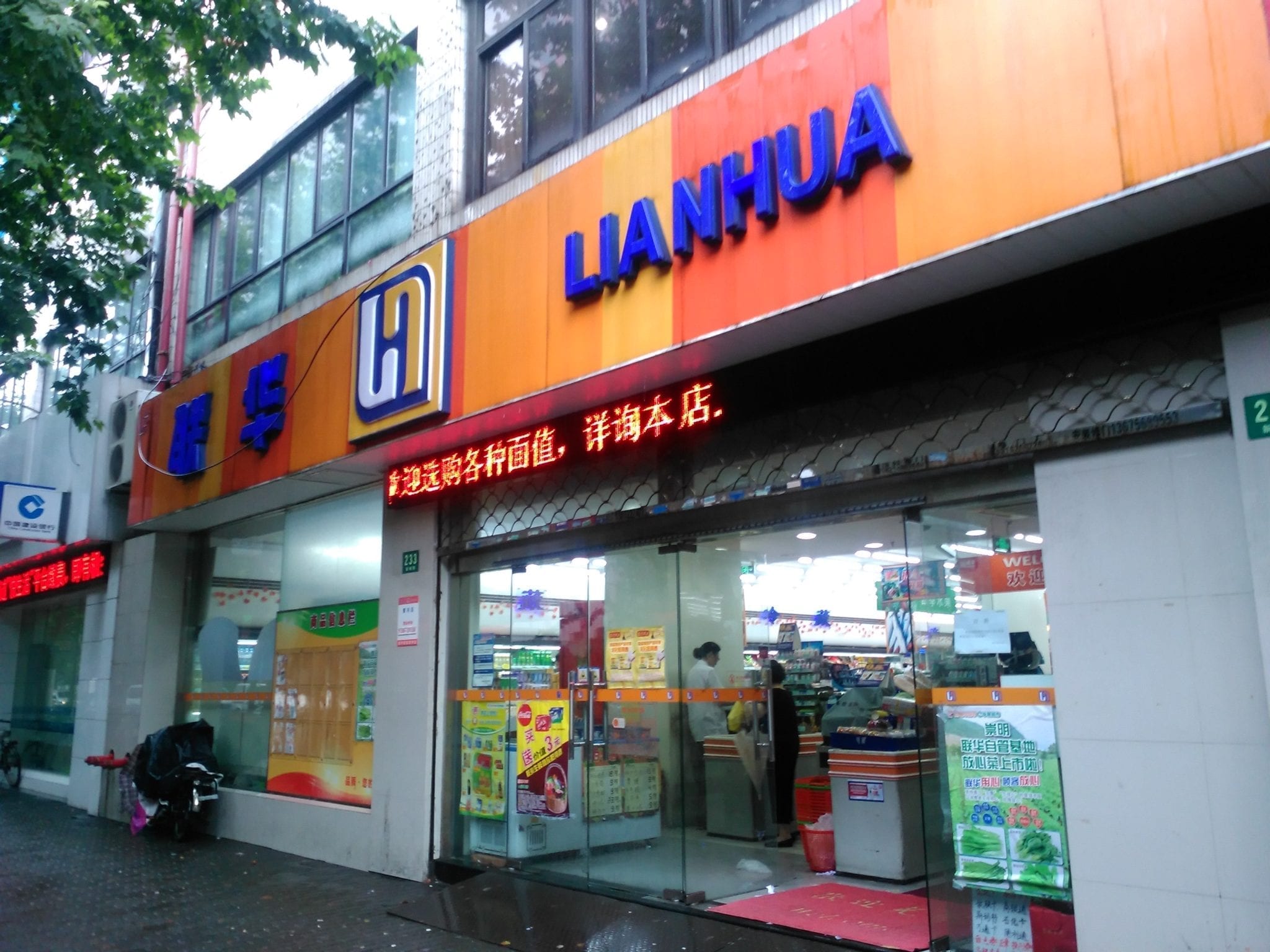
    Lianhua Supermarket Holdings’ shares were halted in Hong Kong after the retailer’s stock jumped by almost 22 per cent following the announcement that Alibaba Group Holding has emerged as its second-largest shareholder.

    The stake purchase is the latest in a long line of Alibaba investment in brick and mortar shopping malls, part of a strategy adopted by the e-commerce giant since 2015 to broaden its exposure to markets where online and offline retailers are converging.

    Lianhua shares rose to a two-month high of HK$3.83 before trading was halted on the Hong Kong stock exchange.

    Alibaba, operator of the world’s largest online shopping platform, said it would buy 201.5 million shares of Lianhua, giving it 18 per cent of the supermarket operator and becoming its second-largest shareholder, according to a filing to the Shanghai Stock Exchange issued by the retailer’s parent Bailian Group.

    The investment by Alibaba, owner of the South China Morning Post, follows a February announcement of a strategic tie up with Bailian to use big data to improve sales at its physical stores, the largest retailer by store numbers in China

    As online sales growth slows, Alibaba has been rapidly expanding into traditional retailing in recent months.

    Alibaba announced in August 2015 that it would invest US$4.6 billion for a minority stake in Chinese electronics retailer Suning Commerce Group Co, while in January its announced it is leading a US$2.6 billion bid to privatise mainland department store and shopping mall operator Intime Retail Group.

    In November it bought a stake in supermarket chain Sanjiang Shopping Club Co for US$305 million.

    Zhu Danpeng, a researcher on China’s retail industry, said the online and offline retailing business are converging as they start to realise that they are more complementary than mutually exclusive.

    “Offline shopping fulfils an emotional need of a consumer, which is irreplaceable by the online shopping experience,” he said. “So it is natural for mature e-commerce businesses to want to capture that part of the business.”

    He also said the retailing industry will stratify into different levels of services.

    High-end products such as luxury goods will retail in brick-and-mortar shops where consumers look for a higher level of personal service, while standard grocery and household items are better suited for the online environment.

    Brett McGonegal, chief executive of Capital Link International, said that the trend towards brick-and-mortar shops will allow e-commerce businesses such as Alibaba and Amazon to learn more about the shopping habits of consumers.

    “It closes the gap between warehouse distribution and consumers,” he said, “[With better understanding of consumers’ habits] retailers can put items right where and when you need them.”

    He also said Alipay will be an important component to the convergence of online and offline shopping. He added that Alibaba ultimately wants to allow its users to finish all their shopping and transactions exclusively on its network.

    A JLL market report highlighted that an increasing number of brick-and-mortar shops on the mainland are pushing for online shopping services, which include online voucher schemes, automated check-out and order-online-pickup-offline services.

    JD.com has also been expanding into offline retailing in recent years after it invested 4.3 billion yuan (US$627.3 million) in Yonghui Supermarket and forged a partnership with Walmart.

    JD.com said that it plans to establish more than 1 million convenience stores, with half located in rural China, in five years.