Blog

  • China retail sales rise with a 10.9 per cent in March

    China retail sales rise with a 10.9 per cent in March

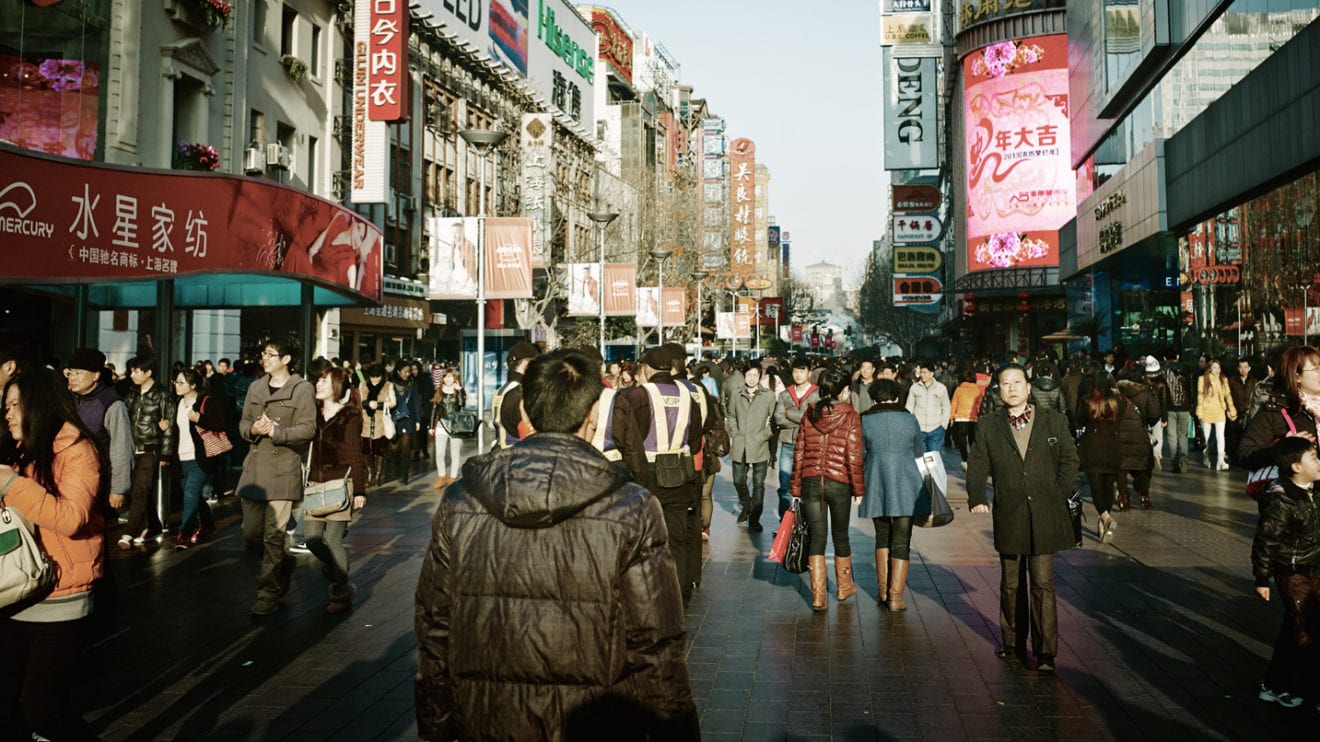
    China’s retail sales rose 10.9 per cent in March – the best month of the year to date.

    However the quarterly rise was just shy of 10 per cent – the first time the official figure has dropped below 10 per cent in 11 years according to the National Bureau of Statistics. IN January and February, China retail sales rose 9.5 per cent each month.

    Retail sales of consumer goods totalled 8.5823 trillion yuan (US$1.25 trillion) from January to March.

    There was strong consumption potential in rural areas, the data shows, with retail sales climbing 11.9 per cent during the quarter, outpacing urban areas where sales rose 9.7 per cent year-on-year.

    Online sales continued their run of strong growth, surging 32.1 per cent in the first two months to 1.405 trillion yuan.

    As a main driver of economic growth, consumption contributed to 64.6 per cent of China’s GDP growth last year. The nation is aiming for a steady increase in consumer spending this year.

  • Gloria Jean’s Coffee leaves Vietnam

    Gloria Jean’s Coffee leaves Vietnam

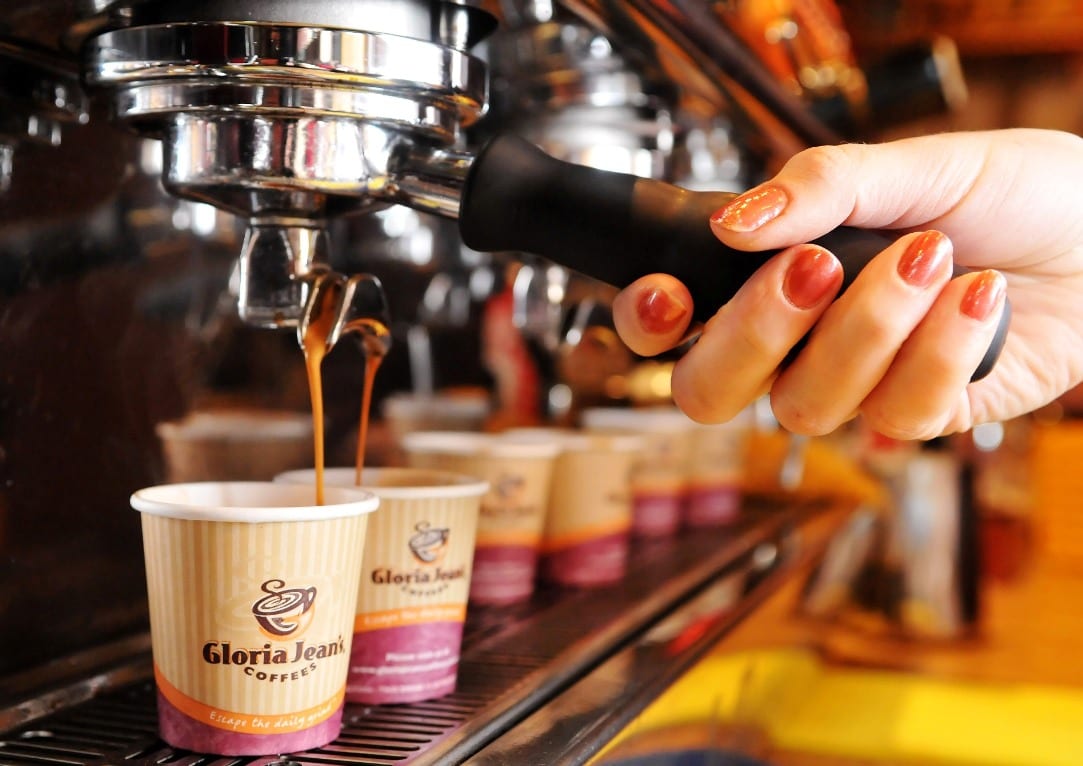
    Australia’s Gloria Jean’s Coffee Vietnam has closed its last coffee shop in Ho Chi Minh City, in the Phu My Hung urban area of District 7, after ten years in Vietnam. It arrived in Vietnam in 2007 under a franchise license secured by the VietLifestyle JSC.

    The ten-year deal saw the master franchisee launch coffee shops in Ho Chi Minh City and Hanoi, each involving investment of $200,000.

    VietLifestyle had aimed to open a further 20 locations over the next two years, offering espresso-based, chocolate-based, and cocoa-based drinks to young people, expats, and foreign tourists familiar with the brand.

    The master franchisee was to achieve this in part through sub-franchising the concept and providing operational, marketing, management, and business development support.

    A slowdown hit a few years ago, however, when its prime corner location on Dong Khoi Street in Ho Chi Minh City closed, partly because of high rents.

    Other locations then began to disappear. By the end of last year, only two stores remained: one on Cong Truong Quoc Te in District 1 and the Phu My Hung outlet in District 7.

    Gloria Jean’s was founded in Australia in 1996 with the ambition of being the most loved and respected coffee company worldwide.

    The chain currently has more than 900 outlets in 39 markets worldwide, including more than 400 in Australia.

  • Japanese automakers strengthen grip on SE Asia

    Japanese automakers strengthen grip on SE Asia

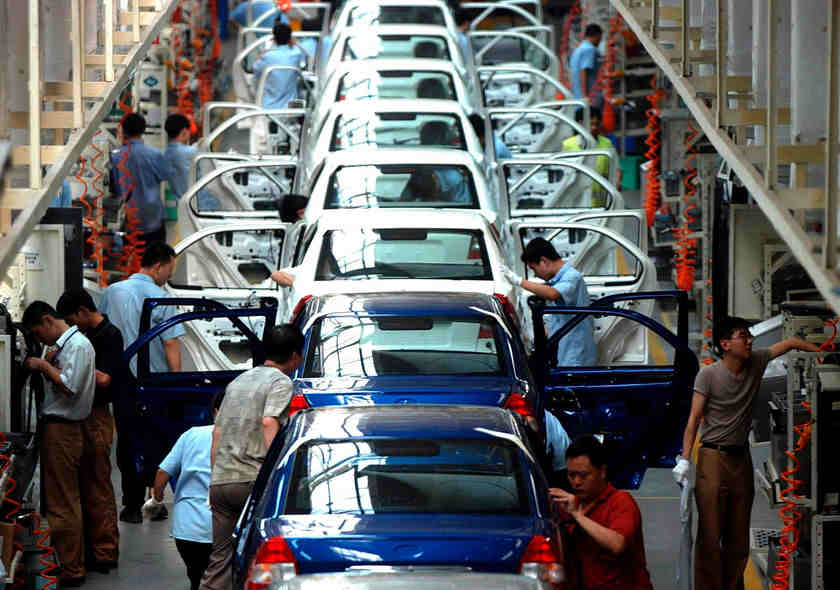
    The Japanese auto industry maintained its strong grip on the vehicle markets of southeast Asia last year, according to exclusive data provided to just-auto.

    The Japanese carmakers’ combined sales in the region’s five main markets rose by an estimated 3.3% to 2.62 million units in 2016, for a market share of 84%, according to data supplied by AsiaMotorbusiness.com.

    The highest Japanese dominance is in Indonesia, the region’s largest market, where their combined share of sales rose to a staggering 98.5% by last year. In Thailand, the Japanese accounted for 88% of sales, while in Malaysia it was 78%, including sales of Perodua – a domestic brand which depends entirely on Daihatsu for its products.

    Competitors from elsewhere have tried and failed to gain a significant foothold in this region and in key markets the Japanese have only strengthened their grip in recent years.

    European manufacturers such as Mercedes-Benz and BMW, and to a much smaller extent Jaguar Land Rover, dominate the premium segments and this is set to continue. But this success does not extend to other segments of the market.

    Ford withdrew from Indonesia at the end of last year, choosing instead to focus on markets where it has a better chance of competing. It has had better luck in some of the smaller emerging markets such as Vietnam and the Philippines.

    GM’s efforts to break into the high-volume compact MPV segment in the region were short-lived. It closed its “Spin”MPV plant in Indonesia last year and is downsizing its product range in the region to include just pickup trucks and SUVs.

    Toyota dominates the ASEAN region, with sales in the five main markets estimated at 910,263 units in 2016 – for a market share of 29%. If combined with Daihatsu, upon which it relies heavily, and with its Hino subsidiary, Toyota group’s sales in the region rose to 1.355m units last year (including Perodua) – to account for more than 43% of sales.

    Toyota has been extremely successful in maximising synergies with Daihatsu in Indonesia, which is by far its largest market in the region and where it is responsible for 56% of total sales.

    Toyota has by far the largest range of vehicles in this market and has been at the forefront of the development of new market segments across the region, including low-cost green cars and small and medium MPVs and SUVs. It enjoys the best economies of scale and strongest pricing power.

    Honda has emerged as the second-best selling brand in the region in recent years, despite the company’s lack of a presence in the commercial vehicle segment. Its share of regional sales has risen from just over 8% in 2012 to almost 14% in 2016.

    Honda’s recent growth has been underpinned by its strong and successful product range expansion, particularly in the compact MPV and SUV segments. New models such as the Mobilio, H-RV and B-RV have proved to be extremely popular in markets such as Indonesia, where its sales and market share have almost tripled in since 2012.

    Not all Japanese automakers have enjoyed growing sales in the region. Nissan and Suzuki in particular have struggled to keep pace with their more successful rivals, while Mitsubishi/Fuso has also been impacted by weak commercial vehicle demand in key markets.

    In ASEAN’s smaller markets the Japanese dominance is not so overwhelming. Japanese brands accounted for 69% of total vehicles sales in the Philippines last year, while in Vietnam their combined share was below 50%.

    South Korean brands such as Hyundai and Kia have been more successful in penetrating these markets, as have Ford and GM. Chinese brands have also targeted in the commercial vehicle segments here with a degree of success.

    But one wonders whether it’s just a matter before the Japanese tighten their grip on these markets too.

  • Cebu Pacific passenger volume drops in February

    Cebu Pacific passenger volume drops in February

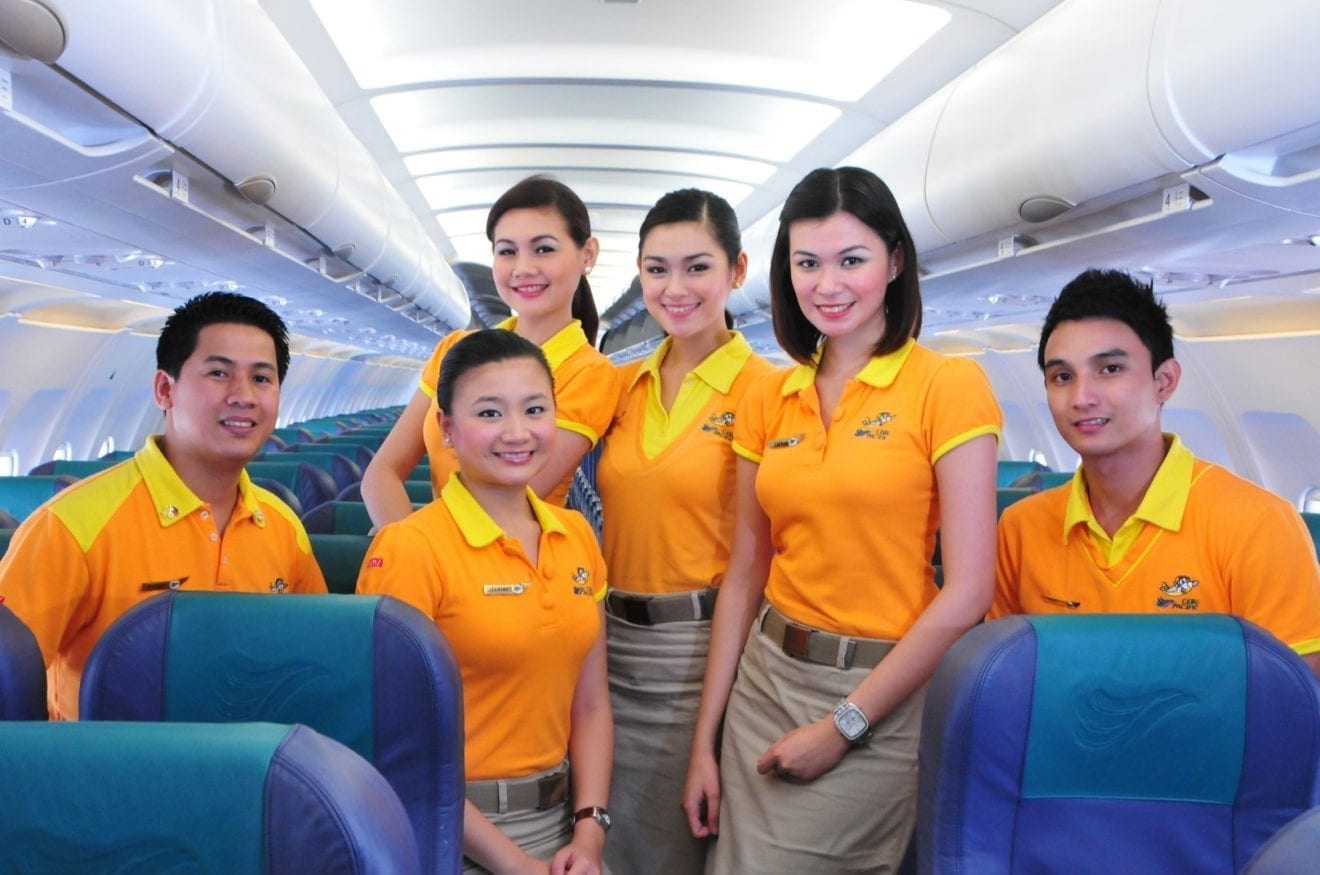
    The Gokongwei-led carrier ferried a total of 1.45 million passengers in the second month of 2017, 6.3% less than the 1.55 million recorded during the same month last year, according to the latest operating statistics uploaded on its Web site.

    The latest tally was also down 16% from the 1.72 million passengers it ferried in January, which was up from the 1.64 million noted in January 2016.

    The data showed airline capacity dipped 1.5% to 1.74 million from 1.76 million during the comparable period, while the number of flights also decreased 2.8% to 10,237 from 10,535 previously.

    Seat load factor in February also went down to 83.6% compared to the 88% recorded in February 2016, even as the number of aircraft increased to 59 from 57.

    For the January to February period, Cebu Pacific and Cebgo already carried 3.17 million people, slightly lower than the 3.19 million seen during the comparable period last year. Capacity was up 2.7% to 3.76 million from 3.66 million, while flights during the first two months were 84.4% full on the average.

    Based on its latest operating statistics, the number of flights went up to 21,975 from 21,873.

    The Gokongwei airline is targeting to ferry 20 million passengers this year, as the company expects the delivery of 48 additional planes up to 2021.

    In 2016, it carried 19.1 million passengers, up 4% from the 18.4 million passengers flown in 2015. On average, Cebu Pacific flights were 86% full during the year.

  • Myanmar mobile payment firm ONGO gets new investor

    Myanmar mobile payment firm ONGO gets new investor

    National Bank of Canada (NBC) has acquired a 22% stake in Myanmar-based mobile payments firm ONGO for an undisclosed sum.

    ONGO is the consumer facing brand of Ronoc Asia, a subsidiary of the emerging markets investment business Ronoc. It offers retailer payments solutions, payroll programs and direct to consumer services leveraging payments technology.

    ONGO currently employs over three hundred people in Yangon and is expected to grow to five hundred by year end.

    “The addition of National Bank of Canada is an important milestone for our business. We have aggressive growth plans for Myanmar and have set ourselves a goal of providing over one million consumers with access to finance over the next three years,” said Michael Madden, the Founder and Chairman of Ronoc Asia/ONGO.

    “The addition of NBC as a strategic investor will strengthen our capabilities and accelerate our timelines in Myanmar as well as our expansion to other markets in the region.”

    “National Bank of Canada is proud to become a partner of Ronoc Asia/ONGO. This investment in fintech complements the activities we already have in the ASEAN zone through our subsidiary ABA Bank, in Cambodia,” stated Louis Vachon, President and Chief Executive Officer of National Bank of Canada. “We look forward to contributing to ONGO’s success.”

  • Lazada loyalty program link to other ecommerces

    Lazada loyalty program link to other ecommerces

    A Lazada loyalty program for Singapore shoppers looks set to be expanded to other Asian markets.

    Alibaba-owned Lazada has teamed up with Netflix and Uber Technologies – the first time the companies have jointly created an online rewards program, according to Lazada CEO Maximilian Bittner.

    The program is aimed at consumers who primarily go online for shopping, entertainment, transportation and food delivery.

    Alibaba acquired a controlling stake in Singapore-based Lazada for US$1 billion last year. The “LiveUp” program links their online services, from Netflix and UberEats to grocer RedMart and Taobao marketplace.

    Consumers pay S$28 (US$20) a year for such benefits as six months of Netflix streaming, discounts on Uber rides and free delivery on Lazada or Taobao purchases. A mobile app will be rolled out in the second half of the year.

    “Singapore is the market on the cutting edge of validating what we think consumers might want, so we will focus on Singapore first,” says Bittner, who expects to add more partners.

    E-commerce in Singapore, which accounted for 0.9 per cent of total retail there in 2003, has grown from 2.4 per cent in 2013 to 4.8 per cent last year, according to Euromonitor data.

    Bittner and RedMart co-founder Vikram Rupani hatched the loyalty program over breakfast on Christmas Eve before approaching Netflix and Uber. “Their decision to do it was very fast because they have the same goal,” says Bittner.

    Uber, which entered Singapore four years ago, will offer members benefits including free rides and promotions. “This is just the beginning,” says Uber Singapore GM Warren Tseng.

  • China set for online grocery boom

    China set for online grocery boom

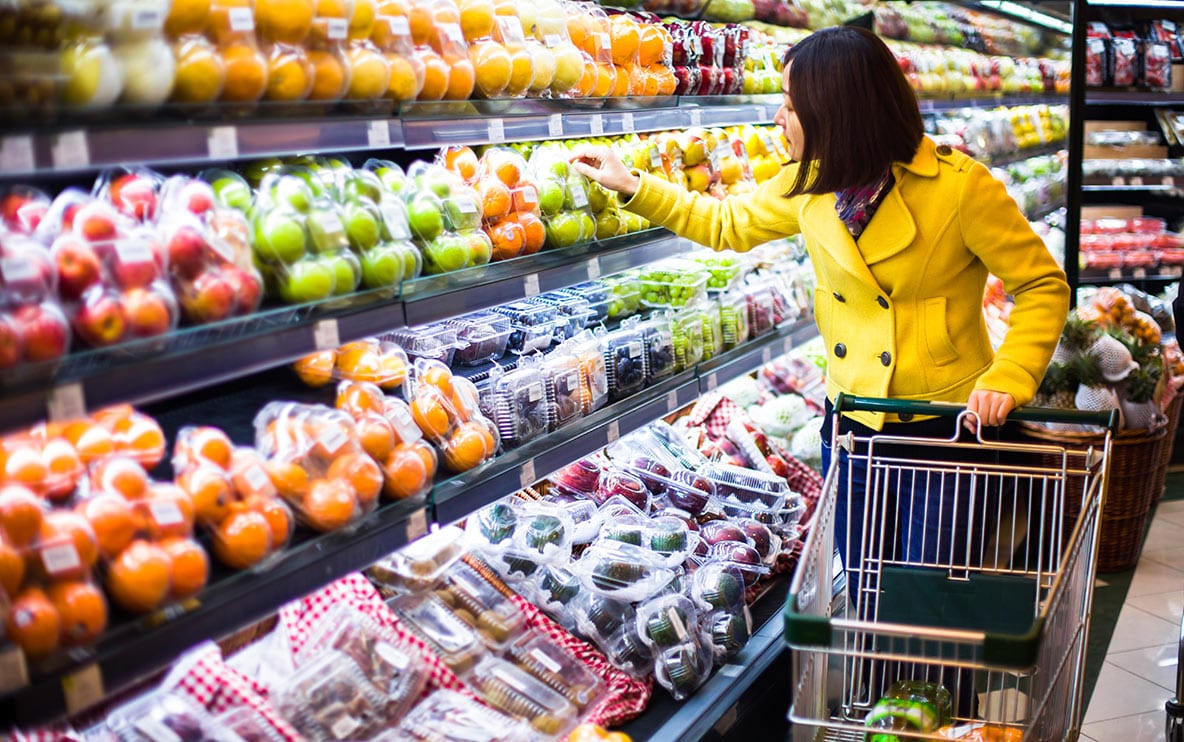
    Online grocery in China could more than double in growth between now and 2020, according to figures released today by international grocery research organisation IGD, with its current 3.1 per cent share of the country’s total grocery market forecast to leap to 6.6 per cent over the next three years.

    Driven by the growth of the internet, greater smartphone usage, more focused investment from retailers and shifting demographics, IGD forecasts online grocery in China to grow by almost 32 per cent year-on-year by 2020.

    “China already has the world’s largest online grocery market in terms of value and this certainly shows no signs of slowing down,” said Shirley Zhu, Asia programme director at IGD. “Last year, 3.1 per cent of all China’s grocery sales were conducted online, a figure we believe will increase to 6.6 per cent by 2020 – a compound annual growth rate (CAGR) of 31.8 per cent.

    “Set against our forecast CAGR of 5.9 per cent for China’s total grocery market over the same timeframe, the size of the opportunity for retailers looking to trade online is clear,” Zhu noted.

    This growth is being driven by a combination of factors, according to Zhu: “Internet and smartphone usage is growing across China, while the country’s demographics are changing too – there is a rising population of young, middle-class shoppers leading busier lives. In turn, this is creating an aspirational class of shoppers who want access to grocery products at the click of a button, and who are also increasingly looking to source international goods. Clearly, retailers have been responding to these trends, with lots of players looking to grab a slice of the action.”

    A combination of online ‘marketplaces’ and bricks and mortar retailers make up China’s leading online grocery players, according to IGD.

    “Alibaba’s Tmall and JD.com are the two of the largest online retailers in China and they also have a strong position in online grocery,” Zhu explained. “These platforms are a one-stop shop for all domestic and international brands and categories, as well as offering a nationwide logistics network, rapid delivery, innovative and simple payment solutions, and new technologies such as drones and virtual reality.

    “These platforms are also increasingly delivering cross-border opportunities, both selling international products in China, but also selling globally, enabling lots of international retailers to enter the Chinese market through them. We’re also seeing marketplaces like Alibaba and JD investing in bricks and mortar stores.

    “Other key online grocery retailers in China include Walmart via JD.com and Sun Art Retail, which sells via multiple platforms,” she outlined. “There are also lots of other retailers investing in online – for example, Bee Quick, which focuses on fresh products, can deliver to its shoppers within an hour in the 14 cities in which it operates, while Carrefour launched in April 2016 and is extending its service to more cities.”

    As the majority of people in China access the internet via their smartphone, getting mobile commerce right is critical for grocery retailers looking to sell online in China, according to Zhu.

    “Thinking mobile first is vital. Many retailers are rolling out apps offering exclusive discounts and special features, while other apps allow for easy e-payment solutions that allow people to shop online,” she said. “Brands and retailers are also advertising and have shops set up on WeChat, China’s biggest social media network.

    “Indeed, as China’s online grocery channel continues to grow, we expect to see more partnerships created between retailers and manufacturers,” Zhu added. “We also expect to see online grocers personalising their offers, using data to understand how and when people shop online, to deliver a better service and even personalised products. We also expect innovations such as voice-activated technology, virtual reality and smart devices to play a greater role as the market develops.”
  • Honestbee sweetens Thai operations budget

    Honestbee sweetens Thai operations budget

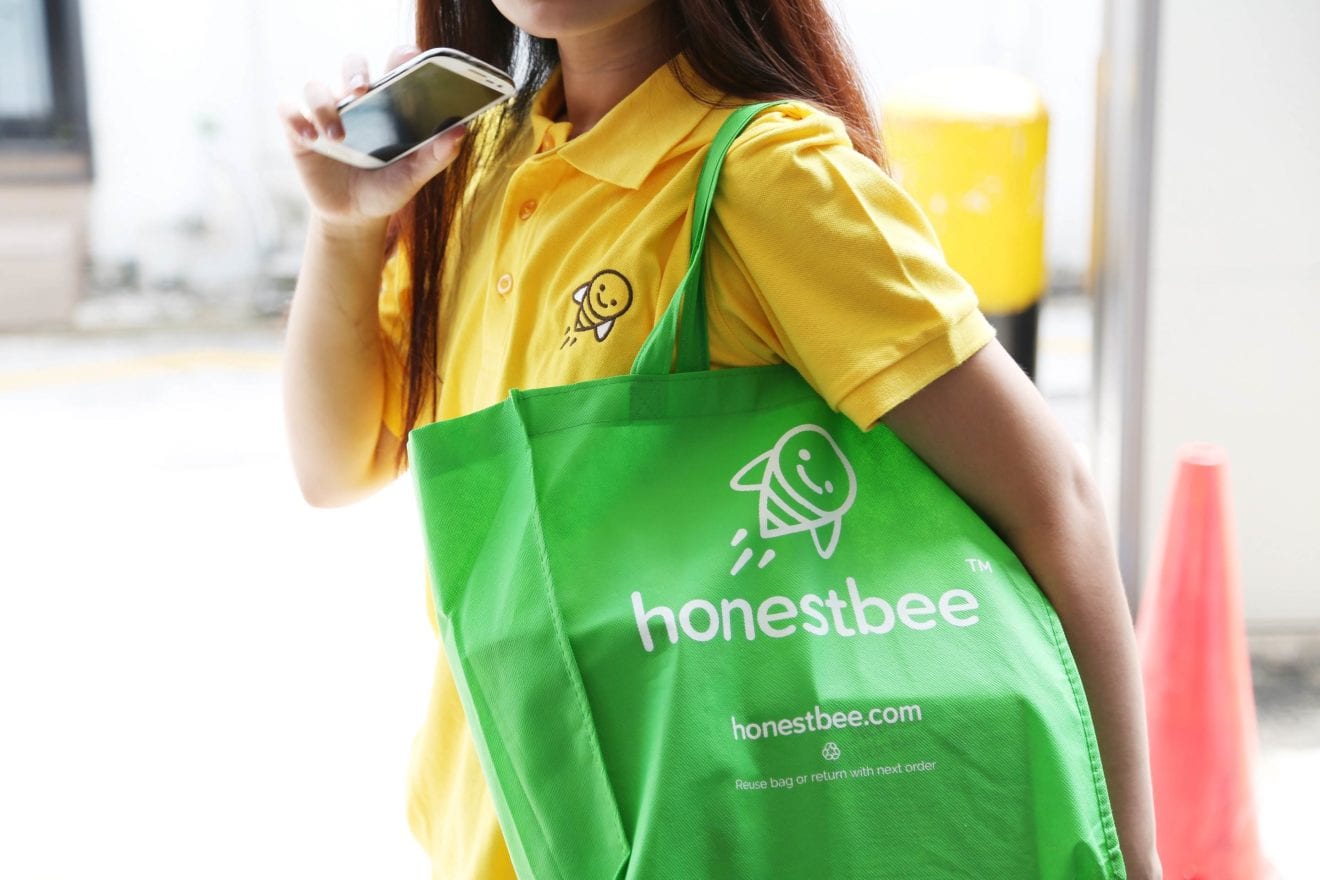
    Honestbee, a Singapore-based online grocery and concierge service provider, is boosting its presence in Thailand to capitalise on lucrative online shopping opportunities.

    “We are spending millions of US dollars in Thailand this year on increasing our local staff, upgrading our IT infrastructure, and adding marketing activities,” said Bounthay Khammanyvong, country manager of HonestBee Thailand.

    He said Thailand is the seventh market in Asia-Pacific for Honestbee since it began operations in 2015, following Singapore, Hong Kong, Japan, Taiwan, Indonesia, and Malaysia. The company is expanding into the Philippines soon, said Mr Bounthay.

    Just three months after it started operations in Bangkok this January, transactions at its Thai website ranked third among the seven countries where it has a presence.

    Honestbee provides online grocery concierge and delivery service through partnerships with leading supermarkets who have no online retail channel.

    Customers choose their products online and place their orders either via its local website — www.honestbee.co.th — or its mobile application through Google Play or the Apple Store. The company’s concierge shoppers then hand-pick their groceries for them.

    Honestbee earns a commission from its merchant partners. The company charges customers a flat rate of 30 baht with no minimum purchase requirements.

    The company has over 10,000 users in Thailand.

    Mr Bounthay said Honestbee’s service does not compete with offline retail stores, instead complementing their offerings to accommodate the shift towards online shopping.

    He said the company is focusing on improving the speed of its delivery service to reach customers’ homes in an hour.

    Its target customers are millennials, housewives, and multi-generational family households with high purchasing power.

  • 7th Lego Store opens in Davao City

    7th Lego Store opens in Davao City

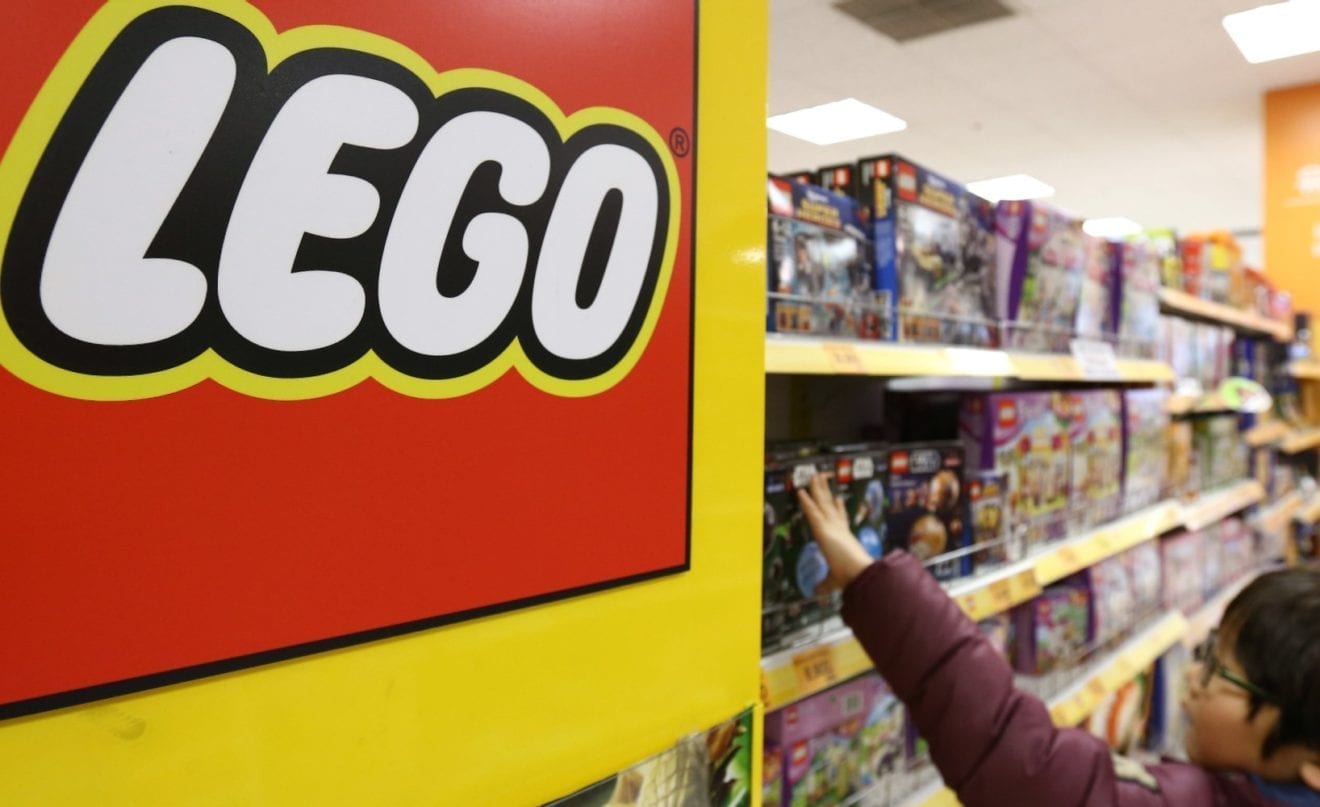
    The seventh Lego-certified store in the Philippines opened on April 22, 2017 at the Abreeza Ayala Mall offering more and exclusive merchandise of the famous toy brand to Dabawenyos. The Lego Store in Davao City is the second store in Mindanao, the first being in Cagayan de Oro City, which opened last April 1. “We know that Lego is a very popular brand and we want to bring it closer to all our fans, collectors, families, and kids.

    We want to also give them the full Lego experience,” said Sharlene Ortiga, LAJ Marketing Retail Manager, at the sidelines of the store’s opening. LAJ Marketing Philippines is the exclusive distributor for Lego merchandise in the Philippines. Ortiga said Lego Store Abreeza features exclusive items that are not available in other stores. “This store is fully designed and authorized by Lego for us to operate with their complete package and guidelines,” Ortiga said.

    The store features the Pick-a-Brick Wall, a custom-built fixture filled with Lego bricks and elements where shoppers can hand-pick and select pieces they need. It also offers exclusive Lego sets available like the Doctor Who and Big Bang Theory sets. At present there are seven Lego-certified stores in country, Park Triangle in Taguig, which is also the first Lego-certified store in the Philippines; Alabang Town Center in Muntinlupa; Trinoma and UP Town Center in Quezon City; The 30th in Pasig City; Abreeza Ayala Mall in Davao City; and Centrio in Cagayan de Oro City.

    At present, Ortiga said they are just looking into having two stores in Mindanao. However, she said they are eyeing to have another provincial store by the end of this year but she did not disclose yet where this store will be. She also said they are still studying the possibility of putting up a Lego-certified store in the Visayas. “For the Visayas we already have other channels where we are distributing Lego but here in Mindanao there are only a few so we decided to open a complete Lego Store here to serve the needs of our Lego customers,” Ortiga said.

  • Bold bid for expansion by Food Capitals

    Bold bid for expansion by Food Capitals

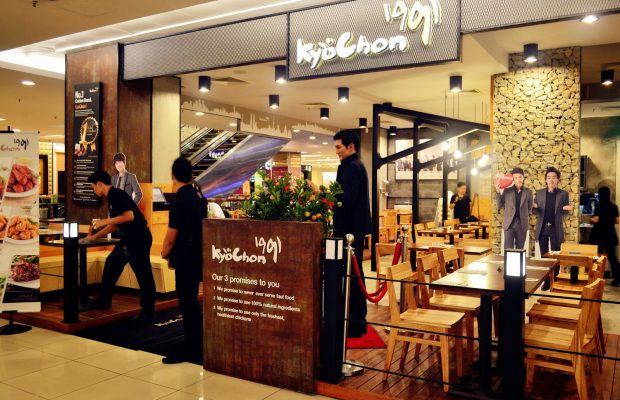
    Food Capitals, Thailand’s franchisee for Domino’s Pizza and South Korean fried-chicken restaurant chain Kyochon, has acquired two companies for THB400 million (US$11.6 million) in a bid to expand both domestically and overseas.

    It has spent THB289 million to acquire Osha Group’s food business in the US, with the remaining THB121 million for its takeover of Bangkok-based G Enterprise.

    California-based Osha has five restaurant brands – After Osha, Lao Table, Osha Express, Osha Thai and Osha Thai 3rd Street – while G Enterprise’s four restaurant brands are Chingcha Chalee, Moom Muum Park, Pirate Chambre and Umami Falabella.

    Food Capitals CEO Tanakorn Angpubate expects the acquisitions to boost the group’s revenue by more than 50 per cent from THB714 million last year – following five years of red ink.

    The company has also set aside THB200 million to open two restaurants in Thailand and another two in the US.

    Food Capitals’ brands include Domino’s Pizza in Thailand and Cambodia, Kyochon in Thailand, and Red Planet Hotels across Asia.

  • Maritime industries need to gear-up for digital transformation

    Maritime industries need to gear-up for digital transformation

    Singapore’s port and maritime industries need to gear up to deal with digitalization and disruption of global transport supply chains – that was the message of Khaw Boon Wan, Coordinating Minister for Infrastructure and Minister of Transport at the official opening of Sea Asia 2017.

    The role of hub ports such as Singapore, the world’s largest container transhipment hub, are set to change as digitalization takes a hold.

    “The landscape is changing rapidly digitalization is disrupting and transforming the global transport supply chains,” Khaw said.

    “The lines between e-commerce, shipping and supply chains are blurring, for example Amazon is looking at having its own shipping and logistics operations. Freight forwarders will also have noticed Maersk and CMA CGM partnerships with Alibaba to allow shippers to book space on containerships online.”

    The downside to disruption is that there would be winners and losers, and Singapore would have to “gear up” to be on the right side of that dividing line.

    Painting a picture of the new landscape Khaw said: “Nearer to home we are seeing the rise of multi-modal logistics infrastructure and the growth of other hubs in Asia fuelled by e-commerce. These trends have also sparked talk about the emergence of new trade routes and even a multi-hub network in the longer term where no single hub will enjoy superior connectivity.”

    Exactly how these developments will pan out no-one knows but the Minister said Singapore had ensure it was ready for transformation.

    “Superior connectivity will be measured in multi-modal terms and maybe as much digital as physical,” he stated.

    While digital disruption has loomed large over many sectors such as taxis, hotels and retail, Singapore Maritime Foundation chairman Andreas Sohmen-Pao highlighted that goods and commodities will still require ocean shipping.

    “I know there has recently been plenty of talk about the challenges facing the maritime industry buts lets remember this industry is a cornerstone of the modern global economy even as we advance into an era of modern technology the vehicles that provide our Uber rides, the steel that holds up our Air B&B houses, and the goods that arrive in our Amazon boxes have typically spent some of their life on a ship,” Sohmen-Pao said in his opening speech.

  • Citi India debuts paperless cross-border payments

    Citi India debuts paperless cross-border payments

    Citi India has launched new digital cross-border payment solution designed to eliminate the need for multiple, underlying physical documents for cross-border trade payments.

    The solution aims to substantially reduces time, effort and cost of each transaction by facilitating quicker trade payments.

    With Open Account import payments, Citi’s clients can now directly share import payment information with the bank, by simply quoting Reserve Bank of India’s (RBI) Import Data Payment and Monitoring System (IDPMS) number, as against the earlier process of sharing multiple documents to support a single payment.

    This function will be made available on Citi’s online banking platform CitiDirect BE for clients to initiate and authorize payments.

    Citi India worked closely with the Government of India and leveraged RBI’s IDPMS platform that digitally tracks imports to develop this solution, with the aim to reduce for cross-border payments to less than three hours from the earlier same day processing.

    Debopama Sen, Head of Treasury and Trade Solutions, Citi South Asia said, “This is a huge step towards simplifying cross-border trade payments which significantly improves efficiencies for our customers and enhances the digital experience.”

    Citi India handles trade transactions for over 6,000 large, medium and small corporates across industries.

  • China’s Xiaomi branches out beyond smartphones to crack Indian market

    China’s Xiaomi branches out beyond smartphones to crack Indian market

    Chinese technology giant Xiaomi, best known for making smartphones and once hailed as an iPhone slayer, has decided the key to breaking the Indian market lies in a rather different product: the air purifier.

    “We have studied the demands of Indian customers, taking their living environment, preferences and consumption power into consideration. The air purifier is the product for us to further establish ourselves in India,” said Eugene Chan, regional manager of Mi Home, Xiaomi’s retail outlet chain.

    The air purifier is the product for us to further establish ourselves in India

    The Beijing-based firm is betting big on a bricks-and-mortar strategy to expand its presence in India, a country viewed by tech companies around the world as the next big internet market after China.

    Another part of the growth strategy is to branch out into making and selling products besides smartphones in an effort to rejuvenate the brand as an “everything store” in the South Asian country.

    With its first self-operated retail store set to open in Bangalore next month, Xiaomi plans to open five to 10 more offline stores under the Mi Home brand in India this year, selling products ranging from smartphones and fitness trackers to speakers and robot vacuum cleaners – and, of course, air purifiers.

    The plan is likely to include manufacturing some of the items locally to keep costs down.

    “We are considering producing air purifiers as well as other home appliance products in India locally to make sure that our products are still at affordable prices even sold offline in overseas countries,” said Chan, who is in charge of Mi Home’s expansion in South China and foreign markets.

    India, the fastest growing smartphone market in the world, has attracted a number of Chinese manufacturers, such as Huawei Technologies and Lenovo, as their sales at home stagnate. Xiaomi – one of the world’s most valuable companies in 2014, estimated to be worth US$45 billion – has recently announced plans to set up a second smartphone factory in India.

    Once compared to Apple for its sleek smartphones and dominance in China’s market, Xiaomi’s founder and CEO Lei Jun has recently sought to revamp the company into something more like US warehouse retailer Costco Wholesale, which sells everything from wine and cereal to diamond rings.

    He has halted the company’s online-only sales strategy, which originally catapulted Xiaomi to the top, and announced the goal of opening 1,000 Mi Home retail outlets in China in the next three years. Lei is aiming for sales from these stores to top 70 billion yuan annually within five years.

    The company currently operates 68 Mi Home stores in locations including Hong Kong and Taiwan.

    Xiaomi didn’t reveal the size of its investment in its physical expansion in India. But Chan said the offline strategy is good for both sales and marketing there.

    “We hope to bring 102 different kinds of products made by Xiaomi and its partners to Indian customers via Mi Home,” he said.

    In a recent interview with Blomberg, Lei said he expected to double Xiaomi’s revenue in India to US$2 billion in 2017.

    “The cost of offline expansion is much higher than purely selling products online,” said IDC China’s research manager Jin Di. “But Xiaomi needs to expand its product portfolio in India because the profit margin on smartphones is quite thin due to fierce competition. Home appliances, such as air purifiers, have much better margin than smartphones.”

    Xiaomi’s smartphone shipments in India grew 15.3 per cent in the fourth quarter of 2016, beating the industry’s 5.2 per cent, according IDC.

    This article appeared in the South China Morning Post print edition as:

    Xiaomi bets big on air purifiers in India

  • Maybank anticipates 35% rise in 2017 retail SME financing

    Maybank anticipates 35% rise in 2017 retail SME financing

    Malayan Banking Bhd is anticipating financing to the retail small and medium enterprise (SME) segment to jump 35% this year — compared with 27% last year — which will up the segment’s loan portfolio to RM16.8 billion by year end.

    The growth is expected to be driven by business property-based loans, portfolio guarantee (PG), trade finance, commercial cards, micro credit and SME deposits, said Maybank’s community financial services (CFS) head in Malaysia, Datuk Hamirullah Boorhan, in a statement today.

    This retail SME segment typically comprise businesses with turnover of RM25 million and below, and is a key component to the banking group’s CFS portfolio, said Hamirullah.

    Some 61% of the segment’s financing last year comprised Islamic financing, with the remainder made up by conventional loans.

    To support the segment’s growth, Maybank is raising its number of seminars under its ‘Building Capacity & Capability’ Programme, which is now in its 3rd year, to 15 seminars in 2017, compared with just eight seminars last year.

    The programme is aimed at enabling retail SMEs to better understand the banking facilities available to them and how they can leverage on these services to grow their businesses, said Maybank.

    “The half day sessions are jointly hosted by industry experts, as well as financial advisors from Maybank who provide insight into traditional banking products, as well as new opportunities available through online and digital platforms.

    “Participants [will] also benefit from business insights and financial tips shared by renowned speakers, as well as joint business networking sessions with other SMEs and field experts,” the statement read.

    “Given our wealth of experience in serving this segment, we are confident that we can help the retail SME segment run their businesses more effectively, manage their cash flows better and leverage new-age technology to take their businesses to the next level,” said Hamirullah.

    This year, Maybank is roping in local market expert Aladdin Street.Com to share on the impact of e-commerce and globalisation, while Credit Guarantee Corporation Malaysia (CGC) will also be present to provide direct assistance to participants.

    “With the wealth of opportunities expected from the implementation of the Digital Free Trade Zone, we want to ensure that local SMEs are sufficiently equipped with knowledge and resources to benefit from the expected boost in e-commerce growth in Malaysia,” said Hamirullah.

    “Our BCC programme will cover 15 sub-urban locations nationwide over the next six months and reach out to more than 1,200 entrepreneurs,” he said.

    “We will also include informative knowledge sharing sessions such as on the e-Commerce halal marketplace, M2uPay solution, access to CGC financing and portfolio guarantee, as well as marketing and branding tips,” he added.

  • Vegetables exports bring in $8.2 million per day

    Vegetables exports bring in $8.2 million per day

    Export turnover for vegetables has reached $857 million this year up to April 15, an increase of 30 per cent year-on-year and bringing in $8.2 million to Vietnam each day. Vegetables are therefore Vietnam’s third-highest agricultural and aquatic export, after seafood and coffee.

    Growth in vegetable exports is faster than for aquatic products (7.8 per cent) and coffee (21 per cent), with the gap in export turnover narrowing.

    Vietnamese fruit and vegetables can now be found in many countries and regions such as the US, Japan, Australia, South Korea, and EU countries like Germany and the Netherlands.

    The largest market, however, is China. According to the latest figures from the General Department of Vietnam Customs, exports of fruit and vegetables to Vietnam’s northern neighbor reached $512 million, accounting for 73 per cent of total export value.

    Mr. Nguyen Huu Dat from the Executive Committee of the Vietnam Vegetables and Fruit Association (VINAFRUIT) said this is a positive result for Vietnam’s vegetable exports and is supported by a number of factors.

    The first is the results of the Vietnamese Government’s trade promotion and market expansion efforts, with fruit and vegetables beginning to gain a foothold in fastidious markets like the US, Japan, South Korea, and the EU.

    “Although the value of export turnover to these markets is not large, meeting their high requirements increases the prestige of Vietnam’s fruit and vegetables,” Mr. Dat said.

    He added that high demand among international customers is a good opportunity for Vietnam’s exports in the time to come.

    He emphasized the role of scientists, the business community, and producers and farmers in efforts to diversify products and product quality and promote Vietnam’s brand.

    Total vegetable turnover stood at $2.45 billion in 2016, up 33.6 compared to 2015.