Blog

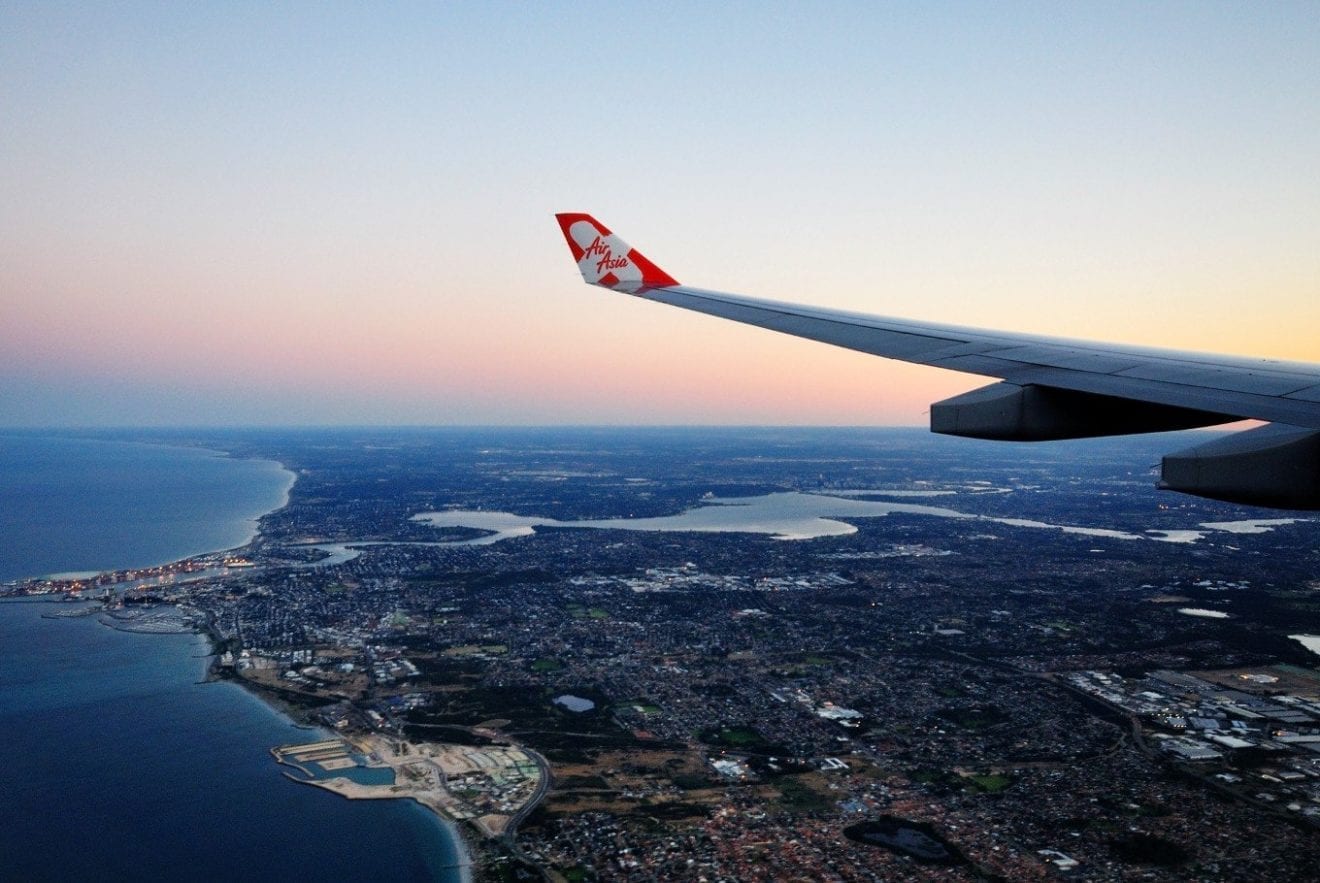
  • AirAsia plans Vietnam venture on Southeast Asia travel boom

    AirAsia plans Vietnam venture on Southeast Asia travel boom

    AirAsia, the low-cost carrier headed by Malaysian tycoon Tony Fernandes, plans to start a Vietnamese carrier in a local partnership, as cheap fares and rising incomes fuel a travel surge in the Southeast Asian nation.

    The region’s largest budget airline will partner Gumin Co., Hai Au Aviation Joint Stock Co. and businessman Tran Trong Kien for the venture, which is expected to start flying early next year, AirAsia said in a statement to the stock exchange. Gumin will own about 70 percent of the new venture, with AirAsia holding the rest.

    Vietnam is the latest country to lure Fernandes, who is seeking to build a pan-Asian budget airline, as the 28 percent growth in passenger traffic was triple the pace in other Southeast Asian nations. The fifth-biggest market in the region has seen domestic traffic double since 2013, and the middle-class will comprise close to a quarter of its population by 2010, AirAsia said.

    Shares of AirAsia climbed 1.3 percent to 3.14 ringgit in Kuala Lumpur on Friday. They have gained 37 percent this year.

    AirAsia has over the years established affiliates in Indonesia, Thailand, India and Japan, and is betting on a low-cost, long-haul model for international travel through its AirAsia X unit. It has ordered hundreds of planes worth billions of dollars from Airbus SE to meet its growth ambitions, and is in the process of selling a plane-leasing unit to raise more cash.

    Marketing stunts

    VietJet Aviation Joint Stock Co., known for marketing stunts like bikini-clad flight attendants, listed its shares on an exchange last month, and has gained 52 percent since. Vietnam will continue to see a double-digit gain in passenger numbers in the next decade, after annual growth of 17 percent in the past decade, according to ACB Securities in December.

    “AirAsia is very late to the party in Vietnam and as a result faces huge challenges,” said Brendan Sobie, Singapore-based chief analyst at CAPA Centre for Aviation. “The market is now well served by two low-cost carriers, VietJet and Jetstar Pacific. The rate of growth will likely slow in the coming years as the market is now more mature.”

    AirAsia’s Vietnam venture will need investments of 1 trillion Vietnamese Dong ($44 million), and AirAsia will contribute 30 percent of that after raising internal funding, according to the filing.

    Kien is the chief executive officer of Hanoi-based Gumin, which was founded March 29, according to Vietnam Planning and Investment Ministry’s website. He is also the chairman and CEO of Thien Minh Group, or TMG, which owns Victoria Hotels & Resorts in Vietnam and Laos. Hai Au Aviation is a unit of TMG.

  • InstaReM launches free money transfers for HK users

    InstaReM launches free money transfers for HK users

    Singapore-based money transfer provider InstaReM is introducing free money transfers exclusively for users in Hong Kong.

    InstaReM, a Money Services Operator licensee in Hong Kong, is running this campaign until end of April 2017.

    By offering interbank rates directly from the exchange rates provided by Reuters.com, InstaReM will charge zero margins. InstaReM also doesn’t charge any handling or transaction fee for money transfers as a rule.

    “We are keen to introduce our new way of money transfer to Hong Kong residents. We feel remittance services should be easier, quicker and more cost effective. Traditional services are costly. InstaReM enables individuals, SMEs, and financial institutions to send across payments at the lowest possible cost and fastest possible time,” said Prajit Nanu, InstaReM co-founder and CEO.

    InstaReM also provides a separate service to help corporations and SMEs to make bulk payments to its payees in the quickest possible time.

    Individual users can sign up with basic personal information, with a simple upload of valid HKID copy and residential address proof on www.instarem.com. Upon verification, users could immediately perform money transfers online. The payees will receive the exact amount in the designated currency on the same or next business day.

  • Ericsson names head for SEA, Oceania and India

    Ericsson names head for SEA, Oceania and India

    Ericsson has announced the appointment of a new head for Southeast Asia, Oceania and India as part of its restructuring strategy.

    Nunzio Mirtillo will take responsibility for Ericsson’s business across markets such as India, Australia, New Zealand, Indonesia, Singapore, Malaysia, Thailand, Vietnam, Myanmar, the Philippines and Bangladesh.

    Nunzio has had a 29 career with Ericsson, serving in roles in areas including solutions development, sales, marketing and delivery. He was most recently head of the Mediterranean region, managing Ericsson’s operations across 25 countries.

    “I’m looking forward to bringing my experience of working in different roles across a diverse range of markets to the newly-combined Market Area South East Asia, Oceania and India,” Nunzio said.

    “Ericsson’s strengthened portfolio focus and simplified organizational structure will enable us to better partner with our customers, to help them succeed in tough market situations and capitalize on new growth opportunities within ICT.”

    The appointment forms part of Ericsson’s reorganization strategy, which includes transitioning from 10 regions to five market areas and from four business units to three business areas.

    The restructuring, announced last month, comes as Ericsson seeks to slim down and focus more on mobile networks to restore profitability and competitiveness.

    As part of the appointment Nunzio has also been named a member of Ericsson’s executive team.

  • M1 to deploy vEPC solution from Huawei

    M1 to deploy vEPC solution from Huawei

    Singapore’s M1 Limited has announced plans to launch the nation’s first cloud-based virtual enhanced packet core (vEPC) network solution with Huawei.

    The deployment is aimed at further enhancing M1’s core network resiliency, while also enabling dynamic and more efficient use of network resources to support wide-ranging Smart Nation use cases, and shortening the time to market in the deployment of new IoT services.

    By harnessing the latest cloud-computing and Network Function Virtualization (NFV) technologies, M1’s fully distributed and agile packet core network will be able to dynamically deploy core resources wherever they are needed, and provide flexibility to swiftly scale up and down resources based on customer demands.

    Furthermore, with software functions separated from the underlying hardware platforms, the cloud-based virtualized core network allows faster “in-service” software upgrades, as well as significantly reducing downtime for maintenance and testing of new services. Through this, M1 expects to improve its operational efficiency and strengthen network resiliency.

    “The deployment of our agile cloud-based virtualised core network will strengthen our network resiliency and enable us to deploy our resources more efficiently, M1 CTO Denis Seek said.

    “The highly scalable nature of the network will also enable us to meet the dynamic resources demands of new products, shorten the time-to-market innovative products, and enable us to reduce implementation and maintenance costs.”

  • Shinsegae Department Store uses AI in marketing push

    Shinsegae Department Store uses AI in marketing push

    Shinsegae Department Store has become the first South Korean retailer to deploy a marketing strategy using AI technology.

    A wave of artificial intelligence (AI) is sweeping the nation’s retail industry, as major department stores and online shopping malls rush to adopt the latest technology to attract consumers.

    From this week, Shinsegae Department Store is introducing a personalisation service called “S Mind”, which will analyse each customer’s brand preferences and come up with product suggestions.

    Using a database of some 5 million existing customers, S Mind will take into consideration around 100 factors including the purchase history, gender, age, and location.

    The results, which will include suggested brands and related shopping information, will be sent to customers through Shinsegae’s mobile application.

    AI Korea

    Shinsegae predicts its latest move will generate additional sales revenue of 100 billion won annually.

    The new system, established solely with South Korean developers and data analysts, was four years in the making before its completion.

    Shinsegae Department Store’s rival, Lotte Department Store, teamed up with IBM Korea last December to develop a new mobile app AI feature that is expected to be released by the end of this year.

    Lotte’s new ‘Recommendation Bot’ will work as a shopping advisor to make suggestions through voice messages or texts, and will give app users information on the latest trends and celebrity fashion news.

    Kim Myeong-gu, who is responsible for omni-channel marketing at Lotte, said, “With the overload of information today, many customers find it tiresome to make a choice.

    “Our new AI-based recommendation feature will differentiate our marketing strategy with that of our competitors,” he added.

    As the major retail chains are beginning to embrace AI technology that will redraw the landscape of how we shop, the industry as a whole and the government are also backing the trend.

    A new alliance was formed yesterday which will see the retail and distribution industry work closely with IT and manufacturing companies to adopt the fourth industrial revolution.

    Dubbed the “Retail Industry Convergence Alliance,” the cross-industry coalition will help spread the use of new technologies in various fields including research and development.

    The fourth industrial revolution, typified by advanced technology such as AI, IoT, robots, augmented reality and virtual reality is rapidly being incorporated into the retail and distribution industry around the world.

    An official from the Korean Ministry of Industry said: “For our retail industry to be acknowledged as a global platform, it’s important to emphasise having the right business environment for innovation and cooperation.

    “The government will help with subsidies to make sure the collective effort between various industries leads to new business opportunities and markets.”

  • Li & Fung to create ‘supply chain of the future’

    Li & Fung to create ‘supply chain of the future’

    Li & Fung has unveiled a three-year plan to create what it describes as “the supply chain of the future”.

    Group CEO Spencer Fung said its plan for 2017 to 2019 would realign the business to focus on the changing environment.

    “As we enter the next three years, our entire organisation is aligned around the need to transform the business in a fast-changing environment. We have a comprehensive plan in place to create the supply chain of the future,” he said.

    “We see the next three years as one of the most exciting periods we have embarked on. We continue to be challenged by increasing uncertainties from geopolitical and macroeconomic events, weak consumer demand, and evolving sourcing and consumption preferences. However, the state of the world and the increasing complexity of the supply chain have created tremendous opportunities.

    “Entering into our new Three-Year Plan, our vision is to build the supply chain of the future, to help our customers navigate the new digital economy and stay competitive. With our vast experience in supply chain management, we are confident that we can help our customers excel in this tumultuous time.”

    The three-year plan will focus on speed, innovation and digitisation.

    Fung says one of the primary drivers behind the new strategy is the increasing demand from retail clients for faster turnaround due to shorter order cycles, greater flexibility in inventory replenishment and a demand for smaller volumes so clients can react more quickly to changing consumer preferences.

    “Speed is one of the most important decisions driving our customers’ global supply chains. Internally, we aspire to be responsive and fast like start-up companies, by maintaining a simplified structure and employing methods such as rapid prototyping to make quick decisions,” said Fung.

    “Enhanced innovation allows us to deliver higher speed, and to improve our productivity and

    efficiency by doing things creatively. By innovating business models, we will be able to adapt to the fast-changing environment. We will also increase our efforts in creating new products that help our customers differentiate themselves. We will continue to build upon this with our select product verticals, which allows us to capture new opportunities and enhance margins.

    “Speed and innovation cannot be fully realised without the digitalisation of the entire supply

    chain. We aim to digitalise all the key aspects of the supply chain, from product development,

    material costing and sampling to manufacturing.

    “A digital supply chain is essential to service a highly digitalised marketplace. It will allow us to create an effective ecosystem that benefits various stakeholders in the supply chain. In fact, our convening power in bringing together diverse players across the supply chain and analysing their data is a key differentiator.

    With synchronised data, we can make better decisions on price, quality, working capital, inventory and other efficiencies. By providing end-to-end visibility for our customers and suppliers, Li & Fung will be at the forefront of providing a digital platform,” said Fung. “Together with data analytics, it allows us to create value along the entire supply chain.”

    As it embarks on the new strategy, Li & Fung will first reorganise its business into two main divisions: one focused on services which includes supply chain and logistics solutions, the other  on products, which features the firm’s retail and wholesale business. The two divisions will have their own management teams.

    “The digital supply chain, coupled with a better speed-to-market business model, will transform the supply-and-demand dynamics with our customers,” said Fung.

    Li & Fung employs 22,000 people in more than 250 locations in over 40 different markets.

  • Cebu Pacific expands payment options

    Cebu Pacific expands payment options

    Cebu Pacific has rolled out more payment options for travelers in time for the summer peak period. Cebu Pacific has partnered with American Express (Amex), allowing its cardholders to book and buy their flights using their Amex cards. Amex, owned by global services company American Express, is the largest card issuer in the world based on purchase volume and one of the largest card networks in the world, with over 109-Million cards running on its proprietary network, including those issued by 148 partners in 160 markets across the world. In the Philippines, AMEX cards are issued by BDO Unibank. “CEB remains firm to its commitment of allowing more and more travelers to fly.

    We believe that by continuing to expand the payment options we offer, we empower more travelers to not only choose their flights among the numerous we offer, but also pay for these in the easiest and most convenient way for them. Our partnership with American Express enables CEB to offer simplified and efficient business-to-business solutions for corporate payments,” said Cebu Pacific Vice President for Marketing and Distribution Candice Iyog. Aside from Amex, Cebu Pacific also accepts credit card payments through Visa and Mastercard.

    Other easy online payment options include BancNet Online, PayPal and Alipay. For passengers who still prefer to pay in cash, CEB offers over-the-counter payments through over 1,700 branches of 7-11 and over 1,800 Cebuana Lhuiller outlets nationwide. Existing CEB payment centers, Robinsons Department Stores and SM Department Stores still accept payments for online bookings. For cash or over-the-counter payments, can book flights through the CEB website, and choose the “Pay Within 24 Hours” payment center option, upon reaching the payment page.

    CEB currently offers flights to a total of 37 domestic and 29 international destinations, operating an extensive network across Asia, Australia, the Middle East, and USA. Its 59-strong fleet is comprised of four Airbus A319, 36 Airbus A320, seven Airbus A330, eight ATR 72-500, and four ATR 72-600 aircraft. Between 2017 and 2021, CEB expects delivery of one more brand-new Airbus A330, 32 Airbus A321neo, and 12 ATR 72-600 aircraft.

  • Online Shopping Concierge & Delivery Service honestbee Celebrates Thai New Year with Freebies

    Online Shopping Concierge & Delivery Service honestbee Celebrates Thai New Year with Freebies

    Honestbee, Asia’s leading and trusted online concierge and delivery service, is following its Bangkok launch in March 2017 with 3 free water-festival weekly giveaways with all shopping orders from now until April 17th, 2017. A bonus gift of a traditional Songkran Aloha shirt is also delivered on the next order for those shop-happy customers who have already collected the trio of Songkran freebies. 

    With no minimum spend, honestbee customers will receive a free pair of goggles on all shops until April 1st, 2017, with a free water gun included in the delivery between April 2nd – 8th, 2017. In the final week, from April 9th – 17th, the last day of the Thai New Year celebrations in Bangkok, honestbee customers will find a waterproof phone pouch in with their delivered groceries.

    As a Happy New Year wish, honestbee is also gifting every customer with a one-time B200 discount on orders over B890 to be used at any time from now until April 17th, 2017.

    honestbee customers who are Songkran-ready, with their goggles, water gun and mobile-phone case can happily venture out and join in some water-splashing festival fun. At the same time, they can rest assured that with personal shoppers –  so-called honeybees-  will be picking out the freshest quality produce and delivering straight to their doorstep at their convenience with a same-day service available; fast, reliable and more importantly during Songkran, dry!

    The ethos behind honestbee is to be lifestyle-friendly according to the Singapore company’s Co-Founder and CEO Joel Sng. “We want to celebrate the real community spirit of Songkran and how life is really about spending time doing what we enjoy with those we care about, from friends and family to neighbors. honestbee enables busy people in the city to outsource the time and effort of shopping whilst still getting that personalized service that fits in with them. This also benefits our shoppers with sustainable employment on a full-time or part-time basis, offering a main or supplementary income. This is truly the spirit of New Year!”

    Along with the Songkran freebies and discount special, new customers can take advantage of FREE DELIVERY on first-time orders over THB 590 to celebrate the honestbee Bangkok launch.

    honestbee offers its personalized shopping concierge service from Bangkok’s 26 Villa Market supermarket outlets as well as bistro and cooking studio The Gastro Just For You hamper gifts and the Villa Market Holiday Store all of which are owned by Villa Market. Other brand specialty partners comprise K-Market; Wishbeer; Ja Guem Song; Happy Flavour; Pierre Hermé; Perfect Earth Organics; Ahmad Tea London; Pipper Standard; Simply W, La Paloma and Meyer.

  • Apple to open first R&D center in Indonesia this year

    Apple to open first R&D center in Indonesia this year

    Good news to Apple fans in Indonesia — Apple will finally bring its flagship phones to the country this year. The company will open the doors to its first R&D center in the country in the second quarter of this year in the city of Tangerang, reports The Jakarta Post. This means Apple will officially be able to retail its iPhone 7 and 7 Plus in Indonesia now, which the company reportedly plans to launch today.

    The move is part of Apple’s efforts to become compliant with local regulations which stipulate that a foreign phone maker needs to have at least 30 percent domestic content in order to sell phones in the country. The company committed to invest $44 million to set up an R&D centre in the country last year.

    Apple did not immediately respond to Retail News’s request for comments.

    Apple is not alone in moving to boost local content in Indonesia so as to meet regulations and be able to retail its phones in the country. It was reported in November 2015 that Lenovo began producing its 4G phones in the country as part of the company’s commitment to meet the regulation.

  • Sonus, Palo Alto develop mobile security architecture

    Sonus, Palo Alto develop mobile security architecture

    Sonus Networks and Palo Alto Networks have jointly announced a new security architecture designed to mitigate the impacts of rogue LTE endpoint devices and erroneous IP traffic crossing 4G-LTE mobile networks.

    The Sonus security architecture includes existing Sonus Session Border Controller (SBC) elements, providing the Interconnection Border Control Function and Proxy-Call Session Control Function (IBCF and P-CSCF), as well as the Palo Alto Networks Next-Generation Platform to move security to the network edge, lowering mobile networks costs and customer churn.

    The joint architecture allows operators to implement new policies that block unauthorized traffic on EPC networks, increase security, reduce network congestion and associated costs and enhance the user experience of operators’ mobile subscribers by providing protection from mobile malware.

    Operators can now leverage their Sonus P-CSCF and IBCF deployments to detect and mitigate anomalous IP communications traffic from rogue endpoints, as well as obtain complete visibility and threat prevention capabilities provided by the Palo Alto Networks Next-Generation Platform.

    With this security architecture in place, operators can reduce capital costs by limiting the over-provisioning of networks while implementing a more effective overall security posture in conjunction with growing IP Communications services, such as VoLTE and VoWiFi.

    Additionally, operators can deter theft of service and ensure greater network availability and quality of experience for mobile subscribers by preventing targeted network attacks and blocking malware targeting mobile devices.

    “The Sonus and Palo Alto Networks architecture brings together the unique capabilities offered by each company to deliver a best-in-class security solution for mobile operators that unifies LTE data and VoLTE security policy and enforcement,” said Kevin Riley, Sonus CTO and senior vice president, Engineering.

    “Establishing a secure mobile network for the Internet of Things will be a key differentiator for mobile operators and their customers in the coming years  We are looking forward to working with Palo Alto Networks to continue this momentum as we get ahead of identity and security issues and redefine this evolving landscape together.”

  • Nisshin Oillio to Begin Chocolate Production in Indonesia

    Nisshin Oillio to Begin Chocolate Production in Indonesia

    Indonesia’s growing middle class and its fondness for Western food has prompted Japanese food company Nisshin Oillio Group to start producing chocolate in the country.

    Daito Cacao, a unit of Nisshin Oillio, embarked on a joint venture in February with Salim Ivomas Pratama, a cacao plantation unit of Indonesian conglomerate Salim Group. Daito Cacao will put 51% of the $32 million total investment.

    The joint company will build a plant on a roughly 20,000-sq.-meter plot in Purwakarta, about 65km from Jakarta. Construction is set to begin as early as this autumn. The plant will start operating by 2019 with an initial annual output of 4,000 to 5,000 tons, which the company hopes to raise to 10,000 tons in the future.

    Daito Cacao hopes to leverage its strengths — which include heat-resistant chocolate production technology — to boost sales in tropical Southeast Asia.

    According to British market research company Euromonitor International, Indonesia’s chocolate consumption reached about 70,000 tons in 2015. This is expected to increase to 83,000 tons by 2020 — much faster growth than in Japan, Europe or the U.S.

    Many in this former Dutch colony make chocolate at home. With a growing population of 250 million and a burgeoning middle class, demand is expected to increase even further.

    Daito Cacao will dip into Nisshin Oillio Group’s supply chain in Southeast Asia for ingredients. Sugar and dairy products will come from T&C Manufacturing, Daito Cacao’s Singapore unit, and fats from Intercontinental Specialty Fats, Nisshin Oillio’s Malaysian unit.

    Initially, the finished chocolate will be sold to food producers owned by Salim Group. “We want to export our products to Thailand, the Philippines and other Southeast Asian countries,” said Daito Cacao President Shigeyuki Takeuchi.

    That said, Indonesia’s small retailers are mainly food stalls and movable kiosks that are not sufficiently refrigerated. To further expand the chocolate market, improving refrigerated delivery systems will be necessary.

  • Korea, Indonesia to boost cooperation in food sector

    Korea, Indonesia to boost cooperation in food sector

    Food experts from Korea and Indonesia will gather in Jakarta to discuss ways to boost cooperation in the food sector. The ASEAN-Korea Centre and Indonesia’s Ministry of Trade will organize the “Trade Facilitation Workshop for Indonesian Food Micro, Small and Medium Enterprises” in Jakarta and Makassar on April 4-6. The aim is to support companies to “enhance competitiveness and gain further access to the Korean market,” the organization said.

    Over 200 participants from local enterprises are expected to attend.

    “The food and beverage sector is the largest subsector of Indonesia’s manufacturing industry, accounting for around a quarter of total manufacturing value of the country,” ASEAN-Korea Centre Secretary General Kim Young-sun said.

    “Recognizing the importance of the food industry, the Indonesian government designated the industry as one of the 10 priority industry groups for accelerated development in the Master Plan of National Industry Development 2015-2035. I hope this workshop will contribute to the development of the Indonesian food industry, as well as facilitating business cooperation between Indonesia and Korea.”

    The organization said the workshop will be part of the “Indonesia-Korea Business Forum,” organized by the ASEAN-Korea Centre and the Korea International Trade Association. The forum will feature other programs such as “Indonesia-Korea Cooperation on E-Commerce” and “1:1 Biz Meetings.”

    Kim, Yang Mulia Ibu Arlinda, director general of the Ministry of Trade, and Korean food experts will introduce sourcing trends, branding and marketing strategies, logistics systems and up-to-date packaging design and technology to business representatives from the Indonesian food micro, small and medium enterprises, an organization spokesperson said.

    Starting this year, the ASEAN-Korea Centre has developed its capacity-building program, formerly the Product Development Workshop, into the Trade Facilitation Workshop that covers wider areas important for the acceleration of trade, such as utilization of the ASEAN-Korea free trade agreement.

    The ASEAN-Korea Centre is an intergovernmental organization established in 2009 with an aim to promote exchanges among Korea and the 10 ASEAN member states.

  • Healthcare Tourists in Malaysia Mostly from Countries Such as Indonesia

    Healthcare Tourists in Malaysia Mostly from Countries Such as Indonesia

    In January, International Living (IL), an authority on global retirement and relocation opportunities, had put Malaysia in sixth place for its “10 Best Places to Retire” list. Part of the Annual Global Retirement Index, Malaysia received high scores in the “Healthcare” and “Fitting In” categories — the latter was due to the fact that the country was a melting pot of world communities, according to IL senior editor Dan Prescher.

    Last year, Malaysia welcomed more than one million healthcare tourists, who contributed more than RM1 billion in hospital revenue, said Malaysia Healthcare Travel Council (MHTC) chief executive officer (CEO) Sherene Azli.

    “There has been an overall growth in tourists for medical tourism. “From 643,000 travellers in 2011, the number rose to 859,000 in 2015. In terms of revenue, we recorded RM527 million and RM914 million for 2011 and 2015, respectively,” she said.

    “If we take other medical revenue into account, healthcare travel contributed between RM3 billion and RM4 billion to the country’s economy in 2015.” She said the travellers were mostly from Indonesia, India, China, Japan, the United Kingdom (UK), Australia and Middle Eastern countries.

    Among the treatments they sought were in cardiology, orthopedics, oncology, neurology, dental and fertility treatments, cosmetic surgery and rehabilitation services. MHTC is an agency under the Health Ministry that has been entrusted with the responsibility of promoting the country’s healthcare travel sector, which is a National Key Economic Area.

    This year, the MHTC aims to achieve RM1.3 billion in revenue, and potentially contribute RM5 billion to the nation’s gross domestic product through other medical travel revenue, including dental, cosmetic, wellness, logistics and hospitality services.

    “MHTC has also identified Indonesia, Vietnam, Myanmar and China as core markets based on the volume of healthcare tourists received, as well as growth potential of the respective markets.

    “Additionally, we have representatives in Indonesia (Jakarta), Myanmar (Yangon), Vietnam (Hanoi and Ho Chi Minh City), China, and most recently, India, to gain faster access to our core markets and facilitate potential visitors with enquiries and healthcare travel assistance.”

    She said the MHTC planned to increase its market penetration in those countries while aggressively raising the country’s profile in secondary markets like Bangladesh, Australia, the UK and the Middle East. The number of healthcare tourists from India, for example, had doubled in less than five years, she said.

    “In 2011, there were over 18,000 Indian travellers who sought various treatments in Malaysia. That figure rose to more than 39,000 in 2015 at a rate of 116 per cent.” She said healthcare tourism in the country had moved from strength to strength in the last few years.

    “The country was named Medical Travel Destination of the Year at the Medical Travel Awards for two consecutive years in 2015 and 2016 by the International Medical Travel Journal. “Malaysia was also named ‘Best Country in the World for Healthcare’ by IL’s Global Retirement Index for three consecutive years, from 2015 to 2017,” Sherene added.

    Sherene herself had been honoured as one of 50 outstanding women in healthcare at this year’s World Health and Wellness Congress in February — another global milestone for the country. To further attract foreign tourists to our shores for healthcare tourism, the MHTC has embarked on a “Malaysia Loves You” campaign in February.

    Launched by Health Minister Datuk Seri Dr S. Subramaniam, it aims to promote Malaysian healthcare in several key areas, namely quality, accessibility, affordability and ease of communication. At the same time, Sherene said the campaign hoped to increase global awareness on Malaysia’s potential as a leading healthcare travel destination.

    “We believe that Malaysia has all the qualities in international healthcare tourism. To top it off, it is easy for travellers to communicate with health professionals here, be it in English, Tamil, Hindi or Chinese.”

    Malaysian Society for Quality in Health (MSQH) CEO Kadar Marikar said the accreditation received by Malaysian hospitals and healthcare providers had raised travellers’ confidence in the country as a healthcare tourism destination.

    “Foreign patients will be well-assured of safe care when they seek medical care in MSQH accredited facilities. The accreditation process focuses on patient care with measurable safety outcomes, while minimising the risk of adverse events.

    “Accreditation of healthcare facilities and services in Malaysia by MSQH since 2000 has helped put in place the Standards of Services. Among others, it focuses on putting the right structures and processes, minimising risks as well as measuring performances to ensure safe patient care and outcome.”

    The MSQH accreditation programme is internationally-recognised by the International Society for Quality in Healthcare (ISQua). Kadar said the four-year accreditation programme also helped to build tourists’ confidence in healthcare industry providers.

    To boost the arrival of foreign patients to Malaysia and bolster their confidence in local healthcare facilities, he said medical healthcare/medical tourism facilitators should have a strong presence to assist patients.

    “We need to develop and certify professional medical tourism facilitators to make sure they are knowledgeable in the field.” International Islamic University Malaysia Associate Professor Noor Hazila Abd Manaf of the Department of Business Administration agrees.

    Noor Hazila co-authored a paper entitled “Medical Tourism Service Quality”, on the local healthcare tourism industry that focused on service quality, perceived value, overall satisfaction and future intention of medical tourists in Malaysian hospitals.

    “Malaysia already has a strong footing in the accreditation of its hospitals through MSQH. “The government has also established the MHTC, a one-stop centre to promote the country’s medical services abroad.

    “Although a relative newcomer, the results of promoting the industry can be seen from the increasing number of international patients coming to the country,” she said. Noor Hazila said her report aimed to identify important constituents of medical tourism, which might assist policymakers and hospital managers in understanding the industry better.

    “In order for Malaysian hospitals to continue competing on the global front and attracting more international healthcare tourists, it needs to follow the examples of leading medical tourist hospitals by widely publicising the outcome of their services on their websites as a means of communicating their technical competency.

    “For example, India’s Apollo Group of Hospitals publicises a 90 per cent success rate in more than 500 liver transplants they performed. “Similarly, Thailand’s Spine Institute at Bumrungrad International claimed a 95 per cent rate of success in its website for its spinal endoscopic surgeries performed on more than 600 patients.”

    Revealing information on technical competence, she said, could give patients a sense of assurance in quality. “However, browsing the websites of Malaysian medical tourism hospitals show a gap in the dissemination of such information.”

    Aside from this, she said it was also important for service providers to ensure a high quality of service from its medical staff.

    Tech and experience, a winning combination for Sunway Med

    Since winning the International Hospital of the Year award in Madrid, Spain, last year, Sunway Medical Centre has seen a steady growth in international patients.

    The award was presented by the International Medical Travel Journal. Sunway Healthcare managing director Lau Beng Long said the hospital recorded an 18 per cent increase in the number of international patients from 2015 to last year, with 13 per cent increase in revenue.

    “We found that there is a 30 per cent increase in healthcare tourist traffic and 12 per cent increase in expatriate patients.”

    He attributed the hospital’s success to its “people, our technology and our product”.

    “There are a couple of factors, I believe, have enabled us to clinch this award. We differentiate ourselves in the market by positioning it as the one-stop centre not just in medical services, but also the entire supply chain of medical tourism experience”.

    Sunway Medical Centre is strategically located in Sunway Resort City, which is a stone’s throw away from Sunway Hotel, Sunway Theme Park, Sunway Shopping Mall and Sunway University. This provided a comprehensive solution for patients who need a healing environment.

    “We also have a dedicated international patient centre team, which provides one-stop services for our international patients, ranging from providing treatment options, to cost estimate, hotel and transport booking, interpreting services and so on.

    “We serve international patients from more than 130 countries, and are recognised for orthopedics, digestive health, neurology, ENT and urology. “Last year, we set up our cancer, radiosurgery and nuclear medicine centre, which provides comprehensive solutions for cancer treatment. “

    He said Sunway Medical Centre was also the first hospital in Southeast Asia to have received the accreditation from the Australian Council on HealthCare Standards. “Ultimately, people are our best asset. We take pride in our specialists, majority of whom are trained overseas in Australia, the United States and the United Kingdom, and also our dedicated nursing and allied health teams.

    “With technology and experienced, SunMed is the first private hospital in Malaysia to perform total joint knee replacement surgery using computer navigation, deep brain stimulation for Parkinson’s Disease, endoluminal grafting for abdominal aortic aneurysm, cornea transplant, etc.

    “Overall we see a balanced distribution of patients coming for different treatments.” On the profile of medical tourists visiting the hospital, he said most of the patients were from neighbouring countries.

    “Again, we are seeing a fair distribution of patients from Southeast Asia, South Asia, North Asia, Middle East and the West. “Top of the list are patients from Indonesia, China, Bangladesh, Yemen, India, Australia, Pakistan, the US, Japan and Maldives.

    “A majority of our foreign patients are aged 30 and over. The length of stay will vary based on their treatment and procedure.” He said the hospital was currently undergoing an expansion.

    “Upon completion of Tower C in the second quarter of this year, there will be 600 beds at Sunway Medical Centre’s facilities, with 180 consultation suites and 1,470 parking bays.

    “We are also growing our services to strengthen our centres of excellence, recruiting more consultants and nurses to provide competent care, upgrading our facilities, and introducing more technology,” he said.

  • Bank Indonesia (BI) reported that lending grew 8.4 percent

    Bank Indonesia (BI) reported that lending grew 8.4 percent

    Bank Indonesia (BI) reported that lending grew 8.4 percent year on year (YoY) to Rp4,333 trillion in February 2017, or an increase compared to January 2017 at 8.2 percent YoY.

    Working capital loans (KMK) and investment loans grew by 11.8 percent YoY and 9.7 percent YoY, respectively, BI spokesman Tirta Segara stated in a written statement in Jakarta on Sunday, April 2, 2017.

    “KMK in February amounted to Rp2,042 trillion, whereas Investment Loans amounted to Rp1,119 trillion,” Tirta said.

    Bank Indonesia reported that working capital loans, particularly in processing sector grew by 8.2 percent YoY compared to 1.2 percent YoY in January 2017, and financial sector, such as real estate and services grew by 21.8 percent YoY compared to 13.5 percent YoY in January 2017.

    As for investment loans, according to BI, significant growth of 15.8 percent YoY in trade, hotel and restaurant took place in February 2017 compared to 10.9 percent YoY in January 2017. The financial sector, such as real estate and services, also grew by 15.9 percent YoY compared to 13.5 percent in January 2017.

    Moreover, Bank Indonesia noticed that micro, small and medium-sized enterprises (SMEs) grew significantly by 29.8 percent YoY or Rp946.3 trillion compared to 8.5 percent YoY in January 2017. “Lending growth in SMEs occurred in working capital and investment loans,” Tirta said.

    Meanwhile, property sector tumbled in February 2017 with 15 percent YoY growth or Rp706 trillion compared to January 2017 at 15.1 percent YoY.

  • NBTC likely to postpone 5G auction

    NBTC likely to postpone 5G auction

    Thai regulator NBTC is likely to have to postpone the planned 2600-MHz 5G auction until 2018 due to regulatory and administrative hurdles.

    The regulator had planned to hold the 2600-MHz auction in September this year, but this process will probably need to be delayed, an NBTC commissioner told.

    Factors behind the delay include the fact that 190MHz of 2600-MHz spectrum has been allocated to state broadcaster MCOT and is currently unused.

    MCOT expects compensation for the return of 80MHz of spectrum for the auction, but the NBTC is currently not authorized to pay compensation to state agencies in return for spectrum.

    The new draft bill restructuring the NBTC is expected to give the regulator the power to do so, but the process of arranging compensation and drawing up the framework for these payments will take time. The new bill has yet to identify methodologies for calculating compensation.

    The NBTC restructuring is also likely to create its own issues that will impact the auction process due to the transition to new commissioners expected after the bill takes effect.

    Meanwhile Thailand still lacks a clear spectrum roadmap for the evolution to 5G will inevitably cause a delay in Thailand’s 5G ecosystem development.