Blog

  • UPS expands China-Europe rail service

    UPS expands China-Europe rail service

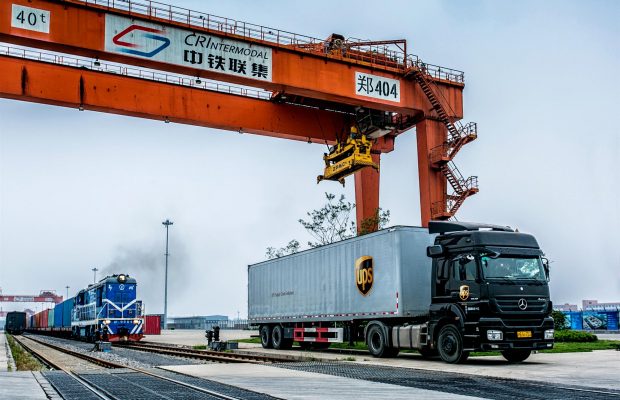
    UPS announced the addition of six stations to its Preferred full and less-than-container load (FCL and LCL) multimodal rail service between Europe and China. The additional stations will give customers moving goods on the world’s largest trade lane more options to reduce supply chain costs and better balance cost/time-in-transit requirements.

    Changsha, Chongqing, Suzhou and Wuhan Stations were added in China to the existing stations of Zhengzhou and Chengdu. In Europe stops in Duisburg, Germany and Warsaw, Poland were added to the existing stops of Lodz, Poland and Hamburg, Germany.

  • Tourists dent February Hong Kong retail sales

    Tourists dent February Hong Kong retail sales

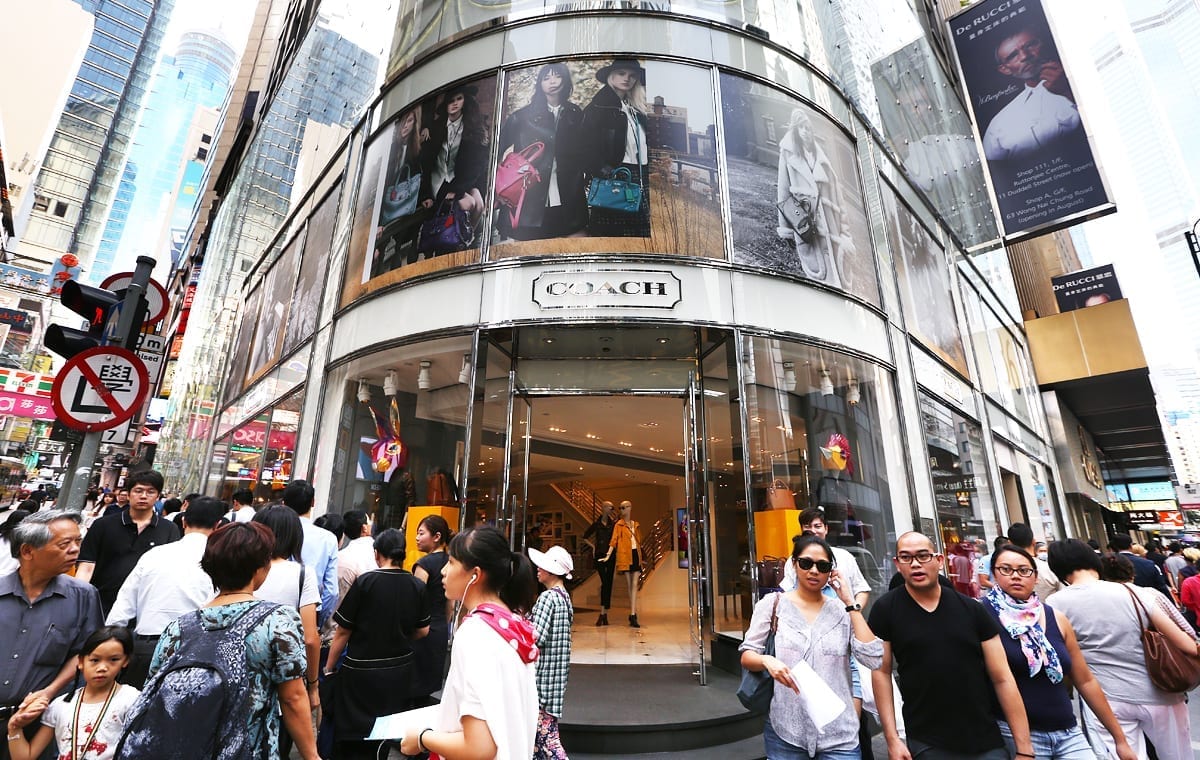
    Hong Kong retail sales fell by 5.7 per cent in February.

    But when the sales data for January and February are combined – eliminating the distortion caused by the timing of Lunar New Year – the decline is a more modest 3.6 per cent over the two months.

    The Census and Statistics Department provisionally estimated the value of retail sales in February at HK$34.8 billion. It revised its estimate for January to a decline of 1 per cent year-on-year.

    For the first two months of 2017 taken together, the value of retail sales decreased by 3.2 per cent compared with the same period in 2016, a figure similar to that for the fourth quarter of last year.

    A government spokesman said the retail sector’s performance was still constrained by the lack of growth in tourist spending despite the modest recovery of visitor arrivals in recent months.

    “Looking ahead, the performance of retail sales will depend on the recovery pace of inbound tourism as well as whether consumer sentiment will be affected by the various external uncertainties,” the spokesperson said.

    “At present, local consumer sentiment remains well underpinned by the prevailing favourable job and income conditions.”

    After netting out the effect of price changes over the same period, the provisional estimate of the volume of total retail sales in February 2017 decreased by 6.1 per cent year-on-year.

    Luxury relief

    Supporting comments from several watch and jewellery retailers in recent weeks, it appears the long-running decline for that sector has tapered off. The category recorded a mere 1.2 per cent decline in sales in January-February combined, the smallest decline of any category in negative territory.

    Electrical goods and photographic equipment plunged 23.6 per cent, while supermarket sales fell 3.5 per cent and department store sales by 1.6 per cent.

    Apparel sales fell 6.9 per cent, footwear and accessories by 6.5 per cent and furniture by 5.4 per cent.

    Cosmetics was the major improver by category, rising 2.7 per cent. Optical goods sales rose 1.4 per cent and food, alcohol and tobacco by 1.4 per cent.

    The C&SD used combined figures for the two months rather than February figures on their own, to provide a fair year-on-year comparison.

    “Retail sales tend to show greater volatility in the first two months of a year due to the timing of the Lunar New Year. Consumer spending in the local market normally attains a seasonal high before the festival. As the Lunar New Year fell on January 28 this year but on February 8 last year, it is more appropriate to analyse the retail sales figures for January and February taken together in making year-on-year comparison.”

  • StarHub has no plans to buy M1

    StarHub has no plans to buy M1

    Despite speculation, Singapore operator StarHub has no intention of acquiring or merging with struggling rival M1, according to reports.

    StarHub’s management does not plan to acquire M1, Singapore’s smallest major operator whose major shareholders recently revealed are conducting strategic reviews of their ownership.

    But the research report noted that it will be up to StarHub’s majority owner ST Telemedia to decide whether to pursue a purchase or merger.

    ST Telemedia owns 56% of StarHub, and is itself wholly owned by Singapore state investment company Temasek Holdings.

    But even if ST Telemedia is interested in a deal, the report notes that Singapore’s regulator is not likely to permit a deal that would result in spectrum holding even if it would allow another operator to acquire M1.

    Maybank Kim Eng has maintained a sell rating for StarHub shares due to what it says are structurally poorer margins.

    StarHub has separately recently announced the appointment of a new chief for its enterprise business group – former Integrated Health Information Systems CEO Chong Yoke Sin.

  • ZTE launches Big Video offering for telcos

    ZTE launches Big Video offering for telcos

    ZTE launched a new Big Video Premium OTT solution for operators at last week’s TV Connect 2017.

    The new solution is designed to help operators cut costs and shorten time to market with OTT video offerings, while ensuring end-users have a quality video experience.

    It incorporates technologies including multicast adaptive bit rate, cloud DVR and low latency technologies to provide video segmentation, aggregation and optimization capabilities.

    The solution also supports just-in-time packaging (JITP), which packages and transmits content only upon subscriber request, so only one copy needs to be stored to cut down on storage, as well as and multi-digital rights management technology to reduce investment on terminal DRM licenses.

    Operators will be able to adopt multiple potential business models to maximize profit-earning opportunities.

    ZTE said it has to date deployed a big video ecosystem comprising more than 90 commercial offices with a total system capacity of 80 million and more than 100 CDN commercial offices with a total concurrency throughput over 100Tbps.

  • Soekarno Hatta Airport to have zone of bonded logistic center

    Soekarno Hatta Airport to have zone of bonded logistic center

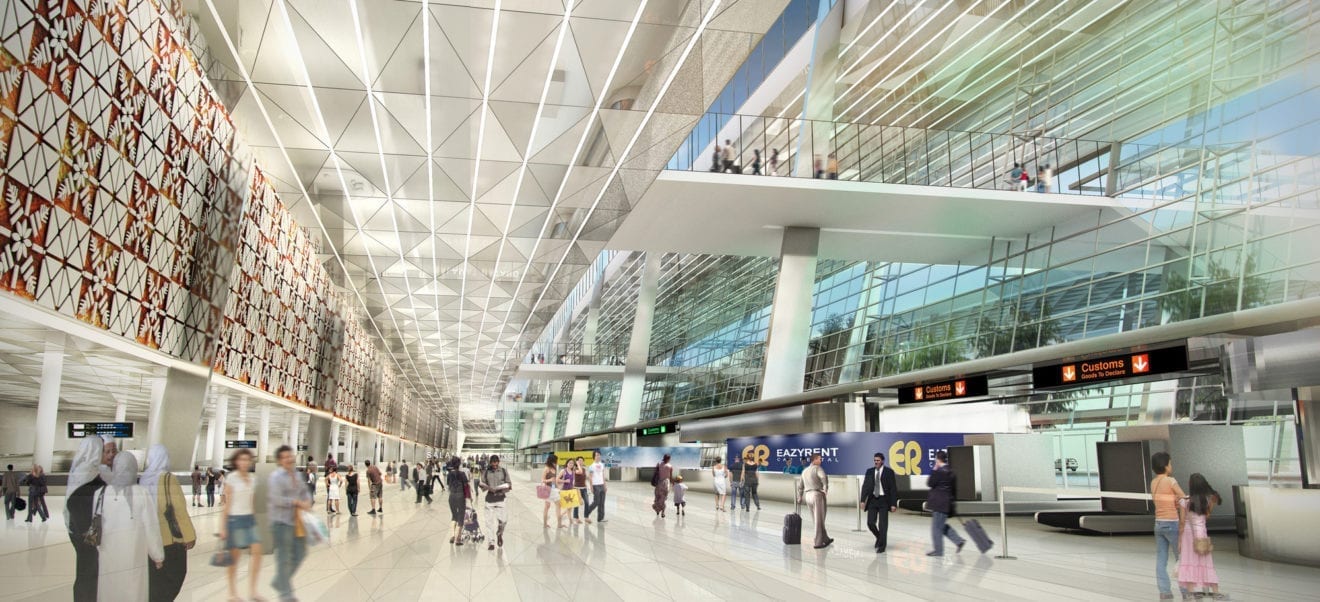
    State-owned airport operator PT Angkasa Pura II through its subsidiary PT Angkasa Pura Kargo is preparing the opening a zone of bonded logistic center (PLB) in the Soekarno Hatta International Airport.

    The bonded logistic center would facilitate cargo transport and improve the countrys competitiveness in global air cargo industry, Angkasa Pura II President Director Muhammad Awaluddin said in a statement here on Saturday.

    Awaluddin said the PLB would have three units in the Jakartas airport including in Warehouse I about 1,500 square meter wide, Warehouse II about 10,000 square meter wide to be built in 2018, and Warehouse III to be built in the Cargo Village in the airport 10,000 square meter wide to be built in 2019.

    He said the most potential market of the bonded logistic center is aircraft spare parts. The spare parts could be piled up in the warehouses of the PLB and clearance could be made there if imported spare parts are to be brought outside.

    “The Soekarno-Hatta International Airport is not far from the Tanjung Priok port that it is right to build the zone of bonded logistic center there,” he said.

    The PLB will also help improve efficiency and save logistic cost for the business players, he said.

    Airlines would benefit from the PLB that provides safe places for their spare parts that could be used any time repairs are needed immediately, he said.

    “The PLB could earn up to Rp2.5 trillion a year from the warehousing service for aircraft spare parts,” he said .

    In building the PLB zone, PT Angkasa Pura II will cooperate with related agencies including the Customs and Excise office, airlines, forwarders, banks , etc.

    Head of the Main Service Office of Customs and Excise of Type C in Soekarno-Hatta Erwin Situmorang expressed support for the opening of PLB in the airport complex by PT. Angkasa Pura II.

    “With the operation of PLB. industries do not have to rely on imports for basic materials they need . They could now rely on PLB,” Erwin said.

    He said PLB would reduce logistic cost and cut the waiting time for industries and open business opportunity in warehousing at the airport complex.

    The airport complex could grow to become a logistic hub in Asia Pacific.

    The opening of PLB is one of the messages of the governments second economic policy package issued early last year, when the president officially commissioned 11 units of PLB.

    Digitalization will also be applied in the operation of the PLB to be opened in the Soekarno-Hatta International Airport through the smartphone application provided by Angkasa Pura Kargo.
  • Miniso US launching in California

    Miniso US launching in California

    Miniso US opens its first store on April 21, in Pasadena, California.

    Established in 2013, Miniso is a variety store founded by Japanese designer Miyake Junya and Chinese entrepreneur Ye Guofu. The store offers designer-quality products including cosmetics, home furnishings, electronics and accessories.

    More than 80 per cent of the products are designed and developed in China, Japan, Malaysia, Singapore, South Korea and Singapore. New products are launched every seven days.

    On average, Miniso opens 80 to 100 stores monthly and is anticipated to have 6000 stores by 2020 with global revenues of US$9 billion.

    The company has signed agreements in more than 40 countries and regions, including Hong Kong, Korea, Macau, Malaysia, Vietnam and Singapore.

  • Forever 21 India opens in Kolkata

    Forever 21 India opens in Kolkata

    Fast-fashion brand Forever 21 India has opened a store in Kolkata, its 16th outlet on the sub-continent.

    Covering 6000 sqft (557 sqm), the store features the latest spring/summer collection, and as well as Forever 21 apparel and accessories includes the retailer’s other brands including 21 Men and cosmetics line Love and Beauty. It also offers lingerie and shoes.

    From Aditya Birla Fashion and Retail, Forever 21 already has a presence in Bangalore, Chennai, Delhi, Hyderabad, Mumbai and Pune.

    Forever 21, which introduces new styles every week, was founded in the US in 1984 by Korean immigrants. It has more than 600 stores under the Forever 21, XXI Forever, For Love 21, Heritage 1981 and Reference brands. In Asia, stores can be found in China, Japan, Korea and the Philippines.

  • Bankruptcy looming for Payless ShoeSource?

    Bankruptcy looming for Payless ShoeSource?

    Struggling US retailer Payless ShoeSource is headed for bankruptcy, reports Bloomberg.

    Payless, which has not commented on the report, operates some 4000 stores globally and under the reported Chapter 11 protection likely to be sought next week, will immediately shutter between 400 and 500. As many as 1000 may be closed as part of the restructuring plan aimed at rescuing the 61-year-old company.

    The company is owned by Golden gate Capital and Blum Capital Partners, who bought the business in 2012 as part of the break-up of Collective Brands. Headquartered in Kansas, it employs about 22,000 staff.

    Bloomberg cited sources familiar with the discussions but unable to comment publicly because they were not public.

  • Karaoke bars told to pay annual royalty fee of 9 cents per song in Vietnam

    Karaoke bars told to pay annual royalty fee of 9 cents per song in Vietnam

    Vietnam’s recording industry association told karaoke businesses to take copyright laws seriously. From mid-July this year, royalty fees for more than 10,000 licensed musical works will be collected by the Recording Industry Association of Vietnam (RIAV), the organization said in a statement on Tuesday.

    The rate for a one-year license for each song will be VND2,000 ($0.09).

    Before releasing the statement, the association conducted a survey on the use of musical works under the protection of the association for commercial purposes in the provinces of Quang Ninh, Tra Vinh and Ben Tre.

    RIAV claimed that infringing on copyright to make a profit violates the Civil Code, Intellectual Property Law and other relevant regulations.

    Along with the proposed fee, RIAV has told karaoke businesses to take copyright laws seriously by immediately taking protected songs off their playlists and complying with laws regarding the payment of royalties.

    Earlier this month, in a meeting with a state official, U.S. Ambassador to Vietnam Ted Osius highlighted his interest in protecting intellectual property. He also urged authorities to take action.

    Vietnam has signed five international conventions and treaties for the protection of artistic works.

    There are four associations in Vietnam set up to protect composers and their works.

  • Jetstar Pacific launches low-cost flight between Hong Kong and central Vietnam

    Jetstar Pacific launches low-cost flight between Hong Kong and central Vietnam

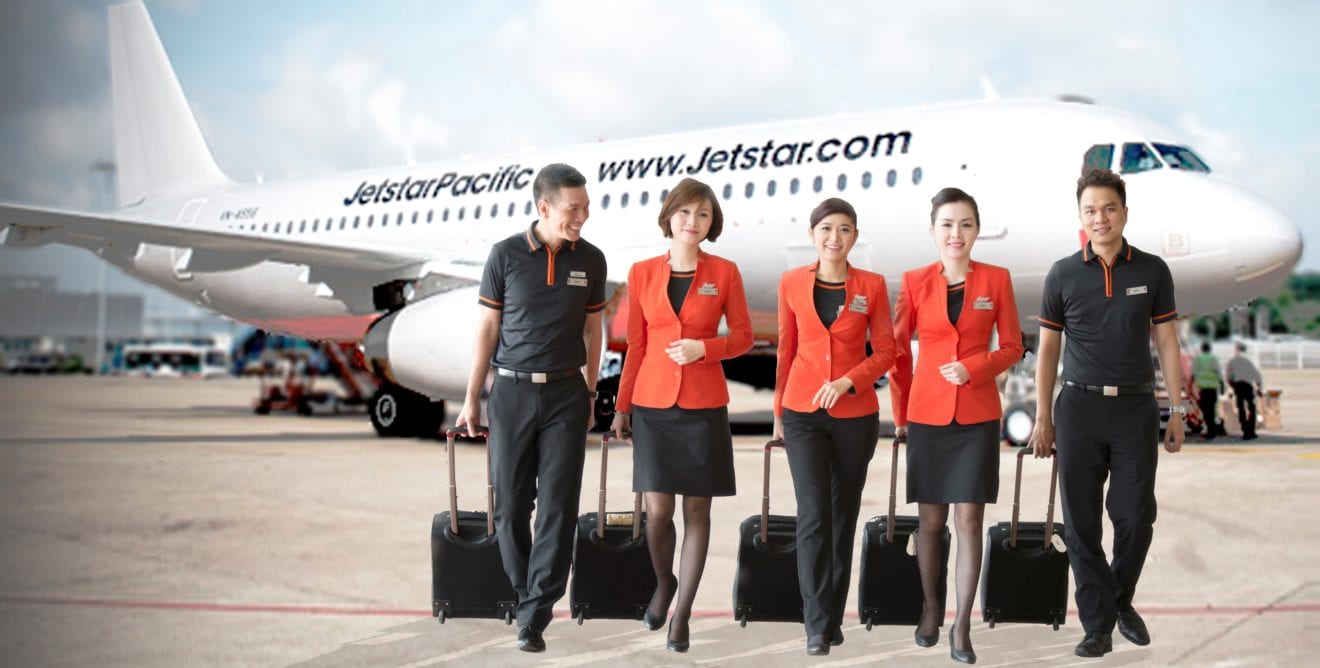
    It is the carrier’s third international flight route from Da Nang City. Jetstar Pacific has started its Da Nang – Hong Kong service, using Airbus A320 aircraft with 180 seats in economy class, to meet the rising travel demand and promote tourism in Vietnam’s central resort city, the Da Nang tourism department said.

    Tickets cost from VND290,000 ($12.75) for one-way flight, which lasts one hour and 45 minutes, the department said in a report, citing the airline.

    The carrier will run three flights per week on Monday, Tuesday and Friday.

    The route, which was launched Monday, is the budget airline’s third international route linking Da Nang with foreign cities, after Taipei of Taiwan and Singapore.

    Jetstar Pacific, 70 percent-owned by flag carrier Vietnam Airlines and 30 percent by Australia’s Qantas Airways, currently operates flights to 80 destinations of 17 countries.

    International tourist arrivals to Da Nang last year jumped 31.6 percent from 2015 to 1.7 million.

    Cathay Dragon and HK Express have already been operating on the Da Nang-Hong Kong route, with seven flights and three flights per week, respectively.

  • AirAsia to connect Pontianak with Kuching in June

    AirAsia to connect Pontianak with Kuching in June

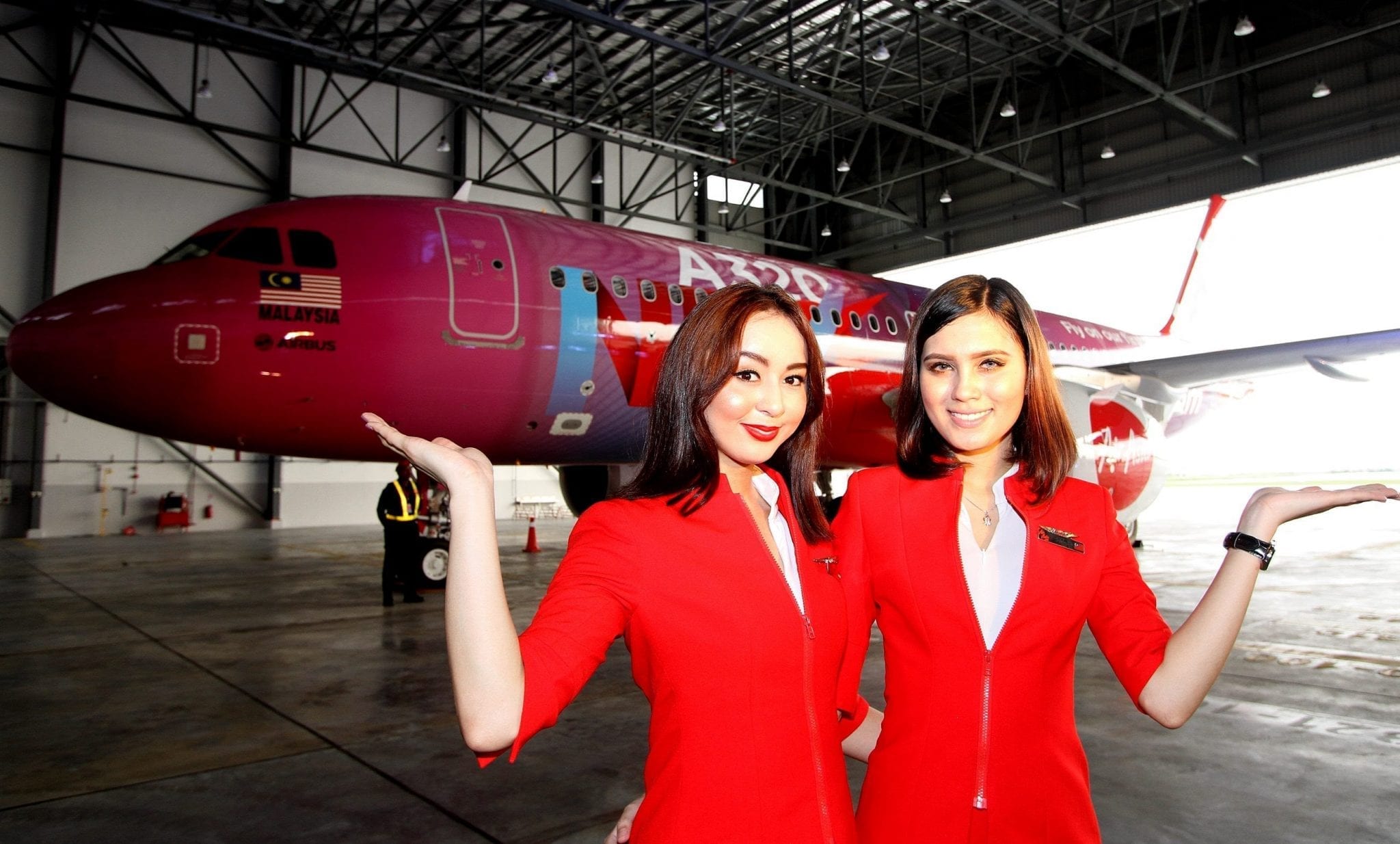
    Budget airline AirAsia is set to open a new direct route from Pontianak in West Kalimantan to Kuching in Sarawak, Malaysia, starting on June 5.

    The carrier currently serves only one route from Pontianak to Malaysia. Its planes fly to Kuala Lumpur. The new service also marks its first direct flight from Indonesia to Kuching.

    AirAsia Berhad commercial head Spencer Lee said that the move aimed to contribute to the development of local tourism, economics and trade in the two cities.

    Available once a day, the flight from Pontianak to Kuching is scheduled to depart at 12:10 p.m. and the one from Kuching to Pontianak at 11:55 a.m.

    To celebrate the new service, AirAsia is currently offering promotional tickets for flights taken between June 5 and Sept. 30 for starting prices of Rp 249,000 (US$19) for bookings made through its mobile app by April 2.

  • Tata Motors announces JV with Jayem Automotives for special performance vehicles

    Tata Motors announces JV with Jayem Automotives for special performance vehicles

    Tata Motors on Friday has announced the launch of JT Special Vehicles, a 50:50 joint venture with Jayem Automotives, for the development of special performance vehicles based on the latest series products, informed the automaker in an official statement.

    As part of the agreement, both Tata Motors and Jayem Automotives will work towards performance enhancement and appearance of series vehicles to offer an innovative range of niche aspirational products for the passenger car customers.

    Guenter Butschek, CEO and Managing Director, Tata Motors, said, “We are delighted to partner with Jayem, a brand known for its capabilities in concept creation and prototyping of special performance vehicles. This partnership is a step towards creating long-term relationships as a part of our transformation journey and to bring more exciting performance variants to our product range”

    J Anand, Managing Director, Jayem Automotives, said, “We are excited about our joint venture with Tata Motors and to be a part of their transformation journey. We aim to bring World Class Performance Products to market in a short time, and to fulfil expectations of passionate customers in the niche segment of sportier cars.”

    JT Special Vehicles will develop a range of performance vehicles in a phased manner at a dedicated line, currently being explored at Coimbatore. With all processes including design, precision machining, assembly, and testing facilities driven under one roof, this facility will aim to deliver the next level of personalisation and enhanced performance with agility and efficiency.

    As part of Tata Motors’ Passenger Vehicle business strategy, while an architecture approach with two platform strategy will reduce complexity, these special performance vehicles will be targeted to augment the latest product range in our vision to build aspirational cars, added the automaker.

  • Hong Kong offers a loophole to China’s ivory ban

    Hong Kong offers a loophole to China’s ivory ban

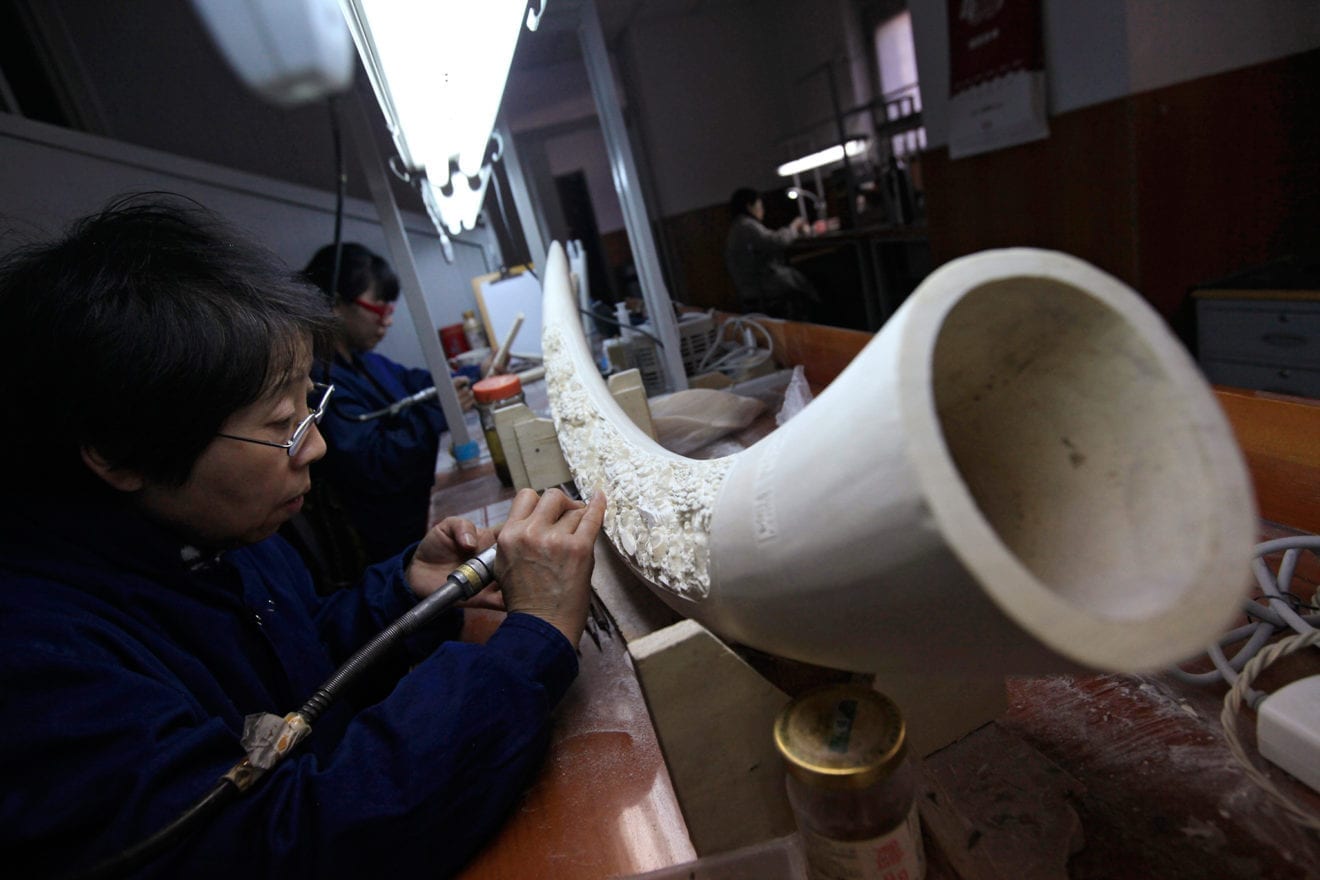
    China, the world’s largest importer and end user of elephant ivory tusks, is shutting a third of its ivory factories and retail stores on Friday (March 31), the first major step ahead of a formal ban on ivory sales by the end of the year.

    China will shut 67 carving factories and stores with the remaining 105 outlets to be shut before the end of the year, according to documents released by China’s Forestry Administration.

    The high-profile move has been hailed by activists, but they caution that Hong Kong, a special administrative region of China, remains a prime obstacle in eradicating the illegal elephant poaching trade.

    The former British colony, which has the largest retail market for ivory and has traded it for more than 150 years, is a prime transit and consumption hub with more than 90 per cent of consumers from mainland China.

    Hong Kong set a time table for a ban on ivory trading last year with a phase-out time of five years. Lawmakers met this week to discuss the ban but have yet to decide on details and whether to shorten the phase-out process.

    Rights groups say a five-year horizon is too long and the problem of laundering ivory will become far more rampant before a total ban is in place.

    WildAid, a wildlife non-government organisation, estimates up to 30,000 elephants are killed illegally every year. It said markets like Hong Kong had provided “laundering mechanisms for poached ivory and perpetuated the demand”.

    While the price of ivory has fallen by almost two thirds in the last three years, according to a report by Save the Elephants, the danger from poaching remains acute.

    China made a big push to eradicate ivory sales and demand has fallen since early 2014 due to a crackdown on corruption and slowing economic growth. Public awareness campaigns starring Chinese celebrities have also helped to highlight the impact of poaching.

    The wholesale price of raw ivory fell to US$730 (S$1,020) per kg in February from US$1,100 per kg in November 2015 and US$2,100 per kg in early 2014, according to Save the Elephants.

    “Hong Kong’s commitment is in stark contrast to China who are leading the way,” Oliver Smith, chief executive of David Shepherd Wildlife Foundation, said in a letter to Hong Kong lawmakers, adding that if the five-year period was unchanged, “an additional 150,000 elephants will have been killed”.

  • Carrefour China joins One Store One School One Farm Project across China

    Carrefour China joins One Store One School One Farm Project across China

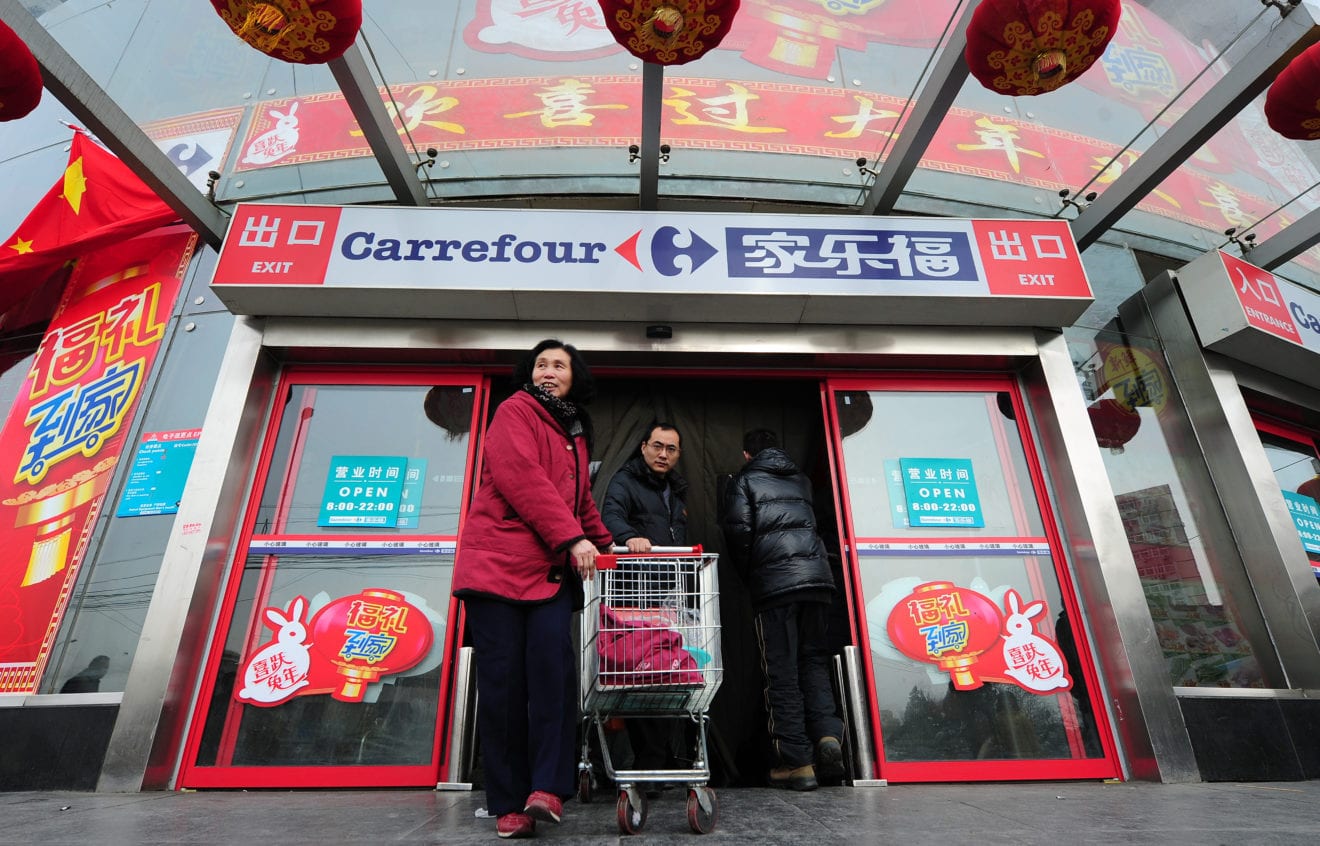
    By end March, 2017, 300+ students from 13 primary schools and 250+ employees from 12 Carrefour China stores have joined One Store One School One Farm Project across China (Shanghaï, Schenzhen, Chendu, Beijing, Shenyang and Wuhan).

    13 activities including bakery class, little experts (lab test) and farm experience were organized, and the education and knowledge of food safety, nutrition and anti food waste have been promoted to all of those students and their families.

    This operation has been rewarded by China Youth Development Foundation with the Contribution Award 2016  for One Store One School One Farm Project launching in China.

  • High potential for greenhouse grown melons in Asian retail

    High potential for greenhouse grown melons in Asian retail

    Strong local economic growth is fueling the activities of Rijk Zwaan in Southeast Asia. According to area manager, Ahmet Tunali, the growing rich middle class and their demand for premium products are opening the doors for complete chain management.

    “As a result of the increase in wealth, big retail chains are gaining a foothold and are looking for direct suppliers of high quality, special products”, said Ahmet Tunali, Area Manager at Rijk Zwaan. They are getting into direct trade relationships with produce companies, as well as new products and varieties.”

    The area manager said that, for these reasons, there is more demand for produce grown in a protected environment. “Greenhouses have become a standard to grow environmentally friendly produce, with less water and less chemicals. The products can be marketed at a premium since they are of a better and more consistent quality than produce from the open field. This creates new markets, such as the one for hydroponic lettuce. This is growing at a rapid pace, especially in Vietnam, where we have a obtained a large market share with our Salanova and other lettuce varieties.”

    Bell peppers are another important product category for Rijk Zwaan in Southeast Asia. “In the north of Thailand, in the regions of Chian Mai and Chiang Rai, a lot of green, red, yellow and sometimes orange peppers are grown in greenhouses at altitudes of 400 to 1100 meters. These growers sell directly to retail and skip the so called ‘wet market’ (the Asian wholesale market).”

    And then there are the greenhouse grown melons. They are a good example of the possibilities with fresh produce chain management in Asia.

    “We gained a lot of experience with the introduction of melons in South America, and since a few years we’ve been looking at what the odds are in Thailand. In close cooperation with both growers and retailers, we successfully introduced a new type of melon in this market, the Golden Emerald melon. This melon is marketed as a premium product by large retailers and is characterized by its extended shelf life, taste and uniform quality and firmness.”

    Tunali expects a lot more to come from the Southeast Asian market in the coming years. “It will become very important to select and introduce varieties and complete concepts according to the demand and possibilities within the local market. It is a very promising market with a lot of opportunities for the development of protected crops.”