Blog

  • Singtel launches global optimized internet service

    Singtel launches global optimized internet service

    Singtel has launched an optimized internet service promising to provide enterprises with up to ten times faster access to cloud applications.

    The operator’s new ConnectPlus Optimized Internet Service provides assured internet connectivity between enterprise’s offices worldwide by taking advantage of the ConnectPlus IP VPN network comprising around 430 PoPs worldwide.

    Enterprises can take advantage of the network by connecting their offices worldwide using a hybrid WAN configuration capable of delivering assured, high-performance connectivity, which will also allow enterprises to expose less critical data to attack over the public internet.

    The second component of the service is the ConnectPlus Optimised Internet Cloud Access service, which Singtel said can overcome latency problems to boost cloud connection speeds tenfold.

    “Many enterprises use the internet to access their applications on public clouds as it is convenient and widely available. However, internet access can be affected by unstable connectivity or latency issues,” Singtel CEO Bill Chang said.

    “With the Singtel ConnectPlus Optimized Internet service, enterprises are not only assured of reliable and secure internet connectivity, they can also raise their productivity by accessing their data and business solutions in the cloud much faster.”

  • Alibaba plans regional distribution hub in Malaysia

    Alibaba plans regional distribution hub in Malaysia

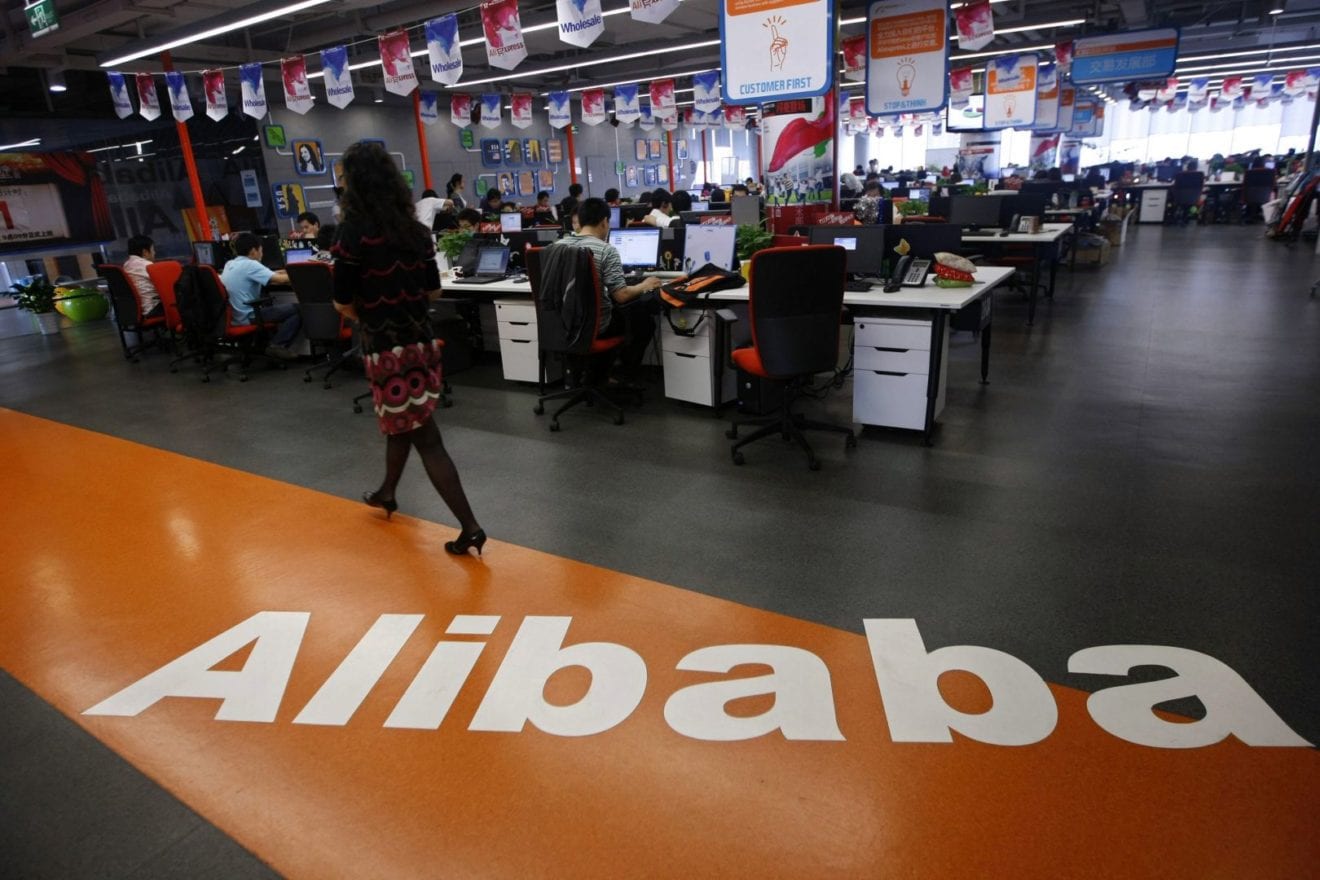
    Alibaba Group has signed an agreement with the Malaysian government covering the establishment of an e-fulfillment hub in Kuala Lumpur and a one-stop online cross-border trading platform.

    The agreement will also include cooperation in e-payment and financing, and development of e-talent training that will fit into Malaysia’s roadmap of transformation into a digital economy.

    The e-hub to be built near the Kuala Lumpur International Airport is under the Electronic World Trade Platform (eWTP) initiative which is being undertaken together with the Malaysia Digital Economy Corporation (MDEC) and other parties. The facility is envisioned to function as a centralized customs clearance, warehousing and fulfilment facility for Malaysia and the region, to deliver faster clearance for imports and exports.

    “We have set out plans to progress Malaysia’s economy and place it firmly at the center of the global marketplace. To do this we need to harness the assets that we have and provide the support for individuals and businesses to be competitive in the new digital landscape. “The Alibaba Group is at the forefront of private sector development of e-commerce solutions and their ambitions to enable trade, particularly for SMEs, make them the perfect partner in this new initiative,” said Prime Minister Razak.

    Ma proposed the establishment of digital free trade zones for small businesses while attending the St. Petersburg International Economic Forum in Russia last June, suggesting that such special trading areas can act as e-commerce hubs linking up markets around the world.

    As part of Malaysia’s DFTZ initiative, the e-hub will provide new commercial opportunities on the established trade route with the country. As more trading routes are covered with new hubs that reflect the needs of the firms participating in the modern economy, a digital global e-road will be created.

    Alibaba has already played a key role in the establishment of the China (Hangzhou) Cross-Border E-Commerce Comprehensive Pilot Free Trade Area which will be connected to the DFTZ in Kuala Lumpur.

    The eWTP’s e-hub concept has been incorporated into Malaysia’s DFTZ which will see the involvement of Alibaba, its subsidiaries and affiliates such as Lazada and Cainiao Network in other areas as well, such as the proposed e-service platform, which, when connected to Alibaba’s OneTouch platform, will link Malaysia directly to the e-commerce pilot area in Hangzhou, China to allow SMEs and businesses to trade conveniently and efficiently between the two countries. Relevant parties from both sides will also explore e-payment and financing opportunities and establish training programs to help incubate startups and develop skillsets in individuals in support of Malaysia’s digital economy development.

    “With innovation throughout the supply chain, support from governments and important private sector collaborations, we will achieve our aim of enabling SMEs and young people to thrive and enjoy in the fruits of the next phase of globalization,” Ma said.

  • Viettel aims to complete 4G rollout by April 10

    Viettel aims to complete 4G rollout by April 10

    Vietnam’s Viettel aims to be complete with its nationwide 4G rollout by April 10 after a frenzy of base station installations over the past six months.

    The military-run operator has deployed 36,000 4G base stations since commencing the rollout in November last year. The company has completed the installation of 1,000 4G base stations per day.

    At this pace, Viettel has been installing in one week as many base stations as it took a year to deploy during the operator’s 2G rollout.

    Viettel now has a number of 4G base stations comparable to that of its 2G network and exceeding the number of 3G base stations. Its network spans all provinces and cities in the nation, covering around 99% of all districts.

    According to the report, the pace of Viettel’s 4G rollout is considered unprecedented globally. As well as its base station footprint, Viettel has 320,000km of fiber domestically and around another 180,000km in overseas markets.

    The report also states that Viettel has set a target of ensuring that by 2020 every Vietnamese citizen has a smartphone and access to the internet. To achieve this goal the company plans to offer 4G-capab le handsets for as little as 1 million dong ($43.90).

  • Burger King, Foodpanda launch April Fool’s Day campaigns

    Burger King, Foodpanda launch April Fool’s Day campaigns

    A Whopper-flavoured toothpaste and a weekend staycation where you can chill in a panda costume… those were the first two April Fool’s Day pranks orchestrated by marketers this silly season.

    Putting aside for a moment the question of whether launching such promotions several days in advance really qualifies as an April 1 stunt, the issue is whether the marketing programs are designed to make the news media look foolish in an era of growing chatter about “fake news”, or are just an entertainment for consumers.

    Foodpanda Singapore issued a media release on Wednesday promoting a “wellness retreat” dubbed The Pandanctuary.  The food delivery service cited “UK research” (not referenced) as finding that more than 10,000 people “enjoy dressing up as animals to escape the pressure of modern living”.

    In the release, MD Aspa Lekka (her name checks out on Google) says: “With studies showing that dressing up like an animal is scientifically proven to reduce stress levels, we wanted to give our busy customers the opportunity to see what it’s like to live like our ‘chilled out’ mascot for the weekend – the beloved panda.”

    The release was distributed by Leon Tan, an account executive with W, whose signature file references an award for “Best new PR consultancy in Asia Pacific”. We sent Tan an email asking him to confirm it was an April Fool’s Day stunt. He didn’t reply.

    But the sheer detail of the promotion was impressive enough to fool the likes of mainstream media including the South China Morning Post, which appeared to treat it seriously in an online article.

    According to the release, Foodpanda has partnered with Studio M Hotel on Nanson Road to create “the ultimate panda experience, decking out bespoke ‘panda rooms’ with bamboo plants, play ropes and large water bowls”. Catering will be provided by Jamie’s Italian.

    The biggest hint of mischief in the campaign was at the bottom of the application form where those interested in participating in the “pandamonium” had until “23.59 on March 31” to apply.

    Here’s a video of The Pandanctuary:

    A whopper

    Meanwhile in Europe, Burger King France and its ad agency Buzzman claim to have teamed up with “experts” to create a signature toothpaste with extracts that recreate the distinctive barbecued beef flavour of its Whopper burger (also note that in western slang, “whopper” means a massive lie).

    They even created a realistic 60-second commercial to promote it, in movie-trailer style with the memorable tagline “the Whopper’s taste is so good, some people will do anything to keep it in their mouths”:

    As Marketing Interactive reported online, considering April Fool’s Day is this week “we can safely assume this is a joke – but we will report back if we get our hands on a sample”.

  • Katrina Group plans So Pho restaurants for Hong Kong

    Katrina Group plans So Pho restaurants for Hong Kong

    Singapore’s Katrina Group, an F&B business specialising in multi-cuisine concepts, has taken a step toward opening So Pho restaurants in China and Hong Kong.

    It has signed a non-binding memorandum of understanding with fast-casual restaurant group Ajisen (China) Holdings regarding collaboration on the restaurants. The parties will negotiate and determine if this will be through a franchise or JV, with a definitive agreement expected to be finalised within the next few months.

    Ajisen China, which is listed on the mainboard of Hong Kong Stock Exchange, has a chain of restaurants under different brands in China and Hong Kong.

    Katrina founder/CEO/executive chairman Alan Goh says the collaboration is a step toward the company’s aim of growing its overseas presence and diversifying its revenue stream.

    Katrina Group owns and runs 33 restaurants in Singapore under nine different brands, including Bali Thai and Streats, which services streetfood-style dishes. It also has two restaurants in China.

  • SM Supermalls teams with Grab

    SM Supermalls teams with Grab

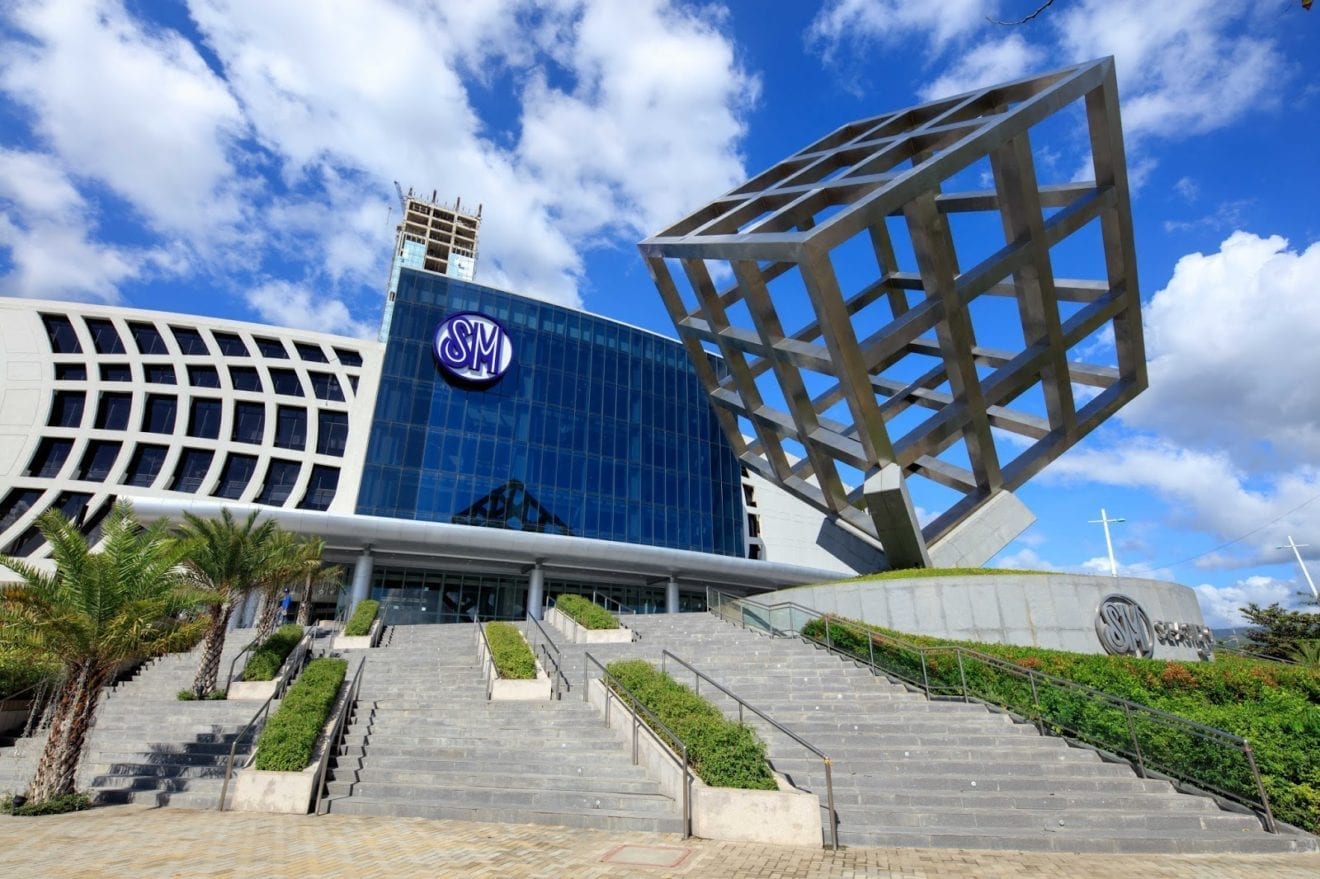
    SM Supermalls has partnered with ride-hailing and multi-service mobile platform Grab in a special promotion.

    Grab

    The companies will offer 10,000 Grab coupons in Metro Manila and such key cities as Bacolod, Cebu, Davao and Iloilo. New users are offered free rides while existing Grab customers receive half-price rides.

    “Our collaboration with Grab marks not just a beginning of a bigger, long-term partnership, but also gives a glimpse of what our customers can expect in the coming months,” says SM Supermalls senior VP for marketing Jonjon San Agustin.

    Grab booths are available at 20 SM Supermalls nationwide, and the coupons are part of a campaign to reward shoppers. The SM Supermalls mobile app is free on Android and iPhone.

  • Celine Korea opens store in Seoul

    Celine Korea opens store in Seoul

    French luxury fashion house Celine Korea has opened a store in Seoul’s fashionable Cheongdam district.

    CELINE-new-store-Seoul-Cheongdam-district-3

    In a double-storey building with a perforated brick facade, the shop has an interior furnished with bespoke ware designed by Danish artist Fos (Thomas Poulsen).

    CELINE-new-store-Seoul-Cheongdam-district-4

    CELINE-new-store-Seoul-Cheongdam-district-1


    Celine’s small leather goods and bags are featured on the first floor, while the second floor is devoted to the brand’s shoes and ready-to-wear collection.

    CELINE-new-store-Seoul-Cheongdam-district-2

  • Asia drags down Li & Fung turnover

    Asia drags down Li & Fung turnover

    Li & Fung turnover and core operating profit have been hit by a tough retail environment last year, particularly in Asia.

    However, its resilient performance and cost control saw it improve total margin percentage, while logistics continued double-digit growth

    Li & Fung turnover in Asia dropped by 36.1 per cent year on year to US$1.3 billion. Excluding the impact of the strategic divestment of the Asia consumer and healthcare distribution business last year, turnover in Asia fell by 13.3 per cent to $700 million, impacted by the muted economic environment.

    Turnover in rest of world fell by 20.2 per cent to $1.1 billion, primarily because of soft consumer demand. Overall, turnover was down by 11 per cent to $16.8 billion, and excluding the Asia divestment the fall was 8.3 per cent.

    Like-for-like operating profit fell 17.7 per cent to $408 million, but Li & Fung says it is making “sustained efforts” to improve operating efficiency and productivity through technology and streamlining of the cost base.

    Total margin fell by 10.4 per cent to $1.9 billion, primarily because of the decline in total turnover. Excluding the Asia divestment, the decrease was 6 per cent.

  • Zoff to open flagship in Orchard Central

    Zoff to open flagship in Orchard Central

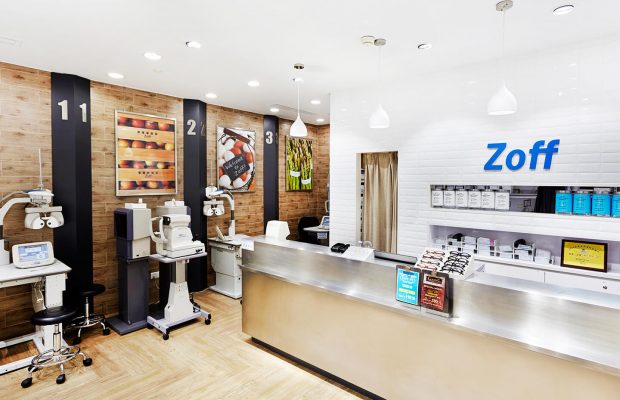
    Japanese eyewear chain Zoff is expanding into Southeast Asia with a flagship outlet at Orchard Central in Singapore.

    Zoff, known for consistently introducing two collections every month, has more than 200 stores in Japan and China. Its Singapore flagship store at Orchard Central will open on April 7 with a traditional lion-dance performance plus a performance by dance duo Scrach Marcs.

    Zoff president/CEO/COO Teruhiro Ueno will attend the opening and is expected to speak about the company’s expansion plans.

  • Harajuku’s Anywhere Door offers Coneshots

    Harajuku’s Anywhere Door offers Coneshots

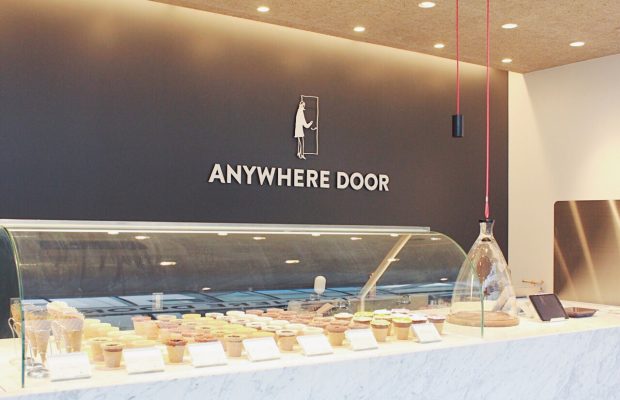
    Japanese accessories retailer Dot Co has branched into cafes, launching Anywhere Door, taking the name from the fictional transportation device in the Doraemon cartoon series.

    But this is not a transportation portal – it is a concept built around the Coneshot, an ice-cream cone cup with chocolate frosting and containing coffee, tea or orange juice with extras and toppings.

    According to the website, fillings can also include ice cream and whisky.

    Cone Shot shop Tokyo 2

    If comes from the waffle shot – espresso coffee in a chocolate-coated waffle cone – pioneered by such Los Angeles coffee shops as Alfred Coffee & Kitchen and Zia Valentina a few years ago.

    In Tokyo’s Harajuku district, Anywhere Door takes a sweeter approach involving chocolate cream, marshmallows and mascarpone. A creamy tiramisu cone filling is also offered with matcha or roasted tea.

    As well as coffee variations, Coneshot options include matcha and fruit combinations.

  • Zalora Philippines partners with Inquirer.net

    Zalora Philippines partners with Inquirer.net

    Online fashion store Zalora Philippines has signed a partnership with media site Inquirer.net with the aim of making online shopping more convenient.

    Zalora Group sells fashion and lifestyle products online in Brunei, Hong Kong, Indonesia, Malaysia, Singapore and Taiwan as well as The Philippines. Its partnership with the news site is a response to the growing Filipino digital lifestyle.

    The contract signing was attended by Zalora Philippines co-founder/CEO Paulo Campos III and Inquirer.net president Paolo Prieto and COO Gary Libby.

    Campos says that with the average Filipino spending eight hours a day online, half on desktop and half on mobile, the Philippines is the leading country in terms of time spent on social media and on the internet overall.

    He says 70 per cent of the population is 35 years or younger, with the median age being 23, and with the average Filipino connected all the time “that’s something very revolutionary”.

    He says it is a “cataclysmic shift” in consumer behavior and in the market in a good way.

    However, he sees the challenge in online shopping as removing frustration and disappointment such as unexpected delays on deliveries.

    Campos says that in most cases, Metro Manila online shoppers will receive their purchases within a day, with the average delivery time being 1.3 days. In other key cities like Bacolod, Cebu, Davao, Iloilo, Pampanga, Tacloban and Zamboanga it will take an average of 2.5 days for an item to be delivered, and an average of 3.5 days to one week for further-flung cities and remote areas.

    Zalora will next month add international brands such as Abercrombie and Fitch, Burton Menswear, Dorothy Perkins, Hollister and Topshop/Topman to its site.

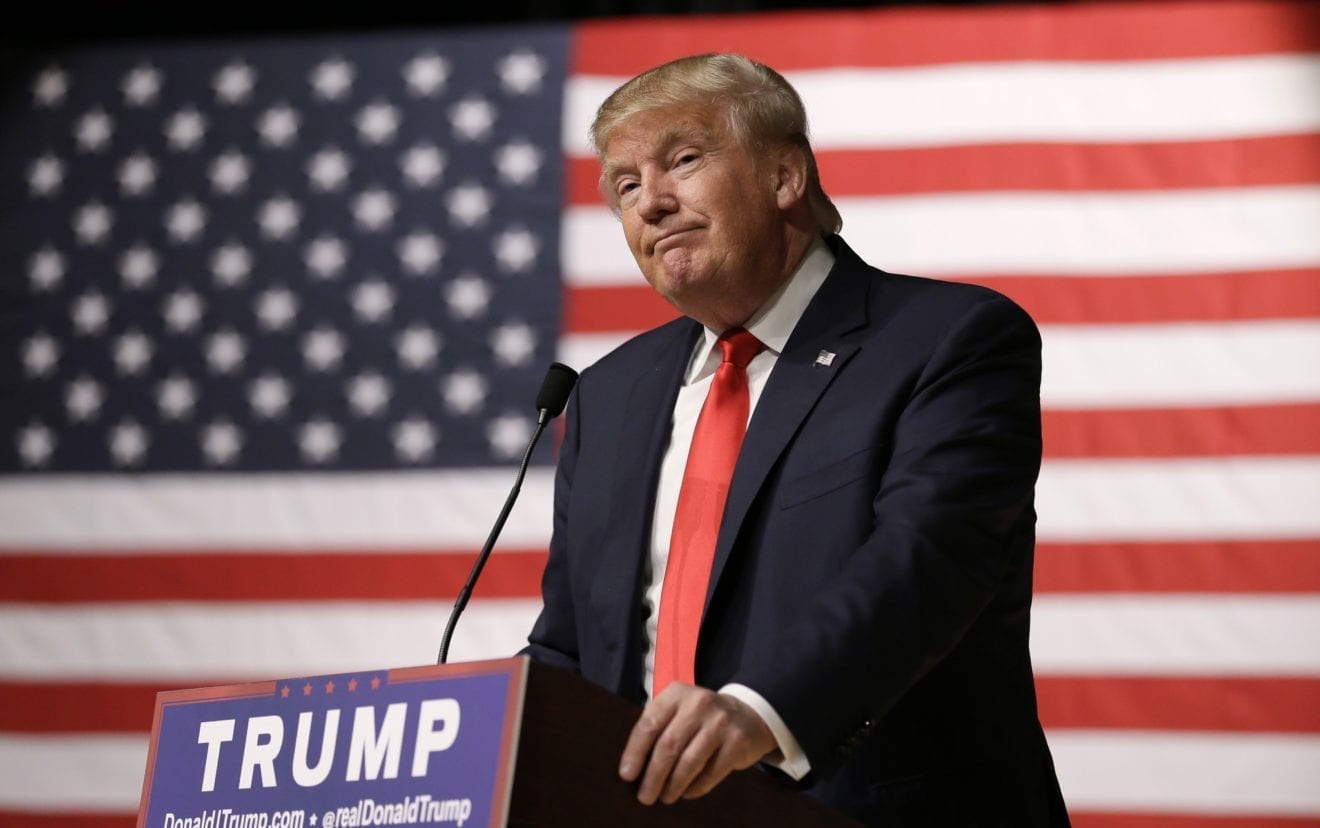
  • What Will Trump’s ‘America First’ Approach Do For the Global Retail Market?

    What Will Trump’s ‘America First’ Approach Do For the Global Retail Market?

    In case you hadn’t noticed, U.S. President Donald Trump has elected for an ‘American First’ approach that will favour national brands, citizens and spending priorities. Now while there is nothing necessarily wrong with this, the tone adopted by the President has been divisive in the extreme while causing racial tensions to rise nationwide.

    Trump’s insular outlook is also bad news for globalisation, with the environment already suffering amid the President’s attempts to slash climate change. Make no mistake; the global economy may be about to follow suit, however, particularly interconnected entities such as the retail sector.

    How Will Trump Impact on Retail and Lucrative Markets Such as Singapore?

    When Trump outlined his philosophy and planned spending during a recent address to the nation, he did not specifically touch on retail as an independent entity. He has already maligned global retail partners during his brief tenure as President, however, with the Mexican sector struggling as a result of the President’s controversial objective to build a border wall and hike import taxes. In fact, firms such as Cath Kidston are already thought to have shelved plans to expand into Mexico, restricting both American companies and the global sector as a whole.

    The negative impact of Trump’s presidency on the retail market is unlikely to end here, however, with Singapore also facing potential issues. Historically, Singapore exported goods in excess of $100 million per annum to the U.S., with retail favourites such as chocolate, cocoa and snack products dominant. This number had been expected to rise incrementally under the terms of the Trans-Pacific Partnership (TPP), until President Trump withdrew the U.S. from the ongoing agreement as part of his desire to increase the number of American jobs available to citizens.

    The full affects of this move and its impact on Singapore’s trade relationship with the U.S. have yet to be seen, of course, but the nation’s export market is likely to shrink and have a negative impact on GDP for 2017. This news has dampened the enthusiasm that surrounded positive domestic figures in the region, with total retail sales in Singapore rising by 2.0% at the beginning of January and supermarket transactions increasing by as much as 13.0% during the same period.

    The Last Word: Worrying Times for the Global Retail Sector

    In some respects, Trumps approach may yet create a more competitive retail sector that benefits the customers. The President’s desire to create competitive U.S. exports have already caused the value of the USD to waiver in recent times, which in turn will drive market competition while aiding ailing currencies such as the GBP and the Euro.

    Overall, however, Trump’s insular focus will destabilise the global economy and have a negative impact on worldwide trade volumes, and this is never likely to be good news for retailers. For countries like Singapore, there is little to do but focus on optimising the trade agreements that are in place with their global partners, while also leveraging domestic retail growth across all sectors.
  • Mobile malware infections continue to rise

    Mobile malware infections continue to rise

    Nokia’s latest Threat Intelligence Report indicates that there was a steady increase in mobile device infections throughout 2016.

    Malware struck an estimated 1.35% of all mobile devices in October – the highest level seen since reporting started in 2012.

    The overall infection rate meanwhile increased 63% sequentially in the second half of 2016.

    Smartphones were the top malware targets by far, accounting for 85% of all mobile device infections in the second half of 2016. The report also revealed a surge of nearly 400% in smartphone malware attacks in 2016.

    While Android-based smartphones and tablets continued to be the primary targets (81%), reflecting the prevalence of the operating system worldwide, iOS-based devices also suffered attacks in the second half of the year (4%), primarily by Spyphone surveillance software that tracks users’ calls, text messages, social media applications, web searches, GPS locations and other activities.

    The Threat Intelligence Report also exposed major vulnerabilities in the rapidly expanding universe of IoT devices, underscoring the need for the industry to re-evaluate its IoT deployment strategies to ensure these devices are securely configured, managed and monitored.

    In late 2016, the Mirai botnet assembled an army of compromised IoT devices to launch three of the largest DDoS attacks in history, including an assault that took down many high-profile web services. These attacks underscored the urgent requirement for more robust security capabilities to protect IoT devices from future attacks and exploitation.

    ”The security of IoT devices has become a major concern,” commented Kevin McNamee, head of the Nokia Threat Intelligence Lab. “The Mirai botnet attacks last year demonstrated how thousands of unsecured IoT devices could easily be hijacked to launch crippling DDoS attacks. As the number and types of IoT devices continue to proliferate, the risks will only increase.”

    The report also indicates that Windows/PC systems accounted for 15% of malware infections in the second half of 2016, down from 22% in the first half of the year.

    The monthly infection rate in residential fixed broadband networks averaged 10.7% in the second half of 2016, down from 12% in the first half, and down from 11% in late 2015.

    While moderate threat level adware activity decreased in the second half of 2016, high-level threats (e.g., bots, rootkits, keyloggers and banking Trojans) remained steady at approximately 6%.

  • DFS and Changi celebrate the sixth Singapore MOWS event

    DFS and Changi celebrate the sixth Singapore MOWS event

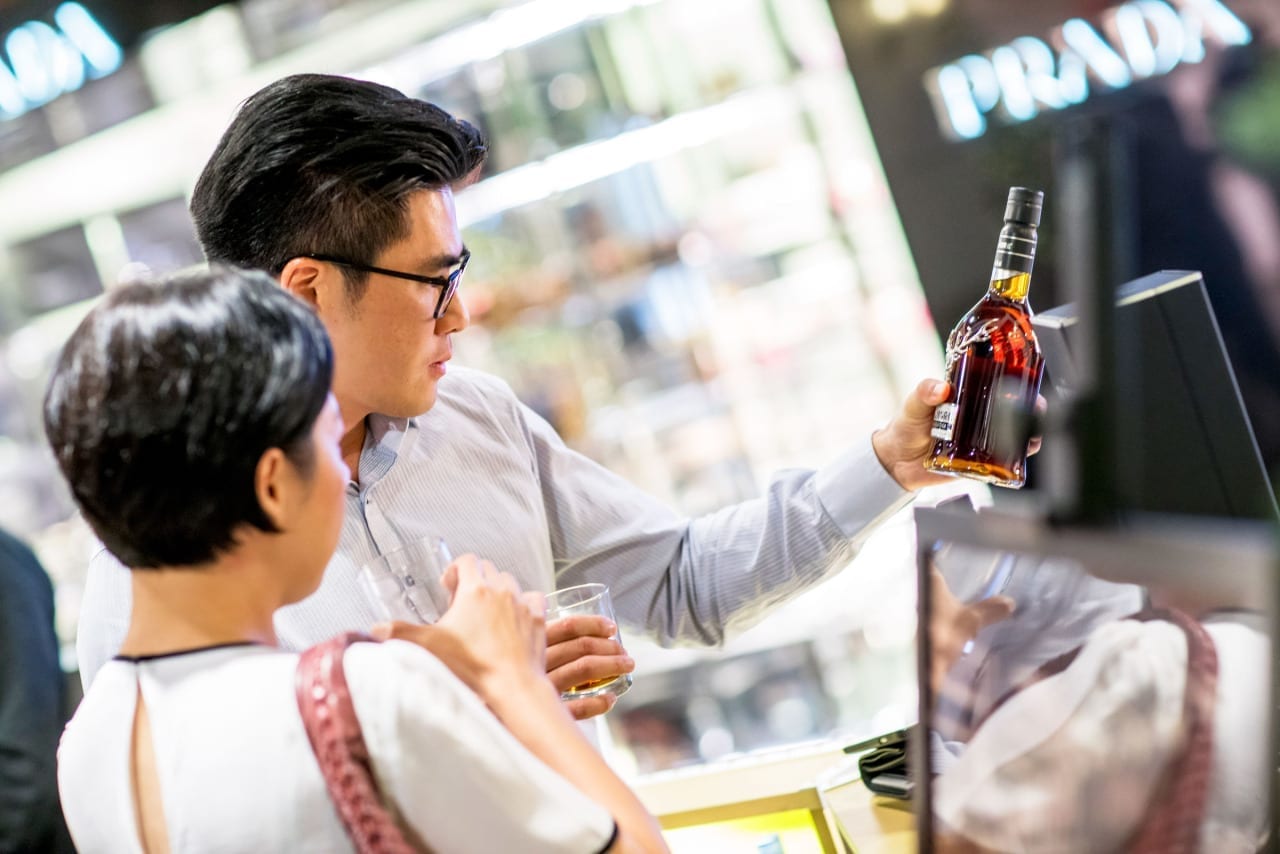
    DFS Group and the Changi Airport Group celebrated the sixth annual Masters of Wines and Spirits event (MOWS) in Singapore last Saturday (25 March) with a collection of more than 60 Cognac expressions, plus wines and whiskies from more than 50 houses.

    This culminated in ’a spectacular gala event’ on Singapore’s famous Tras Street, with the specially selected collection now set to be exhibited in store and available for sale at DFS, Singapore Changi Airport’s Wines and Spirits Duplexes at Terminal 2 and 3.

    DFS management toast to the sixth annual Masters of Wines and Spirits
    DFS management makes a toast to the sixth annual Masters of Wines and Spirits event.

    DFS said that this year’s event also featured hands-on master classes and educational tastings for select VIP guests.

    MULTIPLE ACTIVITIES AND EXPERIENCES

    At the Dalmore house, Master Blender Richard Patterson also hosted a bespoke tasting to showcase The Dalmore’s ‘rich heritage and artistry’. At the same time, Frederic Dezauzier, CAMUS’ Global Brand Ambassador introduced guests to the smallest and rarest cru in the Cognac region, Borderies.

    This took the form of ‘a unique tasting experience’, featuring a selection of CAMUS Borderies Single-Cru Cognacs, including a Borderies Vintage and an exclusive Borderies blend that has never been released. Château Margaux’s Regional Ambassador Thibault Pontallier also conducted a vertical tasting across decades of the brand’s history.

    Thibault Pontallier, Asia Brand Ambassador Château Margaux, walked VIP guests through a vertical tasting across decades of Château Margaux's storied history
    Thibault Pontallier, Asia Brand Ambassador at Château Margaux (centre left, red tie), took various VIP guests through a vertical tasting across decades of Château Margaux’s long history.

    Guests were also able to meet various whisky brand ambassadors at DFS’ very own The Whiskey House – an exclusive and interactive whisky retail concept available to travellers at DFS, Singapore Changi Airport.

    This was moderated by DFS Group’s Director of Spirits, Frederik Vanden Bulcke and it included interactive discussion and tasting guidance with Brendan McCarron of Glenmorangie, Brian Kinsman of Glenfiddich, David Stewart of The Balvenie and Mike Miyamoto of Hibiki – all sharing their thoughts on heritage and innovation in the whisky industry.

    Commenting, Brooke Supernaw, DFS Group’s Senior Vice President Wines, Spirits, Tobacco, Food and Gifts said: “Returning to our traditional gala format, this year’s Masters of Wines and Spirits created an intimate and curated experience, tailored for our customers.

    Each piece in the collection was selected with our customers in mind, bringing together a spectacular array of the world’s finest and rarest wines and spirits right in the heart of historic Singapore.”

    CHANGI AIRPORT GROUP IS A KEY PARTNER

    As reported, the Masters of Wines and Spirits curated collection will be available for travellers and shoppers at DFS, Singapore Changi Airport’s Wines and Spirits Duplexes at Terminals 2 and 3 – following last Saturday’s gala event.

    DFS concluded that the 2017 collection included 27 Cognacs and whiskies and more than 25 vintage wines and Champagne offerings – many exclusive to DFS. As featured earlier this month, the retailer said that the highlights of the collection included the following: Bruichladdich Special Release; CAMUS 65 Year Old; Château Mouton Rothschild 18 Vintages Vertical; Château Lafite Rothschild 1982 Vintage Imperiale; Château Margaux Pyramid Set of 1990 Vintage; Dom Pérignon Malle P2; Glenmorangie Pride 1974; Hibiki Arita-yaki 2016, Kutani-yaki 2016; Martell Grand Champagne 1920; Masi Amarone Vertical Set with Watch; Penfolds Bin 707 Boeing 6L; Louis XIII Le Mathusalem; The Dalmore Richard Paterson 50 Year Old; and The Macallan Fine & Rare Treasury Collection.

  • Manager in China motivates staff by making them tear up their money

    Manager in China motivates staff by making them tear up their money

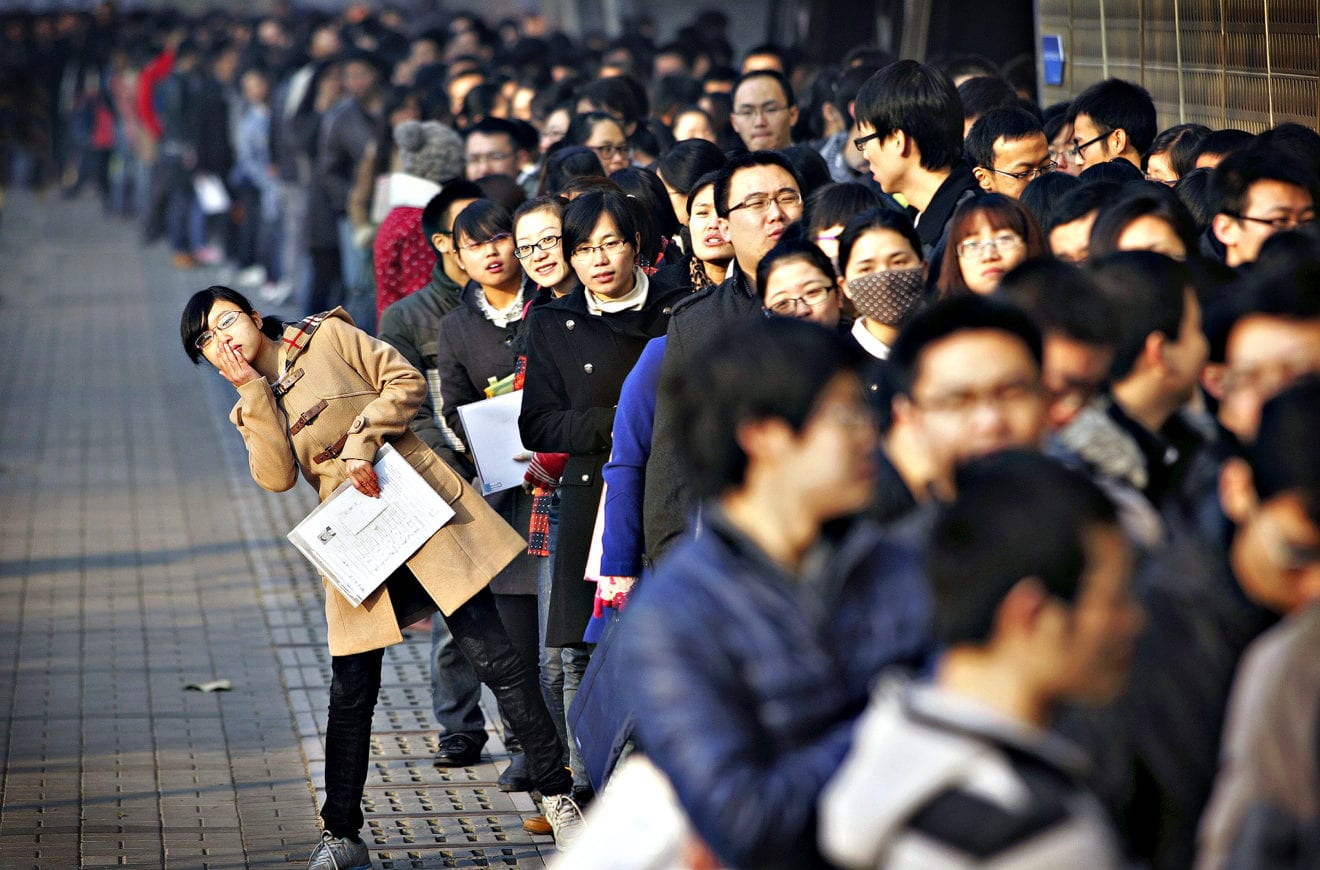
    A manager at a retail store in eastern China motivates her underperforming sales staff by forcing them to tear up their own 100-yuan bills.

    A video showing five young salespeople tearing up the notes at the command of their boss at a Gome electrical appliance store in Jinan, Shandong province drew condemnation over the weekend.

    The incident took place on the evening of March 22. The five employees were forced to tear up the cash because they did not meet their daily sales quotas of 100 deals.

    The local police department gave the manager a warning and fined her 1,000 yuan (US$688). The manager said that she had meant to teach her employees not to waste company resources.

    In the video, the manager shouts at the employees and insists that they tear up the cash if they want to keep their jobs, although it also shows staff members warning her that destroying money is illegal.

    The police department said that any deliberate destruction of yuan would result in a police warning and a fine of up to 10,000 yuan.

    The video caused widespread outrage among mainland social media users.