Blog

  • GWM Launches 2027 Tank 500 Starting at 335,000 Yuan

    GWM Launches 2027 Tank 500 Starting at 335,000 Yuan

    GWM launched the 2027 Tank 500 on Friday, October 23, setting prices between 335,000 yuan ($49,866) and 375,000 yuan as the off-road brand works through tightening sales pressure.

    Brand deliveries dropped 29.21 per cent year-on-year in September to 15,178 vehicles, according to data compiled by CnEVPost. Cumulative sales fell 13.53 per cent to 142,796 units across the first nine months of the year.

    The updated lineup spans three powertrain options and five trims. GWM maintained pricing identical to the preceding August 2025 facelift while integrating 296 hardware, software and safety redundancy upgrades across the vehicle.

    Hardware and Software Changes Across Trims

    The headline technical change sits inside the plug-in hybrid Zhixiang variants. Both the 355,000 yuan Hi4-T Zhixiang and the 375,000 yuan Hi4-Z Zhixiang adopt the Coffee Pilot 4 operating suite, running on Nvidia’s Thor-U processor with a Vision-Language-Action architecture model.

    The Thor-U unit produces 700 TOPS of processing power, supported by a sensor array comprising one LiDAR unit, three millimeter-wave radars, 12 ultrasonic sensors, and 11 optical cameras. That suite enables point-to-point Navigation on Autopilot across urban streets and motorways, automated parking bay transitions, and direct voice intervention. The base Hi4-T and the conventional petrol variants retain the simpler Coffee Pilot 2 package without LiDAR.

    Powertrains Retain Previous Specifications

    Great Wall Motor left the mechanical underpinnings intact. The base 335,000 yuan Hi4-T pairs a 2.0-litre turbocharged petrol engine with a single electric motor and a nine-speed hydraulic automatic transmission, generating 310 kW.

    Electrical energy for that version comes from a 37.1 kWh battery pack, delivering a pure-electric range of 110 kilometres under the WLTC testing cycle. The 375,000 yuan Hi4-Z trades the heavy-duty transfer system for dual electric motors and a three-speed dedicated hybrid gearbox, lifting total system output to 635 kW. A 59.05 kWh traction pack stretches WLTC electric range to 201 kilometres.

    Buyers seeking non-hybrid powertrains can choose a 3.0-litre turbocharged engine with a 48-volt mild-hybrid system. That variant costs 355,000 yuan for the five-seat configuration and 363,000 yuan for the seven-seat edition, retaining the only multi-row seating layout in the 2027 roster.

    Cabin Redesign and Passenger Comfort

    Interior revisions address passenger expectations in China’s premium SUV category. The cabin now houses twin 15.6-inch console screens, a 22-speaker sound setup, motorised front leg rests, aircraft-style fold-down tables in the second row, and fold-flat seating that creates a sleeping surface.

    These amenities push the Tank 500 further from utilitarian off-roading toward executive transport. Chinese buyers increasingly cross-shop rugged sport utility models against luxury electric minivans and full-size urban hauliers.

    Holding price levels unchanged while grafting high-cost silicon and premium acoustic equipment onto existing frames erodes manufacturing margins. Great Wall Motor had little alternative. Chinese consumers in the 350,000 yuan bracket now treat high-level driver assistance as basic equipment rather than an optional indulgence.

    The Mounting Pressure on Off-Road Margins

    The product revision follows the rollout of the budget-oriented H10 SUV on August 6, 2026, which GWM discounted to 201,800 yuan to stabilise mass-market dealership traffic. That vehicle sought volume at the lower boundary of the portfolio.

    The Tank division, conversely, delivers the higher profit margins that support GWM’s technical development. A 13.53 per cent drop in nine-month sales indicates that novelty has worn off the retro-styled off-road formula that once dominated domestic sales charts.

    Rival brands have crowded the niche with extended-range alternatives and aggressive price reductions. RetailNews Asia views the inclusion of 700 TOPS Nvidia computing as a defensive concession: GWM must prove its off-road flagships can match executive sedans in autonomous navigation or watch domestic buyers abandon the platform entirely.

    Deliveries of the revised 2027 editions will test whether software upgrades can stem monthly retail declines before GWM closes its final-quarter vehicle tally.
  • Nimbly AI Raises $4.6 Million to Track Retail Counter Audio

    Nimbly AI Raises $4.6 Million to Track Retail Counter Audio

    Nimbly AI has launched audio-tracking devices across retail stores in Indonesia and Thailand, pricing the monitoring system between US$80 and US$200 monthly. The startup, which secured a US$4.6 million pre-series A funding round in April 2021 led by Insignia Ventures Partners, uses hardware to evaluate checkout interactions across food, bakery, and fashion outlets.

    A busy retail branch handles roughly 9,000 customer conversations each month. Nimbly AI records this exchange volume using a wearable staff device called Echo Go paired with a fixed cashier unit, transcribing Bahasa Indonesia, Thai, and mixed-language conversations.

    Founder and chief executive Daniel Hazman, who brings over 20 years of retail experience from past roles at Walmart and General Mills, launched Nimbly Ops in 2018 before pivoting to voice analysis. The automated units run continuously without worker intervention, checking whether employees greet shoppers, pitch active promotions, and follow mandatory sales playbooks.

    Hardware at the Checkout Counter

    Field supervisors visiting a busy outlet four times a month typically overhear roughly 40 customer exchanges, while third-party mystery shoppers sample even fewer. The automated hardware expands audit sampling to roughly 200 times the coverage of field manager spot-checks, tracking spoken interactions that point-of-sale software misses entirely.

    The Enterprise Dilemma on the Shop Floor

    Retail operations across Southeast Asia are pivoting away from aggressive physical expansion toward same-store sales efficiency as capital costs climb. Indonesia’s top 10 retail conglomerates manage more than 50,000 outlets combined, creating an acute operational blind spot between executive commercial plans and checkout execution. Unlike field sales tools like Rilla that require staff to trigger smartphone recordings manually, passive counter monitors remove employee discretion from the audit trail.

    That operational visibility brings immediate friction to store floors. Continuous voice recording introduces shop-floor pushback over workplace surveillance, worker trust, and privacy rights across regional branch networks. Store operators also face the commercial reality that strict script compliance does not guarantee cash conversion, especially when consumers resist pushy upselling at the till.

    From Audit Checklists to Spoken Scripts

    The company started in 2018 as Nimbly Ops, selling mobile audit forms and digital operational checklists to store networks. Enterprise clients quickly found that branches submitting identical compliance scores posted wildly different revenue numbers. Self-reported forms concealed whether staff actually spoke with customers, prompting the company to abandon checklist software in favour of continuous audio processing.

    To finance the shift to hardware and language models, the venture secured US$4.6 million in pre-Series A funding in April 2021. Insignia Ventures Partners led the financing round, joined by Sovereign’s Capital and Saison Capital.

    Field Traction and Multi-Brand Tests

    Pilot deployments now operate across international and local food, bakery, and apparel brands. Those pilot contracts test speech-to-text accuracy against ambient mall noise and multi-dialect slang common in Southeast Asian retail centers.

    Client renewals depend on whether automated speech auditing lifts average basket sizes during pilot phases before enterprise contracts roll out across entire retail networks.

  • Australia Post CEO Paul Graham to Retire After More Than 5 Years

    Australia Post CEO Paul Graham to Retire After More Than 5 Years

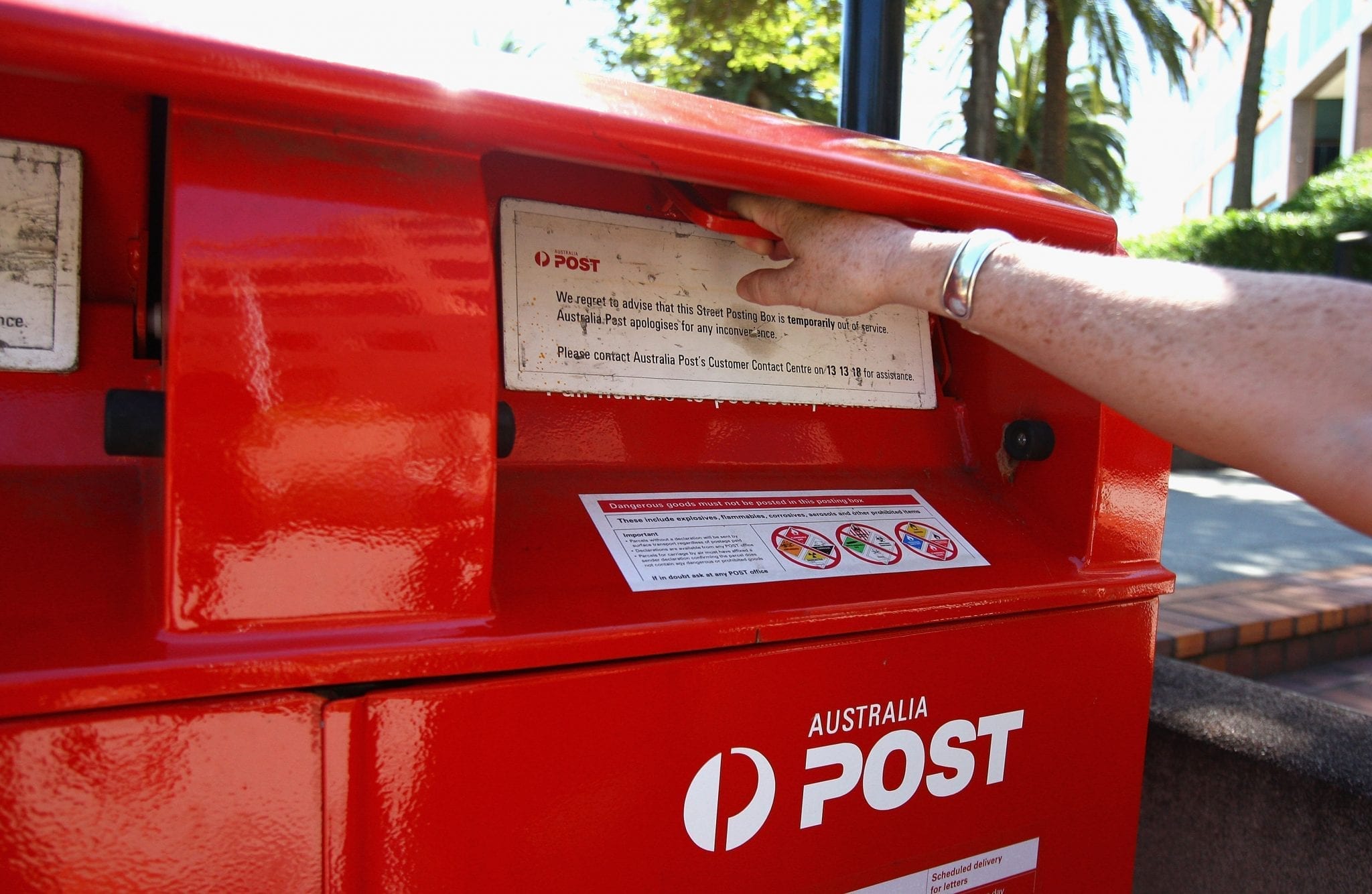
    Australia Post CEO and managing director Paul Graham notified the government-owned business in October 2026 that he will retire after more than five years leading the postal operator.

    Graham will remain in post until the end of the current financial year. Australia Post chair Siobhan McKenna thanked him for steering the company through structural industry shifts, and the board has begun reviewing internal and external candidates for his replacement.

    Five Years of Modernisation

    Graham oversaw the execution of landmark operational reforms under the Post26 Strategy before introducing the Post30 modernisation program.

    McKenna credited Graham with transforming operations, improving customer experience, and establishing long-term sustainability without relying on taxpayer funding.

    “Paul delivered landmark reforms under our ‘Post26 Strategy’ with the support of our shareholders and launched the next phase of our modernisation through our Post30 plan,” McKenna said.

    “Paul has led Australia Post with purpose, determination and energy through a period of significant challenge for our business and the broader industries in which we operate,” McKenna added.

    E-Commerce Shift and Operating Costs

    The carrier navigated an unprecedented period of sector-wide change while reinforcing its footprint in Australia’s digital shopping economy, which included raising parcel surcharges to offset soaring energy costs.

    Graham highlighted the enterprise’s unique position as a self-sustaining public utility throughout his tenure.

    “Australia Post is a remarkable organisation with a unique place in the lives and hearts of the Australian community, and I am extremely proud of what our team has achieved,” he said.

    “We have worked hard to ensure Australia Post remains one of the very few national postal operators to not require government funding and remain in public hands, while continuing to invest and grow our operations and supporting our team members, licensees and the Australian community.”

    Succession and Handover

    Graham confirmed he will stay focused on running day-to-day operations while assisting the board with a smooth leadership handover over the coming months.

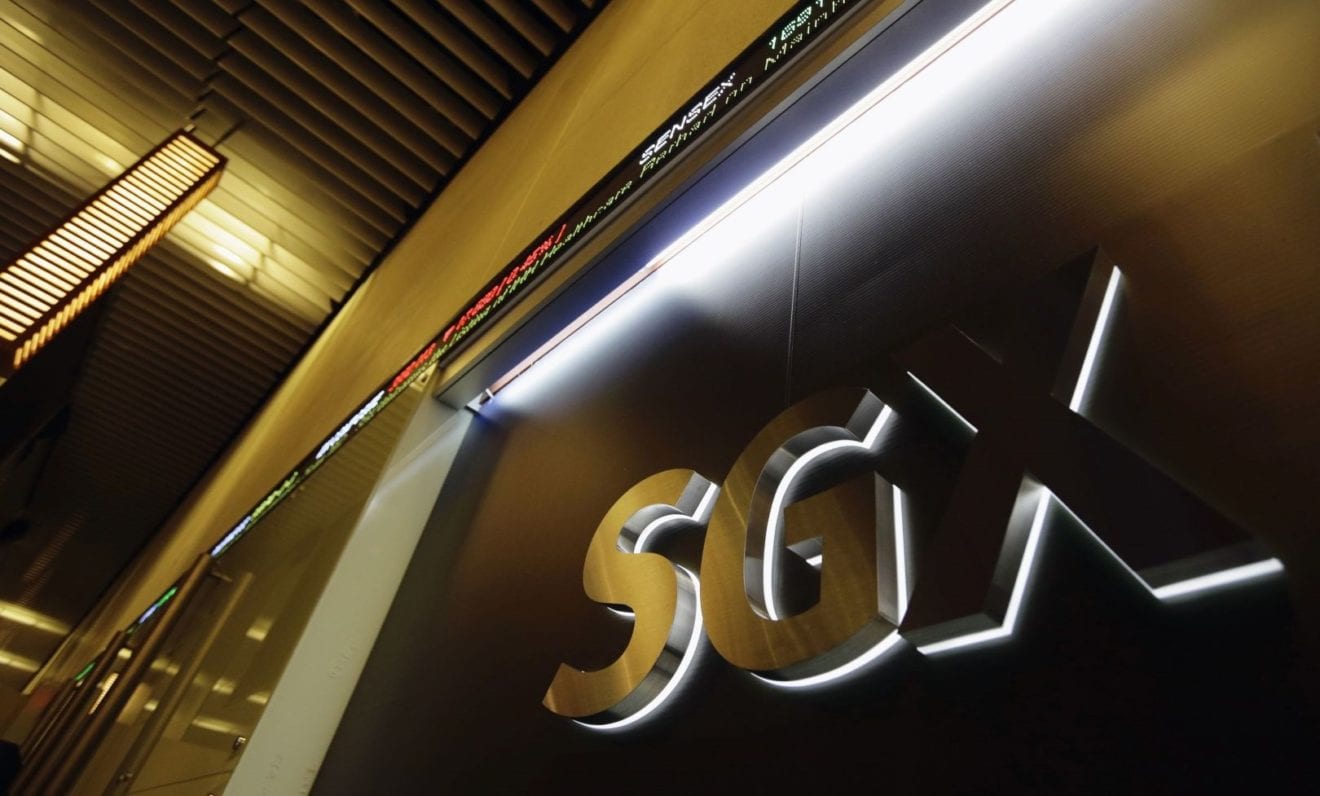
  • SGX Starts Succession Planning Ahead of CEO Loh Boon Chye Contract End in 2027

    SGX Starts Succession Planning Ahead of CEO Loh Boon Chye Contract End in 2027

    Singapore Exchange began planning for a chief executive transition on Friday (Oct 23), after CEO Loh Boon Chye informed the chairman that preparations for an eventual handover should get underway.

    The announcement followed record financial results for the financial year ended June 2026, when adjusted net profit climbed 24.6 per cent to S$759.5 million on net revenue of S$1.48 billion.

    Speaking at SGX’s annual general meeting, Loh, 62, noted that no departure date has been set, and his contract runs through mid-July 2027 while he continues serving as an executive and non-independent director.

    A Decade Leading the Bourse

    Loh took charge of SGX in July 2015 after serving on its board from 2003 to 2012. His financial career started at the Monetary Authority of Singapore in 1989 as an investment officer, following an engineering degree from the National University of Singapore.

    He spent 17 years at Deutsche Bank, rising to head corporate and investment banking for Asia-Pacific. From 2012 to 2015, he ran Asia-Pacific global markets at Bank of America Merrill Lynch as deputy president.

    Beyond the exchange floor, Loh chairs the World Federation of Exchanges and holds a board seat at sovereign wealth fund GIC. That network anchored his tenure as SGX shifted emphasis toward foreign exchange and multi-asset derivatives.

    Capital Market Headwinds in Equities

    The transition arrives while Singapore works to lift liquidity across its stock market and draw corporate listings. While derivatives and fixed income expanded, primary stock offerings faced persistent regional competition from private capital and alternative exchanges.

    Regional equity platforms have struggled with sluggish initial public offering volumes over recent years. Southeast Asian growth companies frequently deferred public debuts or explored dual listings abroad rather than depending solely on local trading desks.

    Retail and consumer issuers in particular watch the bourse closely for valuation depth. A thin domestic trading float raises the cost of capital for regional operators seeking public funds to build out logistics networks or physical store footprints.

    Regulatory Steps and Listing Frameworks

    Last year, Singapore introduced a 20 per cent tax rebate for primary listings to revive interest among regional enterprises. Officials also instituted a dual-listing mechanism with Nasdaq to keep fast-growing tech and consumer firms tethered to the local exchange.

    Net revenue climbed 13.9 per cent in the 2026 financial year, showing that fee income from foreign exchange desks and multi-asset clearing insulated the exchange against softer stock-trading volumes.

    The outgoing chief’s mandate until mid-July 2027 leaves SGX time to identify a successor, test candidates, and hand over control without disrupting trading infrastructure operations.

  • Temple & Webster Revenue Drops 8% as Price Hikes Lift Margins

    Temple & Webster Revenue Drops 8% as Price Hikes Lift Margins

    Temple & Webster recorded an 8 per cent drop in revenue from July 1 to October 19 as the online furniture retailer deliberately curbed discounting and raised product prices across Australia.

    Contribution margin dollars rose 16 per cent during the same period, offsetting the top-line decline through higher unit profitability.

    Pruning discounts to lift margins

    Chief executive Susie Sugden recalibrated merchandising terms by pulling back promotional depth across core catalogues and lifting prices on selected ranges. The strategy trades customer conversion volume for cash retention on every parcel dispatched.

    “Since our update in August , trading has improved, and the business has continued to step up its profitability, in line with our strategy,” Sugden said.

    Pricing discipline against regional discounters

    Pure-play e-commerce platforms spent two years chasing top-line revenue through perpetual sales campaigns, eroding cash reserves as freight and storage costs climbed. Temple & Webster is breaking from that pattern, accepting transaction softness to protect working capital.

    Competitors relying on aggressive clearance tactics face margin compression if supplier wholesale rates stay sticky. The risk sits in demand elasticity, because higher checkout totals may drive price-sensitive Australian households toward omnichannel operators and physical flat-pack discounters.

    The turn toward full-year profit targets

    Management laid the operational groundwork for the pricing shifts during the prior fiscal term after freight inflation began squeezing furniture delivery economics. The August update flagged early gains in unit efficiency, which the business consolidated through early spring trading.

    Earnings guidance for FY27 targets EBITDA between $33 million and $40 million, representing an increase of 50 to 80 per cent over FY26 performance. The retailer aims to cycle comparable promotional intensity starting in mid-February, setting that point as the baseline to restore double-digit top-line revenue growth by FY28.

  • IIFL Capital Hires 4 Senior Barclays Bankers to Expand Wealth Arm

    IIFL Capital Hires 4 Senior Barclays Bankers to Expand Wealth Arm

    Fairfax-controlled IIFL Capital Services Ltd. Has hired four senior private bankers from Barclays Plc to target ultra-high-net-worth families, business promoters and non-resident Indians, the company said on Monday.

    Neeraj Pandey, Subir Didwania, Kunal Kapadia and Vivek Makim have joined IIFL Capital’s wealth unit as senior executives. The team will lead the expansion of its domestic wealth business and its Global Indian division, which manages cross-border assets for Indian families.

    Pandey will anchor the Global Indian business after spending more than seven years at Barclays leading a team focused on high-net-worth individuals and family offices.

    Where the Team Lands

    Didwania spent two decades at Barclays, most recently as a director overseeing corporate and family office relationships. Kapadia previously worked at Citibank, Deutsche Bank and Edelweiss before joining Barclays, while Makim spent 10 years at Barclays Private Bank India after stints at DSP Merrill Lynch and HSBC Private Bank.

    “Talent is the ultimate differentiator in financial services. By welcoming experienced private banking professionals to IIFL Capital, we are strengthening our capabilities, deepening client relationships, and accelerating our growth ambitions,” joint chief executive Prakash Bulusu told Mint .

    The Battle for Indian Balance Sheets

    Domestic non-bank wealth managers in India are systematically stripping talent from European lenders whose headquarters are cutting costs. Global lenders including Barclays, HSBC, Standard Chartered and Mizuho have announced over 35,000 job reductions globally since October last year as automation programmes reduce staff numbers. Barclays itself initiated plans to cut 5,000 jobs, or 5 percent of its global headcount.

    That pressure gives capitalized local platforms room to pick off experienced relationship managers holding tight ties to Indian family promoters. The battle lines are clear: multinational banks offer institutional balance sheets, but domestic Indian firms offer higher advisory discretion, equity incentives, and faster turnaround on local deal pipelines.

    Scale and Ownership Shifts

    Revenue from wealth management and financial product distribution at IIFL Capital rose 12 percent year-on-year to Rs 572 crore, based on the firm’s 2026 annual report. The division generated nearly 22 percent of total company revenue.

    The current recruitment push started taking shape in June 2024. At that time, IIFL Capital brought in former Citibank bankers Raghav Gupta and Prakash Bulusu as joint chief executives of the wealth arm, adding Amit Srivastava as senior managing partner for investments.

    Control of the underlying firm shifted in May. The board cleared a Rs 2,000 crore preferential equity issue to Canadian billionaire Prem Watsa’s Fairfax Financial Holdings Ltd at Rs 350 per share, giving Fairfax outright control of the business.

    What to Watch Next

    Founder Nirmal Jain outlined a plan in March to expand assets under management from Rs 60,000 crore at the end of fiscal 2026 by 80 to 100 percent over two years. Having added roughly 60 relationship managers over 18 months, management intends to hire another 120 advisers.

    The next corporate milestone rests on Fairfax Financial. The Canadian group intends to fold IIFL Capital under a wholly owned subsidiary once it finalizes its proposed Rs 52,878 crore buyout of IDBI Bank Ltd.

  • Knight Frank and CBRE|WTW Market 55-Storey Menara Tun Perak

    Knight Frank and CBRE|WTW Market 55-Storey Menara Tun Perak

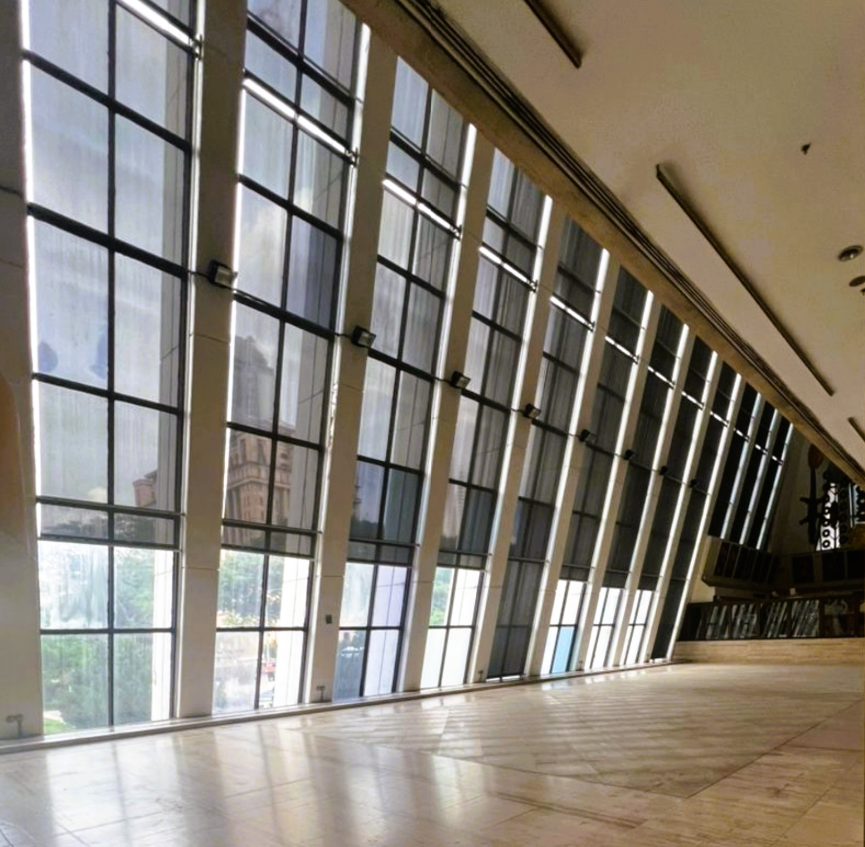
    Knight Frank Malaysia and CBRE|WTW have been jointly appointed to advise on the proposed investment opportunity in Menara Tun Perak, bringing the landmark 55-storey commercial tower in central Kuala Lumpur to market.

    Completed in 1988, the 244-metre building along Jalan Tun Perak previously served as the headquarters of Malayan Banking Berhad (Maybank). The former Menara Maybank sits near Merdeka 118, Chinatown, Petaling Street, Central Market and Dataran Merdeka, giving investors exposure to commercial, heritage and tourism precincts.

    The advisory team is marketing the skyscraper for partial or full investment structures. Prospective plans include ongoing commercial use, asset enhancement or repositioning into hospitality, serviced accommodation and mixed-use development, subject to feasibility assessments and regulatory approvals.

    Structure and Conversion Options

    Transit access anchors the property’s location. The site sits roughly 450 metres from Masjid Jamek LRT Station and 550 metres from Plaza Rakyat LRT station, connecting commuters to three RapidKL train lines, Kelana Jaya, Ampang and Sri Petaling, across the Klang Valley.

    Surrounding blocks have seen an emergence of boutique hotels, hospitality concepts and lifestyle destinations, supported by growing tourism activity and the revitalisation of Chinatown and its neighbouring streets.

    “Menara Tun Perak represents a unique opportunity to invest in a property that has played an important role in shaping Kuala Lumpur’s skyline and commercial history. Landmark assets of this nature, particularly those located within the city’s historic core, are rarely made available for investment.

    With the continued revitalisation of central Kuala Lumpur and growing interest in the surrounding heritage and tourism precincts, the property offers considerable potential for investors with a long-term vision to preserve and enhance its legacy while exploring opportunities to unlock further value.”

    James Buckley, Head of Capital Markets at Knight Frank Malaysia, noted that the asset allows buyers with a long-term vision to explore opportunities to unlock further value as downtown rejuvenation proceeds.

    “Menara Tun Perak’s strategic location within Kuala Lumpur’s historic city centre, coupled with its architectural prominence and established identity, presents an interesting proposition for investors. As the surrounding precinct continues to evolve, we see opportunities for the property to benefit from the ongoing rejuvenation of the city centre and increasing demand for well-located assets with the flexibility to accommodate a variety of potential uses.”

    Next Steps for Bidders

    For further enquiries, prospective investors can contact jointly appointed agents James Buckley at Knight Frank Malaysia and Marcus Yeo at CBRE|WTW as marketing outreach progresses.

  • Tokio Marine to Sell AI Robot Insurance Next Month as Market Eyes $80B

    Tokio Marine to Sell AI Robot Insurance Next Month as Market Eyes $80B

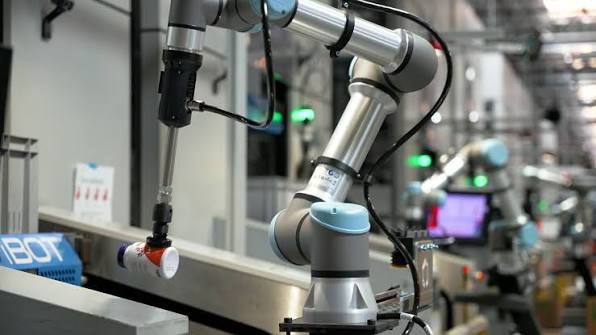
    Tokio Marine Holdings will launch commercial insurance policies for artificial intelligence-powered robots in Japan starting next month, pricing premiums roughly 20 percent higher than traditional industrial equipment coverage.

    The policy targets a sector where the global market for physical AI systems is forecast to pass $80 billion by 2035.

    Premium Pricing for Autonomous Machine Risk

    The insurer becomes Japan’s first property and casualty underwriter to build a dedicated product for machines operating on autonomous AI systems. Tokio Marine sets the baseline cost 20 percent above regular industrial machinery to account for unpredictable software decisions and operational errors.

    Autonomous robots deployed in warehouses, retail distribution centers, and manufacturing plants operate outside rigid pre-programmed scripts. When self-learning hardware damages inventory, injures floor personnel, or halts an entire sorting facility, assigning liability between hardware makers, software coders, and facility owners becomes legally complex.

    Commercial Impact for Logistics and Fulfillment

    Warehousing networks and commercial operators across Asia-Pacific face rising capital outlays to automate sorting and fulfillment amid persistent labor shortages. Adding a 20 percent insurance premium increases the operating cost of adopting autonomous fleets, shifting financial calculations for third-party logistics firms.

    Underwriting standards established by Tokio Marine will likely serve as a benchmark for rival non-life insurers across East Asia. Japanese underwriters have historically waited for clear loss ratios before entering specialized tech segments, leaving commercial operators to absorb unhedged software failure liabilities.

    Shifting Liabilities on Factory Floors

    Earlier enterprise policies treated automation strictly as mechanical failure or fixed electrical breakdown. Those legacy contracts proved inadequate as machine learning systems gained agency to alter their own physical operational paths in real time.

    Japan’s industrial robotics sector has pushed rapid integration of generative and physical AI models, forcing insurers to respond. Tokio Marine structured the coverage to absorb both third-party property damage and operational liability claims triggered by software-driven robotics.

    The Next Regulatory Hurdle

    Japanese competitors face pressure to publish their own autonomous robotics underwriting terms.

    Tokio Marine plans to roll out the first batch of corporate policies across Japanese industrial facilities starting next month, testing whether automated warehouse operators will accept the higher rate structure.

  • Key News to Watch From Asian Markets for Crypto Investors

    Key News to Watch From Asian Markets for Crypto Investors

    In Asia, 2026 has been a year for crypto regulators more than for price charts. Bitcoin still trades well below the record it set in October 2025, yet across Hong Kong, Tokyo, Singapore and Seoul, officials have spent the year turning long-promised frameworks into working rules.

    Hong Kong Takes Stablecoins From Statute to Checkout

    For anyone following digital assets on a crypto trading platform, these announcements are worth noting. They decide who can issue a digital asset and how gains are taxed. Several of the most consequential decisions are due before the year closes.

    Hong Kong’s Stablecoins Ordinance came into force in August 2025, and the Hong Kong Monetary Authority received 36 licence applications. It approved two. In April, HSBC and Anchorpoint Financial, a joint venture of Standard Chartered, HKT and Animoca Brands, became the first names on the HKMA’s register of licensed stablecoin issuers, a list the regulator urges the public to check before trusting any token claiming local approval.

    Anchorpoint moved first. Its HKDAP token went live in August for institutions, corporates and professional investors through authorised distributors, with retail access pencilled in for as early as the end of 2026, subject to market conditions.

    The more consumer-facing launch belongs to HSBC, which had said it planned a Hong Kong dollar stablecoin for the second half of 2026. In late September the bank confirmed the token will be called HSBC RedCoin, with person-to-person transfers and merchant payments through PayMe as the opening use cases. PayMe already serves more than 3.3 million users, so the rollout could put regulated stablecoins in front of everyday shoppers far faster than any exchange listing.

    The RedCoin launch date is worth marking. A smooth debut would strengthen the case that bank-issued tokens can sit alongside established global stablecoins, while a delay would suggest the HKMA’s cautious sequencing has further to run.

    Japan Rewrites Its Rulebook on Tax and Trading

    In mid-July, Japan’s parliament gave final approval to amendments that move crypto assets out of the Payment Services Act and into the Financial Instruments and Exchange Act, the framework that governs equities and bonds. The law introduces insider trading prohibitions for crypto markets and lays the groundwork for regulated exchange-traded products.

    For individuals, the headline is tax. Gains are currently treated as miscellaneous income and taxed at rates of up to 55 per cent. Under the government’s tax reform outline, qualifying crypto assets will move to a flat 20 per cent, split between national and local tax, with a three-year loss carry-forward. That would put crypto on the same footing as listed shares and ETFs.

    The new rate won’t apply immediately, though. It only takes place from the start of the calendar year after the amended law takes effect, and the commencement date still awaits a cabinet order. Most observers expect the lower rate to arrive in 2028, which makes that order the announcement Japanese investors should watch most closely.

    Singapore Draws a Line Around the Word “Stablecoin”

    At the start of September, the Monetary Authority of Singapore published draft amendments to the Payment Services Act that would write its stablecoin framework into law. The proposals create a dedicated stablecoin issuance licence, bar licensed issuers from paying holders interest, and open a route for a limited number of well-regulated foreign stablecoins to gain recognition.

    One proposal could change what retail customers see on their screens. Licensed digital payment token providers would face limits on marketing tokens that are not MAS-regulated to retail clients as “stablecoins”. The consultation closed in mid-October, so the regulator’s response, followed by a separate consultation on detailed subsidiary rules, will show how quickly the regime becomes operational.

    Seoul Edges Toward a Won Stablecoin Decision

    South Korea remains the region’s unresolved case. Its Digital Asset Basic Act, intended as the second phase of the country’s crypto legislation, stalled in late 2025 over who should be allowed to issue won-pegged stablecoins, with the Bank of Korea favouring bank-led issuers.

    At a parliamentary audit in early October, Financial Services Commission chairman Lee Eok-won said the framework had been drafted and was in final coordination, although no submission date or issuer model was confirmed. Lawmakers are pushing for speed. Democratic Party lawmaker Lee Kang-il claimed that Korea already hosts 54 per cent of yen-denominated stablecoin trading, despite having no won equivalent of its own.

    Given the scale of Korea’s retail trading community, a bill finally reaching the National Assembly would be among the clearest regional signals of the quarter.

    Final Thoughts on What This Means for Investors in the Months Ahead

    None of these announcements will move prices on its own. Macro conditions still dominate, and the US Federal Reserve’s late-October decision will weigh on crypto alongside bond yields and energy prices. The regulatory calendar, however, offers a practical checklist: the RedCoin launch and Anchorpoint’s retail phase in Hong Kong, the cabinet order fixing Japan’s start date, the MAS consultation response and the fate of Korea’s bill.

    Asia is building regulated channels for digital assets, and the stablecoin, once a niche trading tool, is being repositioned as everyday payment infrastructure. Investors who check primary sources and treat timelines as provisional until confirmed will be better placed than those trading on headlines alone.

  • 50 Korean Firms Turn to Synthetic AI Shoppers to Test Products

    50 Korean Firms Turn to Synthetic AI Shoppers to Test Products

    South Korean retail conglomerates and consumer brands are deploying artificial intelligence-generated synthetic shoppers to test products, adjust shelf pricing and model physical store layouts before committing capital to production runs.

    The shift replaces costly consumer survey panels with large language models trained on purchasing records, customer reviews and social media chatter. Technology vendor Intellicia has completed 120 proof-of-concept projects across 50 consumer companies, reporting a 91.2 percent correlation against a benchmark survey of 500 human shoppers.

    Lotte Builds Virtual Consumer Twins

    Lotte Members started work in July with domestic artificial intelligence specialists Vibe Co. And Zero to One Partners to build what it calls the AI Twin Consumer. The model draws on the transactional histories of 45 million registered members of Lotte’s L.Point loyalty program, combining that spend data with contextual online commentary to examine why consumers buy rather than merely tracking what they buy.

    Instead of relying on broad demographics such as gender or age brackets, the system creates detailed behavioural profiles. Merchandisers can query the virtual consumer directly, testing reactions to new packaging or price points before inventory reaches warehouse shelves.

    From Web Checkout to Store Aisles

    Domestic e-commerce operators Coupang and Naver are applying synthetic buyers to website journeys. Their models simulate browsing sessions to pinpoint where online shoppers encounter friction, hesitate over specifications or abandon digital baskets.

    Convenience store operator BGF Retail is pushing the simulation into the physical realm. The CU chain operator first used synthetic shoppers to vet new product concepts. It is now building virtual store environments to test foot traffic flows, shelf placement and assortment mixes before franchise owners reconfigure their physical floors.

    Food Groups Test Faster Turnarounds

    Packaged food manufacturers face short product life cycles in South Korea, where convenience trends shift across a matter of weeks. CJ Group, Daesang, Maeil Dairies, Pulmuone and Sangmidang Holdings have all run trial programs with Intellicia to evaluate food concepts through synthetic personas.

    For consumer goods operators across Asia, synthetic panels eliminate the weeks needed to recruit human focus groups and process qualitative interviews. The commercial risk shifts from expensive production missteps to data accuracy: if the underlying transaction logs or sentiment data fail to reflect shifts in disposable income, simulated demand will mislead procurement teams.

    BGF Retail’s testing across its store network and Lotte’s deployment of its 45 million-shopper dataset will demonstrate whether virtual panel decisions translate into higher sales per square metre when new SKUs hit convenience store shelves over the coming quarters.

  • Hyundai Glovis Partners with Shopee to Serve 700 Million E-Commerce Users

    Hyundai Glovis Partners with Shopee to Serve 700 Million E-Commerce Users

    Hyundai Glovis began operating an end-to-end logistics partnership with Shopee Korea this month, taking over the complete supply chain for domestic cosmetics brands expanding abroad.

    The agreement links the freight forwarder to Shopee’s customer base of about 700 million users across Southeast Asia, Taiwan and Brazil, packaging international shipping into a single contract.

    Announced on Monday, the collaboration handles cross-border operations as Hyundai Glovis targets raising non-affiliated business to 40 percent of its total revenue by 2030.

    Consolidating the Cross-Border Chain

    Under the arrangement, merchants receive a single service point covering domestic cargo pickup in South Korea, air and ocean line-haul, export-import customs clearance, in-country regulatory filings and destination fulfillment. Previously, cosmetics labels contracted separate logistics handlers for domestic trucking, international freight and destination deliveries. That fragmentation created handoff delays and customs clearance bottlenecks at regional entry ports.

    Cross-border cosmetics exporters regularly encounter divergent health authority approvals across Southeast Asian jurisdictions, where labeling regulations and ingredient clearances vary between markets. Handling domestic regulatory compliance directly allows merchants to avoid third-party agency handoffs that routinely slow inventory onboarding.

    Diversifying Beyond Captive Car Hauling

    For Hyundai Glovis, handling consumer parcel flow serves a long-term commercial balance sheet target. The company wants non-affiliated commercial contracts to generate 40 per cent of its total corporate revenue by 2030.

    Carriers serving South Korean e-commerce have historically struggled with unit economics on low-weight parcel shipments compared to bulk automotive and industrial cargo. Running cross-border beauty logistics shifts Glovis into higher-frequency retail operations, competing against dedicated regional integrators and postal networks. Success depends on whether consolidated freight pricing beats the decentralized local forwarders merchants currently use.

    Export Demand Drives Freight Integration

    South Korean cosmetics manufacturers have leaned harder into direct platform exports as consumer appetite for premium skincare formulas climbed across Southeast Asia and Latin America. Rather than building local retail store footprints or signing sole distributorships, mid-tier beauty labels increasingly use marketplace storefronts to test market appetite before committing physical capital.

    Shopee operates dominant marketplace market shares across Southeast Asia, alongside expanding operations in Brazil. Supplying those territories with consolidated freight infrastructure gives platform sellers predictable delivery timelines against local beauty retail alternatives.

    Next Steps for Latin America

    Initial rollouts focus on South Korean sellers fulfilling consumer orders into Southeast Asian markets. The companies plan to extend the service footprint into Brazil and other Latin American territories once operations across the primary Asian hubs stabilize.

    Execution hinges on Glovis meeting delivery timetables while building non-captive freight volume toward that 2030 target.

  • Hourglass Enters Australian Travel Retail at Sydney Airport Terminal 1

    Hourglass Enters Australian Travel Retail at Sydney Airport Terminal 1

    Hourglass Cosmetics opened its first Australian airport counter inside Sydney Airport Terminal 1 International Departures, partnering with duty-free operator Heinemann.

    The debut marks the luxury beauty label’s first travel retail presence nationwide, following its initial domestic launch in February through Sephora Australia and local e-commerce.

    Featuring 1 dedicated location at Terminal 1, the counter shows complexion, colour, and finishing lines including Vanish Airbrush Concealer, Veil Hydrating Skin Tint, and Unlocked Instant Extensions Mascara alongside Ambient Lighting Edit Unlocked palettes.

    Terminal 1 Footprint and Service Formats

    Travellers passing through the terminal can access personalised consultations and beauty artistry services before flights. Formats include Signature Glow and Amplified Eyes looks, accompanied by a bespoke Lip Wardrobe experience.

    “Opening our first counter in Australian travel retail is a proud moment for Hourglass,” said Ai San Beaumont, regional GM Apac and head of global travel retail, Hourglass.

    “Travel brings people, cultures, and experiences together, and we’re delighted to be part of that at Sydney Airport. With Heinemann and Sydney Airport, we look forward to introducing travellers to our vegan and cruelty-free formulas, from on-the-go essentials like Vanish Airbrush Concealer to curated gifting with Ambient Lighting Edit Unlocked palettes.”

    Travel Retail Strategy and Asian Traffic Flows

    Airport concessions operate under distinct retail dynamics compared with downtown counters, requiring strong sales productivity and high turnover during compressed pre-flight dwell windows.

    Sydney Airport channels steady outbound passenger volumes, where Heinemann uses premium beauty to capture international travel spend.

    Concession operations present both distinct reach and commercial pressure: high airport tenant overheads demand efficient basket conversion and solid margins to outperform traditional domestic retail channels.

    Building Out Australian Distribution

    The Sydney Airport counter extends the brand’s local footprint established earlier in the year. Hourglass initially debuted in Australia in February via its dedicated online portal and Sephora Australia retail doors.

    Terminal 1 departures now serves as the brand’s sole travel retail window in the country. The partnership tests whether premium service concepts such as live skin consultations can pull transaction conversion in high-turnover duty-free concourses as flight frequencies expand.

  • Singapore Targets 2,000 Logistics Jobs in Air and Sea Hub Expansion

    Singapore Targets 2,000 Logistics Jobs in Air and Sea Hub Expansion

    Singapore is upgrading its infrastructure and logistics networks to cut air-sea intermodal transit times to under 24 hours, positioning itself to capture shifting trade flows across Southeast Asia. The expansion is expected to generate 2,000 logistics jobs in 2025 as the country deepens its role as a regional cargo gateway.

    The push comes alongside record freight volumes. Port operator PSA handled over 40 million twenty-foot equivalent units (TEUs) in 2024, eclipsing 38.8 million TEUs in 2023, while cargo movements at Changi Airport reached 1.82 million tonnes through November 2024.

    To support this traffic, the Ministry of Transport (MOT) and the Economic Development Board (EDB) are introducing measures to speed up transshipments and incentivize global freight operators to grow their local footprint.

    Cutting Dwell Times Across Air and Sea

    Transport authorities are building a prototype digital platform to automate real-time tracking, flight and vessel bookings, and delay alerts for cargo operators. Today, transferring cargo between sea vessels and aircraft in Singapore can exceed five days because smaller logistics intermediaries rely on manual processes.

    Transport Minister Chee Hong Tat set a target to halve that dwell time, pushing for connecting departures within 24 hours of arrival. Economic Development Board vice president Dave Goh said the sector could generate S$6.9 billion in annual value to the economy, equivalent to a 2 per cent boost, once the Logistics Job Transformation Map rolls out in 2025.

    Shipping realignments will test terminal capacity early in the year. The Gemini Cooperation between Maersk and Hapag-Lloyd starts operations in February, deploying 340 vessels with a total capacity of 3.7 million TEUs across networks that include roughly 40 weekly calls in Singapore.

    Shipping Alliances and Ocean Pressures

    Retail supply chains face persistent ocean disruptions as container lines continue detouring around Africa to bypass Red Sea hostilities. Threat of strikes at United States East Coast and Gulf Coast ports over terminal automation adds further volatility to sailing schedules, raising the risk of unplanned container bunching at transshipment nodes.

    Air cargo networks face parallel pressure. Shippers running high-value retail goods and seasonal inventory turn to airfreight when maritime schedules collapse, even at elevated spot rates. Singapore Airlines carried higher freight tonnage in 2024 by increasing freighter utilization and tapping expanded bellyhold space across its passenger fleet.

    Cross-Border E-Commerce Reconfigures Air Terminals

    Cross-border shopping platforms are driving much of the airside volume. Chinese e-commerce operators such as PDD Holdings’ Temu and Shein have largely bypassed regional third-party consolidation warehouses in favor of direct-to-consumer parcel consignments flown straight to destination hubs.

    Changi Airport Group is actively restructuring space allocations across the Changi Airfreight Centre and Airport Logistics Park Singapore, which are operating near full capacity. The airport operator is working alongside SIA Cargo and ground handler SATS to establish dedicated sorting and processing setups for direct e-commerce shipments, matching the specialized handling networks already in place for pharmaceuticals.

    Industrial Footprint Expands to 2040

    Private logistics providers are scaling their physical space to match the state-backed infrastructure push. Maersk expanded its Changi airport warehousing in 2024 and is constructing a 1.1 million square foot regional distribution centre in Jurong West, scheduled to open in 2025.

    Cargo owners such as Henkel, 3M, Schneider Electric and Asahi already base regional supply coordination out of Singapore, while integrators DHL Express, FedEx, UPS and SF Express operate dedicated hubs on site. Long-term cargo capacity will hinge on two primary developments: the mid-2030s Changi Air Cargo Hub expansion, which lifts airport handling from 3 million to 5.4 million tonnes annually, and Tuas Port, which currently operates 10 berths and targets 65 million TEUs across 66 berths by 2040.

    PSA Supply Chain Hub @ Tuas is scheduled to begin operations in 2027.

  • Xpeng Secures Approval for L4 Robotaxi Trials in Guangzhou

    Xpeng Secures Approval for L4 Robotaxi Trials in Guangzhou

    Xpeng secured municipal approval on Monday to launch Level 4 robotaxi trial operations across its home city of Guangzhou, marking a key step toward commercializing its autonomous transit services.

    Announced by robotaxi unit head Candice Yuan, the qualification for intelligent connected vehicle demonstration operations allows Xpeng Yoyo to begin phased public trials across the metropolis using invitation codes.

    The green light follows more than 2,000 internal test rides completed by August in Guangzhou, shifting the business from factory engineering toward live commercial validation.

    Invitation Codes and Phased Rollout

    Riders cannot book cars freely off the street yet. Candice Yuan, head of the robotaxi business, stated on Weibo that the unit will control early volume through invitation tokens while the operations team validates vehicle dispatch and road safety across urban districts.

    Trial runs shift the project out of closed engineering evaluation into real passenger transit. Yuan noted the daily service routines will test operating economics and fleet software before the company offers standardized mobility packages to third-party fleet managers.

    Hardware Stack Without Maps or Lidar

    The robotaxi runs on Xpeng’s flagship GX sport utility vehicle platform, adapted directly on the factory assembly line rather than retrofitted by third-party shops. The vehicle dispenses with lidar sensors and pre-mapped high-definition survey data, relying entirely on optical cameras coupled with machine learning vision networks.

    Compute hardware inside each vehicle runs on four proprietary Turing artificial intelligence processors delivering 3,000 TOPS of processing power. Path planning and dynamic driving actions operate through the company’s second-generation Vision-Language-Action artificial intelligence model, known as VLA 2.0.

    Fleet Platforms and Commercial Distribution

    Rather than building a proprietary retail ride-hailing network to take on incumbents directly, Xpeng intends to act as a hardware supplier and software partner. The business model targets third-party ride-hailing aggregators across domestic and international cities, charging for physical vehicle builds, recurring autonomy software fees, and fleet revenue-sharing cuts.

    That platform strategy shifts the capital burden of purchasing and housing thousands of battery-powered taxis onto existing fleet operators. Operating without expensive lidar rigs lowers unit manufacturing overhead, but putting camera-only Level 4 systems into dense southern Chinese street traffic transfers operational pressure directly onto onboard computing chips and remote management centers.

    Timeline Toward Driverless Services

    Guangzhou authorities awarded road testing rights for intelligent connected vehicles to the manufacturer in January, prompting the formal creation of a standalone robotaxi division two months later. Factory technicians completed the first production-line unit in May, followed by an initial internal run in July with chairman and chief executive He Xiaopeng booking and riding the car.

    Engineers have since built out a centralized cloud platform capable of taking remote control of stalled vehicles in traffic. Commercial deployment plans call for integration with major ride platforms in 2027, when the company aims to pull human safety supervisors out of the driver seat entirely.

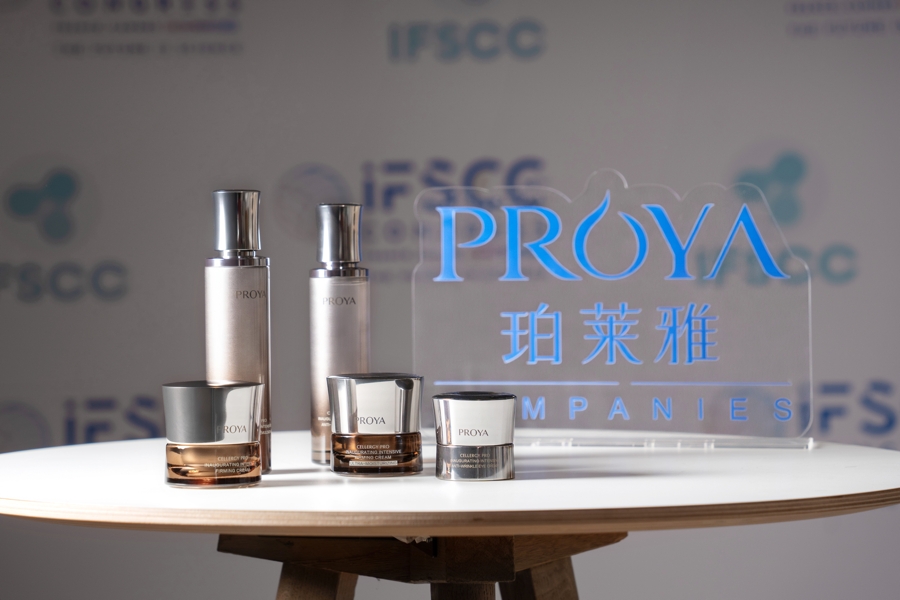
  • Proya Opens 450 Square Metre Research Lab in Paris Suburb

    Proya Opens 450 Square Metre Research Lab in Paris Suburb

    China’s Proya Cosmetics opened a 450-square-metre research and development laboratory in Suresnes near Paris on October 13, 2026, putting seven researchers and 76 scientific instruments into service outside its domestic manufacturing base.

    The suburban Paris site links directly into formulation work at the Hangzhou-based group’s primary development hub in Longwu, feeding European biochemical research into its mass-market skincare pipelines in Asia.

    Technical operations at the French facility focus on skin biology, longevity mechanisms, biotechnology and sustainable ingredient processes. The scientific staff coordinates testing with Proya’s existing Hangzhou facility, which oversees core chemical formulations and consumer safety data, alongside a dedicated Shanghai site that handles scalp microbiome research and haircare lines.

    Targeting Active Ingredients in France

    European cosmetic science gives Chinese personal-care groups access to specialised ingredient supply chains that remain difficult to replicate domestically. Western groups like L’Oréal and Puig continue to defend their pricing power in Greater China through clinical skincare claims, forcing local brand owners to back their mass products with verifiable dermatological research rather than pure digital marketing spend.

    Setting up shop in Suresnes allows the Hangzhou company to collaborate directly with European biotechnology suppliers and academic testing houses. The facility serves as an operational extension of the broader European Innovation Centre that the group founded in France in 2024, converting regional partner agreements into physical bench testing.

    “This Europe Innovation Center Laboratory connects the European and Chinese ecosystems to draw on combined strengths and create new innovation capabilities through the interaction of scientific, cultural and consumer perspectives,” said Hou Juncheng, Founder and Chairman of Proya Cosmetics.

    Shifting Beyond Fast Digital Marketing

    Chinese beauty brands built their initial scale on quick domestic supply chains and heavy promotion across Douyin and Tmall. That model is hitting its limits as domestic consumer spending tightens and shoppers demand clinical validation before paying higher price tags for anti-ageing creams.

    By establishing physical research assets in France, Proya takes direct aim at premium international rivals that have long used European heritage to defend market share across tier-one Chinese cities. The risk for the Hangzhou group lies in execution. A team of seven researchers is a modest footprint against the thousands employed across multinational technical centres, meaning the lab must produce distinct ingredient discoveries quickly to justify the overseas overhead.

    Building Out Domestic and Foreign Hubs

    The Paris opening follows two years of corporate infrastructure work in Europe. Proya established its European Innovation Centre in France in 2024 to scout partnerships, then showed its initial collaborative work at the Cosmetics 360 trade exhibition in Paris immediately following the Suresnes opening.

    Work completed at the Suresnes laboratory will feed raw materials into clinical verification trials across Proya’s Shanghai and Hangzhou networks.