Blog

  • Mom’s Touch Signs Master Franchise Deal for 50 Stores in Kazakhstan

    Mom’s Touch Signs Master Franchise Deal for 50 Stores in Kazakhstan

    South Korean fast-food brand Mom’s Touch signed a master franchise agreement with Shin-Line Group to open more than 50 restaurants across Kazakhstan over the next decade. The chain plans to launch its first flagship restaurant in the country before the end of 2026.

    The partnership gives Mom’s Touch exclusive development rights in Kazakhstan and includes territorial rights to expand into neighboring Kyrgyzstan. Shin-Line Group will oversee local real estate selection, operations and distribution across both Central Asian territories.

    Central Asian Franchise Structure

    Seoul-based Mom’s Touch, established in 1997, built its domestic business on made-to-order fried chicken and its core Thigh Burger sandwich. The master franchise framework shifts development risk and store capital expenditure directly onto Shin-Line Group, letting the Korean franchisor draw recurring royalty streams without funding store buildouts directly.

    Central Asia has emerged as an active proving ground for international fast-food chains seeking territory outside crowded East Asian capitals. For food and beverage operators in the region, teaming up with Shin-Line provides an existing logistics foundation in frozen foods and distribution that solves supply chain friction for quick-service poultry and bakery supplies.

    Supply Lines and Regional Risk

    Entering Kazakhstan requires managing long cold chains and securing quality poultry that matches parent company specifications. Franchisors taking this route depend entirely on the balance sheet and execution speed of their master franchisee, especially when consumer spending fluctuates against local currency pressures.

    Rival Korean food brands have focused primarily on Southeast Asia and North America to scale their offshore footprints. Taking a chicken concept into Central Asia tests whether Korean casual dining menus can secure repeat traffic against incumbent American burger giants already operating in major Kazakh hubs.

    Ten-Year Development Horizon

    The Korean quick-service brand spent recent years consolidating its domestic market presence before accelerating international franchise deals. Moving through local master partners has become its default model for international expansion, minimizing balance-sheet liabilities while testing brand appetite in emerging consumer markets.

    Attention turns to the exact launch date and location of the initial flagship store scheduled before the close of 2026. The pace of the subsequent rollout toward the 50-unit target will determine when Shin-Line exercises its development rights across the border in Kyrgyzstan.

  • Samsung Australia Survey Finds 72% of Consumers Bulk Cook to Ease Bills and Stress

    Samsung Australia Survey Finds 72% of Consumers Bulk Cook to Ease Bills and Stress

    Samsung Australia reported that approximately 72 per cent of surveyed consumers are using bulk cooking to ease grocery bills and stress, pushing demand toward larger refrigeration units across the country.

    A third of respondents, or 34 per cent, stated their existing refrigerator is too small to store batch-prepared food.

    Data collected by research firm PureProfile across a nationally representative sample of 1,008 Australian adults in February 2026 showed that 62 per cent prepared meals in bulk specifically to save money. Another 69 per cent said batch cooking reduced their overall weekly grocery spend, while 59 per cent claimed that bulk cooking helps meet health and nutrition goals. The practice carries over beyond winter, with 56 per cent planning weekend meal prep through spring.

    Refrigeration Limits Drive White Goods Replacements

    Household space constraints are creating clear friction points inside domestic kitchens. Roughly 24 per cent of respondents admitted to stacking food containers unsafely to fit prepared meals into existing shelves. That behavior jumped to 45 per cent among shoppers aged 18 to 24, and reached 43 per cent among those aged 25 to 29.

    For consumer electronics retailers, this bottleneck directly alters what buyers look for on the sales floor. Category tracking from WorldPanel ComTech in February 2026 found that internal volume and energy efficiency have become the two primary features Australians seek when shopping for replacement refrigerators. Consumers are bypassing basic top-mount configurations in favor of wide-format French-door platforms that fit standard kitchen cavities while maximizing usable depth.

    Hardware Margins Shift Toward Smart Connected Units

    Appliance vendors across Asia-Pacific are positioning premium, connected models to capture these replacements rather than competing purely on shelf dimensions. Samsung is pitching its screen-equipped Family Hub units, which integrate internal tracking and automated menu building via its SmartThings application to counter food spoilage. White goods makers face a consumer base managing tighter grocery allowances, making energy efficiency ratings a decisive commercial factor alongside interior literage.

    French-door refrigerators are incredibly popular amongst Australians who rely on bulk cooking to stay on top of bills and schedules because they benefit from large internal capacities, flexible shelving, and in-built beverage centres that give easy access to ice and water, all while fitting into most standard refrigerator kitchen cavities.

    Retailers operating in Australia stand to gain if shoppers trade up to larger formats ahead of annual promotional discount cycles. The risk for manufacturers lies in price sensitivity. While shoppers want larger capacities to economize on food, high interest rates and housing costs constrain disposable cash for discretionary premium upgrades.

    Retail Channel Alignment Ahead of Clearance Periods

    Appliance brands spent the past two years navigating softening consumer durables demand as post-pandemic replacement cycles slowed across developed Asia-Pacific territories. To reignite volume, brands have linked connected home software to tangible cost reductions, such as power monitoring and grocery budgeting tools. Earlier in 2026, Finder named Samsung’s refrigeration range as top value and most recommended in its annual consumer satisfaction review.

    Attention now turns to retailer floor allocations during fourth-quarter promotional clearances, where appliance manufacturers will test whether capacity upgrades translate into sustained retail register sales.

  • Hyundai Deploys 11 Electric Buses for Bali Public Transit Fleet

    Hyundai Deploys 11 Electric Buses for Bali Public Transit Fleet

    Hyundai Motor delivered 11 County EV buses to Bali on October 22, introducing the resort island’s first electric public transit fleet.

    The eight-metre buses carry 20 seats, run on 128 kWh battery packs and cover more than 200 kilometres on a single charge.

    The fleet arrived under the Bali Sustainable Transportation System Official Development Assistance Project. The Global Green Growth Institute manages the programme alongside South Korea’s Ministry of Climate, Energy and Environment and the Indonesian government, having selected Hyundai through a tender floated in late 2025.

    Local Assembly and Vehicle Architecture

    Hyundai supplied the electric bus platforms. Local bodybuilder Laksana constructed the coachwork in Indonesia, pairing the domestic frame with a 150 kW motor.

    Technical specifications indicate the vehicles produce over 30 per cent quicker acceleration between 50 and 80 km/h than equivalent diesel models. Hyundai has opened an on-site field quality monitoring room to track real-time powertrain performance, daily battery degradation and structural wear across the tourist island’s stop-and-start traffic routes.

    Regional transit operators face steep technical tests when transitioning fleets in tropical leisure hubs. Air conditioning loads run continuously at peak capacity, which drains battery range far faster than standard municipal testing suggests. By retaining operational control through its on-site situation centre, Hyundai is underwriting service uptime directly while local maintenance technicians train on high-voltage battery architecture.

    Commercial Expansion Beyond Java

    The Bali contract duplicates Hyundai’s initial commercial transit test in East Java. The manufacturer handed over an identical batch of 11 County EV units to Surabaya in November 2024 to test fleet durability in dense city environments.

    South Korean commercial vehicle makers are establishing fleet positions in Southeast Asia before Chinese rivals take every municipal transit tender. Hyundai is carving out mid-capacity shuttle routes through bilateral development finance and domestic coachbuilding tie-ups. This shields municipal buyers from heavy upfront capital expenditure while securing guaranteed parts inventories.

    The procurement originates from a government memorandum signed between South Korea and Indonesia to decarbonise regional transport links across prime commercial centres. Indonesian officials, including Minister of National Development Planning Rachmat Pambudy and Bali Governor I Wayan Koster, took handover of the keys alongside South Korean Ambassador Soon-gu Yoon.

    Hyundai plans to expand its electrified commercial vehicle network into Jakarta, Semarang and Medan as municipal transport boards prepare follow-up tenders for provincial commuter routes.

  • David Jones Secures Emergency Cash from Hilco Global After Debt Breach

    David Jones Secures Emergency Cash from Hilco Global After Debt Breach

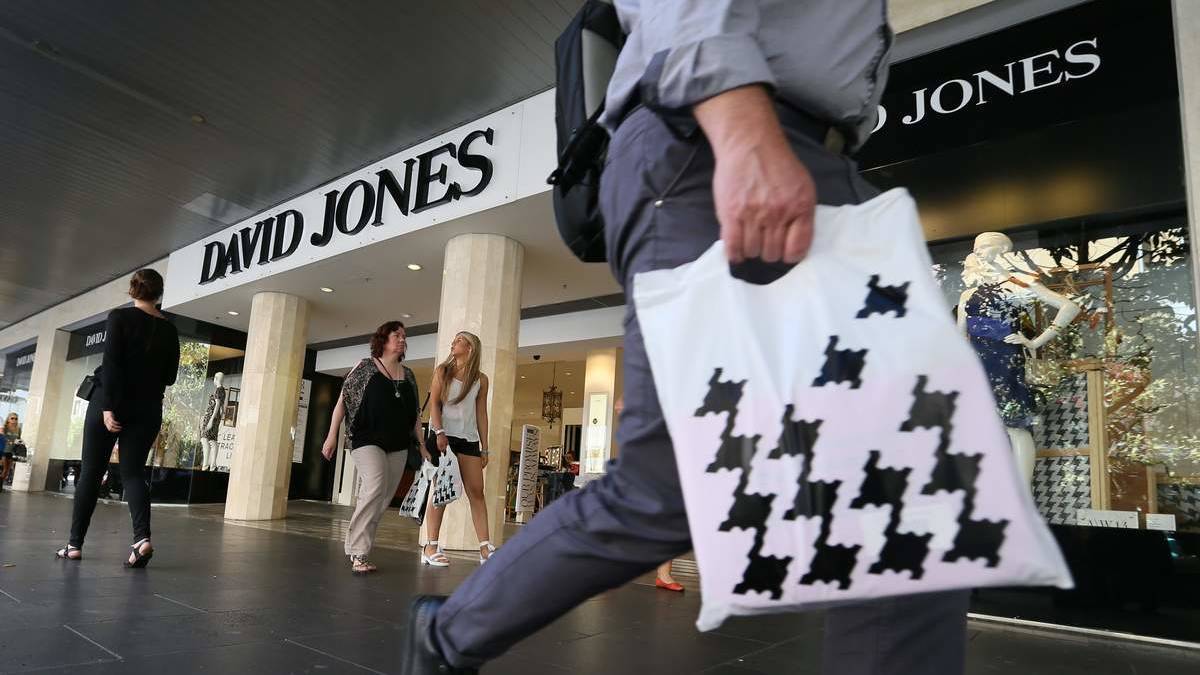
    David Jones received emergency funding from senior lender Hilco Global after breaching a loan covenant, as a $95.5 million pre-tax loss pushes Australia’s oldest department store chain to the edge.

    The cash injection keeps stock flowing ahead of the peak Christmas trading quarter following a drop of nearly 9 per cent in full-year sales across the network.

    UK special situations investor Hilco Global stepped in as the retailer’s primary lender in July, backing owner Anchorage Capital Partners. Instead of calling in the facility after the covenant breach, Hilco provided additional funding beyond its existing agreement.

    Lender Steps In to Stock Shelves

    The capital injection arrives at a critical juncture for chief executive Erica Berchtold. Department stores book the bulk of their annual margin between November and January, making inventory financing indispensable.

    Supply chain relations have deteriorated following months of speculation over delayed supplier settlements. A $250 million network overhaul failed to reverse declining store traffic, leaving the business short of liquidity to support seasonal merchandise orders.

    “Hilco has funded above the agreed facility to allow David Jones to increase stock holdings ahead of the busy Christmas trade and sales period. Hilco remains supportive of the business,” a company spokesperson said.

    Hilco’s decision temporarily protects the business from administration. Even so, the lender now holds use over the company’s operational assets and real estate positions.

    Brands Pull Concession Floor Space

    Brand owners are taking floor space back into their own hands across the Australian market. Country Road Group confirmed it will eliminate almost 100 of its 283 concession pads across David Jones stores, covering labels including Country Road, Witchery, Mimco, Politix and Trenery.

    Global luxury houses reached the same conclusion weeks earlier. Christian Dior halted sales of shoes and handbags in the chain last month, Gucci withdrew its brand space, and Chanel eliminated its footwear concession while retaining cosmetics counters.

    When anchor apparel brands pull out, the traditional department store business model collapses. Department operators depend on concession fees and luxury foot traffic to pull shoppers through multi-level city flagships, where high fixed rents and rising staff costs penalise low volume per square metre.

    For competing landlords and standalone mall operators in the region, the retrenchment accelerates a long-running shift toward direct-to-consumer flagship leases. Premium fashion labels prefer dedicated boutique footprints over subsidising regional department store floors.

    Private Equity Overhaul Under Pressure

    Australian private equity group Anchorage Capital Partners acquired David Jones in 2023 with plans to trim overheads and modernise the digital storefront. The investment firm is running out of options to engineer an operational turnaround.

    Earlier restructuring moves already shrank the retail footprint. In January, the group permanently shut its suburban stores at Castle Towers in Sydney and Tuggerah on the New South Wales Central Coast.

    Pressure is building inside the boardroom as directors weigh solvency requirements against trading liabilities. If customer spending remains subdued through December, the business will face immediate refinancing demands in early 2027.

    The Timeline to February

    The retail group faces its next operational cliff in February 2027, when Country Road Group executes the planned withdrawal of nearly 100 apparel pads.

    That exit will leave vacant space across multiple store levels, forcing management to recruit replacement brands or accelerate store footprint reductions.

  • TikTok Shop Teams with Philippine Trade Ministry on Pre-Sale Safety Checks

    TikTok Shop Teams with Philippine Trade Ministry on Pre-Sale Safety Checks

    TikTok Shop partnered with the Philippine Department of Trade and Industry to tighten seller compliance and product verification across its marketplace, following the pre-listing rejection of 208 million products globally.

    The joint consumer protection push rolls out ahead of the high-volume 11.11 and 12.12 discount events. It pairs platform-side screening with regulator-backed consumer advisories on counterfeit detection, product certifications and return pathways.

    Enforcement metrics and screening systems

    The platform’s global safety records from July 2025 to July 2026 show automated and manual filters blocked 99 per cent of violative items prior to publication. Teams removed another two million restricted or banned products that evaded initial onboarding controls.

    Under the Philippine program, tagged #TikTokShopSmart, the marketplace is stepping up merchant identity checks and intellectual property surveillance. The company presented these controls at a consumer organisation assembly organised by the trade ministry during Consumer Welfare Month, enlisting creator J. Em Ang to explain how digital content can spotlight product safety recalls and counterfeit hazards.

    “We also recognize that consumers need clear, accessible information to understand product details, assess potential risks, and know what steps they can take when a concern arises. Through our #TikTokShopSmart campaign, we are able to empower consumers to make informed shopping decisions,” said Yves Gonzalez, Head of Public Policy for the Philippines at TikTok Shop.

    Shifting regulatory burdens across Southeast Asia

    Southeast Asian trade ministries are moving from voluntary platform oversight to hard operational accountability. Manila’s trade officials want algorithmic e-commerce networks to catch illegal items before delivery fleets touch them, shifting liability upstream onto platform operators rather than relying on after-the-fact consumer complaints.

    For regional retail merchants, stricter gateway audits alter the economics of mass onboarding. Legitimate brands gain cleaner digital shelf space as regulators weed out grey-market imports and unauthorized duplicates, but merchants must navigate slower approval cycles and heavier documentation requirements. Platforms failing to clean up their vendor lists face direct friction with tax agencies and commercial tribunals.

    Building on earlier merchant programs

    Government collaboration is not new territory for the video platform’s commerce arm in Manila. In April 2025, TikTok Shop launched an enterprise development program with the same ministry to onboard and train local micro, small and medium enterprises in e-commerce.

    That earlier merchant push widened seller ranks rapidly. The current campaign reverses the emphasis, turning toward compliance enforcement, seller identity audits and counterfeit elimination as transaction volumes multiply.

    Year-end order volumes face technical tests

    The immediate operational test arrives during the November 11 and December 12 clearance sales. Merchant compliance teams face spikes in flash-sale listings, where bad actors frequently swap approved inventory items for substandard stock during peak promotional hours.

    Trade officials and consumer monitoring groups plan to track customer complaint volumes through December to assess whether the pre-listing rejection filters curb counterfeit claims during peak fourth-quarter trading.

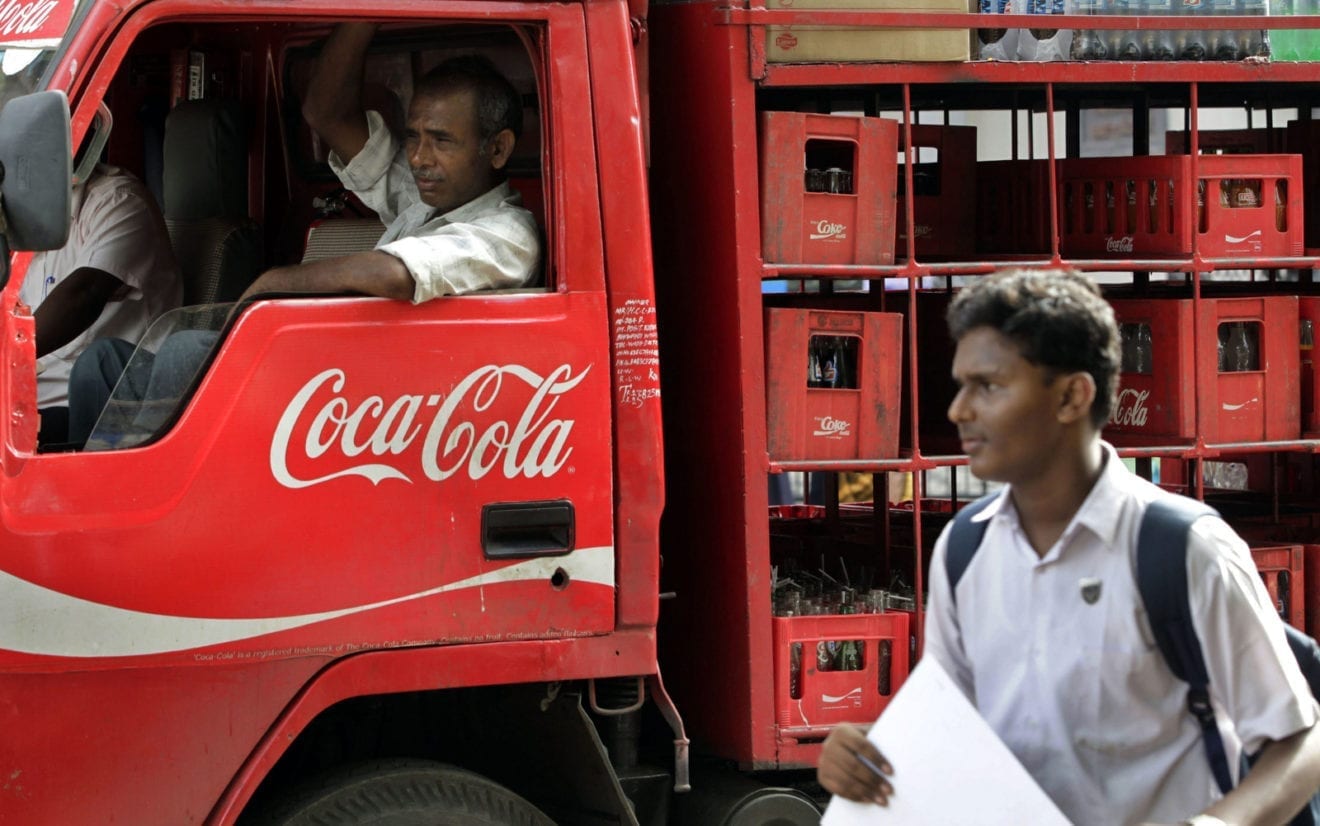
  • Coca-Cola Raises Full-Year Profit Target on Resilient Emerging Market Demand

    Coca-Cola Raises Full-Year Profit Target on Resilient Emerging Market Demand

    Coca-Cola raised its annual profit forecast on Tuesday, Oct 27, projecting comparable currency-neutral earnings per share to grow at least 9 per cent in 2026. The beverage giant previously targeted full-year earnings growth between 7 per cent and 8 per cent.

    Third-quarter revenue rose 7.4 per cent to US$13.38 billion, topping analyst projections of US$12.92 billion compiled by LSEG. Adjusted earnings per share reached 91 cents, ahead of the 88 cents consensus estimate.

    Emerging Markets Drive Global Volume

    Global unit case volumes increased about 5 per cent during the three months ended Oct 2. Volume expansion in India, China, Mexico and Brazil supported the overall gain, compensating for flat demand in North America.

    Shoppers in Asian markets continued buying core trademark sodas alongside zero-sugar varieties. In Western markets, the company leaned on pricing actions and package tiering, selling smaller, cheaper entry packs alongside higher-priced products such as fairlife milk, Topo Chico, and Coca-Cola Cherry Float.

    Divergence From Snack and Beverage Rivals

    The volume momentum widens the gap between Coca-Cola and competitors such as PepsiCo, which has struggled with softening snack sales in the United States. While North American consumers cut discretionary packaged foods, beverage intake remained stable across both developed and developing retail channels.

    For retailers and convenience store operators across Asia, the numbers show sustained foot-traffic demand for impulse cold-drink categories. Bottlers face higher inventory values, but turnover rates for core carbonated brands have held up better than non-essential ambient grocery items.

    Packaging Pressures and Input Volatility

    Operating margins face persistent headwinds from volatile industrial packaging markets. Rising commodity costs tied to the US war in Iran pushed aluminum and PET plastic expenses higher throughout the year.

    The company warned in July that container input costs had climbed past internal budgets. Those packaging increases continue to pinch margins even as net pricing gains shield headline top-line performance.

    Pricing Trajectory Into Year-End

    Coca-Cola’s stock has risen about 33 per cent in 2026, heading toward a third consecutive annual gain despite broad retail belt-tightening and geopolitical shocks. Shares traded marginally lower in premarket deals following the release.

    Management must now navigate final-quarter price elasticity across developing Asian cities as regional currencies shift against the dollar. The final quarterly filing will show whether volume gains in India and China can outpace elevated resin and can costs through December.

  • Thailand Targets High-Value Retail Tourism to Spread Spending Beyond Five Hubs

    Thailand Targets High-Value Retail Tourism to Spread Spending Beyond Five Hubs

    Thailand wants to redirect visitor spending away from five core hubs that generate 70 percent of all tourism revenue, pushing retail and hospitality spending into 72 secondary provinces. Five areas, Bangkok, Phuket, Chonburi, Surat Thani and Chiang Mai, currently take the lion’s share of tourism revenue, leaving the rest of the country with 30 percent.

    The policy overhaul, presented at the Nation Forum in Bangkok, links state tourism promotion with private shopping mall developments and international business events to drive longer stays and higher average transactions. The Tourism Authority of Thailand aims for revenue expansion of 5 to 10 percent in 2027 by targeting spending per head rather than headline arrival volumes.

    The Mall Group Pushes Local Merchandise into Luxury Spaces

    Commercial operators are restructuring their tenant mix and marketing calendars around regional sourcing to capture higher margins from international travellers. Department store operator The Mall Group is positioning provincial crafts, specialty produce and regional design as high-margin merchandise displayed alongside legacy luxury labels in flagship venues such as the EM District.

    Voralak Tulaphorn, chief marketing officer of The Mall Group, pointed to campaigns such as Khad Thai, which showed more than 40 regional durian varieties, to prove that local products command premium pricing when merchandised properly. The retail group is also integrating entertainment assets, staging international concerts at UOB LIVE and deploying home-grown intellectual property like the Butterbear character to pull foreign shoppers into its Bangkok properties.

    For retail landlords and brand owners, the strategic pivot answers years of margin compression in low-end mass tourism. Selling cheap souvenirs and chasing tour bus throughput created overcrowding and environmental costs while doing little for domestic retail revenues. High-value merchandising requires retailers to curate authentic regional supply chains, though smaller artisanal suppliers often struggle with the inventory scale, packaging standards and payment terms required by tier-one shopping centres.

    Spreading MICE Spending Beyond Established Cities

    Corporate events and trade exhibitions are being deployed to channel visitor spending beyond the usual commercial centres. The Thailand Convention and Exhibition Bureau has certified 16 destinations for meetings, incentives, conferences and exhibitions across the country, aiming to disperse corporate budgets into provincial economies.

    Under its Muang Mee Dee program, more than 50 provinces competed in 2025 to develop cultural assets for event delegates, with Nakhon Ratchasima and Si Sa Ket selected as winners. The convention bureau is structuring delegate packages to integrate local food supplies, regional crafts and community tours into corporate itineraries.

    The push directly tackles Thailand’s uneven competitiveness scorecard. While Bangkok secured first place among cities in Conde Nast Traveller’s 2026 UK Readers’ Choice Awards, the country ranked 38th in the World Economic Forum’s 2026 Travel and Tourism Development Index, up from 47th in 2024. That earlier 2024 assessment scored Thailand at 4.96 for price competitiveness and 4.89 for air transport, but gave it just 2.86 for cultural resources, highlighting poor transport links between major gateways and secondary provinces.

    Former Move Forward Party leader Pita Limjaroenrat noted that unmanaged mass arrivals drove up local rents and municipal waste without delivering proportional retail gains to host communities. He urged authorities to measure sector health through visitor dwell time, spending per trip and provincial income distribution rather than border arrival counts.

    State planners now face the logistical test of building transport links that can deliver international shoppers to smaller workshops and regional producers before the 2027 revenue targets come due.

  • Southeast Asia AI User Base Hits 243 Million While Subscriptions Lag

    Southeast Asia AI User Base Hits 243 Million While Subscriptions Lag

    Generative artificial intelligence reached 243 million users across Southeast Asia in less than three years, representing 58 per cent of the region’s working population. Direct software subscriptions capture only 1 to 2 per cent of those consumers, shifting the financial return to e-commerce and marketing channels.

    The joint annual e-Conomy SEA report from Google, Temasek and Bain & Company projects the regional digital economy will expand 17 per cent to $368 billion in gross merchandise value this year. The market is tracking toward $1 trillion by 2035.

    Merchant Operations Absorb Infrastructure Costs

    Consumer uptake is outrunning the early curve of mobile internet by four times. Rather than charging monthly fees for software access, digital marketplaces are monetizing the audience through backend conversion gains, targeted search, and automated customer service desks.

    Shopee routed approximately 80 per cent of its customer inquiries through automated AI chatbots. That shift lowered its customer contact costs by 30 per cent year on year. Across the broader retail sector, early case studies track a 10 per cent year-on-year lift in baseline conversion rates and order basket increases reaching 75 per cent.

    About 69 per cent of shoppers now deploy artificial intelligence tools to evaluate complex retail transactions like consumer electronics. In addition, 75 per cent of surveyed users say they are ready to delegate product sourcing and payment execution directly to automated software agents.

    Shifting Margins for Marketplaces and Merchants

    For marketplace operators, the gap between zero subscription income and higher computing overhead creates a clear operational mandate: platforms must extract savings from headcount and advertising yield. Merchant partners shoulder these costs when platforms bake automated tooling fees into standard transaction commissions and marketing auction prices.

    Regional brands face inventory risks if automated comparison agents direct buyer volume entirely to discounting algorithms. Retailers that rely on brand loyalty rather than programmatic price optimization stand to lose checkout shelf space to rival sellers indexed directly into AI buying agents.

    Sector Shifts Across Transport and Media

    Online media revenue, covering digital advertising and streaming formats, is on track to advance 22 per cent to $44 billion this year as ad engines improve conversion rates. The regional ride-hailing and food delivery segment is forecast to gain 15 per cent to $40 billion in gross merchandise value, backed by voice-assisted booking tools.

    Travel bookings are expanding as well, with the online travel market projected to grow 10 per cent to $59 billion in gross merchandise value this year as travelers build itineraries via automated search assistants.

    Consumer confidence in regional software tools is rising alongside adoption. The study found 62 per cent of respondents trust artificial intelligence applications more than they did twelve months earlier, even as overall per-capita usage in Southeast Asia remains at 10 per cent of United States volume.

    Singapore Leads Deployment as Trillion-Dollar Target Looms

    Singapore is among Southeast Asia’s early leaders in AI adoption.

    The immediate marker for digital commerce leaders remains the year-end shopping quarter, where merchants will test whether AI-assisted search traffic sustains the projected run toward the $368 billion regional digital gross merchandise value milestone.

  • Shenzhen Scooter Maker LEQI Expands Abroad with Xiaomi Backing

    Shenzhen Scooter Maker LEQI Expands Abroad with Xiaomi Backing

    Shenzhen micro-mobility manufacturer LEQI took first place in worldwide electric scooter shipments in 2025, pushing its overseas expansion beyond basic marketplace sales into specialised categories including rideable luggage and dirt bikes.

    Its subsidiary Megawheels logged 2 million users and took the top market share spot in Japan, while industry tracker QYResearch placed the brand fourth globally in the two-wheeled self-balancing scooter segment in 2026.

    Founded in 2016, the hardware maker sells directly through Amazon, eBay, its own digital storefronts and commercial wholesale channels. The product catalogue now reaches beyond basic stand-up scooters to include electric bicycles, high-speed electric motorcycles and the L3 Smart Electric Suitcase, a motorised carry-on fitted with a fold-out chassis and obstacle-avoidance sensors.

    Engineering Beyond Marketplaces

    Online marketplaces offer Chinese consumer hardware makers an easy route into foreign households without physical dealership networks. The friction surfaces when foreign buyers require local warranty service, replacement battery packs or street-legal certifications.

    Instead of relying purely on commodity e-scooter platforms, LEQI has attempted to share core electric-drive and battery-management software across diverse form factors. High-power-density drivetrains and adaptive sensor software developed for off-road bikes feed into airport transit gear, giving the company higher retail price points than standard commuter devices command.

    The European Compliance Hurdle

    For cross-border consumer brands, technical compliance dictates shelf space faster than digital marketing. German road regulations, for instance, demand strict national operating permits that keep most direct-to-consumer Chinese imports off public cycle tracks.

    LEQI secured Germany’s Allgemeine Betriebserlaubnis road approval for its LEQIsmart A11 scooter in 2023, giving it a regulatory wedge against rivals selling uncertified hardware. Retaining that foothold requires constant updates as European municipal regulators revise speed limits and pavement use rules.

    Funding The Global Network

    Capital from domestic technology giants is financing the step into heavier engineering. LEQI closed a Series B funding round in March 2026 backed by Xiaomi Group and Shunwei Capital.

    That cash injection followed a corporate restructuring in 2021, when the business established its dual-brand strategy split between Megawheels and the primary LEQI nameplate. Proceeds from the 2026 round target artificial intelligence decision-making systems for vehicle control, higher-density battery units and physical supply chain hubs in key destination markets.

    The central test for LEQI is whether its software systems and overseas service networks can support higher-margin vehicles such as dirt bikes before hardware competitors duplicate its rideable luggage designs.

  • Arrvel Introduces Rugged Android Barcode Scanner and RFID Lineup

    Arrvel Introduces Rugged Android Barcode Scanner and RFID Lineup

    Shenzhen-based Arrvel introduced an expanded portfolio of rugged Android handheld barcode scanners and RFID terminals on October 23, 2026, targeting distribution hubs and retail floors across international markets.

    The lineup spans entry-level keypad units through to a Qualcomm-powered enterprise computer running Android 16, backed by Shenzhen-listed parent Emdoor Information.

    Hardware Specifications for Retail Floors and Racks

    Arrvel built the base of the lineup around two everyday enterprise units, the F1 and F2. Both run on MediaTek MT6765 processors using Android 15 with Google Mobile Services certification. Both integrate Zebra SE4710 scan engines calibrated to read damaged or low-contrast labels.

    The F1 relies on a 4-inch display paired with a physical 16-plus-7 numeric keypad. Arrvel spaced the keys widely so workers in cold-storage units and outdoor depots can input figures while wearing thick industrial gloves. The device carries up to 4GB of RAM, 64GB of storage, a 5,000mAh battery rated for 12 hours of continuous work, and a scan engine tilted at 25 degrees. Ingress protection reaches IP67, alongside drop testing certified to 4.92 feet.

    For touchscreen workflows, the F2 mounts a 6-inch Full HD display inside a 16-millimetre frame. It retains the IP67 sealing, the 4.92-foot drop rating, and the MediaTek chip, pairing them with a 5,050mAh cell and an optional pistol trigger for long scanning shifts. Both handhelds feature 13-megapixel rear cameras, 5-megapixel front lenses, 4G LTE modems, dual-band Wi-Fi, Bluetooth, and near-field communication.

    High-Capacity Processing and Long-Range RFID

    Heavier distribution workflows receive the MC51S, Arrvel’s flagship terminal running on Qualcomm’s octa-core QCM6225P chip clocked up to 2.8 GHz. The unit configures with up to 8GB of RAM and 256GB of UFS flash memory. It ships with Android 16 under Google’s Android Enterprise Recommended tier to guarantee long-term security patching.

    The MC51S display uses 6-inch Gorilla Glass 3 panels. The chassis meets MIL-STD-810H standards with drop survivability tested to 1.5 metres alongside IP67 water and dust resistance.

    Beyond optical barcodes, Arrvel introduced ultra-high-frequency RFID readers designed for yard logistics and large retail stockrooms. Units fitted with circular polarized antennas read tags up to 20 metres away in clear conditions, scanning 200 tags per second to capture 2,000 items in roughly 10 seconds. Modular versions support close-range RFID, fingerprint readers, and custom expansion slots tailored for apparel ticketing and inventory audits.

    The Enterprise Hardware Squeeze

    For warehouse operators and store chains, replacing aging proprietary terminals with Android Enterprise hardware cuts software deployment times through zero-touch enrollment. It also lowers replacement equipment costs.

    The commercial risk sits squarely in software support and hardware durability. Tier-one warehouse operators demand five-to-seven-year component availability and immediate field service, areas where direct-to-consumer and Amazon-focused brands typically struggle against entrenched commercial distribution networks.

    Parent Company Footprint

    Arrvel operates as an enterprise brand under Shenzhen-listed Emdoor Information, which trades under ticker 001314 on the Shenzhen Stock Exchange. Emdoor spent eighteen years building original design manufacturing capacity for rugged computing before pushing proprietary label printers and commercial handhelds into overseas channels.

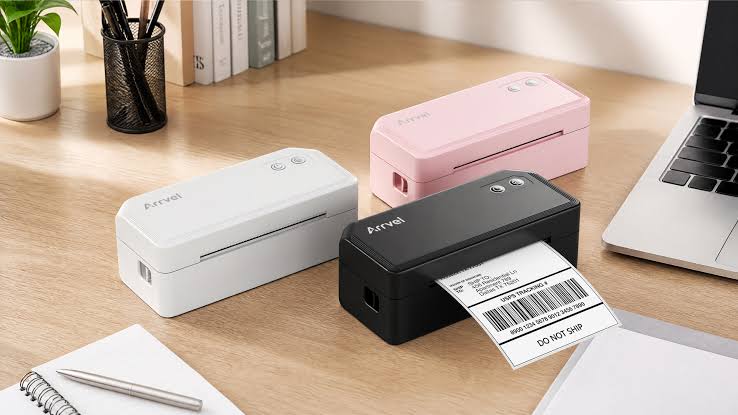
    Earlier in October 2026, Arrvel expanded its thermal label printer range for small merchants, following vehicle-mount computers released under sister brand ONERugged for agriculture and mining operations.

    Enterprise buyers will track whether Arrvel can back the MC51S and F-series with enterprise service level agreements as deployments scale beyond initial online storefront channels.

  • Jindal Stainless Deploys 10 Heavy-Duty Electric Trucks for Finished Goods

    Jindal Stainless Deploys 10 Heavy-Duty Electric Trucks for Finished Goods

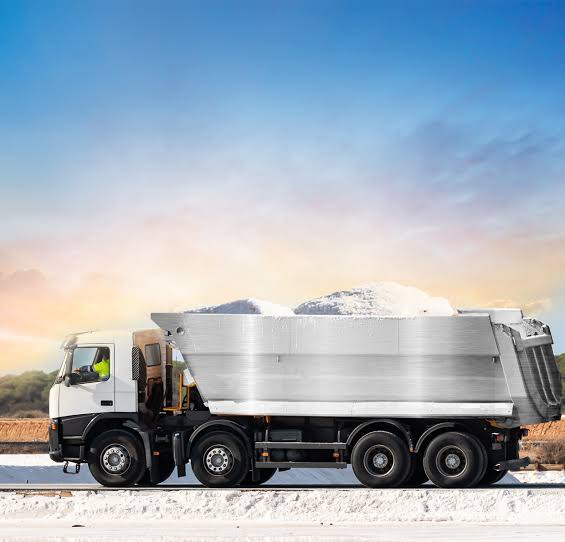
    Jindal Stainless added ten heavy-duty electric trucks to its outbound transport fleet, shifting finished steel onto battery power for the first time.

    The company deployed the 55-tonne vehicles across a corridor of over 350 kilometres linking its manufacturing complex in Jajpur, Odisha, with distribution destinations in Kharagpur and Kolkata in West Bengal.

    Sourced from Blue Energy Motors, all ten units rely on the manufacturer’s 5548e platform. Moving steel from Jajpur to Kharagpur requires roughly 227 kilometres, followed by approximately 131 kilometres to Kolkata.

    Hardware and Corridor Specs

    Blue Energy offers the 5548e line with battery packs ranging from 282 kWh to 423 kWh. The base 282 kWh setup uses a module-to-bracket lithium iron phosphate pack paired with a 480-horsepower permanent magnet synchronous motor and a four-speed automated manual transmission.

    That entry configuration provides up to 200 kilometres of driving range on a single charge and manages road grades of up to 24 per cent. Recharging from 20 to 80 per cent state of charge takes 45 minutes on a direct-current fast charger, while full battery swaps take five minutes at designated stations.

    “The deployment of electric trucks marks an important milestone in our efforts to decarbonise logistics and integrate lower-emission transportation solutions into our operations. Our approach is focused on adopting practical, scalable solutions that reduce our environmental footprint while maintaining operational efficiency.”

    Fleet Mix and Monthly Volume

    The ten battery units form an initial slice of a broader low-carbon fleet operating across Jindal Stainless’s supply network. The wider lineup contains 80 liquefied natural gas trucks, 60 compressed natural gas passenger buses, and a fleet of CNG freight haulers.

    Management calculates the blended gas and electric vehicle fleet will eliminate about 71 tonnes of carbon dioxide each month, a 26 per cent cut across targeted routes. That estimate assumes monthly finished steel dispatches of 8,000 to 9,000 tonnes and roughly 240,000 kilometres of aggregate road travel.

    Heavy Freight Economics

    Industrial supply chains across India face steep operational hurdles when trading diesel for electric powertrains on runs exceeding 200 kilometres. Because the 5548e platform runs out of juice before completing the 350-kilometre transit between Jajpur and Kolkata, Jindal Stainless must establish reliable charging or pack-swapping stops along the route.

    Fleet operators bear the capital exposure when building proprietary charging depots before national highway infrastructure catches up. If turnaround times drag at midway points, turnaround cycles for finished steel deliveries stretch, chewing into the operating cost savings promised by electric traction.

    Building Out the Transition

    The entry into pure battery electric freight follows an earlier rollout of LNG tractors for long-haul routes and CNG vehicles for local transit. By layering heavy electric haulers on top of existing gas assets, the company aims to trim transport emissions without staking its entire outbound distribution on an unproven charging corridor.

    Watch the turnaround times at intermediate recharging points along the Odisha-West Bengal link as monthly tonnage scales toward the 9,000-tonne target.

  • FINMA Approves Switzerland’s First Retail Bitcoin ETF

    FINMA Approves Switzerland’s First Retail Bitcoin ETF

    Swiss financial market regulator FINMA has approved the country’s first retail exchange-traded fund that invests directly in Bitcoin. Under Swiss law, the watchdog categorized the product as an “other fund for alternative investments” with a specific risk profile.

    Approval required a formal waiver from standard risk diversification requirements, which FINMA granted because of Bitcoin’s established trading history and high trading volume relative to other digital tokens.

    Managers offering the product must comply with specific operational and custody risk mitigations set out in regulatory guidance published on 12 January 2026. The approval places heavy emphasis on consumer protection mechanisms under the Financial Services Act, known as FinSA.

    Custody Rules and Retail Conduct

    Distributors must enforce strict point-of-sale conduct rules, including rigorous investor suitability assessments. Supervised entities selling the fund must deliver explicit risk warnings covering cryptocurrency volatility and the potential for substantial capital loss directly to end buyers.

    Regulatory Foundations and Prior Filings

    FINMA first authorized a crypto basket fund for qualified investors in 2021, restricting that early product to institutional and high-net-worth accounts. The new decision extends direct spot exposure to everyday consumers while shifting regulatory enforcement toward broker-dealer disclosures and fund documentation transparency.

    Other fund providers have already submitted or announced competing applications for Swiss Bitcoin ETFs, leaving FINMA to review a pipeline of identical retail offerings.

  • Bao Brings 7-Outlet London Chain to Singapore with Pop-Up Stall

    Bao Brings 7-Outlet London Chain to Singapore with Pop-Up Stall

    The founders of London restaurant group BAO will open a temporary pop-up in Singapore on Nov. 11, introducing a new concept called BAO Fast Foods (BFF) to Southeast Asia for the first time.

    BFF is a new concept, separate from BAO’s London restaurants. It is being launched with Singapore hospitality firm The Lo & Behold Group at New Bahru mall, 46 Kim Yam Road, #01-10. Trading runs through Dec. 28. BAO founders Shing Tat Chung, Erchen Chang, and Wai Ting Chung are behind the project.

    The Format at New Bahru

    The ground-floor pop-up is part fast-food joint and part convenience store. Shelves carry packaged snacks imported from Taiwan, including instant noodles and crisps, alongside grab-and-go chilled items such as egg mayonnaise sandwiches and salads.

    Hot orders will focus on Taiwanese-inspired items such as fried chicken and beef noodles. The format is built around faster turnarounds and a smaller footprint than the sit-down restaurants BAO operates across central London.

    Testing Asian Demand

    Western hospitality brands frequently expand eastward by franchising proven casual-dining concepts. BFF reverses that flow: a concept created by London-based founders, selling Taiwanese-inspired food in an Asian market where street stalls and convenience chains already offer cheap alternatives.

    Singapore offers a bilingual market with high retail rents and sophisticated consumer spending. The local partner, The Lo & Behold Group, has an established footprint across lifestyle developments in the city.

    Path from London Market Stall

    Chung, Chang and Wai Ting Chung started BAO more than a decade ago as an outdoor stall at Netil Market in east London. The business expanded into seven permanent dining sites across London neighbourhoods. In June, Chung and Chang also ran a one-month pop-up in Taipei.

    Next Steps

    The Singapore pop-up closes on Dec. 28. Chung pointed out the lack of Taiwanese concepts competing against global burger and fried chicken chains across the region.

  • Tanaka and MEP Form Venture for Malaysian Precious Metal Recycling Plant

    Tanaka and MEP Form Venture for Malaysian Precious Metal Recycling Plant

    Japan’s Tanaka Precious Metal Group has partnered with Malaysian recycler MEP this month to construct a precious metal recycling facility in Malaysia.

    Operating under the venture Tanaka MEP Refinery, the site aims to launch commercial operations in April 2029 to supply gold and other metals to the semiconductor industry.

    The plant will extract high-value materials from scrap generated during the fabrication of semiconductors and electronic components.

    Sourcing Metal from Electronic Scrap

    Tanaka MEP Refinery plans to process manufacturing waste directly from regional semiconductor and electronics assemblers. Recovered gold will feed back into the component supply chain, giving chipmakers a regional source of raw material.

    Production of microelectronics demands steady volumes of high-purity precious metals for bonding wires and plating. By processing scrap locally in Southeast Asia, the venture intends to reduce transit times and shipping costs associated with returning scrap to smelters in East Asia.

    Supply Security for Regional Foundries

    Packaging and testing facilities across Malaysia handle a substantial share of global semiconductor back-end assembly. Securing precious metal feedstock close to these assembly lines offers chipmakers tighter control over material inventories.

    Competition for high-grade scrap will test the new venture. Competing smelters across Japan already purchase industrial e-scrap from Malaysian factories, leaving Tanaka MEP Refinery to secure reliable collection contracts with local manufacturers before the plant starts up.

    Expanding Southeast Asian Operations

    Industrial demand for localized recycling grew as manufacturers expanded assembly footprints over the past decade. Tanaka previously handled recovery primarily through plants in East Asia before deciding to build refining capacity in Malaysia.

    Commercial operations are targeted to start in April 2029, with construction timelines and plant capacity metrics to be determined as facility development begins.

  • Eternal’s District Plans Dedicated Venues as Temporary Sites Top $1 Million

    Eternal’s District Plans Dedicated Venues as Temporary Sites Top $1 Million

    Eternal’s District is exploring investments in dedicated live-event venues to curb setup costs and protect its business from artificial intelligence disruption, District Chief Executive Rahul Ganjoo said in October 2026.

    Building temporary concert sites can cost more than $1 million only to be dismantled within hours, prompting the platform to hold discussions with property owners and governments on public-private partnerships.

    “Without dedicated live-event venues, it is difficult to build a sustainable business, because you spend a large amount of money setting up a venue only to take it down within a day,” Ganjoo said.

    The Math Behind Temporary Stages

    Organising large shows across major Indian metros currently relies on building temporary arenas on rented grounds. Crews assemble heavy staging, lighting rigs, safety barriers and power networks, only to dismantle the entire installation once the crowd clears.

    District chief executive Rahul Ganjoo pointed out the operational waste built into that model. “Without dedicated live-event venues, it is difficult to build a sustainable business, because you spend a large amount of money setting up a venue only to take it down within a day,” Ganjoo said.

    Sinking capital into recurring setup work drains gross margins for promoters and platforms. A network of dedicated venues would lower the recurring overhead of individual tours, giving the platform predictable acoustic and crowd infrastructure across tour calendars.

    Defending Ground Against AI Agents

    Online booking platforms face structural pressure from autonomous software agents capable of discovering, comparing and booking entertainment directly across open web protocols. When software handles discovery, platform brand loyalty erodes.

    Physical control of the physical gate flips that equation. Holding long-term master leases or co-ownership agreements over premier performance real estate gives an operator exclusive rights to on-site concessions, priority ticketing access and physical food service tie-ins that software aggregators cannot circumvent.

    The Operator Reality in India

    Live entertainment in India has expanded rapidly across tier-one metros such as Bengaluru, yet performance spaces remain scarce. International and domestic tours regularly compete for municipal stadiums, exhibition halls or vacant open plots that demand extensive civic permits and temporary civil works.

    Shifting from an asset-light digital ticketing intermediary to a venue operator introduces balance-sheet exposure. Long leases demand high sustained occupancy rates throughout the year, forcing District to programme mid-week events, regional festivals and corporate bookings alongside marquee headline acts.

    The Pipeline Ahead

    Eternal expanded District to capture out-of-home spending across dining, ticketing and leisure activities, positioning the platform against regional ticketing incumbents. Securing land parcels and municipal clearances for high-capacity performance zones will require clearance from state urban development authorities across targeted metropolitan hubs.

    District remains locked in partner discussions on the initial venue sites, with structural terms and capital commitments for the first dedicated locations pending formal sign-off.