Retail News CRM

Blog

  • Stephen Curry Scores Slam Dunk Deal with Chinese Sportswear Giant Li-Ning

    Stephen Curry Scores Slam Dunk Deal with Chinese Sportswear Giant Li-Ning

    Li-Ning, a prominent sportswear company in China, has recently announced a multi-faceted partnership with NBA Star, Stephen Curry. This exciting collaboration will initially emphasize on the sport of basketball and golf, with future plans to expand into lifestyle and other sportswear areas.

    A Crucial Partnership

    In this newly forged union, Li-Ning and Curry will work closely to devise new products, foster exclusive content, and devise consumer experiences that appeal to the interests of young athletes and sports consumers. Stephen Curry expressed enthusiasm about the partnership, attributing his decision to the company’s innovative product line and capabilities. Curry was particularly impressed by the quality, comfort, and performance of Li-Ning’s footwear, which he believes will align perfectly with the image he wants to establish for his own brand.

    The sportswear company, Li-Ning, which was founded in 1990 by the former Olympic Gymnast Li Ning, has flourished into one of the largest brands in China’s sportswear industry. Li Ning views this partnership as a reflection of their mutual emphasis on performance and the future of sports.

    Shared Vision

    The company’s founder expressed a shared focus on performance and the potential of sport, believing in the power of sport to ignite passion and inspire each generation to push beyond its limits. Both Li-Ning and Curry are eager about this partnership and look forward to building upon it to continually push boundaries and open new horizons for global sport.

    Questions & Answers

    What is the nature of the partnership between Li-Ning and Stephen Curry?
    The partnership involves multi-category development focusing initially on basketball and golf, with plans to expand into other sportswear and lifestyle sectors.

    What was the critical factor that influenced Stephen Curry’s decision to collaborate with Li-Ning?
    Stephen Curry was primarily impressed by the quality, comfort, and performance of Li-Ning’s shoes, which gave him confidence in the company’s capability to align with his brand’s vision.

    What does this partnership signify for Li-Ning and Curry?
    Both parties view this collaboration as a reflection of their shared focus on performance and the future of sports. They look forward to pushing boundaries and creating new possibilities for global sport.

  • NAORA Launches: The Invitation-Only Sailing Community for Modern Explorers

    NAORA Launches: The Invitation-Only Sailing Community for Modern Explorers

    The most extraordinary journeys are shaped by the people who share them. NAORA was built on that belief — a private sailing membership that curates not just the route and the vessel, but the community aboard.

    There is a particular kind of conversation that only happens far from shore. When the routine falls away, when the horizon is all there is, and when the people around you have been carefully chosen — that is when something rare begins to form. Not networking. Not socialising in the conventional sense. Something deeper: the kind of exchange that shared extraordinary experience makes possible, and that is almost impossible to engineer in any other context.

    That is what NAORA is built around.

    NAORA today announces its launch as a private, invitation-only sailing membership — a curated global community of founders, investors, creatives, and nomadic professionals who share recurring, flexible access to a continuously moving 80-foot luxury catamaran across 183+ destinations over five years. The community is the product. The vessel is the venue. The ocean is the context in which both reach their fullest expression.

    Why Community Changes Everything

    The luxury travel industry has invested enormous energy in perfecting the individual guest experience. Thread counts. Michelin-starred kitchens. Bespoke excursions. Personalised service at every touchpoint.

    And yet, for all of this investment, the element that consistently creates the most lasting value in the lives of high-net-worth travellers is the one that cannot be manufactured: genuine human connection.

    The relationships formed aboard NAORA are structurally different from those formed in any hotel lobby, at any conference, or through any networking event. They are forged in circumstances that strip away professional personas and social performance: shared meals at sea when the closest land is a hundred miles away, shared crossings through rough weather that require trust and mutual reliance, shared discoveries of places that neither party expected to find. These are the conditions under which lasting bonds form — and NAORA is, by design, a machine for creating them.

    The key design decision is curation. Every NAORA member passes through a personal selection process — not to restrict numbers for its own sake, but to ensure that the people who share the vessel are genuinely aligned in values, curiosity, and their relationship to experience. The result is a community that does not need to be maintained through programming or incentives. It maintains itself, because the people within it genuinely want to be together.

    Who Joins NAORA

    NAORA attracts four distinct kinds of members, each bringing something essential to the community aboard.

    The first are founders and entrepreneurs — people who have built something meaningful, achieved the freedom to move, and are now searching for a community that matches their depth. These are not people who need to be entertained. They are people who need to be challenged, in a context that is worthy of them. The conversations on a NAORA deck at night — about what they are building, what they have learned, what they are searching for — are the conversations they cannot have at any conference or dinner party.

    The second are investors and family office principals — high-net-worth individuals and the professionals who manage generational wealth. For this community, NAORA offers not just a lifestyle vehicle that matches their standard of living, but a network of extraordinary people in a setting that no office, club, or event can replicate. Some of the most significant relationships in their professional lives will begin on this boat.

    The third are high-income nomads — location-independent professionals, remote founders, and digital entrepreneurs who have outgrown conventional luxury travel. They have stayed in every five-star hotel. They have chartered every category of yacht. They are ready for something that cannot be booked — something that requires application, that rewards commitment, and that deepens with every return. NAORA is their permanent address on the ocean.

    The fourth are new-wealth explorers — crypto-native and tech-driven wealth holders who prioritise experience, movement, and belonging over traditional status signals. For this community, NAORA offers something that no car, watch, or real estate investment can provide: access to a world that reflects their values and their curiosity, populated by people who share both.

    “NAORA becomes part of how members define themselves — part travel, part network, part lifestyle identity.”

    The Compounding Effect

    What makes the NAORA community genuinely distinctive — and what makes it commercially powerful as a retention model — is the compounding effect. Unlike a resort or a charter, NAORA is designed to be returned to, not replaced. Every return deepens the relationships. Every new leg of the route adds shared references and shared memories. Every new member who joins the community adds value to the whole.

    Members who have been with NAORA for two or three years describe something that is difficult to articulate but immediately recognisable: a sense of belonging that operates independently of geography. When they are at home — in Singapore, in London, in Dubai, in New York — they know that somewhere on the ocean, the boat is moving. Their place on it is waiting. The community is alive.

    NAORA tracks this through its tier structure. The Coastal tier is the beginning — an introduction to the vessel, the community, and the rhythm of offshore life at approximately one week per year. The Offshore tier deepens the engagement to approximately 40 days per year, building the kind of recurring presence that allows meaningful relationships to form. The Navigator tier represents full integration — approximately 90 days per year, priority on route selection, and a level of involvement in the NAORA world that is closer to a second identity than a travel subscription.

    The Community Beyond the Vessel

    The NAORA community does not exist only at sea. Between voyages, it maintains itself through a carefully curated programme of onshore events: private dinners in key cities, cultural gatherings at port, regional salons for members in the same geography. These events are not marketing exercises. They are extensions of the community that forms aboard the vessel — a way of maintaining the quality of connection between voyages, and of welcoming new members into a world they have not yet fully experienced.

    The NAORA network is also, inevitably, a professional one. The shared backgrounds of the membership community — in entrepreneurship, investment, technology, and creative fields — mean that the relationships formed aboard have both personal and professional dimensions. Introductions are made. Ideas are tested. Partnerships begin over a meal prepared by a chef who knows both parties’ preferences by heart. This is not a stated feature of the NAORA model. It is an emergent property of bringing extraordinary people together in extraordinary circumstances.

    By Invitation Only

    NAORA membership is strictly limited, and every application passes through a personal selection process. The founding team takes this process seriously — not because scarcity is a marketing tactic, but because the quality of the community is the product. A single poorly matched member can change the atmosphere aboard. A single well-matched member can change the trajectory of everyone else’s year.

    Membership is available in three tiers: Coastal (approx. 1 week/year), Offshore (approx. 40 days/year), and Navigator (approx. 90 days/year). Annual fees range from €9,000 to €59,000. Entry fee: €3,000–5,000. Applications by private conversation only.

    To begin the conversation, visit www.naora.world.

    About NAORA — NAORA is a membership-based private sailing expedition founded by four Belgian adventurers with 25+ years of offshore sailing expertise. Its five-year global journey spans 183+ destinations and 45,000+ nautical miles, covering the Mediterranean, Atlantic, Caribbean, Indian Ocean, Southeast Asia, and South Pacific. Membership tiers — Coastal, Offshore, and Navigator — offer flexible, recurring access to life at sea aboard the Fountaine Pajot Thira 80, one of the largest luxury production catamarans in the world. NAORA is not a travel company. It is a new category of living.


  • Meituan Sees Silver Lining as Food Delivery Battles Cool Down Despite Another Quarter Loss

    Meituan Sees Silver Lining as Food Delivery Battles Cool Down Despite Another Quarter Loss

    Meituan, China’s foremost food delivery company, reported its third consecutive quarterly loss this Monday. However, it did manage to meet revenue growth projections. The company has been weathering a particularly tough year, characterized by fierce, subsidy-driven competition in China’s one-hour delivery sector. However, the market shows signs of normalizing again.

    In earlier years, the rapid expansion and profits of Meituan were put under strain when Taobao, owned by Alibaba, and JD introduced their ‘instant retail’ services in 2025. Instant retail, also known as quick commerce, involves online purchases of items such as food, bubble tea, and daily essentials that are delivered within an hour.

    In 2026, after persistent disapproval from Chinese regulators who coined the term ‘race to the bottom’ to describe the fierce instant retail competition, the excessive discounting on food delivery platforms began to moderate. This shift indicated that the industry was moving into a phase of more regular growth.

    The revenue for Meituan for the quarter ending on March 31 was reported to be 91 billion yuan (equivalent to US$13.45 billion). This represented a 5.6% increase from the previous year and was in line with financial analysts’ predictions.

    The adjusted net loss of the company shrunk to 4.97 billion yuan, which was a significant improvement from a loss of 15.1 billion yuan in the last quarter. During the same period in the previous year, Meituan had reported a profit of 10.9 billion yuan.

    CEO Wang Xing addressed the situation optimistically, stating, “With industry-wide subsidies finally getting more rational, we are seeing a shift back to the fundamentals of operational efficiencies and user experience. This transition plays to our strengths.”

    However, the company has also faced regulatory challenges. In April, the Chinese market regulator imposed fines amounting to a total of 3.6 billion yuan on seven e-commerce platforms, including Meituan, for violating food delivery safety regulations.

    Last week, China’s State Administration for Market Regulation instructed local authorities to conduct a special inspection campaign until December on companies operating in sectors ranging from live-streaming to food delivery.

    Questions & Answers

    What is Meituan’s standing in China’s food delivery industry?
    Meituan is the leading food delivery company in China.

    What challenges has Meituan been facing in recent years?
    Meituan has been dealing with intense competition in the instant retail sector, regulatory penalties for food delivery safety violations, and financial struggles reflected in consecutive quarterly losses.

    What is the ‘race to the bottom’ that Chinese regulators refer to?
    The ‘race to the bottom’ refers to the extreme competition in the instant retail sector, characterized by excessive discounting by food delivery platforms.

  • Family Offices Pivot towards AI and Diversification amid Geopolitical Uncertainty: UBS Report

    Family Offices Pivot towards AI and Diversification amid Geopolitical Uncertainty: UBS Report

    Global financial markets are experiencing profound shifts due to geopolitical and structural uncertainties, leading family offices globally to reconsider their investment strategies. This emerges from UBS’s “Global Family Office Report 2026”, which surveyed 307 family offices across over 30 markets, together representing around $2.7 billion in net worth.

    Significantly, this is the first time since the start of the study that 60% of participants expressed their intention to modify their strategic asset allocation in the coming year. The focus is shifting towards a broader diversification spanning regions, currencies, and asset types, coupled with an enhanced emphasis on long-term thematic investments.

    A Growing Interest in Artificial Intelligence

    The report reveals an increasing trend amongst family offices to adjust their portfolios in a calculated, disciplined manner, as explained by Benjamin Cavalli, Head of Strategic Clients & Global Connectivity at UBS Global Wealth Management. Several investors are diminishing their U.S. dollar exposure or diversifying more widely across regions, without fundamentally reevaluating their North American positions.

    Artificial Intelligence (AI) is an area that continues to pique significant interest. As per the report, 65% of family offices have invested across the full AI value chain, starting from data centers and software platforms to semiconductor manufacturers. Despite high valuations, a considerable number of investors intend to increase or at least maintain their exposure.

    “Artificial Intelligence continues to be the defining investment theme of this decade,” stated Yves-Alain Sommerhalder, Head of GWM Solutions at UBS. Family offices are taking a more discerning approach, merging growth opportunities with a heightened risk discipline.

    Challenges in Governance and Succession Planning

    Besides AI, investments in infrastructure and energy and commodities remain the preferred areas for family offices. Cryptocurrencies, however, remain a fringe allocation, with only 44% of invested family offices considering digital assets as part of their strategic asset allocation, but actual portfolio exposures are typically limited.

    For Swiss family offices, the trend appears to be more conservative. They maintain widely diversified portfolios with a strong emphasis on Western Europe and North America, and they are making portfolio adjustments more cautiously compared to international peers. AI, energy, automation, and robotics also dominate amongst Swiss investors.

    Despite these trends, there are noticeable gaps in governance and succession planning in many family offices. Only about one-third have a clearly defined succession plan, and a mere 27% are preparing the next generation in a structured manner for future leadership roles.

    Questions & Answers

    What’s the trend in asset allocation among family offices?
    A majority of family offices are planning to adjust their strategic asset allocation in the next year, with emphasis on wider diversification across regions, currencies, and asset classes.

    What’s the investment sentiment towards artificial intelligence?
    Artificial Intelligence continues to be of high interest, with 65% of family offices having invested across the full AI value chain. Many plan to increase or maintain their AI exposure despite high valuations.

    What are the challenges being faced by family offices?
    A significant number of family offices lack clearly defined succession plans and structured methods for preparing the next generation for future leadership roles.

  • Besi APac Partners with DHL Express to Slash Greenhouse Emissions through Sustainable Aviation Fuel

    Besi APac Partners with DHL Express to Slash Greenhouse Emissions through Sustainable Aviation Fuel

    Besi APac Sdn. Bhd., the Malaysian unit of top semiconductor assembly equipment manufacturer BE Semiconductor Industries N.V., has entered into a partnership with DHL Express by joining their GoGreen Plus programme. This programme aims to lower the emissions generated from Besi APac’s urgent global deliveries through the utilization of sustainable aviation fuel (SAF). The partnership is projected to result in a reduction of over 400 tonnes in Well-to-Wheel (WTW) CO₂e emissions.

    Reducing Emissions Through Responsible Practices

    Besi APac is dedicated to the energy transition and acknowledges the importance of decreasing operational emissions through responsible business operations. Henk Jan Jonge Poerink, Managing Director of Besi APac and Senior Vice President of Global Operations at Besi N.V., stated that the company’s sustainability strategy extends to its supply chain activities. They are striving to incorporate environmental considerations into their procurement processes. SAF is seen as one of several methods that can assist in reducing aviation-related emissions. The company eagerly anticipates the opportunity to support the expansion of renewable alternatives.

    Introduced in 2023, GoGreen Plus allows its clients to utilise SAF to decrease their indirect Scope 3 emissions, which arise from upstream and downstream transportation and distribution. This service is made possible through numerous SAF contracts that DHL has signed with its partners.

    SAF, which is made from sustainable feedstocks like used cooking oil and other residues, can lower lifecycle greenhouse gas emissions by approximately 80% compared to standard jet fuel. The ‘book & claim’ approach enables DHL to replace fossil fuels with sustainable fuels within its network directly and assign the associated lifecycle emission reductions to clients like Besi APac.

    Besi APac’s Commitment to Sustainability

    Besi APac’s subscription to GoGreen Plus is applicable across its international trade routes, covering major markets in the Asia Pacific, Europe, Americas, and Middle East. The initiative is aligned with the company’s 2025-2029 strategic plan, which includes minimising its environmental impact as a primary goal. Besi APac has significantly reduced its Scope 1 & 2 emission intensity ratio, fuel consumption intensity ratio, and increased electricity usage from renewable sources since 2019.

    Alex Lee, Vice President of Commercial at DHL Express Malaysia, stated that DHL is committed to increasing the availability of emissions-reduced logistics solutions. Partnerships like this one showcase the practical application of this commitment.

    DHL is one of the largest global users of SAF. The company increased the percentage of SAF in its own aircraft fleet to 10 percent in 2025, a significant increase from the 3.5 percent the previous year. DHL currently uses SAF at airports worldwide.

    Questions & Answers

    What is Besi APac’s strategy to reduce emissions in their operations?
    Besi APac is committed to decreasing operational emissions through responsible business practices. This includes integrating environmental considerations into their procurement processes and using SAF to reduce aviation-related emissions.

    How does DHL’s GoGreen Plus programme help to reduce emissions?
    GoGreen Plus allows its customers to utilise SAF to reduce their indirect Scope 3 emissions arising from upstream and downstream transportation and distribution. It replaces fossil fuels with sustainable fuels within its network, attributing the associated emission reductions to its customers.

    What progress has Besi APac made in reducing its environmental impact?
    Besi APac has made significant strides in reducing its environmental impact. The company has greatly reduced its Scope 1 & 2 emission intensity ratio and fuel consumption intensity ratio. Additionally, it has increased its electricity usage from renewable sources to 99 percent since 2019.

  • OCBC Joins Forces with Major Business Chambers to Boost China-ASEAN Trade

    OCBC Joins Forces with Major Business Chambers to Boost China-ASEAN Trade

    OCBC, Singapore’s second-largest bank, is amplifying its efforts to harness the expanding economic ties between Greater China and Southeast Asia. This new endeavor sees the bank forming a strategic partnership with two prominent business chambers, the Singapore Chinese Chamber of Commerce & Industry (SCCCI) and the China Chamber of Commerce for Import and Export of Machinery and Electronic Products (CCCME). This partnership aligns with OCBC’s recently announced corporate strategy, The Next Frontier. A crucial element of this strategy is the ‘Asia Shift’, which aims to boost trade and investment flows between ASEAN and Greater China.

    Riding the Intra-Asia Growth Trend

    OCBC’s strategic alliance combines the bank’s regional banking prowess with the expansive network of the CCCME, which involves more than 10,000 Chinese enterprises, and the SCCCI’s robust business connections across Southeast Asia.

    This initiative is in response to the continued expansion of Chinese companies into ASEAN markets. As per OCBC’s data, there was a 50 percent increase in 2025 in the number of new Chinese businesses the bank assisted in setting up operations in Southeast Asia. This significant rise follows a 30 percent growth in the preceding year.

    The cooperation agreement stipulates the support of small to mid-sized enterprises and corporations seeking cross-border trade and investment opportunities in both regions.

    Focus on Strategic Sectors

    The collaboration will be focused on industries predicted to fuel future growth. These include green technologies, sustainable development, digitalization, and advanced manufacturing. Additionally, the partners aim to reinforce trade and financing ecosystems that stimulate cross-border business activities.

    To manage this initiative, a joint coordination group will be set up. This group will be tasked with tracking progress and ensuring the successful execution of plans.

    Roy Tan, Head of Enterprise Banking International at OCBC, shared that Chinese enterprises have quickened their globalization pace in recent years, which necessitates robust on-the-ground assistance when penetrating new markets. The partnership will enable the bank to merge financing solutions with business matching and market-entry support. Tan believes this will enhance the efficiency of Chinese companies venturing into ASEAN while generating opportunities for businesses on both fronts.

    Singapore is positioning itself as a primary gateway for Chinese companies seeking expansion into Southeast Asia. This strategic move also aims to allow local businesses to take advantage of the escalating intra-Asian trade and investment flows.

    Questions & Answers

    What is the main goal of OCBC’s new partnership with SCCCI and CCCME?
    The partnership aims to capitalize on the growing economic ties between Greater China and Southeast Asia by supporting small to mid-sized enterprises and corporations seeking cross-border trade and investment opportunities.

    Which sectors will the collaboration focus on?
    The collaboration will focus on sectors expected to drive future growth, including green technologies, sustainable development, digitalization, and advanced manufacturing.

    How does this partnership align with Singapore’s position in the global market?
    The partnership aligns with Singapore’s efforts to fortify its role as a gateway for Chinese companies looking to expand into the ASEAN region, and to benefit local businesses from growing intra-Asian trade and investment flows.

  • Mastercard Unveils Phone. Passport. Mastercard Campaign: Revolutionizing Travel in Southeast Asia with Seamless Digital Payments

    Mastercard Unveils Phone. Passport. Mastercard Campaign: Revolutionizing Travel in Southeast Asia with Seamless Digital Payments

    Mastercard has launched a new campaign aimed at making travel across Southeast Asia more seamless and rewarding for consumers. The initiative, named “Phone. Passport. Mastercard”, primarily focuses on improving the payment experience for travelers journeying through Indonesia, Malaysia, Singapore, Thailand, the Philippines, and Vietnam. Developed in conjunction with issuing banks and merchant partners, the program provides access to over 300 promotions that cover dining, shopping, accommodation, transport, and leisure activities throughout the region.

    Enhancing Travel with Seamless Payments

    At the heart of the campaign is Mastercard’s effort to streamline the travel experience with digital payment solutions. The company is positioning its payment network as an essential tool for travelers along with their smartphones and passports. Whether it’s for transport, accommodation, or dining, travelers can access offers while depending on Mastercard’s secure payment infrastructure, which leverages technologies such as tokenisation, multi-factor authentication, and fraud monitoring for secure cross-border transactions. The initiative is aimed at reducing friction during travel and allowing consumers to focus on their experiences rather than worrying about payment logistics.

    Boosting Regional Businesses

    The campaign also seeks to aid regional merchants and tourism-related businesses by connecting them with consumers traveling along Southeast Asia’s busiest routes. According to Dheeraj Raina, Senior Vice President and Head of Integrated Marketing and Communications for Southeast Asia at Mastercard, “Southeast Asia is one of the most rewarding regions in the world to explore today – rich in culture, nature, food, and unforgettable experiences, often just a short trip away.” The campaign aspires to make travel across the region more accessible while encouraging consumers to discover local businesses and experiences.

    As Southeast Asia continues to reap the benefits of robust tourism flows, improved air connectivity, and growing demand for regional leisure travel, Mastercard’s campaign aims to position itself at the heart of the travel payment journey. The initiative will run until December 2026, reinforcing Mastercard’s strategy of integrating payment services more closely with consumer lifestyle and travel experiences.

    Questions & Answers

    What is the goal of Mastercard’s new campaign?
    The goal is to make travel across Southeast Asia more seamless and rewarding by streamlining the payment experience for travelers and providing them access to various promotions.

    How does the campaign benefit regional businesses?
    The campaign aims to aid regional merchants and tourism-related businesses by connecting them with consumers traveling along Southeast Asia’s busiest routes, potentially driving more business to these establishments.

    Until when is the campaign expected to run?
    The campaign is expected to run until December 2026.

  • Chagees Expansion Spree Boosts Revenue but Dents Profits: Inside the Chinese Tea Giants Strategy

    Chagees Expansion Spree Boosts Revenue but Dents Profits: Inside the Chinese Tea Giants Strategy

    Chagee, the acclaimed Chinese tea chain, has experienced yet another boost in revenues, despite the ongoing expansion of its stores seeming to take a toll on its profit margins.

    Currently, Chagee owns a staggering 7531 teahouses, located primarily in Greater China, but also expanding internationally. Ending its first fiscal quarter of the year on a high note, Chagee reported revenues of RMB3.54 billion (US$514.1 million), indicating a rise from RMB3.39 billion during the same quarter in the previous year. Nonetheless, despite the hike in revenues, the company faced a 33.9 per cent dip in profits during the same period.

    Teahouse Business Dynamics

    Franchise-owned teahouses form the core of Chagee’s business model, contributing to a significant 77.4 per cent of the total revenue, while the remaining revenue comes from teahouses directly owned by the company.

    Although the Greater China region constitutes a whopping 95 per cent of Chagee’s business operations, by the end of the quarter, Chagee had marked its presence in seven additional countries. The most recent expansions saw Chagee breaking into markets in the United States, Vietnam, and the Philippines.

    Chagee’s Vision for the Future

    Founder and CEO of Chagee, Zhang Junjie, shared his view for the company’s future with investors. He expressed his commitment to focus on operational details, emphasizing that these granular aspects hold significant value to their consumers. He noted that the company’s ability to weather various business cycles is directly tied to genuine consumer recognition, and this forms the cornerstone of their objective for the current year – to perfect every single consumer touchpoint.

    Zhang Junjie expressed his confidence that Chagee is entering a phase of mature, steady, and sustainable growth. He ended his remarks by stating his assurance in every step the company is undertaking towards the future.

    Questions & Answers

    What is the revenue of Chagee for the first fiscal quarter of the year?
    Chagee reported revenues of RMB3.54 billion (US$514.1 million) for the first fiscal quarter of the year.

    What percentage of Chagee’s total revenue comes from franchised teahouses?
    Franchise-owned teahouses contribute to 77.4 per cent of Chagee’s total revenue.

    What is the major goal of Chagee for the current year?
    Chagee’s major goal for the current year is to perfect every single consumer touchpoint, according to founder and CEO Zhang Junjie.

  • Abercrombie & Fitch Conquers Asia: Opens New Store in Manilas SM Mall of Asia

    Abercrombie & Fitch Conquers Asia: Opens New Store in Manilas SM Mall of Asia

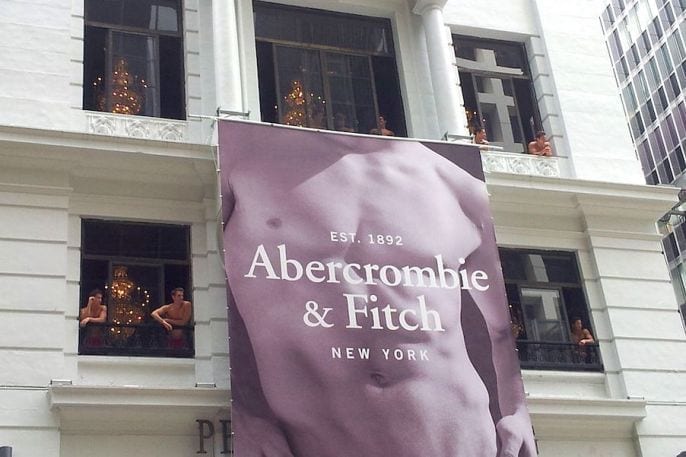
    Abercrombie & Fitch, the well-known American fashion label, has extended its global reach with the opening of a new store in the Philippines. Nestled within the bustling SM Mall of Asia, this marks a significant milestone for the brand’s continued foray into the Asian market.

    Continued Expansion into Asia

    Abercrombie & Fitch’s expansion into Asia has been strategic and steady. The brand recently widened its presence in India through a strategic franchise agreement with Myntra Jabong India Private. Besides this, it also established a retail presence in Jakarta and further added three Abercrombie & Fitch and Hollister stores in Hong Kong.

    To facilitate this expansion across Southeast Asia, Abercrombie & Fitch has partnered with MAP Group, a leading retail partner in the region. Steven Sare, Abercrombie & Fitch’s Managing Director for Asia-Pacific, expressed his delight at the warm reception the brand received at the SM Mall of Asia. He praised the new retail store’s aesthetic appeal and thanked his global team for their unwavering support during the rollout.

    Future Endeavors and Financial Highlights

    While the physical store is now open, Abercrombie & Fitch’s official website for the Philippines is still under development. The brand’s increased focus on expanding its Asian presence has been highly profitable. Abercrombie & Fitch Co, the controlling group, reported sales of US$46.5 million in the Asia-Pacific region in its fiscal first quarter. This represents a 24% increase from the previous year, making it the fastest-growing region for the group.

    Questions & Answers

    Where is Abercrombie & Fitch’s newest store located?
    The latest Abercrombie & Fitch store has opened in the SM Mall of Asia, Philippines.

    Who is Abercrombie & Fitch’s retail partner for Southeast Asia expansion?
    Abercrombie & Fitch’s is partnering with MAP Group for its Southeast Asia expansion.

    How has the brand’s expansion into Asia impacted its financial performance?
    The brand’s expansion into Asia has resulted in a significant boost to its sales. Abercrombie & Fitch Co reported US$46.5 million in sales in the Asia-Pacific region in the fiscal first quarter, marking a 24% increase from the previous year.

  • Barbara Werschine Takes the Helm at Lanvin: A Luxury Brands New Era Begins

    Barbara Werschine Takes the Helm at Lanvin: A Luxury Brands New Era Begins

    Lanvin Group has announced the appointment of Barbara Werschine as the new Chief Executive Officer (CEO) of Lanvin. This strategic decision is part of the luxury fashion group’s initiative to bolster Lanvin’s global standing and promote growth.

    Barbara Werschine Heading Lanvin’s Strategic Direction

    Werschine will take charge of Lanvin’s strategic guidance, steering its international growth and enhancing the brand’s status in the global luxury marketplace. With over two decades of experience in the luxury industry, Werschine has previously occupied high-ranking positions at several renowned fashion establishments.

    She transitions to Lanvin from her prior role as CEO of Eric Bompard, a French cashmere specialist brand. During her tenure there, she streamlined the brand’s modernization efforts while also enhancing its financial performance. Earlier in her career, Werschine was a part of the executive committee at Hermes, as director of leather goods collections. Her professional journey also includes leadership and product development roles at Celine, Louis Vuitton, and Zadig & Voltaire.

    Building on Heritage and Driving Growth

    Lanvin Group’s decision to appoint Werschine reflects its aspiration to capitalize on the house’s legacy while implementing a contemporary growth strategy and expediting its international expansion. With headquarters in Shanghai and Milan, Lanvin Group controls a range of luxury brands, including Lanvin, Wolford, Sergio Rossi, and St John Knits.

    The executive shift comes amid the group’s navigation of a challenging luxury market. Lanvin Group registered a revenue of €240.5 million (US$277.4 million) from continuing operations for FY25, marking a 17.6% decrease year-on-year. The group attributed this downturn to reduced consumer demand and continued instability in primary markets.

    The group earlier this year strategically divested the Italian luxury menswear brand Caruso. This was a step towards streamlining focus on its core brands and enhancing operational efficiency in the face of persistent instability in the global luxury sector.

    Questions & Answers

    Who is the new CEO of Lanvin?
    Barbara Werschine has been appointed as the new CEO of Lanvin.

    What are the responsibilities of Barbara Werschine in her new role?
    Werschine will be in charge of Lanvin’s strategic direction, leading its international expansion and efforts to enhance the brand’s presence in the global luxury market.

    Why did Lanvin Group’s revenue decrease in FY25?
    The decrease in revenue was due to weaker consumer demand and ongoing market volatility.

  • Naora Opens Its Doors: A Membership-Based Global Sailing Journey Across 183+ Destinations

    Naora Opens Its Doors: A Membership-Based Global Sailing Journey Across 183+ Destinations

    From the outer reefs of the Maldives to the hidden anchorages of Raja Ampat, from the wild coast of Patagonia to the Society Islands of the South Pacific — NAORA offers its members a world that goes far beyond what any itinerary can contain.

    Anchored in a remote bay in the Azores, the only light coming from a sky full of stars. Diving the outer reefs of the Maldives, where the coral runs so deep you cannot see the bottom. Watching the sun rise over the Society Islands from a deck that is still warm from the night before. These are not highlights from a travel itinerary. They are Tuesday for a NAORA member.

    Today, NAORA announces its launch: a private, invitation-only sailing expedition membership that gives a curated circle of modern explorers flexible, recurring access to a continuously moving global journey spanning 183+ destinations and 45,000+ nautical miles over five years. It is the most ambitious membership-based sailing concept ever brought to market — and it is built, from the hull up, for people who are not satisfied with what a hotel can offer.

    45,000+ Nautical Miles. Five Years. One Continuous World.

    The NAORA route is not a circuit of popular anchorages. It is not designed around tourism seasons or marina availability. It is designed around one thing: putting its members in the most extraordinary places on earth at the moment those places are most extraordinary.

    The route follows trade winds and seasonal weather patterns, refined over 25+ years of accumulated offshore sailing knowledge. It begins in the Mediterranean — the Balearics, Sardinia, the Adriatic, the Aegean — before crossing the Atlantic via the Canary Islands and Cape Verde. From the Caribbean, it passes through the Panama Canal into the Pacific. Southeast Asia. The Maldives. The Indian Ocean. The Red Sea. The South Pacific. Patagonia. And back again — a five-year loop that never quite repeats, because the world does not.

    Each leg is timed with the prevailing wind systems and anchored in each region during its peak season. Members who join the Mediterranean leg experience the sea at its most vivid. Those who join for the Indian Ocean leg arrive during the perfect sailing window. Those who make the South Pacific passage with NAORA experience one of the most transcendent crossings available to any sailor, private or otherwise.

    And at every stage, NAORA members are not experiencing these places as tourists. They are experiencing them as people who belong there — because the crew does, the captain does, and the community does.

    The Vessel: Home on the Open Ocean

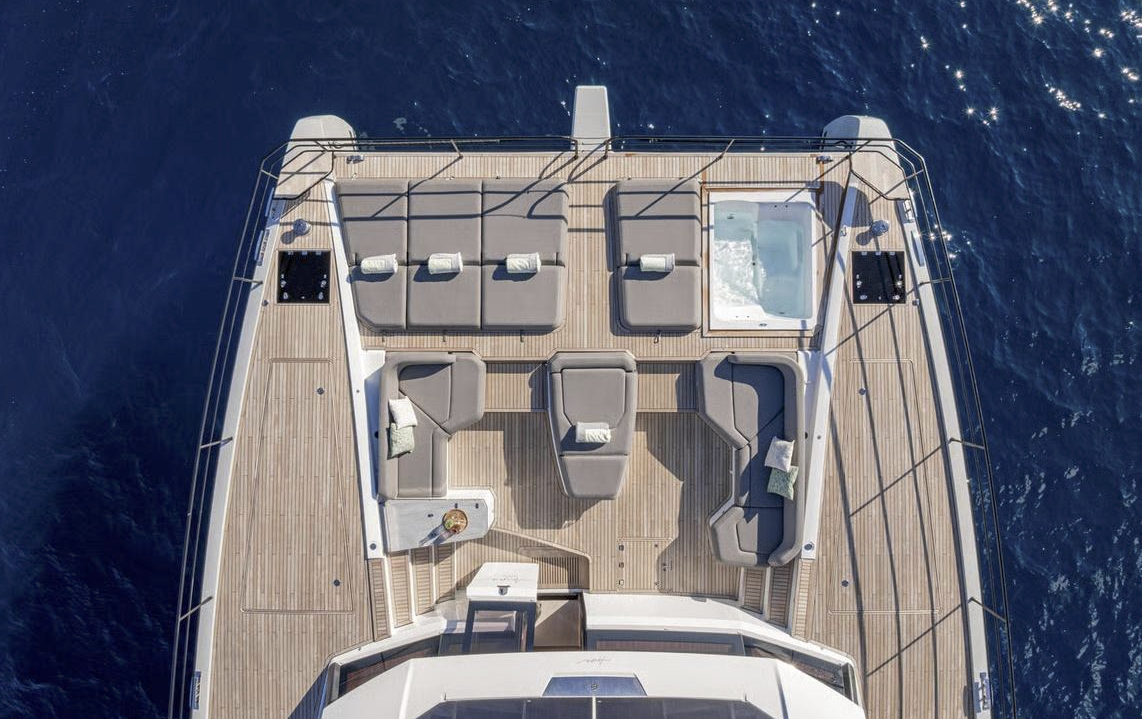
    Every NAORA journey takes place aboard the Fountaine Pajot Thira 80 — one of the largest production catamarans in the world, built for exactly the kind of long, deep, ocean-crossing lifestyle that NAORA is designed around. At nearly 24 metres in length, with a displacement of 66 tonnes and a sail area of 340 square metres, the Thira 80 is not a day-tripper. It is an offshore passage-maker of the highest order, wrapped in the interiors of a luxury private villa.

    Six to seven private en-suite double cabins. Wide teak decks for morning yoga and midnight conversations. A salon designed for the kind of dinner party that only happens when the nearest land is two hundred miles away. A professional galley from which a private chef produces three-course meals with ingredients sourced at every port. The Thira 80 is, quite simply, one of the finest environments in which a human being can spend time — and it is moving, always, toward somewhere remarkable.

    The catamaran design is not a compromise. It is the correct answer for this model. Two to three times the living space of a monohull of equivalent length. Minimal heel, smooth passages, dramatically reduced motion sickness. Wide decks and a shallow draft that allows NAORA to anchor in remote bays that deeper-keeled vessels cannot access. The Thira 80 delivers comfort without sacrificing reach — which means NAORA members can go further, stay longer, and arrive more refreshed than any comparable vessel would allow.

    “We don’t discover places. We return to them. That is the difference NAORA members will feel from day one. — The NAORA Founders”

    The Destinations Others Cannot Reach

    There is a version of global travel that is available to anyone with a credit card and a premium booking platform. Beautiful hotels in beautiful places, populated by other people with beautiful credit cards. NAORA is not that. NAORA is the version of global travel that requires local knowledge, earned trust, and years of relationship-building to access.

    The founding team has spent 11 years across Southeast Asia — not as tourists, but as residents. They have friendships in fishing villages that do not appear on any map, and access to anchorages that are not listed in any cruising guide. They know the chef at the restaurant that has no sign. They know the fisherman who knows the reef that the dive boats have not found yet. They have sat at tables in communities that most travellers will never find, not because of money, but because of time.

    That accumulated knowledge and those relationships are what NAORA members are buying access to when they join. Not a boat. Not a route. A world that the founding team has spent decades learning to navigate — and that deepens, for every member, with every return.

    On Board Life: Designed, Not Improvised

    The NAORA onboard experience is curated with the same level of intention as the route itself. Water sports equipment is maintained to professional standard — diving gear, kites, paddleboards, and exploration tenders are available whenever conditions allow. Shore excursions are arranged in advance, drawing on local networks to provide cultural access and private experiences that are unavailable to independent travellers.

    The community aboard NAORA is deliberately international. Members speak French, German, Spanish, Arabic, Mandarin, Dutch, and many other languages — but English is the official language of all navigation, safety briefings, and crew communication. The diversity of the community is a feature, not a coincidence. When extraordinary people from extraordinary backgrounds share an extraordinary environment, what results is a quality of conversation and connection that no land-based club or conference can replicate.

    Between voyages, the community continues. Regional gatherings in key cities. Private dinners. Cultural events at port. NAORA is not a place its members visit. It is a world they belong to.

    Membership: The Door Is Open

    NAORA membership is structured in three tiers. Coastal members receive approximately one week of access per year — an introduction to the vessel, the community, and the rhythm of offshore life. Offshore members receive approximately 40 days per year, building lasting relationships and experiencing the full depth of the expedition. Navigator members receive approximately 90 days per year, with priority on route selection and scheduling, and a level of integration into the NAORA world that is closer to a second home than a holiday.

    A one-time entry fee of €3,000–5,000 opens the door. Annual fees range from €9,000 for Coastal membership to €59,000 for Navigator access. Extended and bespoke arrangements are available for members who want a more permanent presence within the system.

    Every membership begins with a private conversation. Not a sales call. A conversation. NAORA wants to understand who you are and what you are looking for. You want to understand where the boat is going and who is aboard. Only from that mutual understanding does the question of membership arise.

    To begin that conversation, visit www.naora.world

    About NAORA — NAORA is a membership-based private sailing expedition founded by four Belgian adventurers with 25+ years of offshore sailing expertise. Its five-year global journey spans 183+ destinations and 45,000+ nautical miles, covering the Mediterranean, Atlantic, Caribbean, Indian Ocean, Southeast Asia, and South Pacific. Membership tiers — Coastal, Offshore, and Navigator — offer flexible, recurring access to life at sea aboard the Fountaine Pajot Thira 80, one of the largest luxury production catamarans in the world. NAORA is not a travel company. It is a new category of living.

  • Segafredo Brews Bold Move: Italian Espresso Hits Shelves in 900+ Woolworths Stores Across Australia

    Segafredo Brews Bold Move: Italian Espresso Hits Shelves in 900+ Woolworths Stores Across Australia

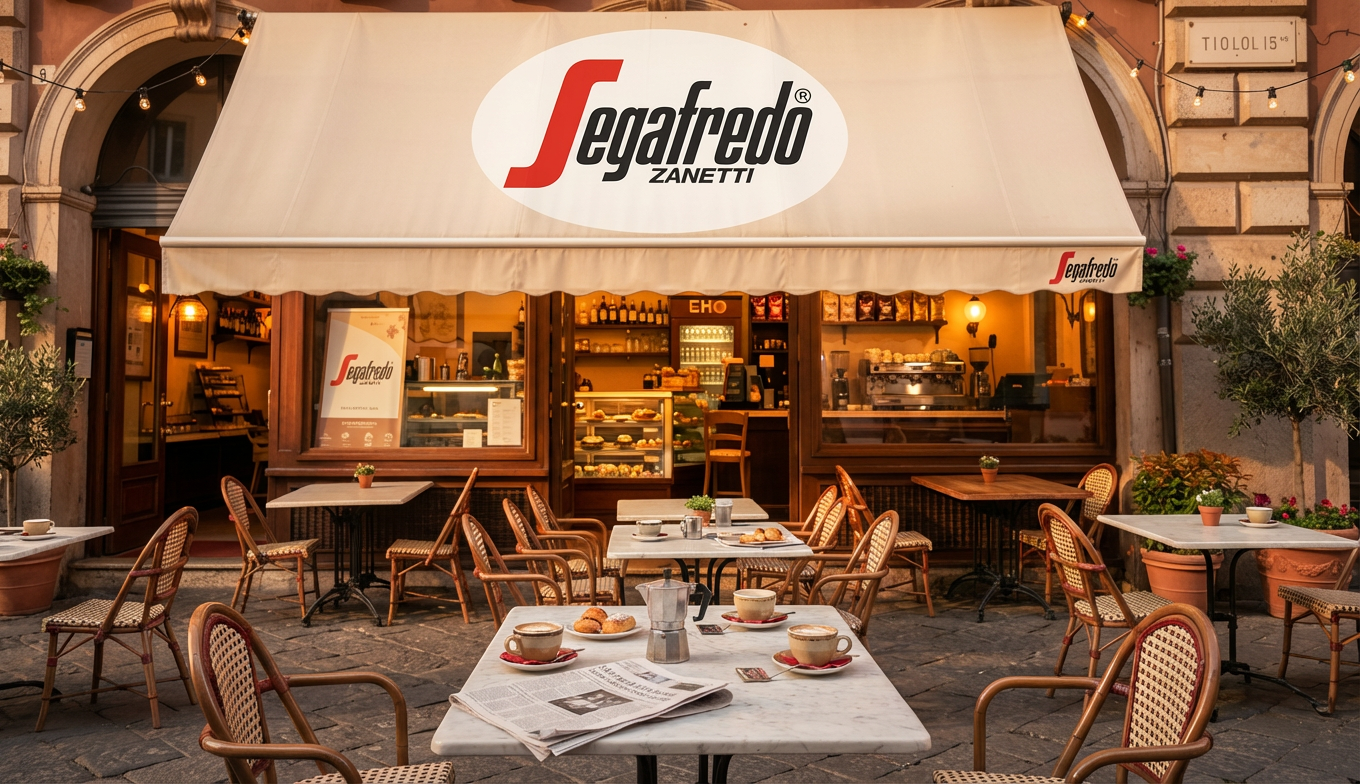
    Italian espresso company, Segafredo, has extended its reach into the Australian retail grocery market with a new product lineup. Over 900 Woolworths stores nationwide and their online platform will carry the brand that has been supplying Australian cafes since 1973. Now, Segafredo is venturing into the Fast-Moving Consumer Goods (FMCG) sector.

    Segafredo’s New Lineup

    The new offering includes eight products, all formulated with the tastes and preferences of Australian consumers in mind. The selection includes locally roasted whole coffee beans, coffee capsules, and instant coffee.

    The whole coffee bean selection is available in 700g packages at $30 each. It includes three options originating from the bold, dark Casa roast that is known for its “full-bodied intensity”. This variety is made with the Arabica Emozioni blend that offers hints of nuts and chocolate. There’s also a medium-roasted Intermezzo blend with a smooth, balanced palate.

    The brand offers 10-packs of capsules for home brewing at $8 each. The offerings include Arabica Supremo, the Classico signature blend, and Intenso.

    Also available is a 100g range of instant coffee, priced at $12. Customers can choose between a smooth, granulated Classic variety or a rich, freeze-dried Gold blend with a lingering aromatic finish.

    Reaction from Segafredo

    Rob Collier, Managing Director of Segafredo Bean Alliance Australia, expressed his excitement about the brand’s expansion into Woolworths. He stated that after being a staple in Australia’s cafe culture for over 25 years, this step marked a significant milestone for Segafredo. Collier also expressed that they have developed a range of blends and flavors that are likely to resonate with discerning consumers and are eager to become part of Australians’ everyday coffee rituals.

    This retail expansion aligns with the launch of Segafredo’s new global marketing initiative, ‘Take Your Shot’. This campaign features several public figures representing different product categories and consumer habits. Aggie Vlotman from Segafredo Bean Alliance Australia stated that the aim is to position Segafredo as a constant, quality coffee brand that aligns with the rhythm of Australians’ daily lives.

    Established in 1973 in Bologna by Massimo Zanetti, Segafredo has grown from a traditional Italian roasting house into one of the world’s leading coffee companies, now operating in over 110 countries worldwide.

    Questions & Answers

    What is the price range of Segafredo’s new product lineup?
    The price range is from $8 for a 10-pack of coffee capsules to $30 for a 700g package of whole coffee beans.

    What flavors or blends are included in Segafredo’s new product lineup?
    The lineup includes Arabica Emozioni blend, medium-roasted Intermezzo blend, Arabica Supremo, Classico signature blend, and Intenso.

    What is Segafredo’s new marketing initiative?
    The new initiative, ‘Take Your Shot’, aims to position Segafredo as a constant, quality coffee brand that aligns with the rhythm of Australians’ daily lives.

  • New Leadership Horizons: Nigel Parsons Takes Reins as Asahi’s Europe and International Division CEO

    New Leadership Horizons: Nigel Parsons Takes Reins as Asahi’s Europe and International Division CEO

    Nigel Parsons has been announced as the new CEO of Asahi’s Europe and International (AEI) segment, succeeding Dragos Constantinescu who is set to leave his position at the end of June. Parsons is slated to officially take over during the latter part of this year. In the interim period, Andrew Bailey, AEI’s CFO, will fulfill the CEO responsibilities.

    Parsons’ appointment has been attributed to his vast leadership skills spanning human resources, commercial, and multi-category operations within the organization and the wider Fast-Moving Consumer Goods (FMCG) industry. His tenure with Asahi Beverages began in 2021 when he took up the CEO position in the lifestyle beverages division. Most recently, Parsons held the Chief Commercial Officer (CCO) role for Oceania, where he supervised commercial operations in Australia and New Zealand.

    Atsushi Katsuki, the President and Group CEO of Asahi Group Holdings, has lauded Parsons for his proven capability in driving sustainable growth. Katsuki expressed his confidence that under Parsons’ guidance, AEI would progress its strategic objectives in complete harmony with the group’s medium to long-term management policies, thereby enhancing value creation across their business portfolio.

    Questions & Answers

    Who has been appointed as the new CEO of Asahi’s Europe and International division?
    Nigel Parsons has been appointed the new CEO of Asahi’s Europe and International division.

    Who will serve as acting CEO during the transition period?
    Andrew Bailey, the CFO of AEI, will serve as acting CEO during the transition period.

    What roles has Nigel Parsons held within the Asahi Group?
    Nigel Parsons joined Asahi Beverages in 2021 as CEO of its lifestyle beverages division, and most recently served as the Chief Commercial Officer for Oceania, overseeing operations in Australia and New Zealand.

  • Ferrero Expands Beyond Sweets: Innovation and Brand Extension Fuel Retailer Growth Opportunities

    Ferrero Expands Beyond Sweets: Innovation and Brand Extension Fuel Retailer Growth Opportunities

    Ferrero, a globally recognized confectionery brand, is venturing into new categories, offering retailers a chance to expand their growth. The company’s commitment to quality, local manufacturing, and exceptional execution is supporting this expansion. As Ferrero broadens its reach, it is capturing growth across diverse formats and consumption opportunities.

    Expanding Beyond Confectionery

    Ferrero’s move beyond confectionery into the broader packaged food sector was revealed by Nick Dawes, Sales Director at Ferrero Australia. Dawes emphasized that this expansion is not just about introducing new products, but also about unlocking new occasions and driving incremental growth. This strategy is reinforced by strong brand equity, innovation, and a continued dedication to quality, which facilitates recognition, trial, and repeat purchases across categories. Ferrero is capitalizing on its established trust among shoppers as it extends its brands into new categories.

    A significant development area for Ferrero is frozen desserts, where the company is making its mark with brands like Ferrero Rocher, Raffaello, Kinder Bueno, and Kinder Chocolate Ice Cream. These brands offer new consumption opportunities and support incremental growth. Nutella, another iconic Ferrero product, is contributing significantly, with its range now including spreads, biscuits, and frozen bakery items. These additions encourage cross-category purchases and increase basket value, supported by Ferrero’s local manufacturing facility in Lithgow. The Lithgow facility is also championing sustainable production while maintaining high-quality standards.

    Embracing Sustainable Manufacturing

    The Lithgow site recently installed a vertical electric hazelnut roaster, a global first, which has cut gas usage by almost 90%. Additionally, a rooftop solar array provides up to 20% of the facility’s electricity, demonstrating Ferrero’s commitment to continuous improvement and emission reduction in its manufacturing process.

    Recognizing shifting consumer preferences, Ferrero is innovating with targeted products such as Tic Tac Two Sugar Free and expanding into the health-conscious segment with Fulfil Protein Bars. Kinder, another beloved brand, is also evolving with new formats and product innovations, catering to different life stages and consumption occasions without compromising on quality.

    As Arslan Shah, ANZ Head of Supply Chain, points out, execution is crucial. Enhancements in demand planning, forecasting, and logistics flexibility are improving product availability and in-store performance. Ferrero is working on managing demand fluctuations more efficiently to ensure that products are available when and where customers expect them.

    With its strong brand equity, focus on quality, ongoing innovation, and commitment to sustainable manufacturing, Ferrero is well-positioned to assist retailers in achieving sustainable, long-term growth beyond confectionery.

    Questions & Answers

    What new categories is Ferrero venturing into?
    Ferrero is expanding into broader sweet-packaged food categories, frozen desserts, and health-conscious options.

    How is Ferrero’s Lithgow manufacturing site contributing to sustainable production?
    The site has installed a vertical electric hazelnut roaster that reduces gas usage by nearly 90% and a rooftop solar array that generates up to 20% of the site’s electricity needs.

    What strategies is Ferrero employing to handle demand fluctuations?
    Ferrero is combining stronger planning with a flexible logistics model to build a resilient and responsive supply chain.

  • Siam Piwat Elevates Luxury Ecosystem with Global Giants: A Bid to Become Thailands Hub for High-Net-Worth Clients

    Siam Piwat Elevates Luxury Ecosystem with Global Giants: A Bid to Become Thailands Hub for High-Net-Worth Clients

    Siam Piwat Group, a leading Thai developer and operator of renowned shopping outlets like Siam Paragon, Siam Center, and Siam Discovery, has announced a strategic alliance with four major luxury brands: Belmond, Galeries Lafayette, Insignia, and MJets. The partnership aims to establish a “borderless” ecosystem, providing high-end travel, shopping, and lifestyle services for their affluent clients. This collaboration is expected to reinforce Siam Piwat’s Global Privilege Partnership and take its ‘Global Luxury Ecosystem’ to the next level.

    Strategic Collaboration for Luxury Market

    The group, which controls over 70% of Thailand’s luxury market, aims to connect private aviation, ultra-luxury hotels and resorts, premier department stores, and bespoke lifestyle services, all under a single network of privileges available both domestically and internationally. Saruntorn Asaves, the first executive VP of customer centricity and relationship at Siam Piwat, outlined the group’s strategy as being centered on “co-creation and collaboration” with global partners to create unique experiences for both Thai and international customers.

    Siam Piwat’s expertise in serving high-net-worth individuals is demonstrated through its OneSiam membership base. Asaves reported that, in 2025, high-net-worth members spent over 1 million baht per transaction, with their annual spending exceeding average customers by 35 times. She emphasized this as proof of the “immense and unrivalled purchasing power” of their top-tier clients.

    Introducing New Partnerships

    The newly onboarded partners in the Global Privilege network contribute their expertise in various fields. Belmond, an LVMH Group member, provides an assortment of ultra-luxury properties and train journeys; Galeries Lafayette offers its flagship Paris Haussmann department store; Insignia contributes high-end lifestyle and membership services; and MJets offers private aviation and airport lounge access.

    These collaborations promise to offer unique services to OneSiam members. For instance, Belmond will provide personalized travel planning and VIP welcoming at their hotels and trains. Insignia will offer 24/7 bespoke services, including access to exclusive events and hard-to-obtain restaurant reservations. MJets aims to offer private jet services, premium lounges, and chauffeur transfers from the runway to Siam Piwat’s properties. Lastly, Galeries Lafayette will extend exclusive hospitality to Siam Piwat members, including complimentary gifts, VIP lounge access, and expedited tax refunds with qualifying purchases.

    Questions & Answers

    What is the main purpose of Siam Piwat’s strategic collaboration with Belmond, Galeries Lafayette, Insignia, and MJets?
    The main goal of this alliance is to create a “borderless” ecosystem that combines high-end travel, shopping, and lifestyle services for their affluent clients, both in Thailand and internationally.

    What special offers will be available to OneSiam members as a result of these partnerships?
    OneSiam members will have access to personalized travel planning, VIP welcomes at hotels and trains, 24/7 bespoke services, private jet services, access to premium lounges, chauffeur transfers, and complimentary gifts and VIP lounge access at Galeries Lafayette with qualifying purchases.

    How does Siaw Piwat plan to serve high-net-worth individuals?
    Siam Piwat plans to connect private aviation, ultra-luxury hotels and resorts, premier department stores, and bespoke lifestyle services under a single network of privileges, thereby providing a holistic luxury lifestyle experience to high-net-worth individuals.