Retail News CRM

Blog

  • Vietnam’s Gold Prices Tumble to 8-Month Low Amid Rising Dollar and US-Iran Tensions

    Vietnam’s Gold Prices Tumble to 8-Month Low Amid Rising Dollar and US-Iran Tensions

    Gold prices in Vietnam continued on a downward trend on Wednesday morning, reaching the lowest point since October 5. The Saigon Jewelry Company reported that gold bars fell by 2.64%, now valued at VND140 million (US$5,318.74) per tael. In Vietnam, a tael is equivalent to 37.5 grams or 1.2 ounces.

    The price of gold rings also experienced the same decline, priced at VND140 million per tael. So far this year, gold prices in Vietnam have decreased by 8%.

    Global Gold Market Trends

    On a global scale, gold fell by over 1% on Wednesday, plunging to an 11-week low. This drop in value could be attributed to the rising dollar and oil prices, amid renewed tensions between the United States and Iran. These factors fueled concerns about potential inflation and possible interest rate hikes.

    Spot gold suffered a 1.8% loss, falling to $4,187.59 per ounce, the lowest it has been since March 23. Meanwhile, U.S. gold futures for August delivery were down 1.7% at $4,213.40.

    The rise of the dollar has made bullion priced in the greenback more costly for holders of other currencies. Additionally, the 1% increase in oil prices stoked inflation worries, solidifying the expectation that interest rates would remain high for an extended period.

    Ilya Spivak, head of global macro at Tastylive, noted that the shift in Federal Reserve policy expectations, the rise in yields, and the increase in the dollar have all contributed to the decline in gold prices.

    Questions & Answers

    Why have gold prices in Vietnam decreased?
    The decline in gold prices in Vietnam is part of a global trend, influenced by factors such as the rising dollar and oil prices, as well as geopolitical tensions.

    What factors are influencing global gold prices?
    Global gold prices are being affected by policy expectations from the Federal Reserve, rising yields, and the strengthening of the dollar. Inflation worries and anticipated interest rate hikes also play a significant role.

    How is the rise in oil prices related to gold prices?
    The increase in oil prices can stoke inflation concerns. When inflation is expected to rise, interest rates typically follow suit. Higher interest rates can negatively impact gold prices because they increase the opportunity cost of holding non-yielding bullion.

  • Dollar Scales Two-Month High Against Dong amid Federal Reserve Rate Hike Speculations

    Dollar Scales Two-Month High Against Dong amid Federal Reserve Rate Hike Speculations

    On Tuesday morning, the U.S. dollar witnessed a slight increase in value against the Vietnamese dong, maintaining a position close to its two-month peak in comparison to other major currencies. The commercial bank Vietcombank recorded a 0.004% rise in the U.S. currency, selling it at VND26,408. Conversely, the black market saw a 0.04% decrease, with the dollar going for VND26,360.

    Global Performance of the U.S. Dollar

    In the international currency market, the U.S. dollar remained strong and close to a two-month high on Tuesday. The stability of the dollar can be attributed to the uncertainty in the Middle East which has led to a reduced risk appetite among traders. Furthermore, speculations about a potential rate hike by the Federal Reserve later in the year have also played a role.

    Among other major currencies, the euro was valued at $1.1528 while the sterling was valued at $1.3335. Both currencies had experienced a decline of approximately 0.05% in the Asian market after reaching their lowest value in two months during the previous trading session.

    The risk-sensitive currencies such as the Australian dollar and the New Zealand dollar were not spared. The Australian dollar depreciated by 0.1% to $0.7039, while the New Zealand dollar was traded at $0.5804.

    The Japanese yen was also affected, weakening to as much as 160.295. It continued to hover around the 160 level, a mark recognized as the threshold for possible official intervention.

    Performance of the Dollar Index

    The dollar index, reflecting the performance of the U.S. dollar against a basket of currencies such as the yen and the euro, remained nearly unchanged. The index was recorded at 100.03, extremely close to its two-month high of 100.21 from the previous day.

    Questions & Answers

    What was the value of the U.S. dollar against the Vietnamese dong on Tuesday morning?
    The U.S. dollar was valued slightly higher against the Vietnamese dong, selling at VND26,408 in Vietcombank.

    Why has the U.S. dollar held near a two-month high globally?
    The strength of the U.S. dollar can be attributed to the prevailing uncertainty in the Middle East, reducing risk appetite among traders. Additionally, speculations of a Federal Reserve rate hike later in the year have contributed to the dollar’s high standing.

    How did other major currencies perform against the U.S. dollar?
    The euro and sterling both experienced a decline of around 0.05%. The Australian dollar depreciated by 0.1% while the New Zealand dollar traded at $0.5804. The Japanese yen also weakened, hovering around the 160 level.

  • The Ocean Is the New Address: NAORA Launches Its Private Global Sailing Expedition Membership

    The Ocean Is the New Address: NAORA Launches Its Private Global Sailing Expedition Membership

    In a world where the most ambitious people work from everywhere and live everywhere, one question has remained unanswered: where is home? NAORA was built to answer it.

    For a generation of people who live globally, work flexibly, and move on their own terms, the idea of a fixed address has always felt like a compromise. A base of operations, yes. A place to receive post and park a car. But home — in the deeper sense, the sense of a place that knows you, that holds your history, that gathers your people — that has been harder to find for the globally mobile than for almost any other class of human being in history.

    NAORA was built to solve that problem. Not with a building. With a boat.

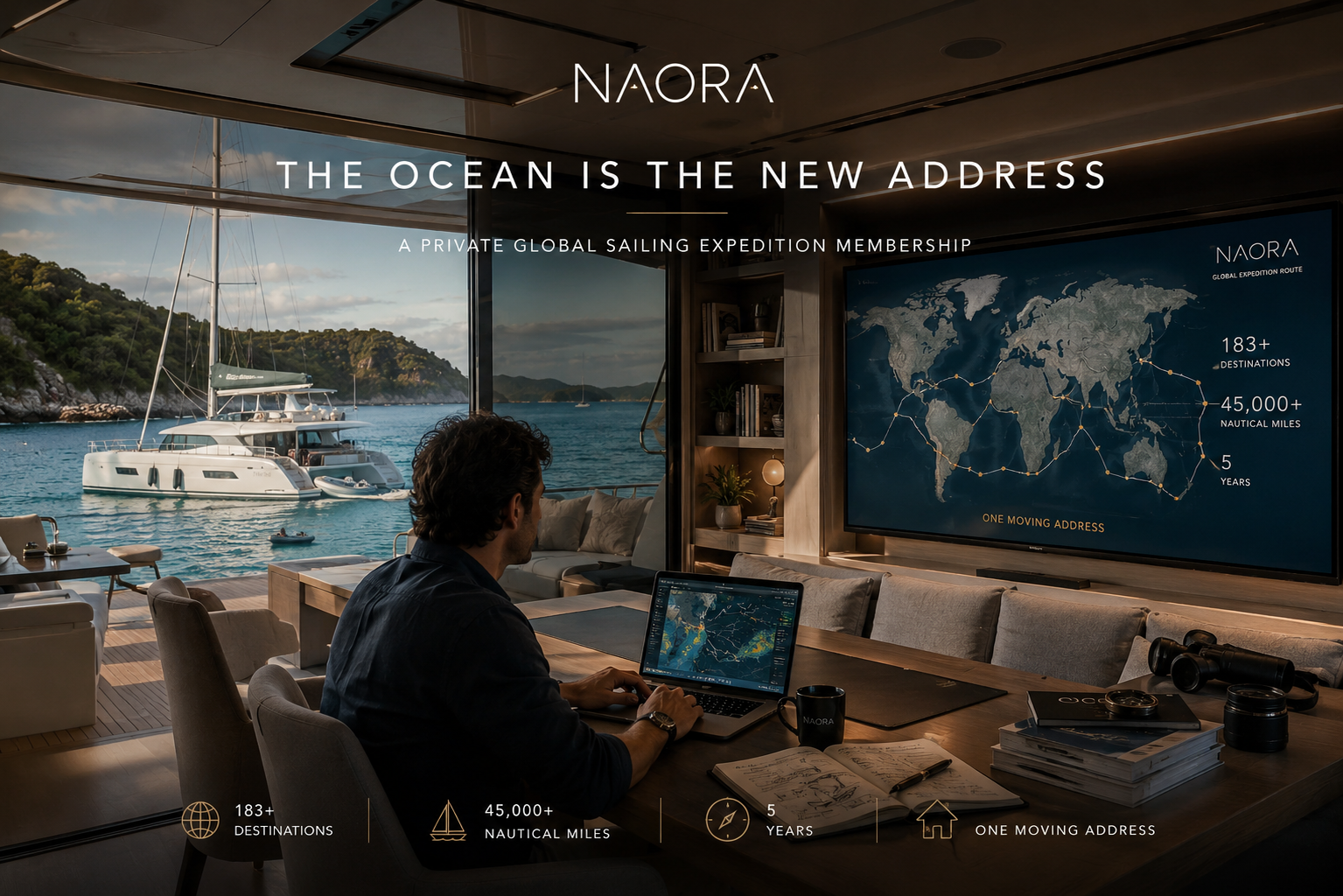
    Today, NAORA officially launches its private global expedition membership, a new model of living that places an 80-foot luxury catamaran at the centre of a member’s world, continuously moving across 183+ destinations over five years, always ready for them to return. It is not a travel product. It is not a hospitality offering. It is an address, one that moves.

    The Geography of Freedom

    The most mobile, most successful, most intellectually restless people in the world today share a common characteristic: they have outgrown conventional notions of home. They maintain residences in multiple cities, move fluidly between continents, and have long since stopped organising their lives around a single address. For them, the question is not where to live. It is how to live with intention, with depth, and with a community that matches the scale of their ambition.

    NAORA answers that question with a new kind of geography. A NAORA member’s home coordinates are whatever the Fountaine Pajot Thira 80 is anchored at this week, whether that is a bay in the Azores, a marina in Singapore, a reef system in the Maldives, or an anchorage off the coast of Patagonia that does not appear on any tourist map. The address changes. The sense of home does not. Because home, for a NAORA member, is not a place. It is the vessel, the crew, and the community.

    “NAORA is not a new idea. It is the culmination of a life built at sea. — Sven, Founder & Captain”

    Home Is Wherever the Boat Is

    The practicalities of the NAORA model are designed around one central commitment: that when a member returns to the vessel, regardless of how much time has passed or how many oceans the boat has crossed in the interval, they arrive somewhere that knows them.

    The captain knows their preferred morning routine. The chef knows their dietary preferences and their favourite dishes. Their cabin is set up as they left it. The crew is briefed. The next leg of the route has been planned with their interests in mind. There is no setup, no introduction, no adjustment period. There is only the feeling, rare and precious in an age of interchangeable luxury, that a place has been waiting for you.

    Members board in the Mediterranean and leave for a board meeting in Dubai. They rejoin six weeks later in the Red Sea. Three months after that, they are back in time for the Indian Ocean passage. Between visits, the vessel continues its route. The crew evolves the onboard experience. The community continues. When they return, nothing needs to be explained. The conversation picks up where it left off.

    A New Asset Class: Time at Sea

    The shift from ownership to access has been one of the defining economic movements of the past two decades. NetJets showed that the right to use a private jet, at any time, was worth more to many high-net-worth individuals than owning one. Soho House showed that community membership could be a more powerful identity signal than a penthouse address. The Porsche Passport showed that even the most emotionally loaded ownership category — the personal automobile — could be successfully reimagined as access.

    NAORA is the next move in this sequence. It takes the logic of the access economy and applies it to the most underserved luxury category in the world: life at sea. Not a charter, which is transactional and episodic. Not yacht ownership, which is expensive, operationally burdensome, and paradoxically limiting in its flexibility. A membership, which provides recurring, flexible, community-embedded access to an extraordinary vessel moving continuously through the world’s most remarkable waters.

    The financial profile is more compelling than it first appears. A Navigator-tier NAORA membership provides approximately 90 days per year of fully crewed, fully catered life aboard one of the world’s finest sailing vessels, at a fraction of the cost of owning and operating an equivalent yacht. The operational burden is zero. The logistical friction is zero. The only thing a NAORA member needs to bring is themselves.

    Built From Decades, Not Months

    NAORA was not designed from a boardroom. It grew out of years of real expeditions — across the Mediterranean, the North Sea, and the Caribbean, aboard vessels named Sueño and Discovery. Those journeys shaped everything: the philosophy, the routes, the standards, and the deep understanding of what it truly means to live at sea.

    The founding team of four Belgians brings a combined depth of experience that is, quite simply, irreplaceable. Sven, founder and captain, holds a Master Mariner licence up to 500 tonnes, GMDSS certification, STCW ’95 credentials, and a CMAS dive instructor qualification with 2,800+ dives. He has made bluewater passages across three oceans, navigated waters most sailors only read about, and built the local networks — across Southeast Asia, the Caribbean, and the Mediterranean — that give NAORA members access that no booking platform can replicate.

    His three co-founders bring the commercial, relational, and structural capabilities that turn extraordinary sailing knowledge into an extraordinary business. Together, they have spent 11 years across Southeast Asia, built relationships in nearly every country in the region, and sat at tables in communities that most travellers — regardless of budget — will never find.

    The Route: Five Years of the World at Its Best

    h covers 45,000+ nautical miles across 183+ destinations over five years. It follows trade winds and peak seasons, placing members in each region at precisely the moment when it is most extraordinary. The Mediterranean at the height of summer. The Caribbean during the perfect sailing season. The Indian Ocean during the northeast monsoon window. Southeast Asia as the rains lift. The South Pacific during the austral spring. Patagonia in the brief, luminous window when the weather relents.

    This is not a route designed for tourism. It is designed for people who want to experience the world as it actually is — not the curated surface presented to hotel guests, but the deep, complex, occasionally demanding reality that only those who travel slowly and attentively ever find. NAORA members travel at the pace of the wind. They wake up in places that do not exist on Instagram. They have the time, and the vessel, and the community, to go further than a holiday has ever taken them.

    The Founding Cohort Is Forming Now

    NAORA is now accepting founding members across its three tiers: Coastal (approx. 1 week/year, annual fee from €9,000), Offshore (approx. 40 days/year, annual fee up to €35,000), and Navigator (approx. 90 days/year, annual fee up to €59,000). A one-time entry fee of €3,000–5,000 applies to all tiers.

    Every membership begins with a private conversation. There is no “Book Now” button. There is no checkout flow. NAORA does not sell memberships. It extends invitations, to the right people, at the right moment, for the right reasons. If you are reading this and you recognise yourself in what NAORA is offering, the first step is simple.

    Visit www.naora.world. Introduce yourself. The ocean is waiting.

  • Iran Conflict Stalls China’s E-commerce Wave: Surging Fuel Costs and Dwindling Demand Spell Trouble for Online Giants

    Iran Conflict Stalls China’s E-commerce Wave: Surging Fuel Costs and Dwindling Demand Spell Trouble for Online Giants

    China’s e-commerce export sector is facing difficulties due to increasing jet fuel costs and a decrease in demand from lower-income consumers in the West. These challenges have arisen as a result of the ongoing conflict in Iran, which is affecting profits for major online platforms such as Temu, Shein, and AliExpress.

    The Evolving Business Model

    These companies, many of whom have business models that rely on the transportation of inexpensive goods from Chinese factories to global consumers, have been under stress since the introduction of tariffs by former U.S. President Donald Trump. The additional tariffs and the removal of customs waivers on low-value packages have put further pressure on these companies.

    Added to this, escalating logistics costs as a result of the Middle East conflict are making things more complicated. Shippers like DHL Express are now imposing significant fuel surcharges. As a result, China’s low-cost e-commerce exports experienced a decrease of 10.9% in April, which marks the fifth consecutive month of declines year on year.

    For example, Diana Qiao, a seller of women’s clothing on Temu, found it necessary to raise her selling prices due to an increase in shipping costs per garment. Qiao shared that the added cost is ultimately passed on to the consumer, a measure that was taken to protect her profit margins.

    Changing Strategies

    The decrease in export values is not only indicative of the cost squeeze but also suggests that the era of rapid growth for these large, low-cost shopping platforms may be coming to an end. These companies are likely shifting towards storing more products in warehouses for local dispatch, instead of having everything shipped directly from China.

    Shein, for example, has been increasing its warehouse capacity in Europe. The company recently opened its third warehouse in Cannock, near Birmingham in the UK. AliExpress, owned by Alibaba, confirmed its commitment to maintaining competitive pricing for its consumers and providing a stable environment for sellers and consumers, despite the fluctuating global transportation costs.

    Although exports are still higher than they were two years ago, future growth may be more challenging for companies like Shein and Temu. Both companies have already established significant market shares, and the rise in petrol prices is impacting household budgets in the US and Europe.

    Questions & Answers

    What factors are impacting China’s e-commerce export sector?
    The sector is being affected by increasing jet fuel costs and decreased demand from lower-income consumers in the West, stemming from the ongoing conflict in Iran.

    How are e-commerce companies adjusting to these challenges?
    Companies are likely shifting towards storing more products in warehouses for local dispatch, instead of having everything shipped directly from China.

    What are the future prospects for growth in this sector?
    Although exports are still higher than they were two years ago, future growth may be more challenging due to factors such as rising petrol prices and established market shares by big companies.

  • Shinsegae Chairman Elevates to CEO Role, Spearheading Growth for E-Mart & Property Division

    Shinsegae Chairman Elevates to CEO Role, Spearheading Growth for E-Mart & Property Division

    Shinsegae Group’s chairman, Chung Yong-jin, is set to expand his role within the organization, assuming CEO positions at both E-mart and Shinsegae Property. This move by the South Korean retail heavyweight signals an aggressive push for growth in its primary sectors.

    Shifting Responsibility and Strategy

    Chung’s dual appointment marks a significant shift within the group, with the chairman now directly overseeing the operations of the nation’s largest retailer and its property development subsidiary. This decision comes at a crucial time when the company, faced with a challenging retail environment, is actively seeking new avenues for expansion. The decision underscores Chung’s resolve to shoulder a larger part of the company’s overall direction and performance.

    Chung appreciates the market’s expectations for clear accountability in the company’s management. As the newly appointed CEO, he is prepared to submit to the evaluation of the board of directors and shareholders.

    In his capacity at E-Mart, Chung will directly oversee the retailer’s operations and future growth strategies. The company believes this change mirrors his dedication to tackling current business hurdles and boosting shareholder value.

    Leadership Changes and Future Plans

    In his role at Shinsegae Property, Chung will supervise the group’s major development projects and support plans to secure locations for a proposed AI data centre that was announced earlier this year.

    This management shakeup follows a recent controversy at Starbucks Korea, where E-Mart is the majority shareholder. Since this incident, the retailer has committed to organizational reforms to bolster governance and operational supervision.

    Shinsegae Property executive Lee Hyung-cheon has been named as co-CEO and will continue to oversee the company’s regular operations and development activities. Shin Dong-woo has been nominated as the new CEO for Starbucks Korea. Shinsegae has stated that he will focus on reinforcing internal controls, enhancing operational systems, and restoring trust among clients and partners.

    Questions & Answers

    What new roles is Chung Yong-jin assuming at Shinsegae Group?
    Chung Yong-jin is taking on the dual roles of CEO at both E-mart and Shinsegae Property.

    What implications does this dual appointment have for the company?
    This move signals a significant shift in Shinsegae Group’s strategy, with Chung Yong-jin assuming more responsibility for the company’s overall performance and direction. It also demonstrates a commitment to tackling current business challenges and enhancing shareholder value.

    How will the roles be distributed among the leadership after these changes?
    Chung Yong-jin will oversee operations and future growth strategies at E-Mart and major development projects at Shinsegae Property. Lee Hyung-cheon will continue to oversee day-to-day operations and development activities at Shinsegae Property as co-CEO. Shin Dong-woo will focus on internal controls, operational systems and regaining trust as the CEO of Starbucks Korea.

  • OCBC Leverages Rising Gold Demand, Launches Physical Gold Trading in Singapore

    OCBC Leverages Rising Gold Demand, Launches Physical Gold Trading in Singapore

    The Oversea-Chinese Banking Corporation (OCBC) in Singapore is broadening its precious metals sector by introducing physical gold trading and storage services for institutional investors and private banking clients. OCBC perceives an increasing demand for safe-haven assets as geopolitical and economic uncertainty heightens.

    Initiating from June 10, OCBC’s institutional clients and affluent clients of its private banking division, the Bank of Singapore, will be granted the opportunity to purchase, trade, and store physical gold via OCBC, with the entire trading and custodial process based in Singapore.

    Enhancing the Gold Franchise

    This decision signifies a considerable amplification of the bank’s gold franchise beyond its current paper gold offerings. The move comes as investors’ hunger for physical bullion continues to grow. According to OCBC’s reference to data from the World Gold Council, the global demand for gold bars in the first quarter of 2026 experienced a 50% surge compared to the previous year. The Bank of Singapore disclosed that client holdings of physical gold have witnessed an increase of more than 40% since the conclusion of 2025.

    OCBC has stated that the new service will initially provide two forms of bullion: large bars weighing roughly 400 troy ounces (12.4 kilograms) and one-kilogram bars, both allocated to clients and individually identifiable through serial numbers.

    The bank has indicated that client demand has progressively gravitated towards local custody arrangements. Previously, Bank of Singapore clients conducted transactions in physical gold via a U.S.-based entity. With the new arrangement, clients can carry out transactions and store bullion entirely within Singapore.

    Expansion of Wealth Management Strategy

    This introduction mirrors wider efforts by Singapore’s financial industry to fortify its stance as a regional precious-metals hub. OCBC expressed intentions to explore the extension of physical gold products and related hedging solutions to additional client segments over time.

    The move also forms part of OCBC’s more extensive wealth management strategy. Over the past few years, the group has continuously expanded its gold-related offerings across its banking, asset management, and insurance industries.

    Kenneth Lai, Head of Global Markets at OCBC, expressed that the bank perceives physical gold as a natural extension of its existing precious-metal capabilities and is planning to widen access to the offering over time.

    Questions & Answers

    What new services is OCBC introducing?
    OCBC is introducing physical gold trading and storage services for institutional investors and private banking clients.

    What does this expansion mean for OCBC’s existing services?
    This expansion signifies a considerable amplification of OCBC’s gold franchise beyond its current paper gold offerings.

    What is the impact of this move on Singapore’s financial industry?
    This introduction mirrors wider efforts by Singapore’s financial industry to fortify its stance as a regional precious-metals hub.

  • UOB Strengthens Asia Operations with New CEOs for China, Hong Kong

    UOB Strengthens Asia Operations with New CEOs for China, Hong Kong

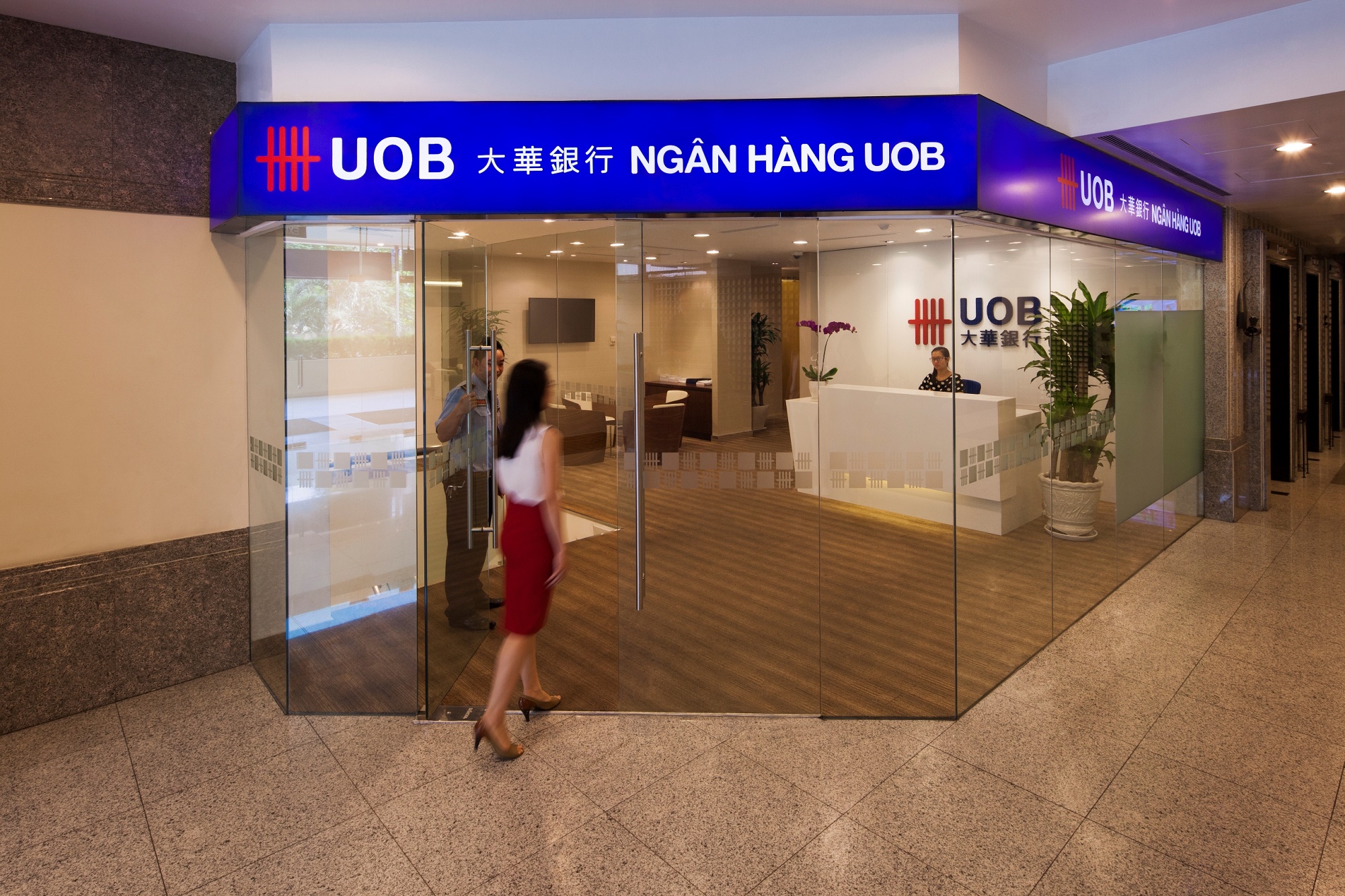
    United Overseas Bank (UOB) recently unveiled a series of significant leadership shifts within its operations in China and Hong Kong. This announcement is a testament to the bank’s dedication to fortifying its cross-border business operations between China and Southeast Asia.

    Adaline Zheng, currently presiding as the Chief Executive Officer of UOB’s Hong Kong Branch, is poised to step into the role of CEO for UOB China as of July 1. She will be taking over from Peter Foo, who draws his 15-year tenure with the bank to a close with his impending retirement. Concurrently, George Tung, currently UOB’s Country Manager for South Korea, is slated to assume the position of CEO for the Hong Kong Branch.

    UOB is making these strategic moves as part of its effort to amplify its role in fostering trade, investment, and financial connectivity between China and the ASEAN markets.

    Leadership at the Helm of UOB’s Expansion

    Deputy Chairman and Chief Executive Officer of UOB, Wee Ee Cheong, stated that China plays a pivotal role in trade, investment, and cross-border dealings with ASEAN. As the most interconnected bank in ASEAN, the deep-rooted local knowledge and leading cross-border capabilities of UOB put the bank in a strong position to usher in the next stage of business growth and momentum.

    Wee confirmed that the bank plans to continue improving its capabilities to cater to the escalating cross-border needs of its customers. This comes as economic ties strengthen between China and ASEAN. In Hong Kong, UOB aims to enhance its role as a conduit between mainland China and Southeast Asia, while augmenting its private banking and wealth management services.

    Meet the New Leaders

    Zheng brings to the table over twenty years of banking experience, with a heavy focus on mainland China and Hong Kong. She first joined UOB China in 2018 as Head of Wholesale Banking before her appointment as CEO of the Hong Kong Branch in March 2024. In her new capacity, she will be in charge of UOB’s mainland China endeavors and will spearhead efforts to broaden the bank’s cross-border abilities and aid clients in seeking regional growth opportunities.

    In the meantime, Tung will be returning to Hong Kong after a stint as Country Manager of UOB South Korea since 2021. During his tenure in South Korea, he concentrated on establishing strategic alliances and boosting business connections between Korean institutions and ASEAN markets. With a history at UOB dating back to 2010, Tung had spent a decade helming the Hong Kong Branch’s Wholesale Banking business.

    As the incoming CEO of UOB Hong Kong Branch, Tung will focus on advancing business growth, fortifying client relationships, and broadening the bank’s wholesale and private banking ventures. He will also spearhead engagement with regulators and bolster Hong Kong’s role as a strategic hub connecting mainland China and ASEAN.

    Questions & Answers

    Who will succeed Peter Foo as CEO of UOB China?
    Adaline Zheng, currently the Chief Executive Officer of UOB’s Hong Kong Branch, will succeed Peter Foo as the CEO of UOB China effective July 1.

    Who will take over as CEO of the Hong Kong Branch?
    George Tung, currently UOB’s Country Manager for South Korea, will take over as CEO of the Hong Kong Branch on the same date.

    What will be the primary responsibilities of the new CEOs?
    Adaline Zheng will oversee UOB’s mainland China business and lead efforts to expand the bank’s cross-border capabilities. George Tung will focus on driving business growth, strengthening client relationships, and expanding the bank’s wholesale and private banking businesses in Hong Kong.

  • St Ali Surfs the Cold Coffee Wave: Italo Disco Espresso Hits Coles Supermarkets Nationwide

    St Ali Surfs the Cold Coffee Wave: Italo Disco Espresso Hits Coles Supermarkets Nationwide

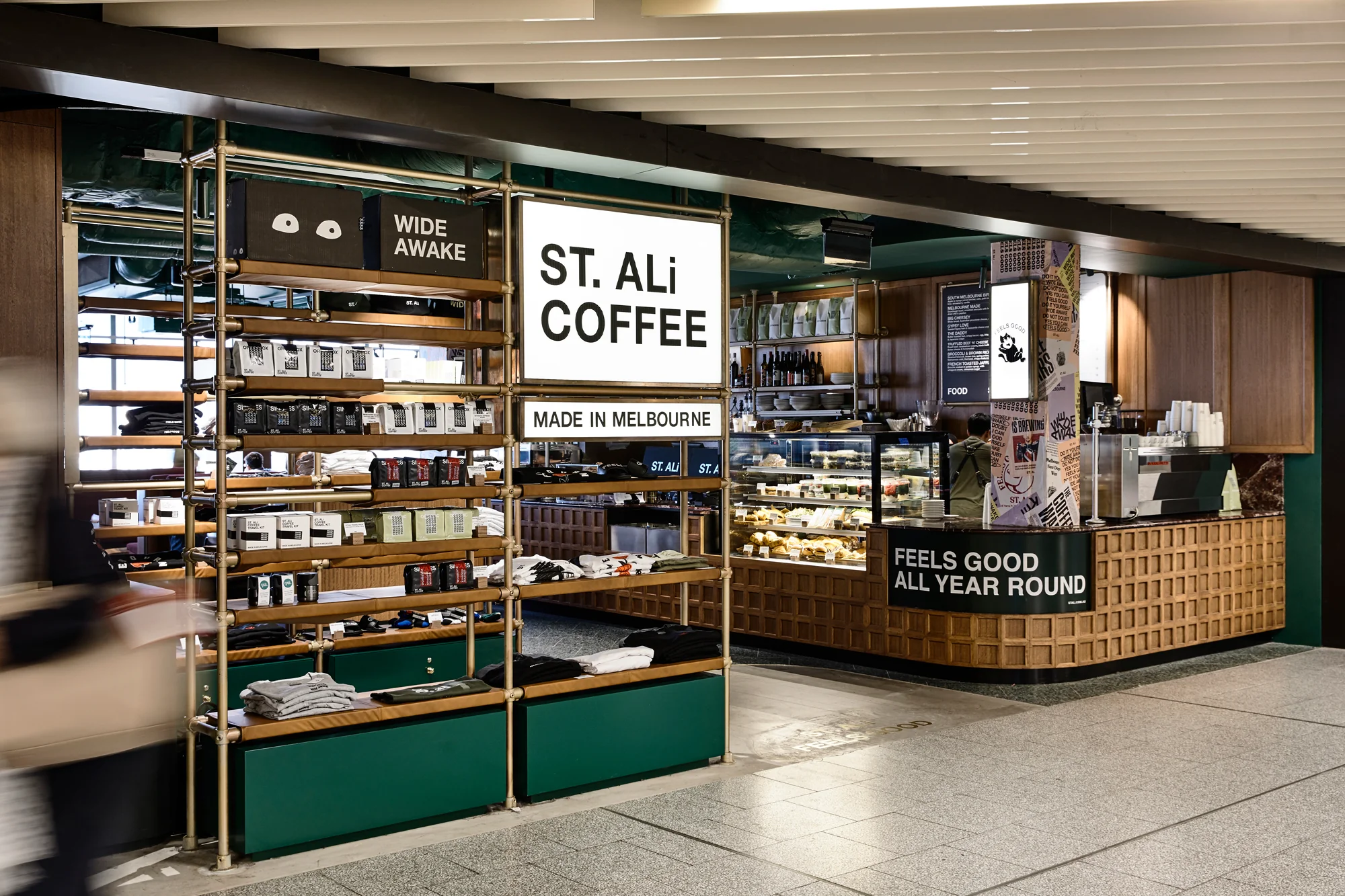
    Melbourne’s prominent coffee roaster, St Ali, has broadened its retail scope with the nationwide launch of its Italo Disco Espresso Concentrate in Coles supermarkets. This move comes after the successful introduction of the brand’s primary assortment of freshly roasted coffee beans in Coles stores in July 2024.

    Meeting Consumer Demand

    This expansion is a strategic response to evolving consumer preferences towards chilled coffee formats. Company data from St Ali’s South Melbourne cafe suggests that cold coffee variants account for approximately 35% of all their beverage sales. Cold coffee has emerged as a significant trend, with St Ali’s CEO, Lach Ward, identifying it as the most noticeable shift in consumption patterns throughout the brand’s 21-year history.

    Sales figures further underline this trend. Innovative cold beverages like the Biscoff Fredo have surged in popularity, becoming the company’s best-selling signature products, outpacing traditional options like magics and black coffee.

    Availability and Trends

    The Italo Disco Espresso Concentrate is accessible to coffee lovers across Australia in a 750ml pouch, retailing at $22. St Ali affirms that the shift towards chilled beverages is not confined to independent specialty outlets. Worldwide statistics reveal that cold beverages represent approximately 60% of total sales in major commercial coffee chains, including notable ones like Starbucks.

    Earlier this year, St Ali further diversified its product range to accommodate the summer season. This expansion included the introduction of two new beverages and the return of a larger-format cold brew.

    Questions & Answers

    What is the Italo Disco Espresso Concentrate?
    It’s a product by Melbourne coffee roaster St Ali, recently made available nationwide at Coles supermarkets.

    What has been the most significant shift in St Ali’s consumption patterns?
    The company has noticed a significant tendency towards cold coffee beverages, marking the most significant shift in their 21-year history.

    What is the current trend in coffee consumption?
    Chilled coffee beverages are the growing trend, with cold drinks accounting for about 35% of St Ali’s sales and 60% of sales in major commercial coffee chains.

  • Florida Family Files Worm Contamination Suit against Campbells and Walmart over SpaghettiOs

    Florida Family Files Worm Contamination Suit against Campbells and Walmart over SpaghettiOs

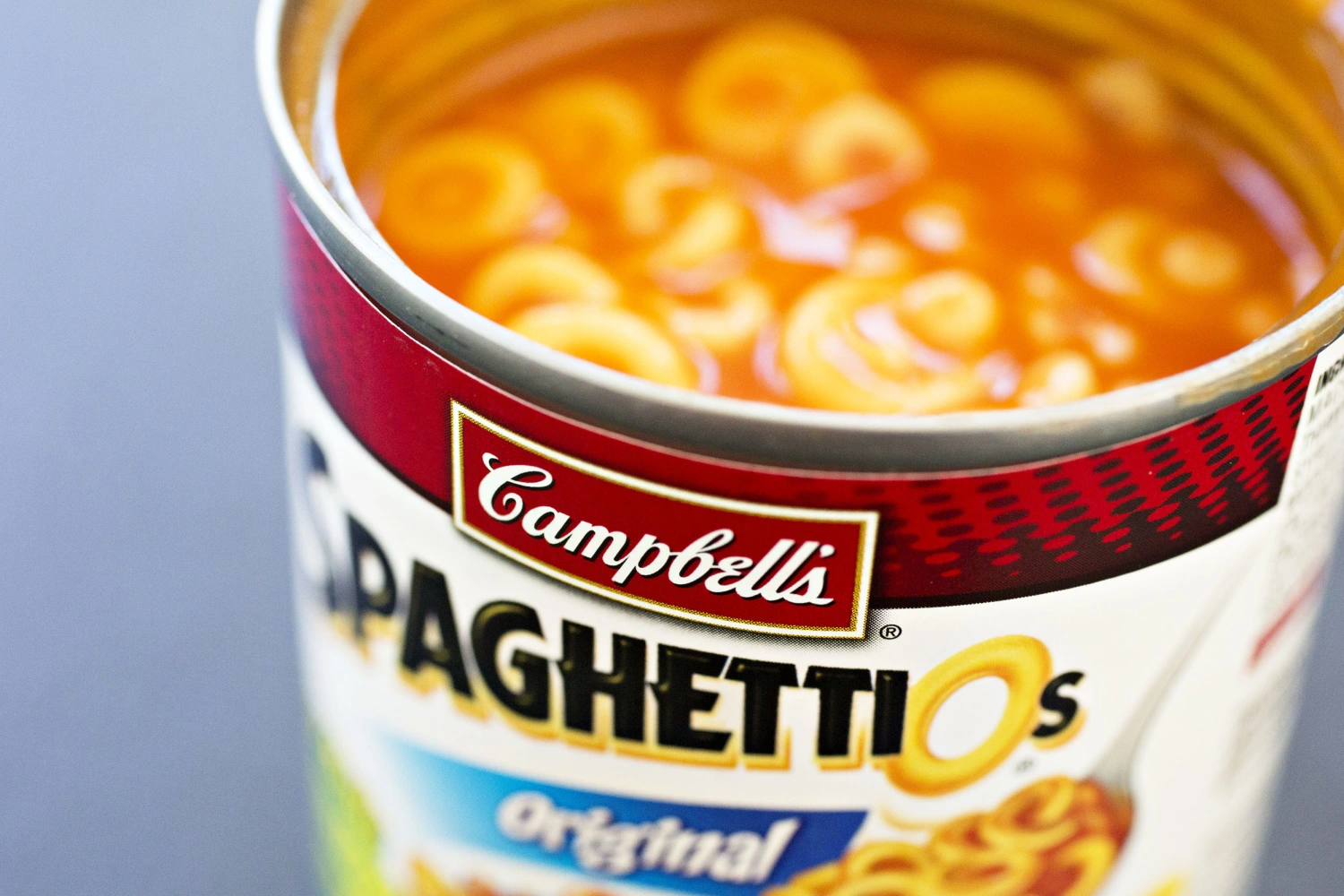
    A lawsuit has been filed against Campbell’s and Walmart by a Florida-based mother and her daughter, alleging that they consumed SpaghettiOs tainted with parasites or worms, rendering the product unfit for consumption.

    Accusations of Food Contamination

    In the legal complaint lodged on Tuesday, Mary Hubbard stated that she became aware of the alleged contamination on June 6, 2024, when they started eating the SpaghettiOs at their residence in Okeechobee County. It was mentioned that “worms or parasites appeared to be actively moving within the food.” In substantiation of this claim, Hubbard made videos that apparently portrayed worm-like organisms moving in the food item.

    According to her, the pasta product was purchased at Walmart, which is also named in the lawsuit. The plaintiffs, Hubbard and her daughter identified as PL, argue that they experienced parasitic infections after eating the SpaghettiOs, leading to various health issues. Hubbard suffered from a gastrointestinal illness and sepsis, while her daughter encountered nausea and vomiting.

    Companies Respond and Lawsuit Details

    In response to the allegations, Campbell’s, headquartered in Camden, New Jersey, dismissed the plaintiffs’ claims as baseless and expressed its intention to strongly refute them. Walmart, located in Bentonville, Arkansas, stated that it would respond to the allegations in court, underscoring that its customers’ health and safety are of paramount importance.

    The lawsuit seeks unspecified damages amounting to a minimum of US$75,000 from both Campbell’s and Walmart, citing alleged negligence and violation of federal food safety regulations. The father of young PL is also a plaintiff in the case, but lawyers representing the plaintiffs did not provide additional details when asked.

    Introduced to the market in 1965, SpaghettiOs was touted as “the world’s first spoonable spaghetti.” It is not uncommon for food manufacturers to face legal action over alleged contamination, often precipitated by lab tests, product recalls, or health alerts. For example, in April 2025, a public health alert was issued by the US Department of Agriculture’s Food Safety and Inspection Service for 12 varieties of soup, including four Campbell’s brand soups, on grounds of potential contamination with wood present in a federally regulated ingredient, cilantro.

    The lawsuit was filed in a federal court in Fort Pierce, Florida, and has been assigned to US District Judge Aileen Cannon.

    Questions & Answers

    What is the alleged contamination of Campbell’s SpaghettiOs about?
    The mother and daughter, Mary Hubbard and PL, claim they discovered worms or parasites in the SpaghettiOs they had purchased from Walmart. This allegedly led to parasitic infections and various illnesses.

    What are the companies’ response to this accusation?
    Both Campbell’s and Walmart have refuted the claims and intend to defend vigorously against the allegations. Walmart also highlighted that it considers customers’ health and safety a top priority.

    What compensation are the plaintiffs seeking with their lawsuit?
    They are seeking unspecified damages of at least US$75,000 from Campbell’s and Walmart, citing negligence and violation of federal food safety laws.

  • OTB Amplifies Luxury Portfolio with Complete Acquisition of Fashion Powerhouse Viktor&Rolf

    OTB Amplifies Luxury Portfolio with Complete Acquisition of Fashion Powerhouse Viktor&Rolf

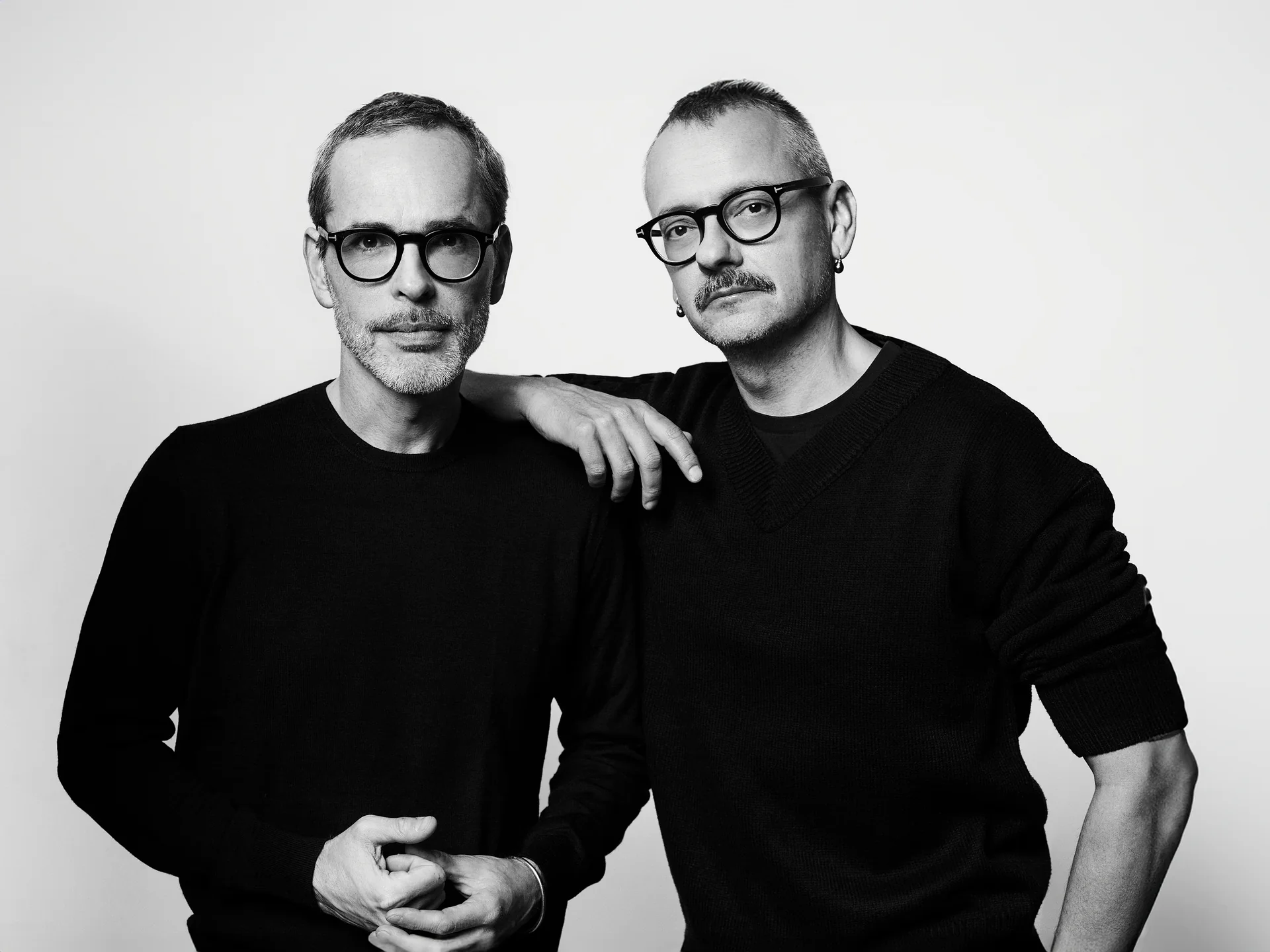
    OTB Group, a prestigious Italian luxury conglomerate, has recently procured the remaining shares of Dutch fashion house Viktor&Rolf, thereby securing complete ownership of this innovative label. This acquisition comes after OTB’s initial investment in 2008 and two decades of a partnership marked by shared creative vision and commercial growth.

    Strengthening Creative Ties

    Originally, OTB increased its stake from an initial 51% to 70%, and now, with full ownership, the partnership between the two entities is set to deepen even further. Viktor&Rolf, established in 1993 by Viktor Horsting and Rolf Snoeren, is celebrated for its unconventionally creative take on haute couture, incorporating elements of art, fashion, and theatrical storytelling. The brand has since diversified, extending its reach into ready-to-wear, bridalwear, eyewear, and fragrances.

    Renzo Rosso, the founder and chairman of OTB Group, expressed his elation over the strengthened partnership. He praised Viktor&Rolf for its unique presence in the international luxury market, known for its emphasis on creativity, artistic research, and cultural relevance, values that accord with OTB Group’s own.

    Securing the Future

    This strategic move follows an agreement signed last year, which confirmed the continuation of Horsting and Snoeren as creative directors for an additional five years. They will continue to shape the creative and strategic direction of Viktor&Rolf, maintaining the brand’s signature innovative style.

    OTB Group, owner of renowned labels including Diesel, Maison Margiela, Marni, and Jil Sander, has progressively concentrated on constructing an assortment of distinctive creative brands. This recent acquisition further solidifies its commitment to fostering creative development and expanding its luxury portfolio.

    Questions & Answers

    What is the significance of OTB’s acquisition of Viktor&Rolf?
    The acquisition represents the strengthening of a long-standing partnership, with OTB taking full ownership of Viktor&Rolf after being a shareholder for nearly two decades. Furthermore, it cements OTB’s commitment to developing a portfolio of distinctive, creative brands.

    Who are the founders of Viktor&Rolf?
    Viktor&Rolf was established in 1993 by designers Viktor Horsting and Rolf Snoeren. The pair will continue to shape the creative and strategic direction of the brand as Creative Directors.

    What is Viktor&Rolf known for within the fashion industry?
    Viktor&Rolf is renowned for its experimental approach to haute couture, blending elements of fashion, art, and theatrical storytelling. It has diversified its offerings into ready-to-wear, bridalwear, eyewear, and fragrances.

  • ZWC Partners Fuels Global Expansion of Korean Lifestyle Group Iicombined and Flagship Brand Gentle Monster

    ZWC Partners Fuels Global Expansion of Korean Lifestyle Group Iicombined and Flagship Brand Gentle Monster

    Asian private equity firm, ZWC Partners, has recently made an investment in the South Korea-based company, Iicombined, the force behind the renowned eyewear brand, Gentle Monster. This move is part of the firm’s plan to expedite its global expansion across the fashion, beauty, and experiential retail sectors.

    Investment to Bolster International Growth

    Established in 2011 and based in Seoul, Iicombined has evolved from being a single eyewear brand to a multi-brand lifestyle conglomerate. Its diverse portfolio includes the fragrance and beauty brand Tamburins, the experiential cafe concept Nudake, the headwear label Atiissu, and the tableware brand Nuflaat. These are in addition to its flagship business, Gentle Monster.

    The investment is intended to facilitate the group’s ongoing global growth, especially across Asia, encompassing regions such as China and Southeast Asia. Moreover, it aims to further the expansion into European and North American markets.

    ZWC Partners has expressed strong confidence in Iicombined’s capability to expand globally whilst preserving its design-first identity. According to Michael Yao, a partner at ZWC Partners, the firm believes that Iicombined is favorably positioned for rapid expansion, primarily in thriving consumer sectors like eyewear and fragrances, across China and Southeast Asia. This perspective aligns well with ZWC Partners’ long-standing emphasis on consumer and technology sectors.

    Driving Forward a Global Fashion Powerhouse

    Yao further stated that with the support of their offices and resources in Europe, Japan, and other key Asian markets, they are excited to aid Iicombined’s expansion across the Asia-Pacific region and further afield. Their assistance will include providing prime retail locations and brand elevation support as the group continues its journey towards becoming a global fashion powerhouse.

    The deal enhances ZWC Partners’ consumer portfolio, which already encompasses investments in global sports group Amer Sports, which owns brands such as Arc’teryx and Salomon, and the Italian luxury linen brand Frette. It also includes logistics, technology, and cross-border commerce companies such as J&T Express, GoTo, and Vevor. The financial specifics of the deal have not been disclosed.

    Questions & Answers

    **What is Iicombined’s flagship business?**

    Iicombined’s flagship business is the eyewear brand Gentle Monster.

    **How is ZWC Partners assisting Iicombined’s expansion?**

    ZWC Partners is aiding Iicombined’s expansion by providing prime retail locations, brand elevation support, and leveraging their offices and resources in key markets.

    **What are some other brands in ZWC Partners’ consumer portfolio?**

    ZWC Partners’ consumer portfolio includes global sports group Amer Sports, Italian luxury linen brand Frette, and logistics and technology companies like J&T Express, GoTo, and Vevor.

  • Babor Breaks Ground in China: Opens First Flagship Store in Shanghai, Revolutionizing Skincare Retail

    Babor Breaks Ground in China: Opens First Flagship Store in Shanghai, Revolutionizing Skincare Retail

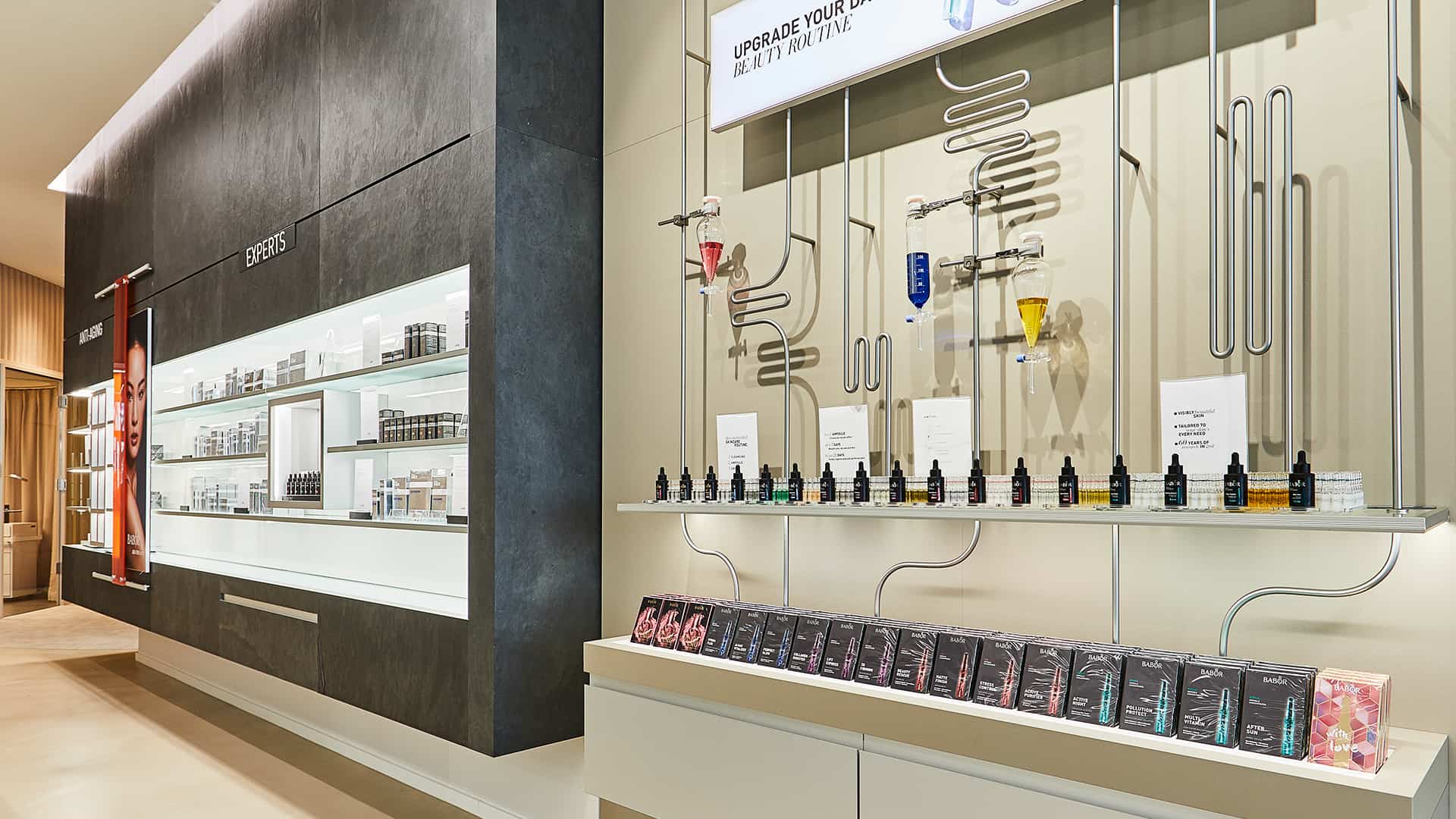
    Germany’s renowned skincare brand, Babor, recently launched its first flagship store in mainland China, specifically in Shanghai, as part of its bid to augment its foothold in one of the world’s major beauty markets.

    An Experiential Retail Concept

    Situated in Shanghai’s Xintiandi Dongtaili district, the flagship store is fashioned as a “specialist skincare atelier.” This unique concept effortlessly fuses Babor’s German roots and professional know-how with an innovative, experience-driven retail framework.

    The store is partitioned into two main sections. The Retail Gallery proudly features Babor’s signature Ampoule Bar, as well as its primary skincare assortments. Conversely, a separate Treatment Atelier is available for customers seeking facial treatments and bespoke skincare services.

    The brand explains that this novel approach aims to foster “deeper connections with consumers” by harmonizing product exploration with tailored skincare treatments and services.

    Milestone in China Expansion Strategy

    Established in 1956, Babor has earned a reputation for its expert skincare products and treatments. The inauguration of this new store signifies a notable achievement in the brand’s China expansion strategy, mirroring the growing demand for high-end skincare experiences among local shoppers.

    Eternal Group, Babor’s regional partner, voiced their confidence in the sustainable future of China’s professional skincare sector, emphasizing the increasing relevance of experiential retail in forging robust consumer relationships.

    This event follows a larger retail expansion by Eternal. The beauty distributor, listed in Hong Kong, announced the opening of four new stores in Beijing, Shanghai, and Shenzhen recently. This is part of their plan to reinforce their directly managed retail network across China’s premier cities.

    Questions & Answers

    What is the concept behind Babor’s flagship store in Shanghai?
    The concept is designed as a “specialist skincare atelier”. It combines Babor’s German heritage and expertise with an experiential retail format to create deeper connections with consumers.

    What does the new store mean for Babor’s expansion strategy?
    The opening of the new store marks a significant milestone in Babor’s expansion strategy in China. It demonstrates the growing demand for premium skincare experiences among local consumers.

    How does Babor’s partner, Eternal Group, view the future of China’s professional skincare sector?
    Eternal Group expresses confidence in the long-term prospects of China’s professional skincare sector. They believe in the increasing importance of experiential retail in building stronger consumer relationships.

  • Deel Empowers Global Contractors with New Stablecoin Wallet Amid Currency Volatility

    Deel Empowers Global Contractors with New Stablecoin Wallet Amid Currency Volatility

    Deel, the global workforce management company, is set to intensify its focus on digital assets as it unveils a stablecoin wallet. This innovative solution is intended to support contractors in emerging economies by maintaining the value of their income, providing rewards, and allowing global expenditure without having to leave the platform.

    The company began launching the digital wallet, which is dollar-backed, in Latin America. However, plans are afoot to extend this service to the Middle East, Africa, and the Asia-Pacific region. This forms the latest part of Deel’s broader plan to incorporate stablecoins into its global payment infrastructure. The company already enables contractors to withdraw their earnings in stablecoins and allows businesses to fund payrolls directly from stablecoin reserves. The new wallet enhances these features, permitting contractors to manage and hold digital dollar balances within their Deel accounts.

    Addressing the Issue of Currency Instability

    Deel’s recent effort addresses an increasing issue for workers in countries experiencing persistent inflation and currency devaluation. In nations such as Argentina, Ukraine, and Turkey, local currencies have seen significant fluctuations, which have eaten into the purchasing power of salaries and freelancer earnings.

    The company reports a spike in demand for dollar-pegged earnings. A case in point is Argentina, where 85 percent of contractors using the platform elected to receive payments in US dollars in 2025 instead of the local currency.

    Prior to this, contractors seeking to conserve their earnings’ value often had to transfer funds through a range of crypto platforms, foreign exchange providers, or financial applications. Deel contends that incorporating a stablecoin wallet directly into its ecosystem streamlines this procedure.

    Benefiting from the Dollar Within the Deel Ecosystem

    The wallet permits contractors to hold balances in DLUSD, Deel’s in-house dollar-pegged digital balance, which is designed to maintain parity with the US dollar and can be redeemed within the platform.

    Additionally, users can choose to participate in a rewards program backed by decentralized finance infrastructure. The company states that rewards accumulate automatically without lock-up periods, and balances remain accessible for withdrawal at any moment.

    Later this month, Deel intends to launch the Deel Card, enabling contractors to spend their stablecoin balances globally.

    The new service is supported by a combination of crypto and payment providers from the larger Stripe ecosystem. According to Deel, the wallet utilizes Bridge’s issuance infrastructure for DLUSD creation, while Privy delivers the wallet layer. Rewards are produced through the decentralized finance protocol Morpho and managed by infrastructure provider Sentora.

    Despite the crypto infrastructure that supports the service, Deel emphasizes that users deal with a simple dollar balance rather than blockchain wallets or token management tools.

    Questions & Answers

    What is the purpose of Deel’s stablecoin wallet?

    The stablecoin wallet is designed to help contractors in emerging markets maintain the value of their earnings, earn rewards, and spend globally without leaving the platform.

    How does Deel’s stablecoin wallet work?

    The wallet allows contractors to hold balances in DLUSD, Deel’s internal dollar-denominated digital balance. Users can also opt into a rewards program that accrues rewards automatically without lock-up periods.

    What is Deel’s future plan for its stablecoin wallet?

    Deel plans to introduce the Deel Card, which will enable contractors to spend their stablecoin balances globally. This move is part of Deel’s broader strategy to integrate stablecoins across its global payments infrastructure.

  • Tencent Revolutionizes Cross-Border Payments: Expands Remittance Services to Global Audience

    Tencent Revolutionizes Cross-Border Payments: Expands Remittance Services to Global Audience

    Tencent, the Chinese multinational conglomerate, has extended its cross-border payment service, TenPay Global, to non-Chinese citizens. This move allows overseas individuals to send money directly into China and avail themselves of WeChat-related services.

    Enhanced Access to Digital Transactions in China

    Tencent’s newly launched service, “Remit to China for Non-Chinese Citizens,” permits foreign passport holders to transfer funds directly from overseas to beneficiaries in mainland China. This expansion in Tencent’s service offerings is a significant move in making China’s highly digitalized payment ecosystem more accessible to international tourists, students, expatriates, and business travelers.

    With this service, overseas users can transfer funds to beneficiaries in China using mobile phone numbers associated with WeChat accounts. Upon receipt, the funds can be instantly used for a variety of services within the Weixin ecosystem. These include online shopping, mobile top-ups, utility payments, and other everyday transactions.

    This service is particularly beneficial for international students, workers, travelers, and expatriates in China. TenPay Global offers round-the-clock access and allows transfers to be completed within minutes.

    Strengthening Cross-Border Payment Connectivity

    This launch is part of Tencent’s broader strategy to bolster cross-border payment connectivity between China and international markets. The current TenPay Global remittance platform works in conjunction with over 60 international banks and money transfer providers, supporting transfers to China from more than 100 countries and territories worldwide.

    As cross-border mobility begins to recover across Asia, payment providers are concentrating on minimizing friction for international consumers seeking access to local payment networks.

    Tencent’s remittance service is a key component of the internationalization strategy for Weixin Pay, Tencent’s leading domestic payment platform. The company has also advanced its “Pay with Your Home E-Wallet” initiative, enabling foreign visitors to make payments in mainland China using digital wallets issued in their home markets.

    With over 40 global wallet providers, TenPay Global currently has 36 e-wallets from 13 countries and regions connected to Weixin Pay’s network.

    Tencent’s expansion is indicative of the ongoing efforts by Chinese tech companies to merge domestic payment platforms with international financial networks, simplifying transactions within China’s predominantly cashless economy for foreign users. This initiative also strengthens WeChat’s position as a hub for both payments and everyday digital services, extending its reach to a rapidly growing international customer base.

    Questions & Answers

    What services does Tencent’s “Remit to China for Non-Chinese Citizens” allow?

    The service enables foreign passport holders to transfer funds directly from overseas to recipients in mainland China. The funds can then be used for various services within the Weixin ecosystem, like online shopping, mobile top-ups, and utility payments.

    What initiative has Tencent expanded apart from the remittance service?

    Tencent has also expanded its “Pay with Your Home E-Wallet” initiative, which allows overseas visitors to make payments in mainland China using digital wallets issued in their home markets.

    Which countries and regions are connected to Weixin Pay’s network?

    Currently, 36 e-wallets from 13 countries and regions, including the United States, Singapore, Vietnam, Laos, and Mongolia, are connected to Weixin Pay’s network.

  • Singapore Loses $7 Billion Annually due to Inefficient Cross-Border Payment Systems: Study

    Singapore Loses $7 Billion Annually due to Inefficient Cross-Border Payment Systems: Study

    The antiquated systems of cross-border payments are imposing a substantial financial burden on businesses in Singapore, confining billions of dollars in operational capital and diminishing economic efficiency. This is according to recent research conducted by the financial tech firm, Airwallex, and the Centre for Economics and Business Research (Cebr).

    The research suggests that Singaporean companies lose roughly $7 billion per year owing to inefficiencies inherent in the traditional global payment infrastructures. The losses mainly come from payment failures, foreign exchange spreads, correspondent banking fees, and slow settlement processes that plague a vast portion of the global business-to-business (B2B) payment realm.

    Airwallex has termed this occurrence as the “Global Growth Tariff,” defining it as the economic pullback instigated by outdated cross-border payment systems. The report estimates that globally, a staggering $330 billion in working capital is stalled within the financial system due to these inefficiencies, an amount that is roughly equivalent to 9 percent of the United Kingdom’s annual gross domestic product.

    The Business Capital Drain

    For Singapore, one of the most internationally linked trade and financial hubs globally, the impacts are especially notable. Businesses involved in cross-border operations encounter higher transaction costs, delayed access to funds, and increased administrative workloads, all of which can influence cash flow and investment decisions.

    According to the study, payment failures and manual repair measures account for about $420 million in annual costs for Singaporean businesses. When transactions fail to process automatically, companies often suffer additional operational expenses and delays as payments are manually fixed and resubmitted.

    Simultaneously, foreign exchange spreads and correspondent banking fees remain the dominant source of friction. As per the research, these costs annually account for roughly $6.3 billion in lost business capital worldwide.

    The report also emphasizes the impact of settlement delays. At any given time, about $220 million in working capital is essentially frozen in Singapore as businesses await the clearance of international transactions. This capital could otherwise be used for investments, recruitment, or daily business operations.

    The Push for Efficiency

    The report’s findings come at a time when businesses are under increasing pressure to optimize liquidity amid economic uncertainty, higher financing costs, and ongoing changes in global trade patterns.

    “Legacy payment systems are quietly depleting billions from businesses that can least afford it. Every dollar stuck in the system is a dollar not invested in growth,” said Firdevs Abacioglu, Head of Data Science and AI at Airwallex.

    The research was founded on an analysis of cross-border B2B payment volumes, payment failure rates, significant currency corridor foreign exchange costs, and international supplier and contractor payment settlement timelines.

    Liam Daly, Senior Economist at Cebr, stated that the findings spotlight the structural inefficiencies that persistently obstruct international commerce. He added that addressing these frictions would promote seamless international trade and free up capital for productive use.

    Questions & Answers

    What is the “Global Growth Tariff”?
    The Global Growth Tariff is a term coined by Airwallex, referring to the economic drag created by outdated cross-border payment systems.

    How much do payment failures and manual repair processes cost Singaporean businesses annually?
    Payment failures and manual repair processes cost around $420 million each year for Singaporean businesses.

    What is the estimated amount of working capital trapped within the financial system due to inefficiencies in cross-border payment systems?
    According to the report, around $330 billion in working capital is effectively trapped within the financial system due to these inefficiencies.