Retail News CRM

Blog

  • Thriving Puppy Preschools: Chinas New Trend in Pet Pampering

    Thriving Puppy Preschools: Chinas New Trend in Pet Pampering

    In the bustling city of Shanghai, a unique business model is quickly gaining popularity. Paw, a self-proclaimed preschool for dogs, is leveraging a new trend among Chinese millennials who are increasingly viewing their pets as family members and investing more in their care and wellbeing.

    A Day at Paw

    Pets start arriving at Paw by 9 a.m. daily. Unlike traditional dog daycares where focus is put primarily on training or age-specific activities, Paw provides a varied schedule of activities suited to each dog’s needs and interests. The daily routine includes interactive games, challenges on obstacle courses, and even leisurely strolls on specially designed dog treadmills. The pups are also treated to freshly made snacks and calming nap times accompanied by soothing classical music played by a pianist. Pet owners can rest assured knowing their beloved companions are well taken care of and can pick them up at around 7 p.m.

    Qian Yi, a regular patron of Paw, explained how she treats her one-year-old Border Collie, Harry, like a child. “We raise our dog like a child,” she said, adding that she spends approximately 4000 yuan (US $560) each month on Harry’s daycare, meals, grooming, swimming, and visits to dog parks.

    Emerging Trend in China’s Pet Industry

    The launch and growth of Paw reflects larger shifts in China’s consumer economy. Young, urban consumers are increasingly prioritizing spending on experiences and emotional fulfillment. This is particularly true in the pet care sector, where services like daycare, grooming, and training are seeing significant growth.

    Pet Data, a local industry research firm, estimates the urban pet consumption market reached 312.6 billion yuan (US $46 billion) in 2025, with projections to exceed 405 billion yuan by 2028.

    Paw’s founder, Jann Zhang, explains that the idea for this doggie preschool came about after he struggled to find help for his anxiety-ridden Golden Retriever, Fuzai. He felt that lack of socialization was the primary issue and wanted to provide a space where dogs could interact and play. He started Paw with less than 20 pups and has since grown his clientele to 200. He charges a daily fee ranging from 98 yuan to 138 yuan, depending on the size of the dog.

    Questions & Answers

    What is Paw?
    Paw is a unique dog daycare business in Shanghai, China, that treats dogs as pupils, providing them with a variety of activities, socialization opportunities, and care services.

    What services does Paw offer?
    Paw offers a range of services including interactive games, obstacle courses, freshly made snacks, nap times with soothing music, and walks on specially designed dog treadmills.

    How does Paw reflect larger trends in China’s consumer economy?
    The rise and success of Paw mirrors a larger shift in China’s economy, where young, urban consumers are spending more on experiences and emotional fulfilment. In the pet care sector, this translates to growth in services like daycare, grooming, and training.

  • Nike Unleashes Football Universe in Hong Kong Stores to Ignite World Cup Fever

    Nike Unleashes Football Universe in Hong Kong Stores to Ignite World Cup Fever

    Nike recently kicked off a football-centric retail initiative as a part of their worldwide ‘Rip the Script’ campaign in Hong Kong, transforming selected stores into immersive environments. This move, unveiled under the banner ‘Nike Football Universe’, aligns with the sportswear titan’s launch of the 2026 National Team Kit collection in anticipation of the upcoming Fifa World Cup.

    Selected stores have taken on a new look, complete with campaign-centric visual merchandising, football-themed exhibits, and interactive elements showcasing the 2026 National Team Kit Collection and the Mercurial football boot line. The campaign roll-out also included guest appearances by local footballers Yapp Hung Fai, Yu Jesse Joy Yin, and Lau Ka Kiu. As an added feature of this campaign activation, Nike’s Fa Yuen Street store is inviting fans to a Football Photo Booth experience until July 22.

    Expanding Personalisation Services

    In addition to the immersive store experiences, the retail giant is broadening the reach of its Jersey By You and Nike By You services across participating stores. This allows customers who purchase selected national team jerseys the option to personalise them with player names and numbers. Meanwhile, the Nike By You service presents shoppers with football-inspired graphics and patches for tailored apparel and footwear.

    This movement in Hong Kong is part of Nike’s larger strategy to stir up enthusiasm around football before the 2026 World Cup. The company aims to use these retail experiences to showcase their new product ranges and deepen customer engagement.

    Questions & Answers

    What is the idea behind Nike’s ‘Rip the Script’ campaign?
    The campaign is designed to build excitement around football ahead of the 2026 World Cup, using immersive retail experiences to highlight new product lines and enhance customer engagement.

    What unique features are offered in the newly transformed stores?
    The stores now feature campaign-themed visual merchandising, football-centric displays, and interactive elements. Customers can also personalise selected national team jerseys and enjoy football-inspired graphics and patches for tailored apparel and footwear.

    How is Nike involving local footballers in the campaign?
    Local footballers Yapp Hung Fai, Yu Jesse Joy Yin, and Lau Ka Kiu have made guest appearances as part of the campaign roll-out, contributing to the immersive football environment.

  • Muji’s Expansion in China: Winning Over Consumers with Localization Strategy

    Muji’s Expansion in China: Winning Over Consumers with Localization Strategy

    In 2005, Muji, the Japanese lifestyle retailer, established its first store in Mainland China at one of Shanghai’s prime retail destinations, Nanjing West Road. Today, 20 years later, the company has adopted a subtler growth approach in China. Despite making adjustments to its store network, including closing some retail locations as part of its standard optimization, Muji’s focus remains on expansion, localisation, and fostering a deeper engagement with customers.

    China is currently Muji’s largest foreign market with over 400 stores. The brand’s growth strategy in the region is increasingly focusing on local product development, flagship store experiences, and the integration of online and offline retail.

    Muji’s Strategic Approach

    According to Shu Wu, a board member and CMO, China, the focus is not only on launching more stores but also ensuring that the brand remains relevant as Chinese consumer behaviour transforms.

    “Muji strives to be a fundamental brand for a superior lifestyle,” Wu stated. She highlighted that the brand’s intention is to support a lifestyle that is both materially and spiritually rich while using as few resources as possible. The brand’s philosophy is centred around the ‘Power of Nature’ concept, which manifests in the production of goods from natural materials and minimal disturbance of nature, resulting in a sustainable and truthful lifestyle for everyone.

    Moreover, Wu emphasized that expressing this philosophy in China requires a stronger local connection. She stated, “In the local market, while staying true to this positioning and approach, Muji places even greater emphasis on local connections. With respect for Chinese nature, culture, and society, we continue to deepen our roots here.”

    Competitive Stance and Digital Growth

    In an increasingly competitive market with brands such as Miniso and other lower-cost alternatives, Muji’s approach is not to compete solely on price. Instead, the company focuses on reinforcing product quality, purpose, and relevance.

    Furthermore, as the brand continues to invest in physical stores, China’s digital ecosystem has become a significant part of its overall retail strategy. Wu revealed that e-commerce now accounts for more than 20% of Muji’s total sales in the local market. The company views online and offline channels as complementary, enhancing the consumer experience instead of competing with each other.

    Muji sees its next stage of growth in China as less about defending its existing position and more about adjusting its global brand philosophy to a changing local market.

    Questions & Answers

    What is Muji’s growth strategy in China?
    Muji’s growth strategy in China focuses on expansion, localisation, and fostering deeper engagement with customers. The company aims to stay relevant as Chinese consumer behaviour transforms.

    How is Muji competing in an increasingly competitive market?
    Muji’s approach to competition is not to compete solely on price. Instead, the company focuses on reinforcing product quality, purpose, and relevance.

    What role does digital growth play in Muji’s strategy?
    Digital growth plays a significant role in Muji’s strategy. With e-commerce accounting for over 20% of Muji’s total sales in the local market, the company views online and offline channels as complementary, not competitive. The brand aims to enhance the customer experience across all platforms.

  • Fee-Free ATM Withdrawals in Malaysia: New Initiative Boosts Accessible Banking from July

    Fee-Free ATM Withdrawals in Malaysia: New Initiative Boosts Accessible Banking from July

    Starting July 1st, Malaysians will have the ability to withdraw cash from any bank’s automated teller machines (ATMs) or smart recycler machines (SRMs) across the country without the usual RM1 (US$0.25) interbank fee. This new initiative will grant debit cardholders access to more than 14,000 ATMs and SRMs, regardless of the bank that issued their card. The announcement was made jointly by the Association of Banks in Malaysia, the Association of Islamic Banking and Financial Institutions Malaysia, and the Association of Development Finance Institutions of Malaysia.

    Making Financial Services Accessible

    The aforementioned associations have stated that this change, applicable to ATMs and SRMs run by Malaysian banks, was enacted in cooperation with Payments Network Malaysia (PayNet). The driving force behind this move is an ongoing effort to render financial services more attainable, all-inclusive, and affordable.

    It’s important to note that cash continues to play a crucial role as a necessary payment method for numerous Malaysians in their day-to-day lives. This elimination of the interbank fee is a reflection of the industry’s dedication to providing reliable, convenient, and cost-effective access to cash. Ultimately, it’s a measure aimed at alleviating the financial strain on consumers.

    Questions & Answers

    What is changing for debit cardholders in Malaysia?
    Starting July 1st, Malaysian debit cardholders will no longer be charged the usual interbank fee of RM1 (US$0.25) when withdrawing cash from any bank’s ATMs or SRMs nationwide.

    Who are the organizations behind this move?
    This change has been implemented jointly by the Association of Banks in Malaysia, the Association of Islamic Banking and Financial Institutions Malaysia, the Association of Development Finance Institutions of Malaysia, and Payments Network Malaysia (PayNet).

    Why has this fee waiver been introduced?
    The interbank fee waiver is a part of ongoing efforts to make financial services more accessible, inclusive, and affordable for all Malaysians, and to alleviate the financial burden on consumers.

  • Hanoi’s Prime Western Land on Sale: Priced from $40M with Residential Development Opportunities

    Hanoi’s Prime Western Land on Sale: Priced from $40M with Residential Development Opportunities

    Next month, Hanoi authorities are set to auction a two-hectare plot of land located in the city’s western region. The initial entry price has been established at VND1.06 trillion, or approximately US$40 million, which equates to VND52.9 million per square meter.

    Land Auction in An Khanh Commune

    The plot of land is situated in the An Khanh Commune, positioned 22 kilometers away from the city center. The auction will be conducted by the Lac Viet Auction Partnership Company. The land is zoned for commercial residential development, opening up possibilities for significant business ventures.

    The auctioning process will be conducted through multiple rounds of sealed bids, with at least five rounds expected to occur. Each incremental bid will be increased by VND10 billion. Bidders are required to place a deposit equivalent to 20% of the starting price to participate in the auction.

    An Khanh Commune is home to a population of 102,000. Its close proximity to Thang Long Avenue has catalyzed the establishment of several significant residential projects such as Sudico Nam An Khanh, HaDo Charm Villas, and Vinhomes Thang Long.

    Hanoi’s Revenue from Land Transactions

    In the previous year, Hanoi set a new record in its revenue from land-related transactions, generating VND107.9 trillion. This figure surpassed its intended target by 125% and was over twice the amount earned in the previous year. This revenue constituted 15% of the city’s total income.

    Looking forward, Hanoi has set a target to earn a total revenue of VND3.7 quadrillion from 2021 to 2030. Of this amount, about 21.6% is expected to be derived from land transactions.

    Questions & Answers

    What is the starting price for the land auction in An Khanh Commune?
    The starting price is VND1.06 trillion, or approximately US$40 million.

    What type of development is permitted on the auctioned land?
    The land is zoned for commercial residential development.

    What percentage of Hanoi’s total revenue from 2021 to 2030 is expected to come from land transactions?
    About 21.6% of the total revenue is projected to come from land transactions.

  • Singapore Boosts Gold Market Role: Invites Foreign Central Banks for Secure Gold Storage Services

    Singapore Boosts Gold Market Role: Invites Foreign Central Banks for Secure Gold Storage Services

    Beginning in October, Singapore will permit foreign central banks and sovereign entities to store their gold reserves within its borders. This move is aimed at reinforcing Singapore’s standing as a regional hub for gold trading and storage. The city-state’s commercial vaulting capacity currently surpasses 2,000 tonnes. This capacity is utilized by a diverse array of market participants including bullion banks, institutional investors, and high-net-worth individuals, as expressed by Deputy Prime Minister Gan Kim Yong on a recent Monday forum.

    Strengthening the Gold Market

    In addition to providing secure storage, Singapore will cater to foreign central banks and sovereign entities desiring to actively manage their gold holdings. The Monetary Authority of Singapore plans to offer gold accounts to a select group of bullion banks based in Singapore. This initiative will enhance their capability to deliver gold-related services and liquidity to these entities.

    Deputy Prime Minister Yong believes that this move will enhance Singapore’s reputation as a safe and reliable jurisdiction where reserve assets can be securely held and actively managed. The city-state will also be able to connect these assets to wider market liquidity during Asian trading hours, further reinforcing its regional dominance.

    Gold Market Innovations

    Several innovative measures have also been announced to strengthen Singapore’s role in the global gold market. One significant measure includes the establishment of an over-the-counter gold clearing system by the Singapore Exchange by the end of 2026. Interbank trading is anticipated to grow from 2027 onwards.

    This revolutionary system aims to enhance trade processing, boost transparency, and support more efficient clearing and settlement. According to Yong, this will instill greater confidence in market participants to transact in Singapore. The new system will accommodate both large bars and kilobars, enabling standardized settlement during Asian trading hours.

    Large bars refer to 400-troy-ounce gold bars or approximately 12.4 kilograms, which are standard for institutional trading and settlement in London. Kilobars, on the other hand, are 1-kilogram bars that are popular in Asian markets and are accepted for delivery in Comex gold futures contracts in the U.S.

    DBS, Deutsche Bank, ICBC Standard Bank, JPMorgan, OCBC, and UOB have been reported as the six banks that will join as clearing members and contribute to the development of Singapore’s gold market.

    Questions & Answers

    What will Singapore allow from October?
    Starting from October, Singapore will allow foreign central banks and sovereign entities to store their gold reserves in the country.

    What benefits will the proposed gold clearing system bring to Singapore’s gold market?
    The proposed over-the-counter gold clearing system will streamline trade processing, enhance transparency, and support more efficient clearing and settlement, thereby bolstering market participant confidence to transact in Singapore.

    Which banks will be joining as clearing members to develop Singapore’s gold market?
    DBS, Deutsche Bank, ICBC Standard Bank, JPMorgan, OCBC, and UOB are set to join as clearing members to help develop Singapore’s gold market.

  • Google Messages to Unveil AI-Edit Detector, Aims to Curb Fake Photos Spread

    Google Messages to Unveil AI-Edit Detector, Aims to Curb Fake Photos Spread

    Google Messages, the popular messaging app, is in the process of developing a tool that can identify whether an image shared in a conversation has been created or modified by artificial intelligence (AI). Evidence of this feature was uncovered in the app’s source code, indicating that it will take advantage of C2PA content credentials – integral data that can verify the creation and manipulation history of an image file. Regardless of the device used, this feature is expected to be a standard element in the Google Messages application, which is pre-installed on most top-level Android phones.

    Distinguishing the Authentic from the Artificial

    The discovery of this development was made by AssembleDebug, a skilled code investigator who has a history of revealing Google’s yet-to-be-released features. The initial groundwork for this tool has been detected in various recent releases of the app, although it isn’t operational at this time. It should be seen as a significant signal of what’s to come, rather than an available feature.

    The Coalition for Content Provenance and Authenticity (C2PA) is the organization behind the standard that records the creation and editing history of an image. Essentially, this would mean your phone could inform you whether a photo you received was taken with a camera or generated via AI.

    This aligns with Google’s broader strategy of integrating SynthID watermark detection into Google Photos and Gemini, and now extending this into Google Messages. The tool is expected to have around 18 labels, distinguishing between photos taken with cameras, those modified by partial AI edits, and fully AI-generated media, demonstrating Google’s emphasis on nuanced detection.

    Addressing Growing Concerns

    This development comes amidst growing apprehension around the increasing sophistication of AI-generated images. Some fear that even those with technical know-how are starting to fall for these hyper-realistic images, underlining the critical need for such detection tools.

    However, execution is not without potential pitfalls. Meta Platforms, the company behind Facebook, Instagram, and WhatsApp, implemented a similar feature, which encountered issues due to false positives. For instance, genuine photos were incorrectly flagged as AI-generated due to metadata left behind by standard Photoshop edits. Google Messages’ adoption of the C2PA standard might face similar issues.

    The primary beneficiaries of this tool would be users who often receive forwarded images, group-chat memes, and screenshots. A simple tap to verify the image’s provenance would be more efficient than manually scrutinizing the image.

    In terms of accessibility, users would be able to reach this feature by clicking on an image, opening the overflow menu, and selecting “View details”. It’s also worth noting that this feature isn’t live yet, so there’s nothing to test currently.

    Interestingly, Google, which has developed impressive image-generating models like Nano Banana, is now building a tool to detect the products of such models. Despite the seeming contradiction, it’s a necessary step towards ensuring authenticity and transparency in digital communication. If Google’s tool proves more reliable than Meta’s version, it will be a game-changer.

    Questions & Answers

    What is the purpose of the new tool being developed for Google Messages?
    The tool aims to identify whether an image shared in a chat has been created or manipulated by AI, helping users distinguish real photos from AI-generated ones.

    What is the C2PA standard?
    The C2PA (Coalition for Content Provenance and Authenticity) standard records the creation and editing history of an image, allowing verification of whether a photo was captured with a camera or generated by AI.

    What potential issues might arise with this tool?
    Similar to Meta’s implementation, Google’s tool may encounter issues with false positives, where genuine photos are incorrectly flagged as AI-generated due to the metadata left behind by standard editing tools such as Photoshop.

  • DBS Unveils Singapores First Retail-Ready Tokenised Gold Offering: Buy, Trade, and Hold via One Digital Platform

    DBS Unveils Singapores First Retail-Ready Tokenised Gold Offering: Buy, Trade, and Hold via One Digital Platform

    DBS Bank is set to revolutionize the financial market in Singapore by launching tokenized physical gold for retail customers in the latter half of 2026. With this initiative, DBS Bank takes the lead as the first bank in the nation to empower its customers with the capability to purchase, possess, and transact in tokenized physical gold via a singular digital platform.

    Tokenizing Precious Metal

    The advanced DBS Physical Gold Tokens will be available through the DBS digibank app. With each token backed by an equivalent amount of physical gold that will be securely stored in a dedicated DBS vault located in Singapore. Each token will stand for one gram of gold, providing customers the opportunity to acquire fractional ownership of this valuable metal.

    DBS Bank assures that this offering will facilitate 24/7 trading, almost immediate settlement, and the choice to exchange tokens for physical gold. Moreover, the bank is looking into the possibility of having the tokens listed on the DBS Digital Exchange (DDEx) for accredited and institutional investors.

    This launch coincides with the escalating interest in gold and the tokenization of real-world assets. DBS Bank will oversee the entire procedure internally, including tokenization, custodial services, vaulting, and distribution.

    Li Zhen, Head of Foreign Exchange, Precious Metals, and Digital Assets at DBS, commented on the initiative, stating that the bank’s comprehensive digital asset capabilities will simplify access to and management of physical gold for clients.

    James Tan, Group Head of Investment Product and Advisory, also shared his views on the subject. He mentioned that tokenization would expand access to an asset class that has typically been accessible mainly to wealthy and institutional clients.

    Expanding Digital Asset Services

    The introduction of tokenized gold expands upon DBS Bank’s existing array of gold investment products. Moreover, it is part of the bank’s broader endeavor to delve into digital assets and blockchain-based financial services.

    Questions & Answers

    What is the DBS Physical Gold Tokens initiative?
    This initiative by DBS Bank allows customers to purchase, hold, and trade tokenized physical gold via a single digital platform.

    What features does the tokenized gold offering include?
    The offering will enable 24/7 trading, near-instant settlement and the option to redeem tokens for physical gold. The bank is also exploring a future listing of the tokens on the DBS Digital Exchange for accredited and institutional investors.

    How does this initiative fit into DBS Bank’s broader strategy?
    The tokenized gold offering expands DBS Bank’s existing range of gold investment products and is part of the bank’s broader push into digital assets and blockchain-based financial services.

  • Nike Kicks Off Football Universe in Hong Kong: Unveiling the 2026 World Cup Kit Collection and More

    Nike Kicks Off Football Universe in Hong Kong: Unveiling the 2026 World Cup Kit Collection and More

    Nike has initiated a football-centric retail strategy throughout Hong Kong, as a segment of its worldwide ‘Rip the Script’ campaign, by transforming select stores into immersive environments.

    This effort, known as the ‘Nike Football Universe’, aligns with the unveiling of the athletic apparel behemoth’s 2026 National Team Kit collection, in anticipation of the upcoming Fifa World Cup. Selected stores have been given a complete overhaul, with campaign-specific visual marketing, football-themed displays, and interactive elements that put the spotlight on the 2026 National Team Kit Collection and the Mercurial football boot line.

    The strategy’s implementation also includes visits from local football stars Yapp Hung Fai, Yu Jesse Joy Yin, and Lau Ka Kiu. Integrated into the campaign’s activities, Nike’s Fa Yuen Street store extends a Football Photo Booth experience until July 22.

    Moreover, Nike is broadening the availability of its Jersey By You and Nike By You services throughout participating outlets. Customers who purchase selected national team jerseys have the option to personalize them with player names and numbers. Simultaneously, Nike By You provides football-inspired graphics and patches for bespoke apparel and footwear.

    This Hong Kong campaign is a fragment of Nike’s larger drive to fuel enthusiasm about football leading up to the 2026 World Cup. It uses retail experiences as a platform to debut new product lines and escalate customer involvement.

    Questions & Answers

    What is the aim of the ‘Nike Football Universe’ in Hong Kong?
    The initiative is part of Nike’s global ‘Rip the Script’ campaign, aimed at increasing anticipation and excitement for football and the 2026 Fifa World Cup, by transforming select stores into immersive football-themed spaces.

    How is Nike personalizing the retail experience for customers?
    Nike is expanding its Jersey By You and Nike By You services to more locations. This allows customers to personalize selected national team jerseys with player names and numbers. Customers can also add football-inspired graphics and patches to customize their apparel and footwear.

    Why are local football stars visiting Nike stores?
    Local football stars Yapp Hung Fai, Yu Jesse Joy Yin, and Lau Ka Kiu are visiting select Nike stores as part of the campaign. Their appearances are designed to engage customers and create a more immersive and personal retail experience.

  • Robotic Revolution: Hong Kong Unveils First 24/7 Convenience Store Operated by Humanoid

    Robotic Revolution: Hong Kong Unveils First 24/7 Convenience Store Operated by Humanoid

    The bustling city of Hong Kong is all set to welcome its inaugural 24-hour convenience store managed entirely by a humanoid robot. This groundbreaking project denotes the initial venture outside Mainland China for Beijing-based robotics firm, Galbot.

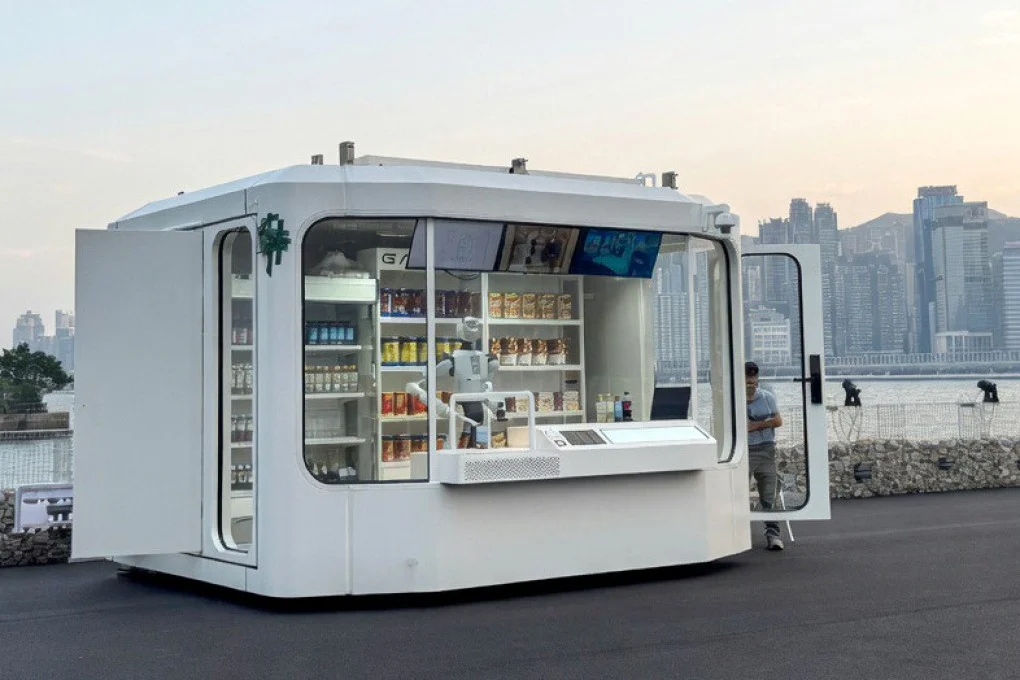
    Situated along the waterfront of Hung Hom, the robotic store is financially supported by the Hong Kong Investment Corporation (HKIC). A 9 square meter capsule store, it will be supervised by ‘Xiao Gai’, a G1 humanoid robot model standing tall at 173cm. The robot is equipped with a 190cm arm span, specifically engineered to restock shelves, select inventory items and manage customer checkouts with ease.

    A New Era of AI in Retail

    The store is designed to cater to high-demand retail categories such as snacks, lifestyle merchandise, and over-the-counter pharmaceuticals. The upcoming launch of this humanoid robot-managed store in Hong Kong highlights a rapidly evolving trend: the integration of artificial intelligence (AI) into our everyday lives.

    As the HKIC stated, their active promotion of AI development extends beyond the goal of enhancing industries and bolstering economic competitiveness. It also aims to provide residents with a unique, AI-enabled convenience experience while simultaneously fostering new areas of growth and opportunity.

    Galbot’s forecasts predict that this automated storefront model could boost local foot traffic by a significant 30 to 40 percent, owing to its novelty factor.

    Global Expansion on the Horizon

    Following the initial pilot in Hong Kong, Galbot reportedly has plans to introduce this innovative capsule store format on an international level. The ambitious expansion plan targets rollouts across ten major cities worldwide.

    Questions & Answers

    What is the size of the Hong Kong capsule store?
    The Hong Kong capsule store spans 9 square meters.

    Who is the humanoid robot managing the store?
    The store will be managed by a G1 humanoid robot model named ‘Xiao Gai’.

    What are Galbot’s future expansion plans?
    Galbot plans to introduce the capsule store format globally, targeting rollouts across ten major cities.

  • Li & Fung Partners with Vera Bradley: A Bold Foray into the Apparel Industry

    Li & Fung Partners with Vera Bradley: A Bold Foray into the Apparel Industry

    Global sourcing and supply chain leader, Li & Fung, is setting its sights on further growth within the apparel sector, following a successful trading year in home products. The firm plans to extend its licensing agreement with American lifestyle brand, Vera Bradley, and make a significant foray into the competitive industry.

    Expanded Agreement Details

    Under the terms of the extended deal, Li & Fung will be responsible for designing and manufacturing a variety of everyday clothing items. These will mirror Vera Bradley’s visual identity and include tops, sweaters, outerwear, dresses, and swimwear. The company’s designs will continue to feature its well-known patterns, colours, and quilting elements, with the aim of appealing to a wide, multigenerational audience.

    The new product line will be launched in stages. The first phase, slated for the holiday season in 2026, will unveil the winter collection, which includes tops, sweaters and outerwear. The subsequent expansion into dresses and swimwear is expected during the cruise season of 2027.

    Melinda Paraie, Chief Brand Officer of Vera Bradley, commented on the development, “Our foray into the apparel market is a significant step for Vera Bradley. We’ve been successful in the home category and we’re confident that our partnership will enable us to deliver high-quality apparel reflecting our brand’s ethos. It’s about meeting our customers in their comfort zone and offering them more avenues to express their personal style.”

    Distribution Plan

    The upcoming clothing range will be distributed widely, targeting customers across full-price, specialty, off-price, and warehouse club retail channels. This strategic approach is expected to maximize the reach of Vera Bradley’s offerings to their diverse customer base.

    Questions & Answers

    1. What are the terms of the expanded agreement between Li &Fung and Vera Bradley?
    Under the expanded agreement, Li & Fung will design and manufacture everyday apparel items like tops, sweaters, outerwear, dresses, and swimwear, reflecting Vera Bradley’s visual identity.

    2. When is the new product line expected to launch?
    The new product line will be launched in phases, beginning in the holiday season of 2026 with the release of cold-weather categories. The expansion into dresses and swimwear is planned for the cruise season of 2027.

    3. What is the proposed distribution plan for the new clothing range?
    The clothing range will be widely distributed across full-price, specialty, off-price, and warehouse club retail channels.

  • Hermès Unveils Culturally-Inspired Boutique at The Landmark Nagoya Sakae

    Hermès Unveils Culturally-Inspired Boutique at The Landmark Nagoya Sakae

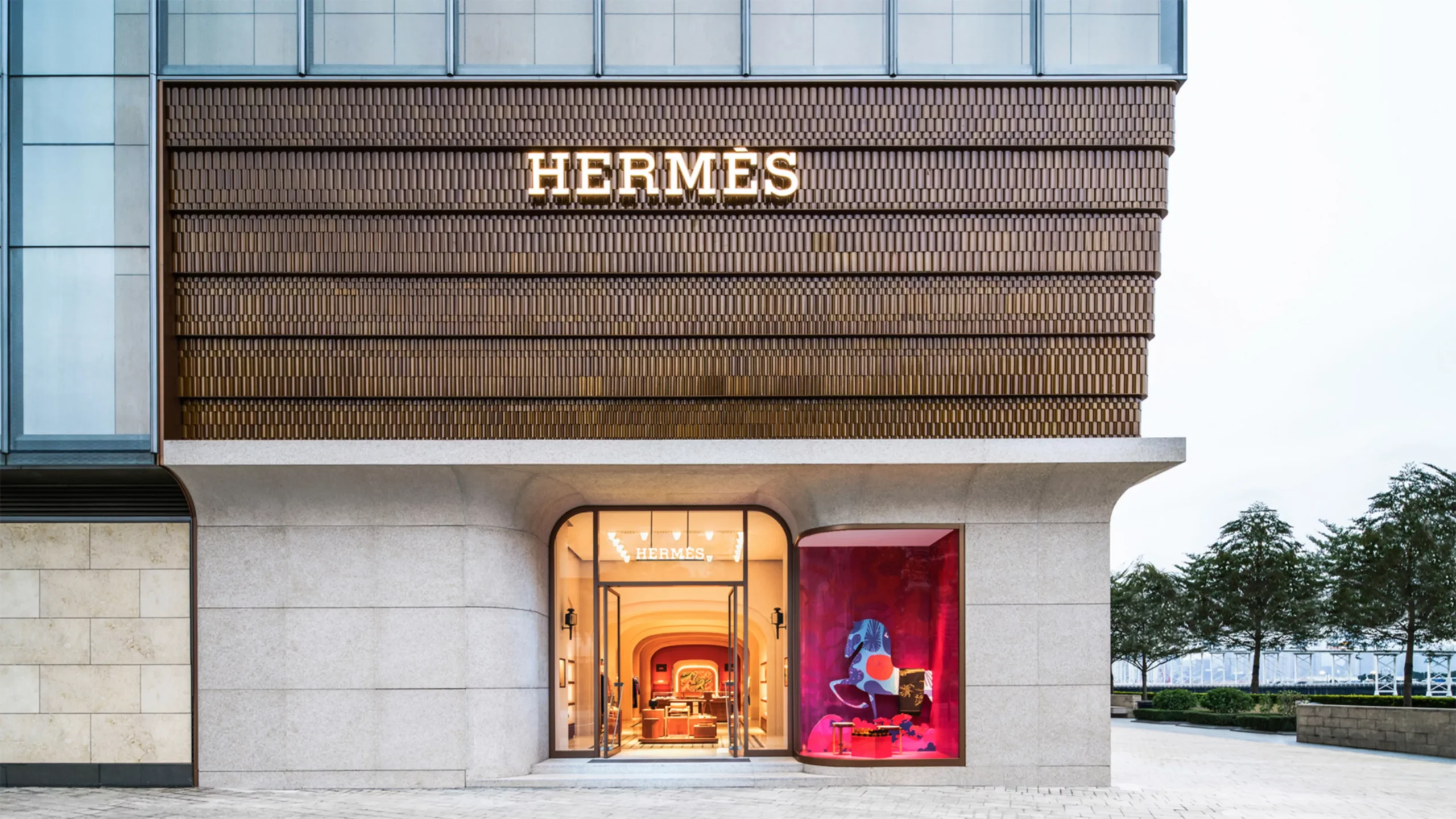
    Hermes, the high-end retail brand, recently established a new outlet in The Landmark Nagoya Sakae, Japan. The store design was inspired by the locale’s rich culture and long-standing textile customs.

    This new store, envisioned by the renowned architectural firm RDAI based in Paris, exhibits the brand’s sixteen merchant categories beautifully. The design is a blend of naturally illuminated spaces accentuated by varying textiles and vibrant colours.

    Store Design and Features

    The store’s entrance is adorned with towering windows that feature molded glass panels. A unique curtain, made from almost a thousand hand-woven cotton threads, hangs like the strands of a loom. The glass panes provide a backdrop for the reflection of two horses in mid-gallop, a sight to behold for visitors.

    The boutique’s layout is harmoniously connected by a central stone staircase, linking the various levels and departments effortlessly. The menswear section is located on the lower level, displaying an interior decor inspired by the traditional Japanese hakama, characterized by pleated gray silk walls.

    The womenswear section, situated on the second floor, employs a warm colour palette of plum and blush tones. It is elegantly finished with stucco and boasts yuzen-inspired floral elements. A dedicated jewellery section is demarcated by rich purple carpeting. The top floor houses the equestrian and homeware collections, incorporating design elements reminiscent of traditional shibori dyeing techniques. This is paired with neutral finishings and a distinctive ceiling light fixture.

    Questions & Answers

    What was the inspiration behind the design of the new Hermes store in Japan?
    The store was inspired by the local culture and textile traditions of Nagoya, Japan.

    What unique features can be found in the new Hermes store?
    The store showcases a variety of unique features such as a curtain made from nearly a thousand hand-woven cotton threads, a central stone staircase, and design elements that reference traditional Japanese shibori dyeing techniques.

    What collections does the Hermes store in Nagoya house?
    The store houses the menswear, womenswear, jewellery, equestrian, and home collections of Hermes.

  • South Korea Slaps Coupang with Record $409M Fine Over Unprecedented Data Breach

    South Korea Slaps Coupang with Record $409M Fine Over Unprecedented Data Breach

    South Korea has handed down a massive fine of 625 billion won (US$409.30 million) to e-commerce behemoth, Coupang. This follows an extensive breach of customer information and illicit collection of personal data, marking the country’s most substantial data violation penalty ever levied on a corporation.

    The nation’s Personal Information Protection Commission revealed that the New York-listed company had leaked the personal data of over 33 million customers. Notably, the company failed to identify and address the leak within the legally mandated 72-hour window.

    The fine represents approximately 1.4 per cent of Coupang’s revenue of 45 trillion won in 2025. The commission’s chairperson, Song Kyung-hee, pointed out during a Thursday briefing that the data breach happened due to Coupang’s inadequate safety measures and systems – not because of advanced hacking techniques.

    Acknowledgement and Apology

    In response to the announcement of the fine, Coupang expressed regret and offered an apology for the public distress and concern caused to its customers. Although, the company expressed disappointment that their proactive efforts to mitigate the aftermath of last year’s data leak were not fully recognized by the regulatory body’s decision.

    Coupang, headquartered in Seattle, generates the majority of its earnings in South Korea by offering speedy delivery of groceries, food, and other goods. The penalty comes on the heels of a government-led investigation earlier this year, attributing the data breach to a managerial failure.

    Investigation Findings and Implications

    The science ministry in South Korea reported that a former employee, a Chinese national, had unlawfully procured a security key, allowing unauthorized access to customer accounts. Song noted that Coupang’s flawed security system allowed a hacker to undeterredly access the personal information of all customers, even after the alleged culprit had left the company.

    In addition to the breach, the firm did not notice an abnormal increase in traffic to its customer data until alerted by a customer inquiry. Moreover, the regulator discovered that Coupang’s marketing program had illicitly collected information on the online activities of around 11 million customers without obtaining their consent.

    Song remarked that Coupang had significantly expanded its e-commerce service based on extensive customer data. However, despite its business scale, the company lacked a system to protect and manage customer information.

    Questions & Answers

    Why was Coupang fined 625 billion won by South Korea?
    Coupang was fined for a substantial breach of customer data and illegal collection of personal information, marking the largest data violation penalty ever issued by South Korea.

    What are the details of the data breach?
    The company leaked the personal data of over 33 million customers and failed to identify and address the breach within the legally mandated 72-hour window. A former employee was found to have unlawfully accessed customer accounts.

    What was Coupang’s response to the fine?
    Coupang apologized for the concern caused to the public and its customers. However, the company expressed disappointment that their proactive efforts to prevent further harm from the data leak were not fully acknowledged by the regulatory authority.

  • Emirates SkyCargo Expands Global Network with Weekly Freighter Service to Almaty, Central Asias Growing Commercial Hub

    Emirates SkyCargo Expands Global Network with Weekly Freighter Service to Almaty, Central Asias Growing Commercial Hub

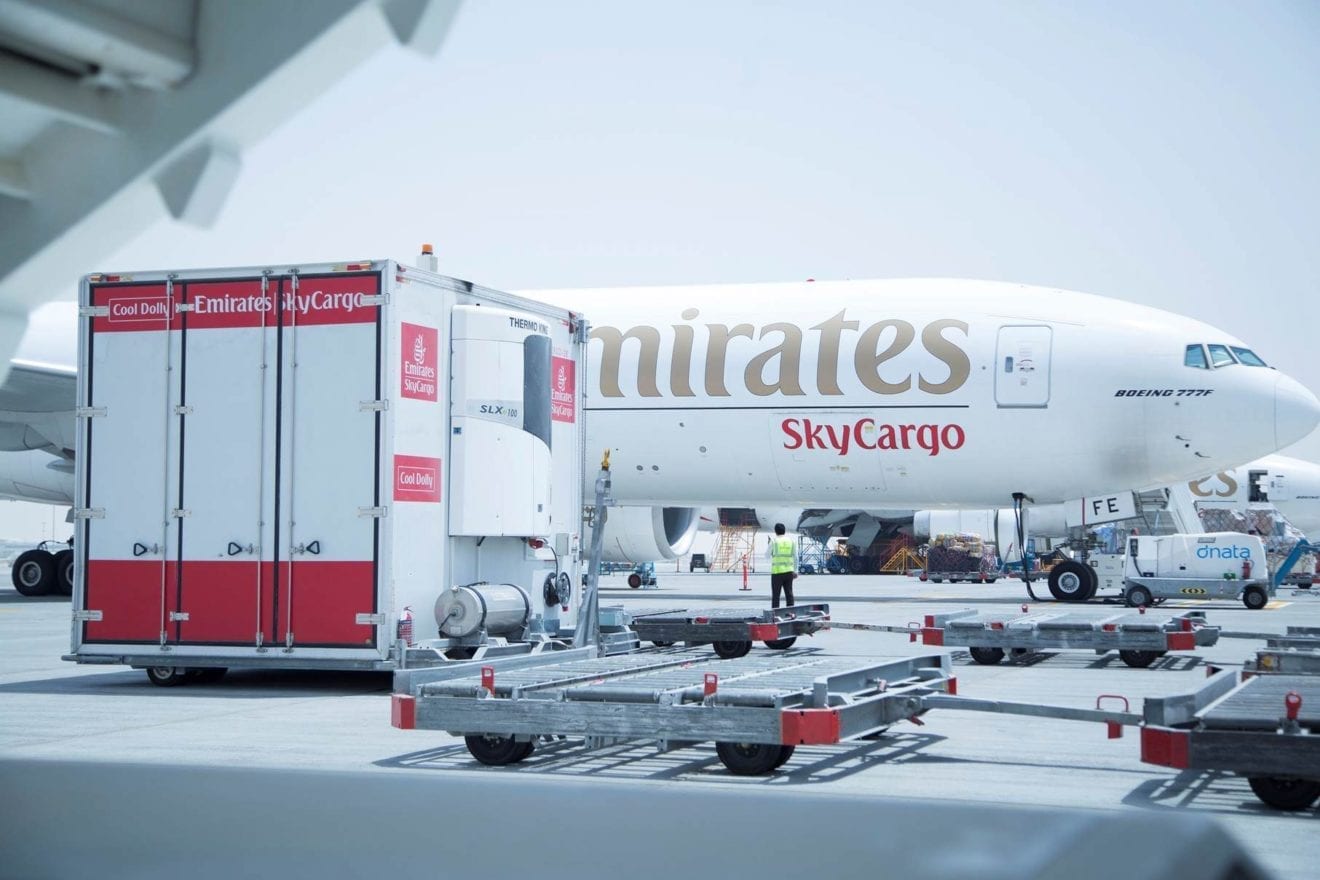
    Emirates SkyCargo, the freight arm of the prominent Emirates airline, recently announced the commencement of weekly freighter flights to Almaty International Airport, Kazakhstan, starting from 16 June 2026. In what marks the company’s first foray into Central Asia, the Dubai-based flights are set to establish a robust trade channel, tying the region to the Emirates SkyCargo global network.

    Strengthening Trade Corridors

    As the major city of Kazakhstan, Almaty is a fast-developing commercial and logistical center, serving as an economic and trading nexus in Central Asia. By offering weekly freights every Tuesday, Emirates SkyCargo aims to supply over 100 tonnes of weekly cargo capacity. This will facilitate the smooth transportation of key commodities including electronics, perishables, machinery, and other consumer items between Dubai and Almaty.

    Badr Abbas, Divisional Senior Vice President of Emirates SkyCargo, noted that the decision to offer weekly freighter services to Almaty was in line with the company’s role as a global trade facilitator. He expressed optimism that the new service would provide businesses in Almaty and the surrounding region with opportunities to expand their international operations. Furthermore, it would offer the company’s global customers quick and convenient access to a strategic marketplace. Abbas also stated that the Almaty expansion supports the company’s long-term growth strategy and the D33 Dubai Economic Agenda objectives by increasing foreign trade and solidifying Dubai’s status as a global logistics hub.

    Expansion of Freighter Fleet and Network

    In response to a surge in global demand, Emirates SkyCargo has strategically expanded its freighter fleet and worldwide network. Since March 2026, the airline has taken delivery of four new Boeing 777 freighters, with six more due for delivery later this year. This will bring the total Emirates freighter fleet to 21 aircraft by December 2026. Emirates SkyCargo offers its global customers scalable and flexible cargo capacity solutions. In addition to dedicated freighter flights, the carrier also provides high-frequency bellyhold cargo capacity on Emirates’ passenger aircraft fleet, operating to destinations across six continents.

    Questions & Answers

    What is the significance of Emirates SkyCargo’s new service to Almaty?
    The new service will open up a new channel of trade, linking Central Asia, particularly Kazakhstan, to Emirates SkyCargo’s global network. It offers businesses an opportunity to expand their operations and provides global customers with a strategic marketplace.

    How does this expansion fit into Emirates SkyCargo’s broader strategy?
    The expansion aligns with the company’s long-term growth strategy and the D33 Dubai Economic Agenda objectives. It supports the company’s role as a global trade facilitator and strengthens Dubai’s standing as a global logistics hub.

    What are Emirates SkyCargo’s plans for their freighter fleet?
    With the delivery of four new Boeing 777 freighters in 2026 and six more expected later in the year, Emirates SkyCargo plans to expand its freighter fleet to 21 aircraft by the end of 2026.

  • Yakult Singapore Swaps Unpopular Orange Flavor for Peach, Sparks Consumer Debate

    Yakult Singapore Swaps Unpopular Orange Flavor for Peach, Sparks Consumer Debate

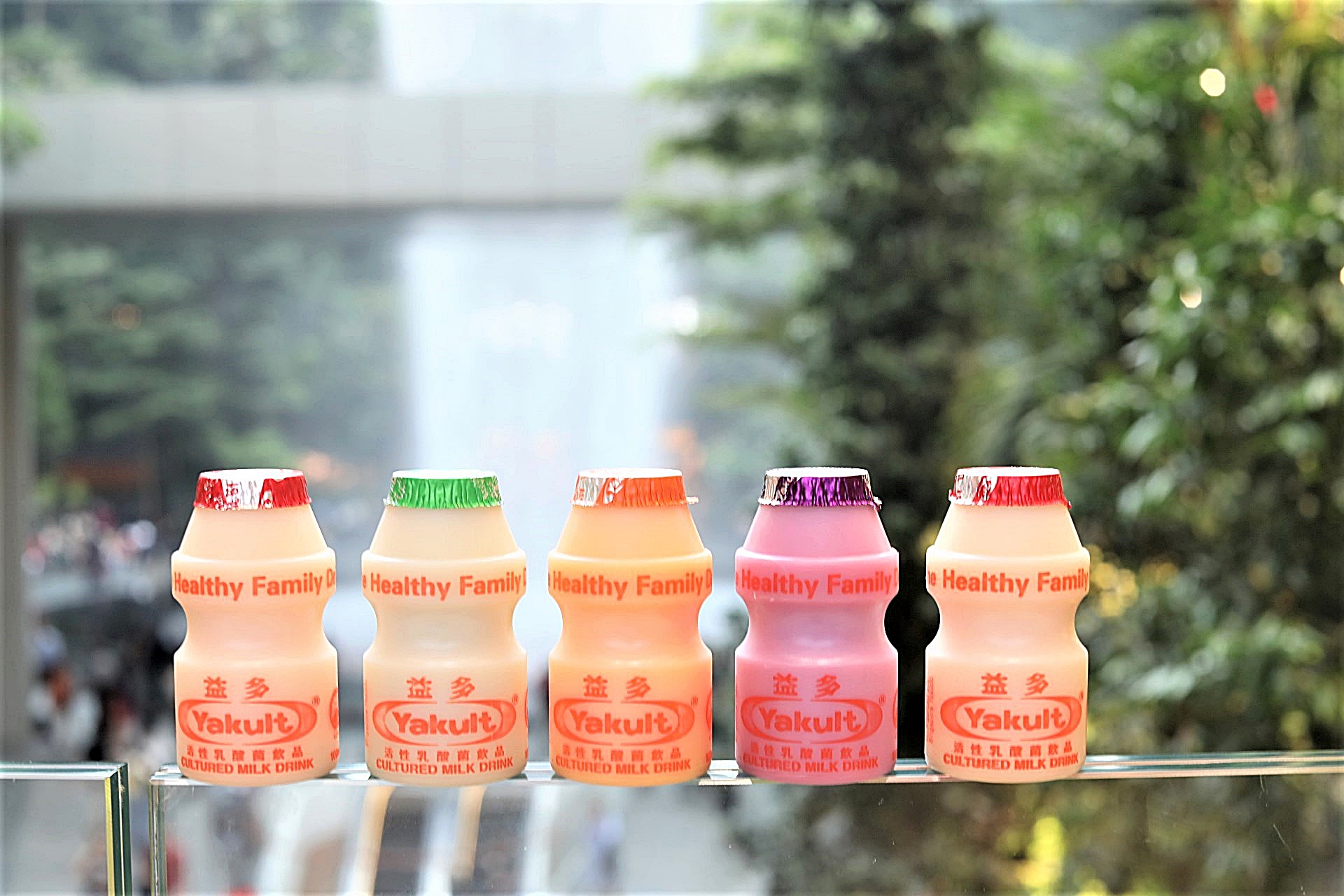
    The recent announcement regarding the discontinuation of Yakult Orange, a popular probiotic drink flavor, has elicited mixed reactions from consumers. For some, it comes as a surprise that this flavor was not as beloved as they had previously believed.

    Reactions to the Discontinuation

    Christine Heng, a 43-year-old music teacher, shared that she had always considered orange to be the preferred flavor until she discovered it was actually grape. She confessed that her regular monthly purchases of Yakult Orange for her family would drastically reduce due to the unavailability of her favorite variant.

    However, not everyone is mourning the loss of the orange flavor. A considerable number of comments were in favor of the change, with some people voicing their disapproval of the synthetic taste of the orange flavor. Comments such as, “I didn’t like how artificial the orange flavor was. I’m glad they replaced it,” and “Can replace any flavors, just don’t touch Apple and Grape,” reflect the varied consumer opinions on the matter.

    Farewell to Yakult Orange

    Despite the discontinuation, fans of Yakult Orange still have the opportunity to stock up on their favorite flavor until production officially comes to a halt at the end of this month. The drink will remain available as long as supplies last.

    Yakult, the probiotic cultured milk drink, was founded in Japan in 1935. It contains a strain of beneficial bacteria known as Lacticaseibacillus paracasei Shirota, discovered by its founder Minoru Shirota. Today, Yakult drinks are marketed worldwide, including regions such as Europe, Brazil, and Vietnam. In addition to the standard Yakult drink, there are other product ranges, like Yakult Plus. Furthermore, Yakult Peach was introduced in China in 2024.

    Questions & Answers

    What is the reaction of consumers to the discontinuation of Yakult Orange?
    Reactions are mixed: some consumers are disappointed, while others are glad about the change, criticizing the artificial taste of the orange flavor.

    Until when can consumers purchase Yakult Orange?
    Consumers can purchase Yakult Orange until the end of the month when production ends, or until supplies last.

    Where else are Yakult drinks available?
    Yakult drinks are available in several international markets, including Europe, Brazil, and Vietnam. They offer the standard Yakult drink and other product ranges like Yakult Plus.