Blog

  • Peppermint Bizmoto Partners with HaveIt to Power Transport Payments

    Peppermint Bizmoto Partners with HaveIt to Power Transport Payments

    Peppermint Bizmoto, the company operating the bizmoto e-wallet, has agreed to provide the payment processing infrastructure for HaveIt’s transport and consumer services ecosystem. Announced in November 2026, the deal links Peppermint directly to HaveIt’s passenger-matching mobility arm, Ride It.

    Peppermint secured its electronic money issuer licence from the Bangko Sentral ng Pilipinas in 2022, enabling it to issue digital wallets through the bizmoto app. Integrating its payment rails allows HaveIt to support passenger transactions while directing resources toward scaling its transport services.

    Neither party revealed a launch timeline or confirmed the specific payment methods passenger accounts will support. Integration will route consumer payments and transport bookings through the bizmoto infrastructure, letting HaveIt offload payment compliance while scaling its passenger fleet.

    Rider Economics and Transport Competition

    For HaveIt, running a transport network company without proprietary payment plumbing removes a heavy regulatory burden. Building an in-house clearing engine in the Philippines requires dedicated central bank clearances, capital reserves and continuous anti-money laundering compliance. Outsourcing the settlement layer to Peppermint hands HaveIt a ready-made digital wallet architecture without the overhead of maintaining an e-money issuer licence.

    Ride-hailing margins in Southeast Asia hinge on transaction friction. Platforms that force drivers and riders to jump through disconnected payment channels bleed market share to unified operators. Supplying direct digital payment rails across Ride It gives HaveIt a fighting chance to retain drivers who demand fast daily fare settlements.

    Merchant Rails and Sari-Sari Integration

    Peppermint brings more than consumer wallets to the arrangement. Its parent company, Peppermint Innovation, trades on the Australian Securities Exchange, while Peppermint Bizmoto received an electronic money issuer licence from the Bangko Sentral ng Pilipinas in 2022. By 2025, the operator established direct connectivity to InstaPay for real-time fund transfers across domestic commercial banks and competing digital wallets.

    Crucially for transport networks operating in dense urban centres, Peppermint also holds a central bank merchant acquisition licence. That clearance allows it to sign up neighborhood sari-sari stores to take QR Ph payments through bizmoto. Tying driver payouts into that neighborhood network creates an immediate cash-in, cash-out ecosystem on the ground.

    Building Transaction Scale Against Market Giants

    Independent e-wallets in the Philippines face extreme consolidation pressures. Dominant players control the vast majority of consumer wallet volume and consumer lending books across the archipelago. Smaller balance sheets cannot easily outspend those market leaders on consumer acquisition incentives.

    Peppermint’s play relies on embedded utility rather than standalone consumer marketing. Securing closed-loop transport platforms like HaveIt generates recurring transaction flow from daily commuters. Every daily ride booked through Ride It represents repeatable transaction volume running over Peppermint’s processing rails.

    What Operators Are Watching Next

    The immediate operational challenge sits in fare settlement mechanics. Transport network operators must settle cash balances with thousands of independent riders while managing digital transaction disputes and platform commissions. Speed of driver cashouts often decides which platform drivers keep switched on during peak commuting hours.

    Neither partner has released a firm launch date for the live wallet integration on the Ride It application, which will reveal the supported payment instruments and whether riders can tap QR Ph rails on day one.


  • Animals Like Us Rolls into 750 Coles Stores

    Animals Like Us Rolls into 750 Coles Stores

    New Zealand pet nutrition company Animals Like Us rolled its RawMix33 range into more than 750 Coles supermarkets across Australia on October 29. The deal puts the brand directly onto mainstream grocery shelves nationwide alongside an online launch on the grocer’s digital storefront.

    The national rollout covers one-kilogram packs across two formulations: Grain-Fed Beef and Ocean Fish. The shelf-stable line blends 67 per cent high-protein kibble with 33 per cent freeze-dried meat and organ pieces sourced from New Zealand farms and fisheries to meet AAFCO standards.

    Supermarkets squeeze specialty pet chains

    Coles secured the stock after the manufacturer tracked over 100 per cent year-on-year sales growth in Australia through its prior network. The brand previously limited Australian distribution to rival grocer Woolworths and pure-play platform Pet Circle.

    Supermarket operators across the region are taking margin back from independent pet shops and veterinary clinics. Freeze-dried and raw-blend pet feeds once required dedicated trips to specialty retail outlets or temperature-controlled logistics networks. Dry shelf-stable formats let grocers stock high-ticket items in ordinary ambient aisles without investing in floor chillers.

    Traditional pet chains face direct pressure from the shift. When major grocery networks stock high-protein formulations, specialty pet shops lose the frequent basket visits that generate repeat footfall. Coles gains a high-value SKU that lifts register totals, while Animals Like Us secures physical shelf space across hundreds of suburban locations simultaneously.

    Sourcing pressure and execution risks

    The operational risk sits on the supply chain. RawMix33 relies entirely on animal proteins sourced in New Zealand, exposing production schedules to regional livestock slaughter rates, marine catches, and processing plant capacity. Freeze-drying meat requires heavy capital expenditure and precise moisture removal, leaving little slack when retail volume jumps overnight across 750 stores.

    Cost inflation poses another hazard. High-protein dog foods carry retail prices well above legacy cereal-based feeds. Supermarkets are taking on premium inventory at a time when household budgets face persistent inflation, testing shopper willingness to trade up for pet provisions.

    Scaling beyond domestic shores

    Animals Like Us founded its business in New Zealand in 2020. The firm built its base locally before pushing outwards into Australia, the United States, and Canada, using cross-border retail partnerships to test appetite before committing to wide store footprints.

    The immediate test for the manufacturer is maintaining shelf inventory across both Coles and Woolworths as reorder cycles trigger over the coming quarter.

  • Digital Retailers Lead AI Commerce as Consumer Brands Lag, Benchmark Shows

    Digital Retailers Lead AI Commerce as Consumer Brands Lag, Benchmark Shows

    Retailers are locking down direct access to automated shopping systems, leaving consumer goods manufacturers scrambling to keep their products visible as buyers hand search queries over to algorithms. Checkout platforms control the transaction pipe, and that proximity gives them the power to dictate terms.

    An evaluation of 106 consumer companies published in October 2026 shows all six digital retail platforms evaluated maintain an explicit agentic commerce strategy, with five operating live tools. By contrast, only two out of 53 consumer products manufacturers run an active offering.

    The divide reflects who owns customer interactions at the point of purchase. Retailers are deploying their own virtual assistants and linking inventories directly into third-party artificial intelligence engines to protect baskets. Consumer product makers remain largely relegated to optimizing product descriptions so language models recommend their items.

    Early Revenue Shows High Basket Sizes

    Conversion metrics explain the speed of retail investment. AI-referred shoppers to retail portals convert 42 percent better than conventional inbound channels, reversing the prior year when such traffic converted 38 percent worse. In the United States, 40 percent of shoppers report using automated systems to buy goods online, with 85 percent rating the automated journey higher than standard site search.

    Top-tier operators report material revenue gains from proprietary tools. Amazon attributes roughly $12 billion in incremental annualized sales to its Alexa for Shopping platform, formerly known as Rufus. Walmart recorded a 35 percent rise in average order value among customers using its Sparky assistant.

    Supermarket and specialty store operators are taking defensive positions against third-party aggregators. Eleven of 16 surveyed domestic and specialty retailers hold an explicit automated commerce strategy, with eight running live customer-facing systems. Walmart cited agentic platforms as an operational risk in its corporate filings, while Kroger warned investors that external platforms risk disintermediating direct shopper relationships.

    Asian Travel Retailers Test Automated Assistants

    Travel retail represents the slowest segment in the benchmark. Only two of 11 operators maintain an active roadmap, and none outline specific AI commercial goals in investor reporting.

    Pockets of regional testing show how duty-free operators intend to bridge the gap. In South Korea, Lotte Duty Free introduced a ChatGPT shopping service in July 2026 to guide travelers through duty-free assortments. In Australia, WH Smith deployed a pilot in-store AI assistant at Melbourne Airport to answer traveler product queries at the shelf edge.

    For Asian department stores and cross-border airport operators, third-party agents threaten high-margin concession models. If transit passengers rely on personal AI agents to compare tax-free allowances and local downtown prices, airport concessionaires lose pricing use. Terminal retail landlords face weaker tenant turnover if automated comparison engines steer passengers toward duty-paid domestic orders before they board.

    Manufacturers Pay to Win Model Recommendations

    Consumer goods makers operate below the checkout interface. Only 20 of 53 manufacturers evaluated possess an AI commerce strategy, focusing primarily on search visibility rather than direct checkout mechanics.

    Basic content restructuring produces immediate results. Confectionery maker Mondelēz increased citation rates for its Oreo brand from 10 percent to roughly 70 percent in cookie-related AI queries by formatting public product descriptions into machine-readable data. Beauty conglomerate L’Oréal paired visibility optimization across its catalog with proprietary conversational interfaces, introducing its Beauty Genius advisor alongside a checkout path and virtual try-on system linked with ChatGPT.

    Visibility optimization is shifting into a paid auction channel. OpenAI generated an estimated $1 billion annual revenue run rate within 200 days of launching sponsored placements in ChatGPT. Purchasing intent within the chat platform rose from 13.9 percent to 19.2 percent over 12 months, representing 28 billion shopping-focused conversations annually.

    Auditing Enterprise Catalogs for Bot Traffic

    The rush toward bot-ready inventory follows a year of mixed commercial pilots. Early conversational commerce interfaces suffered from product hallucinations, out-of-stock suggestions, and high bounce rates before direct platform catalog integrations took hold.

    Retail networks and packaged goods groups are reallocating promotional funds away from traditional retail media networks and keyword search auctions toward large language model placement. Brands that establish structured product data feeds retain control over their pack sizes and ingredient claims, while slow manufacturers risk total exclusion from automated basket-building workflows.

    The operational battleground now shifts to API access agreements. Store operators must negotiate whether external agents like ChatGPT or Google Gemini are permitted to scan internal inventories without paying data licensing fees. The next round of retailer quarterly earnings will clarify which platforms block automated screen scrapers and which operators sell privileged inventory feeds directly to tech intermediaries.

  • Chinese Capital Pours 4.5 Billion Dollars into Vietnam Manufacturing

    Chinese Capital Pours 4.5 Billion Dollars into Vietnam Manufacturing

    Chinese and Hong Kong investors registered 4.5 billion dollars in capital across 1,104 new Vietnamese projects in the first nine months of 2026, targeting industrial supply lines.

    Bilateral trade between China and Vietnam expanded 37.6 per cent year on year to exceed 253 billion dollars during the same nine-month period, following a full-year total of more than 256 billion dollars in 2025.

    Factory Lines Take the Bulk of Inbound Funds

    Manufacturing absorbed 80.61 per cent of the registered capital committed by Chinese groups, placing China fourth among foreign direct investment sources in Vietnam. The figures, presented at the Autumn Economic Forum in Ho Chi Minh City, reveal an accelerating shift from basic merchandise exchange toward deep factory linkages.

    Cross-border commerce now relies on coordinated production networks rather than simple container shipments. Electronics assemblers and industrial component vendors are shifting sub-tier operations directly into Vietnamese industrial parks to retain tariff efficiency while drawing technical oversight from mainland supply hubs.

    Consulate Calls for Direct Process Integration

    Xu Shou, acting consul general of China in Ho Chi Minh City, said the two economies hold complementary industrial structures that demand technical coordination.

    Cooperation between Chinese and Vietnamese businesses has moved beyond traditional trade in goods into a new phase of supply chain coordination, technology exchange, and knowledge sharing

    Xu urged suppliers and downstream manufacturers to align quality control, factory automation, and workforce training. He also pressed for joint ventures in urban rail systems, digital trade infrastructure, and cross-border settlement channels.

    Sourcing Hubs Deepen Downstream Roots

    For consumer brands and contract electronics manufacturers operating across Southeast Asia, these capital commitments reduce the friction of sourcing raw components. Moving intermediate fabrication closer to Vietnamese assembly plants cuts lead times for export-bound goods, but it ties regional factory schedules even tighter to Chinese industrial design and material supplies.

    The operational risk sits squarely in logistics bottlenecks at overland crossing points. Factory operators face acute delays whenever northern border gates back up, which makes physical rail integration and unified technical customs standards the primary gating factor for factory productivity.

    Transport Corridors Form the Next Test

    Hanoi is pushing infrastructure projects to match the incoming industrial volume. Vietnamese Deputy Minister of Finance Nguyen Thi Bich Ngoc met with China’s State Council Research Office in late October, laying out five priority areas that feature the planned Lao Cai-Hanoi-Hai Phong railway line alongside smart border checkpoints.

    Regional conglomerates are building commercial networks around the trade flow. Sunwah Group, through its Sunwah Innovations unit established in 2020, runs business hubs across Ho Chi Minh City, Hanoi, and Da Nang to link early-stage technology and factory partnerships between domestic firms and mainland investors.

  • Australian Home Values Slide 1.2% in October as Capital City Slump Accelerates

    Australian Home Values Slide 1.2% in October as Capital City Slump Accelerates

    Australian dwelling prices dropped 1.2 percent in October, registering a seventh consecutive monthly fall that pulled national values 6.7 percent below their March peak. That decline strips roughly A$63,400 ($44,528) from the median home value as borrowing limits bite.

    Capital city markets bore the brunt of the downturn, falling 8.1 percent over the past seven months. That extends the pullback beyond the 7 percent drop seen in 2022 when the Reserve Bank of Australia initiated its post-pandemic rate-tightening cycle.

    Brisbane and Perth Lead Capital Declines

    Mid-sized capital cities that saw rapid value spikes over the last six years registered the sharpest drops during the month. Brisbane property values fell 2.0 percent in October, while Perth dropped 1.7 percent. Over the past three months, values retreated 6.1 percent in Brisbane and 5.7 percent in Perth.

    Sydney dwelling prices fell 1.6 percent in October, bringing the median dwelling price to A$1,178,959. That puts Sydney 10.1 percent below its February peak and 1.5 percent below levels seen in October 2021. Melbourne retreated 0.8 percent, leaving prices 7.3 percent lower than five years ago. Hobart and Darwin recorded modest increases of 0.5 percent and 0.6 percent respectively.

    Property owners retain built-in valuation buffers despite the monthly drops. Brisbane values stand 46.1 percent higher than five years ago, while Perth properties retain a 68.3 percent gain over the same timeframe. Annual price growth in Brisbane flattened to 0.4 percent in October, down from 18 percent in May.

    Transaction Volumes and Auction Clearances Slip

    Buyer demand slowed across major metropolitan areas, with estimated home sales over the past three months down 23 percent year-on-year. Sydney transaction volumes fell 30 percent, while Brisbane dropped 29 percent. Median time on market lengthened to 39 days, the longest period recorded since August 2020, while vendor discounts expanded to an average of 4.7 percent.

    Auction markets reflected similar hesitation entering November. Preliminary clearance rates across combined capitals reached 47.2 percent from 1,735 auctions in the week ending November 1, marking the weakest result since April 2020. Brisbane auction clearances settled at 26.2 percent, finishing under the 30 percent threshold for the fourth time in five weeks.

    Investor activity fell following changes in the May Federal Budget that tightened tax treatment on established rental assets. New investor lending commitments dropped 8.6 percent in the June quarter, marking the sharpest quarterly retreat since September 2022. Because residential rents rose as values fell, gross rental yields across the combined capitals climbed to 3.77 percent.

    Household Wealth Pressures Hit Consumer Demand

    Shrinking home values directly erode consumer balance sheets, hitting household spending on big-ticket homewares, renovation services and discretionary goods. For retail operators and shopping centre landlords across Sydney and Brisbane, declining asset values compound existing household budget constraints created by persistent living costs.

    Retailers face softer foot traffic as mortgage serviceability reduces discretionary cash flow. While tight housing supply and population gains prevent broader systemic liquidations, discretionary merchants must prepare for prolonged margin compression as households prioritize essential grocery and utility outlays over higher-margin merchandise.

    Rate Policy Tightens Squeeze on Borrowers

    The Reserve Bank of Australia raised its official cash rate by 100 basis points earlier this year to 4.60 percent. Financial markets priced an 85 percent probability of another rate rise following the release of September quarter inflation numbers.

    Commonwealth Bank of Australia expects the RBA to lift the cash rate to 4.85 percent before pausing, with bank economists forecasting two rate cuts in August and November 2027. The bank lowered its domestic growth outlook, projecting unemployment to rise to 5.1 percent by late 2027.

    Households will bear the brunt of the needed slowdown in economic activity.

    The central bank meets on Tuesday to review borrowing costs, with retail landlords and commercial property lenders watching whether the cash rate reaches 4.85 percent.

  • Danone Launches 5,200 M² Research and Innovation Center in Shanghai

    Danone Launches 5,200 M² Research and Innovation Center in Shanghai

    Danone officially launched a 5,200 m² research and innovation center in Shanghai on Nov. 2, advancing its work on nutritional solutions for early life, healthy aging, and longevity.

    A centerpiece of the complex is the 900 m² Danone OneBiome Lab, the group’s third such site following openings in Paris-Saclay and Singapore. Isabelle Esser, chief research, innovation, quality and food safety officer, noted that the unit uses bacterial DNA extraction and analysis to decode individual gut profiles influenced by age, diet, and lifestyle.

    Alongside the laboratory, the hub incorporates a 700 m² pilot plant and a 300 m² science experience and consumer engagement space. This integrated footprint enables Danone to pair consumer feedback with sensory testing, prototyping, packaging design, and digital health tech development under one roof.

    Targeting Formula and Healthy Aging

    The technical work focuses on two ends of China’s demographic curve: infant nutrition and healthy longevity. In infant milk formula, researchers examine human breast milk composition among Chinese mothers to reformulate Danone’s Aptamil product lines to match natural gut flora development.

    For older consumers, the Shanghai team is working on products under lines like Ganmai, a brand Danone rolled out with timed probiotic fibre powders aimed at immune and digestive maintenance. The company had previously established an exploratory research venture with Qingdao University three years ago to study microbiome changes across life stages.

    “Some of the most important scientific areas on which we at Danone are investing are related to gut health and to biotics,”

    Said Isabelle Esser, chief research, innovation, quality and food safety officer at Danone.

    Competing on Science in a Shrinking Baby Market

    Danone faces a structural squeeze in China’s infant formula trade. Falling national birth rates have tightened total volumes across the sector, forcing international formula makers into direct shelf competition against domestic champions such as China Feihe.

    Foreign dairy brands can no longer rely purely on imported prestige to clear inventory in lower-tier cities. Winning supermarket shelf space and mother-and-baby store distribution now requires hyper-localised scientific claims, especially around gut tolerance, digestion, and ingredient profiles matching local mothers’ milk.

    Localised trial work also speeds regulatory filings, meaning on-the-ground pilot facilities cut the lead time between laboratory formulation and commercial retail distribution.

    Building Out Regional Digital Health Tools

    The Shanghai hub also takes over digital health software testing designed to tie retail customers into the brand’s ecosystem. Danone previously rolled out diagnostic applications from its Singapore lab, including digital iron monitors, infant growth trackers, and stool analysis tools that guide parents toward specific formulas.

    Taous Lassel, vice president for research and innovation in Asia-Pacific and China, leads the regional R&D digital and artificial intelligence team operating out of the site.

  • PLDT Auditor Resigns After Nearly 24 Years over Impaired Independence

    PLDT Auditor Resigns After Nearly 24 Years over Impaired Independence

    SyCip Gorres Velayo & Co. Resigned as auditor to PLDT after nearly 24 years, withdrawing its audit opinions on the Philippine telecom company’s 2024 and 2025 financial statements prepared for international reporting.

    The Ernst & Young member firm informed PLDT on October 31 that its independence had been impaired under US Securities and Exchange Commission regulations and auditing oversight rules. PLDT appointed Isla Lipana & Co., the Philippine member firm of PwC, as its new external auditor effective Monday, November 2.

    The departure follows accounting errors PLDT acknowledged in August tied to deficiencies in controls over structured hedge arrangements, with SGV finding a material weakness in internal control over financial reporting as of December 31, 2025.

    Flawed Hedges and Control Failures

    The auditor rupture follows internal accounting errors that surfaced earlier this year. In August, PLDT reported control deficiencies tied to structured hedge transactions designed to manage currency exposure, misstating how gains and losses from those contracts were recognized on its books.

    SGV concluded that a material weakness existed in PLDT’s internal control over financial reporting as of December 31, 2025. The auditor had initially granted clean opinions for both 2024 and 2025 before withdrawing them on October 31, stating the 2025 findings could no longer be relied upon while an assessment of 2024 data remained incomplete.

    PLDT told investors the revisions will not materially alter its net income, EBITDA, earnings per share, cash flows, or operating metrics. The Philippine Stock Exchange halted trade in PLDT shares for one hour on August 14 following the initial hedge disclosure, after which the stock closed down 4.49 per cent at 1,170 pesos.

    Scrutiny for Telecom Capital Markets

    For regional institutional investors, the breakdown creates immediate friction in valuation and debt covenants. Telcos across Southeast Asia carry high use to fund network upgrades, making absolute confidence in treasury and derivative controls essential for bondholders and banks.

    The resignation deepens regulatory vulnerability because PLDT maintains American depositary shares on the New York Stock Exchange. While Isla Lipana took over the Philippine accounts, PLDT has not yet secured an accounting firm to audit its international financial statements and sign off on internal control reporting mandated by US regulators.

    Overrun Precedents Dog Balance Sheet

    This is the second major breakdown in PLDT’s financial administration in four years. In December 2022, the group disclosed a 48 billion peso capital expenditure overrun accumulated between 2019 and 2022, prompting an internal overhaul of its procurement protocols even after an external review found no fraud.

    The hedge accounting breakdown shows those spending overhauls failed to insulate broader treasury management from control failures. SGV’s sudden withdrawal of two years of audit statements leaves PLDT operating without verified baseline books for international market compliance.

    PLDT must now install a US-registered independent accounting firm to complete the international audits, while investors monitor whether restatements ripple across its upcoming quarterly earnings reports.

  • Factory Fires Hit Apparel Suppliers in Cambodia and Bangladesh

    Factory Fires Hit Apparel Suppliers in Cambodia and Bangladesh

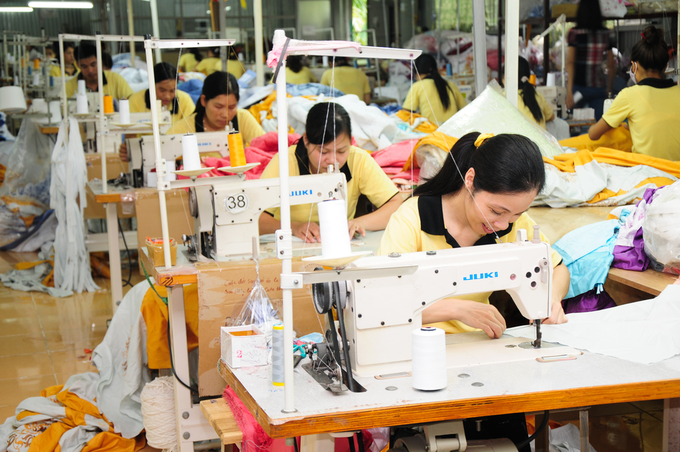
    A fire ripped through a fabric storage facility at YTC Corporation’s garment factory in Cambodia’s Kampong Speu province, destroying the building and 150 sewing machines. The site shipped apparel to multinational retailers including Gap Inc as recently as January.

    Emergency crews deployed 10 fire engines, 107 personnel and 61 truckloads of water over five hours to stop the flames from spreading across the industrial compound. No injuries were reported, though the primary storage building was lost.

    Disruption Hits Cambodian Apparel Hub

    The facility in Kampong Speu forms part of Cambodia’s export network for womenswear and children’s garments. Fabric stock and primary assembly hardware suffered heavy damage before municipal teams contained the blaze.

    Worker safety is the ministry’s top priority. Senior ministry officials, together with representatives of the provincial labor department and the National Social Security Fund, arrived at the scene immediately and coordinated with local authorities to facilitate workers’ evacuation from the factory and their safe return home, Sun Mesa, spokesman for the Ministry of Labour and Vocational Training, told local media. Police have not determined the cause of the ignition.

    Warehouse Fires in Gazipur

    Industrial disruptions extended to South Asia over the same weekend. In Bangladesh, fires struck two export operations in the manufacturing hub of Gazipur.

    Flames gutted a carton storage facility belonging to Supreme Stitch Limited, also operating as Supreme Garments. The blaze spread to a yarn warehouse owned by DBL Garments before nine firefighting units controlled the incident after three hours. The fire caused structural collapses in tin-shed units, though managers reported zero worker casualties.

    Supply Chain Volatility for Global Buyers

    The incidents hit suppliers at a time when apparel brands demand faster turnarounds and tighter audit compliance across Southeast and South Asia. For brands sourcing basic apparel across Phnom Penh and Dhaka, unexpected facility shutdowns trigger shipment delays and force immediate production reallocations.

    Replacement costs for machinery and lost textile inputs fall directly on local contract manufacturers already managing margin pressure. Factory operators face heightened scrutiny from regional safety inspectors and international audit teams assessing fire safety equipment and evacuation standards.

    Labor and Environmental Headwinds

    Operating conditions across Asian garment corridors face concurrent regulatory and environmental strains. In India, police in East Delhi arrested nine factory owners after freeing 19 minors working extended shifts in unlicensed garment and jewelry workshops in Gandhi Nagar.

    Climate pressures compound these workplace compliance challenges. International Labour Organization projections show heat stress risks stripping 145,000 full-time jobs in Sri Lanka even under a low-emissions pathway, and up to 6,100 positions in the Maldives under severe warming scenarios. In Kampong Speu, municipal investigators continue their inspection of the YTC Corporation site to clear debris and assess whether structural damage extends to adjacent production lines.

  • Dedicated Men’s Beauty Brands Grew 3% While Wider Market Rose 7%

    Dedicated Men’s Beauty Brands Grew 3% While Wider Market Rose 7%

    Dedicated men’s grooming brands expanded 3 percent globally across 57 countries, trailing the 7 percent growth recorded by the broader beauty and personal care industry, according to retail tracking data from NielsenIQ.

    The divergence emerges despite rising male interest in grooming. In its report The Permission Gap: The Global State of Male Beauty, NielsenIQ found that 36 percent of men say looking their best has become more important to them than five years ago, while 54 percent place greater value on aging well. However, average male household expenditure on personal care remains 28 percent lower than female spending.

    NielsenIQ tracked digital transactions through June 2026 across five European economies, the UK, France, Spain, Italy, and Germany, where men drove approximately 51 percent of online fragrance sales. Tara James Taylor, SVP, Global Beauty Personal Care Vertical at NielsenIQ, noted that brands focusing exclusively on gendered labeling risk missing broader consumer demand.

    India and Emerging Markets Lead Concern Over Appearance

    Attitudes toward personal grooming divide sharply along geographic lines. Concern about personal appearance peaks in developing consumer markets, led by India at 69 percent, Mexico at 63 percent, the United Arab Emirates at 57 percent, and Brazil at 51 percent.

    Developed Western economies register far lower engagement. Only 37 percent of American men, 22 percent of British men, and 17 percent of German men express similar concerns. In Australia, the United States, and Canada, male spending eclipses female spending in only two categories: shaving and fragrance. Across five European markets tracked through June 2026, men accounted for roughly 51 percent of digital fragrance transactions.

    Formulation Replaces Gendered Packaging on Digital Shelves

    Online purchasing data indicates male shoppers actively seek specific treatments rather than gendered marketing. Men increasingly select dermo-cosmetics and Korean beauty brands that emphasize active ingredients and functional outcomes, bypassing products bearing a dedicated male label.

    Sales figures from ten Western European markets reveal dedicated male skincare lines were flat over the past year, while gender-neutral alternatives grew 7 percent. Generational habits reinforce the shift away from conventional branding. Millennial men at 42 percent and Gen Z men at 40 percent view grooming choices as an extension of individual identity, compared to 28 percent of baby boomers.

    Merchandising Risks Mount for Traditional Grooming Brands

    Department stores and health-and-beauty chains face a realigning shelf allocation problem. Brand owners that package identical moisturizer formulas in black or gunmetal-grey bottles risk missing the larger pool of male spenders browsing core skincare fixtures. Retail buyers in Asian hubs who reallocate shelf space from standalone men’s sections to functional K-beauty and clinical ranges stand to capture higher basket values.

    The pressure falls hardest on legacy fast-moving consumer goods suppliers reliant on mass-market men’s ranges. If male consumers continue purchasing active treatments from mainstream skincare fixtures, dedicated sub-brands face diminishing retail footprint and margin compression.

    Brands that focus only on products labeled ‘for men’ may overlook shoppers and opportunities across the wider beauty market

    Tara James Taylor, senior vice president of the global beauty personal care vertical at NielsenIQ, warned that narrow segmentation limits growth.

    Tracking Cross-Category Basket Conversion

    Department store groups and specialty beauty retailers throughout the Asia-Pacific region have spent several fiscal cycles testing segregated male grooming bars versus integrated displays. The latest spending figures provide concrete evidence that floor managers should dismantle isolated men’s corners in favor of functional signage that organizes products by skin concern.

    Retail buyers tracking the sector now look to holiday quarter checkout figures across Asian e-commerce platforms to measure whether male purchasing of ungendered serum and sunscreen lines outpaces traditional male gift sets.

  • Johor-Singapore Economic Zone Master Plan Launch Could Coincide with December Retreat

    Johor-Singapore Economic Zone Master Plan Launch Could Coincide with December Retreat

    The launch of the master plan for the Johor-Singapore Special Economic Zone could coincide with the two countries’ bilateral Annual Leaders’ Retreat scheduled for December 4. Malaysian Prime Minister Anwar Ibrahim and Singaporean Prime Minister Lawrence Wong have committed to witness the unveiling directly, while officials evaluate whether to hold the ceremony in Ipoh, Perak.

    The joint framework aims to bind Singaporean capital and logistics networks to southern Malaysia’s industrial land, labour pool, and consumer infrastructure. Malaysia’s Economy Minister Akmal Nasrullah Mohd Nasir discussed the arrangements following community events in Johor Bahru, noting that logistical plans for the retreat are currently under review.

    Bilateral Ministerial Committee Convenes

    Before the December summit, delegations from both countries will meet in Singapore on Monday. The session represents the first formal gathering under the new Johor-Singapore Cooperation Ministerial Committee structure.

    Akmal Nasrullah leads the Malaysian delegation alongside Johor Menteri Besar Onn Hafiz Ghazi. Singapore’s delegation is headed by National Development Minister Chee Hong Tat. The discussions will review progress on operational guidelines, customs protocols, and regulatory coordination across the border corridor.

    Implications for Cross-Border Commerce

    For retailers, logistics operators, and commercial developers, the formalisation of the economic zone reduces friction across the world’s busiest land border crossing. Speeding up the movement of goods and personnel alters warehousing strategy for consumer brands operating across Southeast Asia. Singapore-based distribution centres can decentralise fulfillment and inventory staging into Johor’s industrial parks without confronting previous administrative bottlenecks.

    Commercial real estate operators face immediate operational shifts. Cross-border commercial traffic will alter retail catchments in southern Johor, drawing Singaporean household expenditure while encouraging multinational brands to treat both territories as an integrated consumer market. The principal operational risk sits with customs integration and administrative execution, where differences in regulatory clearance speeds often delay freight flows.

    Regional Framework and Preceding Agreements

    The upcoming launch follows a preliminary memorandum of understanding signed earlier to align customs, immigration, and investment incentives across the boundary. Banking institutions and trade bodies have already begun positioning capital, including formal partnerships struck by regional lenders with Singaporean manufacturing federations to fund mid-tier cross-border expansion.

    Industrial clusters in locations such as Sedenak have also begun zoning parcels to accommodate data centres, advanced manufacturing, and regional supply chain hubs. These private sector agreements anticipate the concrete policy incentives expected in the December release.

    Key Dates to Watch

    Focus shifts immediately to the outcome of Monday’s bilateral ministerial talks in Singapore. Those discussions will determine the specific administrative provisions submitted to Anwar and Wong ahead of the December 4 summit in Perak.

  • Nongfu Spring Brand Value Surges 38% to US$15.3 Billion

    Nongfu Spring Brand Value Surges 38% to US$15.3 Billion

    China’s Nongfu Spring expanded its brand value by 38 per cent to US$15.3bn in 2026, according to the Top 50 Non-Alcoholic Drinks report released this week by Brand Finance.

    The domestic drinks producer added US$4.24bn in value over the past year while US rival Pepsi shed US$5.74bn, falling to US$16.8bn from US$22.5bn in 2025.

    Coca-Cola held onto the top spot at US$46.1bn despite a US$243mn decline from its 2025 valuation. Nongfu Spring climbed from US$11.1bn in 2025, driven by strong demand across bottled water, ready-to-drink tea, and no-sugar drinks.

    Beyond absolute dollar value, the Chinese bottler surpassed Coca-Cola on underlying brand health metrics. Nongfu Spring recorded a Brand Strength Index score of 89.8 out of 100, earning an AAA+ rating. It stands as the only brand among the world’s top ten non-alcoholic beverage makers to retain that top-tier grade. Coca-Cola slipped from AAA+ to AAA, while Pepsi fell from AAA to AAA-.

    Eastroc Enters the Global Top Ten

    China’s presence among global beverage leaders widened further down the table. Eastroc claimed the tenth position globally with a brand value of US$4.99bn and an AAA brand rating.

    The functional drinks specialist lifted its valuation by 62 per cent from US$3.08bn in 2025. That jump followed a deliberate shift away from pure energy drink production into broader hydration categories, backed by export shipments into Southeast Asia, the Middle East, and the United States. Eastroc lifted its Brand Strength Index score to 85.4, up from 82.8 last year.

    Beyond its financial performance, Nongfu Spring has also overtaken Coca-Cola in terms of brand strength to become the strongest non-alcoholic drink brand in 2026, securing an impressive 89.8/100 BSI score.

    Western Incumbents Yield Ground in Asia

    The reordering reflects a structural operational challenge for Western soda giants across Asian retail shelves. For two decades, multinational conglomerates held distribution dominance by trading on universal brand recognition and bottling partnerships. Domestic Asian operators now build distribution routes that are faster and cheaper to run, leaning directly into consumer flight from high-sugar carbonated drinks.

    Retail buyers in primary Asian markets allocate refrigerator shelf space based on inventory turns. Unsweetened ready-to-drink teas and domestic electrolyte waters turn over faster than imported colas in modern trade. That shift pressures margin structures for Coca-Cola and PepsiCo bottlers, who face defensive price discounting to protect volume share against domestic rivals carrying lower production overheads.

    Shifting Consumer Formulations

    The valuation divergence deepens an earlier divide visible in 2025 trading results. While Coca-Cola preserved stability through its Zero Sugar product line, Pepsi absorbed volume contractions across multiple emerging territories as cost-conscious shoppers traded down to local alternatives.

    Nongfu Spring founder Zhong Shanshan countered price wars in mainland China by pairing basic hydration items with higher-margin functional teas. The strategy allowed the producer to absorb retail price deflation while pulling revenue growth out of adjacent categories. Competitor Eastroc mirrored this approach, using electrolyte formulations to establish quick traction in convenience chains across Southeast Asia.

    The test for Asian beverage operators shifts to their overseas balance sheets. Eastroc faces rising marketing costs as it scales shelf distribution in North American and Middle Eastern retail stores, where local listing fees squeeze working capital. Nongfu Spring must protect its mainland operating margins against retail price discounting as competitors prepare their upcoming summer product runs.

  • Asia Pacific Takes 34 per Cent Share as Social Commerce Surges Toward 2.7 Trillion Dollars

    Asia Pacific Takes 34 per Cent Share as Social Commerce Surges Toward 2.7 Trillion Dollars

    Social commerce spending reached 2.11 trillion dollars in 2026, with Asia-Pacific accounting for 34.15 per cent of global turnover as live video selling consolidated its base across China and Southeast Asia.

    Worldwide sales through social networks will reach 2.72 trillion dollars in 2027 and expand at a compound annual rate of 28.45 per cent through 2032 to hit 9.51 trillion dollars, according to industry market projections.

    Smartphones generated 91.82 per cent of all social transactions in 2026. Video commerce proved the single largest sales format, commanding 42.62 per cent of platform revenue. Business-to-consumer storefronts took 54.79 per cent of total turnover, while consumer-to-consumer resale gained ground as the quickest expanding segment with an expected annual expansion rate of 33.1 per cent through 2032.

    Southeast Asia Ties Video Direct to Payment Rails

    In-app checkouts across Southeast Asia depend on integrations with domestic banking systems. TikTok Shop activated direct video shopping across Indonesia, Malaysia, the Philippines, Singapore, Thailand, and Vietnam, relying on settled checkout behavior to lift transaction sizes.

    Malaysia logged 18.4 billion electronic payment transactions in 2025, up 25 per cent year over year across bank cards, e-money, FPX, and DuitNow wallets. TikTok Shop Malaysia reported that live broadcasts and short video feeds each generated roughly one-third of its total gross merchandise volume in 2026. Rather than relying entirely on marathon livestreams, the platform draws steady volume from recorded clips linked directly to product listings.

    Apparel captured 27.2 per cent of overall social transactions in 2026, though beauty and personal care expanded fastest with a projected 32.5 per cent annual growth rate through 2032. For fast-moving consumer goods sold via TikTok Shop Europe, personal care products constituted 41 per cent of value sales in the year ending March 29, 2026.

    China Livestream Operators Tap Direct Retail Stock

    China retained the deepest social commerce footprint, where physical goods purchased online represented 26.1 per cent of all retail sales of consumer goods in 2025. The country recorded 660 million live-commerce users that same year, while transaction values across livestream platforms rose more than 10 per cent.

    Operating live broadcasts in China now functions as an inventory clearing engine tied directly to central retail supply chains. Alibaba Group ran livestream operations across Taobao and Tmall during the 2025 mid-year 6.18 shopping event, while PDD Holdings lifted third-party merchant services revenue by 9.7 per cent in 2025 through group buying on Pinduoduo. Because quarter of consumer retail already moves digitally across Chinese cities, livestream studios rely on direct merchant enterprise resource software rather than third-party affiliate middlemen to fulfill bulk volumes.

    In India, direct sellers moved conversational trade into WhatsApp and mobile messaging applications during fiscal 2025. Flipkart Group set plans in June 2026 to bring creator merchandising across Instagram following an earlier rollout on Facebook, pushing catalogue-linked video across Meta platforms.

    Margin Squeeze Shifts Focus to Fulfillment and Ads

    Customer acquisition costs on mature platforms are putting pressure on merchant margins. Meta reported a 12 per cent year-over-year increase in its global average ad price during the second quarter of 2026, with ad prices in the United States and Canada climbing 20 per cent.

    Rising ad rates penalize sellers whose stores fail to convert first-time viewers into immediate checkouts. Operating costs also diverge sharply at the warehouse door. Merchants utilizing TikTok Shop fulfillment services in Britain face tiered holding expenses based on item volume, storage duration, and weight, transforming inventory dwell time into an immediate cash drag even when affiliate commissions are payable only after a completed purchase.

    For established consumer brands, social media operates as a parallel sales outlet rather than an exclusive home. Hairbrush brand Wet Brush restarted direct online sales in the United States in September 2025 and launched a storefront on TikTok Shop, preserving shelf space in traditional retail chains while funding dedicated social media inventory.

    Privacy Barriers and Platform Scrubbing Tighten Rules

    Regulatory mandates across Asian and Western trade hubs are restricting how platforms process customer purchase trails. Singapore enforces consent baselines under its Personal Data Protection Act, limiting unauthorized merchant data sharing, while the European Union Digital Markets Act limits gatekeepers from combining cross-service customer profiles without explicit consent.

    Operating requirements are hardening in mainland China. The State Administration for Market Regulation and the Cyberspace Administration of China introduced updated livestream-commerce measures on February 1, 2026, requiring platform operators to verify host identities, preserve risk logs, and track all transaction records.

    China closed public consultations on its revised draft E-Commerce Law on August 4, 2026, locking in statutory obligations for marketplace hosts. Retailers across the region now face tighter platform record audits as authorities scrutinize livestream promotions and merchant claims.

  • Nexeon Secures £100 Million for Silicon Battery Expansion

    Nexeon Secures £100 Million for Silicon Battery Expansion

    British battery developer Nexeon has raised 100 million pounds in new funding, securing capital from the UK National Wealth Fund, Korea Development Bank and Honda Xcelerator Ventures to scale its silicon anode technology.

    The package includes 52.6 million pounds from Britain’s newly constituted National Wealth Fund, with the remaining capital supplied by the Japanese automaker and the state-backed South Korean lender.

    The investment will finance a UK pilot production plant and expand an advanced manufacturing unit for the Oxfordshire-based group. The group develops silicon-based anode materials for lithium-ion cells designed to lift energy density, shorten charging times and increase electric vehicle range.

    Financing East Asian Battery Production

    While the new state money finances pilot capacity in England, Nexeon already runs its primary industrial footprint out of Gunsan, South Korea. Honda backed the business in May 2026 through Honda Xcelerator Ventures to accelerate commercial production at that Gunsan plant, ensuring direct ties into East Asian vehicle manufacturing.

    Production at the Gunsan facility centers on silicon-carbon composite materials manufactured at commercial volume. Panasonic agreed in 2023 to purchase anode supplies from the Gunsan plant to feed lithium-ion battery cells manufactured at its massive cell assembly site in Kansas in the United States.

    Automakers Take Direct Component Stakes

    Securing Korea Development Bank as an equity backer alongside Honda gives Nexeon institutional protection inside the world’s most concentrated battery manufacturing hub. South Korean cell makers and Japanese auto groups face mounting pressure to break reliance on mainland Chinese graphite supply lines, which face export controls and domestic processing bottlenecks.

    Investing directly in upstream chemical developers cuts out middle-tier intermediaries for automotive groups. Honda avoids spot-market premiums on advanced cell chemistries by taking equity directly in materials suppliers, mirroring similar bets by regional peers looking to lock down raw-material allocations well before commercial rollouts.

    The British National Wealth Fund operates with a 27.8 billion pound mandate to channel private and state capital into clean energy and critical supply chains, aiming to mobilize 100 billion pounds in overall investment by 2031. Oliver Holbourn, chief executive officer of the fund, confirmed the vehicle is backing advanced battery technology to assemble domestic manufacturing networks alongside foreign partners.

    “This investment is a strong endorsement of Nexeon’s technology and our role in enabling the next generation of lithium-ion batteries.”

    Tracking Pilot Output and Commercial Volume

    Nexeon previously operated primarily as an intellectual property and testing outfit before breaking ground on its Korean production lines. The company must now prove its pilot equipment in the UK can mirror the yield rates of its full-scale Gunsan lines without inflating unit costs.

    Execution risk sits in the yield curves. Silicon tends to swell and contract during charge cycles, degrading cell lifespan unless manufacturing tolerances remain exceptionally tight during chemical compounding.

    Panasonic’s Kansas factory remains the primary operational benchmark for Nexeon, where volume deliveries of silicon-carbon material will reveal whether the Oxfordshire-engineered chemistry withstands real-world commercial scale.

  • Zhang Yiming Tops China Wealth List with Nearly $100 Billion Fortune

    Zhang Yiming Tops China Wealth List with Nearly $100 Billion Fortune

    ByteDance founder Zhang Yiming has regained the top spot on China’s wealth ranking with a fortune of nearly US$100 billion, driven by artificial intelligence deployment across his consumer technology empire.

    His net worth surged 43 percent over the past year, displacing bottled water magnate Zhong Shanshan after consumer goods company Nongfu Spring saw its founder’s valuation drop 23 percent to $61 billion.

    The annual Hurun China Rich List, published Tuesday by the Shanghai-based Hurun Research Institute, tracked 1,529 individuals holding fortunes above 5 billion yuan ($750 million) as of Sept. 1. Mainland real estate operators dropped entirely out of the top 100 ranks, completing a decadelong transformation in the engines driving Chinese capital.

    Artificial Intelligence Reshapes Top Ranks

    About 160 individuals on the roster, roughly 10 percent of the total cohort, generated their primary wealth through artificial intelligence applications and foundational hardware. ByteDance accelerated that momentum through consumer-facing tools, deploying the Doubao chatbot into China’s most active automated assistant alongside video-generation software Seedance.

    Newer entrants took immediate command of the top ten. DeepSeek founder Liang Wenfeng, 41, entered the ranking at seventh position with $41.7 billion. Chen Tianshi of semiconductor designer Cambricon Technologies broke into the top 10 for the first time with $30.5 billion, climbing 14 percent.

    Both men now share the distinction of being the youngest self-made entrepreneurs inside the top tier. Zhang, 43, previously held that position.

    Consumer Tech and Hardware Displace Real Estate

    Traditional manufacturing and tech heavyweights shuffled positions behind the top two. Contemporary Amperex Technology founder Robin Zeng Yuqun took third place at $57.3 billion, advancing 17 percent as energy storage demand expanded. Tencent founder Pony Ma Huateng slipped to fourth after his holdings dropped 26 percent to $51.5 billion.

    Appliance manufacturer Midea lifted co-founder He Xiangjian into fifth place. He displaced Xiaomi founder Lei Jun, whose personal valuation dropped by roughly half following market volatility across consumer device lines.

    Hurun Report chairman and chief researcher Rupert Hoogewerf documented the disappearance of residential real estate developers, who accounted for one-third of the top 100 a decade ago. Mainland property names vacated the elite threshold, leaving traditional landlord representation almost solely to established Hong Kong dynasties.

    Today, for the first time ever, not a single mainland property developer remains in the Top 100, the only property names left at the top are the Hong Kong landlord families

    Shifting Capital for Retail and Commercial Operators

    For Asian retail brands and commercial operators, the complete exit of mainland developers marks an irreversible shift in balance-sheet power. Shopping mall construction and commercial master leases across top-tier Chinese cities no longer lean on aggressive land-banking syndicates. Capital flows instead follow software ecosystems, high-efficiency appliances, and hardware components.

    Retail brands across Asia-Pacific face direct exposure to this realigned influence. ByteDance, Tencent, and hardware players dictate consumer acquisition costs and social commerce funnels, leaving commercial landlords with diminishing use over brand tenants. Commercial real estate in Greater China now answers to digital platform power rather than physical site scarcity.

    Hong Kong real estate magnate Li Ka Shing, 98, alongside his son Victor Li Tzar-kuoi, retained a presence in the upper tier with $37.6 billion, up 8 percent. Their persistence reflects mature, diversified infrastructure holding models that survived the residential developer debt unraveling on the mainland.

    The Long Unwind of Property Fortunes

    The transition began after regulatory tightening dismantled debt-fueled expansion strategies among mainland developers. Wealth figures tumbled over multiple assessment cycles, dragging property founders off the boards as credit channels dried up and homebuyer transactions slumped.

    Zhang last held the top position in 2024 before brief market contractions reordered the roster. ByteDance expanded its global digital commerce revenue alongside domestic video and messaging traffic throughout the intervening period, shielding its equity value from regional property fallout.

    Commercial landlords and retail chains will watch ByteDance’s commercial monetization pacing across Doubao and enterprise AI tools in the coming quarters, alongside Nongfu Spring’s ability to protect core beverage shelf pricing against domestic discounters.

  • Six Brazilian Ingredient Makers Join In-cosmetics Asia in Bangkok

    Six Brazilian Ingredient Makers Join In-cosmetics Asia in Bangkok

    Six Brazilian beauty and personal care ingredient companies will participate in the 2026 edition of the in-cosmetics Asia trade show in Bangkok, Thailand, from November 3 to 5.

    Beautycare Brazil, an internationalization program developed by the Brazilian Association of the Personal Hygiene, Perfumery and Cosmetics Industry (ABIHPEC) alongside the Brazilian Trade and Investment Promotion Agency (ApexBrasil), coordinated the group.

    The delegation features 100% Amazonia Ingredientes, Bielus Ingredientes, Granatum Ingredients, Kaapi, NanoScoping and Plantus Indústria, with the suppliers seeking to expand business connections across the Asia-Pacific region.

    Targeting Southeast Asian formulators

    The Bangkok event serves as the primary regional sourcing hub for personal care chemicals, raw materials and lab services. The Brazilian trade delegation wants to recruit local distributors across Southeast Asia and sell directly to regional brand owners that manufacture skin and haircare lines.

    Competition across Southeast Asian contract manufacturing is intensifying as local brands seek differentiation through botanical actives and proprietary formulations. Brazilian exporters face established European and Japanese specialty chemical houses that already run local technical application centers in Thailand.

    “Returning to in-cosmetics Asia is an important step in our internationalization strategy. Southeast Asia stands out as a dynamic region with significant growth prospects in the CT&F sector, driven by demand for innovation, high-performance ingredients and natural and sustainable solutions. The 2026 edition offers an opportunity to expand business connections, access new markets and strengthen the positioning of Brazil’s ingredients industry among manufacturers, formulators and buyers across the Asia-Pacific region.”

    Supply chain friction and freight costs

    Securing shelf space in Asian manufacturing facilities requires more than certified bio-actives. Long shipping routes between South America and Southeast Asian ports leave ingredient buyers vulnerable to inventory bottlenecks and currency swings.

    Importers in Thailand and neighboring markets generally favor suppliers that can maintain localized buffer stock. To win recurring contracts against Asian domestic producers, these Brazilian suppliers must prove consistent batch quality and reliable shipping timelines.

    The push into Asia-Pacific markets

    Brazilian cosmetics trade groups previously concentrated export development on other regions, where demand for Amazonian botanicals first took root. Slower volume growth in Western markets pushed trade organizers to allocate budget toward Asian distribution networks.

    Regional formulators convene in Bangkok on November 3, when the six suppliers begin scheduled meetings with commercial distributors and contract manufacturing chemists.