Retail News CRM

Blog

  • Emirates SkyCargo Boosts Freight Services in East and Southeast Asia Amid Rising Demand

    Emirates SkyCargo Boosts Freight Services in East and Southeast Asia Amid Rising Demand

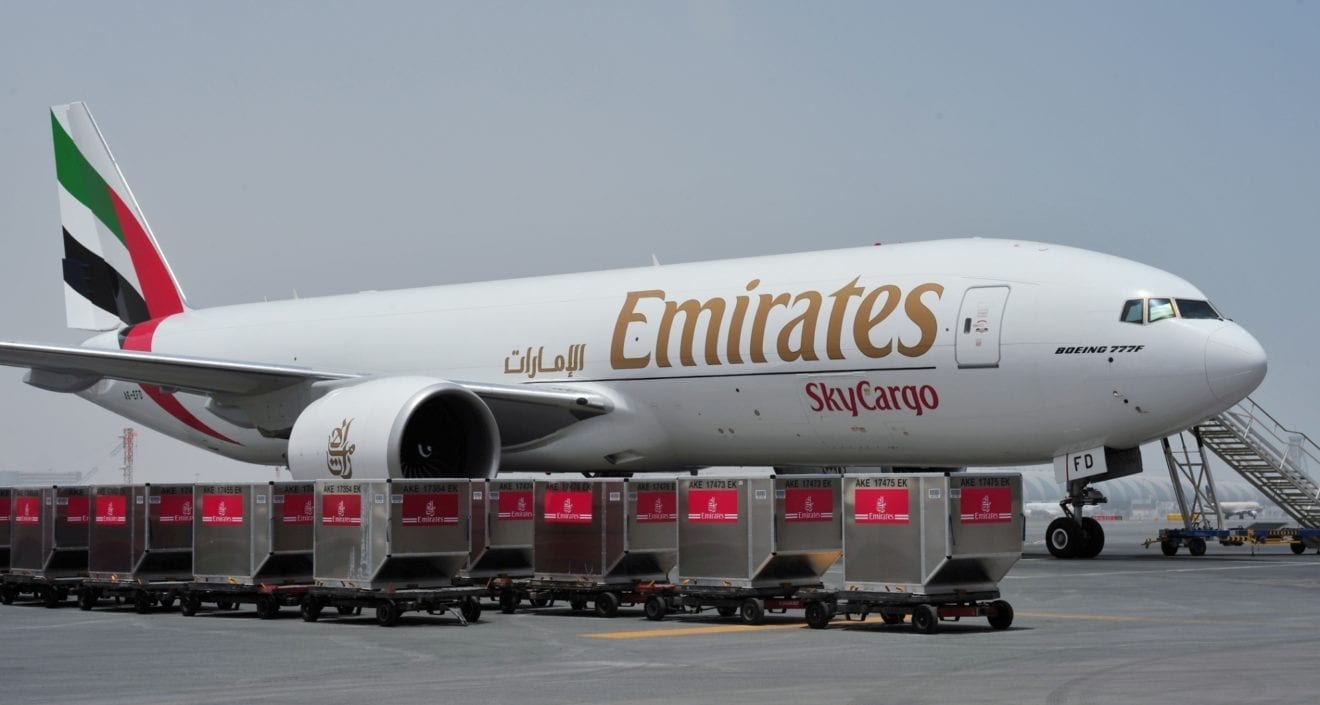
    Emirates SkyCargo, the air cargo carrier, has unveiled a strategic expansion plan for its freight services throughout East and Southeast Asia. The move is aimed at enhancing the cargo flight frequencies and destinations to meet the increasing demand. Businesses and manufacturers in East and Southeast Asia are seeking comprehensive connections to rapidly and securely transport their goods to high-demand markets in the Middle East, Africa, Europe, and the Americas.

    Facilitating International Trade

    In the FY 25/26, Emirates SkyCargo transported over 439,000 tonnes of cargo via its freighter and passenger flights from 12 markets in East and Southeast Asia. This reflects a 5% increase in cargo tonnage compared to FY24/25, illustrating the thriving demand from businesses and exporters to transport goods across the globe.

    Badr Abbas, Divisional Senior Vice President at Emirates SkyCargo, highlighted the importance of East and Southeast Asia as global manufacturing epicentres. They contribute significantly to the production of high-tech goods, export of perishables, and are a significant origin for global e-commerce flows. He added that by increasing the number of freighter flights and expanding their freighter services, they provide rapid connectivity to ensure swift and safe cargo transportation to customers worldwide.

    Expansion of Freighter Flights

    Emirates SkyCargo plans to double its freighter capacity to Narita Airport in Tokyo, increasing from one to two weekly freighter flights. This expansion will cater to Japan’s robust manufacturing industry, spanning diverse sectors like automotive, electronics, and pharmaceuticals.

    The carrier is also escalating its flights to Hong Kong to 37 weekly freighter flights, offering maximum flexibility and choice to customers in this export-led economic corridor. Moreover, Emirates SkyCargo has broadened its reach into Central China with three weekly flights from Zhengzhou, linking the industrial hub of Henan province to Dubai and other destinations.

    The carrier has also resumed its freighter flights from Singapore, with a weekly flight connecting to Dubai via Mumbai. This forms a vital trade lane across Asia. Furthermore, Emirates SkyCargo plans to double its footprint in Taiwan, enhancing its service from one weekly to twice-weekly freighters to Taipei, to meet the increasing demand for high-tech electronic cargo movement.

    Questions & Answers

    What is the main aim of Emirates SkyCargo’s expansion in East and Southeast Asia?
    The primary objective is to increase the freighter flight frequencies and destinations to meet the surging demand for rapid and secure transportation of goods to high-demand markets.

    How is Emirates SkyCargo responding to the demand in Japan’s manufacturing industry?
    The company plans to double its freighter capacity to Narita Airport in Tokyo, thereby catering to diverse sectors in Japan’s robust manufacturing industry.

    What new development has taken place regarding Emirates SkyCargo’s operation in Taiwan?
    Emirates SkyCargo intends to double its footprint in Taiwan, increasing its service from one weekly to twice-weekly freighters to Taipei, to meet the rising demand for high-tech electronic cargo movement.

  • IndiaMart Boosts Spend on AI Solutions, Battling Bogus Listings and Ushering in Enhanced Content Checks

    IndiaMart Boosts Spend on AI Solutions, Battling Bogus Listings and Ushering in Enhanced Content Checks

    IndiaMart, a leading online marketplace in India, intends to significantly boost its investment in artificial intelligence (AI) technologies. The company has announced plans to double spending on AI tools every six months with an aim of mitigating false listings and enhancing content checks, according to a top executive.

    The e-commerce platform operates as a conduit connecting buyers and sellers across a diverse array of categories, including everything from phone accessories and garden equipment to pharmaceuticals and industrial machinery. Unlike many online marketplaces, IndiaMart does not generally oversee the transactions that take place between its users.

    AI to Reinforce Integrity

    To bolster the authenticity and integrity of its platform, IndiaMart has begun utilising AI technologies to detect potential fraudulent accounts through pattern analysis across seller profiles. In addition, the company has introduced real-time voice-to-text tools to expedite processing of buyer requests, tasks previously carried out by call centre staff. This information was shared by Amarinder S Dhaliwal, Chief Product Officer of IndiaMart.

    The issue of counterfeit listings has been a long-standing challenge for the company. In fact, IndiaMart was mentioned in the 2022 ‘Notorious Markets’ list released by the US Trade Representative, which highlighted the issue of counterfeit goods on the platform as a significant concern.

    To combat this, IndiaMart is focusing on the development of AI tools. The company is both creating some of these tools internally and also partnering with external AI firms to tackle the issue.

    Investing in AI

    IndiaMart has been judicious in its approach to AI investment, and has not disclosed its specific budget for this. For context, the company’s total expenses for technology and content in fiscal 2026 amounted to approximately 2.26 billion rupees (US$23.94 million).

    According to Dhaliwal, content on IndiaMart can be classified into two categories: supplier contamination, which refers to sellers with malicious intent infiltrating the platform, and harmful listings, such as drugs or firearms. He noted that AI tools have been instrumental in improving the filtering of such harmful content.

    As of now, IndiaMart facilitates roughly 600 buyer-supplier matches every minute and attracts around 90 million visitors each month. With a current roster of about 220,000 sellers and a buyer conversion rate of nearly 45 per cent, the company is aiming for an ambitious target of hosting 1 million sellers.

    Questions & Answers

    How is IndiaMart using AI to enhance its platform?
    IndiaMart is investing in AI to detect potential fraudulent accounts and accelerate the processing of buyer requests. It’s also using AI to filter out harmful content and counterfeit listings.

    What is the scale of IndiaMart’s operations?
    IndiaMart connects about 600 buyers and sellers every minute and attracts around 90 million visitors each month. It currently hosts approximately 220,000 sellers on its platform.

    What are the company’s future plans?
    IndiaMart intends to double its AI investment every six months to further improve its platform. The company is also aiming to eventually host 1 million sellers.

  • Apple’s Key Supplier Tata Boosts Security Measures Amid Dark Web Data Leak Investigation

    Apple’s Key Supplier Tata Boosts Security Measures Amid Dark Web Data Leak Investigation

    Tata Electronics, a primary supplier for tech giant Apple in India, has increased its internal security measures following a potential leak of confidential client files on the dark web, according to a source from Tata and two industry representatives.

    In response to the incident, Tata has engaged an international consultant to perform a forensic audit. The company has also reported the incident to the Indian government and its customer base. The source from Tata chose to remain anonymous due to the sensitive nature of the situation.

    The cybercrime group known as World Leaks claimed responsibility for uploading over 200,000 files onto the dark web. These files allegedly include design documents for components used by both Apple and Tesla, another of Tata’s clients. The authenticity of the data remains unverified.

    Tata acknowledged the occurrence of a “cybersecurity incident” but assured that its operations were not affected, without providing further details.

    In addition to Apple and Tesla, the leaked data is believed to include at least 16 files and folders from Taiwan Semiconductor Manufacturing Co (TSMC) and 23 from Qualcomm. Both companies supply parts for iPhones.

    Increased Security Measures

    Following the breach, Tata Electronics strengthened security protocols across all its facilities and offices. Remote access to sensitive internal tools, such as those used for placing purchase orders, was limited to a select group of employees. Prior to the incident, these tools were more accessible. The updated protocols apply across Tata Electronics and are not limited to specific factories.

    The investigation into the breach continues, with Apple’s security team reportedly collaborating closely with Tata. The security enhancements include stricter regulations for accessing Tata’s official network from outside the company’s premises.

    Implications for Tata and its Clients

    Tata Electronics, led by former Intel and Applied Materials executive Randhir Thakur, is a critical part of Apple’s strategy to expand iPhone production outside China. However, the breach poses a significant setback to Apple’s supply chain. Tata is also facing scrutiny over alleged farmland contamination near one of its iPhone parts plants in India.

    World Leaks claimed to have published more than 204,341 files containing Tata Electronics data, amounting to over 630.4 gigabytes. The exposed documents include purported “product reliability test” details of a TSMC component and mechanical specifications for a power management integrated circuit from Qualcomm.

    Despite the challenges, India is expected to manufacture 26% of the world’s iPhones by 2026, a significant increase from the 6% it produced four years ago, as reported by research firm Counterpoint.

    Questions & Answers

    How has Tata Electronics responded to the data breach?
    Tata Electronics has increased internal security measures, limited remote access to sensitive systems, and engaged an international consultant for a forensic audit.

    What does the leaked data purportedly contain?
    The data allegedly contains design documents from Apple and Tesla, and files from Taiwan Semiconductor Manufacturing Co and Qualcomm.

    What are the potential impacts of the breach on Tata and its clients?
    The breach could interrupt Apple’s supply chain and increase scrutiny on Tata, which is already facing allegations of farmland contamination in India.

  • Starbucks and Jay Chou Ignite the Summer with Fantasy Experience Across Asia-Pacific

    Starbucks and Jay Chou Ignite the Summer with Fantasy Experience Across Asia-Pacific

    In a creative move, Starbucks has teamed up with Mandopop sensation Jay Chou to introduce a unique ‘Fantasy’ Summer Experience throughout the Asia Pacific. This novel initiative includes exclusive beverages, limited-edition merchandise, and music-themed in-store experiences influenced by the superstar’s discography.

    The campaign kicked off in Taiwan on June 20 and will gradually unfold in Hong Kong, Macau, Malaysia, and Singapore at various points during the summer season.

    A Unique Blend of Music and Merchandise

    This one-of-a-kind partnership draws inspiration from Chou’s iconic ‘Fantasy’ musical universe. The collaboration features themed drinkware and lifestyle products, along with personalised beverage recommendations. These drink suggestions are based on the star’s favourite Starbucks drinks, offering customers the option to customize them to their preferences.

    Furthermore, select Starbucks locations will offer immersive experiences, such as music-inspired displays and creatively designed spaces. These interactive elements aim to highlight Chou’s unique artistic style and his enduring bond with his fanbase.

    Nancy Lo, Starbucks Asia Pacific’s VP of Product and Marketing, said, “Music and coffee both have a unique way of connecting people and transporting us to a particular memory in time. With this partnership with Jay Chou, we hope to celebrate those small, yet significant moments in our daily lives – like the pleasure of sipping a favourite drink or listening to a beloved song.”

    In further collaboration news, Starbucks and Jay Chou joined forces earlier in May to unveil a unique partnership in China. This venture introduced exclusive beverages and merchandise across more than 8,000 stores.

    Questions & Answers

    What is the ‘Fantasy’ Summer Experience?
    The ‘Fantasy’ Summer Experience is a unique initiative launched by Starbucks in collaboration with Mandopop star Jay Chou. It features exclusive beverages, limited-edition merchandise and music-themed in-store experiences influenced by Chou’s music.

    Where and when will the ‘Fantasy’ Summer Experience be available?
    The experience kicked off on June 20 in Taiwan and will gradually unfold in Hong Kong, Macau, Malaysia, and Singapore throughout the summer season.

    What does this partnership entail for Starbucks store guests?
    Customers will have access to customized beverages based on Jay Chou’s favorite Starbucks drinks, themed drinkware, lifestyle products, and immersive in-store experiences celebrating Chou’s unique artistic style.

  • Sa Sa International Skyrockets Profits by 160% with Boost in Online Sales Strategy

    Sa Sa International Skyrockets Profits by 160% with Boost in Online Sales Strategy

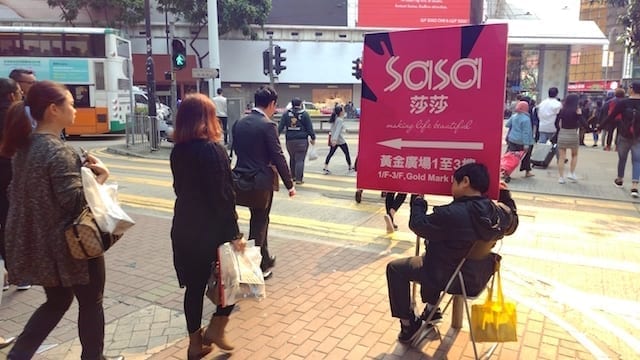
    Sa Sa International, a leading cosmetics retailer listed in Hong Kong, concluded the previous fiscal year with a significant boost in sales and profits. The company’s annual profit, which ended on March 31, witnessed an impressive growth of 160.5% amounting to HK$200.5 million (US$25.5 million). Additionally, the total turnover increased by 14.2% to HK$4.38 billion, while the gross profit augmented by 10.5% reaching HK$1.67 billion.

    A Remarkable Turnaround

    This remarkable financial performance reflects a complete shift from the previous year when the company experienced a 9.7% decrease in sales and a 64% drop in profits. The management attributes this achievement to an increase in regional operational efficiency. The company strategically shut down its physical operations in Mainland China, shifting its focus towards online sales and enhancing operations in its primary markets – Hong Kong and Macau.

    Hong Kong and Macau account for nearly 80% of the total turnover. Both markets registered a 16% growth in offline sales and a 20% rise in online sales, with the company operating 85 stores as of March 31. The markets also observed significant increases in the same-store sales, the number of transactions, the average sales per transaction, and the number of items per transaction, leading to a 62.7% surge in profits.

    In contrast, online sales in Mainland China experienced a slight dip of 5.4%. However, the closure of physical stores allowed Sa Sa to reallocate resources, resulting in a profit of HK$9.1 million within the year.

    Regional Performance and Future Prospects

    The Southeast Asia region, encompassing Singapore and Malaysia, increased offline sales by 9% and online sales by 40% across its 75 stores. However, the region suffered a loss of HK$14.8 million due to the escalating cost of living and macroeconomic challenges.

    Moving forward, Sa Sa aims to expand its footprint in high-traffic tourist districts and residential areas, with plans to open six to seven new stores in the first half of the new fiscal year. The company will also introduce measures to enhance product display and operational efficiency.

    In the first quarter ending on June 21, the company reported a 24% increase in turnover, marked by a 30.9% rise in offline sales and a 3.2% dip in online sales.

    Questions & Answers

    What growth did Sa Sa International experience in the last fiscal year?
    Sa Sa International saw a 160.5% increase in annual profit and a 14.2% increase in total turnover in the last fiscal year.

    How did the company’s operational shift affect its performance in Mainland China?
    After closing its physical stores in Mainland China, Sa Sa was able to reallocate resources, which contributed to a profit of HK$9.1 million in the year.

    What are Sa Sa’s future expansion plans?
    Sa Sa plans to further expand its presence in high-traffic tourist districts and residential areas, with the opening of six to seven new stores planned for the first half of the new fiscal year. The company will also implement measures to optimise product display and operational efficiency.

  • Miu Miu Expands Luxury Fashion Footprint with New Boutique at K11 Musea, Hong Kong

    Miu Miu Expands Luxury Fashion Footprint with New Boutique at K11 Musea, Hong Kong

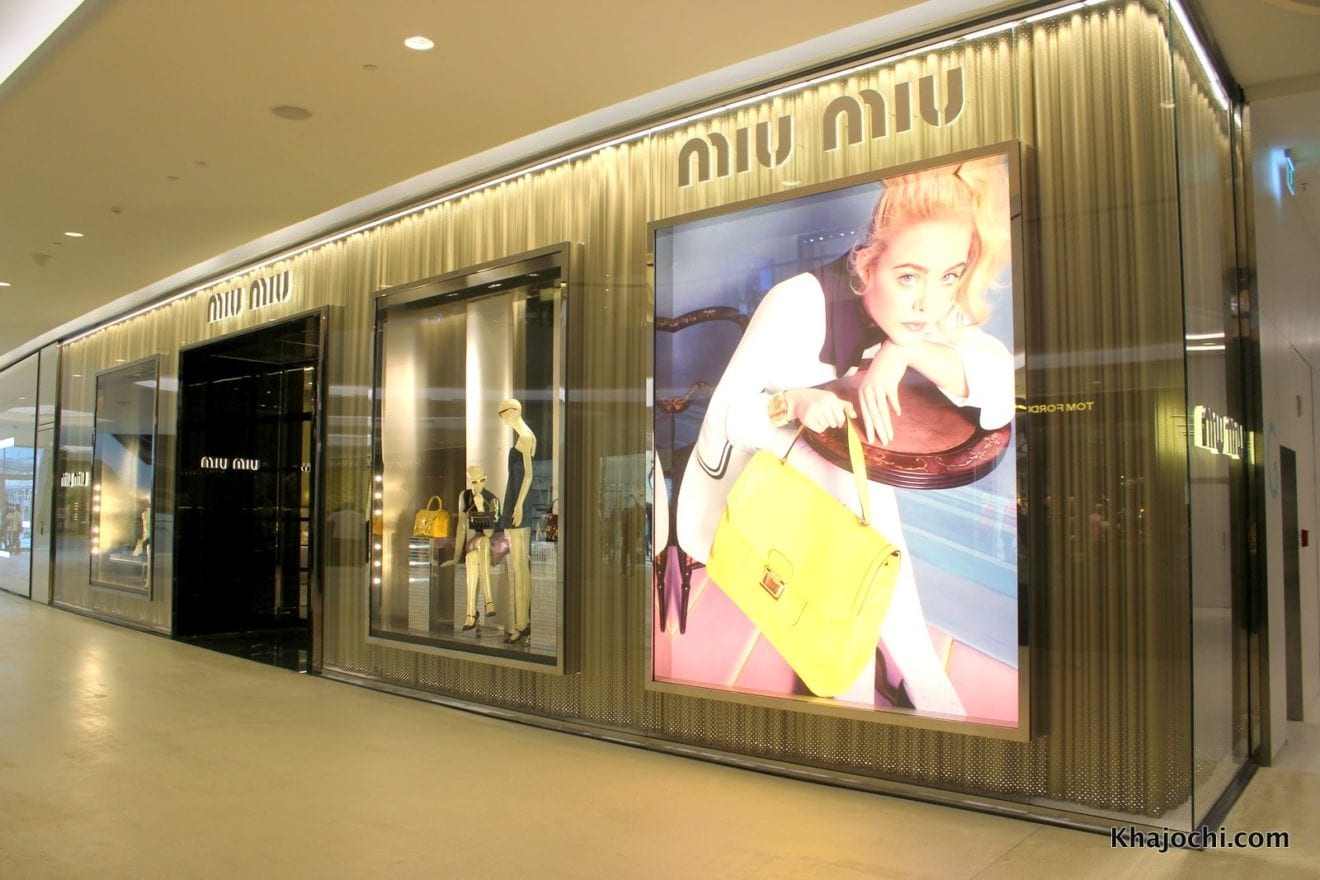
    High-end fashion house Miu Miu has inaugurated a new boutique in Hong Kong’s K11 Musea, further enhancing the luxury retail location’s high-grade fashion repertoire.

    The 161 square metre boutique showcases ready-to-wear collections, handbags, footwear and accessories, alongside Miu Miu’s L’Eté and Upcycled lines. The boutique also features a range of K11 Musea-exclusive styles, presented in a minimalist interior that boasts blue canvas walls, oak wood and limestone finishes.

    This new opening is part of the ongoing multi-stage refurbishment of K11 Musea that was announced earlier this year. This large-scale renovation has introduced over 60 luxury and premium brands while revamping more than 30 per cent of the mall’s retail space.

    Horace Lam, CEO of K11 Hong Kong, highlighted that Miu Miu’s addition aligns perfectly with the mall’s strategy of boosting its appeal to luxury shoppers through carefully curated brand experiences.

    “Miu Miu’s new boutique offers a sophisticated, design-oriented environment that resonates with our culturally discerning, luxury clientele who are in pursuit of immersive retail experiences,” said Lam.

    Additionally, Lam indicated that this latest opening is a testament to K11’s dual-mall strategy. K11 Musea is primarily focused on luxury retail, while the adjoining K11 Art Mall targets a younger demographic and recently welcomed Saucony’s first flagship in Hong Kong.

    “Collectively, these new additions underscore the complementary positioning of our portfolio in the vibrant Tsim Sha Tsui district: Two malls, two unique identities, both operating at close to full capacity with sustained growth in traffic and sales,” Lam further remarked.

    Questions & Answers

    What does the new Miu Miu boutique add to K11 Musea?
    The boutique enhances the mall’s luxury fashion offerings with its curated selection of ready-to-wear collections, handbags, footwear, and accessories, as well as exclusive styles only available at K11 Musea.

    How does the new Miu Miu store align with K11 Hong Kong’s strategy?
    The addition of Miu Miu aligns with K11’s strategy of attracting luxury shoppers through carefully curated brand experiences, thereby strengthening its appeal.

    What is K11’s dual-mall strategy?
    K11 operates two malls with distinct identities. K11 Musea focuses on luxury retail, while the neighbouring K11 Art Mall caters to younger consumers. Both malls are operating at near-full occupancy with continuous growth in traffic and sales.

  • Calvin Klein Amplifies Fashion Footprint in South Korea with New Seongsu Lifestyle Boutique

    Calvin Klein Amplifies Fashion Footprint in South Korea with New Seongsu Lifestyle Boutique

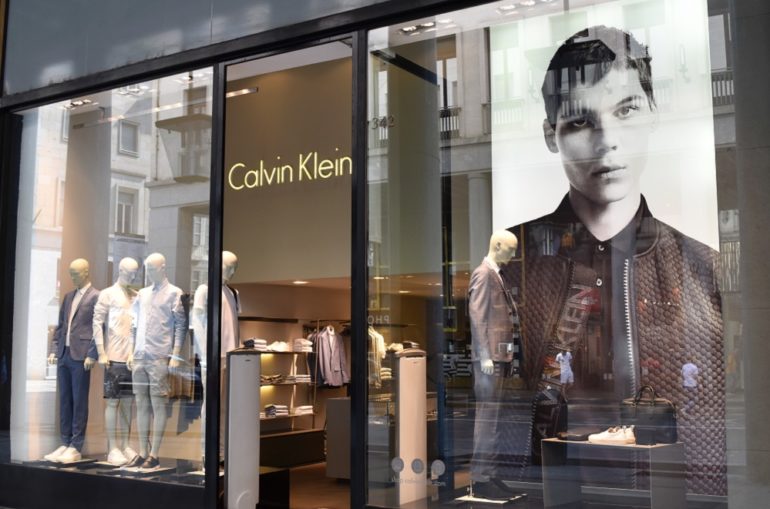
    Calvin Klein continues to solidify its footprint in South Korea with the recent opening of a chic lifestyle boutique in the stylish district of Seongsu, Seoul. The new outlet marries the sleek minimalism that is synonymous with Calvin Klein, with the industrial charm of the Seongsu neighborhood.

    The boutique, nestled in Seongdong-gu, gracefully spans three floors and cleverly integrates elements of the building’s original blueprint. An atrium breathes life into the space, which also boasts customized fixtures contributing to its unique aesthetic.

    A Shopping Experience Across Three Levels

    The boutique’s ground floor is a homage to Calvin Klein’s renowned denim collection. Here, shoppers can explore a variety of fits, fabrics, and the brand’s seasonal styles, promising something to suit every fashion-forward client.

    Moving to the second floor, Calvin Klein’s array of lingerie and underwear take the spotlight. This level also showcases the brand’s outerwear, knitwear, and accessory lines, as well as other seasonal collections, offering a comprehensive shopping experience for the discerning buyer.

    The boutique reserves its third floor for personal styling appointments, ensuring that customers receive a dedicated and personalized service to help them put together their perfect Calvin Klein ensemble.

    “We are thrilled to strengthen our brand’s presence in what is arguably one of Asia’s leading fashion and cultural hubs,” stated representatives from Calvin Klein.

    Questions & Answers

    What is unique about the new Calvin Klein boutique in Seongsu, Seoul?
    The new boutique blends Calvin Klein’s minimalist aesthetic with the industrial character of Seongsu. It spans three levels, each dedicated to different collections, and features an atrium and custom fixtures.

    What collections does the new boutique feature?
    The boutique showcases Calvin Klein’s popular denim and underwear collections. It also offers outerwear, knitwear, accessories, and other seasonal collections.

    What services does the boutique offer?
    In addition to showcasing Calvin Klein’s wide range of collections, the boutique offers personal styling appointments on the third floor. This service allows customers to receive personalized advice on creating their perfect Calvin Klein look.

  • Vuori Targets Chinas Fitness Boom: Plans to Triple Store Count in Aggressive Expansion

    Vuori Targets Chinas Fitness Boom: Plans to Triple Store Count in Aggressive Expansion

    California’s Vuori, an activewear brand, is reportedly putting China at the forefront of its global expansion strategy. The company’s intention is to expand its global store network more than twofold.

    China at the Heart of Vuori’s Expansion Plan

    In a recent interview, company president Ashley Kechter revealed that Vuori is planning to elevate its store count in China from eight to 20 by the close of next year, concentrating its growth in the cities of Shanghai and Beijing. This planned expansion is a key aspect of the retailer’s larger ambition to increase its worldwide store network to over 300 outlets by 2030, more than doubling its present reach.

    Vuori initially entered the Chinese market via Tmall in 2022, setting its sight on operating in 15 international markets by the year 2026. To date, Vuori operates eight stores in China. Furthermore, the brand commenced its operations in Shanghai with the inauguration of its first store in 2024.

    Global Expansion Beyond China

    Even beyond China, Vuori is hastening its expansion into other markets, including South Korea and the Middle East. This comes as China continues to rise as a pivotal arena for high-end activewear brands.

    In competition with brands such as Lululemon and Alo Yoga, Vuori is zeroing in on a market segment where younger consumers are increasingly focusing on health, fitness, and wellness. This shift is stoking the demand for athleisure products.

    Questions & Answers

    What is Vuori’s expansion plan?
    Vuori plans to increase its store count in China from eight to 20 by the end of the following year, primarily focusing on Beijing and Shanghai.

    What is Vuori’s long-term goal?
    The company’s long-term ambition is to expand its worldwide store network to over 300 outlets by 2030, more than doubling its current reach.

    What markets is Vuori targeting alongside China?
    Besides China, Vuori is also hastening its expansion into other markets such as South Korea and the Middle East.

  • Apple’s Leap of Faith: Intel Chip Deal Sparks Debate on Future of U.S. Chipmaking Industry

    Apple’s Leap of Faith: Intel Chip Deal Sparks Debate on Future of U.S. Chipmaking Industry

    Apple’s transition to Intel chips, as reported last week, displays a strategic move driven by necessity and ambition. However, industry experts suggest this is not a straightforward transition, as advanced Intel chips typically require two to three years to manufacture. Moreover, the translation of this shift into tangible benefits may take even longer due to the extensive and meticulous production process.

    This potential deal, which has not yet been officially confirmed by either party, could present a mutually beneficial opportunity. Intel has been striving to reestablish its reputation as a credible contract chipmaker, while Apple seeks additional manufacturing capacity. This comes in light of Apple’s current supplier, TSMC, grappling with increased Artificial Intelligence (AI) chip demand led by companies such as Nvidia.

    Supply issues have impacted iPhone sales, as Apple CEO Tim Cook noted in April. The prospective agreement with Intel aligns with the U.S strategy to bolster domestic chip manufacturing, using tariffs and incentives. Intel, holding a 10% stake in the company and having received a $5 billion investment from Nvidia on the request of President Donald Trump, is considered a critical player in this initiative.

    However, Malcolm Penn, CEO of chip research firm Future Horizons, offers a cautious perspective. “The very best-case scenario would see the first chips produced within two to three years. Designing an SoC (system on chip) of this complexity takes two years, with an additional four months needed for production cycle time to ramp up,” he explained. Penn underscores that this estimation is contingent on Intel’s technology being fully developed and its design tools sufficiently reliable for Apple to rely on. He termed the deal as “a shotgun wedding,” due to the high degree of faith and commercial risk involved.

    Intel’s Prospects with Apple

    Despite being late to the AI boom, Intel has made tentative strides, securing Tesla as a customer in April and potentially entering a significant partnership with Apple. Experts are split over which Intel manufacturing process Apple will select.

    While some predict Apple will follow Tesla onto Intel’s forthcoming 14A process, others foresee Apple prioritizing reliability over cutting-edge gains, potentially favoring 18A-P, a refined version of Intel’s most advanced process, or a reliable, older node such as Intel 3.

    Bob O’Donnell, an analyst at TECHnalysis Research, believes Apple might opt for Intel’s 14A process technology, expected to be available by 2028 or 2029. He notes that if this comes to fruition, it would mark a pivotal development for Intel’s foundry business and U.S-based semiconductor manufacturing more broadly.

    Turning Apple’s Vision into Reality

    Daniel Newman, CEO of tech research firm Futurum Group, suggests that the mass production of Apple-designed chips may not commence until late 2027 or early 2028. It is anticipated that initial efforts will concentrate on less critical components used in MacBook Air or certain iPad Pro models.

    Apple might adopt a cautious approach, initially testing Intel with lower-end products before entrusting them with their most essential chips, as per analysts. Intel, which has faced challenges with the timeline and quality of its chips, will need to meet Apple’s high yield expectations—a standard that TSMC has accustomed Apple to.

    Paul Meeks, head of tech research at Freedom Capital Markets, voices skepticism. “Investors are betting on flawless execution by Intel, a company that hasn’t delivered for about 20 years. While Intel seems to have made progress with its latest manufacturing process, we should all at least modestly discount a perfect outcome,” he warned.

    Questions & Answers

    What is the predicted timeline for the production of Intel chips for Apple?
    The best-case scenario predicts that the first chips could be produced within two to three years. However, the mass production of Apple-designed chips may not start until late 2027 or early 2028.

    What factors could impact this timeline?
    The timeline depends largely on whether Intel’s technology is fully developed and its design tools reliable enough for Apple to depend on. It is also contingent on Intel meeting Apple’s high yield expectations.

    What could be the implications of this shift for Apple and for U.S. semiconductor manufacturing?
    The shift could potentially provide Apple with the additional manufacturing capacity it seeks and help Intel rebuild its credibility as a contract chipmaker. If successful, it could also mark a significant development for U.S-based semiconductor manufacturing.

  • AS Watson Group Promotes Queennie Fung to Lead Global Corporate Communications

    AS Watson Group Promotes Queennie Fung to Lead Global Corporate Communications

    AS Watson Group, a leading global health and beauty retailer, has announced the promotion of Queennie Fung to the position of General Manager of Group Corporate Communications. In this role, Fung will be responsible for overseeing the company’s brand positioning, reputation management, and stakeholder engagement across its 31 markets worldwide.

    Professional Journey of Queennie Fung

    Queennie Fung joined AS Watson Group in 2014 and has since made notable advancements within the organization. Prior to her promotion, she served as the Head of Corporate Communications, a position she assumed in 2024. In this capacity, she successfully led integrated communications initiatives across various markets, working in close collaboration with numerous business units to ensure the delivery of consistent messaging.

    In addition to this, Fung has been at the forefront of several campaigns aimed at bolstering AS Watson Group’s brand presence and amplifying community engagement. Her strategic and impactful contributions have been instrumental in refining the group’s global communications strategy and enhancing relationships with customers, partners, and communities.

    Looking Ahead: AS Watson’s Global Vision

    Commenting on the promotion, Malina Ngai, Group CEO of AS Watson Group, emphasized Fung’s pivotal role in shaping the company’s communication strategy. Ngai expressed confidence in Fung’s leadership, envisaging her as instrumental in fostering a more integrated and purpose-driven brand across all markets.

    The decision to promote Fung is in line with AS Watson’s ongoing efforts to strengthen its global brand and stakeholder engagement across its international business divisions.

    Questions & Answers

    Who is Queennie Fung?
    Queennie Fung is the newly appointed General Manager of Group Corporate Communications for AS Watson Group. She joined the company in 2014 and has held various roles within the organization.

    What will be Fung’s responsibilities in her new role?
    As the General Manager of Group Corporate Communications, Fung will oversee AS Watson Group’s brand positioning, reputation management, and stakeholder engagement worldwide.

    What has been Fung’s contribution to AS Watson Group so far?
    Fung has played a critical role in shaping the company’s global communications strategy and strengthening its relationships with customers, partners, and communities. She has led integrated communications initiatives and driven campaigns to enhance the brand and boost community engagement.

  • Beijing Liyuan Shakes Up Beauty Industry: Eyes Exit from Shiseido China Venture

    Beijing Liyuan Shakes Up Beauty Industry: Eyes Exit from Shiseido China Venture

    Beijing Liyuan is said to be planning a sale of its 35% stake in its longstanding cosmetics joint venture with Japanese beauty firm Shiseido. This decision would conclude a partnership that has spanned more than thirty years.

    According to information available on the China Beijing Equity Exchange, Beijing Liyuan is looking for a minimum of RMB199.5 million (US$29.3 million) for its stake in Shiseido Liyuan Cosmetics.

    Details of the Proposed Sale

    Shiseido China Investment, which owns the remaining 65% of the joint venture, has confirmed the planned sale. However, they haven’t specified if they plan on acquiring the stake.

    Shiseido Liyuan Cosmetics was established in 1991 with a focus on developing products specifically for Chinese customers.

    Their leading brand, Aupres, was exclusively designed for the Chinese market. Over the years, this brand became a significant part of Shiseido’s local strategy as the company expanded its operations throughout the country.

    The proposed sale is still in progress and remains subject to completion. Both Beijing Liyuan and Shiseido have refrained from disclosing any additional details about the transaction.

    Questions & Answers

    What is the proposed sale price for Beijing Liyuan’s 35% stake in Shiseido Liyuan Cosmetics?
    Beijing Liyuan is seeking at least RMB199.5 million (US$29.3 million) for its stake in Shiseido Liyuan Cosmetics.

    Who owns the majority stake in Shiseido Liyuan Cosmetics?
    Shiseido China Investment owns the majority stake, holding 65% of the joint venture.

    What is the significance of the Aupres brand in Shiseido’s strategy?
    The Aupres brand, which was exclusively created for the Chinese market, became a cornerstone of Shiseido’s local business strategy as the company expanded its presence across China.

  • Golden Goose Leaps Forward: Chinese and Singaporean Investments Fuel Luxury Brands Global Expansion

    Golden Goose Leaps Forward: Chinese and Singaporean Investments Fuel Luxury Brands Global Expansion

    Italian luxury brand, Golden Goose, has recently gone through a significant change in ownership. A majority stake in the company is now held by Chinese private equity firm HSG, while Singapore’s investment firm, Temasek, has also joined as a minority shareholder. This move followed the necessary regulatory approvals, and while the financial specifics remain undisclosed, existing investor Permira has retained a minority stake.

    A New Chapter for Golden Goose

    The revamped ownership structure is poised to support the next phase of Golden Goose’s worldwide expansion, faithfully retaining the company’s focus on Italian craftsmanship and its direct-to-consumer retail model. Silvio Campara will maintain his position as CEO, managing the company in association with the existing management team. Effective immediately, former Gucci CEO, Marco Bizzarri has been appointed as the non-executive chairman of the company.

    Campara expressed his confidence in the new investors, stating that their vast experience in scaling international luxury brands and driving innovation will propel Golden Goose in achieving its global aspirations. He is anticipating benefiting from their expertise as they advance towards realizing their international ambitions and introducing Golden Goose to more “Dreamers” around the world.

    Campara added, “This investment is a testament to our unique model and the global appeal of our brand. It will aid us in unlocking Golden Goose’s full potential, establishing it as a leading Next Gen luxury brand.”

    Golden Goose’s Expansion over the Years

    Golden Goose has witnessed remarkable growth under the ownership of Permira, with its global retail presence now spanning 232 stores across Asia-Pacific, Europe, and the Americas. The brand has also boosted its direct-to-consumer business and invested in experiential retail concepts, including its signature in-store co-creation services, as it continues to expand its international presence.

    Questions & Answers

    What is the new ownership structure of Golden Goose?
    The luxury brand Golden Goose is now primarily owned by the Chinese private equity firm HSG, with Temasek, a Singaporean investment firm, and Permira as minority shareholders.

    Who will lead Golden Goose under the new ownership?
    Silvio Campara will continue to serve as CEO of Golden Goose, working alongside the existing management team. Marco Bizzarri, former Gucci CEO, has been appointed as the non-executive chairman.

    What are the future expansion plans of Golden Goose?
    Under the new ownership, Golden Goose plans to further expand its worldwide presence while maintaining its focus on Italian craftsmanship and its direct-to-consumer retail model. The company also plans to leverage the experience of its new investors to scale the brand and drive innovation.

  • Experience Luxury Dining: Tiffany & Cos Inaugural Blue Box Cafe in Southeast Asia to Open in Singapore

    Experience Luxury Dining: Tiffany & Cos Inaugural Blue Box Cafe in Southeast Asia to Open in Singapore

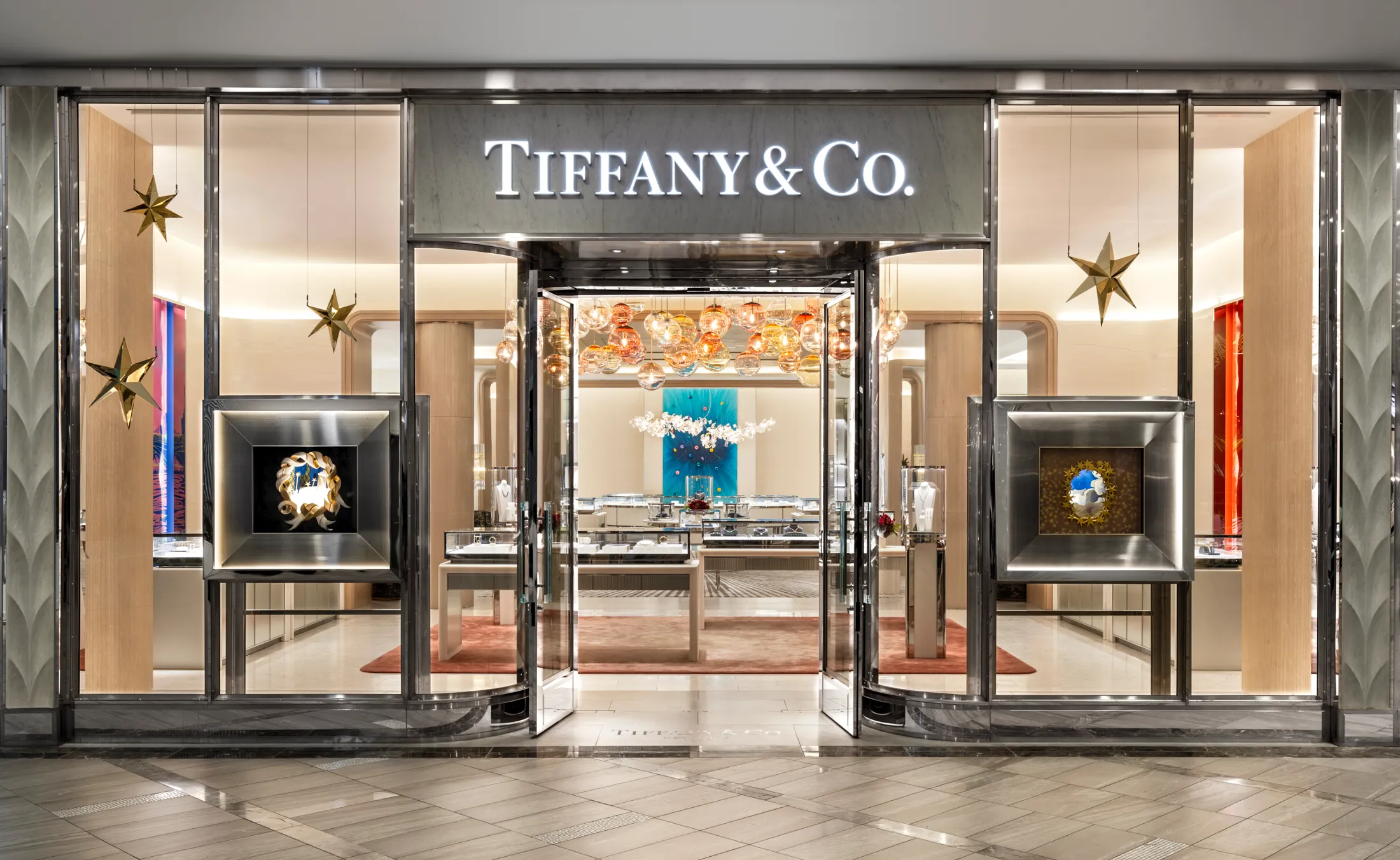
    Tiffany & Co, the prestigious luxury jeweller, announced their plans to launch their first-ever Blue Box Cafe in Southeast Asia. Set to make its debut in Singapore’s flagship store next month, this move is meant to elevate the brand’s presence within the region.

    Details of the Blue Box Cafe

    Slated to open its doors in mid-July, the Blue Box Cafe will take over the top floor of the recently revamped Ion Orchard store. Taking inspiration from its original New York-based Blue Box Cafe, the Singaporean outpost will boast an American-French menu. This gastronomic offering is the brainchild of Julien Royer, renowned chef and owner of Odette, a three-Michelin-starred restaurant.

    The Ion Orchard branch of Tiffany & Co has recently undergone a significant facelift and is now the only triplex boutique of the brand in Singapore. The store’s refurbishment began in September of the previous year. Its design shares similarities with Tiffany’s Landmark flagship store in New York, featuring a dynamic light installation by British architect, Hugh Dutton, gracing the store’s facade.

    Highlights of the Renovated Store

    This boutique not only houses the first Tiffany watch salon in Singapore, but it also encompasses private VIP suites, and the Schlumberger Gallery. This exclusive space showcases the works of notable jewellery designer, Jean Schlumberger.

    In addition to these offerings, the store also features artworks by ceramic artist Peter Lane and exhibits the Monumental Bronze-Mounted Vase. This historic masterpiece, created in 1898, is the work of Louis Comfort Tiffany, after whom the brand is named.

    Yeo Mui Hong, CEO of Orchard Turn Developments, expressed his pride in housing the first Blue Box Cafe in Southeast Asia at Ion Orchard. He affirmed the company’s commitment to enhancing the shopping experiences of its patrons and members. This introduction of the Blue Box Cafe follows the successful opening of a similar cafe earlier this year at Tiffany & Co’s Lee Gardens boutique in Hong Kong.

    Questions & Answers

    What is the Blue Box Cafe?
    The Blue Box Cafe is a dining concept by luxury jeweller Tiffany & Co. The cafe is designed to complement the shopping experience with a unique gastronomic offering.

    Where will the first Blue Box Cafe in Southeast Asia be located?
    The first Blue Box Cafe in Southeast Asia will be located on the top floor of the Tiffany & Co store in Ion Orchard, Singapore.

    What unique features does the renovated Ion Orchard store offer?
    The renovated Ion Orchard store houses Singapore’s first Tiffany Watch Salon, private VIP suites, and The Schlumberger Gallery, showcasing creations by jewellery designer Jean Schlumberger. It also features a kinetic light installation on its facade and several noteworthy art pieces.

  • French Fashion Sensation Marithé + François Girbaud Unveils First Flagship Store in Malaysia Amid Asian Expansion

    French Fashion Sensation Marithé + François Girbaud Unveils First Flagship Store in Malaysia Amid Asian Expansion

    French fashion brand, Marithé + François Girbaud, has made its debut in Malaysia with a flagship store at Suria KLCC. This move is part of the brand’s ongoing aggressive expansion in the Asian region.

    The new store, situated on the first level of the Kuala Lumpur shopping centre, features the brand’s latest retail concept. It focuses on casual wear marked with the company’s logo and introduces its new-season campaign spearheaded by global ambassador, Go Youn-jung.

    Signature Products and Range

    The store’s merchandise is defined by two iconic products: the brand’s logo T-shirt and logo cap. These are complimented by a diverse selection of casual denim, oversized shirts, utility outerwear, and everyday separates. To round off the retailer’s lifestyle offering, accessories such as bags and footwear are also available.

    Marithé + François Girbaud was established in France in 1972 and has a reputation for pioneering developments in denim and casual wear. This includes innovative fabric treatments and experimental silhouettes.

    Expansion in Southeast Asia

    The opening of the Malaysian store is the latest in a series of Southeast Asian launches, facilitated through the brand’s collaboration with Thailand-based Jaspal Group. The Jaspal Group has been spearheading Marithé + François Girbaud’s regional growth.

    Earlier in the year, the French label marked its entry into Vietnam with a store at Ho Chi Minh City’s Takashimaya department store. It also made its debut in Cambodia with a store in Phnom Penh.

    In the previous year, Marithé + François Girbaud opened its first store in Greater China, indicating its strategy to consolidate its retail presence in key Asian markets.

    Questions & Answers

    What is the latest retail concept of Marithé + François Girbaud?
    The latest retail concept of Marithé + François Girbaud focuses on casual wear marked with the company’s logo and the introduction of its new-season campaign.

    What are the signature products of Marithé + François Girbaud in their new store?
    The brand’s logo T-shirt and logo cap are the signature products in their new store, accompanied by a diverse selection of casual denim, oversized shirts, utility outerwear, and everyday separates.

    What is the expansion strategy of Marithé + François Girbaud in Asia?
    Their expansion strategy involves strengthening their retail presence in key Asian markets. This is evident in their recent store openings in Malaysia, Vietnam, Cambodia, and Greater China.

  • Versace in Search of New Leader as CEO Emmanuel Gintzburger Steps Down

    Versace in Search of New Leader as CEO Emmanuel Gintzburger Steps Down

    After nearly four years of guiding the iconic Italian luxury fashion house, Versace’s CEO, Emmanuel Gintzburger, has decided to step down from his role.

    A Leadership Transition at Versace

    Gintzburger took the reins at Versace in September 2022, following his tenure as the CEO of Alexander McQueen, where he served for approximately six years. Gintzburger also boasts an impressive resume with leadership roles at Saint Laurent, Jeanne Lanvin, and Sephora under his belt.

    His time at Versace was marked by significant changes, notably the brand’s acquisition by the Prada Group last year. The Group, another Italian luxury titan, purchased Versace in a significant transaction valued at US$1.375 billion from US-listed Capri Holdings, effectively “bringing the brand back home.”

    Subsequent to this acquisition, Lorenzo Bertelli, the Chief Marketing Officer at Prada Group, was appointed as the executive chair of Versace.

    The Future of Versace

    The Prada Group confirmed that Gintzburger’s resignation became effective on June 23, and assured that an announcement regarding his successor will be made when the time is right.

    Earlier this year, Versace named Pieter Mulier as the new chief creative officer, effective from July 1, replacing Dario Vitale, who had a brief stint with the company, departing in December.

    As Mulier prepares to unveil his debut collection for Versace next February, the company is working diligently to finalize its management team, which includes Bertelli and the forthcoming CEO. This is a critical step as the brand gears up for its next growth phase.

    Questions & Answers

    Who is the outgoing CEO of Versace?
    Emmanuel Gintzburger was the CEO of Versace, leading the company for nearly four years before announcing his resignation.

    Who acquired Versace recently?
    The Prada Group, an Italian luxury company, acquired Versace last year in a deal worth US$1.375 billion.

    Who is the new Chief Creative Officer for Versace?
    Pieter Mulier was named the new Chief Creative Officer for Versace, with his tenure starting from July 1.