Blog

  • Aldi Loses Appeal in Little Bellies Copycat Packaging Case

    Aldi Loses Appeal in Little Bellies Copycat Packaging Case

    Aldi has lost an appeal against Australian baby food maker Little Bellies over copyright infringement in its private-label snack packaging. An appellate court upheld the 2024 Federal Court ruling against the discounter. It also extended the infringement finding to cover additional products.

    At issue is the grocer’s Mamia toddler snack line, which copied packaging created by Little Bellies. Brothers Clive and Steven Sher founded the Australian snack business before expanding it across supermarket shelves.

    Expansion of the 2024 ruling

    Federal Court judges in 2024 found that three products in the Mamia range infringed Little Bellies’ design copyright. That verdict was a rare legal defeat for the retailer’s Australian packaging strategy.

    Judges dismissed the appeal and widened the scope of that finding. The extended ruling confirms Mamia’s visual similarities went beyond allowable category cues to breach copyright protections.

    Private-label scrutiny across the region

    Aldi built its global discount model on private-label goods that mimic market-leading national brands. Across the Asia-Pacific region, grocers often test the line between standard category cues and intellectual property infringement to win value-focused shoppers.

    The decision narrows legal leeway for store-brand lookalikes across grocery aisles. The court will now determine final orders and damages for the affected product lines.

  • Hong Kong Narrows Gap on London and New York in Global Financial Index

    Hong Kong Narrows Gap on London and New York in Global Financial Index

    Hong Kong is closing in on London and New York in global financial centre rankings, trailing the front-runner by just two points.

    In the March edition of the Global Financial Centres Index compiled by London think tank Z/Yen Group and the China Development Institute, Hong Kong placed third, one point behind London and two behind New York. Michael Mainelli, chairman of Z/Yen Group, said a structural shift toward Asia, which now commands roughly 40 per cent of global finance, will eventually push an Asian city into the top spot.

    Legal Stability and Fiscal Discipline

    Mainelli pointed to the territory’s common law framework and predictable tax structure as decisive factors against Western competitors. Government spending accounts for approximately 15 per cent of gross domestic product in Hong Kong, compared with 19 per cent in Singapore and more than 40 per cent across European economies.

    Survey results from the March index showed that financial institutions prize regulatory predictability above processing speed, cost flexibility, or tax adjustments. Mainelli warned that frequent policy revisions designed to match competitor incentives risk undermining investor confidence over the long term.

    Infrastructure and Physical Gold Assets

    Competition from mainland Chinese centres has not eroded Hong Kong’s standing. Shanghai held sixth place and Shenzhen ranked ninth in the same survey, functioning as feeder markets into Hong Kong rather than direct replacements.

    Physical trading logistics continue to expand across the territory. A centralized precious metals clearing and settlement system started trial operations in July, backed by plans to expand airport vault capacity beyond 2,000 tonnes.

    For corporate treasurers and commercial operators tracking regional capital flows, the steady ranking shows that Hong Kong retains its institutional pull despite regulatory friction across other international hubs. The next edition of the Global Financial Centres Index will be published later this month.

  • Chery-JLR Launches Freelander 8 in China Starting at 289,900 Yuan

    Chery-JLR Launches Freelander 8 in China Starting at 289,900 Yuan

    Chery and Jaguar Land Rover launched the Freelander 8 in China on Thursday, pricing the extended-range electric SUV from 289,900 yuan ($42,750) after incentives. The final entry sticker cuts 40,000 yuan from the pre-sales price announced in late August.

    Buyers can choose between five-seat and six-seat cabin layouts across Pro, Max and Max+ versions, which top out at 379,900 yuan. Six-seat configurations add 10,000 yuan to each trim. A flagship launch edition limited to 1,000 units and priced at 449,900 yuan sold out prior to the official debut.

    Powertrain and charging specs

    The 5.1-metre SUV runs on an 800-volt electrical architecture paired with a 60.3-kilowatt-hour ternary lithium battery from CATL, delivering 310 kilometres of pure electric range under China light-duty vehicle test cycle standards. A fast-charging cycle takes the pack from 20 per cent to 80 per cent in 12 minutes.

    A 1.5-litre turbocharged four-cylinder engine acts as a dedicated range extender for a dual-motor all-wheel-drive system. Output reaches 610 kilowatts (818 horsepower) and 813 Newton-metres of torque, driving the vehicle from zero to 100 kilometres per hour in 4.6 seconds. Standard chassis hardware includes dual-chamber air suspension, continuously variable dampers, and rear-wheel steering that delivers a 5.15-metre turning radius.

    Software and export plans

    Cabin systems operate on Qualcomm Snapdragon 8397 chips alongside a 46.3-inch 8K display and Huawei’s Qiankun ADS 5 driver-assistance platform. Higher trims add multi-channel roof LiDAR hardware for advanced automated navigation.

    Foreign automakers in China have steadily lost market share to domestic extended-range producers such as Li Auto and Seres. By turning JLR’s legacy Freelander badge into an electric sub-brand built on Chery platforms and Huawei software, the joint venture is attempting to hold premium territory without relying entirely on British engineering.

    Chery-JLR plans to introduce six Freelander models over the next five years. Initial exports start between late 2026 and early 2027, led by left-hand-drive shipments to the Middle East.

  • Intellisia Raises ₩3.4 Billion to Replace Consumer Panels with AI

    Intellisia Raises ₩3.4 Billion to Replace Consumer Panels with AI

    Intellisia has raised ₩3.4 billion ($2.5 million) in pre-Series A funding to scale its synthetic consumer research and retail simulation platform across Asia and North America. The round closed above its initial ₩3 billion target.

    Kakao Ventures led the investment, joined by Murex Partners, Capstone Partners, and founder Baek Seung-guk, who committed personal capital to the round. The Seoul-based company builds virtual consumer profiles trained on real-world purchasing data to answer product surveys, evaluate packaging, and simulate retail store behavior.

    Enterprise Traction and Accuracy Metrics

    Traditional consumer research takes weeks or months to recruit panels and return responses. Intellisia runs identical query sets through its platform, TheSurvey.ai, within hours. The company reports an average reproduction rate above 90 percent when testing its synthetic models against actual human survey results.

    That accuracy has converted pilots into commercial contracts across South Korea’s consumer sector. Intellisia has logged more than 200 project engagements, working with packaged food manufacturers CJ CheilJedang, Pulmuone, and Lotte Wellfood, as well as telecoms group LG Uplus, furniture maker Fursys Group, and convenience store operator BGF Retail. More than 60 percent of enterprise proof-of-concept trials converted into paid annual contracts.

    Baek previously co-founded content recommendation engine Dable, which scaled across seven Asian markets before selling to travel platform Yanolja in 2021. He founded Intellisia to apply similar predictive data modeling to consumer behavior testing.

    From Survey Panels to Store Twins

    Packaged goods manufacturers and retail chains across East Asia face compressed product lifecycles and rising sample recruitment costs. Using synthetic consumer cohorts allows brand managers to test dozens of packaging variations or pricing structures before committing physical inventory to supermarket shelves.

    Intellisia is now pushing beyond questionnaires into physical store simulation. The company is preparing trials for ParaStore, an AI digital twin platform where virtual shoppers interact with store layouts, shelf placements, and merchandising plans. BGF Retail, which operates South Korea’s CU convenience store chain, will test the system for store operations and category management.

    A commercial subscription-based software platform goes live in the fourth quarter of this year, followed by market launches in Japan and the United States next year.

  • Shopee Expands Local Fulfillment Network Across Southeast Asia and Taiwan

    Shopee Expands Local Fulfillment Network Across Southeast Asia and Taiwan

    Shopee is overhauling its logistics network across Southeast Asia and Taiwan. The push aims to cut transit times and protect delivery margins across its core marketplace.

    The Singapore-based platform, owned by Sea Group, uses a mix of in-house couriers, third-party fulfillment centers, and external delivery networks. These teams process merchant orders across multiple regional hubs.

    How the routing model operates

    Merchants use a split fulfillment model. They either ship directly from their own facilities or hold stock inside platform-managed hubs. Storing fast-moving inventory near dense urban areas cuts transit distance and speeds up dispatch. Automated systems then route each parcel to external couriers or internal fleets based on carrier capacity, pricing, and destination.

    Surges during promotional events like 11.11 and 12.12 test this setup. Shopee handles these spikes by enforcing strict cut-off windows. It also synchronizes warehouse picking schedules with local freight partners.

    Cross-border friction and last-mile costs

    Last-mile transport remains the most expensive link in regional logistics. Island geography in Indonesia and the Philippines creates delivery hurdles. Heavy traffic in capital cities adds further friction, forcing platforms to run separate delivery setups for urban and rural buyers. Cross-border consignments face extra delays from customs clearance and import duties, requiring close coordination with regional freight handlers.

    Marketplace operators across the region face steady pressure to balance speed against parcel subsidies. Moving higher volumes through dedicated fulfillment nodes lowers per-package handling costs. It also helps platforms retain larger brand merchants.

    Sellers are now preparing inventory allocations for year-end shopping campaigns, setting up the network’s next operational test.

  • Kasikornbank Launches KBank Indonesia with 40 Trillion Rupiah Loan Target

    Kasikornbank Launches KBank Indonesia with 40 Trillion Rupiah Loan Target

    Thailand’s Kasikornbank has opened operations in Indonesia under the KBank Indonesia brand, targeting a loan portfolio exceeding 40 trillion rupiah by 2030.

    The formal launch follows the rebranding of PT Bank Maspion Tbk to PT Bank Kasikorn Indonesia Tbk after a multi-year acquisition drive in Southeast Asia’s biggest economy.

    KBank Indonesia will focus on corporate, commercial, and retail clients, combining Maspion’s branch network with the parent bank’s regional cross-border infrastructure. Kasemsri Charoensiddhi, chief executive officer of KBank Indonesia, said the bank will connect Indonesian clients directly to trade and investment flows with Thailand, Vietnam, and China.

    Building an 89 Percent Stake

    Kasikornbank entered Bank Maspion in 2017 with an initial 9.99 percent purchase. It took majority control in 2022 by lifting that share to 67.5 percent, before injecting roughly 3.5 trillion rupiah in 2023 to reach 84.55 percent.

    Regulatory filings from July 31, 2026, show the Thai group and its units hold a combined 89.48 percent stake in the Indonesian lender. Kasikorn Vision Financial Company Pte. Ltd. Holds 86.03 percent, Kasikornbank Public Company Limited owns 2.45 percent, and PT Kasikorn Vision Financial Indonesia holds 1 percent. Public investors hold the remaining 10.52 percent.

    Trade Corridors and Mobile Banking

    Thai financial groups have expanded aggressively across Southeast Asia over the past decade to offset slower growth and demographic shifts at home. Bangkok Bank acquired Indonesia’s Bank Permata for 2.3 billion dollars in 2020, while Kasikornbank has focused on building proprietary cross-border platforms across the Greater Mekong Subregion and Indonesia.

    Digital retail services form a core pillar of the Indonesian strategy. Maspion rolled out its MEB mobile banking platform in 2024 to adapt Kasikornbank’s small-business credit underwriting and consumer app interface for local depositors.

    The bank now faces the task of growing its balance sheet toward the 40 trillion rupiah mark while competing against established state-owned and private commercial lenders across Java and the outer islands.

  • Blackmores Targets 18.6% Growth in Thailand with Fizzy Granule Launch

    Blackmores Targets 18.6% Growth in Thailand with Fizzy Granule Launch

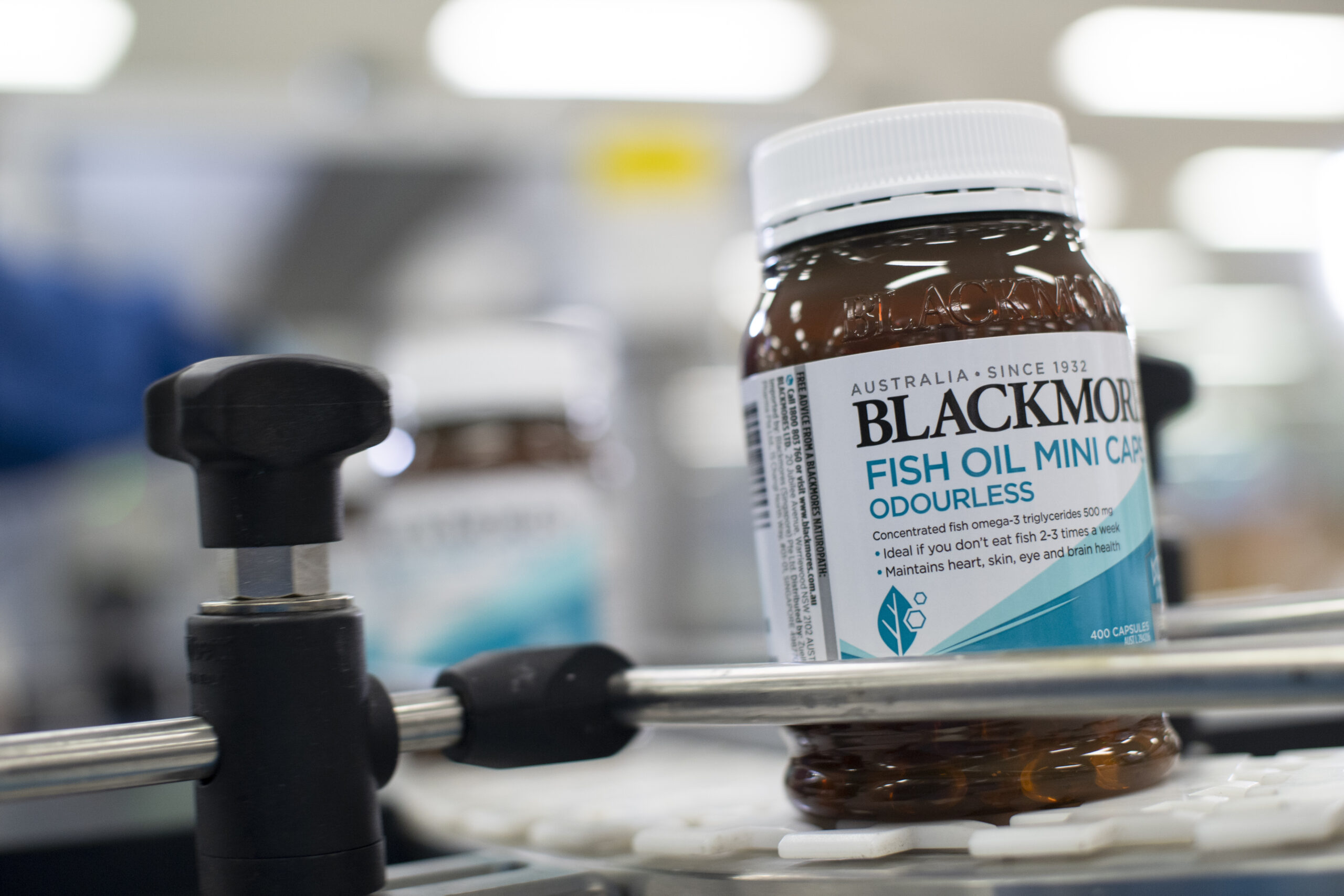
    Blackmores launched its first fizzy granule vitamins in Thailand as the Australian health brand targets 18.6 per cent revenue growth in the country for 2026.

    The target builds on a 16.8 per cent year-on-year sales increase recorded during the first half of the year.

    Three functional formulations

    Branded as Blackmores Fizzers, the line packages vitamins in single-serve sachets designed to be dissolved in cold water, melted directly on the tongue, or chewed. The format abandons traditional tablet designs to appeal to Gen Z and millennial consumers looking for portable options.

    The range includes three formulations aimed at specific health routines. Immu Plus combines vitamin D3, vitamin C, zinc, and L-leucine in an orange flavour for daily immune support. Nicotinamide Plus uses a mixed berry flavour containing nicotinamide, zinc, vitamin C, and L-leucine for skin health. Performance Plus carries a strawberry and apple flavour formulated with 225 milligrams of magnesium and L-leucine to aid muscle recovery.

    Influencer marketing and category competition

    Priti Halai, country manager of Blackmores Thailand, said the rollout reflects a shift toward product formats that match changing consumer habits in an increasingly crowded supplements market.

    Competition is fierce, and brands must deliver value that resonates with real consumer needs.

    Marketing for the launch will rely primarily on influencer partnerships across digital platforms to build awareness among younger demographics. The shift toward confectionery-style and water-soluble vitamin formats across Southeast Asian retail reflects how legacy supplement makers are defending shelf space against direct-to-consumer wellness brands.

    Retail performance in the final quarter will show whether the sachet line generates enough traction to hit the company’s full-year 18.6 per cent expansion target.

  • Retail Asia Summit 2026 Sets Singapore Agenda for Responsible AI and Unified Data

    Retail Asia Summit 2026 Sets Singapore Agenda for Responsible AI and Unified Data

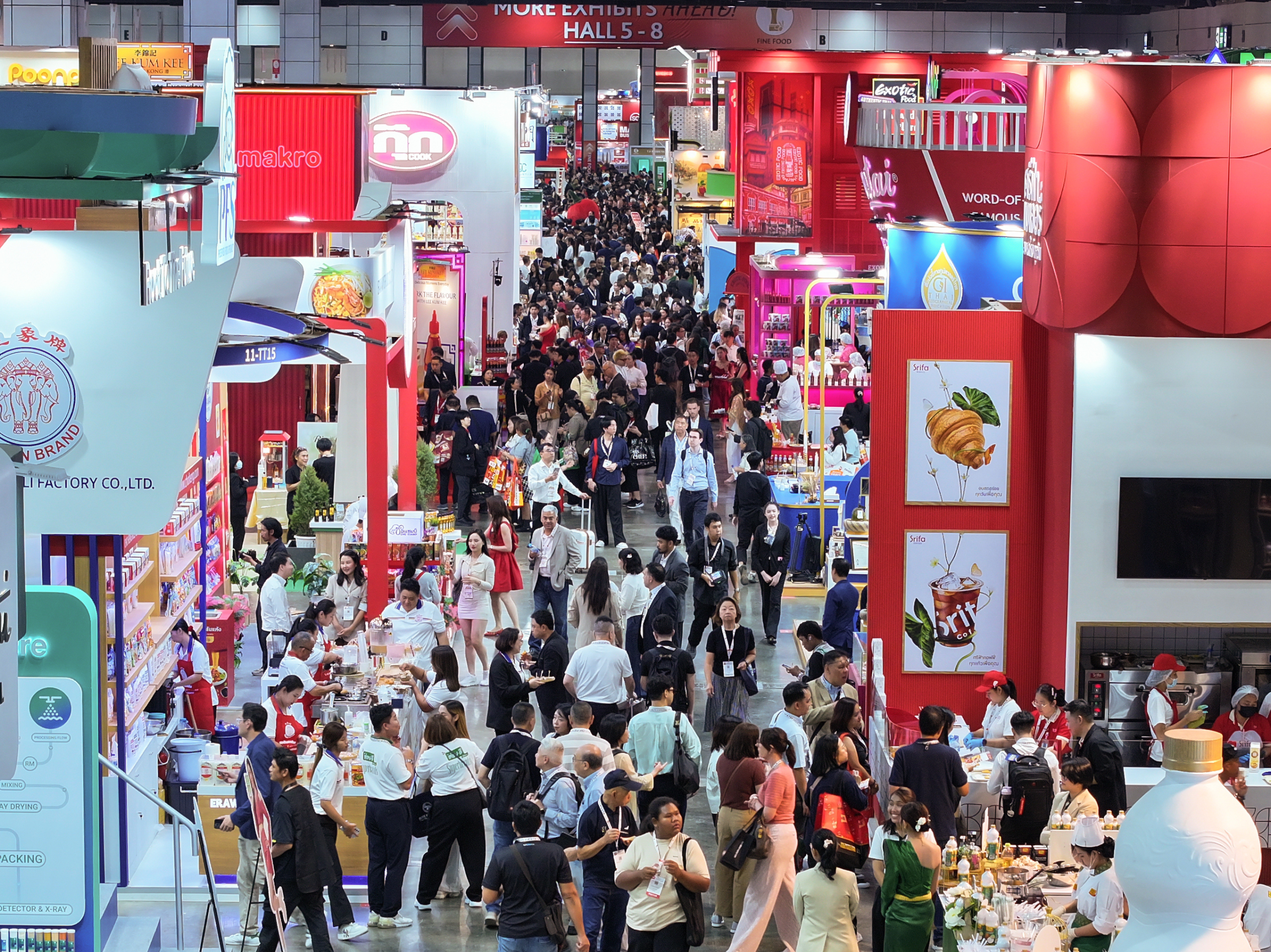
    Singapore will host the Retail Asia Summit on September 29, 2026, gathering brand executives and technology leaders to address artificial intelligence governance and omnichannel store operations.

    The day-long gathering at the Grand Copthorne Waterfront Hotel will focus on deploying automation, unifying customer data, and meeting data privacy standards across Southeast Asian retail networks.

    Speakers and Operational Themes

    Speakers include Cindy Ngiam, director of retail at Enterprise Singapore, and Zhu Hui, partner in Bain & Company’s retail and advanced analytics practice. Ngiam heads public-sector capability building for Singaporean retailers expanding domestically and overseas, following earlier roles developing startup ecosystems and tourism marketing. Zhu advises Southeast Asian grocery, fashion, and quick-service restaurant chains on operating models and generative AI implementation.

    Discussions during the event will examine how retail operators deploy Internet of Things applications in physical stores, integrate online-to-offline customer data, and maintain cybersecurity protocols.

    Regional Tech Adoption in Retail

    Store networks across Southeast Asia face stricter data compliance requirements while attempting to automate frontline staffing and inventory planning. Regional operators in grocery and fashion increasingly test predictive logistics and machine-learning tools to manage rising labour costs in core cities like Singapore.

    The summit runs from 8:30 AM to 5:00 PM SGT at the hotel’s Waterfront Ballroom on September 29.

  • Ares Closes $4 Billion Japan Logistics Fund Backed by CPPIB

    Ares Closes $4 Billion Japan Logistics Fund Backed by CPPIB

    Ares Management closed its fifth Japan logistics development fund at JPY 612 billion ($4 billion). The raise hit its hard cap, led by Canada Pension Plan Investment Board.

    Known as Japan Logistics Development Partners V, the vehicle is the largest closed-end institutional fund raised by the Los Angeles firm’s real estate arm. It grew nearly 50 percent beyond its JPY 412 billion predecessor from 2021.

    CPPIB committed JPY 150 billion as cornerstone backer, taking a 24.5 percent stake. Other capital came from sovereign wealth funds, insurers and pension systems across North America, Asia-Pacific, Europe and the Middle East.

    Expanding the Marq Logistics Footprint

    This close follows the integration of GLP’s international fund management business, which Ares bought for $3.7 billion through GCP International in March 2025. That deal handed Ares the Japan logistics series along with digital infrastructure assets under Ada Infrastructure.

    Marq Logistics will build and manage facilities under the fund. Ares created the platform to oversee its industrial assets. As of June, Marq operated 120 million square feet of warehouse space across Japan and 655 million square feet globally.

    Pipeline Across Core Metro Hubs

    Institutional capital continues to target Japanese logistics space because corporate supply chains face structural warehouse shortages along major metropolitan transport corridors. CPPIB has backed every JDP vintage since 2011. That track record makes it one of the longest institutional partnerships in Asia-Pacific industrial real estate.

    Total investment capacity for the vehicle reaches JPY 1.7 trillion ($11 billion), focused on Greater Tokyo, Greater Osaka and Nagoya. Ares has committed JPY 450 billion, or about 26 percent of that capacity, to initial projects ahead of site acquisitions in the coming quarters.

  • Yen Traders Brace for Silver Week Intervention as BOJ Decision Looms

    Yen Traders Brace for Silver Week Intervention as BOJ Decision Looms

    Currency traders in Tokyo are bracing for official market intervention around the Bank of Japan’s September 18 policy meeting, eyeing the upcoming three-day holiday for sudden yen buying.

    The Japanese yen climbed 0.5 per cent to 157.99 against the US dollar on Thursday as markets began pricing in an interest rate increase larger than 25 basis points.

    Trading desks expect sharp swings during Silver Week, a long holiday weekend starting immediately after the central bank convenes. Thin liquidity during national holidays gives authorities greater traction when buying yen, echoing April when the government stepped in during an extended break for the first time since 2024.

    Holiday Liquidity and Rate Gaps

    Tokyo deployed a record $96.4 billion over the past month to prop up the currency, backed by coordination with Washington. Japanese Finance Minister Satsuki Katayama and US Treasury Secretary Scott Bessent both confirmed readiness to enter foreign exchange markets without hesitation.

    Hedge funds have nevertheless started rebuilding short bets against the yen. Elevated crude oil import bills and a persistent interest-rate gap with the United States continue to drag the currency down toward the 160 line, where SBI FX Trade president Marito Ueda warned fresh intervention becomes probable.

    Pressures Across Asian Balance Sheets

    For retailers and consumer brands across Asia, rapid currency swings disrupt cross-border supply chains and contract pricing settled in dollars. Japanese store operators face relentless cost increases on imported food and inventory, while regional exporters must recalibrate margins against an unpredictable yen.

    Attention now shifts to the US Federal Reserve’s rate decision days before the Bank of Japan meets on September 18, with traders watching whether the exchange rate tests the 160 level before holiday trading begins.

  • Central Retail First-Half Profit Jumps 35% to $155 Million

    Central Retail First-Half Profit Jumps 35% to $155 Million

    Central Retail posted a 35 per cent increase in first-half net profit to 5.0 billion baht ($155 million), driven by grocery gains and aggressive store pruning in Thailand and Vietnam.

    Total revenue from continuing operations rose 2.4 per cent to 123.7 billion baht ($3.9 billion), with grocery accounting for 46 per cent of all sales.

    Store and online sales rose 2.2 per cent across the network, beating a 2.2 per cent expansion in total retail selling area. Gross margins widened by 110 basis points to 24.8 per cent, outpacing operational cost growth. Finance costs dropped sharply, while profit contributions from a newly acquired 40 per cent stake in JD Sports lifted the bottom line.

    Pruning hardlines and shifting to athleisure

    The conglomerate closed 11 branches of Power Buy, B2S, and Officemate over the past 12 months. It also severed 39 stores in April by exiting the NK appliance retail business in Vietnam. Hardlines revenue fell 2.9 per cent during the half, or 0.5 per cent when excluding the NK divestiture.

    Fashion sales edged up 2.1 per cent. Central Retail took its minority stake in JD Sports partly to overhaul sports merchandising at its proprietary Supersports chain, shifting shelf space toward high-turnover athleisure ranges.

    Food delivered the bulk of operating momentum. Grocery sales increased 6.1 per cent, recording same-store sales growth of 2 per cent in the first quarter and 3 per cent in the second quarter. Overall group same-store sales slipped 0.1 per cent for the six months, dragged down by two-year stacked declines of 7.5 per cent in hardlines and 5 per cent in fashion.

    Uneven regional recovery

    Across Southeast Asia, diversified retail conglomerates have spent the past two years ditching fragmented specialty formats to defend supermarket cash flow against inflation. Central Retail mirrors regional peers that expanded fast into bulky non-food retail during low-rate cycles, only to find floor space unproductive once discounters and online platforms undercut consumer electronics and stationery.

    Trading conditions remain split between its two core markets. In Thailand, high household debt and slow tourism recovery continue to curb discretionary spending, even with the central bank lifting its 2026 economic growth forecast to 1.9 per cent. Vietnam provides stronger retail momentum, backed by rising inbound tourism and state efforts to lift domestic consumer spending.

    Central Retail now manages 3,834 stores and 75 shopping centres with 779,000 square metres of net leasable area across both countries. Investors are watching third-quarter same-store sales figures to see whether hardlines and fashion can pull out of negative territory.

  • HarmonyOS Hits 24 per Cent Share in China as Global Smartphone Sales Fall

    HarmonyOS Hits 24 per Cent Share in China as Global Smartphone Sales Fall

    Huawei’s HarmonyOS captured 24 per cent of China’s smartphone sales in the second quarter of 2026, squeezing Android down to 58 per cent. The domestic operating system expanded its footprint as overall worldwide smartphone shipments dropped 11 per cent year on year.

    Global handset demand contracted faster than the 4 per cent drop recorded in the first quarter, with the sharpest drops hitting budget and mid-tier devices across developing markets. Android felt the brunt of that pullback. Its worldwide sales share dropped four percentage points to 75 per cent, even with stronger sales from Samsung’s Galaxy S26 lineup.

    Shifts in Component Sourcing and Pricing

    Huawei insulated its handset business from rising component prices by sourcing more parts from domestic suppliers in mainland China. High demand for the Enjoy 90 Pro Max alongside steady sales of legacy models helped HarmonyOS reach a 5 per cent global volume share.

    Chinese Android manufacturers took a different path. Pinched by memory chip shortages and higher bill-of-materials expenses, brands scaled down their low-cost phone lineups to focus on higher-margin premium devices. That pivot opened room for Apple at the top end of the market.

    Apple Takes Record June Quarter Share

    Apple captured 20 per cent of worldwide sales during the three months ending June, its highest second-quarter share on record. Deliveries were anchored by the iPhone 17 family and the entry of the iPhone 17e, supported by trade-in programs and retail installment plans.

    In India, Android maintained a dominant 91 per cent volume share, leaving iOS with 9 per cent. In the United States, Apple took 51 per cent of sales against Android’s 49 per cent.

    For retailers and hardware distributors across Asia, the product mix is shifting upmarket as low-end volumes shrink. Brands are preparing their product allocations for the fourth-quarter holiday cycle, where component pricing will dictate whether entry-tier production rebounds or stays constrained.

  • Ghost Month Slows Philippine Property Deals and Major Consumer Purchases

    Ghost Month Slows Philippine Property Deals and Major Consumer Purchases

    Philippine consumers are postponing major property purchases and business launches until Ghost Month ends. That pushes transaction volumes into the fourth quarter.

    The seventh lunar month prompts households across the country to delay home handovers, wedding bookings, and commercial openings. Sales inquiries continue. However, buyers hold off on signing binding contracts or moving into finished properties.

    How Cultural Timing Alters Buying Cycles

    This pattern stems from Chinese traditions of ancestor remembrance that remain influential across Southeast Asian commercial centers. Families view big financial commitments as major life transitions. Avoiding perceived risk carries more weight than closing a deal early.

    For retailers and property developers, the slowdown represents delayed demand rather than lost sales. Companies frequently realign marketing budgets and inventory releases. This prevents spending during weeks when buyers intentionally freeze final decisions.

    Aligning Sales Plans with Seasonal Shifts

    Cultural calendars dictate revenue spikes and lulls across other Asian retail sectors as well. Brands routinely adjust operations around the Lunar New Year gift cycle, Ramadan shopping windows, and Christmas retail surges.

    Strategists Josiah Go and Chiqui Escareal-Go will outline consumer decision frameworks for regional operators at the 3rd Marketing Plan Summit on Sept. 22 and 23, focusing on the commercial impact of behavioral timing.

  • Singapore Land to Close Marina Square for 76,000-Square-Metre Revamp

    Singapore Land to Close Marina Square for 76,000-Square-Metre Revamp

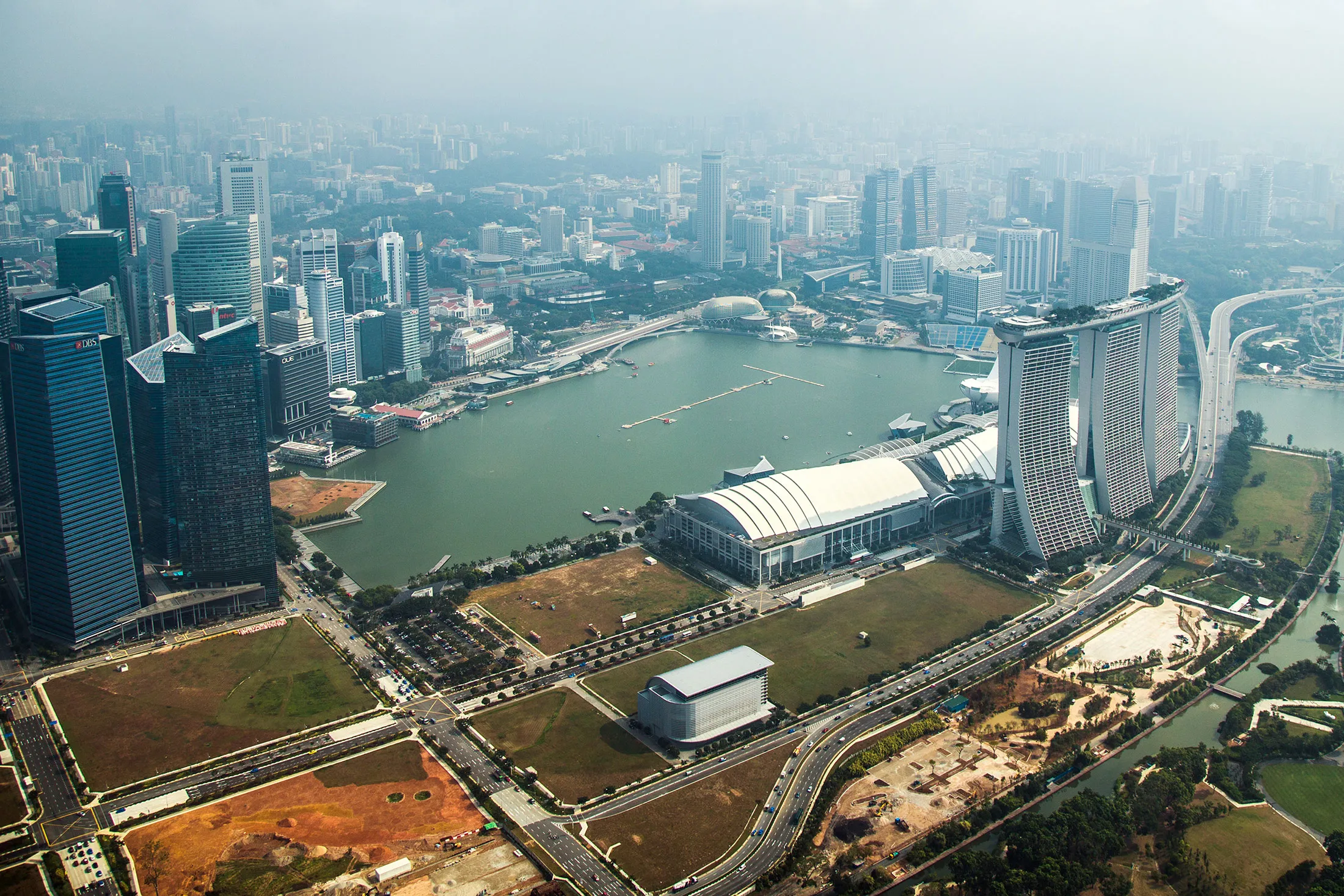
    Singapore Land will close its Marina Square retail mall on March 31 to begin a multi-year redevelopment across more than 76,000 square metres of gross floor area. The project converts the standalone four-storey shopping centre into a mixed-use complex slated for completion in 2031.

    The overhaul will add three new towers to the site. These buildings will contain 204 luxury homes, a 260-key serviced apartment development, a 304-key hotel, and approximately 13,000 square metres of Grade A office space.

    New Towers and Rooftop Links

    Plans for the redesigned four-storey podium focus on experiential retail, sports, wellness facilities, dining, and pet-friendly outdoor areas. Direct roofscape links will connect the mall to the new towers and the precinct’s three existing hotels, which will remain open during construction.

    Singapore Land intends to use the retail podium as an active conduit between residential, commercial, and hospitality traffic throughout Marina Bay across different hours of the day. The developer plans to run community activations and events before the shutdown to maintain tenant sales and visitor footfall.

    “By adding residences, serviced apartments and workplaces alongside the existing hotels and repositioning the mall around experience-led retail, sports, wellness and community, we are creating a new ecosystem where people can live, work, stay and connect,” said Jonathan Eu, chief executive of Singapore Land.

    Rethinking Prime Downtown Retail

    The project reflects a broader trend across prime Asian commercial districts, where landlords are dismantling single-use suburban-style malls in favour of dense, mixed-use assets. With e-commerce shifting retail spending patterns and office attendance remaining flexible, central developers in Singapore and Hong Kong increasingly rely on on-site residential and hotel populations to guarantee daily mall traffic.

    Tenants at Marina Square will vacate ahead of the March 31 shutdown, with construction work running through to the targeted delivery date in 2031.

  • Lion Launches Kirin Asobi Alcoholic Iced Tea in Australia

    Lion Launches Kirin Asobi Alcoholic Iced Tea in Australia

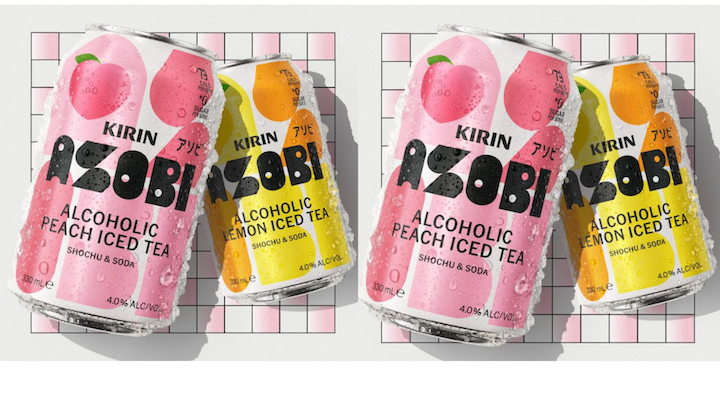
    Lion launched Kirin Asobi in Australia on September 3, entering the alcoholic iced tea category with a 4 per cent alcohol by volume premixed drink.

    The zero-sugar line rolls out across national liquor chain Liquorland in 330ml cans.

    Shochu Base and Flavour Options

    Lion formulated Kirin Asobi with a blend of Japanese shochu, brewed black tea, sparkling water, and fruit juice. The lineup debuts with two options: Lemon and Peach.

    Each 330ml can contains no sugar. That profile places the brand directly in the low-sugar premix segment, where major beverage makers are fighting for younger drinkers who avoid standard beer.

    Premix Competition in Oceania

    Japanese brewing group Kirin Holdings continues to push Asian spirit profiles into Western retail channels through its regional subsidiaries. Shochu and chuhai-style ready-to-drink cans have taken significant shelf space from malt-based seltzers across Australasia over the past two years.

    Liquorland carries the range across its store network starting this week, with initial retail sell-through over the southern hemisphere spring determining whether Lion broadens distribution to independent banner groups.