Blog

  • Singapore Attracts over 50 Consumer Brand Investments as Regional Hub

    Singapore Attracts over 50 Consumer Brand Investments as Regional Hub

    Singapore secured more than 50 new consumer company investments between 2022 and September 2025, drawing global brands seeking a regional operating base for Asia.

    Danish jeweller Pandora opened its regional headquarters in Singapore in November, adding roughly 50 corporate positions to support 62 stores and 400 retail and office staff across Asian markets.

    Headquarter hubs and flagship rollouts

    Pandora Chief Commercial Officer Massimo Basei said the Singapore hub focuses on market development, digital operations, and marketing across both mature markets like Japan and South Korea and expansion targets including India and Indonesia.

    Swiss sportswear maker On and activewear brand Alo opened flagship locations at Jewel Changi Airport and The Shoppes at Marina Bay Sands in July and August. South Korea’s Lotte Shopping plans to open its international headquarters in Singapore in 2026 to direct its Southeast Asian store network.

    Global consumer groups increasingly treat Singapore as an operational bridge between headquarters in Europe or the United States and fragmented retail markets across Southeast Asia. Establishing central merchandising and supply chain teams in the city reduces the risk of running decentralized Asian market entries.

    American dining brands brave high failure rates

    Food and beverage chains from North America are also expanding their footprint in the city despite intense local competition. Fast food operator Chick-fil-A opens its first Asian outlet in Singapore on 11 December, following Blue Bottle Coffee, which launched its debut local cafe on 3 April.

    Tapestry broadened its luxury label Coach into hospitality with the Coach Cafe in 2023, followed by a Coach Coffee Shop and the woodfire-focused Coach Restaurant. In grocery retail, US potato supplier Lamb Weston rolled out retail frozen fries across FairPrice, FairPrice Xtra, and FairPrice Finest stores in November.

    The expansion runs counter to tough local operating conditions. Over 60 per cent of Singapore food businesses closed within five years between January and October 2025, and 82 per cent operated without a profit, according to parliamentary figures from Deputy Prime Minister Gan Kim Yong.

    US chain Chipotle Mexican Grill opens its first Singapore restaurant in 2026, while Lotte prepares its international headquarters for operation the same year.

  • Central Pattana Targets 10% Footfall Growth at Central Park Mall

    Central Pattana Targets 10% Footfall Growth at Central Park Mall

    Central Pattana aims to increase foot traffic at its Central Park mall in Bangkok by 10 per cent year on year during its second year of operation.

    The retail hub inside the Dusit Central Park mixed-use development drew roughly 25 million visitors in its first twelve months after opening on Sept 4, 2025. International tourists accounted for 10 million of those visits, while retail occupancy reached 98 per cent with daily visitor counts averaging between 65,000 and 75,000 people.

    Office tenants and residents drive traffic

    Office and residential handovers will feed additional pedestrian volumes into the retail podium over the coming quarters. Central Park Offices currently records an occupancy rate above 80 per cent, with corporate tenants finishing interior fit-outs before moving staff into the tower.

    Residential transfers at The Residences at Dusit Central Park will begin in the fourth quarter of 2026, following pre-sales that reached 96 per cent. Kunayudh Dej-udom, asset director of centralwOrld and Central Park at CPN, stated that these incoming occupants will provide a built-in customer base for the property’s food, service, and lifestyle tenants.

    Bangkok’s prime retail landlords increasingly rely on integrated mega-projects to shield themselves from retail oversupply in the city centre. By embedding high-density office towers and luxury residences directly above retail concourses, developers like CPN and rival One Bangkok secure regular baseline spend before counting on discretionary tourist inflows.

    Transit links and brand launches

    CPN is positioning the mall around first-in-Thailand brand debuts, exclusive merchandise drops, and cross-cultural art installations to broaden international visitor recognition. The strategy pairs global creative partnerships with experiential retail formats to capture high-spending travellers.

    Physical access will expand with a direct pedestrian connection linking the complex to the underground MRT Silom station, scheduled for completion between late first quarter and early second quarter of 2027.

  • Viettel Wins 240 MHz Spectrum to Enter Dominican Republic

    Viettel Wins 240 MHz Spectrum to Enter Dominican Republic

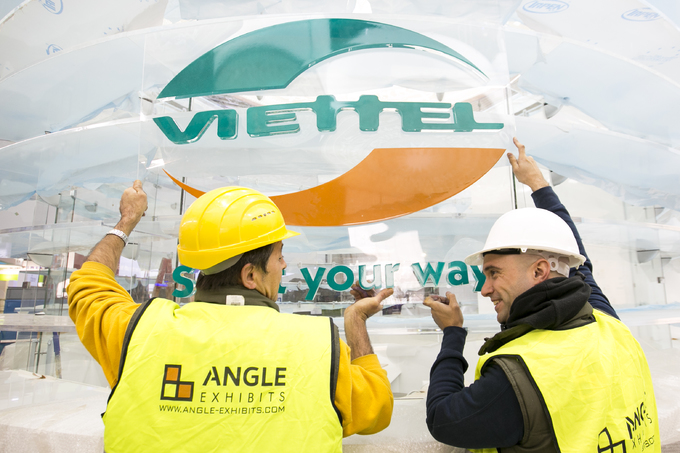
    Vietnam’s Viettel secured 240 MHz of spectrum in the Dominican Republic to deploy 4G and 5G networks across the Caribbean nation. The award expands the group’s overseas operations into an 11th foreign market after international revenue rose 23.9 per cent to USD 3.34 billion in 2025.

    Telecommunications regulator INDOTEL approved the license transfer under Resolution No. 073-2026 on August 19, 2026. The 20-year allocation covers frequencies across the 700 MHz, 2.3 GHz, and 3.6 GHz bands, combining low-band reach for remote regions with mid-band capacity for high-density mobile broadband.

    Terms of the Caribbean Concession

    Viettel Global, the international investment arm of the Hanoi-based group, won the airwaves in a competitive tender. The company is setting up a local operating business to construct the physical network and run consumer and enterprise digital services.

    Chairman and chief executive Tao Duc Thang said the group plans a long-term network build focused on modern infrastructure, with priority given to connecting underserved and rural communities across the country.

    Exporting the Southeast Asian Playbook

    The Caribbean venture follows an expansion strategy Viettel has used across Southeast Asia, Africa, and Latin America. The group operates across 10 overseas markets and holds the top mobile subscriber share in seven of them, sustaining nine straight years of double-digit international revenue growth.

    Viettel has 90 days from the August 19 resolution to finalize and sign the concession agreement with INDOTEL before breaking ground on network infrastructure.

  • Del Monte Partners with Riverking to Expand Fresh-Cut Fruit in China

    Del Monte Partners with Riverking to Expand Fresh-Cut Fruit in China

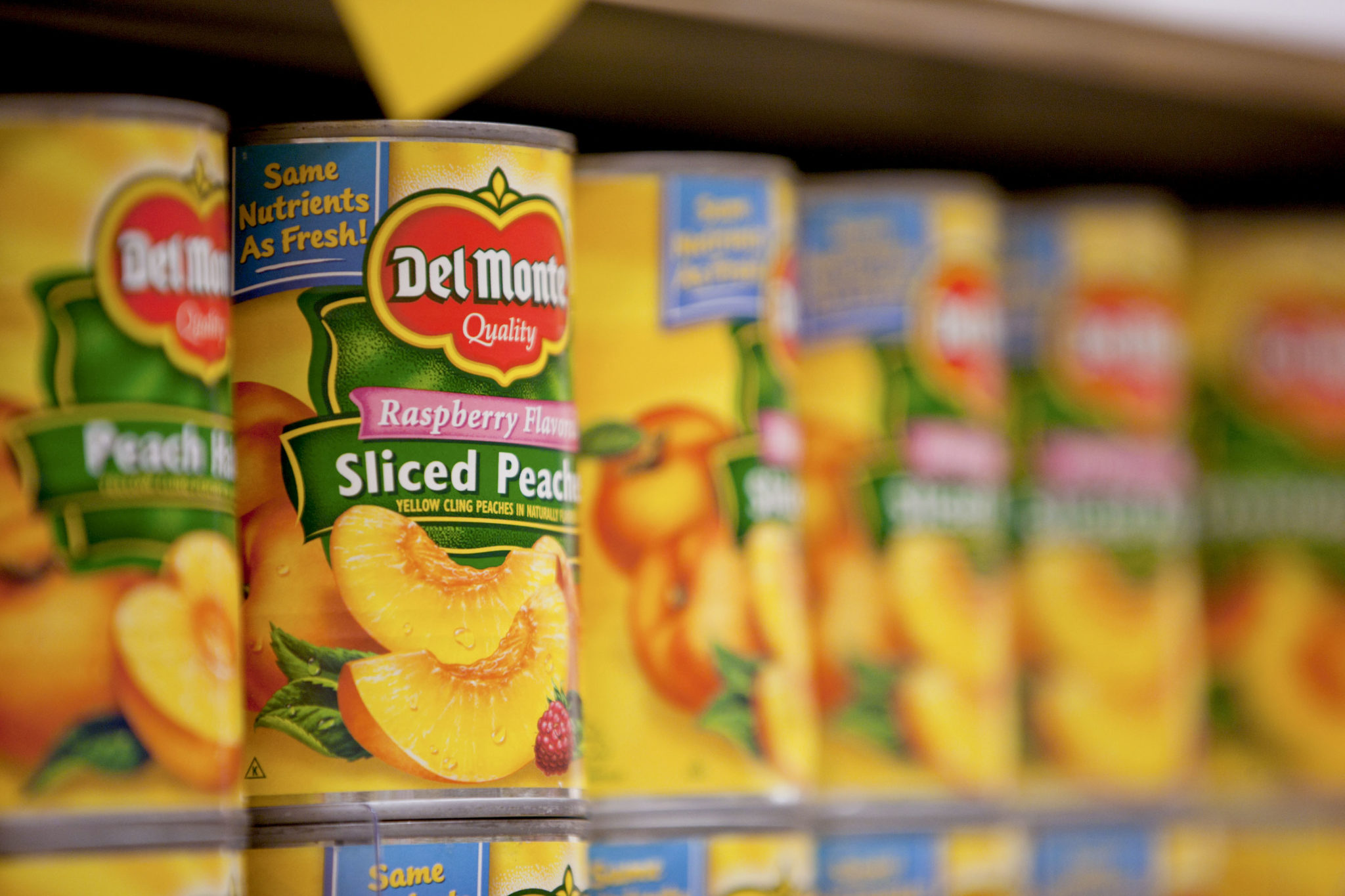
    Del Monte Corp. Has formed a joint venture with Shanghai-based Riverking to sell fresh-cut fruit across China, targeting an Asian business that generated 9 per cent of its sales.

    The partnership, signed through Hong Kong subsidiary Del Monte Fresh Produce (HK), links the New York-listed group with Riverking’s network of 11 distribution centres across mainland China.

    Riverking was founded in 2003 and handles supply chains spanning cultivation, sourcing, harvesting and cold-chain distribution. Outside mainland China, the Shanghai firm operates international offices in Thailand, Australia, New Zealand, North America and South America.

    Distribution Across Eleven Hubs

    Fresh and value-added items delivered $2.62bn of Del Monte’s $4.32bn total revenue last year, while bananas contributed $1.49bn. The group, which changed its corporate name from Fresh Del Monte Produce in June, relies on third-party distributors across China, Hong Kong, Japan and South Korea.

    Up to now, South Korea housed the company’s only dedicated fresh-cut processing facility in East Asia. Partnering with an established domestic handler in Shanghai gives the brand immediate cold-storage reach into Chinese supermarket shelves without building out an entire standalone logistics fleet from scratch.

    Portfolio Realignment After Asset Deals

    The China agreement follows several portfolio shifts by Del Monte over the past year. In January, the group purchased vegetable, tomato and refrigerated fruit lines from California-based Del Monte Foods in a US bankruptcy transaction, after buying a majority stake in Ugandan avocado oil producer Avolio.

    Competitors in China’s packaged produce sector face high spoilage risks and fragmented retail networks. For Del Monte, the next metric to watch is whether Riverking’s 11 regional hubs can lift Asian sales above their current 9 per cent share of total revenue.

  • Chunghwa Telecom and Askey Deploy Mobile 5G for Construction Robots

    Chunghwa Telecom and Askey Deploy Mobile 5G for Construction Robots

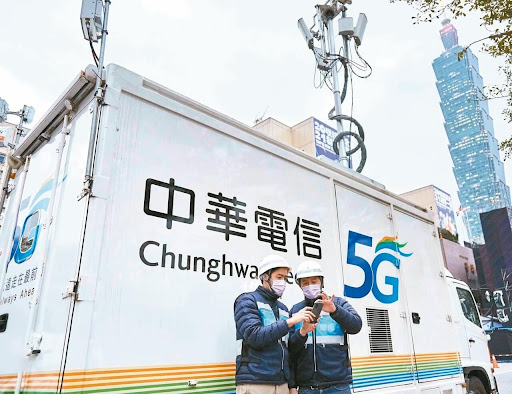
    Chunghwa Telecom and Askey Computer rolled out a portable private 5G platform in Kaohsiung. The network runs autonomous construction robots across local social housing developments.

    Field trials are underway at two municipal residential sites, Shanming Anju and Shuixiu Anju in the city’s Siaogang District. Developed alongside robotics specialist ROSO, the setup pairs Chunghwa’s dedicated 5G spectrum with Askey’s relocatable network hardware. It controls multiple machines simultaneously.

    Mobile infrastructure for hazardous site work

    Standard job sites depend on fixed network wiring that crews build and tear down as phases advance. By contrast, the portable unit moves directly between active zones. It maintains continuous, low-latency links for field machinery without fixed cabling.

    Robots handle high-risk, repetitive tasks including surface grinding and chemical spraying. Moving heavy finishing work to automated systems cuts worker exposure to fine dust, toxic fumes, and physical strain during structural fit-outs.

    Pushing private networks past factory floors

    Taiwan’s Ministry of Economic Affairs funded the initiative through its Industrial Development Administration to expand private 5G beyond manufacturing plants and smart warehouses. Across East Asia, telecom operators face steady pressure to monetize enterprise 5G. They are embedding dedicated networks into heavy industry, infrastructure development, and commercial real estate workflows.

    Project partners will redeploy the portable network gear across additional public housing sites in Kaohsiung as structural phases wrap up in Siaogang.

  • Japan AI Data Center Capacity to Quadruple by 2033 with $60 Billion Push

    Japan AI Data Center Capacity to Quadruple by 2033 with $60 Billion Push

    Japan will more than quadruple its artificial intelligence data center capacity over the next eight years through planned investments totaling $60 billion. The buildout aims to place the country directly behind the United States and China in compute scale while securing domestic data processing independence.

    Telecommunications giant NTT is driving a major share of that expansion, targeting 2 gigawatts of operational data center capacity by fiscal 2033. Trading houses and commercial operators are also stepping into the sector, including Itochu, which is preparing 10 facilities across Japan to capture surging commercial enterprise demand.

    Power Targets and Commercial Scale

    Data center developers across Tokyo and regional prefectures are racing to secure land and high-voltage grid connections required for high-density processing racks. Artificial intelligence workloads require substantially more electricity than legacy cloud hosting, forcing operators to structure long-term power purchase agreements before breaking ground.

    Japanese enterprises have accelerated their adoption of generative computing tools in supply chain planning, automated retail operations and customer service systems. Domestic infrastructure provides local businesses with lower latency and ensures sensitive corporate records stay within national borders under local privacy frameworks.

    Regional Competition and Sovereign Tech

    Across the wider Asia-Pacific region, rapid infrastructure development has sparked competing bids for power and municipal resources in key hubs such as Singapore, Malaysia and South Korea. Japan offers investors established grid stability and transparent property regulations, countering higher real estate and construction overheads.

    The investment pipeline gives enterprise software vendors and consumer brands access to dedicated domestic processing capacity that avoids overseas routing bottlenecks. What remains to be watched is how rapidly regional utility providers can deliver grid upgrades to NTT and competing operators as initial project phases break ground toward the 2033 capacity deadline.

  • South Korea Exports Hit Record 709.4 Billion Dollars Year to Date

    South Korea Exports Hit Record 709.4 Billion Dollars Year to Date

    South Korea’s exports reached 709.4 billion dollars year to date, breaking the nation’s previous full-year record months ahead of schedule. Outbound trade surpassed the total volume recorded across the whole of the prior year, according to data released by the customs office in Seoul on Saturday, September 5.

    Record Outbound Shipments

    Customs authorities confirmed the milestone as cross-border shipments cleared major domestic terminals, including Pyeongtaek port. The rapid accumulation of trade value puts outbound volume well ahead of typical seasonal delivery cycles.

    Strong shipment volumes from South Korea offer clear insight into regional manufacturing activity and commercial freight movement. As a key supplier of finished goods and critical components to global retailers and technology companies, the country’s export pace reflects sustained international purchasing appetite.

    Trade Trajectory

    Export momentum heading into the fourth quarter establishes an unprecedented baseline for the economy’s external trade balance. Market analysts and logistics planners are tracking upcoming monthly customs reports to see whether shipment velocity holds steady through the close of December.

  • Haigh’s Chocolates Enters Queensland with First Brisbane Store

    Haigh’s Chocolates Enters Queensland with First Brisbane Store

    Haigh’s Chocolates has launched its first physical store in Queensland at Westfield Mt Gravatt in Brisbane. The opening establishes a direct retail footprint in the state ahead of two further Brisbane outlets scheduled for November.

    The family-owned South Australian confectioner took space on Level 2 of the shopping centre next to cosmetics retailer Mecca. The store sells the brand’s core artisan chocolate lines alongside complimentary tasting counters.

    Queensland Footprint Expands

    Online sales in Queensland prompted the physical rollout. Customer order volumes across the state showed sufficient local demand to justify bricks-and-mortar leases, according to the company.

    “Since announcing that we were coming to Brisbane, we have had so many Haigh’s fans and online customers reaching out, asking where they can visit and when we will be open,” said Haigh’s Chocolates chief executive Peter Millard.

    Two more retail sites are in the pipeline. Outlets at Westfield Chermside in Brisbane’s north and Westfield Carindale in the east will open before the end of the year.

    Supply Chain Backing

    The Queensland rollout relies on supply chain capacity completed last year. Haigh’s opened a 120 million Australian dollar production and logistics facility in Salisbury South, South Australia, designed to support national distribution and higher store volumes.

    Converting digital customer density into shopping centre tenancies mirrors how regional specialty retailers derisk capital expenditure in Australia. By validating regional demand through online fulfilment first, brands reduce opening risk in major retail malls before committing to long-term leases.

    Fit-out work is continuing at both the Chermside and Carindale locations ahead of their planned November trade debut.

  • Chipotle Opens First Asian Restaurant in Seoul with Singapore Next

    Chipotle Opens First Asian Restaurant in Seoul with Singapore Next

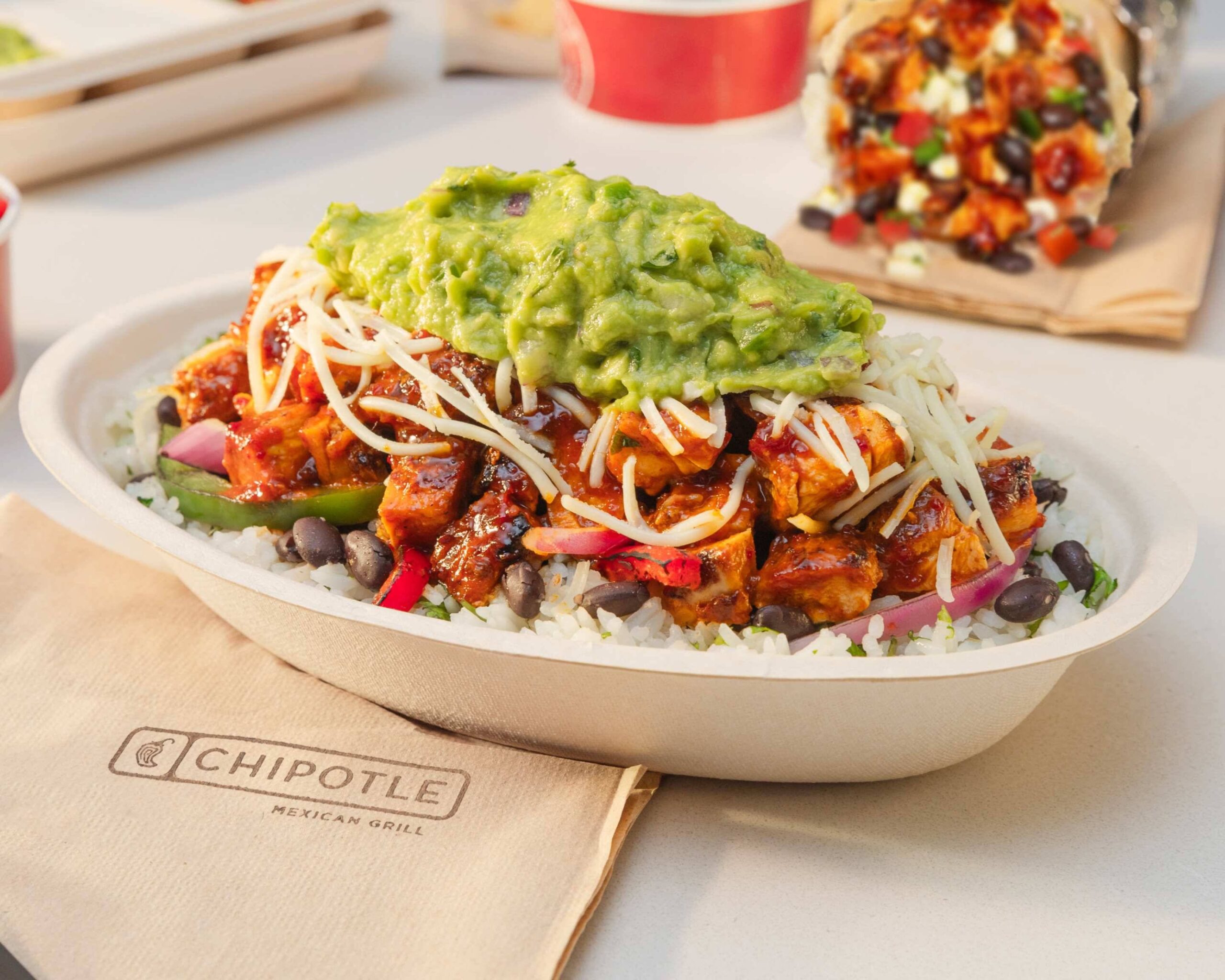
    Chipotle Mexican Grill opened its first Asian restaurant in Seoul, picking South Korea as the entry point for its regional expansion. The US fast-casual chain partnered with local conglomerate Sangmidang Holdings, formerly SPC Group, to run the operations.

    More locations will open across South Korea before the end of the year. The group will take the concept to Singapore next year for its second market in the region.

    The Partnership in Seoul

    Sangmidang Holdings manages the local rollout, bringing Chipotle’s standard assembly-line menu of burritos, bowls, tacos, quesadillas, and salads to Korean diners. The format keeps its customisation model, preparing ingredients daily without artificial colours or preservatives.

    Scott Boatwright, chief executive of Chipotle, identified South Korea as a primary target due to customer demand for fresh food served quickly. Sangmidang president Hee-soo Hur said the business will focus on maintaining the exact operational format developed in North America.

    Expanding Across Asian Markets

    Western fast-casual operators regularly use South Korea to test Asian consumer appetites before tackling larger Southeast Asian markets. High dining-out frequency and dense urban foot traffic in Seoul give foreign operators quick feedback on pricing and menu adaptation, though competition among domestic and international fast-food chains remains fierce.

    Sangmidang is now securing real estate for the next batch of Seoul restaurants due before December. Site selection for the inaugural Singapore restaurant is also underway ahead of its planned opening next year.

  • Ikea Installs Miniature Home Exhibits Across Melbourne, Beijing and Chengdu

    Ikea Installs Miniature Home Exhibits Across Melbourne, Beijing and Chengdu

    Ikea has installed miniature home displays across stores in Melbourne, Beijing and Chengdu to promote compact, affordable living.

    Stockholm artist Christopher Nordstrom built the three displays at a one-to-12 scale. They serve as the Swedish retailer’s latest visual merchandising test in the Asia-Pacific region.

    Scale Models for Compact Urban Spaces

    Each model tailors its interior details to local culture. In Melbourne, the display features a bookcase filled with novels, art prints and nods to local sports.

    Storage and decluttering for smaller homes sit at the centre of the push. “When you build in miniature, you cannot include everything,” Nordstrom said. “Every object has to earn its place.”

    Ingka Group, Ikea’s primary global operator, is steering marketing funds toward entry-level home organisation. Urban shoppers face increasingly tight quarters across major metro markets.

    Shifting Formats in Asia-Pacific

    This rollout ties into broader footprint adjustments across the region. Ikea continues to balance compact city-centre locations against traditional suburban big-box warehouses.

    Regional home furnishing chains are leaning on interactive features to lift foot traffic and basket sizes. Discretionary spending has seen several volatile quarters.

    Next, Ingka Group will track customer engagement around the three micro-exhibits across its Australian and Chinese locations.

  • Japan Household Spending Drops 3.6% in July as Inflation Bites

    Japan Household Spending Drops 3.6% in July as Inflation Bites

    Japanese household spending dropped 3.6 per cent year-on-year in July, falling at its fastest annual pace in 30 months as persistent inflation squeezed family budgets.

    The contraction exceeded the 1.6 per cent drop projected by economists and extended a losing streak that has run for eight straight months. It represents the sharpest annual pullback since January 2024, when outlays tumbled 6.3 per cent. On a seasonally adjusted month-on-month basis, spending ticked up 0.5 per cent, falling far short of the 2.6 per cent gain expected by the market.

    Food and Transport Budgets Shrink

    Data from the internal affairs ministry reveals clear shifts in how shoppers manage everyday expenses. Families cut back sharply on groceries and transportation while directing remaining discretionary yen toward entertainment and select household goods.

    The squeeze shows that higher price tags are eating through recent pay increases across the country. Wage gains secured during spring negotiations have not translated into stronger checkout tallies, leaving merchants to navigate cautious foot traffic and smaller baskets.

    Masato Koike, senior economist at Sompo Institute Plus, noted the challenge facing household balance sheets: “Although large wage hikes were achieved again in this year’s spring wage negotiations, downward pressure on consumption is expected to intensify as higher prices become more pronounced going forward.”

    Rate Hike Scrutiny

    Weak private consumption complicates the immediate policy path for the Bank of Japan, which meets this month to review borrowing costs. Central bank officials are weighing whether the domestic economy can absorb higher interest rates while consumer demand stays sluggish.

    Price pressures continue to build across metropolitan centers. Annual core consumer inflation in Tokyo accelerated for a third consecutive month in August, pointing to persistent living costs that will keep retail spending under pressure heading into the final quarter.

  • Giordano Net Profit Drops to HK$108 Million as Asian Margins Lag

    Giordano Net Profit Drops to HK$108 Million as Asian Margins Lag

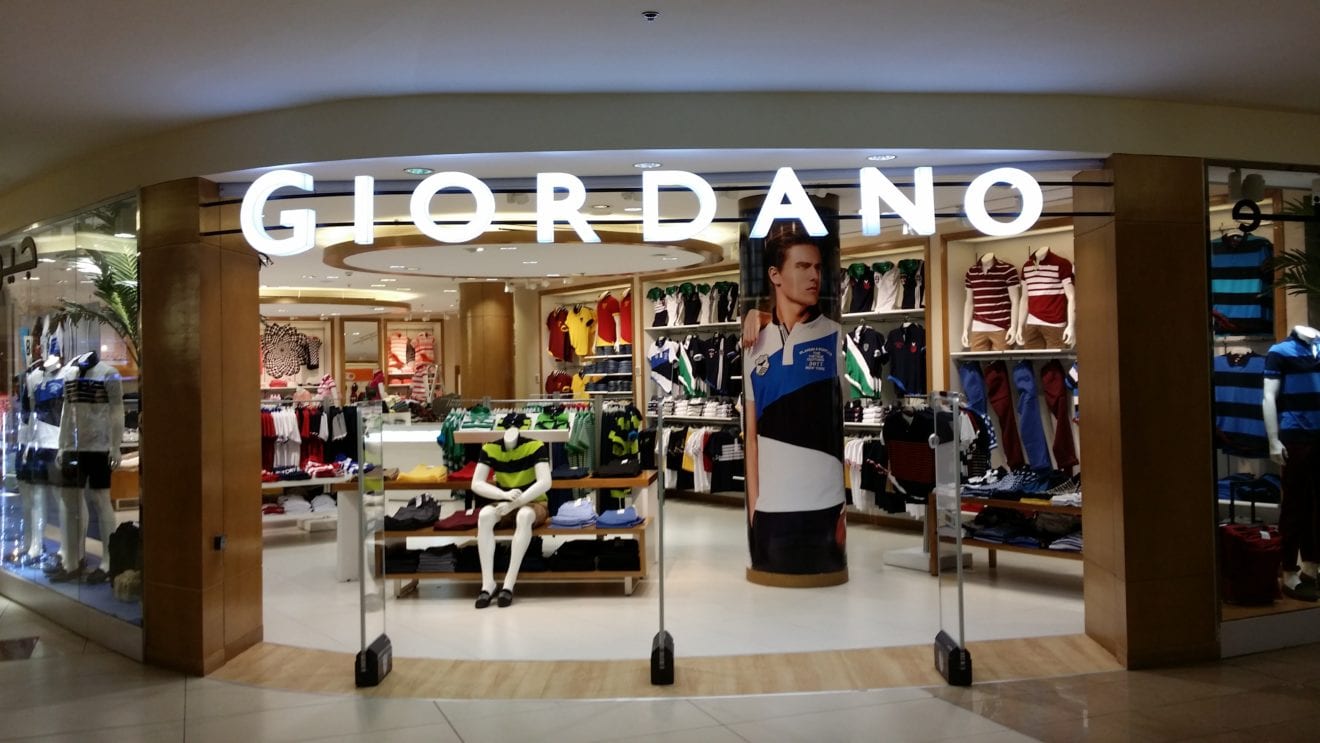
    Giordano International reported a net profit drop to HK$108 million for the six months to June 30, down from HK$121 million a year earlier.

    Group revenue slipped 1 per cent to HK$1.914 billion as store counts dropped across Mainland China and Indonesia, leaving the apparel retailer heavily dependent on earnings from the Gulf Cooperation Council.

    The geographic split reveals an uneven business. Greater China, Southeast Asia and Australia generated HK$1.572 billion, representing 82.1 per cent of total sales, but produced only 61 per cent of segment results. In contrast, the GCC delivered HK$62 million in segment profit on just 18 per cent of revenue, even after traffic in Gulf stores fell by up to 40 per cent following regional disruption in late February.

    Pruning China and Sourcing Locally

    In Mainland China, Giordano cut its store footprint to 239 doors from 359 a year earlier, halving its directly operated outlets to 48. The downsizing helped narrow the mainland segment loss from HK$16 million to HK$9 million, with constant-currency revenue down 0.9 per cent at HK$334 million. Management cleared older stock through VIP.com and shifted higher-margin product lines to Tmall, intending to rebuild physical retail starting in southern China.

    Southeast Asia and Australia remained the largest regional earnings contributor at HK$86 million in segment results on revenue of HK$699 million. Indonesia, the anchor market, brought in HK$330 million after import restrictions slowed merchandise shipments and forced store closures from 199 locations to 176. The company countered the disruption by shifting production to Indonesian factories, which began delivering local stock in June.

    Taiwan proved the regional exception. Segment profit climbed to HK$21 million from HK$15 million on a 5.9 per cent constant-currency revenue gain, meaning Taiwan generated more profit than Hong Kong, Macau and Mainland China combined.

    Korean Drag and the Next Overhaul

    The company faced additional pressure from its 48.5 per cent-owned South Korean joint venture, where revenue slid 8.9 per cent to KRW59.7 billion and 19 stores closed. Giordano deliberately restricted wholesale shipments into the venture to clear excess stock, causing group wholesale revenue to decline 12.2 per cent and cutting royalty income.

    For years, Giordano relied on high-density physical networks in lower-tier Chinese cities and steady franchised wholesale to support its balance sheet. With those legacy channels retreating under fierce domestic e-commerce competition and supply chain friction, the group is now forced to extract higher gross margins from a much smaller physical footprint across Asia.

    Management plans to launch its Giordano 2.0 concept in the fourth quarter, rolling out revamped store layouts and core product lines in Hong Kong and Singapore before expanding to overseas digital channels in Europe and North America.

  • Lululemon Cuts Full-Year Forecast to US$10.35 Billion as Sales Slide

    Lululemon Cuts Full-Year Forecast to US$10.35 Billion as Sales Slide

    Lululemon Athletica lowered its full-year sales forecast to between US$10.35 billion and US$10.5 billion, posting its second consecutive guidance downgrade in three months.

    Comparable store sales dropped 9 per cent across the second quarter ended August 2, falling below market estimates and marking the company’s first quarterly decline on that metric since the pandemic.

    Shares tumbled 15 per cent in extended trading in New York following the announcement. The activewear maker has seen its equity lose more than 40 per cent of its value in 2026, trading at less than a quarter of its late-2023 record high.

    Slumping Americas and Rising Rivals

    Revenue in the Americas contracted 8 per cent during the quarter, while women’s apparel sales slipped 4 per cent. International revenue offered the lone bright spot, rising 4 per cent across overseas markets.

    Discounts and design missteps have eroded the brand’s pricing power across primary markets, opening space for fast-growing athleisure competitors such as Alo and Vuori. In Asia-Pacific, where premium sportswear demand has remained relatively steady, Lululemon faces a tight battle against agile regional entrants alongside these expanding Western labels.

    “While we continue to navigate some challenging dynamics, we are taking a prudent approach with our revised full-year outlook,” interim co-chief executive Meghan Frank said.

    Leadership Handover and Boardroom Truce

    Former Nike executive Heidi O’Neill assumes the chief executive role next week, concluding a four-month transition period after her appointment. She inherits depleted executive ranks following several senior departures this year.

    O’Neill must also manage relations with billionaire founder Chip Wilson. Wilson entered a cooperation pact with the board in May, agreeing to regular strategy sessions with O’Neill and an 18-month freeze on public criticism.

    Her first major operational milestone arrives with the release of third-quarter earnings in December, when investors will assess whether the product pipeline can arrest the slide in North American foot traffic.

  • Mixue Closes 89 Overseas Stores as First-Half Profit Drops 15%

    Mixue Closes 89 Overseas Stores as First-Half Profit Drops 15%

    Mixue cut its overseas footprint by 89 stores in the first half of 2026, driven by closures across core Southeast Asian markets Vietnam and Indonesia.

    Net profit fell 15 percent year on year to 2.32 billion yuan, even as total revenue edged up 2.3 percent to 15.2 billion yuan ($2.26 billion). Group filings show higher selling and distribution expenses ate directly into margins across its franchise network.

    Rising Distribution Costs Squeeze Margins

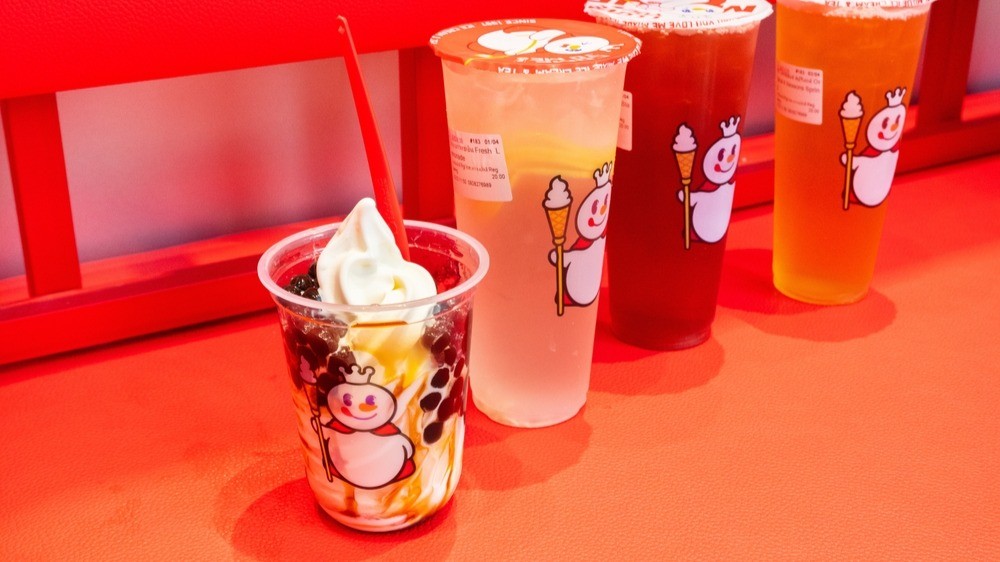
    The Henan-headquartered drinks giant operated 63,987 outlets globally by June 30, with 59,609 locations in mainland China. That leaves roughly 4,378 international stores, concentrated heavily in Southeast Asia where the brand sells budget soft-serve ice cream and milk tea.

    Mixue did not publish country-level closure totals for Vietnam or Indonesia. The company stated in its interim report that reducing store density improved individual unit quality and created a cleaner base for sustainable operations.

    Franchisee economics have tightened across the region. Rapid street-level expansion in major cities sparked cannibalisation between neighbouring outlets, forcing operators to absorb higher logistics costs on imported syrups and packaging without room to raise retail prices.

    Rebalancing Southeast Asian Footprints

    Vietnam was Mixue’s first international market when the chain launched in Hanoi in 2018. By September 2024, the brand ran 1,304 stores across the country, according to its Hong Kong listing prospectus filed in early 2025.

    Mass-market tea and coffee chains in Southeast Asia now face heavier competition from local discounters and Chinese rivals copying the low-price franchise playbook. Mixue’s retreat from sheer store count growth signals that overseas networks cannot rely solely on relentless opening schedules to deliver profit.

    Investors now await Mixue’s updated capital-raising timeline in Hong Kong, where full-year store productivity figures will test whether the overseas pruning protected operating cash flow.

  • Hawala Networks Tap Asian Fintech Platforms and Crypto to Move Funds

    Hawala Networks Tap Asian Fintech Platforms and Crypto to Move Funds

    Underground hawala networks are tapping instant payment rails, digital wallets and crypto assets to launder funds across Asia, a joint FATF and OECD study shows. More than 80 per cent of surveyed jurisdictions identified these unlicensed services as primary conduits for professional money laundering, with single operations clearing upwards of €500 million within months.

    The study, compiled with data from 45 jurisdictions including India and Pakistan, details how informal value transfer systems have shifted into commercial, scalable operations. Operators increasingly rely on encrypted messaging apps, digital banking logins and stablecoins to settle balances across borders without physical cash.

    Digital Wallets and Cross-Border Corridors

    Nearly 70 per cent of responding jurisdictions reported a sharp transition toward digital hawala. Hawaladars advertise currency exchange and transfer services in private groups on WhatsApp, Telegram and Signal, offering lower transaction fees than regulated money transfer operators.

    In one case cited by the Central Bank of Oman, an unlicensed ring moved money to Pakistan by having expatriates transfer funds via cash or mobile services. The operators then used payment apps and domestic instant payment systems such as Raast in Pakistan to settle the recipient side, capturing profits through currency differentials while running $72,293 in tracked flows over 12 months.

    Operators also deploy purpose-built mobile applications, virtual international bank account numbers (IBANs) and artificial intelligence tools to coordinate complex payment flows across multiple countries.

    Gambling Rings and Shadow Rails

    In India, investigators identified an illegal online wagering ring that used an extensive network of panel operators to process player deposits and withdrawals. The scheme routed transactions through the Unified Payments Interface (UPI), online bank accounts and digital wallets opened with stolen identities or run by money mules.

    Organisers converted portions of the proceeds into cash and routed them through underground hawala channels to the United Arab Emirates. The money was subsequently funneled back into India disguised as legitimate foreign investment.

    For legitimate fintech operators and digital banks across Asia, the findings signal heightened regulatory pressure to monitor micro-transactions and peer-to-peer flows on retail payment rails. National regulators and standard-setters are preparing stricter registration requirements and oversight rules for digital wallet providers and payment service intermediaries.