Blog

  • SoftBank Sets 4.75% Coupon for 1 Trillion Yen Retail Bond

    SoftBank Sets 4.75% Coupon for 1 Trillion Yen Retail Bond

    SoftBank Group set a 4.75 per cent coupon rate on its 1 trillion yen ($6.4 billion) retail bond issue in Tokyo. It is the company’s highest coupon on straight bonds in 17 years.

    The 1 trillion yen offering ties an earlier debt sale by NTT Finance as the largest bond issue ever pitched directly to individual Japanese investors by a domestic company. SoftBank Chairman and Chief Executive Masayoshi Son is tapping local household savings. The group is reloading its balance sheet for technology and artificial intelligence investments.

    Yields Hit Seventeen-Year High

    Retail buyers have crowded into corporate bond issues from issuers like SoftBank and e-commerce group Rakuten after decades of near-zero deposit rates. They want income. At 4.75 per cent, SoftBank is paying a premium over standard domestic debt instruments to lock in retail capital directly.

    Shifting benchmark rates in Tokyo have increased corporate borrowing costs across the market. SoftBank continues to lean on domestic household savers. Local depositors remain drawn to the company’s brand recognition and fixed coupon rates compared to standard bank accounts.

    Fueling Tech and AI Capital Needs

    Individual investors across Japan have historically served as a reliable funding source for SoftBank during previous growth phases. Domestic retail debt issues shielded the group from tighter conditions in global syndicated loan and dollar bond markets during volatile tech cycles.

    These funds give Son expanded liquidity to pursue large-scale commitments across computing infrastructure and global tech platforms. Market attention now turns to the final subscription figures and allocation breakdown across domestic brokerage networks when the retail book closes.

  • Allianz Ayudhya Posts 56% Jump in Thai Unit-Linked Insurance Premiums

    Allianz Ayudhya Posts 56% Jump in Thai Unit-Linked Insurance Premiums

    Allianz Ayudhya Assurance generated 233 million baht in first-year premiums from unit-linked policies across Thailand during the first seven months of 2026.

    The total represents a 56 per cent jump from the prior-year period, making the company the second-largest player in the country’s unit-linked segment.

    Demand from younger investors and affluent households seeking life protection alongside capital growth is driving the uptake. Unit-linked policies channel a portion of paid premiums into mutual funds, offering variable returns rather than fixed payouts. Falling bond yields have squeezed returns on traditional life policies and raised provisioning costs for carriers, prompting customers to evaluate investment-linked options.

    Unit-linked contracts generate 14 per cent of first-year premiums booked through Allianz Ayudhya’s agency network. The company launched its My Style Protect Series to capture that business by letting clients adjust coverage levels and fund allocations over time.

    Regional Gap and Wealth Transfer

    Thailand’s life insurance penetration sits at 3.6 per cent of gross domestic product, with average coverage lingering near 300,000 baht. While developed regional markets such as Singapore and Malaysia generate a substantial share of total life sales through unit-linked products, Thailand remains at an early stage of adoption. Chief agency officer Virong Patanakorn noted that financial planning combining wealth creation with legacy transfer is accelerating the shift among Millennial clients.

    Expanding the Licensed Agency Force

    Distributing investment-linked products requires certified personnel. Allianz Ayudhya currently employs 1,582 agents holding investment consultant licences, representing 12 per cent of its total agency roster.

    The Bangkok-based insurer projects full-year unit-linked sales will rise 45 per cent to roughly 688 million baht in 2026, supported by a target to expand its licensed consultant pool to 1,800 agents.

  • ByteDance Lines up $29.6 Billion Loan After Lenders Pile in

    ByteDance Lines up $29.6 Billion Loan After Lenders Pile in

    ByteDance has lined up a US$29.6 billion loan facility after attracting more than US$30 billion in orders from international and regional lenders. The TikTok owner initially sought a US$20 billion facility before expanding the total borrowing size to meet overwhelming interest from participating banks.

    Surplus demand prompted the company to upsize the transaction by nearly 50 per cent. The jumbo facility ranks among the largest corporate loans ever assembled for an Asian consumer technology company.

    Lender Demand Exceeds Target

    Lenders submitted orders exceeding US$30 billion during syndication, allowing the group to lock in substantial liquidity across its corporate structure. The scale of the order book gave the company room to lift the final allocation well above its opening target.

    Strong bank appetite reflects continued institutional confidence in the company’s core cash flows. Revenue from digital advertising, short-form video streaming, and rapid expansion into live social commerce across Southeast Asia and Western markets continues to anchor commercial performance.

    Financing Tech and Infrastructure Scale

    Large technology groups in Asia are securing deep pools of capital to fund computing capacity and product engineering. For ByteDance, managing data-intensive operations across TikTok and domestic platforms requires sustained capital expenditure in server networks and cloud infrastructure.

    The sizeable debt package also broadens the group’s financial headroom without diluting existing equity. Market participants are now monitoring final allocations and pricing details as syndication closes across global banking syndicates.

  • Singapore Retail Rents Forecast to Rise 2% as Supply Tightens

    Singapore Retail Rents Forecast to Rise 2% as Supply Tightens

    Singapore retail rents will increase by up to 2% this year as landlord negotiations tighten across prime shopping belts. New retail supply will moderate to 241,000 square feet through 2027.

    Orchard Road mall vacancy held broadly stable at 7.2% in the second quarter. Landlords across prime shopping centers are actively refreshing tenant mixes to capture resilient consumer footfall and tourist spending. Prime commercial assets continue to lead property transactions across the city-state, supported by tight floorplate availability and stable yields.

    Supply constraints cushion mall landlords

    Limited incoming space provides a firm floor under prime mall valuations. Developers face restrictive land releases in core commercial districts, keeping completion volumes well below historical ten-year averages through 2027. Tenants seeking flagship positions in downtown centers must negotiate leases months before existing tenancies expire.

    Retailers are adjusting footprints rather than shedding space outright. International fashion and lifestyle brands are trading underperforming suburban formats for refreshed prime city spaces, balancing higher base rents against stronger foot traffic conversions.

    Yields hold across commercial assets

    Offices and retail assets continue to take the lead in Singapore commercial property deals. Investors favor prime retail assets where tight physical supply cushions net operating income against wider regional macroeconomic pressures.

    RetailNews Asia sees this squeeze accelerating landlord use into the second half of the year. While department store operators reassess floor efficiency, specialty dining and experiential brands are absorbing available prime units as fast as leases turn over.

    The next quarter will test whether luxury consumer spending can maintain rental momentum as 241,000 square feet of replacement retail stock prepares to enter the market through 2027.

  • HSBC and W. Management Secure Prime Causeway Bay Flagships as Rents Soften

    HSBC and W. Management Secure Prime Causeway Bay Flagships as Rents Soften

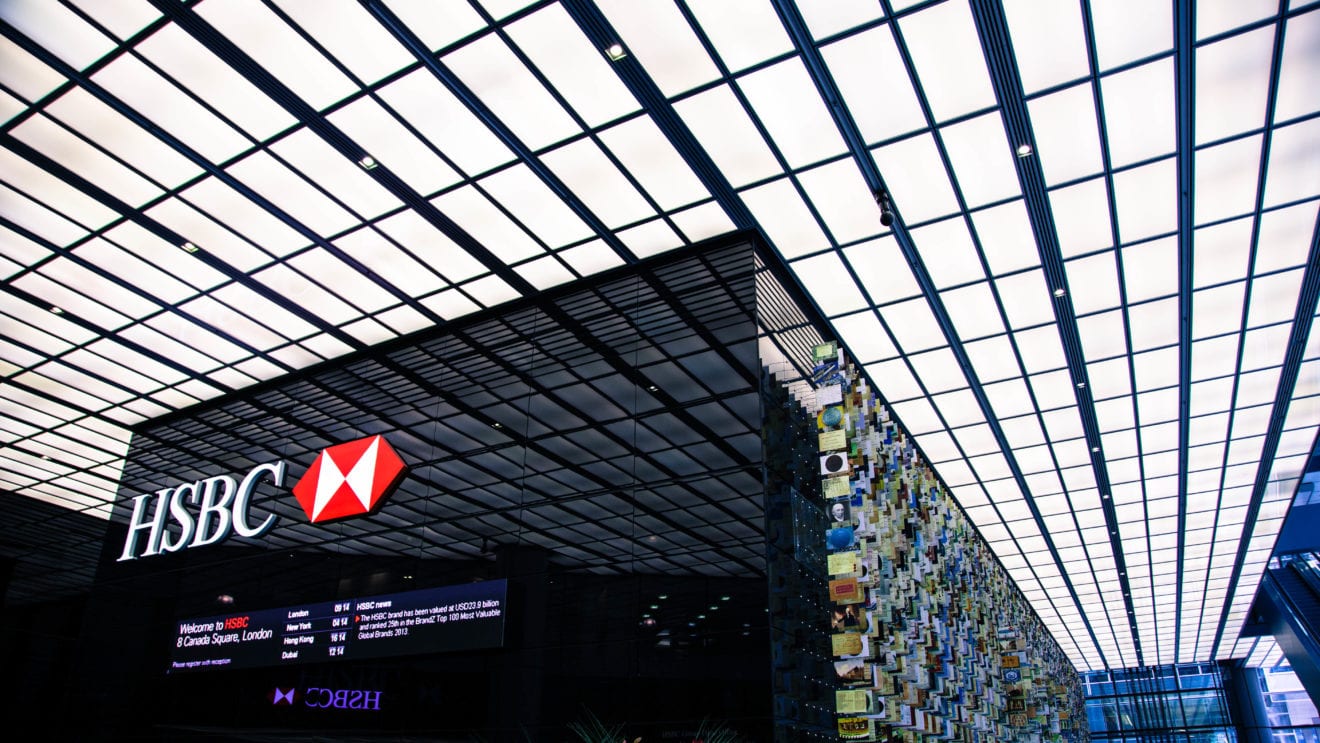
    HSBC has secured a five-floor flagship branch at Causeway Bay’s Capitol Centre for HK$4 million a month, taking space long dominated by international fashion retailers.

    The 3,900-square-metre lease lets the lender replace two nearby outlets with a single customer hub that exceeds the combined floor area of both prior locations.

    Renovation is now underway across the ground floor and four upper levels. The space previously housed apparel brands including Victoria’s Secret, Forever 21 and Chanel. Land Registry filings confirm HSBC signed a five-year agreement for the site, making it the first long-term non-fashion occupant at the property since 2008, when casualwear chain Giordano paid HK$5.06 million monthly for the basement and five upper floors.

    Shifting from Apparel to Wealth Hubs

    A few streets away on Paterson Street, fast-fashion retailer W. Management took three floors spanning roughly 2,790 square metres in Fashion Walk. The company agreed to pay more than HK$2 million monthly for space vacated by Swedish rival H&M, which previously paid as much as HK$10 million a month for the entire four-floor building.

    Financial institutions across Asia-Pacific are increasingly stepping onto prime retail strips that once priced out non-luxury operators. Where fashion giants previously bid up core retail corridors to unsustainable peaks, wealth managers, private banks and insurance firms now view discounted street-front flagships as essential physical hubs for customer acquisition and private client meetings.

    Prime Street Rents Level Off

    Data from Savills shows Hong Kong retail sales climbed 7.1 per cent year on year in the second quarter, while online sales rose 25.3 per cent. Street-level rents across the four core shopping districts of Central, Causeway Bay, Mong Kok and Tsim Sha Tsui held flat quarter on quarter, while mall rents slipped 1.8 per cent over the same timeframe.

    HSBC will close its Premier centre at Causeway Bay Plaza 2 on Lockhart Road and its branch at Park Lane on Gloucester Road on October 17, with the new Capitol Centre flagship scheduled to open on October 20.

  • Seven & I Fends Off 47 Billion Dollar Couche-Tard Takeover

    Seven & I Fends Off 47 Billion Dollar Couche-Tard Takeover

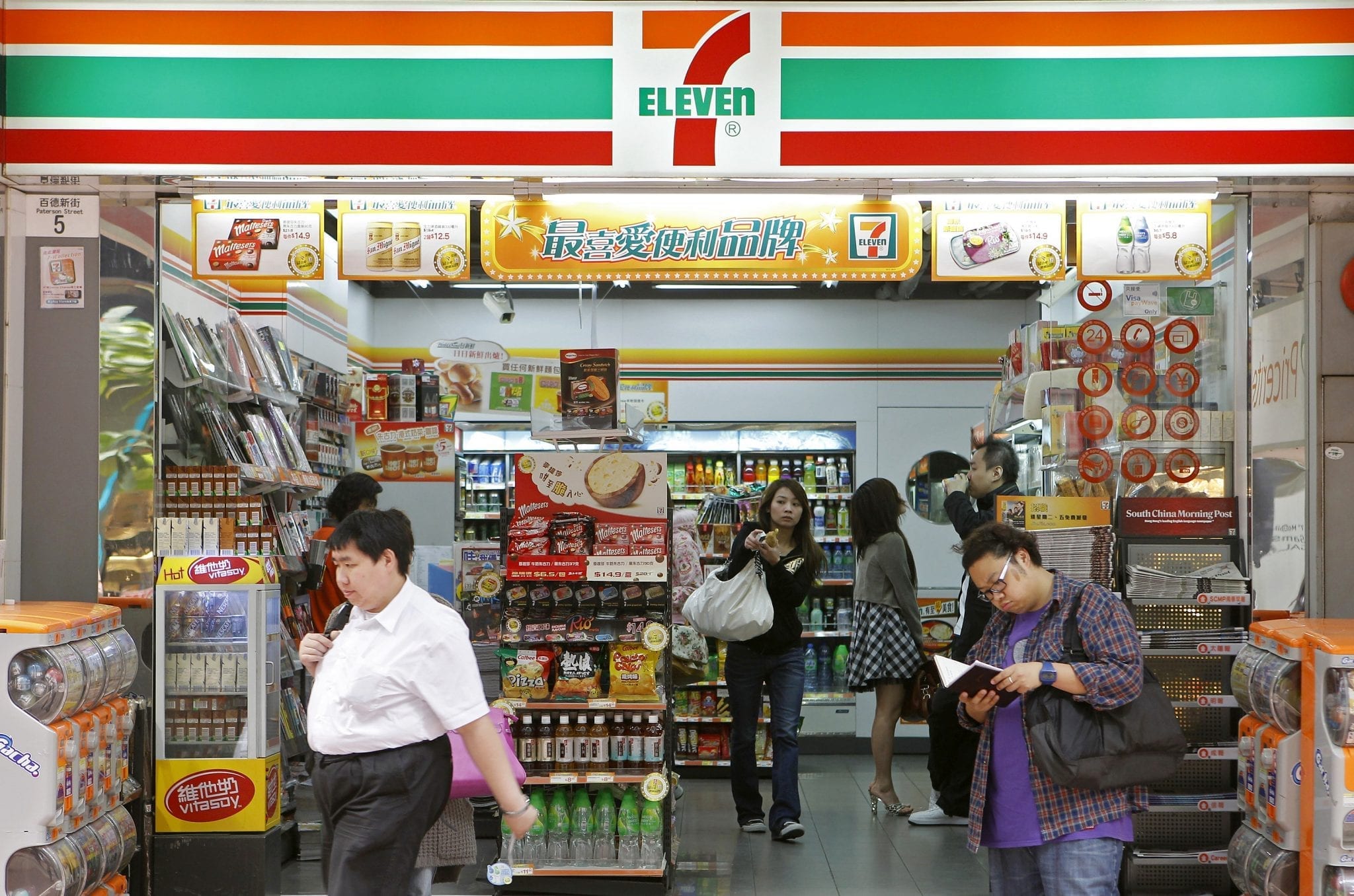
    Seven & I Holdings fended off a 47 billion dollar takeover bid from Canada’s Alimentation Couche-Tard after buyout negotiations collapsed in Tokyo. The withdrawal leaves the Japanese retail group in control of more than 60,000 convenience stores operating primarily across Asia and North America.

    How the buyout talks fell apart

    Couche-Tard launched its pursuit in August 2024 with an initial 38 billion dollar offer, later sweetening the bid to 47 billion dollars before abandoning the deal in July 2025. The Canadian suitor blamed the breakdown on what it called a calculated campaign of obfuscation and delay by the Seven & I board. Seven & I defended its board governance, rejected the characterization, and responded to the takeover pressure by appointing Stephen Hayes Dacus as chief executive officer.

    The Tokyo-headquartered parent company, formed by Ito-Yokado in 2005 to absorb 7-Eleven, has built its balance sheet through major retail purchases over several decades. That expansion includes the May 2021 purchase of 3,800 Speedway outlets from Marathon Petroleum and an April 2024 deal worth 1 billion dollars to acquire additional Stripes convenience stores and Laredo Taco Company locations.

    Portfolio pressure across key markets

    Asian retail conglomerates have historically pushed back against North American suitors seeking to consolidate fragmented convenience and fuel distribution networks. Seven & I’s resistance protects an operating model built around dense store clustering and localized food offerings, shielding core Asian operations from external ownership while preserving control over its Dallas-based subsidiary.

    Dacus now takes direct oversight of a retail network that generated 8.54 trillion dollars in annual revenue against a market capitalization of 28.61 billion dollars. Investor attention turns to the standalone turnaround plan as management prepares its next operational review.

  • Chinese Electric Vehicle Makers Prepare Canada Launch with Lower Cost Models

    Chinese Electric Vehicle Makers Prepare Canada Launch with Lower Cost Models

    Chinese electric vehicle manufacturers are preparing shipments to Canada, offering advanced vehicle technology at price points below established North American competitors.

    Domestic assembly plants across China have scaled output to supply overseas export corridors as international distribution plans advance.

    Export expansion into North America

    Production lines inside Chinese EV facilities are shifting capacity toward global specifications. Manufacturers have focused on software integration, high-voltage battery architecture, and cabin electronics to compete directly with legacy marques.

    Canada represents a key entry corridor in North America. Integrated local supply chains and battery manufacturing scale allow Chinese carmakers to price vehicles competitively even after international freight costs.

    Pricing pressure and regulatory hurdles

    Competitive pricing remains the primary lever for Chinese automakers entering developed automotive markets. By controlling component supply, cell manufacturing, and digital operating systems in-house, these plants maintain substantial production cost margins.

    Establishing certified retail networks and securing federal safety approvals in Ottawa remain the operational steps ahead of the first scheduled consumer deliveries.

  • Pakistan Raises Petrol to Rs349 and Diesel to Rs374 per Litre

    Pakistan Raises Petrol to Rs349 and Diesel to Rs374 per Litre

    Pakistan raised the retail price of petrol by Rs2.84 per litre and high-speed diesel by Rs2.28 per litre, effective September 4.

    Petrol now costs Rs349 per litre. High-speed diesel stands at Rs374.31 per litre. State fuel taxes add Rs114 per litre in duties on petrol and Rs100 per litre on diesel.

    Daily Pricing and Middle East Volatility

    Fuel rates now change daily under a system the government introduced on July 17. Petroleum Minister Ali Pervaiz Malik instructed the Oil and Gas Regulatory Authority to adjust prices every day based on international crude fluctuations.

    Both fuels remain well below their spring records. High-speed diesel peaked at Rs520.35 per litre on April 3, up from Rs281 before hostilities between the United States and Iran escalated in late February. Petrol reached Rs458.41 per litre on that same April date after opening March at Rs266.

    Impact on Freight and Retail Transport

    Transport costs feed directly into retail operations across Pakistani cities. High-speed diesel fuels long-haul freight trucks, intercity logistics fleets, agriculture machinery, and backup commercial generators. Petrol runs commuter motorbikes and urban delivery networks.

    Monthly consumption of petrol and high-speed diesel combined runs between 700,000 and 800,000 tonnes, compared to 10,000 tonnes for kerosene. Fleet operators and logistics providers are watching the next daily OGRA notices as global oil benchmarks shift.

  • Australian Shoppers Shift to Private Labels as Discretionary Sales Drop

    Australian Shoppers Shift to Private Labels as Discretionary Sales Drop

    Australian supermarket chains lifted private-label grocery sales by up to 6.1 per cent in fiscal 2026 as stubborn inflation squeezed household budgets. Coles Group reported that own-brand revenue outpaced overall company growth, with one in three customer baskets now containing its private-label lines.

    Woolworths Group recorded a 5.5 per cent increase in own and exclusive brand sales over the same period. Budget department store Kmart, operated by Wesfarmers, delivered resilient sales, while rival Big W returned to profitability before early fiscal 2027 trading slowed.

    Private Labels Win Margin and Volume

    Household goods retailers experienced a sharp pullback in consumer demand. Furniture chain Nick Scali reported that customer traffic fell by up to 15 per cent in the quarter to August as residential property turnover slowed. Australian same-store sales at Harvey Norman dropped 3.4 per cent, and electronics chain JB Hi-Fi posted its largest single-day share price decline since 2020 after missing consensus sales estimates.

    Quick-service dining networks faced similar pressure. Retail Food Group, which operates Gloria Jean’s and Donut King, booked an annual decline of roughly 3 per cent in domestic network sales. Automotive parts maker ARB posted a 3.3 per cent drop in Australian aftermarket revenue, while used-car transactions across the country fell 16.2 per cent in June.

    Property Slump Stalls Discretionary Demand

    Consumer price inflation has held above 3 per cent since 2025, outpacing wage growth of 3.2 per cent in the June quarter. With Commerzbank calculating that 60 per cent of Australian household wealth is tied up in residential real estate, higher borrowing costs and property tax adjustments targeting investors have directly curbed big-ticket purchases.

    The divergence across retail categories mirrors trends across Asia-Pacific markets, where food retailers expand low-price private lines to capture defensive trade while durable goods sellers rely on promotional financing to prevent transaction volumes from falling further.

    Trading updates for the first eight weeks of fiscal 2027 show sales at Big W have already started to decline, making the upcoming quarterly retail trade data the next key benchmark for consumer demand.

  • China Instant Retail Reaches 1.2 Trillion Yuan as Platforms Trade Subsidies for Warehouses

    China Instant Retail Reaches 1.2 Trillion Yuan as Platforms Trade Subsidies for Warehouses

    China’s instant-retail market will reach 1.2 trillion yuan (US$178 billion) this year as Alibaba, Meituan and JD.com pivot from discount subsidies to physical logistics networks.

    Ministry of Commerce data projects the sector to expand at an average annual pace of 12.6 per cent through 2030, driven by consumer demand for one-hour delivery on non-food goods including cosmetics, electronics and pharmaceuticals.

    The shift follows heavy margin erosion across the sector last year, when billions of dollars spent on consumer coupons and merchant incentives drove Meituan into a net loss and sharply reduced earnings at Alibaba and JD.com. Market regulators intervened with multiple summons and levied 3.6 billion yuan in penalties in April over safety violations, halting the aggressive discounting cycle.

    Shifting Shares and Margin Pressure

    Merchant earnings reveal the fallout from the promotional pullback. Luckin Coffee reported a 5.3 per cent drop in same-store sales at self-operated outlets for the April to June quarter, reversing a 13.8 per cent gain a year earlier when platform subsidies artificially lifted order volumes.

    Market share numbers have tightened as a result. Data from Analysys for the second quarter shows Alibaba’s Taobao Instant Commerce leading the market with 45.7 per cent, closely followed by Meituan at 45.3 per cent, while JD.com holds 7.7 per cent. That represents a sharp retreat for Meituan, whose meal-delivery share stood between 75 and 80 per cent before the latest price war began, according to Goldman Sachs estimates.

    The operational pivot is already repairing platform balance sheets. Instant-retail revenue at Alibaba jumped 45 per cent year on year to 53.3 billion yuan in the second quarter, while Meituan returned to profitability for the first time in nearly a year as subsidy budgets shrank.

    Dark Stores Replace Cash Handouts

    Platform operators are now spending their capital on property and fulfillment networks instead of digital vouchers. Meituan is constructing dedicated supermarkets to support grocery operations, while Alibaba and JD.com are rolling out urban dark stores and neighborhood lightning warehouses to guarantee sub-60-minute dispatch times.

    For retailers across the Asia-Pacific region, China’s quick-commerce evolution demonstrates that high-frequency food delivery functions primarily as an expensive customer acquisition tool. The sustainable profit pool sits in converting those app users into repeat buyers of higher-margin general merchandise through dedicated local fulfillment hubs.

    Platform operators now face the task of defending order volumes in the third quarter as promotional discounts expire completely across tier-one cities.

  • Philippine Telcos Commit over USD 2.2 Billion in 2026 Capital Spending

    Philippine Telcos Commit over USD 2.2 Billion in 2026 Capital Spending

    Philippine telecommunications operators have budgeted more than USD 2.2 billion in capital expenditure for 2026 to expand mobile networks, fiber connectivity and digital infrastructure across the country.

    Filings and guidance compiled by the Department of Information and Communications Technology put the combined baseline for the three largest networks at USD 2.21 billion. Total industry spending will rise to between USD 2.4 billion and USD 2.45 billion once DITO Telecommunity figures are added.

    Carrier Budgets and Network Expansion

    Globe Telecom leads the spending group with a guidance ceiling set below PHP 59.4 billion for 2026. PLDT has committed approximately PHP 55 billion to fund its mobile and fixed-line networks, while Converge ICT Solutions plans to deploy between PHP 17 billion and PHP 20 billion for fiber rollout.

    DITO Telecommunity plans to scale back outlays from its 2025 level of PHP 15 billion to PHP 18 billion. DICT did not release a specific 2026 allocation for the third major mobile operator, but department officials confirmed the group will maintain active network expansion.

    “Crossing the USD 2 billion mark sends a clear message: the telecommunications industry believes in the Philippines,” said DICT Secretary Henry Aguda. He noted that the capital programmes will direct resources toward data centers, cloud platforms, e-commerce support and artificial intelligence capacity.

    Policy Shifts and Network Competition

    For consumer brands and retailers across Southeast Asia, sustained telecommunications spending underpins the shift toward digital payments, omnichannel commerce and last-mile logistics. Carriers in Manila spent heavily over the past five years to establish basic 5G footprints, and the 2026 budgets shift capital toward data density, subsea links and enterprise connections rather than speculative coverage builds.

    The investment cycle aligns with market reforms under the Konektadong Pinoy Act alongside public investment in the National Fiber Backbone. The next milestone for the sector comes with third-quarter company earnings reports in November, when operators will release finalized 2026 project timelines and vendor procurement contracts.

  • World Bank Urges Thailand to Lift 12% AI Adoption Rate for 2037 Goal

    World Bank Urges Thailand to Lift 12% AI Adoption Rate for 2037 Goal

    Thailand must lift its corporate artificial intelligence adoption beyond the current 12 per cent rate to hit high-income status by 2037, according to the World Bank.

    Only about one in eight Thai businesses currently deploys AI tools, despite recent data centre investments and an established electronics manufacturing base. Speaking at the Bangkok Business Summit, World Bank vice-president for East Asia and Pacific Carlos Felipe Jaramillo warned that commercial adoption remains too concentrated among large corporations in the capital.

    Closing the SME technology gap

    Small, medium and micro-enterprises outside Bangkok account for the bulk of employment but lag in digital capabilities. The multilateral lender presented its “Building Thailand’s Future Today” report at the summit, hosted by the Joint Standing Committee on Commerce, Industry and Banking, setting out reforms for enterprise competitiveness.

    Thailand spends roughly 1 per cent of gross domestic product on research and development. Across the East Asia-Pacific region, that average sits at 2.5 per cent. World Bank senior economist Katherine Stapleton said closing that divide requires redirecting state R&D incentives toward smaller firms rather than limiting innovation programmes to top-tier conglomerates.

    RetailNews Asia notes that enterprise technology providers across Southeast Asia face a similar bottleneck: high digital consumer penetration alongside sluggish software uptake inside merchant supply chains. While Bangkok ranks among the region’s most connected consumer markets, commercial software integration across provincial retail and logistics networks remains sparse.

    Raising growth targets

    Meeting the government’s 2037 high-income target will require annual real GDP growth to jump to 5.4 per cent per person. Thai economic expansion has averaged 2.2 per cent per person since the pandemic.

    Exports generate roughly 70 per cent of Thailand’s gross domestic product, yet foreign direct investment continues to generate weak spillover gains for local suppliers. The World Bank argues that upgrading domestic software capabilities and fostering regional commercial hubs will determine whether the economy escapes middle-income stagnation.

    The Joint Standing Committee and state planning agencies are now reviewing corporate tax breaks and startup development programmes ahead of the next fiscal policy cycle.

  • Vingroup Deputy Chair Pham Thu Huong Enters Global Top 1,000 Wealthiest at $4.5B

    Vingroup Deputy Chair Pham Thu Huong Enters Global Top 1,000 Wealthiest at $4.5B

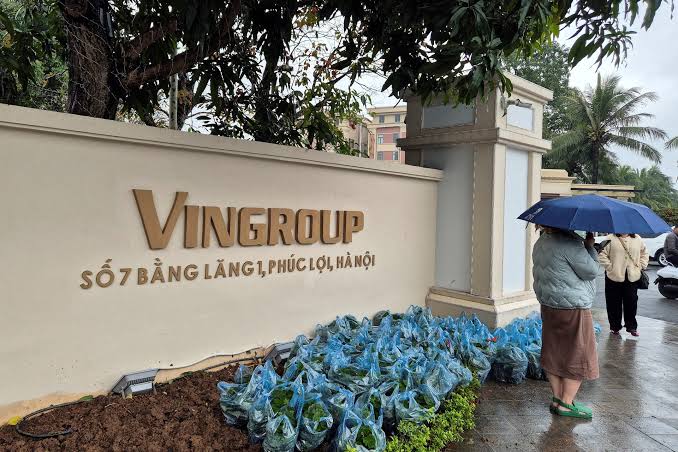
    Vingroup deputy chairwoman Pham Thu Huong entered the world’s 1,000 wealthiest people on Friday as her net worth climbed to US$4.5 billion. Shares in the Vietnamese conglomerate reached a record VND256,000 (US$9.82), adding nearly US$200 million to her personal fortune in a single trading day.

    The 57-year-old executive ranked 963rd on the Forbes real-time billionaire index after gaining 4.67 per cent in valuation during the session. She has climbed 443 positions since February, when she first joined the global ranking in 1,406th place. Huong now ranks as the second-richest woman in Southeast Asia, trailing only Indonesian data center operator DCI Indonesia co-founder Marina Budiman, who controls an estimated US$6 billion fortune.

    Record Conglomerate Rally

    Vingroup shares have advanced 51 per cent since the start of the year, expanding wealth across the group’s founding family. Pham Nhat Vuong, Huong’s husband and the chairman of Vingroup, expanded his net worth by 36 per cent over the same period to US$39.3 billion.

    Vuong reached 54th place on the global wealth table on Friday. His personal fortune increased by US$1.6 billion in 24 hours, making him one of the five biggest single-day wealth gainers worldwide.

    Southeast Asian Wealth Shifts

    Regional market trends tracked across Southeast Asia show Vietnam’s large diversified groups capturing substantial equity gains this year, outpacing broader regional indices. Other Vietnamese business figures on the global list include Vietjet Air chairwoman Nguyen Thi Phuong Thao, who ranked 1,099th with US$3.9 billion, alongside Vingroup leader Pham Thuy Hang.

    Trading desks in Hanoi will monitor whether Vingroup can defend its record share price above VND256,000 as third-quarter earnings disclosures approach.

  • Pakistan Corporate Registry Passes 311,000 as Tech Leads New Filings

    Pakistan Corporate Registry Passes 311,000 as Tech Leads New Filings

    Pakistan registered 4,761 new companies in August, pushing the total number of corporate entities in the country to 311,765.

    Online registrations accounted for 99.9 per cent of all filings during the month, driven by integrated federal and provincial digital portals.

    Where the new businesses set up shop

    Punjab remained the primary hub for new ventures, taking 2,547 incorporations or 53 per cent of the August total. Islamabad Capital Territory registered 843 companies, outpacing Sindh, which recorded 702 new corporate entities.

    Khyber Pakhtunkhwa accounted for 407 registrations, while Gilgit-Baltistan recorded 151 and Balochistan logged 111. The Information Technology sector led sector-specific formation across the country with 872 new incorporations during the month, followed by trading firms.

    Private limited entities made up the largest structure category at 2,762 companies, representing 58.01 per cent of the total. Single-member firms followed with 1,846 registrations, alongside 113 limited liability partnerships, 28 non-profit organizations, and 12 public and foreign entities.

    Digital shift drives formalisation

    Across emerging South Asian markets, bringing trading and tech enterprises out of cash-based operations into registered corporate frameworks has been slow. Pakistan’s shift to digital-only incorporation channels has streamlined the process for startups and small trading outfits that previously operated informally.

    The regulator’s next monthly filing report will show whether September maintains this pace above 4,500 new monthly incorporations as commercial sectors prepare for seasonal fourth-quarter trading.

  • Bangladesh Power Shortages Force Consumer Goods Makers to Cut Factory Output

    Bangladesh Power Shortages Force Consumer Goods Makers to Cut Factory Output

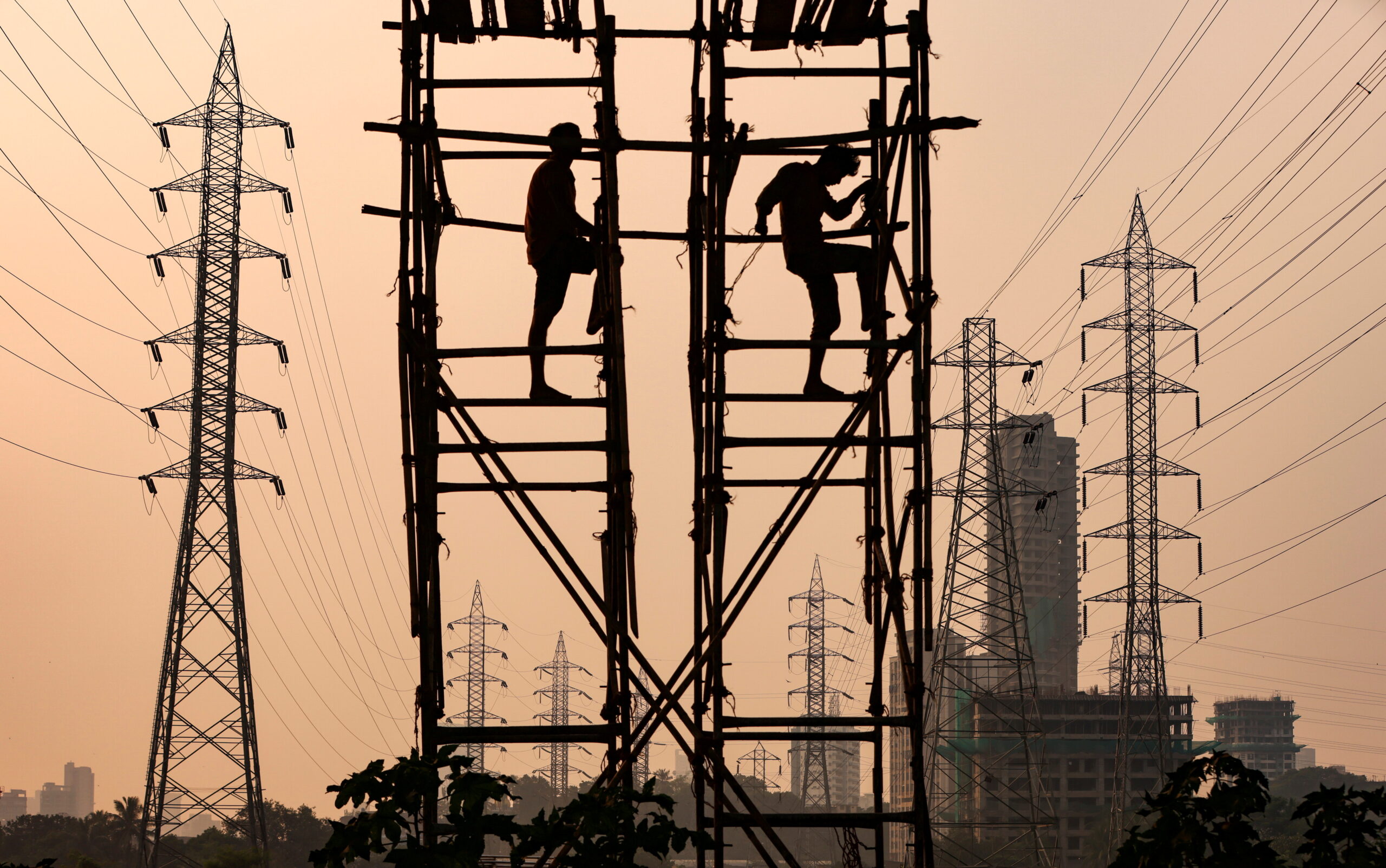
    Bangladeshi consumer goods, food, and apparel manufacturers are cutting factory output and rescheduling shifts as industrial gas pressure drops by two thirds across major production hubs.

    The supply squeeze, triggered by an offshore liquefied natural gas terminal going offline on July 21, has forced plants onto costly diesel generators and raised operating expenses by up to 15 percent.

    Export Delays and Rising Fuel Costs

    Food and snack producers face immediate export disruptions. Bombay Sweets missed 45.47 percent of its export orders in August because of low gas pressure, leaving 113,000 dollars in paid orders undelivered while container freight rates to the Middle East reached 8,500 to 12,000 dollars.

    Diversified conglomerate PRAN-RFL Group has cut capacity on select processing lines in Narsingdi, Habiganj, Gazipur, and Narayanganj. The company is using liquefied petroleum gas to keep priority machinery running while idling others during pressure drops.

    Household goods supplier ACI Consumer Brands reports that running diesel generators for continuous 24-hour operations has increased production costs by 10 to 15 percent. Foreign buyers and domestic retail channels have resisted absorbing the difference, leaving manufacturers to absorb the margin squeeze.

    For regional retail brands sourcing apparel and packaged goods across South Asia, the bottlenecks demonstrate the fragility of grid-dependent production hubs, where sudden utility shortfalls directly jeopardize delivery timetables.

    Solar Investments to Offset Grid Failures

    Garment exporter Newage Group has altered shift patterns around electricity availability while drawing 25 percent of its plant power from rooftop solar installations. Drugmaker Incepta Pharmaceuticals is now juggling four distinct energy sources, grid electricity, natural gas, LPG, and diesel, to keep medicine lines operational.

    PRAN-RFL currently generates 35 to 38 megawatts of captive renewable power toward its 200-megawatt plant demand, with plans to expand solar generation capacity to 100 megawatts before the end of the fiscal year.