Blog

  • Philippine Airlines Adds Cats to Domestic In-Cabin Flights for 2,500 Pesos

    Philippine Airlines Adds Cats to Domestic In-Cabin Flights for 2,500 Pesos

    Philippine Airlines opened its domestic passenger cabins to cats on September 5, charging 2,500 pesos per one-way flight under its expanded FurPAL pet scheme. The service allows passengers to bring one small dog or cat inside the cabin, provided the animal and its carrier weigh no more than 10 kilograms combined.

    Pets must be at least 12 weeks old and fully weaned. The airline requires animals to travel in soft-sided carriers measuring no more than 45 by 25 by 28 centimetres, sized to slide underneath the seat while allowing the animal space to stand, turn, and lie down.

    Carrier Rules and Paperwork

    Passengers cannot buy an extra seat for a pet or remove the animal from its carrier during flight. Dogs must wear diapers throughout the journey, while cats require absorbent pads inside their carriers. Feeding during the flight is barred, though water is permitted.

    Boarding requires four distinct documents presented at check-in: a signed declaration and waiver, a veterinary health certificate dated within five days of departure, an anti-rabies vaccination certificate, and a local shipping permit issued by the Bureau of Animal Industry.

    Fleet Restrictions and Capacity

    Capacity limits remain tight across the network. Most eligible aircraft can accommodate a maximum of three pets per flight, requiring passengers to book and pay at least 48 hours prior to scheduled departure.

    The service applies only to select aircraft types, including PAL’s De Havilland Dash 8-Q400 turboprops, Airbus A320s, A321ceos, specific A330s, Boeing 777s, and Airbus A350s.

    Southeast Asian carriers have long restricted live animals to cargo holds due to cabin cleanliness standards and biosecurity regulations. By expanding cabin access to cats alongside dogs, PAL is testing revenue potential in a domestic consumer market where pet spending and companion travel continue to gain traction.

    Bookings remain governed by the 48-hour advance cut-off, leaving seat inventory and carrier approvals strictly capped on high-frequency provincial routes.


  • Dairy Queen Returns to Hong Kong with Four Outlets in Fourth-Quarter Push

    Dairy Queen Returns to Hong Kong with Four Outlets in Fourth-Quarter Push

    American ice cream chain Dairy Queen will open four Hong Kong outlets in the fourth quarter of 2026. The rollout starts with a flagship in Causeway Bay.

    The launch reintroduces the 85-year-old brand to the market 47 years after a brief stint in 1979. Outlets will spread across Hong Kong Island, Kowloon, the New Territories and the outlying islands.

    Locations and Product Formats

    Its first flagship site opens at the One Causeway Bay shopping centre in November. A second store in Kowloon is under hoarding at The Angle shopping centre in Kwun Tong. The remaining two branches will open before the end of December.

    Dairy Queen developed a localised menu for the territory with five core product categories. Offerings include milkshakes, parfaits, ice cream cakes, and its signature soft-serve dessert. The soft serve uses an exclusive full-fat dairy mix and an air overrun of roughly 40 per cent to maintain consistency.

    Shifting Rents and Tourist Spending

    Structural turnover continues across the city’s food and beverage sector. Prime commercial rents in core retail districts remain down 60 to 70 per cent from their 2013 and 2014 peaks. That drop lowers startup overhead for international franchise operators as legacy restaurants exit.

    Lower leasing costs arrive alongside a rebound in inbound traffic. Hong Kong recorded 31.22 million visitor arrivals during the first seven months of 2026, up 11 per cent year on year. Total retail sales value grew 8.9 per cent over the same period.

    Deploying across four separate districts in a single quarter lets foreign fast-casual operators build brand awareness quickly. The footprint tests local demand across tourist and suburban residential catchments.

    Fit-out work continues at the One Causeway Bay site ahead of the November launch. Opening dates for the New Territories and island locations are expected before year-end.

  • Indian Sneaker Brand Comet Raises $10.5 Million to Expand Retail Network

    Indian Sneaker Brand Comet Raises $10.5 Million to Expand Retail Network

    Indian footwear brand Comet raised 10.5 million dollars in Series B funding led by global investment firm Verlinvest. The capital injection follows a ninefold revenue increase since the company’s prior round and will fund physical store rollout across India.

    Existing backers Elevation Capital and Nexus Venture Partners joined the round. Angel investors including Urban Company chief executive Abhiraj Singh Bhal, Snap Inc. Global chief business officer Ajit Mohan, and VegNonVeg co-founder Anand Ahuja also participated.

    Tooling and Product Development

    Comet allocates the fresh capital toward retail expansion, technology infrastructure, and in-house research and development. The shoemaker designs proprietary sole moulds and tooling internally rather than relying on off-the-shelf white-label outsoles, a choice that drives higher upfront capital expenditure per silhouette.

    “We want to continue pushing the boundaries of what an Indian footwear brand can build, which means investing deeply in sole technology, R&D and engineering,” co-founder Utkarsh Gupta said. The company spent twelve months engineering a women-specific model with bespoke sole tooling ahead of an upcoming market release.

    Footwear startups across South Asia face steep unit economics when trying to compete directly with global sportswear incumbents. Developing custom moulds costs tens of thousands of dollars per silhouette before a single production run ships, leaving little margin for inventory errors if consumer uptake falters.

    Retail Footprint and Expansion

    Physical stores provide direct access to street-level shoppers who still demand tactile trial for sizing and cushioning. Direct-to-consumer digital channels in India grapple with high return rates and customer acquisition costs, forcing domestic lifestyle labels into brick-and-mortar storefronts to secure stable cash flow.

    Landlords in top tier metros now allocate dedicated lifestyle wings to local challenger labels that pull younger foot traffic into shopping centres. Comet faces competition for prime high-street square footage against well-funded apparel and footwear peers rapidly securing leases in the same commercial corridors.

    Fundraising Track Record

    Founded in 2023, Comet previously raised 42.3 crore rupees in a Series A financing round led by Elevation Capital in 2024. The brand built its early presence around limited-run design drops and four core footwear models.

    The company reaches 10 operational stores this month. Management targets a portfolio of eight distinct footwear models by late next year while expanding the retail fleet to 20 stores across India by the close of fiscal 2027.

  • Lumio Solar Raises US$900,000 for Plug-and-Play Solar Appliances

    Lumio Solar Raises US$900,000 for Plug-and-Play Solar Appliances

    Lumio Solar raised US$900,000 in pre-seed funding in August 2026 to build a distribution and service network for solar-powered appliances across the Philippines.

    The investment round was led by 100×100, the Southeast Asia climate venture builder formerly known as Wavemaker Impact, to back the Pampanga-based startup’s rollout of solar fans, lights, freezers, and portable power stations.

    Replacing Rooftop Panels with Standalone Units

    Lumio sells appliances that generate and store their own electricity without requiring roof installation, property ownership, or utility permits. The company targets households, micro, small and medium enterprises, and agribusinesses that are often priced out of rooftop solar. According to Lumio, its equipment cuts operating costs between 10 per cent and 90 per cent compared to standard alternatives while reducing electricity-related emissions by at least 50 per cent.

    Rey Sunglao, founder and chief executive officer of Lumio Solar, leads the venture after more than two decades in Philippine retail and commercial operations, including senior roles at SM Malls Online. Capital from the funding round will go toward widening the startup’s product range, strengthening regional hubs, and establishing localized after-sales repair points.

    The Retail Distribution Hurdle

    The operational test for Lumio lies in logistics and servicing rather than basic hardware manufacturing. Portable power stations from global brands like EcoFlow, Bluetti, and Jackery already sell across Southeast Asia, but they target affluent consumers and outdoor enthusiasts through digital storefronts. Lumio is attempting a traditional retail route, placing inventory and technician support into secondary cities and agricultural areas where power grids remain unstable and diesel generators drive up overhead.

    For independent shopkeepers and food vendors in provincial markets, energy costs represent a daily margin calculation. Commercial rooftop installers such as Solar Philippines, Buskowitz Energy, and Solaric focus heavily on large commercial roofs, industrial compounds, and high-income residential properties. By shrinking the hardware transaction to the size of a single chest freezer or shop fan, Lumio avoids long financing approvals, though it assumes the operational burden of warranty claims and replacement parts across an archipelago.

    Expanding from Central Luzon

    High retail power tariffs in the Philippines have accelerated private generation projects, with national solar capacity projected to expand 17.4 per cent annually through 2050. Lead investor 100×100 launched a US$100 million second fund in 2026 to back 50 climate enterprises across Southeast Asia and India, targeting scalable businesses in high-emission sectors.

    Initial commercial rollouts will concentrate on Central Luzon and Metro Manila before expanding into provincial hubs in the Visayas and Mindanao, where Lumio plans to deploy its first batch of regional service centers.

  • China Mandates Finished Home Sales as Developer Losses Mount

    China Mandates Finished Home Sales as Developer Losses Mount

    Chinese regulators issued a joint directive mandating a shift toward completed-home sales, putting fresh liquidity pressure on property developers as the market downturn entered its fifth year.

    The policy overhaul on August 28 coincided with wider mortgage easing, including raising the debt service-to-income cap to 60 per cent from 55 per cent and extending maximum loan terms to 40 years from 30 years.

    Cash Flow Squeeze for Distressed Builders

    Pre-sales historically funded the bulk of residential construction across mainland China. Ending that practice forces developers to finance entire projects up front, stretching cash conversion cycles at a time when private builders remain cut off from standard bank lending.

    State-backed developers with deeper balance sheets stand to gain market share while defaulted operators struggle to buy land. Fitch Ratings warned that the rules raise the bar for internal financial management just as distressed builders attempt to revive project deliveries.

    Recent regulatory changes place even higher demands on developers’ cash flow and financial management capabilities.

    Asset disposals and external debt restructurings offer the only immediate route to liquidity for private builders, according to Shanghai-based property consultancy E-house China.

    Country Garden and Sunac Narrow Half-Year Deficits

    Interim earnings released late August showed that finished restructurings have not yet restored profitability. Country Garden reported first-half revenue of 44.1 billion yuan ($6.6 billion) and a net loss of 15.62 billion yuan, narrowing its deficit by 16.3 per cent from a year earlier.

    Sunac posted six-month sales of 16.35 billion yuan, down 18.2 per cent year on year. Its net loss reached 12.54 billion yuan, a 2.1 per cent reduction from the prior period.

    The operational pivot follows the life imprisonment sentence handed to China Evergrande founder Hui Ka-yan. While risk resolution on historical offshore bond defaults is progressing through courts in Hong Kong and the mainland, physical housing turnover across primary markets remains depressed.

    Investors now await monthly transaction figures for September across top-tier cities to gauge whether 40-year mortgages and easier debt thresholds can lift buyer demand under the new finished-home regime.

  • Japan Convenience Store Chains Cut Onigiri Base Prices

    Japan Convenience Store Chains Cut Onigiri Base Prices

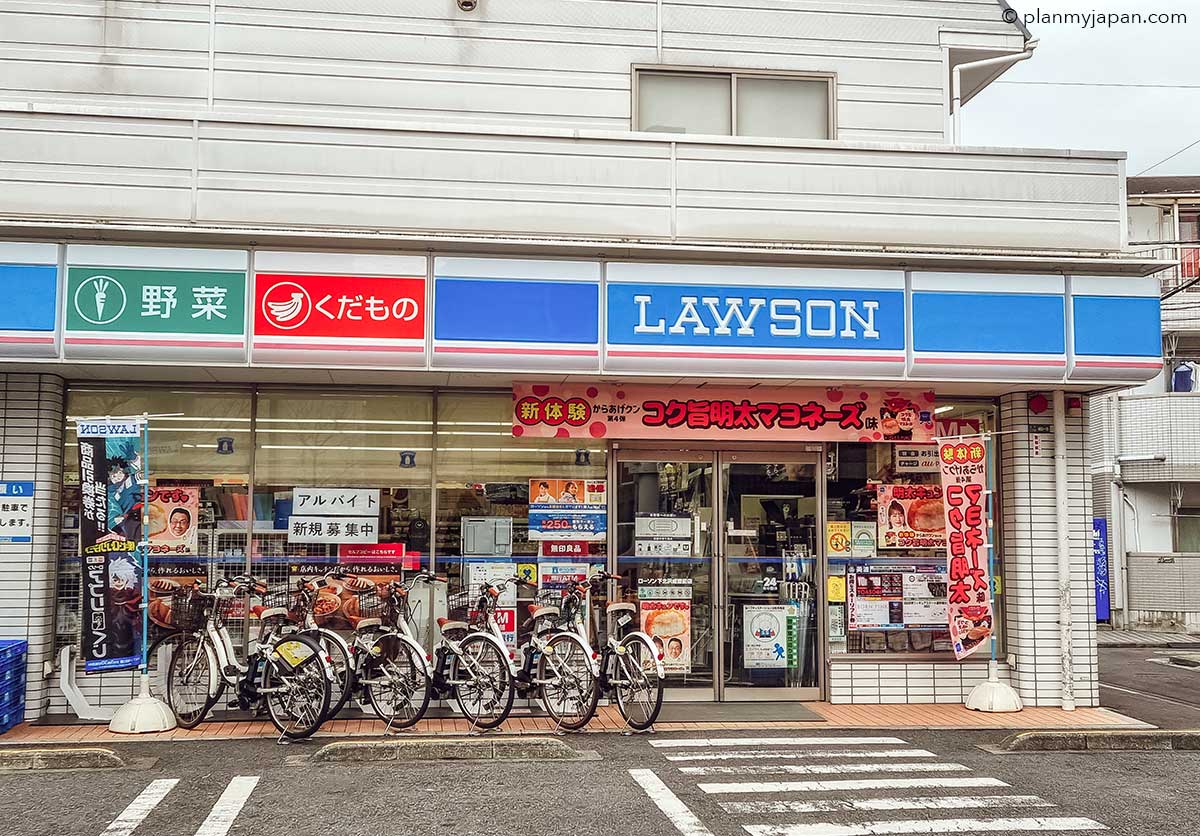
    Japan’s three largest convenience store operators, 7-Eleven, FamilyMart and Lawson, have cut base retail prices on onigiri rice balls after years of inflation doubled shelf prices for the staple snack.

    The reductions mark a permanent reset of baseline pricing rather than temporary sales promotions, targeting everyday basket affordability across thousands of urban outlets.

    Price Cuts Across Major Chains

    Lawson will reduce after-tax prices by 10 yen across all 20 varieties in its Temaki Onigiri lineup on September 29. Its Sea Chicken Mayonnaise drops from 181 yen to 171 yen, grilled salmon falls from 221 yen to 211 yen, and spicy cod roe mentaiko drops from 235 yen to 225 yen. Plum, kombu, and okaka variants will each decline from 194 yen to 184 yen.

    7-Eleven Japan is lowering prices on its core salmon and mentaiko rice balls by 19 yen, reducing both from 214 yen after tax. FamilyMart initiated its adjustments on August 24, cutting the price of its Kombu and Tuna Mayonnaise Big Musubi from 320 yen to 298 yen.

    Wholesale Relief and Volume Recovery

    Data from Japan’s Ministry of Agriculture, Forestry and Fisheries shows the average supermarket retail price for a five-kilogram bag of rice dropped 27.7 per cent between early this year and mid-August. Falling raw grain costs have given convenience chains room to adjust procurement and restore unit volumes that slowed when onigiri crossed historical psychological price barriers.

    For Japanese convenience operators, rice balls serve as primary foot-traffic drivers alongside canned coffee and ready-to-eat lunches. Chains spent two years passing input costs directly to shoppers, but price resistance pushed consumers to trim daily spend, prompting this coordinated push to protect store traffic.

    The repricing rollout will test whether lower shelf prices can restore transaction counts before quarterly sales figures reveal the impact on gross retail margins.

  • Richemont Anchors Asian Network Through Dual Hubs in Hong Kong and Tokyo

    Richemont Anchors Asian Network Through Dual Hubs in Hong Kong and Tokyo

    Richemont manages its expanding Asian luxury operations through dedicated regional hubs in Hong Kong and Tokyo, supporting a global footprint of 2,369 monobrand boutiques generating 22 billion euros in revenue. Direct sales to retail clients now account for 77 per cent of total group turnover across its 23 Maisons and businesses.

    The Swiss luxury conglomerate employs more than 40,000 people across upwards of 150 international locations. Central corporate management in Geneva coordinates policy and governance across five regional headquarters, with Asia commanding two distinct reporting territories.

    Regional Footprint Across Nine Asian Markets

    From its regional Asia Pacific headquarters in Hong Kong, Richemont directs operations across nine major territories: mainland China, Australia, South Korea, Macau, Malaysia, Singapore, Taiwan, and Thailand. A separate regional headquarters in Tokyo oversees the Japanese market, backed by two satellite offices in Fukagawa and Osaka.

    Western Asia and South Asian expansion run through a third regional division based in Dubai. That office coordinates commercial operations across India, Saudi Arabia, and South Africa from an operations base at the Dubai Airport Free Zone.

    Direct Retail Shift and Infrastructure Targets

    The operational concentration in Hong Kong and Tokyo reflects the luxury sector’s reliance on Asian consumer demand, even as brand houses take closer control of physical distribution. Operating 2,369 monobrand boutiques allows the group to secure higher margins while managing client relationships without wholesale intermediaries.

    Richemont also reported that renewable electricity powers 97 per cent of its global operations, alongside holding Global Equal-Salary certification across its business units. Group leadership continues to focus resources on store productivity and direct boutique expansion across key metropolitan shopping districts in Greater China and Southeast Asia.

  • Carrefour Returns to India with 50,000-Square-Foot Greater Noida Flagship

    Carrefour Returns to India with 50,000-Square-Foot Greater Noida Flagship

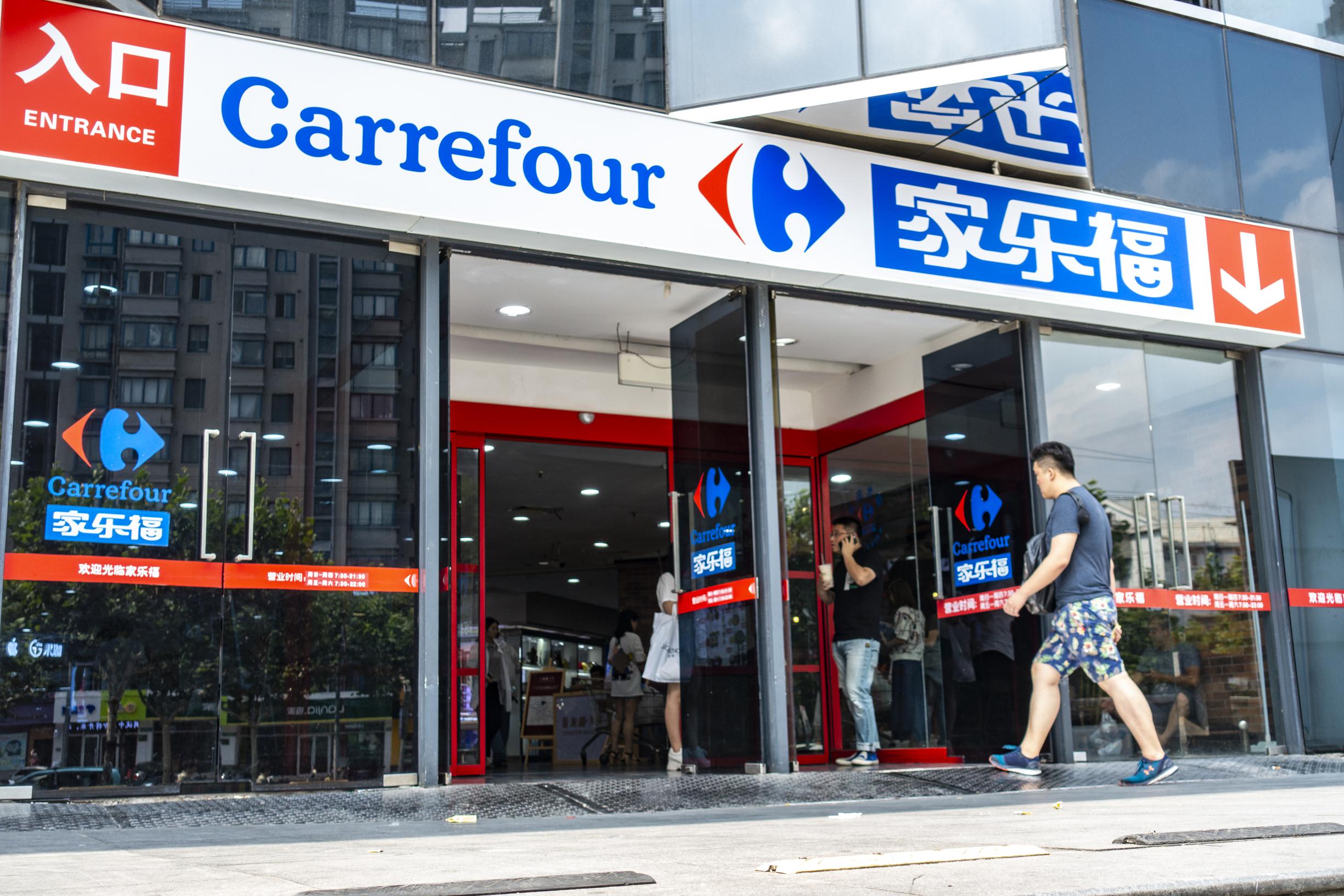
    French grocer Carrefour opened a 50,000-square-foot flagship store in Greater Noida West, returning to the Indian market a decade after shutting down its initial operations.

    The outlet at Boulevard Walk mall stocks more than 15,000 products across fresh food, groceries and household essentials under a franchise pact with Dubai-based Apparel Group.

    Apparel Group, which manages more than 300 fashion and lifestyle stores across 50 Indian cities, will run the local stores and supply chain. The partnership combines Carrefour’s private labels and imported lines with locally sourced goods to build an omnichannel grocery network across North India.

    A Second Run at Multi-Brand Grocery

    Carrefour first set foot in India in 2010 under the government’s cash-and-carry wholesale regulations. It closed its five wholesale depots and left in 2014 after failing to secure a domestic partner to navigate foreign investment limits in multi-brand retail.

    Foreign supermarket chains have long found India difficult to penetrate because of strict ownership caps and entrenched local distributors. While Walmart shifted entirely to wholesale and e-commerce through Flipkart, Carrefour is using a regional master franchisee to shoulder real estate commitments and store-level operations.

    Scaling North India Distribution

    Apparel Group owner APPCORP Holding, led by chairman Nilesh Ved, is using the Greater Noida site as a launchpad to expand Carrefour into additional northern urban clusters.

    The joint venture will now establish dedicated supply chain hubs to support planned store openings across Uttar Pradesh and the National Capital Region.

  • DFI Retail Group Tests Experiential 7-Eleven Formats Across Hong Kong

    DFI Retail Group Tests Experiential 7-Eleven Formats Across Hong Kong

    DFI Retail Group rolled out two distinct format concepts across its 7-Eleven network in Hong Kong, targeting airport transit traffic and young mall shoppers.

    The deployment includes a compact food-first site under 100 square metres at Hong Kong International Airport Terminal 2 and an entertainment-focused store at Kai Tak Retail Mall 3. Both formats shift floor space away from traditional packaged goods to generate higher footfall and basket values.

    Hot Food and Collectibles at Kai Tak

    At the airport location, DFI deployed its Hong Kong Taste cafe concept. The layout combines a fresh local hot-food counter, chilled ready-to-eat meals, self-checkout kiosks, and coffee counters within a compact sub-100-square-metre unit designed to compete directly with quick-service restaurants.

    The Kai Tak store focuses entirely on youth merchandise and interactive displays. Shoppers find collectible card vending machines alongside a dedicated K-pop merchandise section requiring staff assistance for access, concert light sticks, Tamagotchi devices, and miniature double-decker bus models. The branch also stocks exclusive collaboration apparel, including Gundam socks and 45th-anniversary branded merchandise, alongside an interactive mechanical keyboard sound wall.

    Yoep Man leads the format trials as chief executive officer of 7-Eleven for South China, Hong Kong, Macau, and Singapore at DFI Retail Group.

    Asian Convenience Chains Pivot to Experience

    Convenience operators across North and Southeast Asia are redesigning store footprints to defend operating margins against rising rents and saturated packaged-goods categories. Regional competitors in Japan, Taiwan, and South Korea have pursued similar split strategies, turning transit units into fast hot-food hubs while transforming suburban mall branches into lifestyle destinations with licensed character goods. DFI’s two concepts test how far a traditional convenience banner can push into quick-service dining and collectible retail within dense commercial districts.

    DFI Retail Group plans to present operational insights and format findings from the Hong Kong pilot during the NACS retail conference taking place from October 6 to October 9.

  • Weak Peso Pushes Philippine Supermarkets Toward Cheaper Stock

    Weak Peso Pushes Philippine Supermarkets Toward Cheaper Stock

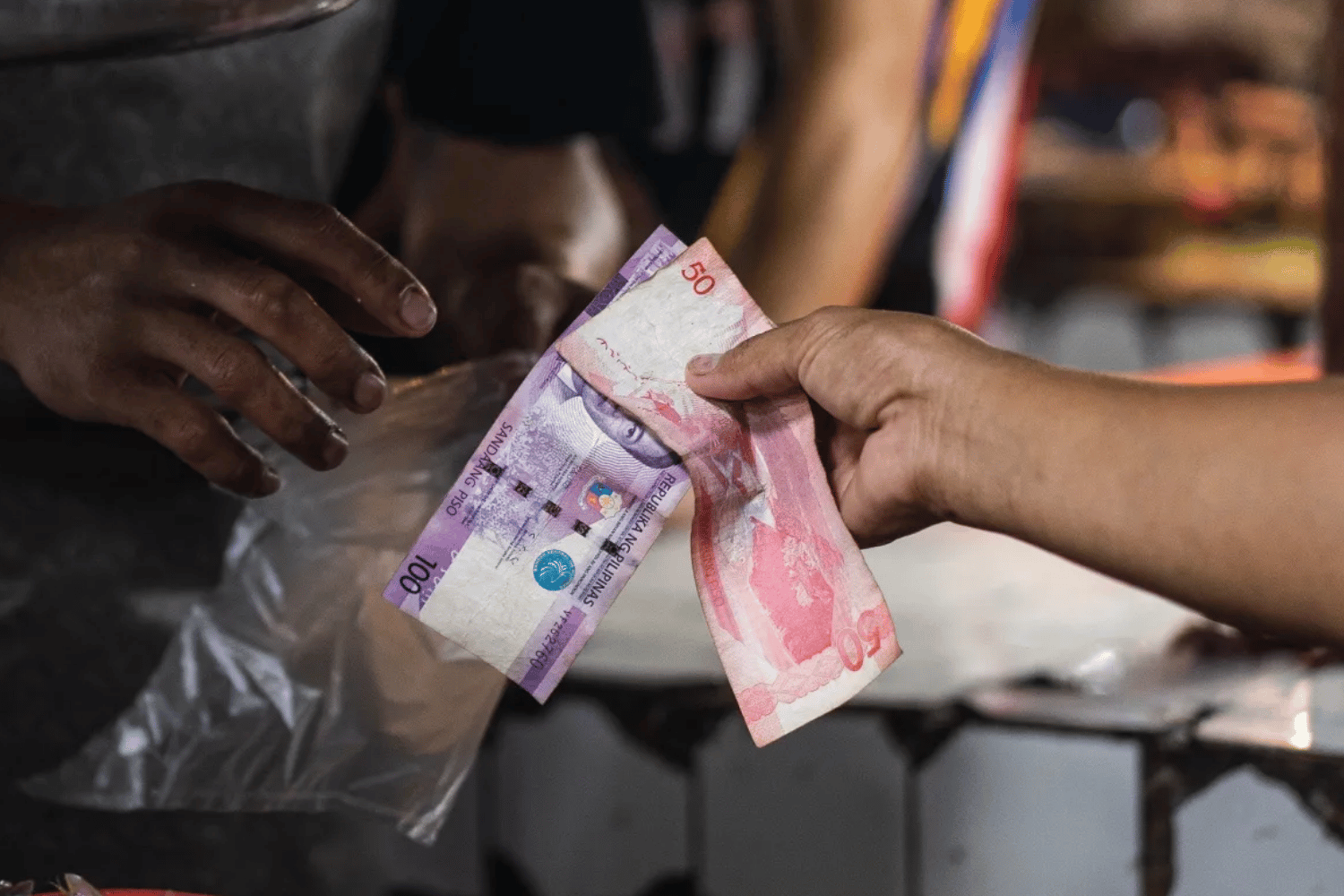
    Philippine manufacturers and retailers face severe cost pressures after the peso slid past 62 per US dollar. The slump drives up import expenses for raw materials, machinery, and store inventory.

    The currency touched an all-time low of 62.265 against the greenback on August 28. That drop amplified imported inflation after domestic headline inflation reached 6.2 percent in July.

    Warnings from the Federation of Philippine Industries indicate that higher landed input costs will cascade through wholesale channels onto retail shelves. Raw materials, intermediate goods, capital equipment, and mineral fuels make up more than 85 percent of total Philippine imports, according to government trade data. Domestic producers must spend more pesos to secure ingredients and packaging. At the same time, higher diesel and electricity charges lift distribution expenses across store networks.

    Supermarket Shelves and Downgraded Goods

    Consumer goods companies also face steeper capital expenditure hurdles. Machinery and equipment account for nearly 28 percent of inbound shipments. Meanwhile, a 25-basis-point interest rate increase by the Bangko Sentral ng Pilipinas has pushed commercial borrowing rates higher.

    If brand owners pass cost increases to retail buyers, store operators will adapt by altering product selections. Grocers may have to stock cheaper, lower-grade alternatives to maintain transaction volumes as household budgets tighten, warned Steven Cua, president of the Philippine Amalgamated Supermarkets Association.

    Retailers across Southeast Asia have confronted similar currency depreciation cycles by shrinking pack sizes and expanding private-label ranges. Remittances from overseas workers normally cushion Philippine consumer spending. However, sustained food and energy inflation threatens to cancel out those remittance gains by eroding baseline purchasing power.

    Input Clearances and Inflation Watch

    To ease cashflow strains on domestic factories, manufacturing lobbies are pressing government agencies to fast-track customs clearance for industrial inputs. Expedited releases would cut storage and port fees that accumulate during administrative delays.

    Market watchers now look to the upcoming official August inflation print. Central bank officials must decide whether further interest rate adjustments are needed to stabilise the peso.

  • Yeo’s Launches Teriyaki Canned Tuna in Malaysia Protein Push

    Yeo’s Launches Teriyaki Canned Tuna in Malaysia Protein Push

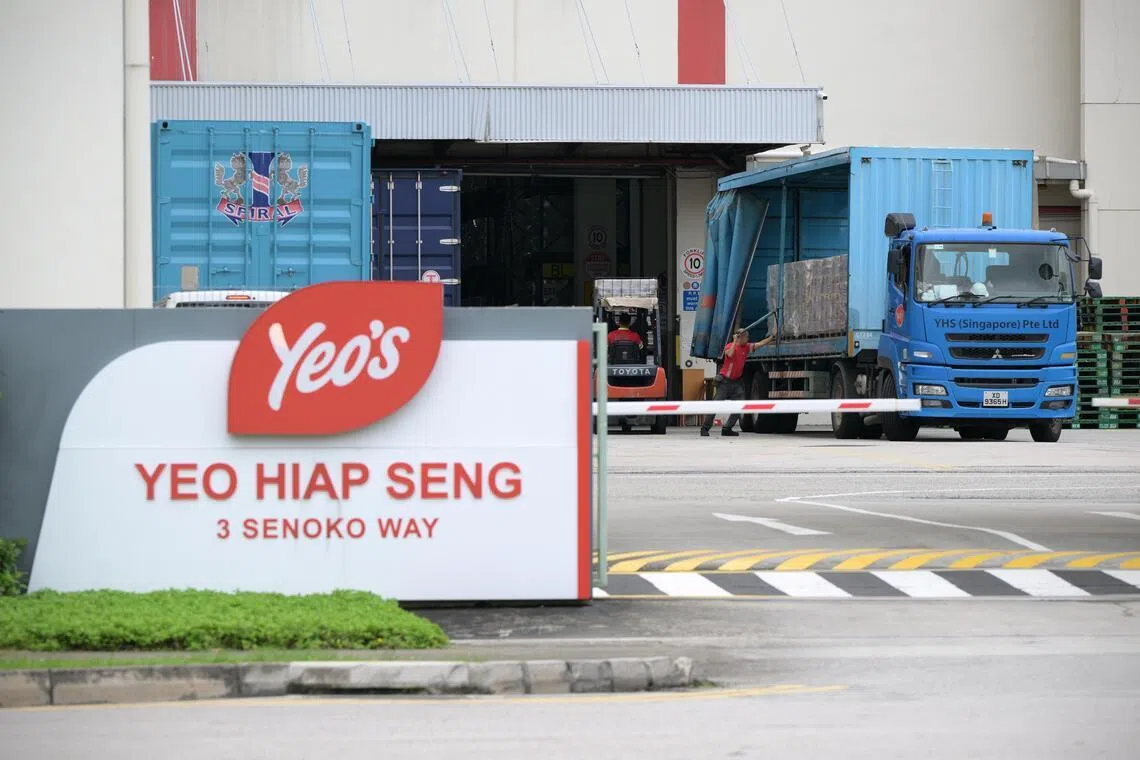
    Yeo’s added Teriyaki and Chilli Spicy canned tuna to its Malaysian packaged food lineup, claiming the country’s first teriyaki-flavoured shelf-stable tuna variant.

    The product expansion targets consumers seeking convenient high-protein meals across supermarket and hypermarket channels.

    Protein Counts on Front-of-Pack Formats

    Both seafood products arrive in standard metal cans tailored for direct consumption or quick meal preparation. Yeo’s is positioning the line alongside its recent ready-to-eat ambient poultry launches, which use retort packaging to deliver traditional Malaysian recipes without refrigeration.

    Those retort pouch releases, Boneless Chicken Curry and Boneless Chicken Rendang, package 33 grams and 24 grams of protein per pouch respectively. Yeo’s engineered the poultry line for microwave heating, printing protein counts directly on the outer packaging to court shoppers monitoring macronutrient intake.

    Shifting Away From Commodity Canning

    Packaged seafood brands across Southeast Asia traditionally sell canned fish on basic functional attributes like omega-3 content and budget affordability. That strategy leaves margins exposed to rising raw fish costs and competition from supermarket private labels.

    Flavour-forward seasonings allow ambient seafood processors to command higher unit prices. Western brands successfully recast canned seafood into premium lifestyle items through specialty sauces and design-led branding, creating a playbook Asian food manufacturers now adapt for local retail shelves.

    Category Push Across Packaged Foods

    The tuna rollout follows a broader cycle of recipe and packaging adjustments at Yeo’s. The company pushed into modern convenient cooking earlier in the year with ambient cooking pastes and unsweetened heritage teas, testing whether legacy Asian food brands can capture younger urban households.

    Retail buyers are tracking initial off-take figures for both seasoned tuna variants across Malaysian grocers as Yeo’s prepares distribution for regional convenience chains.

  • Global Food Price Index Hits Nearly Four-Year High on Sugar Surge

    Global Food Price Index Hits Nearly Four-Year High on Sugar Surge

    Global food commodity prices rose 1.9 per cent in August as the United Nations Food and Agriculture Organization price index reached 133.3 points, its highest level since November 2022.

    The increase leaves the benchmark 2.5 per cent higher than a year earlier, driven by broad gains across sugar, cereals, dairy, meat and vegetable oils.

    Sugar registered the steepest climb across the index, jumping 11.9 per cent month on month to 106.4 points. Lower expected sugarbeet yields in the European Union, production declines in Brazil, and weather concerns tied to El Niño in major Asian producers squeezed supply outlooks. India compounded the pressure by announcing duty-free raw sugar imports to shore up domestic availability.

    “August’s increase in global food prices is a warning that the risk premium is returning to food markets,” said Maximo Torero, chief economist at the FAO. Torero pointed to climate shocks, geopolitical tensions and trade logistics bottlenecks as factors tightening supply expectations.

    Grains and Oils Add Cost Pressure

    Cereal prices averaged 116.3 points in August, up 2.2 per cent from July to reach their highest reading since May 2024. Quotations rose for wheat, maize and rice, driven by strong buying interest, adverse weather across several production belts, and shipping disruptions from Black Sea ports in Ukraine.

    Vegetable oils rose 0.6 per cent to 196.9 points. Firm global import demand lifted palm and soy oil values, while dry conditions linked to El Niño threatened plantation yields in Southeast Asia. Rapeseed and sunflower oils softened slightly on expectations of steady harvest volumes.

    Dairy prices advanced 2.3 per cent to 119.2 points because of lower raw milk collections in Europe. Meat edged up 1 per cent to 127.9 points as hot weather slowed pig growth across European farms, though bovine meat prices dipped after Chinese import quotas intensified price competition between Brazilian and Australian cattle exporters.

    Margin Squeeze for Asian Food Retailers

    For packaged goods manufacturers and supermarket operators across Asia, the August index reading signals renewed margin pressure on pantry staples. Food retailers in import-dependent hubs had spent much of the past year managing lower inventory carrying costs, but rising raw input prices for sugar, wheat and cooking oils will force pricing reviews before the fourth-quarter holiday buying cycle.

    Passing higher wholesale costs directly to consumers remains difficult in markets where household budgets are already stretched by utility and transport expenses. Retailers face a choice between absorbing lower gross margins on staple categories or relying on smaller pack sizes and promotional discounts to preserve transaction volumes.

    Supply Outlook for Regional Sourcing

    The August figure sits 16.8 per cent below the all-time high recorded in March 2022, when the outbreak of war in Ukraine disrupted agricultural trade. The latest rally shows that structural supply risks remain sensitive to localized weather and trade restrictions.

    Procurement teams are now monitoring regional harvest numbers closely after the agency cut its 2026 global cereal production forecast by 2 per cent to 2.98 billion tonnes, a harvest that would still rank as the second-largest on record.

  • Japan Retail Sales Rise 4.0% in July as Department Stores Beat Formats

    Japan Retail Sales Rise 4.0% in July as Department Stores Beat Formats

    Japan’s retail sales rose 4.0 per cent year on year in July, driven by vehicle demand and strong department store receipts. Data released on August 31 by the Ministry of Economy, Trade and Industry (METI) showed department stores expanded 4.3 per cent, outperforming convenience stores at 1.3 per cent and supermarkets at 0.8 per cent.

    Wholesale sales across the country climbed 9.0 per cent over the same period, pointing to steady business-to-business inventory movement alongside consumer channels.

    Autos and Machinery Lift Totals

    Gains varied sharply by product line. Motor vehicle retail jumped 16.2 per cent year on year, delivering the fastest expansion among all retail sectors tracked by METI. Machinery and equipment retail climbed 6.3 per cent, while general merchandise sales rose 3.1 per cent and medical and cosmetics retail gained 1.6 per cent. Fuel retail turnover remained flat.

    Apparel and textile retail dropped 6.6 per cent year on year. That was the steepest contraction in the survey and the only major retail category to decline in July.

    Department Stores Lean on Inbound Spend

    The gap between falling clothing sales and rising department store receipts reveals a split in consumer behavior. Department store operators historically rely on apparel for a large share of their floor space, yet their revenue expanded while domestic clothing retail contracted. Tax-free transactions, luxury goods, and jewellery purchases by foreign visitors filled the shortfall left by cautious local fashion shoppers.

    Department stores across East and Southeast Asia have navigated similar pressures, leaning into high-margin luxury concessions and tourist footfall to offset sluggish domestic volume in apparel. For Japanese operators, sustained gains now tie closely to exchange-rate levels and international passenger arrivals rather than domestic wage spending.

    METI will publish its finalized July commerce figures in mid-September, with retail watchers monitoring whether vehicle order backlogs and inbound tourist spending hold up through late summer.

  • Geely Prepares North American Push as Canadian Tariffs Drop to 6 per Cent

    Geely Prepares North American Push as Canadian Tariffs Drop to 6 per Cent

    Geely plans to enter North America under a Canadian trade arrangement permitting up to 49,000 Chinese electric vehicles annually at a reduced 6 per cent tariff. The agreement cuts duties from a previous 100 per cent rate, creating an entry point into the broader North American market.

    Assembly takes place at Geely’s factory in Ningbo, where production lines for its luxury electric marque Zeekr run at 99 per cent automation using artificial intelligence and robotic machinery. Zhao Chunlin, vice president of manufacturing and a former General Motors executive, oversees the plant. Zhao confirmed the group eventually aims to sell and manufacture Geely-branded vehicles in the United States.

    Exporting the Zeekr 9X

    The company is broadening its export operations across multiple regions this month. Geely begins shipments of its flagship Zeekr 9X hybrid SUV to dealerships across Europe and the Middle East. The vehicle achieves a range of 745 miles on a single charge and fueling cycle, includes automated self-parking software, and retails for approximately $70,000. That price tag is roughly half the cost of competing full-size luxury SUVs built by legacy American and European rivals.

    Automation on the Ningbo line

    High levels of factory automation allow Chinese automakers to sustain vehicle margins even when entering highly competitive export markets. Geely’s push into Canada and Europe mirrors similar export campaigns by domestic peers such as BYD and SAIC Motor, which have turned to foreign dealerships as price competition intensifies across mainland China.

    Initial shipments for Europe and the Middle East depart Chinese ports this month, while the first batch of Canadian vehicle imports will determine how quickly North American buyers adopt Chinese luxury electric models.

  • Philippine Seven Corp to Open 5,000Th 7-Eleven Store in Cebu

    Philippine Seven Corp to Open 5,000Th 7-Eleven Store in Cebu

    Philippine Seven Corp will open its 5,000th 7-Eleven store in Lapu-Lapu City, Cebu on Dec. 3, completing an expansion of 1,000 outlets in two years.

    The convenience chain closed June with 4,650 branches nationwide after net profit climbed 3.8 per cent to 1.84 billion pesos in the first half. System-wide sales rose 15.1 per cent over the same six months, with locations opened within the period generating more than 6 per cent of total turnover.

    Franchise Split and Store Economics

    Half of the 350 outlets needed to hit the year-end target will be company-owned, with franchisees taking the remainder. The rapid buildout follows the opening of store number 4,000 in 2024, four decades after 7-Eleven entered the Philippine market.

    PSC chair Victor Paterno told reporters that unit economics improved despite rising electricity, fuel and labor expenses. Cashless checkout terminals installed across tourist destinations and higher-income districts lifted average spend by enabling credit card transactions.

    The operator is also adjusting its merchandise mix to attract younger shoppers while brushing off competition from fast-spreading hard discounters. Paterno noted that discount grocers stock minimal immediate-consumption items, leaving local convenience formats largely insulated from their price pressure.

    Next Targets in Mindanao

    Across Southeast Asia, convenience store chains are racing to build dense logistics networks outside capital cities to capture rising provincial purchasing power before regional competitors establish dominance. PSC is mirroring strategies used by convenience operators in Thailand and Indonesia, where rural expansion delivers higher sales gains than saturated tier-one metros.

    PSC plans to open approximately 600 additional stores in 2027, subject to broader macroeconomic conditions. Distribution routes will push deeper into Western Mindanao, with Zamboanga City designated as a key focal point for logistics development.