Blog

  • Saicho Opens First Travel Retail Site at Hong Kong International Airport

    Saicho Opens First Travel Retail Site at Hong Kong International Airport

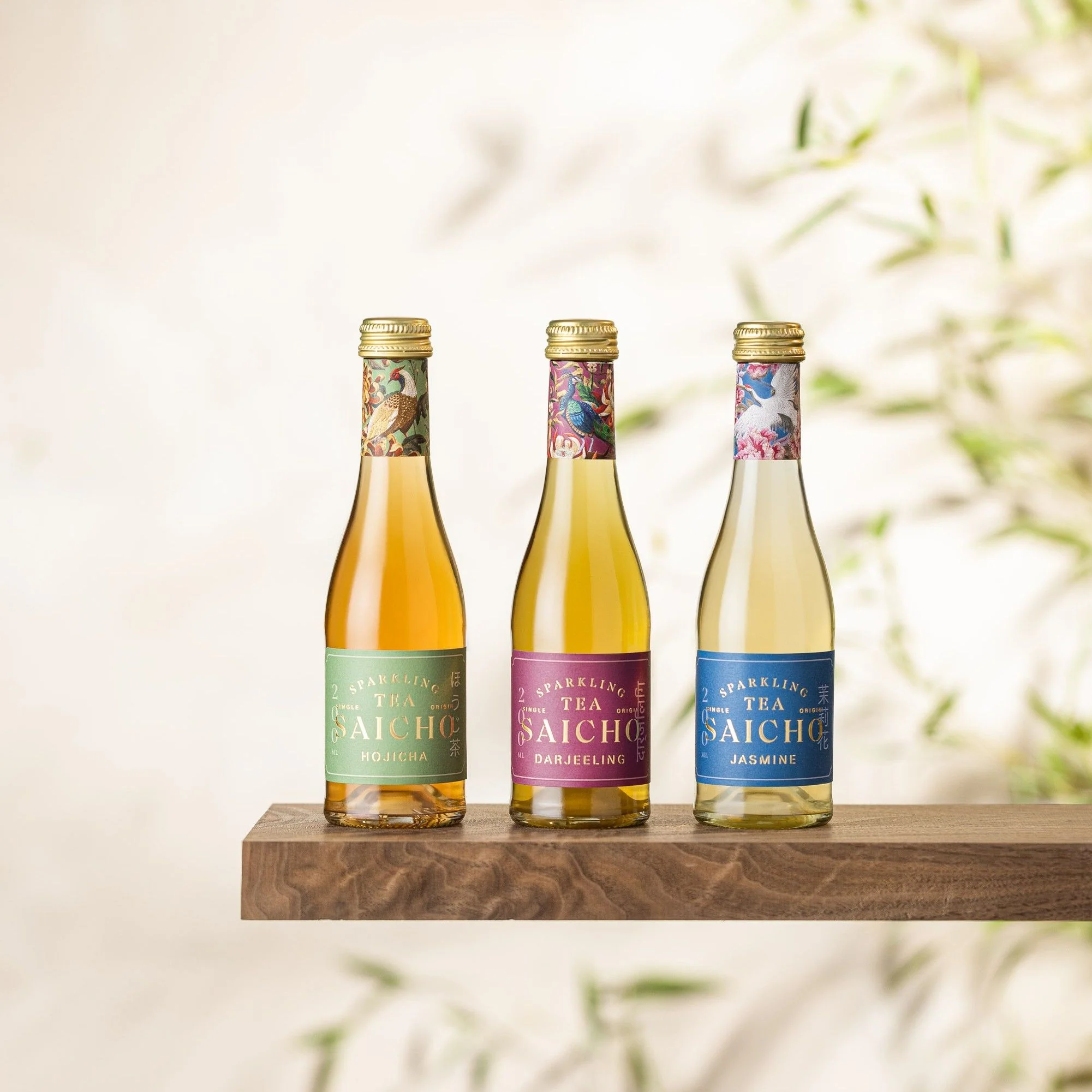
    Sparkling tea brand Saicho opened its first travel retail location at Hong Kong International Airport in September 2026. The pop-up targets transit shoppers with exclusive gifting formats.

    Dedicated tasting stations sit alongside exclusive sets created with Hong Kong artist Jonathan Jay Lee. The layout bypasses standard supermarket aisles to capture outbound tourist spend directly.

    Airport Formats and Gifting Inventory

    Merchandise at the space includes branded luggage tags, bottle stoppers, and packaged gift boxes sold only inside the departure terminal. Co-founders Natalie Chiu and Charlie Winkworth-Smith structured the format around direct sampling. They aim to convert long-haul passengers looking for regional gifts before boarding.

    Travel retail gives premium drink makers concentrated foot traffic and higher transaction values than grocery channels. Premium non-alcoholic brands continue to secure terminal space across Asian hubs as operators diversify departure lounges beyond standard liquor and confectionery.

    Shifting Premium Shelf Space Across Asian Hubs

    For regional airport landlords, specialised cold-brewed and sparkling tea concepts replace slowing duty-free volumes in traditional categories with higher-margin craft products. Mainstream spirits brands face softer volumes across North Asia. That drop creates openings for alternative beverage labels to claim prime concourse square footage.

    High-rent airport spaces carry clear conversion risks. Pop-up formats need rapid stock turnover and impulse purchases to justify short-term concession fees compared with long-term wholesale supply deals in luxury hotel bars and restaurants.

    Broadening Beyond Hospitality Distribution

    Saicho built its initial distribution through dining rooms and hospitality accounts across the United Kingdom and Asia before committing to standalone retail real estate. Setting up inside terminal corridors lets the label test direct retail without the overhead of permanent high-street flagship leases.

    Passenger traffic through Hong Kong International Airport continues to rebuild toward pre-pandemic schedules, providing a live test for shopper demand in the premium tea category.
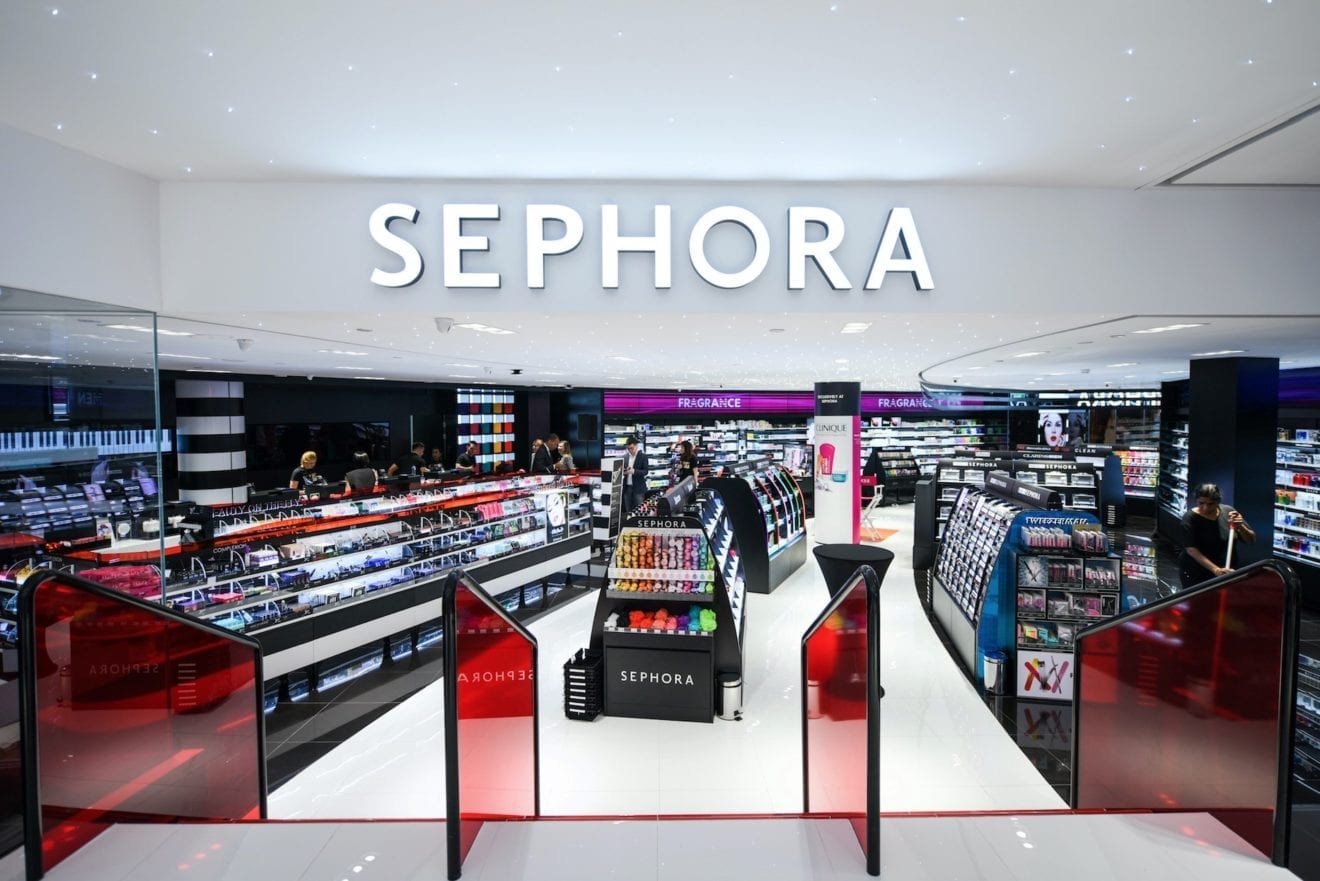

  • PharmaResearch Rolls Out Rejuran Cosmetics Across 148 Sephora Canada Stores

    PharmaResearch Rolls Out Rejuran Cosmetics Across 148 Sephora Canada Stores

    South Korea’s PharmaResearch launched its Rejuran Cosmetics skincare line across all 148 Sephora Canada stores on Sept. 1.

    The nationwide rollout places eight product formulations, including its Turnover Ampoule and Dual Effect Ampoule, into Canadian retail stores alongside Sephora’s online channel.

    Featured on Sephora Canada’s Skincare Next Big Thing Wall, the collection relies on c-PDRN, a cosmetic ingredient purified from wild salmon DNA. PharmaResearch developed the compound from the polynucleotide technologies it uses in its injectable aesthetic skin boosters sold across more than 50 countries.

    Translating Clinical Injectables to Prestige Shelves

    The Canadian retail launch extends a clear playbook: converting medical aesthetic brand equity into mass prestige topical products. Consumers familiar with professional clinic procedures in Asia are increasingly seeking the same bio-active ingredients in daily skincare regimens.

    “Through a tailored omnichannel strategy, we aim to build meaningful connections with Canadian consumers and strengthen our market presence,” said Jooyeon Song, Head of Cosmetics at PharmaResearch USA.

    Margin Pressures and Shelf Competition

    Derma-cosmetic brands derived from Asian pharmaceuticals face a different commercial environment in North American retail compared to domestic clinic networks. Prestige beauty retailers demand heavy promotional support, co-op marketing fees, and dedicated floor space allocations that can compress wholesale margins if inventory turns slow down.

    Competition on the derma-skincare wall is intense. Rejuran must defend shelf share against entrenched clinical lines and lower-priced Korean skincare competitors already commanding established followings across Canadian cities.

    US Manufacturing Shapes North American Strategy

    In July, PharmaResearch agreed to acquire California contract manufacturer Cosmetic Group USA to secure domestic production capacity and stabilize supply lines across the Americas. That transaction followed the brand’s US retail debut in Sephora stores earlier in the year and coincided with a concurrent retail entry into Sephora Singapore.

    PharmaResearch will now focus on closing the integration of Cosmetic Group USA’s production facilities to supply North American retail channels directly and cut transpacific freight lead times from its Gangneung base.

  • Southeast Asia Targets USD 11 Billion Subsea Cable Expansion for Route Redundancy

    Southeast Asia Targets USD 11 Billion Subsea Cable Expansion for Route Redundancy

    Telecommunications operators and infrastructure investors are committing USD 11 billion between 2026 and 2035 to build new subsea cable systems across Southeast Asia. The spending will expand the number of active intra-Asian cable lines from 14 in 2025 to 19 by 2035, securing international data bandwidth for regional digital economies and hyperscale cloud providers.

    Submarine cables handle more than 99 per cent of international communications traffic in hubs such as Singapore. Under the city-state’s Digital Connectivity Blueprint, authorities plan to double the volume of subsea cable landings over the next decade, backed by an estimated SGD 10 billion (USD 7.4 billion) in predominantly private sector capital.

    Rerouting Around Maritime Chokepoints

    Engineering plans for newly announced trans-Pacific and regional cables increasingly avoid traditional, direct passages through the South China Sea. Systems including Apricot, Echo, and Bifrost run alternative paths through Indonesian and Philippine territorial waters to connect Southeast Asia directly with North America, Japan, and South Korea. Taking longer perimeter paths increases capital costs and latency, but operators accept the trade-off to shield data links from geopolitical exposure and congested straits.

    For enterprise users and cloud operators across Asia-Pacific, these southern corridors remove single-point failure risks that have historically disrupted regional supply chains. Financial platforms, retail marketplaces, and cloud providers gain lower downtime risks during localized outages, while secondary telecom operators in Jakarta and Manila secure direct wholesale access without routing entirely through Singapore.

    Equipment Supply and Infrastructure Competition

    The supply chain for physical infrastructure remains divided among a handful of global manufacturers. Japan’s NEC and France’s ASN maintain strong market positions in island networks across Indonesia and the wider archipelago, while Chinese suppliers have expanded cable contracts in Cambodia and selected Indonesian domestic systems.

    This supplier spread gives regional governments room to balance national security requirements against procurement costs. At the same time, physical reliability remains a constant operational bottleneck. International Telecommunication Union data indicates that human activity, mainly commercial fishing and vessel anchoring, causes 86 per cent of all subsea cable faults, requiring more than 200 offshore repair operations worldwide each year.

    Coordinated Regional Master Plans

    The push for network redundancy builds on policy commitments laid out in the ASEAN Digital Master Plan 2030, which directs member countries to coordinate subsea repair approvals and landing permits. Previous repair timelines often stretched for months due to overlapping maritime jurisdictions and strict cabotage restrictions in archipelagic waters.

    Attention now turns to the planned commissioning of major multi-terabit links, including the Apricot and Bifrost systems, which are scheduled to land initial capacity phases before 2027.

  • Shein Commits US$80 Million to Everlane Takeover as Shares Slump

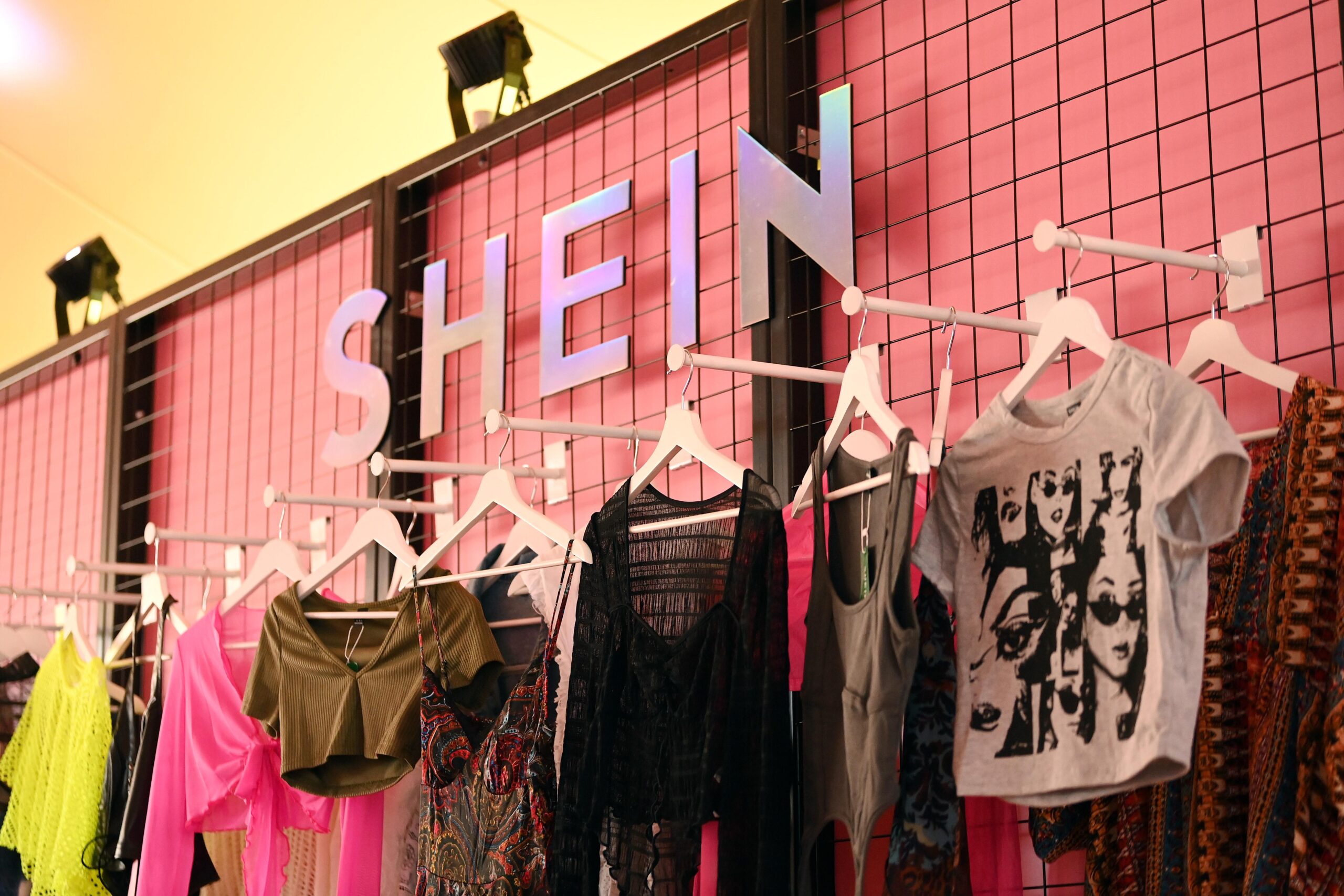
    Shein Commits US$80 Million to Everlane Takeover as Shares Slump

    Shein agreed to buy United States clothing brand Everlane for US$80 million. The company is deploying part of its US$16.74 billion cash reserve to reignite slowing revenue growth.

    The purchase follows a difficult trading debut in Hong Kong this week. Retailer shares finished Friday at HK$38.14 (US$4.86), down more than 20 per cent from the initial public offering price.

    People familiar with the matter said the transaction tests a broader strategy to buy labels across multiple price tiers. Shein held US$15 billion in cash before listing and added US$1.74 billion in net proceeds from the share sale. It plans to plug acquired businesses into its proprietary supply chain and global sales portal.

    Plugging Brands into the Xcelerator Network

    Under the plan, Shein intends to channel targets through its Xcelerator programme. It sells third-party labels access to its on-demand manufacturing system, automated warehousing, and cross-border shipping networks. The platform tracks online consumer demand. It instructs partner factories to scale production up or halt lines within days, keeping unsold stock minimal.

    Everlane will retain independent operations and keep its ethical manufacturing guidelines, Chief Executive Officer Alfred Chang told staff in an internal memo. The US label built its business on organic cotton basics and factory transparency. That approach contrasts with Shein’s high-volume polyester catalogue.

    Slowing Sales and Tariff Pressures

    For Asian fashion operators and global apparel vendors, the takeover shifts how Chinese-founded e-commerce platforms handle slowing organic traffic. Competitors like Temu and TikTok Shop fight on price. Shein is instead trying to buy higher-income shoppers directly rather than relying on deep discounts. If the model works, contract manufacturers across southern China and Southeast Asia will produce higher-margin runs under Western labels instead of unbranded fast fashion.

    Execution and brand equity present financial risks. Buying Western premium labels does not immediately solve Shein’s volume problem. It also offers no guarantee of customer retention if core buyers reject the new owner. Marketplace service revenue is growing faster than direct apparel sales, but it still makes up a small fraction of the balance sheet.

    From Listing Delays to Slower Expansion

    Regulatory changes are already squeezing cross-border logistics margins. Shein’s sales growth slowed to 1.1 per cent in the first quarter of 2026, down from 8 per cent across 2025, after the United States government revoked the de minimis tariff exemption on small incoming parcels. The company previously bought British fast-fashion chain Missguided in 2023 to test brand integration, before regulatory pushback delayed listing attempts in New York and London.

    Investors and suppliers will now watch Shein’s second-quarter earnings and the completion filing for the US$80 million Everlane deal to see if marketplace volume can offset core margin compression.

  • Victoria’s Secret Profit Tripled in Second Quarter Despite Sales Miss

    Victoria’s Secret Profit Tripled in Second Quarter Despite Sales Miss

    Victoria’s Secret nearly tripled its profit in the second quarter and lifted its full-year earnings guidance, overcoming a narrow top-line sales miss that rattled equity investors.

    Higher merchandise margins drove the profit surge as shoppers bought more lingerie and apparel at regular price points rather than clearance discounts.

    Margin Gains and Product Overhauls

    Chief executive Hillary Super faces scrutiny from financial markets to prove that the turnaround plan can deliver consistent revenue expansion alongside margin gains. The recovery strategy relies on fresh product lines, tighter brand positioning and the return of a revamped fashion show.

    Full-price sell-through provided the foundation for the quarterly improvement. By pulling back on heavy discounting, the apparel group protected profitability across its physical store fleet and digital sales channels.

    The Balance Between Price and Volume

    For store operators and regional franchisees, the profit rebound confirms that higher retail pricing can offset sluggish foot traffic and cautious consumer spending. Yet relying entirely on margin expansion without broad sales volume growth carries structural risk in competitive markets.

    Rival innerwear and athleisure brands continue to fight for floor space and customer wallet share across shopping centres. Landlords and retail partners need steady transaction volume to support retail footfall, not just cleaner balance sheets from lower inventory markdowns.

    The Turnaround Path

    The latest quarterly report follows multiple management efforts to reposition the brand away from outdated marketing concepts and rebuild credibility with mainstream apparel shoppers. Earlier restructuring phases focused on rationalising store networks, overhauling product assortments and adjusting wholesale partnerships.

    Attention now shifts to whether the upcoming fashion show and new seasonal merchandise can lift revenue through the second half of the financial year.

  • Kau Kee Opens First Retail Store in Hong Kong to Cut Out Middlemen

    Kau Kee Opens First Retail Store in Hong Kong to Cut Out Middlemen

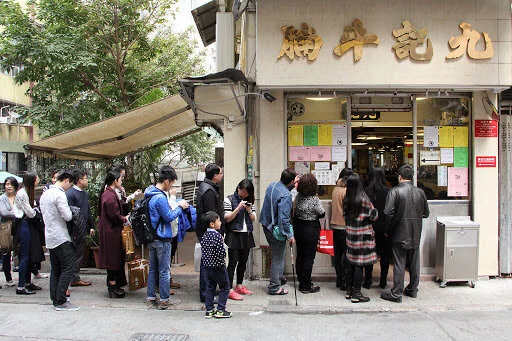
    Kau Kee Food Factory opened its first physical retail shop in Mong Kok, selling fish balls directly to shoppers at HK$10 for 10 pieces. The price sits at roughly half the prevailing rate across Hong Kong street stalls.

    The business spent 66 years operating exclusively as an upstream manufacturer, supplying processed fish balls to nearly 1,000 local eateries and food stands. The direct storefront bypasses those third-party vendors entirely.

    Factory Pricing on the Street

    Second-generation owner Anita Lee Yan-kwan took charge of the manufacturing operation after leaving the civil service during the pandemic. Sharp declines in wholesale volumes prompted the shift down the supply chain.

    By managing its own retail counter, the factory absorbs its own output and eliminates distributor margins. The Mong Kok unit relies on volume, selling street-formulated fish balls made with tuna to maintain texture in heated broth. Store design elements, including a 3D-printed display, have helped pull in foot traffic, with tourists now accounting for 30 per cent of daily sales.

    Wholesale Margins Under Squeeze

    Legacy food manufacturers across East Asia face tight wholesale margins as independent snack stalls close under commercial rent pressures. Upstream processors that rely purely on supply contracts risk losing their entire distribution network when mom-and-pop tenants exit urban centres.

    Opening proprietary counters gives suppliers a predictable floor for production volume and real-time sales data. The trade-off is operational complexity. Managing retail staffing, high-street lease commitments and counter service requires capabilities that industrial food processors rarely possess internally.

    The Direct-to-Consumer Shift

    The physical store follows an initial direct-to-consumer digital trial. Kau Kee launched its first e-commerce store in 2023 to test consumer appetite for factory-direct purchases after street restrictions hit wholesale orders.

    Lee is currently scouting locations for Kau Kee’s second retail storefront in Hong Kong.

  • Burma Burma Expands to 21 Outlets Across India with D2C Lines

    Burma Burma Expands to 21 Outlets Across India with D2C Lines

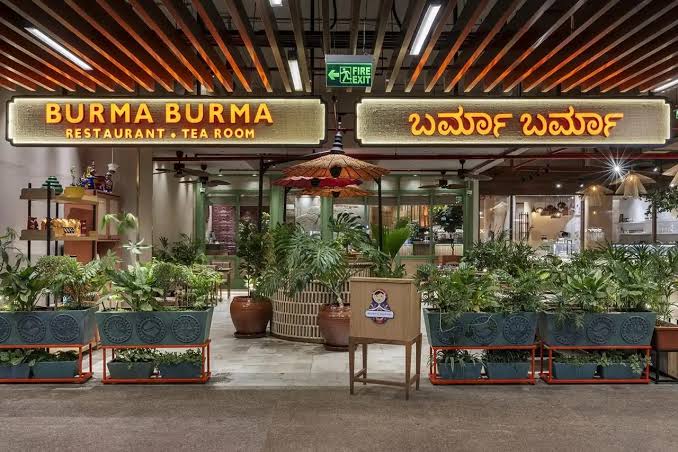
    Indian dining chain Burma Burma has expanded its footprint to 21 outlets across India while adding direct-to-consumer pantry goods and ice cream lines. The concept, launched in Mumbai in 2014, built its network by converting traditionally meat-heavy and fish-sauce-based Burmese dishes into an entirely vegetarian, alcohol-free format.

    Founder Ankit Gupta began development for the concept in 2011, three years before opening the first restaurant in Mumbai’s Kala Ghoda district. Gupta spent that period travelling through Mandalay, Yangon, and Sagaing to document street food preparations, dine in private homes, and secure supply links directly from local agricultural markets. His connection to the cuisine came through his mother, who lived in Myanmar for more than 20 years.

    Adapting a Regional Menu

    Traditional Burmese cooking relies on fermented seafood pastes and meat broths, ingredients that Gupta stripped out entirely to fit Indian dining preferences. The resulting menu created a new reference point for a cuisine that had virtually no commercial presence in India prior to the chain’s launch.

    Most international food concepts entering India rely on pre-existing consumer awareness or western brand equity. Burma Burma established demand for an unfamiliar Southeast Asian category by pairing strict vegetarian compliance with specialized ingredient sourcing, demonstrating that niche regional formats can scale nationally without serving alcohol or meat.

    Retail Pantry and Ice Cream Expansion

    Alongside its 21 physical restaurants and tea rooms, the business has diversified into packaged consumer goods. The brand now sells a direct-to-consumer pantry line and an artisanal ice cream range, targeting at-home consumption across major urban centres.

    The company continues to distribute its packaged line online while managing supply chain flows for imported specialty ingredients across its 21-store restaurant network.

  • Chelsea Stablecoin Shirt Deal Sparks Hong Kong Merchandising Regulatory Fears

    Chelsea Stablecoin Shirt Deal Sparks Hong Kong Merchandising Regulatory Fears

    English Premier League club Chelsea signed a front-of-shirt sponsorship deal with Circle in late August to display its USDC stablecoin logo across official jerseys for the 2026-27 season. The agreement has created immediate uncertainty for Hong Kong sports apparel retailers and consumers navigating the city’s strict digital asset marketing framework.

    Only two stablecoin issuers, Anchorpoint Financial Limited and HSBC, currently hold operating licences in Hong Kong. Circle’s USDC token is neither issued nor licensed under Hong Kong law, putting local replica jersey distributors in an uncertain regulatory position.

    Licensing Limits Under City Ordinance

    The legal friction stems from Hong Kong’s Stablecoins Ordinance, which took effect on August 1, 2025. Under guidelines issued by the Hong Kong Monetary Authority (HKMA), actively marketing unlicensed fiat-referenced stablecoins to the public is illegal.

    Regulators assess active marketing based on target audience, language, local domain usage, and whether an intentional promotional strategy exists. While the ordinance provides exemptions for live broadcast networks that do not control commercial content, it does not explicitly clarify whether physical apparel retail falls under promotional activity.

    Apparel stockists in major retail hubs are already weighing the commercial risk. Hammer Chung, owner of football apparel store DirectSoccer in Mong Kok, questioned whether stocking and retailing replica kits bearing unlicensed crypto logos exposes shop owners to regulatory enforcement.

    Retail Merchandising and Active Marketing Rules

    Supporter demand across Asia remains a vital revenue stream for European football merchandise, but grey areas in sports sponsorship compliance are multiplying. European teams continue to sign lucrative sponsorship contracts with global crypto firms, yet Asian jurisdictions are enforcing increasingly localised virtual asset licensing regimes to protect retail consumers.

    The UK Financial Conduct Authority warned Premier League clubs three months before the Chelsea deal about partnering with unregulated crypto platforms. In Hong Kong, consumer advocates and digital asset compliance specialists, including VerifyVASP, have called for clearer retail guidance and on-screen disclaimer requirements for televised fixtures.

    Retailers in the city are now waiting to see whether the HKMA issues formal enforcement guidance on replica sports merchandise before peak sales for the 2026-27 European football season get underway.

  • Carsome Posts US$8.3 Million Quarterly EBITDA as Retail Shift Widens Margins

    Carsome Posts US$8.3 Million Quarterly EBITDA as Retail Shift Widens Margins

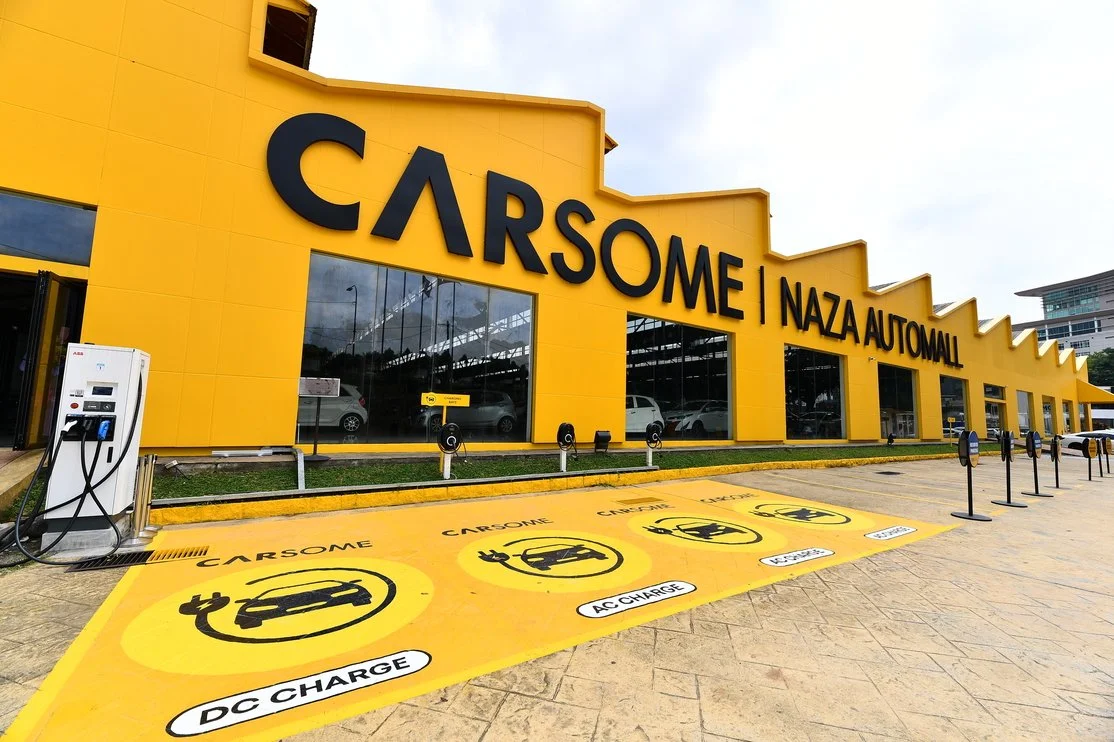
    Malaysian used-car platform Carsome posted an operating EBITDA of US$8.3 million for the second quarter of 2026. That is a 38 per cent increase from the same period a year earlier.

    Sales reached 35,903 vehicles during the three months ended June 30, up 11 per cent. That volume lifted gross profit 15 per cent to US$43.8 million. The result gave Carsome its tenth straight profitable quarter on an EBITDA basis. Consumer retail transactions and auto financing drove the gains.

    Retail and Financing Drive Margin Expansion

    Gross profit outpaced unit sales as the platform shifted volume toward retail buyers. Ancillary products helped widen margins. Financing packages, extended warranties and direct retail margins yield higher earnings per transaction than wholesale dealer auctions.

    Under a new agreement, Carsome will serve as the exclusive official trade-in partner for Suzuki Cars Malaysia. The pact channels structured inventory directly into its inspection network. It secures steady supply while carmakers use trade-in valuations to support new-vehicle sales as borrowing costs pinch consumer budgets.

    Other players across Southeast Asia show a similar pattern. Regional rivals Carro, based in Singapore, and Indonesia’s Moladin have also pivoted away from venture-funded volume acquisition. Both now target unit profitability, credit distribution and ancillary services.

    Showroom Additions in Malaysia and Jakarta

    Physical inspection hubs and retail centres led network growth during the quarter. In Malaysia, Carsome opened three locations in Sungai Petani, Bukit Tinggi in Klang, and Sungai Buloh. That took its domestic network to 55 inspection centres and showrooms.

    Across Indonesia, the company added four locations in Greater Jakarta, expanding its local footprint to 10 sites. Vehicle ownership in Indonesia trails Malaysia and Thailand. Even so, the market offers heavy transaction volume for operators able to resolve fragmented title transfers, vehicle vetting and buyer credit access.

    Looking ahead, management will focus the rest of the financial year on transaction growth, financing attachment rates and fixed-cost efficiency across its 65 combined retail locations.

  • LC Waikiki Starts Production at New Apparel Plant in Aleppo

    LC Waikiki Starts Production at New Apparel Plant in Aleppo

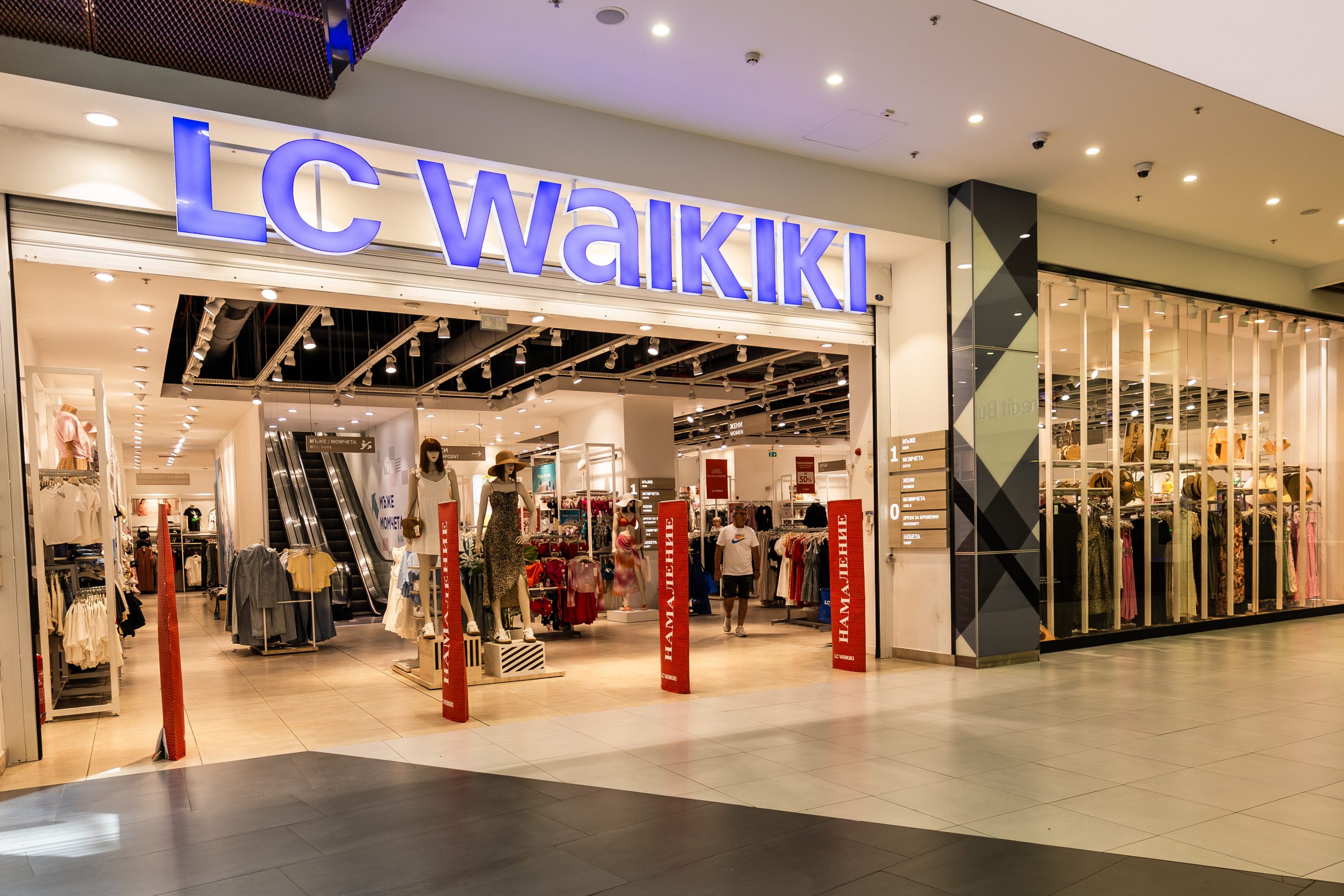
    Turkish apparel retailer LC Waikiki has started production at a new manufacturing facility in Aleppo, Syria, initially hiring 150 workers.

    The company plans to expand the plant’s workforce to 1,000 staff over the next three years.

    Scaling up in Al-Rai

    Operations at the facility in Al-Rai Industrial City began in June. The site establishes direct garment assembly capacity just south of the Turkish border.

    Other Turkish manufacturers are now preparing similar cross-border production arrangements in the industrial zone. Lower wage bases and proximity to established Turkish textile supply chains make northern Syrian border zones an emerging manufacturing corridor.

    Cross-border textile shifts

    Apparel groups based in Turkey have faced rising domestic labor and energy expenses, prompting brands to explore assembly hubs across nearby borders. The move mirrors how Asian garment manufacturers established cross-border supply networks between higher-cost domestic hubs and lower-wage neighboring markets.

    The Aleppo facility provides an operational test for cross-border logistics and labor stability in the region. The primary milestone to watch is whether LC Waikiki reaches its 1,000-worker employment target within the three-year window.

  • Vietnam Gold Prices Edge up as Domestic Premium Holds at VND6.8 Million

    Vietnam Gold Prices Edge up as Domestic Premium Holds at VND6.8 Million

    Domestic gold prices in Vietnam climbed on Friday morning, led by Saigon Jewelry Company lifting bullion bars 0.13 percent to VND148.6 million ($5,697.31) per tael.

    Plain gold rings gained 0.14 percent to VND148.1 million per tael. A standard Vietnamese tael equals 37.5 grams, or approximately 1.2 ounces.

    Domestic Spread and Annual Movement

    Despite the morning uptick, Saigon Jewelry Company bars remain down 0.07 percent from the start of the week. Since the beginning of the year, domestic gold prices have dropped 2.75 percent across Vietnamese trading desks.

    Retail buyers in Vietnam continue to pay a hefty premium for physical inventory. Local bars traded at roughly VND6.8 million per tael above prevailing international spot benchmarks on Friday.

    The price gap reflects sustained domestic preference for physical store-of-value assets, keeping retail jewelry and bullion counters priced well above import parity even during quieter trading weeks.

    International Pressures and Rate Outlook

    Overseas bullion traded flat on Friday after a volatile run earlier in the week. Spot gold held steady at $4,468.27 per ounce after gaining 2 percent during Thursday trading, while US gold futures for December delivery dropped 0.6 percent to $4,514.60.

    Global market participants have focused their attention on upcoming US employment figures for indications on interest rate policy. Ross Maxwell, global strategy operations lead at VT Markets, noted that central bank accumulation continues to underpin physical demand and limit broader downside across the sector.

    Market participants and domestic retail bullion traders now watch upcoming inflation data releases scheduled for next week to set the near-term direction for spot pricing.

  • Li Auto Launches Li L9 in UAE Starting at $87,100

    Li Auto Launches Li L9 in UAE Starting at $87,100

    Li Auto introduced its flagship L9 sport utility vehicle in the United Arab Emirates on Thursday, pricing the extended-range model from AED 319,900 ($87,100).

    The rollout gives the Chinese electric vehicle maker its first commercial sales operation in the Gulf, where it sells the SUV at a 28 percent premium over domestic retail prices.

    Local buyers can choose between two trims: the base Ultra and the AED 359,900 Livis edition. Both variants use a third-generation extended-range powertrain pairing a battery pack with a petrol generator, delivering 420 kilometres of battery-only range and 1,650 kilometres combined under China Light-Duty Test Cycle standards. The vehicles feature Qualcomm Snapdragon 8797 cockpit processors, steer-by-wire systems, and rear-wheel steering. On the higher-spec Livis, Li Auto includes an 800-volt active suspension alongside electromechanical brake-by-wire hardware.

    Dealership network and regional adaptation

    Engineers modified cabin thermal management and dust sealing to handle Gulf summer temperatures and desert driving. Digital interfaces include Arabic text support and localized navigation, with Arabic voice control scheduled for release by December. English voice interaction functions from launch.

    Sales run exclusively through Abu Dhabi-based conglomerate Al Fahim Group under an agreement signed in April. The partnership plans more than two showrooms and service centers across the country, starting with a downtown Dubai retail location opening in September. Buyers receive factory warranty coverage, certified servicing, and over-the-air software updates.

    Middle East expansion and production targets

    Chinese electric carmakers are pushing into the Middle East to broaden export revenue outside domestic price wars. Li Auto previously entered Kazakhstan and Uzbekistan, securing a local assembly contract with Kazakh group Allur. The company also signed a distribution agreement with Mohamed Yousuf Naghi Motors in Saudi Arabia in April, though sales dates for that market remain unannounced.

    Deliveries in China recovered in August to 37,679 units, up 32.07 percent year-on-year, but total volume for the first eight months fell 0.6 percent to 261,619 vehicles. The Beijing-based carmaker posted a second-quarter net loss of 1.7 billion yuan ($250.8 million) as revenue declined 15.1 percent to 25.7 billion yuan.

    Next on the company’s overseas calendar is an appearance at the 2026 Paris Motor Show, where it plans to display vehicles to European buyers for the first time.

  • Flipkart Minutes Reaches 1,000 Dark Stores Across India

    Flipkart Minutes Reaches 1,000 Dark Stores Across India

    Flipkart has expanded its quick commerce arm Minutes past 1,000 dark stores across 120 to 130 Indian cities. Dark stores operational for five to six months handle between 1,000 and 1,500 orders daily, according to research from investment bank UBS.

    Across the entire network, average daily volume sits at 800 to 1,000 orders per store. The rapid rollout has allowed the Walmart-backed e-commerce operator to challenge pure-play instant delivery platforms on order size and distribution density.

    Electronics Drive Higher Basket Values

    Excluding mobile phones, Minutes records a net order value of Rs 500 to Rs 530, matching Blinkit’s benchmark of Rs 518. When mobile devices are included, Minutes generates a higher average basket value than Blinkit, aided by Flipkart’s long-established vendor relationships and supply chains in consumer tech.

    The service has also helped Flipkart defend customer spending. In operational markets, between 40 and 45 per cent of existing Flipkart marketplace shoppers now use Minutes, recovering transaction volume previously lost to specialized instant delivery apps in fresh produce and personal care.

    Indian e-commerce platforms are increasingly using 10-minute delivery networks to shield high-margin categories from encroachment by grocery startups. While gross margins at Minutes trail Blinkit, per-order fulfillment costs have narrowed to match levels at Swiggy Instamart and Blinkit, though operational throughput is still catching up.

    Network Growth and Metro Demand

    Metropolitan areas generate 60 to 65 per cent of total orders on Minutes. North India accounts for just under one-third of overall volume, while southern cities are expanding quickly and eastern hubs such as Kolkata show strong adoption.

    Flipkart is planning to add roughly 1,000 more dark stores by the middle of next year. That expansion schedule aims to support peak demand ahead of the group’s annual Big Billion Days sale, provided backend warehouse construction keeps pace.

  • AWS Plans 420 Tbps Sta’O’Nuk Subsea Cable Linking the US and Japan by 2029

    AWS Plans 420 Tbps Sta’O’Nuk Subsea Cable Linking the US and Japan by 2029

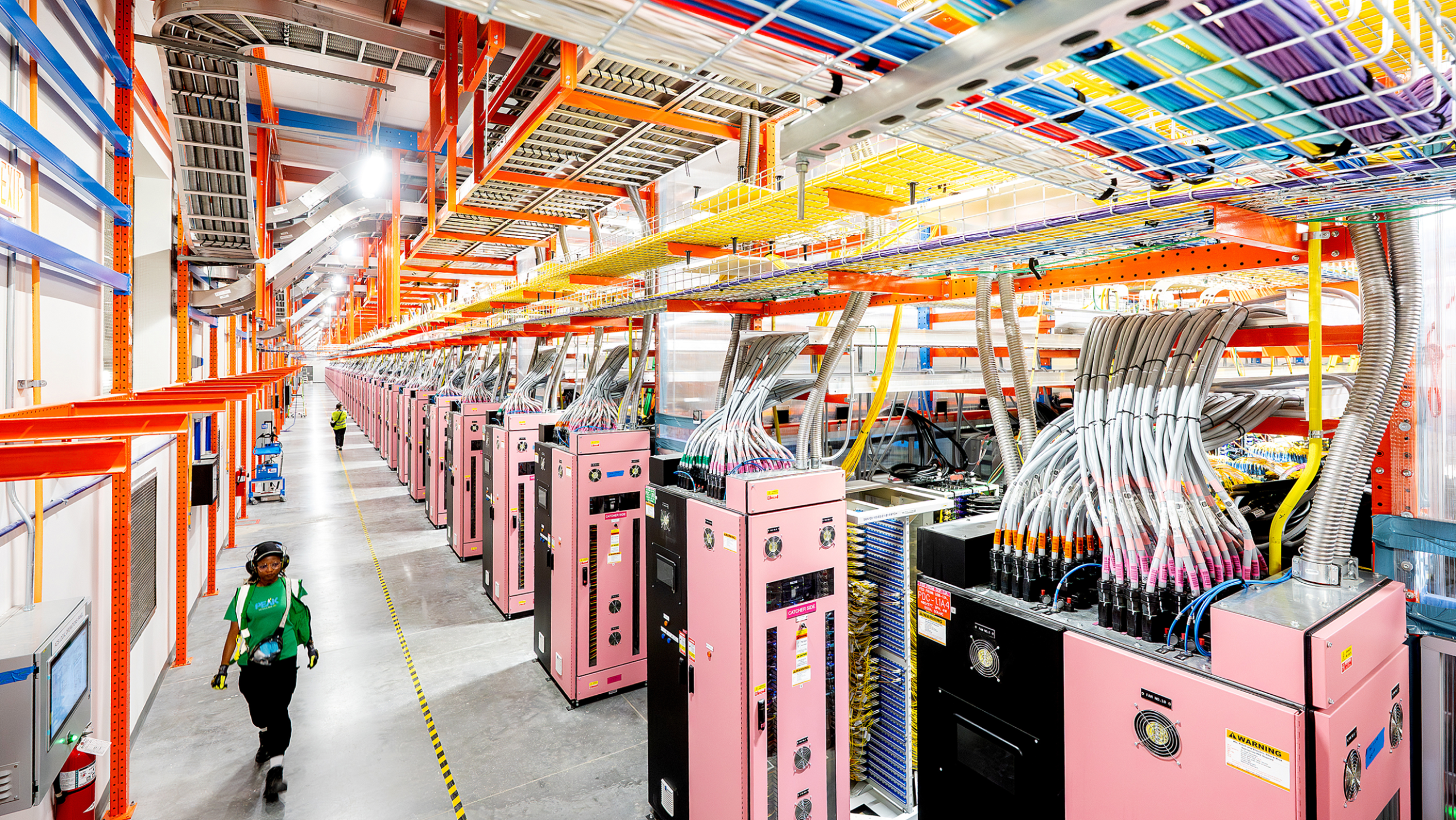
    Amazon Web Services will build a 420 Tbps subsea cable connecting the United States and Japan, scheduled to begin commercial operations in 2029.

    The system, named Sta’O’Nuk, will run 20 fiber pairs across the Pacific Ocean, linking a new landing station in Washington state to an undisclosed site in Japan. It represents the first international subsea cable to land in Washington state in nearly three decades.

    Landing station and tribal partnership

    AWS partnered with Toptana Technologies to develop the American cable landing station and backhaul network in Ocean Shores, Washington. Founded in 2022 by the Quinault Indian Nation, Toptana is the only Indigenous-owned cable landing station operator on the US West Coast.

    Construction has begun on the Ocean Shores facility, designed to support up to four subsea cable systems. Assured Communications serves as program manager and operational service provider for the station, while the Quinault Indian Nation granted AWS permission to use the name Sta’O’Nuk, which translates to “lightning serpent” in the Quinault language.

    Washington state last saw international subsea arrivals in 1999, when Pacific Crossing-1 landed at Harbour Pointe and Alaska United East connected in Lynnwood. Toptana previously outlined a 17,700-square-foot, 1 MW station footprint when it first announced site plans in 2022.

    Transpacific cloud capacity

    Hyperscale cloud providers have shifted from purchasing capacity on shared consortium routes to financing and constructing dedicated private pipes across Asia-Pacific corridors. Direct cable ownership provides AWS with lower latency, predictable operating costs, and dedicated bandwidth between its data center regions in North America and East Asia without reliance on third-party commercial carriers.

    The Japanese landing location and local terminal partners remain unannounced as construction advances toward the 2029 target.

  • Adidas Reopens 569-Square-Metre Chadstone Store Under Home of Sports Concept

    Adidas Reopens 569-Square-Metre Chadstone Store Under Home of Sports Concept

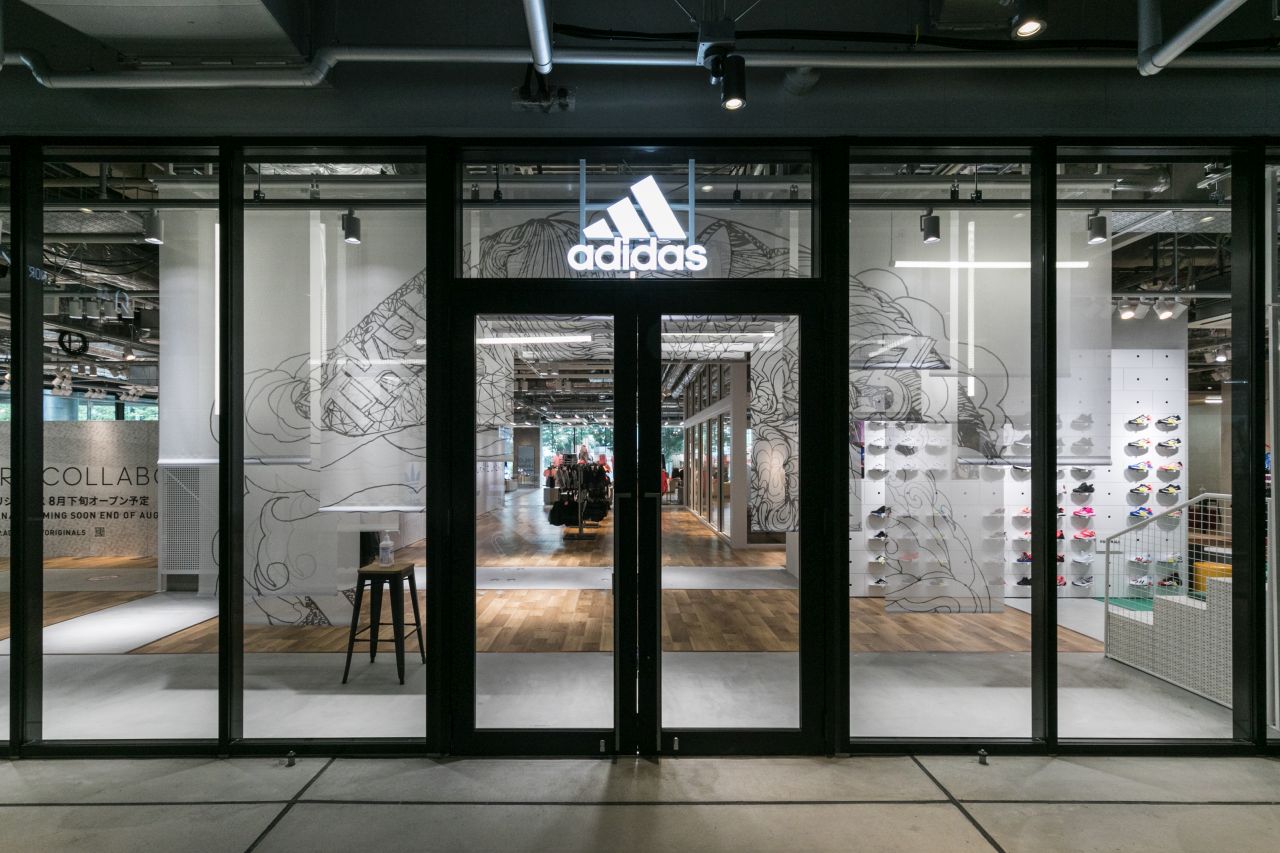
    Adidas reopened its Chadstone store in Melbourne with 569 square metres of selling space, making it the first location in the region built around the Home of Sports concept.

    The store returned to trading following a three-month renovation designed to expand floor capacity and introduce new merchandising layouts.

    Customisation and Footwear Ranges

    Part of the expanded floor plan houses a dedicated Originals shop-in-shop, using the brand’s Collection V2 design for the first time in the Australian market. Two main footwear walls show inventory spanning running, training, football and lifestyle lines.

    Shoppers can also use a dedicated Made for You counter near the point of sale. The station applies heat-pressed patches and personalised name sets directly onto apparel and shoes during purchase.

    Foot Traffic and Format Rollouts

    Securing prime space matters for sportswear operators chasing high-volume sales. The Chadstone shopping centre draws more than 22 million visitors each year, giving the brand direct exposure to one of the highest-density retail corridors in the country.

    Sportswear majors across Asia-Pacific continue to replace standard mall units with larger experience-led stores that combine performance categories with lifestyle streetwear under one roof. Nike and Puma have followed similar paths across regional gateway hubs, using flagship remodels to push direct-to-consumer sales and higher-margin personalised gear.

    The business opened the upgraded doors with a weekend roster of local pop-up collaborations, with attention now turning to how the Home of Sports layout performs ahead of wider network updates across Australia.