Blog

  • Former Bamboo Airways Chairman Barred from Leaving Vietnam over $1.7M Tax Debt

    Former Bamboo Airways Chairman Barred from Leaving Vietnam over $1.7M Tax Debt

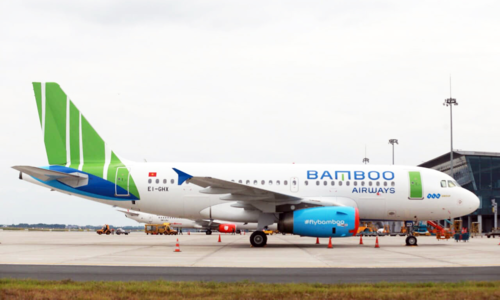
    Vietnamese immigration authorities have barred former Bamboo Airways chairman Le Thai Sam from leaving the country over VND44.06 billion ($1.7 million) in unpaid corporate taxes.

    The restriction follows a formal request submitted on Sept. 3 by the tax department in Gia Lai province, where the airline accumulated the arrears. Officials confirmed the travel ban applies to Sam directly as the carrier’s beneficial owner.

    Under Vietnamese regulations, authorities define a beneficial owner as an individual who directly or indirectly controls at least 25 per cent of a company’s voting shares or charter capital. Provincial tax officers stated that the exit ban will remain in effect until Bamboo Airways settles the entire outstanding balance through the National Public Service Portal.

    Leadership Shifts and Ownership Transfers

    Sam joined the private carrier in 2022 and built up a controlling stake to become its largest individual shareholder. He took over as chairman from July 2023 to February 2024 before shifting to the role of standing vice chairman.

    A brief return to the chairmanship in August 2025 ended after about a month, when his investor consortium transferred the carrier back to property developer FLC Group. Sam stated at the time that the managerial and capital demands of running the airline had outstripped his group’s financial capacity, though he pledged to remain accountable for operations during the restructuring phase.

    Sam vacated the chairman role in mid-November 2025 while retaining his seat on the board of directors. He also remains general director and legal representative of Viet Bamboo Airways Cargo JSC and several related entities.

    Turbulence in Private Aviation

    Aviation operators across Southeast Asia continue to grapple with heavy debt loads and fleet restructuring following years of market volatility. Vietnamese tax regulators have increasingly turned to personal travel bans against corporate representatives to force prompt settlements on unpaid fiscal liabilities.

    FLC Group is working to stabilise Bamboo Airways’ domestic flight schedules as the carrier resolves legacy tax debts with provincial authorities.


  • Yutong Deploys 50 Electric Articulated Buses in Thessaloniki

    Yutong Deploys 50 Electric Articulated Buses in Thessaloniki

    Chinese commercial vehicle maker Yutong delivered 50 electric articulated buses to Thessaloniki, expanding the Greek city’s battery-powered transit fleet to roughly 160 vehicles. The 18-meter units entered commercial service across four municipal routes at the start of September.

    City transit agency OASTH hired 170 drivers to run the expanded schedule and increase trip frequencies across western Thessaloniki routes X1, 12, 27 and 32. Each vehicle carries up to 130 passengers and delivers an operating range of 300 kilometres on a single charge.

    Fleet Specifications and Route Coverage

    The buses feature air conditioning, ventilation units and tilt-and-turn passenger windows. Authorities did not release the exact model name, though the technical footprint points to Yutong’s U18 platform, which carries battery packs between 528 and 704 kilowatt-hours.

    Operating these articulated models across western routes targets heavy commuter corridors that link residential districts with commercial hubs. Deploying high-capacity zero-emission buses on fixed schedules allows municipal operators to cut fuel bills while meeting European urban emissions mandates.

    Chinese Bus Exports Push into Southern Europe

    For Chinese automotive exporters, fleet procurement contracts across Southern Europe provide steady volume outside domestic assembly markets. Yutong and its domestic competitors continue to win municipal tenders by bundling high battery capacities with prompt delivery timelines that European legacy coachbuilders struggle to match.

    The risk for Chinese suppliers sits in political scrutiny over European Union transit procurement and long-term depot maintenance. Winning tenders requires solid local aftersales partnerships, spare parts distribution hubs and dedicated charging support to avoid costly downtime for municipal operators.

    Expansion Following 2024 Joint Tender

    This deployment builds on an earlier procurement round in 2024, when transport authorities in Athens and Thessaloniki jointly bought 250 electric buses from Yutong. That delivery formed the core of Greece’s state-backed plan to replace ageing diesel fleets in its two largest metropolitan areas.

    OASTH plans to introduce additional routes and increase departure frequencies as the 170 newly recruited drivers complete route training during the winter timetable.

  • Bangladesh Plans New Effluent Plant to Protect $5 Billion Leather Export Target

    Bangladesh Plans New Effluent Plant to Protect $5 Billion Leather Export Target

    Bangladesh will build a new central effluent treatment plant at the Savar tannery estate to protect its target of reaching $5 billion in leather and footwear exports by 2030.

    The existing facility processes between 14,000 and 18,000 cubic metres of liquid waste a day, well below its designed capacity of 25,000 cubic metres. Volumes surge to 45,000 cubic metres daily during peak slaughter periods such as Eid-ul-Azha, overwhelming the site and blocking factories from securing international environmental certifications.

    Overhauling the Savar Estate

    Commerce and Industry Minister Khandaker Abdul Muktadir said the government will select a private operator through an open tender to construct and run the replacement facility. Larger tanneries will receive financial and technical backing to build individual treatment units, while non-compliant operators will receive assisted exit packages to leave the cluster. Tanneries that stay must secure certification from the Leather Working Group.

    Infrastructure bottlenecks extend beyond liquid waste. Bay Group Managing Director Ziaur Rahman reported spending nearly Tk30 million on solid-waste handling last year alone, citing unresolved gas shortages and unpaved roads across the estate. Bangladesh shipped $1.76 billion worth of leather goods and footwear across 105 markets last year, yet roughly 65 per cent of leather leaves the country as crust leather rather than finished consumer merchandise.

    Cutting Red Tape for Footwear Makers

    Footwear manufacturers are pushing to diversify beyond raw hides. Non-leather shoes now generate 31 per cent of the sector’s export revenue, but Bangladesh controls less than 0.5 per cent of global trade in the category. The Footwear Leathergoods and Accessories Exporters Association estimates that lifting that share to 5 per cent would add $3.5 billion in export value.

    Across Southeast Asia, rival manufacturing hubs have pulled ahead by streamlining factory setup and clearing environmental hurdles. Vietnam requires four compliance documents for footwear exporters, whereas Bangladeshi manufacturers must navigate 23 separate licences and 190 administrative filings, according to trade group data. That administrative drag slows foreign joint ventures and leaves machinery import permits stalled for months.

    Government negotiators are preparing bilateral talks with Japan to widen tariff concessions on finished leather items before Bangladesh loses its least developed country trade preferences.

  • Coles Drops Palantir Contract After Activist Campaign over Data Use

    Coles Drops Palantir Contract After Activist Campaign over Data Use

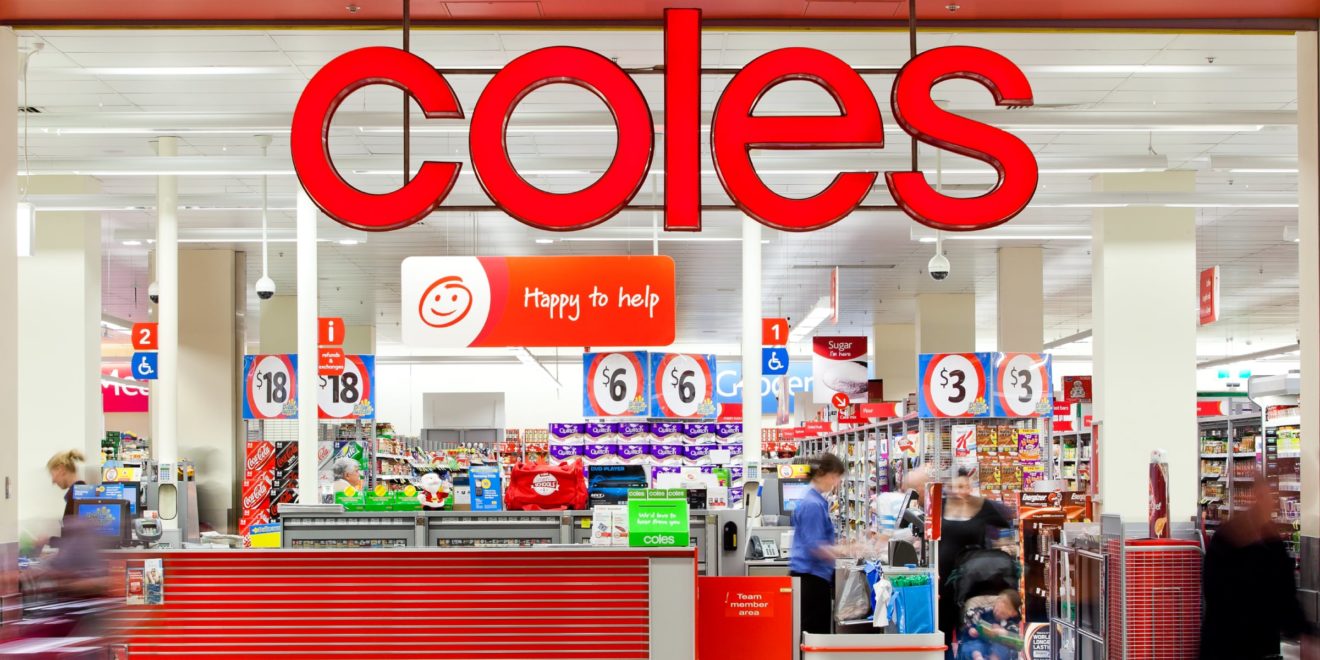
    Coles will end its enterprise partnership with United States software vendor Palantir. The decision follows an 85,000-signature petition against deploying military-grade data systems in Australian supermarkets.

    Company officials confirmed the business will let the three-year agreement expire in 2027 rather than sign an extension.

    Rostering and Supply Chain Deployment

    The grocer brought in Palantir in early 2024 to manage backend administration across its store network. The software scheduled shift rosters and coordinated bakery production runs. It also modelled inventory flow through distribution centres.

    Community advocacy group GetUp launched a campaign against the deal shortly after the contract took effect. Activists cited Palantir’s contracts with the United States Immigration and Customs Enforcement agency and the Israeli Defence Forces. They argued military-grade systems had no place in retail operations.

    A spokesperson for the chain rejected claims that the platform ever tracked shoppers or gathered aisle surveillance feeds. “Palantir’s technology has delivered value across Coles’ operations, particularly in rostering, store operations and supply chain planning,” the spokesperson said.

    The Enterprise Risk in Retail AI

    Supermarket operators across the Asia-Pacific region are rushing to automate workforce management and stock replenishment. Yet vendor selection brings brand exposure that procurement teams often underestimate. When enterprise software providers run heavy defence and state intelligence divisions, consumer-facing retailers absorb the reputational fallout directly at the checkout.

    Coles chose to let the contract lapse quietly at its natural term rather than terminate immediately. That approach lets the grocer run down existing IT commitments while scouting replacement platforms for store-level forecasting and labor scheduling.

    A Push Toward Neutral Systems

    Earlier, the company maintained Palantir never controlled internal grocer data or held rights to repurpose operational metrics. It declined to detail commercial reasons for walking away from the contract when asked for clarification.

    Chains across Australia and the wider region face sharper scrutiny over in-store data management. Woolworths and Coles both encountered customer resistance in recent years when testing automated checkout monitoring and digital loss-prevention systems.

    Attention now turns to how the retailer will transition its store scheduling and supply chain workflows to alternative software providers before the agreement concludes in 2027.

  • Korea Post Names Capstone and IGIS for $368M Property Debt Strategy

    Korea Post Names Capstone and IGIS for $368M Property Debt Strategy

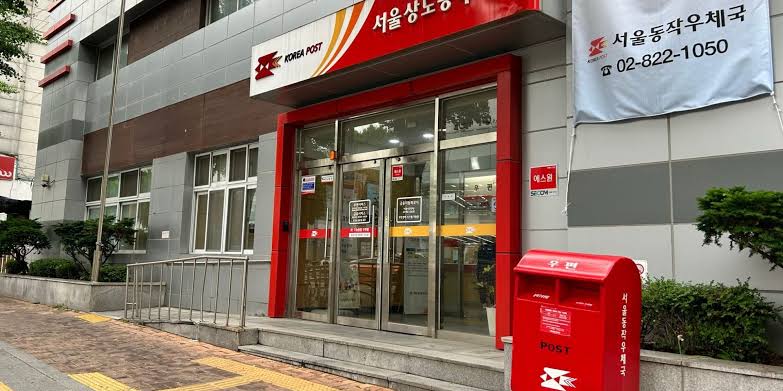
    Korea Post has picked Capstone Asset Management and IGIS Asset Management to manage a 500 billion won ($368 million) domestic property loan strategy. The mandate reopens development lending after three years.

    The state-run postal agency selected the two Seoul-based asset managers as preferred bidders following a July tender. It has not disclosed how the capital will be split between them.

    This is the first domestic real estate debt programme from Korea Post Savings since 2023. Back then, the institution committed 400 billion won to a single manager while banning all development and project financing. Lending to construction projects is now permitted once building work is underway. Bans remain on higher-risk land-backed and bridge loans.

    Lending Terms and Guardrails

    Under the guidelines, the blind-pool funds will focus on senior secured loans backed by South Korean offices, logistics hubs and other commercial real estate. Senior debt must account for at least half of all invested capital. Korea Post is targeting a net internal rate of return of at least 5.5 per cent.

    Each fund vehicle must raise a minimum of 150 billion won. The investment period runs up to three years, with an initial lifespan capped at eight years. Portfolio-level loan-to-value and loan-to-cost ratios are capped at 70 per cent. Individual completed-asset loans may reach 75 per cent LTV, while development loans are limited to 80 per cent LTC.

    Single asset commitments cannot exceed 40 per cent of a fund’s total commitments. Each management team must co-invest at least 1 per cent. Korea Post also retains first-refusal rights on co-investment opportunities across the portfolio.

    Institutional Capital Returns to Development

    South Korean institutional investors pulled back sharply from property project finance following the 2022 Legoland developer default and subsequent interest rate hikes. Korea Post is now providing liquidity to completed and active sites through post-groundbreaking debt. Strict collateral covenants remain in place to prevent land-stage exposure.

    The debt mandate brings Korea Post’s announced domestic property commitments since 2025 to 1.15 trillion won. That total includes up to 500 billion won committed to a Mirae Asset Global Investments core property vehicle deployed into Seoul commercial assets. It also covers a 150 billion won REIT and senior debt mandate awarded to IGIS in June.

    Korea Post manages 157 trillion won in savings and insurance assets, balancing rising returns from alternative credit against persistent deficits in its traditional mail operations. Final manager appointments will conclude once on-site due diligence and investment review committee approvals wrap up.

  • Tokyo Stock Exchange Delistings Set for Record High in 2026

    Tokyo Stock Exchange Delistings Set for Record High in 2026

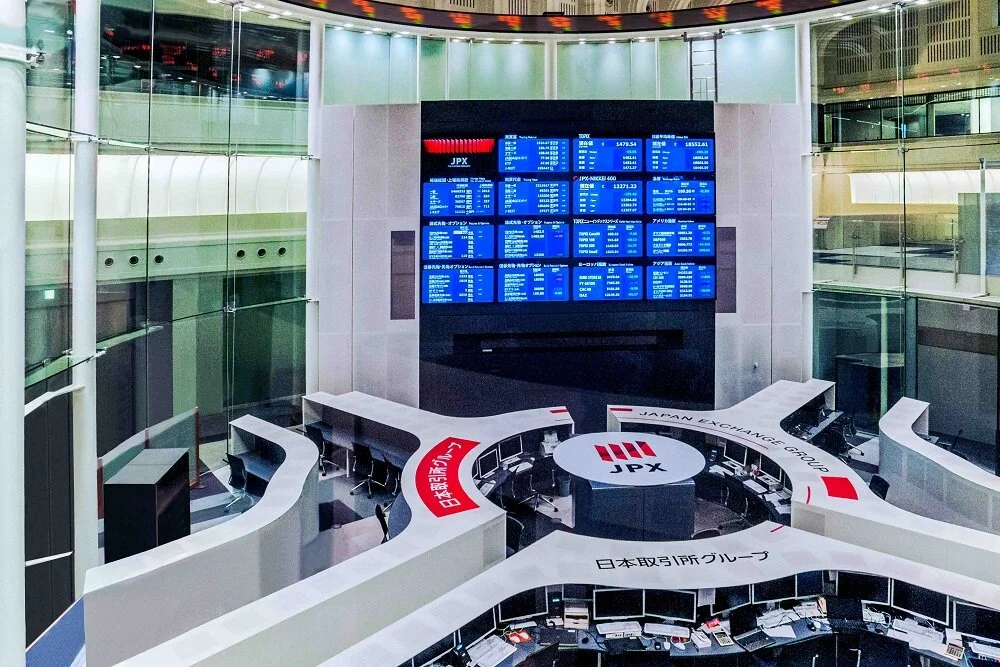
    A record number of companies will delist from the Tokyo Stock Exchange in 2026, marking the third consecutive year of peak departures from Japan’s main equity market.

    Departures stem from corporate buyouts alongside investment funds seeking to take firms private, combined with companies failing to satisfy stricter listing criteria across exchange segments.

    Tougher Criteria Squeeze Growth Names

    Stricter compliance thresholds have forced underperforming issuers to evaluate their public status. On the Tokyo Growth market, a majority of listed equities sit below required market capitalisation cutoffs as regulatory deadlines approach. Companies unable to reverse their valuations or generate sufficient trading liquidity face mandatory removal.

    At the same time, maintaining a listing carries heavier burdens. Rising domestic interest rates have increased the cost of capital for corporate borrowers, while Japan now ranks second globally in shareholder activism campaigns. Management teams face direct pressure from institutional investors to improve capital efficiency, leading smaller operators to conclude that public market scrutiny outweighs the benefits of an equity quote.

    Private Capital and Shifting Exits

    Private equity sponsors have moved quickly to absorb listed targets. Founders and management teams are teaming up with domestic and global buyout funds to execute management buyouts, taking operating businesses private to restructure away from quarterly earnings demands.

    For consumer, retail, and technology operators across Asia, this turnover alters how expansion capital is secured. Public equity is no longer an automatic default for mid-tier Japanese businesses. Instead, unlisted status gives boards latitude to cut unprofitable units, absorb logistics cost increases, and realign supply chains without continuous market valuation hits.

    New Channels for Unlisted Shares

    Japanese regulators have adjusted market infrastructure to accommodate this shift away from traditional public listings. Authorities greenlit a dedicated trading platform for unlisted shares, providing secondary liquidity for private companies and venture-backed entities that choose to bypass or exit the main exchange.

    The current delisting volume builds on two prior years of record departures following the Tokyo Stock Exchange’s comprehensive market restructuring in 2022. That overhaul replaced legacy trading sections with Prime, Standard, and Growth boards, setting concrete governance and liquidity minimums.

    Attention now turns to upcoming compliance deadlines for Growth market issuers sitting below capitalisation cutoffs, which will dictate the final delisting count before year-end.

  • Miniso Starts Global Pop-Up Tour with Lisa Featuring 70 Products

    Miniso Starts Global Pop-Up Tour with Lisa Featuring 70 Products

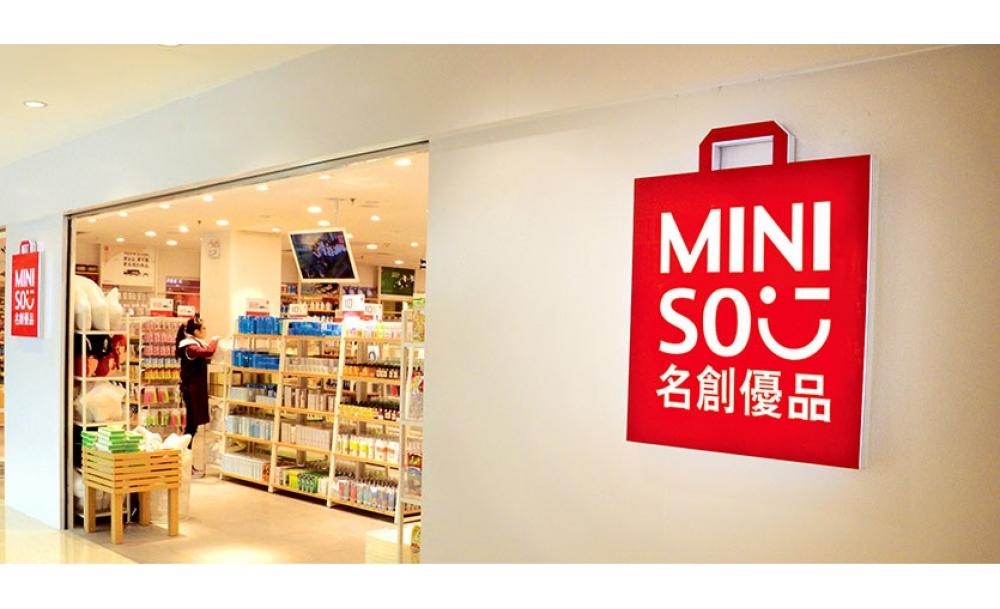
    Miniso opened a global pop-up tour in Bangkok on September 1 with K-pop star Lisa. The rollout introduces more than 70 co-branded products across Asia and the Americas. It follows a 22.4 per cent jump in first-half revenue as the retailer expands its international store network.

    The lineup spans apparel, bags, blind boxes and lifestyle accessories. Central to the range is the YoYo x Lisa Collection Vinyl Plush Surprise Box series. That line pairs the artist’s brand directly with Miniso’s proprietary character IP, YoYo.

    Tour Schedule and Asian Locations

    Bangkok’s IconSiam shopping complex hosted the debut before the tour heads to East Asia. The next activation opens at Omotesando Hills in Tokyo, running from September 11 to October 5.

    Three flagship pop-up locations in Beijing, Shanghai and Shenzhen will open simultaneously on September 12. Jakarta hosts the final Southeast Asian stop in October.

    Beyond Traditional Licensing

    Merchandise strategy is shifting across the business. Instead of relying purely on third-party entertainment licenses, the chain couples its proprietary IP with celebrity partnerships. The approach aims to lift average selling prices and drive foot traffic into physical stores.

    For mall operators and rivals, the push raises competition for temporary space. Pop-up formats let Miniso test local demand and build shopper volume in prime retail corridors without immediate long-term lease commitments.

    Americas Rollout Follows Revenue Gains

    Financial results reported last month showed a 22.4 per cent revenue increase for the first half. Growth was driven by performance across mainland China and international markets.

    Overseas expansion follows the Asian run, with pop-up locations opening across the United States and Mexico in November.

  • Mecca Opens 285-Square-Metre Store at Sydney International Airport

    Mecca Opens 285-Square-Metre Store at Sydney International Airport

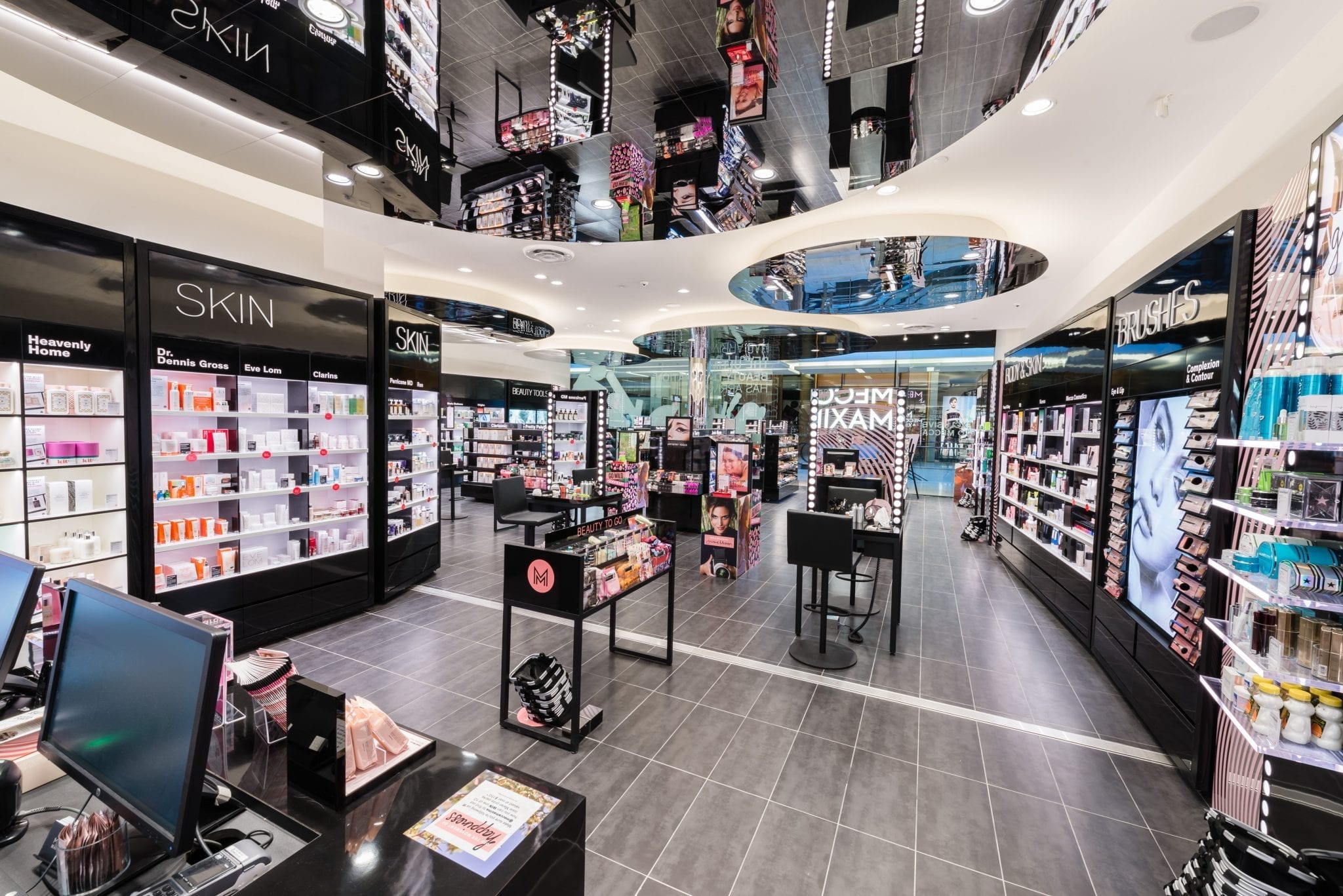
    In September 2026, Mecca opened a 285-square-metre retail space in Sydney’s T1 International terminal, marking the Australian beauty brand’s first international airport store.

    The footprint sits inside the Heinemann Tax and Duty Free concession, trading standard duty-free product walls for interactive service stations and dedicated brand zones. That footprint is roughly half the size of a standard Mecca high-street flagship, forcing the retailer to compress its inventory into high-velocity skincare, cosmetics, and travel exclusives.

    Shifting airport beauty from transaction to service

    Airport beauty retail across Asia-Pacific has historically relied on branded island counters, multi-buy discounts, and quick transactions before boarding gates call. Operators like Shilla, Lotte, and Heinemann have traditionally built duty-free concessions around volume and liquor-tobacco margins rather than high-touch advisory services.

    Mecca is testing whether hands-on consultations, application stations, and curated indie labels can extract higher basket values from outbound passengers who have cleared customs with dwell time to spare. The risk falls on staffing costs and turnaround speed: consultative beauty takes ten to twenty minutes per shopper, a cadence that clashes directly with flight departure windows.

    Heinemann’s concession strategy in Sydney

    For Heinemann, integrating a domestic specialty powerhouse allows the German travel retailer to defend sales against competing downtown duty-free stores and suburban flagship locations. Domestic travelers familiar with the Mecca brand loyalty ecosystem get an immediate reason to spend before departure rather than waiting for overseas destinations.

    Sydney Airport restructured its T1 luxury and retail precincts over recent years to capture higher average spends from returning international traffic, particularly routes across East Asia and North America. Adding specialized domestic operators inside wholesale duty-free concessions gives landlords a blueprint to raise sales per square metre without carving out independent tenancy leases.

    The travel retail rollout pipeline

    The Sydney terminal opening establishes the operating template Mecca needs before negotiating similar airside locations in Melbourne, Brisbane, or Auckland. The immediate metric to monitor is sales productivity per square metre against Heinemann’s conventional multi-brand cosmetic floorplates during peak morning departure banks.

  • Gentle Monster Parent Iicombined Appoints Renaud Divisia as Europe GM

    Gentle Monster Parent Iicombined Appoints Renaud Divisia as Europe GM

    In September 2026, Seoul-based Gentle Monster parent Iicombined appointed Renaud Divisia as general manager of Europe to lead its regional expansion.

    Divisia previously served as general manager of Puig Korea and international director of Byredo, following several years at LVMH’s Dior Parfums in leadership roles across Europe and the Middle East.

    In his new role, Divisia oversees organisation, retail expansion, and commercial strategy across Europe, where the South Korean group first launched in 2018.

    Expanding Beyond the London Beachhead

    Iicombined entered Europe in 2018 with a Gentle Monster store in London’s West End. Standalone locations in Paris and Milan followed. Those openings tested European appetite for the brand’s gallery-style retail spaces in competitive fashion capitals.

    Europe demands a different commercial model than Asia. In Asian markets, Gentle Monster built scale through experiential flagships that rotate art installations every few months. European high streets present steeper prime rents in cities like Paris and Milan. These locations require tighter retail economics and established wholesale accounts alongside mono-brand real estate.

    Bringing in a leader with roots in European luxury fragrance and cosmetics gives Iicombined a structure capable of handling multi-brand rollouts. The company cannot rely solely on the eyewear playbook that drove its early international visibility.

    Managing a Multi-Brand Portfolio

    Founded in 2011, Iicombined has expanded well beyond eyewear into a broader lifestyle business. Its wider portfolio includes fragrance and skincare brand Tamburins, bakery cafe concept Nudake, headwear label Atiissu and kitchenware brand Nuflaat.

    Tamburins gives the group a second growth vehicle with direct appeal to European department stores and specialty beauty retailers. Fragrance brands scale faster than luxury eyewear. Replenishment cycles are shorter, and distribution networks through multi-brand retail are already built.

    Operational risks remain across fragmented European real estate markets. Opening high-cost flagships in London or Paris requires major capital. Western European luxury consumers also demand sustained brand heritage rather than rapid trend turnover.

    Capital Backing and the Next Phase

    Private equity firm ZWC Partners invested in Iicombined earlier this year to finance global expansion. That capital targets growth across Asia alongside deeper penetration into Europe and North America.

    Divisia must now decide how to expand the wider portfolio. His immediate challenge is whether to introduce Tamburins and Nudake into existing flagships or secure dedicated real estate across prime retail streets in France, Italy and the United Kingdom.

  • Okada Manila and Dior Lead Philippine Customer Service Rankings

    Okada Manila and Dior Lead Philippine Customer Service Rankings

    Okada Manila topped a Philippine customer service study across 78 categories with a score of 96.87, leading a field led by luxury hospitality and global retail brands.

    Grand Hyatt Manila followed in second place at 95.57, while French fashion house Dior ranked third overall at 95.12. The benchmark, compiled by data portal Statista and the Philippine Daily Inquirer, evaluated both physical and digital operations using more than 90,000 customer reviews collected between February and April 2025.

    How the scores were calculated

    Researchers weighted the final scores equally between a respondent’s likelihood to recommend a brand and five direct performance metrics. Those five criteria, each carrying a 10 percent weighting, covered accessibility, customer focus, quality of communication, professional competence and range of services.

    Participants evaluated companies they had transacted with, visited or researched over the previous three years. The survey spanned five broad sectors: brick-and-mortar stores, online retailers, digital services, hospitality and general consumer services.

    Top performers across retail and hospitality

    Homegrown luxury furniture maker Philux placed fourth with a score of 94.88 in the home goods retail division. Shangri-La Hotels took fifth at 94.81, followed by serviced apartment operator Ascott at 94.41.

    Consumer technology and fast-moving retail also secured spots in the upper tier. LG Electronics Philippines led online home goods with 94.33, while bakery chain Red Ribbon scored 93.5 in the restaurant and leisure bracket. Japanese apparel giant Uniqlo took the final two spots in the top ten, scoring 93.38 for its physical stores and 93.30 for its Philippine e-commerce operation.

    The strong showing of physical flagships alongside digital channels mirrors a broader shift across Southeast Asian retail, where omnichannel consistency dictates customer loyalty. Premium hospitality operators and luxury apparel labels continue to command the highest marks because their operating models justify higher floor staffing and dedicated post-purchase support.

    Statista and local partners plan to track category shifts through the next evaluation cycle, where rising store automation and digital checkouts face direct consumer assessment.

  • Indian Appliance Makers Swap Copper for Aluminium to Defend Shrinking Margins

    Indian Appliance Makers Swap Copper for Aluminium to Defend Shrinking Margins

    Electronics and appliance manufacturers across India are replacing copper with aluminium and expanding domestic component sourcing after input inflation squeezed industry operating margins into single digits.

    Producers have already raised retail prices on air conditioners, refrigerators, and washing machines by 10 to 12 percent across three rounds since January, while absorbing an additional 7 to 10 percent to protect sales volumes.

    Value Engineering and Sourcing Shifts

    Surging copper prices, which rose roughly 45 percent year on year, have forced appliance brands to redesign motors, connecting pipes, and coils. Replacing copper with aluminium, steel, or alternative alloys saves between 2 and 6 percent of final manufacturing costs. Strong buying from artificial intelligence data centres and electric vehicle producers has tied up global copper output months in advance.

    Memory component prices have also doubled or tripled on heavy AI infrastructure demand, driving price hikes of 20 to 40 percent on smartphones, laptops, and televisions. Indian consumer electronics manufacturers import between 30 and 40 percent of their inputs, leaving factory gates exposed to higher freight rates and currency depreciation.

    Supply chain snarls have caused direct revenue losses. Crompton Greaves Consumer Electricals missed out on nearly Rs 200 crore in sales during the previous quarter because of material shortages. At contract manufacturer PG Electroplast, the cost to build 500,000 air conditioners climbed from Rs 700 crore last year to Rs 940 crore.

    Local Manufacturing Expansion

    Brands are countering these cost pressures by shifting away from overseas suppliers. LG Electronics India now sources a key moulding resin domestically after importing its entire requirement until March, while engineering teams adjust product designs to trim material volume per unit. Voltas and Bajaj Electricals have rolled out similar value engineering programs across their appliance lineups.

    Cost restructuring of this scale reflects a broader defensive pivot across Asian consumer hardware manufacturing. When consumer demand resists further retail price hikes, brands must either cut bill-of-materials costs or surrender volume in price-sensitive suburban and rural markets.

    PG Electroplast plans to commission domestic production of air conditioner compressors between December and January, alongside a separate manufacturing line with an annual capacity of two million units.

  • 87% Of Australians Have AI Privacy Concerns, Report Finds

    87% Of Australians Have AI Privacy Concerns, Report Finds

    Eighty-seven per cent of Australians have concerns about privacy for artificial intelligence, according to Australian Retail Council research discussed at an industry roundtable in September 2026.

    The findings, highlighted by Diebold Nixdorf, show that only 5 per cent of Australians say they trust AI companies, presenting a live commercial risk for retailers integrating automation into everyday operations.

    Senior retail leaders at the gathering noted that while the technology for age verification, customer service, and loss prevention is ready, customer trust remains the primary barrier to adoption across Australian stores.

    Designing privacy into the checkout lane

    Automated age verification and theft detection represent the front line of store deployment. In international grocery markets, automated systems now approve most age-restricted purchases at self-checkout within seconds by processing visual data locally without retaining personal files.

    Hardware suppliers argue that keeping customer records off retail servers prevents chains from becoming targets for regulatory scrutiny. Similarly, loss prevention algorithms in newer self-checkouts prompt shoppers to scan missed items before store staff intervene, reducing confrontation at the register.

    Operating standards across store networks

    Supermarket operators across the Asia-Pacific region have accelerated camera-assisted checkout rollouts over the past three years to curb inventory shrink. Australian grocers that run uncoordinated systems across point-of-sale, payments, and security cameras risk alienating shoppers if privacy safeguards vary between store departments.

    For regional retail executives, deploying store AI without clear boundaries creates legal and operational liabilities. While Asian retailers in markets such as Singapore and Japan have integrated automated kiosks with high public compliance, Australian consumers push back when surveillance feels unchecked.

    Industry proposals for shared rules

    The push toward automation follows earlier disputes between major Australian supermarket chains and privacy regulators over facial recognition testing in retail aisles. Industry participants at the roundtable raised support for a retail-specific AI code of practice to set standard data retention limits across the sector.

    Diebold Nixdorf published the findings alongside its research report on self-service systems in Australia. Retailers now weigh whether to adopt voluntary operating rules or wait for formal regulatory guidelines on customer data capture at the till.

  • Laifen Adds Curling Iron and Smart Mirror to Challenge Dyson

    Laifen Adds Curling Iron and Smart Mirror to Challenge Dyson

    Personal care device maker Laifen launched three new hardware products on September 1, expanding beyond hair dryers. Its global household footprint now tops 30 million units across 60 countries.

    The lineup includes the Swift 4 high-speed dryer, the AutoCurl curling iron, and the Glowy vanity mirror. The rollout pushes the Shenzhen-founded hardware maker directly into multi-category personal care tech.

    Motor tech and sensor additions

    Positive and negative ion emitters in the Swift 4 dryer generate 470 million ions. A dedicated nozzle infuses bottled hair treatments directly into the airflow. It sells in platinum, titanium, and burgundy finishes through the company’s direct digital storefronts.

    The AutoCurl curling iron uses a micro-servo motor that detects rotational resistance in real time to stop snagging. An automated chamber feeds hair strands in either direction. This eliminates manual switching between left and right barrels.

    Bathroom fixtures mark the next hardware expansion with the Glowy Vanity Mirror, which goes on sale September 4. The 8.5-inch unit embeds a 24 GHz radar sensor. It activates full-spectrum LED illumination when a user steps in front of the glass and saves lighting preferences to internal memory.

    Hardware playbook outside China

    Laifen built its initial commercial success across Asia by undercutting Dyson on price while matching brushless motor speeds. Extending that playbook into curling wands and smart mirrors brings new competition. The brand now faces legacy salon suppliers and beauty gadget makers with entrenched shelf space in Western department stores.

    That shift exposes the business to different replacement cycles. Hair dryers are daily essentials with high purchase frequency. Lit vanity mirrors and curlers face slower replacement rates and tighter specialty demand. Margins will depend on whether direct online buyers buy into the broader three-piece routine.

    From motor engineering to retail shelves

    Founded in 2019, Laifen established its manufacturing base on proprietary brushless motors. It holds over 600 patents. The company broadened its catalog in May 2025 with the Wave Special electric toothbrush, followed by physical distribution expansion into US warehouse chain Costco in July 2026.

    Laifen will show all three devices at its first brand media presentation in New York City on September 17. Retail distribution agreements for brick-and-mortar storefronts are scheduled for presentation at the event.

  • Hims Enters Australia with Pilot Rebrand in $1 Billion Global Push

    Hims Enters Australia with Pilot Rebrand in $1 Billion Global Push

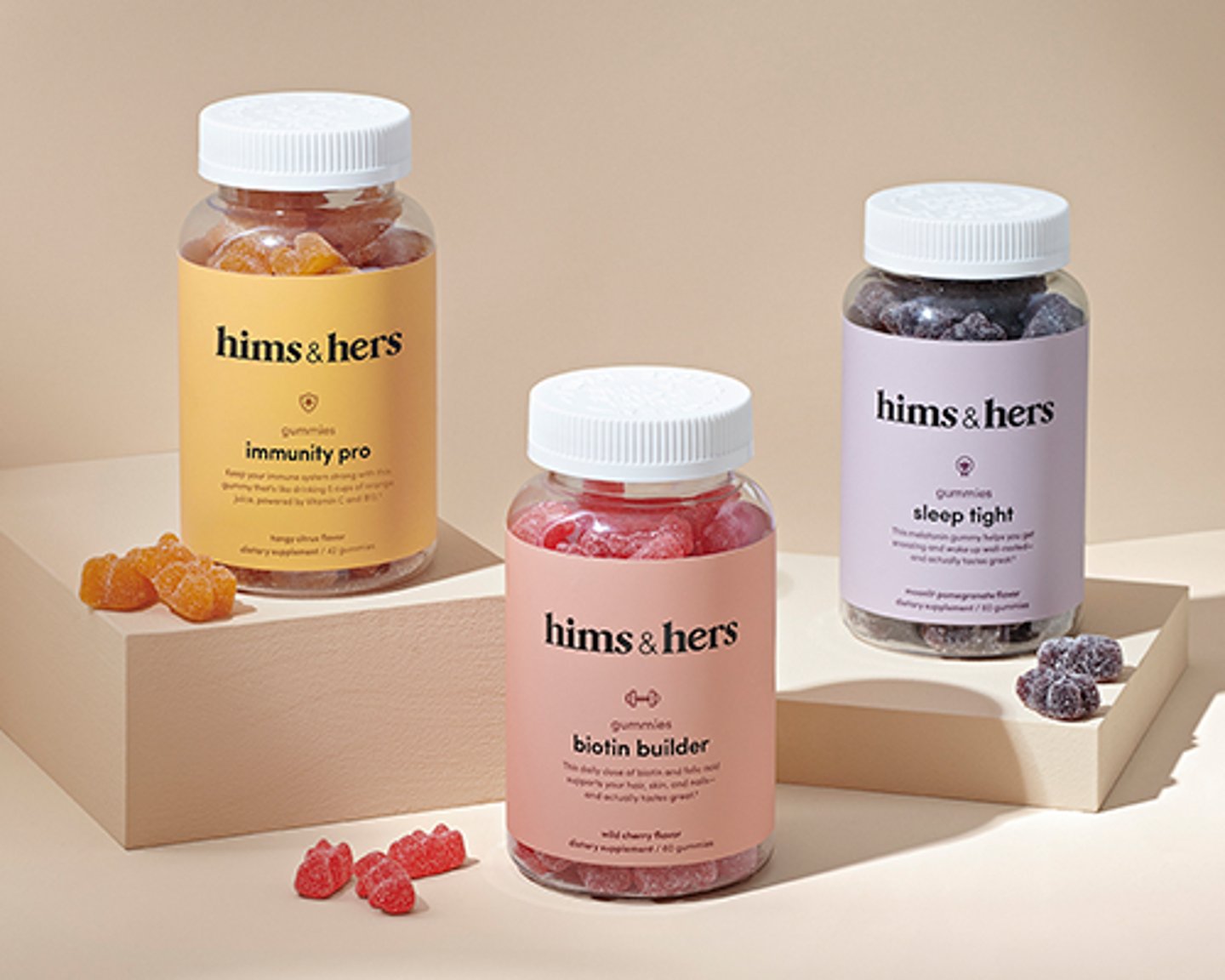
    Hims & Hers Health has launched operations in Australia by rebranding local men’s clinic Pilot, setting its sights on a 1 billion dollar international annual revenue target within three years.

    The transition gives the New York-listed group immediate access to a domestic telehealth market projected to reach 2.56 billion dollars by 2034. It also establishes the company’s first operating foothold in the Asia-Pacific region following its takeover of Sydney-based parent Eucalyptus earlier this year.

    How the Transition Operates

    Existing Pilot patients will transfer directly to the Hims platform, keeping their current treatment plans and practitioner links. Roughly 30 percent of the platform’s patient base lives in regional and rural Australia, where physical clinic access remains thin and appointment wait times run long.

    Former Eucalyptus chief executive Tim Doyle leads the international division as senior vice president, running Australian operations alongside country general manager Gus Wood. Dr Matt Vickers serves as chief medical officer for the local entity to oversee clinical governance and domestic regulatory standards.

    Pilot proved that Australian men want a different model of healthcare: one that is proactive, personal, and built around their lives.

    The Read Across for Digital Health

    Consolidating Eucalyptus under the core Hims identity shows how direct-to-consumer health brands are moving away from multi-brand regional stables toward single global flags. Maintaining separate platforms in every territory drives up customer acquisition costs and fragments marketing spend. By putting its primary brand on Australian screens, Hims can funnel global brand marketing and technology infrastructure straight into a market with high average revenue per user.

    The risk lies in consumer attachment and regulatory scrutiny. Digital health platforms in Australia face strict advertising rules around prescription treatments and compounding pharmacies, alongside tight supervision from medical boards. Pilot built significant local recognition, and erasing the name risks alienating repeat customers if the migration disrupts prescription delivery or doctor consultations.

    The Steps That Led Here

    Hims & Hers completed its buyout of Eucalyptus earlier this year, securing established patient networks in Australia and the United Kingdom. Eucalyptus had originally built discrete vertical brands including Pilot for men, Kin for fertility, and Software for dermatology, proving out direct-to-door medicine across Australasia before selling to the San Francisco operator.

    Market watchers will track whether Hims rebrands the remaining Eucalyptus product lines across women’s health and dermatology, and whether Australian patient numbers keep the company on course for its 1 billion dollar international revenue goal by 2029.

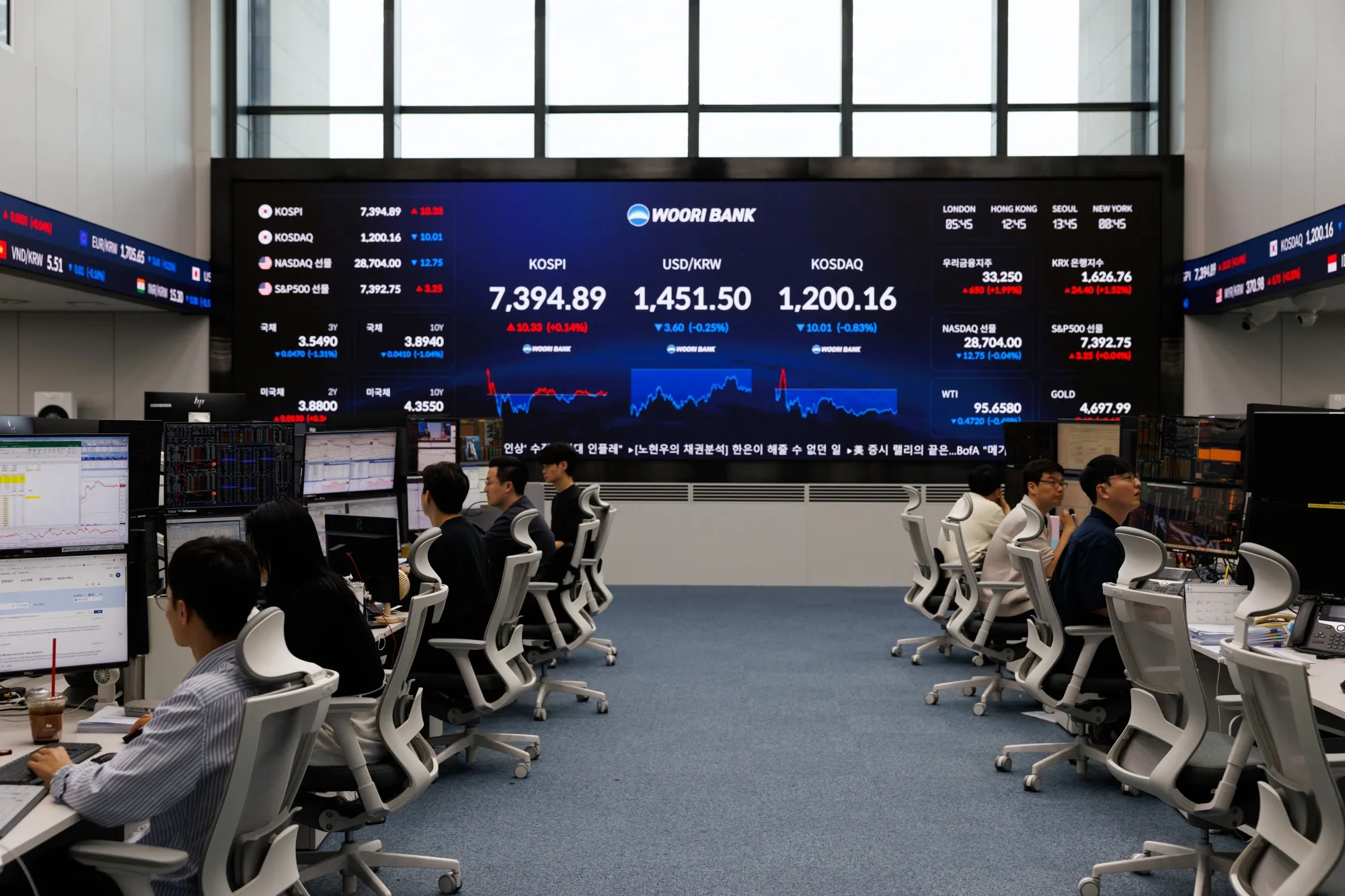
  • South Korean Retail Traders Amass Billions in US Used ETF’s

    South Korean Retail Traders Amass Billions in US Used ETF’s

    South Korean retail investors poured an estimated $10 billion into US used exchange-traded funds during the first half of the year. The buying gave them dominant stakes in several high-risk products. Korea Securities Depository filings show domestic accounts held $5.24 billion in the Direxion Daily Semiconductor Bull 3X Shares alone. That equals 27 per cent of the fund’s $19.3 billion market capitalisation.

    This concentration spreads well past semiconductor tracking. Korean buyers hold 38.8 per cent of the Direxion Daily TSLA Bull 2X Shares and 37.6 per cent of the Direxion Daily MSCI South Korea Bull 3X Shares, alongside 20.9 per cent of the ProShares Ultra QQQ. Net buying of the semiconductor fund reached $2.43 billion this year. That outstripped demand for standard index trackers by a factor of 1.5.

    Regulatory Caps at Home Drive Outflows

    Financial regulators in Seoul prompted the overseas shift by imposing minimum deposit rules and volume ceilings on domestic single-stock used products. The restrictions failed to cool risk appetite. Capital flowed straight to US exchanges, where investors access uncapped daily use across individual equities, semiconductor benchmarks, and international country indices.

    Total Korean equity holdings in the US stand at $112 billion. That is barely 0.2 per cent of total American market capitalization. In specialized used derivatives, however, concentrated buying turned Seoul day traders into the dominant liquidity provider.

    Past retail surges across East Asia followed a similar pattern. Tighter domestic margin rules in markets like Hong Kong and Tokyo pushed speculative volumes into offshore derivatives whenever local platforms restricted margin access.

    Night Trading Halts Force Blind Orders

    Heavy order flow disrupted execution infrastructure on September 1. Alternative trading system Blue Ocean ATS suspended daytime trading for 18 securities, including the top semiconductor and Korea bull funds. The platform acted under the US Securities and Exchange Commission Fair Access Rule. That rule triggers extra regulatory burdens when an alternative venue handles 5 per cent or more of a single security’s volume over four out of six months.

    Local brokerages including Samsung Securities and Toss Securities routed daylight orders to alternative platforms MOON and Bruce to keep order lines open. These backup venues do not deliver real-time quote feeds. Clients had to enter limit orders without viewing bid and ask spreads.

    Blue Ocean reviews trading volumes monthly to determine when the 18 suspended securities can return to its platform. Meanwhile, brokerage houses in Seoul are building backup order-routing networks to prepare for further liquidity limits.