Blog

  • Solum Expands Electronic Shelf Labels Across Australian Retailers

    Solum Expands Electronic Shelf Labels Across Australian Retailers

    Retail technology provider SOLUM has expanded its electronic shelf label network across Australia. The deployment covers rollouts with appliance chain Bing Lee and The Natural Grocery Company.

    Bing Lee is extending digital price tags across multiple consumer electronics stores. The chain aims to eliminate paper ticketing and curb pricing discrepancies on shop floors.

    Centralised Pricing at Scale

    The system connects in-store tags directly to a central management platform. Store managers can push real-time price updates and promotions instantly. Staff no longer need to replace physical shelf tags manually.

    Across its grocery aisles, The Natural Grocery Company has deployed the same digital setup. Freeing employees from manual repricing shifts floor labor toward customer service. It also cuts paper waste from recurring promotional cycles.

    “For The Natural Grocery Company, our ESL solution supports real-time pricing, rapid promotional updates, and greater pricing accuracy,” said Paul Kyriakos, General Manager at SOLUM Australia.

    Automation on Shop Floors

    Australian retailers face elevated labor costs and high operational overheads. Automated shelf-edge tools have become an operational priority across electronics and food retail. Supermarket operators and specialty chains across the Asia-Pacific region have accelerated similar rollouts to compete with dynamic pricing used online.

    SOLUM plans to roll out additional digital store infrastructure across retail partners in Australia and the wider Oceania region.

  • ESR Kendall Square Sells Pyeongtaek Warehouse to Samsung SRA for $253 Million

    ESR Kendall Square Sells Pyeongtaek Warehouse to Samsung SRA for $253 Million

    ESR Kendall Square sold Pyeongtaek Logistics Park to a Samsung SRA Asset Management vehicle backed by South Korea’s National Pension Service for KRW 343 billion ($252.6 million). The transaction closed on 1 September at KRW 1.8 million per square metre of gross floor area.

    The deal transfers one of South Korea’s largest modern sheds from foreign pension backing to domestic institutional ownership. ESR built the 2023-vintage facility with capital from Canada Pension Plan Investment Board and Dutch asset manager APG. Samsung SRA funded the acquisition through a KRW 400 billion core fund that drew KRW 250 billion from the National Pension Service alongside capital from Samsung-affiliated insurers.

    Hub for Port and E-Commerce

    Pyeongtaek Logistics Park spans 190,000 square metres across a 165,827-square-metre site in the Poseung district of the Gyeonggi Free Economic Zone. E-commerce platform SSG.com pre-leased the entire ambient facility in late 2021 before ground broke.

    Located three kilometres from Pyeongtaek Port, the property features direct ramp access to every floor, high ceilings, South Korea’s largest single-floor warehouse footprint, and 10 megawatts of power capacity. Logistics inventory in Pyeongtaek expanded more than 1.7-fold between 2022 and mid-2025 as third-party logistics firms and end-users absorbed space near regional automotive and electronics clusters.

    Capital Flows Shift Domestic

    Institutional buyers are moving on cash-flowing assets in South Korea as new warehouse construction drops sharply from post-pandemic peaks. Overseas capital accounted for more than 60 percent of industrial trades in 2025, but Korean managers with long-term domestic mandates are now securing completed, fully leased assets as supply eases and ambient rents start to climb.

    Greater Seoul logistics net absorption rose 42 percent to 164,000 square metres in the second quarter, while nominal rents reached $7.65 per square metre per month. Investors are tracking second-half completions, which fell to one-third of their year-earlier level, to test how quickly remaining vacancies tighten across the capital region.

  • DSG Consumer Partners Buys Singapore Wellness Brand Bback

    DSG Consumer Partners Buys Singapore Wellness Brand Bback

    DSG Consumer Partners has acquired Singapore recovery and wellness brand bback from Evo Commerce, taking control of a business distributed across more than 400 retail outlets.

    The venture capital firm completed the buyout alongside Saket Gore, the former Asia Pacific chief executive of Himalaya Wellness, who steps in as bback’s chief executive.

    Retail footprint and executive shift

    Bback started as an alcohol recovery brand before adding hydration and liver wellness formulations to its catalogue. In Singapore, the brand sells through pharmacy chains Guardian and Watsons as well as online platforms. The companies did not disclose financial terms of the transaction.

    Under the new ownership structure, bback plans to broaden its product line beyond hangover remedies into a wider range of daily recovery and functional health items. Singapore will remain the brand’s primary market in the near term.

    Consolidation in regional consumer health

    Consumer health and functional wellness labels in Southeast Asia face increasing pressure to move beyond direct-to-consumer online sales into established pharmacy chains and convenience store networks. Scaling those physical footprints requires professional operating leadership and deeper supply chain funding.

    The immediate milestone to watch is bback’s rollout of its expanded wellness formulations across its existing 400 retail points of sale in Singapore under Gore’s management.

  • Chinasquad Expands Global Cross-Border Sales with Curated Chinese Fashion

    Chinasquad Expands Global Cross-Border Sales with Curated Chinese Fashion

    Chinasquad is scaling international distribution for domestic apparel designers, offering direct deliveries across global markets with a free shipping threshold set at $99.

    The platform has accumulated more than 7,200 verified customer reviews while targeting shoppers seeking curated streetwear, statement dresses, and modern Hanfu-inspired collections.

    To address cross-border fulfillment friction, the operator provides optional DHL Express transport with delivery times between two and four days. Returns operate on a 14-day window supported by a checkout protection add-on that covers return handling and exchanges across multiple international territories.

    Sizing Standards and Cross-Border Logistics

    Cross-border apparel exporters from China routinely face high return rates tied to sizing discrepancies. Chinasquad produces its inventory to Asian sizing specifications, advising international buyers to size up on fitted garments and evaluate flat measurements across shoulders, bust, and waist. Flat garment measurements published on the site account for manual variations between one and three centimetres.

    Discounts on the storefront reach up to 90 percent on clearance lines. The merchandising mix focuses on structured trousers, outerwear, and dresses that emphasize tailored cuts rather than disposable basics.

    The Shift Toward Niche Chinese Aesthetics

    Direct-to-consumer fashion exporters in China are shifting away from pure low-cost volume to focus on distinctive regional aesthetics, including contemporary interpretations of traditional Hanfu tailoring. While mass-market players compete primarily on bottom-tier pricing, specialised curators seek higher basket sizes by pairing distinctive cuts with express air freight.

    Customer service operations and global return intake remain centred on managing cross-border garment fits as the platform tests overseas appetite for contemporary Chinese designer labels.

  • Philip Morris Tops $11 Billion in Net Revenue as Smoke-Free Sales Hit 42 Percent

    Philip Morris Tops $11 Billion in Net Revenue as Smoke-Free Sales Hit 42 Percent

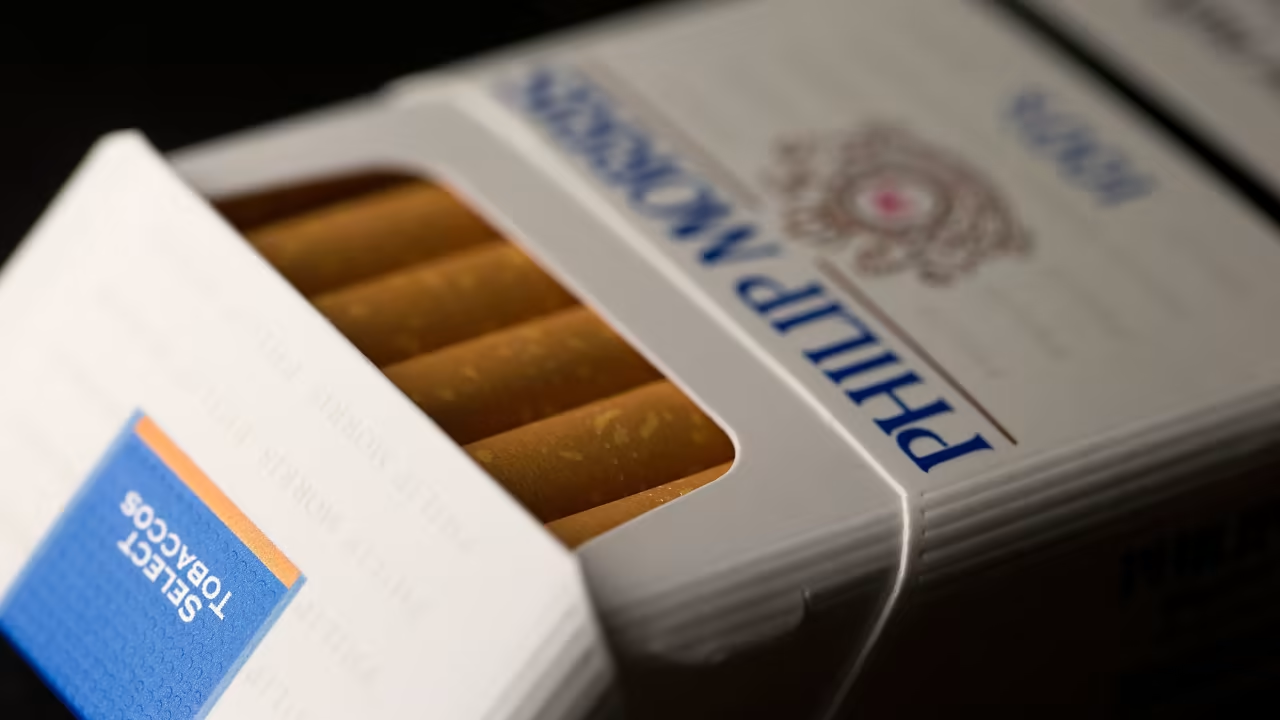
    Philip Morris International generated more than $11 billion in net revenues during the second quarter of 2026. Higher international sales of heated tobacco and oral nicotine alternatives drove the total.

    Organic top-line growth reached close to 8 percent. That lifted the smoke-free category to 42 percent of total group net revenues across the first six months of the year.

    Operating income climbed 11 percent on an organic basis. In currency-neutral terms, adjusted diluted earnings per share rose 14 percent, or 15 percent in dollar terms. IQOS heated tobacco systems and VEEV vapes led non-combustible volume gains abroad. Meanwhile, the conventional cigarette unit held gross profit growth through higher pricing and steady category share. In the oral nicotine business, ZYN shipments rose 2 percent year on year to 2.9 billion pouches, helped by early distribution of the new ZYN ULTRA variant.

    Portfolio shift across retail channels

    Convenience retailers and travel hubs across Asia-Pacific and Europe now face a permanent rebalancing of shelf space. In Japan and South Korea, heated tobacco adoption outpaces traditional smoking in major cities. Tobacco fixtures there function increasingly like consumer electronics displays. Retailers with early distribution deals for IQOS consumables continue to capture higher basket values from repeat device and heatstick purchases. Traditional corner shops reliant solely on combustible cigarette cartons face shrinking margins.

    Across Southeast Asia, the transition creates immediate inventory complications for convenience store operators. Regional regulators take fragmented stances on reduced-risk products, ranging from outright bans to regulated imports. Retailers in open markets must tie up working capital in multi-brand hardware alongside conventional packs. That creates inventory turnover risks if consumer adoption lags manufacturer targets.

    Pricing power and regional performance

    Cash flow from conventional cigarettes continues to fund smoke-free production facilities and clinical testing. Higher prices in emerging markets offset volume declines in mature combustible territories, keeping category margins steady. Group CFO Emmanuel Babeau pointed to sequential gains in the United States after a slow start to the year, alongside momentum across wider international markets.

    We reported close to plus 8% organic top line growth, reaching over $11 billion in quarterly net revenues for the first time.

    Transition timeline and next targets

    Full-year 2025 performance set the foundation for the latest quarter. Smoke-free alternatives reached 109 commercial markets worldwide that year, topping 50 percent of total net revenues in 27 national territories. The company counted more than 43 million legal-age consumers using its reduced-risk lines by late 2025, broadening out from early adoption hubs in Japan and select European test cities.

    Management presents its next strategy update at the Barclays Global Consumer Conference on September 8, 2026, where commercial execution figures for the ZYN portfolio expansion will face investor scrutiny.

  • South Korea Inflation Climbs to 3.1% on Fuel Costs and Telecom Rebound

    South Korea Inflation Climbs to 3.1% on Fuel Costs and Telecom Rebound

    South Korea’s consumer price growth accelerated to 3.1 percent in August from a year earlier, driven by persistent energy costs and a rebound in mobile phone service charges.

    The pace picked up from a 2.8 percent annual rise in July, returning above the 3 percent mark after recording 3.1 percent in May and 3.2 percent in June, according to government statistics released in Sejong.

    Fuel and Telecom Shift Topline Figures

    Mobile phone bills jumped 26.7 percent compared to the same month last year. The spike reflects a low statistical base from a year earlier, when SK Telecom Co. Issued widespread customer discounts following a network data breach. Without the mobile bill distortion, overall consumer price inflation for the month stood at an estimated 2.5 percent.

    Oil prices climbed 14.2 percent on-year, adding 0.54 percentage points to the headline consumer price index. Diesel prices surged 19.6 percent while gasoline advanced 11.5 percent, sustaining pressure on transport and logistics networks in an economy that imports virtually all of its crude oil.

    Core inflation, which strips out volatile food and energy components, rose 3.4 percent on-year. That represents the sharpest gain since May 2023, when core prices advanced 3.8 percent.

    Food Relief and Service Pressures

    Industrial product prices increased 3.7 percent from a year earlier. In the service sector, overall costs climbed 3.7 percent as insurance premiums rose 13.4 percent and overseas package tour prices jumped 14.9 percent.

    Grocery shelves offered mixed relief for household budgets. Fresh produce, livestock and fishery prices dropped 2.6 percent helped by larger supplies of napa cabbage and tomatoes alongside state-backed retail discount promotions. Meat counters diverged, with imported beef prices rising 6.2 percent and domestic beef up 3.3 percent.

    For consumer brands and retailers across East Asia, the persistence of core inflation above 3 percent indicates that discretionary spending will face headwinds even as staple produce costs stabilise. Utility charges for electricity, gas and water rose 0.4 percent over the period, leaving transport costs and recurring service fees as the primary drain on disposable household income.

    Market watchers now turn to September price data to assess whether seasonal harvest supplies and crude import pricing can bring headline inflation closer to baseline targets.

  • Seppic Names Former Japan Chief Virginie Cavalli as Chief Executive

    Seppic Names Former Japan Chief Virginie Cavalli as Chief Executive

    Specialty chemicals supplier Seppic appointed Virginie Cavalli as chief executive officer on September 1, 2026. The decision hands leadership of the 900-employee ingredients business to an operational veteran.

    Cavalli spent more than three decades at parent company Air Liquide. Most recently, she served as deputy group vice president of human resources after leading Air Liquide Japan as chief executive.

    Decades of Industrial Leadership

    A graduate of EM Lyon Business School in financial strategy, she joined the French industrial gases group in 1992. Her executive career spans operational, financial, and business development roles across France, the United States, Chile, and Singapore.

    Seppic operates as an Air Liquide Healthcare subsidiary, manufacturing ingredients for beauty formulations, nutraceuticals, pharmaceuticals, and industrial uses. Its distribution networks and operating units serve clients across 100 countries.

    Strategic Value for Asian Formulators

    Her background gives the beauty ingredient supplier a leader with direct North Asian and Southeast Asian operating experience. Asian personal care manufacturers want active ingredients and bio-based emulsifiers backed by certified regional supply chains. That demand pushes European suppliers to adapt delivery and technical support models.

    Next on the agenda, Seppic will present formulation technologies at personal care trade exhibitions across Europe and Asia through the fourth quarter of 2026.

  • Voyah Opens Dream 9 MPV Pre-Sales in China from 429,900 Yuan

    Voyah Opens Dream 9 MPV Pre-Sales in China from 429,900 Yuan

    Dongfeng Motor subsidiary Voyah opened pre-sales for its Dream 9 luxury multi-purpose vehicle in China on Saturday. The flagship model starts at 429,900 yuan ($63,420).

    Buyers can choose across three trim levels spanning five variants, topping out at 529,900 yuan. Introductory sweeteners total up to 50,000 yuan. Dealership display units have arrived across mainland cities for test drives ahead of initial customer handovers.

    Hardware and Huawei Cockpit Software

    Powertrain options divide into three plug-in hybrid (PHEV) variants and two battery electric (BEV) editions. All models sit on an 800-volt electrical architecture. They run Huawei’s Qiankun ADS 5 driver-assistance suite alongside HarmonySpace 6 smart-cabin software.

    Sensor hardware includes 37 units covering urban streets and expressways. Voyah fitted an 896-channel dual-optical-path main LiDAR on the roof and three solid-state LiDAR units around the body. The cabin operating system uses a multimodal large language model with hundreds of billions of parameters to handle voice and in-car controls.

    Electric models carry a 120-kWh battery pack, the largest capacity fitted to any production MPV in China. That battery pairs with a 175-kW front motor and a 300-kW rear unit. The PHEV combines a 1.5-litre turbocharged petrol engine with twin electric motors for 555 kW of total output. It draws power from a 65-kWh pack that charges from 20 per cent to 80 per cent in 12 minutes.

    Chassis Tuning and Interior Layout

    Chassis hardware relies on triple-chamber air suspension, dual-valve electronic dampers and rear-wheel steering that turns up to 10 degrees. A coordinated domain controller manages torque distribution, braking force and suspension damping in real time.

    The body measures 5,325 mm in length and 1,998 mm in width on a 3,200 mm wheelbase. Inside the three-row cabin, second-row captain chairs feature rotation, sideways sliding, zero-gravity reclining and mechanical massage functions. Outside, smart projection headlights beam navigation arrows directly onto the road surface.

    Margin Pressure Behind the Premium Push

    Chinese automakers are crowding into executive vans. Private buyers and corporate fleets still pay cash premiums that mass-market sedans no longer command. Voyah skipped a conventional theatrical launch, putting metal straight into showrooms to secure non-refundable deposits.

    That pricing puts the Dream 9 in direct competition with established luxury nameplates from Denza and Zeekr. Voyah needs higher transaction prices to stop cash erosion after a brutal price war across China compressed earnings throughout the year.

    Deliveries expanded in the first half of 2026. The brand handed over 76,264 vehicles for a 35.9 per cent gain, lifting revenue 42.4 per cent to 18.16 billion yuan. Profitability swung the other way. Gross margin contracted to 17.7 per cent, pushing Voyah to a net loss of 389 million yuan compared with a 460 million yuan profit a year earlier.

    Official delivery dates and the final retail schedule for the Dream 9 lineup have not been published.


  • Woolworths to Shift 130 Support Roles from New Zealand to Australia

    Woolworths to Shift 130 Support Roles from New Zealand to Australia

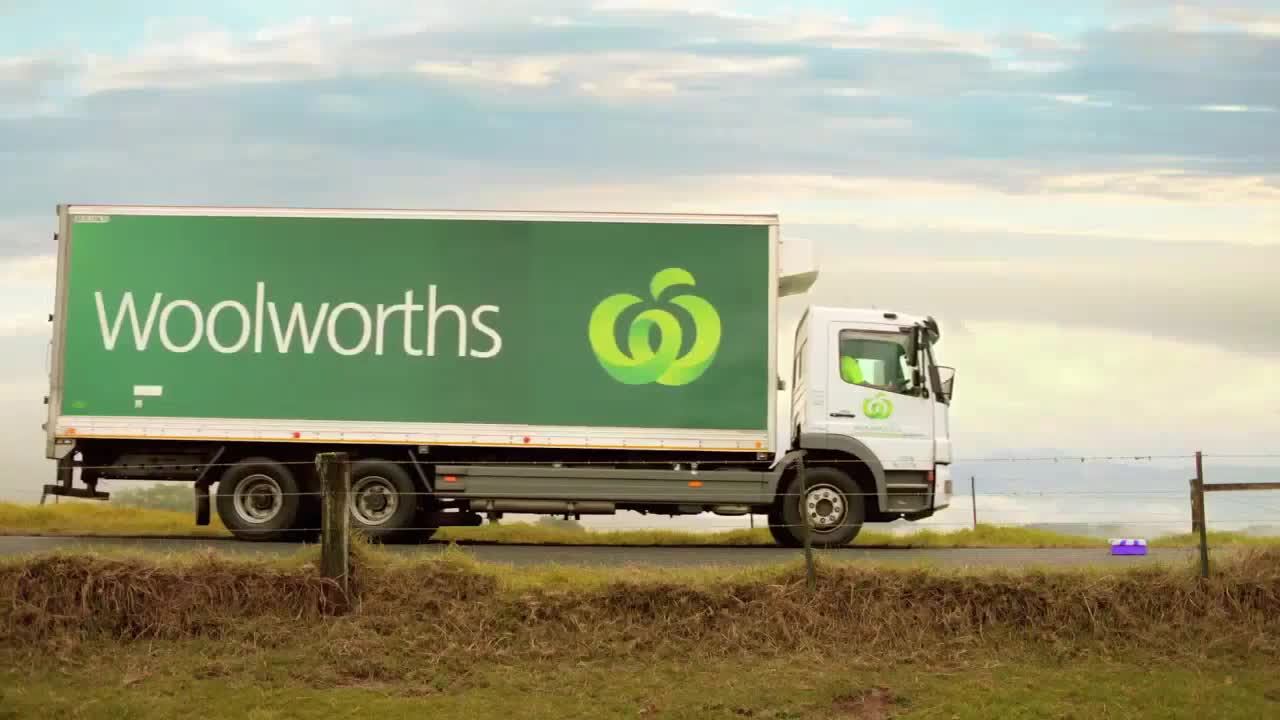
    Woolworths plans to shift roughly 130 customer support roles from New Zealand to Australia as part of a restructuring across the Tasman.

    The proposal includes shuttering the retailer’s dedicated customer care centre in New Zealand to streamline operations across its grocery division.

    Cost Cuts and Centralisation

    Closing the customer care facility will save the business $4.1 million by the 2029 financial year. Woolworths plans to absorb these contact functions into its Australian network rather than maintaining separate customer support centres across both countries.

    Union officials pushed back immediately against the announcement. The Workers First Union condemned the proposal as “corporate greed”, warning that local staff are paying the price for trans-Tasman cost rationalisation.

    Regional Margin Pressure

    Supermarket operators across Australasia face persistent margin pressure from elevated operating costs and cautious consumer spending. Consolidating back-office and contact centre functions allows major grocers to trim overheads, mirroring broader retail trends across the region where administrative operations are pooled into single hubs.

    Consultation over the proposed customer care shutdown remains underway ahead of the company’s 2029 financial milestone.

  • Anaconda Opens 6,000-Square-Metre Flagship in Queensland

    Anaconda Opens 6,000-Square-Metre Flagship in Queensland

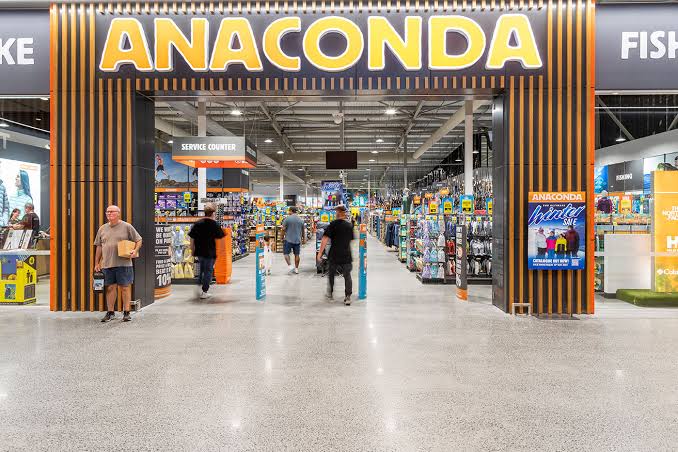
    Anaconda opened a 6,000-square-metre flagship store in Brendale, Queensland, anchoring a 92 million Australian dollar retail development in Moreton Bay. The site, branded Anaconda Adventure HQ, is the outdoor equipment retailer’s largest purpose-built location in Australia.

    Built along South Pine Road and Old North Road, the destination gives shoppers dedicated zones to test equipment before purchase. Chief executive Chris Lude stated the layout targets campers, skiers, and anglers looking for practical demonstrations inside the building.

    Interactive gear testing and live displays

    The Brendale floor plan allocates substantial square footage to working trial areas. Facilities include an alpine-themed snow cave, an indoor boat show with a simulated marina, an outback camping ground, a fishing simulator, and a 12-metre aquarium holding live barramundi.

    Big-box specialty retailers across Asia-Pacific are increasingly turning floor space over to active trials. Dedicating thousands of square metres to live environments raises capital expenditure per site, but operators use the experiential footprint to pull shoppers away from pure-play online merchants.

    Spotlight Group shifts toward destination formats

    Parent company Spotlight Group Holdings financed the expansion as part of a wider push into regional destination centres. Executive deputy chairman Zac Fried said customer buying habits now favor testing gear on site over selecting items directly from warehouse racking.

    Spotlight Group will track trading performance at the Brendale complex as it evaluates whether to scale similar mega-format builds across other high-growth suburban corridors in Australia.

  • Thai Mortgage Rejections Hit 60 per Cent as Banks Tighten Debt Checks

    Thai Mortgage Rejections Hit 60 per Cent as Banks Tighten Debt Checks

    Thailand’s state-owned Government Housing Bank approved only about 40 per cent of home loan applications across January and February 2026, rejecting the remaining 60 per cent as lenders scrutinised borrower balance sheets.

    Kasikorn Research Center expects full-year mortgage lending in 2026 to range between zero growth and a 0.5 per cent contraction. That stall comes even after regulators extended relaxed loan-to-value rules through June 2027 to help developers clear unsold residential inventory.

    Household Debt Limits Borrowing Capacity

    Elevated consumer obligations remain the primary hurdle for prospective buyers. Kasem Praphan, Bangkok district office branch 1 area manager at GH Bank, said elevated household debt, unverified income streams, and inconsistent banking records drive most rejections.

    High debt loads leave little room for new commitments. Under GH Bank criteria, total monthly debt servicing must generally remain within 60 per cent of a borrower’s income. Applicants carrying auto financing, personal loans, and credit card balances frequently exceed that ceiling even when base salaries seem adequate.

    Income verification poses an equal challenge for self-employed applicants, freelancers, and online sellers, who now form one of the largest applicant demographics. GH Bank has started reviewing digital transaction histories, including QR code payment receipts from micro-merchants, but requires documented consistency over several months rather than irregular cash lump sums.

    Pre-Approval Programmes Target Unsold Housing

    To rehabilitate unqualified applicants, GH Bank established a Financial School programme. The scheme targets four specific segments: salaried new graduates, gig workers, informal earners, and individuals working through past loan delinquencies.

    Seventeen property developers have also partnered with the bank under a linked Financial School Extra initiative. Under that arrangement, prospective buyers make regular monthly deposits directly to GH Bank for up to 12 months, which the lender then transfers to developers as accumulated down payment installments.

    Borrowers who clear outstanding debts using funds from third parties must also document the money trail. If funds come from friends or informal partners without clear paper records, the bank imposes a mandatory 90-day waiting period before reassessing the application to verify that the liability was genuinely settled rather than temporarily moved.

    Lenders continue to evaluate total household use rather than property equity alone. Housing developers in Bangkok are watching the June 2027 expiration of loan-to-value relief measures as commercial banks keep credit criteria tight through the remainder of the year.

  • Pomelo Operator KCG Collects 231 Kilos of Garments in Indonesian Take-Back Push

    Pomelo Operator KCG Collects 231 Kilos of Garments in Indonesian Take-Back Push

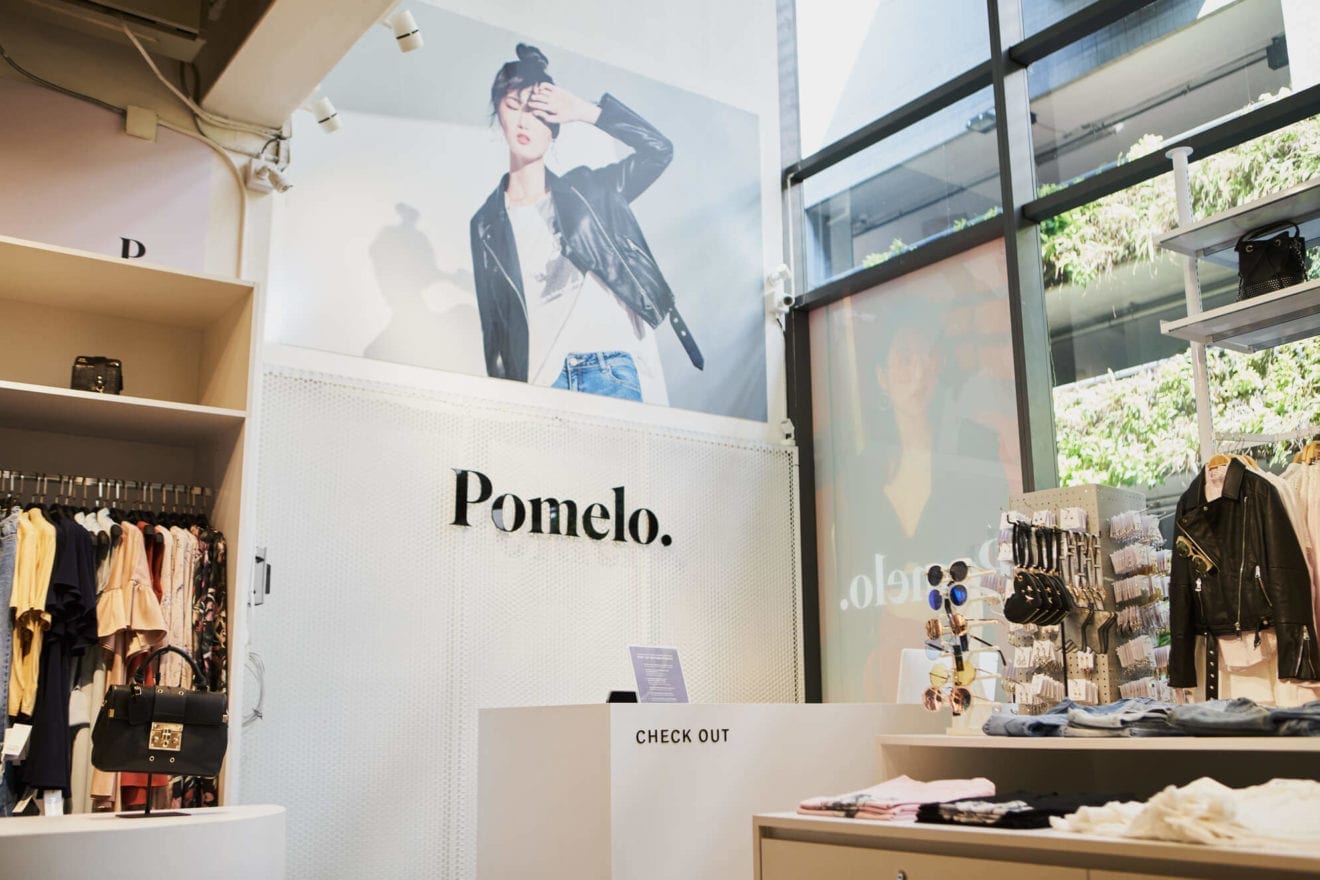
    PT Kurnia Ciptamoda Gemilang collected 231 kilograms of used clothing across eight Pomelo stores in Indonesia during the first month of its in-store take-back programme.

    The haul more than doubled the retailer’s initial 100-kilogram target despite launching without promotional marketing.

    KCG installed drop-off boxes in every Indonesian Pomelo branch to collect apparel directly from shoppers. Wearable items go to the Cinta Laura Foundation for distribution to orphanages and local communities. Unwearable, damaged pieces head to domestic textile recyclers Lestari and New Factory for industrial processing.

    Haryanto Pratantara, business and operations director at KCG, said the intake relies on repeat donors seeking practical reuse for old apparel. Turning ruined garments into usable raw material carries high processing costs that the company cannot sustain alone. KCG is seeking corporate social responsibility funding and state backing to expand the processing chain.

    High Processing Costs and Policy Gaps

    Pratantara expects garment recycling to shift from a competitive differentiator to standard retail practice within five years. Government policy will dictate how fast that transition happens.

    “The key is the government,” Pratantara said. “Regulation cuts the timeline. Without it, this cannot work.”

    Fashion operators across Southeast Asia frequently launch circularity pilots to retain younger shoppers, but few manage to scale mechanical recycling without state subsidies or formal producer responsibility rules. While donation bins clear closet space and bring foot traffic back into stores, true fibre-to-fibre recycling remains bottlenecked by local sorting and processing infrastructure across the region.

    Expanding Beyond Store Bins

    KCG has not yet measured the direct revenue impact of the programme on overall apparel sales. The operator is now tracking repeat drop-offs while waiting for state policy clarity and corporate partners to fund the next stage of textile processing.

  • UltraTech Cement to Add 600 Electric Trucks to Indian Logistics Fleet

    UltraTech Cement to Add 600 Electric Trucks to Indian Logistics Fleet

    UltraTech Cement will deploy more than 600 heavy-duty electric trucks across its Indian supply chain by December 2026. The fleet will haul over five million metric tonnes of clinker and raw materials annually across seven states.

    Operations will span industrial corridors in Gujarat, Uttar Pradesh, Madhya Pradesh, Rajasthan, Chhattisgarh, Maharashtra and Odisha. The company calculated that replacing diesel prime movers at this scale cuts net carbon emissions by more than 117,000 tonnes annually, eliminating the consumption of roughly 39 million litres of diesel fuel each year.

    Fleet suppliers and regional deployment

    Procurement contracts have been split among domestic and international commercial vehicle builders. Suppliers include Tata Motors, Ashok Leyland, IPLTech, Sany and Energy In Motion, alongside third-party logistics operators.

    The heavy vehicles will manage mine-to-plant transport as well as inter-plant transfers of clinker. UltraTech currently runs more than 850 alternative-fuel commercial vehicles, a tally that blends compressed natural gas units with battery-electric haulers.

    Scaling heavy-duty electric freight

    Electrifying heavy industrial freight remains rare across Asian emerging markets, where high battery pack costs and limited mega-watt charging infrastructure keep most operators tied to diesel. UltraTech tested the waters in June when it put 45 electric trucks into service on a 250-kilometre clinker route between Rajasthan and Uttar Pradesh with Energy In Motion, bringing its dedicated electric fleet to 89 units at the time. Expanding that base almost sevenfold indicates commercial confidence in operating economics on fixed factory-to-mine loops.

    Delivery schedules for the new vehicle batches begin over the coming quarters, with all 600 prime movers scheduled to enter full revenue service before the end of 2026.

  • Nykaa Buys Additional 24.2 Percent Stake in Beauty Brand Earth Rhythm

    Nykaa Buys Additional 24.2 Percent Stake in Beauty Brand Earth Rhythm

    Indian beauty and fashion retailer Nykaa acquired an additional 24.2 per cent stake in direct-to-consumer personal care brand Earth Rhythm. The transaction builds on the retailer’s initial backing of the company two years ago.

    Nykaa first took a position in Earth Rhythm during an 8 million dollar Series A funding round in 2022. The increased holding deepens its direct ownership of domestic skincare and haircare labels as competition intensifies across India’s beauty and personal care market.

    Consolidation in Indian Beauty Brands

    The deal reflects a broader push by established e-commerce platforms to secure higher-margin proprietary and partner labels rather than relying entirely on third-party marketplace distribution. By taking a larger equity position, Nykaa gains tighter control over product development, supply chains, and exclusive digital merchandising rights for Earth Rhythm’s portfolio.

    Direct-to-consumer brands in India face rising customer acquisition costs on digital channels. Partnering closely with platform operators provides these brands with immediate shelf space, physical store exposure through Nykaa Luxe and Nykaa On Trend outlets, and shared logistics infrastructure across tier-one and tier-two cities.

    Building Out the House Brand Strategy

    Rival platforms including Reliance Retail’s Tira and Tata Cliq Palette are expanding their own portfolios of private and partnered beauty brands. Nykaa’s strategy mirrors global retail trends where multi-brand operators buy equity in high-performing independent labels to capture manufacturing margins alongside retail markups.

    The investment follows Nykaa’s entry into Earth Rhythm in 2022, when the startup used its Series A proceeds to expand manufacturing capacity and marketing reach. The brand formulates solid beauty bars, skincare serums, and clean-label cosmetic formulations sold across India.

    Investors will look to Nykaa’s upcoming quarterly filings for the total cash consideration paid for the 24.2 per cent equity tranche and any changes to Earth Rhythm’s board structure.

  • Taiwan Sets up 431 Vaping Drop Bins Ahead of Possession Fines

    Taiwan Sets up 431 Vaping Drop Bins Ahead of Possession Fines

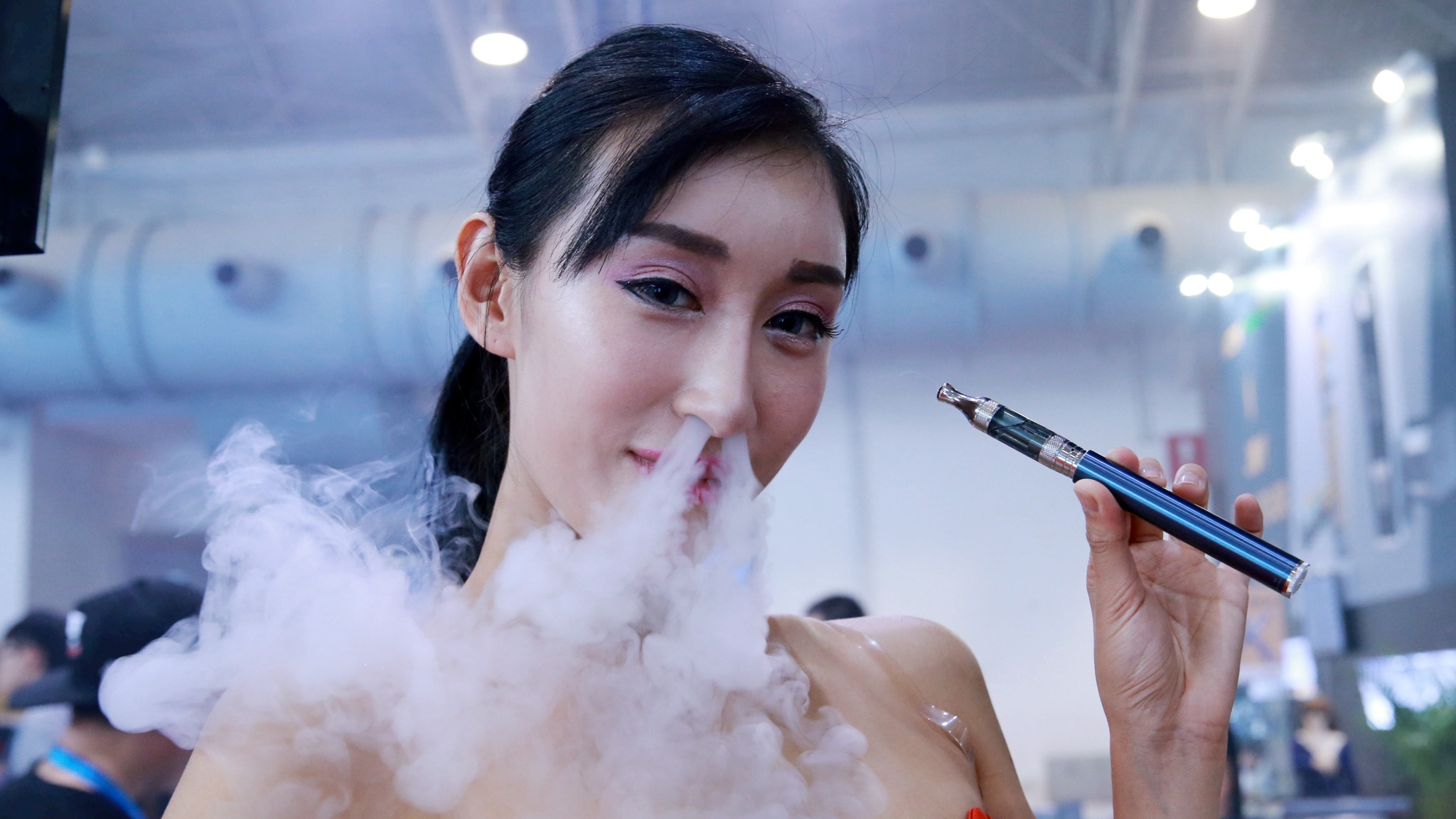
    Taiwan is rolling out 431 anonymous collection bins nationwide to let consumers dump e-cigarettes ahead of planned possession fines of up to NT$100,000.

    The drop-off network opens next Wednesday at municipal health bureaus, public clinics, police stations and addiction treatment centers across the island.

    Under the Tobacco Hazards Prevention Act, the manufacture, importation, sale, supply, display, advertising and use of e-cigarettes are already illegal. Taiwan’s Executive Yuan approved an amendment on June 25 to add possession to the list of prohibited acts, sending the bill to the legislature for review.

    Fines of up to NT$100,000

    Once the amendment passes and takes effect, authorities will enforce a one-month grace period. Inspectors will confiscate devices without issuing fines during that first month, the Health Promotion Administration said. After the grace period expires, anyone caught in possession of an e-cigarette faces confiscation and a fine between NT$30,000 and NT$100,000.

    Lo Su-ying, head of the HPA Tobacco Control Division, said the 431 bins feature a one-way design that prevents retrieval once a device drops inside. Local health departments will work with environmental protection agencies to transport the collected hardware to centralized disposal facilities.

    Stricter enforcement across Asia

    Regulators across East Asia continue to close legal gaps surrounding alternative nicotine products, shifting enforcement from storefronts directly to consumers. While markets such as Japan permit regulated heated tobacco devices, authorities in Hong Kong, Singapore and Taiwan have pursued total prohibitions, cutting off legal retail channels entirely.

    Taiwanese lawmakers have not yet set a date to review and vote on the draft amendment, which will establish the start date for the one-month grace period.