Blog

  • GetUp Targets Hundreds of Coles Stores over Palantir AI Deal

    GetUp Targets Hundreds of Coles Stores over Palantir AI Deal

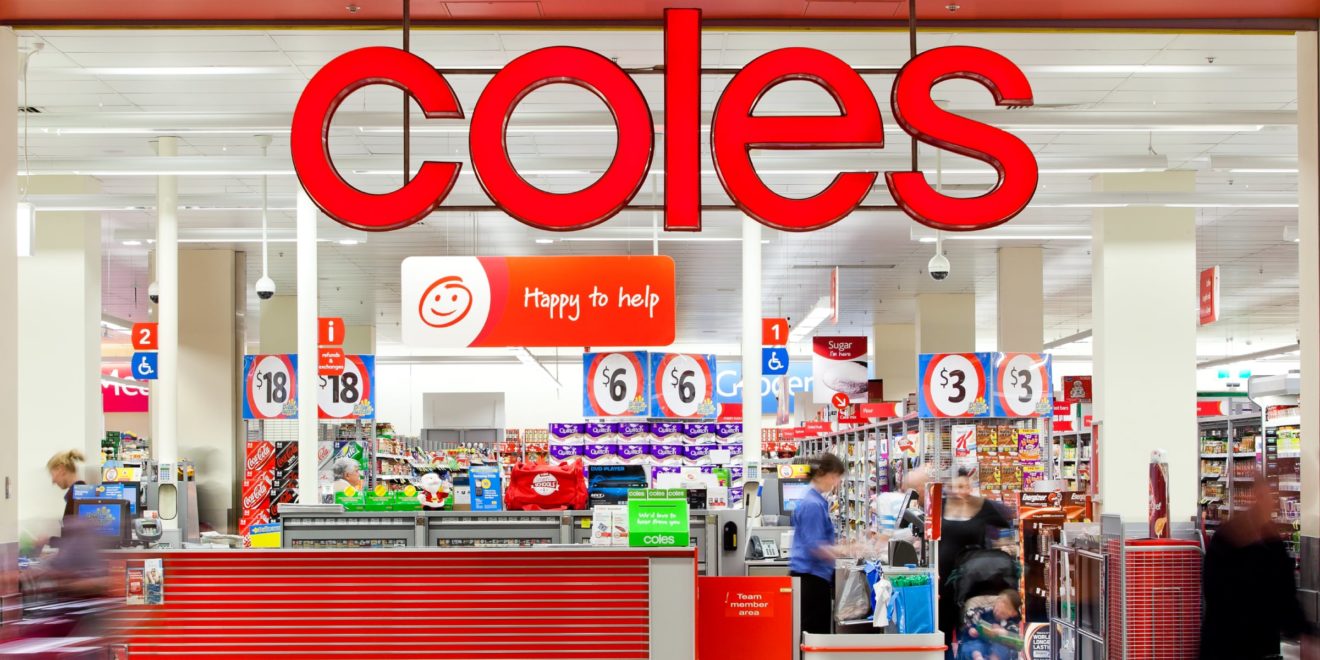
    Community advocacy group GetUp targeted hundreds of Coles stores across Australia with spoof digital billboards, challenging the supermarket operator over its enterprise partnership with US analytics vendor Palantir. The advertisements ran outside store entrances in July, mimicking the retailer’s signature red and white branding with the slogan: “Here at Coles, we’re always watching you.”

    The pushback followed Coles deploying software from the controversial US technology company to sharpen artificial intelligence and operational efficiency across its supermarket network. While the digital billboards were taken down quickly, the campaign triggered public debate over how large grocery chains handle customer data and explain tracking tools to shoppers.

    Public Scrutiny Over Store Analytics

    Supermarket operators across the Asia-Pacific region have accelerated investments in predictive analytics, automated inventory forecasting, and computer vision systems. Enterprise partnerships with overseas defence and intelligence contractors carry brand risks that standard retail IT upgrades do not. Consumer groups increasingly scrutinise the boundary between back-end supply chain optimisation and customer-facing surveillance.

    For grocery chains operating in concentrated retail markets, transparency around data architecture has become an operational necessity rather than an investor relations footnote. When retailers fail to define where data processing stops, third-party advocacy groups easily fill the information vacuum with negative messaging right at the store entrance.

    Retail AI Strategy Under Pressure

    The dispute reflects broader friction across Australian retail as grocers test advanced algorithmic tools to cut shrink and streamline operations. Coles had framed its AI rollout as an efficiency play, intended to modernise store workflows and stock management across its national footprint. Linking store-level operations to specialised analytics vendors has instead tested customer goodwill at a time of heightened consumer sensitivity around commercial data collection.

    Grocers managing similar automation rollouts across regional markets now face tighter questions regarding data sovereignty, third-party software governance, and in-store customer communications. Retailers will need to clarify operational boundaries as advocacy campaigns continue tracking corporate technology procurements.


  • Alipay+ Links to QR Ph to Connect 2.5 Million Philippine Merchants to Global Wallets

    Alipay+ Links to QR Ph to Connect 2.5 Million Philippine Merchants to Global Wallets

    Philippine Payments Management Inc. And Ant International have integrated Alipay+ into QR Ph, opening the country’s standardized merchant network to international digital wallet users across 2.5 million businesses.

    The integration connects arriving tourists directly to local point-of-sale systems after QR Ph transaction volumes jumped more than thirteenfold in 2025.

    Under the rollout, overseas visitors pay by scanning existing merchant QR Ph counter stands with their home banking applications and digital wallets. Filipino merchants receive payments in Philippine pesos through their standard settlement accounts without installing separate point-of-sale hardware or signing individual foreign merchant contracts. Bangko Sentral ng Pilipinas figures show digital channels handled 64.69 percent of total retail transaction volume nationwide in 2025.

    How the Cross-Border Routing Works

    Ant International operates Alipay+ as an aggregation switch connecting more than 50 e-wallets, bank apps, and domestic clearing systems covering two billion accounts globally. The Philippine Payments Management Inc., established under the National Payment Systems Act to oversee retail clearing houses PESONet and InstaPay, acts as the local operational counterparty under central bank supervision.

    Transactions clear instantly over the domestic interbank infrastructure. By routing foreign user credentials through the standardized QR Ph matrix, independent grocers, transport operators, and shopping mall tenants process foreign spend through their existing merchant acquiring banks.

    Through our partnership with Alipay+, we are extending that connectivity beyond our borders, enabling Filipino merchants, particularly SMEs, to serve international customers.

    Carmelita Araneta, general manager of Philippine Payments Management Inc., confirmed the system enables local micro, small, and medium businesses to capture inbound tourist spending directly without upgrading terminal hardware.

    Regional QR Linkages Across Southeast Asia

    Central banks across the Association of Southeast Asian Nations spent five years connecting national QR systems through bilateral central bank arrangements, including links between Singapore, Thailand, Malaysia, and Indonesia. Ant International has taken a parallel commercial route by plugging its private wallet switch directly into ten national QR schemes across Asia, the Middle East, and Latin America.

    Retailers benefit immediately from broader payment acceptance, yet the shift consolidates settlement traffic onto private gateway protocols rather than public central-bank settlement rails. For merchant acquirers and payment processors in Manila, merchant acquisition margins face pressure as payment routing shifts toward high-volume, low-margin standard QR processing.

    Central Bank Mandates and the Next Phase

    The Bangko Sentral ng Pilipinas designated PPMI as the country’s official payment system management body under Circular 980 in 2018, mandating standardized QR codes to eliminate proprietary closed-loop merchant terminals. That policy push cleared the ground for interoperability between competing domestic mobile wallets before enabling cross-border integrations.

    Ant International is now rolling out artificial intelligence analytics and fraud screening modules across its regional merchant network to manage currency conversion risks and transaction disputes. The Philippine clearing body will monitor cross-border settlement volumes through InstaPay as inbound tourist arrivals ramp up across provincial retail corridors.

  • Hisense Extends UEFA Partnership Through 2028 European Championship

    Hisense Extends UEFA Partnership Through 2028 European Championship

    Hisense extended its sports sponsorship portfolio on September 3, 2026, signing on as an official partner for the UEFA EURO 2028 tournament.

    The agreement secures the Chinese consumer electronics manufacturer its fourth consecutive European championship contract since its tournament debut in 2016.

    Announced during the IFA consumer technology trade show in Berlin, the agreement retains Hisense as UEFA’s dedicated display technology partner. The Chinese appliance maker has integrated display hardware across match operations and fan venues while operating marketing zones at European and global football events.

    Expanding Global Screen Presence

    Chinese television manufacturers continue to channel marketing budgets into high-profile athletic tournaments to dislodge South Korean and Japanese incumbents across Western retail channels. Hisense, which took the top global market share position in television sets sized 100 inches and above between 2023 and the first quarter of 2026 according to Omdia data, relies heavily on large-format sports broadcasts to move premium RGB MiniLED sets.

    Rival panel manufacturers TCL and Skyworth deploy similar sporting playbooks across basketball and regional leagues, but Hisense holds the most extensive European football footprint among Asian consumer electronics brands. The commercial payoff rests entirely on whether Western consumer demand for premium home theatre setups offsets the escalating rights fees charged by international sports federations.

    Sponsorship Track Record

    The company became the first Chinese brand to sponsor the UEFA EURO tournament during the 2016 event in France, subsequently renewing for the 2020 and 2024 competitions. Outside European continental football, Hisense backed the FIFA World Cup tournaments in Russia in 2018 and Qatar in 2022.

    As the first Chinese sponsor of the UEFA EURO, over the past decade we have grown beyond pure brand sponsorship to become UEFA’s dedicated display technology partner, progressing hand-in-hand.Catherine Fang, Vice President of Hisense Group and President of Hisense Global Commercial Center

    Football investments sit at the core of the group’s overseas expansion strategy, which now reaches retail channels across more than 180 countries. UEFA reinvests 97.5 per cent of its total commercial revenue back into football development, providing top-tier brand partners with year-round visibility across 55 national member associations.

    Hardware Deliveries for 2026

    Commercial execution now shifts to the FIFA World Cup 2026, where Hisense serves as an official sponsor ahead of the 2028 European tournament. Retail inventory planning across European retail chains for the company’s next-generation RGB MiniLED lineup begins in early 2027.

  • Beauty Sector Vegetable Oils Market to Reach $7.72 Billion by 2031

    Beauty Sector Vegetable Oils Market to Reach $7.72 Billion by 2031

    Personal care formulators will push global spending on cosmetic vegetable oils from US$5.84 billion this year to $7.72 billion by 2031, research from MarketsandMarkets shows.

    Asia-Pacific demand for plant-based ingredients is driving the bulk of that expansion as regional beauty brands overhaul skincare and haircare recipes.

    Coconut oil leads ingredient demand

    Coconut oil will retain the largest individual volume share throughout the forecast period, supported by heavy use in commercial haircare and barrier creams across Asian markets. Conventional oils remain dominant despite the push for specialized extracts, capturing 76.4 percent of total market value this year.

    Clean-label reformulations are forcing raw material buyers to secure traceable supply chains. Consumer goods manufacturers across Japan, South Korea, and Southeast Asia are replacing synthetic emollients with plant derivatives to meet export standards in Western markets and satisfy domestic consumer scrutiny.

    Supply pressures shift procurement

    For regional manufacturers, the shift changes cost profiles in core product lines. Palm, coconut, and seed oil derivatives carry agricultural price volatility that chemical feedstocks avoid, squeezing operating margins when harvest yields drop in major producing hubs like Indonesia and the Philippines.

    Retail buyers in Asia are tightening shelf requirements, penalizing brands that cannot substantiate sustainable sourcing claims on product packaging. Mass-market brands that rely on low-cost conventional oils must balance ingredient certification costs against price-sensitive consumer baskets in developing markets.

    Category targets through 2031

    Formulation trends over the past five years laid the groundwork for this transition, as major beauty conglomerates divested petroleum-heavy bases in favor of botanical alternatives. That initial switch in prestige skincare has now moved down into mass personal care and supermarket private labels.

    Procurement teams now look toward the 2031 horizon, when cosmetic vegetable oil purchases will absorb nearly $1.9 billion in additional annual spending.

  • Jollibee to List 7,251-Store International Unit in Hong Kong

    Jollibee to List 7,251-Store International Unit in Hong Kong

    Jollibee Foods Corporation is preparing to separate and list its international business in Hong Kong instead of the United States, carving out an overseas network of 7,251 restaurants across 33 countries.

    Shares in the Manila-listed parent rose 1.87 per cent following the move, which replaces a plan announced on January 6 to float the international arm on an American exchange.

    Richard Chong Woo Shin, currently chief executive of Jollibee Foods Corporation International (JFCI), will lead the standalone entity full-time once the separation concludes. Shin previously held senior roles at William Grant & Sons, Ralph Lauren, Bacardi and Altria. Jollibee Foods Corporation said the international business will operate with a lean corporate structure focused on capital allocation, investment opportunities and portfolio priorities, subject to listing committee approval from the Hong Kong stock exchange.

    Portfolio Tilt Toward Asian Beverages

    JFCI functions largely as a multi-brand operator with heavy exposure to Asian beverage chains. The international business holds full ownership of Smashburger, Tim Ho Wan, Yonghe King and Hong Zhuang Yuan, alongside controlling stakes of 80 per cent in The Coffee Bean & Tea Leaf, 70 per cent in South Korea’s Compose Coffee, 60 per cent in Highlands Coffee operator SuperFoods Group and 51 per cent in Milksha.

    Jollibee Foods Corporation ended June with 10,767 outlets worldwide under 19 brands, with overseas locations accounting for nearly 70 per cent of the total network. International system-wide sales climbed 25.4 per cent in the second quarter, while overseas same-store sales rose 4.4 per cent.

    Regional momentum is heavily concentrated in Asian markets. In Vietnam, system-wide sales jumped 47.6 per cent in the second quarter on same-store sales growth of 17.9 per cent. South Korea’s Compose Coffee added 145 stores during the first half, opening roughly 30 outlets a month. In China, Yonghe King reached 537 restaurants, with 65 per cent operating under franchise agreements and a target to reach 70 per cent by the end of the year.

    Shifting Away From Capital-Heavy Expansion

    Listing in Hong Kong aligns JFCI’s capital structure with where its physical earnings actually compound. While the flagship Jollibee fried chicken brand commands strong name recognition in Western markets, its North American presence remains tiny and capital-intensive compared to its Asian coffee and fast-casual footprint. The group ended June with 340 North American outlets, down from 357 a year earlier. Of those, the Jollibee banner ran 108 stores, including 106 company-owned sites and just two franchised locations.

    That balance sheet model is changing slowly. Jollibee launched its US franchising programme in March 2025 and secured seven multi-unit development groups by July, aiming for 330 franchised American locations by 2030. In the second quarter, US Jollibee stores posted a 9.8 per cent gain in same-store sales, marking 66 consecutive months of growth. Smashburger increased same-store sales by 7 per cent, though its store count fell from 203 to 180 as underperforming units were shuttered.

    Since the announcement on January 6, 2026 to list our international business, we have been doing the detailed work required to establish two strong, independent companies. That work has reinforced our conviction in the listing and has led us to conclude that Hong Kong is the market best aligned with JFCI’s business, geographic footprint, and long-term ambitions.

    The Path to Hong Kong Trading

    The pivot to Hong Kong coincides with a sharp rebound in the city’s equity fundraising. Hong Kong Exchanges and Clearing chief executive Bonnie Chan stated that new listings in 2026 had raised more than US$40 billion, surpassing the roughly US$37 billion collected during all of 2025. Hong Kong has actively courted Southeast Asian consumer groups, with more than 150 regional issuers already listed, representing over US$4.3 billion in capital raised.

    Group president and chief executive Ernesto Tanmantiong has set a target to position the flagship Jollibee brand among the top five restaurant operators globally, up from its current 18th position on Brand Finance’s global ranking with a valuation of US$3.3 billion.

    Before JFCI begins trading in Hong Kong, Jollibee must resolve the composition of its portfolio assets. The parent group is currently evaluating a separate initial public offering in Vietnam for Highlands Coffee, which has grown from 56 outlets in 2012 to approximately 1,000 stores, with a target listing date in the first quarter of 2027 that could raise up to US$400 million.

  • QIC Opens 6,842-Square-Metre Racquet Club at Robina Town Centre

    QIC Opens 6,842-Square-Metre Racquet Club at Robina Town Centre

    QIC Real Estate opened a 6,842-square-metre Racquet Club venue at Robina Town Centre on the Gold Coast in September 2026, adding 13 courts to the shopping complex.

    Built outdoors, the project features seven padel courts, six pickleball courts, athlete recovery facilities and a clubhouse food and beverage venue.

    Landlords pivot to social sports

    The project gives major retail space to racquet sports over traditional specialty stores or standard entertainment anchors. Sally Harding, head of alternative income at QIC, noted the shift in asset management: “Some of the most exciting opportunities in our portfolio come from looking at land in new ways; not just where the next store goes but how we create places that get people active and connected.”

    Retail landlords across Asia-Pacific face structural shifts in department store footprints and apparel tenancies. Turning outdoor land and rooftops into sports hubs drives footfall during weekday evenings and weekend mornings. Conventional mall traffic softens during those periods. The risk lies in operational intensity: leisure operators need steady community engagement to justify square footage that produces lower base rent per square metre than luxury or specialty retail tenancies.

    Alternative income and regional footprint

    Founded in Sydney in 2023, Racquet Club previously built permanent facilities in Sydney and Canberra alongside temporary pop-ups. The Gold Coast venue serves as the company’s third permanent Australian location and its second-largest site to date.

    Robina Town Centre celebrated its 30th anniversary in April 2026. That milestone followed a 2024 institutional marketing partnership between QIC, the Australian Sports Commission and the Australian Institute of Sport to lift on-site sports participation.

    Clubhouse launch schedule

    Court bookings at the Robina venue are active now. The adjoining clubhouse food and beverage operation opens before the end of September 2026.

  • Bidgely Shows Energy AI for 50 Million Homes at Enlit Asia 2026

    Bidgely Shows Energy AI for 50 Million Homes at Enlit Asia 2026

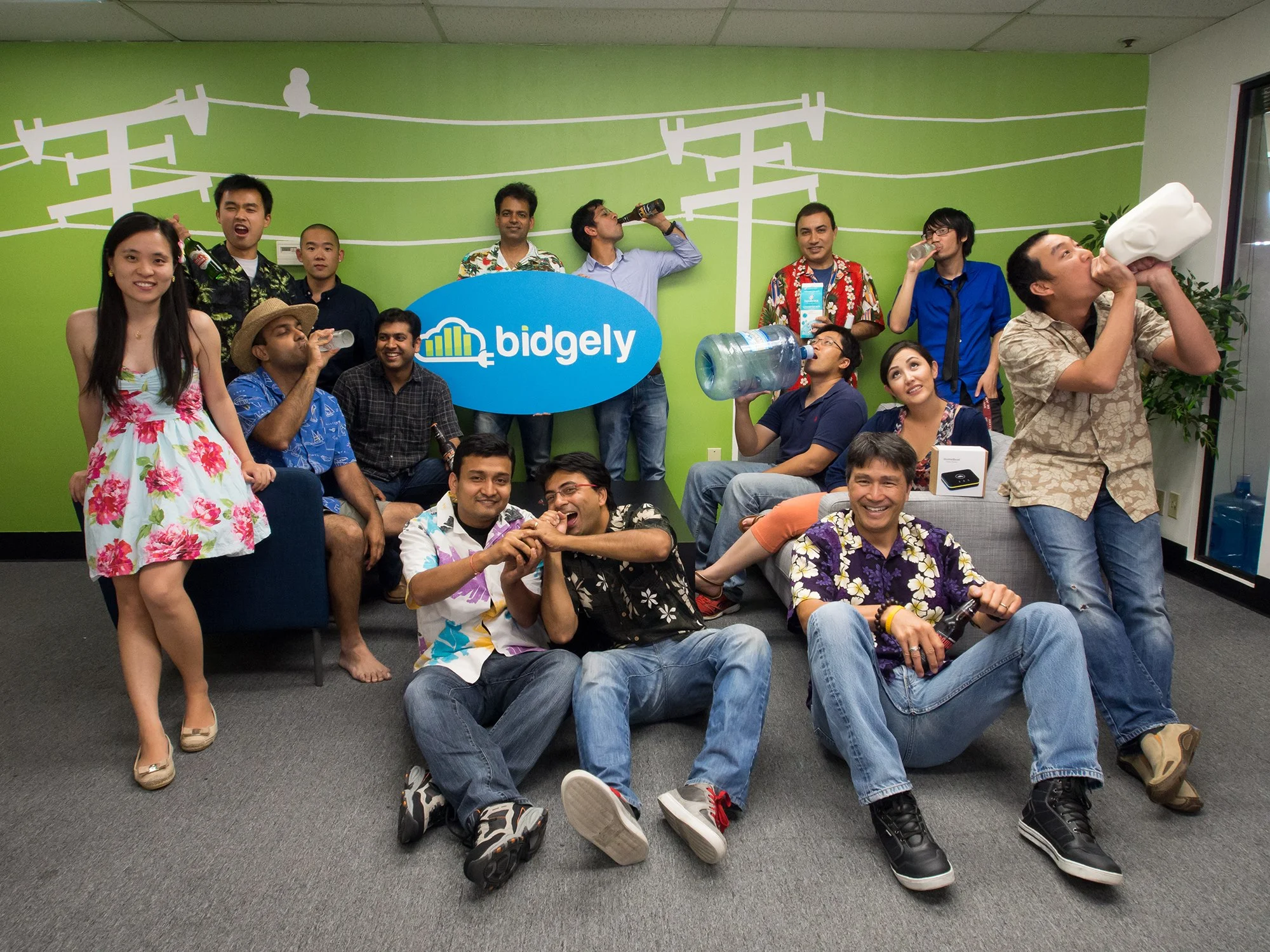
    Bidgely will present its energy artificial intelligence solutions alongside regional energy leaders at Enlit Asia 2026, scheduled for 22 to 24 September in BSD City, Jakarta.

    Headquartered in Los Altos, California, the company serves over 50 million homes globally and holds more than 19 foundational patents powering its UtilityAI platform.

    Bidgely and its vice president for EMEA and APAC, Nipun Jain, will demonstrate how smart meter data analytics can be deployed directly or across cloud ecosystems such as AWS, Microsoft Azure, Snowflake, and Databricks.

    Targeting Southeast Asian Power Loss

    Power distributors across Southeast Asia face heavy revenue leakage from non-technical losses, primarily unmetered taps, meter tampering, and unrecorded commercial consumption. Traditional auditing relies on manual inspections across sprawling municipal feeder lines. It is a slow, expensive field process that leaves billions in lost revenue on distribution balances. Algorithmic anomaly detection cuts those inspections down to verified problem sites. That gives state-backed utilities in Indonesia, Malaysia, and the Philippines a faster return on their smart meter outlays.

    Commercial property owners and industrial operators across the region will feel this operational shift directly. As utilities adopt granular meter-level intelligence, billing discrepancies become faster to audit and harder to contest. For enterprise consumers, appliance-level breakdown data clarifies peak-demand surcharges. Regional distributors also gain direct data to use when negotiating tariff structures and demand-response targets.

    Cloud Platforms and Grid Strains

    Growth across ASEAN follows Bidgely’s addition of regional executive teams in July 2026 and technical roadshows across North America and Europe earlier in the year. Rapid deployment of advanced metering systems across key ASEAN markets has generated vast troves of interval data. Local power authorities rarely process this information beyond standard monthly invoicing.

    At Enlit Asia, we are showing how energy leaders are extracting value from this AMI data with AI/ML based big-data analytics, which turn interval data into concrete outcomes that remove bill shock, eliminate non-technical losses and build a resilient grid for the future.

    Technical Sessions in Jakarta

    Nipun Jain, vice president for EMEA and APAC at Bidgely, leads the regional delegation. Technical sessions scheduled for 22 and 23 September focus on feeder-level forecasting, battery asset visibility, and active grid layer management for distribution networks facing new consumer demand spikes.

  • Lululemon Appoints Heidi O’Neill as CEO After Comparable Sales Drop Nine per Cent

    Lululemon Appoints Heidi O’Neill as CEO After Comparable Sales Drop Nine per Cent

    Former Nike executive Heidi O’Neill took charge of Lululemon on September 8 after second-quarter comparable sales dropped nine per cent.

    Net revenue fell four per cent year over year. In the United States, comparable store sales sank 12 per cent.

    The Vancouver-based activewear company lowered its full-year financial outlook and scaled back its physical retail pipeline. Lululemon now plans to open 35 net new stores in 2026, down from an earlier target of 40. It will also trim its operational pop-up fleet to about 40 locations, down from 65 at the end of last year.

    Slowing Demand Hits Global Expansion

    For landlords and retail operators across Asia and the Pacific, the pullback signals that premium athleisure no longer guarantees footfall. Rapid international sales growth previously cushioned softening retail demand in North America. That buffer eroded in the second quarter when international comparable sales slipped into decline.

    Fast-growing rivals such as Vuori and Alo Yoga continue to capture shelf space and customer loyalty across key metropolitan hubs. Lululemon must defend high price points without the product novelty that originally justified them. That leaves franchise partners and department store landlords facing softer conversion rates.

    Product Fatigue and Pricing Pressure

    Expansion into non-core lifestyle categories failed to resonate with shoppers looking for technical performance. High price tags compounded the problem as consumers rejected premium pricing on basic assortments.

    “The reason they are is that Lululemon has gone firmly off the boil,” said Neil Saunders, managing director at GlobalData.

    O’Neill’s operational task centres on rebuilding the product engine rather than relying on discounts. Americas revenue slipped three per cent in the first quarter, then dropped eight per cent in the second quarter. Core customer fatigue is accelerating.

    Targets for the Turnaround

    Momentum has slowed over several quarters. The brand built its original market dominance on proprietary yoga fabrics and studio ambassador networks. Aggressive international scaling then diluted its product focus and slowed its development cycles.

    Investors and retail property operators are tracking O’Neill’s initial 90-day operating review and the third-quarter earnings release. Progress against the revised 35-store opening plan will show whether core product fixes can stabilise full-price sales.

  • SingLand to Shut Marina Square for 360,000-Sqm Mixed-Use Rebuild

    SingLand to Shut Marina Square for 360,000-Sqm Mixed-Use Rebuild

    Singapore Land Group will close Marina Square on March 31 to redevelop the 40-year-old complex into a 360,000-square-metre mixed-use property.

    The project replaces the standalone shopping centre with three towers housing 204 luxury apartments, 13,000 square metres of office space, a 304-key hotel, and a four-storey retail hub by 2031.

    The Rebuild Plan for Marina Bay

    SingLand plans to build a 49-storey residential tower alongside an eight-floor office block and hospitality facilities. The revamped four-storey retail podium will pivot toward food and beverage outlets, pet-friendly public spaces, padel courts, a botanic loop, and covered pedestrian bridges linking directly to NS Square.

    Master planning is led by PLP Architecture alongside local firm DP Architects. The current building was designed in the 1980s as an inward-facing structure focused on department stores, a bowling alley, and cinemas, cutting off foot traffic from the surrounding waterfront district that grew around it over four decades.

    Why Single-Use Retail Boxes Are Disappearing

    The overhaul reflects a broader structural change across Asian retail hubs. Standalone malls in central business districts face direct pressure from decentralised suburban retail, with more than 50 town centres across Singapore now offering duplicate tenant mixes within residential estates.

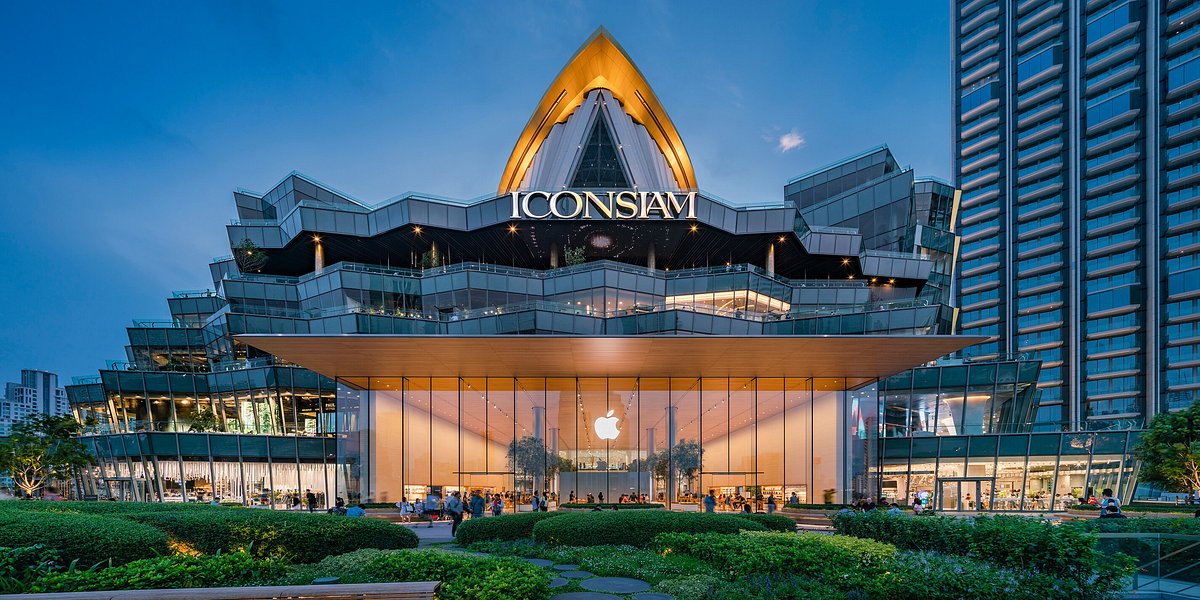
    Landlords are responding by stacking residential and commercial towers directly above retail space to engineer built-in foot traffic. The same dynamic drives major mixed-use precinct investments across the region, including IconSiam and One Bangkok in Thailand, Omotesando Hills in Tokyo, and Taikoo Li in Shanghai.

    Planning Incentives and Anchor Store Decline

    Urban planners in Singapore are actively encouraging commercial landlords to retire single-use retail boxes. SingLand is tapping the Urban Redevelopment Authority’s Strategic Development Incentive Scheme, which grants higher gross plot ratios and flexible land-use rezonings for developers adding residential and hotel components to older commercial sites. Similar transformations are underway at Union Square on Havelock Road and Tanglin Shopping Centre near Orchard Road.

    When Marina Square opened in 1986, its 59,000 square metres of retail floor area made it Southeast Asia’s largest shopping complex. That legacy retail model relied on sprawling department store anchors, an arrangement that has broken down following the collapse or scaling back of operators such as Robinsons, John Little, and Metro.

    Tenants face a final trading date of March 31 before demolition crews take over the site ahead of the 2031 handover.

  • Geely Hosts CCC Digital Key Trials in Ningbo as China Penetration Hits 58%

    Geely Hosts CCC Digital Key Trials in Ningbo as China Penetration Hits 58%

    Geely Holding Group opened the Car Connectivity Consortium Plugfest in Ningbo on September 7, 2026, testing cross-device vehicle access specifications across global hardware makers.

    Digital keys reached 13.3 million passenger vehicles in China in 2025, taking factory installation rates to 58.1 per cent, according to ResearchInChina.

    The four-day event runs through September 10, bringing engineers from Apple, Volkswagen Group China, Leapmotor, and the China Academy of Information and Communications Technology together to validate CCC Digital Key Version 3 and Version 4 implementations. Testing focuses on Bluetooth Low Energy, Near Field Communications, remote keyless systems, and relay-server architectures built for Chinese mobile platforms.

    Standardizing Access Across Mobile Ecosystems

    Hardware and vehicle makers face a fragmented user base where device compatibility dictates owner satisfaction. Chinese electric vehicle makers built proprietary smartphone-to-car links early to differentiate their cabins, but scaling across export markets requires uniform global protocols. Aligning with CCC protocols reduces development friction for Chinese auto exporters targeting Europe and Southeast Asia, where multi-brand phone compatibility is mandatory.

    The technical risk sits in the handoff between mobile operating systems and vehicle transceivers. Proprietary app-based keys often suffer from background process throttling and latency on Android devices. Standardized Near Field Communication and Ultra-Wideband protocols shift authentication directly to device secure elements, eliminating reliance on third-party companion apps.

    Regional Expansion and Certification Pipeline

    Earlier in 2026, the consortium certified its first batch of Chinese vehicles across Geely brands including Volvo, Polestar, Zeekr, Lynk & Co, Smart, and Lotus, alongside standalone approvals for Nio and Xpeng. Regional momentum extended into India with Mahindra & Mahindra and South Korea through Hyundai Motor Company.

    Testing in Ningbo directly addresses local technical conditions, including cross-platform key sharing via relay servers. Test equipment suppliers including Comprion, Dekra, and Ellisys are running validation benches for Bluetooth sniffing and updated NFC test suites alongside software provider GosuncnWelink.

    “As digital key adoption grows, a common global standard is essential to ensuring interoperability across vehicles and devices,” said Alysia Johnson, President of the Car Connectivity Consortium.

    Testing China-Specific Architecture

    Participating laboratories are using authorized IDL hardware and Comprion validation software to check device compatibility against published automotive test cases before production rollouts. These trials will establish the technical criteria for the next round of device-to-car certifications across Asian component supply chains.

    Engineering teams conclude the Ningbo trials on September 10, 2026, with the validated test cases feeding into updated consortium validation tools as China’s passenger car digital key penetration passes 60 per cent before year-end.

  • NIQ and Similarweb Partner to Launch AI Commerce Measurement in Q4 2026

    NIQ and Similarweb Partner to Launch AI Commerce Measurement in Q4 2026

    NIQ and Similarweb are collaborating on an Agentic Commerce Measurement solution to help brands, retailers and technology platforms track purchases made through artificial intelligence, with an initial version scheduled for Q4 2026.

    The collaboration combines NIQ’s product intelligence, consumer behavior data and retail sales measurement with Similarweb’s digital signals across generative AI platforms. Together, the two New York Stock Exchange-listed companies will connect AI discovery to measured sales outcomes.

    Five tracking pillars

    The planned solution will initially focus on 5 areas across the buying journey: consumer intent, agentic shelf visibility, product content readiness, AI-driven traffic and AI-driven conversion into verified omnichannel purchases.

    Initial monitoring will cover major generative tools including ChatGPT, Gemini, Google AI Mode, Perplexity and Claude. These analytics feed directly into NIQ’s Commerce Intelligence ecosystem, which links brand product catalogs with enterprise retail operations.

    AI is becoming a new commerce channel, and NIQ intends to make it measurable. Our clients want to know where AI is already influencing their business, how quickly that influence is growing and what they should do about it.

    The shift to agentic checkouts

    Protocols such as Google’s Universal Commerce Protocol and OpenAI’s Agentic Commerce Protocol prompted the project. Both frameworks allow autonomous software agents to research, evaluate and purchase merchandise inside a single chat window without redirecting the shopper to a traditional storefront.

    For consumer brands and multi-brand merchants, automated shopping removes the classic digital shelf where banner placements and search bidding drove conversion. Brands drop out of the basket entirely if an AI agent filters options down to two choices based on structured technical metadata they lack.

    Catalog hygiene and algorithmic bias pose immediate hurdles for suppliers. A brand cannot buy sponsored placement inside an autonomous agent if the underlying Large Language Model cannot parse the product description or confirm inventory in real time.

    Platform coverage and next stages

    Integration relies on NIQ’s existing enterprise analytics tools, Optiq and ConnectAI, which feed commercial data directly into corporate workflow software. Similarweb previously built out dedicated digital footprint tools to capture referral traffic from generative artificial intelligence search portals.

    NIQ and Similarweb plan to reveal initial product categories and regional test markets ahead of the fourth-quarter rollout in 2026.

  • Foreign Tech Investors Pay up to US$15,000 for Access to Chinese Factory Floors

    Foreign Tech Investors Pay up to US$15,000 for Access to Chinese Factory Floors

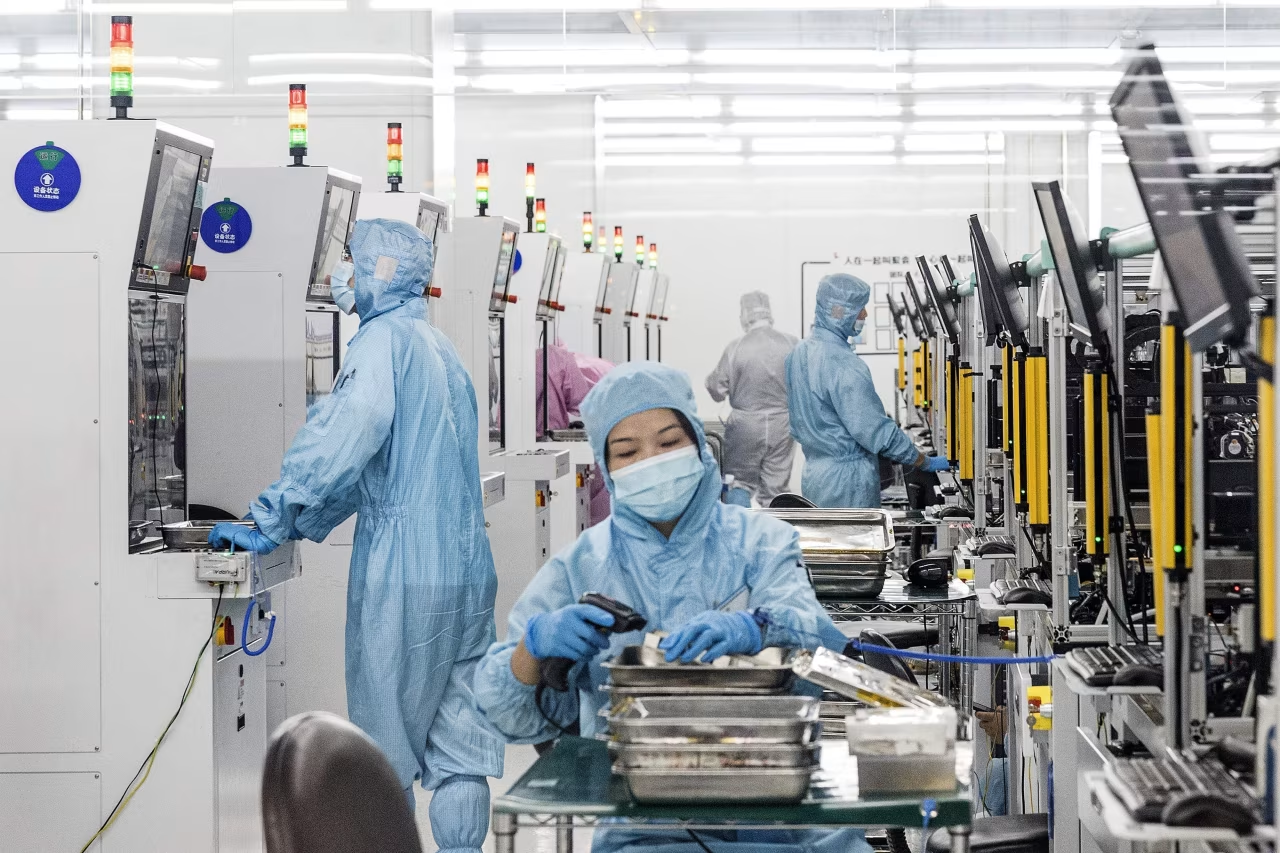
    Foreign investors and tech executives are paying up to US$15,000 each to tour Chinese manufacturing plants. The visits cover robotics, electric vehicle and artificial intelligence facilities across five industrial hubs.

    Western and regional boardrooms face pressure to see if Chinese automation has pulled ahead of global rivals. These paid delegations offer a direct look at mainland hardware supply chains.

    Programmes span Beijing, Shenzhen, Shanghai, Hangzhou and Hefei. Shanghai-based data research firm Baiguan charges up to US$15,000 for a five-day itinerary. Around half its participants come from Southeast Asia. Tech tour agency Glopen reported a 50 per cent jump in enquiries during 2026, mostly from European and Singaporean clients. It now operates more than 100 single-day corporate visits every month. Tech Buzz China founder Rui Ma has organised 11 delegations since 2019, including an April tour through three cities focusing on robotics.

    The Business Behind Factory Tourism

    State backing has turned industrial site visits into commercial business across the mainland. Beijing has designated more than 140 demonstration sites for industrial tourism. The sector generated US$17.8 billion last year and is projected to reach 300 billion yuan (US$44.6 billion) by 2029.

    Public rates for individual factory visits usually run around US$60, but premium access commands steep markups. Xiaomi’s electric vehicle assembly plant in Beijing has recorded more than 250,000 visitors since March 2024. Entry slots from Xiaomi’s official lottery system have been scalped on secondary platforms for up to 2,000 yuan (US$300), despite company rules barring transfers.

    Institutional investors have quietly joined the circuit. US firms Dimension, Capital Group and Thrive Capital have all sent representatives to inspect mainland production setups. European corporate delegations have also toured sites to study state-backed technology coordination.

    Hardware Dependence and Supply Realities

    Consumer hardware and robotics brands see that physical supply chains remain tethered to southern China. Geopolitical posturing has not changed that reality. Western developers still depend on mainland ecosystems for sensors, battery cells, structural frames and precision actuators. Replicating those supplier clusters outside the Pearl River Delta remains slow and capital intensive.

    Visitors risk mistaking demonstration speed for total commercial dominance. Non-Chinese technology firms still hold most global market share, high-margin software profits and core intellectual property. In sectors like autonomous robotaxis, Chinese domestic deployment continues to move cautiously. Regulators remain concerned about urban transport employment.

    Shenzhen Emerges as the Focal Point

    Years of infrastructure spending transformed Shenzhen from a contract assembly zone into an integrated hardware design centre. The current tour rush builds on that base. Foreign visitor arrivals in Shenzhen jumped 70 per cent last year and rose another 30 per cent in the first quarter. Total entries topped 5 million through August.

    Founders use 10-day visa-free entry policies to test prototypes directly with component suppliers. Local operators have opened communal hacker houses for visiting robotics and AI engineers. Informal network groups coordinate factory access across Shenzhen and Silicon Valley.

    Next up is the Asia-Pacific Economic Cooperation forum in November, which Shenzhen will host. Municipal officials plan to show automated assembly plants and urban drone networks to pitch the city’s hardware infrastructure to visiting regional trade delegations.

  • Petrobangla Halves Net Worth Requirement to $50 Million for Spot LNG Suppliers

    Petrobangla Halves Net Worth Requirement to $50 Million for Spot LNG Suppliers

    Petrobangla has slashed its financial and experience thresholds for spot liquefied natural gas suppliers, halving the required net worth to $50 million to ease severe national fuel shortages.

    The state-run energy company now demands just one completed supply contract with no minimum cargo volume, dropping a previous rule requiring 0.5 million tonnes delivered across two separate years.

    Lower barriers for commodity traders

    Under the revised criteria issued on August 29, Petrobangla eliminated requirements for suppliers to own or charter an LNG vessel, prove experience with floating storage and regasification units, or guarantee lean gas containing at least 91 percent methane. Applicants no longer need to verify an absence of failed cargo deliveries over the past five years or limit their arbitration losses to three awards. For joint ventures, the lead partner must cover 75 percent of the $50 million financial capacity, while partners supply the remaining 25 percent.

    “We are looking for more participants in the spot market,” Petrobangla Director for operations and mines Md Shoyeb said.

    Pressure on industrial output

    For industrial manufacturers and export supply chains across South Asia, reliable gas flow dictates factory uptime and power tariffs. Bangladesh faced severe disruption in August when average gas deliveries dropped to 2,235 million cubic feet per day against official demand of 3,860 million cubic feet per day, the lowest August supply figure in a decade. Terminal outages and global supply bottlenecks forced emergency spot purchases at more than $28 per million British thermal units, up sharply from historical norms of $10 to $12 per MMBtu.

    Lowering entry barriers allows smaller trading houses without dedicated fleets to bid against established multinational commodity merchants. The tradeoff sits squarely in operational risk: by waiving past delivery guarantees and vessel charter proofs, Petrobangla accepts higher exposure to cargo defaults and scheduling failures when spot vessel availability tightens.

    Procurement shift since 2024

    The revised criteria follow a governance overhaul that suspended the Quick Enhancement of Electricity and Energy Supply Act, which previously allowed direct, non-tender contracts. The interim administration shifted spot purchases under the Public Procurement Rules 2025, expanding the active spot tender roster to 30 companies from an earlier pool where purchases were concentrated among five suppliers.

    Applications for the new supplier pool close on September 15.

  • Siam Center Adds Three New Concepts in Three Weeks to Anchor Local Brands

    Siam Center Adds Three New Concepts in Three Weeks to Anchor Local Brands

    Siam Piwat opened three concept stores across fashion, beauty and wellness at Bangkok’s Siam Center over three weeks. The openings add local labels alongside Italian apparel brand Subdued.

    Among them is domestic apparel maker Maison Keeps, which opened its largest flagship to date on the first floor on September 4.

    The brand started in 2017 as an officewear line called Keeps. During pandemic lockdowns, it shifted into durable everyday basics for young adults and children. Earlier, on August 17, nail artist Grace Kantima Banjobdee opened Kantima House on the first floor. Her salon is styled like a living room and takes bookings through Line and Instagram. Local fragrance house 3rd Sense opened its first physical counter near the first-floor escalator on August 26. The brand sells scents themed around four energy paths, featuring artwork by Thai painter Juart Woraset.

    Local flagships and first-floor concepts

    These domestic labels join Italian Gen Z fashion retailer Subdued, which entered Thailand on Siam Center’s ground floor in July. Securing space requires tenants to follow Siam Piwat’s exclusivity mandate. The mall operator requires multi-branch brands to reserve a fixed share of their inventory exclusively for Siam Center. This keeps tenants from simply replicating standard mall assortments.

    That policy turns the venue into an incubator rather than a volume driver. By demanding bespoke stock allocations and custom store designs, the landlord trades standard chain rollouts for distinct merchandising. The goal is keeping foot traffic from migrating to larger neighbouring complexes.

    Exclusivity rules test tenant margins

    For independent labels like Maison Keeps and 3rd Sense, physical retail drives up overhead through staffing, fit-outs and custom production runs. Yet a ground- or first-floor lease in the Siam interchange district provides high footfall. It draws younger domestic shoppers and regional tourists that digital channels cannot match.

    Inventory management poses the main challenge. Carrying dedicated stock for a single branch ties up working capital. Smaller designers must maintain fast sell-through rates to justify prime-district rents against rivals in less restrictive centres.

    Competing along the Rama 1 corridor

    Siam Piwat also operates Siam Discovery and Iconsiam, and holds a stake in Siam Paragon. It has spent years positioning Siam Center against retail rivals Central Pattana and The Mall Group. Competition along Rama 1 Road and Ploenchit Road is tight as operators chase discretionary spend.

    Just over a kilometre to the east, Central Pattana’s renovated Central Chidlom department store is hosting its Time and Treasures luxury watch exhibition. The show runs from September 2 to October 11, displaying limited pieces priced up to US$15,000.

  • EU Warns Pakistan That GSP Plus Benefits Cannot Be Taken for Granted

    EU Warns Pakistan That GSP Plus Benefits Cannot Be Taken for Granted

    The European Union has warned Pakistan that trade preferences under the Generalised Scheme of Preferences Plus cannot be taken for granted as the current framework expires at the end of this year.

    EU Ambassador Raimundas Karoblis told Dawn that Islamabad must address compliance issues under 27 international conventions before reapplying for the successor regime ahead of the Dec 31, 2028 transition deadline.

    Tariff Exposure for Apparel Suppliers

    European buyers take roughly 28 per cent of Pakistan’s total exports. Nearly 90 per cent of those shipments qualify for duty relief under the Generalised Scheme of Preferences Plus framework, known as GSP Plus.

    Textile and apparel factories generate between 70 per cent and 76 per cent of sales to the European market. Leather goods, processed foods, and beverages also rely on zero-tariff access. Without it, local producers struggle against rivals in South and Southeast Asia.

    Pakistan has held GSP Plus status since 2014. The current regulation expires at the end of this year, but existing beneficiaries receive a transition window running until December 31, 2028. European officials stress that the transition does not guarantee automatic inclusion in the next cycle.

    The situation is not certain. And, of course, GSP+ preferences cannot be taken for granted.

    New Benchmarks and Regional Competition

    For European fashion brands and sourcing heads, losing preferential tariffs on Pakistani cotton and knitwear would shift costs overnight. Standard tariffs would add immediate import duties on garments. That would wipe out margins against competitors in Bangladesh, India, and Vietnam.

    Brussels has stripped trade perks before. Sri Lanka lost its GSP Plus standing in 2010 over human rights issues, forcing clothing exporters there to renegotiate pricing across European retail accounts. Pakistan faces partial or full suspension during the transition window if regulators find compliance failures.

    Stricter Conditions for Islamabad

    A European Commission review covering the 2023 to 2025 period cited compliance problems in Pakistan, noting regression on forced labour, judicial independence, and civil rights. Outgoing Foreign Office spokesperson Tahir Andrabi stated that the report understates the country’s reform progress across international treaties.

    The successor framework expands qualifying criteria from 27 international conventions to 32. Islamabad has ratified the five additional treaties. Still, European monitors require a detailed action plan with verified metrics before granting approval under the new system.

    Formal European Commission monitoring reviews will run ahead of the December 31, 2028 transition deadline. Those findings will determine whether Pakistani garment manufacturers retain zero-tariff access to European ports.