Retail News CRM

Blog

  • Prime Minister Albanese Extends Petrol Price Relief for Australian Motorists Amid Middle East Crisis

    Prime Minister Albanese Extends Petrol Price Relief for Australian Motorists Amid Middle East Crisis

    The Australian government has announced plans to further alleviate the financial strain on motorists impacted by the ongoing conflict in the Middle East. The Prime Minister, Anthony Albanese, is expected to confirm that the nation’s petrol price relief measures will be extended.

    Australia, heavily reliant on imported fuel, has taken decisive action to mitigate the impact of soaring global oil prices on its citizens. In response to significant disruption to oil shipments via the Strait of Hormuz, the country reduced its petrol tax for motorists by half and slashed a levy for truck drivers in March. These interim measures, set to expire at the end of June, will now be prolonged for another month, offering some financial respite for drivers throughout July.

    Government’s Commitment to Economic Relief

    Prime Minister Albanese’s decision underlines the government’s commitment to providing economic relief to those affected by the international crisis. “We are cognizant of the continued pressures our citizens face,” Albanese noted in a pre-emptive statement, due to be publicly released soon. The extension of these measures offers a tangible reflection of the government’s efforts to support its citizens during these challenging times.

    Questions & Answers

    What measures has the Australian government taken to alleviate financial pressures on motorists?
    The government has halved the petrol tax for motorists and reduced a levy for truck drivers.

    Why were these measures introduced?
    These measures were introduced in response to rising global oil prices, caused by significant disruption to oil shipments via the Strait of Hormuz.

    Until when will these relief measures be available?
    Originally set to expire at the end of June, these measures will now be extended through the end of July.

  • Malaysia Soars to 15th Spot in Global Economic Competitiveness, Credits Boom in AI and Semiconductor Industry

    Malaysia Soars to 15th Spot in Global Economic Competitiveness, Credits Boom in AI and Semiconductor Industry

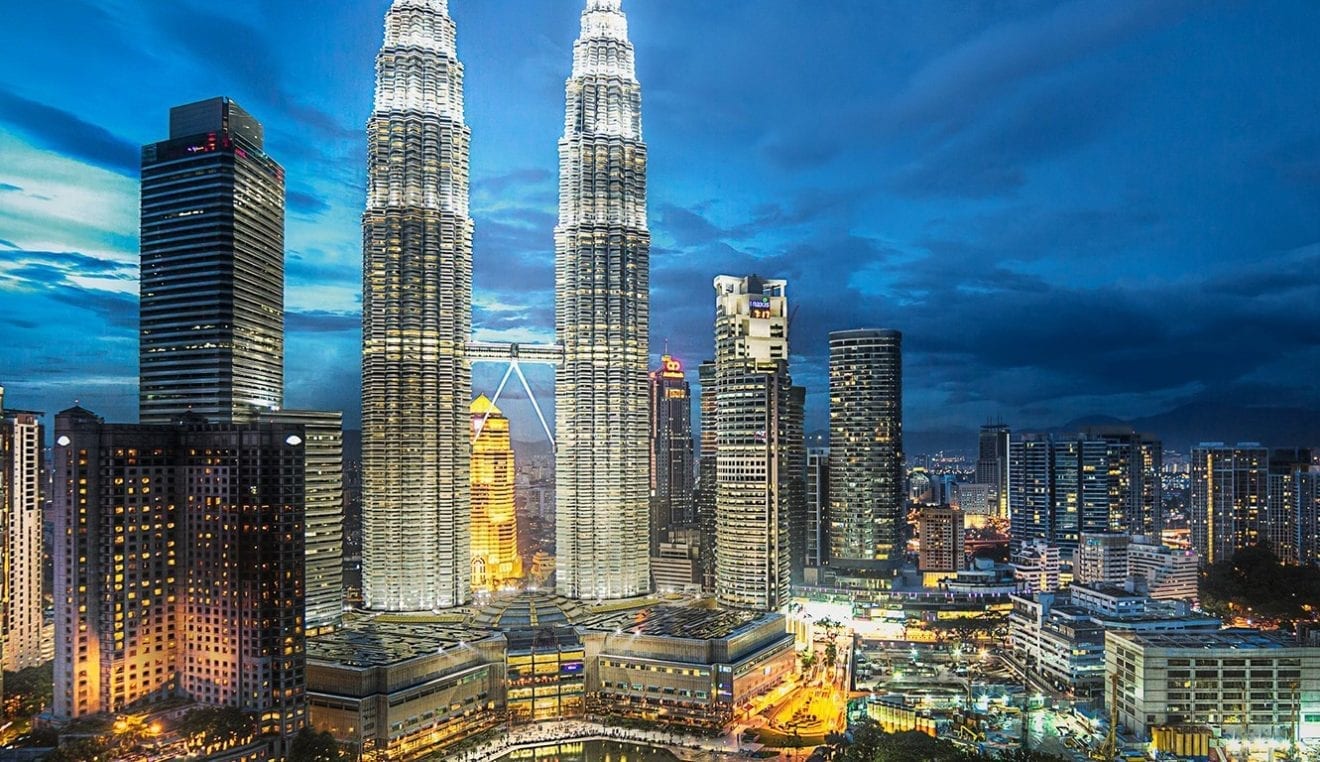
    In the most recent 2026 IMD World Competitiveness Ranking, Malaysia’s standing significantly improved, moving up eight spots to claim the 15th place. This notable advancement represents the country’s greatest leap in recent years. The International Institute for Management Development, the authority that published the ranking, attributed Malaysia’s enhanced position to advancements across all four pillars of competitiveness.

    The four pillars considered in the ranking include economic performance, government efficiency, business efficiency, and infrastructure. Malaysia demonstrated remarkable progress in all these areas. The country obtained 4th place worldwide for economic performance, while government efficiency ascended 11 places, reaching the 14th position. Business efficiency moved up 16 spots to the 16th position, and infrastructure experienced a slight boost, improving two spots to rank 33rd.

    An Examination of Sub-factors

    Looking deeper into the sub-factors, Malaysia’s domestic economy ranking ascended four places, achieving the 11th position, and the international trade ranking rose one spot to the 5th position. One significant leap was observed in the international investment sector, which climbed seven places to reach the 19th position.

    The IMD ranking evaluates 70 economies based on the aforementioned four fundamental pillars. Malaysia’s consistent improvement is evidenced by its steady ascent over the years. In the previous year, the nation jumped 11 places to secure the 23rd position among 69 economies. This was a marked improvement from the 34th position it held among 67 economies in 2024.

    According to economists, the critical factors contributing to Malaysia’s elevated ranking include a robust economic foundation, heightened trade competitiveness, improved public and business sector performance, and expanding opportunities within the technology sector.

    Stephen Innes, Managing Partner at SPI Asset Management, believes that Malaysia’s substantial boost in competitiveness is not merely indicative of a short-term recovery. Instead, he points to the rapid growth of artificial intelligence and the semiconductor industry as key drivers of this progress. Innes notes that Malaysia’s advantageous positioning across the electrical and electronics supply chain, coupled with its appeal in attracting investment in advanced packaging and data centers, makes it a natural beneficiary of global supply chain diversification.

    Questions & Answers

    What factors led to Malaysia’s improved ranking in the 2026 IMD World Competitiveness Ranking?
    Malaysia’s improvement is attributed to advancements in economic performance, government efficiency, business efficiency, and infrastructure. The rapid growth in artificial intelligence and the semiconductor industry were also highlighted as key contributors.

    How has Malaysia’s ranking evolved over the years?
    Malaysia has shown steady improvement in its standing, moving from 34th out of 67 economies in 2024, to 23rd out of 69 in 2025, and finally to 15th out of 70 economies in 2026.

    What sub-factors saw notable improvement in Malaysia’s ranking?
    Significant improvements were observed in the country’s domestic economy, international trade, and international investment rankings.

  • Heinz and Heineken Unveil Limited-Edition Combo: Beer Meets Ketchup in Epic 150-Year Brand Collaboration

    Heinz and Heineken Unveil Limited-Edition Combo: Beer Meets Ketchup in Epic 150-Year Brand Collaboration

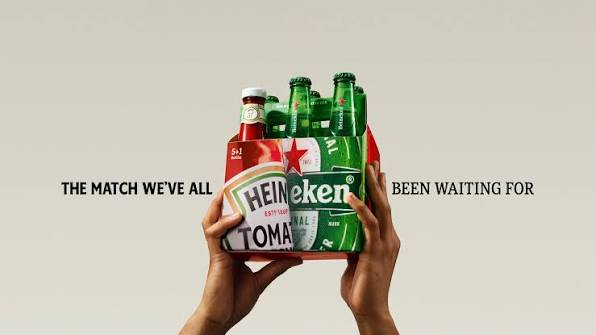
    Iconic brands Heinz and Heineken have teamed up to release a unique, limited-edition six-pack that combines their popular ketchup and beer products. This creative collaboration is not introducing a new consumption trend, but rather capitalizes on an already established pattern of consumer behaviour.

    Long-standing Consumer Habits Inspire Collaboration

    The pairing of these two beloved products acknowledges how they are often consumed together at various social settings. Be it a casual gathering, a sporting event, a barbecue, or simply during a burger meal, the consumption of Heinz ketchup and Heineken beer is a common occurrence.

    Dana Katz, Director of Integrated Communications at Heineken, stated that this brand pairing has been 150 years in the making. She emphasized that instead of creating a novel habit, this collaboration is a testament to what consumers have been doing for decades.

    The unique concept behind the partnership, according to Katz, emerged from an already existing link between the two brands. She mentioned that the idea didn’t feel like a new creation, but more of a discovery of something which had been hidden in plain sight, going even as far as the similarity in the brand names.

    Rolling Out in Select International Markets

    The exclusive Heinz x Heineken six-pack is set to hit the shelves in a number of selected international markets. These include the United Kingdom, Ireland, and Canada.

    Questions & Answers

    What is the unique selling proposition of the Heinz x Heineken six-pack?
    The unique selling point of this product is it combines two popular items that are often consumed together, Heinz ketchup and Heineken beer, into one convenient pack.

    Where will the Heinz x Heineken pack be available?
    The pack will be available in selected international markets, including the UK, Ireland, and Canada.

    What inspired the collaboration between Heinz and Heineken?
    The concept emerged from an already existing link between the two brands, recognizing that their products are often consumed together in various social settings.

  • Allianz GI Sets Eyes on Asias Potential: The Future of Asset Management in Rising Eastern Economies

    Allianz GI Sets Eyes on Asias Potential: The Future of Asset Management in Rising Eastern Economies

    The Asia-Pacific region is becoming a major focus for Allianz Global Investors (Allianz GI) as global growth trends shift eastward. The firm’s CEO, Tobias C. Pross, asserts that Asia remains one of the few regions where structural growth opportunities are still present despite geopolitical challenges and the slowing growth of Western economies.

    Allianz GI’s Growing Presence in Asia

    Allianz GI has been continually expanding its footprint across the Asia-Pacific region, as the firm sees the area’s growth dynamics moving away from conventional Western markets. Pross highlights that whenever growth is discussed in an inflationary context, the Asia-Pacific region stands out prominently.

    The firm has seen a promising start to 2026, reporting approximately €8 billion in net inflows during the first quarter, which has pushed the assets under its management above €600 billion for the first time.

    The company’s recent initiatives include investments in China, Indonesia, and Taiwan, launching new active ETF capabilities, and inaugurating a new office in South Korea. Julie Koo, former Citi executive, has been brought onboard as the Head of Asia Pacific to further strengthen Allianz’s leadership team in the region.

    Investment Opportunities and Market Expansion

    Allianz GI perceives Asia as a long-term source of investment opportunities and client growth, rather than just a distribution market. While some global investors have started to tread cautiously in the China market, Pross affirms that Allianz GI is still dedicated to China, seeing periods of geopolitical uncertainty as opportunities for active managers.

    Allianz GI is also expanding its private markets platform to offer access to infrastructure, private credit, and private equity strategies to a broader range of investors. Pross noted that demand is growing across Asia, as private banks, insurers, and wealthy individuals explore alternative income sources and diversification.

    Furthermore, Allianz GI views artificial intelligence as a significant investment area. The company is developing a global data platform and proprietary large language models to enhance investment research and portfolio management.

    Questions & Answers

    What is Allianz GI’s growth strategy for the Asia-Pacific region?
    Allianz GI aims to expand its presence by investing in key markets such as China, Taiwan, and Indonesia, and by launching new active ETF capabilities. The firm also plans to strengthen its leadership team in the region.

    How does Allianz GI view the China market?
    Despite some investors’ growing caution, Allianz GI remains committed to the China market. The firm believes that periods of geopolitical uncertainty often create opportunities for active managers.

    What role does artificial intelligence play in Allianz GI’s strategy?
    Allianz GI is significantly investing in artificial intelligence. The firm is developing a global data platform and proprietary large language models to enhance its investment research and portfolio management.

  • UOB Private Bank Taps Dennis Hong to Fuel North Asias Wealth Management Expansion

    UOB Private Bank Taps Dennis Hong to Fuel North Asias Wealth Management Expansion

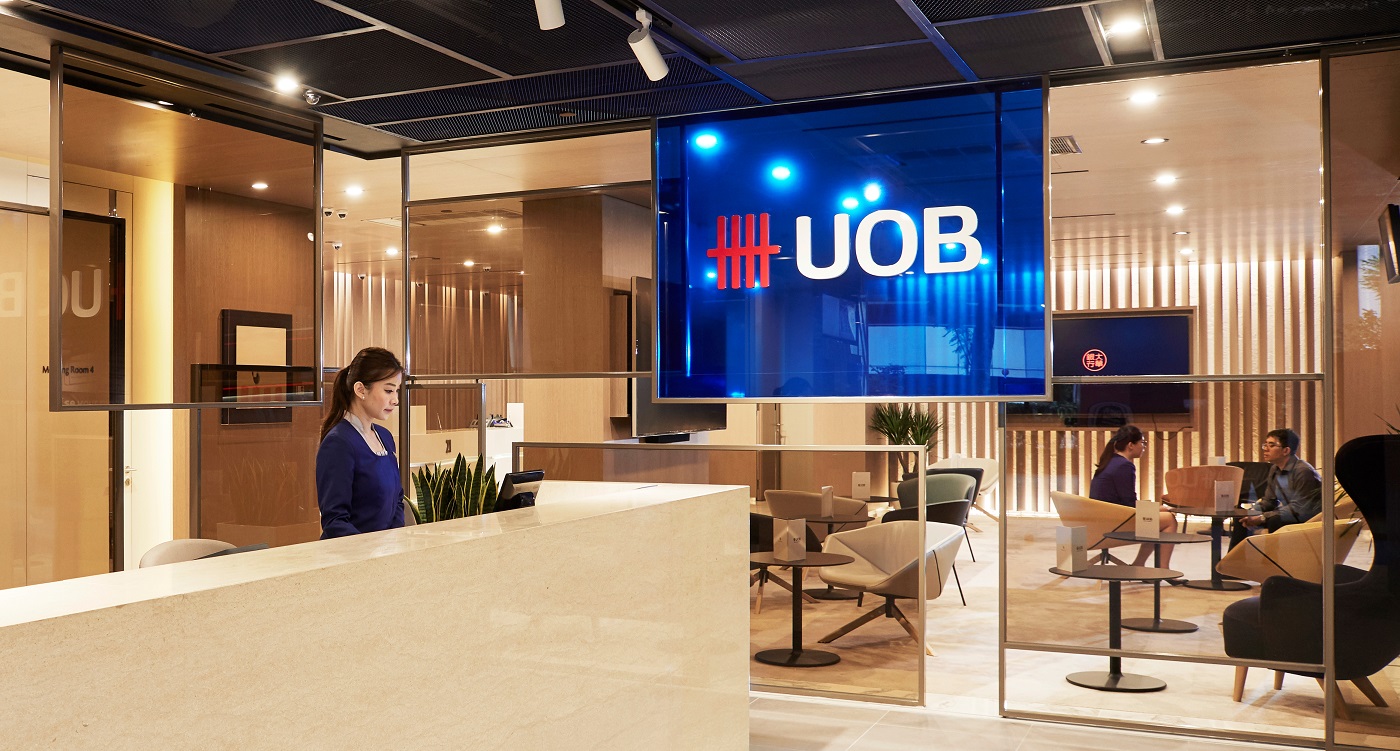
    United Overseas Bank (UOB) Private Bank has announced the appointment of Dennis Hong to the position of Regional Market Head for Greater China and North Asia, commencing in September 2026. This decision aligns with UOB’s ongoing plan to fortify its wealth management sector and tap into the increasing cross-border wealth traffic between Greater China and ASEAN.

    Hong’s Role and Responsibilities

    Hong’s new assignment will see him spearheading the advancement and strategic planning of UOB Private Bank’s operations in Greater China and North Asia. He will be managing principal markets such as China, Hong Kong, Taiwan, and Japan. Hong’s responsibilities will encompass the formulation of market strategies, expansion of client base, enhancement of advisory services, and supervision of regional teams. All these efforts are directed towards fostering client relationships and facilitating consistent business growth.

    Hong enters his new role at UOB Private Bank with a wealth of knowledge and experience in private banking and wealth management. His most recent position saw him guiding an Asia-Pacific private banking division, which emphasized the Greater China and North Asia markets. Hong has demonstrated his skills in building and managing significant teams, creating market propositions, and promoting business growth across major regional markets throughout his career. Hong will be stationed in Singapore, reporting directly to Chew Mun Yew, the Head of UOB Private Bank.

    UOB Private Bank’s Growth Strategy

    UOB Private Bank has confirmed that the Greater China market will continue to be a fundamental component of its regional growth strategy. This approach is particularly relevant as clients are increasingly seeking integrated wealth, investment, and financing solutions across various jurisdictions.

    The bank also intends to bolster its value proposition for high-net-worth (HNW) and ultra-high-net-worth (UHNW) clients, demonstrating its commitment to providing superior financial services and ensuring customer satisfaction.

    Questions & Answers

    What is the role of Dennis Hong at UOB Private Bank?
    Dennis Hong has been appointed as the Regional Market Head, Greater China and North Asia. His responsibilities include leading the growth and strategic development of the bank’s operations in these regions.

    What experience does Dennis Hong bring to his new role at UOB Private Bank?
    Hong has extensive experience in private banking and wealth management. He has previously led an Asia-Pacific private banking franchise with a strong focus on Greater China and North Asia.

    What is UOB Private Bank’s growth strategy for the Greater China market?
    UOB Private Bank has identified the Greater China market as a key pillar of its regional growth strategy. The bank aims to meet the growing demand for integrated wealth, investment, and financing solutions across multiple jurisdictions.

  • Chinese Beauty Brand Judydoll Conquers Europe via Joybuy E-commerce Platform

    Chinese Beauty Brand Judydoll Conquers Europe via Joybuy E-commerce Platform

    Judydoll, a renowned beauty brand from China, has made its grand entrance into the European market. This move was achieved through a successful launch on the e-commerce platform, Joybuy, spanning multiple countries including the UK, Germany, the Netherlands, France, Belgium, and Luxembourg.

    Established Origins and Expanding Presence

    Having its roots in Shanghai, Judydoll was established under the Joy Group in 2017. Recognized for its economically priced color cosmetics, Judydoll has been able to solidify its presence through various online marketplaces such as Tmall and Taobao. Subsequent to this online success, the brand ventured into physical retail, growing its network of stores.

    Presently, Judydoll operates over 100 stores throughout China. Furthermore, it has managed to broaden its international footprint by opening flagship stores in Singapore, along with retail collaborations throughout the Gulf Cooperation Council region.

    European Expansion Supported by Efficient Logistics

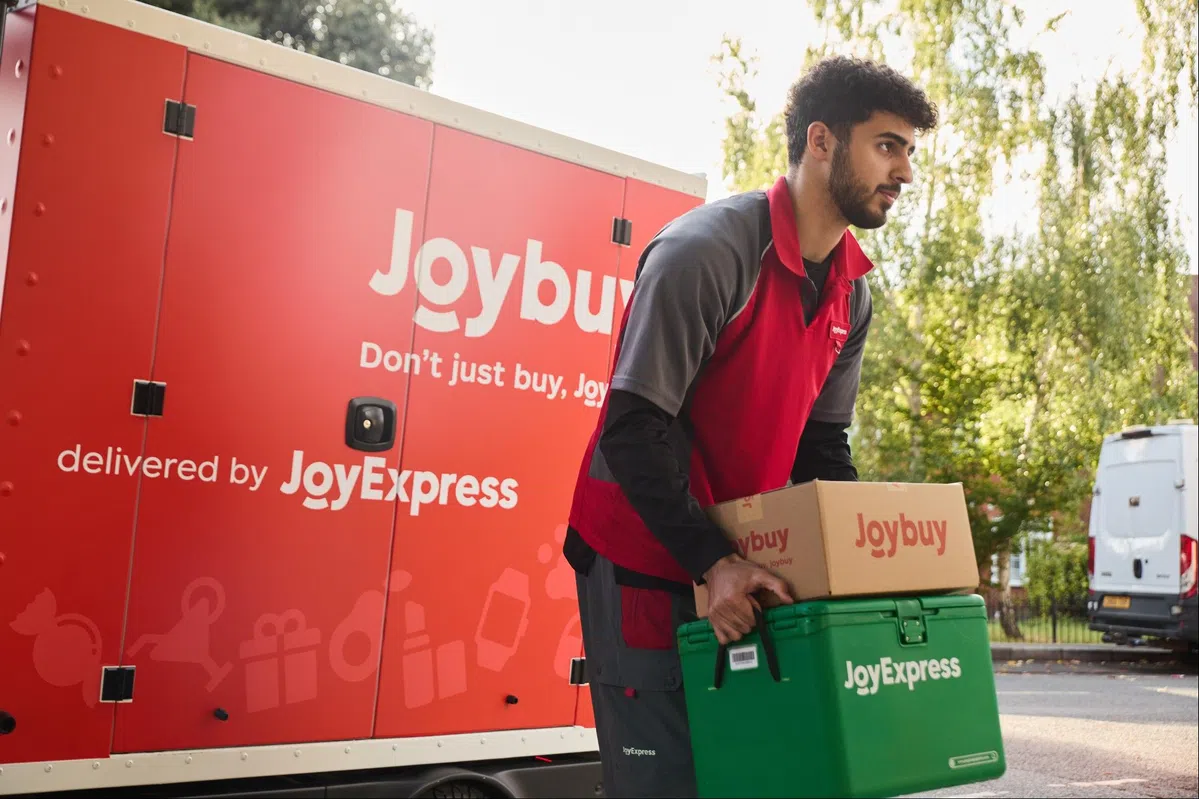
    Judydoll’s launch in Europe is backed by Joybuy’s effective logistics network. This collaboration ensures local fulfillment along with the promise of next-day delivery, making it easier for customers to access their products.

    In the company’s words, “Judydoll and Joybuy’s collective effort is aimed at bringing superior beauty products closer to European consumers.”

    Questions & Answers

    When was Judydoll established and by whom?
    Judydoll was established in 2017 by the Joy Group.

    How did Judydoll establish its initial presence?
    Judydoll initially established its presence through online marketplaces such as Tmall and Taobao, and later expanded into physical retail.

    What facilitates Judydoll’s launch in Europe?
    Judydoll’s European launch is facilitated by Joybuy’s logistics network, ensuring local fulfillment and next-day delivery.

  • Lululemon Issues Apology in China for Cultural Misstep at Great Wall Event

    Lululemon Issues Apology in China for Cultural Misstep at Great Wall Event

    Lululemon, the popular athleisure brand, has publicly apologized in China following controversy surrounding a performance during a company-sponsored event at the Great Wall. The incident incited negative reactions on social media due to the apparent use of a Japanese drum, viewed as culturally insensitive by some.

    Controversy and Apology

    The company expressed remorse on Weibo, the Chinese social media platform, acknowledging that they had failed to anticipate the potential cultural sensitivities associated with the drum performance. They attributed this oversight to “limitations in professional knowledge”. Lululemon went on to apologize both to their customers and brand ambassador Zhu Yilong, a well-known Chinese actor. The company also announced that they had taken down all promotional materials related to the event.

    The controversy was triggered by a grand yoga festival organized near Beijing in the previous month to commemorate Lululemon’s decade-long presence in mainland China. The event attracted over 2,000 participants and was part of the brand’s broader initiative to further engage with Chinese consumers through community-centered experiences.

    A drum performance featuring Zhu Yilong and the HiiKo Drum Group became a hot topic of debate when some social media users noted the drum used resembled a Japanese taiko drum, not a traditional Chinese one. The criticism rapidly proliferated across Chinese social media platforms.

    In their public apology, Lululemon stated that the event was designed to honor Chinese culture, but conceded that they had underestimated the cultural implications. They expressed that they have “learned profound lessons” from the experience and will improve their review processes for upcoming events.

    Challenges for International Brands

    This incident underscores the difficulties global brands can encounter when attempting to understand and respect cultural nuances in foreign markets. Earlier in the year, French fashion brand, Lemaire, also found itself apologizing after a fragrance campaign was criticized by Chinese consumers who felt the brand had used culturally insensitive imagery and messaging.

    Questions & Answers

    What was the cause of the controversy involving Lululemon in China?
    The controversy was sparked when Lululemon used a drum in a performance that was alleged to be a Japanese taiko drum instead of a traditional Chinese drum. This was viewed as culturally insensitive by some.

    What was Lululemon’s response to the backlash?
    Lululemon issued a public apology on Weibo, acknowledging their failure to anticipate potential cultural sensitivities. They also removed all promotional materials connected to the event and apologized to their customers and brand ambassador, actor Zhu Yilong.

    What lessons has Lululemon learned from this experience?
    According to their public apology, the company “learned profound lessons” and intends to strengthen its review processes for future events to better recognize and respect cultural nuances.

  • Buccellati Unveils Palatial Asia-Pacific Flagship Store in Bangkok, Boosting Presence in Southeast Asia

    Buccellati Unveils Palatial Asia-Pacific Flagship Store in Bangkok, Boosting Presence in Southeast Asia

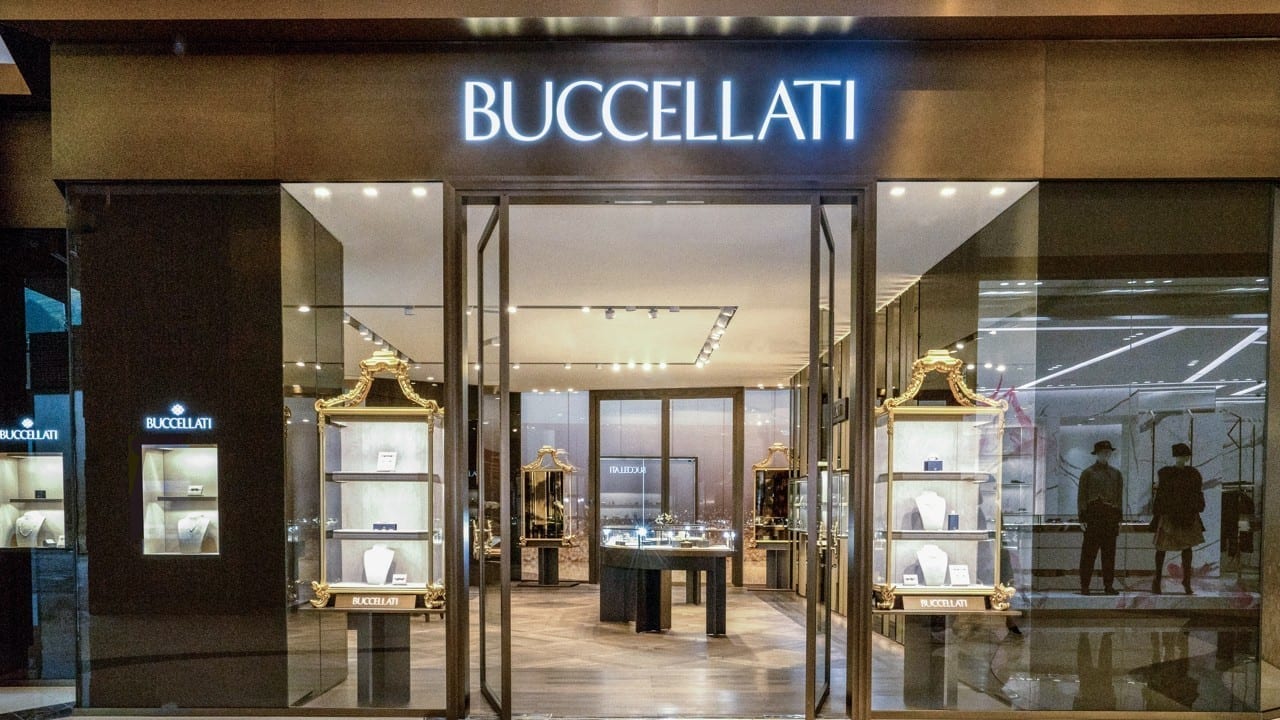
    Renowned Italian jewelers Buccellati have recently expanded their presence in the Asia-Pacific region with the inauguration of their largest store in Thailand. The store, situated on the M Floor of Siam Paragon in Bangkok, signifies the brand’s debut in the Thai market, contributing to its burgeoning retail network across the region.

    An Italian Heritage in a Modern Setting

    The design of the store is a tribute to Buccellati’s Italian lineage, featuring wooden paneling, handmade stucco finishes, and adornments reminiscent of European palaces. The store’s interior also includes a collection of antique furniture and mirrors from the 18th and 19th centuries. Two 16th-century mirrors from Naples, preserved with their original mirror plates and made using the traditional doratura a mecca gilding technique, are among the notable pieces on display. According to Buccellati, these mirrors were handpicked for the Bangkok location.

    The store offers a diverse range of Buccellati’s jewelry collections, such as Macri, Opera, and Tulle. In addition, customers can find high-end jewelry pieces, silverware, flatware, and giftware. The boutique also provides customers with an opportunity to witness the hand-engraving techniques that have become a signature of the Italian fashion house.

    Buccellati was established in Italy by Mario Buccellati and has since carved a niche for itself for its handmade jewelry and silverware. The brand is currently under the ownership of Richemont, and members of the Buccellati family continue to serve in key managerial positions of the enterprise.

    Questions & Answers

    What is unique about the new Buccellati store in Bangkok?
    The Buccellati store in Bangkok is the brand’s largest in the Asia-Pacific region and features a design that reflects the company’s Italian heritage.

    What does the store offer to its customers?
    In addition to offering a selection from Buccellati’s various jewelry collections, the store features high-end jewelry pieces, silverware, flatware, and giftware. Customers can also experience the brand’s signature hand-engraving techniques.

    Who currently owns the Buccellati brand?
    Buccellati is currently owned by Richemont, and members of the Buccellati family continue to hold senior management positions within the company.

  • Asia’s High-Net-Worth Travellers Now Have a World-First Option: A Private Sailing Membership That Moves With Them

    Asia’s High-Net-Worth Travellers Now Have a World-First Option: A Private Sailing Membership That Moves With Them

    NAORA, the world’s first membership-based private sailing expedition, is disrupting the luxury travel market with a model that gives Asia’s most discerning travellers recurring, flexible access to a five-year global voyage — with a significant portion of the route unfolding across the waters of Southeast Asia, Indonesia, the Maldives, and the South Pacific.

     The luxury travel industry has long sold the same product under different names: a booking, a departure, and a reset. For Asia’s growing class of globally mobile, high-net-worth travellers — founders, family office principals, tech entrepreneurs, and location-independent professionals who have outgrown the five-star hotel and the private charter — that model has quietly stopped being enough.

    NAORA was built to replace it.

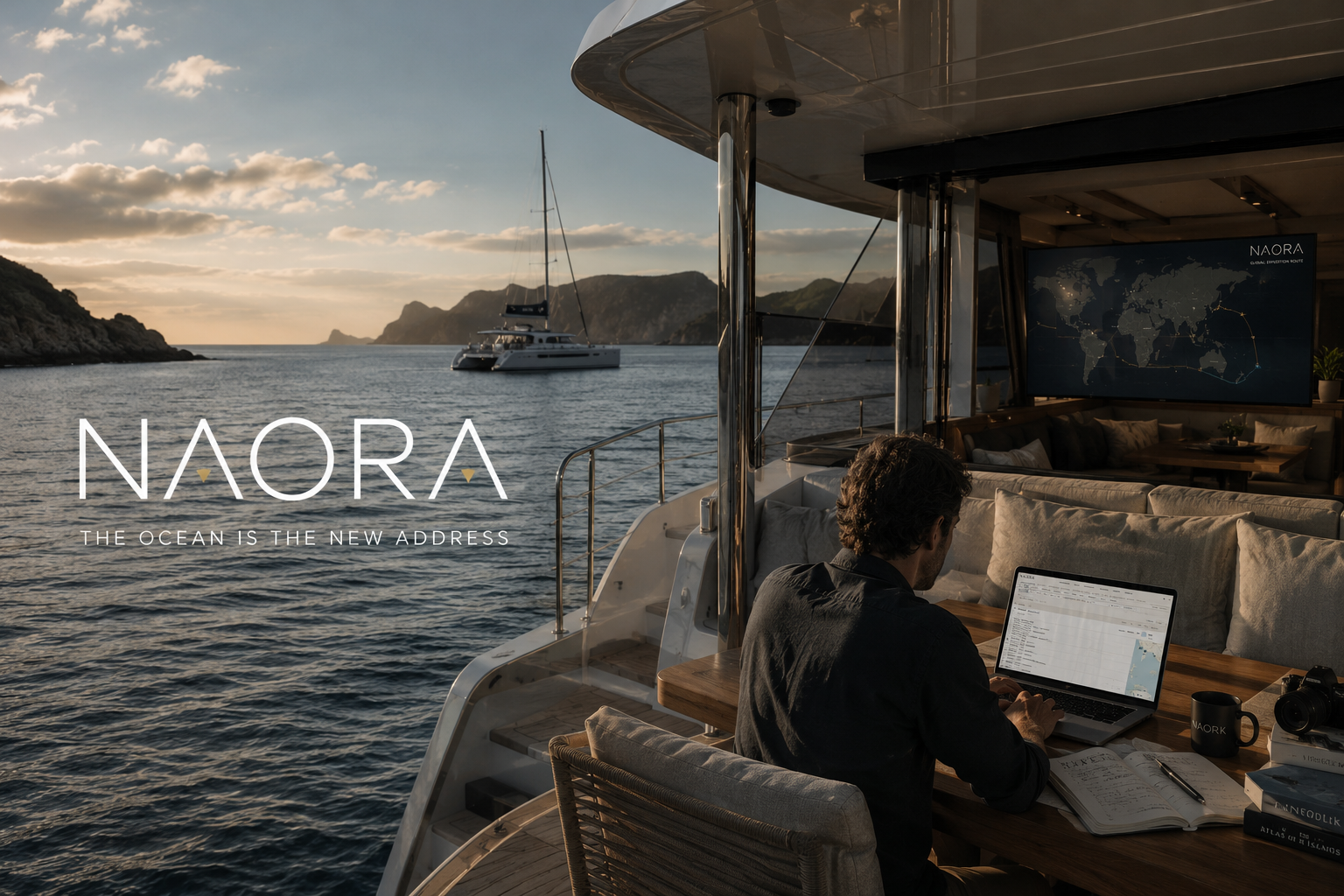
    Launching in 2025, NAORA is the world’s first membership-based private sailing expedition: a continuously moving five-year global voyage aboard the Fountaine Pajot Thira 80, an 80-foot luxury catamaran, spanning 183+ destinations and 45,000+ nautical miles. Members join anywhere along the route, leave when their schedule demands, and return as many times as their membership tier allows throughout the year. No booking references. No itinerary negotiations. No starting from zero.

    It is not a cruise. Not a charter. Not a resort at sea. It is a new category of luxury access — and Asia is at the heart of it.

    Southeast Asia, Indonesia, the Maldives: The Route Asia’s Travellers Have Been Waiting For

    A significant portion of the NAORA five-year route unfolds across Asian waters — and the team’s familiarity with the region goes well beyond navigation. With 11 years of accumulated experience across nearly every country in Southeast Asia, the founding team brings local networks, cultural knowledge, and access to remote anchorages that no booking platform can replicate.

    The Asian legs of the NAORA route include the outer atolls of the Maldives, the Andaman Sea, the Mergui Archipelago, the Indonesian archipelago and the world-renowned waters of Raja Ampat — one of the most biodiverse marine environments on earth — followed by the island chains of Southeast Asia and the passage into the South Pacific. Each leg is timed with prevailing wind systems to ensure members arrive in each region at its most extraordinary.

    For Asia’s high-net-worth community, NAORA offers something that no five-star resort or private charter in the region can match: depth. Not a curated surface of popular destinations, but genuine access to the places, people, and experiences that most travellers will never find.

    “We don’t discover places. We return to them. That is the difference NAORA members will feel from day one. — Sven, Founder & Captain”

    Disrupting Luxury Travel with Membership-Based Access

    NAORA positions itself not against the cruise industry or the charter market, but against the access economy — the same market logic that produced Soho House, NetJets, and Pelorus. Asia’s high-net-worth consumers, particularly in Singapore, Hong Kong, Japan, and across Southeast Asia, are among the most sophisticated adopters of membership-based access models globally. NAORA brings that logic to sea for the first time at this level.

    The membership model is structured across three tiers. The Coastal tier offers approximately one week of access per year — an introduction to the vessel, the community, and the rhythm of offshore life. The Offshore tier provides approximately 40 days per year. The Navigator tier, the most comprehensive, offers approximately 90 days per year with priority on route selection — a recurring lifestyle presence aboard the vessel that is closer to a second home than a travel subscription.

    Entry fees range from €3,000 to €5,000. Annual access fees run from €9,000 to €59,000 depending on tier. The Bluewater Private tier offers exclusive use of the entire vessel for up to 45 days — the only tier that welcomes families with children aboard, and the natural choice for those seeking the privacy of a superyacht experience without the burden of ownership.

    All membership funds are held in dedicated escrow accounts, segregated from operational capital and released only on confirmed service delivery. Payment is accepted by bank transfer in EUR, USD, and GBP, as well as Bitcoin and major cryptocurrencies — a feature that resonates strongly with Asia’s new-wealth and crypto-native community.

    Built by Explorers, for Explorers

    NAORA is founded by four Belgian co-founders whose combined experience spans 25+ years of offshore sailing, 11 years across Southeast Asia, and deep professional networks across European and Middle Eastern high-net-worth communities. Founder and captain Sven is a commercially licensed Master Mariner with GMDSS, STCW ’95, and CMAS dive instructor credentials, and over 2,800 dives. The founding team does not discover the places NAORA visits. It returns to them.

    Aboard the Fountaine Pajot Thira 80 — one of the world’s largest production catamarans at nearly 24 metres, with six to seven private en-suite cabins, a 340m² sail plan and full-time crew including a captain, private chef, and stewardess — NAORA offers an experience that is, by design, the antithesis of everything that feels like a cruise. Privacy is absolute. Guest photos are never shared. The community is curated by invitation only.

    The Membership Waitlist Is Now Open

    NAORA is accepting founding members across all tiers, with the global voyage departing from Bodrum in May 2027. For Asia’s high-net-worth travellers, the opportunity to join the founding cohort — with the greatest access to route input, community shaping, and founding member terms — is available now.

    Every membership begins with a private conversation, not a checkout flow. There is no “Book Now” button. There is only an introduction.

    To learn more or to begin the conversation, visit www.naora.world or contact [email protected].

  • Domestic Demand Dwindles in China Despite Soaring Industrial Output

    Domestic Demand Dwindles in China Despite Soaring Industrial Output

    The second-largest economy in the world is currently experiencing a dual-speed growth pattern. While factories are flourishing due to robust exports, domestic demand is on a downward trajectory due to an ongoing slump in the property market.

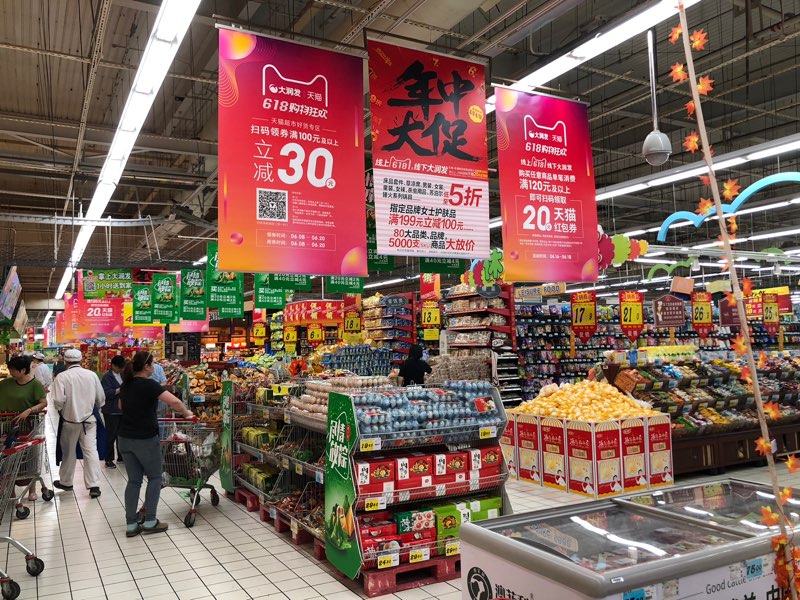
    In May, retail sales, which serve as a critical measure of consumption, decreased by 0.6%, a significant drop from April’s 0.2% rise, and below the predicted 0.0%. This decline in retail sales marks the first reduction since December 2022. Even the extended Labour Day holiday was unable to boost consumer morale, and the government’s consumer goods trade-in initiative is gradually losing its effectiveness. An inflated base from the previous year’s May further added to this downturn.

    According to Zhiwei Zhang, chief economist at Pinpoint Asset Management, the disappointing retail sales data puts increased pressure on the government to contemplate policy measures aimed at stabilizing consumption. “Policy ‘fine tuning’ is anticipated around July, following the release of the second quarter GDP data,” Zhang added.

    On the other hand, data from the National Bureau of Statistics (NBS) revealed that industrial output in May grew by 4.5% compared to the previous year, an increase from the 4.1% growth recorded in April. This rise surpassed the projected 4.3% increase.

    Divides in the Economy

    A boom in global AI investment and related tech demand has allowed the world’s largest manufacturer to counterbalance the anticipated export blow from the Iran war. However, a 19.4% increase in exports has yet to positively impact domestic consumption.

    The economic weakness was particularly noticeable in the automotive sector, as domestic car sales suffered a decline for the eighth consecutive month in May. This trend hints at a diminishing demand in the world’s biggest car market, a pressure that is expected to linger throughout the year.

    Senior economist at the Economist Intelligence Unit, Xu Tianchen, identified several divisions in the May economy. “The divide between domestic and external demand, the divide between AI and traditional industries, and the divide between goods retail and services consumption,” he mentioned.

    He expects the second quarter’s economic growth to slow down to 4.5% from the first quarter’s 5%.

    Growing investment weakness and ongoing property drag

    Investment figures were also significantly weaker than expected. Fixed-asset investment dropped by 4.1% in the first five months of 2025, a fall from the 1.6% decrease recorded from January to April. Economists had anticipated a 2% decline.

    According to NBS spokesperson Fu Linghui, this fall is partially due to extreme weather conditions in several regions, as well as the shift from old to new growth drivers. Fu added that China still has substantial room for future investment, with urbanisation, rural revitalisation, the development of new quality productive forces, and public service improvements all requiring support.

    Questions & Answers

    What contributed to the decline in retail sales in May?
    Several factors contributed to the decline in retail sales in May, including a lack of consumer confidence, the waning effectiveness of the government’s trade-in scheme, and a high base from the same period last year.

    How are the car sales in China currently?
    Car sales within China have been on the decline, with May marking the eighth consecutive month of decreasing sales. This is indicative of a softened demand in the world’s largest auto market.

    What are the expectations for China’s economic growth?
    It’s anticipated that China’s economic growth may slow in the second quarter, dropping to 4.5% from 5% in the first quarter. While it might not be difficult to achieve a full-year growth target of 4.5-5%, the sluggish domestic demand may necessitate policy intervention in the second half of the year.

  • Shein and BHV Call it Quits: End of Controversial Fashion Partnership in Paris

    Shein and BHV Call it Quits: End of Controversial Fashion Partnership in Paris

    The partnership between French department store BHV and online fast-fashion retailer Shein has concluded, following a brief and controversial seven-month duration. The collaboration was marked by contention from the beginning, as the establishment of a permanent Shein retail spot within the Parisian department store sparked widespread debate.

    Change in Store Ownership and End of Partnership

    Societe des Grands Magasins (SGM), the organization responsible for managing BHV in Paris since 2023, has announced its decision to sell the department store to its current management team, led by Karl-Stéphane Cottendin. The decision to end the partnership with Shein was described as rectifying an error, according to a spokesperson for Cottendin.

    The alliance between BHV and Shein was a point of contention, primarily due to the business practices of the Singapore-based online retailer. Shein’s business model, characterized by extremely low pricing and alleged sales of illicit products, was viewed unfavorably by critics.

    However, Shein maintains that their collaboration with SGM was designed to be short-term from the onset.

    Controversy and Challenges

    The launch of Shein within BHV in November was met with significant opposition. On the day of the launch, the French government attempted to close its platform, a decision later overturned by a court in Paris.

    Shein’s loyal customer base also expressed disappointment with the retail store’s offerings. Many noted that the prices were considerably higher than those listed on Shein’s expansive online platform, renowned for its $5 dresses and $10 jeans.

    Even before the partnership with Shein, SGM faced financial difficulties and was lagging in payments to its suppliers. The controversial Shein launch resulted in several brands withdrawing from the department store in protest.

    Despite the end of the partnership, Shein expressed respect for BHV’s decision and noted it was unfortunate that customers had to deal with ongoing construction works in the department store.

    Questions & Answers

    Why did the partnership between BHV and Shein end?
    The collaboration ended due to widespread criticism and controversy surrounding Shein’s business practices and the significantly higher in-store prices compared to its online platform.

    Who will take over the ownership of BHV?
    The current management team of BHV, led by Karl-Stéphane Cottendin, will take over the ownership from Societe des Grands Magasins.

    What was the public response to Shein’s launch at BHV?
    The launch was met with significant opposition, including an attempt by the French government to close the platform. Loyal Shein customers were also disappointed with the higher prices in the retail store compared to Shein’s online offerings.

  • Billion-Dollar Bite: Yum China Gobbles up Pizza Hut in Transformative $1.2B Deal

    Billion-Dollar Bite: Yum China Gobbles up Pizza Hut in Transformative $1.2B Deal

    Yum Brands, the global owner and franchiser of popular restaurant chains such as KFC, Pizza Hut, and Taco Bell, operates Yum China as a master franchisee. The franchisee oversees the operation of these three brands within Mainland China and has been accountable for a 3% royalty fee on its overall sales to the US-based conglomerate. However, with the conclusion of a recent deal, Pizza Hut China will be exempted from these licensing fees.

    Pizza Hut, as disclosed by Yum China, holds the title of the largest casual dining restaurant brand in China. Last year, the brand generated a segmental revenue of $2.3 billion and an operating profit of $183 million. Yum China has set ambitious growth objectives for the Pizza Hut network. Its goal is to increase the number of Pizza Hut restaurants from 4375 in over 1100 cities to over 6000 stores by the year 2028. Furthermore, the company intends to double the chain’s operating profit by 2029.

    From Franchisee to Brand Owner

    Joey Wat, CEO of Yum China, stated that transitioning from an exclusive licensee to the brand owner of Pizza Hut in Mainland China is a significant turning point for the company. This move solidifies their belief in and long-term commitment to the Chinese market.

    Being the brand owner will enable the company to have more strategic freedom to encourage innovation across the menu, store formats, new modules, and operations. Wat foresees that the cessation of licensing fees will bolster store economics and lower the threshold for opening new stores, thus aiding in margin expansion and growth.

    The transaction is slated to finalize in the third quarter, subject to standard closing conditions. Yum China asserts that their financial guidance for FY26 will remain unaffected by this transaction.

    Global Divestment

    This deal forms part of Yum Brands’ strategy to divest from the Pizza Hut segment internationally. Outside of Mainland China, the company has agreed to offload the Pizza Hut brand to private equity firm LongRange Capital for approximately $1.5 billion.

    This sale comes in the wake of Pizza Hut’s underperformance compared to KFC and Taco Bell, as evidenced in Yum Brands’ recent financial outcomes.

    Questions & Answers

    What effect will the elimination of license fees have on Pizza Hut in China?
    The elimination of license fees is expected to improve store economics and lower the requirements for opening new stores, ultimately supporting margin expansion and growth.

    What are Yum China’s growth goals for Pizza Hut?
    Yum China intends to expand the Pizza Hut network in Mainland China from 4375 restaurants across more than 1100 cities to more than 6000 stores by 2028. The company also aims to double the chain’s operating profit by 2029.

    Why is Yum Brands divesting from the Pizza Hut segment worldwide?
    This move follows a period of underperformance by Pizza Hut compared to KFC and Taco Bell, as reflected in Yum Brands’ latest financial results.

  • Starbucks Korea Closes for Sensitivity Training Following Historic Campaign Controversy

    Starbucks Korea Closes for Sensitivity Training Following Historic Campaign Controversy

    Following public disapproval over a marketing campaign, Starbucks Korea, operated by Shinsegae Group, has announced it will close all stores across the country at 3pm on June 22 for employee training related to historical awareness and social sensitivity. The coffee giant came under fire for a campaign last month that was reminiscent of a harsh military suppression of pro-democracy demonstrators in 1980, leading to significant sales losses.

    Training and Education Initiative

    E-Mart, an affiliate of Shinsegae and owner of Starbucks Korea, initiated the promotional campaign named ‘Tank Day’ tumbler on the anniversary of the Gwangju Uprising on May 18. The historical event saw the military government deploy troops and tanks to quell pro-democracy rallies. In response to the backlash, staff and executives from Starbucks Korea and E-Mart division at Shinsegae will undertake the same training on June 17 at the group’s internal training center. Shinsegae Chairman Chung Yong-jin and affiliate CEOs will partake in a separate session on June 24. Shinsegae’s decision to implement these measures reflects the gravity with which it views the recent marketing misstep and signifies its dedication to avoiding similar situations in the future. Chairman Chung has previously issued a public apology for the controversy.

    The training will be spearheaded by a history professor from Sungkyunkwan University and will delve into significant events in South Korea’s modern and contemporary history since the 1950s. A separate social sensitivity training, facilitated by a sociology professor from the same university, will focus on how businesses should take into account societal factors such as history, labor, gender, and human rights in marketing and all corporate activities.

    Introducing New Measures

    This will be the first nationwide early closure for Starbucks Korea since its establishment in the country in 1999. In light of recent events, Starbucks Korea also intends to revamp its marketing approval procedures. This includes the introduction of a social-sensitivity checklist that covers history, commemorative dates, politics, disasters, military issues, gender, violence, and hate expressions.

    As of the end of 2024, Starbucks Korea had more than 2000 stores in the country and is regarded as the leading coffee chain in terms of customer payments.

    Questions & Answers

    What spurred Starbucks Korea to close its stores for employee training?
    Starbucks Korea faced public criticism due to a marketing campaign reminiscent of a harsh military suppression in 1980, which led to a significant drop in sales. The company has decided to close all stores in the country for staff training on historical awareness and social sensitivity.

    What will the training sessions entail?
    The history awareness lecture will be conducted by a history professor from Sungkyunkwan University and will review significant events in South Korea’s modern and contemporary history. Another professor from the same university will conduct a separate social sensitivity training, focusing on how companies should consider societal issues in their operations and marketing activities.

    What changes does Starbucks Korea plan to implement moving forward?
    Starbucks Korea plans to overhaul its marketing approval procedures by introducing a social-sensitivity checklist that covers history, commemorative dates, politics, disasters, military issues, gender, violence, and hate expressions. This is aimed at ensuring such marketing missteps do not recur in the future.

  • Chow Tai Fook Unveils Chic Redesigned Boutique in Vancouvers Luxury Retail Hub, Oakridge Park

    Chow Tai Fook Unveils Chic Redesigned Boutique in Vancouvers Luxury Retail Hub, Oakridge Park

    Chow Tai Fook, a leading Chinese jewelry retailer, recently unveiled its revamped boutique in Oakridge Park, Vancouver, Canada. This follows the successful refurbishment of numerous other stores across the globe, including locations in Singapore, Thailand, Australia, and Hong Kong.

    A Showcase of Chinese Craftsmanship

    The Oakridge Park location was chosen for its status as a luxury retail hub, presenting an ideal setting to display the exquisite craftsmanship and design of Chinese jewelry. The redesigned store melds contemporary design with traditional Chinese aesthetics. The exterior is adorned with the brand’s distinctive ‘Timeless Red’ facade, while the interiors sport luxurious finishes of walnut veneers and champagne-gold accents, all aimed at accentuating the displayed jewelry collections.

    Chow Tai Fook’s boutique features a broad selection of its core collections, along with designs crafted exclusively for the Canadian market. The offerings include the celebrated Dawn Collection, which is inspired by floral motifs and geometric shapes.

    Exclusively Canadian Designs

    The boutique also carries a range of accessories that are exclusive to the Canadian market. These designs incorporate national symbols such as the maple leaf and are available across various forms of jewelry, including pendants, necklaces, and earrings.

    Chow Tai Fook spoke about the collections, stating, “Each collection represents cultural heritage, blending tradition and contemporary elegance to create shared connections that transcend time and space.”

    Questions & Answers

    Why was Oakridge Park chosen for Chow Tai Fook’s redesigned boutique?
    Oakridge Park was selected due to its status as a luxury retail destination, providing an ideal backdrop to showcase the Chinese craftsmanship and design.

    What differentiates the store’s interior design?
    The store combines contemporary and Chinese-inspired design elements with walnut veneers and champagne-gold accents to highlight the jewelry collections.

    What collections does the boutique offer?
    The boutique features a variety of Chow Tai Fook’s core collections and exclusive designs for the Canadian market, including the Dawn Collection and accessories featuring national symbols such as the maple leaf.

  • China Cracks Down on Walmart’s Sams Club Over Food Safety Concerns

    China Cracks Down on Walmart’s Sams Club Over Food Safety Concerns

    In a recent development, China’s market regulator has enforced stringent measures on the supermarket chain, Sam’s Club, which is owned by Walmart. The regulator has initiated these steps as part of a bid to eradicate food safety risks from the company’s supply chain and ensure public dietary safety.

    The directive comes as Sam’s Club is actively pursuing expansion activities in China. As a result of new store openings, the company achieved double-digit growth in its transactions last year. This has increased the number of its membership-only stores to 63 across the nation, as per the data available on the company’s website.

    The decision was made following a meeting with a top-level executive from the U.S. retail giant to address recently identified food safety concerns. The State Administration for Market Regulation shared this information in an announcement on Monday, without specifying the date on which the meeting took place.

    As of now, Walmart’s China office has not responded to any requests for comments on this matter.

    In response to the regulator’s directive, Sam’s Club has issued an apology stating, “We will consistently report the progress of our rectification measures to the regulatory authorities and willingly accept their supervision.”

    In an effort to rectify the situation, the grocery chain has established an exclusive task force, headed by its management. This team is responsible for conducting supply chain inspections to ensure compliance with regulations and maintain the highest standards of product quality control.

    Questions & Answers

    What actions has China’s market regulator taken against Sam’s Club?
    The regulator has ordered Sam’s Club to enforce strict measures to eliminate food safety risks in its supply chain and ensure public dietary safety.

    What was the reason behind the regulator’s directive?
    The decision was made following a meeting with a top-level executive from Sam’s Club to address recently identified food safety concerns.

    What steps is Sam’s Club taking in response to the regulator’s orders?
    Sam’s Club has established a specialized task force, led by its management, to ensure strict compliance with regulations and maintain the highest standards of product quality control. The company will also regularly update the regulatory authorities about the progress of these rectification measures.