Retail News CRM

Blog

  • Ease Your Cost-of-Living: Singaporean Households Grab $390 Support Vouchers!

    Ease Your Cost-of-Living: Singaporean Households Grab $390 Support Vouchers!

    From June 11, all Singaporean households will be eligible to receive S$500 (US$380) in Community Development Council (CDC) vouchers. This initiative is set to ease the financial burden of living costs for approximately 1.38 million households across the country.

    Voucher Validity and Usage

    The CDC vouchers can be claimed online via the official website and remain valid until the end of 2027. They can be used across a broad range of establishments, half of which are participating local merchants and hawkers. The remaining vouchers are applicable at around 400 outlets run by eight major supermarket chains throughout Singapore. These include Ang Mo Supermarket, Cold Storage, Giant Singapore, HAO Mart, NTUC FairPrice, Prime Supermarket, Sheng Siong, and U Stars Supermarket.

    This allotment of vouchers was originally set to be distributed in January 2027, as per Singapore’s 2026 national budget. However, it was advanced by six months to help households manage the cost-of-living pressures exacerbated by the ongoing Middle East conflict.

    About the Voucher Scheme

    The CDC voucher program was established in 2020 and expanded the following year. It was devised to aid households in managing living expenses while simultaneously supporting businesses hit by the COVID-19 pandemic. These vouchers have been distributed annually, with this latest disbursement marking the ninth cycle.

    As of June 3, more than $4.64 billion has been utilized through the previous eight CDC voucher rounds and two rounds of SG60 vouchers. The SG60 vouchers were similarly designed and distributed last year in celebration of Singapore’s 60th anniversary. About $2.43 billion, or 52% of the total sum, was spent at local merchants and hawkers, while the remaining was used in supermarkets.

    Over 94% of the 1.36 million eligible households claimed the most recent S$300 voucher tranche disbursed in January. More than 80% of these claimed vouchers have already been spent, indicating a high utilization rate. The CDC voucher scheme has proven to be both practical and accessible to the Singaporean populace.

    Alongside the CDC vouchers, a S$200 increase to a cash handout scheme known as the Cost-of-Living Special Payment was announced in April. Consequently, qualifying Singaporean adults will receive a payout of S$400-600 in September, an increase from the previous S$200-400.

    Questions & Answers

    What is the purpose of the CDC voucher scheme?
    The CDC voucher scheme was designed to assist households in coping with living costs while also supporting local businesses affected by the COVID-19 pandemic.

    Where can the CDC vouchers be used?
    Half of the vouchers can be used at participating local merchants and hawkers, while the remainder can be spent at around 400 outlets run by eight major supermarket chains throughout Singapore.

    When will eligible Singaporean adults receive the Cost-of-Living Special Payment?
    Eligible Singaporean adults will receive the Cost-of-Living Special Payment, which has been increased to S$400-600, in September.

  • Fuel Frenzy: Indonesia Suffers Sudden 32% Surge in Popular Gasoline Prices Amidst Middle East conflict

    Fuel Frenzy: Indonesia Suffers Sudden 32% Surge in Popular Gasoline Prices Amidst Middle East conflict

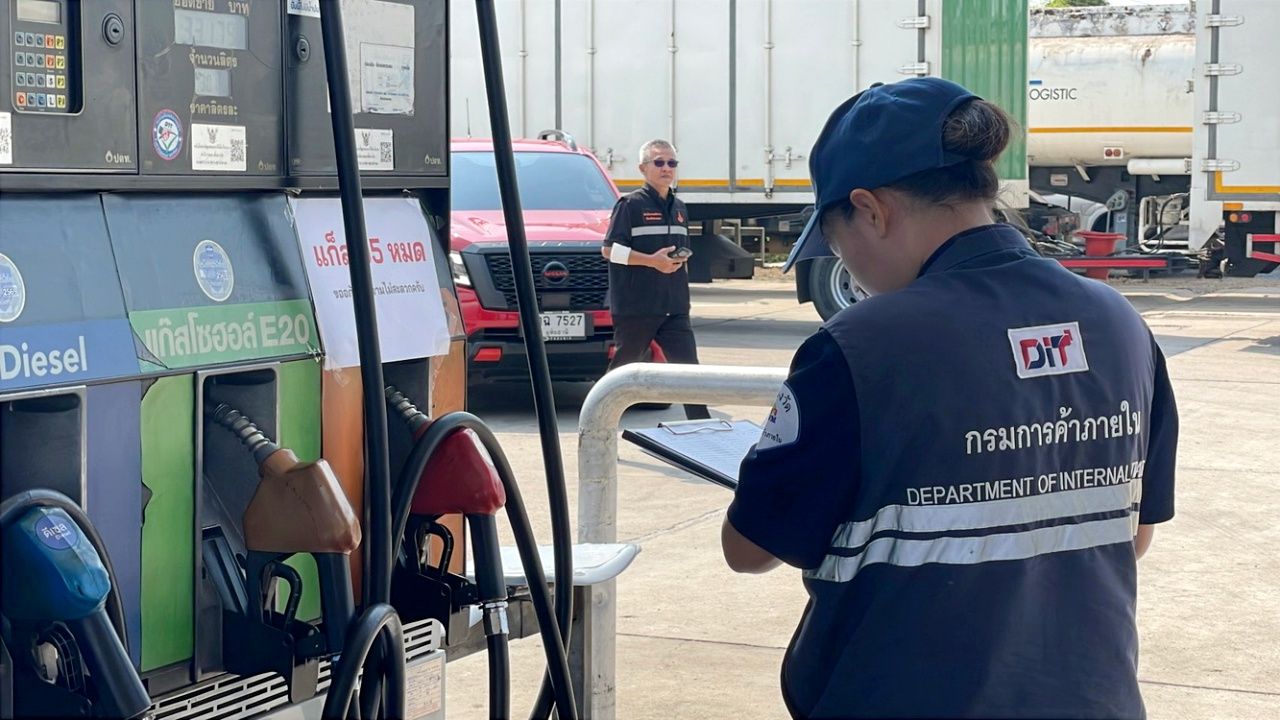
    In response to the ongoing conflict in the Middle East, Indonesian public corporation Pertamina has substantially elevated its fuel prices, marking the first rise since hostilities commenced. The price of 92-octane gasoline, popularly referred to as Pertamax and frequently used by Indonesia’s middle class, rose from Rp12,300 per liter to Rp16,250. This represents a substantial 32.1% increase.

    Pertamax Green, a 95-octane fuel variant mixed with ethanol, underwent a similar increase, with the price rising from Rp12,900 to Rp17,000 per liter, registering a 31.8% increment. It’s noteworthy that Pertamax fuels typically do not receive subsidies, and it remained unclear if Pertamina would receive compensation for managing to keep the prices constant since the conflict erupted.

    Financial Implications and Public Reaction

    The decision to implement these price increases was made following Bank Indonesia’s surprising move to increase interest rates for the second time within a month. This move was intended to bolster the nation’s economic health, especially considering that budget data from last week revealed a 208% surge in fuel, power, and fertilizer subsidies from the previous year.

    Finance Minister Purbaya Yudhi Sadewa opined that the inflationary impact of these price hikes would probably be minimal, given that these fuels are not typically used for public transportation. However, the annual headline inflation rate had already spiked to a record eight-month high of 3.08% in May.

    Radhika Rao, a senior economist at DBS Bank, stated that the fuels impacted by these changes represent approximately 7% of domestic fuel sales and 7.5% of energy usage in the transportation sector in 2023. She suggested that due to these changes, both monetary and fiscal policies should adopt a defensive approach to bolster the economy.

    The sudden increase in fuel prices came as a shock to many, with Masgal Carta, a resident of Bandung, West Java, expressing his concern over the financial strain that this could impose. He noted, “My earnings have remained static, but the prices of basic commodities have begun to rise, and now the cost of fuel, our primary mode of transportation to work, has also increased unexpectedly.”

    However, the price of the subsidized 90-octane fuel, known as Pertalite, remained unchanged, as confirmed by Pertamina.

    Questions & Answers

    What are the new prices for Pertamax and Pertamax Green fuels?
    The price of Pertamax fuel has risen to Rp16,250 per liter, while Pertamax Green now costs Rp17,000 per liter.

    What is the projected inflationary impact of these price increases?
    Finance Minister Purbaya Yudhi Sadewa believes that the inflationary impact of these price increases will be kept in check as these fuels are not typically used in public transportation.

    How have the price hikes affected everyday consumers?
    The sudden price increase has contributed to the financial pressure on consumers, with some expressing shock and concern over the possible tightening of their personal budgets.

  • Hollister Brings California Cool to the Philippines with First Store Debut at SM Mall of Asia

    Hollister Brings California Cool to the Philippines with First Store Debut at SM Mall of Asia

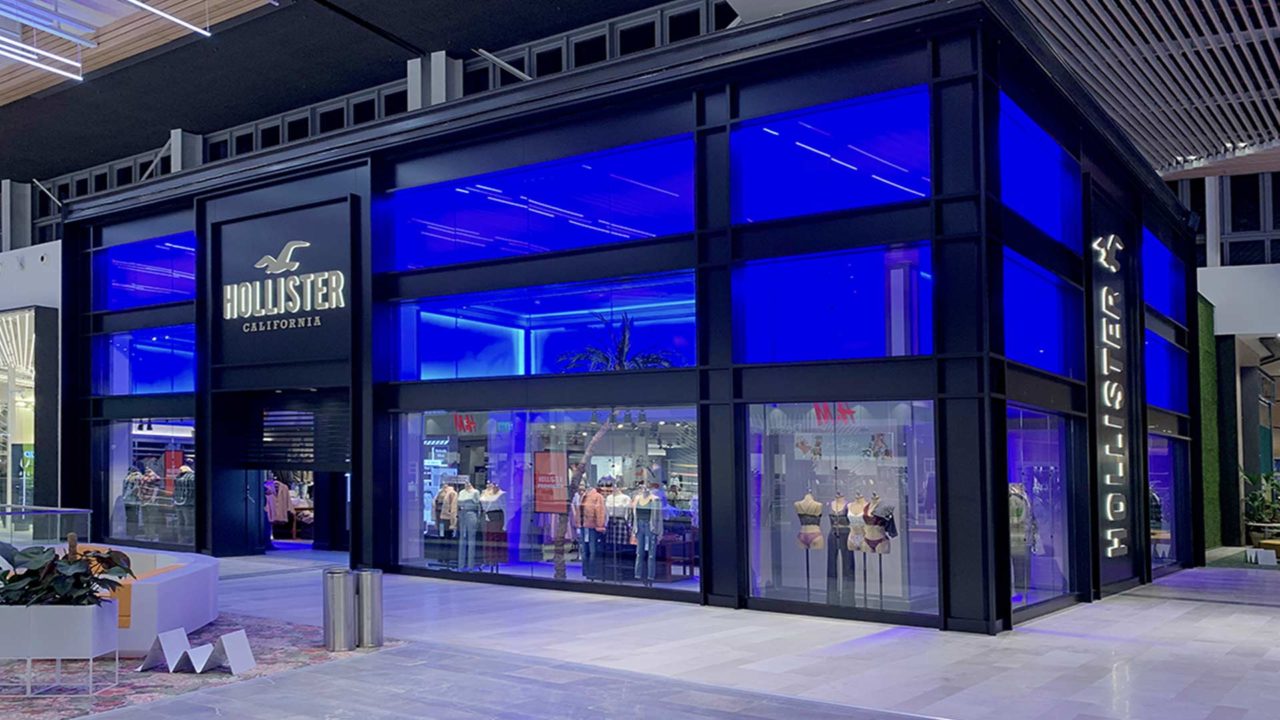
    Following closely on the heels of Abercrombie & Fitch’s entrance into the Philippine market, Hollister, the popular American lifestyle brand, has also opened its doors at the SM Mall of Asia.

    Partnership with PT Mitra Adiperkasa

    The grand unveiling was made possible through a collaboration with PT Mitra Adiperkasa Tbk (MAP). MAP is an Indonesian lifestyle retail giant that holds the reins of more than 150 global brands under its umbrella.

    Hollister, renowned for its relaxed, eclectic style influenced by Californian casual chic, will be offering a wide array of clothing options. Customers can look forward to browsing through a diverse assortment of denim, dresses, woven tops, shorts, and other accessories.

    Expanding its reach further, Hollister is also launching its Summer Essentials collection for kids. This range boasts of lightweight garments, tailor-made for active children and designed with warm weather in mind.

    Introducing Hollister’s Unique Style to the Philippines

    Representatives for Hollister expressed their eagerness to introduce the brand’s unique fashion sense to the Filipino market. “We couldn’t be more excited to introduce Hollister’s unique vibe to the Philippines,” shared Steven Sare, the MD of Apac for Hollister.

    He added, “The energy in this country is truly phenomenal, and our partnership with MAP has allowed us to create an immersive space where customers can fully experience our brand’s youthful clothing line, designed to capture moments, create memories, and promote an unapologetic self-expression.”

    In addition to Hollister and Abercrombie & Fitch’s recent launches, MAP is also reviving the presence of Marks & Spencer in the country.

    Questions & Answers

    What is Hollister’s style influence?
    Hollister’s style is heavily influenced by California’s casual and relaxed fashion.

    Who facilitated the launch of Hollister in the Philippines?
    The launch of Hollister was facilitated by PT Mitra Adiperkasa Tbk (MAP), an Indonesian-based lifestyle retailer.

    What else is Hollister introducing in the Philippines apart from its standard clothing line?
    Apart from its standard clothing line, Hollister is also introducing its Summer Essentials collection for children in the Philippines.

  • Frasers Group Boldly Bids $2.3 Billion for Complete Control of Hugo Boss

    Frasers Group Boldly Bids $2.3 Billion for Complete Control of Hugo Boss

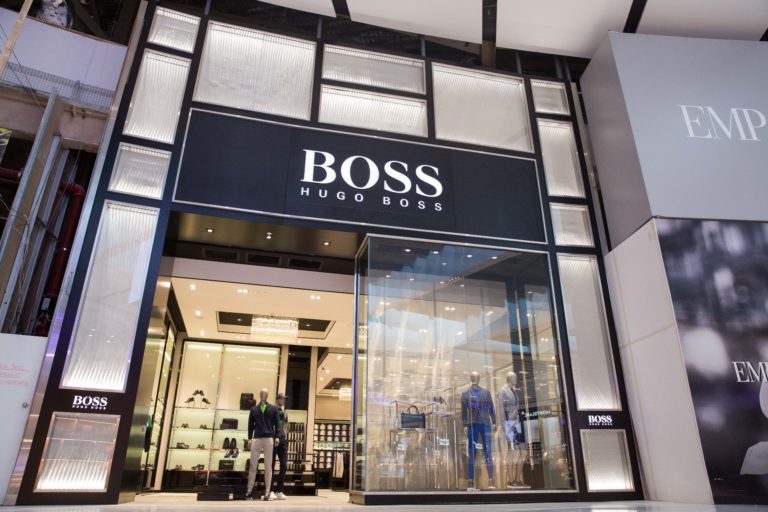
    Frasers Group, a prominent UK retail corporation, recently unveiled an unexpected voluntary takeover bid for Hugo Boss. Their goal is to procure the remaining shares of the renowned German fashion brand and obtain complete ownership. Currently, Frasers Group possesses a 26.06% stake in Hugo Boss, and their proposal to acquire the unowned 73.94% stake stands at €38 per share in cash. This proposition elevates the total bid value to roughly US$2.3 billion.

    Frasers Group’s Confidence in Hugo Boss

    Frasers Group’s proposed takeover reflects its sustained assurance in Hugo Boss’s potential and facilitates possibilities for additional business investment. The company regards Hugo Boss as one of its most critical strategic brand associates. Furthermore, Frasers Group continues to back the growth strategy and management team of the fashion firm.

    However, Hugo Boss confirmed that it had received the unrequested bid and emphasized that the company had no prior involvement in coordinating the proposal. The fashion group’s management board and supervisory board will assess the proposal document once it is officially available. Subsequently, they will issue an informed viewpoint for the shareholders.

    The company also assured that it would keep its shareholders and the public updated about any future developments and the following steps as per the legal and regulatory stipulations.

    Frasers’ Association with Hugo Boss

    The affiliation between Frasers Group and Hugo Boss traces back to 2020. This was when Mike Ashley, the founder of Frasers, initiated an investment in the German fashion company. The group also secured representation on Hugo Boss’s supervisory board through its CEO, Michael Murray.

    Questions & Answers

    What is Frasers Group’s current stake in Hugo Boss?
    Frasers Group currently holds a 26.06% stake in Hugo Boss.

    What is the proposed offer per share by Frasers Group for the remaining stake in Hugo Boss?
    The proposed offer by Frasers Group for the remaining stake in Hugo Boss is €38 per share in cash.

    What is the history of the relationship between Frasers Group and Hugo Boss?
    The relationship between the two companies began in 2020 when Frasers Group’s founder, Mike Ashley, started investing in Hugo Boss. Additionally, Frasers Group has representation on Hugo Boss’s supervisory board through CEO Michael Murray.

  • Zara Unveils Latest Flagship Store in Shanghai, Showcasing New Global Store Design

    Zara Unveils Latest Flagship Store in Shanghai, Showcasing New Global Store Design

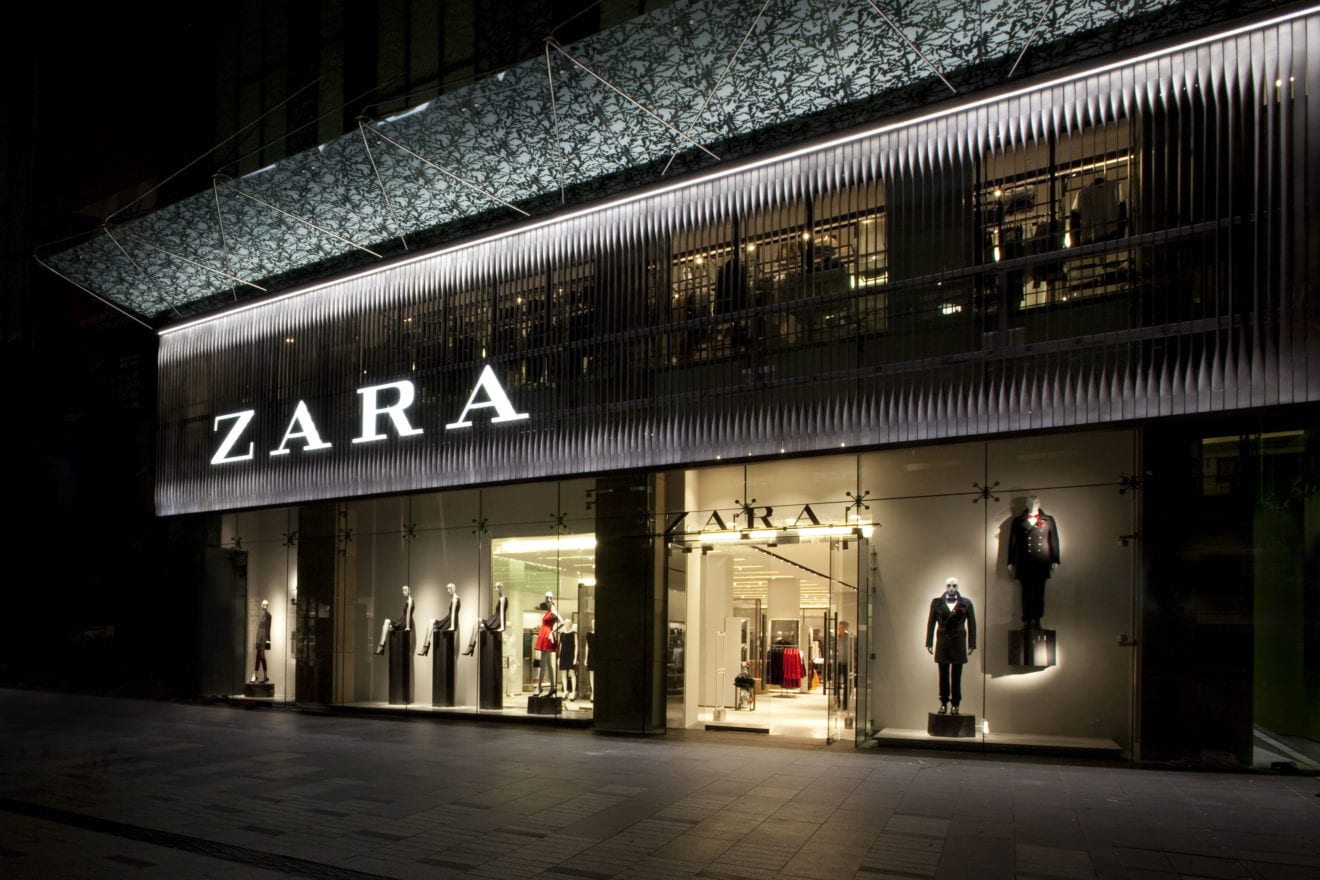
    Spanish fashion retailer Zara has expanded its presence in China by launching a state-of-the-art flagship store on Shanghai’s Huaihai Road. The new establishment reflects a strategic shift by its parent company, Inditex, towards larger retail spaces in prime locations, enhanced shopping experiences, and a consolidation of its store network through the closure of smaller outlets.

    The Huaihai Road store, which officially opened on June 6, sprawls over almost 2000 square meters across five floors. It features Zara’s full range of men’s and women’s apparel. Shoppers will also find designated sections for footwear, handbags, the Athleticz line, Zara Salon, and fragrances. This modern retail space was brought to life by the Zara Architecture Studio, in partnership with AIM.

    The Shanghai store’s unveiling is part of Zara’s ongoing flagship upgrade program across the Asia-Pacific region, a strategy that included considerable enhancements to its outlets on Nanjing Road in the previous year.

    Eugenio Bregolat, President of Inditex Greater China, highlighted the significance of the event, stating it marked a notable milestone as Zara celebrates two decades of operations in China. He reaffirmed the company’s commitment to uplifting the customer experience throughout the country by creating more inspiring and immersive retail spaces.

    Meanwhile, another Inditex brand, Massimo Dutti, is gearing up to open its flagship store at the Hong Kong Plaza near Huaihai Middle Road, further indicating the group’s ongoing investment in landmark locations within China.

    Questions & Answers

    **What is the new strategy of Zara’s parent company, Inditex, in China?**
    Inditex’s new strategy focuses on opening larger stores in key locations, enhancing the shopping experience, and consolidating its store network by closing smaller outlets.

    **What does the new Zara store on Shanghai’s Huaihai Road offer?**
    The new store, spread over almost 2000 square meters across five floors, offers Zara’s men’s and women’s collections, and includes designated areas for footwear, handbags, the Athleticz line, Zara Salon, and fragrances.

    **What does the opening of the new Zara store signify?**
    The opening of the new Zara store marks a milestone as the brand celebrates its 20th anniversary in China. It also symbolizes the continuation of Inditex’s investment in flagship locations within the country.

  • Guoquans Global Debut: Chinese Home-Dining Giant Ventures into Hong Kong Market

    Guoquans Global Debut: Chinese Home-Dining Giant Ventures into Hong Kong Market

    The Chinese home-dining retailer, Guoquan, is planning to extend its business to Hong Kong. This move signifies the company’s first initiative outside Mainland China, aligning with their international expansion plans.

    The retailer anticipates the launch of its inaugural store in Wan Chai, Hong Kong, later this year. During this launch, local consumers will be introduced to the Guoquan’s “community central kitchen” concept.

    Expansion and Innovation

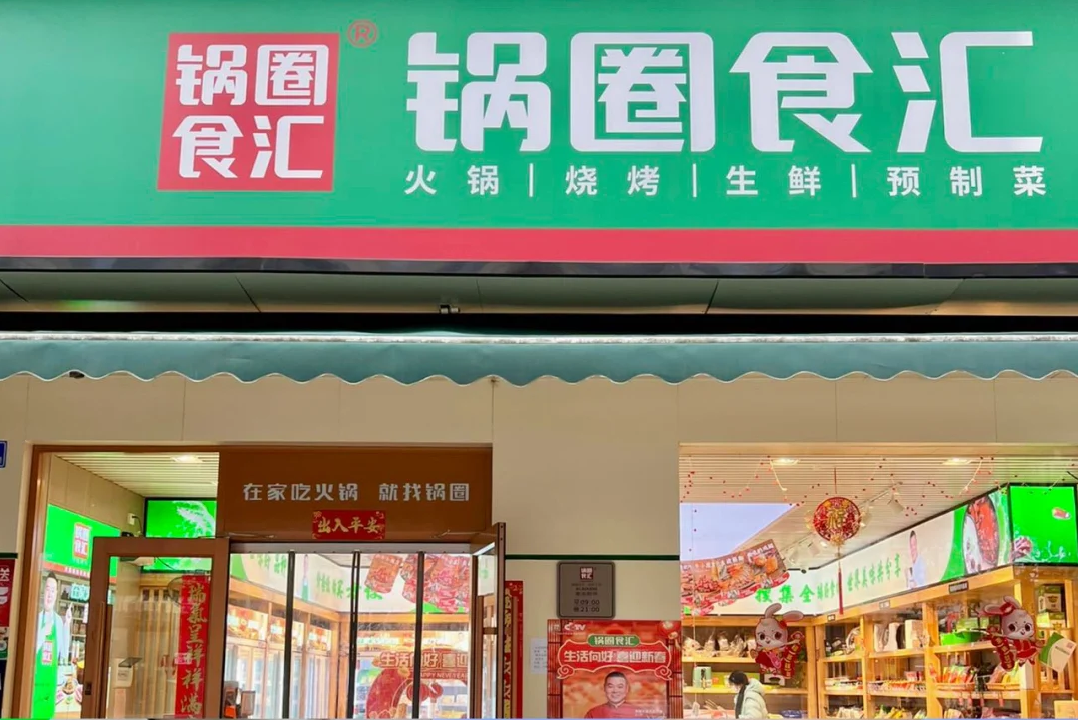
    This planned expansion to Hong Kong is concurrent with Guoquan’s continued growth within Mainland China. As of the first quarter of 2026, Guoquan boasts a network of 11,758 stores across the nation, including more than 3100 outlets in township level markets.

    From the latter half of 2025, Guoquan has been enhancing its store network by transforming smaller outlets into larger “community central kitchen” formats. The floor area of these renovated stores typically ranges from 80 to 100 square meters. These larger stores offer a wider array of products, a departure from the company’s traditional hotpot and barbecue ingredients.

    Guoquan’s product range has evolved to include breakfast items, ready-to-eat meals, light fare, alcoholic beverages, and other options tailored for various consumption times of the day. With 24-hour unmanned stores, customers can access these products and services at any time.

    Guoquan’s Journey

    Established in 2017, Guoquan has flourished into one of the leading home-dining brands in China. The company was publicly listed on the Hong Kong Stock Exchange in November 2023.

    Guoquan is renowned for specializing in household meal ingredients. Its product offerings range from hotpot and barbecue items to self-heating meals and prepared Chinese dishes.

    Questions & Answers

    What is Guoquan’s “community central kitchen” concept?
    The “community central kitchen” model is an innovative retail concept where stores are expanded from their traditional format to offer a wider range of products. This not only includes Guoquan’s traditional hotpot and barbecue ingredients, but has evolved to include breakfast items, ready-to-eat meals, light fare, alcoholic beverages, and more.

    When was Guoquan founded and when did it list on the stock exchange?
    Guoquan was founded in 2017 and listed on the Hong Kong Stock Exchange in November 2023.

    What is Guoquan’s current store count in Mainland China?
    As of the first quarter of 2026, Guoquan operates 11,758 stores nationwide in Mainland China, including over 3,100 outlets in township-level markets.

  • From Disruption to Resilience: How Retail Supply Chains Are Evolving in Asia

    From Disruption to Resilience: How Retail Supply Chains Are Evolving in Asia

    Supply chain disruption has become a constant reality for retailers. From geopolitical tensions and shifting trade conditions to demand volatility and supplier fragmentation across Asia, the operating environment has become significantly more complex and unpredictable. The steady flow of goods to store shelves or through to eCommerce fulfilment is no longer guaranteed, placing pressure on retailers to maintain availability while managing risk.

    This shift is forcing a fundamental rethink of traditional retail supply chains. To continue meeting customer expectations, retailers are shifting towards more adaptive, more resilient data-driven operations that can respond reliably and dynamically to change as it happens.

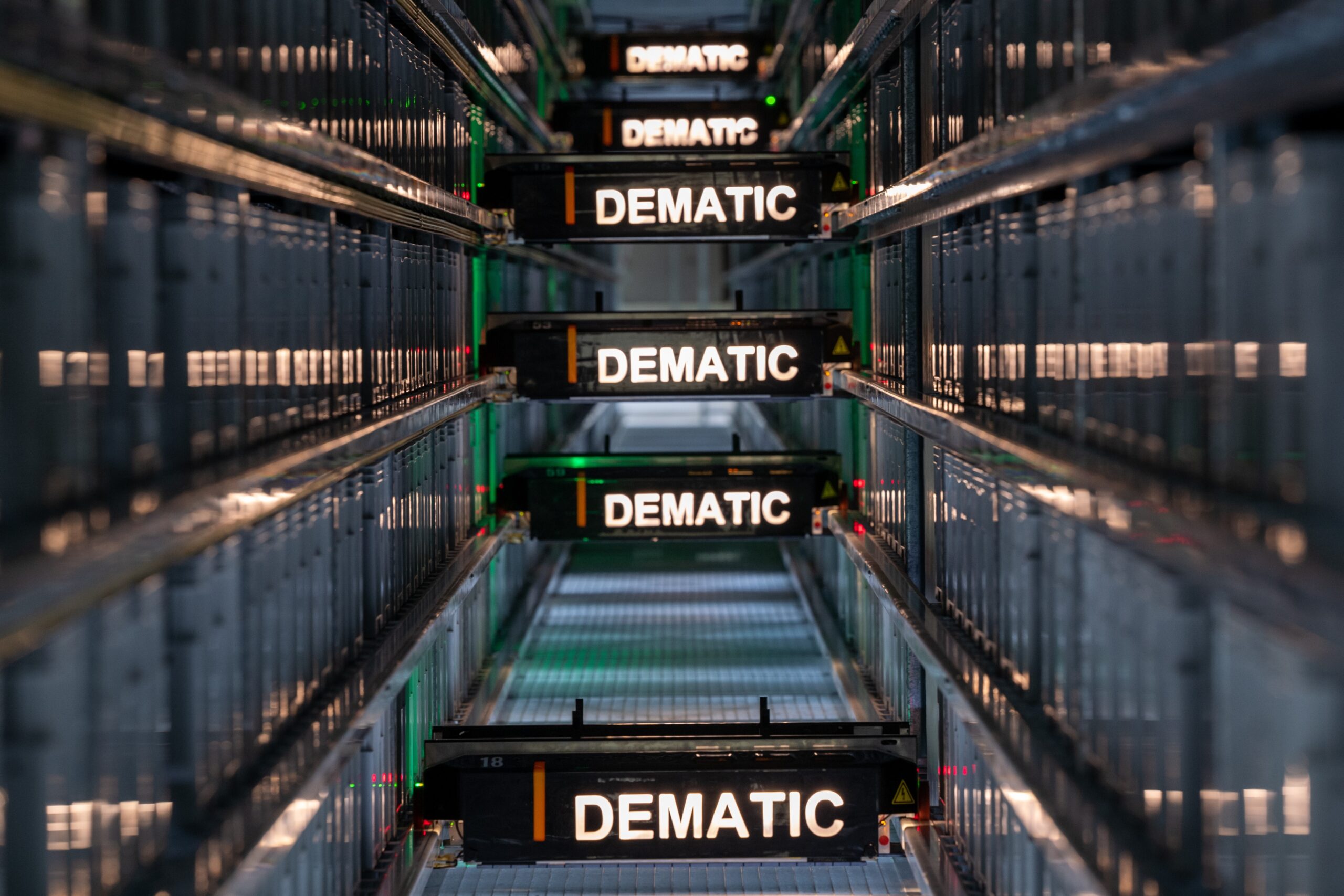
    To explore the implications for retailers, Retail News Asia spoke with Steve Cheung, President, Dematic Asia, China and MEAabout how retail supply chains need to evolve across Asia to address ongoing supply disruptions.

    1. How much does supply chain performance now shape the overall retail customer experience, especially for online shoppers?

    Supply chain performance is intrinsically tied to the customer experience today, particularly in eCommerce. Customers no longer separate the front-end brand from the back-end operations. What matters is whether the product is available, is low cost, delivered on time and arrives as promised.

    If a product shows as in stock but can’t be fulfilled, or delivery is delayed, that becomes the customer’s experience of the brand. Even what might seem like a small delay can have a bigger impact. It doesn’t just affect that one order but influences how customers see the brand and whether they come back.

    As online retail continues to grow, customer expectations are increasingly shaped by leading marketplaces, with speed, accuracy and reliability now expected as standard. So supply chain performance is no longer just an operational metric. It now directly affects conversion, repeat purchases and long‑term brand loyalty.

    1. What are the risks to retailers when product availability becomes inconsistent due to disruption, particularly in eCommerce?

    In eCommerce, customers don’t have the ability to see or experience the product physically, so they rely entirely on the service. That makes them much more sensitive to availability, delivery and overall fulfilment performance across the fulfilment network.

    When availability becomes inconsistent, the impact is immediate. If a product is out of stock or delivery timelines aren’t clear, customers can easily switch to another retailer. Over time, the bigger risk is loss of trust. If customers feel a retailer can’t reliably meet their expectations, they are less likely to return.

    There are also operational impacts. Retailers often respond by expediting shipments or holding extra safety stock, which increases costs and reduces efficiency. Without the right fulfilment strategy and operational visibility, what starts as a supply issue can quickly affect both margins and long-term customer relationships.

    1. Many retailers are still reacting to supply chain disruptions as they arise. How can a more agile, data-driven supply chain benefit retailers?

    A reactive approach makes it very difficult to stay ahead of disruption. By the time the issue is visible, it’s often already impacting operations or the customer experience.

    A more agile, data-driven approach allows retailers to respond earlier and with more confidence. With accurate, real-time and historical data, they can identify patterns, adjust inventory and make faster decisions, whether that’s reallocating stock optimising inventory positioning, or adapting fulfilment strategies.

    But the key starting point is data accuracy. If the data isn’t right, even the best systems or automation won’t deliver the right outcomes. Retailers that get the data right are in a much stronger position to improve responsiveness, maintain availability and manage disruption more effectively.

    1. Where do automation and real-time visibility make the biggest difference for retailers facing supply disruption?

    Automation and real-time visibility make the biggest difference when retailers need to maintain consistency or adapt to change under pressure. When demand changes or supply becomes uncertain, manual processes are difficult to scale and often introduce variability.

    Automation helps deliver consistent throughput, accuracy and performance, regardless of labour availability or demand spikes. It reduces reliance on manual intervention and supports more predictable operations, especially in high-volume and fast‑moving fulfilment environments.

    At the same time, real-time visibility gives a clear view of inventory, order status and operational performance across the network. That allows retailers to make faster, better-informed decisions, whether that’s reallocating stock or adjusting order and fulfilment priorities. Together, they give retailers much greater control when conditions are less stable.

    1. For retailers looking to make their supply chains more resilient, where should they prioritise investment – automation, systems, or process change?

    In reality, it’s not about choosing one over the other, as all three need to work together as part of a well‑designed fulfilment operation. Process is the starting point. Retailers need to understand how inventory flows, where the bottlenecks are and how decisions are being made. Without that, it’s very difficult to get the full value from systems or automation.

    There’s also no one-size-fits-all approach, particularly in retail where demand patterns and fulfilment models vary significantly. Retailers need to consider what’s right for their operation, their timelines and how their demand profile may evolve over time. From there, systems provide the visibility and intelligence needed for better decision-making, and automation improves consistency, throughput and accuracy. The key is taking a longer-term view rather than focusing only on short-term fixes.

    1. Retailers are trying to avoid both stockouts and excess inventory. How can they strike the right balance today?

    This has become much more complex as demand patterns continue to shift and fulfilment networks become more dynamic. Holding too little stock risks lost sales, while holding too much ties up capital and increases the risk of markdowns.

    The key is improving both forecasting accuracy and operational responsiveness. Retailers need better visibility into what is selling, where inventory sits across the operation and how quickly it can be replenished. This is where data, analytics and increasingly AI are playing a bigger role.

    Buying patterns are also changing more quickly, which makes traditional forecasting models more challenging. So rather than relying on excess inventory as a buffer, retailers are focusing more on positioning stock intelligently and moving it efficiently. That helps maintain availability while protecting margins.

    1. How should retailers be thinking about future-proofing their operations in an increasingly unpredictable environment?

    Future-proofing isn’t really about predicting what will happen next, but about building the capability to respond when it does.

    Retailers need to design supply chains that are flexible, scalable and able to adapt as demand patterns and operating conditions change. A modular, scalable approach is key here. Instead of making fixed, short-term investments, they need solutions that can be expanded or adjusted over time as their operations evolve.

    It’s also important to work with experienced partners who understand how to design fulfilment operations for these conditions. Supply chains today are not static; they require systems that can evolve alongside the business. The retailers that take a longer-term, design-led approach are much better positioned to stay competitive and navigate disruption in what is a very fast-moving and unpredictable environment.

    For more information please visit: https://www.dematic.com/
  • Tim Hortons China Welcomes New CEO Kwok Wah Cheung to Harness Growth and Innovation

    Tim Hortons China Welcomes New CEO Kwok Wah Cheung to Harness Growth and Innovation

    TH International, the parent company of Tims China, master franchisee of Tim Hortons coffee shops, has announced the appointment of Kwok Wah Cheung as its new CEO, effective June 15.

    Experience and Expertise

    Cheung brings his wealth of experience to this new role, having held leadership positions at various major consumer businesses in China for over two decades. His past roles include CEO of Supor, an appliance and cookware manufacturer; executive director of dairy company China Feihe; chairman and CEO of Nestlé’s Greater China Region; and global president of Wyeth Nutrition.

    In his new capacity, Cheung will oversee the company’s overall operations and the execution of the board’s strategic directives. His focus areas include intensifying localization efforts, fostering continuous innovation, expanding the loyalty club, and enhancing customer convenience through optimized store layouts and the integration of digital and delivery services.

    Leadership Transition

    As part of this management transition, the incumbent CEO, Yongchen Lu, will relinquish his position and take on the role of company chairman. Simultaneously, the current chairman, Peter Yu, will step down from his position and remain as a director.

    In his new role as chairman, Lu will work closely with Cheung to facilitate a seamless transition and continue delivering value to all stakeholders.

    Tims China launched its inaugural store in 2019 and has since expanded rapidly, boasting 1,026 system-wide stores in 93 cities across mainland China by the end of March this year. The company’s loyalty club community currently exceeds 35 million members.

    Questions & Answers

    Who is the new CEO of TH International?
    Kwok Wah Cheung has been appointed as the new CEO of TH International.

    What will be the primary focus of the new CEO?
    Cheung will focus on localisation, innovation, loyalty club expansion, and enhancing convenience via optimized store formats and digital integration.

    What role will former CEO Yongchen Lu assume?
    Yongchen Lu will step down as CEO and assume the role of company chairman.

  • Surging Ahead: Luckin Coffee Topples 35,000-Store Milestone with Rapid Global Expansion

    Surging Ahead: Luckin Coffee Topples 35,000-Store Milestone with Rapid Global Expansion

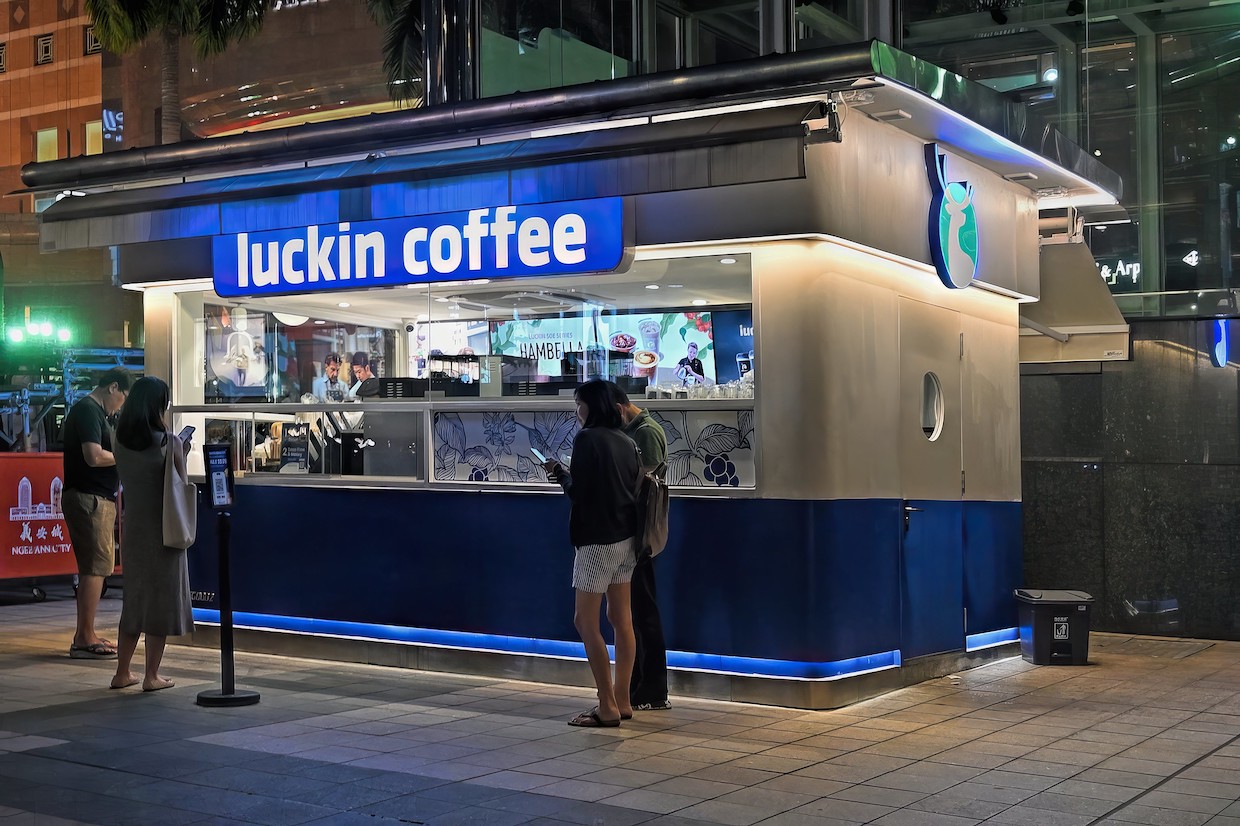
    Luckin Coffee, a leading coffee chain in China, recently celebrated a significant expansion mark. The brand’s international presence now spans over 35,000 locations across the globe. This development underscores Luckin’s rapid growth both in its home country and abroad, further solidifying its reputation as one of the most extensive coffee and beverage retail chains in terms of store count.

    Impressive Expansion Strategy

    Luckin’s monumental growth is primarily attributed to its aggressive expansion strategy. This strategy is rooted in establishing a dense urban presence, standardizing store layouts, and leveraging technology to facilitate rapid deployment and high-volume service.

    The chain’s growth trajectory has been consistent, with the opening of its 30,000th store earlier this year. This milestone was marked by the debut of a new ‘Origin Flagship’ store in Shenzhen, a significant departure from the brand’s usual small-scale, pickup-focused outlets. The two-story establishment covers an area of approximately 420 square meters.

    Sustained Revenue Growth and Product Demand

    Luckin Coffee has also enjoyed consistent double-digit revenue growth as the brand continues to expand its footprints. As of May 31, the company reported that its non-coffee beverages’ cumulative sales had exceeded RMB 20 billion (equivalent to US$ 2.9 million). The sales report also noted that 22 of its products had sold over 100 million cups each. This shows the strong consumer demand for its extensive beverage offerings beyond coffee.

    Over the years, the company has constructed an integrated supply chain and operational infrastructure designed for large-scale operations. This includes expanded global sourcing from key regions such as Brazil, Ethiopia, and Indonesia, and domestic agricultural areas like Yunnan and Guangxi.

    Questions & Answers

    How many locations does Luckin Coffee have worldwide?
    Luckin Coffee’s global presence now spans over 35,000 locations worldwide.

    What is the foundation of Luckin Coffee’s expansion strategy?
    Luckin Coffee’s expansion strategy is rooted in establishing a dense urban presence, standardizing store layouts, and leveraging technology to facilitate rapid deployment and high-volume service.

    How has Luckin Coffee’s non-coffee beverages performed in terms of sales?
    As of May 31, Luckin Coffee reported its non-coffee beverages’ cumulative sales had surpassed RMB 20 billion (equivalent to US$ 2.9 million). Furthermore, 22 of its products had each sold over 100 million cups.

  • Starbucks Considers Billion-Dollar Stake Sale in Japan: Potential Bidders Emerge

    Starbucks Considers Billion-Dollar Stake Sale in Japan: Potential Bidders Emerge

    Starbucks, the prominent Seattle-based coffee chain, is contemplating various strategies concerning its Japanese operations, which could potentially involve selling its stake in the region. This business decision could garner attention from other industry contenders and private equity companies.

    Valuation estimates for the potential stake sale hover around ¥400 billion (A$3.5 billion) to A$4.4 billion. However, Starbucks has yet to respond to inquiries regarding these speculations, leaving industry analysts and investors awaiting official correspondence.

    A brief look back reveals that the coffee company took full control of Starbucks Coffee Japan Ltd in 2014. This entity was previously a joint venture between Starbucks and its partner, Sazaby League, a partnership that began in 1995.

    In relation to Starbucks’ other international dealings, the company concluded an agreement with Boyu Capital in April to sell the majority of its Chinese operations. This decision placed a value of approximately A$5.6 billion on the business.

    Despite posting its most robust quarterly sales growth in over two years this past April, Starbucks faces increasing costs. This is largely due to CEO Brian Niccol’s turnaround strategy. As a result, uncertainties linger regarding the pace at which profit margins can rebound.

    Questions & Answers

    What is Starbucks currently considering for its Japanese operations?
    Starbucks is considering various options, including potentially selling its stake in its Japanese business.

    What is the estimated value of the potential stake sale?
    The potential stake sale is anticipated to be valued between ¥400 billion (A$3.5 billion) and A$4.4 billion.

    What challenges is Starbucks currently facing?
    Despite recording strong sales growth, Starbucks is experiencing increased costs due to CEO Brian Niccol’s turnaround strategy. This has led to concerns about how quickly the company’s profit margins can recover.

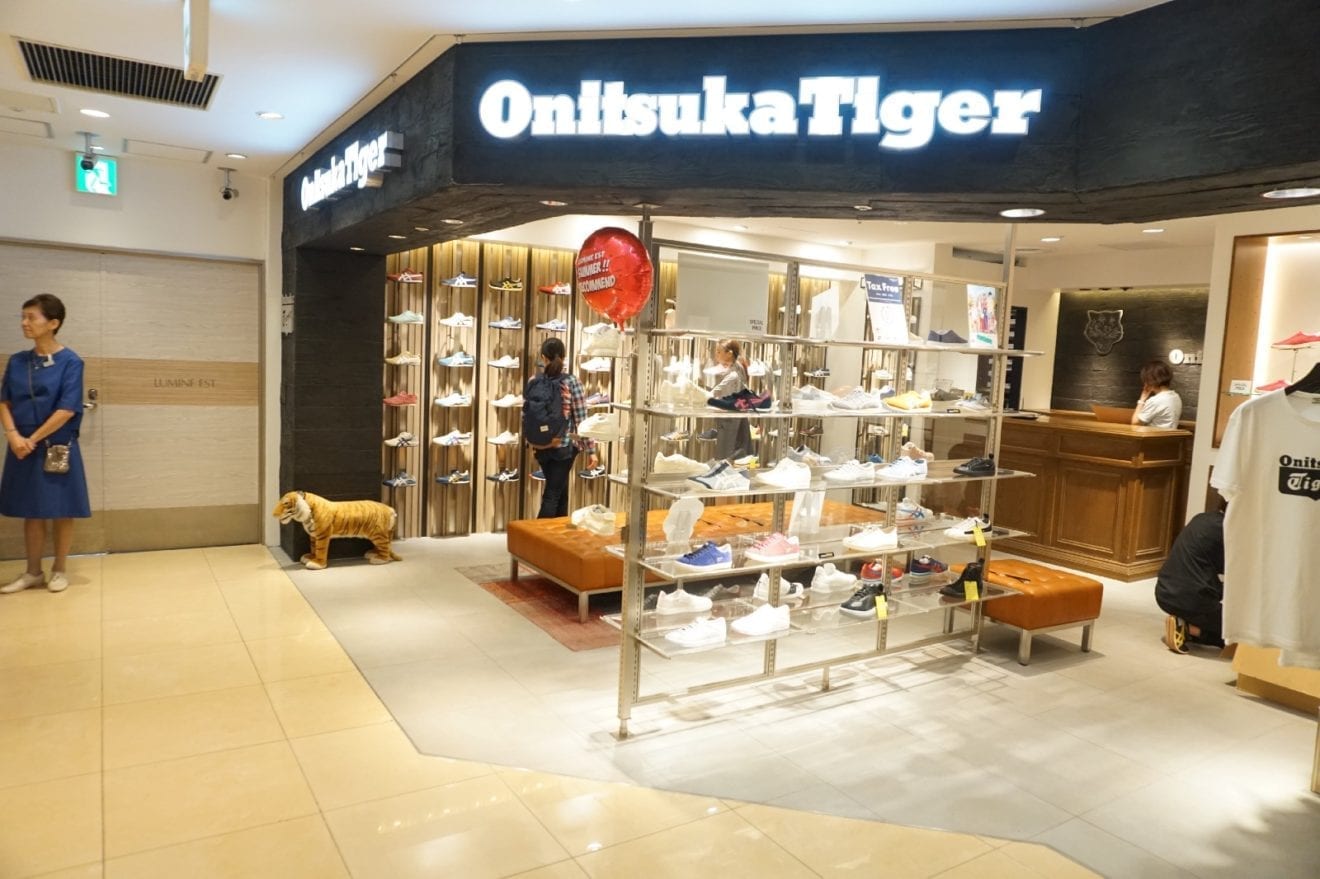
  • Onitsuka Tiger to Roar Solo: Asics Announces Spin-off for Enhanced Global Competitiveness

    Onitsuka Tiger to Roar Solo: Asics Announces Spin-off for Enhanced Global Competitiveness

    In a strategic move to bolster its global standing, Asics Corporation has announced plans to bifurcate its Onitsuka Tiger business into an independent, wholly owned subsidiary, effective from January 1. This segment will transition to a newly conceived entity, OT Group Corp, through a company division. While Onitsuka Tiger will be afforded greater independence, it will simultaneously remain an integral part of the Asics Group.

    Onitsuka Tiger: A Legacy of Growth and Innovation

    This decision stems from the consistent, robust growth exhibited by Onitsuka Tiger, underpinned by its upscale positioning, international proliferation, and product development exploration. As a core element of Asics’ internal organizational structure, the brand has prioritized broadening its lattice of directly operated stores while reinforcing its status as a luxury lifestyle brand.

    Asics asserts that this restructured arrangement is set to facilitate expeditious decision-making and an adaptive response to fluctuating market conditions and consumer predilections. Concurrently, it will augment the brand’s worth and competitive edge in the international fashion and lifestyle sphere.

    Onitsuka Tiger, originally established as a sports shoe brand by Kihachiro Onitsuka in 1949, was rejuvenated as a fashion label in 2002. Since its revival, it has metamorphosed into a globally recognized lifestyle brand, seamlessly marrying Japanese tradition with contemporary design elements.

    Questions & Answers

    **What is the primary reason for Asics splitting the Onitsuka Tiger business?**
    Asics is aiming to boost the brand’s global competitiveness by enabling faster decision-making, improving its response to changing market conditions and consumer trends, and enhancing its value and competitiveness.

    **How does Asics plan on maintaining its relationship with Onitsuka Tiger post-split?**
    The Onitsuka Tiger brand will operate as an independent, wholly owned subsidiary under the newly formed OT Group Corp but will continue to be a part of the Asics Group.

    **What has been the trajectory of the Onitsuka Tiger brand since its inception?**
    Onitsuka Tiger was initially a sports shoe brand founded in 1949. In 2002, it was resurrected as a fashion label and has since evolved into a global lifestyle brand that artfully blends Japanese heritage with modern design.

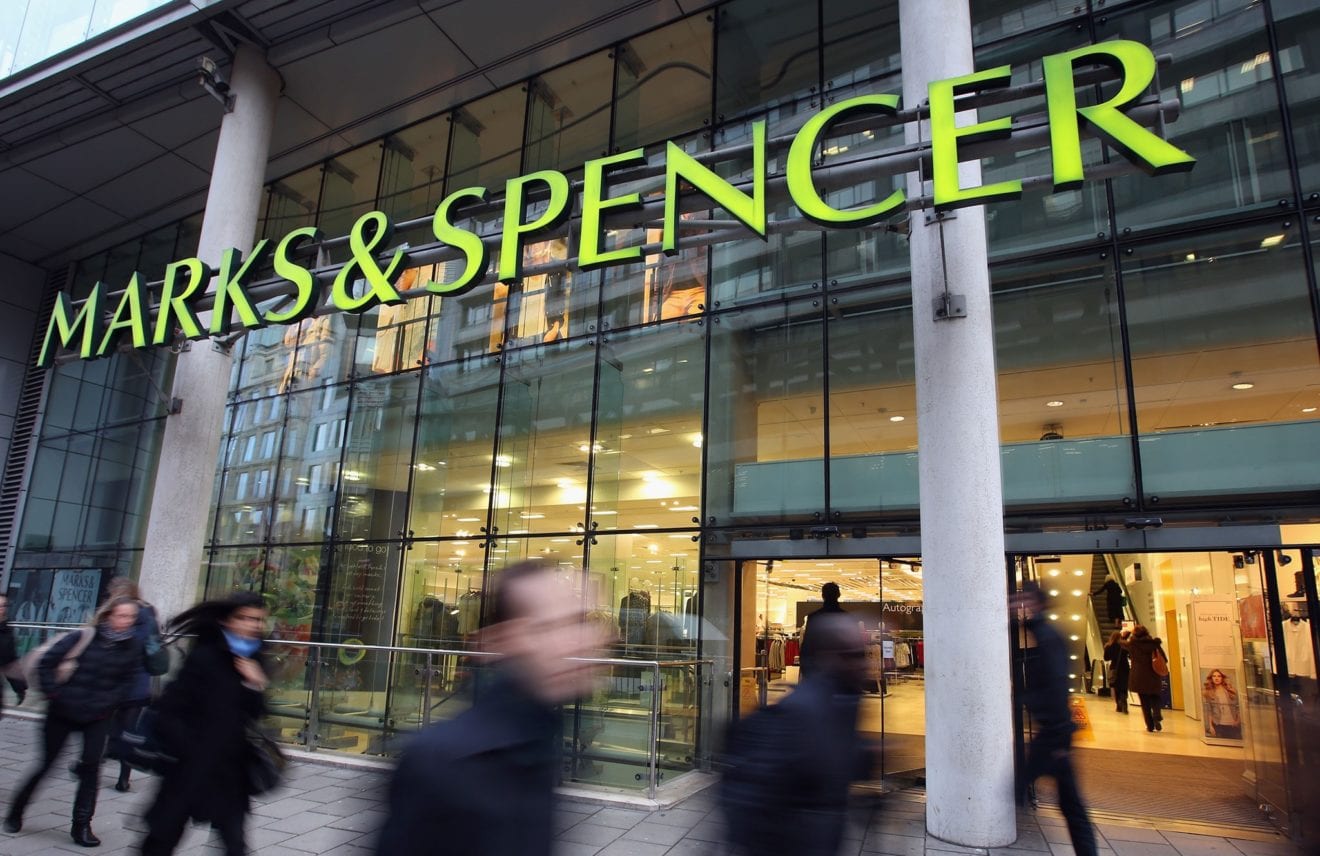
  • Marks & Spencer Reaffirms Philippine Presence with New Franchise Deal with MAP

    Marks & Spencer Reaffirms Philippine Presence with New Franchise Deal with MAP

    Marks & Spencer (M&S), the iconic British retailer, has recently announced a continuation of its operations in the Philippines. This is possible due to a fresh franchise agreement with PT Mitra Adiperkasa Tbk (MAP), an Indonesian retail giant. MAP has had a successful history managing Marks & Spencer’s brand in both Indonesia and Vietnam.

    M&S Returns to the Philippine Market

    As part of the new agreement, various M&S product lines, including fashion, home, beauty, and food, are set to reappear on the Philippine market. The first of these stores plans to open its doors in Glorietta by the end of the year.

    Marks & Spencer has been a fixture in the Philippines since 1984, previously via its franchise partner, Rustan’s. However, a string of recent store closures had led consumers to speculate about the retailer’s potential departure from the local market.

    Mark Lemming, the Managing Director of Marks & Spencer International, reaffirmed the company’s commitment to expanding its footprint in the Philippines. He expressed optimism about MAP as the ideal collaborator to drive the company’s next growth phase in the region.

    Lemming highlighted the vital role MAP has played in propelling M&S’s growth in Indonesia, expressing confidence in the firm’s deep local knowledge as they gear up for increased expansion in Southeast Asia. He also acknowledged the strong demand for the M&S brand in the Philippines and voiced his excitement about re-launching their stores and online platforms later this year.

    MAP’s Role in M&S’s Expansion

    MAP’s relationship with Marks & Spencer isn’t new; the Indonesian retailer has been managing M&S’s franchise businesses in its homeland for over a quarter-century.

    Sameer Prasad, CEO of MAP Fashion, welcomed the expanded collaboration as a significant milestone in the firm’s regional growth plan. Prasad acknowledged the Philippines as a vibrant, rapidly expanding market, and deemed Manila as the ideal location to start this new chapter for M&S. He ended by expressing his eagerness to enhance M&S’s brand visibility in the local market and offer Filipino customers a superior retail experience.

    Questions & Answers

    What is the significance of the new franchise agreement between M&S and MAP?
    This agreement allows M&S to continue its operations in the Philippines using MAP’s local market expertise.

    What product lines will M&S reintroduce to the Philippine market?
    M&S plans to bring back its offerings in fashion, home, beauty, and food segments.

    What is the role of MAP in M&S’s operations?
    MAP will manage M&S’s brand, thanks to its deep regional knowledge and a successful history of managing M&S operations in Indonesia and Vietnam.

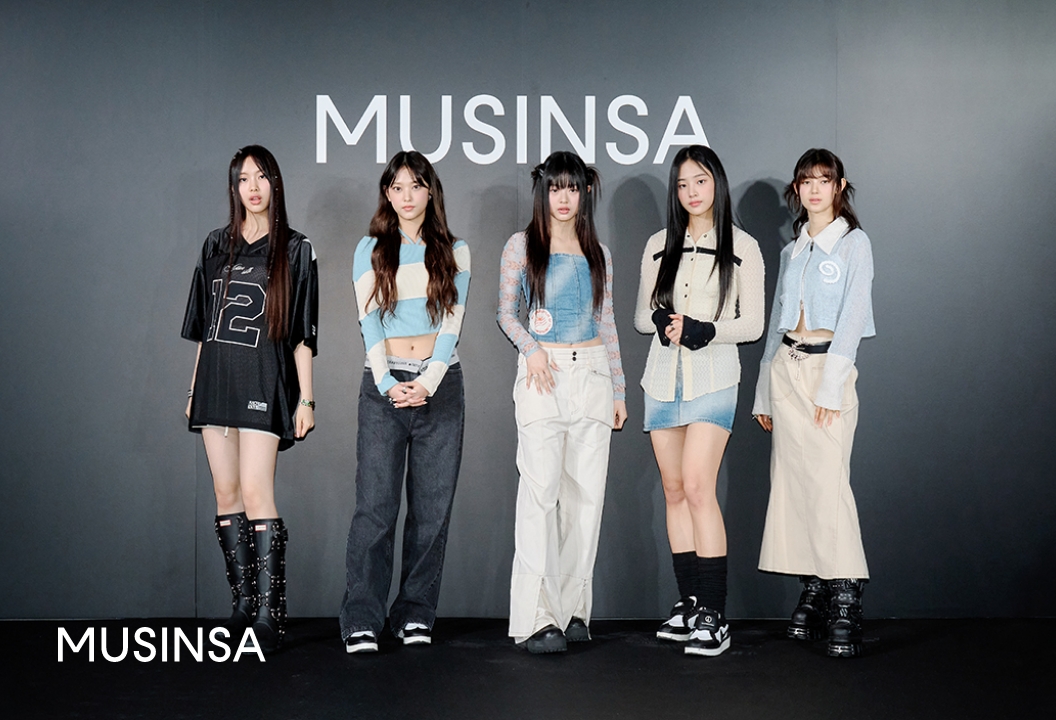
  • Musinsa: Powering Korean Fashion Invasion in China with Dual Tmall Presence

    Musinsa: Powering Korean Fashion Invasion in China with Dual Tmall Presence

    South Korean fashion marketplace, Musinsa, is advancing its business strategy in China by launching on Tmall Global, the cross-border e-commerce platform owned by Alibaba Group. This step builds upon Musinsa’s initial foray into the Chinese market last year through the domestic Tmall marketplace. This dual-platform presence gives Musinsa the advantage of permeating both the local Chinese e-commerce ecosystem and the cross-border shopping channel.

    Musinsa’s aim is to assist small and mid-sized Korean fashion brands who have traditionally encountered high barriers to China’s market entry, such as regulatory complexity, logistical hurdles, and the high costs associated with establishing local operations. By leveraging the platform model, these brands can sell their products directly to Chinese consumers without the need to establish a local entity. Musinsa is also in a position to extend comprehensive services to participating brands. These services include platform integration, logistics coordination, marketing, and customer service.

    Content-Led Curation Strategy and Promotional Initiatives

    Musinsa is adopting a content-led curation strategy to introduce Korean fashion trends to Chinese consumers. Alongside this, the company is outlining various marketing initiatives. These include co-branded campaigns with Tmall Global, promotional events, and livestream shopping activations.

    Musinsa had already made headway into the Chinese market through a joint venture with Anta Sports, establishing Musinsa China to expand through both online and offline channels. The company launched its flagship store on Tmall last year, introducing its modern basic casual wear brand, Musinsa Standard, as well as Musinsa Store.

    A representative from Musinsa China stated that the opening of the online flagship store was the first step towards introducing competitive emerging Korean brands to China’s younger generation. The representative also indicated that Musinsa would utilize its vast experience in the fashion industry and localization strategies to quicken the global expansion of K-fashion.

    Questions & Answers

    What is Musinsa’s plan for the Chinese market?
    Musinsa plans to aid small and medium-sized Korean fashion brands in accessing the Chinese market by providing a platform for them to sell directly to Chinese customers.

    What services is Musinsa offering to participating brands?
    Musinsa is providing comprehensive services including platform integration, logistics coordination, marketing, and customer service.

    What is Musinsa’s strategy to promote Korean fashion trends in China?
    Musinsa is adopting a content-led curation strategy to introduce Korean fashion trends to Chinese consumers and is planning various marketing initiatives such as co-branded campaigns with Tmall Global, promotional events, and livestream shopping activations.

  • Vietnam’s Pepper Exports Heat Up with 21.7% Rise in Five Months, US Leading the Demand

    Vietnam’s Pepper Exports Heat Up with 21.7% Rise in Five Months, US Leading the Demand

    In the first five months of 2026, Vietnam saw a significant increase in its pepper exports, with 122,600 tonnes exported, marking a rise of 21.7% from the previous year. The collective value of these shipments was US$789.2 million, representing a 13.9% surge year-on-year, as reported by the Vietnam Pepper and Spice Association.

    Primary Markets and Export Performance

    The United States emerged as the leading market, accounting for nearly 24.5% of the total exports, or 30,000 tonnes, marking a growth of 30.2% from the previous year. China followed closely with a staggering 145.4% rise, importing 14,636 tonnes.

    In terms of regional consumption, Asia led as the largest consumer, importing 56,570 tonnes, or 46% of the total product, marking a 24% rise year-on-year. Europe also saw a rise in imports by 5.1%, totalling 25,176 tonnes. Remarkably, the Netherlands boosted their imports by 51.6%, but Germany saw a 30.7% drop.

    The increase in exports can be attributed to a strong performance in the first and early second quarters, coupled with increased demand from major markets amid a tightening global supply. However, in May, pepper export volume experienced a decline of 18.9% from April and 4.8% year-on-year, totalling 25,180 tonnes worth $166.2 million.

    Import Trends and Other Exports

    On the import side, Vietnam purchased 38,086 tonnes of pepper valued at $217.8 million, marking a 69% rise year-on-year in volume and 60% in value. Cambodia emerged as the primary supplier, accounting for 54.6% of imports, followed by Brazil with a 29.1% share.

    In addition to pepper, Vietnam’s cinnamon exports also witnessed growth. The country exported 48,686 tonnes of the spice, totalling $124.3 million in the first five months, marking a 2% increase in volume and a 1% increase in value from the previous year. Asia accounted for 67.8% of these exports, while the Americas constituted 22.4%.

    Questions & Answers

    What was the total volume and value of pepper exported from Vietnam in the first five months of 2026?
    122,600 tonnes of pepper were exported, with a value of US$789.2 million.

    Which countries were the main buyers of Vietnamese pepper?
    The United States and China were the main buyers, importing 30,000 tonnes and 14,636 tonnes respectively.

    What trends were observed in Vietnam’s cinnamon exports?
    Vietnam’s cinnamon exports also saw a rise, with 48,686 tonnes exported, valued at $124.3 million. Asia and the Americas were the main markets for Vietnamese cinnamon.

  • VinFast Powers Green SMs Global Expansion with One Million Electric Cars by 2030

    VinFast Powers Green SMs Global Expansion with One Million Electric Cars by 2030

    VinFast, a prominent electric car manufacturer, has unveiled a bold strategy to supply one million electric vehicles (EVs) to Green SM, a rising ride-hailing service, by 2030. In addition to this, the deal stipulates the addition of four million electric motorcycles to Green SM’s fleet. The announcement was made in VinFast’s first quarter financial report.

    Strategic Collaboration for Global Impact

    The venture is viewed as a strategic collaboration between the two companies, with anticipated benefits for both parties. For VinFast, this partnership signifies a promising opportunity to broaden its international distribution network and augment its brand recognition. Concurrently, it bolsters Green SM’s ambitions to expand its global reach.

    Green SM has recently initiated taxi services in India, marking its fourth international market entry, following Laos, Indonesia, and the Philippines. Pham Nhat Vuong, recognised as Southeast Asia’s wealthiest individual, controls both companies. Green SM was launched in 2023 with a starting capital of $113.9 million, which has since grown exponentially to $1.94 billion.

    Initially, Green SM focused on taxi services and technology-based ride-hailing services, exclusively using VinFast vehicles. However, the company has expanded its offerings to include services such as food and parcel delivery, as well as car and motorcycle rentals.

    Positive Outlook for VinFast

    VinFast experienced substantial financial success in the first quarter, reporting a revenue increase of 42% to $1.04 billion. This surge was primarily attributable to a marked increase in electric vehicle sales both within Vietnam and in international markets, including Indonesia and the Philippines.

    Within the first quarter, VinFast sold 58,600 electric cars, reflecting a year-on-year increase of 61%. Moreover, the company sold 143,000 electric motorcycles and bicycles in the same period. Despite this success, VinFast reported a loss exceeding $1.26 billion, an increase from the previous figure of $798 million.

    In 2023, Vuong anticipated that the company would experience losses for several years. However, there is now a more optimistic outlook, as the company expects to break even next year following the decision to spin off its manufacturing operations to a separate company owned by a consortium of private investors.

    Questions & Answers

    What is VinFast’s strategy for its collaboration with Green SM?
    VinFast plans to supply one million electric vehicles and four million electric motorcycles to Green SM by 2030, expanding its international distribution network and enhancing brand recognition.

    What services does Green SM offer?
    Green SM provides taxi services and technology-based ride-hailing services. The company has also expanded to offer food and parcel delivery, as well as car and motorcycle rentals.

    What is the financial outlook for VinFast?
    Despite experiencing losses, the company anticipates breaking even next year. This follows a decision to spin off manufacturing operations to a separate company owned by private investors.