Blog

  • Aussie telco complaints on the decline: ACMA

    Aussie telco complaints on the decline: ACMA

    Australian operators are delivering better levels of customer service with the number of complaints moving lower and “bill shock” less prevalent, according to a major annual national study.

    The Australian Communication and Media Authority’s (ACMA) report “Reconnecting the Customer – Tracking Consumer Outcomes” reveals that the overall incidence of complaints has decreased from 36% in 2013 to 31% this year.

    A significantly lower number of complaints related to mobile phone services was a feature of the result.

    The study also showed that the incidence of consumers complaining about unexpectedly high bills was now at 19% for post-paid mobile services, down from 33% in 2013.

    Complaints for product bundles fell from 26% to 31% over the same period.

    The extra amount consumers are complaining about has fallen from an average AU$94 ($68) to AU$60 ($44).

    In more evidence that Australian consumers are more engaged with their telecom services, consumers are monitoring their expenditure with SMS alerts and apps.

    “In good news for consumers, fewer are experiencing unexpectedly high bills, and they are making better use of spend management tools to monitor and track their expenditure,’ said ACMA’s acting chairman, Richard Bean.

    “They have a clearer understanding about the cost of their communications services, and are better able to plan and budget accordingly.”

    A separate study looking at consumer migration to new technologies also had some positive results, showing that 82 percent of Australian consumers saying it was either easy or not difficult to connect to the new National Broadband Network (NBN).

  • New retail hub rises in Xiamen

    New retail hub rises in Xiamen

    YCH Group, a supply chain management, and logistics company in Asia-Pacific, has launched a retail hub in Xiamen, China, which is envisioned to support the Pilot Free Trade Zone project in the region.

    The project, which will be the first major mall in the region, will serve the needs of the population in the immediate vicinity and the rapidly growing city of Xiamen. It will be managed by YCH Group on behalf of XPD-YCH Logistics, a joint venture between YCH Group and Xiamen Port Development, a subsidiary of the Xiamen Port Group.

    Spanning 55,000 square meters with a built-up space of 100,000 square meters, the facility was converted from XPD-YCH Logistics’ existing warehouse in Xiamen and will be fully operational this month.

    This comes at an opportune time as Xiamen, which is currently one of the fastest growing cities in China, is growing at 6.7 percent with a population of 4.4 million. Aside from local demand, the mall aims to cater to the burgeoning Chinese retail scene while playing a key role in strengthening Xiamen’s status as one of China’s most popular tourist destinations.

    According to the Xiamen Tourism Bureau, Xiamen receives 1.63 million tourists from home and abroad, and rakes in RBM1.853 billion ($258.9 million) in tourism revenue. Moreover, China has also overtaken the US to become the world’s largest retail market in 2016 with total sales of $4.886 trillion.

    Two of the most well-known brands in China – Sam’s Club and Red Star Macalline – will form the mall’s anchor tenants, occupying approximately 85 percent of the facility. This will be the first Sam’s Club Store opened in Xiamen by Wal-Mart, and will be the 15th Sam’s Club store across 13 cities in China.

    Sam’s Club is a division of Wal-Mart, the world’s largest retailer. It offers an extensive inventory with exceptional value on famous-brand merchandise at “member only” prices for both business and personal use.

    Red Star Macalline, on the other hand, is the largest national home improvement and furniture retail platform in China, with stores in most major cities in China. It targets the rapidly growing middle class in China through the operation of malls that offer home improvement and furniture materials, including flooring, bathroom and kitchen fixtures, with approximately 18,000 well-known brands.

    Strategically situated within the Pilot Free Trade Zone, the mall is located in a highly populated region in Xiamen and is in close proximity to both air and sea ports and numerous famous hotels, bringing numerous trade and business benefits for prospective clients.

    “With the dynamic and growing retail sector in the country, we want to equip retailers with game-changing capabilities that help them simplify processes and optimize costs. This will enable them to remain competitive while simultaneously boosting trade and facilities investment for China with the Pilot Free Trade Zone,” said Koh Yong Seng, Operations Director of North Asia, YCH Group.

  • Ericsson, Huawei, Nokia and Cisco join forces on NFV testing

    Ericsson, Huawei, Nokia and Cisco join forces on NFV testing

    Ericsson, Huawei, Nokia and Cisco have teamed up to launch a new initiative that aims to help telecoms operators address the challenges related to NFV deployment and cloud transformation within multi-vendor network environments.

    The four signed Tuesday a MoU to create the NFV Interoperability Testing Initiative (NFV-ITI), which will address NFV multi-vendor interoperability challenges for telcos, enabling them to optimize NFV deployment and integration costs, and reduce time-to-market for new services.

    While telecos are at different stages of implementing NFV into their networks, the deployment and integration of virtual network functions within today’s multi-vendor environments can introduce new interoperability challenges.

    To addresses these challenges, NFV-ITI members will cooperatively support the interoperability of NFV elements in specific customer situations to accelerate the commercial implementations, and to reduce the time-to-market for new applications and services.

    All existing NFV interoperability related testing activities are triggered by different industry needs, including the European Telecommunications Standards Institute (ETSI) NFV Testing WG, OPNFV testing projects, Network Vendor Interoperability Testing (NVIOT) testing, and the New IP Agency (NIA) interoperability testing.

    NFV-ITI will complement all existing NFV interoperability testing activities in the industry and focus on testing interoperability configurations of commercial NFV solutions used in the telcos’ networks, the companies said.

    It will recommend generic principles, including interoperability test cases, test criteria, processes, methods, guidelines, templates and testing tools, and will also apply best practices from all existing interoperability testing activities in the industry, such as NVIOT forum efforts.

    In addition, NFV-ITI will be well-aligned with the ETSI NFV Industry Specification Group and the OPNFV project.

  • India’s internet population to reach 600m by 2020

    India’s internet population to reach 600m by 2020

    India’s rapidly expanding digital population is expected to double to approximately 600 million users by 2020 from 343 million users today, a new study reveals.

    The joint study, conducted The Associated Chambers of Commerce & Industry of India (ASSOCHAM) and Deloitte, also showed that of India’s over one billion mobile subscriptions, smartphone users account for approximately about a fourth or 240 million subscriptions. This is expected to grow to 520 million by 2020.

    While India is the second largest mobile phone market globally, the study noted that over 55,000 villages remain deprived of mobile connectivity, largely because providing mobile connectivity in these locations is not commercially viable for service providers.

    Spectrum availability in Indian metros is also just about a tenth of the same in cities in developed countries, which is a major roadblock to providing high-speed data services.

    The study noted that public Wi-Fi penetration remains low, with only about 31,000 hotspots available. For India to achieve the global average of one Wi-Fi hotspot for every 150 citizens, the country needs over eight million hotspots.

    Rural adoption of data-enabled devices, however, is expected to increase with the BharatNet initiative under the Digital India program, which itself has been hampered by many challenges including a lack of technical skills and capabilities or competent organizations to support the program.

    Other factors include lack of awareness of internet services among Indian consumers and non-availability of most of these digital services in local languages. Moreover, with the proliferation of cloud-based services like DigiLocker, data security has also emerged as a major challenge.

    The recent data breach in August 2016, in which debit card data for more than 3.2 million subscribers was stolen, highlights the importance of implementing foolproof security systems.

    The study recommends that the government should make efforts to make additional spectrum available to telecom service providers for deployment of high-speed data networks and must effectively collaborate with the private sector to develop the digital infrastructure.

    Moreover, it noted that in rural and remote areas, private sector players should be incentivized to provide last mile connectivity. Satellite communication solutions could also be used to speed up broadband access in rural and remote areas. For instance, banks can use VSAT technology to connect remote ATMs, remote branches which need instant access to customer data.

    “In order for the benefits of the Digital India program to reach all sections of the population, improving digital literacy is imperative. A strong skill base is required to support the initiatives and services that are envisaged under the Digital India umbrella,” the study concluded.

  • AirAsia to deploy 84 more flights this CNY

    AirAsia to deploy 84 more flights this CNY

    There’s good news for travellers with more flights servicing selected domestic and international routes ahead of the Chinese New Year festive period.

    AirAsia Berhad will deploy an additional 84 flights from Jan 25 to Feb 1.

    “We would like to encourage travellers to book their flights early for the upcoming festive season,” said AirAsia’s head of commercial Spencer Lee in a statement.

    “These flights will have an added capacity of 15,000 seats to facilitate the high demand of air travel during that period.”

    Among the routes are from Kuala Lumpur to Singapore, Penang, Sibu and Tawau, as well as from Penang to Singapore and from Johor Baru to Miri and Sibu.

    “Whether it’s a family reunion or a quick getaway, we hope that these additional flights with everyday low fares will help everyone to have a memorable Chinese New Year celebration,” Lee added.

    Travellers are advised to book their flights early at airasia.com or through the airline’s mobile app on the iPhone and android devices.

  • Element Fresh plans Asian franchise roll-out

    Element Fresh plans Asian franchise roll-out

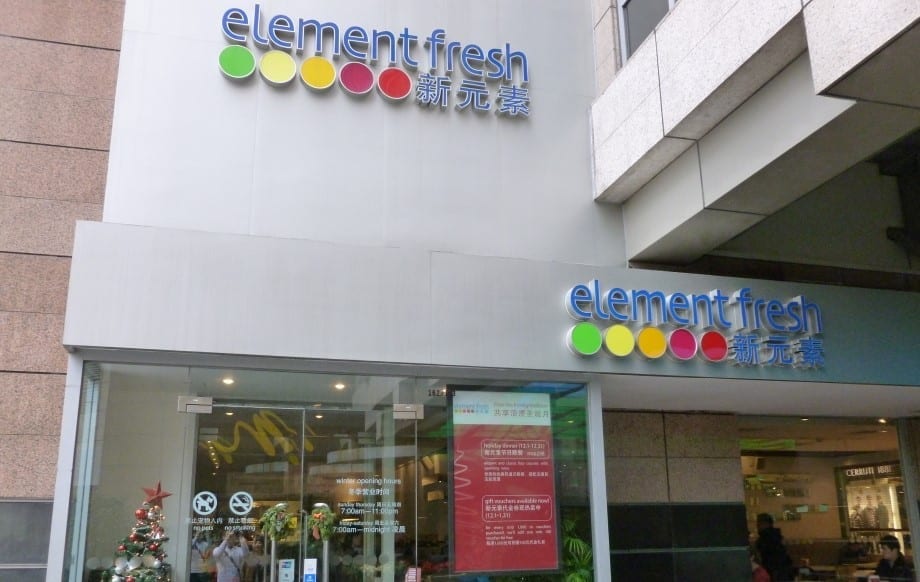
    Chinese international restaurant brand Element Fresh plans to grant development rights to franchisees across Asia, with an initial focus on Hong Kong, Japan, Thailand and Singapore.

    Founded in 2002, the group has nearly 40 restaurants in China, mainly in Beijing and Shanghai.

    It forecasts 80 outlets across China by 2020 while it moves to franchise in key countries across Asia.

    “We seek retail-focussed companies that view our cosmopolitan brand as complementing their existing portfolio and aligned with their business strategy,” says Element Fresh international franchising director Paul Barbone. “Our systems and operations have been fine-tuned and engineered to ease the start-up process through to multi-unit management.”

    Most of the brand’s dishes incorporate superfoods, with the seasonal menu innovation cycle giving diners the chance to try innovative ingredients.

    “We are passionate about fresh food, great taste and quality ingredients, making ‘eating right’ easy for our guests,” says CEO Frank Rasche. “People from dozens of countries come to us every day for our diverse menu and seasonal touches.”

    Recent examples include Salmon & Warm Buckwheat Salad, plus the Spicy BBQ Chicken Cobb salad that includes avocado chunks and chimichurri ranch dressing.

    Element Fresh has also just launched www.elementfresh.org, which details the advantages and benefits for franchise partners while showcasing its latest restaurant prototype.

    Barbone says the website offers information and videos for potential franchise partners. He plans to visit key markets in the coming months to meet with qualified groups, with the goal of having outlets open in select key cities by the second half of next year.

    Founded in Shanghai in 2002, Element Fresh is known for its gourmet salads and made-to-order fruit juices and smoothies, its diverse international menu including American-style breakfasts, and its casual dining ambience and service.

  • Memebox raises $60m in extension round

    Memebox raises $60m in extension round

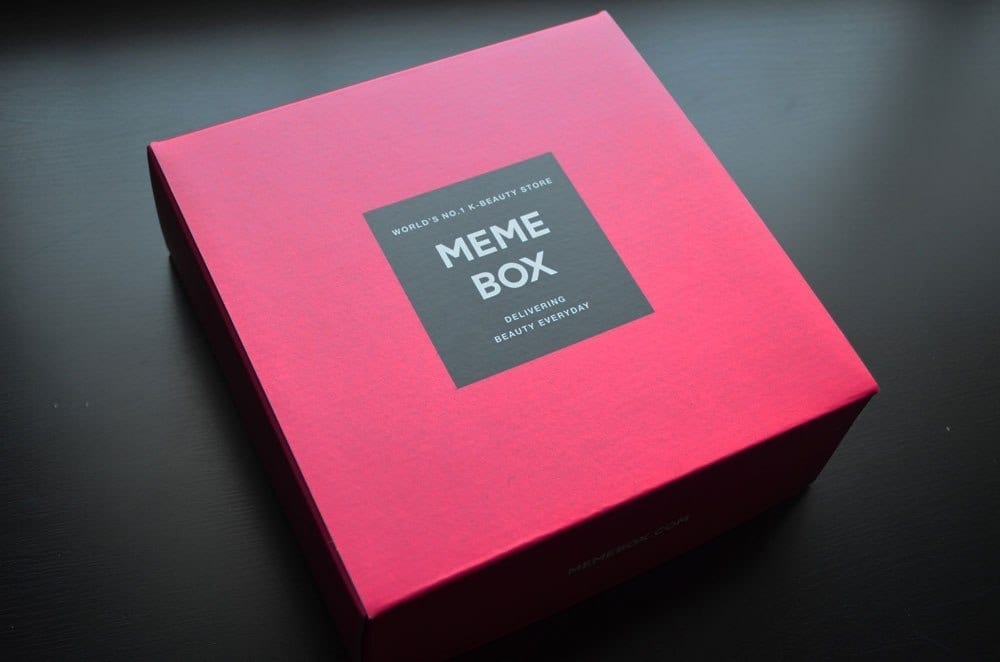
    South Korean cosmetics startup Memebox has raised US$60 million in a Series C extension round led by existing and new investors.

    Investors include Altos Ventures, Cota Capital, Cowboy Ventures, Formation Group, Funders Club, Goodwater Capital, Janet Gurwitch, Mousse Partners and Pear Ventures.

    Memebox says the round is an extension of the $66 million it raised in its initial Series C, bringing aggregate equity funding to $160 million since its incorporation in 2012. The extra investment will allow it to continue streamlining its mobile shopping experience, develop a database of beauty ingredients and products, and build its global footprint.

    As a result of the transaction, Gurwitch, a partner at private-equity firm Castanea Partners and the founder and former CEO of cosmetics company Laura Mercier, joins the Memebox advisory board. She has specialised in beauty companies during her time at Castanea and has served on the boards of Drybar, First Aid Beauty and Urban Decay. She has also served in an advisory role at Dollar Shave Club, acquired by Unilever this year.

    Gurwitch will be advising Memebox on brand strategy, positioning and developing retail partnerships for its four in-house brands – Bonvivant, I’M Meme, Nooni and Pony Effect – in the US market.

    Memebox CEO/founder Hyungseok Dino Ha says the company has been focussed on bringing innovative, high-quality and approachable beauty to consumers worldwide. “We are a global company with offices in six countries with 14 different nationalities.”

    Global streamlining

    There has been a focus on growth in Asia, particularly China, “but with this funding we plan to streamline our global operations at our company headquarters in San Francisco”.

    Memebox evolved from being a subscription box model in 2012 to retailing beauty products then developing its own brands with R&D labs near Seoul. Its four brands have had 60 per cent growth quarter-over-quarter, says the company.

    Memebox invested early in content-driven mobile shopping. It says its mobile app is used for 88 per cent of its global online transactions, with more than 94 per cent of its customers in Asia shopping through the app.

    “What Memebox is doing with mobile and video is unprecedented in the beauty landscape,” says Goodwater Capital managing partner Eric Kim, also a Memebox board member. “Memebox has the heart of a high-end brand, the brain of a deep-data company, and the muscle memory of a social network.”

  • Nestle Japan strikes a musical note

    Nestle Japan strikes a musical note

    Nestle Japan has extended its offering from coffee to music as part of a promotional event for its Nescafe Gold Blend Barista instant coffee.

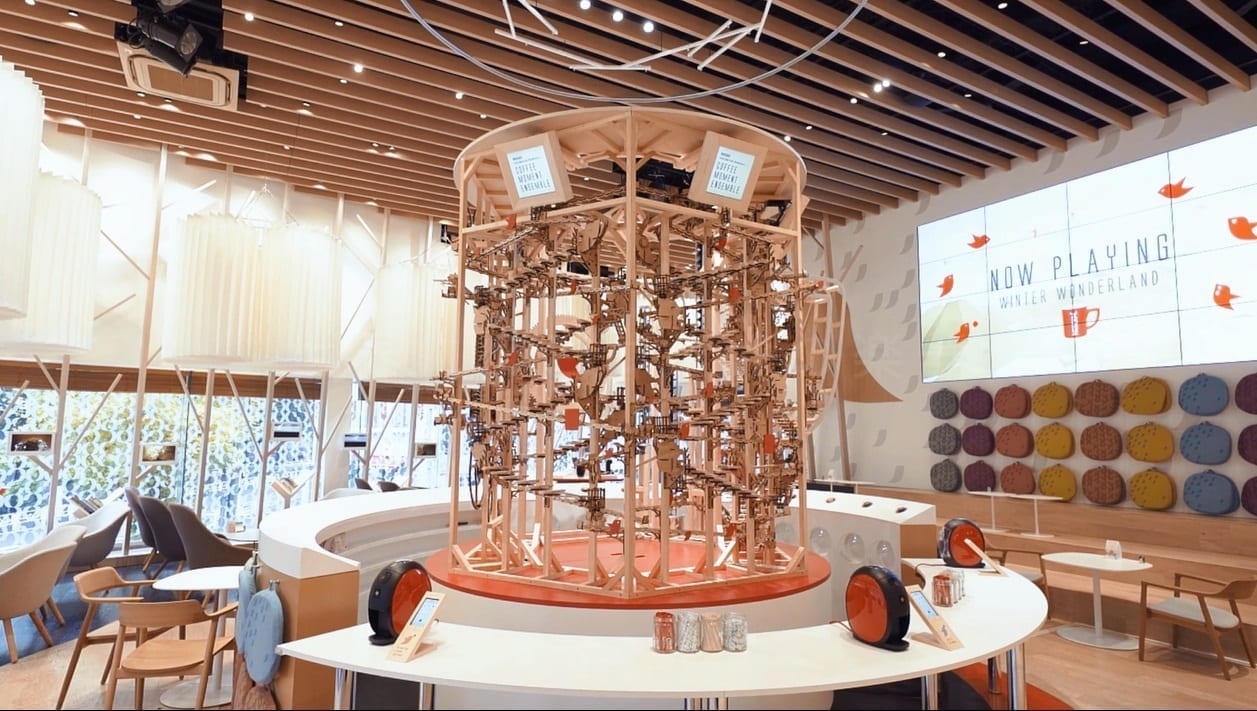
    It has launched a wooden musical instrument, the “Pythagorean”, which plays Christmas melodies. It is the only Rube Goldberg machine in the world to be installed in a coffee shop.


    nestle-japan-strikes-a-musical-note-1

    nestle-japan-strikes-a-musical-note-2

    nestle-japan-strikes-a-musical-note

    Designed like a coffee mug and about 3.5m high and 3m wide, the Pythagorean involves a wooden ball being released into a staircase-shaped maze. Christmas carols play as the ball rolls downward, striking tuned xylophone steps. The contraption comprises 180 xylophone keys and 1450 individual parts. It took about five months to build, using laser machining and other cutting-edge technologies.

    nestle-japan-strikes-a-musical-note-3

    nestle-japan-strikes-a-musical-note-4

    nestle-japan-strikes-a-musical-note-5

    By using an app, customers at the Nescafe Harajuku outlet can choose an emoticon that befits their mood. A bird character then appears on the screen, and while their coffee is being made, the ball is released to play one of three Christmas tunes.

  • Alfred Dunhill opens concept store

    Alfred Dunhill opens concept store

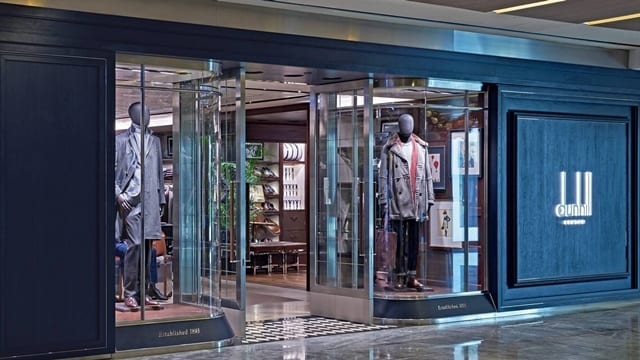
    One year after a “garage” pop-up store in Paragon Singapore, British men’s luxury brand Alfred Dunhill has opened its first-ever concept store.

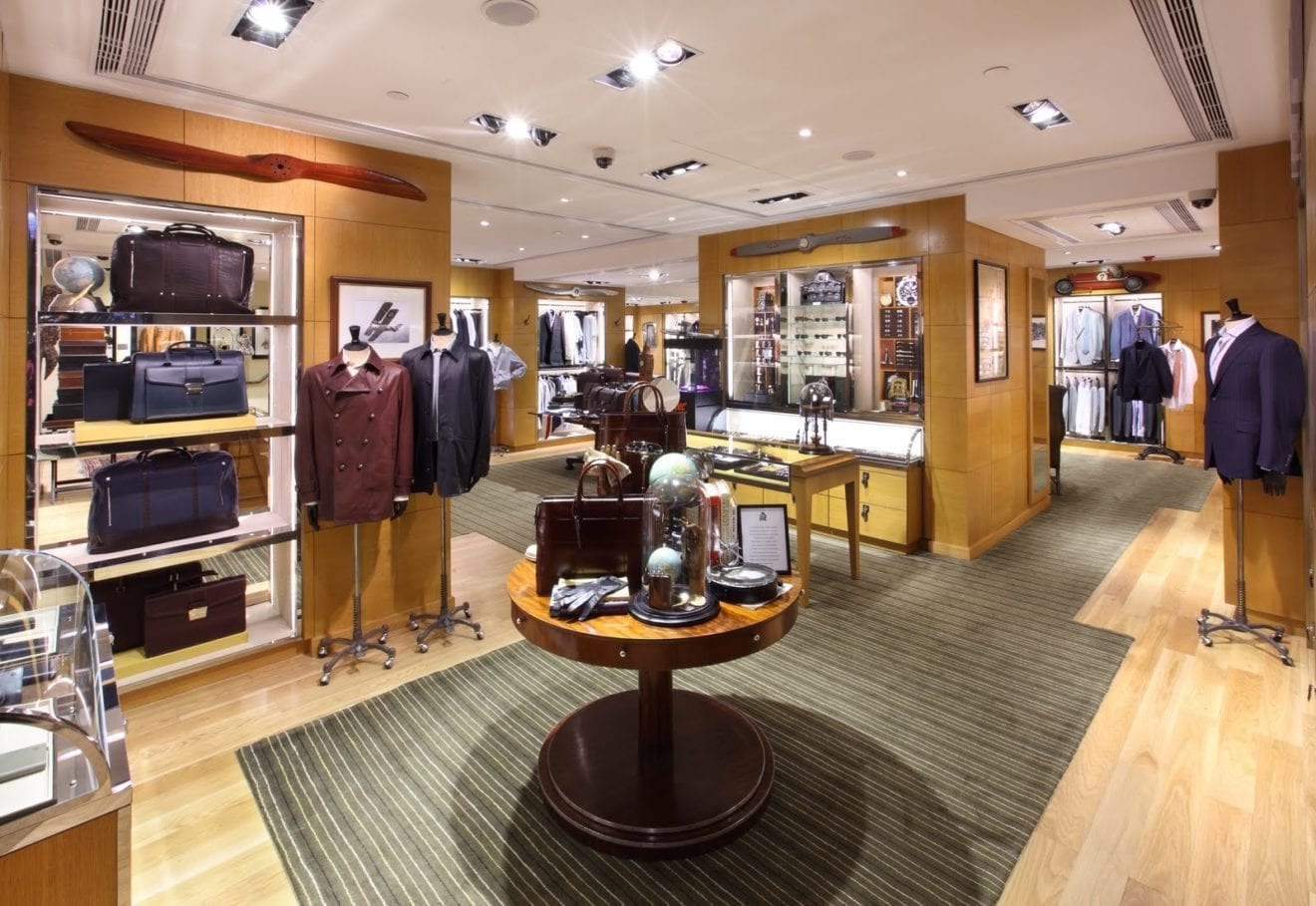
    Its fourth outlet in Singapore brings to life the brand’s heritage of motoring, saddlery and gentlemanly inventions and adventures, says president Francois Carrere.

    “Inspired by the Alfred Dunhill home Bourdon House, the store’s decor features rich textures, contemporary and vintage furnishings, and traditional English architectural accents,” he writes on LinkedIn.

    Dunhill’s roots in Singapore date back to its first store opening in 1971.

    Specialising in ready-to-wear, custom and bespoke menswear, leather goods, and accessories, the brand was founded by English tobacconist and inventor Alfred Dunhill in 1907.

    Dunhill was just 21 years old when he took over his father’s saddlery business in 1893. With the automobile becoming popular, he transformed the saddlery into an automobile accessories store, offering such non-standard (at the time) accoutrements as horns, lamps and dashboard clocks. Dunhill also made leather overcoats, goggles and other accessories for drivers.

    In 1907, Dunhill opened a tobacco shop, followed in 1910 by his own pipe factory. Tobacco proved so successful the company expanded with shops in Paris and New York. Dunhill was the first company to develop a lighter that could be used with one hand.

    The brand is now owned by Switzerland-based luxury goods holding company Richemont.

  • Macau retailers and restaurants struggling

    Macau retailers and restaurants struggling

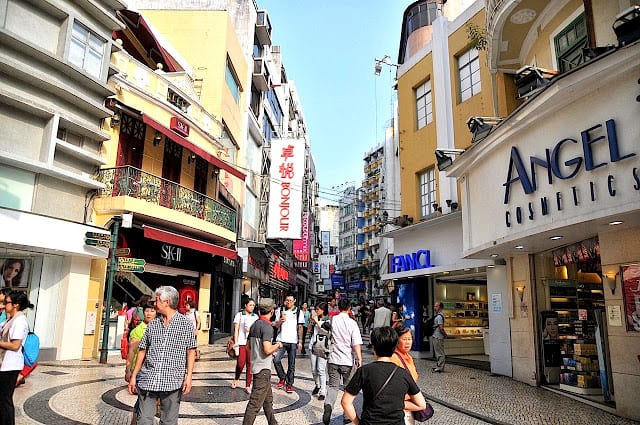
    Most Macau retailers and restaurants have had a difficult October, reporting depressed sales.

    More than half of the city’s dining establishments had strong revenue declines for the month, with just a quarter reporting a slight improvement.

    According to the latest industry climate survey by the Department of Statistics and Census Services (DSEC), the 26 per cent of respondents who had increased turnover say this was driven by an increase in visitors to the city during the one-week National Day holiday.

    Overall, the rise in revenue was 5 per cent compared to September. But for 49 per cent of the Chinese restaurants interviewed and 13 per cent of the Japanese and Korean restaurants, revenue was up by 20 and 6 per cent respectively.

    However, 51 per cent of the respondents reported a decrease in turnover of 12 per cent overall.

    Macau’s retail sector paints a similar picture. About 58 per cent of respondents (1 per cent more than in September) saw their turnover fall, while about 35 per cent (5 per cent more) reported increased sales.

    By sector, leather goods retailers had higher sales, as did 53 per cent of the watches, clocks and jewellery segment, half of adult clothing retailers, 44 per cent of supermarkets and 22 per cent of department stores.

    A 20 per cent or more drop in sales was reported by 78 per cent of department stores and 60 per cent of cosmetics and healthcare retailers.

    Survey respondents do not expect the situation to change soon.

  • Sunway Velocity Mall opens doors

    Sunway Velocity Mall opens doors

    Sunway Velocity Mall has opened in Cheras, with a catchment of 1.72 million residents including the nearby areas of Ampang and Kuala Lumpur.

    With a neo-futuristic appearance, the sphere-shaped shopping centre, known as the “KL Orb”, is set to be a landmark on the city’s skyline, especially with its LED light display.

    Its opening is also a milestone for the Sunway Group’s retail division. The group’s fifth mall, it integrates shopping, entertainment and gastronomy in an integrated development.

    “Sunway Velocity Mall was built and designed with one key purpose – to enrich the life experiences of its surrounding community,” says Sunway Shopping Malls & Theme Parks CEO HC Chan.

    The centre has four precincts: Vanity Hall, Marketplace, Food Street, and Commune @ Sunway Velocity. The seven-storey mall offers the first-ever Aeon MaxValu Prime in Malaysia – the third such outlet in the world following Japan and Hong Kong.

    The other two main anchors are Parkson and TGV Cinemas, which has the largest Imax screen in Malaysia. Other tenants include Chi Fitness, Grand Imperial, Harvey Norman, JD Sports, Padini Concept Store, Popular Bookstore, Toys‘R’Us and Uniqlo.

    Chan says the mall is part of the “golden triangle of retail spaces” comprising the new Ikea Cheras, Aeon Maluri Shopping Centre, MyTown Shopping Centre and the Tun Razak Exchange (TRX) Lifestyle Quarter development.

    Sunway Velocity Mall has been “dressed” for the festive season with decorations including a 30ft (9m) Christmas tree surrounded by giant presents in the main atrium. There is also a Christmas spend-and-win campaign, Santa City, which runs until February 12. Prizes include a Volvo V40 car, a Celistar diamond ring by SK Jewellery, a Hero bed frame, and a Nature’s Finest Himalaya mattress from Harvey Norman.

    There are also free weekend Christmas workshops for children.

  • Why retailers need to consider setting up an online shop

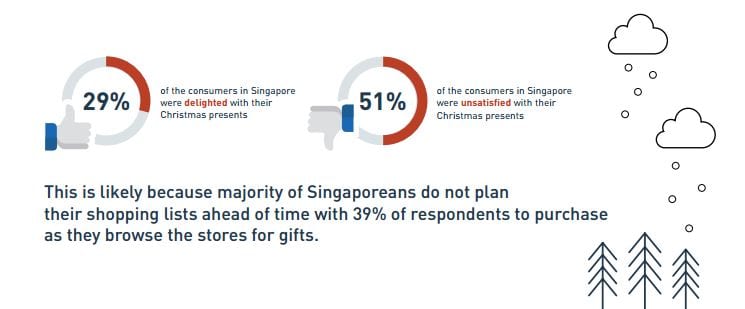
    2 in 3 Singaporeans prefer retailers with e-commerce and mobile app.

    There are only a few days before Christmas and Singaporeans are surely busy shopping around, finding the perfect gift. But what do retailers need to do to keep up with the shopping hype this festive season?

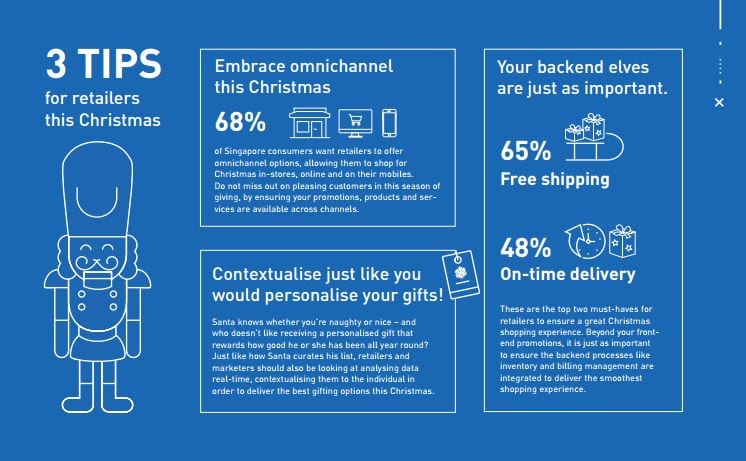
    According to the latest survey by SAP Hybris, Singapore shoppers want cross-channel options more than new-age services like digital wallets and augmented reality store experiences. Over 2 in 3 shoppers (68%) prefer retailers with a physical store coupled with both e-commerce and mobile app while more than half of consumers want retailers which offer self-pickup services as physical stores.

    “With high Internet and mobile penetration rates, it is of little wonder that Christmas online shopping is picking up among Singaporeans. The e-commerce market in Singapore is expected to be worth US$5.4 billion (S$7.46 billion) by 2025, according to a report by Temasek and Google released earlier in May this year, and is expected to make up 6.7% of all retail sales by 2025,” SAP Hybris global vice president of fast growth markets Nicholas Kontopoulos explained.

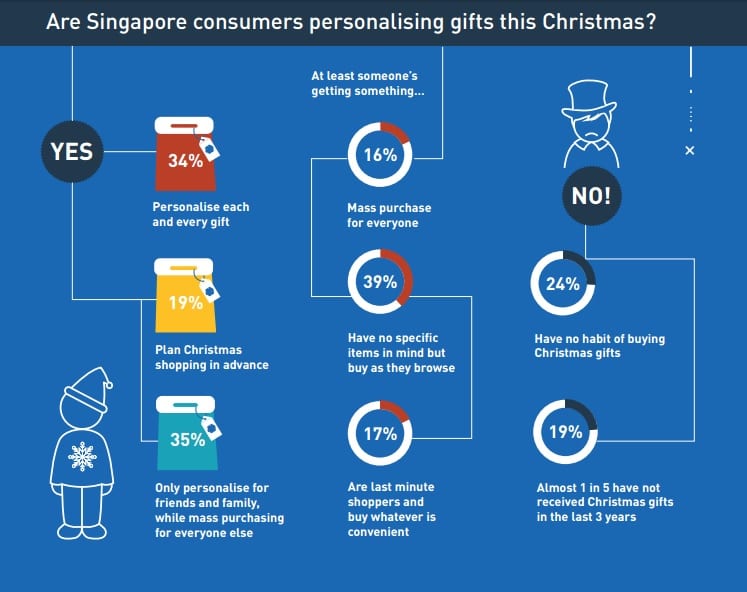
    More so, 65% of the shoppers stated that retailers can improve their Christmas shopping experience by offering free shipping. Around 48% see on-time delivery as a benefit while 41% noted that gift customization would signal yet another improvement.

    “Singaporeans are amongst the most tech-savvy spenders in Asia, and no strangers to e-commerce. Despite that and reports of Singapore’s continuously challenging retail landscape, the brick and mortar stores are definitely not dead,” Kontopoulos noted.

    He furthered, “In fact, the SAP Hybris survey found that 39 per cent of Singaporeans still enjoy browsing through stores. This reinforces what we have been telling retailers for some time: Singapore is a truly multi-channel market, where most consumers are using a combination of devices in their online and offline shopping. The findings also point us to a future where offline and online shopping are no longer two separate business models. Singaporeans are demanding a seamless omnichannel shopping experience.”

  • C-Store Private-Label Brands Thrive in South Korea

    C-Store Private-Label Brands Thrive in South Korea

    South Korean convenience stores have long been a part of the country’s quick, fast-changing lifestyle, and are going a step further by producing their own private brands, as reported.

    “The private brand business here will continue to grow across all industries, centered on firms with strong distribution channels. South Korea has a relatively low private brand penetration rate compared to other OECD (Organization for Economic Cooperation and Development) countries,” Suh Yong-gu, a professor of marketing at Sookmyung Women’s University, told the new source.

    Private-label brands also benefit from a lower price tag, Suh added. 7-Eleven Korea’s introduction of private coffee brand Seven Café is an example of an affordable product that competes with existing brands. The news source notes that Seven Cafe ranked No. 1 in terms of the number of products sold at the chain’s locations this year between July 1 and November 16, which marks the first time a private brand product outperformed established brands sold at 7-Eleven stores. Seven Café began with just 20 vendors in January 2015 and has expanded to more than 4,000 vendors as of November.

    Convenience stores are also collaborating with consumer goods manufacturers for added value, notes the news source. For example, South Korean c-store chain CU this year worked with dairy company Seoul Milk to release CU Big Yogurt. Since launching in April, more than 1 million bottles have been sold every month, and the product topped the list of yogurt beverages sold at CU locations, according to the company. CU has about 1,000 different private brand goods on display, which account for about 25% of all products sold at CU stores.

    C-store chain GS 25, operated by GS Retail, and instant noodle maker Paldo recently rolled out Omori Kimchi stew ramen, reports the news source, noting that about 9 million units of the Omori Kimchi stew ramen were sold within a year of its release, surpassing sales of Nongshim’s Shin Ramyun.

    In South Korea, c-store chains aren’t shy about experimenting with private brand products, even when they’re not food or beverage related. For example, in October 2015, CU teamed with local toy maker Oxford Block to introduce three limited edition toys. At 26,000 won ($22), the toys were sold out within five days of release.

    “The rise of private brand products suggests a rosy outlook for convenience retail brands. On the downside, it has cast a cloud over manufacturers of products such as beverages which have to allocate more budget for advertisements and promotions next year,” Kim Tae-hyun, an analyst at IBK Securities, told the news source.

    Industry experts look no further than Japan to gauge the future private brands in convenience stores.

    “Over the past 10 years, Japan has seen a power shift from manufacturing companies to convenience retail businesses on the back of the latter’s distribution channels. For example, Seven & I Holdings, the operator of 7-Eleven Japan, gains 50% of its net sales from private brand products,” said Han Kook-hee, an analyst at NH Investment and Securities, in a report. “Most leading Japanese manufacturing firms are keen to produce private brand products for convenience store brands.”

  • Samsung Maintains its Market Dominance followed by OPPO and ASUS in Indonesia

    Samsung Maintains its Market Dominance followed by OPPO and ASUS in Indonesia

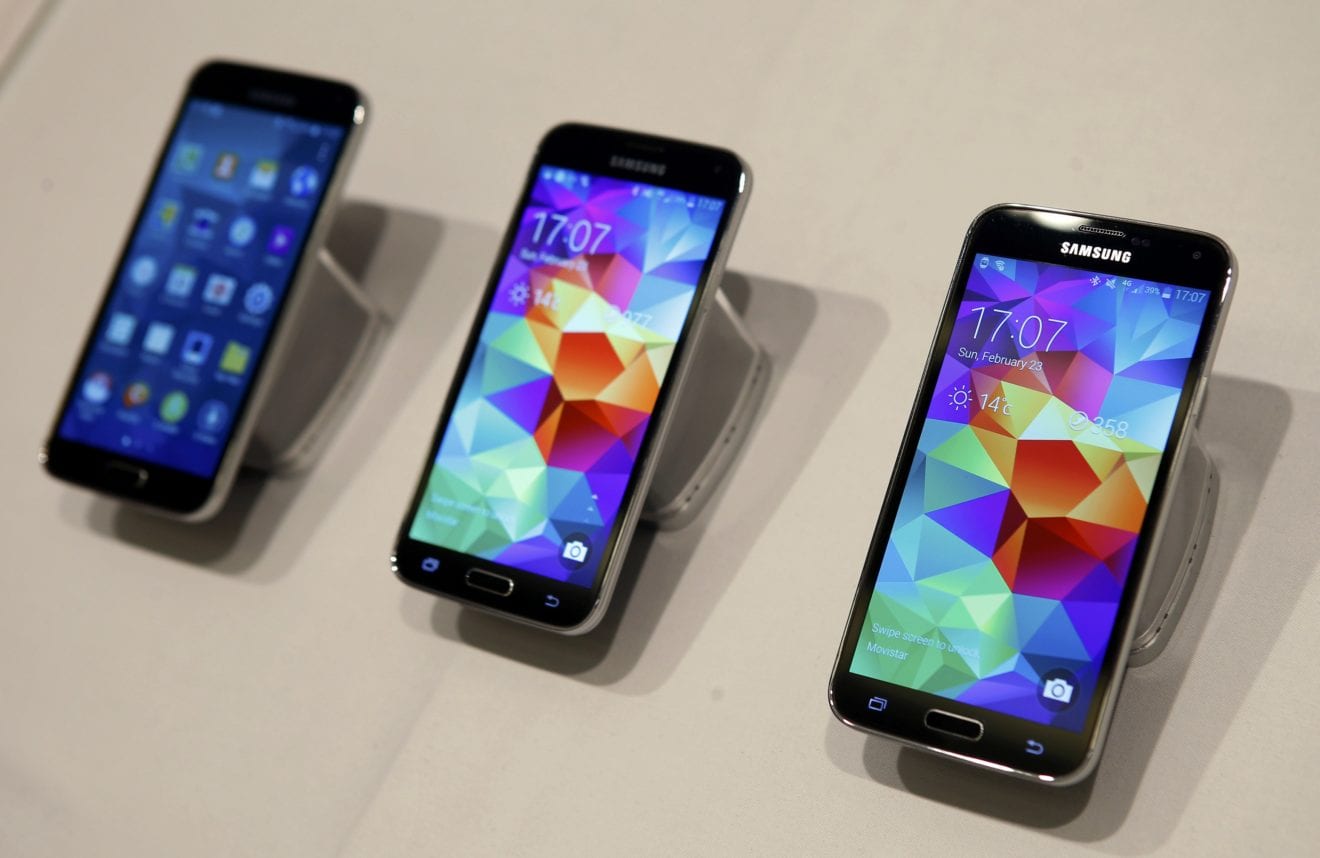
    According to International Data Corporation’s (IDC) latest Quarterly Mobile Phone Tracker, total smartphone shipment in Indonesia in 2016Q3 recorded a slight Quarter-On-Quarter (QoQ) drop of 7% but still showed a moderate increase of 4% over the same period last year. “After the peak season of Lebaran ended, a stretch of quiet business begun in 2016Q3 which forced smartphone vendors to lower their shipment and focus more on improving the sales performance as well as laying the groundwork in anticipation of the peak shopping season in 2016Q4.” Says Reza Haryo, Senior Market Analyst, Client Devices, IDC Indonesia.

    Key highlights in the Indonesian smartphone market in 2016Q3 include: 

    US$250<US$300 price band segment grew significantly, which was contributed by the traction of OPPO’s F1s and Samsung’s Galaxy J7. However, when considering the Indonesian market as a whole, the US$100<US$200 segment remained the sweet spot, thanks to the demand for entry level 4G phones which usually offers the combination of 2GB ram and 16 GB internal storage.

    The share of 4G phones have also increased from 58% in 2016Q2 to 68% in 2016Q3 and had 8% sequential growth. This is largely due to the fact that telco service providers have been competing to expand their market share in a bid to capitalize on the growing number of smartphone users in the country through data bundling packages. In line with this expansion, the portion of smartphones sold in telco channel has also increased 22% YoY.

    “Indonesians use smartphones for entertainment purposes such as social messaging, video streaming, gaming, as well as browsing. Hence, there is a demand for the larger screen sized phones and the share of phablets have increased from 11% in 2015Q3 to 16% in 2016Q3. Most of the volumes came from major vendors such Samsung, OPPO and Asus. Samsung’s Galaxy J7, OPPO’s F1s and ASUS’ Zenfone Selfie were among the most popular models.” Adds Haryo.

    Top Five Vendor Highlights in 2016Q3 

    Samsung’s consistent marketing campaigns in retail shops enabled the vendor to increase shipments despite having a slower demand. This also extended the gap between the market leader and its competitors. The fallout from the Note 7 incident had relatively little impact on its brand perception in Indonesia.

    OPPO decreased sequentially relative to the non-peak period but still maintained its aggressive online and offline marketing activities. OPPO’s direct to retail strategy with various marketing supports continued to allow OPPO to increase its retail presence.

    Asus continued to rely heavily on the affordable Zenfone Go but the lack of marketing efforts throughout the quarter brought about its decline in the market.

    Advan introduced 8 low-cost 4G models in 2016Q3 alone. 4G models have been quick to pick up, partly thanks to the local vendor’s marketing activities heavily focusing on retail channels.

    Smartfren. As a local vendor that also operates as a telco provider, Smartfren tried to book more revenue from data services and recorded a 17% sequential decline for its smartphone shipment. Aside from bundling programs with leading smartphones such as the Samsung J Series, Smartfren have been consistent in promoting their Mifi product with attractive bundling program.

    Lenovo decreased sequentially relative to the non-peak period choosing to focus on sell-out instead. A6000, A1000 and A2010a were their top 3 models shipped in 2016Q3 in terms of units.

    Overall Positive Outlook for Indonesia

    IDC maintains the forecast for 2016 as the market is expected to expand significantly in Q4 and high demand during the festive season will allow vendors to increase shipment volume to reach targets. In addition, the continuous economic improvement from heavy infrastructure investment will continue to boost the Indonesia economy.

    The Local Content regulation (TKDN) is getting more accepted in a sense of clearer approach. A number of vendors including Xiaomi, LG, and Blackberry have now showed commitment to comply with this regulation. In the short term, it is expected that the industry will be focusing on local assembly but the challenge remains from the inadequate component supply chain ecosystem. But in the longer term, depending on the effectiveness of incentives provided by the government, more component manufacturers could move to Indonesia. This means that vendors would need to be prepared to have end-to-end manufacturing in Indonesia instead of just assembly. Hence, we expect that the future outlook will remain positive for 2017 onwards,” ends, Haryo.

    Channel dynamics

    With the intense competition and relatively low demand in 2016Q3, it caused vendors to put their utmost focus on liquidating stocks through improvement to their channels. The Direct to retail approach by cutting down the intermediaries has proven to help the sell-out of OPPO. IDC believes smartphone vendors will try to replicate this distribution strategy soon but this will require a strong retail relationship which only the larger vendors will be able to execute given the large volumes that they have and that they are more established in the market.

    Telco collaboration

    “Telco providers need to challenge the status quo and find ways to innovate as their core business continues to be pressured by over the top players which could be significant threats in revenue loss even as mobile data traffic grows exponentially. With an advanced network infrastructure and strategic partnership between telco providers, over the top players and hardware vendors, IDC believes that Telco providers and smartphone vendors can leverage the increasing demand for over the top players to drive up ARPU as well as brand exposure,” ends, Haryo.

  • Toshiba ropes in RPTech as a service partner

    Toshiba ropes in RPTech as a service partner

    Toshiba Electronics Asia (Singapore) Tuesday roped in RPTech Care Center, a service division of Rashi Peripherals a its service partner for India.

    RPTech Care Center will be managing Toshiba India Private Limited (TIPL) service needs and this alliance is aligned with Toshiba’s commitment to serve the customers by offering superior after-sales service, the two companies in a joint statement said.

    RPTech has more than 50 service centers spread across large cities in the country.

    “Being an international legendary brand that is committed to people, we believe in offering world-class quality and inventive products to our customers,” Polad Garda, country head, Toshiba India said.

    Further with our alliance with the RPTech Care Center, we are keen to offer our customers an excellent after sales service experience and satisfaction, Garda said, adding that it was a driving step to allow our customers with numerous alternatives and reduced turnaround time.

    “RPTech Care Center has well-built and dedicated service capabilities and post sales service systems,” Rajesh Goenka, Vice President, Rashi Peripherals said.