Blog

  • ZTE launches Smart DVB-T2 Hybrid STB

    ZTE launches Smart DVB-T2 Hybrid STB

    ZTE has unveiled its ZXV10 B820T2-A14 set top box (STB) to deliver an enhanced viewing experience to homes around the world.

    Integrating 4K ultra high definition (UHD) and over the top (OTT) services, the set top box has received favorable praise and recognition from the industry to date.

    The B820T2-A14 is an advanced STB, which integrates an industry-leading super 4-core central processing unit (CPU) and 5-core graphics processing unit (GPU) to realize UHD 4K (3840×2160@30 frames per second 10-Bit color) and provide users with an excellent overall video experience.

    The STB uses Google’s Android TV system and JVM in order to achieve compatibility and interoperability with other Android applications, which also integrate with ZTE’s Smart Home, such as multi-screen, HD video calls, family album, home IoT network and voice assistant.

    ZTE’s B820T2-A14 STB adopts Amlogic system on a chip (SoC) with a 64 bit CPU architecture, 16GB EMMC Flash, 2GB DDR3, which guarantees that the system and applications run smoothly, provides 802.11AC 2*2 Wi-Fi wireless and RJ-45,10/100M wire access and supports Bluetooth 4.1, which enables Bluetooth remote and D-PAD connection.

    ZTE said that if traditional digital video broadcast (DVB) service providers (SPs) want keep pace with the growth of 4K and OTT services, 4K DVB-T2 hybrid STBs are a strong choice for them, as they can significantly reduce the cost of the operator’s deployment.

  • Amdocs enhances personalized mobile video experiences

    Amdocs enhances personalized mobile video experiences

    Amdocs has made available new capabilities within the Amdocs Omni-Channel Experience solution to allow mobile service providers to connect to content and application providers (CAPs) to deliver new and creative digital services to users.

    Via integration with Google’s publicly available mobile data plan application program interface (API), the Amdocs Omni-Channel Experience solution has been initially deployed to interoperate with Google’s YouTube app, and in the future may be able to be deployed to support other Google services and CAPs who are using the same API.

    The interoperability of the Amdocs solution with YouTube’s mobile app allows improved in-app data transparency and data transactions. YouTube will be able to offer customers the ability to view YouTube videos offline at reduced rates during off-peak hours, thereby allowing service providers to shift traffic from peak hours to times when their network is underused, providing dynamic pricing opportunities and ensuring better viewing quality.

    Data balance and rate information will be provided by the Amdocs Omni-Channel Experience solution, enabling service providers to present this information in a consistent way across different customer touch points, including YouTube’s mobile app.

    “Working together with Google, we are offering service providers innovative ways to cater to the digital lifestyle of today’s Generation C consumers and power their businesses with new, digitally-enabled capabilities, building customer trust through data transparency and increasing business value through network traffic optimization,” said Chris Williams, head of global marketing at Amdocs.

  • Keppel Land China, Alpha divest stakes in Sparkle Bright for $516.9m

    Keppel Land China, Alpha divest stakes in Sparkle Bright for $516.9m

    Keppel Land China and Alpha signed an agreement with Star Champ Development Ltd, a wholly-owned subsidiary of the Chongbang Group (Chongbang), for the transaction.

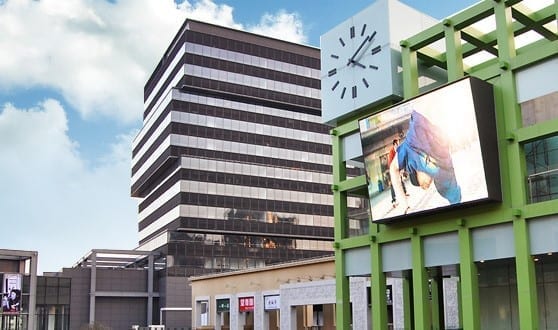
    Sparkle Bright owns retail mall Life Hub @Jinqiao (Life Hub), a mixed-use development in Shanghai, China. Chongbang owns the other 20 per cent stake in the development.

    Keppel Land China holds a 42.5 per cent interest, while Alpha Asia Macro Trends Fund II and a co-investor hold the remaining 57.5 per cent in the 80 per cent stake in Sparkle Bright.

    Keppel Land China and Alpha are wholly-owned subsidiaries of Keppel Land Limited and Keppel Capital Holdings, respectively.

    Life Hub features about 114,730 sm gross floor area of retail shops spread over 10 low-rise retail buildings as well as a 10-storey office tower with a retail podium. It has been one of the popular attractions in Shanghai’s Pudong District since 2009.

    The retail mall is currently 97 per cent leased while the office tower is fully occupied.

    The divestment is expected to be completed by the end of September 2016. The Group expects to recognise a gain of approximately S$73 million from the divestment.

    Keppel Land CEO Ang Wee Gee said the divestment is in line with Keppel Land’s strategy to continually recycle assets to seek higher returns.

    “Keppel Land China’s collaboration with Alpha reflects how different business units are working closely together to harness the collective strengths of the Keppel Group,” Gee said.

    Since the acquisition of the property in 2013, Keppel Land China and Alpha have been working with the mall operator to continuously enhance the tenant mix and shopping experience.

    Christina Tan, CEO of Keppel Capital and managing director of Alpha, disclosed they have been able to realise an internal rate of return of over 20 per cent on the sale of the development.

  • Mobiles, internet vital to refugees’ security

    Mobiles, internet vital to refugees’ security

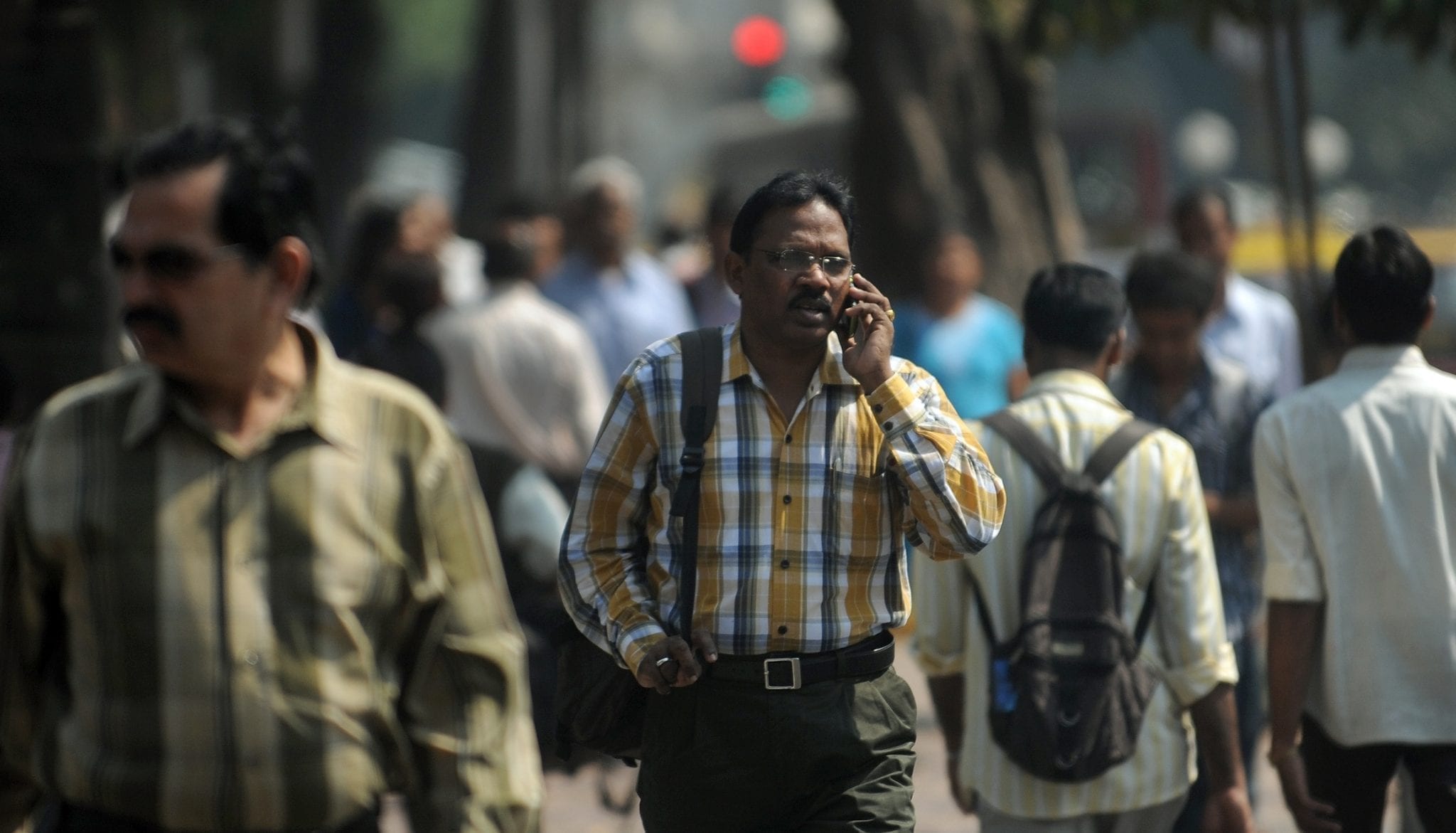
    Access to a mobile phone and the internet are as vital as food, water, or shelter to refugees and critical to maintaining their safety and security, according to UN research.

    A study conducted by the United Nations High Commissioner for Refugees (UNHCR) and Accenture also showed that refugees see a connected device as a lifeline and a critical tool for self-empowerment.

    The report, “Connecting refugees: How internet and mobile connectivity can improve refugee well-being and transform humanitarian action,” is based on research undertaken in 44 countries on four continents.

    “In the world we live in today, internet connectivity and smartphones can become a lifeline for refugees, providing an essential means for them to give and receive vital information, communicate with separated family members, gain access to essential services, and reconnect to the local, national and global communities around them,” said Filippo Grandi, United Nations High Commissioner for Refugees.

    “Most importantly, connectivity can help broaden the opportunities for refugees to improve their own lives and pursue a vision of a future that would otherwise be denied to them.”

    Affordability, however, is often a barrier to connectivity. Refugees living in urban areas tend to have similar access to mobile networks as other urban populations, but for refugees in rural locations the picture is very different, with only one in six refugees located in areas with 3G access, and one in five rural refugees having no mobile coverage at all – significantly lower than for the population at large.

    This effectively prevents many refugees from participating in the cultural, educational, and economic activity that connectivity affords.

    The report recommends additional investments in three main areas, which together form the basis of a new UNHCR Global Strategy for Connectivity for Refugees – increasing the availability of mobile networks, improving affordability, and providing access to training, digital content, and services.

    The report likewise identifies a number of strategic interventions to help ensure connectivity, ranging from partnering with Mobile Network Operators (MNOs) and other technology/communications companies to improve infrastructure, making targeted investments in infrastructure, and enabling an environment and system for digital service delivery.

    “Especially critical to this effort will be the engagement of the private sector, especially technology companies, and mobile network operators,” said Dan London, group chief executive of Accenture’s Health & Public Service business.

  • There are still 3.9b people not using the internet

    There are still 3.9b people not using the internet

    There are 3.9 billion people in the world that are still not using the internet today, with six nations  including China and India accounting for 55% of the total global population still offline.

    These are among the findings of the 2016 edition of The State of Broadband report released recently by the UN Broadband Commission for Sustainable Development.

    The four other nations with the most unconnected people were Indonesia, Pakistan, Bangladesh, and Nigeria.

    The report suggests that targeted efforts in just a few key markets could help enormously in redressing the gaping ‘digital divide’ between those who are online and those still offline.

    “There is a large body of economic evidence for the role of affordable broadband connectivity as a vital enabler of economic growth, social inclusion, and environmental protection,” said ITU secretary-general Houlin Zhao, who serves as co-vice chair of the commission with UNESCO director-general Irina Bokova.

    The Commission argues that if today’s near-universal basic mobile phone access could be converted to high-speed mobile broadband access, mobile phones could serve as a major accelerator of development, driving rapid progress towards the UN Sustainable Development Goals.

    The broadband report is optimistic about the potential of mobile broadband, with 165 countries now having deployed ‘4G’ high-speed mobile networks.

    “Broadband technologies can be powerful development multipliers,” Bokova added, “but this requires combined investments in access and in skills and in education. This is about opening new paths to create and share knowledge. It is about enhancing freedom of expression and about widening learning opportunities, especially for girls and women. This is about developing content that is relevant, local and multilingual.”

    The report confirms that progress in the 48 UN-designated Least Developed Countries has been encouraging, with the Commission’s target of 15% of the LDC population online expected to be reached by the end of this year.

    This year’s figures show that, once again, the top ten developing countries for household internet penetration are all located in Asia or the Middle East. The Republic of Korea continues to have the world’s highest household Internet penetration, with 98.8% of homes connected; Qatar (96%) and United Arab Emirates (95%) rank second and third, respectively.

  • Telstra expands professional media portfolio

    Telstra expands professional media portfolio

    Telstra has unveiled its new Global Media Network, a professional media contribution solution which enables broadcasters and content developers to take their content global.

    Custom-built for the media industry, the Telstra Global Media Network promises simple and efficient delivery of live and file-based video content by combining Telstra’s world class network of global submarine cables, satellite stations, and broadcast operations into one solution.

    Trevor Boal, head of Telstra Broadcast Services, said that by using the Telstra Global Media Network customers can quickly deliver content across the world – whether it’s a broadcaster wanting to source a time critical sports event or content producers that need to deliver a television program between production facilities.

    “The rapid growth of video on-demand consumption, particularly in Asia, has triggered a surge in demand for content with the number of unique channels estimated to reach nearly 30,000 globally by 2023, a more than 400% increase from 2013,” said Boal.

    “With the Telstra Global Media Network customers can easily book services online and choose the level of support they need from self-service to dedicated 24/7 monitoring provided by our dedicated Broadcast Operations Centers in Sydney and master control rooms in Hong Kong, London, New York and Los Angeles,” added Boal.

    The Global Media Network is built on Telstra’s global infrastructure, which combines its high capacity submarine fiber cable network, with access to four teleports and over 40 satellites covering strategic media hubs across Asia, Europe, the United States and Australia.

  • The iPhone 7 hits stores, some models are already sold out

    The iPhone 7 hits stores, some models are already sold out

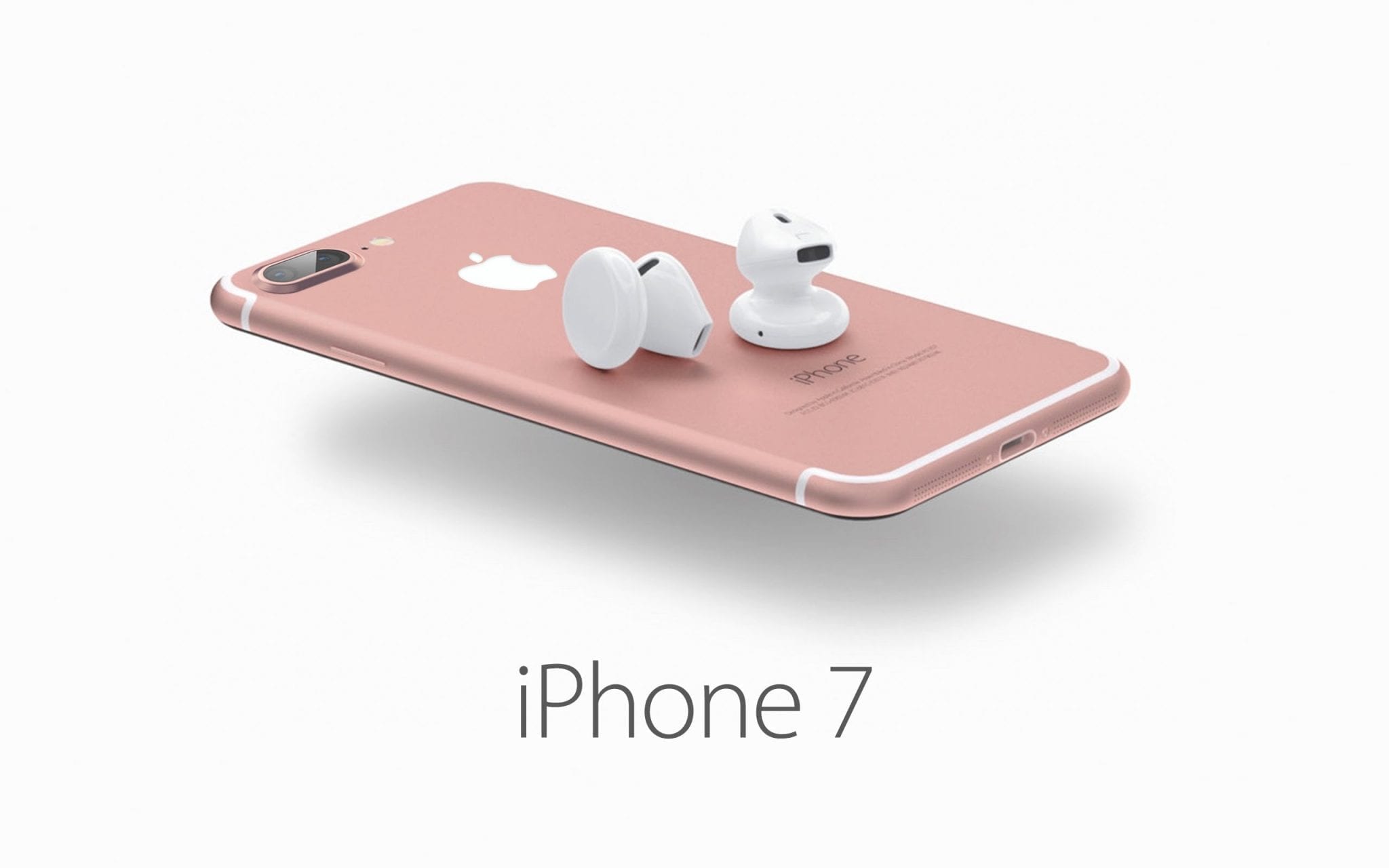
    Starting bright and early on Friday, September 16, you can get your hands on a brand new iPhone 7 or iPhone 7 Plus.

    Apple fans are finally laying their hands on the brand new iPhone 7 and iPhone 7 Plus.

    Eager customers joined long lines in cities like Sydney, Hong Kong, London, New York, Boston and San Francisco on Friday as the new models went on sale, more than a week after they were unveiled.

    Apple is releasing the phones, which are water resistant and feature beefed-up cameras, in more than 25 countries around the world. But people who haven’t reserved one in advance won’t be able to be too picky about the color — or get the larger model. Apple said earlier this week that the iPhone 7 Plus is completely out of stock online.

    “During the online pre-order period, initial quantities of iPhone 7 Plus in all finishes and iPhone 7 in jet black sold out and will not be available for walk-in customers,” the company said in a statement.

    However, some consumers who thought carriers might have the larger model in stock were disappointed as the day progressed.

    “The iPhone 7 Plus is not available in stores this morning, so customers who wish to get iPhone 7 Plus should go [online] to place an order,” a Verizon spokeswoman said.

    Meanwhile, T-Mobile said its stores had “limited inventory at launch,” with shipping dates as far away as the end of November for black iPhone 7 Plus devices.

    Your best bet of finding an iPhone 7 Plus may be directly through Sprint. A spokesperson said “most of our retail stores have [the iPhone 7 Plus] going into [today].”

    An AT&T spokesperson has not yet responded to a request for comment.

    Many customers who couldn’t get a device aired their complaints on Twitter.

    If you’re not in a rush and don’t fancy spending your morning waiting on a sidewalk, you can order an iPhone 7 or 7 Plus online through Apple or a number of retailers.

    According to Apple’s website, the jet black version of the iPhone 7 Plus won’t ship until November in the U.S. All other colors, including matte black, will ship in two to three weeks if ordered online directly from Apple. Those wait times could change.

    The 4.7-inch iPhone 7 starts at $649 and the 5.5-inch iPhone 7 Plus starts at $769.

    Outside an Apple Store in Hong Kong, sports coach Kala Singh said he’d reserved his matte black iPhone 7 a week ago. “I always upgrade my phone when they change the number,” he said.

    Singh opted not to go for a jet black version because he said he’d heard it’s easy to get finger smudges on them.

    But at the same store, Tsang Yan-yee said she was “a little bit upset” that she’d had to settle for a rose gold iPhone 7 instead of a jet black one. She also said she was disappointed with Apple’s controversial decision to remove the phone’s headphone jack.

  • Apple stops returns & exchanges for retail purchases in Hong Kong

    Apple stops returns & exchanges for retail purchases in Hong Kong

     In parallel with the iPhone 7 and 7 Plus launching in Hong Kong, Apple has simultaneously halted all returns and exchanges for Apple and Beats products bought at the company’s local retail stores.

    The change is noted on the company’s website. Previously, people were able to return or exchange products within 14 days, so long as they had their original receipt and packaging.

    Why Apple would clamp down the same day as a major product launch is unclear, but the decision might be related to China’s black and gray markets, which take advantage of Hong Kong’s lower import duties and taxes. Smuggling iPhones into mainland China can be lucrative, even though Apple has launched iPhones there simultaneously for several years.

    Hong Kong is likely to see a crush of iPhone sales in the next few weeks, in no small part because of scalpers and smugglers. By stopping returns and exchanges, it may be able to better manage the chaos involved and deter anyone from trying to commit fraud.

  • Real Singapore retail sales slide again

    Real Singapore retail sales slide again

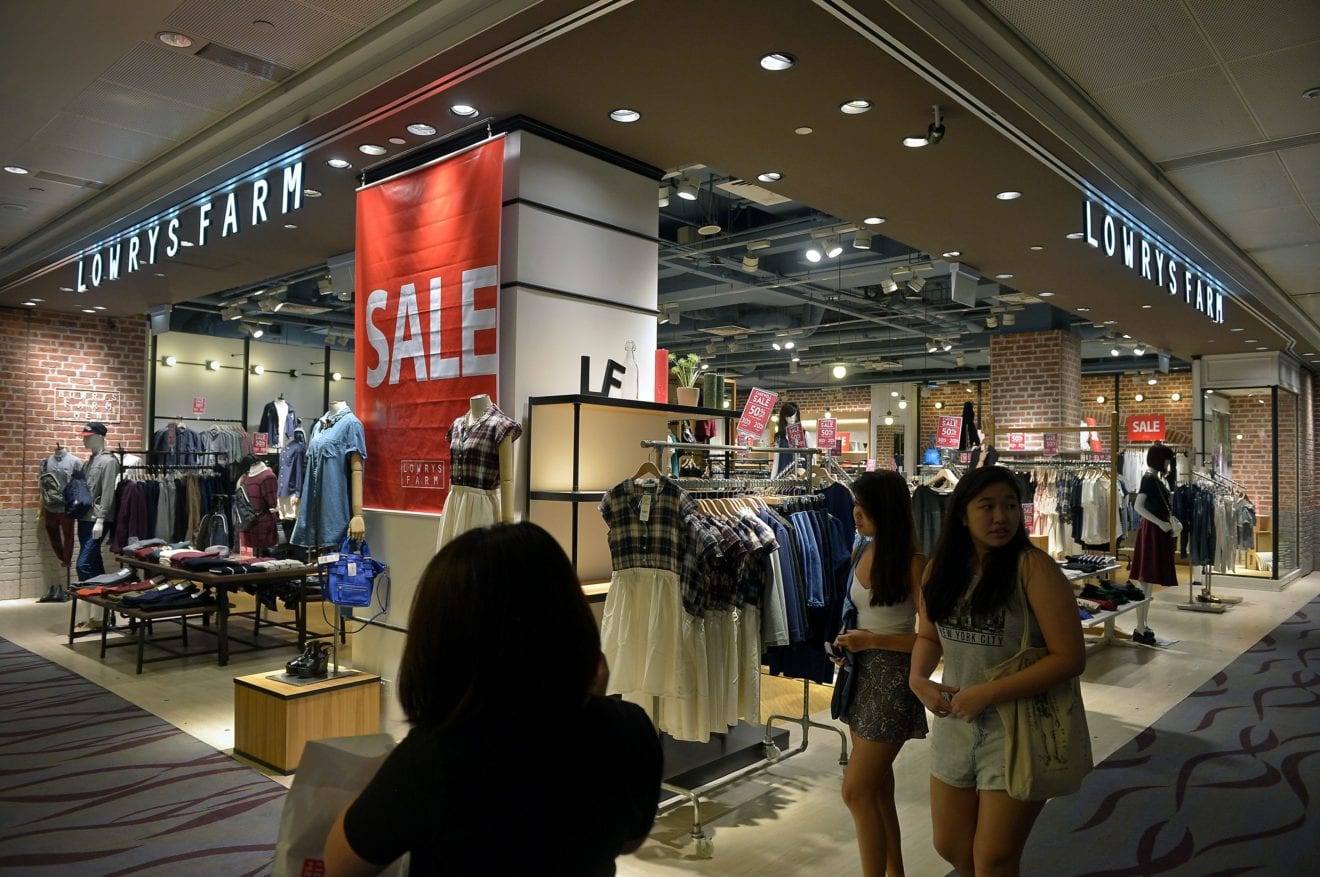
    Real Singapore retail sales fell 3.1 per cent year-on-year in July according to official data.

    SG retail sales august

    Real sales, as Inside Retail Singapore defines it, excludes motor vehicles; with those included, year-on-year sales rose 2.8 per cent.

    Compared to June, real retail sales in July rose 3 per cent.

    The total retail sales value in July 2016 was estimated at $3.7 billion, higher than the $3.6 billion in July 2015.

    Smartphones and computers led the year-on-year decline, with sales down 18.8 per cent, suggesting there may be a turnaround in September, given the launch of the new Apple iPhone range and initial sales of the now-suspended Samsung Galaxy Note 7.

    Sales of watches & jewellery, food & beverages, recreational goods, optical goods & books, furniture & household equipment, wearing apparel & footwear and department stores declined between 0.7 per cent and 9.6 per cent in July 2016.

    The only winning categories were medical goods & toiletries, mini-marts & convenience stores and supermarkets which increased by between 0.3 per cent and 4.5 per cent over the same period.

    Month on month

    SG retail sales August 2

    Besides motor vehicles, food & beverages was the only category to post a sales decline over June, decreasing 1.3 per cent.

    After seasonal adjustment, retail sales of recreational goods increased 13.6 per cent. Medical goods & toiletries, optical goods & books, wearing apparel & footwear, computer & telecommunications equipment, watches & jewellery, petrol service stations, mini-marts & convenience stores, supermarkets, department stores; and furniture & household equipment rose by between 0.4 per cent and 8 per cent.

    Sales of food & beverage services

    Sales of food & beverage services consumer away from home (seasonally adjusted) increased by 3.6 per cent month-on-month in July and 3.5 per cent year-on-year.

    The total sales value of food & beverage services in July 2016 was estimated at $698 million, higher than the $675 million in July 2015.

    After seasonal adjustment, turnover of fast food outlets, restaurants and food caterers increased between 5.4 per cent and 11.5 per cent year-on-year. In contrast, sales of other eating places, such as cafes, declined 1.4 per cent.

    Year-on-year, sales of fast food outlets and other eating places increased 16.3 per cent and 4.8 per cent respectively in July. But, turnover of food caterers and restaurants declined 0.5 per cent and 0.2 per cent respectively.

  • Indonesia to set retail beef prices

    Indonesia to set retail beef prices

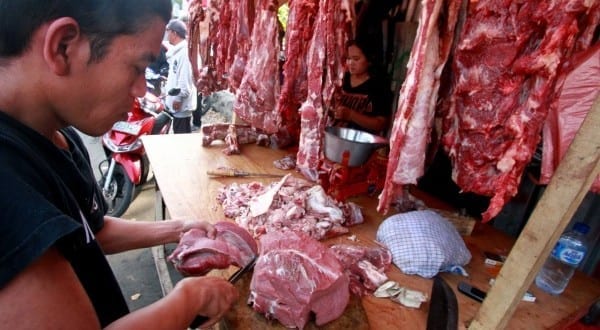
    The Trade Ministry says it will set reference prices for a number of basic food items at the consumer level, including beef.

    Writing in today’s Agri Commodities Daily Alert, Comm Bank’s Tobin Gorey said the policy announced yesterday was effectively a government mandated price ceiling, aimed at maintaining domestic price stability.

    “The retail price range for fresh beef will reportedly be between 50,000‑105,000 rupiah (A$5‑A$10.60/kg),” Mr Gorey said.

    “Fresh beef is currently trading at around 114,000 rupiah (A$11.55/kg) in Jakarta wet markets.”

    The announcement follows earlier news that Indonesia will officially begin importing lower cost buffalo meat from India. The buffalo meat is being sourced from 10 meatworks located in foot and mouth disease (FMD)-free zones.

    Indonesia is Australia’s largest export market for cattle and fifth biggest market for boxed week. Last year Australia exported 618,323 live cattle worth A$548.8 million and 39,134 tonnes of boxed beef valued at A$244m.

  • DHL Opens Link between Bangkok and Phnom Phen

    DHL Opens Link between Bangkok and Phnom Phen

    DHL Express has launched a flight connection between its Bangkok hub and Phnom Penh. According to DHL, the new flight is operated five times a week by K-Mile Air using a Boeing 737-400F, which offers a gross payload of 19 tons. The service is aimed at the growing import and export demands of industries such as garments and construction.

    “This new flight is another step towards unlocking Cambodia’s vast potential for trade in Southeast Asia,” said Ken Lee, CEO of DHL Express Asia Pacific. “Trade between Cambodia and Thailand reached US$5.1 billion in 2015, and the country also imported US$1.05 billion worth of goods from Singapore in 2014. By improving inbound and outbound capacities from markets like Thailand and Singapore where our hubs are located, we are confident that this new flight will further develop Cambodia’s market. With our extensive air network, this dedicated service will enhance the country’s global connectivity and trade relations.”

    Sean Wall, executive vice president of network operations and aviation at DHL Express Asia Pacific, said that the demand for movement of goods will grow further as Cambodia increasingly becomes an important trading player in Southeast Asia.

    “Our latest service is good news for businesses in Cambodia, offering them the capacity, frequency, and seamless export capabilities they need to reach more customers in new markets,” he said. “It also underscores our ongoing commitment to continuously strengthen our network and connectivity to provide more efficient routes for customers.”

  • Miniso Laos opens first store at Vientiane

    Miniso Laos opens first store at Vientiane

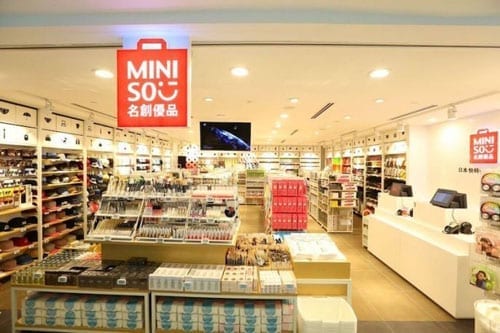
    Chinese fashion and novelty retailer Miniso has opened its first store in Laos as it continues its rapid Asian expansion.

    The Miniso Laos store is located on the 1st floor of KL’lar Huk K’kee Mall in Vientiane, the nation’s capital.

    The flagship store in Laos gained much attention from the local government, five major banks in Laos installed ATMs at the store.

    First day turnover exceeded RMB 50,000 (US$7500).

    “For a developing country with a population of 6 million people, this was a miraculous sales record,” a Miniso spokesman said in a statement.

    Miniso Laos

    Phouphet Khamphounvong, Laotian Minister of Finance, and his wife, Miyake Jyunya, (pictured) global co-founder of Miniso, Ye Guofu, global co-founder of Miniso, Laotian representatives of business cooperation, officiated at the opening.

    Queues formed to be first to try the Japanese-styled store which sells own-brand fast fashion accessories, electronics, homewares and beauty products.

    Since its establishment in 2013, Miniso has opened more than 1400 stores across the globe. In 2015, its annual sales exceeded RMB 5 billion ($750 million), which it claims makes it the fastest-growing brand in offline retailing.

    This year, Miniso plans to open another 1800 stores globally, and to double its annual turnover.

  • Yum China board lineup revealed

    Yum China board lineup revealed

    Yum China has revealed the likely composition of its board post-spin-off from its US parent, Yum! Brands.

    The new company to be formed after the sell-off to Primavera Capital Group and a subsidiary of Alibaba Group, will be called Yum China Holdings and is expected to be formally formed on October 31.

    The nine new directors announced, seven of whom are independent, will join the board chaired by Dr Fred Hu, chairman and founder of Primavera Capital Group.

    The other members are:

    • Micky Pant, CEO of Yum China.
    • Peter A Bassi, former chairman and president of Yum! Restaurants International and current lead director for BJ’s Restaurant and Potbelly Sandwich Works.
    • Christian L Campbell, owner of Christian L Campbell Consulting LLC and former senior VP, general counsel, secretary and chief franchise policy officer of Yum! Brands.
    • Ed Chan Yiu-Cheong, vice chairman of Charoen Pokphand Group.
    • Edouard Ettedgui, non-executive chairman of Alliance Francaise, Hong Kong and non-executive director of Mandarin Oriental International.
    • Louis T Hsieh, director and senior advisor to the CEO, and former CFO and president of New Oriental Education & Technology Group.
    • Jonathan S Linen, director for Yum! Brands and Modern Bank, former adviser to the chairman of American Express, and former vice chairman of American Express.
    • Zili Shao, co-chairman of King & Wood Mallesons, China.

    Yum China also expects to name one additional independent board member in connection with the spin-off.

    Yum! Brands CEO Greg Creed said the company was pleased to have announced the composition of the Yum China board, as it nears the completion of the separation.

    “We are confident that these business leaders will offer the market insights and strategic vision required to enable Yum China to reach its full potential.”

    Yum China will become the licensee of Yum! Brands in Mainland China. It will have exclusive rights to KFC, Pizza Hut and Taco Bell, the latter of which is expanding globally but is not yet in China. It will also own the Little Sheep and East Dawning concepts outright.

    Yum China has more than 7200 restaurants in over 1100 cities in China and generated over US$8 billion in system sales in 2015.

  • Lazada partners with 40 Vietnamese retailers

    Lazada partners with 40 Vietnamese retailers

    Southeast Asian eCommerce giant Lazada has partnered with 40 Vietnamese retailers to expand their businesses.

    The partner businesses include electronics retailers Cho Lon, Tran Anh, Home Center, cookware chain Lock&Lock, and jeweller PNJ.

    Lazada expects the deals will help it cater better to local consumers, developing its business throughout Vietnam market with the message “whatever you buy offline, you can buy it online”.

    Vietnamese retailers, on the other hand, hope to expand their customer bases via the Lazada brand and reputation. Kid Plaza, a baby product supplier, says it has tripled its monthly revenue after selling its items on Lazada.

    Founded four years ago, Lazada Vietnam has become one of the biggest online shopping sites in Vietnam, sharing the US$4 billion worth market last year. Through the new deals, Lazada plans to claim at least 25 per cent of Vietnam’s online shopping spend.

    Lazada’s plan seems achievable when almost 50 per cent of Vietnam’s 93 million population are using the internet. Research predicts that by 2020, 30 per cent of the population will regularly buy goods and services online, with an average spend of US$350 per year. This will take online retail sales to $10 billion.

  • Globe to deploy fiber in 20,000 villages

    Globe to deploy fiber in 20,000 villages

    The Philippines’ Globe Telecom has committed to connect 2 million Filipino homes with high-speed internet access with a speed of at least 10Mbps and above by 2020.

    The operator plans to deploy fiber in 20,000 villages across the country to achieve this goal.

    “That will change a lot for families because families today are so dependent on the internet,” said Globe President and CEO Ernest Cu at an event on Friday night.

    “Industries and Business Process Outsourcing (BPO) also cannot flourish without dependable connection to the United States, the UK, Australia and to the rest of the world.”

    “We are committed to spending $500 million to upgrade the network of Globe to enable continuous growth among enterprises in the Philippines,” he added.

    Since the joint purchase of the telco assets owned by San Miguel Corporation (SMC) by Globe Telecom and PLDT last May, both companies have been rolling out LTE 700-MHz cell sites across the country. In the Globe network, around 250 such cell ties will have been activated in Metro Manila by the end of this month, at least 188 of which will be active in the National Capital Region.

    Cu said the goal is to deploy at least 500 LTE 700-MHz cell sites nationwide by the end of 2016.

    The majority of these sites will cover major business districts and highly urbanized and populated areas in the country, including Metro Manila, Metro Cebu, and Metro Davao.

    Globe’s chief executive emphasized that the company is maximizing the use of the previously idle 700-MHz band in fulfillment of its commitment to the National Telecommunications Commission to improve the overall internet experience of its customers following the sell-out of SMC’s telco assets.

    “One of our goals its to try to create an experience as close to first world internet as possible. You can now do this with mobile, given the amount of spectrum that we have,” he said.

    Parallel to this, Globe has also started rolling out a capacity expansion program for its corporate data network to address the bandwidth requirement of its enterprise clients. The company will be equipping 61 of its corporate sites with fiber technology.