Blog

  • Vodafone said to plan $2.5b India IPO in Q4

    Vodafone said to plan $2.5b India IPO in Q4

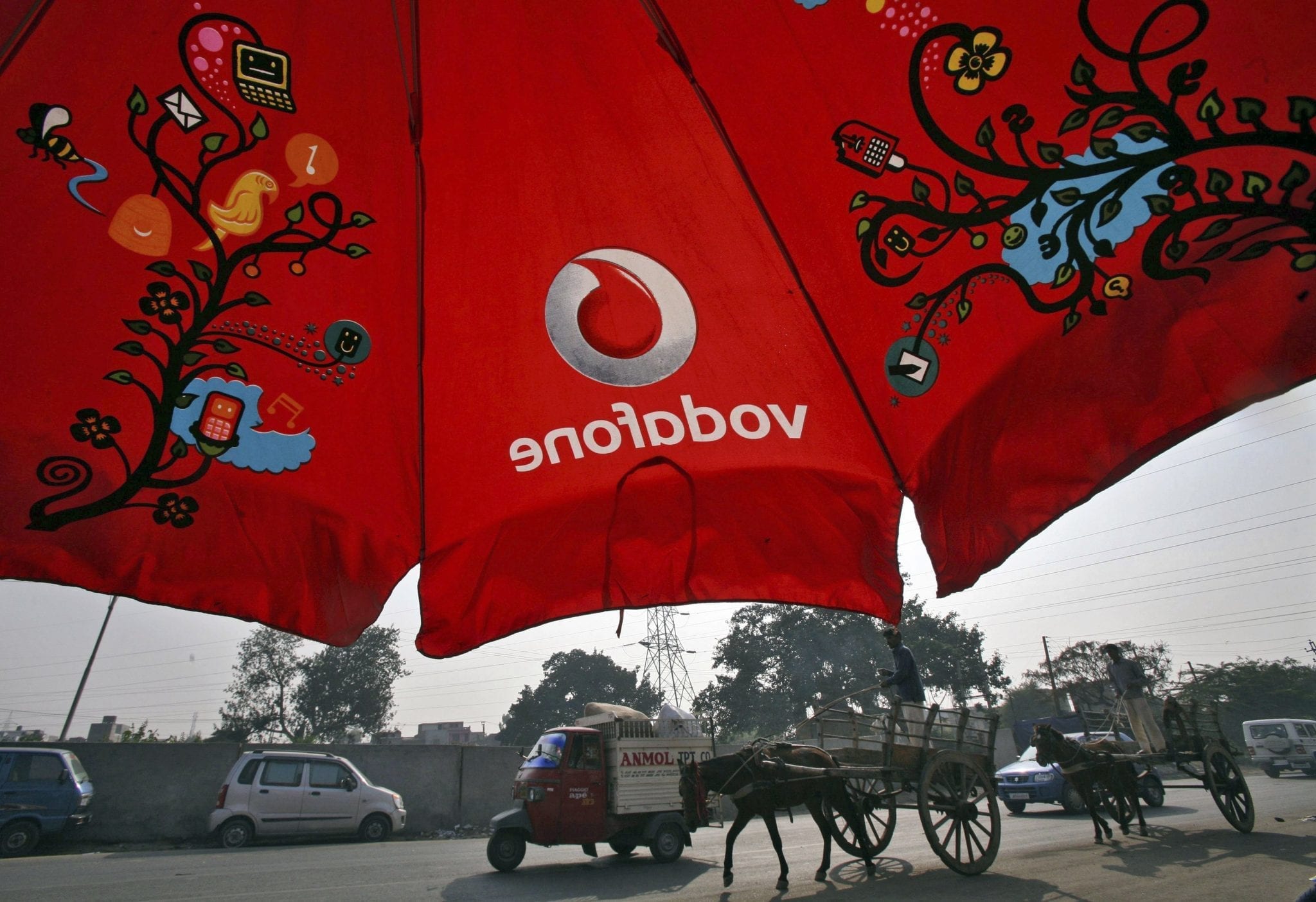
    Reports indicate that Vodafone is preparing to conduct an IPO of its Indian business in the fourth quarter that could raise as much as $2.5 billion.

    The operator is expected to file a draft prospectus for the IPO in August, citing sources close to the deal.

    According to the report, Vodafone has hired Bank of America, Kotak Investment banking and UBS AG as the global co-ordinators for the IPO. The bank selection process commenced in April.

    With a potential value of up to $2.5 billion, the IPO would be India’s largest public listing since 2010. Previous reports indicate that the value of the offer could be much larger, to the extent that the IPO has the potential to be India’s largest ever float.

    Vodafone has been considering an IPO of its Indian operations for years, but the process has been complicated in part by disputes with the government over tax demands and the merger of its operating businesses.

  • Closer Trade Ties Between Indonesia and Philippines

    Closer Trade Ties Between Indonesia and Philippines

    Indonesia and the Philippines, as immediate neighboring countries, have many to offers in the fields of among other things trade, culture and security.

    In fact, the Philippines is  a significant trade partner as its contributed around US$2.3 billion in trade surplus to Indonesia last year.

    Indonesian Ambassador to the Philippines Johny J Lumintang said recently that the surplus was the third largest for Indonesia in its international trade.

    Data from the Philippine Statistics Authority revealed that the countrys imports from Indonesia during the period between January and December 2015 stood at $2.927 billion, while exports to Indonesia were only valued at $628.2 million.

    However, the figures declined from the previous year when Philippines imports and exports from and to Indonesia reached $3.037 billion and $759.658 million, respectively.

    Three major Indonesian products imported by the Philippines, include automotive, coal, and coffee, with total values of $619.8 million, $519.4 million, and $208.6 million, respectively.

    There are great demands for coal for Filipino power plants, the diplomat said.

    The two nations have also intensified bilateral cooperation in various fields such as in economic, politic, socio-culture, and sea patrol security.

    “With the Philippines, Indonesia should not compete but cooperate as our products are mostly similar,” the ambassador said.

    Indonesias Trade Attach in Manila Irawan said 16 Indonesian food and beverage products have been marketed widely in Filipino supermarkets.

    Philippine President Benigno Aquino (R) speaks with Indonesian President Joko Widodo (L) at the presidential palace in Manila on February 9, 2015.  Widodo is meeting with Aquino to sign bilateral agreements and discuss various issues, possibly including territorial conflicts in the South China Sea.   AFP PHOTO / POOL / FRANCIS R. MALASIG
    Philippine President Benigno Aquino (R) speaks with Indonesian President Joko Widodo (L) at the presidential palace in Manila.

    Among the products as Kopiko 78 Degree, Indofood instant noodles, Bimoli and Mitra cooking oil, Tiger and Oreo biscuits, Extra Joss, You C-1000, Fruit Tea, nata de coco, Kopiko candy, Energen, and Diabetasol biscuits and powder milk.

    Indonesias food and beverage product market share in the Philippines is 8.13 percent.

    Last year, the Philippines imported food and beverages worth US$ 452.1 million from Indonesia, and exported US$15.8 million.

    Having economic growth at 6.9 percent, the Philippine is a potential market as its population is also big, he said.

    He hoped more small and medium scale industries products could be marketed in the Philippine.

    Eight food and beverage producers participated in the ASEAN Salon International de l Agroalimentaire held in Manila on May 31-June 2 2016.

    In the meantime, The Philippine government is also eager to promote its products in Indonesian markets.

    Filipino retail brands were exhibited at the “Lifestyle Philippines” event in Jakarta, on June 10, 2016.

    “Lifestyle Philippines” was a branding initiative led by the Philippine Trade and Investment Center (PTIC) in Jakarta which aimd to promote and create more awareness of Filipino-made products.

    During her remarks, Philippine Ambassador to Indonesia Maria Lumen Isleta stated that, It is an initiative to which our Embassy with the support of the Filipino community, have given our best efforts because we believe it can contribute to the friendship and close cooperation between our two countries.

    The event included a fashion show featuring Karimadon and Rusty Lopez, two iconic brands in the Philippines that have begun to create a following in the Indonesian forward-clientele market.

    Other brands displayed were Plains and Prints, Cruzzini Barong Tagalog, and Barong Batik, a fashion innovation that has successfully fused Philippine barong and Indonesian batik, a creation that many diplomats and dignitaries have begun to favor for its elegance.

    Apart from apparel, the event also showcased Filipino food products, hand-woven crafts, cosmetics and neutraceutical, tourism and travel, as well as education services.

    Flavors Philippines featured products with potentials to be exported here such as Goldilocks polvoron, Mama Sitas sauces and mixes, Leslies snack products, Destilleria Limtuacos spirits and liquors, among others.

    Artisanal food products sourced from the various regions in the Philippines such as dried fruits and nuts, jams and marmalades, bottled sardines, and chocolate dipped dried mangoes will be at the exhibition as well.

    Woven Chic, a special section on hand-woven crafts will show indigenous textiles from the Philippines, traditional dresses, linens, and modern and traditional pieces of jewelry.

    “This initiative hopes to increase trade with Indonesia, which in 2015 stood at US$3.6 billion. The Philippines exported about US$628.27 million of goods and services to Indonesia, while the Indonesia had US$2.93 billion trade with its counterpart,” Philippine Embassy Trade Representative Alma Argayoso said in a statement recently.

    “The regional integration in ASEAN presents opportunities for Philippine companies to expand to Indonesia and other ASEAN markets, and we certainly would like to actively take part in supporting Philippines companies in their regional expansion. We look forward to make Filipino products more available in the Indonesian market, particularly since there are many Indonesians who have visited and studied in the Philippines who look for our products,” she added.

  • Singtel teams with SIT to train cybersecurity talent

    Singtel teams with SIT to train cybersecurity talent

    Singtel has announced a new partnership with the Singapore Institute of Technology (SIT) to train cybersecurity talent.

    The work-study program will support SIT students in the areas of Information Security and Software Engineering, which is expected to lead to career pathways such as cyber security R&D, product development, and management, cyber analysis and forensics, operations and cyber architects.

    Singtel country CEO and CEO, Group Enterprise Bill Chang said the undertaking aims to address two critical skills needs locally – the short supply of trained software engineers and the growing worldwide threat posed by cyber threats.

    “The economy is in great need for trained cybersecurity professionals,” he said.

    Under the work-study programs, participating students are trainees of the supporting company. They get to gather meaningful work experiences through industry induction, close mentorship, attachments and capstone projects to deepen industry-relevant skills.

    The students would acquire skills and experience relevant to the needs of the company while the company gains a productive contributor and an avenue to recruit, assess, groom and retain talent.

    Singtel has also worked with the InfoComm Development Authority of Singapore (IDA) on the Cyber Security Associates and Technologists Program.

  • Sungjoo Group seeks to make MCM ‘new school luxury’ brand

    Sungjoo Group seeks to make MCM ‘new school luxury’ brand

    South Korean fashion giant Sungjoo Corp., which owns and runs German luxury bag brand MCM, on Friday said it will adopt the latest technology to create an innovative fashion code and lead the new luxury trend.

    “We will combine technology and fashion to create the new framework in the luxury market,” Sungjoo Group said in the newly published book, titled “The Story of Sungjoo.”

    Sungjoo Group is a fashion retail group that operates franchise stores for leading British retail group Marks & Spencer, Yves Saint Laurent and Gucci in South Korea. It acquired Germany luxury leather goods brand MCM in 2005.

    “We will make MCM the ‘new school luxury’ that caters to various lifestyles and brings changes, not just making luxury products appealing to a small number of affluent customers,” it said.

    As part of efforts, MCM will present “wearable luxury” by collaborating with mobile devices and offer product information on smartphone applications.

    Celebrating the 25th anniversary of its foundation this year, Sungjoo Corp. said it aims to increase the number of MCM stores to 700 across the world and generate 2 trillion won (US$1.7 billion) in sales by 2020.

    When Kim Sung-joo first founded Sunjoo Group as a rare female entrepreneur of the country at the time, few would have expected the small firm could join the world’s top 50 fashion groups.

    Born into a prosperous family in South Korea in 1956, the youngest of six children is in all senses a maverick in her own family and the nation’s male-dominated business circle.

    Her father is Kim Soo-keon, the founder of Daesung Industrial Corp., a Korean conglomerate whose businesses range from energy and auto parts to oil and industrial gas.

    Graduating from Yonsei University, Kim defied her father’s demands not to enter business, and instead, went abroad to study at Amherst College in Massachusetts and the London School of Economics.

    Then while continuing her studies at Harvard University, she met a Canadian classmate and married him. Her furious parents disowned her, and she had to drop out of school and work at Bloomingdales in New York to support herself.

    After her apprenticeships in the luxury American department store, she came back to Korea and founded her own fashion business in 1991.

    As she couldn’t get any financial support from her father, Kim had to start her own business from scratch in a small office in Seoul.

    Witnessing changing consumption trends in South Korea in the 1990s, Kim believed that importing foreign luxury brands to the local market could be a good business venture and won franchise rights for British retail group Marks & Spencer, Yves Saint Laurent and Gucci. In years, Korea became the world’s fifth-largest market for Gucci.

    But the company had to streamline its business in the aftermath of the 1997 Asian financial crisis, which made royalty fees skyrocket and put icy water on consumer sentiment.

    After managing to stay afloat during the tough years, Sungjoo Corp., which had the licensing rights of German craft handbag maker MCM, decided to take over the then-struggling company in 2005.

    Under Kim’s leadership, Sungjoo Corp. resuscitated MCM’s slumping business with a series of innovative products and new way of marketing strategies targeting younger customers.

    Breaking the prejudice that practical backpacks can’t be part of luxury, MCM released unisex backpacks and big bags that have space for laptops. They turned out to be a big hit among younger customers and became signature items for the brand.

    Kim also started to open flagship stores in Europe, the United States and Asia, rapidly expanding the number of stores in China. Now, MCM sells in 30 nations, and China is one of its biggest markets.

    The spirited female entrepreneur, who always sticks to a signature short cut, bold eye makeup and red lipstick, has built her wealth from scratch, but monetary success is not her ultimate goal.

    The dedicated Christian always stresses that her employees “succeed to serve, not serve to succeed,” the book quoted her saying, presenting the 60-year-old CEO’s thick, wrinkled hands as a gesture of her support on the last page.

  • ‘Energy drink’ for your mobile phone

    ‘Energy drink’ for your mobile phone

    EVER get that sinking feeling when the last of the battery drains from your mobile phone while in the middle of something? What makes it worse is that you haven’t got your power bank with you, and there’s not a plug point in sight! Now, a cute-looking product called MoBeeGo – a one-time mobile phone charger may just be the answer you have been waiting for.

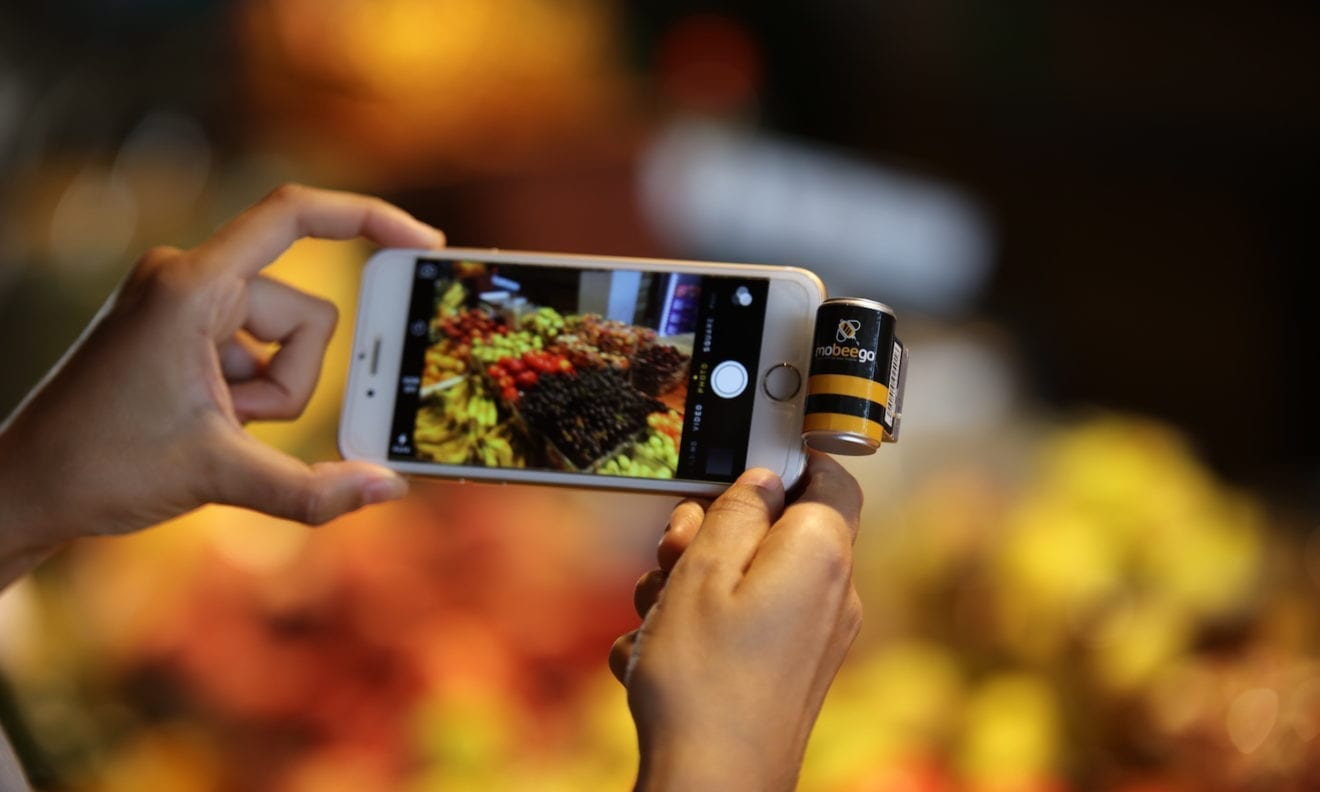
    The cute black and yellow miniature barrels are able to juice up your dying mobile phones for another four hours maximum. Produced by NASDAQ-listed Life Clips Inc, MoBeeGo is an innovative one-time charger that does not require any pre-charging nor the use of cumbersome cords. Brought in to Malaysia by Kelvin Hun and Edric Foong, the founders of Veloster Technology, a local company that specialises in cutting-edge devices and technological gadgets, MoBeeGo is designed with two elements.

    One is a re-usable ultra-compact adapter – there are separate ones available for Google Android and Apple iOs smartphones – that connects to the phone’s charging outlet. The second element is the battery can (shaped to look like a can of an energy drink) or charging unit, which is mounted onto the adapter that attaches to the phone. The charger is tiny and can be easily stored in pockets, purses, and bags. The battery has a 10-year shelf life, enabling consumers to keep them on hand for prolonged periods.

    According to Hun, the battery is hardy enough to withstand extreme temperatures of up to minus 12 and still be able to function well. That’s certainly good news for those planning to travel to cold places this winter. He also added that MoBeeGo is intended to offer convenience and safety, and to be an immediate solution to complement the busy lifestyle of today’s mobile consumers who often carry multiple devices at a time. “With today’s busy lifestyle, we rely heavily on our mobile devices to keep us connected to the world around us.

    Whether we are searching for places to eat on our mobile or playing games during our commute, today’s mobile apps consume lot of power from your devices. The problem lies in trying to squeeze a full day’s worth of power into such mobile devices. Hence, MoBeeGo is designed with ease of use in mind and lets you charge instantly when you need it – anytime and anywhere,” said Hun. The charger and battery is easily available from local stores from next week onwards.

    In the meantime, Veloster Technology is planning to further expand the network of stores where MoBeeGo can be made available. “We are thrilled to have myNEWS as the first convenience retail chain for our award-winning charger. We look forward to expanding our distribution network to even more stores and new markets such as check-out counters in pharmacies, grocery stores, cafes, magazine kiosks, shopping malls, airports and other places where people shop in the near future. So the next time you are running low on battery, just grab a can from the stores, plug it in and go!” said Hun.

    MoBeeGo batteries are recyclable. MoBeeGo is currently sold in 14 countries including Canada, United Kingdom, Malaysia, France and Russia. It recently received an Honourable Mention on the Red Dot Design Award: Product Design this year. The Red Dot Design Award is an international product design and communication design prize awarded by the Design Zentrum Nordrhein Westfalen in Essen, Germany.

  • Sa Sa’s Stock May Fall 50%

    Sa Sa’s Stock May Fall 50%

    Shares of Sa Sa International are up 27% in the past month as Chinese tourist arrivals to Hong Kong showed signs of a recovery – but it may not yet be time to put the marked down cosmetics retailer in the shopping basket.

    Once a market darling, Sa Sa has sagged 70% from its peak in September 2013 as rising online competition and a fall in the number of mainland Chinese shoppers visiting its ubiquitous neon pink stores squeezed sales. Slumping sentiment and spending among Hong Kong consumers hasn’t helped. The cosmetics retailer released its full year results on Thursday and it wasn’t pretty: earnings plummeted 54% year-on-year as revenues slipped and margins were squeezed. However, there is stirring interest in Sa Sa as a recovery play as the slump in Chinese visitors appears to be waning, while investors also get paid to wait for a turnaround given the juicy 8% yield. But the stock may have rallied too hard, too fast as a recovery in mainland visitors – if it happens – doesn’t necessarily mean fuller tills at stores, while pressures on margins abound.

    Sa Sa’s yearly revenues suffered their first decline since its public listing in 1997. The retailer reported a 12.8% fall to HKD9 billion as same store sales in Hong Kong and Macau, which account for around 80% of revenues, fell 11.8%. While the volume of transactions decreased around 4%, a 10% fall in the average value of each transaction hurt the top line. Mainland tourists made around 8% fewer transactions and on average spent 11% less on each transaction. The weaker spending by mainland shoppers reflects the growing number of tourists from smaller cities who have lower disposable incomes. Additionally, restrictions limiting Shenzhen residents to only one visit to Hong Kong a week have shrunk the number of day trippers who account for the bulk of Sa Sa’s mainland clientele.

    But it’s not just mainland tourists who are weighing on Sa Sa’s top line: local shoppers, who account for around 48% of transactions, are also spending less amid Hong Kong’s weak economy. Consumer confidence is at its lowest level since 2013, while retail sales tumbled nearly 8% year-on-year in April after reporting the steepest plunge since 1999 in February. A weak finance sector and falling property prices threaten to further depress consumer sentiment spending. Transaction volumes for local shoppers slipped roughly 1% for Sa Sa last year, while average spending decreased just over 3%.

    Morgan Stanley analyst Edward Lui expects near term trends “to stay challenging” for Hong Kong retailers and expects Sa Sa to record a double digit decline in same store sales this year. The analyst said Sa Sa, as well as jeweler Chow Tai Fook, have the “greatest de-rating and earnings risks.” Lui has an underweight rating on Sa Sa with a HKD1.40 a share target price, which is 51% below the stock’s current level of HKD2.85 a share. Sa Sa shares also aren’t cheap: they trade at 19 times forward earnings, which is above a five-year average of 17 times and compares to 14 times for fast food chain Fairwood Holdings, which is geared to benefit from a weak economy.

    Competition between Sa Sa and rivals like Bonjour Holdings has also intensified. More aggressive promotions and discounts lowered Sa Sa’s net profit margin to roughly 7% last year from around 12% the prior year. Staffing costs as a share of sales also increased as the company forked out more remuneration to retain staff. Macquarie analyst Linda Huang is concerned about the outlook for profits as “margins will likely be under pressure” due to high rent, labor costs and promotional spending. Huang has an underperform rating on Sa Sa with an HKD1.80 a share target price. A weak Hong Kong property market could lower rent for the retailer, argues Core Pacific-Yamaichi analyst Kevin Tam. Tam – who is the lone analyst with a buy rating on Sa Sa – expects an 11% decline in rent this year to be a major earnings driver. However, Sa Sa management has indicated savings on leases would show up in total rent costs only over “an extended time of several financial years.”

    While Sa Sa has diversified away from Hong Kong and Macau with stores in Southeast Asia and mainland China, its Malaysia business was the only bright spot last year. Sa Sa has also hedged itself against the squeeze of ecommerce on brick and mortar retailers with its sasa.com portal but growth has been disappointing compared to dedicated online retailers such as Vipshop.

  • Thailand’s AIS launches VoWiFi

    Thailand’s AIS launches VoWiFi

    Thailand’s AIS has launched Voice over Wi-Fi (VoWiFi) services, and Taiwan’s APT has announced plans to do the same.

    AIS, Thailand’s largest mobile operator, is initially offering VoWiFi for selected iPhone models, including the iPhone 5s, 5c, 6, 6 Plus, 6s, 6s Plus and iPhone SE.

    The company will offer VoWiFi as a complementary add-on for AIS’s 4G services, offering calls at standard rates as well as the ability to send and receive SMS.

    AIS has announced plans to expand its WiFi hotspot network from 120,000 to 160,000 this year and to 200,000 by 2017. The operator is aiming to have more than 10 million 4G subscribers by the end of 2016.

    Taiwan’s APT has also announced plans to launch VoWiFi services, without announcing a timeframe.

    Comments from APT suggest that the operator will initially support selected iPhone models and the Android-based InFocus M372 with the VoWiFi service.

    Currently the operator’s 4G network covers around 94% of Taiwan, including 98% of metropolitan areas. The company passed the 4 million subscriber milestone at the end of May.

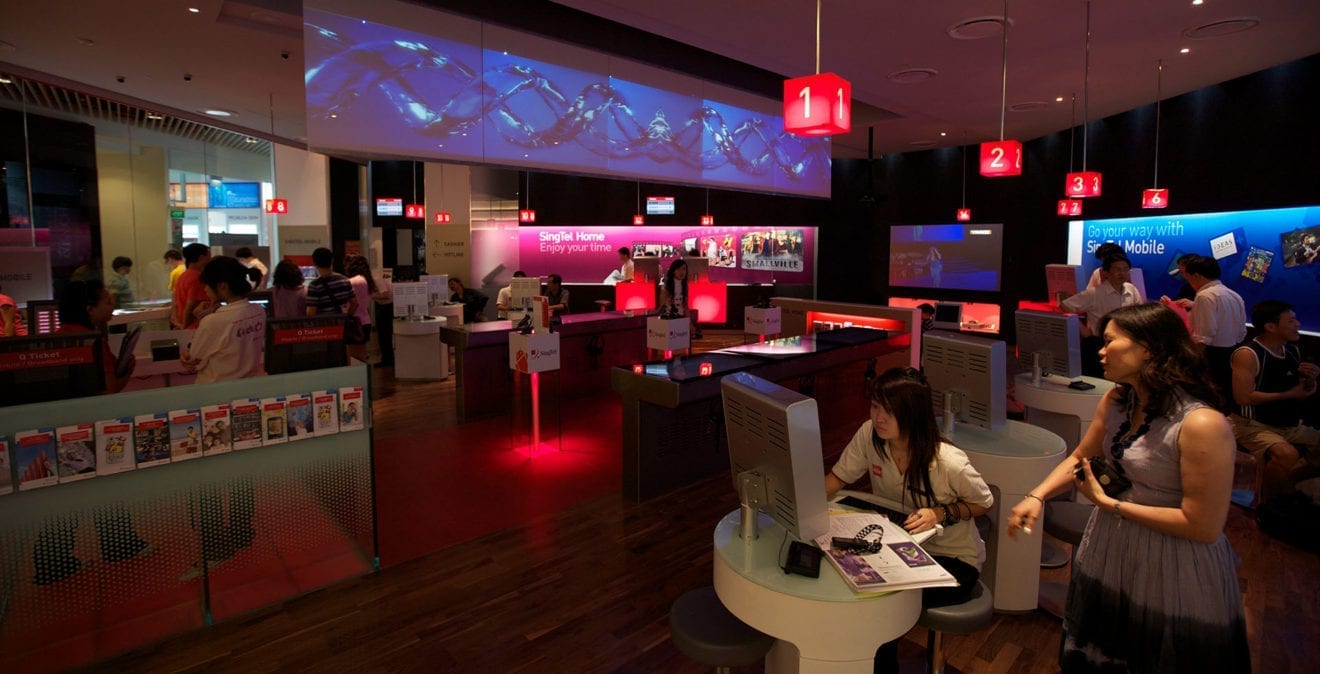
    Last week, Singtel announced that it is planning to launch VoWiFi services in August  following successful HetNet trials.

  • Hilton hotel chain steadily expanding operations in Indonesia

    Hilton hotel chain steadily expanding operations in Indonesia

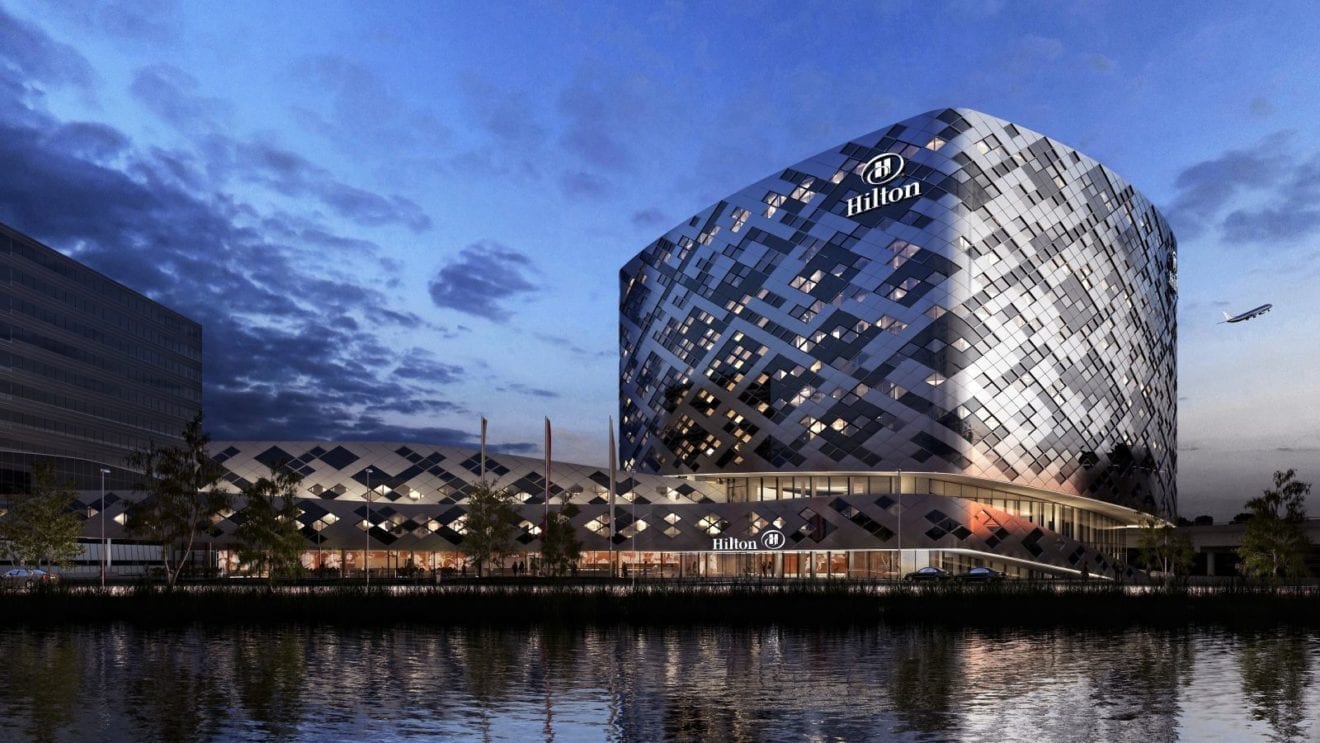
    Hilton Worldwide, a US-based global hotel chain, has steadily been expanding its operations in Indonesia to tap new market opportunities in a hospitality industry that is thriving on the back of steady economic growth and the free visas being offered to the citizens of most of the countries in the world.

    “We already have four properties under our management and eight others, which are under construction in Jakarta, Tangerang, Surabaya and Bali, will open within the next two years”, Hilton’s vice president for Southeast Asia and India William Costley told The Jakarta Post on Wednesday.

    The four properties already in operation are the Double Tree by Hilton in Jakarta, the Hilton in Bandung, the Conrad and the Hilton Garden Inn, both in Bali.

    Hilton, which manages more than 4,600 properties in 103 countries, is also looking for new opportunities in Lombok, Medan in North Sumatra, Balikpapan in East Kalimantan and Palembang in South Sumatra, Costley said.

    It is mostly a matter of finding the right partner for promoting Hilton service standards because Hilton has many brands to fit in with different locations, he said.

    “But we are always directly involved together with the owners in the process of designing and constructing every hotel we will manage and in training its human resources,” he added.

    Costley said the steady growth of Southeast Asia’s largest economy and the ASEAN open skies policy would boost business travel and the whole hospitality industry in many other cities across the vast archipelago.

    “We are quite excited about the prospect of the tourism industry, especially after the launching of the visa-free facility,” he said. “And I think the target of 20 million tourist arrivals in 2020 is not impossible.”

    He sees great potential for developing Indonesia into one of the most favorite tourist destinations and tourism is also the right kind of industry Indonesia needs because of its labor intensive, multiplier impact and, most importantly, this industry is friendly to the environment and earns a lot of foreign currency.

    “Take for example this Double Tree by Hilton hotel here, which has 253 rooms. It employs only two expatriates and the rest of the staff are locals,” Costley pointed out.

    Hilton Worldwide has a portfolio of 13 brands, including the Waldorf Astoria, the Conrad, the Hilton, the Double Tree by Hilton and the Hotel Garden Inn, which are promoted as landmark properties in Indonesia.

    Costley said the Waldorf Astoria, Hilton’s most luxury brand, which will be housed in a 74-story mixed-use building currently under construction on Jl. MH Thamrin in Jakarta, will open in 2018 with 181 rooms.

    Two other properties under construction in Ubud and Seminyak, both in Bali, will operate within the next two years and are also under the Waldorf Astoria brand, while the Hilton Bali (formerly the Grand Nikko) will operate later this year with 408 rooms, he added.

    The other four hotels in Hilton’s management portfolio that will open within the next two years are the Double Tree by Hilton in Surabaya and Karawaci in Tangerang and the Hilton Garden Inn in Kemang, Jakarta, and Karawaci.

    Costley said the Hilton group is strongly committed to strengthening and expanding its growing portfolio of landmark properties in such key destinations as Indonesia.

    Our Hilton Honors loyalty program has 55 million members around the world, and this huge data bank is surely an effective means of promoting Indonesia globally,” Costley added.

  • Alibaba Group Holding Ltd Should Stop Fooling Stakeholders on Counterfeits

    Alibaba Group Holding Ltd Should Stop Fooling Stakeholders on Counterfeits

    On Tuesday, founder and chairman of Alibaba Group Holding Ltd, Jack Ma wrote to its investors, customers, and traders highlighting that his recent words about counterfeited goods was taken out of context and his company has no tolerance for fake goods trading on its e-commerce portal.

    Mr. Ma said in his article: “When Alibaba went public in 2014, I told our customers, employees and investors that what we had earned was trust—in myself, my team, and our company’s mission, vision and values.” Mr. Ma further highlighted that with trust come great responsibility and Alibaba’s responsibility is to protect all of its stakeholders.”

    Last week, Mr. Ma released a statement saying that “counterfeited goods are better than original products,” after which Alibaba came under fire and many foreign brands owners challenged the company’s credibility and its efforts to fight against fakes traded on its e-commerce platform.

    He stated: “The problem is the fake products today are of better quality and better price than the real names. They are exactly the [same] factories; exactly the same raw materials but they do not use the names.”

    Yesterday, Mr. Ma indicated that whatever he said was an observation and has nothing to with the reality. He further added that “Failing to protect original designs, trademarks, and technology is akin to thievery, and it is detrimental not only to innovation but also to the integrity of the marketplace,” and Alibaba will never forgive any act of stealing.

    Last year, several leading foreign brands filed lawsuits against the Chinese e-commerce giant, accusing it of deliberately promoting the counterfeited goods traded on its websites.

    Kering SA, a French luxury goods holding company filed a lawsuit against the Chinese e-commerce giant last year, claiming that Alibaba is directly involved in the promotion of counterfeited goods. However, the company denied all such accusations and later, the case was resolved on mutual consent. Like Kering, many other foreign brands have alleged Alibaba of doing little to stop the trading of fake goods on its leading platforms including Taobao and Tmall.com. Likewise, many of them have even shifted to other e-commerce stores including those of JD.com Inc.

    Last year, Alibaba also narrowly escaped the US black list for notorious goods; however, it received official warning from the US trade officials to quickly resolve the issue and prevent sale of counterfeited goods on its leading online platforms such as Taobao. Mr. Ma saw this escape a huge victory and assured the trade officials that his e-commerce firm is 100% committed to lead the fight against global counterfeiting, both online and offline.

    The Chinese e-commerce giant has invested heavily and devoted significant efforts to develop an unparalleled level of technology to put a stop to this counterfeiting work. The Chinese e-commerce giant takes out full-bodied data processing and analytics to enable real time scanning of nearly 10 million new products a day by looking at key features such as pricing, trademarks, and buyer and seller identity. Despite such aggressive measures the world’s second largest retail network is yet to satisfy customer, trade officials, and most importantly brand owners.

    In his write up, Mr. Ma emphasized on the fact that a cooperation spread globally is needed to fight the counterfeited goods issue. It’s a “long term crusade,” he said, a battle against human greed for which there are no short term fixes and easy way out.

    Mr. Ma’s statement was not welcomed with gratitude by investors, brand owners, and trade officials. According to some analysts by terming the case a long term crusade, Mr. Ma has indicated that the counterfeited goods is likely to continue to trade on Alibaba’s online platform. He said he expected Alibaba to become the “fifth largest global economy” after Japan by 2020. This is likely to happen because China’s middle class consumption has increased massively, and the country’s middle class holds about $4.6 trillion in savings.

    Recently, Security and Exchange Commission (SEC) have inquired Alibaba to present complete details of the company’s accounting policies and for one of its delivery affiliate, after the company was accused of using inappropriate financial measures and not disclosing complete transactions of its delivery affiliate.

    In May, the Chinese e-commerce giant was handed a suspension from International Anti-counterfeiting Coalition (IACC), a supervisory body for retail industry after several leading members threatened to step down against Alibaba’s inclusion. Those members included Tiffany, Gucci America, and Michael Kors.

    Role of Chinese Government

    Though the Chinese e-commerce giant faces tremendous international criticism and pressure from trade officials, the government has done little to tackle the counterfeited goods issue i.e. no more than a few warnings. Even Mr. Ma himself proclaimed that the Chinese government can’t even ban his company for two hours due to its significant economic importance. We believe that there are solid reasons as to why the Chinese government can do very little to take action against Alibaba.

    The following revenue table clearly depicts that Alibaba’s retail business generates significant profits, which is a vital catalyst for growth in China’s deteriorating economy. The country’s GDP growth is at its slowest in the past 25 years, and with crude oil continuously remaining on a lower side, the Chinese government is shifting to services and retail sector to inject growth in the Chinese economy, and Alibaba is the big connection to it.

    It is indicated that Alibaba’s China retail business amounted to nearly 78% of total revenue generated in the quarter, while international retail also surged 15% year-over-year (YoY).

    Its international retail segment growth also highlights the company’s eagerness to expand its footing in the international market. We depicts Alibaba’s international retail revenue for the past six years.

    Though the growth is imminent but many analysts opine that is far below the expectations. As a result of counterfeited goods scandal, the company’s international retail revenue growth has plummeted 41% on average in the past five years.

    At the recent investor’s day conference, the Chinese e-commerce giant also released its annual revenue forecast estimating a 48% YoY surge, mainly driven by the acquisitions of Youku Tudou and Lazada the Asian e-commerce giant. It said: “The Company expects to record 6 trillion yuan ($912 billion) in gross merchandise volume (GMV) in fiscal 2020, nearly double 3.09 trillion yuan in fiscal 2016.”

    Despite achieving significant success, the Chinese e-commerce giant is surrounded by controversies since the past few years. Earlier on Wednesday, it also won the dismissal of a US lawsuit accusing the company of defrauding its stakeholders by “concealing a regulator’s warning about its ability to suppress counterfeiting on its websites.”

    Overall, analysts have been keeping a mix view on whether Alibaba is right or wrong; however, Mr. Ma indicates that his company works hard each day to ensure that its stake holders are protected and its consumers are not fooled by shoddy fake products. However, he asserted that to completely eliminate the issue from the root cause, a time period is required and global assistance is necessary.

    We believe that it is high time now that Alibaba should stop fooling customers and brand owners and should work with sincerity, rather than consoling and giving false hopes. Authenticity of the product is of key importance and Alibaba should return its stakeholders a favorable response or get ready to lose customers. We also believe that the Chinese government should embrace the rule of law. The government should stop promoting double standards and treat both foreign and domestic firms at permissible level. Has it been Amazon Inc or any other foreign e-commerce retail network, the consequences and treatment would have been different.

  • Philippines’ Ayala Land taking commercial development to Cebu

    Philippines’ Ayala Land taking commercial development to Cebu

    Ayala Land will team with conglomerate Aboitiz group to develop a commercial district on the central Philippine island of Cebu, part of a broader investment push outside its home base of Manila.

    The duo will manage the 10 billion Philippine peso ($215 million) project through a joint venture. The development will take place in the city of Mandaue, according to a filing by Ayala with the Philippine Stock Exchange. Its first phase will consist of office buildings, commercial facilities and residences on 17.5 hectares, targeted for completion in 2019.

    Though Cebu is known mainly as a resort region, it has become a hotbed of call centers and other outsourced businesses in recent years. Other companies are moving in as well, helping drive up income levels in the area. SM Group, the Philippines’ largest retail group, is already involved in the construction of a large-scale commercial facility on the island.

    Ayala Land, a core member of conglomerate Ayala Corp., has a track record of developing business districts in the Manila area. It has expanded into housing development in recent years as the Philippines’ middle class has grown.

  • Lulu opens new hypermarket in Malaysia

    Lulu opens new hypermarket in Malaysia


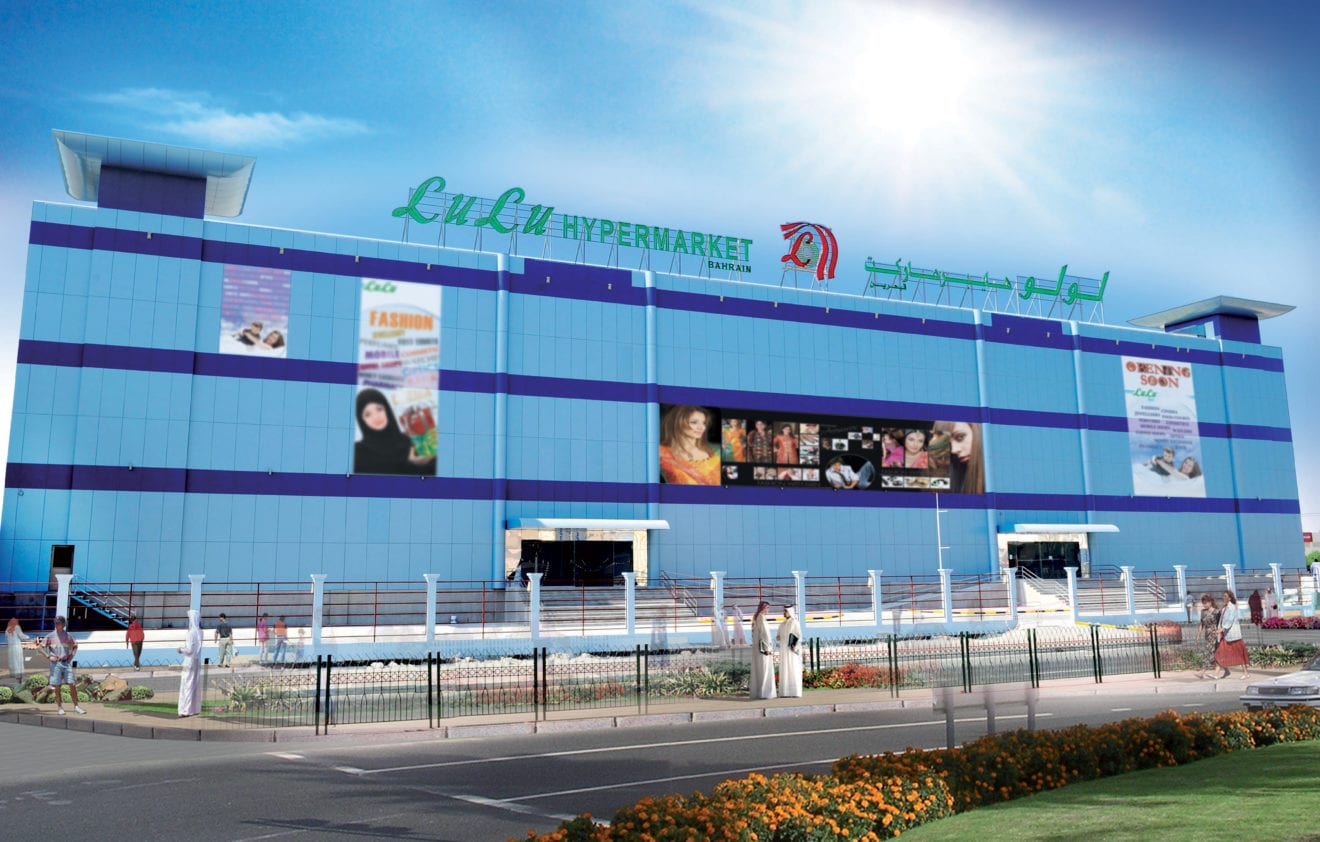
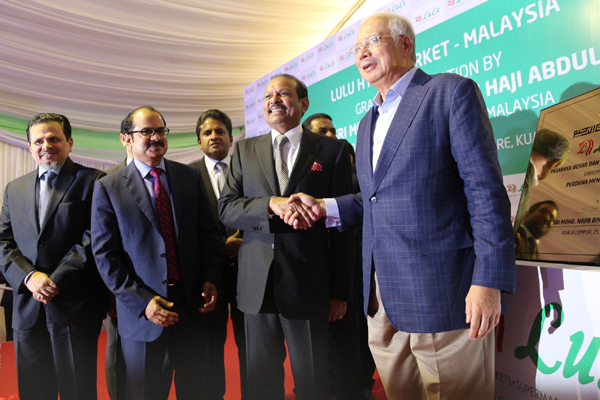
    UAE-based retail major Lulu Group has opened its first hypermarket in Kuala Lumpur, Malaysia, as part of its plans to further consolidate its retail presence in the Far Eastern region.

    The 250,000 sq ft hypermarket was inaugurated by the Malaysian Prime Minister Datuk Sri Najib Tun Razak in the presence of Dato Sri Dr Ahmed Zahid Hamidi, Deputy Prime Minister, Minister of Agriculture and other government  officials.

    Lulu had recently announced its plans to set up 10 hypermarkets in Malaysia over the next five years at an investment of $300 million.

    The new hypermarket is ideally located in the CapSqaure, Jalan Munshi area of Kuala Lumpur is expected to be one of its kind in the country and will attract large segment of population from all walks of life with its attractive product offers and range.

    It is spread in three levels and combines everything from grocery and supermarkets products to fashion, household and latest electronics and gadgets, said a statement from the retailer.

    Hot food from around the world, fresh seafood and locally grown produce are some of the key highlights in the supermarket area, it stated.

    Speaking at the launch, Najeeb Razak said: “We are very pleased to welcome Lulu brand to Malaysia as this will pave way for more international brands to come and invest in the country. I am also hopeful that Lulu will surely open many more hypermarkets and malls not only in Kuala Lumpur but also in other parts of Malaysia.”

    Yusuff Ali MA, the chairman, said: “With an initial investment of $300 million in the first phase, we plan to open 10 hypermarkets by the end of 2021 and a central logistics and warehousing facility in Malaysia. These projects are likely to generate more than 5,000 job opportunities for Malaysians.”

    “We also plan to set up contract farming to ensure continuous supply of high quality products and to support the Malaysian agriculture sector,” he added.

    Apart from the hypermarkets, Yusuffali also announced the group’s plan to invest another $500 million in setting up the largest shopping mall in Malaysia.

    “Today the whole world knows about Malaysia’s economic stability, investor friendly approach, liberalized policies and world-class infrastructure and we are confident about our success here and our hypermarkets encompass both supermarket and department store formats and we intend to bring a whole new world of shopping to the residents of Malaysia.”

    He added that other hypermarkets would be opening in Kota Baru (Kelantan), Shah Alam (Selangor), Johar Baru, Bangi, Ipoh (Perak), Malacca, Penang and Kuala Terengganu.

    One of the largest retail chain in the Middle East, Lulu currently operates 126 stores across the GCC, Egypt, India, Indonesia and employs more than 38,000 people from different nationalities.

  • Macau’s first apple retail store launched

    Macau’s first apple retail store launched

    APPLE Inc. launched its first retail store in Macau on Saturday, expanding the brand’s presence in Greater China to 41 stores.

    Hundreds of Apple fans queued at the new store at Galaxy complex in Cotai district before the store opened at 10 a.m.

    Macau is an incredibly important region for Apple, Denny Tuza, senior director for Apple Retail Asia Pacific told Xinhua, noting that”Macau is a rich commercial and industrialized city with 600,000 residents and 32 million tourists annually. The city has a unique hybrid urban culture, representing a peculiar blend of Oriental and Western influences.”

    This new two-layer outlet includes sales space where over 150 Apple latest designs are displayed for customers to experience hands-on, and a gathering place for workshops.

    According to Tuza, Macau store has 149 employees who are mainly hired locally, speaking nine languages including Mandarin, Cantonese and English and Portuguese.

    Apple also brought two free camp designed to help spark the imagination of kids ages 8 to 12, teaching them to make movies and create interactive books complete with their own illustrations and sound effects.

  • Another Vietnam asset for Mapletree Investments

    Another Vietnam asset for Mapletree Investments

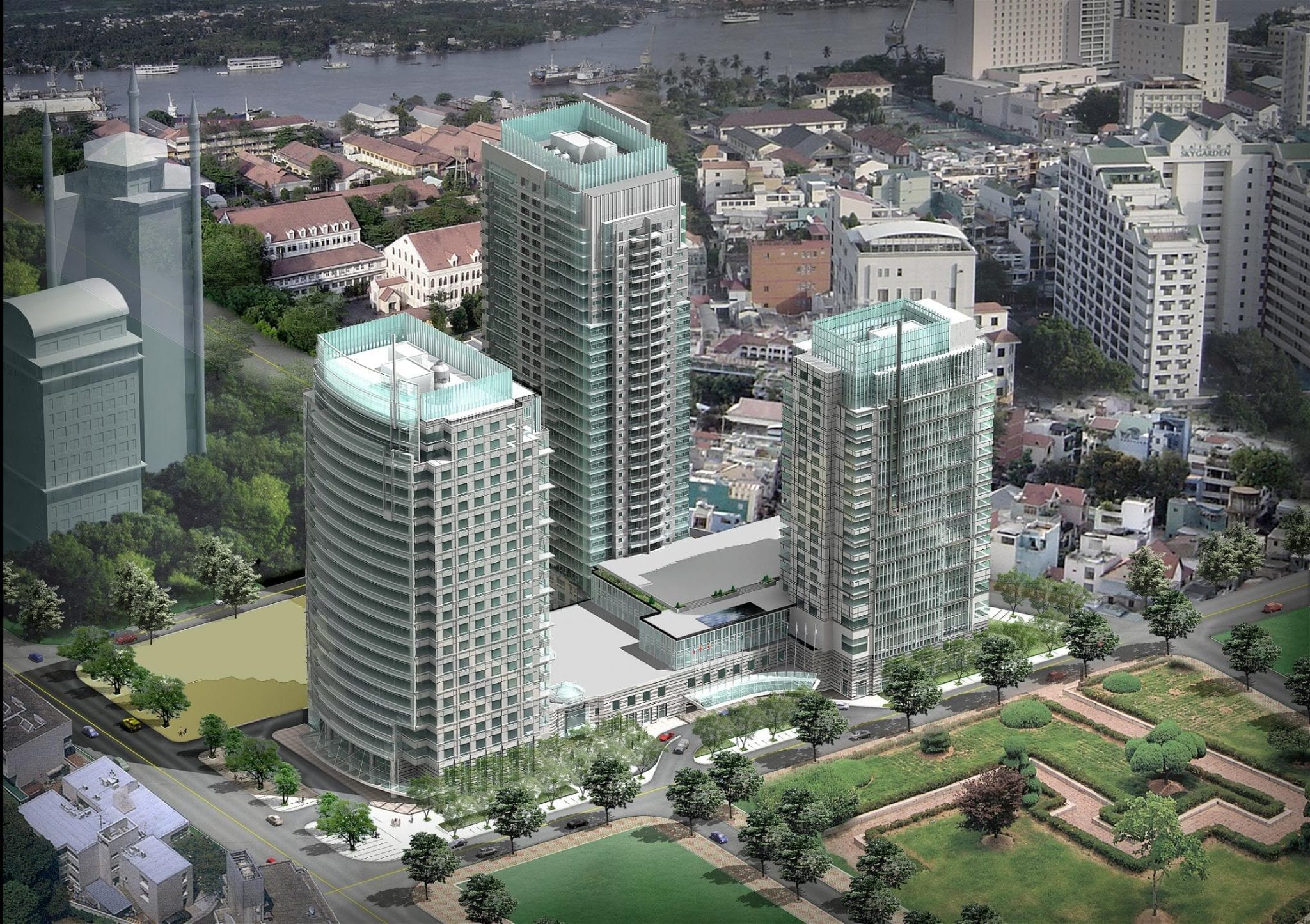
    Singaporean real-estate investment firm Mapletree Investments has acquired Kumho Asiana Plaza Saigon, a mixed-use complex in Ho Chi Minh City’s CBD, taking its total assets under management in Vietnam to more than US$1 billion.

    As well as a supermarket, the plaza has mainly restaurants and is anchored by Hard Rock Cafe and Starbucks. It also has Grade A offices, serviced apartments and a hotel managed by InterContinental Hotels Group (IHG). It is Mapletree’s largest acquisition in Vietnam involving a completed income-producing property.

    Korean media outlets say that South Korea’s second-largest flag carrier, Asiana Airlines, and Kumho Industrial, the two joint-venture partners of the complex, have sold off their interest for US$215 million in a bid to improve their financial health.

    “Kumho Asiana Plaza is a rare asset given its attributes such as size, strong occupancy and location,” says Mapletree CEO Hiew Yoon Khong.

    He says the group will continue to seek similar investment opportunities in Ho Chi Minh City and Hanoi.

    Mapletree entered Vietnam in 2005, and most of its projects are developed within central business districts as well as four logistics parks across the country.

    One of its main current developments is Saigon South Place, a mixed-use project in Ho Chi Minh City that will comprise Grade A office towers, serviced apartment and residential buildings, as well as the current shopping centre SC VivoCity, which Mapletree jointly developed with Vietnam retailer Saigon Co.op.

  • RIP Ensogo Asia shuts down sites

    RIP Ensogo Asia shuts down sites

    Ensogo Asia has closed down all of its online stores as the online retailer appears on the brink of collapse.

    Following the resignation of its co-founder Kris Marszalek, the Singapore-based tech company said it will cut its financial support to its sales and marketplace business units in Indonesia, Thailand, Hong Kong and the Philippines.

    “These business units will be shut down. All staff have been informed and communications will be made to customers in the coming days,” the company said in a statement.

    Australian internet entrepreneur Patrick Grove founded Ensogo, formerly iBuy. Grove also established the online businesses iProperty and iCar under Catcha Group.

    Recently the company reported growth averaging more than 100 per cent in the first quarter, after the launch of a cross-border marketplace business in January. It said the number of suppliers had skyrocketed from 3141 in the fourth quarter of 2015 to 13,599 in the first quarter of 2016. The first three months saw US$8.2 million in gross merchandise value.

    As of the end of March 2016, however, Ensogo reported A$22.6 million (about US$17 million) in receipts from customers, while total cash was only A$17.6 million, a 64 per cent decline from A$29 million by the end of last year. Earlier this year the company, which is headquartered in Singapore and listed in Australia, laid off employees.

  • More than 1 in 4 cloud apps are high risk

    More than 1 in 4 cloud apps are high risk

    More than a quarter (27%) of third-party apps can be classified as high risk, according to research from CloudLock Cyberlab.

    Analysis conducted across 10 million users, 1 billion files, and nearly 160,000 unique applications found that cybercriminals can exploit weaknesses in high-risk apps to gain programmatic access to corporate platforms impersonating end users. 

    The shadow IT dilemma is meanwhile only becoming more challenging as usage is increasing exponentially year over year, the company said.

    The past three years saw nearly a 30 times increase in the number of apps detected, from 5,500 to nearly 160,000. Each application instance represents a backdoor through which hackers can infiltrate and externalize sensitive corporate assets.

    CloudLock Cyberlab said an organization may embrace its employees’ “shadow” exploration of innovative technology solutions and sanction a subset of these apps as Productivity IT, but it’s essential to closely monitor the connected third-party apps and identify cloud native malware in real time.

    Security conscious enterprises recognize the high risk associated with connected third-party apps and take immediate action. While apps can be banned for any number of reasons, including concerns around productivity, a clear majority are banned because of the security vulnerabilities they introduce. 

    The key recommendation is to reduce cloud app risk by establishing an acceptable use policy, with which organizations can significantly reduce the application risk level organization-wide. Automating whitelisting or banning of potentially risky applications is an effective strategy. 

    “The shift to the cloud creates a new, virtual security perimeter that includes third-party apps granted access to corporate systems,” said Ayse Kaya Firat, CloudLock director of customer insights and analytics.

    “Today, most employees leverage a wide variety of apps to get their jobs done efficiently, unwittingly exposing corporate data and systems to malware and the possibility of data theft.”