Blog

  • Wal-Mart China partners with JD.com

    Wal-Mart China partners with JD.com

    Chinese eCommerce giant JD.com has formed a strategic partnership with Wal-Mart China.

    The agreement covers a range of business initiatives, both online and offline. For Wal-Mart, the alliance expands its eCommerce activities and gives its stores and Sam’s Clubs potential traffic from JD.com’s online customer base and same-day delivery network.

    JD.com will leverage Yihaodian‘s strong brand and business in eastern and southern China and in key product categories such as high-quality grocery and household goods. JD.com customers will also gain access to new and imported items from Wal-Mart and Sam’s Club.

    JD.com will now control the brand, website and app for eCommerce platform Yihaodian, while Wal-Mart will retain the subsidiary’s direct sales business. JD.com CEO Richard Liu says he looks forward to “further developing” the brand.

    Sam’s Club China will also have a flagship store on JD.com. It will offer same- and next-day delivery through JD.com’s nationwide warehousing and delivery network, which covers a population of 600 million consumers.

    “Sam’s Club’s unique, high-end product selection meets the demand from China’s increasingly affluent consumers for high-quality, imported products,” says Liu.

    Wal-Mart president/CEO Doug McMillon says the two companies share similar values. “We also look forward to offering customers a tremendous number of quality imported products not previously widely available in China.”

    Wal-Mart’s China stores will be listed as a preferred retailer on JD.com’s O2O JV Dada, China’s largest crowd-sourced delivery platform, allowing customers to order fresh food and other items from Walmart stores for two-hour home delivery.

    Walmart will continue to run its own physical stores.
    Walmart Stores has 11,527 stores under 63 banners in 28 countries, and eCommerce business in 11 countries.

  • Bigger Is Better for Singapore REITs Facing Consolidation

    Bigger Is Better for Singapore REITs Facing Consolidation

    Singapore’s real estate investment trust market is set to consolidate as smaller vehicles merge to cope with rising regulatory costs, according to Cambridge Industrial Trust.

    “The wave of consolidation for Singapore REITs is about to begin,” Philip Levinson, chief executive officer at Singapore-listed Cambridge Industrial, said. The trust has a market capitalization of S$730.5 million ($536 million) and focuses on industrial real estate assets.

    The city-state’s monetary regulator has tightened rules that could raise costs and lower revenues for REITs, making mergers between such trusts the most viable option for them to thrive, Levinson said. Morgan Stanley last year said consolidation in the Singapore REIT market was “unavoidable and necessary” to develop sufficient scale and stock liquidity for individual REITs to effectively compete on a global scale.

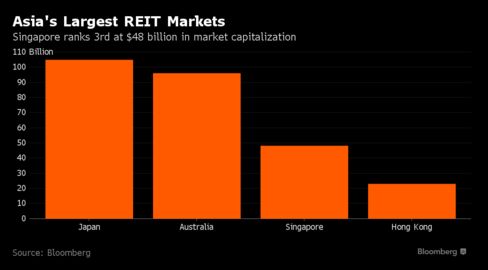
    Since 2002, when they were first started, Singapore REITs have grown into a $48 billion market, the sixth-largest globally by market capitalization, according to data compiled by Bloomberg. More than half of the 35 REITs listed in Singapore have a market capitalization of less than $1 billion, the data show. The city-state’s largest REIT, with assets of $5.6 billion, is the CapitaLand Mall Trust.

    New rules put in place last year by the Monetary Authority of Singapore, requiring higher levels of disclosures, especially on fees, entail higher compliance costs and lower revenue potential for REIT managers. The new rules are especially punitive for smaller-scale REITs and the gradual widening of the gap with larger REITs would make conditions even more conducive to consolidation, Morgan Stanley said.

    REITs that are not part of a broader index are significantly disadvantaged, Levinson said. Markets are bifurcating to such an extent where investors will only look at REITs that are included in indexes, he said.

    Shabby Sheds

    Cambridge Industrial will continue to focus on its Singapore assets and consider selling some to reinvest in other markets such as Australia and Japan, Levinson said.

    “We will look to buy ‘shabby sheds,’ B-grade assets in A-grade locations” in Australia, he said. Yields for its Singapore industrial assets range between 6.6 percent and 6.7 percent, while Australian assets may potentially yield about 7.5 percent to 8 percent, Levinson said.

    “Japan is a very deep market with enormous spreads, but that’s the next step after Australia because it is expensive at the moment,” he said.

    Industrial occupancy and rental rates in Singapore will remain under pressure in 2016 as new supply outpaces demand growth, according to Rachel Chua, a Moody’s analyst. Singapore REITs in the industrial space will continue their overseas acquisition spree in 2016 as they pursue asset growth, yield accretion and portfolio diversification amid challenging business conditions, Moody’s said in January.

    Unit prices of Cambridge Industrial, with 51 properties located across Singapore valued at S$1.4 billion, dropped 17 percent last year and the shares were trading at a roughly 17 percent discount to the net asset value, or NAV, as of Dec. 31. The FTSE Straits Times Real Estate Investment Trust Index slid 11 percent last year, its biggest decline since 2011.

    Levinson, who set up Blackstone Group LP’s Australia operations in 2009 before joining Cambridge Industrial, said he’s been meeting with investors who want to see the REIT work on lifting its unit price and the firm is exploring all options to help achieve that.

    “Our real focus is to bridge the divide, reduce the gap between our current unit price and NAV,” Levinson said.

  • Pablo Malaysia to launch in October

    Pablo Malaysia to launch in October

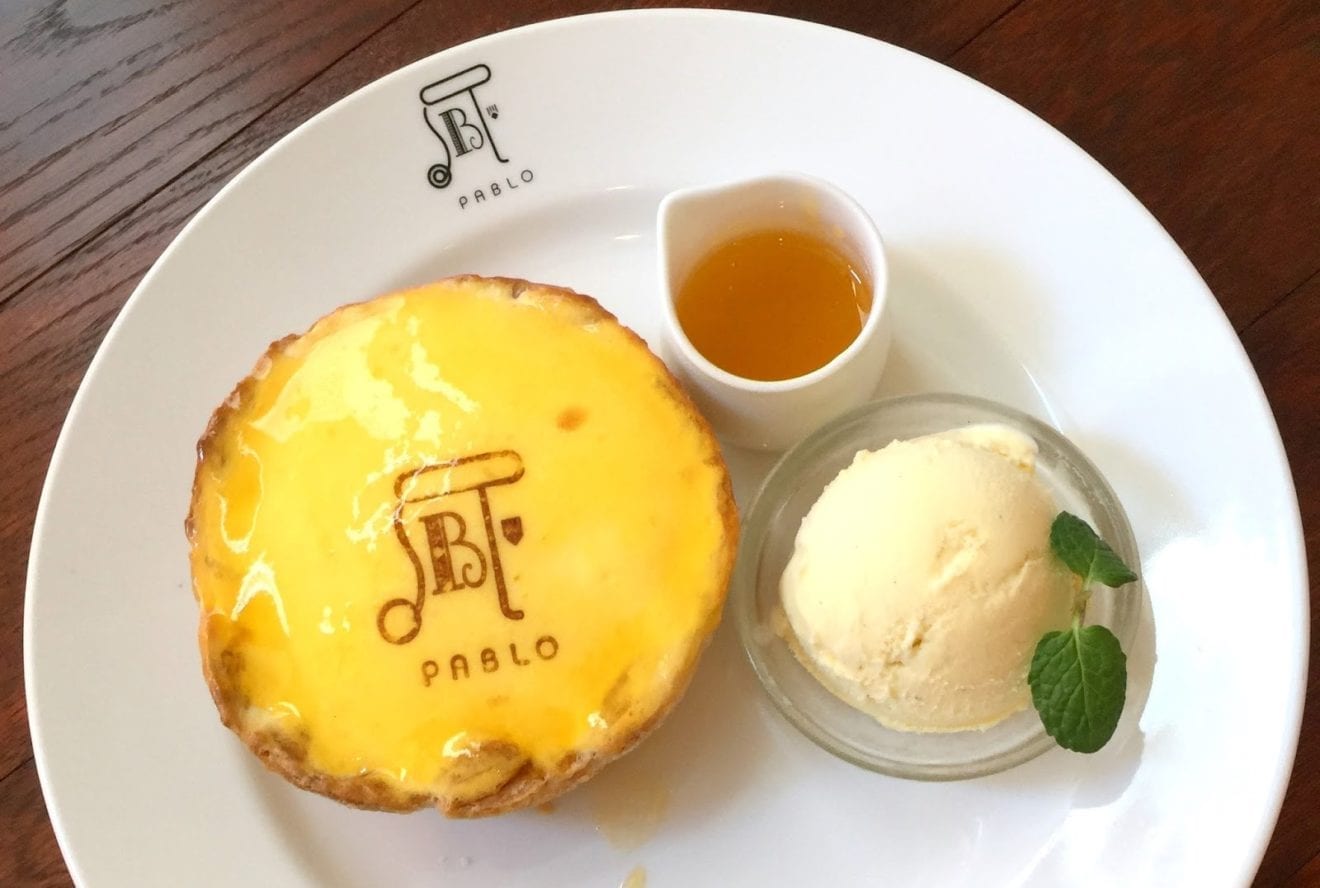
    Japan’s Pablo cheese tart chain will open its first store in Malaysia in October.

    Pablo Malaysia will make its debut with a flagship outlet inside 1 Utama shopping centre in Petaling Jaya with more cafes expected in other shopping centre in the Klang Valley later.

    Pablo Cheesetart Malaysia

    The Osaka-founded company is renowned for large size cheese tarts – generally 20cm in diameter, with a soft core. They’re sold in ‘rare’ or ‘medium’ format, which refers to the texture of the cheese filling.

    Flavours include apricot jam, matcha and chocolate glazes, with seasonal variants changed monthly.

    In March, Pablo Japan introduced mini versions of the cheese tarts measuring 6.5 centimetres with a shortcrust shell, sold in plain, chocolate, strawberry and matcha.

    Pablo has already opened outlets in Taiwan and South Korea and is headed for Singapore, also.

  • Vietnam shopping center linked to Lotte’s slush fund scandal

    Vietnam shopping center linked to Lotte’s slush fund scandal

    South Korea’s Lotte Group has come under suspicion of using a shell company that owns a mega mall in Vietnam to funnel money into a possible slush fund.

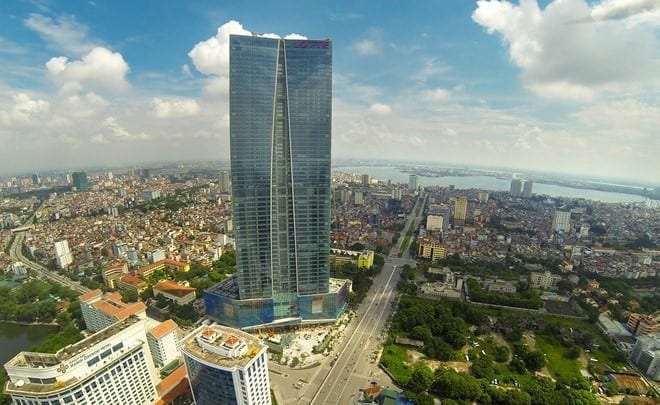
    Luxembourg-incorporated Coralis SA, the company in question, developed Lotte Center Hanoi at a cost of around US$400 million. The 65-story shopping and leisure complex was opened in September 2014.

    It recorded a net loss of 55.1 billion won ($47.31 million) last year, raising a suspicion that the conglomerate was exaggerating its losses to hide money, according to the report, citing sources from a Korean prosecutor’s office.

    According to another theory, Lotte Engineering & Construction, the project’s contractor, may have overcharged the developer to hide funds, The Korea Herald said.

    Coralis SA had been used for offshore tax evasion by Kim Seon-yong, the third son of former Daewoo Group chairman Kim Woo-jung, before being acquired by Lotte Asset Development in 2009 at 69.7 billion won ($59.86 million), according to The Korea Herald.

    Lotte Asset Development later sold a stake of 45 percent in the company each to Lotte Shopping and Hotel Lotte, it said.

    Lotte has denied the allegations, saying it bought Coralis SA to acquire the right to do business and lease land in Vietnam and that such practice is adopted by most companies when they invest overseas.

    The report came as South Korea’s fifth-largest conglomerate was facing an ongoing investigation for alleged corruption, illegal intragroup deals and embezzlement, according to Korean media.

    In Vietnam, Lotte has invested over $2 billion into more than 20 subsidiaries which operate in a wide range of sectors from retail to real estate. 

  • New Indian ruling appears to finally give Apple go-ahead to open retail stores

    New Indian ruling appears to finally give Apple go-ahead to open retail stores

    Amended foreign investment rules clear the way for Apple India stores, and the possibility for the US technology giant to start manufacturing there.

    Under the new rules, foreign retailers are exempted for three years from a requirement to locally source 30 per cent of the goods sold in company-owned stores.

    This means Apple, which now sells its hardware through resellers and first applied for store licences in January, can set up its own shops in India, the world’s fastest-growing major smartphone market with sales expected to rise more than 25 per cent this year.

    Apple, which has a less than 2 per cent share in India’s smartphone market, can resubmit its application for store licences.

    India has been lobbying Apple and its partner Foxconn to start manufacturing in India as part of Prime Minister Narendra Modi’s agenda to bring in foreign manufacturers to create millions of jobs. The rule-change announcement comes a month after Apple boss Tim Cook met Modi to discuss the company’s plans for retail and manufacturing in India.

    Meanwhile, India’s new look at retail rules may also help with expansion for Swedish furniture-retailer Ikea, which is setting up stores in Hyderabad and Mumbai.

  • South Korea’s Woori Bank to form Vietnam unit by July

    South Korea’s Woori Bank to form Vietnam unit by July

    South Korea’s Woori Bank expects to establish a Vietnam unit this month or in July, a bank official said on Tuesday, as part of the lender’s plans to expand its network in the expanding market of Southeast Asia.

    Woori Bank, South Korea’s largest bank in terms of consolidated assets as of the end of March, is awaiting approval from relevant authorities to established a wholly-owned unit in Vietnam, the official said.

    A Vietnamese banking source said the State Bank of Vietnam, the country’s central bank, was expected to grant a licence for the South Korean lender shortly.

    South Korea is now the biggest foreign investor in Vietnam, with large investments placed to turn it into a Southeast Asian production hub by Samsung Electronics Co Ltd and LG Electronics Inc.

    Other major Korean companies in Vietnam include Kumho Construction, Posco group, Hanjin Logistics and Kumho Tire.

    A free trade agreement between South Korea and Vietnam that came into effect last December gives more incentives for Korean firms to invest.

    Woori Bank’s Vietnam unit, once licensed, would most likely be a vehicle to expand South Korean investment in a country where it has been limited to operating two branches. Other competitors include HSBC, ANZ, Standard Chartered Bank as well as Shinhan Bank.

    With the expected approval, Woori Bank would seek to strengthen its localised service to Vietnamese retail customers through channels including its mobile banking platform Wibee Bank and chat app Wibee Talk.

  • Pacifica Group plans $11m. expansion

    Pacifica Group plans $11m. expansion

    Thai importer and distributor of 14 fashion brands Pacifica Group plans to expand its free-standing shops from 80 to 140 over three years.

    Costing about Bt400 million (US$11.3 million), the store expansion will be 60 to 70 per cent mass-market fashion brands, with the balance luxury products, says chief executive Opra Lavichant.

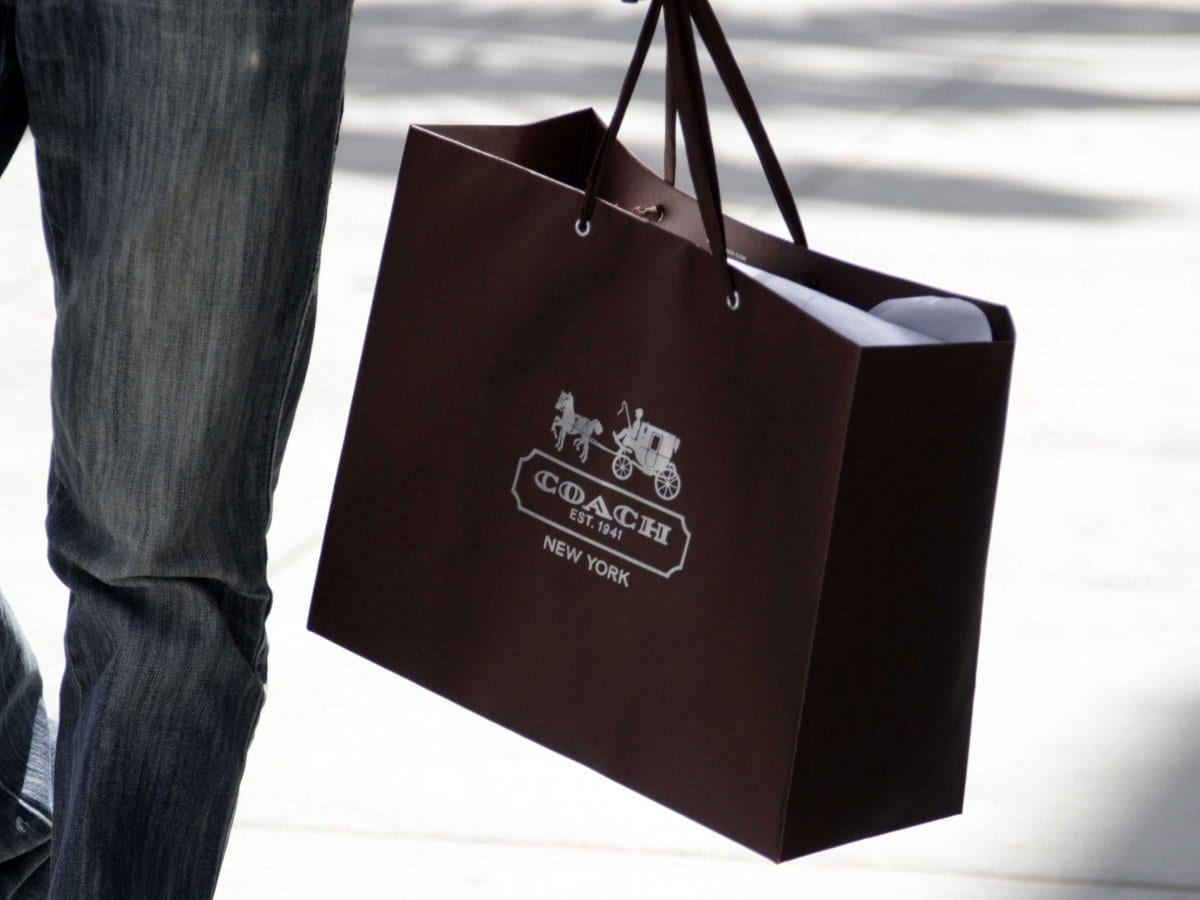
    Pacifica’s fashion brands include American Eagle Outfitters, Camper, Coach, Keds and Max Mara.

    “Earlier this year we reshuffled our operations within the group with the buy-out of all minority shares in our subsidiary Pacifica Element, which is in charge of the import and distribution of premium fashion products,” says Lavichant. “The move will allow me and my family 100 per cent control over all subsidiaries.”

    Other subsidiaries include Go Retail, Pacifica Lifestyle and Pacifica Max.

    Lavichant says the reshuffle will also help the company cope with the fluctuating economic situation and the growth of the competitive lifestyle fashion sector.

    “We will focus on store expansion and our imported mass fashion brands because of their tremendous opportunity for growth in the domestic market, both in Bangkok and many first and secondary provinces throughout the country.”

    The group is also looking to expand outside Thailand, he says.

    Under its new three-year business plan, the group aims to increase its sales by 25 to 30 per cent every year, says Lavichant. It also expects its overall revenue to grow from Bt1 billion last year to Bt1.4 billion this year.

    “We expect to double the business for our mass-market fashion brands both in sales and the number of physical stores within the next three years. However, the sales of our luxury and premium products will increase by between 15 and 20 per cent every year.”

    To help growth in the mass-market segment, the company plans to expand its American Eagle Outfitters branches from five stores to between 15 and 20 over the next three years. The latest outlet has just opened at Fashion Island shopping centre in Bangkok, and another will open at Terminal 21 at the end of this year. The plan includes new stores at major tourist destinations such as Chiang Mai and Phuket.

    As well, the group will increase the number of stores selling NYX cosmetics, one of its fastest-growing brands, from 16 to 28 by the end of next year.

  • Hong Kong streets and malls see character change as F&B outlets move in with cheaper rents

    Hong Kong streets and malls see character change as F&B outlets move in with cheaper rents

    The character of Hong Kong streets and shopping malls is changing as more overseas food and beverage operators and retailers catering to local consumers move to the city to take advantage of sharp falls in rent, says Tom Gaffney, CBRE’s managing director for Hong Kong, Macau and Taiwan.

    He expects retail rents would hit bottom in 2017 after a further 15 per cent decline this year. In 2015, overall retail rents fell by 20 per cent.

    “The retail market is not completely dying, but rather undergoing a structural transformation from one that is highly driven by luxury consumption goods to one that is more relying on mid-market brands and products,” he said.

    Besides mid-market brands in fast fashion, cosmetics and banking services, food and beverage operators have become more active, said Gaffney, who brought Jamie’s Italian restaurant chain to Hong Kong before he joined CBRE early this year.

    Last year, about 37 food and beverage brands established in Hong Kong, while about 10 new brands have set up in the city so far this year, he said.

    F&B contributed 40 per cent of revenue to CBRE’s Hong Kong retail business last year, up from 15 per cent in 2014.

    One of CBRE’s leasing transactions was negotiating for Seafood Room, which is Bulldozer Group’s first restaurant in Asia, to secure the top floor of Tower 535 in Causeway Bay. Bulldozer is one of the biggest restaurant groups in Eastern Europe and the UAE.

    CBRE is talking with some Korean cuisine operators that want to find new retail space in the city, Gaffney said.

    To tap the growing demand, CBRE plans to form an F&B business team to work with its offices in the US and London to bring new restaurants to Hong Kong. The new team is expected to start operating in September.

    “We have seen the [F&B] trend expanding into Hong Kong in the last six months,” he said.

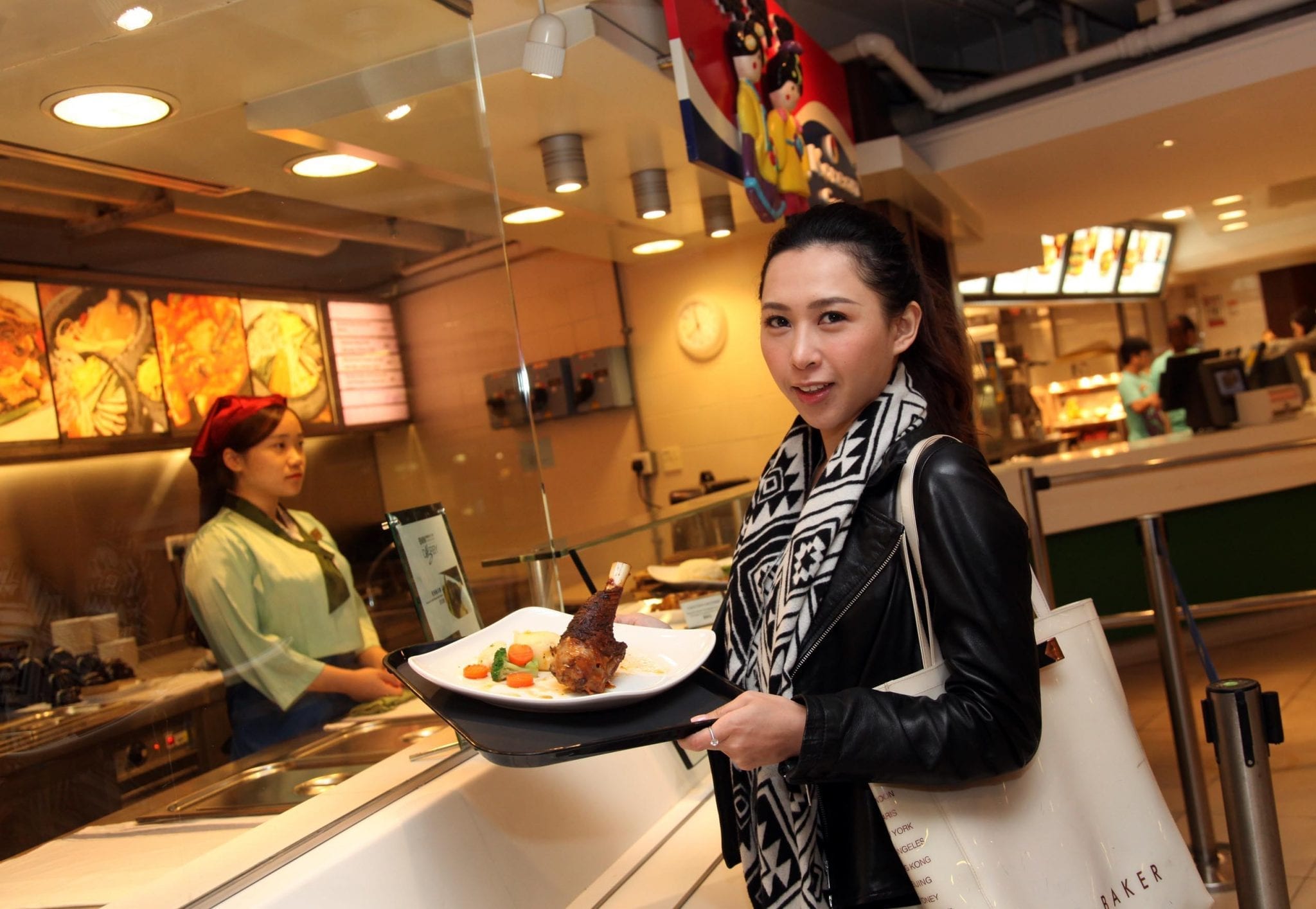
    Most of the F&B operators specialise in European cuisine such as Italian and French, while some are Russian. Others include Asian restaurants serving Korean, Japanese and Thai dishes, Gaffney said.

    Given weaker spending on luxury items, Hong Kong shopping malls have been restructuring their trade mix to accommodate more restaurants and cafes as a way to retain shoppers.

    Sales of jewellery, watches and other luxury items – usually popular with mainland visitors – plunged by 16.6 per cent in April from a year ago, according to data released by the Census and Statistics Department. But sales of food, alcoholic drinks and tobacco saw a year on year growth of 5 per cent in April.

    The city’s total retail sales decline eased to 7.5 per cent, improved from a 9.8 per cent decline in March, to an estimated HK$35.2 billion, according to government data.

    During the retail boom in 2012 and 2013, Gaffney said F&B outlets only accounted for 10 per cent of space in shopping malls, but this has increased to 20 per cent and in some cases even 30 per cent.

    However, the rent payment ability of restaurants was just about a quarter or less than what a normal retailer could pay in terms of square foot. For example, a F&B tenant can afford HK$100 per square foot, while other retailers such as fashion could afford HK$400 per square foot with some even able to spend HK$1,000 per square foot, Gaffney said.

    “More F&B outlets will come to Hong Kong which will be overseas retailers’ first choice of expansion destination,” he said.

    In C-Suite on P3, Tom Gaffney shares his views on Hong Kong property market

  • Amazon chooses Oregon for latest offline store

    Amazon chooses Oregon for latest offline store

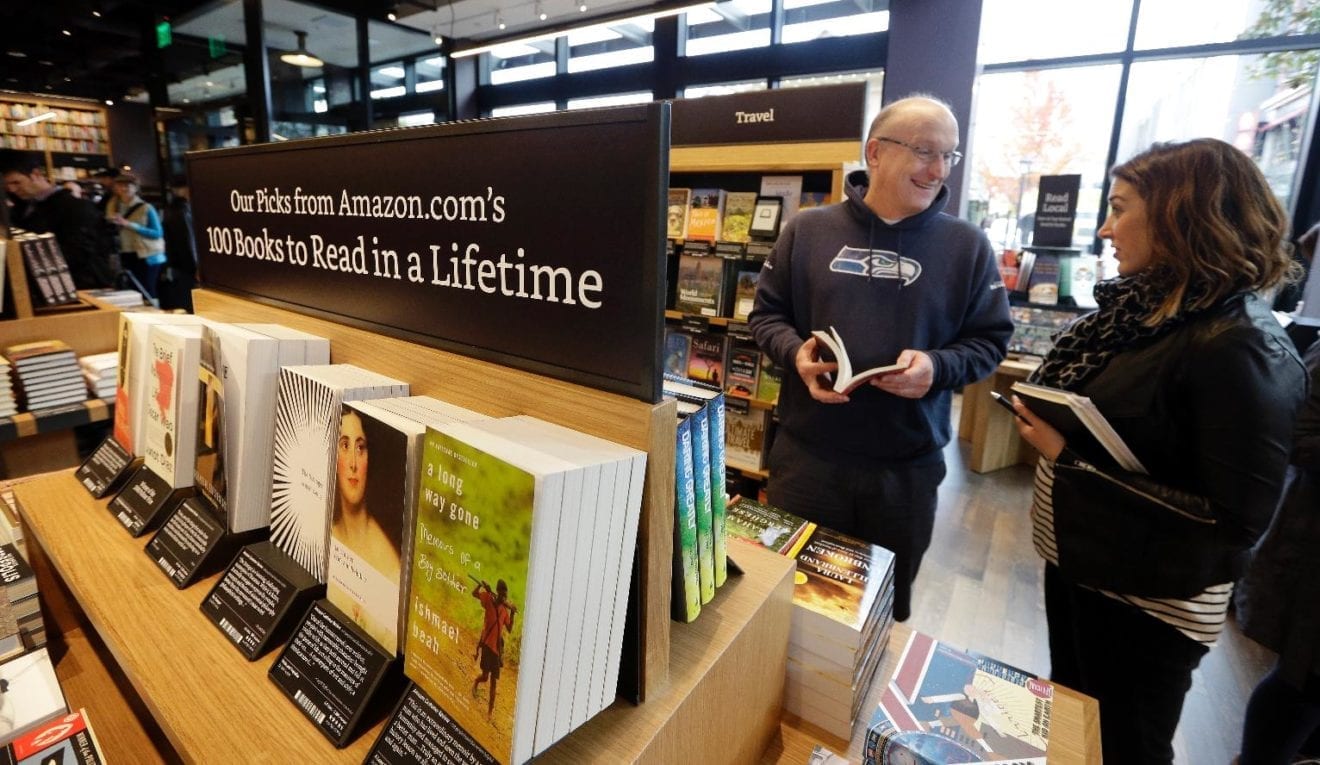
    Online retail giant Amazon has decided on Oregon as the location of its third brick and mortar store.

    The new store will open at the Washington Square mall just outside Portland, in what US media describe as a “bookish metro area” – Tigard.

    The retailer appears to be choosing sites which house Apple stores and are frequented by university students.

    Amazon’s first bookstore opened in Seattle’s University Village mall and its second in San Diego’s Westfield UTC mall.

    amazon-books-washington-squarejpg-8af21425db3e2dba

    While Amazon describes its stores as bookstores, John Mutter, editor of bookseller newsletter Shelf Awareness, prefers to call it “an electronics store that sells books”.

    “It has a very misleading name,” he said.

    One of the US’ much-loved specialist bookstores Powell’s Books is headquartered in Portland and CEO Miriam Sontz told USA Today it was no surprise Amazon should choose the city for one of its first physical locations.

    “When asked why he robbed banks, Willy Sutton reportedly replied ‘because that’s where the money is.’ I am certain that Amazon has the data to show that opening a store in the Portland area will be financially beneficial to the company,” she said.

    Mutter predicts Amazon will open 12 to 18 stores over the next two years or so.

  • Strong growth for Mulberry

    Strong growth for Mulberry

    British fashion retailer Mulberry has reported a strong set of results as it takes more direct control of its Asian distribution.

    With 2015/16 being the first full year with CEO Thierry Andretta and Creative Director Johnny Coca in charge, the results are a crucial indicator of the efficacy of their strategy. Thankfully, they did not disappoint, as the brand unveiled strong sales growth across both its UK and international divisions – though UK results are inflated due to weak comparatives. Retail sales led the way, with UK retail sales up 9 per cent to £97.4 million and international retail sales up 3 per cent to £21.3 million. Wholesale sales were down 4.1 per cent as Mulberry takes action to rationalise its wholesale distribution network in Asia – a positive step towards taking better control of its brand in the region.

    Digital sales were strong, boosted by a newly-upgraded website and improved fulfilment operations, following investment in its UK factories, but there is much more potential for growth especially as Mulberry plans to extend its digital offer into key international markets through local language websites and local fulfilment over the next few years.

    The brand’s overall strategy of limited but well-considered store openings and a strong focus on refining its multichannel experience is a wise one, and will allow the brand to better engage with its core customers and grow international sales.

    Mulberry reiterated its promise of sticking to its core £500-£995 price bracket in handbags, and alongside Johnny Coca’s continued efforts to modernise the brand while respecting its heritage, Mulberry is on its way to regaining its trademark ‘classic but cool’ credentials – essential for recruiting new shoppers as well as retaining loyalty among core customers.

  • Insect restaurant educating Korean palates

    Insect restaurant educating Korean palates

    Food researcher and marketing expert Kim Young-wook is helping educate South Korean palates with the country’s first insect restaurant, Papillon’s Kitchen in Seoul, with a menu including cookies, sandwiches and pasta.

    “The biggest challenge has been the ‘disgusting factor’ that is deeply lodged in people’s psyche,” says Kim, head of the Korean Edible Insect Laboratory. “They don’t even try it if any food looks unpalatable at first glance.

    “But once you make it look good and explain the nutritional value of insects, people would think differently – one reason we have focused our attention on developing food-processing technology.

    Kitchen Papillon 1His one-table restaurant is named after the 1973 US moviePapillon, in which an inmate in solitary confinement in a remote French prison eats cockroaches and centipedes to survive. The establishment is like a laboratory where Kim and his employees – mostly his pupils – devise ways to broaden the appeal of insects as food.

    Rather than focus on their ingredients, such as mealworms, silkworms and crickets, Kim has been promoting his food products as “low-carbon and high-protein”.

    The larval form of the darkling beetle, mealworms are powdered and used to make pasta, deep-fried rice balls, soup, macaroons, ice cream and sauces.

    Kim has taken his concept beyond Korea, last month participating in Eating Insects Detroit, the first US conference dedicated to edible insects.

    Meanwhile, Edible Inc, a food-tech startup in Seoul, has a coffee shop featuring the “mealworm 500 shake”, named for its key ingredient and the number of insects involved. The shop also has cookies and energy bars made from silkworms and grasshoppers.

    CEO Ryu Si-doo opened his company with the ambition of giving customers a “fresh and intriguing” experience and help them change their prejudices against food made of insects.

    In a report this year, the Korea Rural Economic Institute (KREI) estimated the size of the market for insects at 313.9 billion won (US$264 million) last year, up 90 per cent from 168 billion won in 2011. The government seeks to increase the size to 500 billion won by 2020.

  • Philippines is Southeast Asia’s fastest-growing smartphone market in Q1

    Philippines is Southeast Asia’s fastest-growing smartphone market in Q1

    IDC reported that the country saw a 20 per cent year-on-year increase, or 3.5 million smartphones shipped to retail stores in 2016.

    Indonesia’s growth was only 3 per cent during the quarter, while Malaysia was down 20 per cent, Thailand flat, Singapore down 13 per cent, and Myanmar down 1 per cent.

    Dominguez attributes the Philippines’ growth to “stronger support from telco operators” in the form of higher subsidies.

    “For instance, MyPhone’s partnership with Smart Communications paved the way for an affordable (US$19) prepaid smartphone kit that comes with mobile data allocation. Apple’s shipments also grew partly due to lower cash-out requirement and more attractive data and app bundles for iPhones offered by telcos,” IDC market analyst Jerome Dominguez said in an interview with Tech In Asia

    Read more about the interview here.

  • Beijing tells Apple China to withdraw phone

    Beijing tells Apple China to withdraw phone

    A Chinese tribunal has ordered Apple China to stop selling its iPhone 6 in Beijing, claiming the design is too similar to a Chinese-made smartphone.

    Apple has appealed, and is continuing to sell its iPhone 6 while awaiting the decision.

    The Beijing regulator found that the iPhone 6 and iPhone 6 Plus look too much like the 100C smartphone made by Shenzhen Beili, a small Chinese brand.

    If its appeal fails, Apple will lose ground to such Chinese competitors as Huawei and Xiaomi. China accounted for more than a quarter of Apple’s revenue last year, making it the second-biggest source of income for the company.

    This dispute follows a series of problems for Apple in China. A Chinese court last month decided a company can use the iPhone trademark on its bags, wallets and other leather products, and in April, Apple had to suspend iBooks and iTunes Movies after the Chinese government said the services were breaking the rules for foreign publishers.

    Apple has also been pushing against fake Apple stores in China.

  • Alibaba expansion plan targets 2 billion

    Alibaba expansion plan targets 2 billion

    Chinese eCommerce pioneer Jack Ma has unveiled an Alibaba expansion plan aiming to quadruple its customer numbers to 2 billion by 2036.

    Alibaba is also aiming for a record 6 trillion yuan (US$912 billion) in gross merchandise volume (GMV) in 2020 from 3.09 trillion yuan this year.

    Ma has also pledged to intensify the fight against counterfeit products and intellectual property rights violation, saying the company is more confident than ever it can solve the problem.

    Alibaba became the world’s largest retailer (by its own definition of retailer) in April, surpassing Walmart. The company says its online trading accounts for 10 per cent of all retailing in China and has generated 15 million jobs.

    Alibaba, whose gross sales totalled $9.3 billion in 2014, hit a record $14.3 billion in sales on Singles’ Day alone last year, a Chinese holiday in November. This is more than double the eCommerce sales in the US from Thanksgiving, Black Friday and Cyber Monday combined.

    The company also holds the title of the biggest IPO in history, raising $25 billion in four days in September 2014, $7 billion more than Visa and $9 billion more than Facebook and General Motors.

  • Marquee Brands takes Ben Sherman to China

    Marquee Brands takes Ben Sherman to China

    A year after acquiring Ben Sherman, Marquee Brands has signed an agreement to have the British menswear brand distributed in China, Hong Kong, Macau and Taiwan.

    Its partnership with MRH SpaRotica Groupe encompasses both offline and online distribution, manufacturing and also the launch of a series of mono-branded Ben Sherman retail locations. Five shops will launch this year with at least 30 more planned. The first will be in Shanghai, opening by August, followed by Jiangsu, Hubei, Hunan and Sichuan.

    “Ben Sherman’s 50-plus years of British style and culture demonstrate the brand’s ability to stand the test of time,” says MRH president and CEO Richard Kisembo. “Our partnership with Marquee Brands is inspired by Ben Sherman’s iconoclast status among heritage brands. Heritage and culture continue to be a motivating factor in brands that have the ability to move generations at retail, a key factor to success in China.”

    Marquee Brands president Michael DeVirgilio says the demand for Ben Sherman is high in China where young consumers have become more global and sophisticated.