Blog

  • Puregold chairman named top Philippine retailer

    Puregold chairman named top Philippine retailer

    Puregold Price Club chairman Lucio Co has been named top Philippine retailer for 2015.

    He received the ‘Patron of Micro-retail Entrepreneurship’ award from the Philippine Retailers Association.

    Co’s contribution to the growth of micro-retail entrepreneurs, particularly through Puregold’s Tindahan ni Aling Puring program, fulfilled the PRA’s criteria for the country’s model of a successful retailer in terms of growth and good ethical practices.

    The recognition marks the PRA’s 19th ‘Outstanding Filipino Retailers & Shopping Centers of the Year’ awards.

    PRA president and COO of Duty Free Philippines, Lorenzo C. Formoso, presented the trophy to Co, together with tourism secretary Ramon Jimenez, trade secretary Adrian Cristobal, and Blims Lifestyle Group chairman Samie Lim.

    Formoso said during his opening speech that the association has awarded a couple of hundred retailers over the years, to encourage industry excellence that adopts world-class quality while maintaining local identity.

    “We can expect a brighter future ahead,” said Formoso, adding that the Philippine retail sector has become dynamic since it opened to foreign investors in 2000, citing Philippine Statistics Authority data on the increase in retail trade as percentage of national output.

    The PRA also recognised the most promising retailers, the best shopping centers and supermarkets, and the best retailers in specialty, home improvement, food and fashion categories. Ceremonies were held at the Marriott Grand Ballroom.

    Surplus and Bambu were named the best retailers under the fashion category (apparel and shoes & bags, respectively); Uniqlo Philippines, best foreign brand fashion retailer; Tropical Hut Hamburger best food; SM Hypermarket best hypermart, Robinsons Department Store best full-line department store, LCC Expressmart best regional retailer; and SM Megamall best large shopping center.

    Other finalists and winners include Robinsons Place Malolos, SM Sta Rosa, Ace Hardware, Krispy Kreme Stores, Dairy Queen, Philippine Pizza, Pacific Mall Legaspi, Newport Manila, Eastwood Mall, Lucky Chinatown, Urban Athletics, Grassroots Philippines, Runnr, Pet Express, The Travel Club, National Book Store, Abenson, Our Home, Mothercare, Esprit, Birkenstock, Clarks, Fitflop, Lacoste footwear, Karimadon, Freeway, Onesimus and La-Z Boy Gallery.

  • CenturyLink acquires cloud startup ElasticBox

    CenturyLink acquires cloud startup ElasticBox

    CenturyLink has announced the acquisition of ElasticBox, a multi-cloud application management service for an undisclosed amount.

    The acquisition combines the ElasticBox platform with the global network, hosting and delivery capabilities of CenturyLink.

    ElasticBox, a startup with offices in San Francisco and Madrid, enables enterprise IT organizations to orchestrate the deployment of applications and create a self-service catalog of applications and infrastructure.

    Aamir Hussain, CenturyLink CTO said the acquisition of ElasticBox strengthens and enhances CenturyLink’s development and deployment of multi-cloud services management capabilities, as well as the company’s ability to deliver end-to-end network and hybrid IT services to business customers globally.

    “The ElasticBox multi-cloud management platform frees businesses to focus on issues that are central to their organization rather than spending time and resources managing multiple clouds,” Hussain noted.

    ElasticBox enables application orchestration for more than 12 different cloud providers, including Amazon Web Services, IBM’s SoftLayer, Microsoft Azure and VMware. ElasticBox recently added support for CenturyLink Cloud and more feature support for Google Compute Engine and OpenStack. ElasticBox also supports Docker and Amazon ECS containers, and recently added Kubernetes as another destination for applications. These deployment options enable customers to package a range of applications into a container and manage it via ElasticBox.

    CenturyLink and Nxtra Data Limited, a wholly owned subsidiary of Bharti Airtel, meanwhile announced an exclusive business partnership to provide advanced hosting and managed IT services to enterprises in India.

    This exclusive partnership brings Nxtra Data’s Indiadata center management expertise together with CenturyLink’s cost-effective hosting, managed services and cloud capabilities to serve businesses and government organizations in India.

  • SingTel to launch VoWiFi in August

    SingTel to launch VoWiFi in August

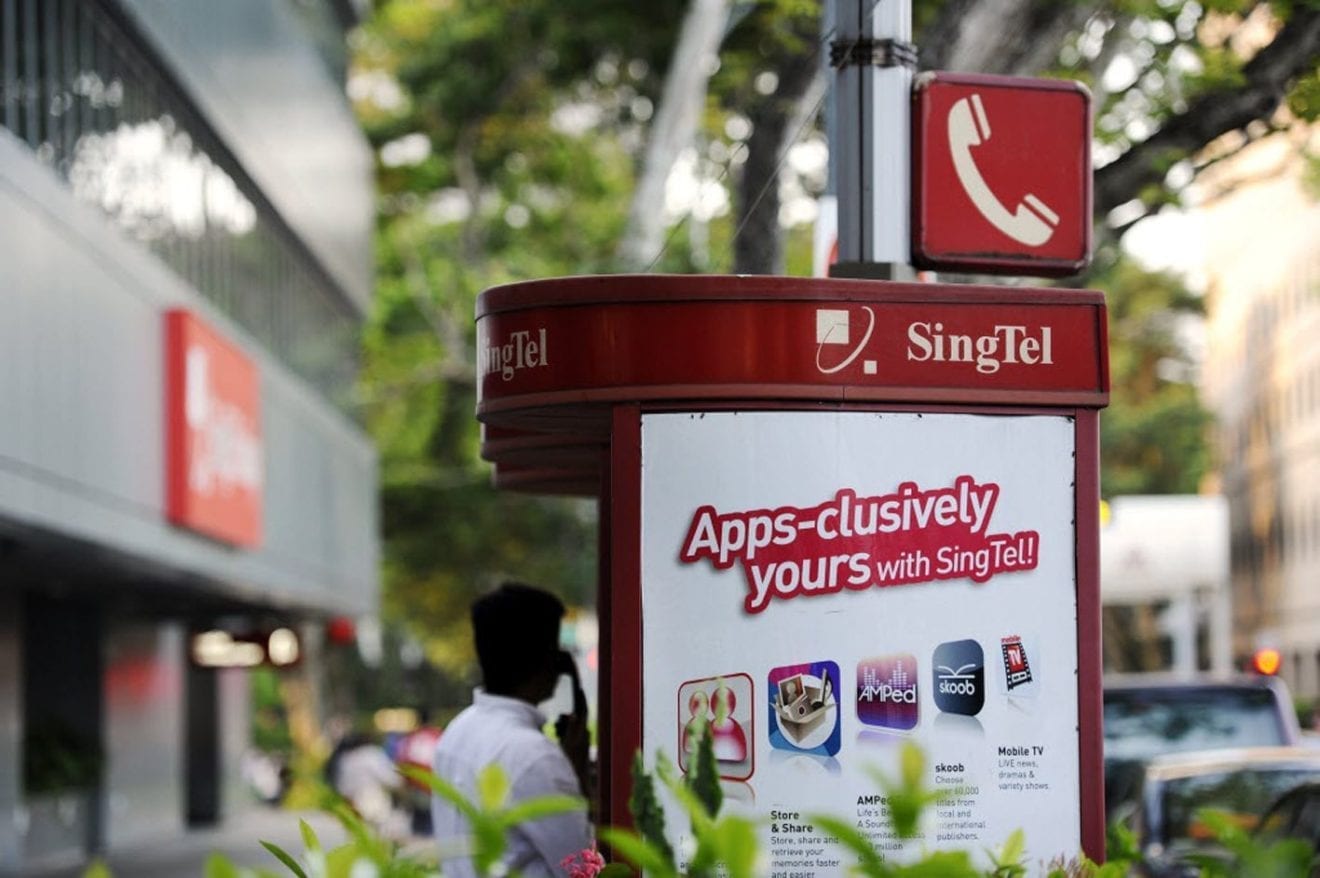
    SingTel has revealed plans to launch Singapore’s first commercial Voice over Wi-Fi service in August following the success of its recent HetNet trials.

    The trials, conducted in collaboration with IDA Singapore, confirmed that voice calls and texts can be sent over Wi-Fi in areas which are challenging for mobile signals.

    Service continuity can be maintained as smartphones transition between cellular and Wi-Fi networks, without the need of an installed mobile app. SingTel said this will allow its customers to make uninterrupted calls over Wi-Fi in locations including basements and the upper floors of skyscrapers.

    The trials also demonstrated the readiness of SingTel’s HetNet to support the IoT by providing reliable connections to sensors and other connected devices, the operator said.

    “In the near future, with millions of connected devices fuelling data demand, ensuring a consistent experience for multiple mobile customers across different locations is paramount,” SingTel CEO consumer Singapore Yuen Kuan Moon said.

    “With pervasive connectivity and higher data capacity set to become the norm, it was important for us to conduct a HetNet trial to gain further insights.  Given our positive trial results, we are ready to support the Internet of Things with our networks and provide SingTel mobile users with high-quality voice calls and SMS island-wide.”

    IDA co-managing director Gabriel Lim said 90% of HetNet trial users had an improved mobile experience, including superior connectivity, download and upload speeds and transitions between wireless and cellular networks.

    “We will use the lessons from the trial to work with our industry partners to further enhance the experience of Singapore mobile users,” he said.

  • Amazon To March Into Indonesia With $600 Million: Winners And Losers

    Amazon To March Into Indonesia With $600 Million: Winners And Losers

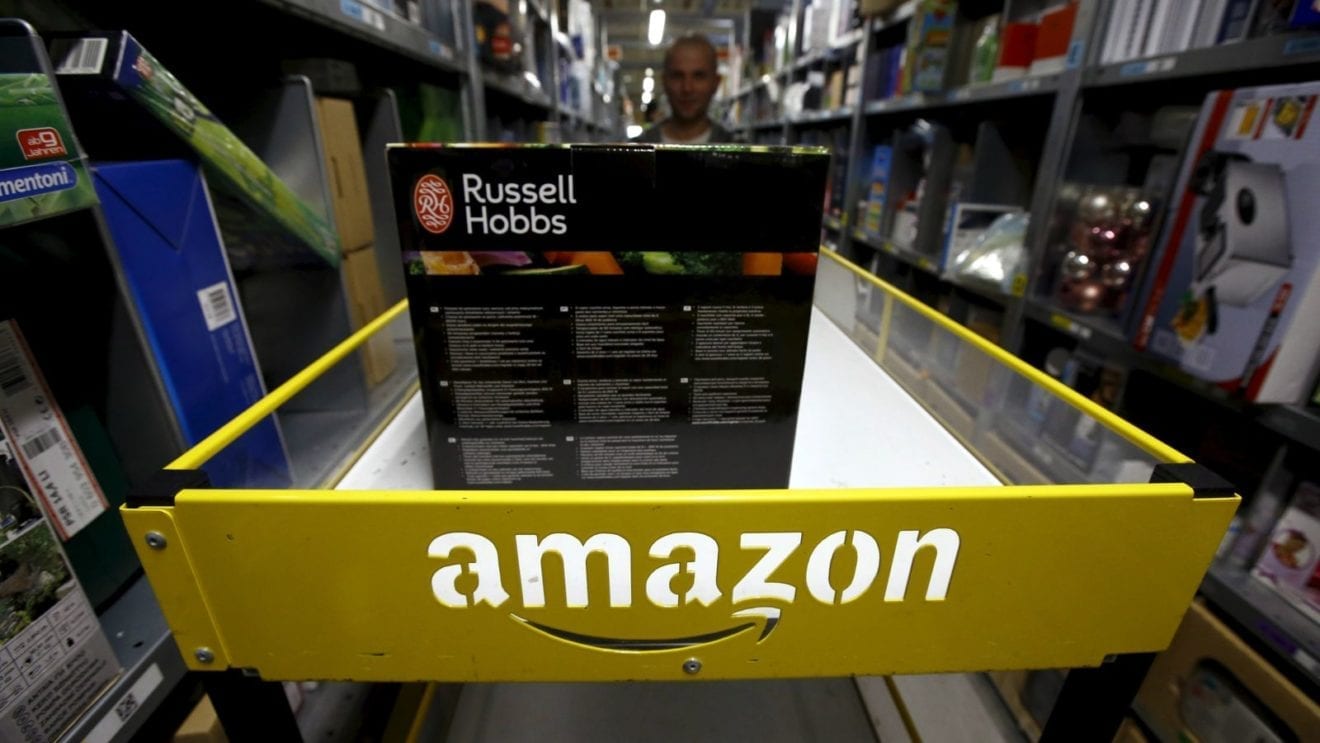
    Amazon.com has said it plans to expand its e-commerce empire to Indonesia, with a $600 million investment for the first year.
    It makes perfect business sense. Indonesia’s e-commerce space is only about $3.2 billion in sales, a tiny fraction of its $150 billion retail market. Indonesia is also the world’s 4th most populous country with 250 million population.

    When Amazon moves in, the market shudders. Who are the movers and shakers in the Indonesian e-commerce space right now?

    It turns out Amazon will be competing with start-ups backed by Alibaba Group and its buddy SoftBank.

    Lazada, a direct-sales marketplace that spans the entire ASEAN, has 75% of its transactions coming from Indonesia. It was founded by Rocket Internet and was recently valued at $1.5 billion through an investment from Alibaba. It generated $1 billion GMV last year and made $275 million in sales.

    Tokopedia is an Indonesian pure play. It is backed by SoftBank and Sequoia Capital.

    Bukalapak is smaller than Tokopedia and is 49% owned by local media conglomerate PT Elang Mahkota Technologi, or Emtek Group.

    Warehouse logistics companies can benefit if Indonesia’s e-commerce picks up. Mega Manunggal Property  is one stock we can look at.

  • Hogan Lovells launches mobile app for doing business in Indonesia

    Hogan Lovells launches mobile app for doing business in Indonesia

    Hogan Lovells (in association with Dewi Negara Fachri & Partners) has launched an innovative new app called “How To Indo” to help businesses navigate the legal landscape when doing business in Indonesia.

    The app will change the way that anyone doing, or considering doing, business in Indonesia can access relevant legal guidance.

    Anyone with an Apple or Android device will be able to access key guides on what you need to know about doing business in Indonesia. From M&A and infrastructure transactions to Hogan Lovellsfinancing arrangements, from restructuring and insolvency to managing a dispute, these guides cover the key legal issues in doing business in Indonesia.

    Mark Cooper, Corporate Partner, Singapore said:

    “We hope that this innovative product leads the way in helping clients to navigate the regulatory landscape in Indonesia and makes it easier for them to take informed business decisions.”

    The app is available to download today:

    Click here to download the Apple version.

    Click here to download the Android version.

  • Indonesia Concerned About Donald Trump

    Indonesia Concerned About Donald Trump

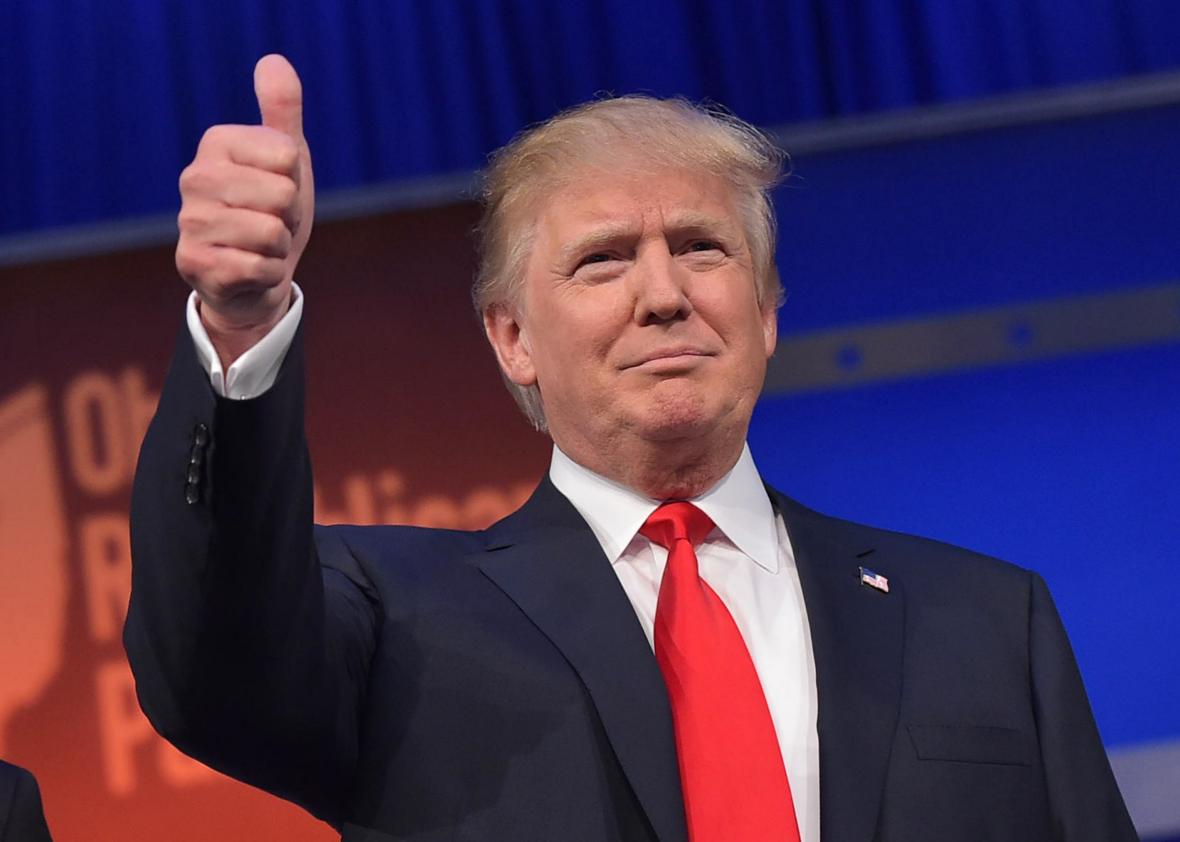
    Indonesia’s vice-president yesterday voiced concerns over US presidential candidate Donald Trump’s comments on Muslims, saying “discrimination according to religion” could prompt retaliatory policies from other countries.

    Jusuf Kalla said the government was “not happy with Trump’s opinions” – the first critical remarks from a top official in the world’s most populous Muslim-majority nation, which come as Mr. Trump called for more profiling in the US to battle crime.

    “Any country, especially big countries, seen making policies about ‘radicalism’ or discrimination according to religion will be a bad issue,” Mr. Kalla said.

    “There will be ‘vice-versa’ policies from other countries,” he said, adding an impact would be felt on economy and trade.

    Mr. Trump’s inflammatory remarks on Muslims, including wanting to temporarily ban them from entering the US, on foreign policy and on international trade ties have raised concerns in some Asian countries over a potentially “isolationist” United States.

    In Indonesia, Southeast Asia’s biggest economy, politicians are already thinking about restricting US trade and investment if Mr. Trump becomes president. An online petition, urging a ban on the billionaire and his businesses from the country, has received nearly 47,000 signatures.

    The real estate developer also has partnerships to operate luxury resorts on Bali and in Java, which Indonesian officials have said could be threatened by his rhetoric.

    “Of course there will be an impact, not for Indonesia, but for his business,” Mr. Kalla said, when asked about Mr. Trump’s involvement in the resorts.

  • Wirecard and Verifone Partner to Bring Complementary Payment Services and Solutions

    Wirecard and Verifone Partner to Bring Complementary Payment Services and Solutions

    Wirecard AG and Verifone have entered into a strategic alliance to rapidly expand the point-of-sale market in Asia Pacific beginning with Indonesia. As the world’s fourth most populous country, Indonesia is considered one of the largest and fastest growing markets for payment solutions according to analysts.

    The five-year strategic alliance brings together the technology portfolio and geographic strengths of both companies through in-country companies like Wirecard’s PT Prima Vista Solusi and locally established Verifone teams, to enable financial institutions, retailers and various industry verticals to benefit from best-of-breed payment solutions.

    “Working as a strategic development partner to Verifone, Wirecard will provide software platforms for payment acceptance and processing that run on Verifone terminals, as well as in-depth market expertise, said Rudy Khowara, managing director of Wirecard Global Point-Of-Sales. “Furthermore, unique segment-specific features will be created through collaboration with our extended ecosystem of clients and partners.”

    Though Indonesia is largely a cash-dominated society, the payment cards market is developing significantly with payments card transaction volume increasing by about 124 percent in 2015 as compared to 2010 according to the Lafferty Group.

    “We are delighted to partner with Wirecard to spur the growth of new payment solutions and electronic commerce in Indonesia, where we are establishing a local team and permanent presence,” said Steve Aliferis, president of Verifone Asia Pacific. “With Wirecard as our preferred partner, we are working to offer banks and merchants access to the best technology solutions available and drive payment acceptance of all forms across diverse environments.”

    Through their respective subsidiaries in Asia, PT Prima Vista Solusi and Verifone Systems International, the two companies will collaborate to deliver a complete suite of payment commerce services. Wirecard will provide software platforms for payment acceptance and processing as well as in-depth market expertise.

    Safe Harbor Statement under the Private Securities Litigation Reform Act of 1995 for VeriFone Systems, Inc.

    This press release includes certain forward-looking statements within the meaning of the Private Securities Litigation Reform Act of 1995. These statements are based on management’s current expectations or beliefs and on currently available competitive, financial and economic data and are subject to uncertainty and changes in circumstances. Actual results may vary materially from those expressed or implied by the forward-looking statements herein due to changes in economic, business, competitive, technological and/or regulatory factors, and other risks and uncertainties affecting the operation of the business of VeriFone Systems, Inc., including many factors beyond our control.

    These risks and uncertainties include, but are not limited to, those associated with: successful collaboration with Wirecard to spur the growth of payment solutions in Indonesia, execution of our strategic plan and business initiatives and whether the expected benefits of our plan and initiatives are achieved, short product cycles and rapidly changing technologies, our ability to maintain competitive leadership position with respect to our payment solution offerings, our assumptions, judgments and estimates regarding the impact on our business of the continued uncertainty in the global economic environment and financial markets, our ability to successfully integrate acquired businesses into our business and operations, our ability to protect against fraud, the status of our relationship with and condition of third parties such as our contract manufacturers, distributors and key suppliers upon whom we rely in the conduct of our business, our dependence on a limited number of customers, the conduct of our business and operations internationally, our ability to effectively hedge our exposure to foreign currency exchange rate fluctuations, and our dependence on a limited number of key employees.

    For a further list and description of the risks and uncertainties affecting the operations of our business, see our filings with the Securities and Exchange Commission, including our annual report on Form 10-K and our quarterly reports on Form 10-Q. The forward-looking statements speak only as of the date such statements are made. Verifone is under no obligation to, and expressly disclaims any obligation to, update or alter its forward-looking statements, whether as a result of new information, future events, changes in assumptions or otherwise.

  • Apple Closer to India Stores After Government Eases Retail Curbs

    Apple Closer to India Stores After Government Eases Retail Curbs

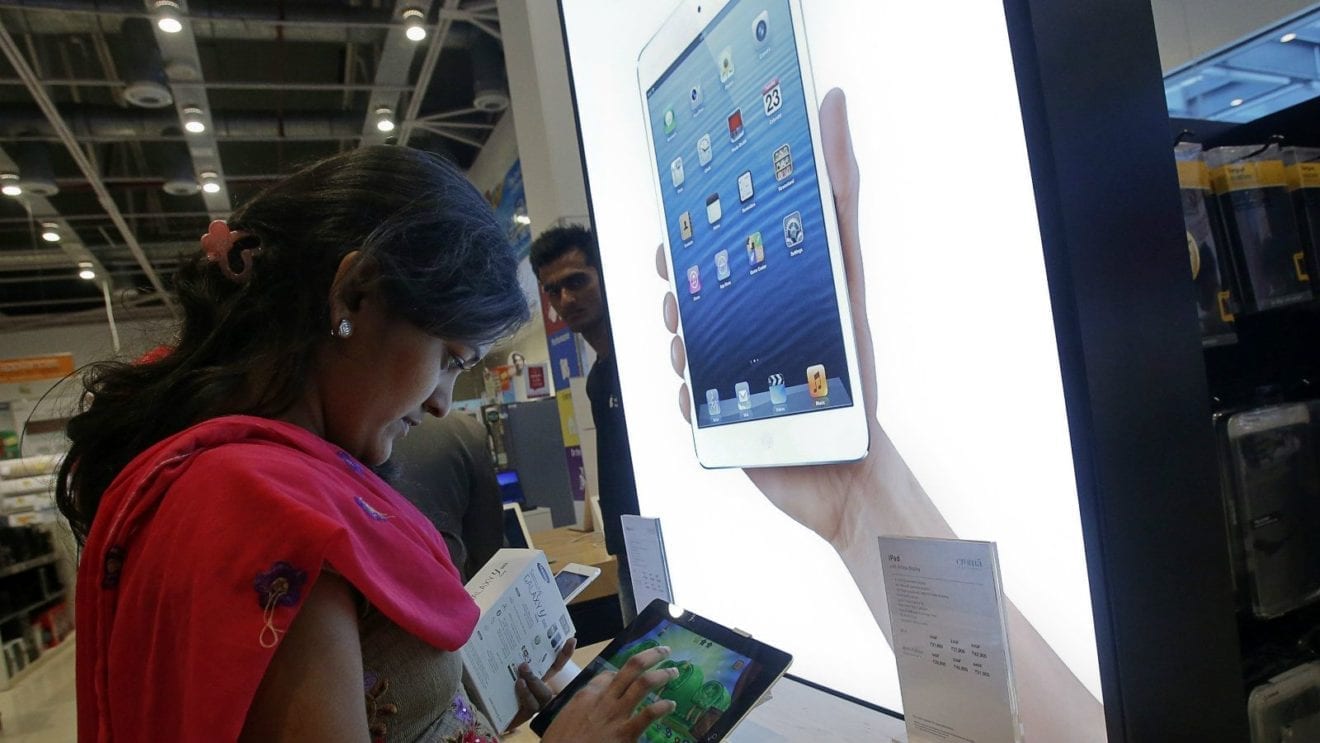
    Apple Inc. may be closer to opening stores in India after the government eased onerous local sourcing requirements on retailers.

    The world’s second-most populous country on Monday announced the easing as part of a raft of measures intended to boost foreign direct investment and expand the leeway afforded multinational corporations. It loosened policies that require retailers to source at least 30 percent of their components locally before they can set up shop.

     Apple is pushing to increase its share of the world’s fastest-growing major smartphone market as device sales slow elsewhere. Chief Executive Officer Tim Cook visited the country for the first time in May and met with Prime Minister Narendra Modi to outline his ambitions for the burgeoning arena.

    Under the new regime unveiled Monday, single-brand retailers have a three-year grace period in which they can operate stores, before they have to comply with the local sourcing requirement. Companies that can show they are selling state of the art or cutting edge technology can benefit from a relaxed local sourcing regime for “another five years.”

    The government hasn’t ruled on whether Apple meets the cutting edge criteria. Apple didn’t respond to an e-mail seeking comment on the government’s decision.

    Apple will now have to apply anew for permission to open its first stores in India, Commerce Minister Nirmala Sitharaman told reporters Monday. The Cupertino, California-based company has used flagship stores in New York, Tokyo and Shanghai to promote its products and boost sales, but in India it sells through partners such as Redington India Ltd. as well as the retail units of Indian conglomerates Tata Group and Reliance Industries Ltd.

     “The relaxed rules give Apple a window to build up a credible brand and gives the company a chance to build up internal capability and familiarity with the supply base,” said Devangshu Dutta, chief executive officer of Third Eyesight. “For branding, a certain consistency is critical and this can be done by having retail control.”

    India is a challenging market because of the iPhone’s premium pricing. It now has less than 2 percent of an Indian market in which four-fifths of phones cost less than $150. The iPhone maker had sought permission to become the first company allowed to import and sell cheaper refurbished phones into the country, but was said to have been rejected.

    Still, Apple’s sales there jumped 56 percent in the March quarter, indicating that demand for the brand is growing. Cook called out the country’s “incredibly exciting” prospects during his last earnings conference and said his company will devote more energy to that market. Apple’s stores have always played a key-role in attempts a convey a unique image and feel for its products.

    “It gives Apple more branding and positioning strength. Having a direct presence will help it gain more mindshare,” said Vishal Tripathi, an analyst at research firm Gartner. “It can help create a well-fashioned brand in the Indian market.”

  • Foreign Investment into Tobacco Industry Banned in China

    Foreign Investment into Tobacco Industry Banned in China

    The Ministry of Industry and Information Technology (MIIT) has recently issued regulations regarding retail of tobacco products in China. The new regulations stipulate that foreign invested commercial enterprises or individual business households are not permitted to engage in tobacco wholesale or retail business, nor engage in trading of tobacco monopoly products in alternative forms such as franchise, absorption of franchise stores or other re-investment, etc. The Measures for Administration of the Tobacco Monopoly License and Measures for Administration of Shipment Permit of Tobacco Monopoly Products will both become effective as of July 20, 2016.

    Shanghai Issues Notice on the List of Automatic Preferential Tax Policies

    Shanghai Municipal State Tax Bureau and Shanghai Municipal Local Tax Bureau has released a notice outlining and clarifying eight preferential tax policy matters which do not require additional materials to apply for. They are as follows:

    • Deduction/reduction of VAT for purchase of special equipment for the VAT control system.
    • Exemption of small sized and micro profit enterprises from VAT.
    • Exemption of ticket income of science halls, natural museums, science & technology education bases and science & technology education activities from VAT.
    • Exemption/reduction of enterprise income tax on qualified small sized and micro profit enterprises.
    • Accelerated depreciation or remuneration for fixed assets or software purchased.
    • Accelerated depreciation or one-off deduction of fixed assets.
    • Preferential stamp tax during the restructuring process of an enterprise.
    • Preferential stamp tax on loan contracts concluded between small sized and micro enterprises.
    State Council Issues the Guiding Opinions on Cutting Overcapacity in the Non-Ferrous Metal Industry

    The General Office of the State Council issued “Guiding Opinions on Creating a Favorable Market Environment to Promote Structural Adjustment, Transformation and Increases in Benefits in the Non-Ferrous Metal Industry (Opinions),” which addresses dealing with overcapacity problems in the non-ferrous metal industry. The Opinions consists of 15 articles, making detailed directives for key tasks and policy assurance, stressing that work should be done to cut overcapacity and disposal of surplus material in accordance with the laws and regulations, and guide the transfer of non-competitive capacity.

    The Opinions states the key tasks as including: strict control of newly-added capacity and investigation and management of newly-built electrolytic aluminum projects in violation of the regulations; quickening of disposal of excess material, dealing with overcapacity in accordance with the laws and regulations and guiding the transfer of non-competitive capacity; stepping up technological innovation, pushing forward intelligent manufacturing and development of refined processing; expanding market applications, enhancing upstream and downstream cooperation and improving relevant product standards; improving reserves systems; actively promoting international cooperation, etc.

  • Singapore Cruise Centre launches duty free tender

    Singapore Cruise Centre launches duty free tender

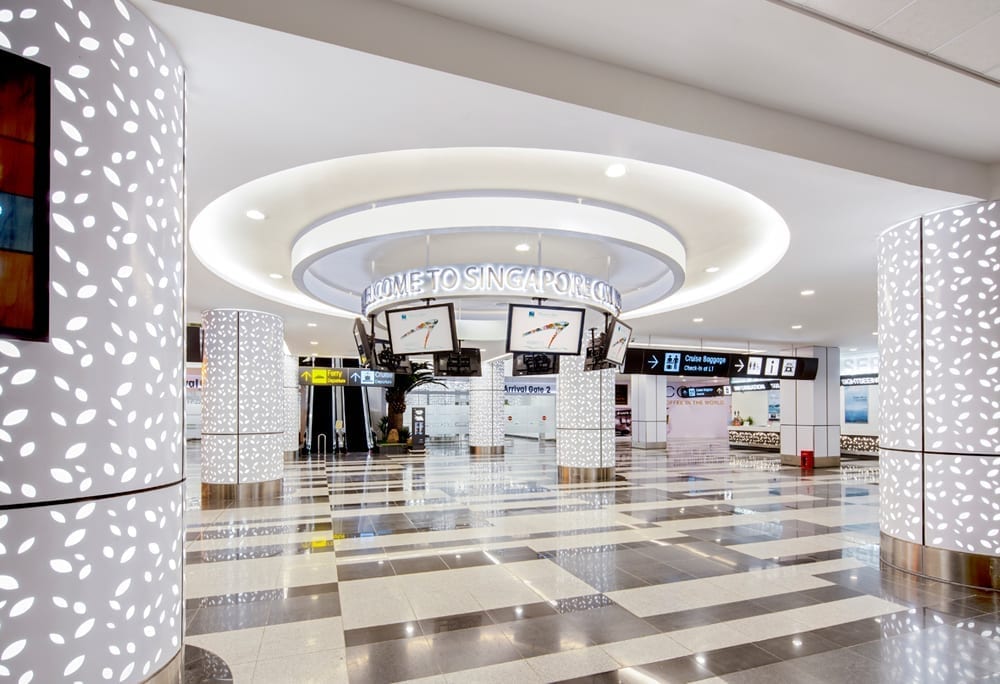
    Singapore Cruise Centre Pte (SCCPL) is inviting interested companies to tender for the development and operation of the duty free and general merchandise concession contract at the Harbourfront and Tanah Merah terminals for a period of five years (with an option to extend for another two years).

    The SCC confirmed that it is investing in the redesign and upgrade of its commercial offer at both terminals, with expansion and reconfiguration of the main retail space in the departures and arrivals areas.

    The new contract up for tender will govern 542sq m of retail space, serving over 6.3m ferry passengers and 560,000 cruise passenger annually.

    The SCC has also decided to consolidate several separate contracts for the existing duty free concessions (including liquor & tobacco, perfumes & cosmetics, fashion & travel accessories and confectionery), into a single contract, to run for five years with a two-year extension option, commencing 1st April 2017.

    The contract will govern 542sq m of retail space, serving over 6.3m ferry passengers and 560,000 cruise passenger annually.

    Singapore-Cruise-Centre-logo

    BULLISH PROSPECTS FOR CRUISE INDUSTRY

    Singapore Cruise Centre CEO Christina Siaw released this statement: “It is an exciting time for SCC as we launch our first public duty free retail tender, amid bullish prospects for the cruise and ferry industry in Asia Pacific.

    “We are committed to driving passenger growth in our terminals and retail is a key contributor to overall passenger satisfaction. We seek an experienced, world-class duty free retail operator to partner us in developing a unique, integrated shopping destination that optimises commercial revenues at our terminals.”

    The tender is open to companies with ‘relevant experience in duty free retailing’ until 30 June, when all RFQs must be submitted.

    One of the incumbents, DFS Singapore currently operates the departure-transit and arrivals transit shops alongside the SCC’s Ocean Duty Free outlets, which are operated by Gebr Heinemann.

    In March earlier this year, the Singapore Tourism Board (STB) reported that the country witnessed encouraged growth in the cruise and business segments as the Singapore Cruise Centre (SCC) was named the number one cruise port in Asia in 2015.

    As previously reported, the latter incumbent operator, Heinemann opened its third (157sq m) Ocean Duty Free store in Singapore’s HarbourFront Ferry Terminal in January 2015.

    This follows the earlier opening of its first two outlets at the Tanah Merah Ferry Terminal in March 2014.

    SCC-HarbourFront-exterior---Cruise

    Heinemann opened its third (157sq m) Ocean Duty Free store in Singapore’s HarbourFront Ferry Terminal in January 2015.

    The deadline for the RFQ submission is Thursday 30 June, 4pm (SGT), deposited into Tender Box A in the reception area at Singapore Cruise Centre Pte Ltd, 1 Maritime Square (Lobby D), #07-01, HarbourFront Centre, Singapore 099253.

    “SCCPL does not bind itself to accept any tender nor the highest bid,” the SCC states on its website.

    In March earlier this year, the Singapore Tourism Board (STB) reported that the country witnessed encouraged growth in the cruise and business segments as the Singapore Cruise Centre (SCC) was named the number one cruise port in Asia in 2015.

    Tanah-Merah-Ferry-Terminal-Singapore

    Heinemann opened two outlets at the Tanah Merah Ferry Terminal in March 2014.

    Interestingly, the cruise industry saw a 14% year-on-year increase in cruise passenger throughput last year to more than one million.

    In addition, the country welcomed a total of 385 cruise ships, including international cruise brands such as TUI cruises, and Royal Caribbean, as well as nine maiden calls – new to Singapore and Southeast Asia.

  • New Hotels Keep Popping Up in Korea’s Most Celebrated Beachfront Community

    New Hotels Keep Popping Up in Korea’s Most Celebrated Beachfront Community

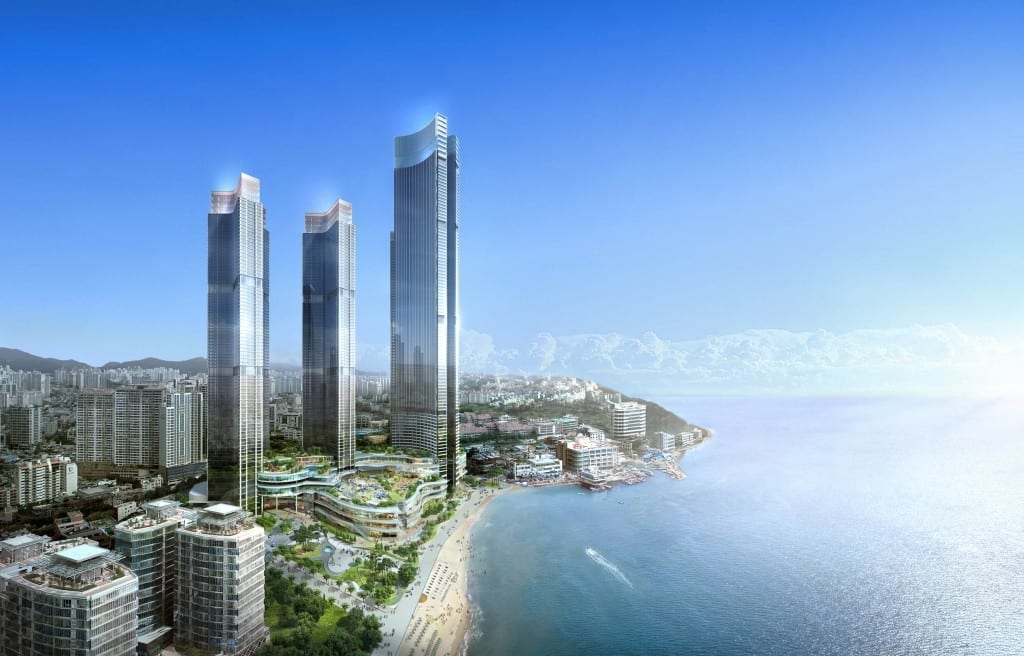
    Busan’s Haeundae district is best known for its beach that attracts millions of visitors each summer. But it’s also a major MICE (meetings, incentives, conferences, and exhibitions) center, with the Busan Exhibition and Convention Center (BEXCO),and hosts major annual events such as the Busan International Film Festival. Under these conditions, competition between hotels is higher than ever.

    In 2019, Haeundae will welcome another global hotel franchise unit, Sheraton, which will be operated by Starwood Hotels & Resorts Worldwide. Starwood currently owns 11 brands including Sheraton and Westin, and operates over 1,300 hotels in some 100 countries. The new 260-room hotel will be located between two major beaches in Busan, Haeundae and Songjeong.

    Lotte Hotel has recently finalized plans to operate a luxury hotel inside the LCT Landmark Tower. The 101-storey tower, which is also located by Haeundae beach, is expected to be completed in 2019.Busan’s Haeundae district is best known for its beach that attracts millions of visitors each summer. (image: Wikimedia)

    Korean retail giant Shinsegae is in the middle of the planning process to build a hotel that offers a somewhat differentiated service by connecting services with shopping. The hotel will be built across from the company’s Centum City store, which is the largest department store in the world. 

    A Japanese company, Sega Sammy Holdings, has also established plans to build a luxury hotel (312 rooms) and a business hotel (470 rooms) on the opposite side of BEXCO. 

    Hotel Shilla, a Samsung subsidiary that operates hotels and duty-free shops, is building a 406-room business hotel, which is expected to open in 2017.

    Lotte Hotel has recently finalized plans to operate a luxury hotel inside the LCT Landmark Tower. The 101-storey tower, which is also located by Haeundae beach, is expected to be completed in 2019. (image: LCT)

    Amid such changes in the area, some businesses welcome the new development plans, while there are those that suffer from the increasing availability of new accommodations. 

    “The hotel market in Haeundae has reached its saturation point, and we have been struggling with our operations,” said an official from one of the hotels in Haeundae. “The government should limit the number of hotel approvals in the area.” 

    “We need a large number of hotels to host large-scale events,” said a MICE industry affiliate. “It’s too early to say that the hotel market in Haeundae is over-saturated. We need more hotels for the continued growth of the MICE industry.”


  • Foreign direct investments rise to RM12.8b in first quarter

    Foreign direct investments rise to RM12.8b in first quarter

    Despite a weaker global environment, Malaysia remains a competitive investment location for foreign investors, with an increase of 28% in this quarter, says minister Mustapa Mohamed.

    In the first quarter (Q1) of 2016, Malaysia recorded RM37.3 billion of approved investments in the services, manufacturing and primary sectors.

    These investments involved 1,271 projects and will create 39,990 employment opportunities.

    “Despite a weaker global environment, Malaysia remains a competitive investment location for foreign investors, with an increase of 28% in this quarter.

    “Year-on-year, FDI (foreign direct investments) increased to RM12.8 billion in Q1 2016 from RM10.0 billion in the corresponding period of 2015.

    “Domestic investments led with RM24.5 billion or 65.7% of total approved investments in Q1 2016,” said International Trade and Industry Minister Mustapa Mohamed today.

    “Taking into account the two lumpy projects approved in last year’s Q1 i.e. PRPC’s project in Johor and LNG9’s project in Sarawak, Q1 2016 showed a decrease from RM69.8 billion in comparison as these two projects alone amounted to RM35.3 billion.

    “ I would like to highlight that without the two big projects, Q1 2016 actually shows an overall increase of 8.1% from RM34.5 billion last year,” the minister added.

    Services sector

    The services sector attracted the largest portion of approved investments in the first three months of 2016, amounting to RM27.6 billion. A total of 1,088 services projects were approved, creating 20,200 employment opportunities, the largest potential employer in the economy.

    “Foreign investment in the services sector surged by 112.1% from RM3.3 billion in Q1 2015 to RM7.0 billion in the same period this year.

    “We are seeing more foreign participation in distributive trade, education services, global establishments, financial services and real estate sub-sectors,” explained Mustapa.

    Distributive trade saw an increase of 992% of foreign participation from RM101.5 million in Q1 last year to RM1,108.7 million in Q1 2016.

    The increased investments from regional and international retailers have boosted Malaysia’s ranking to third position in the 2016 Global Retail Development Index (GRDI) by A T Kearney.

    For the education sub-sector, the increase of 672.7% of foreign investments from RM19.3 million in Q1 2015 to RM149.2 million in Q1 2016 reflects Malaysia’s success in accelerating the process in making the country a regional education hub of excellence.

    The private education sector will complement the government’s efforts in providing access to quality education to the people.

    As to date, there are 501 private higher institutions that offer a wide range of disciplines at every level of education, including short-term and professional courses certificate, diploma, degree and post-graduate degree qualifications.

    Global establishments and end-to-end global supply chain management services are fast becoming important components in the Malaysian economic backbone.

    In Q1 2016, the Malaysian Investment Development Authority (Mida) approved a total of 60 global establishments with investments of RM5.6 billion.

    The lion share of these was from six principal hub projects with total investments worth RM5.5 billion. These investments were in the industries of aerospace, electronic & electrical (E&E), food & beverage as well as resource-based industries.

    The principal hub initiative is among the high value-added services that are currently promoted by Malaysia.

    Manufacturing sector

    Investments in the manufacturing sector for January-March 2016 totalled RM8.9 billion from 170 projects. The approved manufacturing projects are expected to generate about 19,650 employment opportunities.

    “Despite the decrease in investments in this sector for the first quarter of this year, it is noteworthy that Malaysia has attracted significant investments in the transport equipment industry, with a spike of 1,584% from RM40.1 billion in Q1 2015 to RM675.7 billion in Q1 2016.

    Other industries which recorded high growth rates were paper, printing & publishing (944.0%), food (550.0%), leather & leather products (162.3%), chemical & chemical products (159.1%), scientific & measuring equipment (78.8%), and rubber products (57.1%).

    Regardless of a lower investment value in Q1 2016, the E&E industry emerged as the main contributor to the total approved investments in the manufacturing sector compared to the corresponding period last year.
    Most of the high quality projects in E&E are concentrated in solar, fabricated wafers and semiconductor devices.

    Primary sector

    Malaysia continued to register a lower investment in the primary sector due to the challenges in global crude oil prices. Investments in this sector recorded a total of RM874.9 million in Q1 2016.

    The mining subsector led with approved investments of RM692.2 million, mainly from oil and gas exploration activities.

    Approved investments in the plantation and commodities subsector totaled RM129.0 million. In Q1 2016, a total of RM53.7 million investment was approved in the agriculture subsector.
     

  • Father’s Day call for men’s health service

    Father’s Day call for men’s health service

    A legislator has called on the government to set up a men’s health-care service that combines physical and psychological treatment to help middle-aged men with sexual health problems.

    Civic Party lawmaker Kwok Ka-ki, a urology doctor, made the call on Father’s Day.

    Many men aged 30 or above are faced with diseases of the reproductive system, including erectile dysfunction and benign prostatic hyperplasia, Kwok said.

    He noted that there used to be a male health department in Kwong Wah Hospital, a public hospital in Yau Ma Tei, during the 1990s, but the services were withdrawn due to a lack of resources.

    Health-care centers for men are run by the nonprofit Family Planning Association of Hong Kong in Tsuen Wan, Wan Chai and Ma Tau Chung.

    “The male health services provided by the Family Planning Association of Hong Kong are not cheap. A tablet to treat erectile dysfunction could cost up to HK$100. Grassroots citizens may not be able to afford it,” Kwok said.

    While Kwok urged the Hospital Authority to set up male health centers, he also advised the government to integrate counselling services into the men’s health-care services.

    “Most cases of sexual dysfunction in men are caused by psychological problems, such as stress from work and family, and can be treated with sex therapy,” he said.

    Kwok said health clinics with sex therapy services are very common in Europe and America.

    “When men go to see urology doctors in Hong Kong, they can only get assistance on their physical health, but not on their sexual or marriage problems.”

    Kwok suggested the government set up combined clinics, offering, for example, one-stop urology diagnostic services and sex therapies for men.

    Meanwhile, people celebrated the hottest Father’s Day yesterday in 55 years inside air-conditioned malls shopping, boosting retail store sales.

    The Hong Kong Observatory issued the very hot weather warning at around 7am. It recorded a temperature of 34.2 degrees Celsius at around 2pm, making yesterday the hottest Father’s Day since 1961.

    A salesman at electrical goods chainstore Fortress in Tai Koo Shing said the sales volume has increased by 30 percent this year, with most families purchasing mobile phones in the mid- price-range, HK$2,000 to HK$3,000.

    “Although the increase is pretty similar to that of last year, it is still better than that on Mother’s Day,” he added.

    Catering businesses seemed to be benefiting from the day as well.

    House of Canton, a traditional Chinese restaurant at Cityplaza, said the first round of their tables at 6.30pm had been fully booked, with only a few tables left for the second and third rounds.

  • Myanmar businesses want policies

    Myanmar businesses want policies

    There are concerns the new government, which took office in April, has not yet revealed its economic policies. Businesses are also concerned that if the policies further open up the economy, some companies would not be ready for potentially intense foreign competition.

    At a panel discussion of the Economist Events’ Myanmar Summit 2016, Sai Sam Htun, executive chairman of Loi Hein Co, the No 1 beverage firm in Myanmar and the producers of Alpine drinking water, said local business were showered with optimism and challenges.

    “Currently, local business people are worried,” he said. “We expect the government to come up with the road map, model and vision for the country. We expect that as soon as possible. Otherwise, we are in the dark and do not know where to go, what to do and what will happen in the future.”

    He welcomed the national agenda to achieve reconciliation, but that should not be the single priority.

    “The new government brings us to the road to democracy, but that doesn’t guarantee that everything will be smooth,” he said. “We are expecting our leader Daw Aung San Suu Kyi to say something about the future economy of Myanmar.”

    Kyaw Win, planning and finance minister and chairman of the Myanmar Investment Commission, said the policies should be revealed by the end of this month.

    Win Win Tint, chief executive officer of City Mart Holdings, the nation’s largest retail chain, noted that Myanmar needed to consider whether foreign investment should be allowed in trading, the services industry and retailing.

    Currently, Myanmar’s retail industry is fragmented. Modern trade accounts for only 10 per cent of the retail industry, compared to 45 per cent in Thailand and 25 per cent in Vietnam.

    There is a huge growth potential, but poor infrastructure and low consumption may hold back the potential growth. Suppliers are still unable to support retailers, pushing the ratio of imported products to 80 per cent.

    “One thing we always tell our policy-makers is that local businesses are not on a level-playing field,” Win Win Tint said. “If the MIC allows foreign players in these industries, they will enjoy tax incentives and access to overseas financing.”

    She added that the old foreign investment law did not take local business interests into consideration.

    Sai Sam Htun, however, is not afraid of foreign players. He recalled the situation a few years ago when all businesses fretted about the entry of foreign players.

    “I was quite scared that I would be out of business. But I aggressively worked on the branding aggressively,” he said. “If you are in the market, you just have to be consistent. Then you can compete with any competitor and face any challenge.”

    He noted that foreign and local businesses could have win-win strategies. Foreign companies like Coca-Cola, PepsiCo and multinational beer companies have successfully forged partnership with local players.

    Loi Hein has formed four joint ventures with foreign companies – two each with Japanese and Thai counterparts.

  • Apple previews iOS 10

    Apple previews iOS 10

    Apple has previewed iOS 10, which the company is billing as be “the biggest release” ever of the mobile operating system.

    iOS 10 introduces the ability for Siri to do more by working with both internal apps as well as those from third parties.

    The update also includes redesigned Maps, Photos, Apple Music and News apps, and the Home app, promising to deliver a simple and secure way to manage home automation products in one place.

    “iOS 10 is our biggest release ever, with delightful new ways to express yourself in Messages, a native app for Home automation and beautifully redesigned apps for Music, Maps, and News that are more intuitive and more powerful, making everything you love about your iPhone and iPad even better,” said Craig Federighi, Apple’s SVP of software wngineering.

    “iOS 10 adds Siri intelligence into QuickType and Photos, automates your home with the new Home app and opens up Siri, Maps, Phone and Messages to developers — while increasing security and privacy with powerful technologies like Differential Privacy.”

    The update also includes updates to Messages, the most frequently used iOS app, introducing animated and personalized ways to message friends and family.

    Automatic suggestions make it easy to replace words with emoji, Tapback creates a quick and simple way to respond with just a tap and rich links lets the user see content inline and play media without leaving the conversation.