Blog

  • South Korea April dept store sales seen surging, discount store sales bounce

    South Korea April dept store sales seen surging, discount store sales bounce

    South Korea’s top department stores scored a second month of sales growth in April, preliminary government data showed on Tuesday, backing recent surveys showing consumers are feeling better about the economy.

    Combined sales at department stores run by Hyundai Department Store, Lotte Shopping and Shinsegae Co were seen up 8.0 percent on-year in April, according to data from the finance ministry.

    That would be much stronger growth than a 0.3 percent rise in March and mark the fastest gain since January this year.

    The data also showed sales at discount stores last month likely rebounded to be up 0.2 percent in annual terms from a 4.6 percent drop in March.

    Domestic consumption is showing broad improvement supported by consumer spending although exports continue to fall, the finance ministry said in the statement. It also added the pace of recovery in the private sector was still weak, noting that offshore risks persist as global growth remains sluggish.

    The trade ministry will release finalised figures later this month.

  • Korea to control e-cigars in anti-smoking policy

    Korea to control e-cigars in anti-smoking policy

    The South Korean government announced a package of anti-smoking measures on Tuesday that would affect electronic cigarettes as well.

    It will also push for the revision of health-related laws to tighten control on ads for cigarettes, especially near schools, under the plan unveiled jointly by the Ministry of Health and Welfare and the Ministry of Strategy and Finance.

    The smoking rate among South Koreans, aged 19 or older, dropped to 39.3 percent last year from 43.1 percent in 2014. It marks the first time that South Korea’s smoking rate fell below 40 percent.

    The decrease is apparently attributable to sharp hikes in tobacco prices here from 2,500 won ($2.13) per pack to 4,500 won early last year.

    The government, however, made it clear that it’s not enough.

    It stressed that “aggressive non-price policy” is needed to attain the goal of reducing the rate to 29 percent by 2020.

    The health ministry is alarmed by the rapid spread of e-cigarettes despite controversy over safety and effectiveness as a way to kick the habit.

    The ratio of e-cigarette usage among male adults jumped to 7.1 percent in 2015 from 4.4 percent a year earlier. Nine out of every 10 e-cigarette users also smoked, leading to an increase in nicotine intake.

    “E-cigarettes, chewing tobacco and other new types of tobacco exist in a gray area in terms of regulations under relevant legislation,” the ministry said.

    It plans to strengthen regulations on those products, including taxation, ads, sales and warning images, to the level of traditional cigarettes.

    The sale of smaller packets, containing less than 20 cigarettes each, will be banned, as it may affect teenagers’ purchase and dent the efficacy of price hikes.

    Tobacco ads will be prohibited in retail stores within 50 meters of elementary, junior high and high schools across the nation. The ministry added it would then seek to expand the range in stages.

    It also plans to renew its push to place graphic images of the damage done to internal organs by smoking on the upper part of cigarette packets.

    Deliberately hiding the images on shelves will be outlawed under the initiative that requires the National Assembly’s approval.

  • Line Thailand expansion plans include business

    Line Thailand expansion plans include business

    Mobile platform Line Thailand has announced bold plans, targeting business uses.

    Part of Korea’s Naver internet service company, Line sees Thailand as its second-largest strategic market following Japan.

    Line Thailand MD Ariya Banomyong says the company aims to boost its presence not just as a mobile messenger but as a smart portal providing innovative and “useful” services.

    Banomyong says many businesses are wondering how to access customers seeking specific answers, and that ultimately Line would be more than just a message service. Already the company has launched a mobile delivery agent service, Line Man, and established a joint venture with Bangkok’s mass transportation business BTS, Rabbit Line Pay, which supersedes the Line Pay mobile payment business started last June.

    “I believe we definitely need to dominate the mobile food-delivery business because street foods are a very important part of Thai life,” says Banomyong. “Before Line Man, only a few restaurants offered a delivery service.”

    Banomyong aims to start localised services that can be adopted in major Line markets like Korea and Japan. “The Thai subsidiary will boost co-operation with startups here to seek new business opportunities.”

    Line services launched in Thailand in 2012, so far attracting 33 million subscribers – nearly half the country’s population. Line has added such services as official accounts, sponsored stickers and a content creators’ B2B market.

    For the offline-to-online sector, the company has started Line Shop, Line Gift Shop and Line At, an official account service for small- and medium-sized enterprises (SMEs).

    “Only about 500,000 out of 2.8 million SMEs in Thailand are online,” says Banomyong. ”To offer them a broader online environment, we provide a simple yet effective platform with lower costs.”

    In December, the company also started the television content-streaming service Line TV in collaboration with media groups such as GMM. Its Line Music service has recorded more than 7 million cumulative downloads.

  • Hong Kong mars Estee Lauder Asia result

    Hong Kong mars Estee Lauder Asia result

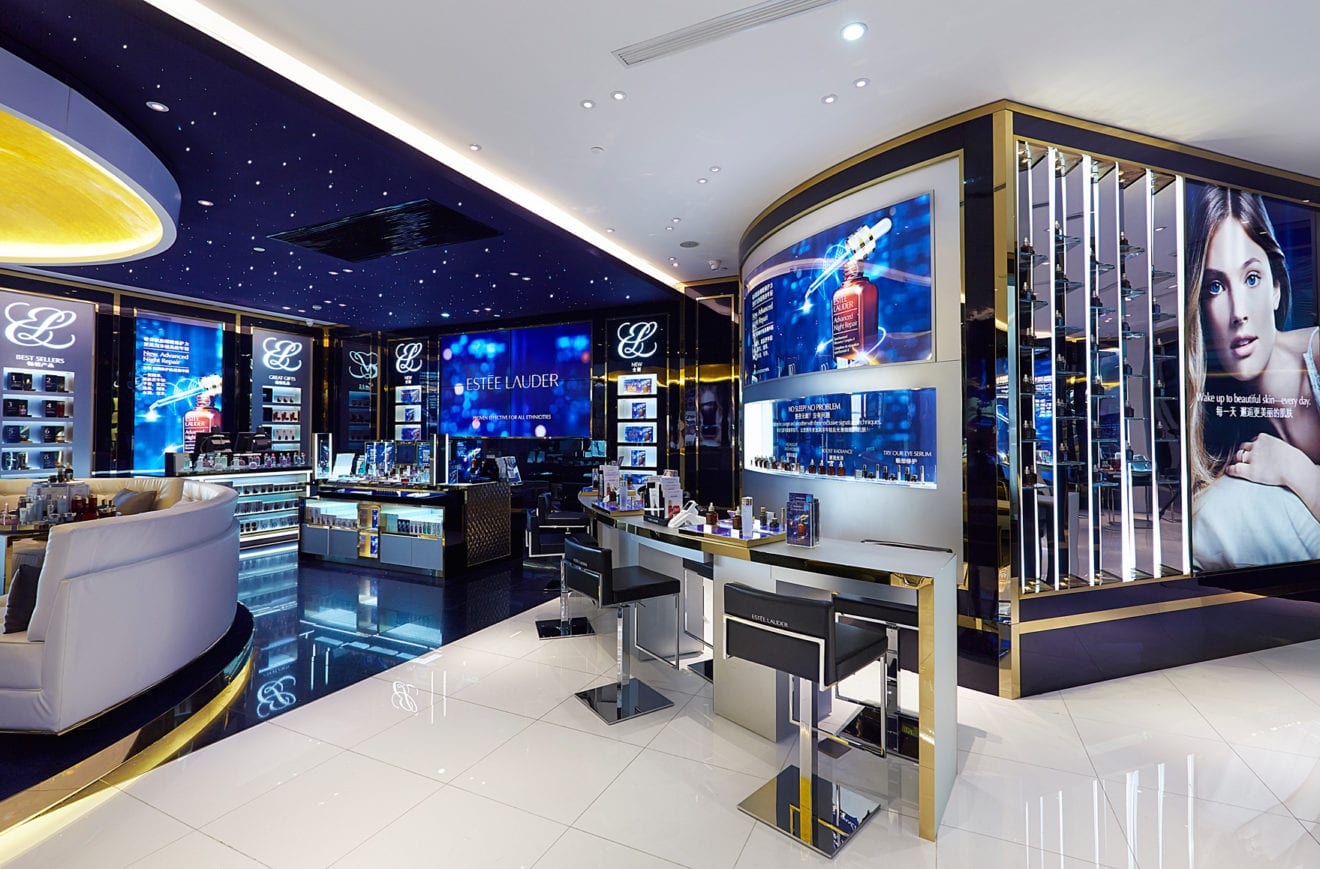
    Beauty giant Estee Lauder says its Asian sales rose in every country except Hong Kong in the last quarter.

    Estee Lauder Asia achieved double-digit growth in Korea, Japan, Australia and Taiwan and achieved “solid” constant currency sales gains in China and Thailand.

    “The higher sales in China reflected sales gains in most brands due to continued distribution expansion and increased online activity,” the company said in an earnings statement.

    “In Hong Kong, the reduction in tourism from China continues to negatively impact business, particularly for the Estee Lauder, Clinique and La Mer brands. The company remains cautious of the near-term slower growth there.”

    Foreign currency translation unfavorably impacted reported sales by 5 per cent with the largest impact affecting China, Korea and Australia.

    In Asia-Pacific, operating income decreased, with lower results reported primarily in Hong Kong and China.

    “The lower results in Hong Kong were primarily due to the lower sales, and in China were attributable to increased marketing, selling and store operations costs. These lower results were partially offset by higher operating income in Japan and Singapore,” the company said.

    In its outlook for the full 2016 year, now nine months complete, Estee Lauder said it expects the global prestige beauty market  to continue to generate solid growth.

    “However, volatility and economic challenges are expected to continue to negatively impact Hong Kong and some emerging markets challenged by weak currencies. The company’s growth has outpaced global prestige beauty and is expected to continue growing faster than the industry, demonstrating the company’s ability to successfully navigate volatility. The company expects to increase targeted investment spending in the fiscal 2016 fourth quarter compared with the prior year, behind areas with good momentum or with opportunities for share gains, as well as in capabilities to sustain future growth.”

    Globally, net sales for the company’s third quarter to March 31 totalled US$2.66 billion, a 3 per cent increase compared over the $2.58 billion in the prior-year quarter. Net earnings were $265.6 million, down on the $272.1 million of last year.

    Meanwhile, Estee Lauder has revealed plans to save between $200 million and $300 million a year through a series of job cuts, retraining and restructuring initiatives.

  • BreadTalk Myanmar franchise deal sealed

    BreadTalk Myanmar franchise deal sealed

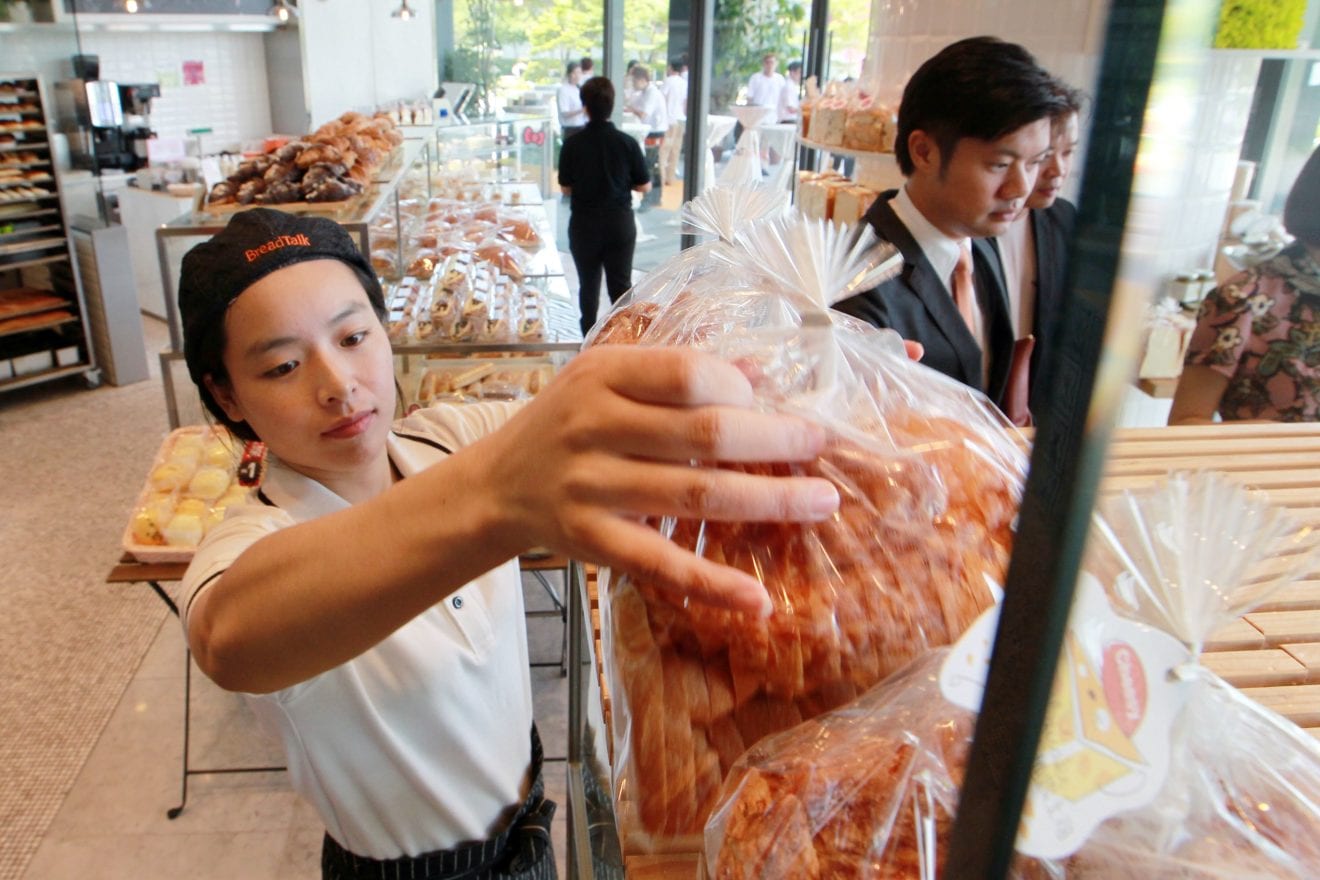
    Singapore bakery giant BreadTalk is moving into Myanmar, signing a master franchise agreement with Myanmar Bakery.

    The first BreadTalk Myanmar outlet is expected to open in Yangon early next year in a shopping centre owned by the Shwe Taung Group. Myanmar Bakery is part of the conglomerate, which has an extensive real estate interests. BreadTalk is the group’s first F&B venture.

    “With a growing middle class and rising retail consumption, there are immense growth opportunities in Myanmar,” says BreadTalk bakery division CEO Tan Aik Peng. “The Singapore team is working closely with the Shwe Taung Group to understand the market.”

    He says the company is confident it will introduce a “new lifestyle of bread appreciation” to Myanmar.

    BreadTalk has nearly 800 outlets across Singapore, China, Hong Kong, Indonesia, Vietnam and Thailand.

    The Shwe Taung group of companies is involved in real estate, construction and engineering, infrastructure, hotels, entertainment, trading and investment. It also runs the Junction Centre group of shopping centres, which includes malls in Yangon and Naypyitaw.

    The group is also behind the upcoming Junction City, an integrated development in downtown Yangon to comprise a lifestyle shopping mall, an office tower and a five-star hotel, scheduled to open early next year.

  • New Road Freight Service from Singapore to Bangkok

    New Road Freight Service from Singapore to Bangkok

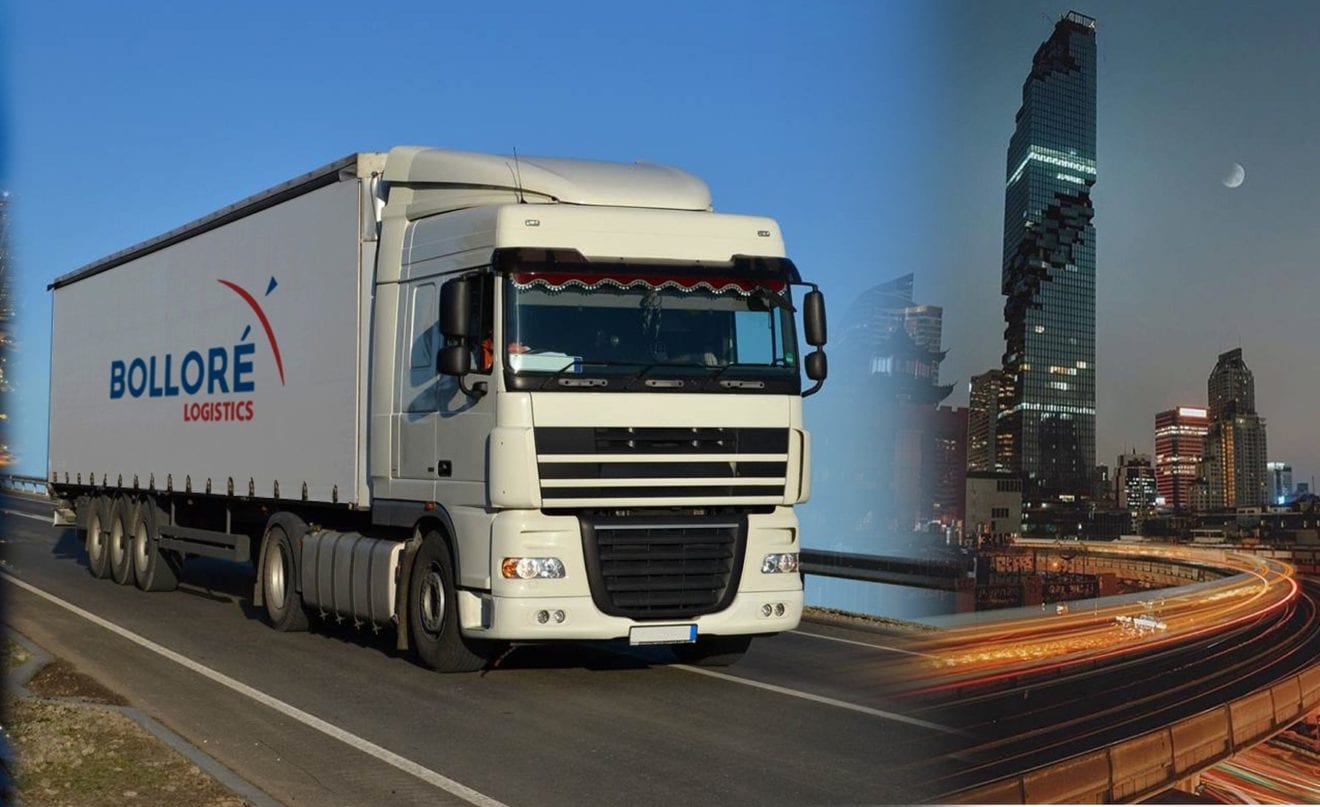
    Bolloré Logistics recently introduced its new road service from Singapore to Bangkok, Thailand. The key objective is to offer customers the fastest door-to-door transit time for Less-Than-Truckload (LTL) cargo on a weekly basis.

    This new service uniquely compliments our already existing set of transport and logistics offers and will especially serve sectors such as retail, aerospace, or healthcare. The twice-weekly departures and the speed of the service (3.5 days door-to-door delivery) at a very competitive price make this service almost thrice as fast the traditional LCL, and very comparable to the airfreight door-to-door transit time, while at a reduced cost.

    Security System

    The cargo is transported via secured vehicles equipped with GPS tracking systems. The vehicles are also under the supervision of a 24/7 command center, CCTV integrated with GPS installed inside the containers. Also taking automatic pictures once the container’s doors are opened, those will be sent in real time via GPRS network to the server.

    Equipped with enhanced security features such as an E-lock security mechanism located inside the container door, an immobilizer, a panic button, hearing-in devices, and alarm buzzing, our customers’ cargo is safe and secure. Furthermore, the E-lock security mechanism can only be locked and unlocked by SMS, barcode scanner, or a unique keypad.

    IT Features

    This service also offers full traceability with the Proof of Delivery (POD) inputted directly in our system: LINK, bringing customers full visibility and control over their shipments.
    Value-Added Services

    Bolloré Logistics’ value-added service options at Bangkok’s warehouse before delivery include features allowing the cargo to be cleared directly at our Bonded Container Freight Station (CFS) facilities in Thailand, Singapore, and Malaysia in order to avoid customs blockage and delays at the border and to facilitate lift-on, lift-off (LOLO) & customs issues.

    “We are excited to offer this new service to our customers. With regular shipments and LINK’s full traceability out of Singapore, this service is a very attractive offer,” states Franco Montalbano, TSL Worldwide Director at Bolloré Logistics.

    “This is a great solution for customers looking for an alternative which is both faster than LCL ocean shipments and cheaper than regular airfreight shipments,” adds Yves Laforgue, Director for South East Asia at Bolloré Logistics.

  • Isobar showcases latest VR and brainwave technologies at CES Asia

    Isobar showcases latest VR and brainwave technologies at CES Asia

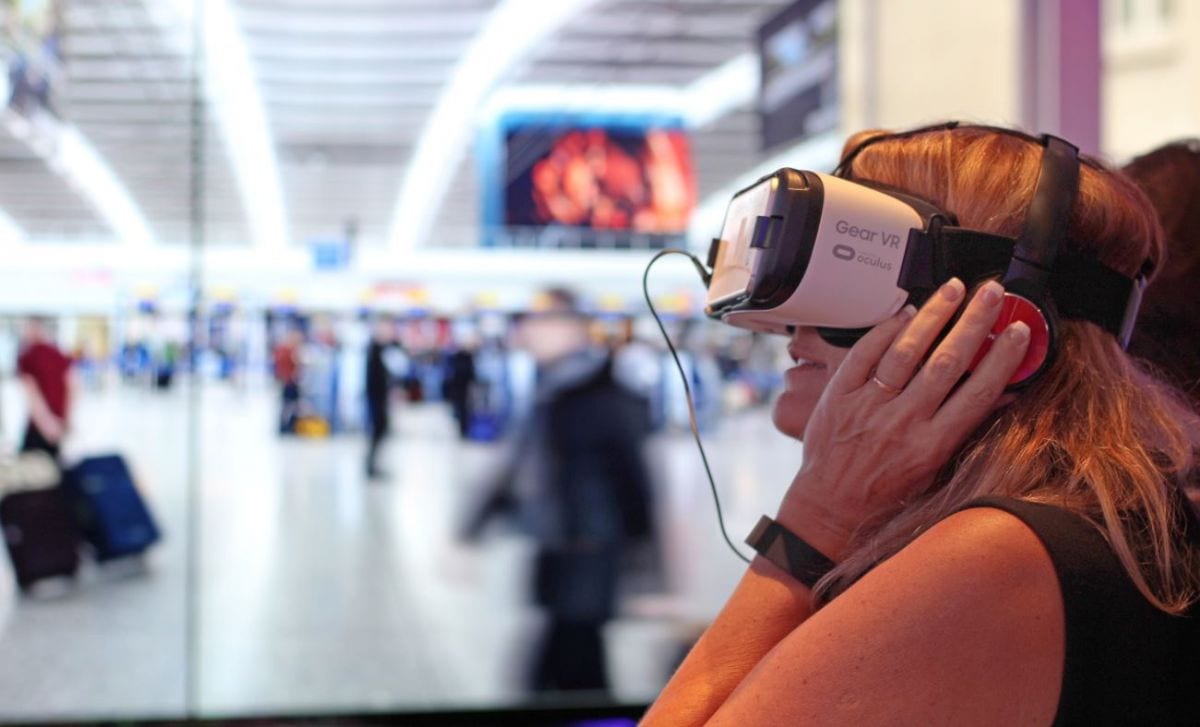
    At CES Asia 2016, which opens today, Isobar will be showcasing BVRAIN and UMood, two marketing innovations from Isobar, which demonstrate the agency’s capabilities in leveraging new technologies to provide brands with innovative marketing solutions.

    BVRAIN are VR goggles that visualize the activity and emotions of the human brain. After a short scanning process, users are able to see a real-time abstraction of their brain in compelling and interactive 3D visuals. The system outputs emotional values based on the user’s brain activity. These values are also mapped onto the corresponding areas of the brain. 

    In addition to visualizing people’s minds, BVRAIN also allows for brain adaptive games and content. In a coin collecting VR game, users are able to see obstacles based on their brain activity. The entire journey will also be generated by their actual brainwaves, opening up a whole new area of adaptive gaming.

    BVRAIN is the brainchild of Isobar Shanghai’s NowLab. The first application of BVRAIN was launched for Coca Cola’s Innovation Center at Wanda Theaters in major cities across China in April 2016.

    NowLab is a new initiative by Isobar’s global network to accelerate innovation through technology. NowLab’s objective is to enable quicker application of world-class innovative technologies in clients’ brand marketing and create an innovative brand experience for consumers. Isobar’s NowLab project teams in 14 offices worldwide are currently collaborating on international product and technology development, striving to create innovative programs for clients and employees.

    Francis Lam, Head of NowLab and Chief Innovation & Technology Officer of Isobar China, commented: “Technology is a crucial component of today’s market innovation. Using an unprecedented approach to discover the potentials of technologies, NowLab is committed to providing innovative human-machine interfaces, multi-screen interactions and various indoor/outdoor environments when our clients and consumers need us the most, in order to deliver a variety of unique and realistic innovative solutions. By combining VR with brainwave technologies, BVRAIN can create innovative, experiential programs for brand communication.”

    UMood, a smart product selection system developed for UNIQLO by the Isobar Australia and Dentsu Science Jam, a Dentsu Aegis Network company, also debuted at the exhibition to provide visitor with a cutting-edge user experience which recently grabbed headlines in Australia and the region.

    UMood is the first of its kind product selection tool, which uses neuroscience to help match customers’ moods with the perfect T-shirt. Consumers wear a neuro headset to watch a series of images and videos on the screen. The headset uses neuro analysis, measuring their brainwave reactions to the stimulus, to determine the user’s mood and subsequently make product recommendations based on that mood.

    Sven Huberts, Managing Director for Isobar Asia Pacific, said: “We don’t believe in using technology for technology’s sake. When we are addressing a client’s business challenge, we are constantly looking for new ways to elevate the brand experience to deliver value to that particular challenge. UMood is a good example of what a Brand Commerce solution can look like, whereby you’re bringing points of inspiration and points of transaction ever closer together.”

    Following last year’s successful debut at CES Asia™, Dentsu Aegis Network has expanded its presence at CES Asia this year, attending the world’s top consumer electronics show. The three-day event will see the network present 12 consumer marketing innovative products, doubling its presence last year. These products are owned or co-created by Dentsu Aegis Network offices in Australia, China, India and Japan. These technologies are centered on the theme of “Empower the Extended Self”, by using latest digital technologies including VR, robotics, facial recognition and real-time emotion analyzers.

  • Online fraud forecast to reach $25bn by 2020

    Online fraud forecast to reach $25bn by 2020

    Online fraud is expected to reach $25.6 billion in value by 2020, up from $107.7 billion last year, according to new research.

    This means that by the end of the decade, $4 in every $1000 of online payments will be fraudulent, says a new study from UK company Juniper Research.

    Online Payment Fraud: Key Vertical Strategies & Management 2016-2020 says the implementation of Chip and Pin services at POS (point of sale) locations in the US will most likely be a key factor driving online fraud. It argued that the greater security afforded by Chip and Pin technology will persuade fraudsters to switch their attention from the in-store environment to the CNP (card not present) space.

    Three hot areas for online fraud are identified in the report: eRetail (65 per cent of fraud by value in 2020, up from $16.6 billion); banking (27 per cent, $6.9 billion); and airline ticketing (6 per cent, $1.5 billion).

    It also claims that eRetail will be particularly susceptible to online fraud, with the value of this fraud sector growing at twice the rate of banking and seven times that of airline ticketing. The research highlights two key areas for fraud within eRetail: the buy-online, pay in-store approach, and electronic gift cards.

    It is argued that the continuing migration to online and mobile shopping, of both digital and physical goods – reaching more than $1.7 trillion last year – will provide a further incentive for fraudsters to focus attention on these channels.

    Meanwhile, the research claims that though banks can counter online banking fraud through new technologies such as 3D-Secure and device fingerprinting, these measures often only provide temporary respite as fraudsters soon find new practices.

    Similarly, while extensive efforts to deploy sophisticated fraud detection and prevention (FDP) systems have reduced fraud significantly for some major airlines, that industry has also seen fraudsters shift their focus to other perceived weak spots in the system.

    “A few larger airlines claim they have reduced eTicket sales fraud to less than 0.1 per cent,” says research author Gareth Owen. “When thwarted, however, fraudsters quickly move on to easier pickings, such as frequent flyer fraud.”

    Juniper offers a white paper, Managing the Risk of Fraud, free on its website together with further details of the research and an interactive forecast. Juniper has been analysing the digital commerce and FinTech sector for more than a decade.

  • Dyn Secures $50 Million in Funding to Expand Global Internet Performance

    Dyn Secures $50 Million in Funding to Expand Global Internet Performance

    Dyn, the worldwide leader in Internet Performance Management (IPM), announced today that it has secured $50 million in Series B equity funding from Pamplona Capital Management, a leading global private equity firm. This investment will strengthen Dyn’s global go-to-market growth strategy and enable accelerated product development. Additionally, Dyn also announced the public launch of its new platform that will help solve the significant challenges associated with operating critical business applications and infrastructure in the cloud.  

    “Internet Performance Management is a requirement for global Enterprises as companies leverage the Internet for mission-critical delivery of their business,” said Dyn CEO and co-founder Jeremy Hitchcock. “We have developed the capabilities to provide unique insights and ability to optimize Internet performance through managing the digital supply chain of information flows. Pamplona’s investment demonstrates a strong commitment to executing on the multi-billion-dollar opportunity and driving an aggressive, industry-leading go-to-market strategy and set of platform capabilities.”

    Dyn’s Platform for IPM offers IT professionals unparalleled transparency across the Internet, as well as traffic management tools that allow them to reroute their Internet-based assets as necessary, optimizing costs and improving response time and availability.

    Dyn helps leading global businesses, like Pfizer, Visa, Netflix, Twitter and many more, address their Internet Performance needs. Samir Jafferali, Edge Performance Site Reliability Engineer, LinkedIn, said, “Dyn’s IPM solutions are the first network service every single one of our members use when visiting our site. These solutions have made them a trusted partner as we continue to improve and optimize performance across our global networks.”

    Dyn also continues to add new Enterprise customers each quarter. In fact, eight of the top 10 Internet Services / Retail companies and six of the top 10 Entertainment companies in the Fortune 500 use Dyn. These customers recognize the economic benefits that come with embracing the cloud and the need for mitigating the myriad of risks that come with it. Dyn’s Platform delivers the one-stop visibility, analytics and control enterprises need to reliably make the Internet a competitive asset for their business.

    Supporting enterprise migration to the cloud has allowed Dyn to grow its revenue by more than 70 percent in the last two years and the Internet Performance Management company expects to surpass $100 million in Annual Recurring Revenue later this year. Yet, there is still much room to grow. IDC identifies Dyn’s market opportunity within the System Infrastructure Software as a Service market, which they estimate will reach more than $10B next year growing at a CAGR of 28 percent through 2019.

    Robert Mahowald, Group VP, Applications and Cloud Business Models at IDC, recently stated that, “The dynamics leading to Enterprise multi-cloud adoption and diversification present challenges for edge performance and governance, and strong opportunities for companies with Internet Performance Management solutions. The platform approach Dyn is taking gives its customers a plug-and-play solution to make the most of their cloud configurations. It has tremendous potential for any Enterprise CIO, which is why I think Internet Performance Management is an exciting evolution in how Enterprises will secure and mobilize their important cloud applications and data.”

    Pamplona’s investment in Dyn represents its inaugural investment for a new $1 billion U.S.-based Growth Equity fund focused on technology, media and telecommunications investments. As part of Pamplona’s investment, Justin Perreault, a partner, has joined Dyn’s Board of Directors.

    “Dyn has built a strong franchise based on running the fundamental and critical Internet infrastructure needs for its brand name customers,” said Perreault. “With a track record of substantial growth, a burgeoning IPM market opportunity and a strong results-orientated management team, Dyn provides a unique and exciting investment opportunity for Pamplona as we grow our U.S. investment presence.”

  • New finger ‘food’ from KFC Hong Kong

    New finger ‘food’ from KFC Hong Kong

    Advertising agency Ogilvy & Mather (Ogilvy) has pushed the boundaries of creativity by launching two edible nail polishes for KFC Hong Kong, bringing the fast-food giant’s tagline “Finger Lickin’ Good” to life.

    Working with food technologists at flavour giant McCormick, which makes KFC’s 11 secret herbs and spices mix, Ogilvy used natural ingredients for the edible nail-polish flavours, basing them on the brand’s popular recipes, Original and Hot & Spicy.

    6f140136666203.572492e5d5713-1074x787

    Packaged in a designer bottle and box, the product has been teased on social-media platforms, including Facebook and YouTube, for the past two weeks ahead of an exclusive launch and tasting.

    An online music video has also been released, asking Hong Kongers to choose which flavour to go into mass production.

    KFC Finger licking good nail polish 2

    Ogilvy creative director John Koay says the recipe for the nail polish was designed to hold the flavour yet also dry with a glossy coat similar to normal nail polish.

  • Hong Kong retail sales ‘worst in history’

    Hong Kong retail sales ‘worst in history’

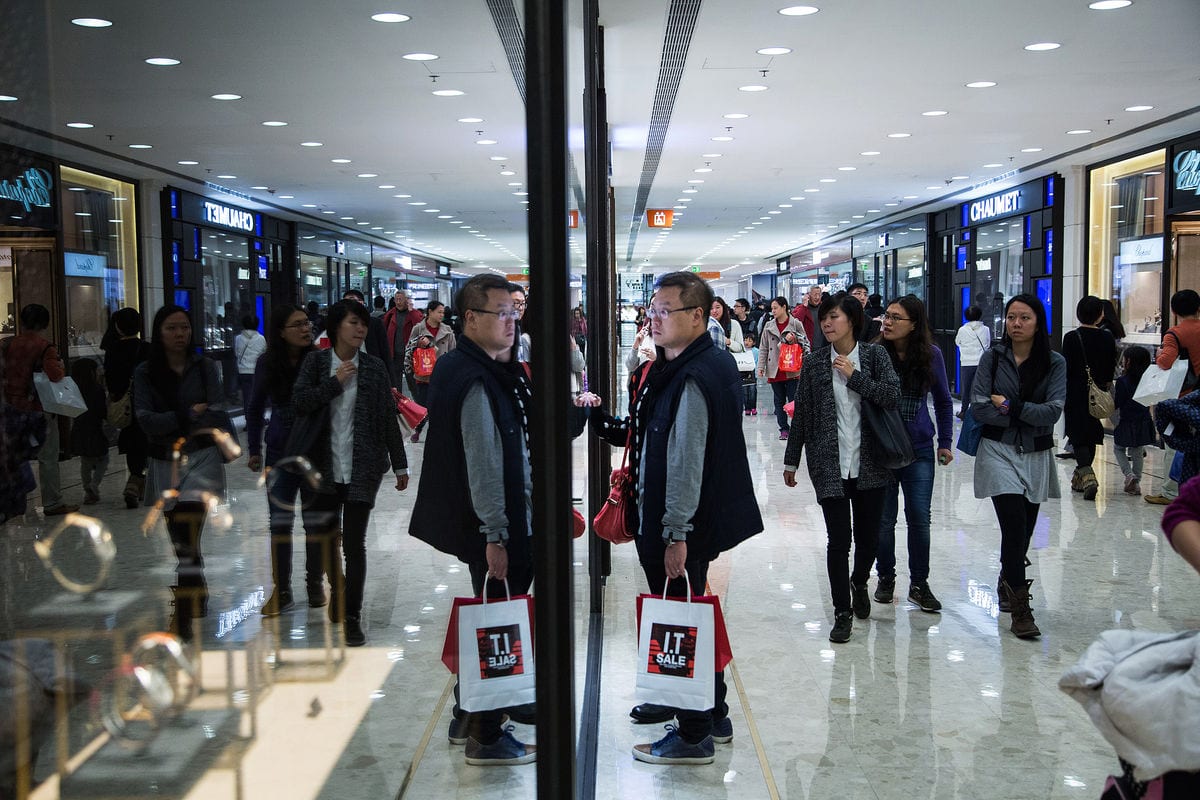
    A MasterCard spending survey released ahead of the official government data this afternoon shows March Hong Kong retail sales declined at the worst rate in the history of the survey.

    “Overall retail sales in Hong Kong contracted by 18.5 per cent year-on-year, reflecting the deepest decline since 2014,” according to the latest MasterCard SpendingPulse Hong Kong Report.

    Clothing and jewellery sales in March dropped by more than total retail sales, while only grocery outperformed overall retail sales. The March results brought the year-on-year Q1 retail sales decline to 11.7 per cent from the same period in 2015.

    Sarah Quinlan, senior VP of market insights for MasterCard Advisors, said the sharp decline was a result of the contraction in spending from Mainland Chinese tourists and in discretionary spending by domestic Hong Kong consumers.

    “The early Easter holiday did nothing to stimulate spending as consumer confidence remains subdued.

    “Overall our outlook for Hong Kong retail sales remains weak as the slowdown in spending from Mainland China continues to negatively impact the Hong Kong retail economy,” said Quinlan.

    Analysing local retail performance and spending, the macroeconomic report uses aggregated and anonymous transaction data, along with all other payment forms including cash, to offer insight into consumer spending trends, providing an early overview of market indices to help retailers, investors, card issuers, banks and government agencies in their decision-making processes.

    Launched by MasterCard Advisors, a unit of MasterCard, the SpendingPulse report is available to subscribers the third week of every month and shares quality insights on consumer spending. The monthly report also includes an overall retail sales and price index, so that subscribers can understand whether spending growth is truly being driven by increased shopping or by inflation or increased promotions.

    SpendingPulse is currently available to subscribers in Australia, Brazil, Canada, Hong Kong, Japan, the UK and the US, and is delivered ahead of retail spending figures provided by other sources. It is one of the most quoted reports on macroeconomic trends in the US and is often used as a source of reference by major international news outlets.

    In preparing the report, MasterCard analyses the transactions processed by the MasterCard Hong Kong payments network and uses statistical models which take into account the trends of other payment methods (cash) to produce accurate and efficient reports.

  • ChoDienTu Vietnam beats Lazada in funding race

    ChoDienTu Vietnam beats Lazada in funding race

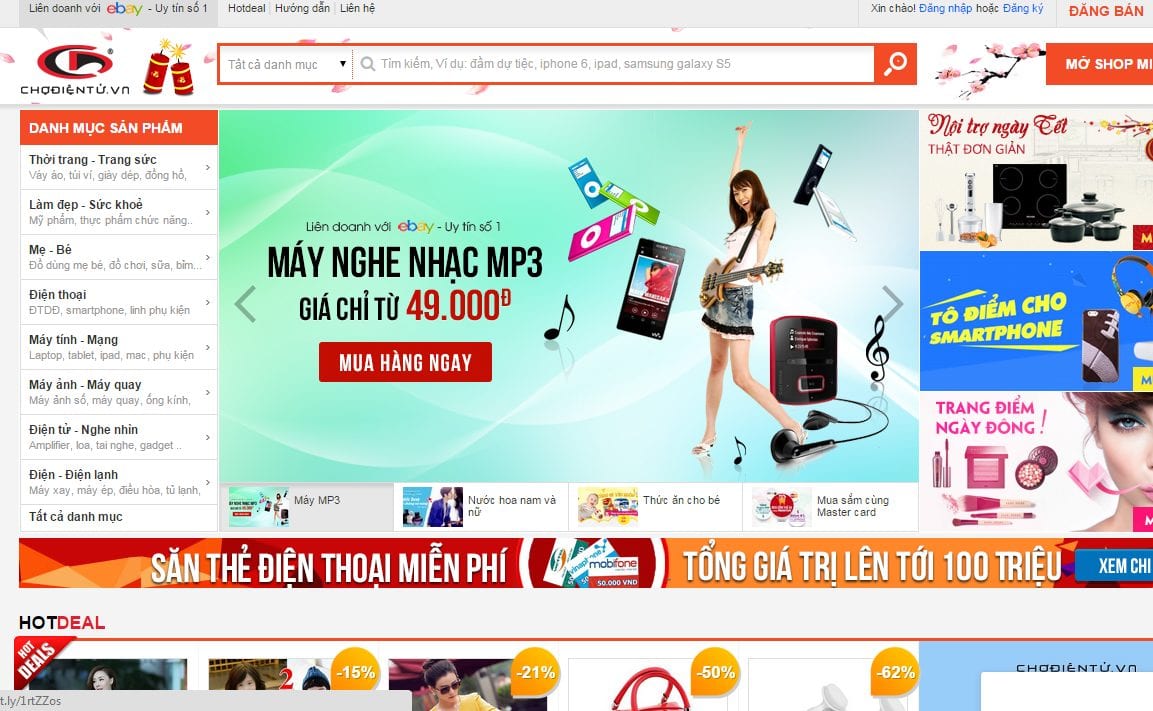
    Vietnam’s first eCommerce marketplace, ChoDienTu.vn, ranked second in sales revenue last year to Lazada in the local market – yet its total funding is 50 times smaller.

    “ChoDienTu.vn has chosen an in-depth strategy of silently investing into infrastructure services to create long-term values and improve service quality to buyers and sellers,” says chairman Nguyen Hoa Binh of the PeaceSoft-group, which owns ChoDienTu. Its second-place ranking was announced in the latest eCommerce report of the Vietnam eCommerce and Information Technology Agency (Vecita).

    “In the face of eCommerce fever in the past few years, many deep-pocketed players have been giving big discounts and promotions to buy growth, then shutting down after losing millions of dollars because of an inefficient burn rate,” says Binh.

    Over the past six years, PeaceSoft-group has grown into a multi-services ecosystem encompassing NganLuong.vn online payment platform, eBay.vn cross-border buying platform and ShipChung.vn shipping and cash-on-delivery platform. It has also formed a strategic partnership with the country’s first warehousing and fulfilment platform BoxMe.vn.

    Addressing the potential threat posed by Alibaba’s acquisition of Lazada in Southeast Asia, Binh’s reaction was: “With our so-called ‘people’s fight’ strategy, if Alibaba is the crocodile in the Yangtze River, then we will be a school of piranhas to fairly compete as they come to Vietnam.”

    PeaceTech, a subsidiary of PeaceSoft-group, is a joint venture with eBay with majority control in the hands of veteran Vietnamese technopreneurs.

    “Over the past 11 years, total funding into ChoDienTu has been estimated as much as 50 times less than that spent by our number-one competitor, Lazada.vn, over a far shorter period,” says Binh.

    “This means eCommerce does not necessarily need as much money as people may think, but the most critical thing is to have a team of people with a really in-depth local understanding.”

  • Uber to Launch UberPOOL in Jakarta

    Uber to Launch UberPOOL in Jakarta

    PT Uber Teknologi Indonesia will launch uberPOOL service in Jakarta this week.

    President Director of PT Uber Teknologi Indonesia Mike Brown said that uberPOOL is a carpooling service in urban areas. According to him, it could result in a more economically efficient travel.

    “A saving of up to 50% of uberX tariff could be achieved and [it is] more economically efficient compared to regular taxis,” Brown said on Sunday, May 8, 2016, in Jakarta.

    He added that the service enables Uber partners to maximize the time at hand to travel. On the other hand, Jakarta will benefit from it through reduced congestion, pollution and less parking issue.

    Car or travel pooling exists among Indonesian people, he noted. Therefore, uberPOOL service will be launched in Jakarta and can be used in other cities in Indonesia.

    Brown claimed that UberPOOL has resulted in positive impacts to the cities where the service is available. According to him, people have been travelling with less number of cars.

    He made an example that Los Angeles has seen reduced mileage by 7.9 million miles of travel and reduced carbon dioxide emission by 1.4 metric tons.

    He believed that the carpooling service could reduce and even eliminate private car ownership.

    However, regulation could be a stumbling block for the service, Brown said. The service from Uber could operate if supported by the regulation, according to him. Regulation should be made to support a secure, comfortable, safe and humane transport, he said.

  • Indonesian taxi firm Blue Bird joins hands with ride-hailing app Go-Jek

    Indonesian taxi firm Blue Bird joins hands with ride-hailing app Go-Jek

    Indonesia’s largest taxi operator Blue Bird Group said on Monday (May 9) that it plans to form a partnership with the country’s biggest online ride hailing app Go-Jek.

    The collaboration is expected to cover the areas of technology, payments and promotions.

    In a joint statement, the two firms said the partnership would increase the quality of their customer service and that the initiatives would focus on enhancing the transportation experience through a convenient mobile solution. The partnership would “accelerate Indonesia’s digital revolution and empower consumers”, they said.

    Mr Yoga Adiwinarto, country director of the Institute for Transportation and Development Policy (ITDP), said Blue Bird needs to have more reliable apps and will probably ask Go-Jek to develop them.

    He added: “Go-Jek will probably handle the Blue Bird apps, perhaps even put Blue Bird on the Go-Jek platform. More reliable apps will help taxi passengers, an improvement from the poor Blue Bird apps right now.”

    The two companies said they would announce further details about the collaboration soon.

    Monday’s announcement came after a protest in March, where thousands of Indonesian drivers from various taxi companies took to the streets of Jakarta speak up against the ride-hailing app industry, which is often perceived as a threat to the traditional transportation industry.

  • How big brands can make online marketplaces work

    How big brands can make online marketplaces work

    Online marketplaces, those giant shopping sites like eBay and Amazon Marketplace, can be a mixed blessing for brands and merchants.

    Marketplaces offer retailers broad exposure to millions of consumers, as well as delivery, payment and other solutions. Still, most marketplaces leave merchants wanting in one very important aspect: brand control. While the platforms provide virtual shelf space for listing products, merchants are generally limited to one-size-fits-all templates for their online storefronts—thus restricting their ability to set themselves apart from rivals with brand-building presentations and content.

    Not all marketplaces are created equal, however. In China, where marketplaces are overwhelmingly favored by online shoppers, e-commerce leader Alibaba Group has been returning branding power to merchants through the company’s Tmall.com B2C marketplace.

    Tmall, which positions itself as China’s top online destination for domestic and foreign branded merchandise, has developed a suite of tools that allows merchants to customize their Tmall.com storefronts with the logos, fonts and colors for which they’re known the world over, as well as with videos, interactive features and other content. Moreover, merchants can combine these tools with Alibaba’s trove of data on shopping behavior to tailor their storefronts to individual consumers visiting their e-shops at any given moment.

    This approach gives merchants far more than a place on the internet to list and sell products. It offers them the ability to present their brands as effectively as they do on their company-run websites, boosting their opportunity to reach consumers among Alibaba’s 400-million-plus active buyers and build lasting customer relationships. Merchants “have total control,” said Paul Fu, the San Mateo, California-based head of Alibaba’s User Experience Design team.

    This is a significant departure from the “one webpage to serve them all” marketplace model. Tmall offers as many as 55,000 different storefront templates across about 30 different business sectors for merchants to choose from. Another 3,000 templates exist for product pages, and there are a thousand designs for marketing material such as e-mails and SMS alerts, according to Fu. If these packaged solutions don’t satisfy certain merchants, they can design their own right down to the page breaks and <p> tags, and then upload the code to Tmall.

    Major international brands have used this enhanced flexibility to build unique and engaging Tmall storefronts. For example, GoPro, the U.S.-based maker of wearable video cameras, produced a series of videos that appear on its storefront showing GoPro cameras being used in extreme situations, such as geologists staring into the mouth of a volcano or snowboarders doing double backflips as they race down a mountain.

    The Tmall storefronts of other household names such as Starbucks, L’Oreal, Maserati and Zara also offer fully branded experiences that experiences that mirror the look and feel of their corporate e-commerce sites, including multipage navigation according to product category and even full brand histories. Still others take the experience a step further in an attempt to boost the time consumers spend on their pages. Case in point: L’Oreal in the past has given consumers easy-to-follow guides and tips for using its beauty products.

    L’Oreal engaged consumers with hair-coloring tips posted on the company’s Tmall storefront.

    Fu says that Tmall storefronts are based on so-called “responsive” design, which means they look as good on mobile devices as they do on the web. But customization options for Tmall storefronts go even deeper.

    Using consumer data collected by Tmall, merchants can present not just personalized product recommendations based on shopping history to storefront visitors, they can also offer different homepages tailored to particular types of shoppers. For example, German personal-care brand Nivea displays three different storefronts on Tmall depending on whether a shopper is a first-time visitor, new buyer or loyal fan. First-time visitors are shown low-cost products that may tempt them to experiment with the brand. Fans, meanwhile, see sets of higher-value products bundled together as a way to boost their total purchase.

    Three different customers, three different mobile presentations. First-time visitors, new buyers and loyal fans all see products tailored specifically to them when they visit Nivea’s Tmall site.

    By making it possible for merchants to tag and manage their customers by attributes and personalize storefronts for each visitor, individual customers are exposed to highly relevant content, which drives higher conversion rates. Fu said after Nivea implemented personalized storefronts, “the data showed that the browsing conversion rate was improved by 70 percent and transactions increased by 150 percent—more than double the previous number of purchases,” he said. Browsing conversion is the rate at which shoppers click through to find out more about a product.

    Fu says Alibaba analyzes buyers based on five different behaviors: attention, interest, decision, action and sharing, all of which are part of the Tmall shopping cycle. A certain product may draw the attention of a shopper, which prompts him or her to click through to the seller’s store where they can learn more about the item. Then they decide whether or not to bookmark it or add it to their shopping cart; a purchase constitutes action. Sharing comes after, once a consumer tells a friend about their purchase or leaves a review on a merchant’s Tmall store.

    “We provide this capability for the seller to do these kinds of very sophisticated analyses,” Fu said. “Later, because we opened up this technology and data [to merchants], the seller can come up with their own model to do the analysis.”

    Still more tools are to come. Merchants currently log into a content-management system of sorts that lets them set up and manage their storefronts, including text, photos and slide show placement. They can also choose the products they want displayed as recommendations when a shopper is viewing, say, hand cream or razors or a sweater. Up next is a tool that will allow merchants to create banner advertisements on the fly, rather than turning to a designer to handle what is often a time-consuming task. That’s expected this quarter.

    Tmall also helps merchants synch their online stores with their bricks-and-mortar outlets. Fu said the goal is to make sure all points of sale are linked up, including mobile, desktop and offline. One key advantage for merchants to this so-called “omnichannel” approach is the ability to manage inventory across physical and virtual sales channels. Another is the ability to know a buyer’s location so that the nearest warehouse is used for shipping, which speeds up delivery.

    “All areas of the ecosystem are working together for merchants,” Fu said. “Before they had to figure this out on their own. But now we’ve come up with a system, and built the right tools to help them.”

    * Originally published by Alizila.com – the independent, but Alibaba Group-funded website of news about the Chinese eCommerce giant.