Blog

  • Shopping mall vacancies in town highest in 5 years

    Shopping mall vacancies in town highest in 5 years

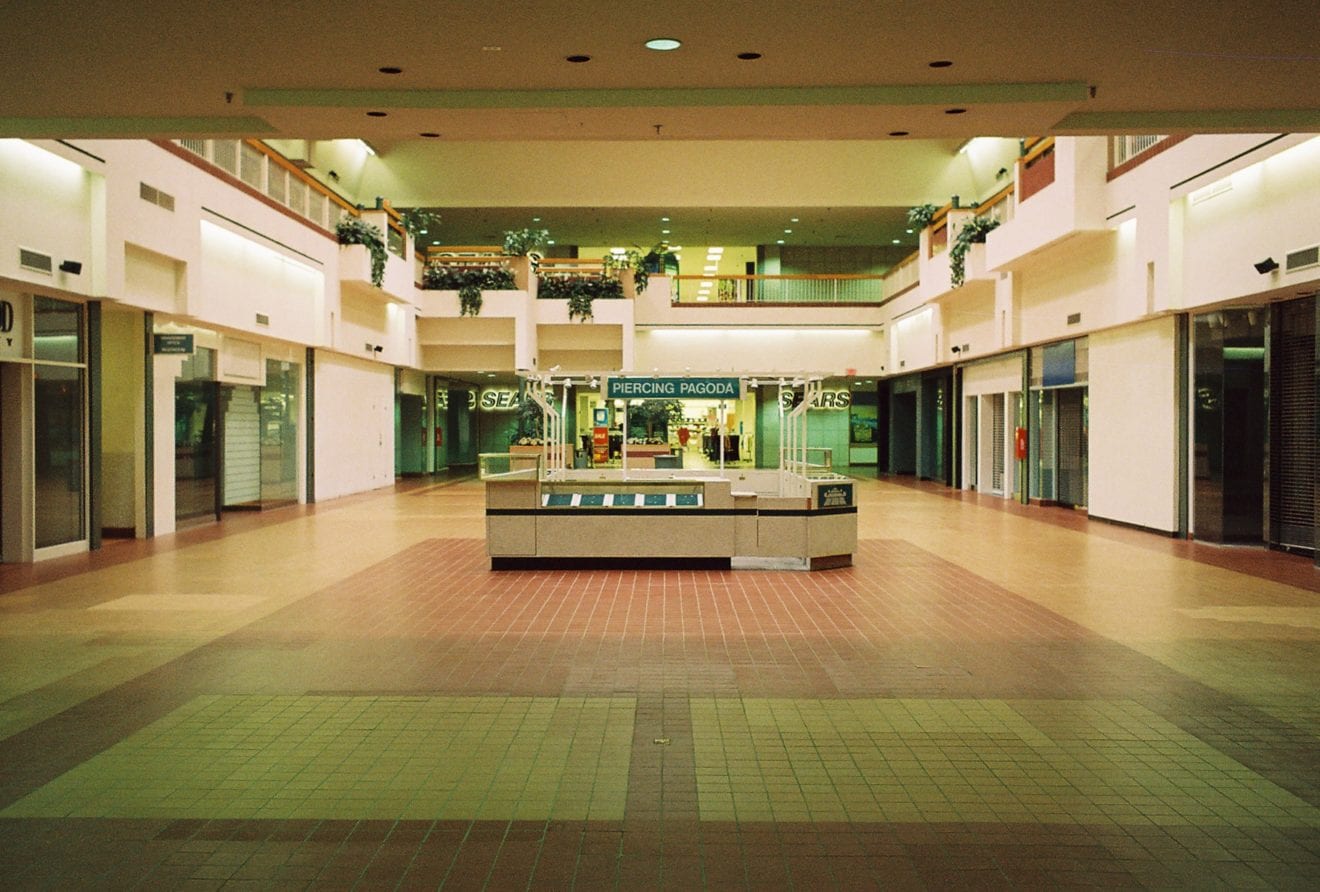
    Vacancies at retail malls in the central region hit a five-year high in the first quarter of the year, driven largely by more vacant space in the Orchard sub-market.

    The rate went up from 8 per cent to 8.7 per cent, analysis from Colliers showed, the highest since the Urban Redevelopment Authority (URA) started tracking retail space data including food and beverage, fitness and entertainment businesses from the first quarter of 2011.

    In the Orchard planning area, the vacancy rates rose 1.2 percentage points to 8.8 per cent in the first quarter, URA figures showed.

    These disappointing numbers come as the retail sector continues to battle rising costs, weak sentiment and increased supply of space. The islandwide vacancy rate of retail space rose to 7.3 per cent in the first three months of the year, up slightly from 7.2 per cent in the previous quarter.

    Citing URA Realis data, analysts said retail rental volume plunged by 32 per cent to 1,725 transactions in the first quarter from 2,550 deals in the last three months of 2015.

    “We are seeing higher vacancies setting in, particularly for the newer shopping malls,” said Cushman & Wakefield research director Christine Li. “Besides spaces which have yet to fill up, spaces which tenants have pre-terminated also add to rising vacancy levels.”

    Century 21 Singapore chief executive Ku Swee Yong told The Straits Times malls with higher vacancies in the Orchard area include Shaw Centre, Orchard Gateway, Orchard Central and Palais Renaissance. “Vacancy rate in general will likely worsen in the coming quarters because some retailers have said they would be shutting their non-performing stores later this year,” he noted.

    Dubai-based conglomerate Al-Futtaim Group said last month it would shut 10 stores under its distribution and retailing arm RSH in the second half of the year. Its group chief executive for Asia Christophe Cann said yesterday: “At present, we are looking to exit at places where rentals are too high for us to continue to run a business.”

    He said landlords have a stake in the retail industry, and “it would benefit tenants, and the retail industry as a whole, by lending a helping hand during challenging times”.

    Sakae Holdings chairman Douglas Foo made a similar point, citing a good working relationship with the manager of Wheelock Place, where Sakae Sushi has an outlet. “When we talk about rental renewal, they don’t give you heart attack rates. Certain landlords will up rates by 30 to 40 per cent, and you have to ask how retailers can do a sustainable business like that.”

    The slow leasing activity exerted downward pressure on rents, which fell 1.9 per cent in the first quarter, following a 1.3 per cent drop in the previous three months, URA data showed.

    Consultancy JLL expects retail rents to contract by about 7 per cent to 8 per cent this year, in anticipation that some landlords may have to offer greater discounts to maintain stable occupancy.

    Analysts say other challenges such as the manpower crunch are likely to persist for the rest of the year. Colliers International noted, however, that falling rents in the central area are an opportunity for some brands to open new flagship stores and strengthen their presence.

  • Local retail sector seen growing 4% this year

    Local retail sector seen growing 4% this year

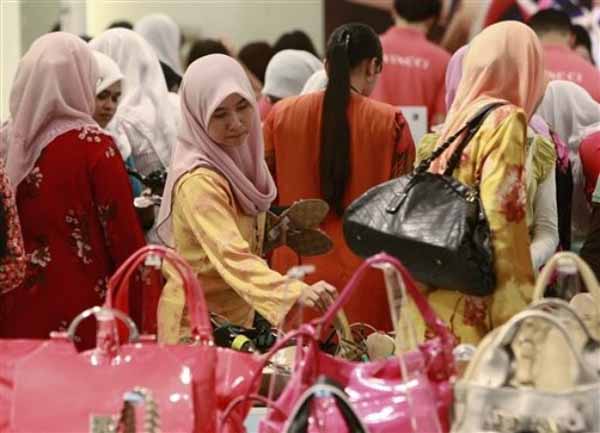
    Retail Group Malaysia (RGM) is projecting a 4% growth rate for the local retail sector this year, as it believes that consumers will still continue to spend in spite of the global economic uncertainty.

    RGM managing director Tan Hai Hsin said while consumers are cautious, they will continue to spend on goods and services that are important and relevant to them.

    “People are still spending on their children’s education even though it is not cheap. The MATTA Fair is also still doing well as people are still traveling,” he said in a talk in conjunction with the StarProperty.my Fair 2016 i-City edition yesterday.

    Tan said the outlook for the local retail sector this year is expected to be challenging.

    “There is no major stimulus. It’s also not an election year, this year. Right now, we’re relying on the global economy and if it’s down, it will affect us.”

    According to RGM’s Malaysia Retail Industry Report last month, the local retail industry recorded a measly year-on-year sales growth of 1.3% in the fourth quarter of last year.

    RGM said the year-end school holiday and festive season did not lift the buying spirit of Malaysian consumers, adding that the higher cost of overseas travelling due to weaker ringgit did not encourage more domestic spending.

    “The weak ringgit performance during the last quarter of 2015 had resulted in higher import costs. Higher import costs led to increased retail prices. Increased retail prices had further deteriorated the purchasing power of Malaysian consumers.

    “Despite heavy price discounts and aggressive promotions, retailers could not raise the consumers’ spending.

    “During this latest quarter, they suffered further decline in profit margin growth,” he added.

    For the full-year 2015, RGM said the Malaysian retail industry grew by a mere 1.4% as compared to the same period a year ago. The total retail sales turnover for 2015 was RM96.2bil.

    “Last year was the worst annual retail growth rate since 2010. In 2009, the retail industry growth rate was 0.8%,” RGM said.

    According to National Property Information Centre’s (Napic) 2015 Property Market Report, the retail sub-sector recorded a slight improvement in occupancy to 82.4% in 2015 from 81.8% in 2014, with a take-up rate amounting to more than 780,000 sq meters.

    The StarProperty.my Fair 2016 i-City edition, which is being held at i-City from April 22 to 24, will feature projects including i-Soho, i-Suite, Liber­ty Tower and Parisien Tower in i-City, and 8Kia Peng at Kuala Lumpur city centre.

    Besides talks and fun activities, 1,000 visitors will receive complimentary theme park tickets given daily.

  • How smaller retailers can win market share and drive growth

    How smaller retailers can win market share and drive growth

    I’m always interested in the small business owners I meet across the world, many running generations-old businesses that offer one-of-a-kind treasures. These shop owners, with their time-honored craftsmanship, quickly win over even the most casual window shopper, effortlessly converting passersby into loyal customers.

    Creating this sort of memorable customer experience is one of the keys to success for small retailers in the fashion and luxury goods sector.

    However, as the worlds of fashion, luxury and media descend upon New York for Fashion Week, these experiences and transactions seem increasingly quaint and inconsequential; one could be forgiven for thinking that high fashion remains the exclusive preserve of global retailers and big-name luxury brands.

    While that may once have been true, it’s no longer the case. Remarkably, more and more fashion retailers are starting to embrace being ‘small’ as a strategy for success and growth. Increasingly user-friendly technology tools are helping smaller retailers to speak and deliver to their niche customer sets across all channels with the same voice as they would in a shop in Hong Kong.  So what is driving their success?

    Tech-savvy

    According to research from eMarketer, e-commerce growth is projected to double the retail industry average at least until 2017. Half of all shoppers discover new products when searching with smartphones, and 82 percent of smartphone owners look online for product information when shopping. Smartphones already account for over 40 percent of ecommerce transactions in Japan and South Korea, so it is no wonder that small retailers are realizing that they need to be as tech-savvy and flexible as their customers. That means engaging and delighting shoppers on mobiles, social media and online channels.

    Highly personal

    Technological advancements and the democratizing power of the Internet have allowed retailers to scale up without sacrificing intimacy and personal service. As customers no longer think about retailers’ brands in a silo, neither does the small retailer. They analyze insights from website visitor traffic, social media interactions, and newsletter click-through rates to better understand their customers. Any retailer with a Facebook page can now easily discover that their average customer is, for example, female, aged between 16 and 24, listens to Adele, and by using this data to precisely tailor their sales and marketing strategy, they can more effectively engage and delight their customers.

    Cultivate and engage a community

    It is much more profitable to sell to loyal customers than to constantly look for new ones. A Bain study showed that just a five percent growth in customer retention could boost profitability by 75 percent.

    Small retailers are starting to use this insight to build loyal online communities, which do the selling for them. No wonder a brief Google search on the words ‘e-commerce’ and ‘social media’ turns out 101 million results, with articles such as ’12 Social Media Tactics to Drive Traffic to your E-commerce Site’ being the most visited. Another way is through loyalty programs, which 30 percent of independent retailers are planning to implement in 2016. This is on top of the quarter of independent retailers who already have a loyalty program in place.

  • Luxury gifts retailer opens in Sheung Wan

    Luxury gifts retailer opens in Sheung Wan

    Luxury tableware and gifts retailer Town House is opening another retail store location at Wing On department store in Sheung Wan.

    The expansion of Town House into a fully-fledged retail shop in Wing On is part of a strategy to open new retail locations to take advantage of consumer demands for affordable, high quality home accessories, the retailer said.
    In November 2015, Town House opened its most recent shop at the K11 Mall in Tsim Sha Tsui.

    Suresh Kanji, general manager of Town House said: “We look forward to welcoming customers to all our locations, but take great pride in the expansion of our relationship with Wing On, a great company with a history of over 100 years of serving Hong Kong.”

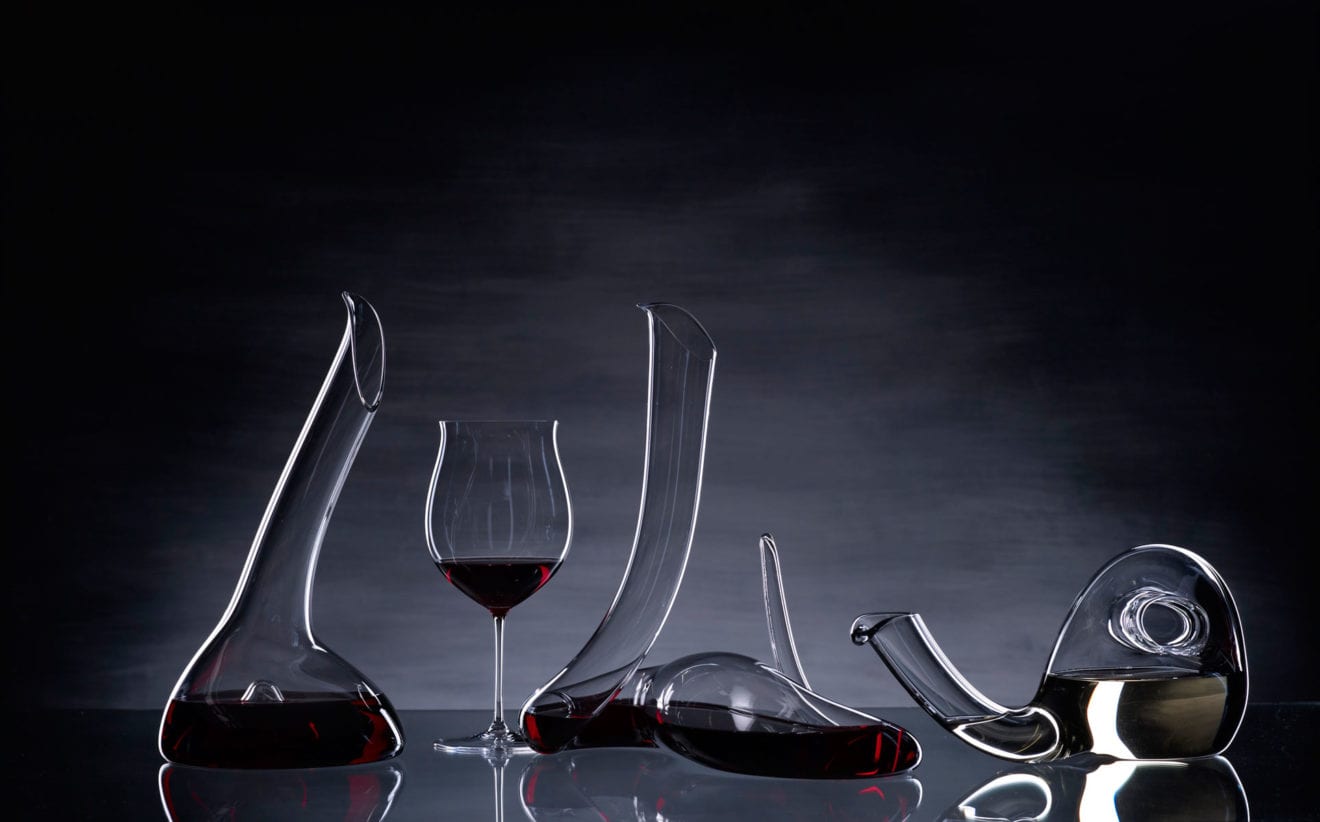
    The new store offers gifts and tableware from renowned brands such as Riedel, Nachtmann Crystal, Bohemia Crystal Glass, Maxwell & Williams, Britto, Laguiole, Duccio di Segna, and A. Anglada.

  • L’Occitane sales on the up despite disappointing performance in Hong Kong

    L’Occitane sales on the up despite disappointing performance in Hong Kong

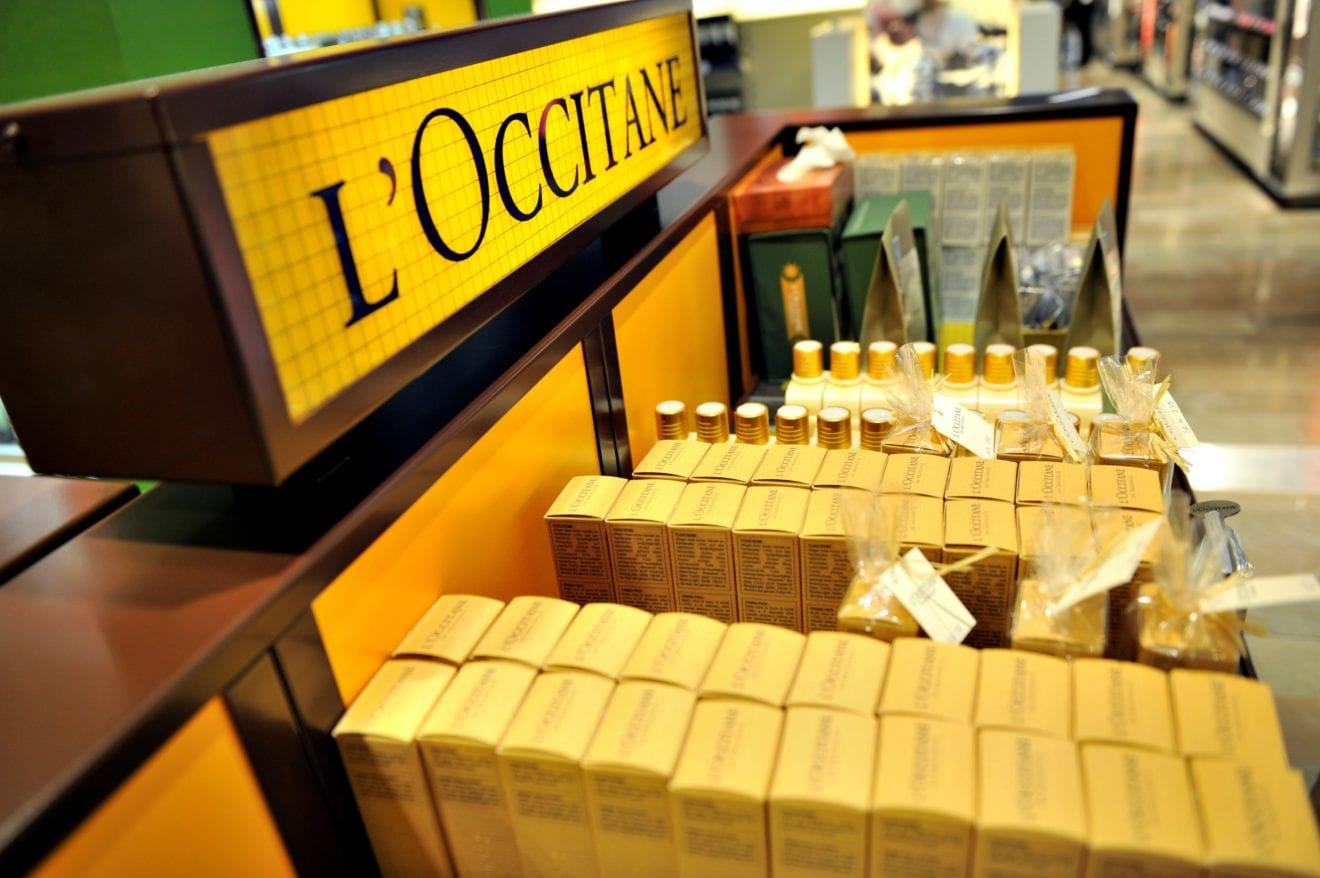
    French beauty brand L’Occitane has announced sales for the year ending March 31 increased by 8.9 percent at 1.28 billion euros.

    Growth surged on in China – which saw sales grow by 16.8 percent – France, Japan, Brazil and Russia however a poor performance in Hong Kong saw total retail sales in Hong Kong and Macau fall by 15.2 percent. The disappointing results were attributed to a fall in mainland Chinese tourists visiting the region, which also affected Hong Kong’s travel retail sector.

    L’Occitane has a strong presence in Hong Kong with 36 stores in the region.

  • Generika Drugstore eyes aggressive local, overseas expansion

    Generika Drugstore eyes aggressive local, overseas expansion

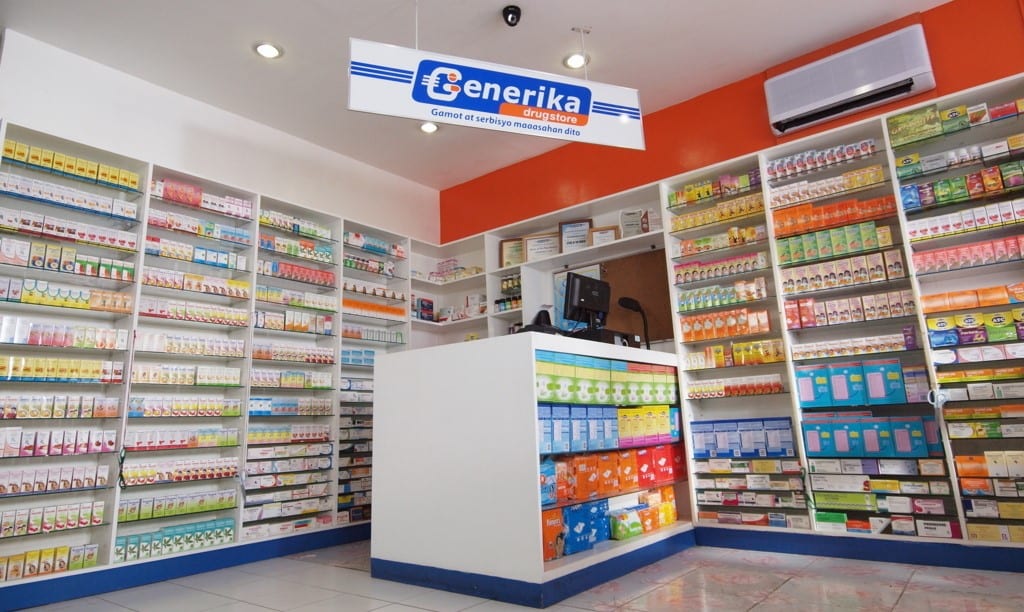
    Generika Drugstore is eying aggressive expansion in the country’s far-flung areas – and possibly abroad into Southeast Asia.

    Generika is country’s third-largest player, half-owned by retail giant Ayala. In 2015 the Ayala group, through its Ayala Healthcare Holdings Inc., acquired 50 per cent of the pharmacy business from cofounder, Frenchman Julien Bello.

    Teodoro Ferrer, president of Generika, said the company plans to boost its 600 stores with 152 more in 2016, and an average of 100 stores annually over the next few years.

    “We need to grow further to more than 1000 stores in less than five years. We also need to focus the product line to include food supplements and also focus on healthcare and wellness, and not just on medicines,” Ferrer said.

    He said the aggressive strategy for a company the size of Generika, founded 12 years ago, could not be compared with opening a branch of a convenience store that sold mostly food and grocery items.

    “You need to have approvals from the local government, from the FDA [Food and Drug Administration]; hire a licensed pharmacist; and then look for the right franchise owner that will take care of your store.”

    Ferrer said the company will put branches in far-flung areas of the country where he believes its services are needed.

    Generika now owns about 42 per cent of its network, since previously it didn’t have the capital to own stores, which cost about P1.2 million to P1.5 million to build. The rest of the stores are operated as franchises.

    “Now that our profit is increasing and Ayala group has come in, we can now expand company-owned stores.”

  • Golden Pin Design Award Releases Stunning 2016 Call For Entries

    Golden Pin Design Award Releases Stunning 2016 Call For Entries

    As the call for entries deadline for Taiwan’s premier international design competition, the Golden Pin Design Award, draws close, organizers have teamed up with innovative local motion graphics studio, Bito, to create an insightful call for entries promotion video.

    The stunning production provides local and international entrants with invaluable insight into the concept of huaren design, or design created for and within Chinese-speaking communities, as they prepare to submit their design works by June 30, 2016.

    The video, dubbed “Earth.Heaven” by Bito, explores the Golden Pin Design Award’s 2016 theme of “Heaven and Earth” (天地 or Tian Di in Chinese), which is derived from the Chinese cosmological framework of the three universal elements of Heaven, Earth, and Humanity as highlighted in the ancient Chinese divination text, I Ching (also known as the Book of Changes in English). The dot (.) in the studio’s highly abstract creation represents the huaren designer flowing between the realms of Heaven and Earth on a constant search for inspiration.

    “Design exists in our everyday life, and so in turn, design exists inside these ancient concepts of Heaven and Earth,” says Keng Liu, Founder of Bito. “In Chinese culture, we emphasize that Heaven, Earth, and Humanity must coexist in harmony. We wanted to make a video that was very fluid in its motion, and this relates to the way in which deeper aspects of huaren culture are expressed in everyday life. We didn’t want to create a realistic vision of Heaven and Earth; instead, we wanted to create something very abstract that would explain this complex idea of ‘Heaven.Earth’ in a simple way.”

    Bito is intimately connected to the Golden Pin Design Award. In 2015, the undeniably successful studio took home five coveted Golden Pin Design Award Design Marks for their work for Acer, TedxTaipei, TedxTianhe, Planet Gift International, and their own animated company Chinese New Year message. Despite also being honored by numerous leading international award organizations, receiving recognition from the huaren community was particularly inspirational. “The criteria for the Golden Pin Design Award is born from the huaren perspective, which makes this award very special and very different to other design awards,” says Liu.

  • Superdry Retail Expansion comes to Queensland

    Superdry Retail Expansion comes to Queensland

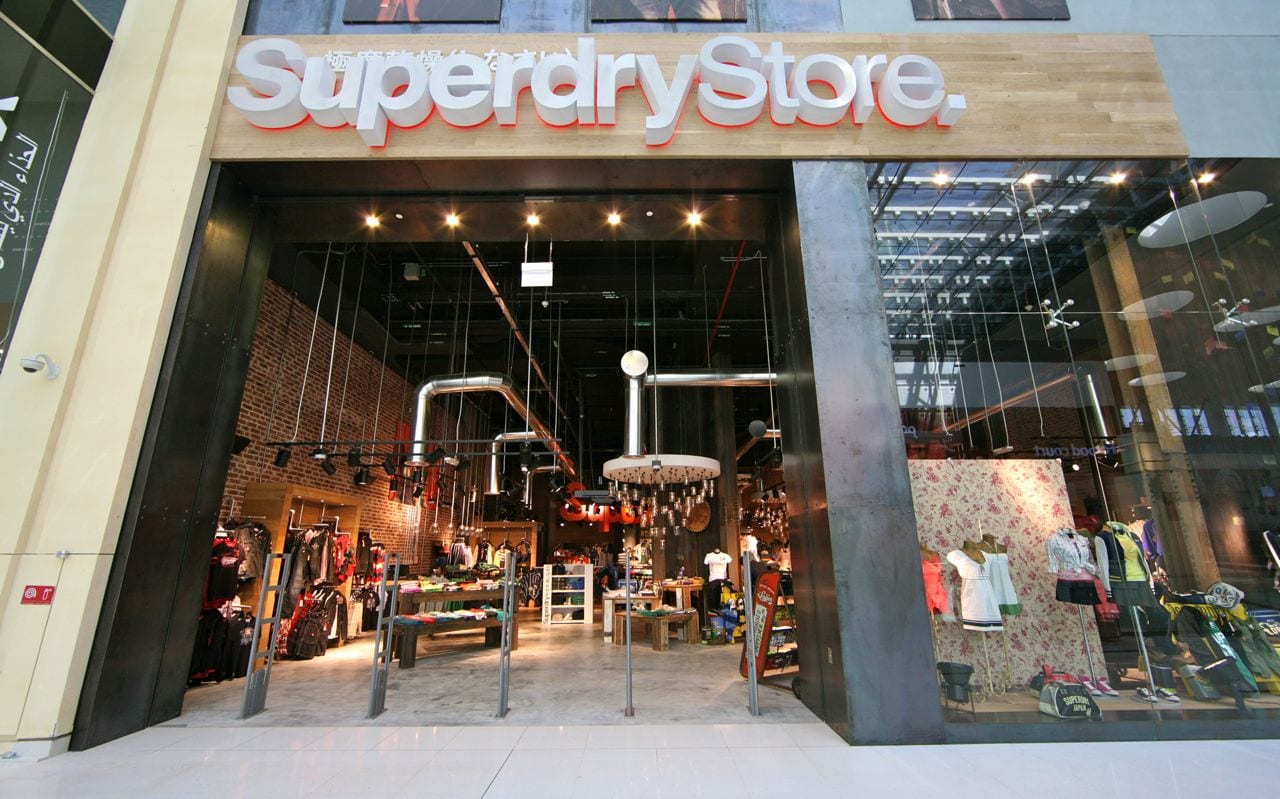
    Superdry is excited to announce the opening of its first Queensland store at Pacific Fair Shopping Centre in May 2016.  

    Housed in the newly renovated Pacific Fair complex, Superdry will have an in-store fit out consistent with the brand’s theme of industrial, exposed brick and vintage oak wood finishes, including steel framework, polished concrete floors and glass jam jar light features.  

    As a major brand milestone, Queensland’s first Superdry store will be 230square metres stocking key fashion pieces and exclusive international collections including SuperdrySport and collaborations with renowned British actor Idris Elba. 

    Superdry is an innovative British premium lifestyle brand with plans for rapid retail expansion across Australia.  

    Euan Sutherland, Chief Executive Officer of SuperGroup, said: 

    “Our strategy is to deliver sustainable growth, as we continue progressing towards our goal of creating a global lifestyle brand. Superdry represents British innovation, quality premium products at affordable prices sold to customers around the world. Superdry is an iconic brand with a strong heritage and we will continue to broaden and strengthen its appeal to customers across countries and age groups. We see significant growth potential in Australia with plans to roll out several stores nationally in the next 12 months. ” 

    On a global scale Superdry is opening an average of six new stores every month. Superdry is sold in over 46 territories with 516 branded locations in major cities from London to Milan, Mumbai to Sydney and New York to Hong Kong just to name a few. In Australia Superdry has 11 existing retail stores, with Pacific Fair being the twelfth. Superdry is stocked in 37 David Jones stores and 40 Myer stores nationally, with category expansion plans to roll out across wholesale channels including womenswear, underwear, swimwear and sport.  

    Superdry fuses design influences from Japanese graphics and vintage Americana, with the values of British tailoring. The result; unique men’s and women’s urban clothing with incredible branding and an unrivalled level of detailing.  Such distinctiveness has gained the brand exclusive appeal worldwide with a cult following amongst celebrities.  

  • Hong Kong leads Asia retail expansion

    Hong Kong leads Asia retail expansion

    Asia Pacific remains retail industry’s growth engine – with Hong Kong at the top of the Asia retail cross-border expansion rankings.

    Despite the sharp decline in Hong Kong retail sales during the last 18 months or so, Hong Kong is the second most favoured destination for global retailers entering new markets – top in Asia and second only to London internationally.

    JLL’s Destination Retail report, which looks at the top cities worldwide for retailing, reveals 50 major global cities which have risen to the top of the list for mainstream, premium and luxury retailers’ expansions. While the list is dominated by cities in Asia Pacific, those in the Middle East are coming on strong, propelled by an ever-increasing array of international retailers. In a battle between historic, established markets versus modern newcomers, JLL indexed the global cross-border retailer activity and attractiveness of 50 meccas and found:

    • London stands at the forefront of international retailing as a global retail powerhouse, and the Number 1 retail market.
    • One-third of the top 15 global retail cities are located in the Middle East (Dubai 4th, Kuwait City 9th, Abu Dhabi 11th and Jeddah and Riyadh tied for 12th.).
    • Asia Pacific outranks all regions with 18 cities making the cut driven by sheer market size.
    • Cities in the United States make up just over one-quarter of the top 50 cities, with only one city (New York 5th) in the top 15.

    “Structural change is sweeping the retail industry as technology and eCommerce platforms become more sophisticated; however, demand for the right physical space, in the right location, is stronger than ever,” said James Brown, director of global retail research for JLL.

    “Borders are becoming less of an issue for retailers pursuing opportunities overseas and we’re seeing the global retail landscape shifting fast to accommodate the change.”

    JLL’s report examines the presence of 240 international retail brands and 140 international cities, including the drivers of their growth, opportunity and barriers, and also ranks and assesses the vitality and attractiveness of cities.

    The top 10 ranked cities on the list are:

    Size matters

    The sheer size of Asia Pacific’s leading cities – in terms of population and economic might – is one of the most compelling drivers for retailers’ expansion into the region.

    “Many Asian markets benefit from a burgeoning middle class and growing levels of affluence, which are attractive in particular to a wide-range of retailers,” the report concludes.

    “The cities also benefit from large amounts of new, fit-for-purpose modern retail space.”

    Hong Kong remains Asia’s leading shopping destination, with top brands from luxury to fast fashion competing for prime locations. Across the region, cities are catching up to modern retail markets in Europe and the US.

    China is the second largest economy in the world, and its key cities, Shanghai and Beijing, have undergone a transformation in the last two decades driven by a swelling middle class and high concentration of high-net-worth individuals. Both are now firmly on international retailers’ maps as key locales for tremendous brand exposure and test markets. Key cities outside of Greater China that are also gaining attention from international retailers include Tokyo, Singapore, Seoul, Osaka and Bangkok.

    Europe’s retail powerhouse

    London has the highest presence of international retailers compared to its global peers, and edges out Hong Kong in terms of international luxury brand presence. London continues to be a magnet for new brands thanks to its unique blend of market size, maturity and high degree of transparency. The UK capital has a long history of success, driven by a diverse base of locals and tourists, and many retailers regard London as the entry point to Europe, including recent entrants J.Crew, Arc’teryx, Club Monaco, Kit and Ace, and John Varvatos.

    Middle East hotbed

    The Middle East’s top cities, including Dubai, Kuwait City, Abu Dhabi, Jeddah and Riyadh are emerging as business and travel hubs, and are increasingly catching the eye of global retail brands. The cities’ strong in-place tourism plays an important role in increasing the flow of foreign money, a key driver for retail spend. The markets each have large quantities of affordable retail space, supported by franchise structures, which present viable options for international retailers and reduce their operational risk at entry. Additionally, the domestic retail market in the Middle East is not as mature as other regions, allowing international brands to enter without too much competition from domestic brands. JLL’s report found that pent up shopping demand across the region has spurred some of the highest sales volumes for retailers.

    Stars, stripes and strong sales

    While the Americas region only captures one-quarter of the top 50 cities for attractiveness, 15 out of the 16 cities identified are located in one country, the US. The ‘Land of Opportunity’ has more retail space than any other country with 12.8 billion sqft, and presents retailers with several options for entry, either in malls, shopping centers, power centers or general retail space. While the US remains one of the most advanced retail markets globally, with significant amounts of retail spend, the market overall is daunting to international retailers. The portal cities of New York, San Francisco, Miami, Chicago and Los Angeles remain robust with global brands, but the 137 remaining key markets are largely untapped by international retailers.

    Looking forward

    “Expansion into new markets is catching on quicker than ever, but not without risk. International retailers that are focused on measured and balanced growth will find that the world’s mega-retail cities are a productive opportunity,” said David Zoba, chairman of JLL’s Global Retail Leasing Board.

    The acceleration of international brand expansion across the world’s best and most attractive cities in the next decade will continue, driven by fast-growing middle classes, new powerhouse economies and rising tourism.

    “Retailers who succeed in acquiring the right space and at the right time are expected to benefit from successful and profitable growth.”
  • Australians benefit from telco sector competition

    Australians benefit from telco sector competition

    Australian consumers are reaping the benefits of competition in the telecommunications sector in the form of increased data allowances, new services, and lower prices, according to a report from competition regulator ACCC.

    “Consistent with the trend in recent years, consumer demand for data is continuing to increase and is affecting both fixed and mobile networks. On fixed networks, data consumption grew by 40% to 1.3 million terabytes (TB) of data. On mobile networks, data consumption increased by 35% to 110,000 TB,” ACCC Chairman Rod Sims said.

    “The increase in demand for data is largely due to the popularity of audio-visual streaming services, including the introduction of subscription video on demand (SVOD) services such as Netflix, Presto, and Stan.

    Industry members have responded to the increase in demand by investing in their fixed and mobile networks to make sure that they have sufficient capacity to meet the data traffic.

    Service providers have also responded by increasing data allowances. During 2014-15, data allowances increased by over 70% for DSL internet services and more than doubled for post-paid mobile services.

    At the same time, overall prices fell by 0.5% in real terms from 2014 to 2015.

    “While a smaller reduction than in the previous eight years, which has seen a 3.3% fall each year on average, this indicates that competition on factors other than price has been a feature of the market,” Sims said.

    “Given this, the ACCC will continue to take a particular interest in ensuring consumers receive accurate information about network performance.”

  • Singtel launches a new cyber security institute

    Singtel launches a new cyber security institute

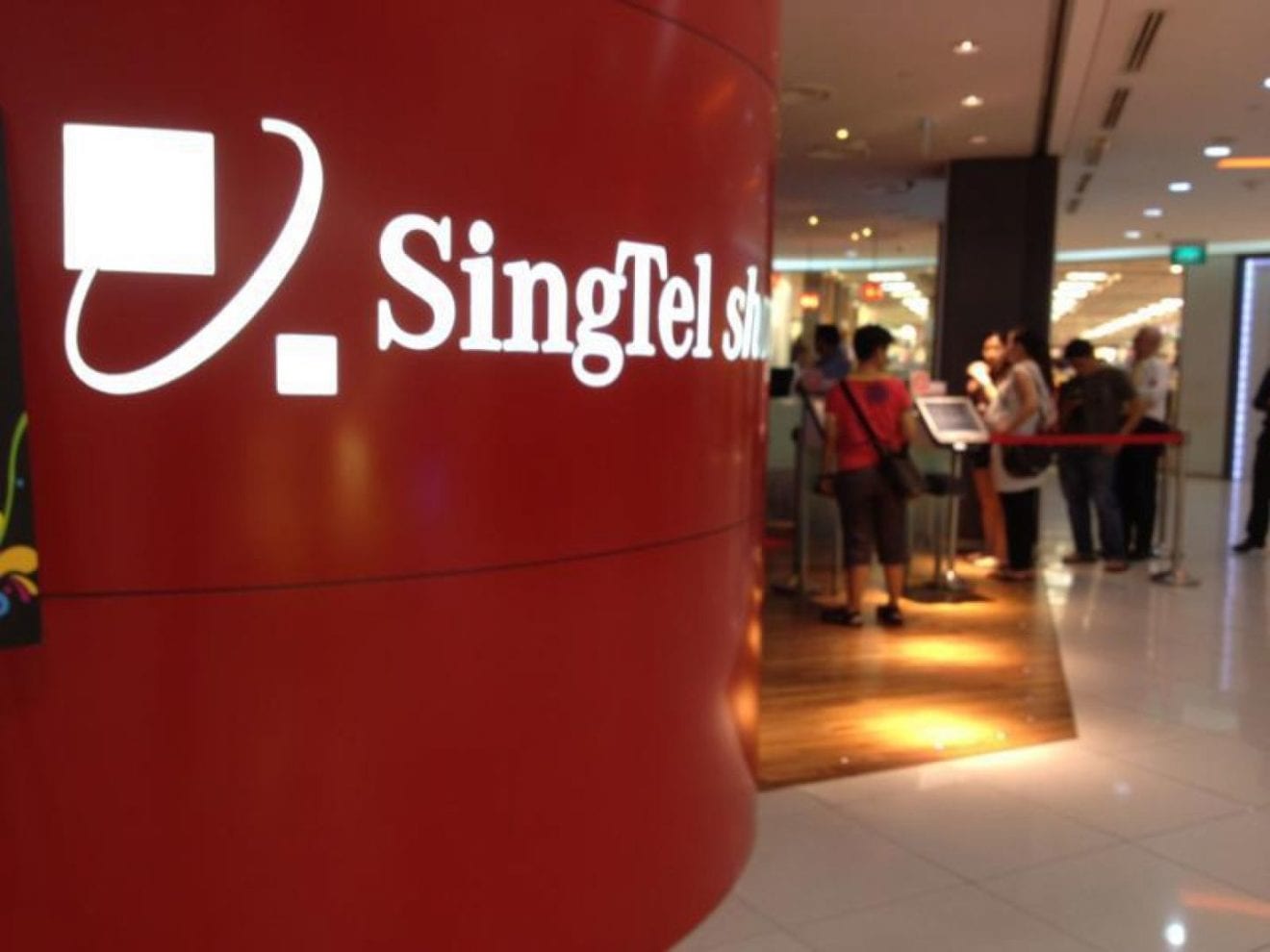
    Singtel has launched a first-of-its kind cyber security institute in APAC aimed at helping business and governments in the region enhance their cyber security skills and preparedness.

    The Singtel Cyber Security Institute (CSI) is designed as a hybrid between an advanced cyber range and an educational institute. It aims to test and train companies in dealing with sophisticated cyber threats.

    “Based on our engagements with companies in Singapore, more than 85% do not have robust cyber response plans nor the opportunity to conduct realistic drills to test and sharpen such plans,” Singtel CEO group enterprise Bill Chang said.

    “This lack of cyber preparedness is worsened by the severe global shortfall of trained cyber security experts, which Forbes puts at some 1 million in 2016. This is why we’ve stepped up to the plate. We know we have to help companies secure themselves against a potential slew of increasingly sophisticated cyber attacks.”

    Housed in a permanent space of over 10,000 sq ft, the institute provides cyber skills development and education programmes tailored to the varying needs of company boards, C-suite management, technology and operational staff. Boards and C-suite level participants will be trained in the areas of cyber threat awareness, risk management, business continuity planning and crisis communications preparation. The cyber operations team will be trained in defence and response capabilities to sharpen their skills.

    “Cyber security is no longer just a technical issue to be tackled only at the operational level. It needs to involve all levels within an organisation including boards and C-suite management, and even external stakeholders such as regulators. We hope to arm enterprises and public agencies with the necessary know-how to counter cyber threats in a holistic manner. This will help them mitigate the risks and costs associated with cyber disruptions,” Chang said.

    In conjunction with the launch of the CSI, Singtel announced that it is the first company in Singapore to work with the Infocomm Development Authority of Singapore on the Cyber Security Associates and Technologists (CSAT) program to train infocomm professionals in cyber security.

    Under this program, Singtel will train fresh infocomm technology professionals and equip them with basic cyber security skills. At the same time, Singtel will also provide experienced cyber security professionals with the opportunity to enhance their skills by training with leading cyber security experts. Through this two-prong approach, Singtel aims to build a cyber security talent pipeline to drive its cyber security initiatives.

    David Koh, Chief Executive of the Cyber Security Agency said, “A strong pool of cyber security talent is necessary to build a dynamic cyber security ecosystem that can support Singapore’s Smart Nation journey. With the introduction of the Cyber Security Associates and Technologists (CSAT) program and the setup of the Institute, we hope to encourage more to join the profession as well as enable cyber security professionals to hone their skills and stay a step ahead in the ever-evolving cyber security landscape.”

    The CSI can emulate the environments and operations of enterprises using state-of-the-art technologies. Like other cyber ranges the facility can simulate cyber attacks in order to test a company’s inherent vulnerabilities, defence and response capabilities.

    Unlike other ranges however, the new facility is designed to easily replicate any company’s operating environment and use the latest range of cyber threats, including an extensive library of viruses and malware, to simulate attacks.

  • Xuhui Vanke Centre landmark in Shanghai

    Xuhui Vanke Centre landmark in Shanghai

    Benoy has been commissioned to work on the design of the Xuhui Vanke Center in Shanghai.

    This is developer Vanke’s first large-scale commercial real estate project with a mixed-use program in Shanghai. Benoy, a global studio of architects, masterplanners, interior and graphic designers, has won a multi-disciplinary scope which includes tower and retail architecture, retail and office interior design and graphic design.

    The landmark development sits at a prime location adjacent to the Shanghai South Railway Station; the city’s second most prominent station after the Shanghai Railway Station. The overall scheme is being developed over three phases with Benoy as the chief architect delivering the final phase alongside Skidmore, Owings & Merill LLP (SOM).

    Benoy director Ferdinand Cheung said the scheme provides a rare opportunity to give the landscape back to the community on a significant scale.

    “As designers, we were drawn to the approach which intertwines nature and buildings and we look forward to seeing this development come to life over the next few years.”

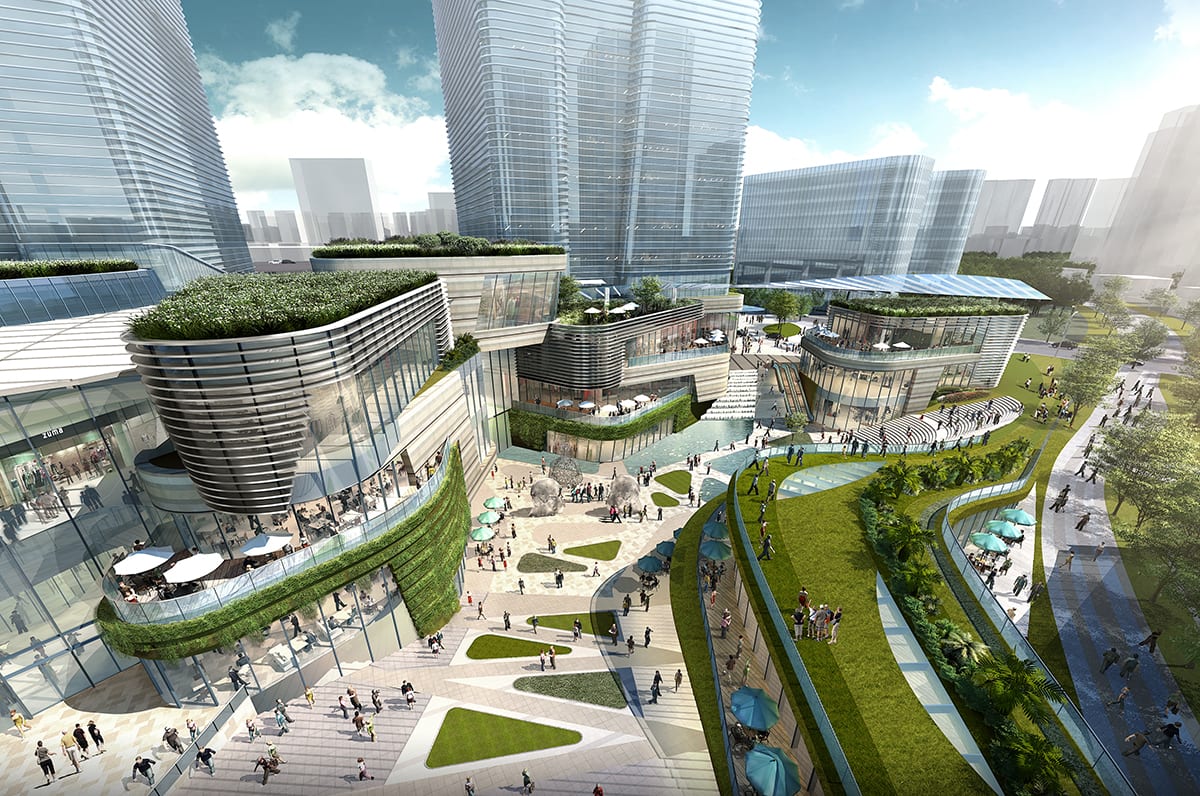
    Connecting six commercial blocks, the scheme aims to create a new urban complex set within a 70,000 sqm landscaped realm. The three phases are connected by a mile-long green valley which runs diagonally across the site. The wider development’s 12 buildings overlook and interact with the urban parkland which essentially brings a green streetscape experience into the heart of the development. The green belt begins at the Shanghai South Railway Station edge and continues through to a museum and arts complex which anchors the journey.

    “The green spine gave us the opportunity to bring a streetscape and smaller-scale environment to the commercial complex, and physically and visually unite Phase III with the earlier phases. We transformed the commercial components by blending the parkland into the architecture and interior design,” said Cheung.

    Mimicking the forms of the rolling landscape, the 100,000 sqm multi-level retail podium is a network of interconnected buildings. The podium has been fragmented into a collection of curved individual blocks, each carved out to create unique spaces for retail, F&B, leisure and arts tenants.

    “The result is an undulating internal streetscape which blends public and commercial spaces, landscape and building, culture and business.”

    The final phase of the development has commenced construction and is due to complete by 2019.

    Benoy established its Shanghai Studio in 2008 and has since grown an acclaimed portfolio in the city which includes built schemes such as the Shanghai ifc mall, Shanghai ICC and iAPM and Jing An Kerry Center.

  • Yellow Cab Singapore debut nears

    Yellow Cab Singapore debut nears

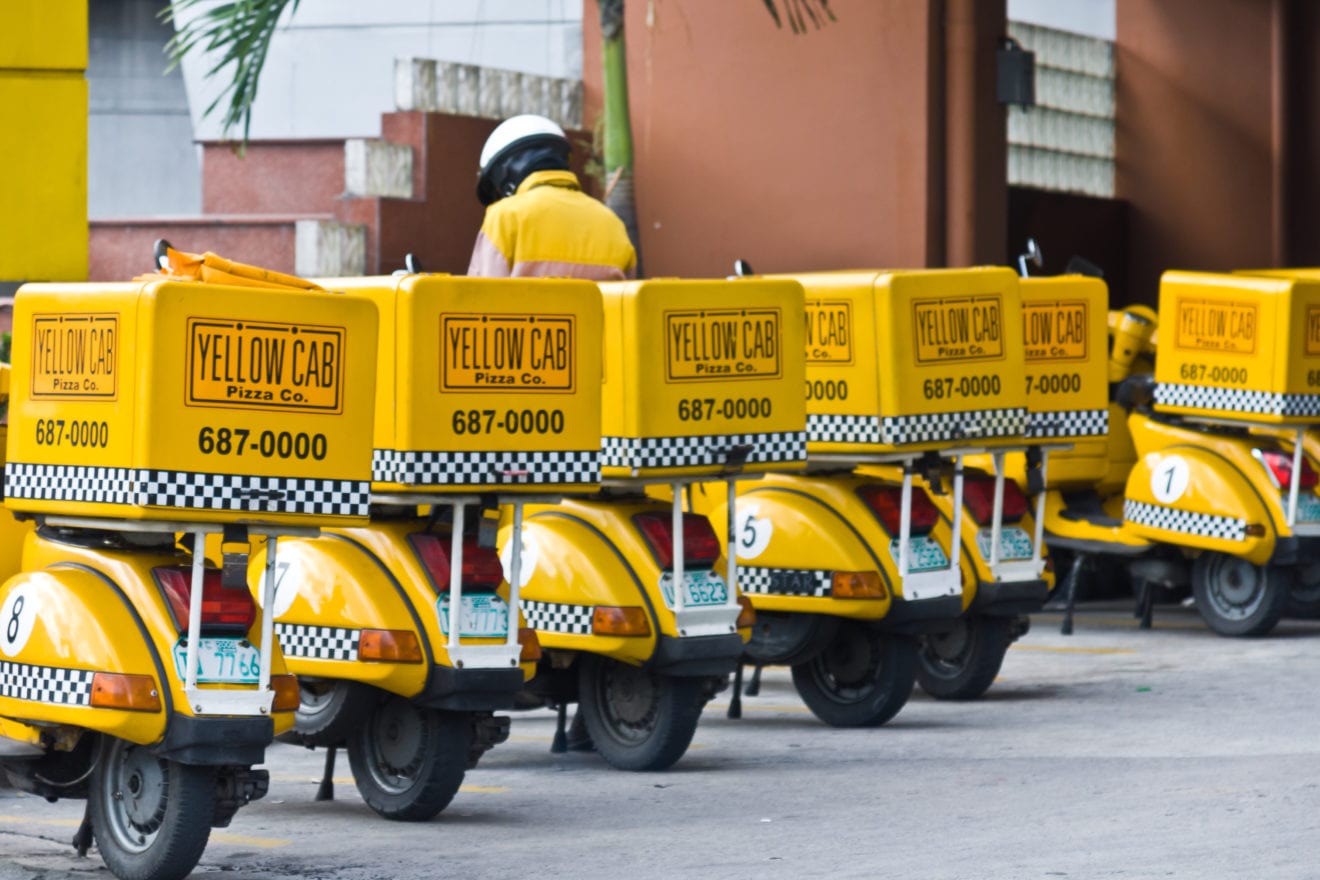
    Yellow Cab Singapore is to open soon as a Philippine group sets out to take the pizza chain into the Little Red Dot.

    Max’s Group Inc (MGI), the leading casual restaurant operator in the Philippines,

    signed a deal with a family-owned company, Pagh Pte Ltd, to build at least five Yellow Cab stores in Singapore.

    “We are thrilled with the opportunity to bring Yellow Cab Pizza in a highly strategic market such as Singapore. We are confident that our mainstream offerings and value proposition will allow us to stay competitive alongside some of the biggest global food names,” said MGI president and CEO Robert Trota.

    Yellow Cab marks MGI’s fourth brand development deal inked this year. By 2020, the company hopes to have 200 international stores.

    pizza

    “We found the right partner in Pagh Pte Ltd for this venture. We can rely on their focus and determination to deliver best quality products and genuine service to Singaporeans,” Trota added.

    “We recognize that Yellow Cab Pizza offers a different, more exciting experience than the brands currently offered in Singapore. Singaporeans are discerning in their food experience. We are therefore confident that Yellow Cab Pizza will be the Singaporeans’ place of choice for American Italian casual dining,” said Pagh director Tiara Chopra.

    Pagh was set up to invest in the casual dining business.

  • Hong Kong and Macau drag down Sa Sa International

    Hong Kong and Macau drag down Sa Sa International

    Hong Kong-listed beauty products retailer Sa Sa International says its retail and wholesale turnover fell 15.1 per cent in the last quarter.

    And in the Hong Kong and Macau markets, turnover tumbled 17.9 per cent for the quarter ended March 31, while same-store sales dropped 17.6 per cent.

    There were 5.2 per cent fewer transactions, with average sales per transaction sliding by 13.9 per cent.

    However, in other markets – including Mainland China, Malaysia, Singapore and Taiwan, and on its online store – trade was a shade more buoyant, easing just 2.8 per cent.

    Fourth-quarter retail sales in Hong Kong and Macau market continued their slide because of further impact by Mainland China’s new “one-trip-a-week” policy on the retail market. There was also weaker sentiment with a rise in outbound travel by locals.

    Responding to the slower market, Sa Sa will optimise product offerings and adjust sales strategies, says the group, which closed one store during the quarter. This was either in Hong Kong or Macau, but not specified in its report.

    Its total of 291 outlets comprises 113 in Hong Kong/Macau, 66 in Malaysia, 57 in China, 32 in Taiwan and 23 in Singapore.

  • Lotte pulls out of Big C Vietnam race

    Lotte pulls out of Big C Vietnam race

    South Korean retail heavyweight Lotte has reportedly withdrawn from the bidding battle for Big C Vietnam.

    Reuters, quoting unnamed sources familiar with the matter, said the company was not keen to bid aggressively for the supermarket network. Lotte already has its own network of hypermarkets in Vietnam and will no doubt have costed a bid for Big C based on the value of the market share and assets it would acquire versus the cost of continuing its own organic store network growth.

    France’s Groupe Casino is auctioning off the Vietnam business having earlier sold its stake in Big C Thailand to Thai import and export firm Berli Jucker for about US$6.2 billion.

    Lotte Group, which controls Lotte Shopping, declined to comment on the report.

    Big C opened its first Vietnam store in 1998 and has 30 stores in cities across the country.

    At the time it put the business on the market, Groupe Casino said it hoped to be paid about US$813 million, which would be spent paying down debt.

    However based on current bids for the business, sources are now estimating the sale could net closer to $1 billion.

    Thailand’s Central Group, which is has been approached by Berli Jucker to buy its minority stake in Big C Thailand and has a growing portfolio of retail businesses in Vietnam, is thought to remain in the hunt, along with Berli Jucker which through an affiliated company bought Metro Vietnam from Germany’s Metro AG last year and is building a convenience store network in the country under the banner B’Smart.

    Reuters reports at least 10 offers were initially received for the business, with the final round of tender due this week.