Blog

  • Credit card companies collaborate to lift fee income

    Credit card companies collaborate to lift fee income

    Local credit card companies are launching offline-to-online (O2O) service businesses by collaborating with various sectors to increase transaction fee income.

    KB Kookmin Card reached an agreement with Uber Korea on Monday to jointly develop card products and take part in joint promotion campaigns in and outside Korea.

    “We hope to offer a wider variety of membership benefits to our credit card customers and expand in new sharing economy businesses like Uber,” said Shin Seong-hoon, head of the marketing division of KB Kookmin Card.

    The joint venture not only helps Uber expand its customer base in Korea against competition with Kakao Taxi, but also assists Kookmin Card to seek a future growth engine by developing taxi reservation services that are offered in association with credit card membership benefits. It may allow Kookman Card to expand its payment service to 400 cities where Uber operates.

    KB Kookmin Card is not alone moving towards such services.

    Shinhan Card has collaborated with four companies, including Kyobo Bookstore, GS Retail, Korea Smart Card and the car sharing service start-up Socar, since last year to offer O2O services and foster a loyal customer base.

    Shinhan also plans to launch a chauffer service this month in Seoul and Gyeonggi by affiliating with existing dispatch companies. It profits from a transaction fee of 2 to 2.5 percent.

    It also has been offering an easy payment services on flower delivery, quick-delivery and tutoring payment, after agreements with six companies.

    Shinhan aims to expand the O2O services by joining hands with 14 more companies by the end of the year.

    Local credit card companies aim to beef up their transaction fee income, which accounts for nearly 50 percent of their total annual income.

    ?However, analysts say it won’t be so easy for the credit card companies to grab market share by winning the competition with IT giants like Kakao and start-ups like Baedal Minjok, which have so far dominated the market share based on their broad customer base.

    “It is true that the credit card companies also have a large customer base, as well as broad affiliated retail shop networks,” said Yoon Jong-moon, a researcher at the Credit Finance Research Institute. “However, such a network is not enough to compete against the IT platform operators, because the card companies will see only a limited growth in profits by doing O2O services among their own customers and affiliated shops.”

  • On Pedder takes first step into eCommerce

    On Pedder takes first step into eCommerce

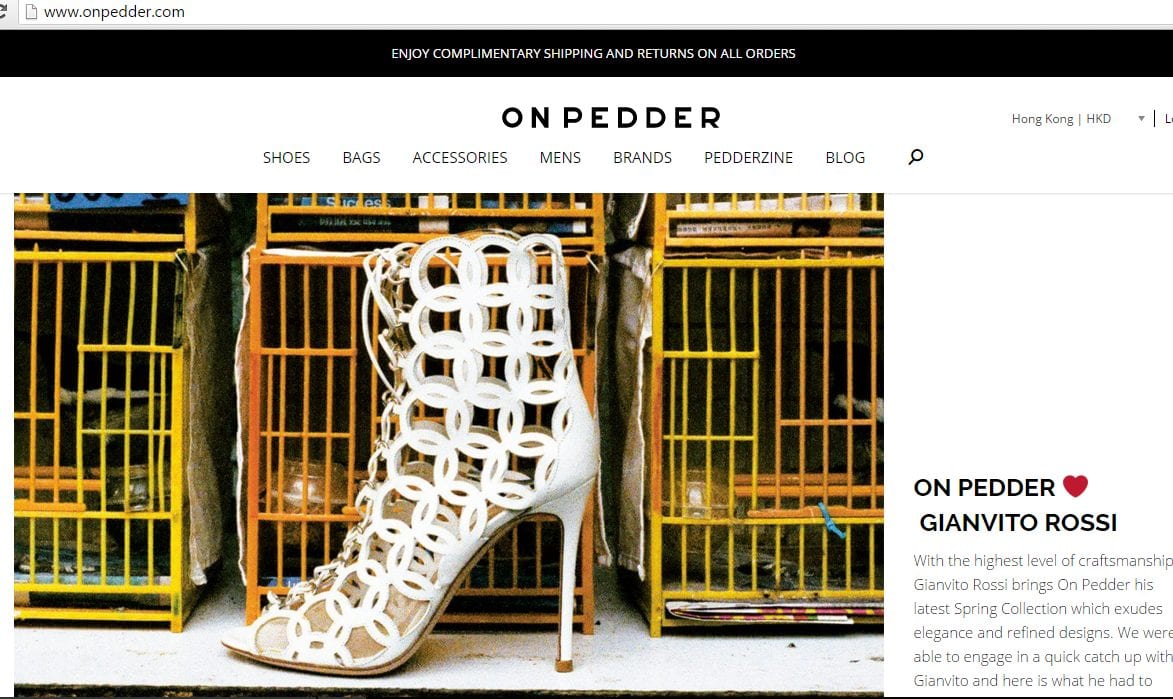
    Hong Kong shoe retailer On Pedder has launched an eCommerce site featuring a curated mix of luxury footwear.

    It is centered around the retailer’s Pedderzine, a seasonal art-fashion hybrid magazine distributed to customers.

    Complimentary shipping is being offered by the site, with returns possible, for customers in Hong Kong, Japan, Macau, Philippines, Singapore, South Korea, Taiwan and Vietnam, as well as Australia and New Zealand.

    Brands include 3.1 Phillip Lim, Aquazzura, Chloe, Common Projects, Gianvito Rossi, Giuseppe Zanotti Design, N⁰21 , Neil Barrett, Nicholas Kirkwood, Paul Andrew, Rene Caovilla, Sophia Webster and Valentino.

    More brands are showcased under the “On Pedder Love” section of the site, along with exclusive product.

    On Pedder collaborated with Hong Kong photography and video artist Luke Casey for Pedderzine this season, which focuses on Hong Kong and Kowloon’s roots and was shot on the streets of Jordan and Sham Shui Po and Jordan, including karaoke bars, back alleys, markets and brothels.

    “We wanted to create an online destination for our customers to enjoy the energy and aesthetics of our in-store curation,” says Pedder Group president Peter Harris.

  • Hong Kong Gift & Premium Fair

    Hong Kong Gift & Premium Fair

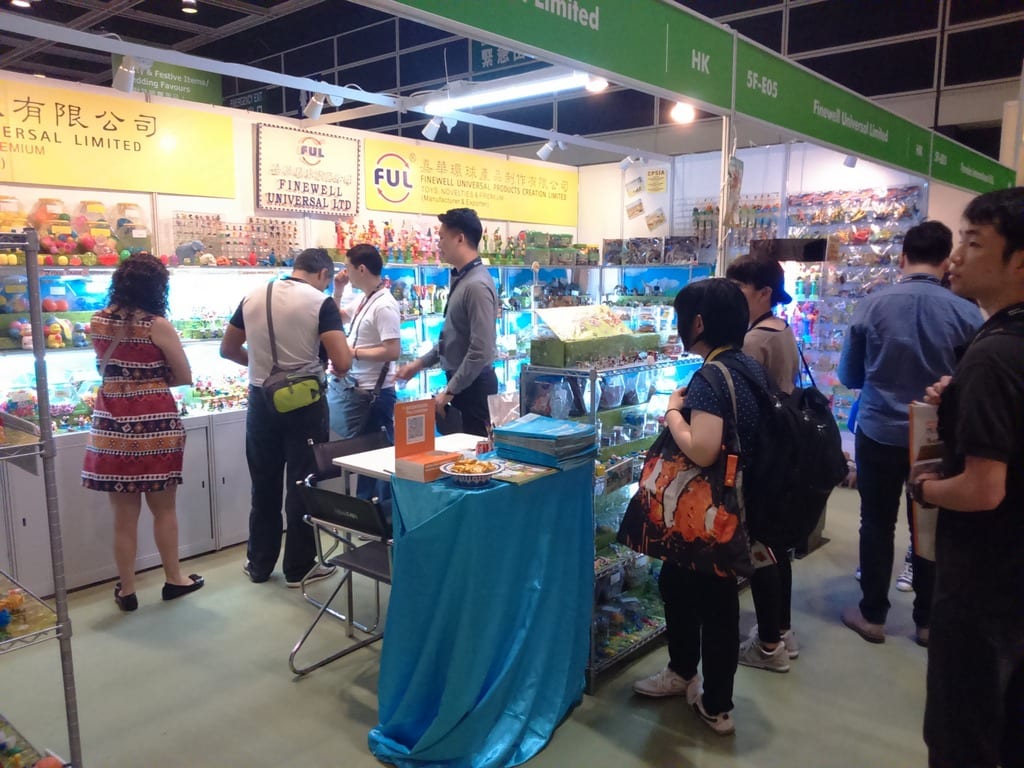
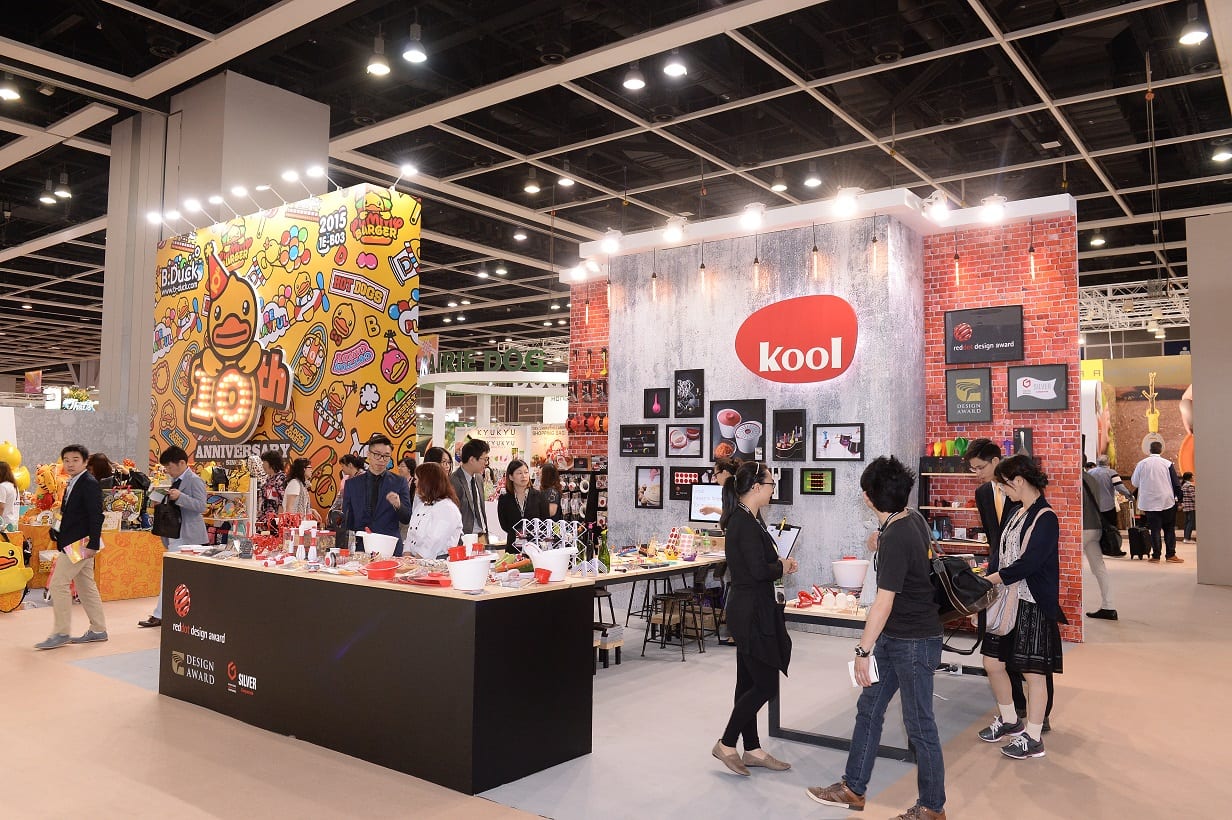
    Organised by the Hong Kong Trade Development Council (HKTDC), the 31st Hong Kong Gifts & Premium Fair concluded today at the Hong Kong Convention and Exhibition Centre (HKCEC). The concurrent 11th Hong Kong International Printing & Packaging Fair (27-30 April) also came to a close at AsiaWorld-Expo. The twin fairs together attracted more than 64,000 buyers from 134 countries and regions. Around 50,000 buyers visited the Gifts Fair, while over 14,000 buyers attended the Printing & Packaging Fair. Markets such as the Chinese mainland, Malaysia, the Philippines, Italy and Indonesia saw growth.

  • Ericsson reshuffles management team

    Ericsson reshuffles management team

    Ericsson has announced changes to its management team, with the departure of three senior vice presidents and several promotions, as part of a boarder reorganization of the company into five business units and one dedicated customers-service unit.

    Anders Lindblad, currently head of Business Unit Cloud & IP, will head Ericsson’s new Business Unit IT & Cloud Products.

    The new Business Unit IT & Cloud Services unit will be headed by Jean-Philippe Poirault, currently Ericsson’s Head of Consulting and Systems Integration.

    Fredrik Jejdling, currently head of region sub-Saharan Africa, will become SVP and head of Business Unit Network Services.

    Charlotta Sund, currently head of region Northern Europe and Central Asia, will take up the role of SVP and head of Customer Group Industry & Society.

    Niklas Heuveldop will become SVP, chief customer officer and head of Group Function Sales. Heuveldop is currently Ericsson’s head of Global Customer Unit AT&T.

    Lindblad, Poirault, Jejdling, Sund, Heuveldop will also join the Ericsson executive team.

    The three top executives leaving Ericsson as part of the shakeup include Jan Wäreby, Anders Thulin and Mats H. Olsson.

    Magnus Mandersson, currently EVP and head of Segment and Business Unit Global Services, will hold the position as head of Segment Global Services, EVP and Advisor to the CEO.

    Angel Ruiz, currently head of Ericsson’s North America region, will be replaced by Rima Qureshi. Qureshi is currently Ericsson’s SVP and head of Group Function Strategy and Head of M&A. Ruiz will continue with the company as chairperson of regions North and Latin America.

  • Hong Kong Gifts & Premium Fair Attract 64000+ Visitors

    Hong Kong Gifts & Premium Fair Attract 64000+ Visitors

    Organised by the Hong Kong Trade Development Council (HKTDC), the 31st Hong Kong Gifts & Premium Fair concluded today at the Hong Kong Convention and Exhibition Centre (HKCEC). The concurrent 11th Hong Kong International Printing & Packaging Fair (27-30 April) also came to a close at AsiaWorld-Expo. The twin fairs together attracted more than 64,000 buyers from 134 countries and regions. Around 50,000 buyers visited the Gifts Fair, while over 14,000 buyers attended the Printing & Packaging Fair. Markets such as the Chinese mainland, Malaysia, the Philippines, Italy and Indonesia saw growth.

    “In the face of a fluctuating global market, suppliers should promote their brands and products even more proactively, while distributors and retailers should seek out new competitive products,” said Benjamin Chau, HKTDC Deputy Executive Director. “Showcasing top-quality items and providing a diverse range of choices, the two fairs are the ideal platform for both promoting and sourcing products.”

    The HKTDC organised a total of 171 buying missions from 75 countries and regions for the two fairs, comprising more than 13,200 buyers. At the fairground, business matching services were also provided to foster business opportunities and partnership-building. Moreover, in view of the keen demand for small order sourcing, the hktdc.com Small Orders display at the Gifts Fair featured over 360 showcases offering more than 2,500 products available for orders of between five and 1,000 units. A total of 23,000 business connections were generated during the four-day fair.

    Mr Chau also noted that, during the Gifts Fair the HKTDC signed a memorandum of understanding (MoU) with Thailand, a key ASEAN country, to strengthen business promotion and cooperation between Hong Kong and Thailand. This includes offering a top-quality promotion platform for Thai products through the HKTDC’s fairs and online promotion services, covering sectors such as garments, fashion accessories, textiles, food and agricultural products.

    Cautiously optimistic on sales prospects; decorative gifts & figurines to lead market growth

    The HKTDC commissioned an independent onsite survey during the Gifts Fair, interviewing some 920 buyers and exhibitors about their views on market prospects and product trends. The survey found that the industry is cautiously optimistic about the gifts market this year. Close to half of the respondents expect overall sales to remain the same in the coming year with 20 per cent expecting sales to improve. Thirty-seven per cent of respondents expect production costs and sourcing costs to increase. More than 60 per cent of respondents, however, do not expect to raise FOB selling prices or retail prices, suggesting that they will not transfer increasing costs to customers. As for the market with the highest growth potential, most respondents pointed to the Chinese mainland, followed by Hong Kong and Korea.

    The survey also analysed product trends in the gifts and premium market. Most respondents said they expect decorative gifts and figurines to have the strongest growth potential this year, followed by tech gifts and advertising gifts and premium. As for products, the industry generally believes that consumers are increasingly focused on product practicality and quality, followed by their pricing and cosmetic design.

    Ideal platform for exploring business opportunities & promotion

    Tian Guofeng, Director, Exhibition Department, China International Center for Economic & Technical Exchanges, Ministry of Commerce, said this was the first time that the Ministry had organised a delegation to the Gifts Fair, comprising 10 companies from Yunnan Province. “As the Hong Kong fair is not only the world’s largest gifts and premium fair but also the most influential show of its kind, it will help Yunnan manufacturers develop overseas markets,” said Mr Tian. “Exhibitors from Yunnan Province are showcasing a wide variety of high-end products such as metal ware, silverware, wooden gifts, pottery, stone carvings and gunny handbags. Responses from buyers have been very encouraging.”

    Shosuke Fukushima, Director of Japan Pavilion, Business Guide-Sha, Inc., said that Japanese exhibitors achieved very good results at last year’s fair, so they returned this year with 17 companies joining the Japan Pavilion, the largest-ever such delegation. “Japanese exhibitors are here showcasing all kinds of trendy products such as cosmetics, garments, stationery, toys and video games. The Hong Kong fair is an international trade fair where Japanese exhibitors can talk to many buyers and learn more about the market needs. More importantly, Hong Kong is a key gateway for Japanese companies to look for distributors and retailers from all over the world. We’ll continue to organise the Japan Pavilion next year.”

    Hong Kong exhibitor Phoebe Wong, Director of Eco Concepts, said it was their fifth time to participate in the fair. The company produces various green products with PLA (polylactic acid). “Through business matching services provided by the HKTDC, we have met with more buyers from Europe, probably because our products can meet their strict requirements in terms of environmental protection. On the first day of the fair, we have already got an order worth US$9,000 from a Thai buyer,” said Ms Wong.

    Another Hong Kong exhibitor, Gianna Company Ltd., strives to inject new design elements into products. The company’s Managing Director Lawrence Tong said the market trend towards innovative designs is prevalent. “We received onsite orders worth over HK$2 million in total from long-time clients. We have also established contacts with many potential buyers from various countries at the fair,” said Mr Tong.

    Meanwhile, at the Printing & Packaging Fair, Hong Kong exhibitor Tommy Yu, Senior Manager of VersaTech Energy Innovation Limited, and Environmental Consultant of The Hong Kong Printers Association, noted cleaner production is the way forward amid growing environmental concerns. The Hong Kong Printers Association made good use of the Hong Kong International Printing & Packaging Fair to promote new technology for cleaner production. “Many large-sized printers have taken the task seriously and we want to encourage more SMEs to join the wave through the exhibition. In the first few hours of exhibition, about 50 visitors including printing-related companies from Hong Kong, the Chinese mainland, the Philippines and Taiwan approached us. They showed keen interest in how new technology in cleaner production can work for printers.”

    New products and onsite orders

    Sia Yew Ming, Senior Corporate and Trade Marketing Manager, Mediacorp TV Singapore Pte Ltd, was a first-time visitor to the Gifts Fair. She came looking to develop products that are related to their TV programmes with a view to selling them to consumers through convenience stores and book shops in Singapore. She said that, with so many suppliers at the fair, there was a great variety of products at competitive prices. She said she placed an order of 500 units of USBs and 500 units of power banks on the second day of the fair. “I have found a lot of new ideas and new products here. I have found 10 potential suppliers and will follow up after the show,” she said.

    Barama is an importer and wholesaler of stationery, paper products, school bags and toys in Argentina. This year was their seventh visit to the Hong Kong Gifts & Premium Fair. Alex Leibovich, Manager of Barama, said they were looking for school products and new suppliers. “So far, we have identified three new suppliers of paper products and punchers at the fair, and we have already placed onsite orders for US$20,000 worth of paper products and US$13,000 worth of punchers.”

    B. Food Product International from Thailand sells food products domestically as well as to different markets worldwide including Asia and Europe under two major brands S-Pure and BETAGRO. Sakhorn Jullarat, the company’s Product and Process Development Director, said, “We put strong emphasis on the quality and safety of the food we produce every day. This is our first visit to the Hong Kong International Printing & Packaging Fair. We’ve already found five potential suppliers for packaging items that will be used for our frozen and chilled food products. We can find a lot of interesting packaging products and ideas here. We would like to visit the fair again next year.”

  • Lessons to be learned from South Korean TV

    Lessons to be learned from South Korean TV

    Stepping inside the Munhwa Broadcasting Corporation (MBC) in Seoul, you would be surprised how the Korean broadcaster has managed to turn its headquarters into a tourist spot.

    On the ground floor, booths are set up to allow visitors virtually learn singing and take pictures with the K­pop stars, or even pretend to be their girlfriends or boyfriends.

    Upstairs, visitors could take a further step to have a taste of being anchors in news castings or even acting as the empress in the signature dramas.

    Korean dramas have stirred up crazes in Asian countries over the past decade and created huge business opportunities. With the recent success of the military-­setting drama Descendants of the Sun, produced by another broadcaster KBS, many would wonder how Hong Kong, which sees a new free station ViuTV goes on air earlier this month, could learn from the Korean experience.

    It was important for the government to take a careful position, said the country’s envoy in Hong Kong, by pouring resources in nurturing talents in one hand but refraining from meddling in the production.

    “Even though the Korean government support the entertainment industry, they would not intervene directly,” said Yu Byungchae, the country’s consul in Hong Kong on culture. “The content of the dramas and movies depended on the creator’s ideas.”

    The more competitive environment in South Korea, with the rise of new cable broadcasters, has helped boosting the production’s quality, said Yu, and now the industry is eyeing not just locally but the huge overseas market.

    The Descendant of the Sun ­– the first TV series jointly produced by Korean and Chinese firms and aired in both nations simultaneously ­ — has already been sold to 32 countries, including United States, Germany and Russia.

    The drama’s success also helped giving a strong boost to the tourism and retail sectors, said Yu. One of the examples was the surging sale of red ginseng extract ­which the leading actor Song Joong­ki was seen drinking in Descendant of the Sun.

    “In the past, [promoting] culture, drama or K­pop are the responsibility of the Ministry of Cultural, Sports and Tourism,” he said. “But now financial ministers and other sectors are all interested in coordinating [to see] how the government can help those industries to develop more.”

    Yu also said Hong Kong’s advanced financial system actually was a great advantage the city enjoyed to develop its cultural industry, adding he believed the emergence of ViuTV would bring Hongkongers more diversified content.

    “Things we have not imagined before might [happen] now,” he said, referring to the new broadcasters’ all-female mixed martial arts reality show G-1 Fight Club which featured eight Hong Kong starlets beating on each other.

    “It’s natural that competition [boosts] creativity. To survive, [broadcasters] have to create things they have not done before.”

    But Korea watcher Steve Chung Lok­wai was not so optimistic at the city’s capacity in producing dramas of Korea’s quality in short run.

    ViuTV was placing its focus on entertainment or reality shows instead of dramas, he said, as the production of the latter required enormous and sustaining capital and it would be very tough for the newcomer to compete with the broadcaster giant TVB.

    The decades-­long monopoly of TVB has also made Hong Kong lag way behind South Korea, Chung, an assistant lecturer of Global Studies programme in Chinese University, lamented.

    “TVB used to sell its dramas to the overseas Chinese markets, but now even the expat Chinese communities have given up TVB to watch Korean or Japanese dramas instead,” he said.

    Chung said Hong Kong government did not have a macro cultural and entertainment policy and argued only by granting more free-to-air TV licenses, which facilitates true competition, would help improving the stagnant development.

  • Removing online commercial curbs can hurt consumers

    Removing online commercial curbs can hurt consumers

    Hong Kong manufacturers and retailers that increasingly use e-commerce may know that their contracts with EU companies may contain vertical restraints on online distribution. Competition authorities across Europe are currently discussing the appropriate treatment of such restraints under competition law.

    This is being done with a view to preventing distributors from imposing more restrictions on online retailers than on their rivals in traditional brick-and-mortar shops, Hong Kong Trade Development Council Research (HKTDC Research) has said in a report.

    The UK’s Competition and Markets Authority (CMA) commissioned a report from independent consultants in order to know why businesses use these restrictions and how these may affect consumers, both positively and negatively. The report surveyed 33 mostly small and medium-sized UK-based manufacturers and retailers. It was released on 30 March 2016 and will prove to be of interest to e-commerce users, HKTDC Research said.

    The businesses interviewed use a wide range of restraints in their contracts, with the most common being selective and exclusive distribution agreements (often excluding online retailers) and recommended retail prices (RRP) for retailers. The participants explained such restrictions by the need “to prevent free-riding” and to “protect brand image”.

    Free-riding may occur when customers visit ‘service retailers’ (e.g. providing free advice on products), but purchase the product from a cheaper retailer that does not provide any service support.

    Participants who mentioned maintenance of brand image said restrictions “helped signal the high quality of the product and maintain the image of the product (particularly for luxury brands)”.

    However, the report further shows that the restrictions are also “attractive because they limit the direct competition faced by the relevant manufacturers or retailers, particularly from online channels”, without any consumer benefit.

    Hong Kong companies may be interested in the conclusions of this report. In the long term, forbidding these restrictions “could bring about lower retail service standards and a poorer quality experience of the underlying product”. This is likely to hurt consumers, especially for high-tech products. On the other hand, especially in the short run, the absence of such restrictions could cut prices and widen product availability.

    The European Commission is also conducting an inquiry into the e-commerce sector. The inquiry was launched on 6 May 2015 and a Preliminary Report is due to be published in mid-2016.

    A sector inquiry is an investigation that is carried out by the European Commission into sectors of the economy and into types of agreements across various sectors, when it believes that a market is not working as well as it should, and that breaches of the competition law rules might contribute to the malfunctioning of that market.

  • Card, not cash, is king in South Korea

    Card, not cash, is king in South Korea

    Whenever she needs to use money – whether to take the subway, buy a drink from a vending machine or pay for lunch at a restaurant – Ms Kim Mee So, 29, will whip out her debit card.

    It is the only card the teacher carries with her in her bag, and the only one she needs for daily expenses.

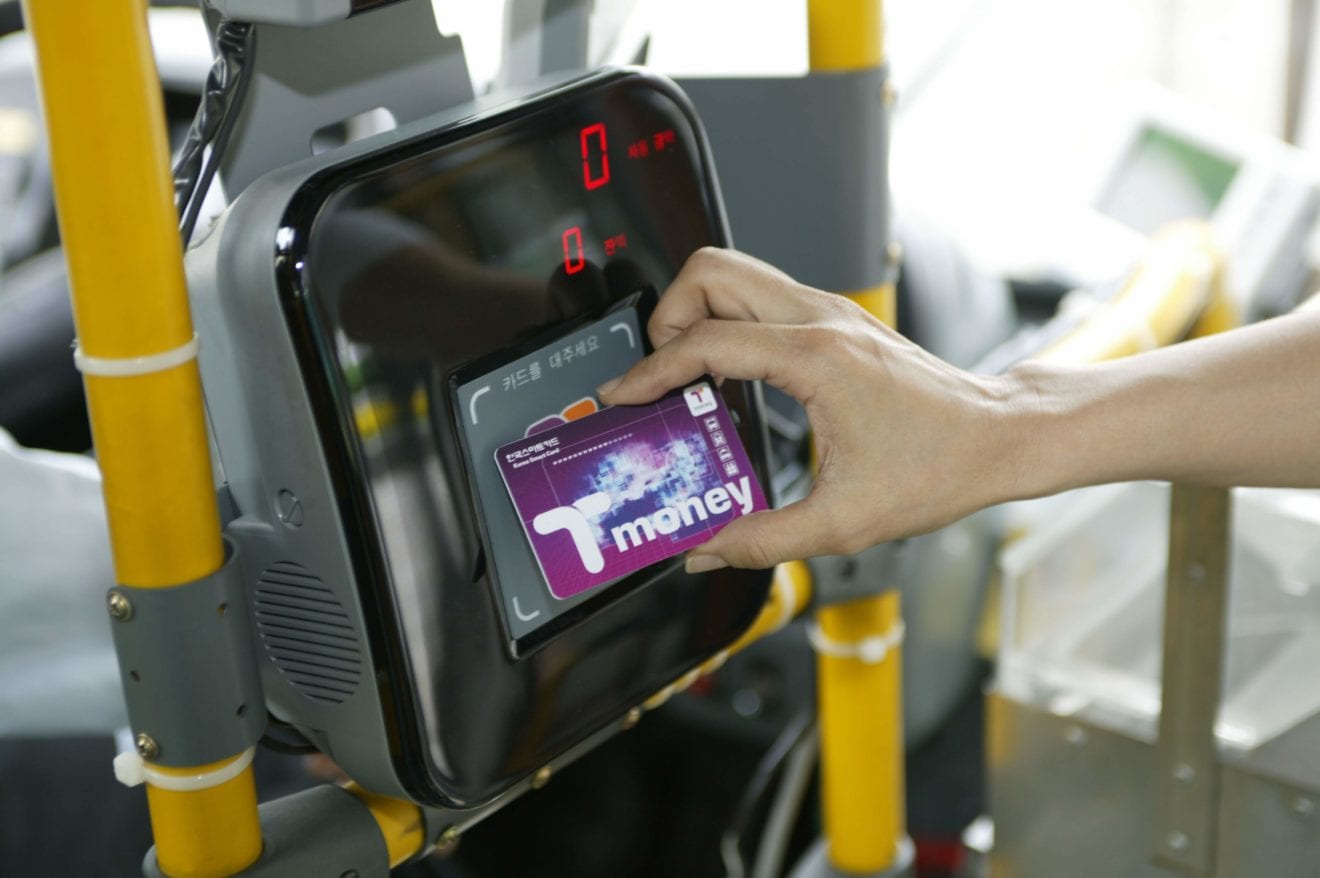
    The Visa debit card is linked to her bank account and equipped with a smart chip that also allows her to use it as a public transport payment card, known as T-money.

    “I don’t use real money because it’s heavy to carry around, and I don’t have a wallet so there’s no place to put it in. The only time I use cash is to pay for food delivery and give an allowance to my brother who’s in high school,” she said.

    Ms Kim is among a growing group of South Koreans who are relying less on cash and more on cards and electronic payments, as the world’s most wired country started early last year to open up its finance technology (fintech) industry and encourage more people to adapt to IT-based systems, including payments via mobile phones.

    NO ROOM FOR CASH

    I don’t use real money because it’s heavy to carry around, and I don’t have a wallet so there’s no place to put it in. The only time I use cash is to pay for food delivery and give an allowance to my brother who’s in high school.

    MS KIM MEE SO, a 29-year-old teacher who carries only a debit card in her bag for daily expenses.

    Only about 20 per cent of all payments here are made with cash – among the lowest in the world – according to the Bank of Korea (BOK).

    The central bank is now aiming for the country to go cashless by 2020, beginning with plans to phase out coins so as to reduce the cost of minting them. It has already cut back on issuing paper money.

    A system is being tested for retailers who receive cash to give back change not in coins but as credit in the customer’s T-money card or credit card.

    It will be rolled out by next year if pilot tests prove to be successful.

    Going cashless is a global trend, led by Scandinavian countries Norway, Sweden and Denmark. Singapore has also committed $225 million to grow fintech start-ups as part of its plan to go cashless.

    In South Korea, electronic payments gained popularity after the introduction of T-money in 2004, as the country sought to streamline public transport payments with a single touch-and-go smart card.

    What is T-money?

    South Korea introduced a smart card called T-money in 2004 to streamline public transport payments.

    Here is how it works:

    • •T-money is a stored-value card with a smart chip for fare deductions, much like Singapore’s ez-link card.

      •Modified T-money chips can also be fitted into credit cards and debit cards, and even into mobile phone SIM cards, which means one can just tap one’s phone to take the bus, subway or taxi.

      •It is also accepted at many convenience stores, retail shops and restaurants.

      •By the end of 2014, T-money was used in 43 million transactions daily.

      •There are 15 million users in Seoul and the surrounding Gyeonggi province, which have a combined population of 22 million.

    Much like Singapore’s ez-link card, T-money is a rechargeable stored-value card with a smart chip for fare deduction. The chip has been modified to fit credit cards, debit cards and even mobile phone SIM cards – which means people can tap their phones to take the bus.

    T-money can also be used at most convenience stores and some retail shops and restaurants.

    By end-2014, T-money was used in over 43 million transactions a day. There are more than 15 million T-money users in Seoul and the surrounding Gyeonggi province, which have a combined population of 22 million. Apart from the T-money card, credit and debit cards have also become a way of life.

    The success of T-money and the popularity of mobile devices have also prompted a new wave of fintech developments.

    Tech giants including Naver, Kakao and Samsung compete to build and bolster their mobile payment platforms to capture consumers shifting from computers to mobile devices.

    Text-messaging app company Kakao, for instance, has its own mobile payment platform KakaoPay that allows its seven million users to shop online as well as pay electricity bills.

    The Seoul Metropolitan Government jumped onto the bandwagon last December, launching an app called STAX to allow users to pay property and car taxes and water and sewage fees on mobile phones.

    Business consultant Lee Youn Joo, 31, said cash has become less important nowadays and is used only on special occasions like weddings and funerals, and when paying street vendors and for valet parking.

    “Koreans are used to convenient transaction means and… the use of credit cards and mobile banking will continue to increase,” he said, adding that he uses credit cards for 90 per cent of his monthly spending.

    But as more people choose to go cashless, there are concerns about credit card security, overspending and whether the elderly can adapt to electronic payments.

    Student Terry Nam, 21, is concerned about security, as the country has witnessed major data leaks involving big credit card companies.

    “Our distrust of privacy protection is very high. The government should explain what it has done to resolve this issue and strengthen the punishment for private data leakage crimes,” he said.

    Wary of credit card companies, graduate school student Kwon Joo Hyun, 27, uses a debit card instead and avoids online payments that require credit card details.

    But she still supports the BOK’s plan, adding that the government can introduce a kind of cashback card for elderly folks to use when coins are phased out.

    But Dr Sohn Sang Ho, senior research fellow at the Korea Institute of Finance, feels the BOK’s plan to go cashless by 2020 is “too ambitious”. He said there is still a big group of older people who rely mainly on cash transactions, especially in traditional markets, and it will take a long time for them to convert to electronic payments.

    “Going cashless can be our long-term goal, but it’s not possible in the near future,” he said.

  • New Shiseido Travel Retail division set ¥18.5 billion target for FY2016

    New Shiseido Travel Retail division set ¥18.5 billion target for FY2016

    Shiseido is set to create a new travel retail unit, based in Singapore, on 1 May, combining the skin care, make-up and fragrances arms of the Japanese beauty house’s worldwide travel retail business, according to a report published by Travel Retail Business.

    Shiseido Travel Retail has been set a sales target of ¥18.5 billion for the financial year, a considerable jump on the ¥17.2 billion achieved in 2015.

    The new unit will usher in a key account management system, with dedicated regional teams allocated to key customers as well as a new business development function to explore global growth opportunities.

    The new unit is part of the company’s wider 2020 strategy, which will see the company usher in a matrix management structure with six regional entities led by Philippe Lesné.

  • Apple’s book and film services go dark in China

    Apple’s book and film services go dark in China

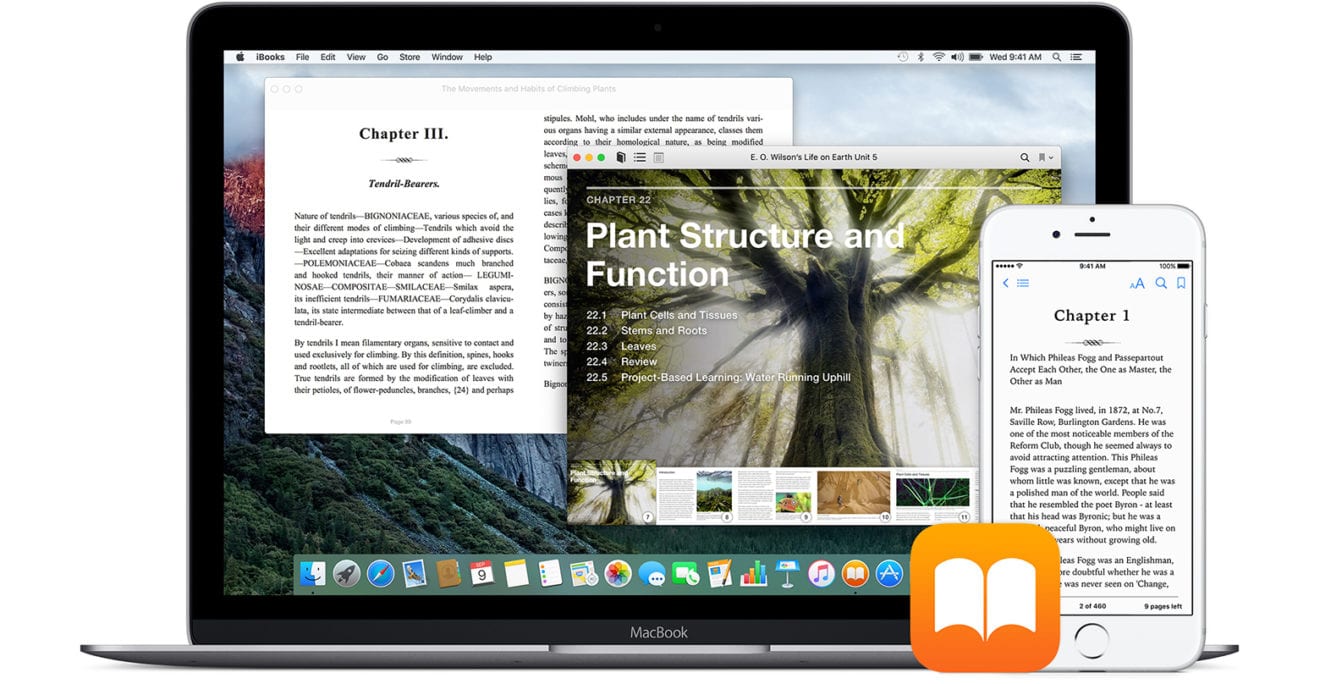
    Apple Inc’s online book and film services have gone dark in China, after Beijing introduced regulations in March imposing strict curbs on online publishing, particularly for foreign firms.

    Attempts by Reuters on Friday to access Apple’s iBooks Store and iTunes Movies services were met with a message in Chinese saying they were “unusable.”

    China’s media regulator, the State Administration of Press, Publication, Radio, Film and Television, demanded Apple halt the service, the New York Times reported, citing two unnamed people. The regulator did not respond to a faxed request from Reuters for comment.

    “We hope to make books and movies available again to our customers in China as soon as possible,” said a Beijing-based Apple spokeswoman, who declined to provide further comment.

    This is not the first time an Apple service has been made unavailable in China.

    The company’s News app, launched last year, can be used in many countries by people who downloaded the app from the U.S., United Kingdom or Australia App Stores. But those people trying to access the service on the mainland are shown the message “News isn’t supported in your current region.”

    The Apple spokeswoman in Beijing said News had only launched in the U.S., United Kingdom and Australia, but declined to comment on how the app could still be used in places like South Korea and Hong Kong but was blocked in mainland China.

    Apple’s second-largest market by revenue is Greater China, which includes Taiwan and Hong Kong, driven by the iPhone’s popularity in the world’s biggest smartphone market.

    But the company has at times met with official resistance from Beijing, with state media once branding the U.S. tech behemoth’s iPhone a danger to national security.

    In March, regulations came into effect that prohibit foreign ownership and joint ventures in online publishing and stipulate that all content be stored on servers in China. The move sparked fear of greater curbs on foreign businesses.

    In an effort to shape public opinion, President Xi Jinping’s government has implemented an unprecedented tightening of internet and media controls and sought to codify the policy within the law, a campaign that critics say ignores human rights and is a burden for business.

    Earlier this month, the U.S. labeled China’s internet censorship a trade barrier in a report for the first time since 2013, saying worsening online restrictions are damaging the business of U.S. companies.

    Officials say internet restrictions are needed to ensure security in the face of rising threats such as terrorism and foreign ideology that could destabilize China.

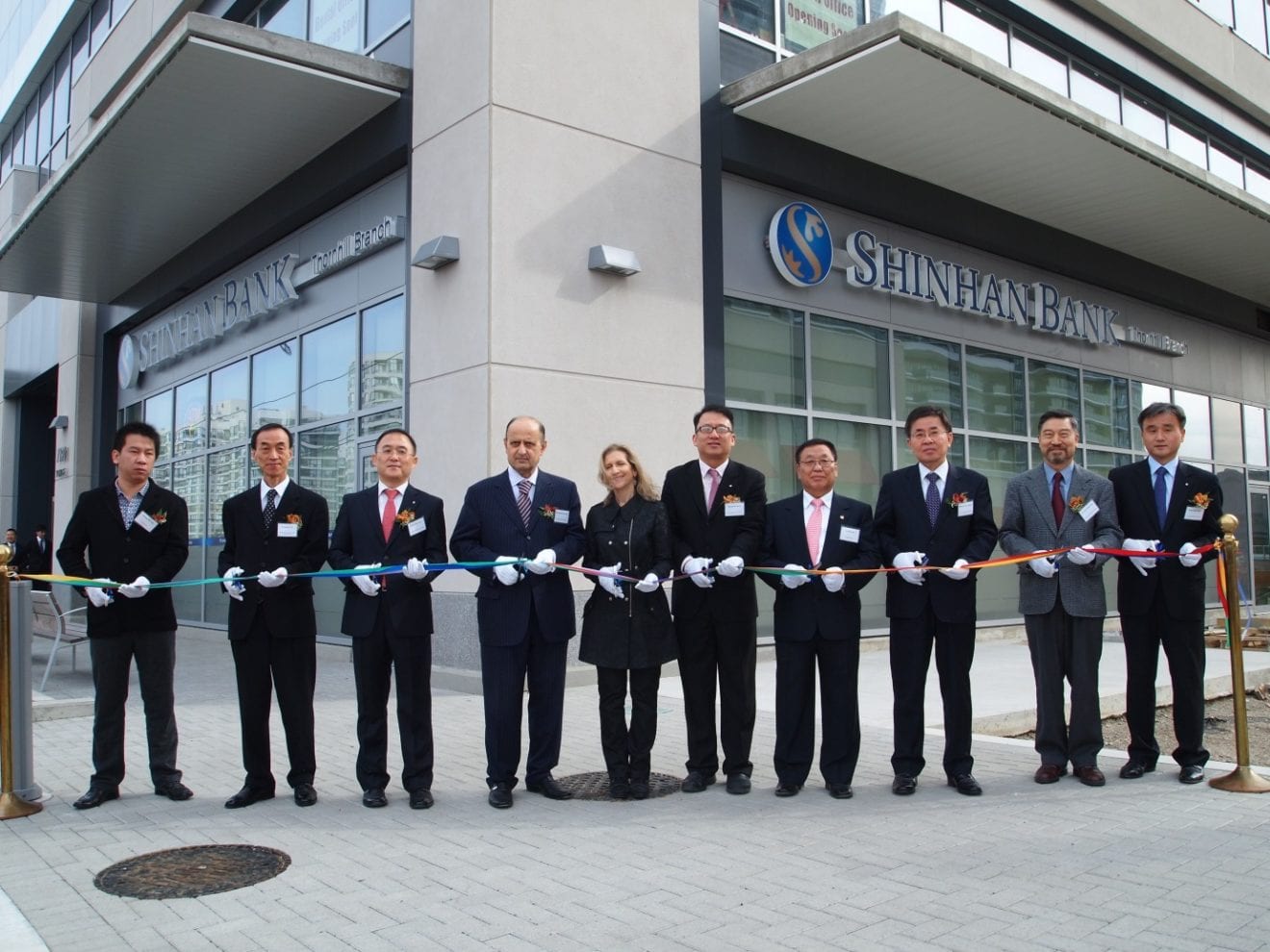
  • South Korea’s Shinhan expands in Asian retail banking

    South Korea’s Shinhan expands in Asian retail banking

    Through steady no-nonsense efforts focusing on retail banking, Shinhan Financial Group has grown to operate more than 150 overseas branches, the most among South Korean financial institutions. Although much smaller than counterparts from Japan, the U.S. and Europe, Shinhan continues to boldly expand operations in such Asian markets as Vietnam and Indonesia.

    The bank set up a presence in Vietnam in 1993, following Samsung Electronics, LG Electronics and other South Korean conglomerates into the Southeast Asian country. It plans to open four branches there within the year, bringing the total to 18. This should make Shinhan the foreign financial institution with the most branches there.

    As a part of efforts to expand further in the country, the bank has been focusing on boosting lending to individuals. Because wages are low and people tend to change jobs frequently, foreign financial institutions are generally reluctant about extending personal loans in Vietnam, but Shinhan has found a “unique sales approach” for reducing loan default risks. The bank’s salespeople have been visiting labor unions at various factories to seek information on workers who have been working steadily for more than a year or two, since these people would make more secure borrowers.

    All over Asia

    Shinhan traces its roots to Shinhan Bank, which was established in 1982, using funds raised from ethnic Koreans living in Japan as a part of its start-up capital. Following the opening of a branch in Osaka in 1986, the group has maintained close ties with Japan. In its home country, the group has grown on its strength in retail banking.

    With Shinhan Bank at its core, the group now operates more than 150 overseas branches. This puts it ahead of Hana Financial Group to rank No. 1 among South Korean financial institutions in terms of the number of foreign branches, according to research firm CEO Score.

    “We will secure the engine for new growth in the global market, centering on Asia,” Chairman Han Dong-woo said at a general shareholders meeting in March.

    True to his words, Shinhan has been pushing further into other Asian countries. In Indonesia, the group has acquired Centratama Nasional Bank, which has 41 branches, as well as Bank Metro Express, which operates 19. In addition, credit card unit Shinhan Card has a joint venture with local conglomerate Salim Group.

    In Myanmar, Shinhan received approval to open a branch last month, a first for a South Korean bank. The group aims to tap into demand for retail financial services by bringing its credit card and insurance units into the Southeast Asian country.

    Small but solid

    Moody’s has given Shinhan Bank an Aa3 credit rating, one rung above that of Bank of Tokyo-Mitsubishi UFJ. However, Shinhan Financial Group still pales in comparison to Mitsubishi UFJ Financial Group in scale, as its 370 trillion won ($326 billion) in consolidated assets as of the year ended in December are equivalent to just 12% of the Japanese megabank’s total assets. The Japanese banking group also operates a far larger overseas network, counting more than 1,150 branches as of the end of September.

    But Shinhan Bank is set to continue its steady growth by “making the most of its speed and strength in retail sales,” said Executive Vice President Heo Young-taek.

  • Taiwan domestic supermarket sales up almost 10 percent in March

    Taiwan domestic supermarket sales up almost 10 percent in March

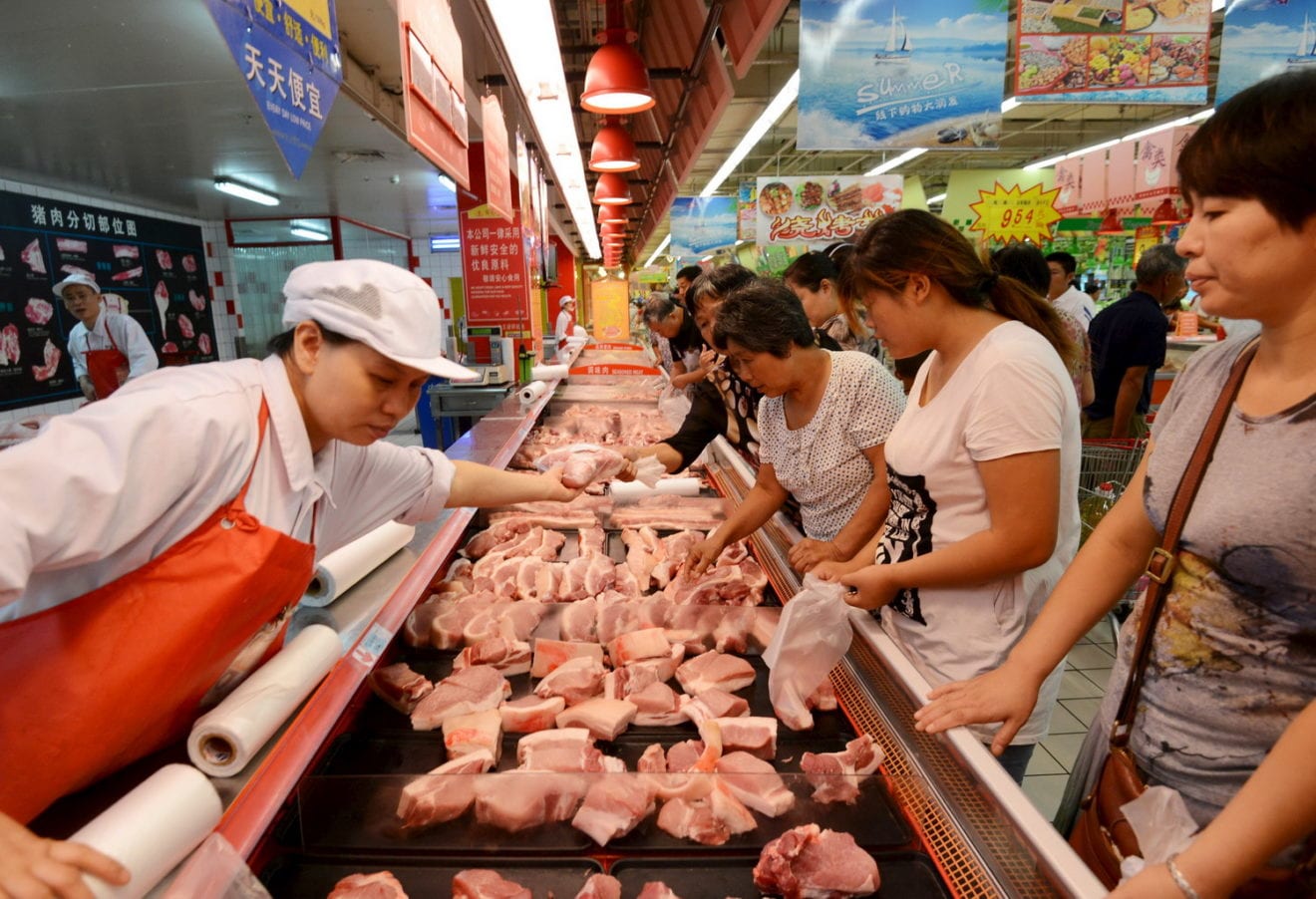
    Sales posted by supermarkets in Taiwan rose almost 10 percent year-on-year in March, outperforming the retail sector as a whole, because of the expansion of their retail networks, according to the Ministry of Economic Affairs (MOEA).

    Efforts to promote fresh food in their stores also boosted supermarket sales compared with the same month a year earlier, the MOEA said.

    In a monthly report on the sales of the wholesale, retail and dining sectors in Taiwan, the MOEA said supermarkets saw sales of NT$14.8 billion (US$458 million) in March, up 9.2 percent from a year earlier, while the overall retail sector’s revenue rose only 1.1 percent year-on-year to NT$319.6 billion .

    The MOEA said that with PXMart, one of Taiwan’s leading supermarket chains, planning to add stores this year and next year, the supermarket segment could continue to see sales grow in the near future.

    PXMart has announced it will expand its network to 900 outlets in 2016 and 1,000 in 2017 from 794 at the end of 2015.

    Also in the retail sector, sales posted by department stores rose 3.6 percent in March from a year earlier to NT$21.9 billion as they introduced new products to consumers and added stores, the report said.

    Sales at hypermarts and convenience stores rose 4.4 percent and 1.4 percent in March from a year ago, respectively, to NT$13.8 billion and NT$24.5 billion, according to the report.

    The domestic retail sector also benefited from a 10.7 percent rise in online retail sales in March from a year earlier to NT$19.7 billion and aggressive promotional campaigns in the automotive industry that pushed the sector’s sales 5.3 percent higher to NT$52.8 billion.

    As for the wholesale sector, the MOEA said, revenue fell 5.3 percent from a year earlier to NT$785.7 billion during the month as notebook computer and LCD TV buyers from Japan continued to cut back their orders.

    Falling prices for flat panels and dynamic random access memory chips also affected wholesale sales in the month, the ministry said.

    Wholesale trade in beauty and health products bucked the downturn, however, posting a 4.7 percent year-on-year increase in revenue to NT$36.4 billion due to a flu outbreak and promotional activities ahead of Mother’s Day, the MOEA said.

    Meanwhile, revenue posted by the dining sector fell 1.8 percent in March from a year earlier to NT$33.6 billion, ending a 13-month streak of year-on-year gains. The MOEA said the decline was due to the high number of rainy days during the month, which kept families indoors.

    Within the dining category, restaurants saw their sales fall 1.7 percent in March from a year earlier to NT$28.5 billion, and beverage vendors saw revenues dip 3.6 percent year-on-year to NT$3.7 billion, the MOEA said.

  • Another Luxury Retail Brand Cites Tourism Spending as Reason for Slump

    Another Luxury Retail Brand Cites Tourism Spending as Reason for Slump

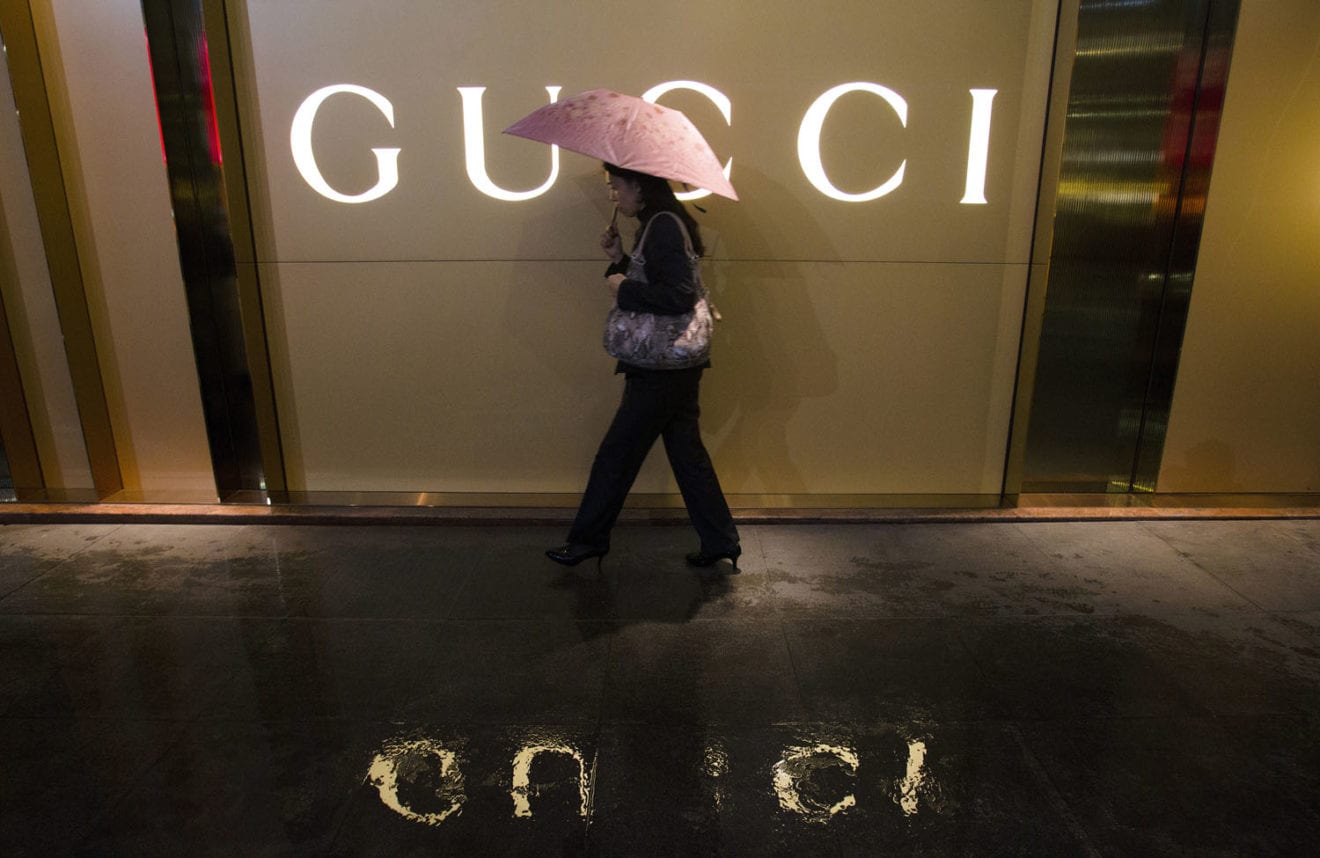
    French luxury-goods maker Kering SA reported first-quarter revenue that trailed analysts’ estimates as slowing tourism and the strong dollar weighed on demand for Gucci loafers and Bottega Veneta handbags.

    Sales climbed 2.7 percent to 2.72 billion euros ($3.07 billion), Paris-based Kering said in a statement after European markets closed Thursday. Analysts predicted 2.78 billion euros, according to estimates compiled by Bloomberg. Growth was 4 percent on a basis that excludes currency shifts, acquisitions and disposals, compared with the 5.6 percent gain anticipated by analysts.

    Gucci Chief Executive Officer Marco Bizzarri and creative director Alessandro Michele turned Kering’s largest brand around by the end of their first year in charge. Their next challenge is to keep momentum going as a slowdown in China, the strong dollar as well as terrorist attacks in Europe have crimped demand for handbags and garments. Those same headwinds hurt competitor LVMH, whose first-quarter sales also missed estimates.

    Gucci’s comparable sales rose 3.1 percent, slowing from the previous quarter’s 4.8 percent gain. With Michele’s designs accounting for about half of sales in the period, the second straight quarter of growth confirms the turnaround “is starting to get traction,” said Luca Solca, an analyst at Exane BNP Paribas. However, the slower pace shows “Rome wasn’t built in a day.”

    Trends Improved

    The company said in a conference call that sales trends at Gucci have improved since the end of March.

    The biggest disappointment was handbag maker Bottega Veneta, which reported another quarter of declining sales. Revenue fell 8.3 percent, more than twice the decline anticipated by analysts. The brand is suffering from overexposure to Hong Kong and high price gaps between Europe and Asia, along with a slowdown in tourism.

    Bottega may need “more creativity and innovation,” said Exane’s Solca. “Lacking that, the risk could be of appearing boring to consumers.”

    Yves Saint Laurent, which replaced its creative director this month, was again the best performer, posting a 27 percent increase in sales that beat analysts’ expectations.

    “We are confident that we can extend our growth trajectory over the full year,” Kering CEO Francois-Henri Pinault said in the statement.

    Kering’s shares fell 0.8 percent to 160.10 euros at the close in Paris.


  • Jollibee swallows up Mang Inasal Philippines

    Jollibee swallows up Mang Inasal Philippines

    Jollibee Foods Corp (JFC) has fully acquired its subsidiary Mang Inasal Philippines for $43 million (P2 billion).

    JFC, Asia’s largest quick-service restaurant company, bought the 30 per cent share remaining from the 70 per bought in 2010 for P3 billion.

    “JFC shall pay for the shares in cash. There will be no changes in the business conduct and direction of Mang Inasal resulting from this acquisition except that the Board of Directors of Mang Inasal will, completely henceforth, be composed of representatives of JFC,” the company said.

    Jollibee has been no.1 in Asia and no.10 worldwide in terms of market capitalisation among publicly listed quick-service restaurants.

    Mang Inasal is a Filipino brand known for its chicken inasal (roasted chicken) and unlimited rice. It has over 450 stores nationwide.

    Jollibee announced its goal of joining the world’s top 10 fast-food brands. Its aggressive buying overseas are priced up to $100 million. It has 3023 outlets worldwide, 2393 of which are in the Philippines.

    It also operates Philippine brands Red Ribbon bakery chain, Greenwich pizza parlours and Chowking Chinese restaurants.

    Overseas, JFC’s subsidiaries and affiliates develop and operate international brands, such as Yonghe King, Hong Zhuang Yuan and San Pin Wang brands under the SuperFoods Group, and 12 Hotpot.

  • Marina Bay Sands mall for sale

    Marina Bay Sands mall for sale

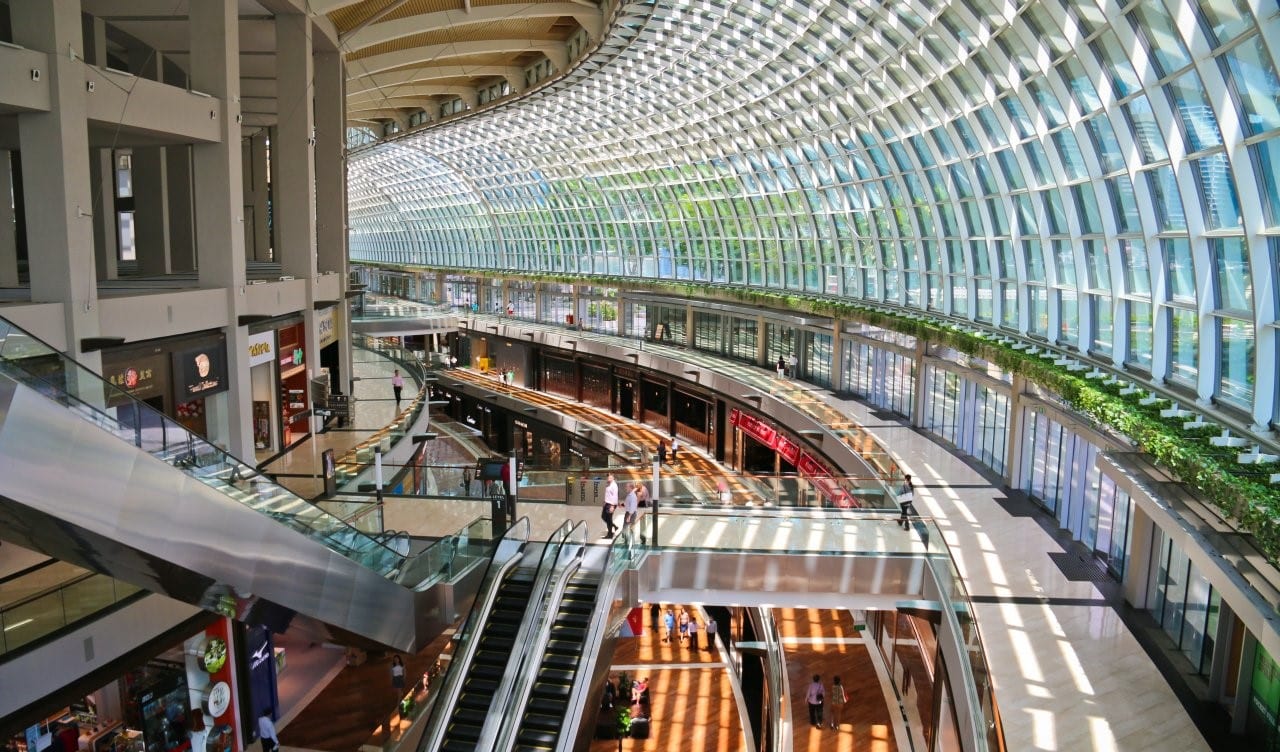
    Gaming giant Las Vegas Sands Corp has held preliminary talks with prospective buyers of the Marina Bay Sands mall.

    The surprise revelation came during a conference call following an earnings report yesterday in which the US-based company revealed a casino revenue at Marina Bay Sands fell by 28 per cent in the first quarter.

    The mall – The Shoppes at Marina Bay Sands – is a cornerstone of the giant complex which has become an icon of the Singapore skyline. The complex also includes a three-tower hotel, convention centre and theatres.

    Sheldon Adelson, founder and chairman of Las Vegas Sands Corp, which also owns the Sands Macau casino and hotel and the Venetian Macau resort, said he was considering selling the retail assets.

    “We have been approached. We have been talking to people,” said Adelson during the conference call.

    His company is restricted from selling any part of the complex until a moratorium attached to the granting of the casino development license expires next year.

    From other comments it would appear the company is more likely to sell a stake in the 800,000 sqft mall than the whole business.