Blog

  • E-Commerce to Take Up 20% of the Indonesian Retail Market

    E-Commerce to Take Up 20% of the Indonesian Retail Market

    The Trade Ministry said that the e-commerce business has a chance of capturing 20 percent of the conventional retail market. The scouring of conventional retail markets is likely to happen given the fact that customers are now more familiar and accustomed with online shopping, due to its time and budget efficiencies.

    “This phenomenon must be supported by adequate policies and infrastructure,” Srie Agustina, the ministry’s acting director general of domestic trading, said during the Indonesian E-Commerce Summit and Exhibition in Serpong, Banten, yesterday.

    Srie estimated that the e-commerce industry will take over 20 percent of the conventional retail market share in the next four years. Right now, e-commerce’s share in the conventional retail market is five percent.

    At the E-Commerce Summit opening yesterday, President Joko Widodo warned local e-commerce businesses about the “attack” of foreign players. According to the President, the acquisition of Southeast Asia’s popular online shopping site Lazada by China’s e-commerce giant Alibaba two weeks ago is something that industry players must keep an eye on. “It’s a warning for everyone.”

    Alibaba announced that it has acquired Rocket Internet’s stake in Lazada worth US$1 billion (Rp13 trillion). The takeover strengthens Alibaba’s position in the e-commerce markets of Asia and the world. The acquisition allows Alibaba to reach 560 million online consumers in Southeast Asia, including Indonesia.

    To boost the quality the domestic e-commerce industry, the Trade Ministry will mandate online trade sites to register with the ministry.

    The Indonesia E-Commerce Association (IDEA) is planning for an accreditation of e-commerce sites, in a bid to improve the quality and credibility of local e-commerce players. The accreditation assessment will begin in June carried out on 200 sites online sales-and purchase businesses. The assessment categories include operational sites, clarity payment, and customer service aspects.

    Earlier, Minister of Communications and Informatics Rudiantara expressed his optimism that the retail e-commerce business this year can record a transactions deals total of US$20 billion or around Rp260 trillion.

  • SIA to support Indonesia’s tourism campaign under new partnership

    SIA to support Indonesia’s tourism campaign under new partnership

    National carrier Singapore Airlines and Indonesia’s Ministry of Tourism on Thursday (Apr 28) announced a partnership to boost foreign tourist arrivals into Indonesia.

    Both parties signed a memorandum of understanding at the National Coordination Tourism Meeting in Jakarta on Thursday, and they will work to finalise details of the partnership in a memorandum of cooperation at a “later date”, the joint press release said.

    Under the three-year partnership, SIA will support the ministry’s tourism campaign “Wonderful Indonesia”, which aims to attract 20 million foreign tourist arrivals annually by 2019.

    Joint activities will include advertising and other campaigns to promote travel to Indonesia via Singapore from key source markets, which include China and India for the first year of collaboration, the press release said.

    SIA, together with its subsidiary SilkAir, serve 13 cities in Indonesia with more than 150 weekly flights, the airline said.

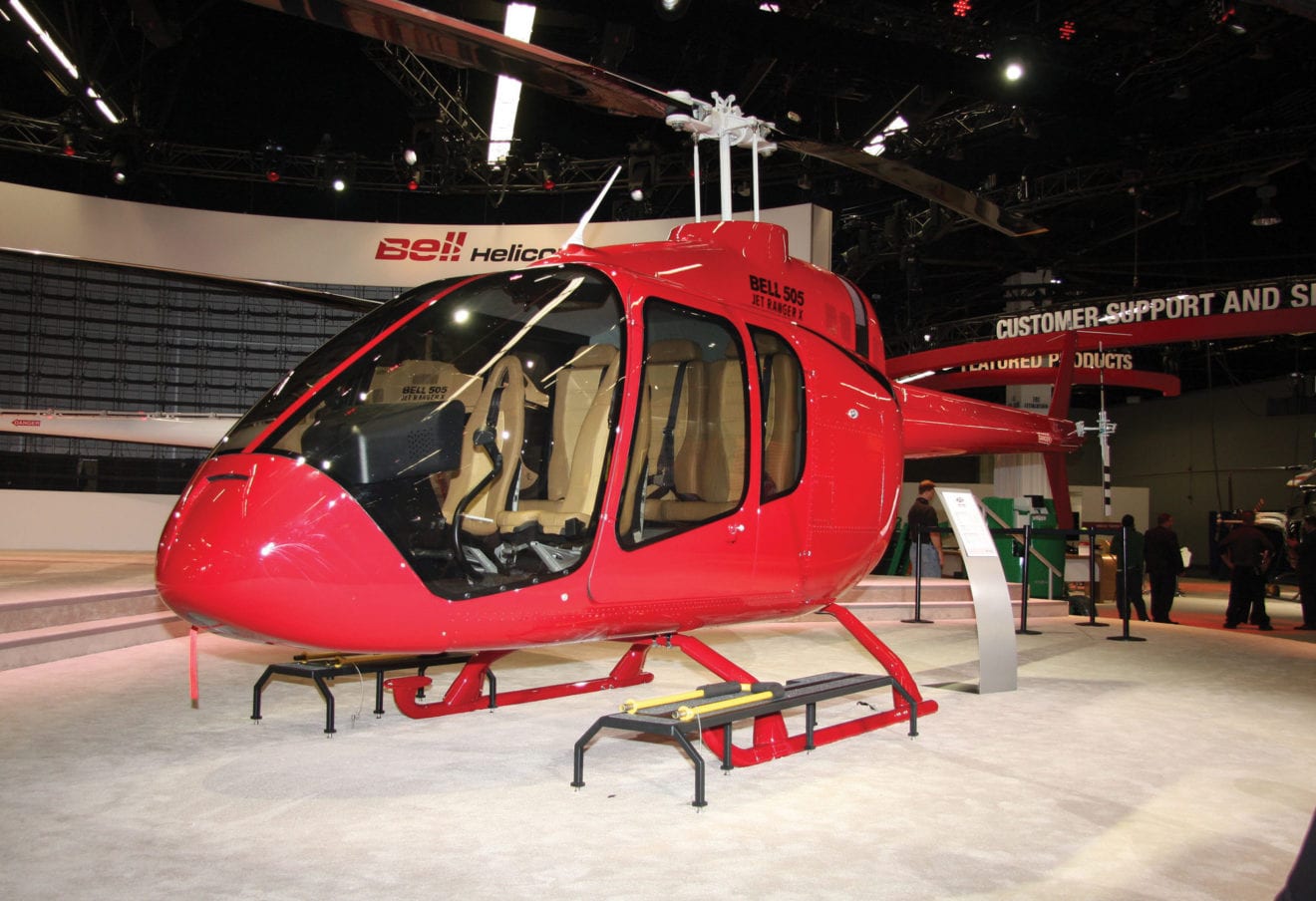
  • Indonesian charter operator orders 30 Bell Jetranger X

    Indonesian charter operator orders 30 Bell Jetranger X

    The aircraft will be used for air taxi operations throughout Indonesia and its more than 14,000 islands.

    PT Whitesky Aviation is a Jakarta based company specialising in non-scheduled (charter) flight. The company currently operates a fleet of six Bell Helicopter aircraft, including three Bell 429s and three Bell 407s.

    “This signing is testament to the growing demand for the Bell 505, especially in the corporate and VIP sectors,” said Matt Hasik, executive vice president of commercial business for Bell Helicopters. “There are now more than 380 letters of intent around the globe, and more than 130 Bell 505 LOIs in the Asia Pacific Region alone.”

    The Bell 505 is the company’s long mooted Bell Jetranger 206 entry-level replacement. With a cruise speed of 125 knots (232 km/h), range of 360 nautical miles (667 km) and useful load of 1,500 pounds (608 kg), the Bell 505 is designed to be safe and easy to fly while remaining affordably priced.

  • Weaker Economic Environment in Asia Continues to Impact Commercial Markets

    Weaker Economic Environment in Asia Continues to Impact Commercial Markets

    According to CBRE’s Q1 2016 MarketView, total commercial property investment turnover in Asia Pacific in the first quarter of 2016 declined by 36% quarter-on-quarter as investors generally turned more risk-averse, due to stock market volatility and weaker economic environment. Asian capital in particular, however, remained active across the region with the completion of three big-ticket transactions in Greater China by Chinese investors.

    Q1 2016 saw Hong Kong’s second largest-ever transaction for an office property, in which China Everbright Limited acquired the Dah Sing Financial Center for around US$1.3 billion. Regardless of this key deal though, investment activity on the whole remained low in Hong Kong.

    “Despite slower activity in the investment environment overall, international institutional investors are continuing to display strong preferences for core assets in major markets to increase their exposure for strategic diversification,” said Dr. Henry Chin, Head of Research, CBRE Asia Pacific. “In Australia and Japan, however, even though international investors remain active with strong demand for core assets, transaction volume in both markets declined. High prices in Australia discouraged domestic fund managers from purchasing, with some opting to sell non-core assets to recycle capital for future investments. In Japan, despite strong demand from investors, the lack of stock was a limitation as there were fewer institutional quality properties being offered for sale, especially in core markets such as Tokyo.”

    Concerns over the economic climate, along with weaker business and consumer sentiment, have also led to softening occupier markets across the region in Q1 2016.

    “The first quarter of the year is traditionally a quiet period for office leasing,” said Dr. Chin. “The office sector saw a slowdown in leasing momentum overall, however, in China’s tier-one markets such as Shanghai and Shenzhen, office demand remains robust with solid rental growth. Elsewhere, leasing demand is being driven by flight-to-value relocations with firms moving to decentralized areas to reduce costs. Expansionary demand is confined to Shanghai and Mumbai. In light of weakening corporate sentiment, landlords are also becoming more cautious and focusing on tenant retention, especially in markets such as Hong Kong and Tokyo.”

    In the retail sector, Hong Kong suffered its biggest decline in retail sales since 1999, falling by 13.6% year-on-year in January and February combined, due to the sharp drop in tourist arrivals and weaker domestic consumer sentiment. The bulk of Asia Pacific’s leasing demand was driven by fast fashion and F&B retailers. Most Asian markets were quiet but leasing momentum in the Pacific remained healthy.

    “Most Asian retail markets are still negatively impacted by the change in tourist consumption and traveling patterns, especially by Mainland Chinese tourists. The weak Chinese yuan is affecting their spending power. Additionally, in contrast to the last couple of quarters, the strong Japanese yen is beginning to impact visitor spending in Japan, which places pressure on retail sales growth. In Q1 2016, Tokyo saw luxury brands scale back their rate of expansion after a decline in sales, whereas in Pacific, demand from new international retailers remains strong,” said Dr Chin.

    “Many international retailers remain very sensitive to location, driven by flight-to-quality. The coming quarters are likely to see investors re-focus on core properties in major shopping districts. With the current challenging climate, management expertise and knowledge are key issues for retail investors,” he added.

  • M1 trials HD VoWiFi over HetNet technology

    M1 trials HD VoWiFi over HetNet technology

    Singapore’s M1 has launched the nation’s first public native HD voice over Wi-Fi (VoWiFi) trial using HetNet technology.

    The trial service supports calls to and from fixed numbers without having to use a separate calling app, and allows for two-way mobility between Wi-Fi and mobile networks for seamless handover.

    M1 is using smart network prioritization technology to ensure quality voice calls over Wi-Fi even during periods of heavy network usage.

    The operator is working with the Infocomm Development Authority (IDA) of Singapore on the deployment as part of the authority’s HetNet Trials initiative.

    The service is currently available to HetNet Trials users at M1’s Wi-Fi deployment sites in the Jurong Lake District. The company has deployed six HetNet hotspots throughout the district, at locations including train stations and bus interchanges.

    In addition to VoWiFi, M1 is working with IDA on the trial of Wi-Fi services on public buses.

    Last month mobile operator 3 Hong Kong launched a premium voice over Wi-Fi service that supports the use of up to five devices, including smartwatches tablets and PCs, along with a smartphone connected to the same account.

  • AWS still dominates cloud infrastructure market

    AWS still dominates cloud infrastructure market

    Amazon Web Services (AWS) continues to dominate the cloud infrastructure services market with a 31% worldwide market share, dwarfing the chasing pack, according to new Q1 data from Synergy Research Group.

    The big three followers – Microsoft, IBM and Google – in aggregate accounted for 22% of the market, while the next 20 top-ranked cloud providers accounted for another 27%. The good news for Microsoft and Google is that they both achieved growth rates of well over 100% so they are at least slowly gaining some ground on the market leader.

    Outside of the big four, the next 20 cloud providers are growing at an average 41% per year, but in a market that is growing at over 50% that means that most of them are losing market share.

    The next 20 providers include Alibaba, CenturyLink, Fujitsu, HPE, NTT, Oracle, Orange, Rackspace, Salesforce, and Vmware.

    With most of the major operators having now released their earnings data for Q1, Synergy estimates that quarterly cloud infrastructure service revenues (including IaaS, PaaS and private & hybrid cloud) have now comfortably passed the $7 billion milestone.

    Growth rates remain somewhat similar across the major regions meaning that the United States continues to account for around half of the worldwide market.

    “This is a market that is so big and is growing so rapidly that companies can be growing by 10-30% per year and might feel good about themselves and yet they’d still be losing market share,” said John Dinsdale, a Chief Analyst and Research Director at Synergy Research Group.

    “The big question for them is whether or not they are building a sustainable and profitable business. This can be done by focusing on specific regions or specific services, but the bulk of the market demands huge scale, a broad footprint, very deep pockets and a long-term corporate focus.”

  • Huawei may acquire stake in Bakrie Telecom

    Huawei may acquire stake in Bakrie Telecom

    Huawei is reportedly set to acquire a 9% stake in struggling Indonesian CDMA operator Bakrie Telecom as part of a debt repayment procedure.

    Bakrie Telecom secured shareholder approval to issue convertible bonds worth 56% of shares in the company, that will then be divided among its 50 creditors.

    The convertible bonds are worth around 7 trillion rupiah ($530.5 million), with a price per share of 200 rupiah, four times higher than the company’s current trading price.

    As Bakrie’s largest lender Huawei will receive bonds accounting for 9% of Bakrie Telecom shares. Indonesian independent telecom tower operators Protelindo and SUPR will receive stakes worth 7%  and 6.8% respectively, according to the report.

  • Telstra commits $38m to address mobile outages

    Telstra commits $38m to address mobile outages

    Australia’s largest operator Telstra has committed A$50 million ($38.3 million) towards improving its network resiliency following a spate of outages, but coverage of its announcement was tainted by another minor outage.

    At an investor presentation in Melbourne, Telstra COO Kate McKenzie revealed that the operator has completed a review into the recent mobile network disruptions.

    The review identified a range of steps to reduce the likelihood of another outage, including increasing redundancy, adding more capacity to the core network, introducing new procedures for key network element restarts and improving resilience in international connectivity.

    In response, Telstra will spend around A$25 million installing real time traffic monitoring and customer impact monitoring equipment.

    The remaining A$25 million will be spent increasing the network’s capacity to handle a large number of re-registrations occurring simultaneously after a disruption.

    “What this means is that in the event of a disconnection, a much larger number of customers will be able to re-register at the same time so any disruption to services will be of a much shorter duration,” she said.

    The review was conducted by Telstra’s specialist teams, experts from Ericsson, Juniper and Cisco, and independent advisor Dave Williams from Tech Mahindra. It follows a series of mobile network outages in a short period with various causes.

    Unfortunately for Telstra, local media coverage of Telstra’s investment announcement has concentrated on the fact that hundreds of Telstra customers were reporting outages affecting mainly internet access just hours after the announcement was made.

    According to the company, the outage affected ADSL broadband in Queensland, lasted less that half an hour and was unconnected to the recent mobile network outages, but this did not stop subscribers from commenting about the irony on social media.

  • Apple sales fall 26% in Greater China, optimistic on China and India

    Apple sales fall 26% in Greater China, optimistic on China and India

    Apple’s double-digit growth in Greater China, which has helped fuel the huge success of the iPhone over the past few years, came to a grinding halt last quarter, with revenue falling 26 per cent as iPhone demand softened.

    Sales in the Greater China region, which includes the mainland, Hong Kong and Taiwan, dropped to $12.5 billion in its fiscal Q2 ending 31 March. The region accounted for a quarter of Apple’s total revenue, down from 29 per cent a year ago.

    Revenue in mainland China, Apple’s second largest market after the US, fell 11 per cent (7 per cent in constant currency terms) – a year ago sales surged by 81 per cent.

    Apple yesterday reported its first-ever quarterly drop in iPhone sales,which dropped 16 per cent to 51.2 million units.

    Apple CEO Tim Cook said in the earnings call he doesn’t think China is as weak as everyone says. “In China we may not have the wind at our backs that we once did, but it’s a lot more stable than what I think is the common view. So we remain really optimistic on China.”

    He noted that it opened seven stores in China last quarter, taking its total to 35, and will open five more this quarter.

    Cook talked up its services businesses, which expanded 20 per cent last quarter and represented the company’s second largest revenue-generating category in Q2. But with Apple suspending its iBooks and iTunes Movies services in China last week after the country’s video and publishing regulator imposed stricter guidelines on online content, its growth prospect in services could be severely dampened.

    Beyond China
    The company faced declining sales across the Asia-Pacific region, with revenue falling 25 per cent in Asia Pacific (ex China and Japan) to $3.16 billion.

    Japan was the bright spot in the region, reporting a 25 per cent jump in sales to $4.13 billion.

    Responding to a question about India, the third largest smartphone market in the world, Cook said infrastructure and sales channels will be key.

    The LTE networks being rolled out in the country will “unleash the power and capability of the iPhone in a way that an older network, a 2.5G or even some 3G networks, would not”, he said.

    He noted that unlike in the US, where operators sell the vast majority of phones, in India the operators in general sell virtually no phones. “So it’s through retail, and retail is many, many different small shops”.

    The company has been working on its sales channels for the last 18 months, and Cook said he is encouraged by the results that it’s beginning to see.

    “But because the smartphones that are working there are low end, primarily because of the network and the economics, the market potential has not been as great there. But I view India as where China was maybe seven to ten years ago, and I think there’s a really great opportunity there,” he said.

  • DBS taps digital platform to grow retail banking operations

    DBS taps digital platform to grow retail banking operations

    DBS launched a “mobile-only bank” and said it aims to garner 5 million customers and a deposit base of Rs50,000 crore over the next five years

    On Tuesday, DBS launched a “mobile-only bank” and said it aims to garner 5 million customers and a deposit base of Rs.50,000 crore over the next five years. Named digibank, the DBS mobile application will allow individuals to access a wallet at first and then open a savings deposit account with the bank. The balance in the account will earn 7% interest per annum.

    “We are going to focus outside our affluent banking base and we hope to be a mass consumer banker through this product. We hope to get 5 million customers over the next 3-4 years through digibanking,” said Piyush Gupta, chief executive officer at the bank. Currently, DBS Bank has 35,000-45,000 customers in India, according to Surojit Shome, head of India operations for the bank.

    DBS Bank isn’t the only one to board the digital bandwagon. Large Indian banks such as State Bank of India, ICICI Bank Ltd, HDFC Bank Ltd and Bank of Baroda are building digital channels with an aim to garner new customers and serve existing ones better.

    The rush for digital dominance comes even as 11 payments banks are preparing to launch their operations. These banks will have the infrastructure and technology to provide digital banking from day one.

    Among the most popular digital channels is the use of the smartphone for transactions. Transactions on mobile phones in India have surged in recent months owing to large value transactions being concluded on smartphones by corporate clients besides an increase in retail transactions, Mint reported on 28 March. Data from the Reserve Bank of India (RBI) show that on a year-on-year basis, the amount transacted in December 2015 rose more than fourfold to Rs.49,029 crore from the Rs.11,323 crore transacted a year ago.

    India is estimated to have about 220 million smartphone users in 2015 and a February report by networking solutions firm Cisco forecast this would jump to 651 million by 2019.

    Gupta of DBS said the bank’s digital offering stands out because of an inbuilt dynamic security system that takes away the need for one-time authentications and a natural language interface that allows customers to use voice commands to transact.

    Mobile banking products of most banks require the customer to enter a one-time password to conclude any transaction.

    For the initial authentication of a new customer, DBS has tied up with Coffee Day Enterprises Ltd that runs the Cafe Coffee Day outlets. A customer will be required to carry an Aadhaar or a PAN card to a Cafe Coffee Day outlet and, using a biometric system, will be allowed to open an account.

    Meanwhile, DBS Bank will continue to expand its branch network to service corporate clients and small and medium enterprises, Gupta said. The bank has 12 branches in India and has applied to RBI to move to a wholly-owned subsidiary structure. “The application is pending and we have been told it may take 12-18 months to process. We have not received any negative feedback though,” Gupta said. The bank’s Indian assets form only 5% of its total book. Gupta said the bank is hoping for double digit growth in its India balance sheet.

    The bank will leverage its digital platform to build a retail loan book of Rs.10,000 crore over the next five years. “Right now, we are launching digibank mostly on the liabilities side. We will introduce investments and, later, loans, over the next few months,” said Gupta.

    “If you look at some of the global stories, the broad perspective is that a bank starts excelling in certain things when it begins to focus in some areas. Digital-first banks such as some in the US like Atom Bank, they channelize all their energies into one thing as opposed to existing Indian players who will continue to focus on traditional branch banking and in addition give digital services,” said Vivek Belgavi, partner and leader of financial services technology at PwC.

    Belgavi added that new companies would largely focus on untapped segment such as individuals who do not visit a branch as a target for their digital banking.

    “It is a classic disruptor strategy. It will go after segments which are under-served. There is a segment that does not visit branches and because they don’t visit branches they expect a superior experience; if this is not catered to, this is what the disruptors will focus on,” he said.


  • iCube, Clustrix Partner to Handle Asia’s Most Demanding Website Workloads

    iCube, Clustrix Partner to Handle Asia’s Most Demanding Website Workloads

    Clustrix, provider of the first scale-out database designed for the elastic scaling requirements of high-transaction, high-value workloads of today’s web applications, announced a partnership with iCube (www.icubeonline.com), an Indonesia-based e-commerce agency and Magento Silver Solution Partner. This announcement gives South Asian customers a single local source for Magento development, services and Clustrix technology, including Clustrix’s recently announced ClustrixDB for Magento bundle.

    With a growing client base that includes some of the largest online merchants using Magento in South Asia, iCube has found that with Clustrix, they can address the scalability limits their clients are facing by adding ClustrixDB for Magento to their clients’ Magento sites. “We’re constantly evaluating the latest and greatest technologies for our customers, and ClustrixDB is without a doubt one of the ones we’re most excited to add to our portfolio,” said Muliadi Jeo, CEO, iCube. “We were quite surprised during our testing with the performance improvements that ClustrixDB was able to achieve, especially as load increased.” 

    Five times the performance of MySQL and zero-downtime catalog updates on Magento

    ClustrixDB for Magento offers a fully fault-tolerant drop-in replacement for the MySQL back-end that powers virtually all Magento sites. It includes:

    • The ClustrixDB database, which can scale out to accommodate more than five times the traffic and orders of a typical Magento site
    • The Shadow (re)Indexer, a drop-in replacement for key Magento indexers that allows you to perform catalog updates without taking the system offline

    With this partnership, iCube can supply merchants throughout South Asia with the products and local support services needed to power and manage a high-transaction, high-value Magento site, and reduce checkout interruptions due to catalog updates from minutes and hours to just seconds. 

    “This is an exciting expansion of our partner community with our first Asia-based Magento partnership,” said Lindsey Anderson, Vice President of Sales, Clustrix. “ClustrixDB is already used by several top Asian e-commerce companies, and this partnership will facilitate continued expansion in the APAC region.”

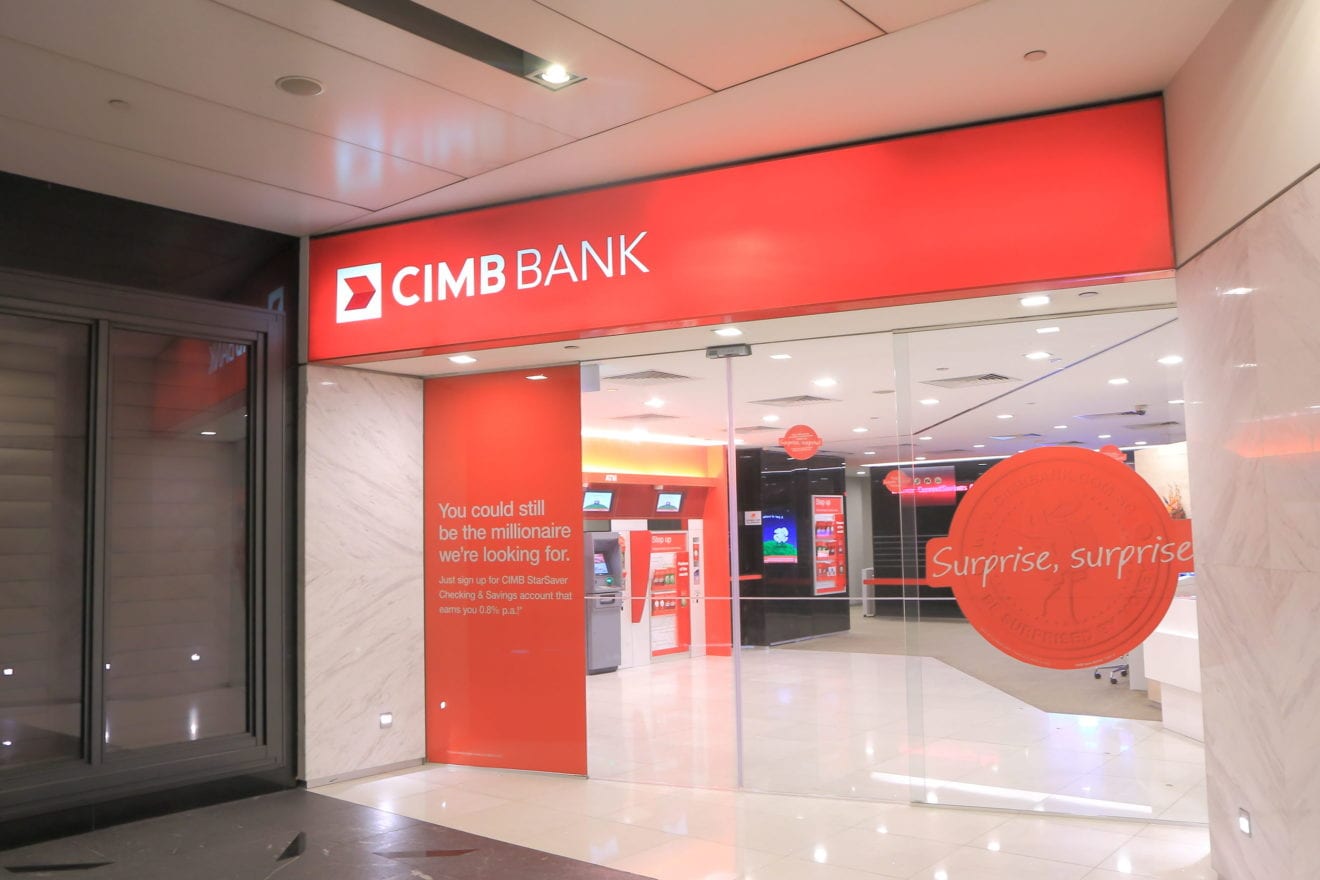
  • Profit of CIMB’s Indonesian ops grows by over three times

    Profit of CIMB’s Indonesian ops grows by over three times

    CIMB Niaga said in a statement, posted by its parent on Bursa Malaysia’s website, that the improved net profit came on the back of a 1.4% yoy increase in net interest income and a 18.5% yoy jump in non-interest income, mainly due to improved foreign exchange and capital market businesses.

    Operating expenses and provisions declined by 1.4% and 7.3% on a yoy basis respectively. “While we remain cautious given the economic situation, we hope our positive performance this quarter will provide a strong base for our results going forward. Our operating income held up well through strong contributions towards non-interest income from an uplift in the treasury business.

    “Our credit card business continued to garner market share, while current account and savings account (CASA) balances grew strongly, bringing about a CASA ratio of 52.05%.

    “CIMB Niaga capital ratio strengthened to 18%. Our improved capital position should hold us in good stead to face the market and economic uncertainties,” said CIMB Niaga president director Tigor M. Siahaan in the statement.

    With total assets of 231.67 trillion rupiah (RM68.54bil) as of March 31, CIMB Niaga maintained its position as Indonesia’s fifth largest bank by assets.

    Total gross loans were lower at 171.02 trillion rupiah (RM50.60bil) as at March 31 as the bank maintained a conservative growth strategy.

    Despite the slower growth in CIMB Niaga’s loans, several business segments posted positive expansion such as personal loans and credit cards.

    “We continue to pursue our aspiration of being a leader in digital services by focusing on customer experience and optimising the use of the latest technology to bring value to our clients,” Tigor said.

    In the syariah banking segment, CIMB Niaga’s Islamic business unit’s total financing stood at 7.60 trillion rupiah representing a growth of 13.9% yoy with third-party deposits of 8.16 trillion rupiah as at March 31.

    CIMB Niaga’s capital adequacy ratio (CAR) strengthened to 18% as at March 31, 2016.

    “The government has proposed some positive changes since the start of the year to boost the economy. Bank Indonesia cut interest rate to 6.75% from 7.50% and the government has also lined up several economic stimulus packages for 2016. I’m confident that as CIMB Niaga remains focus in the areas of asset quality, cost efficiency and CASA growth, the bank will be primed to capitalise on opportunities when the economy improves,” added Tigor.

  • Rakuten drones to deliver from May 9

    Rakuten drones to deliver from May 9

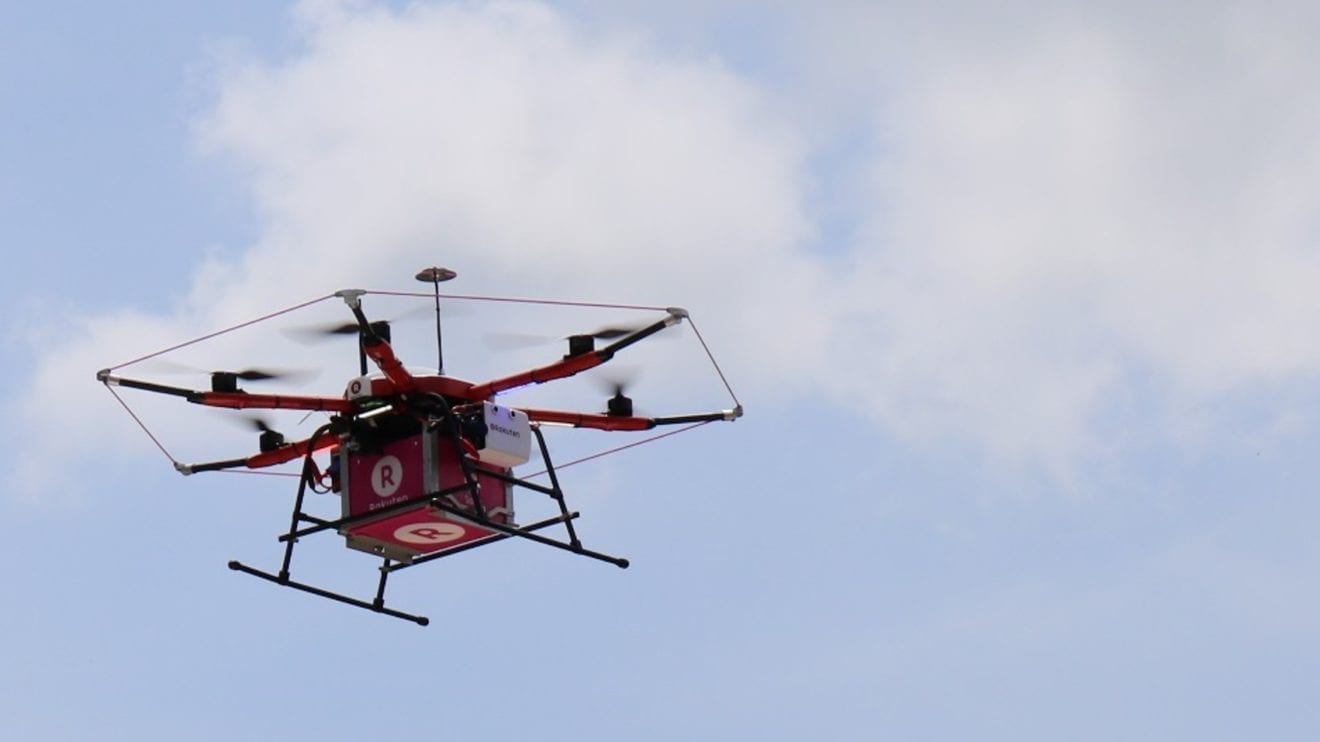
    Japanese eCommerce giant Rakuten will launch the Sora Raku drone delivery service for general consumers on May 9.

    The  Rakuten drones will make their debut on a golf course, where they will deliver golf equipment, snacks, beverages and other items to players at pickup points.

    Using the service, players can use the dedicated Android app to place orders, confirm the total possible order quantity, and receive push notifications when preparations begin for dispatch and when the drone commences its journey. To use the service players will need to log in using their Rakuten Member IDs, and can choose to pay by either credit card or with Rakuten Super Points.

    Drone rakuten


    On the operator’s side, once an order has been received, staff waiting at a dedicated depot pack the goods into a delivery box and load it onto the drone. The staff then initiate the delivery process from the control screen on a dedicated tablet, and the drone flies to the pickup point autonomously. After landing, the drone automatically releases the load and returns automatically to the takeoff point.

    The drone to be used in the service is the “Tenku,” a dedicated drone developed specifically for Sora Raku by Rakuten and Autonomous Control Systems Laboratory Ltd. (ACSL), which Rakuten invested in in March this year, based on an existing ACSL drone. In addition to the new load-release feature, the drone also uses image recognition technology from the Rakuten Institute of Technology for landing. Tenku is equipped with an autopilot system developed domestically by ACSL and boasts highly stable flight performance, even in strong winds. The drone also employs a design that makes it highly visible even on a golf course.

    Drone rakuten 1

    Initially, the service will be offered for a period of one month at the Camel Golf Resort, a golf course in Chiba Prefecture. Based on user feedback and analysis of the operation, Rakuten will look into the continuation and expansion of the service, as well as its implementation at other golf courses.

    By offering the Sora Raku drone delivery service at golf courses,  Rakuten hopes to provide a new shopping experience and make drones more widely accepted among consumers. In addition, Rakuten is looking into the use of drones for deliveries in sparsely populated areas and mountainous regions, in transporting supplies during disasters and in its eCommerce businesses, including Rakuten Ichiba, and aims to accumulate technical and operational expertise through running the service and put it to use in developing further innovative drone delivery services.

  • Siam Retail building two more malls

    Siam Retail building two more malls

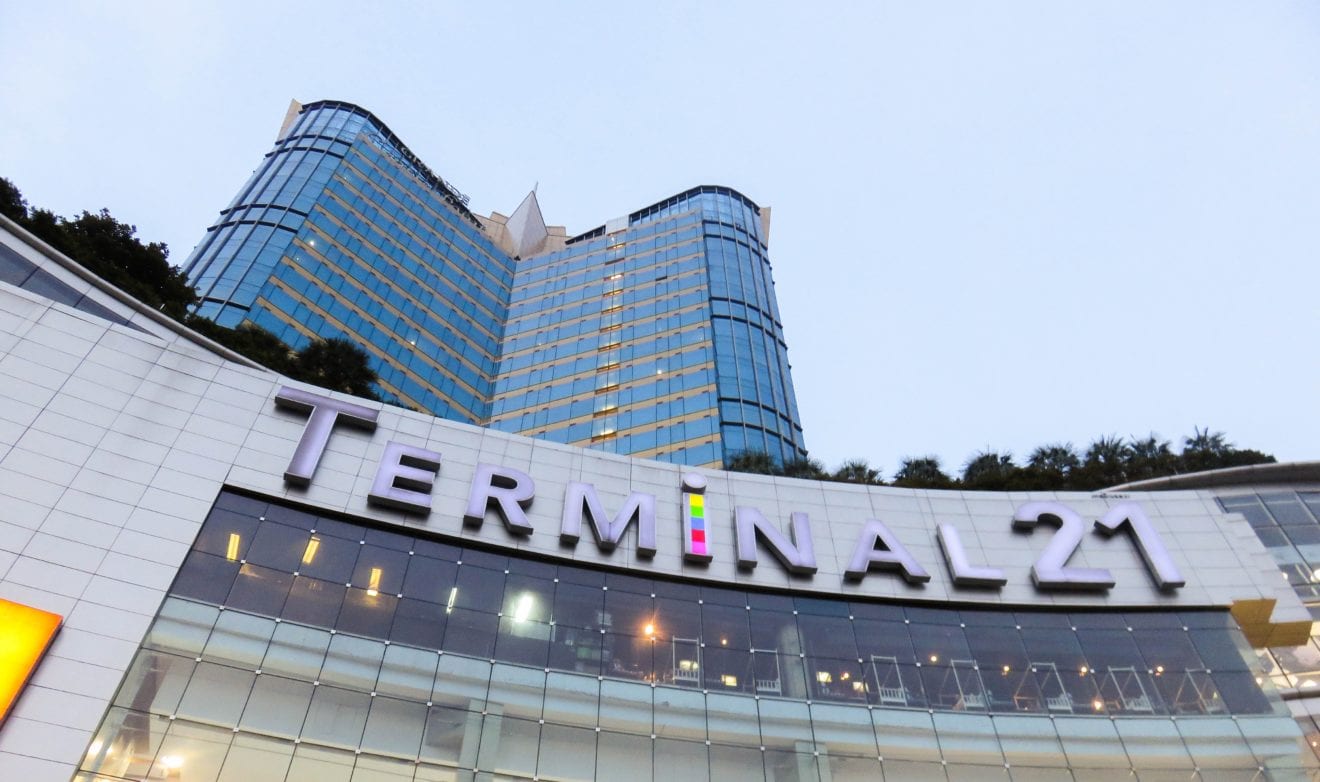
    Thai property developer Siam Retail is building two more Terminal 21 shopping malls – in Pattaya and Nakhon Ratchasima province.

    President Prasert Sriuranpong says the company is investing 6 billion baht (US$170.5 million) in the Pattaya development because it is one of three main tourist destinations outside Bangkok, along with Phuket and Chiang Mai.

    “Pattaya is full of foreign tourists, and the number of arrivals will continue to increase in the coming years,” he says. “Our lifestyle shopping mall will take about two years to complete.”

    Meanwhile, the Nakhon Ratchasima project will be ready before the end of the year. Terminal 21 Korat is near the Mitrapap Highway and is being developed under the “Market Street” concept – themed shopping based on seven world cities, with a sightseeing tower as high as 30 storeys.

    Also costing 6 billion baht, the mall will offer 200,000 sqm of retail space, almost triple the size of Terminal 21 Asoke in Bangkok, which has 70,000 sqm. Anchor tenants include SF Cinema City, The Rink Ice Arena, Fanpekka theme park and Foodland Supermarket. Shops will offer 200 local and international brands.

    Siam Retail plans to spend 100 million baht to promote the mall. Nakhon Ratchasima is considered a gateway to the northeast, with a population of 2.6 million, including more than 50,000 university students. It is also a tourist destination, with more than 5 million visitors each year.

    Siam Retail had revenue of 3.5 billion baht last year, up by 9 per cent from 2014 despite the economic slowdown. More than half the revenue came from Fashion Island, 25 per cent from Terminal 21 Asoke and the rest from The Promenade and Life Center.

    The new malls are part of the company’s 20-billion-baht expansion plan over the next six years. Apart from shopping malls, the company will turn its attention to hotels and property investments in Britain.

  • Under Armour’s big first quarter

    Under Armour’s big first quarter

    Apparel and footwear chain, Under Armour, has reported net revenue growth of 30 per cent for the first quarter of 2016.

    The increase saw the sports brand reach net revenue of $1.05 billion, with the 2016 outlook raised to $5.0 billion representing growth of 26 per cent over 2015.

    “For the past 24 consecutive quarters or six years, we have driven net revenue growth above 20 per cent and we are incredibly proud of our start to 2016 with first quarter net revenue growth of 30 per cent,” said Under Armour chairman and CEO, Kevin Plank. “The strong results posted this quarter truly demonstrate the balanced growth of our brand across product categories, channels and geographies.”

    During the first quarter, wholesale net revenues grew 28 per cent year-over-year to $744 million compared to $579 million in the prior year’s period. North America net revenues for the first quarter grew 26 per cent year-over-year, or 27 per cent on a currency neutral basis.

    International net revenues, which represented 14 per cent of total net revenues for the first quarter, grew 56 per cent year-over-year, or 65 per cent on a currency neutral basis.

    “In footwear, this includes the remarkable success of the Stephen Curry signature basketball line, as well as the exciting launches of our first smart running shoe and our new line of Jordan Spieth inspired golf shoes,” said Plank.