Blog

  • Ikea Korea falls foul of regulator

    Ikea Korea falls foul of regulator

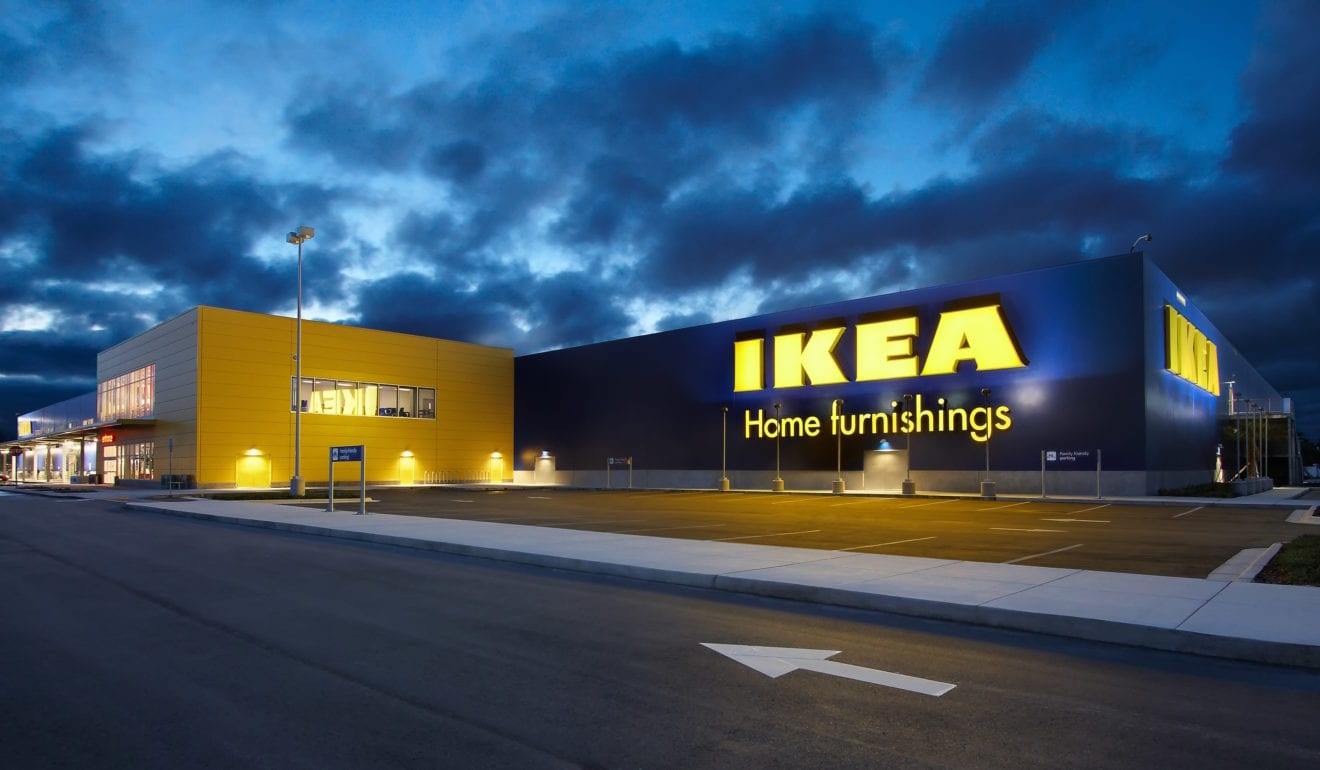
    South Korea’s antitrust watchdog has told global furniture giant Ikea Korea to revise its terms regarding refunds for cancelled deliveries.

    Ikea, which opened its first store in southern Seoul in 2014, is running a delivery service for South Korean customers who are familiar with free packaging and door-to-door delivery.

    The service costs between 19,000 won (US$16) and 159,000 won ($137) depending on the distance from its store in Gwangmyeong to the destination.

    Ikea Korea has never refunded the delivery fees for any cancelled items even if the item is cancelled before the delivery truck departs, according to Korea’s Fair Trade Commission (FTC).

    The FTC said the furniture company has to change its refund guidelines to enable customers to get a refund after omitting packaging and other costs upon the FTC’s recommendation.

    Ikea Korea also revised its assembly terms to pay back the money when the customer cancels the service, added the watchdog.

    “We’ve received many complaints about Ikea’s refund policies on its delivery and assembly services,” said Min Hye-young, director of the unfair contract examination division at the FTC.

    “We took action, as all customers have the right to get a refund for their cancelled purchases.”

  • 800 Degrees pizza outlet for Tokyo

    800 Degrees pizza outlet for Tokyo

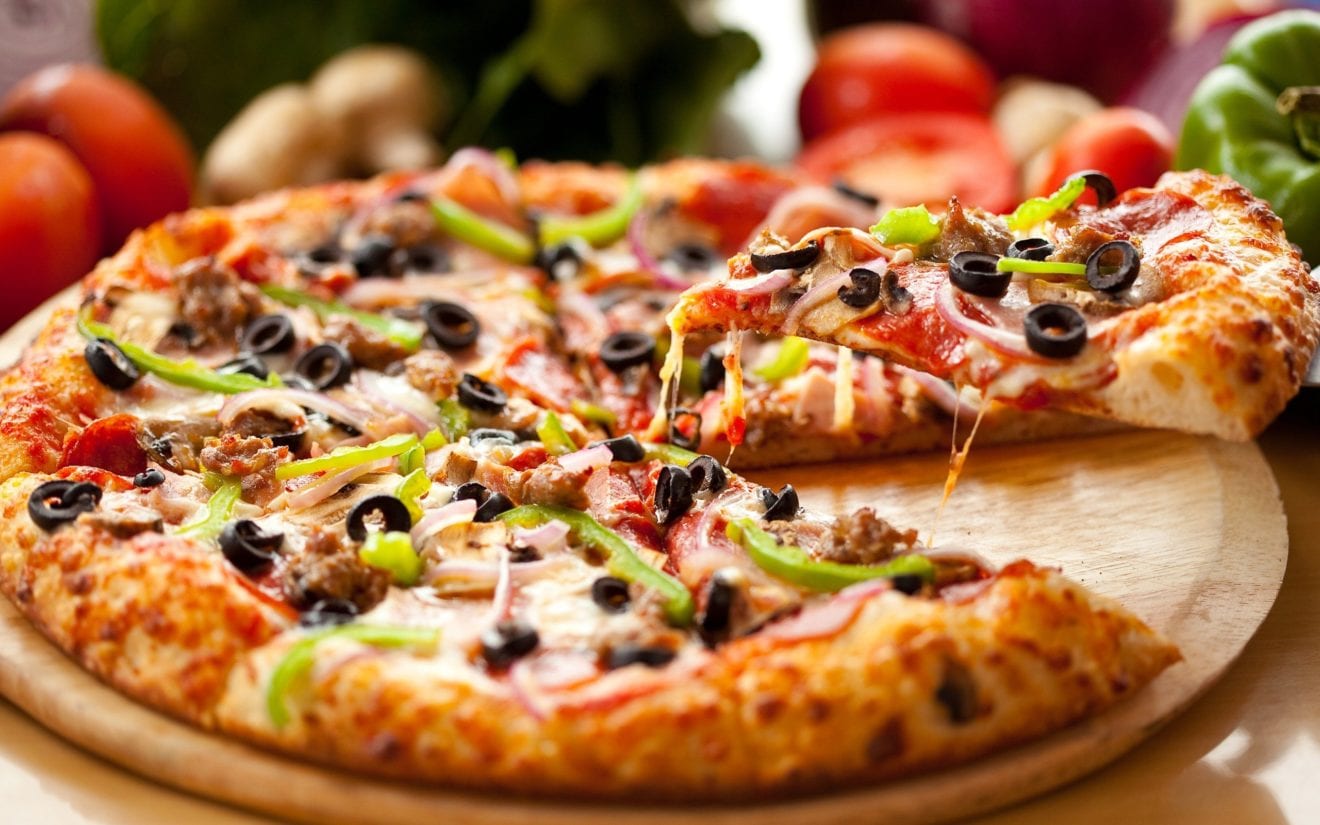
    Customised pizza has arrived in Japan, thanks to American chain 800 Degrees Neapolitan Pizzeria.

    Its first outlet for the nation is at the south exit of Tokyo’s Shinjuku Station in the new Newomanbuilding complex, which features fashion boutiques and fancy eateries.

    800 Degrees Pizza res

    With an open-plan kitchen set-up, 800 Degrees features quick-baked pizzas that can be customised when ordering, including the style of base, cheese and sauce selection, and protein and vegetable toppings, even including renkon (lotus root). Side salads can also be customised, and specialty pizzas are also available.

    800 Degrees Pizza inside

    After assembly, the pizzas go into a wood-burning oven and are ready within a minute.

    Already there are queues at the outlet, with customers sometimes having to wait about 30 minutes to be served. However, after ordering customers will be given a pizza number if the restaurant is busy.

    Japan is the second international destination for 800 Degrees, which has four outlets in Dubai.

  • Dior Hong Kong opens Times Square boutique

    Dior Hong Kong opens Times Square boutique

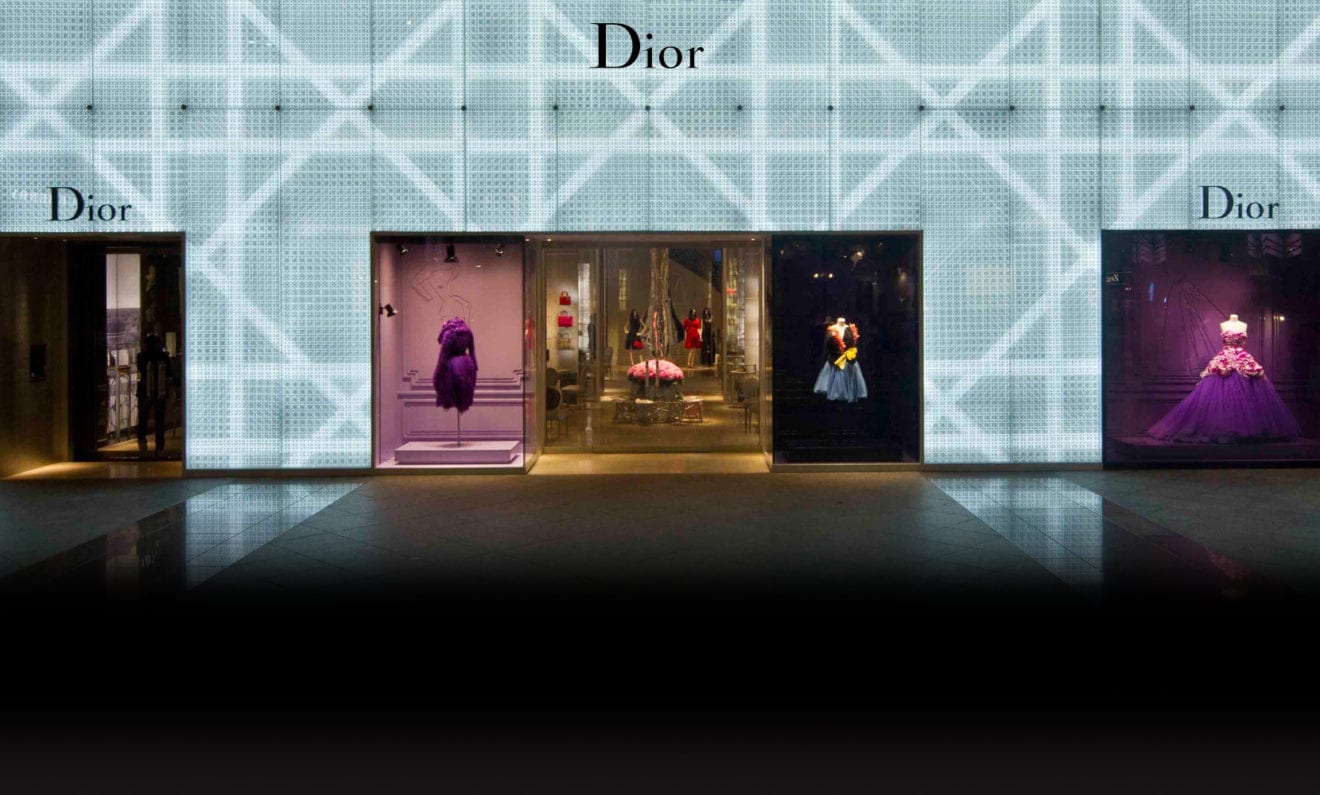
    A Dior Hong Kong exclusive store has opened in Times Square mall, the boutique continuing the style of its Avenue Montaigne flagship store in Paris.

    Dior Hong Kong times squares.jpg 3

    Its design concept is a mix of 18th century and modern, says the Times Square Facebook page. The interior was designed by architect Peter Marino, who was also responsible for the Paris flagship.

    Dior Hong Kong times squares.jpg 2

    Dior exclusive shops feature women’s garments, leather goods, footwear and accessories. There are five zones in the new outlet, with two rooms devoted to bags (one features the complete range of Dior handbags, while the other has exotic bags). The other zones are the Footwear District, Ready-to-wear Salon and Ornaments/Accessories District.

    Dior Hong Kong times squares.jpg 4

    Dior Hong Kong times squares.jpg 1

    Features of the decor include a fireplace and table by Juan & Paloma Garrido, a film installation by Yoram Mevorach Oyoram, a circular bench by Christopher Schanck and tables by Christophe Delcourt and Thierry Lemaire.

  • Spar Asia flourishes

    Spar Asia flourishes

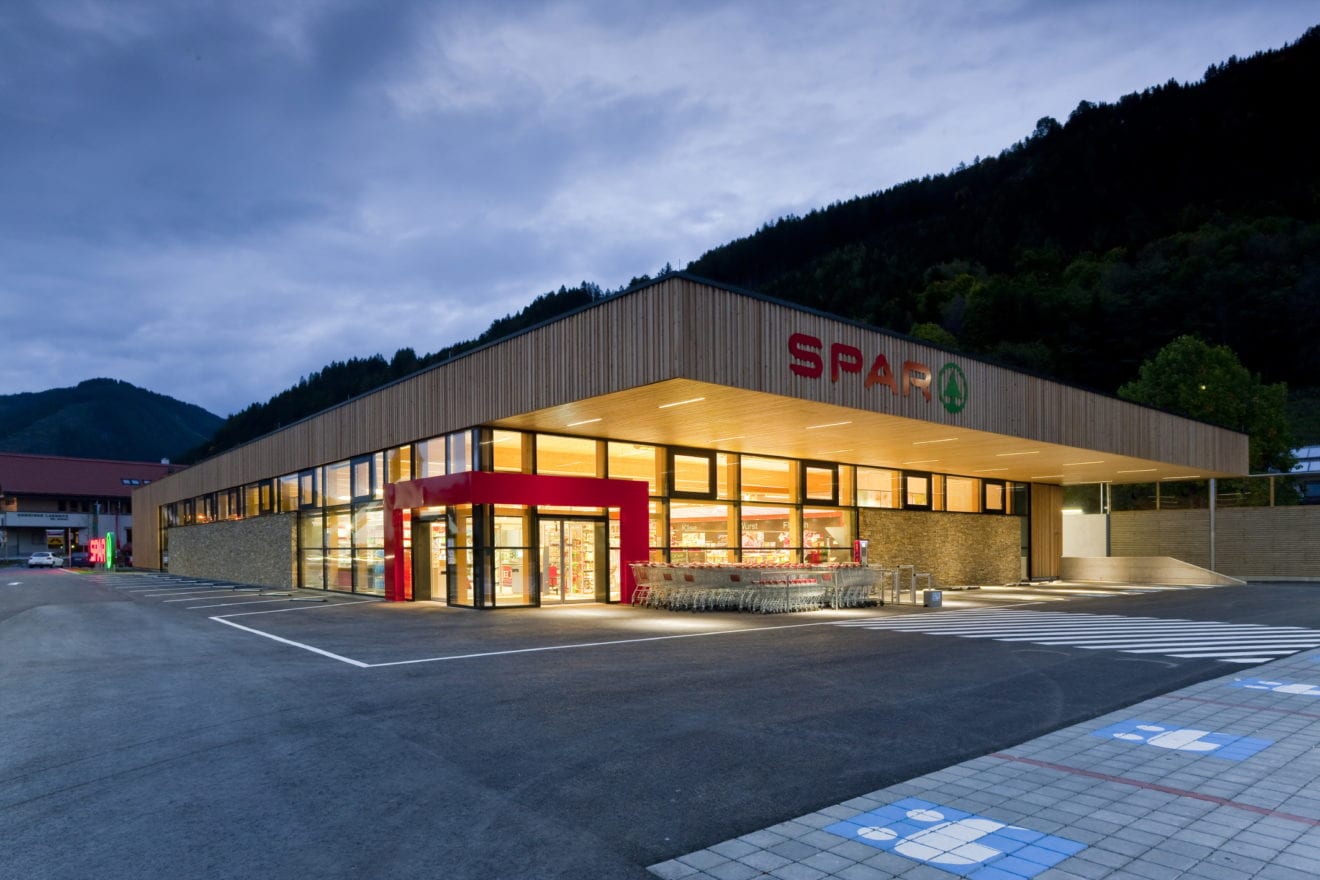
    Food retailer Spar Asia had “significant” developments during its latest financial year.

    In a partnership with Ramayana, the Amsterdam-based group opened 15 stores in Indonesia in nine months, had rapid growth in India after re-entering the market in 2014, and saw its China sales rise 6.8 per cent to €1.9 billion (US$2.14 billion).

    Internationally, its retail sales netted €33 billion for the year, a 3.5 per cent increase on 2014 – the group’s strongest sales growth in five years.

    During the year it entered four new countries, in Asia, Africa and the Middle East, taking its total to 12,100 stores in 42 countries serving 13 million customers a day. Spar International’s multi-format strategy includes hypermarkets, supermarkets, and neighbourhood and convenience stores.

    The fresh department is at the core of the Spar concept, with the stores also offering FMCG products and core non-food ranges. Value is underpinned through its low-priced, quality private-label products.

  • Apple Pay Singapore launched

    Apple Pay Singapore launched

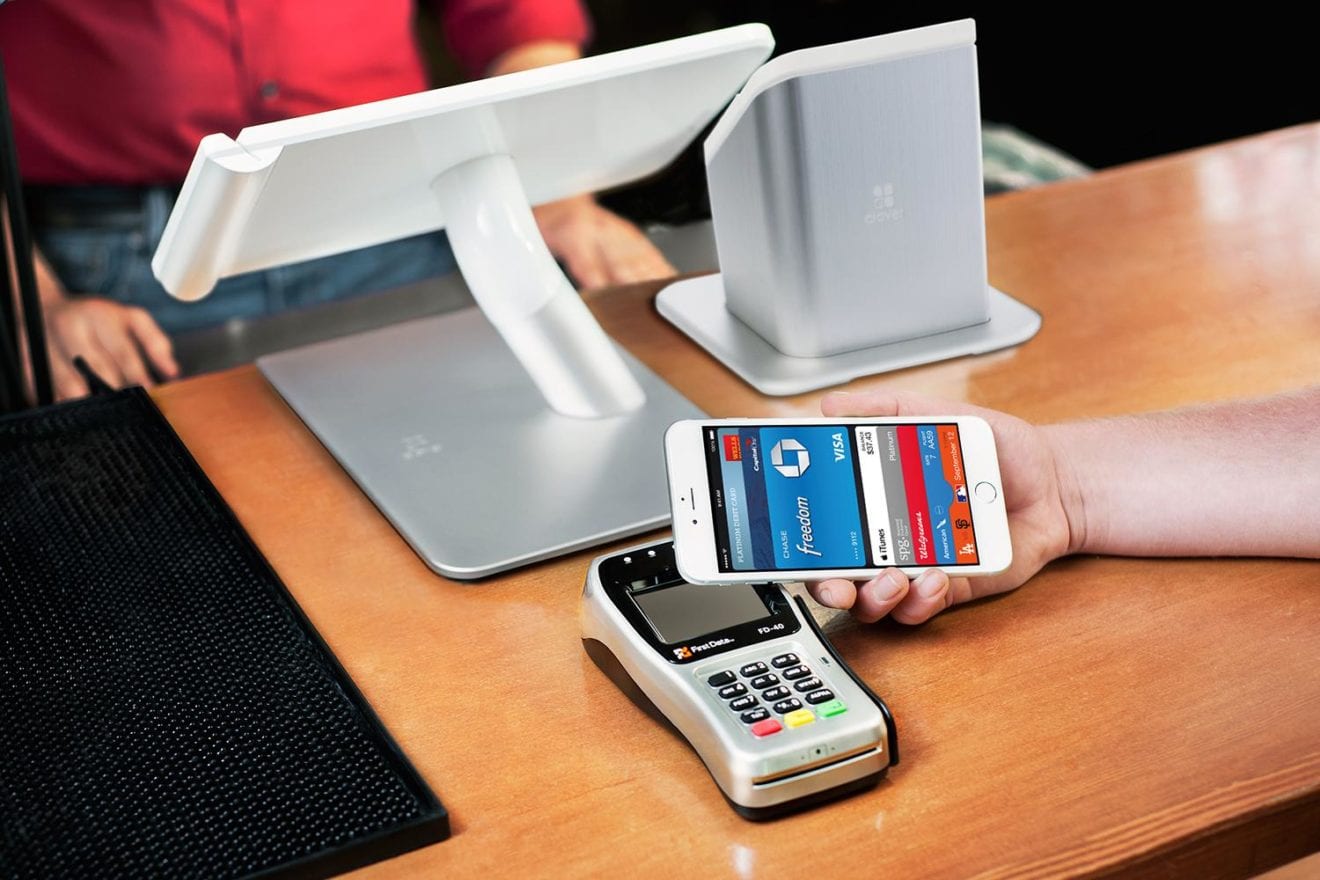
    Apple Pay Singapore is now live – the second Asian market in which the tech giant’s new payments system is now accepted.

    The cardless, cashless payment system debuted in China last month and more Asian markets are expected to follow after negotiations are concluded with partnering banks and card systems.

    Apple Pay allows shoppers to buy goods using their iPhone, iPad or Apple Watch – but in Singapore only American Express card holders can use the facility, for now.

    Apple pay

    “Credit and debit cards from Singapore’s most popular banks, including DBS, UOB and Standard Chartered will work with Apple Pay in the coming months,” Apple Singapore said in a statement.

    But Forrester researcher Zhi Ying Ng believes consumer adoption of Apple Pay will be slower than expected in Singapore.

    “The use of contactless card payments is increasing in Singapore, and consumers are comfortable with using it. While there are still significant barriers to consumer adoption of digital wallets today, it will take time before these wallets become more convenient for customers and as customers realise the benefits and additional value that digital wallets bring,” he said in a statement.

    Apple Pay is also now accepted in the US, Canada, Australia and the UK.

  • Lacoste Singapore scores airport outlet

    Lacoste Singapore scores airport outlet

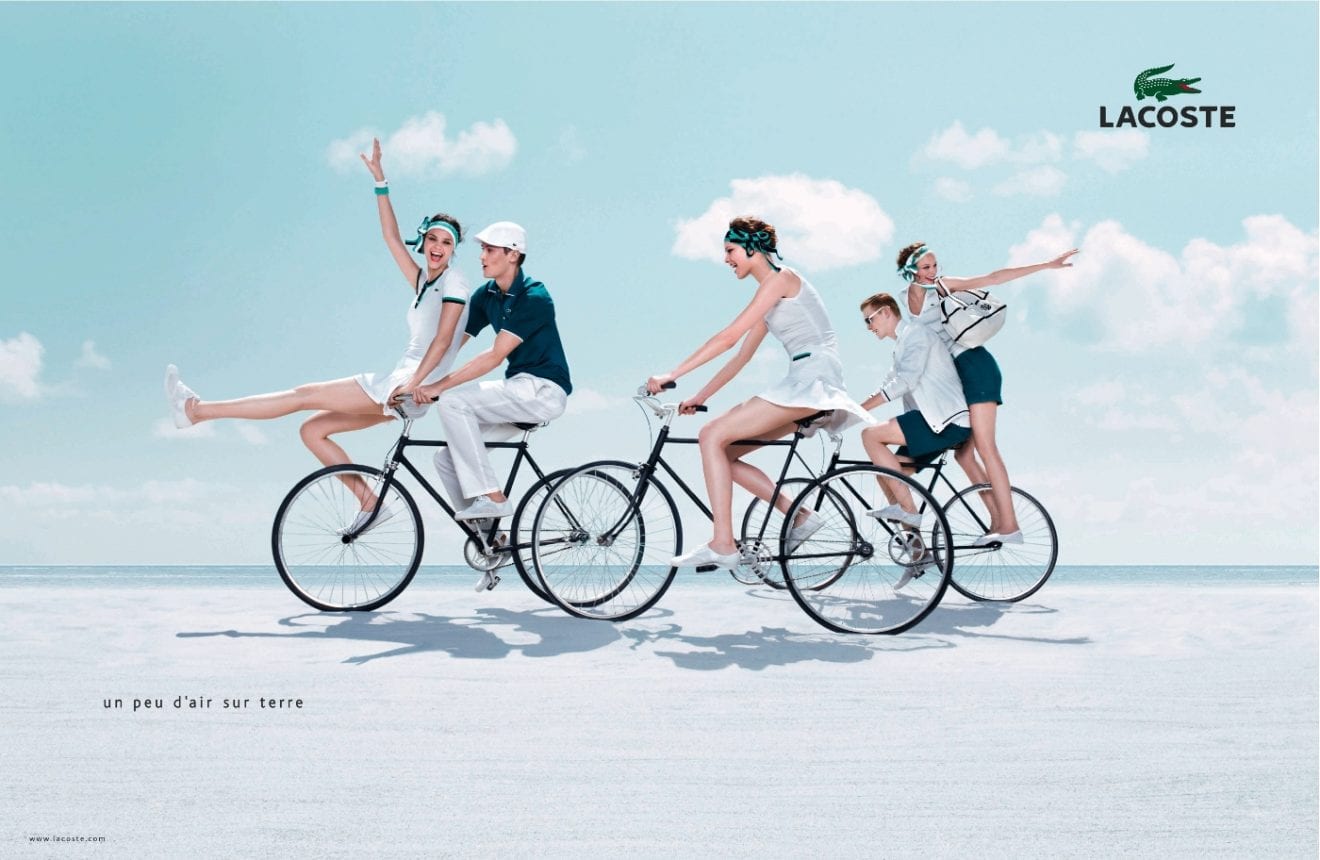
    French clothing company Lacoste Singapore has tendered successfully for an outlet at Changi Airport.

    RSH Singapore, which represents Lacoste, has been awarded a 78 sqm concession in the west departure/transit lounge on level two.

    Calling for mid-priced fashion tenders in Terminal 1, Changi Airport Group awarded two other concessions to Dufry (The Nuance Group Singapore), which will use its 70 sqm and 83 sqm concessions for the Kipling and Trunk & Co brands.

    All concessions are in the same area with three-year contracts, with no option to renew. The tenders attracted 13 participants.

    Meanwhile, Dufry, in partnership with MCM, has also won an extra 104 sqm speciality tender in the same location, also for three years.

  • Tourism slump hits Burberry Hong Kong sales

    Tourism slump hits Burberry Hong Kong sales

    British luxury brand Burberry Hong Kong has seen its sales slide by more than 20 per cent for the third quarter in a row.

    The result reflects the continuing fall-off in tourist numbers to Hong Kong from China, including a 26 per cent drop in February.

    Burberry’s second-half sales results, just released, show a “challenging” environment for luxury, says CEO Christopher Bailey. Global comparable sales declined by 2 per cent, dragged down by Hong Kong and Macau. Global comparable sales excluding these regions actually edged up 1 per cent for the half.

    Burberry’s bright spots were Mainland China, Japan and Korea, which all saw positive growth. Japan, which has become a luxury shopping hotspot for Chinese tourists, had double-digit growth in total retail revenue.

    Sales also slowed down in Europe, as luxury shoppers from China avoided the region following the Paris terror attacks in November. Demand for Burberry goods fell in France, Germany, Italy and Spain amid a general sense of unease about security and fears of further terrorist attacks in Europe.

    However, it is not all doom and gloom for Burberry, says Verdict Retail analyst Andrew Hall, citing growth in online sales and the launch of the Mr Burberry fragrance. The success of Burberry’s fragrances has seen the brand’s beauty division achieve underlying growth of 10 per cent in the second half.

    “Furthermore, Burberry continues to be at the forefront of luxury fashion retail, making headlines with high-profile collaborations – for example, Steve McQueen – and sending waves across the industry as it shakes up the traditional fashion show timetable,” says Hall.

    “Burberry can certainly be proud of the hard-won successes, but long-term strategic leadership is needed to overcome the blows dealt by performance in some Asian markets. Until this is achieved, the good work will continue to be overshadowed by falling demand in Hong Kong and Macau.”

  • PCCW Global to build international carrier exchange in Hong Kong

    PCCW Global to build international carrier exchange in Hong Kong

    PCCW Global has entered into a long-term collaboration agreement with Keppel Data Centres Holding to co-develop and market an international carrier exchange in Hong Kong.

    PCCW Global is the international division of major operator HKT, and Keppel Data Centres is a joint venture between Keppel Telecommunications & Transportation (Keppel T&T) and Keppel Land. These companies are themselves subsidiaries of Singapore-listed Keppel Corporation.

    The exchange will be fitted to Tier III specifications to ensure uptime of up to 99.982%. Construction is expected to be complete in the fourth quarter.

    The new facility will offer connectivity-related managed services to facilitate interconnects. It will be located in the same building as the Hong Kong point of presence for the 100Gbps Asia-Africa-Europe 1 subsea cable, which is also expected to be ready for service in Q4.

    The building will also be connected to PCCW Global’s backhaul network to link the international carrier exchange to numerous subsea cable landing stations. This will allow the exchange to be used as a gateway to mainland China.

    “We are happy to partner with PCCW Global for our first investment into the Hong Kong colocation market, which benefits from the city’s status as a key telecommunications and financial hub, as well as its connectivity to other hubs in Singapore, Amsterdam, London, and Sydney,” Keppel T&T CEO Thomas Pang said.

    “The expansion of Keppel’s data center footprint to Hong Kong is another step towards creating a data center value ecosystem that goes beyond colocation to providing value-added services and connectivity for our valued clients.”

  • Issey Miyake China launches in open-air complex

    Issey Miyake China launches in open-air complex

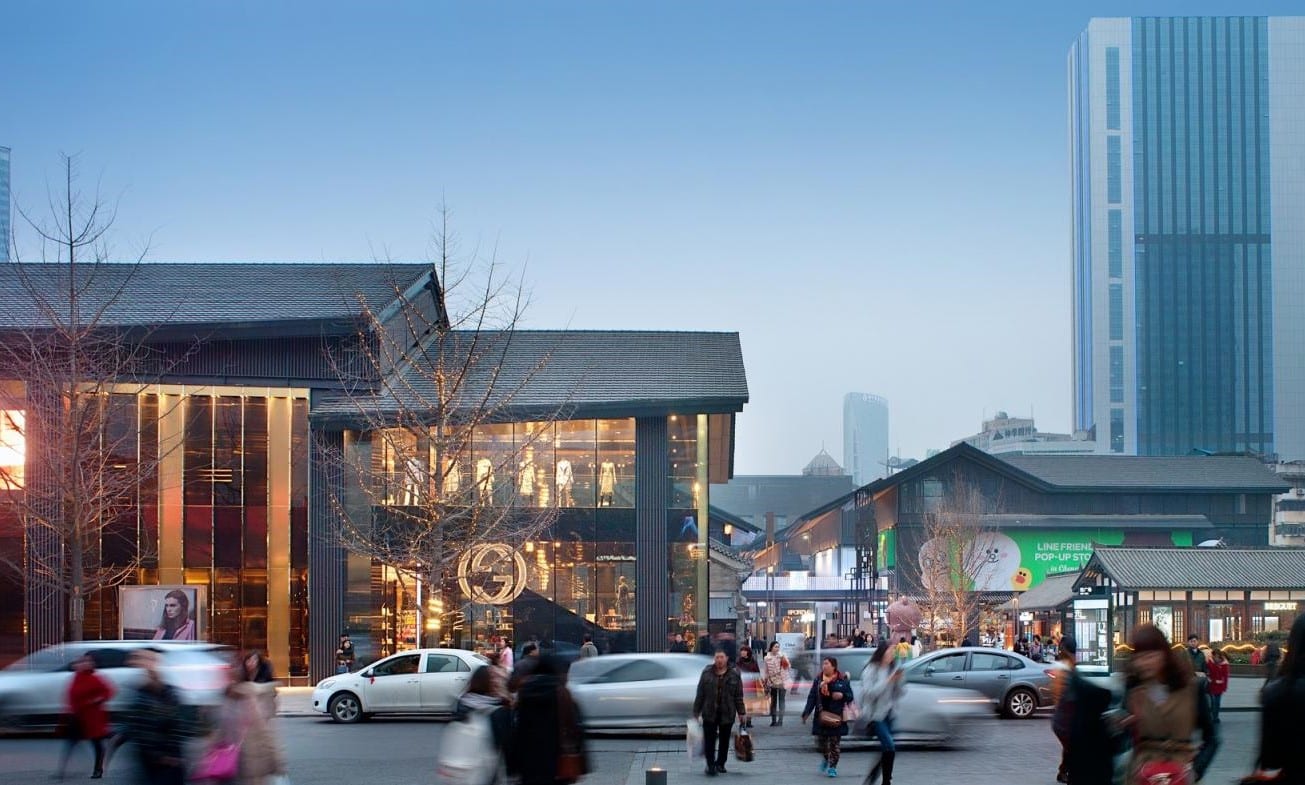
    An Issey Miyake China boutique has opened in Chengdu, at the open-air shopping complex Sino-ocean Taikoo Li.

    Covering two floors, the Japanese fashion store has a white interior with modular displays and sleek metal racks that makes the products stand out. Its range includes women’s items from the Issey Miyake main collection, as well as Pleats Please, Bao Bao and Me Lines items.

    Issey-Miyake-store-Chengdu-China

    Sino-ocean Taikoo Li is centered around the historic Buddhist Daci Temple. It is a low-rise project that includes shopping, dining, drinking, entertainment, offices and hotels with the setting of lanes, squares, streets, alleys and courtyards.

    Issey-Miyake-store-Chengdu-China-02

    Its retail planning concept is “Fast Lane” and “Slow Lane” (play fast, live slow). “Fast Lane” incorporates luxury brands and high-end contemporary fashion, while “Slow Lane” comprises outdoor dining and lifestyle stores.

    Master planner for the project and lead architect was the Oval Partnership.

    Issey-Miyake-store-Chengdu-China-03

  • Starbucks China convinces suppliers on ethics

    Starbucks China convinces suppliers on ethics

    Ten years ago when Starbucks China hosted its first suppliers summit there were just 10 people present.

    This year, more than 350 supplier representatives were in Shenzhen to hear the coffee giant’s pitch to join its commitment for a sustainable, ethical supply chain.

    “We studied the leadership position we were taking to get high-quality coffee,” said Kelly Goodejohn, director, Starbucks ethical sourcing. “We wanted to build something similar for other products that we source.”

    Similar to coffee, Starbucks wanted to understand where manufactured goods were sourced, how farmers and workers were being treated and the impact the suppliers were having in local communities. The summit served as a starting point to gain more of this knowledge, no matter what the products being sourced are.

    “It was an awareness opportunity,” said Goodejohn. “What we found was that many of our suppliers shared our values, wanted to do more for their employees and communities, but didn’t know how to do it.”

    The 10th Annual Supplier Summit this week featured Starbucks leaders, representatives of nonprofits and industry experts. During the event, Starbucks shared key company initiatives, discussed global responsibility goals and provided tools and resources to help suppliers improve business practices.

    Starbucks China


    Building trust

    Back in 2006, at that first summit, one of Starbucks goals was to cultivate a stronger rapport with suppliers.

    “Building authentic relationships with our suppliers was important as well as working with them to make improvements,” said Goodejohn. “Over time, we have worked with our suppliers in China to improve labor and environmental performance to enable higher overall performance, so they are positioned to grow with Starbucks as our business grows.”

    At first, not all suppliers were willing to take Starbucks at face value.

    “It was difficult to build trust, but we got there,” said Goodejohn. “While some suppliers moved on, the majority were willing to work with us and are still our suppliers today.”

    Starbucks has worked with suppliers to improve worker health and safety, ensure employees get paid a fair wage, provide better living conditions at factory dormitories and confirm that products are made without emitting dangerous chemicals to protect water and air.

    Three years ago, Starbucks incorporated community service into the supplier summit to highlight an important aspect of the company’s mission.

    On Wednesday, suppliers, Starbucks partners (employees) and customers convened for a beautification and career development service project at the Shiao Community and the Young Dream Center in Shenzhen. The project is one of many that the company will engage in during its Global Month of Service that takes place throughout the month.

    Sharing knowledge

    As a way to support suppliers on the ground year-round, Starbucks hired two field managers in China to help implement best practices related to social and environmental performance. They teach factory managers and work on continuous improvement with suppliers.

    “I’m immensely proud of what we’ve done and the partners who are elevating ethical sourcing with suppliers on a regular basis,” said Goodejohn.

    “We have many countries that manufacture goods for us and we can bring the learnings from China to other regions. We have the right momentum and we will keep moving.”

  • Waitrose China launches via Alibaba

    Waitrose China launches via Alibaba

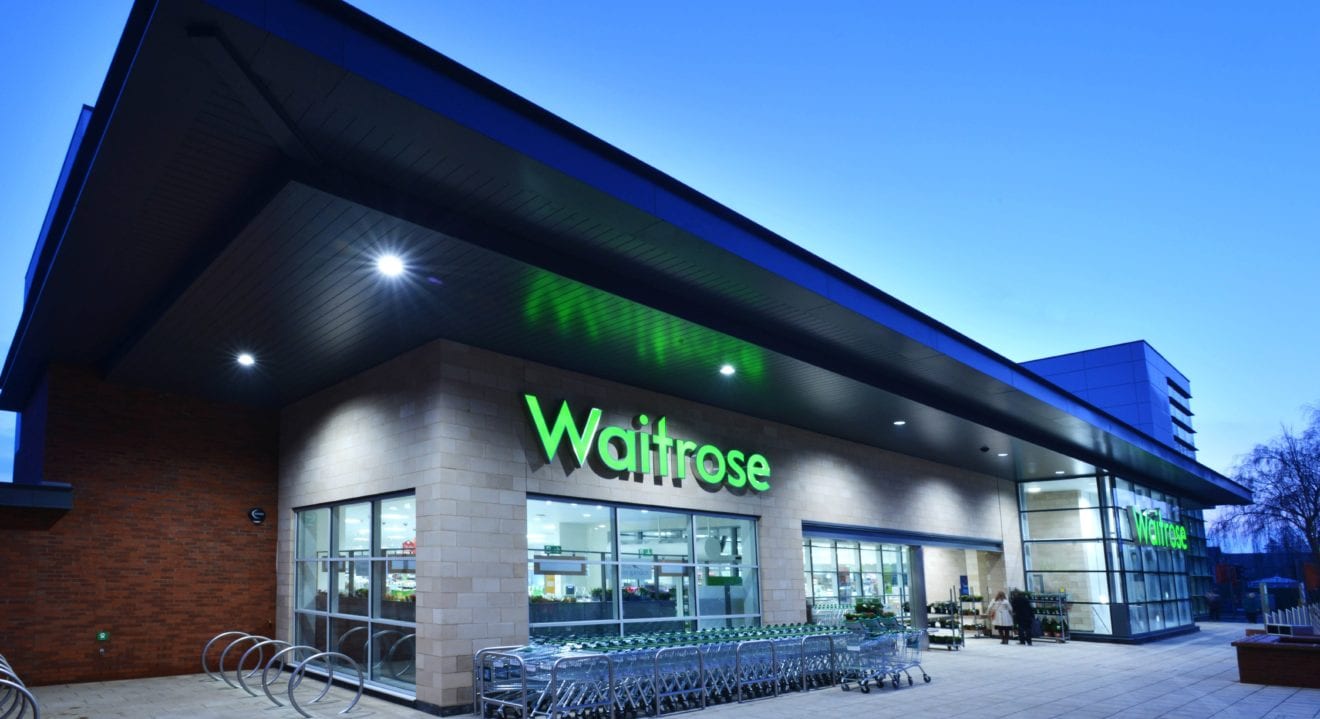
    Upmarket British grocery chain Waitrose has broken new ground in a deal with online marketplace Alibaba, opening the doors for it to export to China.

    Waitrose China will offer products and ranges to buyers across the mainland exclusively through theRoyal Mail Store on Tmall Global, Alibaba Group’s online marketplace. Waitrose arranged the deal through Avenue51, which runs Royal Mail’s store on the platform.

    Royal Mail promotes British companies, and Waitrose will be one of its highest-profile brands with a dedicated page on its online store. There will be 30 products initially, including biscuits, cereals, coffee, nuts and tea, plus beauty, baby and organic ranges.

    “The potential for Waitrose in China is huge, and though this is a relatively modest start it’s our ambition to see it become our biggest international business in the next three to five years,” says Waitrose commercial director Mark Williamson.

  • NZ govt teams up with Alibaba to boost Chinese trade

    NZ govt teams up with Alibaba to boost Chinese trade

    New Zealand has joined the likes of other Southern Hemisphere agricultural nations like Australia, Chile and Peru by forming a strategic alliance with the world’s leading online retailer, Alibaba.

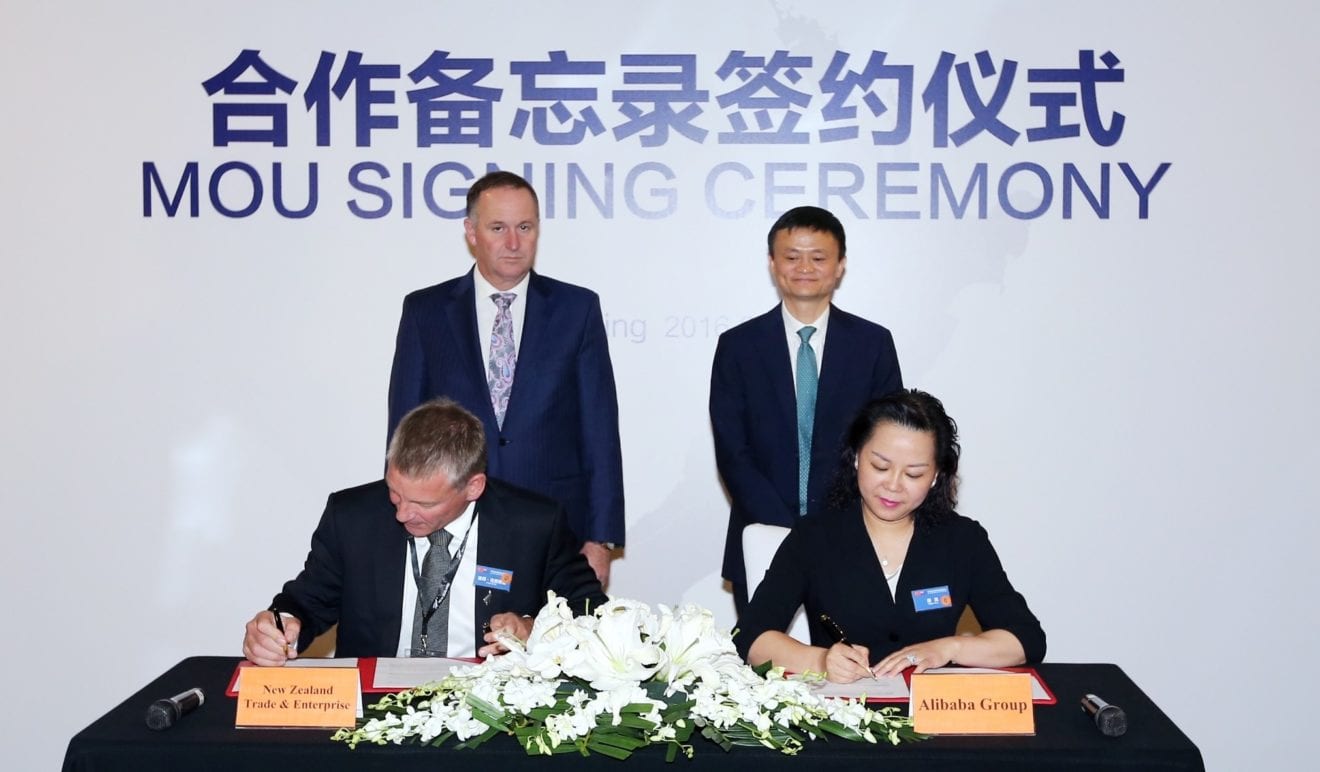
    The Memorandum of Understanding (MOU) between the group and government business development agency New Zealand Trade and Enterprise (NZTE) was signed yesterday to formalize discussions for strengthening trade between the two countries and to support New Zealand brands in China.

    Under the MOU, the parties will explore different collaboration opportunities, including Alibaba providing support for New Zealand companies to enter the Chinese consumer market through its various e-commerce channels, while NZTE will assist local companies to understand and optimize the opportunities Alibaba’s system offers in terms of business growth in China.

    “We are excited to extend our cooperation with the New Zealand Government by collaborating with NZTE to support local businesses to enter China through Alibaba’s platforms,” said Maggie Zhou, Alibaba’s newly appointed managing director for Australia and New Zealand.

    “With our strong networks in China and expertise in e-commerce, we will enable Chinese consumers to benefit from the premium products and fresh foods that New Zealand businesses can offer.

    NZTE chief executive Peter Chrisp said the new arrangement offered significant opportunities for New Zealand businesses to reach more consumers as well as advocating the country’s reputation as a place of “open spaces, open hearts and open minds”.

    “New Zealand businesses are already using Alibaba’s channels to sell a wide range of products including dairy, meat, seafood, fruit, wine, beverage, cereal, skincare and health supplements,” he said.

  • Introducing First View: The fastest way to be seen on Twitter

    Introducing First View: The fastest way to be seen on Twitter

    Twitter introduces First View in Asia Pacific today, an engaging and highly visible way to share your brand story with compelling video creative across Twitter’s massive audience. First View is now available in 29 countries including Asia Pacific markets Australia, India, Indonesia, Japan, Malaysia, Philippines and Singapore.

    Asia Pacific is the largest and fastest-growing region for Twitter worldwide, and First View will empower Asian businesses of any size to take their marketing campaigns to the next level using Twitter’s platform for real-time, public conversations. Nike Philippines, Samsung Australia and Tata Motors India are among the first advertisers in the region to leverage the feature.

    “Audiences today demand video content. With First View, marketers have the ability to connect with their audience through richer forms of communication and creative content, while ensuring that they are constantly top-of-mind on their feeds,” said Maya Hari, Senior Director for Product Strategy & Sales, Asia Pacific, Latin America and Emerging Markets. “First View provides advertisers with the opportunity to own the most valuable ad space on our platform on any given day, expanding their reach within a 24-hour period.”

    Premium placement, maximum reach

    First View helps marketers achieve significant audience reach with exclusive ownership of Twitter’s most valuable advertising real estate for a 24-hour period. When users first visit the Twitter app or log in to twitter.com, the top ad slot in the timelines will be a Promoted Video from that brand. Now, marketers can tell a powerful visual story across the Twitter audience.

    “Word of mouth is more important than ever. Twitter’s First View gives Samsung the opportunity to reach a wide audience to generate buzz and conversation about our new #GalaxyS7 and #GalaxyS7edge smartphones. We are able to hit a broad audience with great video content to help drive social momentum,” said Philip Newton, Corporate Vice President & CMO Samsung Electronics Australia.

    “Video is one of the hottest topics for all marketers at the moment. We are delighted to see exciting products being launched by Twitter, giving us more opportunities to build great experience for our audience. The ability of using video to generate global conversations and dominate moments of interest with First View opens up a great playing field, and ties in strongly with Mindshare’s vision of Adaptive Marketing,” said Quentin Perrot, Senior Account Director APAC, MindShare (managing Nike’s media strategy in Southeast Asia).

  • Foxconn reportedly to return to China retail channel

    Foxconn reportedly to return to China retail channel

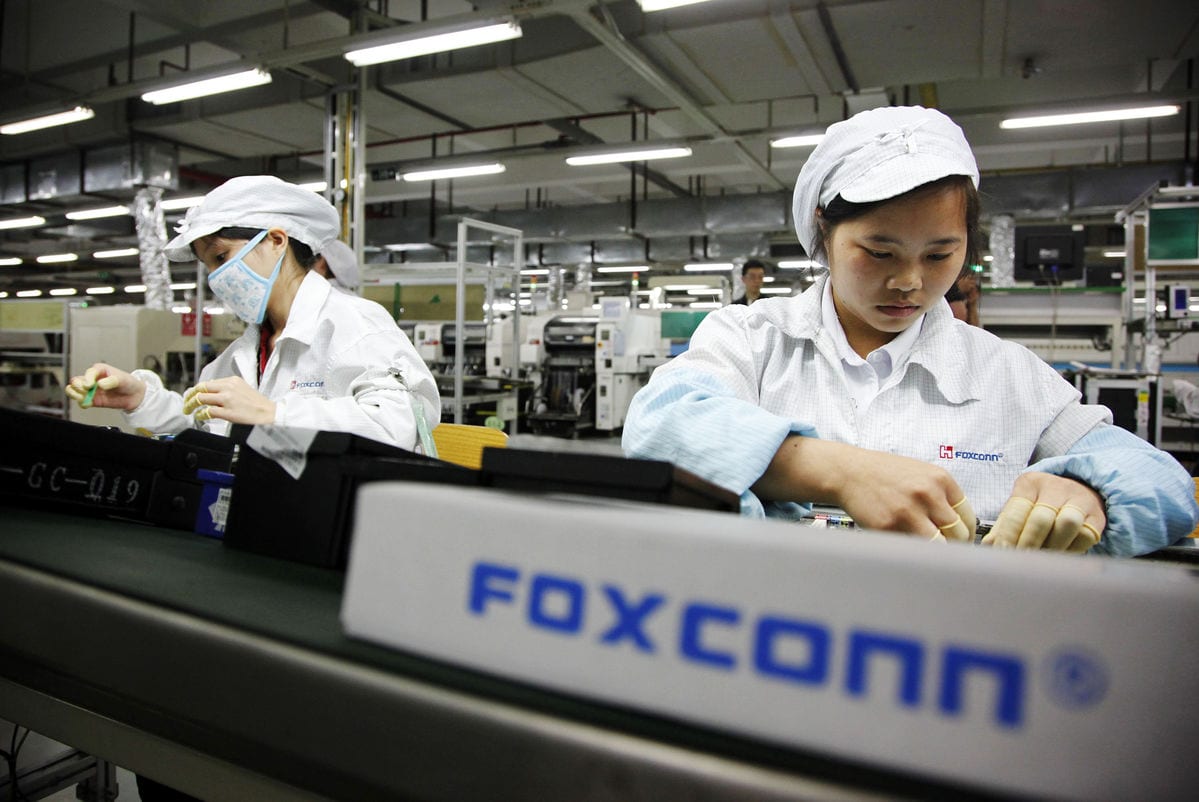
    Foxconn Electronics (Hon Hai Precision Industry) reportedly is planning to return to China’s retail channel, but instead of creating a specific department, Foxconn is separating the country into 8-10 areas for each of its sub-business groups to handle one segment, according to industry sources.

    The establishment of physical channel has been an important part of its long-term development, and related investment projects have been implemented accordingly, Foxconn said, but declined to elaborate on details.

    Foxconn’s latest development echoed company chairman Terry Gou’s recent remarks made after signing an investment pact with Sharp, saying that Foxconn will integrate and optimize its manufacturing strength to enable consumers globally to buy Sharp’s household appliances at affordable prices.

    Previously, Foxconn had tried several times to establish its own retail channels in China, but most of them had failed to achieve significant results, said the sources.

    Even so, Foxconn has continued its efforts to build its retail channel through the establishment of an online shopping platform, flnet.com, in 2015. The online shopping platform has built a number of experimental shops in China and Taiwan.

    One of the group’s subsidiaries has obtained the license from Apple to establish shops to sell Apple’s products in China, the sources noted.

    Meanwhile, under the new strategy, each sub-business group will be responsible for implementing its own plans to build up retail channel in the assigned region, as well as for profits and losses, said the sources.

  • Alibaba entry stirs up Thai e-commerce

    The recent acquisition of Lazada Group by Chinese e-commerce giant Alibaba Group poses a challenge to local online product manufacturers and retailers who anticipate a potential flood of Chinese-made products.

    The move by Alibaba is expected to shake up Thailand’s e-commerce market. It’s also putting more pressure on other e-commerce companies.

    “The number of business-to-consumer e-commerce companies is likely to fall to only two to three over the next three years, down from five, because of fierce competition,” said Punnamas Vichitkulwongsa, chief executive of Ascend Group, a subsidiary of CP Group that operates the iTruemart and weloveshopping websites.

    “But the entry of Alibaba will spur competition in the local e-commerce market, which is likely to benefit Thai consumers and the industry,” he said.

    There are usually two dominant e-commerce players in a country, said Ms Punnamas.

    Pawoot Pongvitayapanu, president of the Thai E-Commerce Association and founder of Tarad.com, said if Alibaba continued using Lazada’s subsidised promotion strategy, the Chinese firm could become a dominant player in Thailand’s e-commerce ecosystem as it has its own payment and logistics systems for websites.

    However, local online product manufacturers, especially those that make IT accessories, consumer electronics and fashion items, will face a greater challenge from cheap Chinese products.

    Paul Srivorakul, group chief executive of aCommerce, believes Alibaba’s entry will create an innovative e-commerce market in Thailand, attracting more foreign investors.

    He expects more mergers and acquisitions in the local e-commerce industry next year as a result.

    Santit Jirawongkraisorn, co-founder of Lalamove Thailand, a Hong Kong-based on-demand delivery app provider, said existing e-commerce companies in Thailand would face intense competition from Alibaba’s presence. But the increased competition can drive consumer gains and promote the overall e-commerce market, he said.

    Alessandro Piscini, chief executive of Lazada Thailand, said Alibaba’s investment reflected the huge potential it saw in e-commerce for the region and the role it expected Lazada to play in the local markets.

    The partnership will bring significant synergies that enhance the online experience for both buyers and sellers in Thailand, he said.

    In a related development, PwC Thailand released its latest report on Global Total Retail 2016: They say they want a revolution which polled some 23,000 online shoppers in 25 countries to track retail consumer trends, including mobile shopping and social media influence.

    The report revealed that 51% of online shoppers in Thailand said they purchase goods directly via a social media channel, outpacing India (32%), Malaysia (31%), and China (27%).

    Fifty-three percent of Thai online shoppers said that customer reviews influenced their buying behaviour.

    The survey also showed that social media influenced 78% of shoppers globally, up from 68% in a similar study last year, with 92% of emerging market shoppers buying products based on social media recommendations.