Blog

  • Nespresso Stirs Up Retail Innovation: Merging Experiential Marketing with Everyday Coffee Culture

    Nespresso Stirs Up Retail Innovation: Merging Experiential Marketing with Everyday Coffee Culture

    In the current retail landscape, the focus has shifted from transactional success to experiential design. Retail spaces are no longer merely about selling products but aim to evoke emotions and offer unique experiences. High-end pop-ups and roving coffee vans are becoming more common as retailers transform retail into a theatrical performance, driven by lifestyle trends and emotional resonance.

    This transformation is evident in Nespresso’s recent marketing initiatives. NespressoGo, a mobile, multi-city campaign, has redefined Australia’s morning coffee rituals. Nespresso’s successful marketing approach has always been centered around the idea of coffee as an experience rather than just a product. The brand’s boutique design, packaging, and storytelling have transformed a daily habit into a premium lifestyle experience.

    In spring, Nespresso launched its silver van onto Bennelong Lawn, introducing a ‘Happy Hour’ campaign. The campaign, featuring sunrise run clubs, live DJs, and iced lattes, was designed to appeal to a new generation that thrives outdoors and online.

    The campaign was inspired by the cultural shift among Gen Z and millennials toward early mornings as a time for wellness, creativity, and connection, according to Burcu De La Cruz, Nespresso ANZ’s marketing manager for brand, communications, and sustainability. The success of earlier campaigns in Bondi and Collingwood inspired the brand to expand the concept nationally with sunrise pop-ups in Sydney, Melbourne, and Brisbane, in collaboration with run clubs.

    This strategic expansion of Nespresso’s retail experience allowed the brand to interact with consumers outside traditional retail environments. This strategy aligns with Nespresso’s broader goal of combining luxury with accessibility, creating immersive brand moments that reflect changing consumer lifestyles. De La Cruz notes that these lifestyles are rapidly evolving, with morning culture at its peak and a growing preference among young Australians for iced coffee and digital-first engagement.

    Many of the experiences offered by Nespresso were designed to be “social-media friendly,” creating a wider reach through influencer and user-generated content.

    The Return of Presence

    Post-digital retail trends highlight a renewed desire for physical, sensory connection. Consumers are starting to perceive friction in shopping as a luxury, and in response, retailers are creating experiences that leave a lasting impression.

    Examples of this trend include Mecca’s ‘beauty atelier’ in Australia and Nike’s House of Innovation concept stores globally. These experiential stores merge brand architecture with entertainment, encouraging visitors to create content as they shop.

    Experiential retail is also a thriving data strategy. Pop-ups and events provide live behavioral insights that cannot be replicated through e-commerce. For instance, Nespresso’s roaming van serves as a research lab, gathering social metrics and demographic data while embedding itself in community activities.

    This trend upends traditional retail norms by prioritizing connection over transaction and brand immersion over brand awareness.

    The Future of Feeling

    As AI personalization and one-click checkout become more commonplace, emotional engagement is emerging as the new brand differentiator. Future retail success may depend on brands’ ability to shape mood as effectively as they manage inventory.

    Nespresso and other forward-thinking brands are creating experiences that ‘move’ rather than simply sell. The goal, as De La Cruz states, is to “blend luxury with accessibility” – to make the extraordinary feel commonplace. Today, retail is defined not by its shelves but by its stages, where commerce, culture, and community converge for a shared coffee at dawn.

    Questions & Answers

    What is the current trend in retail?
    The current trend in retail is moving towards experiential design, where retailers aim to create unique experiences and evoke emotions rather than solely focusing on selling products.

    How are brands like Nespresso adapting to these trends?
    Nespresso is creating immersive experiences that blend luxury with accessibility. They’re leveraging ‘social-media friendly’ events and mobile campaigns to engage with consumers in their lifestyle habits, particularly those of younger demographics.

    What does the future of retail look like?
    The future of retail is likely to prioritize emotional engagement and brand immersion. As aspects like AI personalization and one-click checkout become standard, brands will need to distinguish themselves by creating experiences that resonate with consumers on an emotional level.
  • Coach Unveils Chic Dining Experience with New Flagship Restaurant at Jewel Changi Airport

    Coach Unveils Chic Dining Experience with New Flagship Restaurant at Jewel Changi Airport

    Coach, the well-known American fashion brand, has expanded its horizons into the hospitality industry by introducing The Coach Restaurant in Singapore’s Jewel Changi Airport. This venture is a part of the brand’s wider lifestyle strategy.

    Design Inspired by New York Heritage

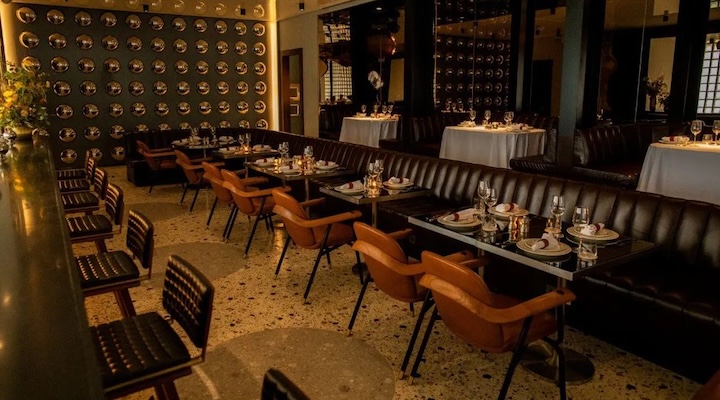
    The Coach restaurant’s design takes inspiration from the brand’s New York roots. The establishment offers breathtaking views of Jewel’s Rain Vortex. It includes a spacious 56-seat dining room, a 10-seat bar, and a chef’s counter with 10 seats, all built around a centralized, open woodfire kitchen.

    The interior design showcases a harmonious blend of bronze mirrors, terrazzo floors, and tropical wooden louvres. Leather accents have been thoughtfully utilized in menu covers and staff aprons, adding to the restaurant’s sophisticated ambiance. A noteworthy feature is a full-sized yellow taxi cab hanging above the dining area, serving as a focal point and a nostalgic nod to the brand’s origins.

    Singapore: A Natural Choice for Coach’s Venture

    Marcus Sanders, the Vice President of Global Food and Beverage at Coach, shared his excitement about the brand’s new venture. He highlighted that Singapore’s vibrant food culture and diverse international community made it an excellent choice to host their hospitality concepts.

    Sanders expressed his desire to create a space where guests can gather, celebrate, and experience Coach in a manner that feels both traditional and innovative.

    Building on Previous Successes

    The new restaurant is an extension of Coach’s earlier forays into the food and beverage sector. It enhances the brand’s in-house coffee shop and its refurbished retail store, both located at Jewel. These three distinct spaces are strategically devised to bolster the brand’s most extensive integrated lifestyle concept in Asia.

    Questions & Answers

    What is the inspiration behind the design of The Coach Restaurant?
    The design of the restaurant is inspired by Coach’s New York Heritage. It features bronze mirrors, terrazzo flooring, and tropical wooden louvres alongside leather accents used in menu covers and staff aprons.

    Why did Coach choose Singapore for their hospitality venture?
    Coach chose Singapore due to its dynamic food culture and globally diverse community, which aligns with Coach’s broader lifestyle strategy.

    How does the new restaurant enhance Coach’s integrated lifestyle concept?
    The new restaurant, along with Coach’s coffee shop and refurbished retail store at Jewel Changi Airport, strengthens the brand’s largest integrated lifestyle concept in Asia.

  • Singapore’s Aupen, Adored by Taylor Swift, Partners with LVMH for a Stellar Debut Jewelry Collection

    Singapore’s Aupen, Adored by Taylor Swift, Partners with LVMH for a Stellar Debut Jewelry Collection

    Aupen, a luxury bag brand from Singapore whose designs have been sported by renowned personalities like Taylor Swift and Selena Gomez, is eager to unveil its debut fine jewelry collection. This exciting event, scheduled for Saturday, is happening in collaboration with the French fashion powerhouse LVMH.

    The New Collection

    The upcoming collection features exquisite pieces, adorned with gold and diamonds. These intricate designs are deeply influenced by the life experiences of Aupen’s founder, Nicholas Tan. Tan, a former Southeast Asian Games swimming gold medalist and a Harvard graduate, founded Aupen with a vision to create products that resonate with his personal journey.

    The successful collaboration with LVMH has been facilitated by LVMH Metiers d’Art, a creative initiative under the umbrella of the LVMH group.

    Exclusive Website Launch

    The new jewelry line will be exclusively available on Aupen’s website, and this launch will be accompanied by the re-release of select bags from the brand’s archives. One of these iconic designs includes the Joy bag, recently made popular by American actress and singer, Selena Gomez.

    Established in November 2022, Aupen is known for its asymmetrical leather bag designs that pay homage to the beauty of life’s imperfections. The brand’s design ethos revolves around minimalistic and authentic styles, with a strong emphasis on superior craftsmanship.

    High-End Production

    The manufacturing process of Aupen’s products involves top-tier facilities. The hardware is produced at the Paris-based Jade Groupe, while the handbag leather is sourced from Tanneries Roux, a company known for its specialization in calfskin.

    Aupen has captured the attention of global celebrities. Taylor Swift, the American billionaire singer, was seen with an Aupen Nirvana bag in August 2023. Other stars like Emily Blunt, Jennifer Aniston, and Ana Taylor-Joy have also been photographed with Aupen products.

    Questions & Answers

    What is the inspiration behind Aupen’s new fine jewelry collection?
    The collection draws inspiration from the life experiences of Aupen’s founder, Nicholas Tan, a former Southeast Asian Games swimming gold medalist and a Harvard alumnus.

    Where can consumers purchase the new jewelry line from Aupen?
    The fine jewelry collection will be exclusively available on Aupen’s official website.

    Who are some of the celebrities seen with Aupen products?
    Well-known celebrities seen with Aupen products include Taylor Swift, Selena Gomez, Emily Blunt, Jennifer Aniston, and Ana Taylor-Joy.

  • U.S. Dollar Rallies on Black Market, Boosted by Hawkish Fed Comments

    U.S. Dollar Rallies on Black Market, Boosted by Hawkish Fed Comments

    On Thursday morning, the U.S. dollar experienced a rise against the Vietnamese dong in the black market, and also saw an increase over major currencies. The greenback saw a hike of 0.18% to VND27,800 at unofficial exchange points.

    Meanwhile, Vietcombank maintained its rate at VND26,345. The State Bank of Vietnam also held its reference rate steady at VND25,091.

    On a global scale, the dollar made gains following some hawkish comments from the Federal Reserve, settling near a two-week high at 99.09 against a selection of currencies. The Federal Reserve, on Wednesday, reduced rates by 25 basis points as anticipated and confirmed that it will conclude its balance sheet contraction on December 1.

    In other currency news, the Australian dollar saw a rise of 0.2% to $0.6588. Similarly, the New Zealand dollar also observed a gain of 0.2% to $0.5775.

    Questions & Answers

    What was the increase of the U.S. dollar against the Vietnamese dong?
    The U.S. dollar saw a rise of 0.18% against the Vietnamese dong on the black market.

    What was the reaction of the Australian and New Zealand dollars to the news?
    Both the Australian and New Zealand dollars rose 0.2%, to $0.6588 and $0.5775 respectively.

    What measures did the Federal Reserve take on Wednesday?
    The Federal Reserve lowered rates by 25 basis points as expected and announced that it will end its balance sheet drawdown on December 1.

  • Vietnam Shrimp Exports Skyrocket by 22% in 2025: A Triumphant Three-Year High Driven by Global Demand

    Vietnam Shrimp Exports Skyrocket by 22% in 2025: A Triumphant Three-Year High Driven by Global Demand

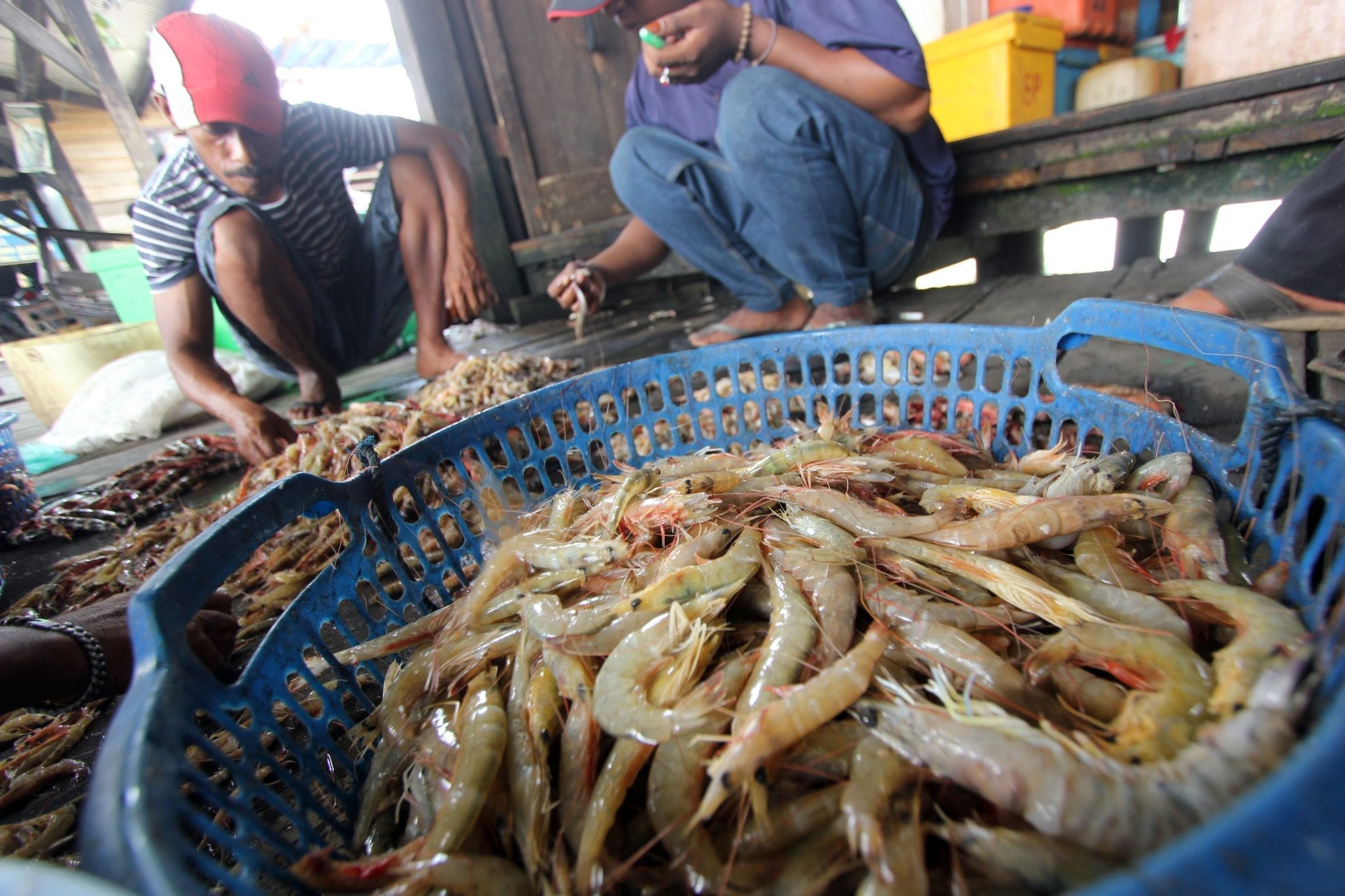
    Vietnam’s shrimp industry has enjoyed a robust growth of 22% in export value year-on-year, reaching over US$3.4 billion in the first three quarters of 2025. This significant surge is the most considerable for this period within the last three years.

    Growth Drivers

    The notable increase in shrimp exports can be attributed to recovering demands from various markets, including China, the U.S, the EU, and the nations under the Comprehensive and Progressive Agreement for Trans-Pacific Partnership (CPTPP). Furthermore, the ability of Vietnamese businesses to adapt to the flux of the market has also played a key role in this growth.

    The exports to China and Hong Kong alone contributed $966 million, a 65% increase from the previous year, accounting for almost 30% of the total export value.

    Rising Inventories

    Even though there’s been a substantial growth, a surge in inventories in these markets might result in a slowdown in imports during the last quarter of this year and the beginning of 2026.

    Despite potential anti-dumping tariffs, the U.S market has also seen a growth of 4% in shrimp exports, amounting to $587 million. In a bid to diversify and mitigate risks, many businesses are steering their focus towards the EU and other Asian markets. The EU alone had a total export value of $434 million, marking an increase of 21%.

    Exports to CPTPP and Other Asian Markets

    The CPTPP bloc accounted for almost $941 million in shrimp exports, up by 34%. Within the bloc, Japan topped the chart with a total import of $426 million, due to its steady demand for convenient and sustainably processed products.

    Exports to other Asian markets such as South Korea and Taiwan experienced significant growth as well. However, exports to Canada and Russia have shown signs of stagnation.

    Future Projections

    The Vietnam Association of Seafood Exporters and Producers predicts a slight downturn in shrimp exports in the final quarter due to potential hurdles in shipments to the U.S. On a positive note, stricter controls on Indonesian exports and Ecuador’s priority on China might decrease competition in other markets, paving the way for Vietnamese shrimp in the EU, Japan, and South Korea.

    The association expressed optimism for exports to the EU throughout the festive season and into 2026. The industry could further expand its market share by adjusting promptly to market trends and enhancing the national seafood brand.

    Despite the potential slowdown due to abundant global supply and cooling prices, Vietnam’s advantages under the EVFTA, coupled with its strong processing capacity and export experience, are expected to maintain the momentum.

    Questions & Answers

    What factors contributed to the growth in Vietnam’s shrimp exports?
    The recovery of demand from China, the U.S., the EU, and CPTPP nations, along with the adaptability of Vietnamese businesses to changing market conditions, were key to the growth of shrimp exports.

    What challenges does the shrimp industry potentially face in the coming months?
    The surge in inventories could lead to a slowdown in imports in the last quarter of 2025 and the beginning of 2026. In addition, potential anti-dumping tariffs in the U.S. might pose a hurdle to the industry.

    What strategies are Vietnamese businesses employing to maintain momentum in the shrimp industry?
    To mitigate risks, businesses are diversifying their focus towards the EU and other Asian markets. They are also adapting swiftly to market trends and strengthening the national seafood brand to expand their market share.

  • Standard Chartered Gears Up for Early RoTE Target Triumph Amid Q3 Profit Surge

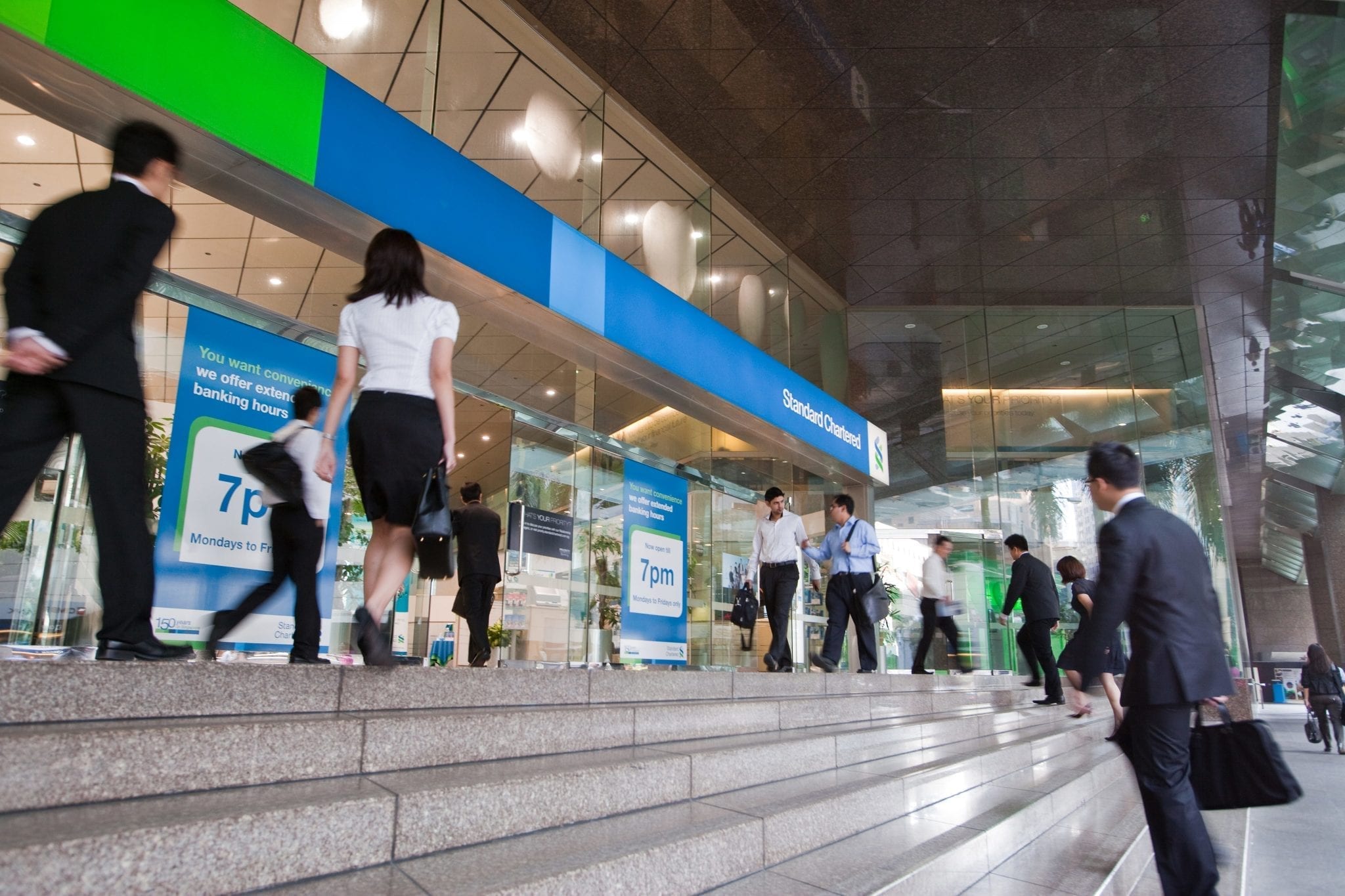
    Standard Chartered Gears Up for Early RoTE Target Triumph Amid Q3 Profit Surge

    Following a prosperous third quarter, Standard Chartered Bank, noted for its focus on emerging markets, has reported a rise in profits. The bank now anticipates meeting its return on tangible equity (RoTE) goal ahead of its original schedule by one year.

    Financial Success in Q3

    Standard Chartered’s pre-tax profit for the third quarter of 2025 saw a 10% increase from the previous year, growing to just shy of $2 billion. This is according to the bank’s own recently released financial results.

    An increase of 5% was also noted in operating income, reaching $5.1 billion. Simultaneously, net interest income fell by 1% to $2.7 billion. However, non-interest income demonstrated a significant climb of 12% to $2.4 billion. The majority of this remarkable growth can be attributed to a record-breaking quarter experienced by wealth solutions, in conjunction with global banking. These sectors witnessed respective income growth of 27% and 23%. Meanwhile, operating expenses rose by 4% to $3 billion as a result of strategic investments intended to stimulate business development. Efficiency-related savings helped to partially offset this increase.

    The bank’s year-to-date pre-tax profit similarly displayed a promising trend, increasing by 16% to approximately $6.7 billion.

    Upward Revision of Projections

    Given these promising outcomes, Standard Chartered has revised its projections upwards. The bank now expects its operating income to demonstrate a compound annual growth rate of 5-7% from 2023 to 2026. Notably, the year 2025 is predicted to reach the upper end of this bracket, barring any remarkable items. This represents a shift from the bank’s previous forecast, which placed expectations towards the lower end of the range.

    In addition to these adjustments, the bank has also forecasted that its return on tangible equity (RoTE) will stand at roughly 13% in 2025. This indicates that the bank is on track to achieve its target one year sooner than initially planned.

    Strategic Focus Leads to Growth

    Standard Chartered’s CEO, Bill Winters, commented on the financial results, stating that the progress seen was widely distributed. However, he attributed a significant proportion of the bank’s success to a refined strategic focus on meeting the cross-border and affluent banking requirements of their clients. This stance has shown fruitful results, with substantial double-digit growth being observed in Wealth Solutions and Global Banking. There is also positive momentum in the bank’s Global Markets flow business.

    Questions & Answers

    What has led to Standard Chartered’s increase in profits in Q3?
    Standard Chartered saw a rise in profits due largely to a record-breaking quarter in wealth solutions and global banking, leading to a 10% increase in pre-tax profit for Q3.

    How has the bank revised its future projections?
    Standard Chartered now expects its operating income to demonstrate a compound annual growth rate of 5-7% from 2023 to 2026, with its return on tangible equity (RoTE) estimated to be approximately 13% in 2025.

    What strategic focus does CEO Bill Winters believe is paying off?
    Winters attributes the bank’s recent success to a strategic focus on meeting the cross-border and affluent banking needs of their clients. This has led to substantial growth in the Wealth Solutions and Global Banking sectors.

  • Philippines Contemplates Major Gold Sell-Off Amidst Skyrocketing Prices and ‘Excessive’ Reserves

    Philippines Contemplates Major Gold Sell-Off Amidst Skyrocketing Prices and ‘Excessive’ Reserves

    The central bank of the Philippines, Bangko Sentral ng Pilipinas (BSP), is currently considering whether to hold onto or sell a portion of its substantial gold reserves. This comes following comments from Benjamin Diokno, a member of the bank’s Monetary Board and former governor, who noted that gold prices are likely to decrease from their record heights.

    Decisions on Gold Reserves

    In a recent interview, Diokno raised the idea of the BSP selling some of its “excessive” gold reserves to turn a profit. He pointed out that gold comprises around 13% of the bank’s gross international reserves, a percentage that is significantly higher than other central banks in the region. The ideal range, according to Diokno, should fall between 8-12%.

    The total reserves of the BSP, amounting to nearly US$109 billion, include gold, foreign exchange, foreign-denominated securities, and other assets.

    Gold Prices and Past Decisions

    The Philippines amassed a significant amount of its gold reserves when prices were situated near $2,000 per ounce. Since this point, the value of gold has more than doubled, reaching a record peak of $4,381.21 on October 20. Following this peak, prices fell below $4,000 as investors capitalized on the easing of geopolitical tensions and chose to make a profit.

    Despite the current uncertainty surrounding the future of gold prices, Diokno posed the question, “Shouldn’t you sell already? What will happen if the price goes down?”

    Even with a recent dip, the value of gold has increased by 52% since the beginning of the year, partly due to substantial purchases made by central banks. Predictions for the future of gold prices vary, with some analysts expecting a further decline while others anticipate new record highs.

    Public Criticisms and Future Considerations

    In the past, the BSP faced backlash for selling a portion of its gold reserves in 2024 before prices experienced a substantial surge. However, Governor Eli Remolona Jr. defended this decision, arguing that the sale was spurred by sound portfolio management strategies, rather than an attempt to exploit market conditions.

    Remolona explained that the decision to sell the gold arose after its share in the reserves exceeded the ideal ratio. He maintained that the bank does not seek to predict gold prices, nor does it base its decisions on such predictions. The bank’s priority is to maintain a balanced portfolio.

    The BSP has previously noted that gold often acts as a hedge against price declines in other reserve assets. However, the bank also acknowledged that gold prices can be volatile, yield little interest, and incur storage costs.

    Questions & Answers

    Why is the Philippine central bank considering selling its gold reserves?
    The BSP is exploring this option due to suggestions that the bank’s gold holdings are “excessive.” As gold prices are currently at a record high, the bank could make a significant profit by selling a portion of its reserves.

    What percentage of the bank’s gross international reserves is made up of gold?
    Approximately 13% of the BSP’s gross international reserves is comprised of gold. According to former governor Benjamin Diokno, the ideal range should be between 8-12%.

    What factors influence the central bank’s decision to sell its gold reserves?
    Decisions to sell gold reserves are driven by portfolio management strategies rather than the anticipation of future market conditions. The bank aims to maintain a balanced and profitable portfolio.

  • Hong Kong Leads in Gender Equality: Women Occupy Nearly Half of Senior Financial Roles

    Hong Kong Leads in Gender Equality: Women Occupy Nearly Half of Senior Financial Roles

    Nearly half of the senior roles in Hong Kong’s banking sector are held by women, as highlighted in a recent study. This significant representation, amounting to 45 percent, is attributed to advancements in societal, organizational, and regulatory fronts.

    Women in Leadership

    The study, a collaborative effort of The Women’s Foundation, Women Chief Executives (WCE) Hong Kong and KPMG, suggests that this figure marks a considerable increase since 2018. The term ‘senior leadership’ encompasses roles such as CEO, managing directors, and all other positions up to three reporting levels below.

    The data also revealed that women hold 37 percent of board director positions. Comparatively, Hong Kong outperforms other international financial hubs in terms of the visible societal acceptance of women occupying high-ranking positions, attributing societal infrastructure as a significant facilitator for career advancement.

    A majority, or 70 percent, of female respondents expressed that they felt encouraged to take up leadership roles, with only 15 percent experiencing gender bias from their male colleagues. Furthermore, 76 percent cited the city’s safety as a critical factor contributing to their career progression.

    Regulatory and Organizational Developments

    The report also identifies regulatory and organizational progress as key contributors to the increased representation of women. The Hong Kong Exchanges and Clearing have introduced a reform to eliminate all single-gender boards by 2025 and necessitate annual gender reporting at both senior leadership and workforce levels.

    In terms of organizational developments, 76 percent of women view visible female leadership as the most influential workplace factor for career advancement. Moreover, 72 percent believe that female role models in leadership positions are becoming more prevalent.

    Support for Mid-Career Women

    While the data shows nearly equal representation at the top level, the report argues there is still work to be done for mid-career women. About 59 percent of this demographic feel encouraged to assume leadership roles, compared to 77 percent at the entry level and 68 percent at the senior level.

    Some proposed solutions include promoting flexibility for caregivers, frequently reassessing leave policies such as parental and carer’s leave, offering supplemental services like mental health support, and implementing structured re-entry programs for those returning from career breaks.

    In the words of Amy Lo, the Asia wealth chair at UBS, “One of Hong Kong’s strengths lies in the supportive environment it fosters – one that encourages entrepreneurship and pragmatism. Diversity here feels organic, not imposed, and women benefit from a broad culture of encouragement that empowers them to lead with confidence and authenticity.”

    Questions & Answers

    What percentage of senior leadership roles in Hong Kong’s financial sector are held by women?
    As per the recent report, 45 percent of senior leadership positions in Hong Kong’s financial sector are occupied by women.

    What measures have been proposed to further encourage mid-career women to assume leadership roles?
    Suggestions include promoting flexibility for caregivers, frequently reviewing leave policies such as parental and carer’s leave, providing supplemental services like mental health support, and implementing structured re-entry programs for those returning from career breaks.

    What role does societal infrastructure play in women’s career progression in Hong Kong’s financial sector?
    Societal infrastructure is recognized as a key facilitator for career advancement, with the majority of female respondents citing the city’s safety and the visible societal acceptance of women in leadership roles as significant contributors to their career progression.

  • UBS Set to Appeal Crucial Court Ruling on Credit Suisse AT1 Bonds: A Challenge to Ensure Credibility and Recovery

    UBS Set to Appeal Crucial Court Ruling on Credit Suisse AT1 Bonds: A Challenge to Ensure Credibility and Recovery

    The Swiss Federal Administrative Court’s partial ruling on October 13, 2025, sparked controversy over the legal legitimacy of deeming Credit Suisse’s AT1 bonds valueless. This occurred subsequent to an appeal lodged by Swiss financial regulator, Finma. Now, UBS has publicly announced its intention to file a similar appeal.

    UBS Announces Appeal

    UBS made a public announcement in tandem with the release of its third-quarter results for the year 2025. The bank expressed its decision to challenge the Federal Administrative Court’s partial ruling in the AT1 litigation. The bank stated that the appeal aims to ensure the court considers their perspective on the significant facts relating to the acquisition. Further, UBS conveyed that filing an appeal is necessary to maintain the credibility of AT1 instruments, given their crucial role in the resolution and recovery of banks.

    Crucial Component of the Rescue Package

    UBS underscored that writing off Credit Suisse’s AT1 instruments was a pivotal part of the rescue package. The bank expressed its belief that the write-off complied with the contractual terms of the AT1 instruments and the applicable law. UBS also maintained that Finma’s decision was within legal bounds.

    UBS further made reference to the conclusions drawn by the Parliamentary Inquiry Commission (PUK). PUK had declared that Credit Suisse would have been insolvent without the aid from the rescue package. They would have been incapable of continuing operations after Monday, March 20, 2023.

    Inadequate Ruling

    The Federal Administrative Court had concluded in October that the legal grounds for Finma’s decision to declare Credit Suisse’s AT1 bonds valueless were insufficient. Finma had already challenged the decision at the Federal Supreme Court, and UBS has now decided to do the same.

    Questions & Answers

    Why has UBS decided to appeal the partial ruling of the Federal Administrative Court?
    UBS intends to appeal the ruling to ensure that their viewpoint on the key facts concerning the acquisition is considered by the court. Additionally, they believe that an appeal is necessary to uphold the credibility of AT1 instruments, given the significant role they play in the recovery and resolution of banks.

    What was UBS’s stance on the write-down of Credit Suisse’s AT1 instruments?
    UBS has emphasized that the write-down of Credit Suisse’s AT1 instruments was a fundamental part of the rescue package. The bank believes that the write-down was in line with the contractual terms of the AT1 instruments and the law, asserting that Finma’s decision was lawful.

    What did the Parliamentary Inquiry Commission conclude about Credit Suisse’s situation?
    The Parliamentary Inquiry Commission concluded that without the rescue package, Credit Suisse would have become insolvent and would not have been able to continue operations beyond March 20, 2023.

  • HSBC Amplifies Asian Venture Ecosystem with $1.5 Billion Innovation Banking Hub in Singapore

    HSBC Amplifies Asian Venture Ecosystem with $1.5 Billion Innovation Banking Hub in Singapore

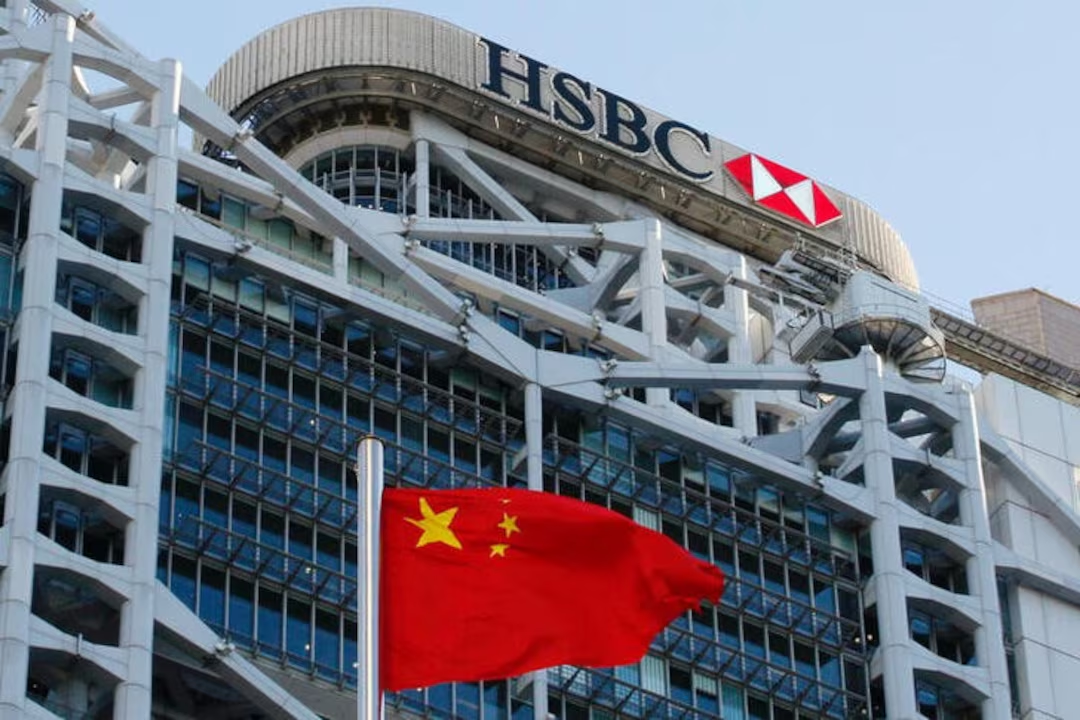
    HSBC is making a significant stride into the Singaporean market with the establishment of its Innovation Banking division. This move is marked by a considerable investment of $1.5 billion, aimed at promoting rapid expansion firms and improving the local venture ecosystem.

    Services and Leadership

    The department is structured to cater to venture-supported enterprises and investors by offering specialized products and sector knowledge. Additionally, it will provide access to the vast global network of HSBC. Neil Falconer, freshly appointed as the Head of Innovation Banking in Singapore, will lead a committed team to assist current clients and broaden coverage. Concurrently, he will maintain his role in managing the Consumer, Healthcare, and TMT sectors within the International Mid-Market segment of HSBC.

    Establishment of Credit Solutions Team

    In line with the new initiative, HSBC has also founded a Credit Solutions team. Shaun Sakhrani, the Head of Credit Solutions for Singapore and the Asia Head of Platform Lending, will lead this team. The group will offer a range of financial structures to Innovation Banking clients, including venture debt and platform finance.

    Singapore, A New Addition to HSBC’s Innovation Banking

    HSBC’s Innovation Banking launch in Singapore marks the third expansion within the Asia-Pacific region in the current year. This addition bolsters its presence across the globe, joining branches in the US, UK, Australia, New Zealand, Israel, Continental Europe, India, Hong Kong, and mainland China.

    Since its launch in 2023, HSBC’s Innovation Banking has witnessed a remarkable growth in its clientele, with an increase of nearly 60 percent. The bank now boasts of a robust team of over 900 innovation finance experts with a global connection.

    In Singapore, HSBC has been backing new-economy businesses since 2021, achieving double-digit revenue growth and supporting companies such as Atome Financial, Glife Technologies, and Tickled Media.

    Singapore: A Thriving Start-Up Hub

    Singapore houses over 4,000 start-ups and flaunts a pulsating network of accelerators, incubators, and investors. As Gilbert Ng, Head of Banking – Singapore, Corporate and Institutional Banking at HSBC, stated, the city-state is an attractive hub for the start-up ecosystem in Asia-Pacific.

    Questions & Answers

    What is the main aim of HSBC’s Innovation Banking division in Singapore?
    The division aims to support high-growth companies and enhance the venture ecosystem in the region.

    Who will lead the newly established Credit Solutions team?
    Shaun Sakhrani, the Head of Credit Solutions for Singapore and the Asia Head of Platform Lending, will lead the Credit Solutions team.

    How has HSBC’s Innovation Banking grown since its launch?
    Since its inception in 2023, the client base of HSBC’s Innovation Banking has grown by nearly 60 percent. It now includes more than 900 globally connected innovation finance experts.

  • Fonterra Farmer Shareholders Green-Light $4.22 Billion Consumer Division Sale to Lactalis

    Fonterra Farmer Shareholders Green-Light $4.22 Billion Consumer Division Sale to Lactalis

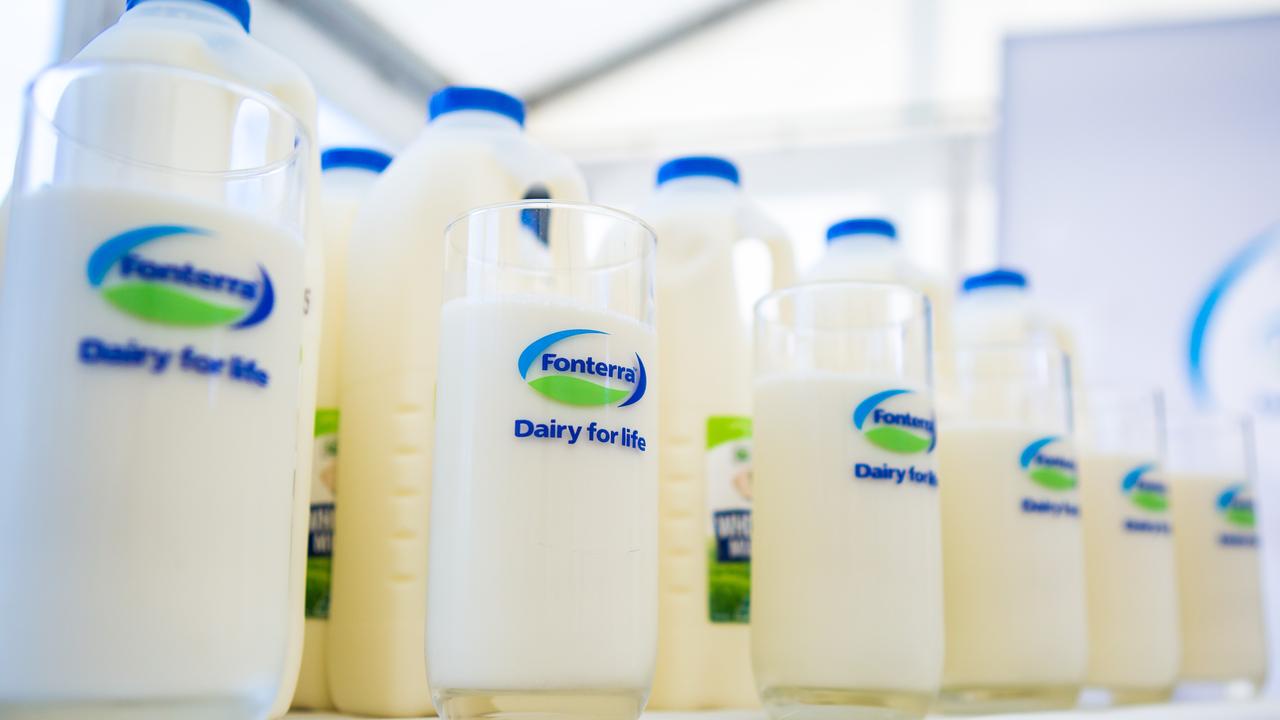
    Fonterra’s farmer shareholders have granted approval for the company’s proposal to divest its consumer products division. The Mainland Group and its associated businesses are set to be sold to Lactalis for a sum of $4.22 billion.

    High Support for Divestment

    A resounding 88.47% of farmer shareholders voted in support of this divestment decision in a special virtual meeting. The company asserts that this level of shareholder support exemplifies one of the core principles that sets Fonterra apart from other processors in the market.

    Fonterra Chairman Peter McBride voiced his appreciation for the active participation of the farmer shareholders throughout the decision-making process. Since the exploration of divestment options was initiated in May of the previous year, and especially over the past few weeks when the full details were made available, there has been a significant uptick in discussion and engagement from the farmers.

    McBride commented on the strategic implications of the divestment, stating, “We have thoroughly examined our strategic context, our strengths, and the way we create value for our farmer owners as a cooperative. This divestment will result in a more simplified and focused business, the value of which cannot be overstated.”

    To approve the sale, Fonterra required more than half of the total votes, a condition that was met with ease due to the high percentage of votes supporting the divestment.

    Final Steps and Future Investments

    The divestment process of Mainland Group’s business from Fonterra is now pending regulatory approvals. These approvals are currently underway, and the completion of the transaction is expected to occur in the first half of the coming year.

    In addition, Fonterra has revealed plans to make a significant investment in its dairy operations. The company intends to allot NZ$75 million ($66 million) towards expanding butter production at its Clandeboye site located in South Canterbury.

    Questions & Answers

    What percentage of Fonterra’s farmer shareholders voted in favour of the divestment?
    Approximately 88.47% of Fonterra’s farmer shareholders voted in favour of the divestment.

    What will the divestment result in for Fonterra?
    The divestment will lead to a more simplified and focused business for Fonterra.

    What significant investment has Fonterra planned following the divestment?
    Fonterra has planned to invest NZ$75 million ($66 million) in expanding butter production at its Clandeboye site in South Canterbury.

  • Mouawad Debuts First Asian Boutique in Bangkok, Unveiling Masterpiece Collection of Rare Gems

    Mouawad Debuts First Asian Boutique in Bangkok, Unveiling Masterpiece Collection of Rare Gems

    The famed fine-jewellery brand, Mouawad, has expanded its global presence with the inauguration of its premier boutique in Thailand. Located on the ground floor of The Emporium in the bustling city of Bangkok, this new establishment marks the brand’s initial foray into the Asian retail location.

    Mediterranean-Inspired Boutique Design

    Mouawad’s Bangkok boutique showcases a unique Mediterranean-inspired design. It is adorned with terracotta tones, arches, and olive motifs, echoing the aesthetic first debuted at Mouawad’s London store. This design concept is meant to provide a warm, welcoming atmosphere to entice and exhilarate its clientele.

    Sun on the Seven Wonders Masterpiece Collection Launch

    To celebrate the opening of the new boutique, Mouawad is unveiling its complete ‘Sun on the Seven Wonders’ Masterpiece Collection. This collection, which pays tribute to iconic global landmarks, features yellow diamonds as a primary motif. The stunning pieces are designed to encapsulate the splendour and grandeur of these world wonders.

    Appreciation of Asian Clientele

    Fred Mouawad, co-guardian of the house, expressed his enthusiasm for the Bangkok boutique’s opening. He acknowledged the city’s importance as a nexus of culture and luxury, and expressed gratitude towards the Asian clientele, whose respect for artistry and heritage perpetually inspires the brand’s evolution.

    Mouawad: A Legacy of Craftsmanship

    Established in 1890, Mouawad has its headquarters in Geneva. The brand is renowned for its exceptional craftsmanship, particularly with rare gemstones. It is also a multiple Guinness World Records recipient for its exquisite diamond creations.

    The Bangkok boutique signifies Mouawad’s strategic move to increase its presence in Asia, a region that remains highly significant in the high-end jewellery market.

    Questions & Answers

    What is unique about the design of Mouawad’s new boutique in Bangkok?
    The Bangkok boutique showcases a Mediterranean-inspired design, featuring terracotta tones, arches, and olive motifs. This aesthetic was first introduced in Mouawad’s London store.

    What is the ‘Sun on the Seven Wonders’ Masterpiece Collection?
    The ‘Sun on the Seven Wonders’ Masterpiece Collection is a series of jewellery pieces inspired by iconic global landmarks. It features yellow diamonds as a primary motif.

    What is Mouawad’s relationship with the Asian market?
    Mouawad values its Asian clientele for their appreciation of artistry and heritage. The opening of its Bangkok boutique marks the brand’s first retail location in Asia, hinting at a strategic plan to grow its presence in this key market for high-end jewellery.

  • Boyu Capital Poised to Secure $4 Billion Stake in Starbucks China, Boosting Brand’s Asian Market Footprint

    Boyu Capital Poised to Secure $4 Billion Stake in Starbucks China, Boosting Brand’s Asian Market Footprint

    Boyu Capital, a private equity firm from China, is leading the race to acquire a majority stake in Starbucks’ China operations, a deal that could potentially value the unit at over US$4 billion.

    Boyu Capital remains in the bid after the final contender, Carlyle Group, chose to withdraw. Key partners from both companies travelled to the U.S. to engage in final discussions with the Seattle-based coffee chain.

    Starbucks’ Stake in China

    After the sale is finalized, it’s expected that Starbucks will retain a substantial minority stake in its China operations. The company expressed that it has received strong interest from numerous high-quality partners, all of whom have faith in the long-term growth potential for Starbucks in China.

    The company is currently assessing bids from five contenders, though it declined to comment further. Starbucks China was valued at roughly $4 billion by the bidders who submitted binding offers, which is approximately ten times its core earnings.

    Starbucks’ Future Plans

    Starbucks CEO, Brian Niccol, previously indicated that the anticipated valuation of the China business would exceed $10 billion, factoring in the upfront investment from a potential partner, Starbucks’ retained stake in the China business, and future royalty payments.

    There is also the possibility of other parties, such as internet companies, joining the discussions as limited partners to assist in funding the deal.

    Competition and Sales

    Starbucks’ decision to divest in China comes amidst fierce competition from local coffee chains that have gained market share by offering less expensive products during an economic slowdown that has altered consumer behavior.

    In response to these challenges, Starbucks has implemented strategies such as lowering prices for selected non-coffee beverages in China and increasing the introduction of new, localized products.

    Sales in comparable stores in China increased by 2% in the quarter that ended on June 29, following a quarter with no growth. Starbucks’ earnings for the fourth quarter and the 2025 fiscal year will be reported on October 29.

    Questions & Answers

    Who is the frontrunner to buy a controlling stake in Starbucks’ China business?
    Boyu Capital, a private equity firm from China, is leading the race to acquire a controlling stake in Starbucks’ China operations.

    What is the potential value of Starbucks’ China unit?
    The deal to acquire the majority stake in Starbucks’ China operations could potentially value the unit at over US$4 billion.

    What strategies has Starbucks implemented in response to increasing competition in China?
    Starbucks has lowered prices for selected non-coffee beverages in China and increased the introduction of new, localized products to counter the competition.

  • Malaysia and Timor-Leste Amplify Alliance in Telecommunication & Media Through Landmark MoUs

    Malaysia and Timor-Leste Amplify Alliance in Telecommunication & Media Through Landmark MoUs

    Malaysia and Timor-Leste have taken significant strides in bolstering their collaboration in telecommunications and media. This progress is marked by the endorsement of two Memorandums of Understanding (MoUs), which highlight their joint dedication to enhancing regional interconnectedness and collaboration.

    The MoUs were endorsed by a host of key figures from both nations. From Malaysia, it was Communications Minister Datuk Fahmi Fadzil, and from Timor-Leste, Transport and Communications Minister Miguel Marques Gonçalves Manetelu and State Secretary for Social Communication Expedito Loro Dias Ximenes.

    A Milestone in Bilateral Relations

    In a joint proclamation, the Communications Ministry of Malaysia, Transport and Communications Ministry of Timor-Leste, and the State Secretariat for Social Communication hailed the agreements as a landmark in bilateral ties. They serve as a testament to the enduring friendship and mutual faith between the two nations. This relationship has been strong since Malaysia was one of the first countries to acknowledge Timor-Leste’s independence in 2002.

    The statement further highlighted that both countries reaffirmed their mutual commitment to deepening bilateral cooperation and fostering closer people-to-people connections. The two nations also expressed excitement at the prospect of collaborating in creating a more interconnected, robust, and forward-thinking Southeast Asian region.

    Memorandums of Understanding

    The first MoU, which focuses on telecommunications cooperation, outlines the intention of both countries to fortify their telecom infrastructure, improve digital connectivity, and share technical expertise. The agreement’s overall objective is to fuel mutual growth in telecommunications to support sustainable progress and digital inclusion.

    The second MoU, which emphasizes information and media development, encourages professional collaboration between the media sectors of both countries. This includes initiatives for exchanging information, sharing news, and implementing capacity-building programs for media practitioners.

    Questions & Answers

    What are the key objectives of the MoUs between Malaysia and Timor-Leste?
    The agreements aim to strengthen telecommunications infrastructure, enhance digital connectivity, promote professional collaboration between media sectors, and foster closer people-to-people ties between the two countries.

    Who were the key figures involved in the endorsement of the MoUs?
    The MoUs were signed by Malaysia’s Communications Minister Datuk Fahmi Fadzil, Timor-Leste’s Transport and Communications Minister Miguel Marques Gonçalves Manetelu, and State Secretary for Social Communication Expedito Loro Dias Ximenes.

    What is the significance of these agreements for the relationship between the two nations?
    These MoUs are seen as a milestone in bilateral relations between Malaysia and Timor-Leste, reflecting the long-standing friendship and mutual trust between the two countries. They also testify to the countries’ shared commitment to regional connectivity and cooperation.

  • Revolutionize Your Storage: WhatsApp Unveils New Granular Control Feature

    Revolutionize Your Storage: WhatsApp Unveils New Granular Control Feature

    Many active WhatsApp users often find their storage space being consumed by the voluminous shared files from the platform. To address this, WhatsApp is currently developing a feature that offers users detailed control over the storage space each chat occupies, in addition to improvements on clearing large and redundant files.

    New Ways to Manage Storage

    WhatsApp is developing a novel feature that will allow users to effectively manage the storage space each chat occupies on their device. Present in the information page of individual chats, the “Manage Storage” function enables users to view an array of files shared within a chat and sort them based on their size.

    The new feature will offer users the capability to monitor the contents of all chats and delete large, unnecessary files. The feature will enable the sorting of shared files such as images, videos, and documents according to the time shared.

    An Update to Enhance User Experience

    At first glance, this feature may not appear significant, given that users can already access the global “Manage Storage” menu in the settings and view files and media from all conversations. However, placing this information in a more accessible location within each chat’s settings makes this feature more user-friendly.

    Currently, this new feature is only accessible to a limited number of iOS beta users of WhatsApp. However, the roll-out of this feature is ongoing and is expected to be available to more users soon.

    Improvement for Group Chat Users

    For many users who are active in several WhatsApp groups, this feature is a welcome development. These groups often flood storage with unnecessary files, making it difficult for users to manage their digital space. The new feature targets this problem, providing users with an efficient way to declutter files from these chats.

    Questions & Answers

    What is the new feature WhatsApp is working on?
    WhatsApp is developing a feature that allows users to manage and control the storage space each chat occupies on their device.

    How does the new feature work?
    The “Manage Storage” function enables users to view and sort shared files within a chat based on their size. It allows users to delete large unnecessary files, improving the management of their storage.

    Who can access this new feature currently?
    As of now, the feature is only available to a limited number of iOS beta users of WhatsApp. However, a broader roll-out of the feature is expected soon.