Blog

  • Furla Asia-Pacific plans more flagships

    Furla Asia-Pacific plans more flagships

    Luxury Italian brand Furla is planning more flagship stores in Asia as the region delivers strong growth for the 89-year-old family-owned company.

    FURLA CEO_Eraldo PolettoIn an exclusive interview with Inside Retail Asia, Furla CEO Eraldo Poletto explains how the company has bucked the decline in luxury spending in core markets like Hong Kong and Singapore during the past year. Furla achieved 53 per cent growth in total sales (in euro at the current exchange rate) in Asia-Pacific, where it counts 14 markets – Australia, Cambodia, China, Hong Kong, India, Indonesia, Korea, Macau, Malaysia, Singapore, Taiwan, Thailand, The Philippines and Vietnam. Japan, a stand-alone territory in Furla’s accounts, saw sales grow 24 per cent.

    Even discounting sales from new stores, like-for-like growth for Furla Asia-Pacific reached 15.5 per cent last year, yet the region accounts for just 19 per cent of the company’s sales – about €64.4 million ($72.1 million) – suggesting strong growth potential ahead.

    “The consistent strategy we have implemented over the past four years – positioning ourselves as the only Italian and ‘Made-in-Italy’ brand in the premium segment, without accepting compromises in terms of quality – is paying off,” says Poletto.

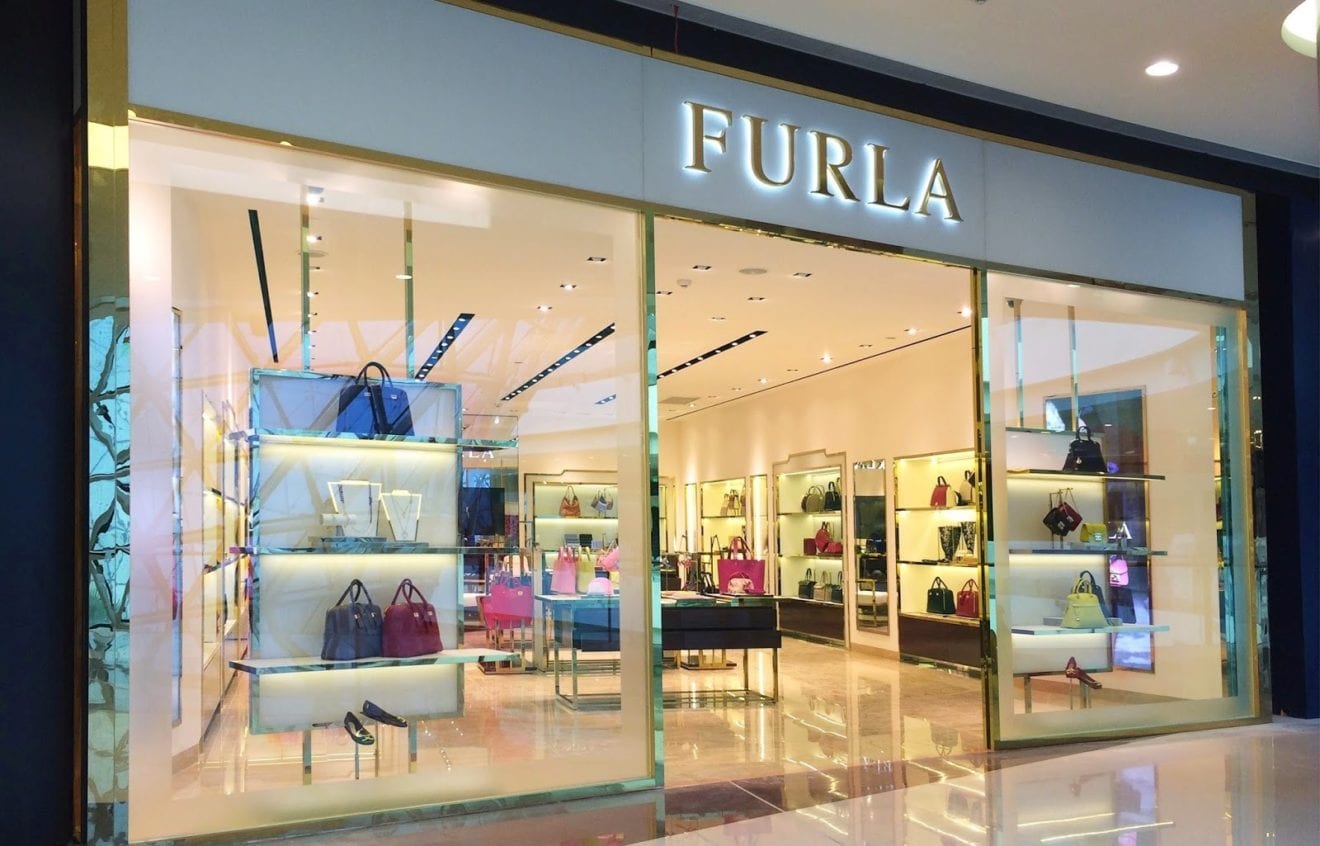
    “We are expanding our footprint with important flagships: Singapore Marina Bay Sands opened in September; Hong Kong Miramall and Shanghai Citic, each with a 300 sqm street facade, opened in December with a luxury retail concept showcasing our full ladies’ and men’s collections.”

    Furla China Flagship Store @ Shanghai Citic Square 4

    He says more flagships will open this year in Australia and Bangkok.

    “Flagships are meant to represent every aspect of the brand in terms of image and product range; however, we are not expecting to open more than five or six flagships in the region, as we are focusing on the profitability of our retail network, and prefer to penetrate the market extensively.”

    In what he terms a “capillary” approach, more standard-sized stores and points of sale will also open across the region.

    Furla China Flagship Store @ Shanghai Citic Square 7

    For the past two years the company has opened or renovated one store a week. It now has 172 points of sale in Asia-Pacific, along with 72 monobrand stores in Japan.

    “In terms of our retail format, our average store size is increasing together with Furla’s total-look collections. Malls and high-street locations complement each other, and in this period of time, rent levels in some markets have decreased substantially because of a drop in demand from luxury, watch and jewellery brands. We are always on the lookout for new opportunities to invest in,” says Poletto.

    “Our retail store concept is also quite special, as it wants to deliver a 360-degree luxury shopping experience while maintaining our the value-for-money approach.”

    Furla China Flagship Store @ Shanghai Citic Square 2

    Asians appear to be embracing Furla’s distinctive quality brand feel and shopping experience. Perhaps surprisingly, the brand has no strategy of differentiating its Asia-Pacific product range from those of other markets.

    “We believe that if a product captures customers’ hearts in one market, its appeal is universal. Our price and product range have always been appealing to a large spectrum of clientele; it is not by chance that our two best-seller styles – Metropolis and Artesia – represent the most affordable and the highest offer of our collection respectively.

    Furla China Flagship Store @ Shanghai Citic Square 6

    “In terms of branding, strong marketing investments – like our collaboration with Mario Testino and a more aggressive digital and outdoor media planning strategy – are making Furla far more visible.”

    Department stores are still an integral part of the Furla sales strategy, especially in China, where that sector is still in its infancy by western standards.

    “The department store culture in Greater China isn’t very strong yet, and there are very few players compared to the shopping mall retail model in western markets. There is most surely room for improvement in this region.

    Furla China Flagship Store @ Shanghai Citic Square

    “The situation is much more developed in Singapore and Australia, and obviously a priority in Korea with Shinsegae, Hyundai and Lotte, where we are present with 10 domestic stores and an aggressive development plan.”

    Furla is also experiencing strong growth in the travel retail sector, which is helping both top-line sales and brand awareness.

    “Travel retail will continue to fuel the growth in APAC,” says Poletto. “Total sales generated by the travel retail channel were up 27 per cent for 2015, and we opened five new locations. We see blooming opportunities in this channel as Asian customers shop worldwide while they travel: it is a great showcase for the brand.”

    In June, Furla will open a directly managed boutique in Hong Kong International Airport.

    Furla China Flagship Store @ Shanghai Citic Square 8

    Southeast Asian focus

    Furla’s strong growth in the region is coming not just from the established markets of Hong Kong, Singapore and Greater China.

    “We have witnessed a significant double-digit growth in Southeast Asia markets including Cambodia, Malaysia, Singapore, Thailand, The Philippines and Vietnam,” says Poletto.

    “In Indonesia, a fast-growing country with a population of 250 million, we have a capillary quality presence with 10 boutiques in five cities. As of today, Furla has 46 stores in Southeast Asia, and we will focus on strengthening our foothold in these markets this year.”

    Furla China Flagship Store @ Shanghai Citic Square 5

    In India, which Furla has entered in a joint venture with Genesis Luxury, the label has three boutiques – one each in Mumbai, Delhi and Calcutta.

    “They are all performing very well with a 50 per cent sales growth increase in 2015,” says Poletto. But the market has considerable challenges.

    “India is a market with very high potential, but also with a huge limits when it comes to infrastructures. There are not enough qualitative shopping malls to cover Indian clients’ high demand for fashion and luxury: this is why Indian consumers represent a key nationality in markets like Dubai, London or Singapore.

    “In terms of expansion, we will tap into all the new relevant real-estate projects.”

    Globally, Furla has 415 monobrand stores, of which 190 are directly owned and 198 franchised. It has 27 travel retail stores and more than 1200 outlets in department stores and multibrand outlets.

    Furla China Flagship Store @ Shanghai Citic Square 10

    Results released today show that Furla’s global turnover reached €339 million last year, up 30 per cent on 2014. The growth was driven across all Furla product categories, including the new men’s collection, women’s footwear collection and eyewear.

    Poletto says that being a family-owned business – an increasingly rare phenomenon in the model luxury retail business – has its advantages.

    “Being 89 years old gives us a great DNA to be around into the future: the real assets are the brand and its heritage, which are translated into equity. The Furlanetto family has very strong values – they have a long-term vision, instead of making opportunistic choices.”
  • Paul & Shark Korea opens first store

    Paul & Shark Korea opens first store

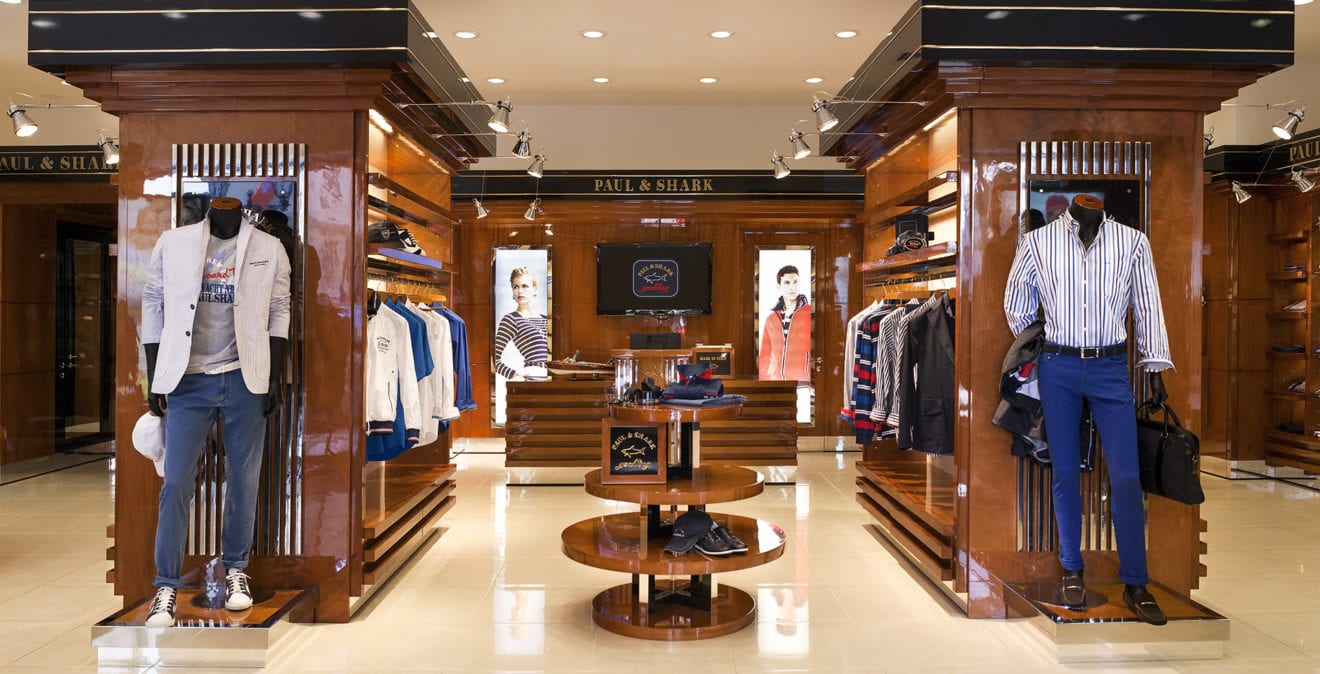
    Luxury Italian lifestyle brand Paul & Shark has opened its first boutique in South Korea, at Incheon International Airport.

    The new Paul & Shark Korea store, run in partnership with Lotte Duty Free, features the brand’s new collections.

    Another two openings are planned for Seoul in the first quarter of this year, according to Paul & Shark global travel retail director Catherine Bonelli.

    Founded in 1976 by the Dini family, Paul & Shark’s men’s, women’s, children’s and accessories collections are available in more than 60 countries.

  • Bakers Maison hits Philippines

    Bakers Maison hits Philippines

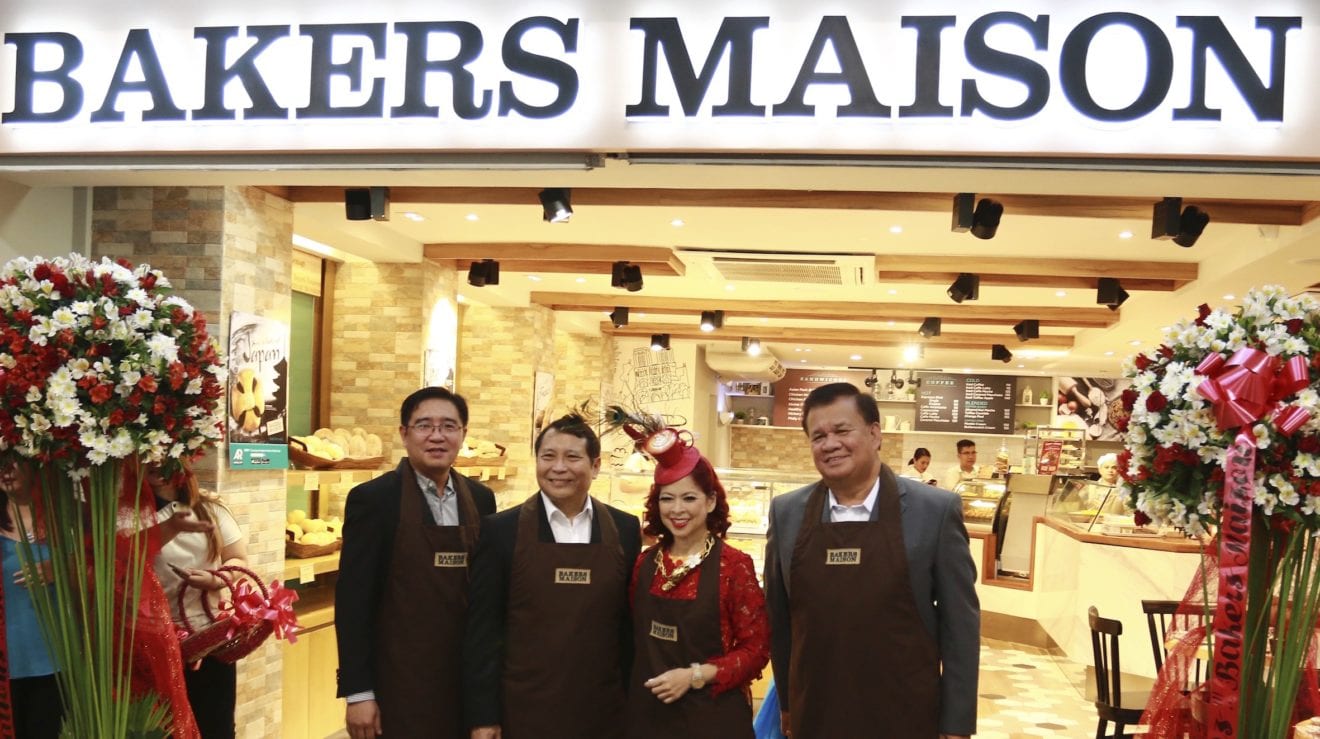
    An Australian bread-and-pastry chain is introducing its artisanal products to The Philippines, with a bold plan for at least 100 outlets.

    Bakers Maison, which makes French-style breads and pastries, is under the wing of Gardenia Bakeries Philippines, reports BusinessWorld Online.

    “We envision for Bakers Maison to have a minimum of 100 strategically located stores in the next few years,” says Gardenia Philippines president/GM Simplicio Umali.

    The first Bakers Maison has opened at SM North Edsa in Quezon City, offering freshly baked products “inspired by traditional and authentic French recipes and a fusion of flavours from all over the world”.

    Bakers Maison is part of the QAF group from Singapore, the parent company of Gardenia Philippines, and was established in New South Wales in 1998.

    All breads are partially baked in a clean and controlled environment and delivered frozen to the store for final oven baking, says Umali.

    “This process, otherwise known as the ‘par-baked’ method, guarantees consistent quality and freshness.”

    A central commissary production unit in Binan, Laguna, uses fast-freezing technology to lock in the freshness in the bread until final baking.

    Gardenia Philippines last month opened a sixth plant capable of producing 150,000 loaves a day to serve bread demand in Luzon. The P1-billion ($21,000) plant is in line with the company’s effort to intensify distribution to retail partners from Cagayan Valley to Sorsogon.

  • Only 32% of Indians love denim

    Only 32% of Indians love denim

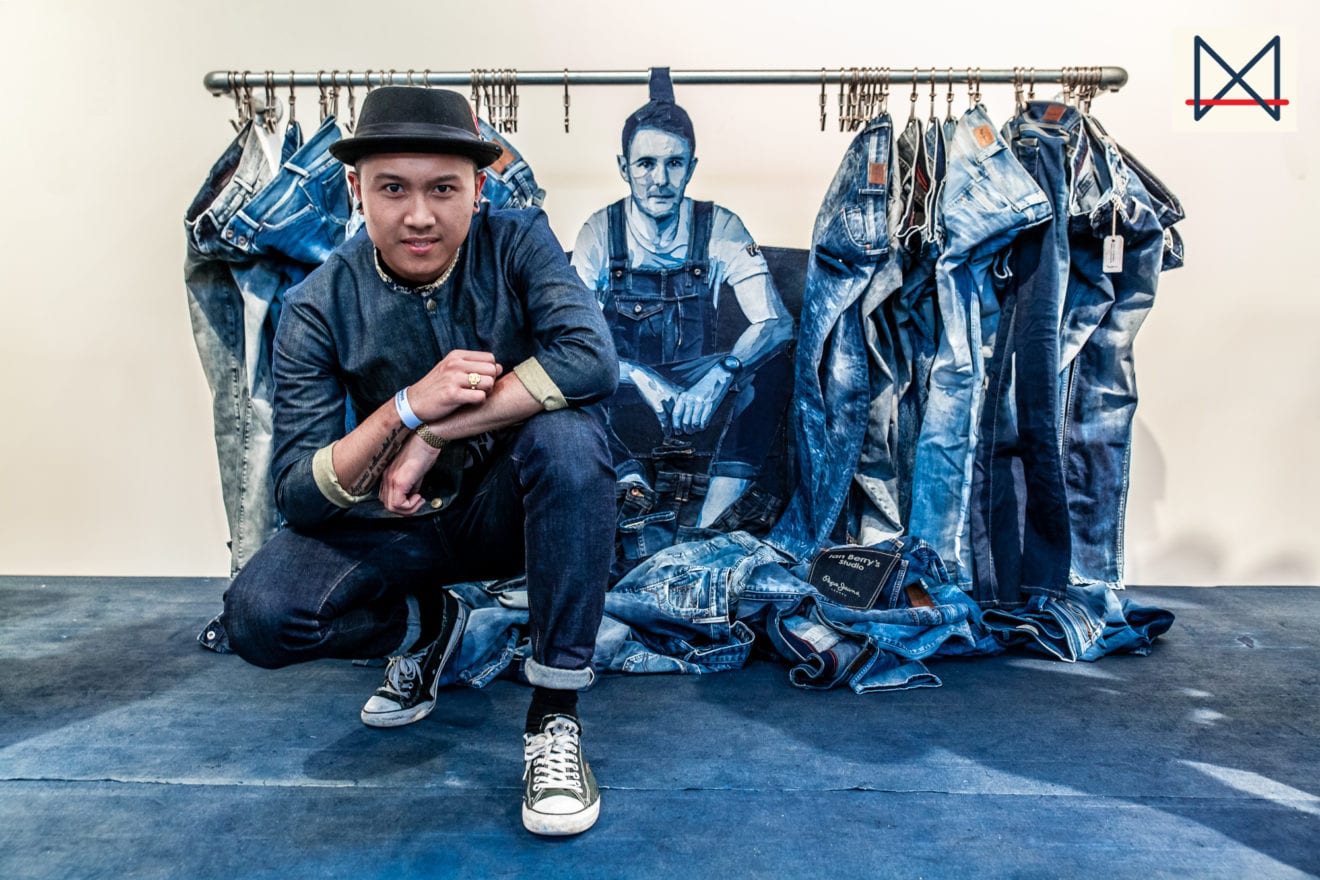
    India is one of the largest producers of denim, with manufacturing capacity of 1.2 billion metres, but only 32% of Indians love or enjoy wearing denim, which is the least among the six denim hubs of the world. This was revealed by J Berrye Worsham, president and CEO of US-based Cotton Inc at the two-day global summit on denims and jeans, ‘Denims: A Democracy in Fashion’ which began at IIM Ahmedabad on Friday.

    As many as 71% of people in Europe and Latin America love to wear denim, followed by 70% in the US, 58% in China and 57% in Japan. Worsham gave these details from the ‘Consumer and Retail Insights’ study, conducted by Cotton Inc.

    In his keynote address on ‘Markets and Trends in Denims’, Worsham said that the growth of denim in US has slowed down but China, India and Latin America are likely to see tremendous growth. He also said that close to 1.9 billion units of denim jeans were sold in the world in 2015 and by 2021 the yearly sales of jeans will cross 2 billion units.

    S N Modani of Sangam Group said that per capita consumption of denim in India is 0.3 pairs, which is much lower than that of China (2 pairs) and the US (8 pairs). CEO of Arvind Ltd, Aamir Akhtar, however cautioned denim manufacturers saying they cannot get into a comfort zone as the consumer is not going to stay with denims forever.

    Dr Pankaj Chandra, former director, IIM Bangalore said, “The textile industry structure must be disrupted by new technology and skills. The textile and apparel sector has seen the fewest startups in the last three years among the five major sectors in the country that provide the maximum employment.” Chandra further put a question to manufacturers, “Do you think the textile sector can perform without its small players experimenting?”

    Akhtar further said, “China is losing its sheen and countries including India have got the opportunity to fill that gap in exports. In India, according to present capacity utilization, over 800 million metres per annum (mmpa) of denim is produced. Out of this 550 mmpa goes into domestic consumption while 250 mmpa is exported. The denims industry is growing at a CAGR (compounded annual growth rate) of 13%-15%.”

  • Apple Pay’s China Launch: Who Will Win Over Chinese Luxury Consumers’ E-Wallets?

    Apple Pay’s China Launch: Who Will Win Over Chinese Luxury Consumers’ E-Wallets?

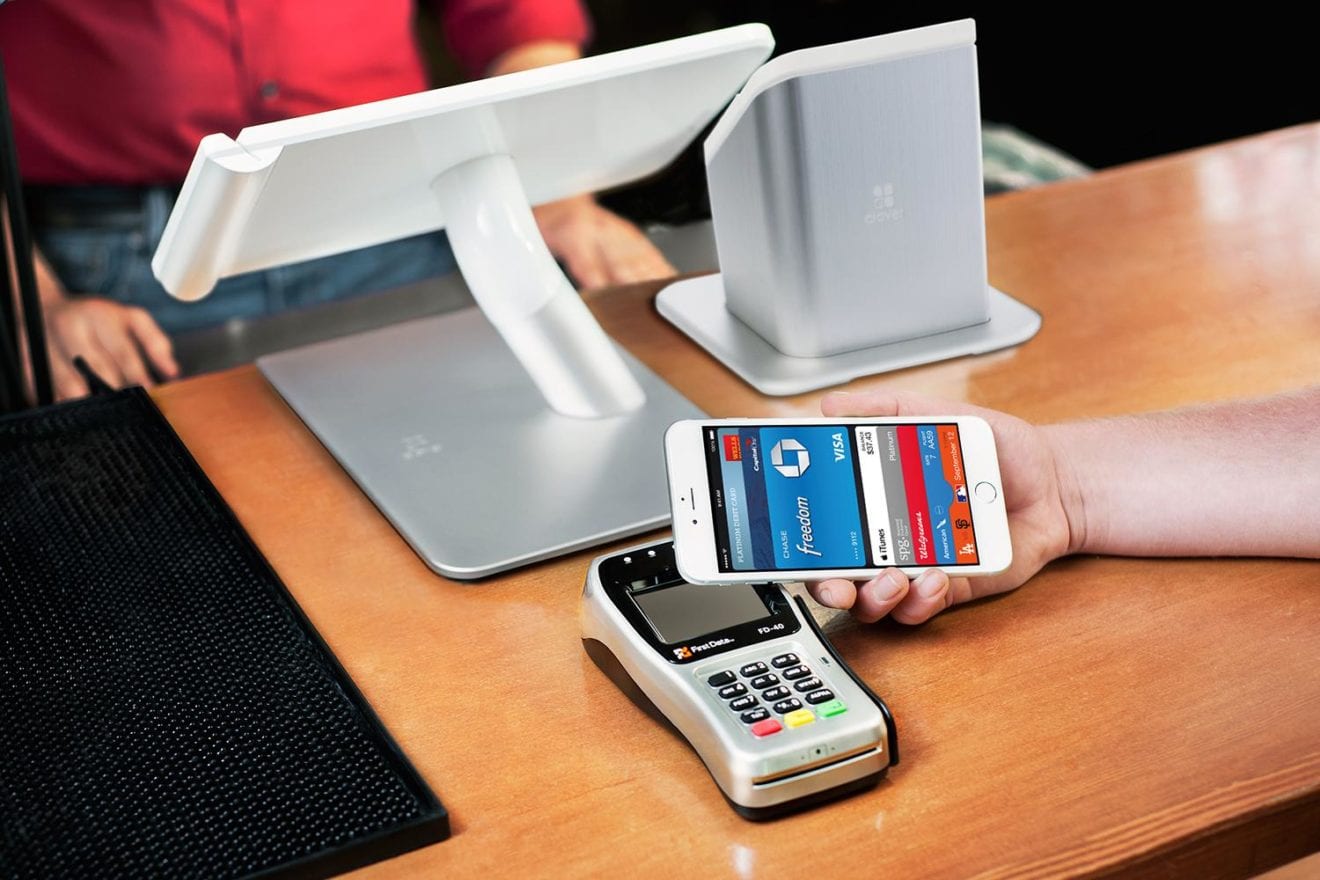
    With an optimistic plan to take on entrenched Chinese mobile payment rivals, Apple Pay made its move into mainland China on Thursday this week in hopes of making the country its biggest market.

    While some experts doubt the prospects of Apple’s high-tech payment system to compete with local giants including Alipay and WeChat, luxury retail is taking notice of the method. On the date of Apple Pay’s launch, Lane Crawford announced that all of its mainland China locations will offer Apple Pay, making it one of the first retail locations in the country to offer the service. “Offering Apple Pay as a payment option to our customers is another important step towards an even stronger connected commerce strategy, constantly evolving and leveraging on the digital and mobile world which is vitally important in Asia,” said Lane Crawford President Andrew Keith in a press release.

    The launch allows China’s only credit card company UnionPay, which has teamed up with Apple Pay, to take on Alipay and Tencent’s TenPay as they compete to win over Chinese consumers’ e-wallets.

    Limited to the iPhone, some experts are saying Apple Pay faces an uphill battle in China as local mobile options have already become incredibly popular. In addition to the fact that Apple will have to take on local giants, experts have found that many Chinese netizens are wary of Apple Pay for a variety of additional reasons. Online comments suggests that many are suspicious of giving their bank card number to a U.S. company and show a preference to earn interest from Alipay. Meanwhile, Apple Pay doesn’t have built in “shopping app” features and discounts found on Alipay and WeChat Wallet, including WeChat’s direct link to dining app Dianping.

    But as the iPhone remains a luxury status symbol for Chinese consumers, Apple Pay could possibly find a niche among affluent urbanites, depending on whether or not more retailers like Lane Crawford choose to make it available.

    The development of this competitive landscape is of equal importance to luxury retailers not only in China, but also abroad, which are scrambling to keep up with payment methods most popular with Chinese tourists. Many international luxury retailers now offer UnionPay, but a growing number of them are allowing Chinese customers topay with Alipay or with WeChat, giving them an advantage over those who haven’t moved past UnionPay. Regardless of whether or not Apple Pay manages to catch on with China’s jet-setting iPhone owners, retailers across the world will need to up their payment technology to keep up with their Chinese VIPs’ preferences.

  • UnionBank taps Lendr to boost retail loans

    UnionBank taps Lendr to boost retail loans

    UnionBank of the Philippines (UnionBank) has tapped a multi-channel, telco- and bank-agnostic platform to boost retail loan growth.

    Salary, personal, automotive, housing, and other customer loan availments will soon be within reach through mobile devices as UnionBank and Voyager Innovations, Inc. (Voyager) collaborated to offer the bank’s retail loans portfolio through Lendr.

    Lendr is a fully digital, multi-channel, telco- and bank-agnostic platform that financial institutions and credit providers can use to reach consumers planning to avail themselves of loans through a single online “marketplace.”

    “In the fast-growing digital economy, innovation is the name of the game, and we are glad that UnionBank is seeing the vast opportunity for growth through digital lending with the help of Lendr,” Manuel V. Pangilinan, Voyager chairman, said.

    Voyager is the digital innovations arm of Philippines Long Distance Telephone Co. (PLDT) and Smart Telecom.

    “We are excited to work hand in hand to bring the best of Voyager’s FinTech innovations and UnionBank’s robust lending portfolio together for the benefit of Filipino consumers nationwide,” Pangilinan added.

    Through Lendr, UnionBank  expects to boost its retail loans portfolio and further extend its margins in consumer lending.

    “Technology, innovation and partnering have always been at the heart of UnionBank’s DNA,” Justo A. Ortiz, UnionBank chairman and chief executive said.

    “Banks need to compete with FinTechs but also need to collaborate with FinTechs, think and act like a FinTech and even transform into a FinTech in order to make a difference for our customers and other stakeholders,” he added.

    Considered a “blue ocean” opportunity for the banking sector, digital lending through online loans marketplaces like Lendr is fast becoming a priority as banks look for new opportunities.

    In an increasingly digital and mobile-driven banking landscape, partnership with financial technology or “FinTech” innovations is the key to successfully transitioning to digital banking.

    Through Lendr, UnionBank will be able to reach untapped markets without having to set aside huge capital outlays or undergo mergers and acquisitions.

    Customers will now be able to see and sign up for the bank’s various loan offerings  via SMS, the mobile app, and online with the help ofLendr.

    “We are excited to be working with Voyager, one of the best FinTechs in town. Collaborating with FinTechs is a key pillar of Unionbank’s digital transformation strategy,”said Unionbank President and COO Edwin R. Bautista.

    Lendr is expected to change the landscape for consumer loan lending not only in the Philippines but also in key growth and emerging markets through this marketplace approach.

    According to the Bangko Sentral ng Pilipinas, consumer lending has grown 20 percent year-on-year to reach P959.2 billion in the second quarter of 2015.

    “We expect more bank and financial institution partners to come on board for Lendr as we get ready to offer the service to consumers this year. Lendr is making consumer lending ‘always-on’ and ‘always-connected,” concluded Villanueva.

  • Prada finance chief Galli resigns

    Prada finance chief Galli resigns

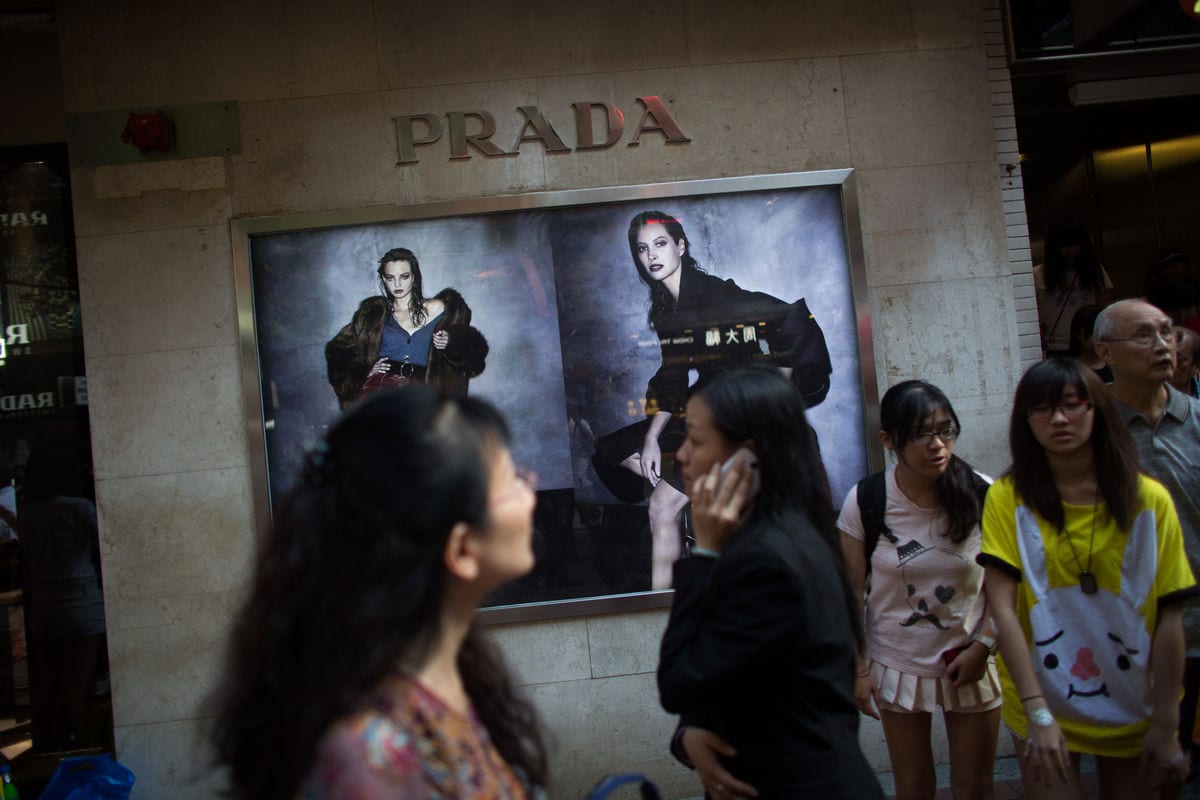
    Italian luxury goods group Prada said on Friday its finance chief was resigning with immediate effect, two days after the company reported almost flat full-year sales, held back by weakness in Greater China.

    Prada said in a statement to the Hong Kong stock exchange that Donatello Galli was stepping down for personal reasons to pursue new career opportunities, adding there had been no disagreement with the board during his tenure.

    “There is no other matter relating to his resignation that needs to be brought to the attention of shareholders of the group,” the statement said.

    Galli, who was also a board member, had been chief financial officer since joining the company in 2004.

    Hong Kong-listed Prada said Alessandra Cozzani, head of investor relations and executive director of the company, had been appointed to replace Galli.

    A search is also under way for a new board member, the company added.

    Prada, best known for handbags that retail for as much as 6,000 euros ($6,667), has seen earnings slump in recent quarters, hurt in part by costly investments in new shops in the face of softening demand for luxury goods.

    On Wednesday, the Milanese fashion house said net revenue totalled 3.55 billion euros in the year to Jan. 31, little changed from a year earlier.

    “We haven’t spoken to the company yet, but a management change is hardly surprising. The company’s been under a lot of pressure of late and has come down heavily from peaks,” said an analyst, who spoke on condition of anonymity.

  • Travellers and shoppers prefer apps to browsers

    Travellers and shoppers prefer apps to browsers

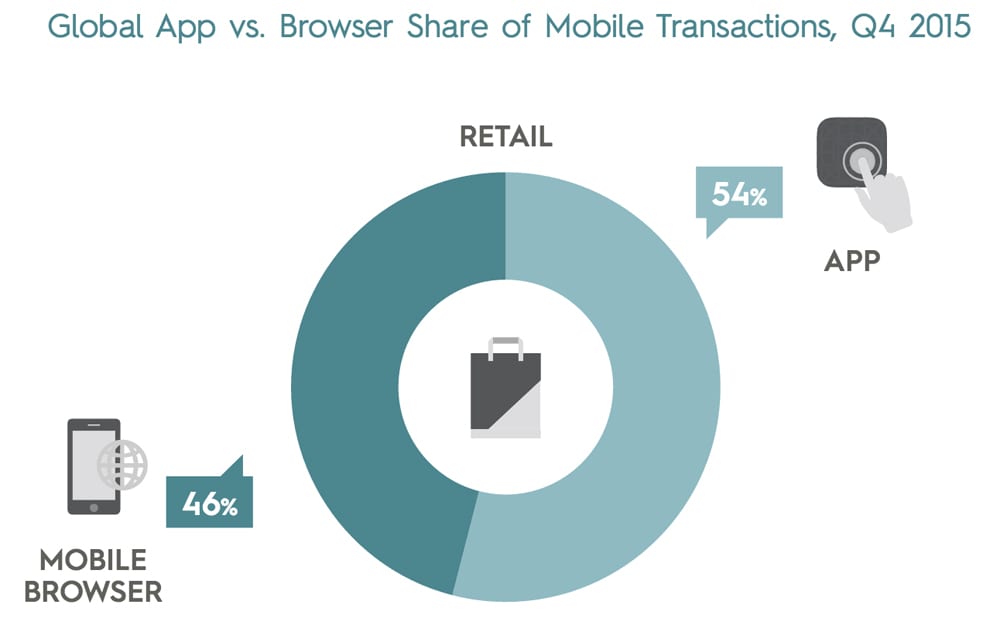
    Criteo’s analysis of shopping data from Q4 2015 demonstrates that mobile is an established channel for retail transactions and that apps have overtaken mobile browsers for the very first time as a vehicle for purchasing.

    Interestingly, the number of mobile transactions carried out on travel apps (58%) outstripped those made via travel mobile browsers in this period (42%). The figure rose from 42% in Q2, to 49% in Q3 and the balance finally tipped in Q4 to 58% of mobile transitions. This should be of interest to travel retailers as it is indicative of how travellers are purchasing.

    Having a fully functioning website may no longer be enough, as travellers increasingly prefer to make transactions via applications instead. Thankfully these are relatively easy to set up in tandem with an existing retail website.

    Criteo-q4-2015-report-1

    Continuing the trend from past quarters, the overall share of app transactions consists of half or more of all transactions.

    “Nearly four-in-ten transactions occurred on multiple devices and were completed on a mobile device almost a third of the time,” says Criteo. “Dedicated shopping apps dwarf the mobile web at all points on the path to purchase, from browsing products to the sale itself.

    “Retailers whose apps focus on providing shoppers relevant and useful products and remove barriers to purchase drive a higher share of transactions than mobile web.”

    Continuing the trend from past quarters, the overall share of app transactions consists of half or more of all transactions.

    Criteo-q4-2015-report-2

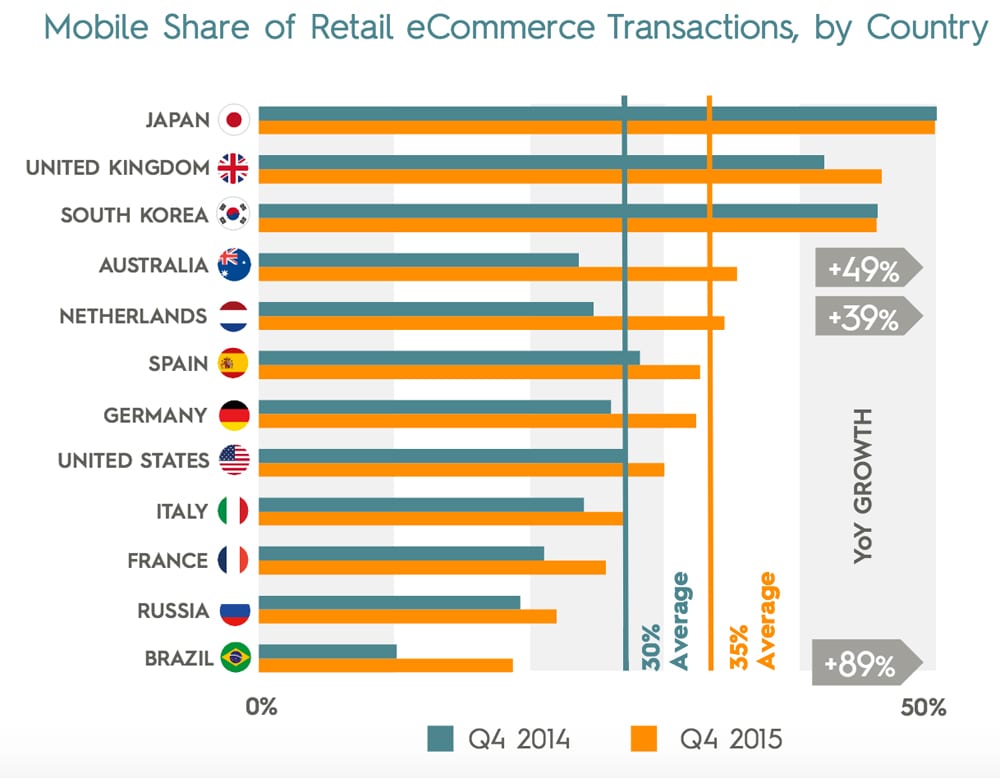
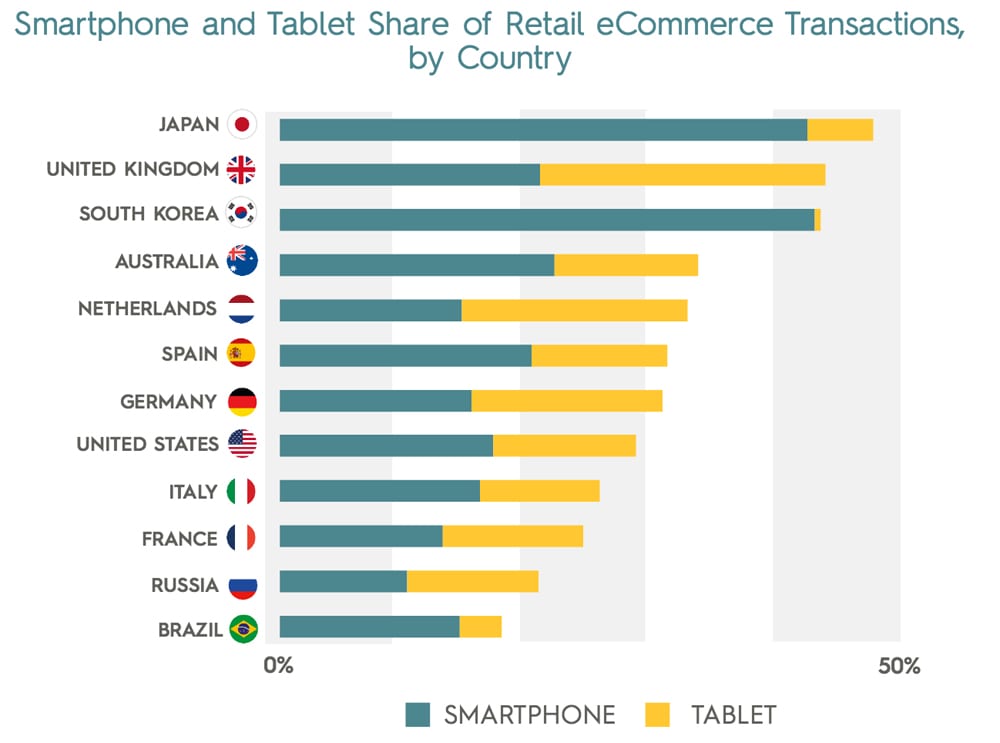
    Japan, UK and South Korea make up the top three countries ranked by mobile share of transactions, globally. Advanced mobile countries remained constant while others are catching up.

    Due to the native environment and additional control of the purchase path, retailers see a higher conversion rate on their apps than both mobile web and desktop.

    “Technologies like deep linking and mobile re-targeting can help retailers drive sustained engagement and transactions in their apps,” says Criteo.

    “Not only do apps convert a higher percentage of your customers, they also bring in more revenue per transaction. Controlling the environment allows retailers to give customers engaging product content (i.e. videos, images, reviews) targeted to things like buying history and browsing behavior. This is more effective than generic targeting signals found on mobile web and desktop sites.”

    In terms of overall transactions made on mobiles – whether through apps or browsers – Japan, UK and South Korea make up the top three countries ranked by mobile share of transactions, globally. Advanced mobile countries remained constant while others are catching up.

    The biggest gainers were UK, which passed South Korea for second, and Australia, which leapfrogged five countries to land in fourth.The US remains in the middle of the pack, but trails the global average along with Germany, France and Spain.

    Criteo-tablet-use-generic

    Tablet transactions were the most likely to have multiple devices in the path to purchase, indicating that tablet buyers are most likely browsing on devices like desktops and smartphones before purchasing.

    “For retailers with a strong mobile shopping experience, mobile transactions neared parity with desktop in 2015. They successfully met consumers on their devices and shifted browsers into buyers.”

    In Q4 2015, mobile hit 30% of transactions versus 27% in 2014. Top quartile retailers, as ranked by percentage of transactions occurring on a mobile device, increased mobile’s share of all transactions even faster – from 35% to 44%

    Criteo-q4-2015-report-4

    Japan, UK and South Korea continue to lead the globe in mobile transactions, and smartphones lead tablets in most countries.

    “Mobile is becoming an integral part of the shopping experience, particularly for verticals such as fashion and mass merchants,” adds Criteo. “Health & beauty transactions saw the largest increase in mobile share at 38% year over year, followed by home and mass merchant categories.”

    Smartphone’s share of mobile transactions grew by more than 15% year over year, now accounting for 60% of all mobile transactions in the US. The combination of better transaction channels, ubiquity, more phone models with big bright screens and fast wireless broadband is giving retailers better options for displaying their goods on mobile devices – ultimately leading to more transactions.

  • Prada also experiences issues in China

    Prada also experiences issues in China

    Italian Prada Group‘s 2015 turnover dropped ever so slightly, blaming it on the lousy economic state China is in. The country is an important market for plenty of luxury brands, although the expensive dollar also had a negative effect.

    Strong growth in home territory

    Prada’s 2015 turnover dropped slightly, from 3.55 billion euro to 3.54 billion euro, with drops in Asia and the United States. Asian turnover fell 4 %, mainly because of China’s negative results, while American turnover dropped 9 % as the Italian fashion company struggled with the expensive dollar.

    Prada believes the European turnover growth (6 %) was thanks to the many Asian and American tourists, with a significant boost in Italy. Japanese turnover did extremely well, with an 11 % increase, the exact same number as in the Middle East.

    “Price variations and diverted tourist traffic”

    “Throughout 2015, we had to deal with an economic environment characterized by extreme volatility in currency markets, as well as by the deteriorating geopolitical situation in many world regions. These two factors have made prices fluctuate widely and diverted tourist traffic in sudden and unpredictable ways”, Prada CEO Patrizio Bertelli said.

    Prada will increase its focus on its retail network expansion. It already has 618 stores and retail turnover grew 76 million euro to 3.1 billion euro, while wholesale activities dropped 88 million euro to 444 million euro.

  • Construction of second Bangkok Ikea store starts

    Construction of second Bangkok Ikea store starts

    On 18 February 2016 Ikano and Central Pattana representatives broke ground at the site for Thailand’s second IKEA second store in West Bangkok.

    IKEA-Bangyai-Ground-Breaking2

    From left to right: Ms. Amornrat Bunyongsin GM-Central Plaza Westgate; Ms. Lacia Sherlock, IKEA Retail Project Leader for Ikano Private Limited; Mr.Sebastian Hylving, Expansion Director for Ikano Private Limited; Mr. Narit Ratanaphichetchai, Executive Vice President-Business Development Central Pattana Public Company Limited; Mr. Isareit Chirathivat, Vice President of Property Management, Central Pattana Public Company Limited; Mr. Mike King, the IKEA Retail Director for Ikano Private Limited

    The site is in Bangyai, to be fully integrated into Central Plaza Westgate shopping centre with wide open entrances at all levels of the mall and direct link to the upcoming MRT (public transportation) line.

    “We are creating the world’s best integration of an IKEA store into a shopping centre,” said Sebastian Hylving, Expansion Director for Ikano Private Limited, owner of the IKEA franchise in Singapore, Malaysia and Thailand.

    In a highly complex design, the showroom and a market hall are housed inside an expansive two-storey concourse building that creates a bridge to the Westgate mall. The self-serve warehouse will be on the ground floor.

    IKEA-Bangyai-Ground-Breaking

    “This is not going to be the usual blue box,” said Lacia Sherlock, IKEA Retail Project Leader for Ikano. “This will be our only store that offers customers an opportunity to enter and checkout at every level. We will deliver a fantastic customer experience.”

    Ms. Sherlock explained that the 50,278m2 building includes 1,900 parking spaces, a dedicated area for outdoor furniture, and two unique cafes – one will “float” over the showroom in an open mezzanine. The 6.3 billion THB project also aims to reach new heights in Thailand terms of sustainable construction and operation. It will be fitted out with hundreds of rooftop solar panels, 100% LED lighting and other features that are expected to earn this IKEA store the highest level of LEED certification.

    Mike King, the IKEA Retail Director for Ikano, is confident many of the 1.6 million people who live in Bangyai and the surrounding area – including a growing population of young families – will make the trip to the new store when it opens at the end of 2017.

    IKEA-Bangyai-perspective

    “There may be a lot of competition in the home furnishing business here in Thailand, but no other retailer offers the whole family a great day out in the way IKEA does,” said Mr. King. “No other retailer provides customers both an inspirational showroom and 9,500 functional, well-designed products – flat-packed and ready to take home the same day.”

    In November last year, the company opened a second store in Kuala Lumpur and a Pick Up and Order Point in Phuket. The Bangyai project marks Ikano’s first collaboration with Central Pattana Public Company Ltd.

    Isareit Chirathivat, Vice President of Property Management, Central Pattana Public Company Limited said: “We are honored to join hands with Ikano to develop the newest model of IKEA store. We are confident IKEA will help Central Plaza Westgate achieve its vision of being ‘The Most Complete Super-Regional Mall in Southeast Asia’. We will attract Thai and foreign customers alike and create a truly great destination for people to shop, dine and play in West Bangkok.”

  • Martell adds Asia travel-retail exclusive Millésime 1972

    Martell adds Asia travel-retail exclusive Millésime 1972

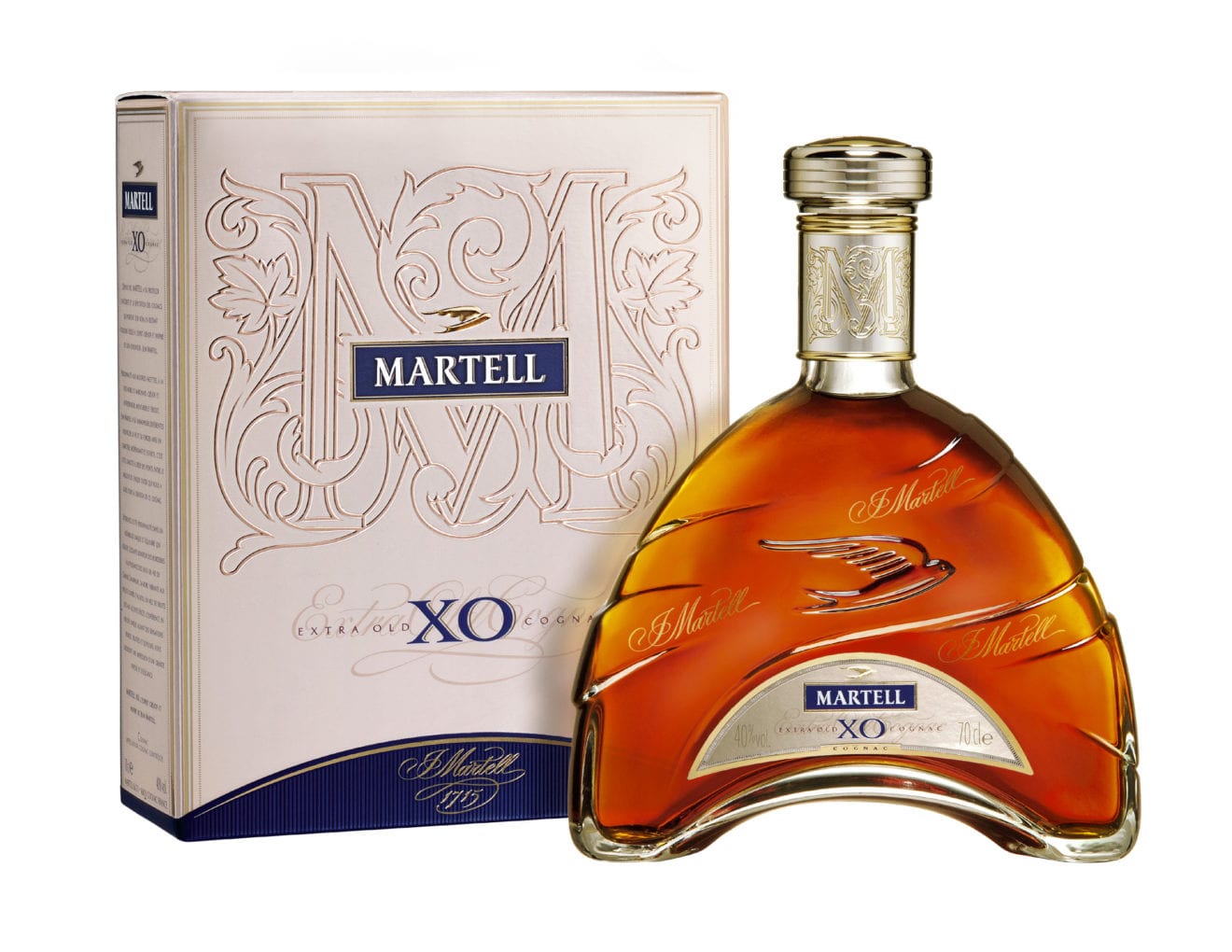
    Martell has unveiled its third addition to the Millésime Collection, called Millésime 1972, made exclusive to Asia travel-retail.

    The Martell Millésime 1972 is a limited-edition series with only 3,500 units numbered and bottled worldwide, of which 2,500 are exclusive to Asia’s travel-retail market, available at $838 with key product showcases in Hong Kong , Taoyuan, Changi and Kuala Lumpur International airports.

    The Martell Millésime 1972 bottle is inspired by the Martell “montre”, a small cylindrical carafe traditionally used to present samples of the various eaux-de-vie to the Cellar Master for blending. A vintage eau-de-vie, Millésime 1972’s sensory fullness has come of age after 43 years in old barrels and a resting period in the Chais de la Coquille, the Martell House’s oldest cellar in Cognac.

    Martell Millésime 1972 celebrates the expertise of the House, the perpetuating savoir-faire initiated by Jean Martell in 1715, with the promise of an unforgettable tasting experience.

  • Mobi724 signs deal with Philippines government

    Mobi724 signs deal with Philippines government

    Tangent produces payment industry software. It manages the payments terminals for more than 80 banks through partnerships with the nation’s largest ATM switch and every major credit card acquirer.

    Mobi724 President Robert Rioux said all banks and retail payment terminals in the Philippines must be EMV compliant by the end of this year. The agreement with Tangent Solutions goes a long way in meeting that goal.

    “This is an opportunity for us to leverage our EMV gateways to connect and route the retail payment terminals to the proper issuing bank. This agreement allows us to reach over 40 percent of all the retailers in the country and it will allow us to connect MPOS transactions.”

    Mr. Rioux said they will deploy its couponing solution in a future phase. That is part of a much larger vision, he added.

    “Our vision is to enhance the value of commoditized payment transactions to the players in this ecosystem (card associations, banks, mobile carriers and retailers) by adding layers of intelligence to these card-linked transactions (i.e. smart transactions) in a seamless manner for all the players in the ecosystem.”

  • Swarovski and DFS put customers in the frame

    Swarovski and DFS put customers in the frame

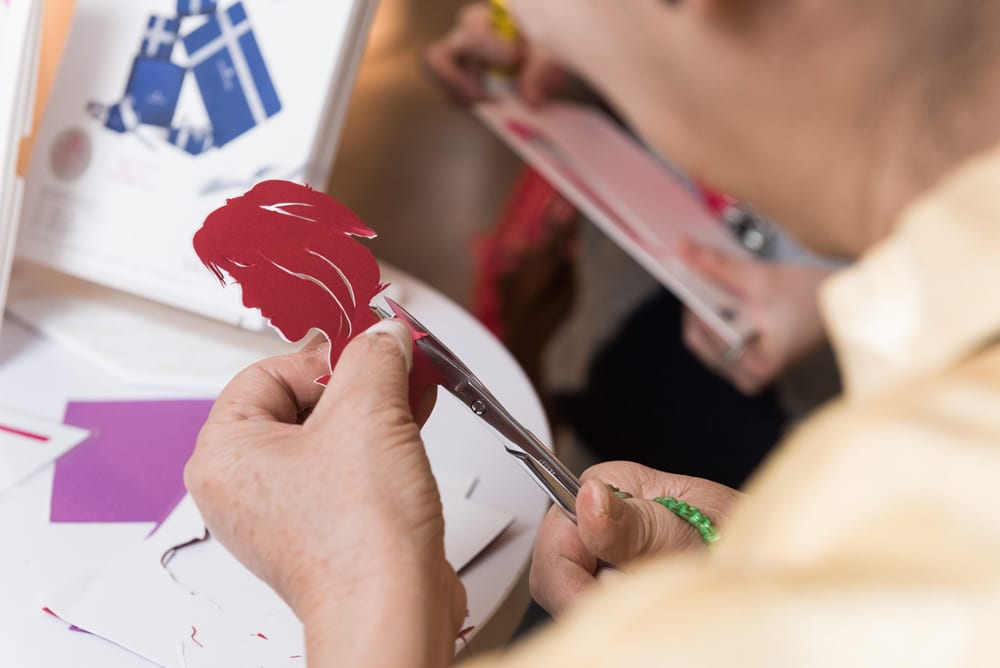
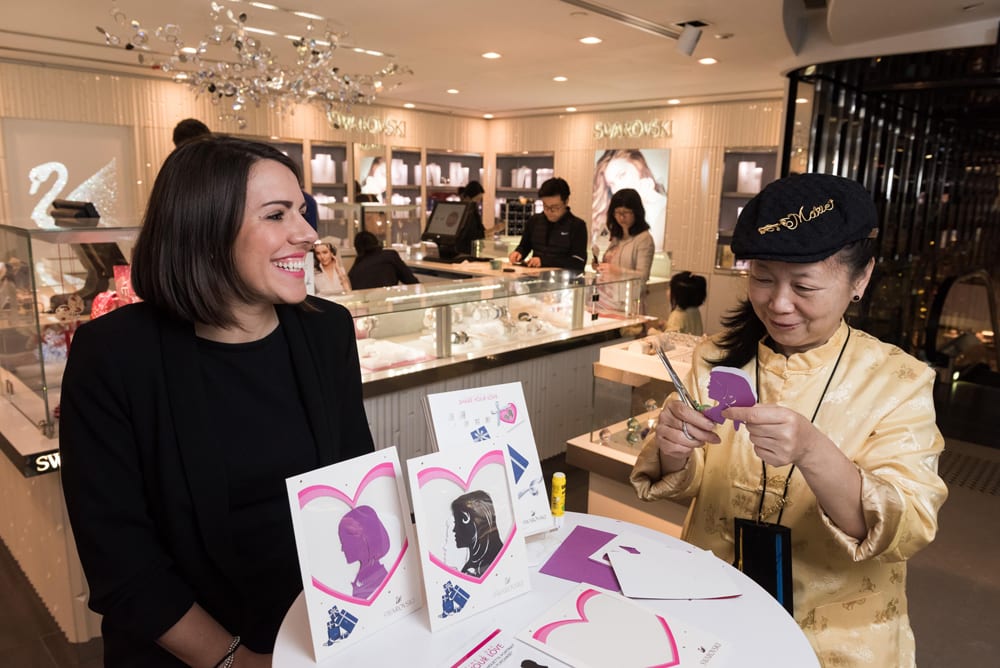
    Throughout February 2016, shoppers who make purchases at selected T Galleria by DFS stores in Hong Kong and Macau can enjoy an ‘exclusive’ silhouette portrait created by local artists as part of a new Swarovski campaign.

    The portraits are gifted in a Swarovski paper frame decorated with the brand’s iconic crystals.

    The service is now available at the T Galleria by DFS stores in Canton Road and Tsim Sha Tsui East in Hong Kong, as well as at City of Dreams and The Shoppes at Four Seasons in Macau.

    Swarovski-DFS-Valentines-Day-offer2

    Karen Tse, Director, Travel Retail Asia Pacific, Swarovski, said: “Swarovski believes that the shopping experience is crucial to how consumers appreciate and value our brand and our exquisite jewellery.

    Swarovski-DFS-Valentines-Day-offer1

    “That is why we have been introducing innovative consumer events such as the Valentine’s Day portrait offer. We
    want to give Swarovski customers an enjoyable memory of visiting our shops and that’s particularly important in prime locations for tourists such as our shops in T Galleria by DFS.”

    Jason Blejwas, Director Merchandise, Sunglasses, Fashion Watches and Jewellery, Global Merchandising, at DFS Group Limited, said: “We’re excited to partner with Swarovski to bring our T Galleria by DFS customers another exciting activation that celebrates our local destinations as well as our fantastic Swarovski product offering.

    “We’re confident this delightful and engaging in-store experience will make for a memorable trip for visitors to Hong Kong and Macau this Valentine’s Day.”

  • China e-commerce huge opportunity for British merchants

    China e-commerce huge opportunity for British merchants

    New research says almost half of the UK’s top online retailers are failing to capitalize on China’s burgeoning e-commerce market. E-commerce service provider Global-e reports that British companies are significantly missing out on a marketplace that’ll be worth $1.5 trillion within four years.

    Chinese shoppers love doing it online. Buying big brands from around the world, It’s global, China’s Centre for Economic Exchange anticipates online retail will account for 30 to 40 per cent of world trade in less than a decade. E-commerce entrepreneur Amir Schlachet says most firms see that as a huge opportunity.

    “Most of them actually do realize that China is an important market. It’s close to a trillion shoppers online. Very open to the world. It’s already around half of the online population actually buying cross border.” said  Schlachet.

    Recent research by market research company Emarketer backs him up, claiming nearly 45% of people in China shop on overseas websites. And the internet shopping giant Alibaba offered further evidence with figures for 2015 indicating a revenue rise of more than 30 percent. However, while many UK retailers have seen the online potential, to others claims Schlachet are failing to take advantage.

    But global’s also local and the trick to getting into the Chinese online market baffles some. Shoppers in China want websites in Mandarin; prices in Renminbi the local currency and payment using local systems such as Tenpay.Union Pay and Alipay. So, while shops in Britain go out of their way to welcome Chinese shoppers, researchers at Global-e found traders needed help online.

    It’s all a barometer of how globalization is changing the way we go shopping, but at the same time it’s a real indicator of how new businesses can start up to take advantage of that.

  • Colgate-Palmolive keeps the Philippines smiling on its 90th year

    Colgate-Palmolive keeps the Philippines smiling on its 90th year

    2016 marks the 90th year of Colgate-Palmolive in the Philippines and with that, the various global brands that have helped improve the lives of Filipinos. These brands include: Colgate, Palmolive, Gard, Tender Care, Axion and Ajax.

    Colgate continues to be the Oral Care brand most recommended by Dentists* and Palmolive remains to be the #1 Personal Care brand, in the Philippines**.

    Keeping Philippines Smiling has been the mission of the company since it first opened its doors in 1926 at Binondo, Manila. For almost 20 years, Colgate-Palmolive has been driving oral health education in public schools across the country, together with the Department of Education thru the Colgate Bright Smiles Bright Futures Program. This program provides oral health education as well as oral care kits (toothbrush, toothpaste) to every first grade public student in the Philippines. In 2015 school-year alone, 2.3 Million students benefited from this program.

    The company is also the exclusive partner of the Philippine Dental Association since 2001 to raise oral health awareness during Oral Health Month. This February, we will offer free dental check-up and free fluoride treatment to 100 kids in 100 barangays. That’s 10,000 kids that will have healthier smiles at the end of the month.

    The team has also been working closely with Public Health agencies to further improve the reach of oral health education and fluoride treatment application, among communities that need this support the most.

    In addition, aspiring dentists have the opportunity to receive scholarship grants from Colgate-Palmolive and the Philippine Association of Dental Colleges. Our first scholar in the 1980s: Ma. Jona Godoy, DMD became Dean of CEU’s College of Dentistry and is an active officer representing the Philippines at the International Association for Dental Research (Southeast Asia Division) since 2000. Since the partnership was officially forged in 2001, Colgate-Palmolive and PADC have granted 248 scholarships.

    _OLE3673

    Stephen Lau, Vice-President & General Manager for Colgate-Palmolive Philippines announces the company’s theme “Keep Philippines Smiling” for its 90th year.

    Stephen Lau, Vice President and General Manager for Colgate-Palmolive Philippines explains “Indeed, the company feels privileged to have this opportunity and capacity to make a meaningful impact to the community. At Colgate-Palmolive, we firmly believe that good oral health is a basic right of every citizen.”

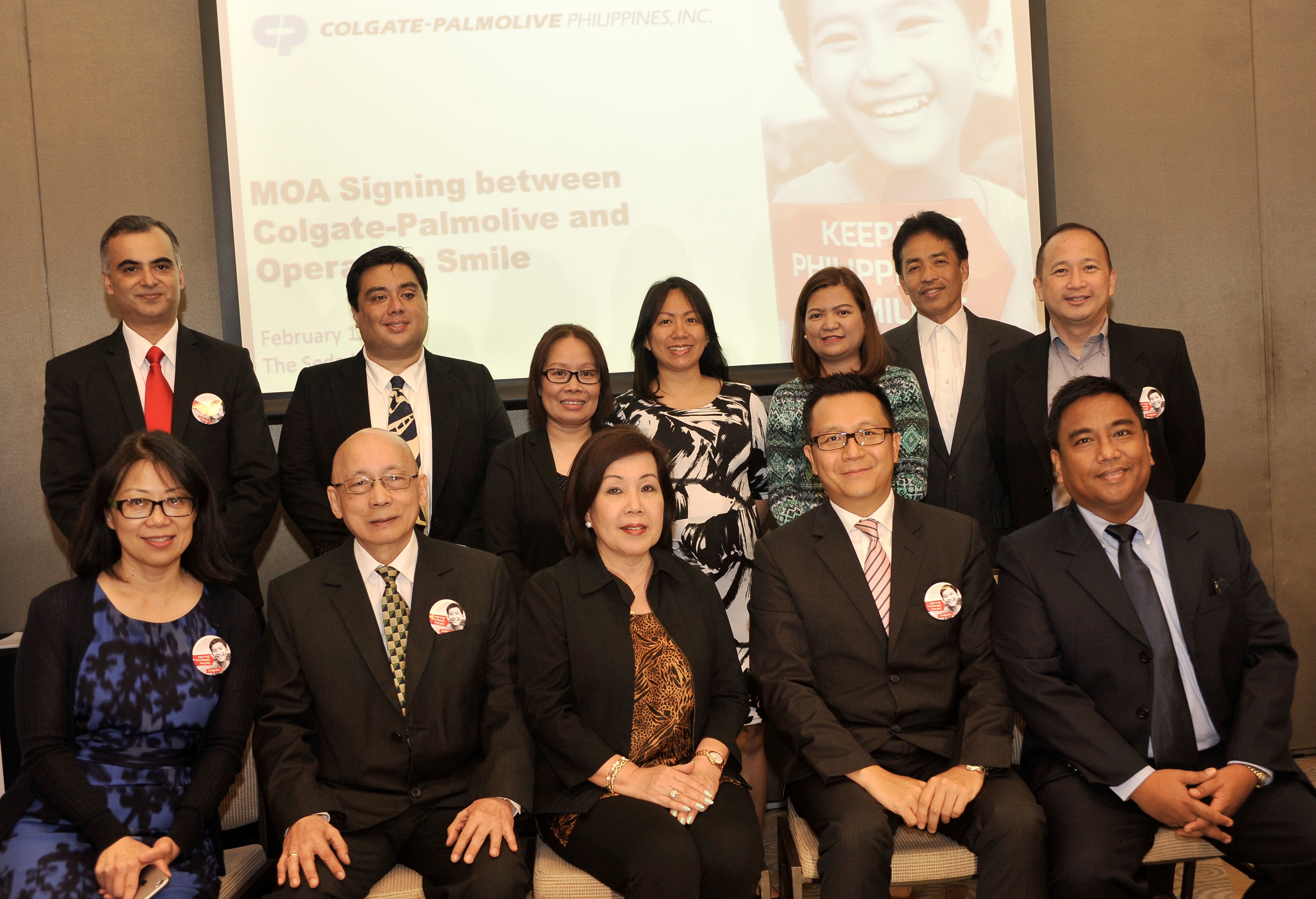
    Management Teams of Colgate-Palmolive Philippines, Operation Smile Philippines and Puregold Price Club Inc. have joined forces to raise funds for oral cleft surgeries and dental check-up. This kicks-off a series of community service programs to commemorate Colgate- Palmolive’s 90th year in the country

    Management Teams of Colgate-Palmolive Philippines, Operation Smile Philippines and Puregold Price Club Inc. have joined forces to raise funds for oral cleft surgeries and dental check-up. This kicks-off a series of community service programs to commemorate Colgate-
    Palmolive’s 90th year in the country

    To Keep the Philippines Smiling even more in 2016, Colgate-Palmolive has teamed up with Operation Smile Philippines Foundation, Inc.. Operation Smile brings groups of medical volunteers from across the world to help indigent children afflicted with oral cleft. It is estimated that 1 in every 500 new-born babies in the Philippines has oral cleft. This life-changing surgery not only improves the child’s oral health but significantly boosts their confidence and self-esteem.

    Puregold is the retail partner for this endeavour to help raise funds for surgeries, dental check-up and fluoride treatment. When Puregold shoppers buy participating Colgate products from February 15 to April 17, the amount of Php5 from every product purchased will be donated to Operation Smile.

    To Kick-off the company’s 90th Year, a MOA was signed between Colgate-Palmolive Philippines and Operation Smile Philippines to bring brighter smiles to children with oral cleft. In the picture (L-R): Bobby Manzano (Country Director of Development for Operation Smile Phils), Edith Villanueva (Chairman Board of Trustees, Operation Smile Phils), Stephen Lau (Vice-President/General Manager, Colgate-Palmolive Phils) and Jennifer Peng (Finance Director, Colgate-Palmolive Phils)

    To Kick-off the company’s 90th Year, a MOA was signed between Colgate-Palmolive Philippines and Operation Smile Philippines to bring brighter smiles to children with oral cleft. In the picture (L-R): Bobby Manzano (Country Director of Development for Operation Smile Phils), Edith Villanueva (Chairman Board of Trustees, Operation Smile Phils), Stephen Lau (Vice-President/General Manager, Colgate-Palmolive Phils) and Jennifer Peng (Finance Director, Colgate-Palmolive Phils)

    “This collaboration with Operation Smile is only one of several activities that Colgate-Palmolive Philippines will implement on its 90th year. We have allocated significant resources for this year-long campaign of giving back to the Filipinos. I am proud to see that the entire organization is extremely dedicated towards Keeping the Philippines Smiling more each day”, declares Stephen Lau.