Blog

  • Hong Kong’s Disneyland struggling to work its magic

    Hong Kong’s Disneyland struggling to work its magic

    As Walt Disney readies to open its first Disneyland resort in mainland China and its sixth in the world by June, its decade-old theme park in Hong Kong has tumbled back into a loss, portending challenges ahead amid the country’s slowing economic growth.

    Hong Kong Disneyland recorded a loss of HK$148 million (S$27 million) in the year ended October last year, its first loss in four years, after fewer Chinese tourists visited the city. The resort had suffered seven years of losses from its opening in 2005, before turning in its first profit in 2012.

    The former British colony has already seen retail sales slump as fewer mainland Chinese tourists visit, hurt by a combination of China’s slowdown and a weak yuan, relative to the Hong Kong dollar, that has dulled the city’s attractiveness.

    WHY HONG KONG

    It’s very easy for us to visit Shanghai. We will definitely go later… There are more things to do in Hong Kong, as well as other famous attractions like Victoria Peak.

    MS LU MEI-YIN, 45, a graphic designer from the northern coastal city of Qingdao in China, who visited Hong Kong Disneyland earlier this year.

    WHY NOT HONG KONG

    Who will go to Hong Kong Disneyland when we have one at our door? Even if we want to visit a foreign Disney park, I will go to Tokyo, which many of my friends have recommended.

    MS HUANG SHILIN, a 33-year-old mother of two children from Hangzhou, in Zhejiang province.

    • MIXED FORTUNES FOR ASIA’S DISNEYLANDS

    • Hong Kong Disneyland

      Opened: Sept 12, 2005

      Visitor numbers: 6.8 million last year, down 9.3 per cent from the year before

      Ticket prices: General adult entry fee is HK$539 (S$98); the park is planning to give discounts

      Size: 126ha

    • Shanghai Disneyland

      Opening: June 16, 2016

      Visitor numbers: 15 million people expected in the first year; projected yearly visitor numbers of 25 million to 30 million

      Ticket prices: Peak period adult ticket costs HK$590 per day; HK$438 at other times

      Size: 400ha

    • Tokyo Disneyland

      Opened: April 15, 1983

      Visitor numbers: Traffic for the entire fiscal year expected to fall 3 per cent to 30.4 million for the fiscal year through next month. Attendance in 2013 and 2014 was up sharply, due to factors such as the park’s 30th anniversary and the launch of large attractions

      Ticket prices: Starting from April 1 this year, adults will pay 7,400 yen (S$91) for a single-day ticket, a 500-yen increase

      Size: 200ha

    Revenue at the Hong Kong resort fell 6.4 per cent to HK$5.1 billion, while annual attendance slipped 9.3 per cent to 6.8 million, it said.

    With Disney’s Shanghai park set to open on June 16, more Chinese could be lured away. Mainland Chinese customers helped boost Hong Kong Disneyland to a record profit of HK$322 million in fiscal year 2014.

    Last year, they formed the biggest group of visitors to Hong Kong Disneyland, accounting for 41 per cent, followed by Hong Kong residents at 39 per cent, and international visitors at 20 per cent, the resort said in a statement on Monday.

    It will be contending with a sister resort in Shanghai that is three times larger in size, and with similar ticket prices.

    Adult tickets at Shanghai Disneyland will be more expensive than at its counterpart in Hong Kong during peak times, such as at weekends and on holidays, but cheaper during other periods.

    Recruitment and staff training are now under way at the Shanghai theme park, the South China Morning Post (SCMP) reported.

    “The next two years will be very challenging,” Hong Kong Disneyland managing director Andrew Kam told reporters on Monday.

    In anticipation of the stiff competition, Hong Kong Disneyland will offer discounted entrance fees and hotel room rates, he said.

    A one-day ticket, for example, would cost about 400 yuan (S$86) and include lunch, while hotel room rates would be discounted by up to 30 per cent, SCMP reported.

    A 750-room hotel is due to open next year.

    Mr Kam said new attractions this year include a revamp of the Space Mountain roller coaster, with elements from the Star Wars movies, and a themed area based on Marvel’s Iron Man franchise.

    “Our asset is really differentiation,” he was quoted as saying by Nikkei Asian Review. “We will focus on serving customers around the region.”

    Falling numbers from China have encouraged the theme park to look harder at South-east Asian markets, including countries like Indonesia, the Philippines and Thailand.

    Hong Kong Commerce and Economic Development Secretary Greg So said the Shanghai park highlights more Chinese characteristics, while Hong Kong is an “international playground”.

    Hong Kong’s other big tourist attraction, Ocean Park, is also feeling the heat, with profits down 53 per cent at HK$45.2 million for the fiscal year that ended last June. It has announced plans to seek new markets in Asia and boost its retail and food sectors, SCMP reported.

    In an editorial published on Wednesday, the Hong Kong English-language newspaper said mainland tourists are increasingly spoilt for choice amid a proliferation of theme parks in the region. It called on Hong Kongers to change their attitude towards mainland Chinese visitors.

    “There is another cloud in Disneyland’s outlook that only Hong Kong people themselves can disperse – anti-mainlander sentiment, which has a negative impact on Hong Kong’s image as a safe, welcoming city.

    “Sadly, it is compounded by violent incidents such as the Mongkok riot,” SCMP said.
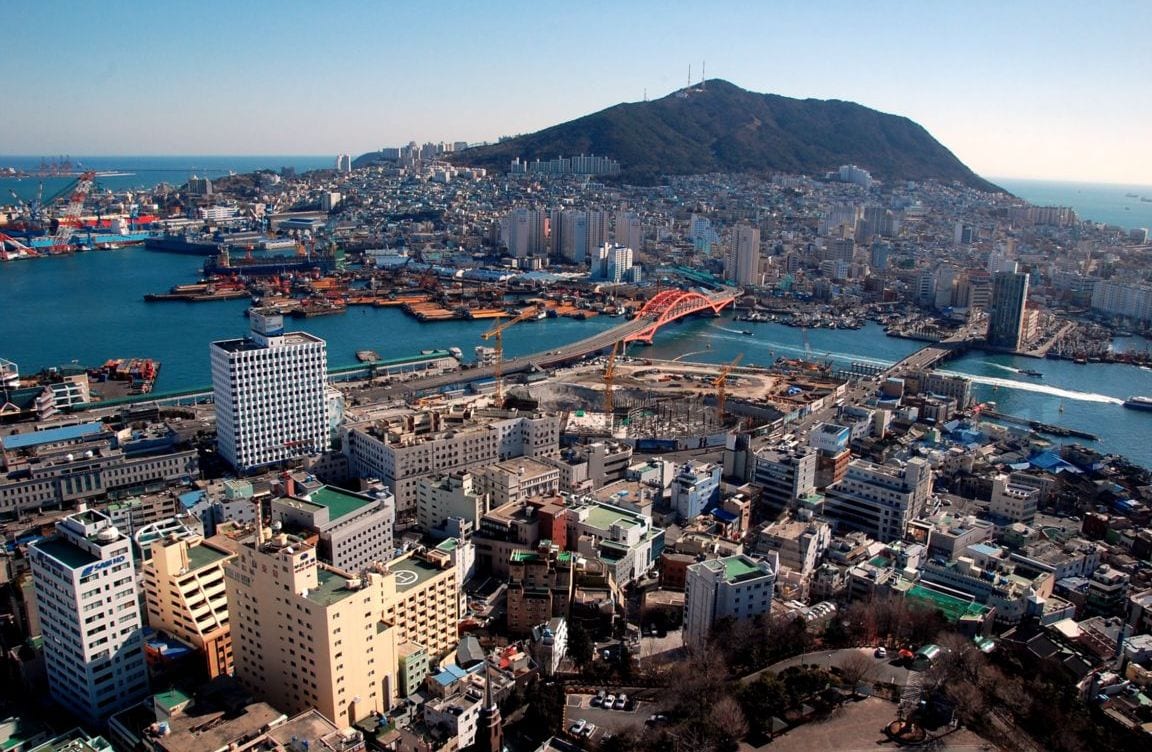
  • Chinese influx lifts Jeju’s growth

    Chinese influx lifts Jeju’s growth

    The southern resort island of Jeju showed the highest rate of growth in productivity in the service sector and retail sales last year.

    Jeju’s service sector productivity rose 6.7 percent in the fourth quarter of 2015 compared to the same quarter the previous year, according to a Statistics Korea report released Thursday. The growth rate is two times higher than the national average rate of 3.1 percent and nearly three times more than Seoul’s 2.3 percent.

    Statistics Korea said productivity growth rates were high in areas such as Jeju, South Chungcheong and Gangwon, as more financial and social welfare businesses moved in to the areas. Gyeonggi and Seoul also saw increases of around 2 percent, but their rates were relatively small as the number of related businesses decreased last year.

    The nation’s retail sales also rose in the fourth quarter of 2015 from the same quarter of the previous year.

    Retail sales increased most in Jeju at 10.8 percent, which is nearly two times higher than the national average of 5.7 percent, while Gyeonggi and South Chungcheong each scored 6.7 percent to tie in second place. In these places, sales at large discount stores and car dealers rose significantly, according to Statistics Korea.

    Sales in large discount stores accounted for 20.8 percent of total retail sales in the fourth quarter of 2015 in Jeju.

    Industry experts believe Jeju is over-performing in both productivity and sales growth rates as more Chinese tourists are visiting the island.

    For example, real estate and leasing services accounted for 25 percent of total productivity growth in Jeju. Currently, many Chinese are interested in investing in the island’s real estate. Jeju, the warmest place in Korea, was also able to attract more local and foreign tourists in the fourth quarter.

    Additionally, the popular trend of urbanites heading back to suburban areas like Jeju has also helped bolster the island’s economy. Net migration, the difference between immigrants and emigrants, reached 14,257 last year. In 2014, it was at around 11,112.

    In all 16 major cities and provinces, both service sector productivity and retail sales increased in the fourth quarter of 2015.

    Meanwhile, the service sector productivity growth rate nationwide last year is expected to reach 2.9 percent from the previous year. In 2014, the growth rate was 2.2 percent. The nation’s retail sales growth rate is projected at 3.4 percent, double the 1.7 percent in 2014.

  • Ikea breaks ground for Bang Yai outlet

    Ikea breaks ground for Bang Yai outlet

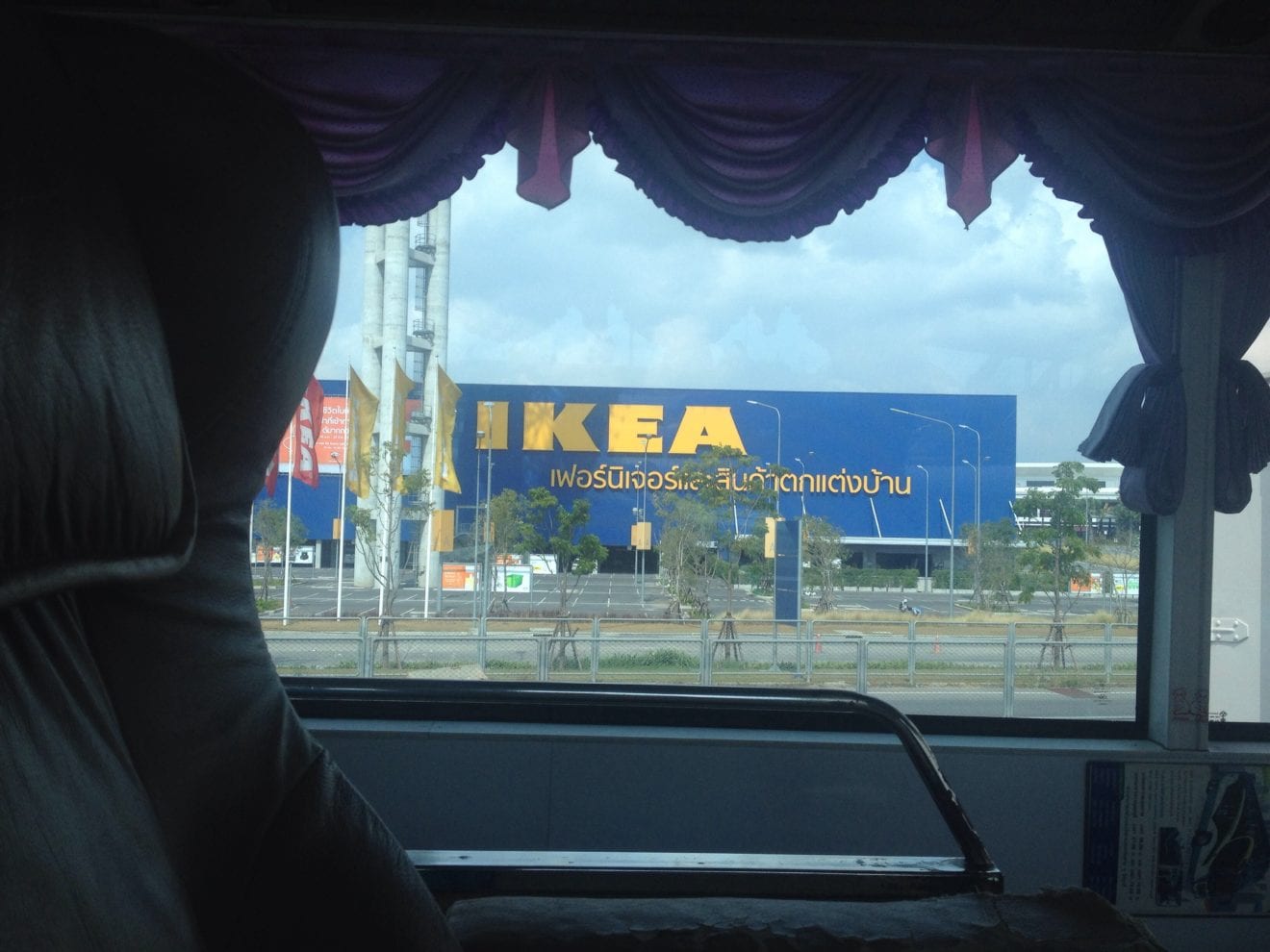
    “We are creating the world’s best integration of a Ikea store into a shopping centre,” said Sebastian Hylving, expansion director for Ikano Private Ltd, holder of the Ikea franchise rights in Singapore, Malaysia and Thailand.

    The branch will offer wide-open entrances at all levels of the CentralPlaza WestGate shopping centre and a direct link to the future mass-transit line.In a highly complex design, the showroom and a market hall are housed inside an expansive two-storey concourse that creates a bridge to the WestGate mall.

    The Ikea self-service warehouse will be on the ground floor.

    “This is not going to be the usual blue box,” said Lacia Sherlock, Ikea retail project leader for Ikano.

    “This will be the only Ikea store that offers customers an opportunity to enter and check out at every level. We will deliver a fantastic customer experience.”

    Mike King, the Ikea retail director for Ikano, is confident that many of the 1.6 million people who live in Bang Yai and the surrounding area – including a growing population of young families – will make the trip to the new store when it opens at the end of next year.

    “There may be a lot of competition in the home furnishing business here in Thailand, but no other retailer offers the whole family a great day out in the way Ikea does,” he said.

    The Bang Yai Ikea store is an integral part of the overall expansion plan for Ikano. In November, the company opened a second store in Kuala Lumpur and a pick-up and order point in Phuket.

    The Bang Yai project marks Ikano’s first collaboration with Central Pattana, developer of the shopping centre.

  • SATO empowers Singapore fashion retailer

    SATO empowers Singapore fashion retailer

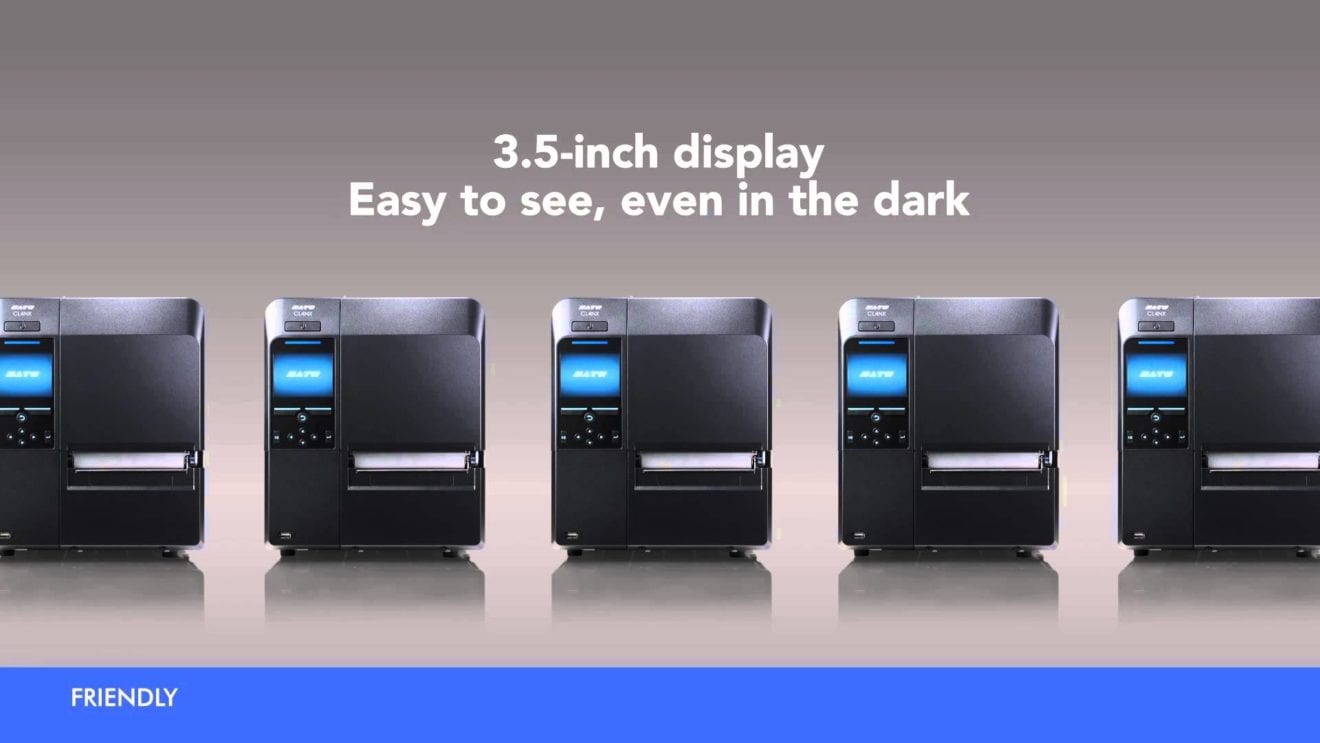
    SATO has supported the implementation of an RFID inventory and stock-taking system for Decks.

    The Singapore-based fashion retailer and apparel supplier has achieved greater efficiency and accuracy with Auto-ID solutions from SATO.

    Decks was previously spending up to 600 worker-hours for its annual stock-taking with 88% accuracy.

    It has now adopted RFID inventory system from SATO involving tagging apparel with RFID labels, and scanning incoming as well as outgoing items through an RFID enclosure.

    This has simplified stock-taking as it is done with a simple sweep of a mobile RFID scanner.

    “Today’s visit to Decks retail shop is an eye-opener for me,” said Singapore Minister for Manpower Lim Swee Say. “They have improved business outcomes for their company to create better jobs for Singaporeans and made their careers more meaningful.”

    The Retail Sectoral Manpower Plan (SMP) builds a future-ready retail workforce with the skills required to support the sector’s transformation.

    Retail SMP was developed by SPRING Singapore and the Singapore Workforce Development Agency (WDA) in consultation with industry stakeholders and unions.

    Decks was hailed as an example for the retail sector at the launch of the Retail Sectoral Manpower Plan (SMP) by Say.

    Looking forward, SATO will continue working with Decks through other retail solutions such as Anti-Theft and Self-Checkout and also help other players in this industry facing similar issues.

    “With the retail industry growing more competitive and the rise of e-commerce and m-commerce changing the way consumers shop, retailers have to act fast to keep up and stay ahead in the game,” said Kelvyn Chee, managing director of Decks Pte. Ltd. “Besides stock-taking advantages, the new RFID system SATO provided also helps us achieve greater inventory data accuracy enabling us to ensure stock availability and customer satisfaction.”


  • Standard Chartered hires Capital One’s James Dolphin as retail CIO

    Standard Chartered hires Capital One’s James Dolphin as retail CIO

    Standard Chartered has hired James Dolphin from Capital One as chief information officer, retail banking, to help kickstart the bank’s digital transformation initiative.

    Dolphin’s appointment comes after the bank announced plans to cut 15,000 jobs and accelerate its retail transformation strategy after reporting an unexpected $139 million loss for the third quarter, 2015. The updated strategy entails an investment of more than $3 billion in strengthening its technology and compliance and risk functions and a stated objective to reach 30% of sales and 40% of payments online by 2018.Dolphin joins Standard Chartered from Capital One where he has been CIO for retail and direct banking since 2012. In this role, he was instrumental in instilling a software development culture as the platform for change in the company’s retail business.

    Based in Singapore, Dolphin will report directly to Group CIO, Dr Michael Gorriz, a former aerospace engineer who joined the bank from Daimler last year.

    Gorriz says: “James brings with him a strong reputation as a technology leader and innovator. He is highly experienced in leading large teams and driving an agile culture that is innovative and customer-centric.”

  • Challenger’s net profit in 2015 up 22%, plans to open new online store in April

    Challenger’s net profit in 2015 up 22%, plans to open new online store in April

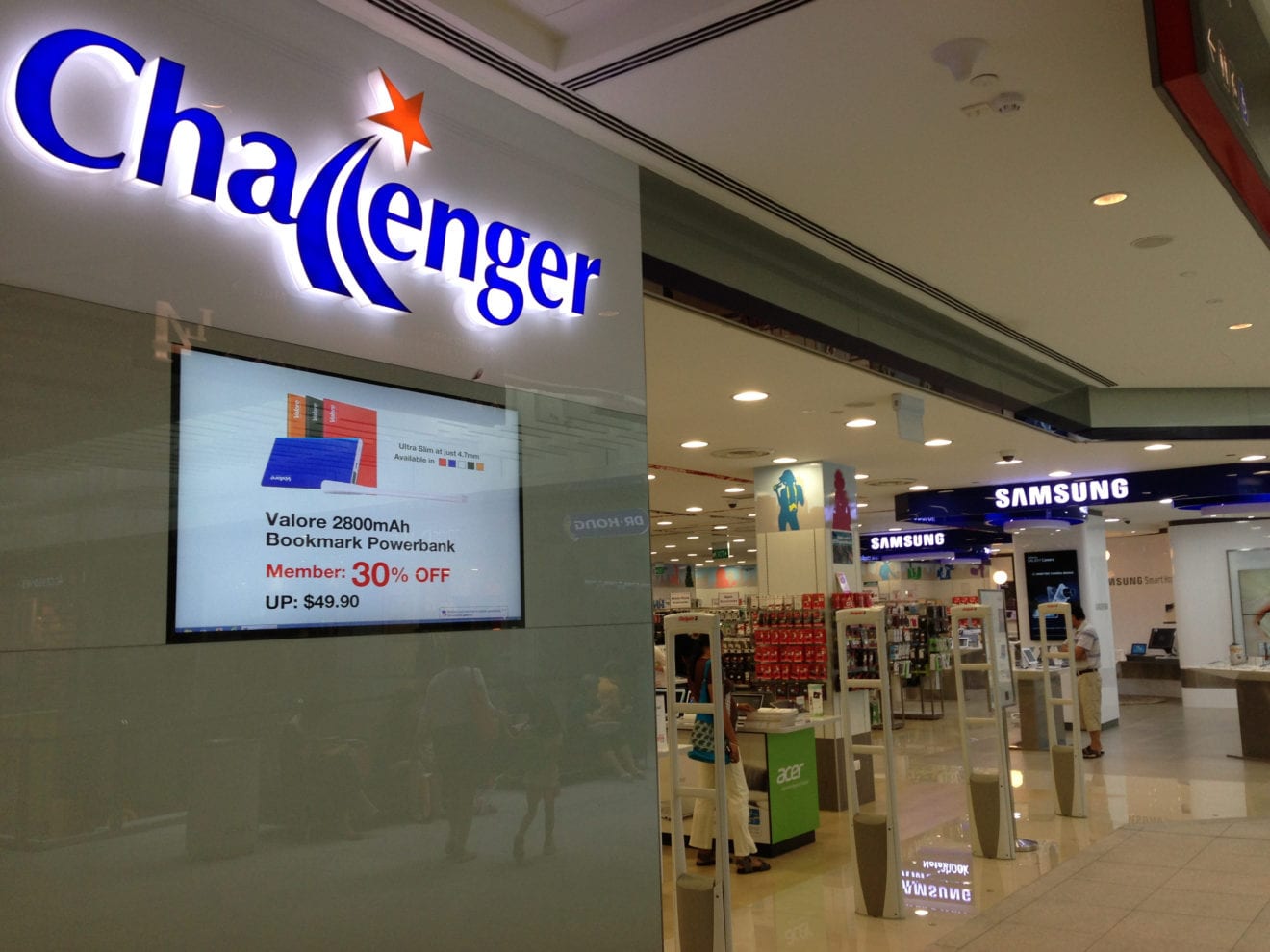
    IT products and services provider Challenger will establish a new online store to maintain its relevance in the retail market.

    Known as Hachi.sg, the portal, which will be unveiled in April 2016, will boast more products, an improved shopper interface and an online sales platform, Challenger said in a statement on Tuesday (Feb 16).

    Chief executive Mr Loo Leong Thye said: “Our strong network of offline stores will complement the online business so our customers can enjoy a true shop-anywhere, offline-to-online and vice versa experience.”

    On Tuesday, the SGX Mainboard-listed technology company also announced net earnings of $18.3 million in 2015, a 22 per cent increase from the $15 million profit recorded the year before.

    The IT retailer attributed the higher net profits to higher government grants received and lower operating expenses from the closure of its Malaysia retail operations.

    In the final quarter of 2015, net profit also increased by 50 per cent, $7.5 million more than the previous year.

    Meanwhile, earnings per share rose by 1.01 cents, from 4.28 cents in 2014 to 5.29 cents in 2015.

    However, it recorded a one per cent dip in revenue over the year from $355.1 million in 2014 to $352.2 million, due to lower contribution from retail revenue in Singapore.

    Looking at the year ahead, Mr Loo observed that 2016 will continue to be a challenging year for the retail industry.

    “Weak market sentiment from last year will spill over into 2016. Hence, retailers like us have to keep innovating to retain existing customers and attract new ones. On top of that, we will continue to focus on other hygiene factors like keeping operating costs low with better cost management and increasing productivity,” he said.

    Mr Loo added that Challenger is looking to build up to a stronger position by investing resources and manpower for the next three to five years towards its online business.

    Currently, Challenger has a total of 48 stores in Singapore. But it revealed last December that it would be closing its flagship megastore in Funan DigitaLife Mall, after it was announced that the mall will shut down this year for redevelopment.


  • Did The Hong Kong Property Market Just Burst? 2 Stocks That May Be Affected

    Did The Hong Kong Property Market Just Burst? 2 Stocks That May Be Affected

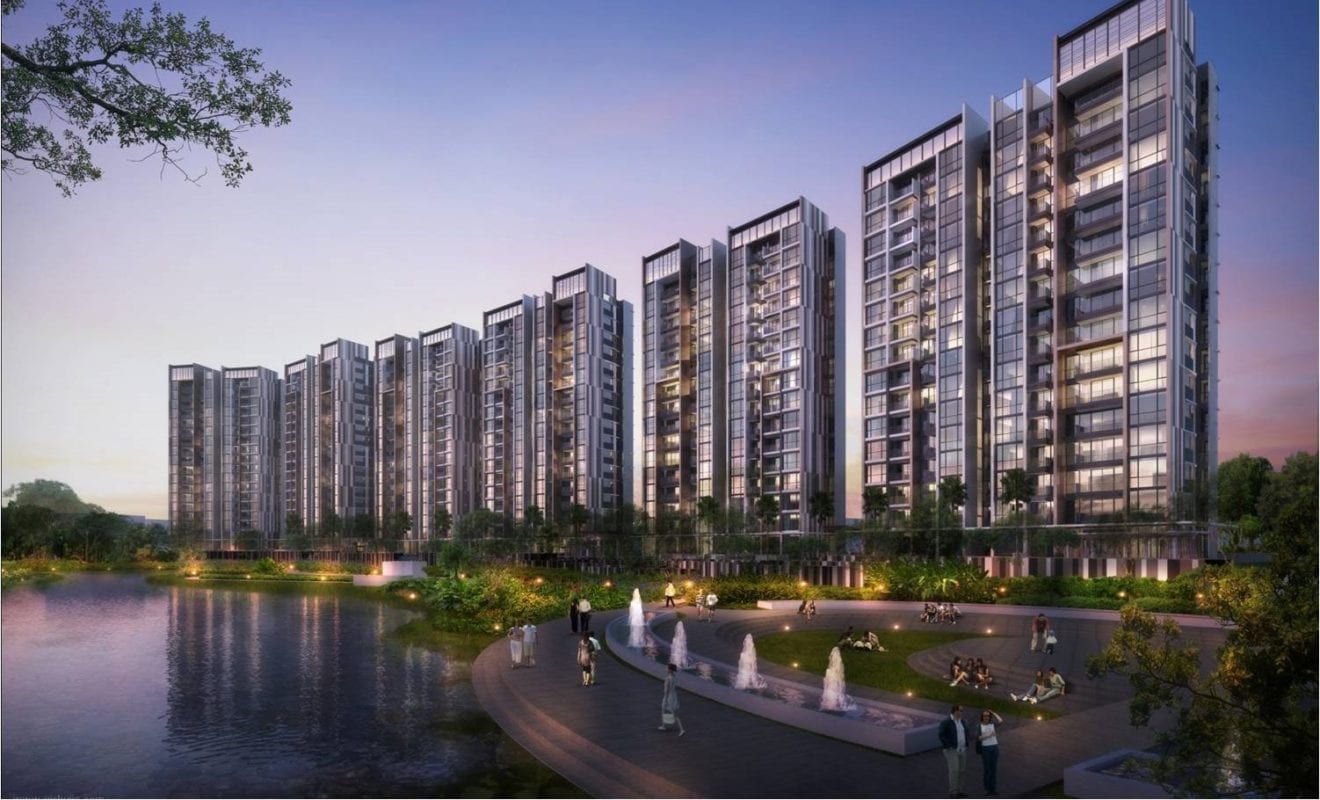
    Hong Kong property prices have been surging over the past few years. A report from Swiss bank UBS indicated that Hong Kong property prices have appreciated around 340% from 2003 to 2015.

    But, 2016 might not be such a good year for Hong Kong real estate.

    Based on January 2016 data, monthly home sales in the city had reached its lowest levels since such data was first tracked in 1991. More alarming is that a recent government-released land parcel in Hong Kong’s New Territories area was sold at a price (on a per square foot basis) nearly 70% lower than a similar transaction that took place in September 2015.

    Piling on the pressure is the government of Hong Kong – it is planning to increase the amount of housing supply to the market over the next five years due to high property prices which has made housing unaffordable for the city’s residents.

    Will these developments be the trigger to mark the start of a prolonged slump in Hong Kong’s property market? Will any potential troubles that may arise in the residential real estate market hit other real estate sectors such as commercial and retail?

    In Singapore’s stock market, there are a few companies and trusts that are exposed to the Hong Kong real estate market. Two of the bigger entities in that category would be Hongkong Land Holdings Limited (SGX: H78) and Fortune Real Estate Investment Trust (SGX: F25U).

    Stock Market capitalisation (15 February 2016)
    Hongkong Land Holdings US$13.6 billion
    Fortune REIT HK$14.7 billion

    Source: S&P Global Market Intelligence

    Hongkong Land is one of the largest property owners in Hong Kong’s Central district, owning many premium commercial office towers there. Meanwhile, Fortune REIT is a real estate investment trust that invests mainly in retail malls located in Hong Kong. At the moment, the REIT has 17 properties in its portfolio.

    With the possibility of a slump in property prices in Hong Kong – at least for the residential real estate sector – what does the near term future hold for both Hongkong Land and Fortune REIT?

    Hongkong Land might have an advantage over Fortune REIT when it comes to withstanding any downturn in real estate.

    With Hongkong Land’s strong balance sheet (it has a net debt to equity ratio of only around 9%), it has flexibility and is facing lower financial risks even if its properties are revalued to a much lower level.

    That said, if there’s a prolonged slump in Hong Kong, the rental rates for Hongkong Land’s properties might still take a hit in the future, hurting its earnings going forward. Before that becomes a reality, it seems that the market is already punishing the company. Hongkong Land is currently valued at just 0.48 times its tangible book value; that’s a valuation last seen back in 2011.

    Fortune REIT is also facing a similar situation. But, given that a REIT tends to have much tighter restrictions on its debt level (whereas companies are given free rein), a huge drop in the value of its properties might have a big impact on the trust.

    Moreover, as Fortune REIT has a weaker balance sheet as compared to Hongkong Land – the REIT has a gearing ratio (total debt over total assets) of 30.1% – a sharp drop in the value of its properties might increase the REIT’s leverage to onerous heights, thereby raising the possible need for the REIT to raise equity capital and thus cause its investors to face dilution risks.

    How the Hong Kong property market will play out is still unclear. Although demand seems to be slowing, the eventual impact on property prices is yet to be seen. Moreover, the current slump is mainly in the residential sector, so it is also unclear how it might affect the commercial and the retail sector of Hong Kong’s property market.

    But, it is still wise and prudent for investors here in Singapore to be aware of possible dangers ahead for some Singapore-listed companies as a result of their exposure to the real estate market in Hong Kong.


  • Pernod Ricard Asia troubles parent

    Pernod Ricard Asia troubles parent

    Despite difficulties in Asian travel retail, particularly in Korea, liquor supplier Pernod Ricard reports solid first-half 2015/2016 results totalling €5b ($5.7b) and organic growth of 3 per cent.

    It says the results represent a continued gradual improvement apart from difficulties for the Chivasbrand in the pernod Ricard Asia portfolio.

    There was a negative mix driven by geography – growth in India vs. a decline in China. Overall in Asia, the company had 5 per cent growth (or 4 per cent, taking into account the changing dates of the Chinese New Year) with double-digit growth in India. However, China declined by 2 per cent (down 8 per cent adjusting for Chinese New Year).

    “Our half-year results are solid, delivering a continued improvement in sales,” says chairman and CEO Alexandre Ricard. “Our strategy has remained consistent and is driving results, in particular in terms of innovation.”

    He says the company plans to continue improving its performance and will continue to support priority markets, brands and innovations.

    Pernod Ricard includes Cambodia, China, India, Indonesia, Malaysia, Sri Lanka, Thailand, The Philippines and Vietnam in its emerging markets, and lists its top 14 brands for organic growth as Absolut, Ballantine’s, Beefeater, Chivas Regal, Havana Club, Jameson, Kahlua, Malibu, Martell, Mumm, Perrier-Jouët, Ricard, Royal Salute and The Glenlivet.

    Formed in 1975 by the merger of Ricard and Pernod, the company has a workforce of about 18,000 people. Its decentralised organisation has six brand companies and 80 market companies in each key market.

  • Rakuten Singapore axes eCommerce site

    Rakuten Singapore axes eCommerce site

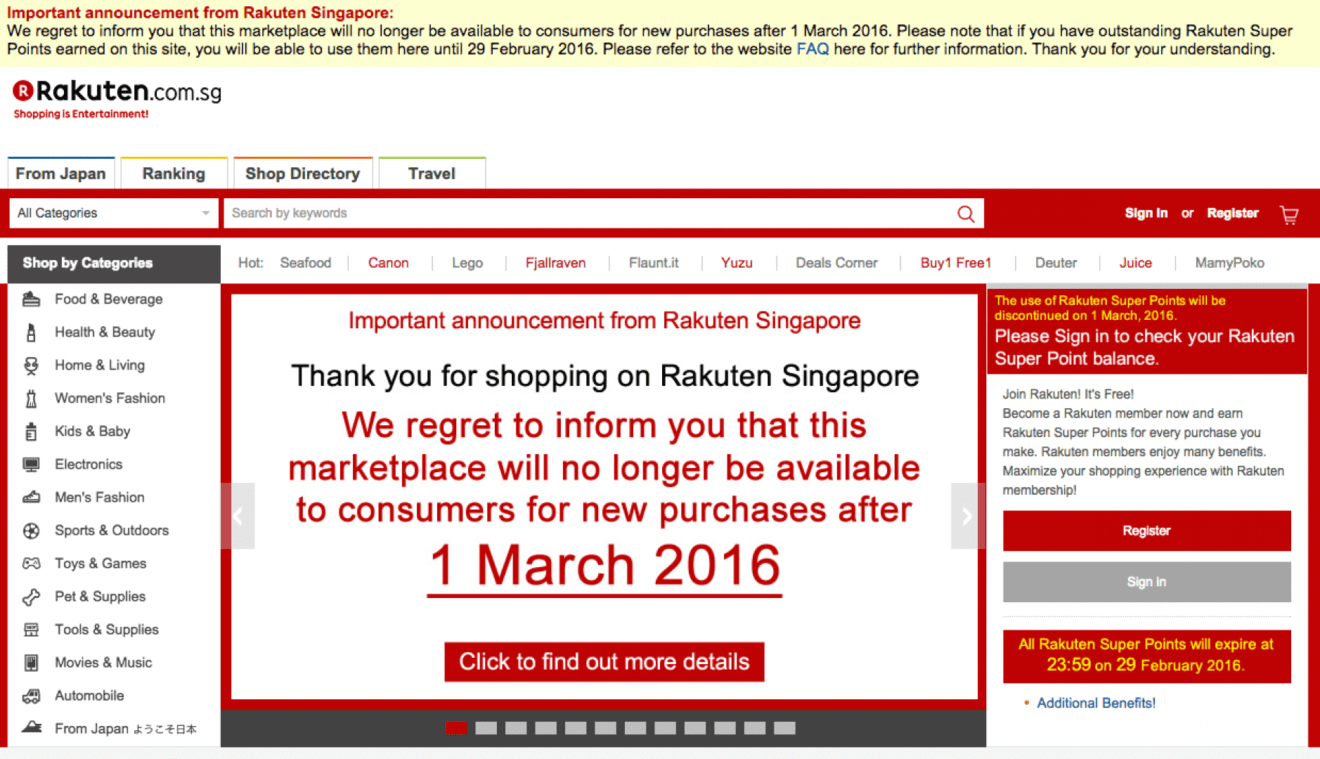
    Japan’s online retailing giant Rakuten is to close its eCommerce websites in Singapore, Indonesia andMalaysia on March 1.

    And it is reportedly seeking a buyer for its Thailand business Tarad.com which it bought in 2010.

    The decisions follow a disappointing trading result which has prompted the business to refocus on its domestic operations and scale back unprofitable overseas activities. The company reported net profit for the year fell 38 per cent year-on-year to 44.3 billion JPY (US$393 million) on revenue of 714 billion JPY ($6.3 billion) – up 19 per cent, largely due to writedowns of its Kobo, Southeast Asian and other struggling divisions.

    Some 30 staff in Singapore had their employment terminated on Friday, just five days into the Lunar New Year. By the time the sites are wound down, about 150 staff will have been axed in the three markets, but the company will retain a regional headquarters in the city state.

    Rakuten’s apparently profitable Taiwan business will continue to operate.

    Tech website Techcrunch reported the three eCommerce sites to be shuttered will be replaced by a new product in Southeast Asia, “a consumer-to-consumer app called Rakuma” which, Rakuten said, has grown 20 per cent month-on-month in Japan.

    “That concept sounds a lot like (indeed, the same as) Carousell, the app that Rakuten Ventures is an investor in. Singapore-based Carousell is currently in three countries in Southeast Asia but, as we reported late last year, it is trying to raise a $50 million round to expand its service significantly across Asia.”

    No further details of the Rakuma concept, which is mobile-based, have been released, with the project still under development.

    In a statement to Reuters, Rakuten said the new concept was a consumer-to-consumer business model, rather than the aggregation-based business-to-business-to-consumer format of the closing Rakuten sites.

    “In Southeast Asia, as the market itself changes and adapts, we are looking toward C2C (customer to customer) and mobile business models for eCommerce and other businesses,” Rakuten said.

  • Asian retail outlook: “more cautious”

    Asian retail outlook: “more cautious”

    High operating costs – particularly rents and labor in Asia – will ensure retailers are more cautious this year, concludes real estate specialist CBRE.

    In its annual Asian retail outlook, the company’s research department predicts many retailers will shift their strategic focus from expanding their store networks to rationalisation, improving in-store profitability and upgrading to better locations.

    That trend is expected across the broad Asia-pacific market, including Hong Kong.

    “Leasing activity will diverge across markets, with Australia, Japan and New Zealand the most upbeat, whereas Hong Kong and Singapore will continue to struggle,” CBRE concluded.

    “Driven by ongoing urbanisation and wage increases, Southeast Asia will also see solid leasing activity. Demand across the region will be led by food and beverage retailers, while affordable and niche luxury brands will also be active.”

    CBRE also warns the rise of online shopping will continue to force shopping malls to embrace ‘retail-tainment’ and adjust their trade mix to include more experience-oriented retailers to retain foot traffic. Around 63.8 million sqft of new shopping center supply is scheduled to be completed in 2016. Against the sluggish leasing demand and ample new supply, overall retail rents are forecast to experience a mild correction of below 1 per cent in 2016.

    In a broader property outlook, CBRE forecasts that due to Asia Pacific’s steady economic growth – which will continue to outpace the rest of the world in 2016 – investment activity in the region will remain solid, although activity will be limited by asset pricing and availability.

    “The region’s investment market will continue to see strong demand from real estate funds and institutional investors. Institutional investors will continue to invest in Asia Pacific to increase their exposure to real estate for strategic diversification,” said Dr Henry Chin, head of research, CBRE Asia Pacific.

    “That said, Asia Pacific will enter a period of slower growth in the commercial real estate market with activity likely to moderate over the course of the year as it becomes more challenging to source investable stock able to meet investors’ target returns. Interest rates will remain low in 2016 so yields are largely to remain stable across Asia Pacific. However, we are expecting to see a mild yield expansion in 2017 together with the rise in interest rates.”

    The economic slowdown in China – as well as higher-than-expected US interest hike rates, and currency volatility – will also remain a key concern for investors, given the scale of its impact across the whole region.

    “However, macro trends of urbanisation and the rise of the middle class remain largely unchanged and will continue to drive growth across Asia.

    “There are structural investment-themed opportunities for investors to focus on in 2016, such as the growth of e-commerce, regional tourism and demographic changes. Demographic changes will create opportunities in niche sectors such as self-storage facilities, senior and student housing, and data centers,” said Chin.

    “Regionally, active markets will continue to be led by Australia and Japan, whilst India expects to see a positive year following the relaxation of FDI norms at the end of last year.

    “China will also remain on the radar for most international investors although demand will be largely confined to tier I cities. Overall, the long-term outlook remains positive for the region,” he concluded.

    CBRE’s 2016 APAC Real Estate Market Outlook report can be downloaded here.

  • Chinese medicine group expanding

    Chinese medicine group expanding

    Traditional Chinese medicine brand Tong Ren Tang has accelerated its overseas expansion, opening nine stores abroad last year.

    It has developed 31 branches in 25 countries and regions, has 115 retail sites, clinics and health centers, and served more than 30 million patients.

    Beijing Tong Ren Tang Group chairman Mei Qun says there have been three steps in its international development: in 1993, it started its overseas development in Hong Kong; in 2003, it established Beijing Tong Ren Tang International in Hong Kong; and in 2013, Beijing Tong Ren Tang Chinese Medicine was listed in Hong Kong and started developing in major European markets.

    Group deputy-GM Ding Yongling says the group opened nine new stores last year in six countries and regions, including Hong Kong. Apart from Chinese medicine stores, the group also developed Chinese medicine clinics and health centres overseas.

  • Courts Asia continues to defy downtown

    Courts Asia continues to defy downtown

    Electronics and furnishings retailer Courts Asia has reported a modest 0.3 per cent increase in profits for the third quarter – against a background of a stagnant domestic market.

    The company’s sales grew a healthy 6.1 per cent – mostly due to increased sales of high value electronics such as iPads and smartphones. Total revenue was S$204.7 million; net profit $4 million.

    “In Singapore, the macro environment is very much against the consumer market at the moment,” CEO and executive director Dr Terry O’Connor said during a conference call briefing on the result.

    “The [Singapore] economy is going through some restructuring in terms of the residential property market, the total debt servicing ratio, the labour market and restrictions,” he said.

    However, O’Connor remains upbeat about the domestic market, predicting the “sluggish” current trading environment would eventually pass.

    Singapore, which accounts for nearly 70 per cent of Courts Asia’s sales, saw sales grow 7.9 per cent and in Malaysia sales rose 20 per cent. Indonesia, which now accounts for 1.7 per cent of Courts Asia’s sales, reported an increase of 6.1 per cent.

    The company’s gross margin fell by 2.4 percentage points to 29.7 per cent which O’Connor said was due to a shift in the sales mix towards electrical goods and a higher ratio of bulk sales which return smaller margins.

  • Spring Festival retail gloom

    Spring Festival retail gloom

    Fortune seems to have favoured Macau over Hong Kong during last week’s Spring Festival.

    But both territories suffered from the ongoing change in Mainland Chinese travel habits.

    Data from the Macau Government Tourism Office showed 548,536 tourists arrived in Macau between February 7 and 10 – which equates to a 5.2 per cent increase over last year’s holiday season. Some 70 per cent of them came from Mainland China.

    However, anecdotal reports from Macau shopkeepers say the increased visitor numbers during the Spring Festival retail break did not translate into higher spending in stores.

    According to the Macau Daily Times “a majority” of retailers it spoke to reported “a drastic drop in business” from mainland visitors.

    One – a fireworks vendor – reported a 50 per cent decline in sales, and other retailers selling apparel and beauty products also reported a decline.

    One cosmetics retailer said sales rose 10 per cent, and snack food stores reported trading was on a par with last year.

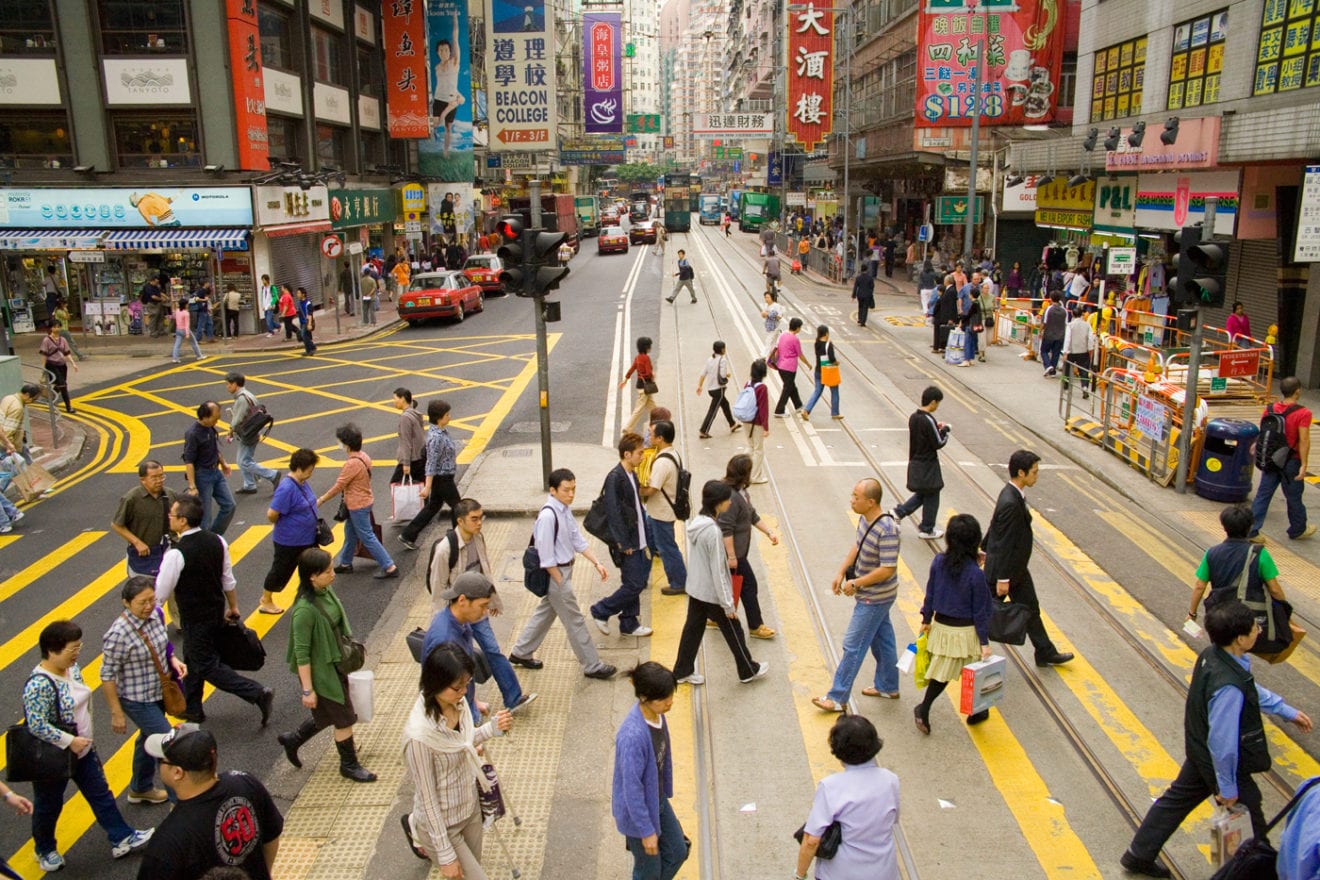
    In Hong Kong, where retail sales estimates have yet to be reported, the number of Mainland Chinese visitors fell by about 10 per cent – and the number of groups by an alarming 70 per cent, to about 120 groups per day. So clearly, there will have been a negative impact on retail sales for the week.

    Shopkeepers in Mong Kok, where a violent riot erupted on Monday, reported far fewer tourists in the area.

    “From Monday till now, no one would like to come to this area,” one retailer told local news media.

    “There are more police than tourists. My business is not even half as good as last year, what can I do? What should I do after the holiday?”

    But on the mainland, Ministry of Commerce data shows retail sales rose 11.2 per cent during the Lunar New Year ‘Golden Week’ from February 7 to 13. According to the data, sales by retailers and catering firms grew to about 754 billion yuan, or US$114.879 billion.

  • Brioni Cambodia opens in Phnom Penh

    Brioni Cambodia opens in Phnom Penh

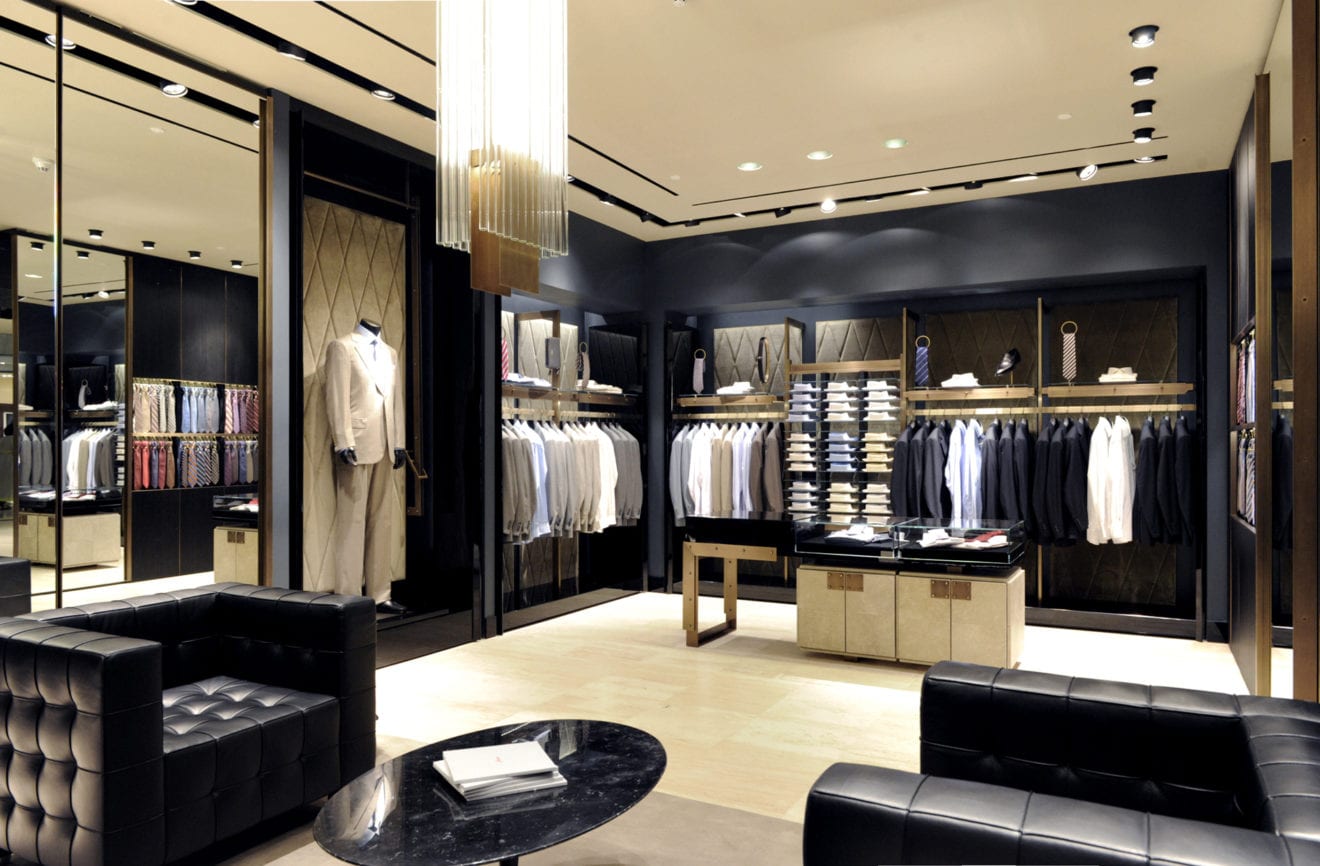
    Italian luxury menswear brand Brioni has opened its first boutique in Cambodia, at the luxury Vattanac Capital Mall in the heart of Phnom Penh’s emerging business and financial district.

    It was launched with a private cocktail event featuring evening jackets from the Brioni archive and representing seven decades of the brand’s history.

    Covering 100 sqm, the inaugural Brioni Cambodia boutique offers formalwear, leisurewear and accessories in an atmosphere that is described as melding the masculinity of a gentleman’s club with the elegance of a private “dressing room”. Both traditional and contemporary in approach, it features glass surfaces and bronzed brass, Eramosa marble, bahia wood with brass inserts, Navona travertine floors, and ceilings enriched with a sophisticated lighting system.

    “The economy in this market is seeing robust growth and we believe in its potential,” says Brioni CEO Gianluca Flore.

    Founded in Rome in 1945, Brioni designs, develops and manufactures exclusive Su Misura garments and ready-to-wear collections as well as leather goods (handbags, small leather goods and luggage), shoes, eyewear and fragrance. The house of Brioni is part of global luxury and sport and lifestyle group Kering.

  • Profits plunge for Eu Yan Sang

    Profits plunge for Eu Yan Sang

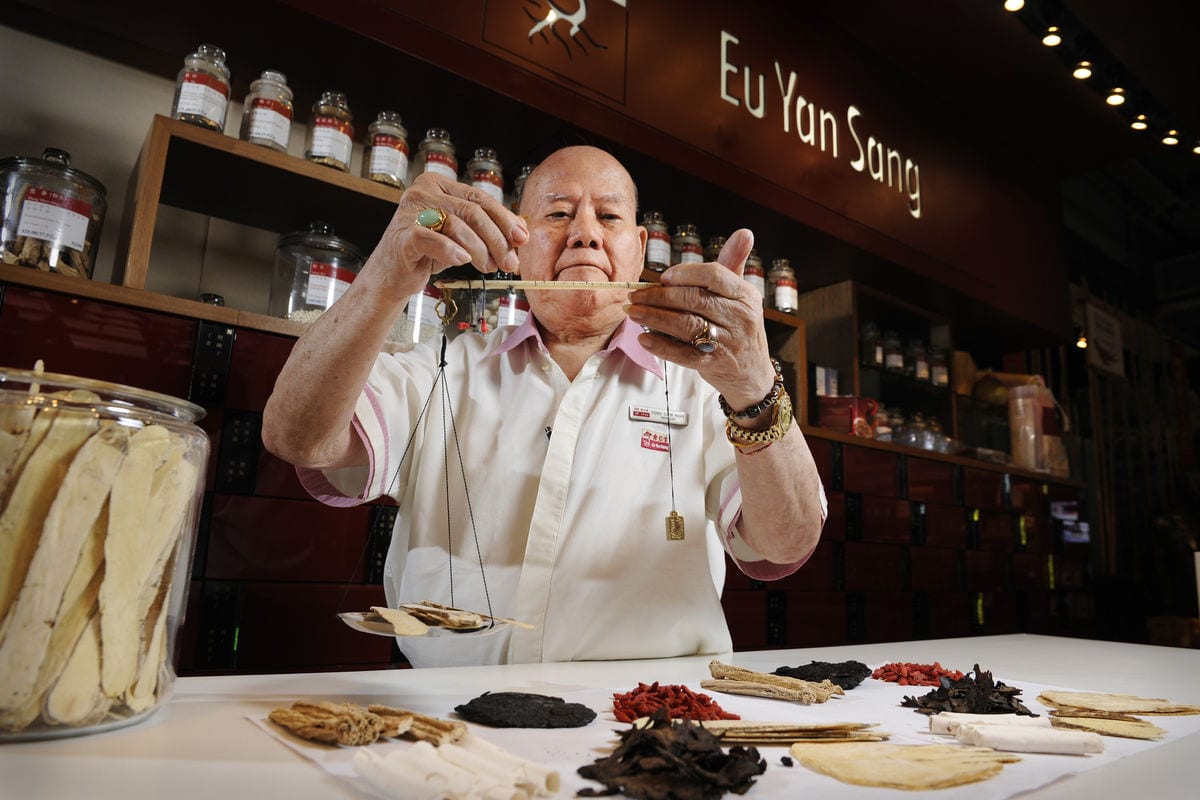
    A 75 per cent plunge in net profit has been reported by Singapore health and wellness company Eu Yan Sang International for its second quarter.

    However, higher sales in Singapore and Australia helped it post marginal improvements in revenue. This edged up 1 per cent over the three months ended December 31 to reach S$85.61 million ($61.14 million) compared to the same period a year earlier.

    Lower foreign exchange gain couples with higher distribution and selling expenses dragged its net profit down to S$498,000 from S$1.98 million, the company says.

    For the half-year, revenue dipped by 4 per cent year-on-year because of lower revenue from its wholesale segment in Hong Kong and the overall weakening of the Malaysian ringgit.

    Net profit for the period fell 87 per cent to S$348,000.

    “We are glad that Hong Kong’s rate of decline is showing signs of moderation and that there is an improvement in Malaysia,” says chief executive Richard Eu.

    Lower spending by mainland tourists a continuing challenging retail environment were blamed for the lower Hong Kong sales.

    “We are looking to expand the retail network within Australia and Malaysia, as well as the wholesale network in Singapore, to continue on this revenue rejuvenation journey for the group,” says Eu, who notes an “encouraging” outlook in China through strategic joint ventures.