Blog

  • Vibe Technology Introduces Souvi AI Memory Device

    Vibe Technology Introduces Souvi AI Memory Device

    Shanghai startup Vibe Technology introduced Souvi, an outdoor AI memory device designed to help users record and preserve travel experiences.

    Led by CEO Deng Jiawei, the company showed the hardware at technology events including BEYOND 2026, VivaTech in France, the World Artificial Intelligence Conference, and the Autumn Edition of the HKTDC Hong Kong Electronics Fair.

    Unlike traditional action cameras or voice-focused wearables, Souvi combines low-interruption recording with AI-driven content processing to turn raw photos and videos into curated journals, video summaries, and interactive memory pages.

    Vibe Technology relies on open-source vision models adapted in-house to orchestrate content generation tasks, filtering out redundant frames while assembling narrative timelines. The system attempts to recognise personal context rather than merely picking high-contrast scenic shots, preventing the synthetic fabrication of events that did not occur.

    Crowdfunding and Asian Market Expansion

    Chief executive Deng Jiawei confirmed the company is planning consumer rollouts across Japan, South Korea, and North America. Vibe Technology will turn to online crowdfunding campaigns to test initial consumer demand before committing to traditional retail distribution channels.

    The hardware appeared during industry exhibitions including BEYOND 2026, VivaTech in France, the World Artificial Intelligence Conference, and the HKTDC Hong Kong Electronics Fair Autumn Edition.

    Hardware startups across East Asia face an increasingly crowded consumer electronics market where multi-purpose smartphones already capture high-definition video with minimal friction. Dedicated travel cameras must offer genuine automation advantages to convince casual holidaymakers to buy and carry an extra piece of battery-powered gear.

    Software Strategy and Memory Operating Systems

    Vibe Technology intends to treat the physical wearable as a feeder mechanism for a wider personal memory operating system. The software architecture will eventually ingest media files from third-party gadgets, building searchable archives that span years of trips across different territories.

    “We focus on AI and personal memory because AI can help people work more efficiently while giving them new ways to preserve their life experiences,” Deng Jiawei, the company’s CEO, said in an interview with TechNode.

    The company has deliberately avoided positioning the hardware against workplace voice transcribers or rugged sports cameras built for extreme athletics. Souvi targets recreational walking and urban leisure trips, a segment where users value lightweight builds over heavy waterproof casings.

    Commercial Risks and Data Gaps

    Consumer uptake for standalone AI wearables remains unproven globally, with several high-profile Western gadgets struggling to maintain daily active use after initial launch campaigns. Hardware manufacturers must demonstrate that automated curation solves a problem large enough to justify recurring charging routines and accessory upkeep.

    Vibe Technology has not published purchase data or user retention metrics. Sustained sales will depend on whether casual tourists trust private cloud servers with sensitive personal travel logs and whether automated editing remains accurate across complex trip environments.


  • Converge ICT Lifts Capital Spending to PHP20 Billion to Challenge PLDT

    Converge ICT Lifts Capital Spending to PHP20 Billion to Challenge PLDT

    Converge ICT will raise capital spending by 13 percent this year to PHP20 billion as founders Dennis Anthony and Maria Grace Uy push fiber networks into remote Philippine provinces.

    The expansion targets residential and corporate connectivity in areas beyond Metro Manila, where the operator already serves more than 3 million home subscribers and generates PHP44.8 billion in annual revenue.

    That subscriber base gives the company about one-third of the domestic broadband market, placing it ahead of Globe Telecom and second only to market leader PLDT. Dennis Anthony Uy acts as chief executive officer, while Maria Grace Uy serves as president, managing finance and network rollout budgets.

    Expanding Provincial Fiber Reach

    Capital deployed across the business since 2012 exceeds PHP120 billion, funding a terrestrial network that spans more than 900,000 kilometers of fiber-optic cabling. The network was constructed as a pure end-to-end fiber system, bypassing the legacy copper infrastructure maintained by older telecom incumbents.

    Most customer additions now originate outside the capital region. Provincial demand for home broadband and commercial links continues to outpace urban centers where household connectivity has reached saturation.

    To support corporate clients and regional traffic, the company completed a PHP5-billion data center in Angeles City, Pampanga, in March. The facility provides an initial capacity of 12 megawatts, with physical floor space engineered to scale up to 32 megawatts as client workloads grow.

    Pressure on Household Wallets

    Telecom infrastructure in the archipelago faces structural margin pressure from elevated inflation, which squeezes low-income household budgets and slows new fiber sign-ups. For consumer-facing businesses and digital platforms, broadband penetration outside the capital dictates how quickly online shopping and digital payments can expand.

    Retail banks and retail platforms require stable fixed-line connectivity in second-tier cities to support decentralized distribution networks. If household churn rises because families cut discretionary subscriptions, operators must rely on enterprise data traffic and enterprise hosting to protect returns on heavy fiber assets.

    Market valuation has contracted alongside that consumer belt-tightening. Company shares dropped approximately 40 percent this year, reducing the founders’ combined equity valuation to $850 million from an earlier peak of $2.8 billion.

    From Cable Roots to Public Markets

    Dennis Anthony Uy started the underlying operations in 1991 by building a cable television network from his family home in Pampanga, which led to the creation of ComClark Network and Technology six years later. Converge started as a subsidiary in 2007, securing rights to lay lines for Global Destiny Cable before constructing proprietary infrastructure across Pampanga and neighboring provinces and entering Manila in 2013.

    Commercial banks initially balked at funding national expansion when the company counted just 73,000 subscribers in 2016. The founders mortgaged personal family real estate to fund buildouts until private equity investor Warburg Pincus injected $225 million in 2019.

    That private capital carried the operator into an initial public offering on the Philippine Stock Exchange during 2020. The listing raised more than $500 million, capitalizing on stay-at-home demand during the pandemic as the customer register soared to 1.7 million subscribers in 2021.

    Next Steps for Enterprise Capacity

    Management is directing the next phase of capital toward public-sector IT contracts and enterprise cloud services to diversify revenue away from residential billing. The target is closing the gap with PLDT, which counts backing from Indonesian tycoon Anthoni Salim.

    Watch the Angeles City data center absorption rate over the coming quarters as enterprise clients take up power racks. The key test will be whether enterprise contracts can absorb the company’s PHP20 billion annual network spend while consumer broadband additions slow.

  • Beko Expands Singer Bangladesh Operations as Bilateral Trade Eyes $2 Billion

    Beko Expands Singer Bangladesh Operations as Bilateral Trade Eyes $2 Billion

    Beko and parent group Koç Holding sent top leadership to inspect manufacturing plants and retail sites across Bangladesh, anchoring expansion plans around a $2 billion bilateral trade target.

    The push follows bilateral trade between Türkiye and Bangladesh touching approximately $1.36 billion in 2025.

    Executive Delegation in Narayanganj

    Polat Şen, president of the consumer durables group at Koç Holding, toured Beko’s manufacturing facility in Narayanganj alongside Zafer Üstüner, chief commercial officer for Asia, Russia and South Africa at Beko and chief executive of Arçelik Hitachi. Nihat Bayız, chief production and technology officer at Beko, joined the group to review technical operations.

    Singer Bangladesh managing director and chief executive MHM Fairoz hosted the delegation across the production plant, Singer | Beko concept stores, and the company’s newly relocated corporate headquarters. The fresh corporate base adopts Beko’s standardized workplace format.

    Retail Footprint and Factory Upgrades

    The operational overhaul spans direct production capacity and front-facing shop floors. Singer Bangladesh opened concept stores designed to merge consumer appliances with digital retail experiences, replacing older, single-line retail formats that dominated suburban trade.

    Local manufacturing in Narayanganj provides Beko with direct assembly lines inside the country, avoiding stiff import duties on fully built consumer durables. Producing locally lets the group price refrigerators, washing machines and televisions against regional competitors while insulating supply chains from freight bottlenecks.

    Market Competition and Commercial Risks

    RetailNews Asia views the appliance build-out as a calculated attempt to break domestic market leaders’ tight grip on Bangladeshi households. Domestic competitors maintain an extensive dealer network and integrated supply chain across secondary cities, giving them cost advantages that foreign brands struggle to meet without domestic fabrication.

    Suppliers and floor operators face margin pressures as consumer spending in South Asia adjusts to currency fluctuations and shifting energy tariffs. Beko’s commitment assumes middle-income appliance demand will outrun inflation risks, though financing terms for high-ticket white goods remain sensitive to local interest rates.

    Industrial Trajectory and Trade Targets

    Koç Holding operates Singer Bangladesh through its consumer durables flagship to secure a distribution base with deep brand recall. The subsequent deployment of modern concept shops and the Narayanganj factory build on capital allocation designed to convert Singer from an assembler of imported kits into an integrated appliance maker.

    Government trade planners are steering trade flows toward the $2 billion threshold, leaning on industrial equipment, electronics and textiles to clear the remaining trade gap. Factory output volumes from Narayanganj and the pace of concept store rollouts across major districts determine whether Singer Bangladesh holds off domestic champions through the next fiscal cycle.

  • South Korea Projects Semiconductor Demand Boom to Run Through 2027

    South Korea Projects Semiconductor Demand Boom to Run Through 2027

    South Korea expects its semiconductor boom to run through at least 2027 as global demand outpaces production, Finance Minister Lee Hyoung-Il said in Bangkok.

    A persistent imbalance between hardware orders and factory output keeps the export cycle expanding across the region.

    Speaking on the sidelines of the IMF-World Bank meetings, Lee noted that production capacity is broadening while orders remain heavy. The minister confirmed that stronger corporate returns from device fabricators will lift South Korea’s total tax collections above earlier fiscal targets for the current year, providing cushion against broader economic drag.

    Equities Suffer While Demand Stays High

    Equity markets told a more conflicted story during the week. Shares in South Korean component makers including SK Hynix and Seoul Semiconductor dropped sharply, matching pullbacks at US tech giant Nvidia.

    Traders dumped technology holdings because of interest rate concerns and direct pressure from Chinese semiconductor competitors. That market swing weighed heavily on Seoul’s headline benchmarks, where electronics manufacturers account for a dominant share of trading volume compared with rival Asian bourses.

    Hardware suppliers in Asia face a widening gap between short-term equity pricing and actual factory shipments. Consumer electronics assemblers, server operators, and device vendors still order stock faster than fabrication lines can deliver it, limiting downside risk for upstream producers over the next two years.

    Supply Threat Looms Beyond the AI Expansion

    The principal threat to sustained margins sits later in the investment cycle. Analysts and domestic industry commentators warn that massive capex across global foundries could trigger severe component gluts by 2029.

    Rapid factory construction across China and North America threatens to turn memory pricing into cut-throat competition once artificial intelligence hardware installations reach saturation. Operators that invest heavily in capacity today risk carrying idle cleanrooms when demand normalize.

    The current market rally follows two years of volatile post-pandemic hardware adjustments, during which consumer electronics vendors slashed component inventories before artificial intelligence workloads spurred memory demand.

    South Korean trade authorities will track export volume numbers over the fourth quarter to confirm whether device shipments continue to outpace assembly line expansions.

  • Malaysia Keeps 2% Pension Contribution for 1.75M Foreign Staff

    Malaysia Keeps 2% Pension Contribution for 1.75M Foreign Staff

    Malaysia will keep the 2 per cent Employees Provident Fund contribution rate paid by employers for non-Malaysian workers, the Finance Ministry confirmed in a written parliamentary reply published on Parliament’s website yesterday.

    Responding to a query from Jimmy Puah Wee Tse (PH-Tebrau) on easing operating burdens for small and medium enterprises, the ministry stated that the current rate remains relatively low while balancing social protection objectives against business costs.

    Since mandatory contributions took effect under the Employees Provident Fund Act 1991 in October 2025, 78,129 employers have contributed for 1,754,460 non-Malaysian staff, with SMEs accounting for 67,194 of those businesses.

    Breakdown Across Business Sizes

    The requirement sits under the Employees Provident Fund Act 1991, which legislators broadened to include all foreign workers in late 2025. The Finance Ministry framed the 2 per cent employer share as a deliberate compromise designed to expand social safety nets without crushing operating budgets.

    Tebrau member of parliament Jimmy Puah Wee Tse had pressed the ministry on relief measures for small businesses, asking if foreign staff could absorb the entire statutory deduction instead. The ministry answered that the existing two per cent charge remains relatively low while meeting international baseline standards for equitable migrant protection.

    Official definitions classify manufacturing firms with up to 200 staff and services companies with up to 75 employees as small and medium enterprises. These operations employ the bulk of migrant payrolls in Malaysian factories, logistics hubs, and restaurants.

    Margins Tighten on Frontline Operators

    For store operators, wholesale distributors, and food chains, statutory payroll additions compound broader cost increases across physical supply chains. Adding mandatory provident payments directly raises monthly cash outflows for service desks and backroom staff.

    RetailNews Asia sees the policy cementing a permanent cost floor under Malaysian service networks. Similar statutory pension schemes in regional hubs like Singapore have historically pushed thin-margin operators to accelerate self-checkout counters, automated order processing, and tighter shift scheduling to cap payroll overheads. Passing statutory burdens onto low-wage migrant staff would risk choking off cross-border talent pipelines that retail backrooms depend on.

    Shifting Away from Labour Subsidies

    The October 2025 expansion dismantled decades of policy that excluded transient labour from domestic retirement plans. Regulators introduced the revision alongside wider welfare initiatives aimed at bringing domestic employment standards closer to global trade benchmarks.

    The government said it will continue monitoring business conditions and consult trade associations to gauge how small operators absorb the extra charge. The Finance Ministry left the door open to targeted operational assistance for struggling sectors while keeping the statutory contribution structure intact.

  • Audi Appoints Former Chery CEO Jeff Zhang as China President

    Audi Appoints Former Chery CEO Jeff Zhang as China President

    Audi announced on Thursday that former Chery brand CEO Jeff Zhang will take over as president of Audi China on November 1, replacing Johannes Roscheck.

    Rolf Michl, chairman of the management board of Audi Sport GmbH, steps in on the same date as chief operating officer to form a dual-leadership board of management with Zhang.

    Roscheck, who has led Audi China since April 2024, will hand over duties before returning to Ingolstadt in early 2027, while Rouven Mohr assumes interim leadership of Audi Sport GmbH on November 1.

    The Two-Brand Joint Venture Split

    The management overhaul accompanies an operational division of Audi’s manufacturing partnerships in China. Under the updated operating structure, SAIC Audi will handle exclusively the AUDI sister marque, while FAW Audi retains the legacy four-ring emblem covering combustion and global electric vehicle lineups.

    The standalone AUDI brand drops the classic four interlocking rings in favor of capital letters tailored specifically for buyers in mainland China. On September 3, Audi and SAIC Motor established the AUDI Innovation & Technology Center in Shanghai to engineer dedicated models for that portfolio.

    Zhang brings more than 20 years of automotive operations experience to the role. He previously served as vice president of Chery International, directed Chery’s European division, managed Chinese operations for Alfa Romeo and DS Automobiles under Stellantis, and worked at Nissan across Japan and North America. Between 2018 and 2020, Zhang worked within Audi China to build the sales footprint at SAIC Audi and steer joint projects with FAW Audi.

    Foreign Luxury Marques Under Local Pressure

    Foreign premium automakers in China face severe volume contraction as domestic electric brands eat away at traditional luxury segment dominance. By putting a Chinese automotive veteran at the helm, Audi is shortening regional reporting lines to counter pricing pressure and faster product iteration from domestic carmakers.

    German premium brands spent decades relying on centralized vehicle designs. That playbook failed to anticipate how fast Chinese buyers shifted toward connected software platforms, leaving legacy imported architectures exposed in dealership showrooms.

    Dual-Leadership Architecture at the Operating Level

    Michl balances the commercial side with product experience from Audi’s performance business. He has run Audi Sport GmbH since September 2022, managing RS high-performance cars and Audi exclusive customization programs after starting in product marketing in 2007.

    The split board answers directly to Audi chief executive Gernot Döllner, who is restructuring international divisions to defend Chinese sales volumes. Dividing the executive mandate allows Zhang to negotiate regional dealer networks while Michl protects component integration with global platforms.

    First Joint EV Platform Targets 2028 Debut

    The leadership transition follows two months of structural reorganisation across Audi’s Chinese corporate footprint. SAIC Audi and FAW Audi operated overlapping showrooms for years, complicating sales operations and discounting discipline across provincial dealer groups.

    SAIC and Audi plan to develop four production models on the co-developed ADP 2.0 platform through the new Shanghai engineering center. The first electric model from that pipeline is scheduled to reach the market in 2028.

  • TSMC Explores Rare-Earth Alternatives for Factory Machinery

    TSMC Explores Rare-Earth Alternatives for Factory Machinery

    TSMC is exploring alternatives to rare-earth components across its factory equipment to curb risks that Beijing’s export controls could disrupt plants manufacturing the world’s most advanced chips, three people familiar with the matter said.

    The world’s largest contract chipmaker surveyed automation suppliers on using rare-earth-free motors after China placed certain rare-earth materials, magnets and processing technology under export licensing rules last year.

    A shortage of specialised magnets in factory motors threatens chip output for AI systems, smartphones and data centres, though talks remain early and TSMC declined to comment.

    Supply Checks on Factory Floor Motors

    Specialised magnets made with rare earths drive precision motors in automated wafer-handling systems and cleanroom equipment. Without these components, high-throughput manufacturing lines ground to a halt, cutting off output bound for smartphone makers, consumer tech brands and data centre operators. TSMC has approached equipment suppliers to gauge whether alternative motor designs can match current production tolerances without relying on Chinese materials.

    Talks remain at an early phase and have not triggered wide equipment replacements across operational plants. TSMC declined to comment on vendor communications.

    Vulnerabilities in Advanced Electronics Pipelines

    Hardware brands across Asia track fabrication inputs closely because component disruptions cascade rapidly into consumer hardware shortages. A bottleneck in factory machinery slows capacity additions for cutting-edge nodes, lifting wafer costs and tightening component supply for consumer electronics brands already balancing thin margins.

    For equipment vendors, redesigning factory tools without rare-earth magnets requires heavy engineering adjustments. Permanent magnets provide the highest torque density for compact industrial robotic arms, meaning substitutions often demand larger machinery footprints or reduced operating speeds. Capital expenditure across upcoming wafer fabrication projects in Taiwan and the United States will reflect the cost of these redesigns.

    Government Initiatives Back Mineral Independence

    Export restrictions imposed by Beijing last year placed several rare-earth materials, industrial magnets and associated extraction tech under strict licensing regimes. The regulatory clampdown prompted tech-heavy economies across the Pacific to fund alternative supply chains and local extraction capacity.

    In June, American Institute in Taiwan director Raymond F. Greene confirmed that Washington is coordinating with Taipei to secure critical minerals and build domestic processing capacity. Domestic efforts are also expanding inside Taiwan. In February, Economy Minister Kung Ming-hsin said the government would support the Industrial Technology Research Institute to establish a pilot production facility within three years to meet an estimated 50 percent of domestic rare-earth demand.

    The state-backed research institute confirmed it is working with the Ministry of Economic Affairs on an execution plan for the mineral initiative.

  • Japan Prize-Game Market Hits 417.7 Billion Yen as Groceries Fill Arcades

    Japan Prize-Game Market Hits 417.7 Billion Yen as Groceries Fill Arcades

    Japanese arcade operators are stripping out video games and filling claw machines with rice, toilet paper, and other necessities to capture inflation-pinched household spending across Greater Tokyo.

    The shift follows an expansion that pushed Japan’s prize-game market to 417.7 billion yen ($2.7 billion) in 2024, accounting for nearly 70 percent of total arcade industry revenue.

    Venues charging 100 yen ($0.64) per attempt now pitch everyday grocery staples alongside licensed character toys. At the Benex arcade chain in Kawasaki, south of Tokyo, operator Tisco stripped out its conventional video games and coin-op token machines last year. Hundreds of prize cranes across its floor now hold laundry detergent, soft drinks, and pantry goods.

    Household Goods Drive Footfall

    Tisco runs five large-format venues across Greater Tokyo drawing more than one million visitors each year. Revenue generated through household products across its estate jumped 2.6-fold over the past two years.

    Its locations operate on large suburban footprints where cheaper real estate mirrors the warehouse retail models of Costco or Ikea. Families arrive by car, loading bulk household winnings straight into trunks rather than carrying single plush toys home on commuter trains.

    Retail conglomerate Aeon Group is deploying identical mechanics inside shopping malls. Its entertainment arm, Aeon Fantasy, opened a dedicated food and household prize section aimed at mothers in October 2025.

    The company expanded that trial to seven operational zones and plans to operate roughly 60 dedicated grocery-crane locations by 2030. Shoppers use the prize games to secure center-plate basics like vegetables or eggs, before walking into the supermarket next door to complete their evening dinner basket.

    The Margin Play for Suburban Landlords

    For shopping center owners and retail park landlords across suburban Japan, trading floor space to prize-game operators resolves an urgent occupancy headache. Core consumer spending on everyday goods has dropped for five consecutive years as domestic wage growth trailed inflation, pulling shoppers away from discretionary apparel and mall specialty stores.

    Arcade crane setups deliver immediate rent coverage and predictable footfall without requiring the fresh-produce refrigeration lines or stock-replenishment staff of a full supermarket tenant. Suppliers gain an unconventional bulk liquidation channel that sells commodity goods without disrupting their existing wholesale price contracts with national supermarket chains.

    The model carries margin risk if domestic food inflation cools. Claw machine economics rely on players perceiving a 100-yen coin drop as a viable discount mechanism against supermarket shelf prices. If wholesale grocery costs normalize while game payout odds remain mechanically tuned, consumer interest can evaporate faster than it arrived.

    Arcade Payouts Outpace Video Games

    Prize-machine dominance inside Japanese amusement centers has built up steadily over the past decade. The sector doubled in total value between 2014 and 2024, squeezing classic arcade fighting games and rhythm stations out of prime floor space.

    Japan’s headline inflation rate has hovered near the Bank of Japan’s two percent target in recent months, cementing higher shelf pricing across everyday fast-moving consumer goods. That continuous price pressure has entrenched consumer discount-hunting across suburban commuter belts, driving foot traffic into suburban prize halls rather than traditional convenience stores.

    Aeon Fantasy’s rollout schedule marks the commercial metric to track through the rest of the decade. The operator needs 53 additional grocery-crane venues across its mall network to hit its 60-store target by 2030.

  • Coupang Partners with Sartori Cheese to Expand US Dairy Exports

    Coupang Partners with Sartori Cheese to Expand US Dairy Exports

    Sartori Cheese has partnered with Fortune 150 retail and technology firm Coupang to expand distribution of its artisanal cheese across South Korea, targeting a consumer base of more than 51 million people. The arrangement builds on Coupang’s export pipeline, which generated over $5 billion in overseas sales of U.S. Goods and services in 2025 alone.

    Through Coupang’s Rocket Fresh online grocery service, the Plymouth, Wisconsin-based manufacturer is introducing flagship lines including SarVecchio Parmesan and BellaVitano varieties directly to Korean households. Bert Sartori, chief executive of the fourth-generation family-owned company, noted that the digital platform allows the producer to reach Asian buyers faster and at greater scale after more than a decade of developing international sales.

    South Korea stands as Wisconsin’s third-largest overseas agricultural market. Coupang absorbs the primary operational hurdles of cross-border trade for Sartori by managing international marketing, shipping logistics, customs paperwork, foreign regulatory compliance and last-mile delivery across the country.

    Cold Chain Distribution from Plymouth to South Korea

    Exporting perishable dairy across the Pacific requires strict temperature control and fast customs processing. Coupang takes over ocean and air freight logistics, customs filings, regulatory approvals and last-mile cold-chain delivery for the American producer, bypassing domestic wholesale distributors.

    Sartori produces its cheese in Plymouth, Wisconsin, sourcing 150,000 gallons of milk daily from Majestic Crossing Dairy and other family farms located within 75 miles of its plants. The manufacturer converts local raw dairy into finished cheese wheels within hours of collection before packaging them for international transit.

    Coupang Builds Cross-Border Export Corridor

    Coupang generated more than $5 billion in overseas sales of American goods and services in 2025 alone. The retail operator deploys automated fulfillment facilities, robotics and artificial intelligence routing across its South Korean hub network to absorb cross-border volume from thousands of American suppliers.

    The company also runs a parallel trade corridor connecting American brands directly into Taiwan. By managing regulatory compliance and inventory intake centrally, Coupang acts as both merchant of record and logistics carrier for food businesses that lack overseas offices.

    Direct Import Threatens Traditional Importers

    Coupang’s end-to-end import model cuts out South Korea’s traditional multi-tiered food brokerage cartels. Conventional food importers usually take hefty margins while struggling to guarantee cold-chain integrity across urban delivery networks, leaving foreign specialty brands confined to high-end department store basements.

    Rocket Fresh changes that distribution math by placing short-shelf-life dairy directly onto consumer doorsteps within hours of ordering. Rival platforms now face heavier pressure to source overseas agricultural goods directly rather than buying through local intermediaries.

    Building Out Fresh Fulfillment Infrastructure

    The Wisconsin partnership follows heavy capital expenditure by Coupang into automated regional distribution centers across South Korea over the past three years. The platform poured billions of dollars into automated sorting machinery and temperature-zoned storage facilities to protect perishable grocery margins.

    Those investments turned Coupang from a general merchandise marketplace into South Korea’s dominant online grocery seller. The company now uses that infrastructure to win exclusive digital distribution arrangements with foreign agricultural cooperatives and specialty food makers.

    Volume Targets in Korea

    Attention turns to how fast Coupang can scale fresh dairy turnover across secondary Korean cities. Competitors will watch whether Coupang extends the Sartori cold-chain template to replicate similar direct-import arrangements for European and Australasian dairy producers.

  • Vincom Retail Partners with Korea’s QooQoo to Expand Dining Formats

    Vincom Retail Partners with Korea’s QooQoo to Expand Dining Formats

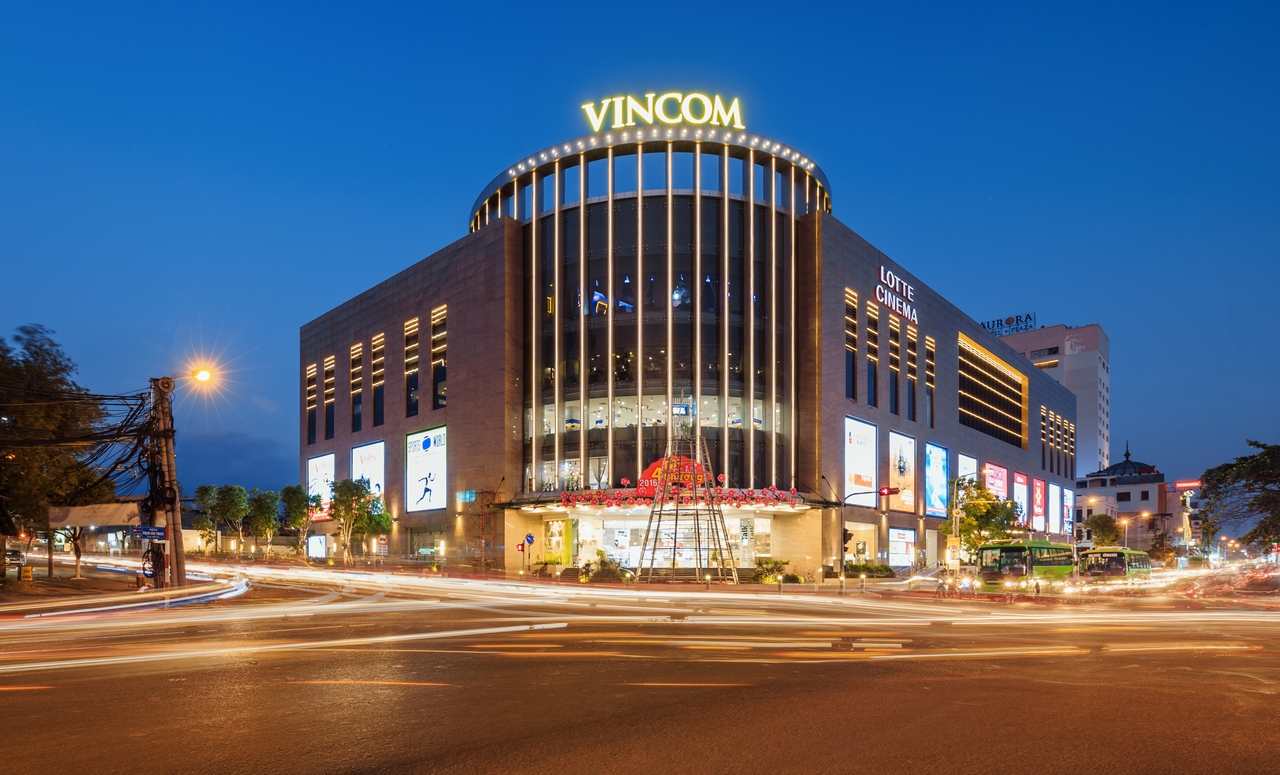
    Vincom Retail entered into an agreement with South Korea’s QooQoo Franchise Group on October 22 to introduce dining concepts to Vietnam. The rollout targets properties across Hanoi and Ho Chi Minh City through 2027.

    Founded in 2011, QooQoo recorded KRW 397.6 billion, or approximately VND 7 trillion, in 2024 system-wide revenue across roughly 90 locations in its home market.

    The partnership introduces QooQoo’s sushi buffet alongside conveyor-belt format Blue Rail and hot pot brand Always Shabu to Vincom Retail’s portfolio. QooQoo Chairman Kim Young-gi and Vincom Retail Deputy Chief Executive of Sales Pham Thi Thu Hien signed the agreement in Hanoi. Under the terms, Vincom Retail will support local marketing, while QooQoo introduces the landlord’s properties to Korean retail groups and investors.

    Anchor Tenants Shift Toward Experiential Dining

    Vietnamese shopping center owners face structural shifts in floor space allocation as standard apparel retail yields ground to large-format dining. Landlords in Southeast Asia increasingly rely on high-capacity food operators to draw steady footfall during weekday evenings and weekends. Dedicating several thousand square meters to a multi-brand Korean buffet group locks in regular traffic, but it also ties rental yields to high customer volume and tight inventory turnover.

    For mall operators, high-turnover buffets reduce vacancy risk in multi-level developments where upper floors struggle to draw fashion shoppers. The risk shifts directly to operational execution. All-you-can-eat seafood concepts require constant cold-chain deliveries and strict waste control to maintain margins, particularly in tropical climates where spoilage costs mount quickly.

    Supply Lines and Franchise Competition in Southeast Asia

    Founded in 2011, QooQoo built its domestic Korean business around an integrated supply chain that handles food imports, logistics and digital commerce. That background protects margins in South Korea, where the business maintained average annual sales gains above 30 percent since 2022. Replicating those logistics in Vietnam tests the company against entrenched regional competitors.

    QooQoo brings recognizable scale from its home market, but it enters Vietnam without an established domestic ingredient network. Sourcing fresh sushi components and maintaining consistent pricing across two major metropolitan areas will determine whether its unit economics survive beyond promotional launch periods.

    Cross-Border Retail Push Through 2027

    The Korean operator expanded steadily over the past decade, securing industry recognition that includes six consecutive Brand of the Year titles in South Korea for its sushi buffet division alongside ministerial awards in 2024 and 2025. Partnering with Vietnam’s dominant commercial property owner gives it immediate access to a market of more than 100 million people without negotiating site leases one property at a time.

    Site selections and initial lease allocations for the first QooQoo outlets in Hanoi and Ho Chi Minh City are scheduled to take shape as the rollout phase runs through late 2027.

  • Xpeng Launches L03 Electric Sedan in Europe Starting at €35,600

    Xpeng Launches L03 Electric Sedan in Europe Starting at €35,600

    Guangzhou-based electric vehicle maker Xpeng has priced its new L03 saloon from €35,600 in Europe, expanding its catalogue into a lower price tier ahead of customer deliveries scheduled for later this year.

    Measuring 4.65 metres long, the car anchors the lower end of the manufacturer’s European portfolio, sitting beneath the P7 saloon alongside the G6, G9, and X9 lines.

    Built on a 400-volt architecture, the base rear-wheel-drive L03 features a 58.2 kWh lithium iron phosphate battery accepting up to 193 kW of direct-current charging. A larger 71.1 kWh pack costs €3,000 extra, increasing peak charging power to 236 kW to take a 10 to 80 per cent charge in under 20 minutes. All-wheel drive adds another €3,000, while the range-topping Performance Ultra version costs €46,600.

    Hardware specs and vehicle packaging

    The car accelerates to 100 km/h in 4.5 seconds and reaches an electronically limited top speed of 193 km/h. Standard equipment includes an 11 kW alternating-current onboard charger and vehicle-to-load exterior power output rated at 6 kW.

    Cabin packaging balances passenger volume against a comparatively small 367-litre rear boot. To offset the shallow rear luggage floor, Xpeng fitted shopping hooks and a split-folding rear bench, alongside a front luggage compartment that offers 89 litres on rear-drive models and 44 litres on all-wheel-drive configurations.

    Standard cabin equipment includes front massaging seats with heating and ventilation, actively cooled wireless phone charging pads, and speakers in the driver’s seat that route navigation prompts and voice calls away from the main sound system. The audio package scales from nine speakers up to an 18-speaker setup on the Ultra trim.

    European sales channel pressure

    For dealer networks and independent automotive groups across Western Europe, the L03 changes showroom pricing dynamics against native battery-electric volume sellers. Delivering 236 kW fast charging and premium interior trimmings below €40,000 compresses trade margins for incumbent European distributors selling older compact platforms.

    The direct risk sits in regional brand perception and resale performance. While Guangzhou automotive groups have resolved early manufacturing fit-and-finish complaints, legacy European fleet operators still demand proven residual values before writing volume lease contracts on newer Chinese badges.

    Driver assistance and cabin software

    Xpeng built its domestic reputation in China around proprietary in-house software, and the European specification retains Level 2 driver assistance with capacitive hands-on steering wheel detection. The system executes automated lane changes via turn indicator inputs and operates up to 150 km/h on divided highways.

    Infotainment hardware runs native Google Maps alongside wireless Apple CarPlay and Android Auto integration. Head-up display projections incorporate navigation directions as well as a live rear-view camera feed during parking manoeuvres, supplementing automated parking functions.

    Portfolio expansion from Guangzhou

    Founded in Guangzhou, Xpeng initially pushed into overseas markets using larger, higher-margin exports including the P7 executive sedan, the G9 SUV, and the family-focused X9 multi-purpose vehicle. Opening order books on the L03 establishes the carmaker’s first dedicated mass-market nameplate in European showrooms.

    Factory deliveries across initial European delivery hubs begin before the end of the year, with regional market registrations testing customer uptake across Germany, France and Switzerland.

  • 58% Of Shoppers Will Let AI Buy Groceries to Save 30 Minutes, EY Finds

    58% Of Shoppers Will Let AI Buy Groceries to Save 30 Minutes, EY Finds

    More than half of consumers will delegate online grocery orders to artificial intelligence if the technology saves up to 30 minutes on a large shop, according to research published by professional services firm EY.

    The study found 58 per cent of shoppers back algorithmic buying to remove decision fatigue from routine pantry replenishment, while 61 per cent will provide personal data to tools that reliably trim their weekly planning time.

    The shift alters how consumer packaged goods brands win shelf space across digital platforms. Richard Rome, associate partner for consumer industry at EY, pointed out that grocery shopping forces dozens of micro-decisions over nutrition, cupboard stock, household taste, and waste reduction that leave buyers mentally drained.

    Automating transactions offers basic speed, yet consumers expect systems to interpret broader health and dietary parameters. About 26 per cent of surveyed buyers want automated systems to grasp personal preferences, and the same share wants direct help selecting healthier alternatives.

    Data Demands on FMCG Suppliers

    Another 23 per cent want digital agents to audit ingredients and packaging claims. Support for dietary restrictions registered at 16 per cent, while 14 per cent sought verification of ethical and environmental claims.

    Those demands mean standard catalog assets will fail to convert autonomous agents. Pack photographs and net weights no longer suffice when machine buyers parse nutritional breakdowns, farm provenance, manufacturing processes, and verified supply chain footprints.

    Understanding how consumers frame requests, and why AI recommends one product over another, will become an important commercial capability.

    Product visibility will depend on whether back-end technical data satisfies automated filters rather than standard digital advertising banners. Suppliers lacking structured, verified certification data risk falling out of automated consideration loops entirely.

    From Eyeballs to Automated Replenishment

    Supermarkets spent a decade designing mobile apps to maximise session length and screen engagement. Delegated automated purchasing reverses that entire operational model.

    Shoppers wanting fewer interactions will reward merchants that remove manual screen time completely. For grocers, retail media networks built around paid banner clicks and eye-level digital placements face rapid obsolescence if agentic software compiles baskets autonomously in the background.

    The operational danger for consumer brands lies in price erosion. When software selects meals under fixed budget thresholds, such as a meal for the family under $20, automated agents bypass brand loyalty to hit nutritional and financial parameters.

    Australian shoppers spend an average of one hour each week buying groceries. Automated tools that strip that friction will shift brand discovery from visual marketing to software search parameters, testing whether legacy food brands can protect their margins against white-label alternatives.

  • Philippine Brand Rags2Riches Overhauls Finances After Near Closure

    Philippine Brand Rags2Riches Overhauls Finances After Near Closure

    Philippine fashion and lifestyle label Rags2Riches overhauled its business fundamentals to stay afloat after nearing collapse in its ninth year, preserving livelihoods for hundreds of community weavers.

    Co-founder Reese Fernandez-Ruiz warned staff at a December 2016 gathering that the enterprise faced potential closure, prompting an internal pivot toward disciplined financial management and self-sustained operations.

    The company, which launched with a P10,000 donation transforming factory scrap cloth into rugs, had expanded by 2013 to engage more than 900 artisans across Payatas, Tondo, Caloocan, and Sucat.

    Rewiring the production supply chain

    Rags2Riches operates a decentralized production footprint designed around domestic labor constraints. Most early artisans were mothers unable to work conventional factory shifts, prompting the business to divide manufacturing into home-based piecework and centralized finishing.

    Weavers produce designated panels at home during fixed daily windows, then send finished panels to local community centers for inspection. Certified pieces travel to an assembly workshop for final stitching into bags, apparel, and home goods.

    Production compensation shifted substantially under the structured schedule. Weavers previously earned between 12 and 16 pesos for a full day producing 10 foot rugs under merchant middlemen. Under the formal brand setup, two to three hours of assembly yielded 350 to 500 pesos daily by 2013, supplemented by automatic savings accounts via CARD Bank, micro-insurance under CARD’s CaMia unit, and mandatory three- to six-month vocational training cycles.

    Designer partnerships and commercial retail

    Commercial viability hinged on shifting customer demand away from charity purchasing toward design-led buying. Filipino fashion designer Rajo Laurel joined as an initial unpaid design adviser two months after foundation, followed by collaborations with Amina Aranaz-Alunan, Oliver Tolentino, Olivia d’Aboville, and furniture designer Kenneth Cobonpue.

    Product offerings shifted from rudimentary floor rugs into premium woven handbags, travel pieces, and home accessories using upcycled factory textiles. Retail footprints extended beyond domestic shopping malls and direct online sales to overseas distribution partners in London and Edinburgh, launching international deliveries in February 2013.

    Corporate partnerships also supported wholesale volume. An AirAsia Foundation grant funded commercial airline collections sold inflight across 2013 and 2014, while Swedish furniture retailer IKEA tapped the Manila enterprise for commercial upcycling and sewing contracts. Cross-border design partnerships followed with Thai social enterprise DoiTung and visual artist Leeroy New.

    Operational shifts across Southeast Asian ethical retail

    The restructuring at Rags2Riches highlights a persistent squeeze across Southeast Asia’s artisan retail sector. Mission-driven apparel labels frequently scale community headcounts during grant-funded cycles, only to run into working capital shortfalls when domestic demand plateaus and export logistics eat operating margins.

    For regional operators and retail landlords, maintaining artisan-focused retail spaces requires predictable inventory delivery. Rags2Riches addressed production volatility by standardizing components and building direct financial literacy into artisan hubs, insulating core product lines against output drops while keeping retail orders on back-order waitlists.

    The structural vulnerability sits squarely in raw material sourcing and production handoffs. Integrating rural indigenous weaves, such as Ilocos inabel, Mindoro Mangyan ramit, and South Cotabato T’boli abaca, links finished consumer goods to fragmented, small-batch weaving communities outside Metro Manila. Disruptions in weaving traditions or transport bottlenecks quickly delay seasonal collections, elevating fulfillment risk across e-commerce channels.

    Milestones and structural oversight

    Capital injections historically matched the label’s operational expansions. In 2015, the firm became the first Asian enterprise outside North America to secure a women-owned business grant from United States clothing label Eileen Fisher, following previous backing from regional aviation funds.

    Boardroom governance also changed after the 2016 fiscal squeeze. The company installed seats on its governing board for artisans, subcontracted suppliers, and internal staff, accompanied by open-book financial reviews shared directly with community leaders at annual assemblies.

    Fernandez-Ruiz is now structuring operational workflows so product lines survive future management handoffs, with an overarching objective to establish a self-sustaining century-old Philippine heritage label.

    “Even if I’m not going to be the president of R2R in the future, if somebody else will be, it’s already in the DNA.”

    The enterprise is tracking artisan retention rates across its rural textile hubs while maintaining continuous back-order waitlists across its flagship online storefront.

  • Southeast Asian Luxury Tourist Influx Projected to Drop 38 Percent

    Southeast Asian Luxury Tourist Influx Projected to Drop 38 Percent

    Southeast Asian luxury boutiques face an abrupt end to a decade of passive tourist spending, with luxury tourism growth projected to decline by up to 38 percent following maritime route closures in the Strait of Hormuz and global geopolitical disruption. Flagship stores across Jakarta, Bangkok, Singapore, and Kuala Lumpur must now rely entirely on domestic consumers to absorb regional inventories, according to projections from the UN Tourism and Retail Asia Economic Outlook.

    A joint study by Harvard Business Review and Deloitte reveals that execution failures on the sales floor account for up to 72 percent of in-store purchase cancellations, driven by unproactive staff and poor customer experience rather than a lack of buying interest. To stop this revenue leakage, boutique operators are turning to artificial intelligence tools, including Nimbly Echo from Nimbly AI, to monitor floor interactions and audit service quality.

    The shift follows years of unearned footfall that left store teams ill-prepared for domestic clienteling, with research showing that more than 85 percent of boutique visitors enter with specific purchase intent, while price resistance accounts for less than 5 percent of abandoned sales.

    The Conversion Gap on the Sales Floor

    Data shows that shoppers entering luxury stores arrive ready to spend. Harvard Business Review retail behavioural research indicates that more than 85 per cent of boutique visitors enter with specific purchase intent or targeted collection interest, while shoppers without buying intent account for roughly 6 per cent. An Econsultancy study shows price friction causes fewer than 5 per cent of abandoned luxury transactions.

    Instead, transactions collapse because boutique personnel fail to engage visitors. Operational data gathered through Nimbly AI’s conversation tracking tool, Nimbly Echo, shows staff proactively recommend products in only 40.9 per cent of interactions. Store associates demonstrate or explain new collections to just 14.0 per cent of visitors, despite data showing positive shopper response rates reach 52.9 per cent when staff present products directly.

    Inventory friction deepens the drop-off. When requested stock is missing from display shelves, 83.9 per cent of store associates fail to suggest alternative items available in the boutique. The Shopper Dismissal and Luxury Retail Service Gap Study found that 73 per cent of VIP consumers report encountering cold treatment or neglect on their initial visit, prompting permanent customer churn. Globally, poor customer service costs the luxury sector up to $1.7 trillion, according to data from IHL Group.

    Pivoting from Point of Sale to Experience Centres

    Luxury operators in Southeast Asia are reworking their retail spaces to focus on long-term client relationships rather than quick tourist transactions. A study from Bain and Company indicates that personalised clienteling focused on brand heritage can lift customer lifetime value in luxury retail by 3.5 times. Retaining local VIP clients also costs up to five times less than acquiring new shoppers in a depressed tourist market, according to Deloitte.

    The operational shift requires luxury brands to discard traditional store auditing tools. Overhead door sensors track staff, cleaners and security guards indiscriminately, skewing conversion ratios. Standard checkout point-of-sale registers record paid purchases but capture nothing about the 70 per cent of buyers who leave without purchasing. Periodic mystery shopper visits offer only staged snapshots during quiet periods rather than daily performance under floor pressure.

    Deploying Conversation Intelligence in Stores

    To audit customer interaction, retail groups are rolling out retail-contextual artificial intelligence tools such as Nimbly Echo. The software evaluates spoken dialogue on the shop floor to measure service tone and warmth against luxury brand standards. It also logs verbal objections and stock requests, giving inventory planners direct visibility into unfulfilled local demand.

    Store managers use interaction data to test sales scripts and guide associate coaching. The technology replaces manual walkarounds with automated alerts on floor performance, letting regional directors benchmark store execution across multiple Southeast Asian markets.

    The Bottom-Line Hurdle for Retail AI

    For store operators and landlords, this shift exposes a major commercial divide: technology that tracks service performance must prove it can lift net revenue. Luxury brands across Asia previously spent capital on digital floor displays and clienteling apps that produced operational records but failed to stem floor leakage. If conversation intelligence merely flags unhelpful associates without lifting conversion per square metre, finance chiefs will cut the software line.

    Tracking spoken retail conversations also brings execution risks. Associates pushed to follow artificial conversational scripts often deliver mechanical service, the exact opposite of what affluent domestic buyers expect. Landlords holding premium mall leases will monitor whether these monitoring investments protect store sales productivity as tourist traffic remains volatile.

    Shifting Demographics and Financial Pressures

    For nearly a decade, regional luxury outposts generated steady revenues from incoming high-net-worth travellers, requiring little active selling from floor staff. That commercial buffer evaporated as geopolitical unrest disrupted regional airline routes and maritime transit, triggering the 38 per cent decline projected by the UN Tourism and Retail Asia Economic Outlook.

    Financial pressure inside retail groups complicates software adoption. A cross-industry CEO survey by Gartner found that 44 per cent of chief executives struggle to prove measurable financial returns from artificial intelligence deployments. McKinsey’s 2026 State of AI survey revealed that 37 per cent of companies attribute earnings before interest and taxes impact to AI implementations, identical to the previous year’s level. Retailers deploying conversational auditing will face intense scrutiny from finance teams requiring cashable savings rather than soft efficiency metrics.

    Luxury networks across Southeast Asia are now testing whether automated frontline monitoring can lift conversion rates before full-year financial allocations close.

  • Woolrich Opens First Shanghai Concept Store at HKRI Taikoo Hui

    Woolrich Opens First Shanghai Concept Store at HKRI Taikoo Hui

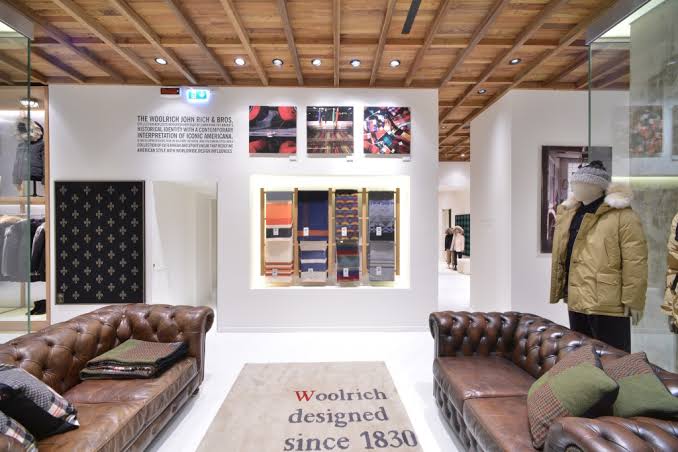
    Woolrich has opened its first concept store in Shanghai at HKRI Taikoo Hui, marking its second brick-and-mortar presence across Greater China.

    The American heritage outerwear brand enters the mainland market following its initial regional launch at department store Sogo in Hong Kong.

    Partner BXN Group is managing the label’s regional rollout, anchoring Woolrich’s commercial expansion in mainland China since 1830-founded roots.

    Birch Forest Facade and Archival Retail

    Designed with an exterior inspired by a birch forest, the multi-level boutique combines retail sales floors with brand museum displays. An archive gallery occupies the second floor alongside an installation dubbed the blanket corner, showing product lineage alongside active inventory.

    Merchandise across the store covers full seasonal assortments of menswear and womenswear. Outerwear lines lead the floor space, supported by apparel and lifestyle accessories.

    Expansion Strategy Under BXN Group

    Operating partner BXN Group manages the brand’s local rollout, using Shanghai to anchor mainland distribution. BXN Group channel operations director Eric Lee identified the opening as the foundation for broader regional scaling.

    “Woolrich’s Shanghai flagship is the second chapter in our Greater China story, building on decades of sartorial craft to assemble a portfolio of global lifestyle brands, from the precision of formalwear to the performance of the outdoors,” Lee said.

    Mainland Premium Outdoor Competition

    Landing at HKRI Taikoo Hui places Woolrich directly against premium technical outerwear operators fighting for high-end foot traffic. Competitors already hold significant footprints across Shanghai’s core commercial developments, setting high sales-density benchmarks for newer outdoor entrants.

    Premium fashion consumers in China increasingly demand technical performance over basic legacy heritage. Woolrich enters this retail arena relying heavily on premium pricing, creating execution risk if shoppers treat the label strictly as fashion rather than functional gear.

    Heritage Positioning Since 1830

    Pennsylvania-founded Woolrich has operated since 1830, initially supplying wool garments to extreme-weather workers and expeditions. The brand built its international profile around signature items including the Arctic Parka and buffalo check woolens before pivoting toward upscale lifestyle accounts.

    The Shanghai opening tests whether that cold-weather identity can generate year-round volumes through mainland department stores and shopping centres. BXN Group has not yet disclosed opening dates for additional locations in secondary Chinese tier-one cities.