Blog

  • Great Wrap Collapses Under Debt: Unfortunate End For Sustainable Plastics Innovator

    Great Wrap Collapses Under Debt: Unfortunate End For Sustainable Plastics Innovator

    Great Wrap, an emerging leader in the alternative plastics industry, has unfortunately been forced to cease operations due to mounting debts. The company has reportedly accumulated about $39 million in debts, culminating in an unexpected end almost six years after its inception.

    Company Shutdown

    The Australian Securities and Investments Commission (ASIC) has confirmed that administrators were named to handle the insolvency proceedings on September 17. The shutdown has led to a complete halt in the company’s operations and the dismissal of all employees.

    Jordy Kay, co-founder and CEO of Great Wrap, verified the company’s closure in a professional networking platform post. He acknowledged the end of the company’s journey and expressed his gratitude to all supporters. Kay affirmed his commitment to work with the administrators to liquidate all company assets and repay the creditors in full.

    Innovation and Challenges

    Great Wrap, which Jordy and Julia Kay established in 2020, enjoyed recognition for its compostable cling film and pallet wrap manufactured from potato waste and other organic materials. The business had positioned itself as a sustainable substitute to petrochemical-based plastics. Their target customers were retailers and fast-moving consumer goods (FMCG) companies as well as logistics providers aiming to decrease plastic waste.

    Regrettably, changing market situations and a decrease in demand for compostable packaging were key factors in the company’s downfall. Kay explained that retailers and FMCG companies had started to transition from using compostable alternatives to establishing their own plastic recycling operations. This shift led to a slow-down in their business and a weakening demand for their products.

    While the company had plans to expand into the US market, the persistent struggle to make the Australian plant profitable left them without adequate time or capital to continue. The inability to turn a profit from the Australian plant, combined with a depletion of time and capital for US expansion, ultimately led to the company’s collapse.

    Despite the unfortunate development, Kay remains hopeful that their journey would inspire others to continue exploring opportunities in the challenging domain of alternative plastics.

    Questions & Answers

    Why did Great Wrap cease operations?
    Great Wrap was forced to shut down due to financial struggles, including a reported $39 million in debt.

    Who were the primary customers of Great Wrap?
    Great Wrap’s primary customers were retailers, FMCG companies, and logistics service providers looking to reduce plastic waste.

    What led to the reduction in demand for Great Wrap’s products?
    A shift in strategy from retailers and FMCG companies led to a decline in demand. These companies transitioned from using compostable alternatives to setting up their own plastic recycling operations.


  • Australia Mandates Acceptance Of Cash For Fuel, Groceries: Exemptions And Future Plans Explained

    Australia Mandates Acceptance Of Cash For Fuel, Groceries: Exemptions And Future Plans Explained

    The Australian Federal Government has made significant strides towards safeguarding the validity of cash as a payment mode for everyday necessities by issuing key provisional regulations mandating the acceptance of cash for fuel and groceries.

    Details of the Draft Regulations

    Outlined after a public consultation conducted in the early part of the year, these draft regulations dictate that the obligation to accept cash for fuel and groceries will be restricted to face-to-face transactions of less than $500.

    However, small businesses with a combined turnover of less than $10 million, along with those businesses that are part of a franchise arrangement netting under $10 million, are exempt from these regulations. Additionally, companies that face challenges in managing cash transactions are also exempt.

    Daniel Mulino, the Assistant Treasurer and Minister for Financial Services, agrees that while Australians are progressively opting for digital payment methods, the government recognizes that cash will still be a vital part of society. He appreciates this as a balanced, pragmatic, and judicious move to aid cash users while also taking businesses into account.

    A Three-Year Review Plan

    The Federal Government has announced that it will evaluate the mandate in three years to ensure the policy is effectively serving its purpose. This evaluation will also explore whether the mandate should extend to cover other businesses. It will consider the potential impact on companies presently affected by the mandate and any advancements concerning cash distribution and access.

    The Council of Financial Regulators and the Australian Competition and Consumer Commission, back in July, issued a consultation paper suggesting various propositions on the regulation of cash distribution. Mulino assured that the government would closely examine the CFR’s recommendations alongside industry feedback, and work diligently to ensure that Australians continue to have access to cash.

    Questions & Answers

    What are the new draft regulations issued by the Australian Federal Government?
    The new draft regulations mandate the acceptance of cash for fuel and groceries, specifically for in-person transactions that are less than $500.

    Who are exempted from these new regulations?
    Small businesses with an aggregate turnover of under $10 million, businesses that are part of a franchise arrangement netting under $10 million, and companies that find managing cash transactions difficult are exempted.

    What is the future plan for these regulations?
    The Federal Government will review the mandate after three years to evaluate its effectiveness. This review will also consider whether the mandate should extend to other businesses and the potential impact on the currently affected companies.

  • Nestlé To Cut 16,000 Jobs Globally In Cost-cutting Initiative

    Nestlé To Cut 16,000 Jobs Globally In Cost-cutting Initiative

    Nestlé, a global leader in the food and beverage industry, has recently announced plans for a significant reduction in its worldwide workforce. Over the next two years, the company intends to eliminate approximately 16,000 positions as part of its ‘Fuel for Growth’ cost-cutting initiative.

    Workforce Reduction Plan

    In a bold move to streamline operations and achieve financial targets, Nestlé’s management has decided to cut costs by raising the ‘Fuel for Growth’ program’s objective to CHF 3.0 billion (equivalent to US$3.8 billion) from the previously set goal of CHF 2.5 billion (approximately $3.1 billion) by the close of 2027.

    The proposed downsizing, which will be implemented following applicable consultative processes, is expected to affect around 12,000 salaried professionals across various functions and geographical locations. The company believes that this measure will facilitate annual savings of up to CHF1 billion ($1.26 billion) by 2027.

    In addition, Nestlé plans to layoff 4,000 employees as part of ongoing productivity efforts in its manufacturing and supply chain operations.

    Adapting to Change

    “The world is evolving rapidly, and to stay ahead, Nestlé must adapt at an even faster pace,” stated CEO Philipp Navratil. He acknowledged the necessity of making tough decisions, including reducing staff numbers, over the coming two years.

    Emphasizing the company’s commitment to handling these changes with respect and transparency, Navratil affirmed that these actions are crucial to securing Nestlé’s future as a leader in its industry.

    Financial Focus

    Beyond workforce reduction, Nestlé also plans to intensify its focus on driving cash generation. This shift is designed to ensure sustainable returns to shareholders, with the aim of delivering free cash flow exceeding CHF8 billion within the current year.

    In terms of sales growth, Nestlé reported an organic growth of 4.3% in the third quarter. The company also noted ongoing challenges in the Greater China region, which is now managed by a new team focused on business transformation. The first nine months of the year saw organic sales growth of 3.3%, with real internal growth (RIG) at 0.6% and pricing at 2.8%. There were sequential improvements across major markets, global businesses, and categories during this period.

    Despite a more challenging comparison base expected in the fourth quarter, the company anticipates recording annual organic sales growth for the full year.

    Leadership Changes

    Earlier in the month, Nestlé’s chairman Paul Bulcke stepped down from the board ahead of schedule. Vice chairman Pablo Isla is set to assume the role.

    Questions & Answers

    What is Nestlé’s ‘Fuel for Growth’ program?
    This is the company’s cost-cutting strategy aimed at achieving financial targets by streamlining operations and reducing expenditures.

    How many employees will be affected by Nestlé’s workforce reduction plan?
    The plan entails a reduction of approximately 16,000 positions worldwide over the next two years.

    What other financial plans does Nestlé have in place?
    Aside from cost-cutting, the company also intends to concentrate on driving cash generation to ensure sustainable returns to shareholders.

  • Maxis Berhad Pioneers Quantum Safe Networking In Malaysia, Bolstering Data Security For Businesses

    Maxis Berhad Pioneers Quantum Safe Networking In Malaysia, Bolstering Data Security For Businesses

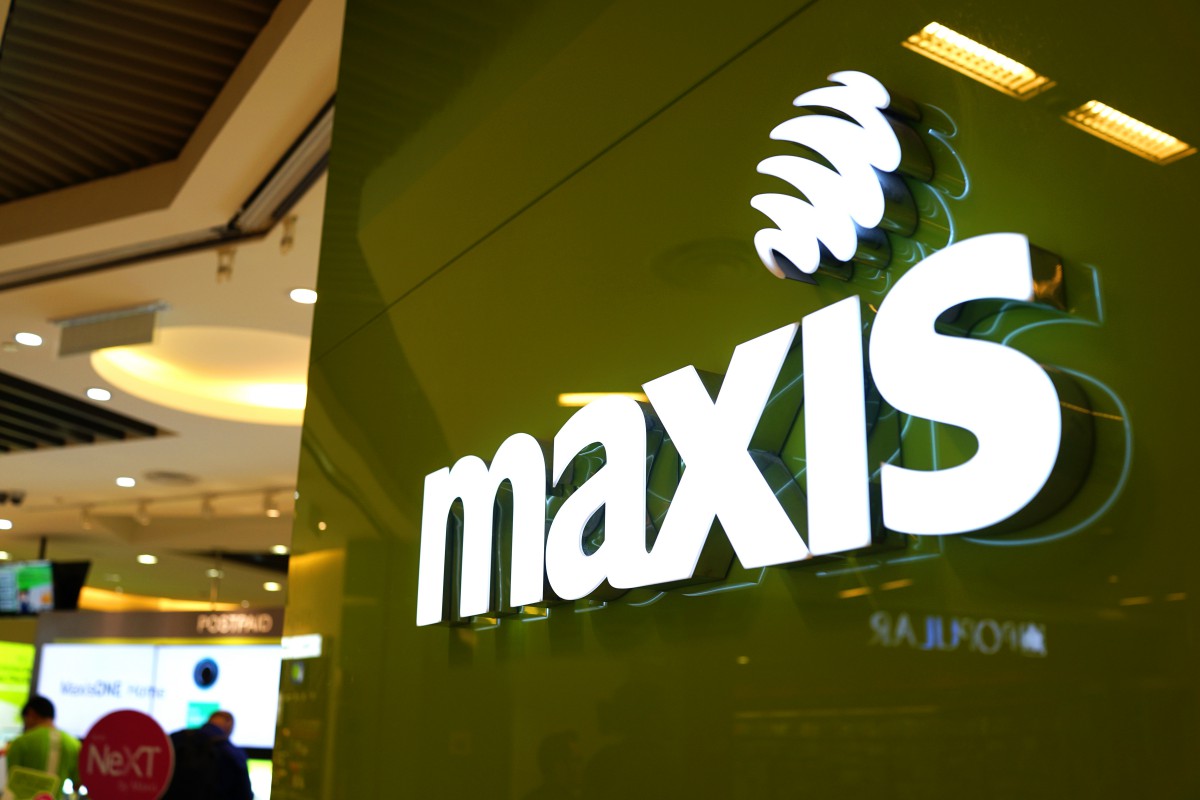
    Maxis Berhad (Maxis), Malaysia’s leading telecommunications company, has introduced the country’s inaugural Quantum Safe Networking (QSN) solution, primarily targeting government agencies and businesses. This cutting-edge security feature has been launched through Maxis Business – the company’s business-to-business branch – and was developed in collaboration with Nokia. The managed service offers data encryption directly at the optical layer.

    Securing Critical Information Against Quantum Computing Threats

    The QSN solution ensures the significant protection of critical data against possible risks linked to future quantum computing. It empowers businesses to prosper in the era of artificial intelligence (AI) and cloud technology. The introduction of this solution was made at the Cyber Digital Services, Defence and Security Asia 2025 event, hosted by Maxis Business.

    The aforementioned event was held at the Malaysia International Trade and Exhibition Centre (MITEC). Here, Maxis Business showcased an exhibition titled ‘Building Tomorrow’s Security Today,’ featuring the QSN solution, along with other innovative network monitoring solutions, real-time field visibility, and solar energy.

    This revolutionary solution offers quantum-safe encryption for data in transit. In doing so, it addresses the severe threat of future decryption by quantum computers of data intercepted today, a situation often dubbed as “harvest now, decrypt later.” The solution is particularly advantageous for sectors that demand stringent data integrity and sovereignty, such as banking and financial services, healthcare, and the public sector.

    Enhancing the Security of Maxis’s Fiber Connectivity Services

    The QSN solution augments the security of Maxis’s fiber connectivity services, which are particularly critical for enterprises, cloud providers, and financial institutions that rely on data center interconnects and high-capacity fiber links. This solution perfectly complements the company’s Data Centre Connect solution, thereby providing secure, private access to leading cloud providers and data centers nationwide for businesses operating in physical, hybrid, or multi-cloud environments.

    In the words of Prateek Pashine, Chief Enterprise Business Officer of Maxis, “Securing today’s data against tomorrow’s risks is a vital necessity for any organization, especially in the face of rising cyber threats. By becoming the first Malaysian telco to provide quantum-safe networking, we are establishing a new benchmark for network protection. This gives businesses and government agencies the confidence to expedite their digital transformation journeys. This initiative also showcases our dedication to strengthening Malaysia’s digital resilience, which aligns with the national cybersecurity agenda.”

    To this, Ming Kin Ngiam, Head of Southeast Asia South for Network Infrastructure at Nokia, added, “Our collaboration with Maxis tackles a pressing business requirement: safeguarding data in transit against evolving security threats without compromising the performance enterprises rely on.”

    Maxis’s Commitment to a Secure, Resilient Digital Infrastructure

    Maxis has successfully completed the fiberization of all major data centers in Malaysia, thereby connecting them to its national network. This robust infrastructure allows Maxis to provide up to three diverse fiber routes to these data centers, ensuring businesses benefit from exceptional resilience and high availability. Furthermore, this secure network can be fortified with quantum-safe encryption, thereby ensuring that data in transit remains secure against current and future quantum threats.

    The introduction of QSN enriches Maxis Business’s extensive spectrum of end-to-end solutions, which includes core connectivity, IoT, cloud computing, cybersecurity, and other digital services.

    Questions & Answers

    What is the Quantum Safe Networking (QSN) solution?
    The QSN solution is a security feature that offers quantum-safe encryption for data in transit, protecting it from potential threats posed by future quantum computing.

    Which sectors will benefit the most from the QSN solution?
    The solution is particularly beneficial for industries that require strict data integrity and sovereignty, such as banking and financial services, healthcare, and the public sector.

    What does the introduction of QSN mean for Maxis and its customers?
    The introduction of QSN establishes Maxis as a pioneer in network protection in Malaysia. For customers, it means enhanced security, protection against emerging cyber threats, and a boost in confidence to accelerate their digital transformation journeys.

  • India’s 5g Infrastructure Surges With 6,400 New Stations: Reinforcing Digital Economy Growth

    India’s 5g Infrastructure Surges With 6,400 New Stations: Reinforcing Digital Economy Growth

    In September 2025, India significantly extended its 5G coverage, introducing over 6,400 new 5G base transceiver stations (BTS). This latest data was provided by the Department of Telecommunications (DoT), which also reported that the total count of nationwide 5G BTS has increased to 504,588 compared to 498,135 in August.

    Exponential Expansion of 5G Infrastructure

    The robust additions in September are an upward trend from the 5,615 sites incorporated in August, emphasizing India’s consistent growth in the expansion of next-generation mobile infrastructure. This steady rise, marked by monthly BTS additions consistently surpassing 4,000 since March 2025, is a clear indication of strong operator commitment to a nationwide 5G rollout.

    Key Industry Players

    Vodafone Idea (Vi) made a significant move in expanding its 5G reach by introducing services in Dehradun on September 17, 2025. This is part of Vi’s implementation across 17 priority circles where it aims to utilize its 5G spectrum assets to elevate customer experience and match the competitiveness of market leaders like Reliance Jio and Bharti Airtel.

    Bharat Sanchar Nigam Limited (BSNL), on the other hand, is advancing its focus on indigenous technology with the launch of its fully Indian-developed and manufactured Swadeshi BSNL 4G network. This network, which incorporates a core developed by C-DOT, Tejas Networks’ radio access solutions, and TCS integration, is now connected with over 22 million subscribers across 92,000 sites. The Ministry of Communications has hailed this achievement as a significant milestone in India’s self-reliance efforts for telecom infrastructure.

    Continued Growth and Future Prospects

    The DoT data points to a steady monthly growth in BTS deployments, which is anticipated to continue. As the India Mobile Congress (IMC) 2025 approaches, all major telecom operators are expected to enhance their network expansion and innovation efforts. It is expected that industry giants Reliance Jio, Airtel, and Vi will reveal new 5G and AI-driven solutions during the event.

    The robust expansion of India’s 5G infrastructure solidifies its position as one of the world’s rapidly growing digital economies. This growth lays the groundwork for enhanced connectivity, enterprise innovation, and a robust digital ecosystem.

    Questions & Answers

    What is the total number of 5G BTS in India as of September 2025?
    As of September 2025, the total number of 5G BTS in India is 504,588.

    How is Vodafone Idea (Vi) expanding its 5G reach?
    Vodafone Idea (Vi) is expanding its 5G reach by introducing services in Dehradun and other priority circles, using its 5G spectrum assets to improve customer experience and competitiveness.

    What is the significance of Bharat Sanchar Nigam Limited (BSNL)’s Swadeshi BSNL 4G network?
    The Swadeshi BSNL 4G network is significant as it is fully developed and manufactured in India, marking a major milestone in the country’s self-reliance efforts for telecom infrastructure.

  • Singapore’s LTA Partners With Nokia, Hitachi To Boost Rail Surveillance And Operational Efficiency

    Singapore’s LTA Partners With Nokia, Hitachi To Boost Rail Surveillance And Operational Efficiency

    The Land Transport Authority (LTA) in Singapore is taking the initiative to upgrade its rail infrastructure’s video transport and CCTV network. The project is being launched in partnership with Nokia and Hitachi Rail, and its primary goal is to boost real-time monitoring, enhance safety for commuters and bolster operational efficiency.

    Impacts of the Upgrade

    The initiative will focus on over 50 train stations, employing Nokia’s fiber-based Optical LAN and IP/MPLS solutions to bolster high-resolution video surveillance across the city’s railway system. The system, which caters to in excess of 3.65 million passengers per day, stands to benefit greatly from the enhanced surveillance capabilities.

    Nokia’s Optical LAN technology features robust optical network units (ONUs) and optical line terminals (OLTs) that can offer speeds up to 25 Gbps. When compared with traditional copper-based LAN infrastructure, this system utilizes about 70% less cabling and approximately 40% less power. These factors contribute to increased efficiency and sustainability. The deployment’s IP/MPLS component will provide dependable backhaul connectivity to the LTA’s centralized Operations Control Center, thus enabling efficient transport of live video data. This will lead to improved network reliability and quicker response capabilities.

    Stuart Hendry, Vice President of Enterprise Sales for Network Infrastructure at Nokia Asia Pacific, highlighted the importance of the project. He noted that fiber is being used to connect critical systems, including those responsible for monitoring transportation hubs worldwide. Ensuring a highly available, reliable, and secure real-time surveillance system is critical to the safety of those utilizing Singapore’s transit lines daily. The partnership with Hitachi Rail allowed Nokia to deliver a comprehensive solution for LTA, ensuring they had the necessary video capacity for their extensive CCTV surveillance and broader network operations for years to come.

    Nokia has stated the upgraded system will enhance the capacity and reliability of the LTA’s surveillance network and allow for future expansion as bandwidth and monitoring needs increase.

    Other Railway Project Improvements in Asia

    In addition to the Singapore project, various other improvements are being made to railway projects across Asia. One major project in Malaysia will see YTL Communications leading a significant fiber optic project. Meanwhile, in Indonesia, another project is being implemented to ensure high-speed railway safety and efficiency.

    Joaquim Santos, Vice President of Integrated Communication and Supervision Solutions (ICS) at Hitachi Rail, expressed satisfaction with the collaboration. He stated that the project is part of Hitachi’s ongoing relationship with the LTA and will play a crucial role in upgrading the transport infrastructure.

    Questions & Answers

    What is the primary goal of this upgrade project?
    The primary goal is to boost real-time monitoring, enhance safety for commuters and bolster operational efficiency.

    What are the technical specifications of the upgrade?
    The upgrade will employ Nokia’s fiber-based Optical LAN and IP/MPLS solutions which can offer speeds up to 25 Gbps. This will allow for efficient transport of live video data and improved network reliability.

    What is the significance of this upgrade for Singapore’s railway network?
    This upgrade will enhance the capacity and reliability of the LTA’s surveillance network and allow for future expansion as bandwidth and monitoring needs increase. This will contribute to the safety and efficiency of the rail network.

  • Malaysia’s Telecommunications Revolution: Yes Brand Launches Nation’s First 5g-advanced Network

    Malaysia’s Telecommunications Revolution: Yes Brand Launches Nation’s First 5g-advanced Network

    YTL Communications, under its Yes brand, has set a precedent as the inaugural telecommunications firm in Malaysia to officially introduce 5G-Advanced technology. Their coverage is already operational throughout the Klang Valley, with a nationwide rollout projected to be completed by December 2025. Yes 5G-Advanced promises heightened speeds, superior coverage, Artificial Intelligence-capable connectivity, and network slicing for prioritized and reliable connections, marking an industry first in the Malaysian telecommunications sector.

    A Network Game changer

    The introduction of 5G-Advanced is more than just an upgrade on the network. It’s a significant shift in the landscape of telecommunications, set to transform the way Malaysians engage with technology. The revolutionary upgrade will offer broader and deeper 5G coverage across the country, promising a wireless network capacity that the nation has never experienced before. This latest development lays the groundwork for an unrestricted, inclusive, and AI-ready society.

    The newly launched 5G-Advanced is powered by the Ericsson-built network of Digital Nasional Bhd (DNB). With this collaboration, Yes has become the ninth operator globally to adopt 5G-Advanced technology, further enhancing its strong indoor and outdoor coverage capabilities. The service operates on the 700 MHz and 3,500 MHz spectrum, offering ultra-low latency and high-speed performance that is ideal for streaming, gaming, and other critical applications.

    Features and Upgrades

    The new service not only promises a stable, high-quality connection but also introduces AI-ready network slicing. Network slicing allows for the creation of multiple virtual networks on top of a shared physical infrastructure, ensuring that each user gets a stable and high-quality connection.

    Furthermore, Yes is offering all its 5G postpaid and broadband users a complimentary automatic upgrade to the new 5G-Advanced service, emphasizing customer satisfaction and commitment to the seamless integration of new technology.

    Questions & Answers

    What is the 5G-Advanced technology launched by Yes?
    5G-Advanced refers to the latest upgrade in network technology, offering heightened speeds, superior coverage, AI-capable connectivity, and network slicing for prioritized and reliable connections.

    What benefits does the 5G-Advanced network offer to users?
    The 5G-Advanced network provides users with strong indoor and outdoor coverage, ultra-low latency, high-speed performance ideal for streaming and gaming, and AI-ready network slicing for stable, high-quality connections.

    What is network slicing?
    Network slicing is a form of network architecture that allows the creation of multiple virtual networks on top of a shared physical infrastructure. This ensures each user enjoys stable and high-quality connections.

  • Malaysia’s DNB Achieves Global First In 5g Network Autonomy: A Major Leap In Digital Transformation

    Malaysia’s DNB Achieves Global First In 5g Network Autonomy: A Major Leap In Digital Transformation

    Digital Nasional Berhad (DNB), the prime 5G network wholesale provider in Malaysia, has accomplished a global first by achieving Level 4 autonomy for service assurance.

    Level 4 Autonomy Validation

    The validation awarded by the TM Forum through its Autonomous Network Level Assessment Validation (ANLAV) program establishes that DNB’s 5G network can function with little to no human intervention. This achievement propels Malaysia to a leading position in the world in terms of network automation and 5G technology.

    DNB’s 5G network’s autonomous functioning is driven by Ericsson’s Intent-based Operations (IBO) system. This innovative system deploys artificial intelligence to predict, identify, and resolve potential issues without manual intervention. In doing so, it ensures continual service quality and dependability through self-monitoring and instant decision-making.

    Quotes from DNB and Ericsson Executives

    Ken Tan, DNB’s Chief Technology Officer, stated that the concept of an autonomous network has been a core design principle of DNB’s 5G rollout from its inception. “Building a highly efficient network that provides world-class 5G connectivity at one of the lowest costs globally became possible due to the integration of automation and AI capabilities as the technology evolved,” Tan explained. “The Level 4 validation from TM Forum confirms that we have been on the right trajectory and substantiates our roadmap for fostering innovation and digital transformation on a large scale.”

    Bradley Mead, Head of Ericsson Network Managed Services, further emphasized the significance of this validation. “It highlights that Ericsson and DNB are setting new benchmarks in 5G automation, guaranteeing flexibility and excellence in network management and operations,” Mead said. “This achievement enhances Malaysia’s network operators’ ability to present their customers with novel and valuable differentiated connectivity services, all based on the latest developments in autonomous networks.”

    David Hägerbro, the Head of Ericsson for Malaysia, Sri Lanka, and Bangladesh, echoed these sentiments. “The Level 4 Autonomy validation from TM Forum positions DNB as a global frontrunner in AI, automation, and assurance, marking a substantial stride in Malaysia’s digitalization journey. We take immense pride in partnering with DNB to make Malaysia a leading digital nation,” Hägerbro declared.

    Questions & Answers

    What does Level 4 autonomy for service assurance mean?
    It means that DNB’s 5G network can operate with minimal human intervention, thanks to automation and AI capabilities.

    What is the role of Ericsson’s Intent-based Operations (IBO) system in DNB’s network?
    Ericsson’s IBO system uses artificial intelligence to predict, detect, and resolve potential issues automatically. This enables self-monitoring and real-time decision-making to maintain service quality and reliability.

    How does this achievement benefit Malaysia’s network operators and customers?
    Achieving Level 4 autonomy boosts the ability of Malaysia’s network operators to offer their customers new and valuable differentiated connectivity services based on the latest advancements in autonomous networks.

  • Meta Tests Monthly Message Caps On Whatsapp To Curb Spamming

    Meta Tests Monthly Message Caps On Whatsapp To Curb Spamming

    Meta is planning on introducing a message limit for both individual users and businesses on its platform, WhatsApp. This move is designed to deter messages being sent en masse to unknown contacts without eliciting a response.

    Details of the New Limit

    The tech giant’s new strategy is to implement a monthly cap on the number of messages that can be sent without receiving a reply. All the messages dispatched on the platform will count towards this proposed limit. The exact number constituting the monthly cap remains undisclosed with Meta confirming that it is still in the process of testing various thresholds.

    In the upcoming weeks, the company plans to initiate trials of these new restrictions in multiple countries, although the specifics have yet to be determined.

    User Notifications and Alerts

    WhatsApp will proactively alert users who are nearing the set limit through a pop-up notification. This alert will indicate the remaining number of messages that can be sent before the limit is reached, thus enabling users to manage their activity and avoid being completely barred from sending messages.

    Impact on the Average User

    Meta assures that the average user will not be impacted by this new measure. The company explains that the limits are primarily intended to combat spam and will therefore not affect most users. As long as users are not excessively sending messages to a wide range of contacts, they are expected to remain unaffected by this change.

    This is not the first instance of WhatsApp taking measures to combat spam. Previous features introduced by the company were aimed at enabling users to easily exit unfamiliar group chats, block messages directly from the lock screen, and entirely block messages from unknown users.

    Curbing the Spread of Spam

    While Meta acknowledges that the new message limit will not entirely resolve the issue of spam on WhatsApp, it believes that it will effectively curtail its proliferation. The company is optimistic that this measure will deter spammers who indiscriminately send messages to random WhatsApp numbers, thereby making the process of spamming more challenging.

    Questions & Answers

    What is the new limit that Meta is introducing on WhatsApp?
    Meta is implementing a monthly cap on the number of messages that can be sent on WhatsApp without receiving a reply. The exact number constituting this limit is still being tested.

    How will users know if they are approaching the message limit?
    WhatsApp will alert users nearing the set limit through a pop-up notification. This will indicate the number of messages remaining before the limit is reached.

    Will the average user be affected by this new limit?
    According to Meta, most users will not be affected by this new measure as it is primarily being introduced to combat spam. If users are not excessively sending messages to a wide range of contacts, they are likely to remain unaffected.

  • Apple Challenges Qualcomm With In-house Modem In New M5 Ipad Pro

    Apple Challenges Qualcomm With In-house Modem In New M5 Ipad Pro

    Apple’s most recent M5 iPad Pro has been unveiled, exhibiting yet another relatively insignificant, ‘chip-and-ship’ upgrade that most users are likely to bypass. However, the real point of interest is the modest addition of an in-house cellular chip, marking a critical step in Apple’s ongoing rivalry with Qualcomm.

    What’s New in the M5 iPad Pro?

    Similar to the latest MacBook releases, the M5 iPad Pro was launched without much fanfare, primarily featuring a processor enhancement. According to expert observations, the device only boasts ‘modest improvements’ beyond the M5. The preceding M4 iPad Pro is already a powerful tool, and as such, the day-to-day experience for M4 iPad Pro users is unlikely to differ significantly with this update.

    The most notable adjustment, certainly for those within the industry, is not the M5 itself. Instead, the focus is on the newly incorporated C1X cellular modem, an in-house development replacing the third-party component previously utilized by Apple. Additional features include a new N1 chip for Wi-Fi 7 and faster external display support, though these are generally considered minor, specialized upgrades.

    The Importance of the Modem

    On the surface, the average consumer may not be particularly concerned with a modem. However, for Apple, it is of significant importance. The ‘third-party component’ that Apple has recently abandoned was supplied by Qualcomm. Those well-versed in the tech industry are likely aware of the protracted and complicated legal battles between Apple and Qualcomm over patents and licensing fees.

    Beneficial for Apple, not the Consumer

    This update is a quintessential ‘Apple’ move. It represents an enormous business and technical victory for the company, but it offers little to no benefit to the average consumer. Switching to in-house components is a strategic business decision for Apple, but it has yet to noticeably impact the user experience.

    Moreover, it should be noted that the majority of iPad purchasers opt for the Wi-Fi only model, rendering this new chip inconsequential for most customers. The introduction of this chip does not affect the purchasing decision in any significant way. The real test will come when these in-house modems are incorporated into iPhones. That’s when performance must be flawless, and when Qualcomm will truly start to feel the pressure. For the time being, this is just a subtle, strategic move by Apple.

    Questions & Answers

    What is the most significant upgrade in the M5 iPad Pro?

    The most significant upgrade in the M5 iPad Pro is the addition of an in-house C1X cellular modem, replacing the third-party component previously supplied by Qualcomm.

    Does the new in-house C1X cellular modem affect the consumer experience?

    No, the switch to in-house components, including the new modem, has not yet led to a noticeable change in the user experience.

    What is the potential impact of the in-house modem on Apple’s relationship with Qualcomm?

    The introduction of an in-house modem indicates a strategic move by Apple that could put pressure on Qualcomm, particularly when in-house modems begin to be incorporated into iPhones.

  • Iphone Air: A Revolutionary Design With Unmet Sales Expectations

    Iphone Air: A Revolutionary Design With Unmet Sales Expectations

    Apple had high hopes for this year, setting its sights on capturing the admiration of customers with its ultra-thin iPhone, named the iPhone Air. This model was primed to break away from the pack and shine amongst Apple’s other releases. Interestingly, you don’t necessarily have to be a die-hard iPhone aficionado to appreciate the revolutionary design of the iPhone Air.

    The Thinnest iPhone Ever

    Breaking down the specifics, the iPhone Air comes in at a mere 5.6mm in thickness, making it about 19% thinner than the iPhone 6, which at 6.9mm was previously the thinnest iPhone model. Launched alongside the iPhone 6 Plus in 2014, the iPhone 6 had set a benchmark for slim design. However, the iPhone Air pushes the boundary even further. The device is powered by a 3149 mAh battery for eSIM-only models, and a 3036 mAh battery for models with a physical eSIM, providing an all-day battery life as claimed by Apple.

    Revamped Camera and Pricing

    Apple has also included a cutting-edge 48MP Fusion camera in the iPhone Air. However, unlike the iPhone Pro models, it doesn’t come with separate Ultra Wide or Telephoto lenses. This means the device doesn’t offer ultra wide-angle shots and telephoto pictures are limited to a 2x optical zoom. As for the pricing, the iPhone Air starts at $999. Alternatively, Apple offers a financing option allowing customers to pay off the phone over 24 months at a rate of $41.62 per month.

    Production Cut Due to Lower Demand

    Despite the innovative design and features, the iPhone Air has faced lower than anticipated demand, prompting Apple to reportedly reduce its production. This cutback might result in the production of one million fewer iPhone Air units. Although this model hasn’t quite hit the mark in sales, Apple’s three other models have garnered considerable attention from consumers.

    Rise in Production of Other Models

    On the other hand, Apple is said to be ramping up the production of the iPhone 17 by an additional two million units. Similarly, the iPhone 17 Pro and iPhone 17 Pro Max are expected to see production increases of one million and four million units, respectively. Industry observers speculate that iPhone customers are more inclined towards familiar models, rather than the new iPhone Air.

    The iPhone Air’s Silver Lining

    Interestingly, what has been a drawback for the iPhone Air in sales, has actually been an advantage in terms of engineering. Apple’s base iPhone 17 model has seen significant improvements this year, including the addition of the ProMotion display which provides a variable refresh rate from 1-120Hz. The iPhone 17 also boasts a battery life of up to 30 hours for video playback, a substantial increase from the 22 hours offered by the iPhone 16.

    While the iPhone Air may not have met Apple’s sales expectations, its importance should not be undermined. The device could be a significant stepping stone for Apple, serving as a proof of concept for the upcoming foldable iPhone, often referred to as the iPhone Fold. The foldable iPhone is rumored to resemble two iPhone Air units placed side-by-side. Although initially anticipated for release next year, reports suggest a potential 2027 launch, as Apple is yet to finalize the design of the foldable’s hinge and other components.

    Questions & Answers

    What is unique about the iPhone Air?

    The iPhone Air stands out as the thinnest iPhone ever created, with a thickness of only 5.6mm, which is almost 19% thinner than the previous thinnest model, the iPhone 6.

    What is the starting price for the iPhone Air?

    The iPhone Air is priced at $999. However, Apple offers a finance option allowing customers to pay off the phone over 24 months at $41.62 per month.

    Why might the iPhone Air be considered a significant development for Apple, despite lower sales?

    While the iPhone Air may not have met sales expectations, it may serve as a proof of concept for future developments, specifically in relation to the rumored foldable iPhone, referred to as the iPhone Fold.

  • Google Bolsters Security Measures Amidst Rising Pixnapping Attacks Targeting Two-factor Authentication

    Google Bolsters Security Measures Amidst Rising Pixnapping Attacks Targeting Two-factor Authentication

    A cutting-edge threat known as Pixnapping has the ability to illicitly take your two-factor authentication (2FA) code within a mere 30 seconds, all without your knowledge. This is a significantly hazardous variety of cyber attack. In response, Google has ramped up its security measures, which are specifically engineered to assist users in accessing their Gmail accounts should they find themselves locked out. Some common reasons for such occurrences include losing one’s device, forgetting their password, or falling prey to a malware attack.

    Rising Threats to Google Apps

    There has been an 84% surge in attacks targeting Google apps such as Gmail over the previous year, as per Google’s own data. The most perilous security risk to users of Google’s apps is emails engineered to steal their passwords. This is where the feature of Account Recovery can prove instrumental. However, even Google itself concedes that Account Recovery may not always successfully facilitate access to a locked Gmail account. Claire Forszt and Sriram Karra, both of whom are part of Google’s Identity and Engagement team, express concerns over relying on Account Recovery to regain access to a locked Gmail account.

    Google’s feature known as ‘Sign in with Mobile’ employs your phone number to log into your account. Forszt and Karra highlight the difficulties of recovering a locked Gmail account using a one-time SMS code, especially in situations where the user has lost their phone or failed to update their recovery phone number.

    New Recovery Contacts Setting

    In order to tackle such issues, Google has introduced a fresh Recovery Contacts setting. This new feature empowers Gmail users to nominate family members or trusted contacts to help them regain access to their Gmail account. Forszt and Karra view this as a simple and secure solution to rely on trusted individuals when other recovery options are not feasible.

    To implement this feature, it’s essential to set up Recovery Contacts before losing access to your account. Users can do this by visiting the Security tab on myaccount.google.com/security and following the directions to confirm their identity. This will guide them to a page where they can add Recovery contacts. Users can assign up to 10 trusted people who can help them regain access to their locked Gmail or Google app account.

    Sign in with Mobile Number Feature

    Moreover, Google has rolled out a new mechanism for Android users to validate their identity and reclaim Gmail access solely using their mobile number. Google’s ‘Sign in with Mobile Number’ process is straightforward. Upon entering their phone number, users will be presented with accounts linked to that number. They can then select the account they wish to access and input their lockscreen passcode. The unique aspect of this feature is that it allows account access without a password.

    Eugene Liderman, Google’s Director of Android Security and Privacy, informed that this feature would be introduced gradually across the globe.

    Questions & Answers

    What is the new threat called Pixnapping?
    Pixnapping is a new form of cyber attack that can stealthily take your two-factor authentication (2FA) code within 30 seconds without your awareness.

    What is Google’s response to rising threats to its apps?
    In response to the rising threats, Google has enhanced its security measures with features like Account Recovery and Recovery Contacts setting, designed to help users regain access to their locked Gmail accounts.

    How does ‘Sign in with Mobile Number’ feature work?
    ‘Sign in with Mobile Number’ is a new feature from Google that allows Android users to verify their identity and regain access to their Gmail accounts using their mobile number. The users can select the account linked to their number and enter their lockscreen passcode to access the account, even without a password.

  • Apple’s Siri Upgrade Faces Delays And Doubts: Can It Compete In The Ai Race?

    Apple’s Siri Upgrade Faces Delays And Doubts: Can It Compete In The Ai Race?

    Anticipation and Concerns over the New Siri

    The unveiling of Apple Intelligence at the Worldwide Developers Conference in 2024 has left iPhone users anticipating an enhanced Siri digital assistant. Despite a number of delays, the upgraded Siri is set to launch early next year, unless unforeseen issues arise. However, there are doubts about whether the upgraded Siri will meet expectations.

    According to industry expert Mark Gurman’s Power On newsletter, there are already internal concerns at Apple regarding the performance of the new Siri. This comes as an unwelcome surprise, especially as competitors like the Galaxy S25 and Pixel 10, bolstered by Google’s Gemini, are making significant strides in AI.

    Chinese competitors, such as Xiaomi, are also outperforming Apple. They leverage heavily modified versions of contemporary AI models and are faring considerably better than the iPhone 17.

    Potential Impact of Further Delays

    Apple has already experienced significant delays in releasing the new Siri. The company’s current AI features lack the sophistication of their rivals, and this could potentially affect iPhone sales negatively. The iPhone 17 might face challenges in the impending months if these delays persist.

    Strategies to address these challenges have been numerous. Considerations have been made towards acquiring a third-party company like Perplexity AI, or even seeking assistance from Google. Presently, many Apple Intelligence features depend on OpenAI’s ChatGPT. However, efforts to replace it with Siri have not been successful.

    It is now crucial for Apple to make a decision. They can either allocate more resources to perfecting Siri, or allow another entity to take over the project. Apple’s delay in committing to AI advancements is now beginning to have consequences.

    The Urgency of Siri’s Release

    Regardless of the challenges, it is crucial for the new Siri to be released as scheduled next year. Apple cannot afford the luxury of time to achieve parity with Google’s Gemini, and it must rectify the perception that it lacks a clear strategy for Siri.

    Siri has been a subject of criticism for years before Apple decided to make improvements. The least the company can do now is to release the enhanced version that already exists, and then continue to refine and enhance it.

    Questions & Answers

    What is the current situation with the new Siri from Apple?
    There are internal concerns within Apple about the performance of the new Siri. The company has already faced numerous delays in its release, and it’s crucial for the new Siri to be launched next year to maintain competitiveness.

    How does Siri compare to its competitors?
    Competitors like the Galaxy S25, Pixel 10, and even Chinese brand Xiaomi are reportedly outperforming Siri. These competitors leverage advanced AI technologies, such as Google’s Gemini, and heavily modified versions of modern AI models, giving them an edge over Siri.

    What strategies is Apple considering to improve Siri?
    Apple is considering a number of strategies to enhance Siri, including potentially acquiring a third-party company such as Perplexity AI or seeking assistance from Google. Currently, many of Apple’s Intelligence features rely on OpenAI’s ChatGPT, and their attempts to replace it with Siri have not been successful.

  • Nissan Expands Retrofitting Program To Include Br10 Ez-shift, Enhances CNG Systems For Customer Convenience

    Nissan Expands Retrofitting Program To Include Br10 Ez-shift, Enhances CNG Systems For Customer Convenience

    Nissan Motor India recently extended its Compressed Natural Gas (CNG) retrofitting program to include the new Nissan Magnite BR10 EZ-Shift (AMT). This move comes in light of the successful implementation and positive customer reception of a similar program for the Nissan Magnite BR10 Manual Transmission earlier this year. This move is a reflection of Nissan’s ongoing dedication to providing efficient, customer-focused, and accessible mobility solutions.

    Expanded Retrofitting Program

    The BR10 EZ-Shift (AMT) variant’s certification makes it possible for a broader customer base to choose a factory-approved, high-quality retrofit solution. The retrofit solution combines the reliable performance of Nissan with the cost-effectiveness of CNG.

    Nissan also integrated a revamped fueling system, guided by customer feedback, response, and international best practices. The CNG filling valve has been relocated from the engine compartment to within the fuel-filling lid. This alteration is expected to offer better convenience, faster refueling, and enhanced ergonomics for daily users. The CNG retrofit comes with a three-year or 100,000 km warranty for the new Nissan Magnite.

    Affordable Retrofitting Kit

    Boosting its value proposition, Nissan announced a Maximum Retail Price (MRP) of ₹71,999/- for the CNG retrofitting kit. This price reduction comes after the recent Goods and Services Tax (GST) rate cut from 28% to 18%. As of September 22, 2025, the revised price has been effective across all authorized Nissan CNG retrofitting centers in India and remains stable despite the upgrade.

    Safety Measures and Warranty Plan

    The new Nissan Magnite is recognized as the safest B-SUV, equipped with six standard airbags across all models. It has been awarded a prestigious 5-star rating in overall passenger safety from GNCAP, which includes a perfect score in Adult Occupant Protection (AOP) and a 3-star rating in Child Occupant Protection (COP).

    Furthering their commitment to customer satisfaction, Nissan Motor India has introduced a unique 10-Year Extended Warranty Plan for the new Nissan Magnite.

    Questions & Answers

    What is the new development in Nissan’s CNG retrofitting program?
    The program has been expanded to include the new Nissan Magnite BR10 EZ-Shift (AMT), following the program’s successful implementation for the Nissan Magnite BR10 Manual Transmission.

    What changes have been made in the CNG filling system of the new Nissan Magnite?
    The CNG filling valve has been relocated from the engine compartment to within the fuel-filling lid for greater convenience, quicker refueling, and improved ergonomics.

    What safety measures does the new Nissan Magnite have?
    The new Nissan Magnite has been recognized as the safest B-SUV, featuring six airbags as standard across all models, a 5-star rating in overall passenger safety, a perfect score in Adult Occupant Protection, and a 3-star rating in Child Occupant Protection.