Blog

  • Skoda Celebrates 25 Years In India With Limited Edition Octavia Rs Launch

    Skoda Celebrates 25 Years In India With Limited Edition Octavia Rs Launch

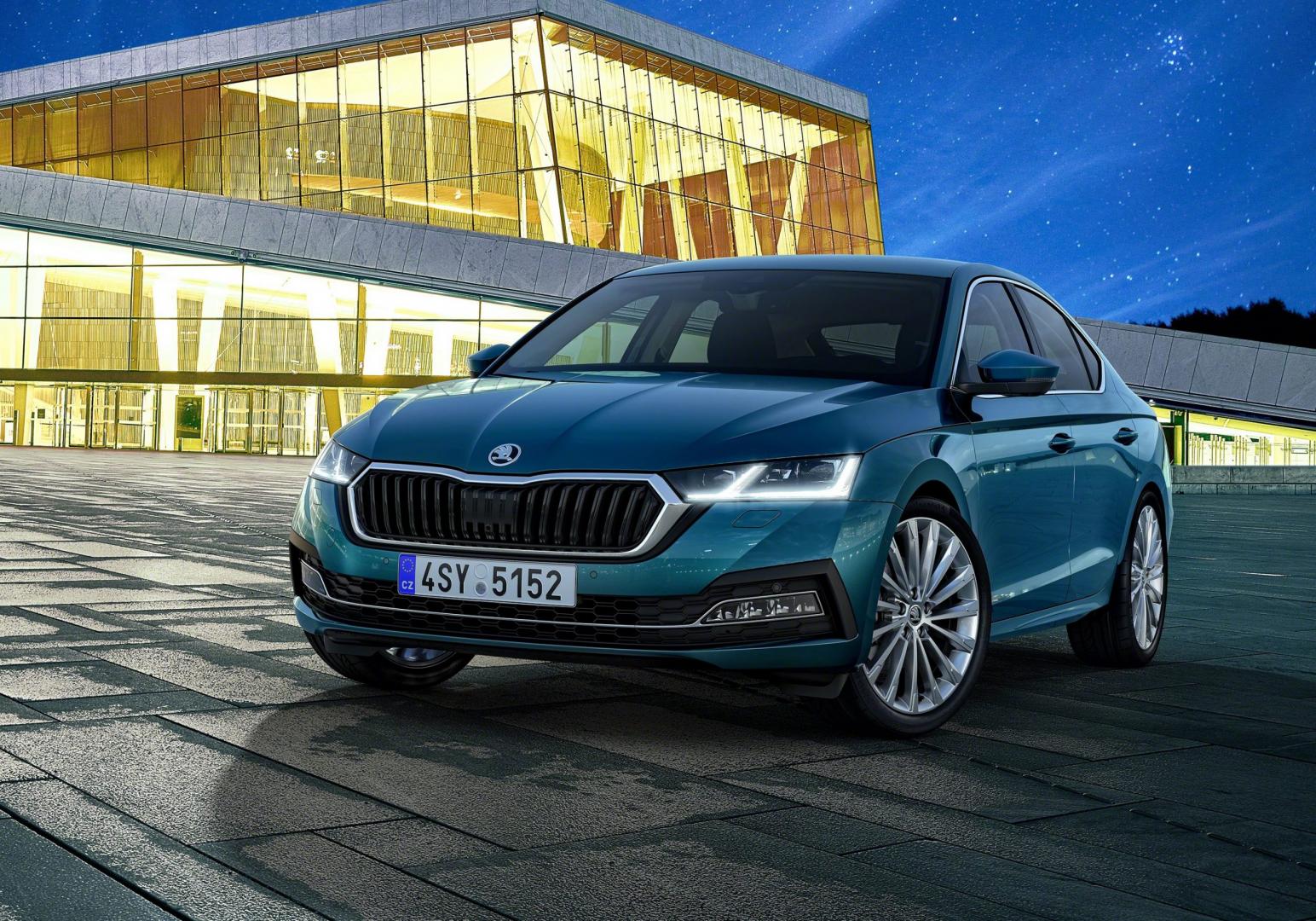
    Skoda Auto India is celebrating its 25th anniversary with the launch of the highly-anticipated Skoda Octavia RS. The performance saloon will be available in limited quantities and will be brought to the Indian market through the Completely Built-Up (CBU) route. The vehicle is priced at Rs 49.99 lakh (ex-showroom) and has been much sought after by Indian auto-enthusiasts, building on its legacy since its debut in 2004.

    The Launch Statement

    Ashish Gupta, Brand Director of Skoda Auto India, expressed his excitement at the launch of the Octavia RS. He emphasized the overwhelming response the car has received and its ability to ignite the passion of driving enthusiasts across India. As Skoda celebrates 25 successful years in India, its commitment to delivering world-class cars is stronger than ever, and the RS badge stands as a testament to this. Gupta further expressed excitement to welcome a new generation of enthusiasts into the Skoda family, building on the strong legacy that defines the brand.

    Performance Features of Skoda Octavia RS

    Beneath the hood, the Octavia RS boasts a 2.0 TSI turbocharged petrol engine that delivers peak power output of 265 Hp and max torque of 370 Nm. This power is delivered to the wheels through a seven-speed DSG automatic transmission, enabling the car to accelerate from 0 to 100 kmph in a mere 6.4 seconds. The top speed is electronically limited at 250 kmph.

    Design Features of Skoda Octavia RS

    The Octavia RS embodies Skoda’s bold design aesthetics, featuring full LED Matrix headlights, LED tail lamps with dynamic indicators, and sleek black styling elements. With its 19-inch Elias anthracite alloy wheels and low-profile 225/40 R19 sports tyres, the car exudes an unmistakably sporty, aggressive stance. The Octavia RS combines sleek proportions with practicality, offering segment-leading boot capacity and five vibrant colour options.

    Interior Features of Skoda Octavia RS

    The interior of the Octavia RS strikes a harmonious balance between sportiness and luxury. It features Suedia/Leather upholstery with red contrast stitching, sports front seats with advanced adjustability, heating, and massage functions along with ambient lighting. Customers will also benefit from three-zone climate control, wireless charging, and a state-of-the-art infotainment system compatible with Android Auto and Apple CarPlay.

    Safety Features of Skoda Octavia RS

    The Octavia RS is equipped with state-of-the-art safety features including Adaptive Cruise Control (ACC), Autonomous Emergency Braking (AEB), Lane Assist, and Intelligent Park Assist. The car also includes 10 airbags, a 360-degree Area View camera, ISOFIX child seat mounts, a Head-Up Display, and advanced driving stability systems.

    Warranty

    In line with all Skoda models, the Octavia RS comes with an industry-leading ownership package, including a 4-year/100,000 km warranty.

    Questions & Answers

    What is the price of the Skoda Octavia RS?
    The Skoda Octavia RS is priced at Rs 49.99 lakh (ex-showroom).

    What is the top speed of the Skoda Octavia RS?
    The top speed of the Skoda Octavia RS is electronically limited at 250 kmph.

    What safety features does the Skoda Octavia RS offer?
    The Octavia RS comes equipped with state-of-the-art safety features including Adaptive Cruise Control (ACC), Autonomous Emergency Braking (AEB), Lane Assist, and Intelligent Park Assist, among others.

  • Ferrari Unveils SC40 Supercar: A Modern Tribute To The Iconic F40

    Ferrari Unveils SC40 Supercar: A Modern Tribute To The Iconic F40

    The esteemed Italian automobile manufacturer, Ferrari, has recently unveiled its latest creation, the SC40 supercar, in Maranello. This unique model is the latest addition to the Special Projects Program and draws its inspiration from the iconic F40 supercar. An exclusive client specifically commissioned the SC40, which is modeled after the mid-rear-engined 296 GTB. It shares its structural design, rear-wheel drive chassis, and V6 turbo-hybrid powertrain with the 296 GTB.

    The Power Behind the SC40

    The Ferrari SC40 employs the same powertrain and chassis as the 296 GTB. This indicates that the SC40 is equipped with a potent 3.0-liter V6 engine, capable of generating up to 830 horsepower in its hybrid configuration.

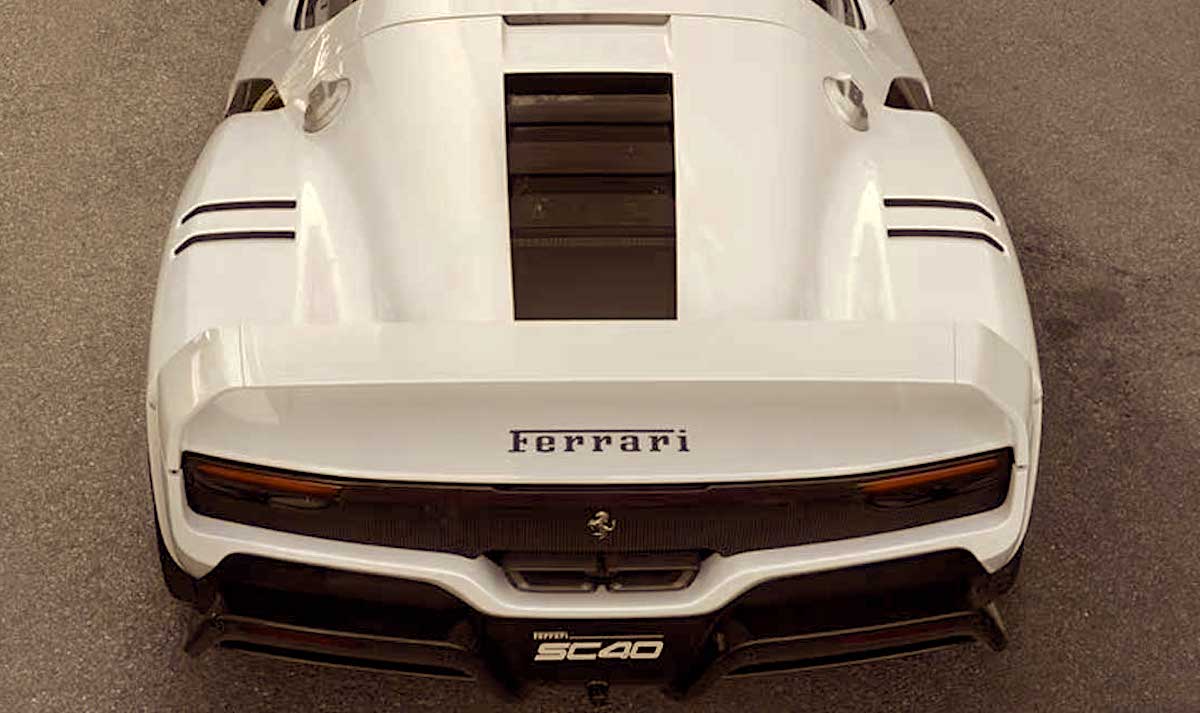
    While the SC40 and the 296 GTB share the same power unit, the SC40 stands out with distinct visual features that pay homage to the F40 supercar. These include smoked Lexan louvres and an open-mesh rear face that serves to cool the turbocharged engine. In addition, the SC40 insignia is etched in relief on the side of the rear wing. The side profile is marked by triangular carbon-fiber accents and large intercooler air intakes, which are modern reinterpretations of the classic NACA ducts and louvres that defined the F40’s design.

    Modern Design Meets Classic Aesthetics

    Directed by Flavio Manzoni at the Ferrari Styling Center, the SC40 is a harmonious blend of classic design elements and contemporary aesthetics. Although the SC40 is inspired by the F40, Ferrari asserts that it has a number of unique distinguishing features. These include vertical lines that shape the front wings, door cuts, and engine cover. The front of the SC40 is characterized by headlights positioned at the outer corners of the bonnet, a full-width lower air intake, and rectangular brake intakes. The car is finished in a bespoke Bianco SC40 paint, which completes the exterior transformation.

    The F40 was one of the first cars to utilize carbon-Kevlar, and this material has made a return in the SC40, being used in areas such as the footwells, behind the seats, and on the steering wheel and dashboard. The interior also boasts charcoal Alcantara and red Jacquard fabric, imparting a sporty feel with a high-end, race-inspired touch.

    Questions & Answers

    What is the power output of the Ferrari SC40?
    The Ferrari SC40 features a 3.0-liter V6 engine capable of generating up to 830 horsepower in its hybrid configuration.

    What are some unique features of the Ferrari SC40?
    The SC40 stands out with distinct visual features that pay homage to the F40 supercar. These include smoked Lexan louvres, an open-mesh rear face, triangular carbon-fiber accents, large intercooler air intakes, and a bespoke Bianco SC40 paint finish.

    What materials are used in the interior of the Ferrari SC40?
    The SC40’s interior uses carbon-Kevlar in areas such as the footwells, behind the seats, and on the steering wheel and dashboard. The cabin also features charcoal Alcantara and red Jacquard fabric.

  • Singapore’s Pension System Clinches Top Grade In Global Index, First In Asia-pacific Region

    Singapore’s Pension System Clinches Top Grade In Global Index, First In Asia-pacific Region

    The Central Provident Fund (CPF) of Singapore has been recognized as the leading pension system in the Asia-Pacific region, achieving an unprecedented A grade in a global index. This milestone marks Singapore as the first in the region to receive such a high grade.

    Singapore’s pension system has seen constant improvement since 2009 when it was rated a C, advancing to a B+ in 2023, and finally securing its first-ever A grade in the annual Mercer CFA Institute Global Pension Index. Owing to this breakthrough, Singapore now belongs in the upper echelons of the 2025 ranking alongside the Netherlands, Iceland, Denmark, and Israel.

    The Global Pension Index measures 52 retirement income systems worldwide across more than 50 indicators organized into three essential pillars: adequacy, sustainability, and integrity. Adequacy assesses whether a system can provide sufficient income to maintain a decent living standard; sustainability gauges the system’s long-term ability to fulfill future commitments, and integrity measures trust in the system.

    Singapore’s pension structure hinges on the CPF, a system that encompasses all employed citizens and permanent residents through compulsory contributions from both workers and employers.

    In the latest ranking, Singapore achieved a score of 80.8, the highest in Asia and the fourth highest globally, signifying a considerable upgrade. Notably, no systems experienced a downgrade this year.

    The enhancement in Singapore’s position was primarily due to improved outcomes in sustainability and integrity, which balanced a minor decrease in adequacy. Tim Jenkins, the report’s primary author, noted that Singapore authorities have made substantial efforts to boost transparency in recent years. This enables citizens to have a clearer understanding of their anticipated retirement disbursements.

    He also pointed out the contribution of Singapore’s economy towards achieving this feat. The long-term economic growth has positively impacted the sustainability metric.

    Within the Asia-Pacific region, Australia’s retirement system ranked second with a score of 77.6, followed by Hong Kong at 70.6. Other Southeast Asian countries listed in the ranking included Malaysia (60.6), Vietnam (53.7), Indonesia (51.0), Thailand (50.6) and the Philippines (47.1).

    Interestingly, Hong Kong and Malaysia saw improvements in their systems, moving up to B and C+ grades, respectively.

    Globally, the Netherlands, Iceland, and Denmark continued to spearhead the index with scores of 85.4, 84.0, and 82.3, respectively.

    Questions & Answers

    What grade did Singapore’s Central Provident Fund (CPF) achieve in the Global Pension Index?
    The CPF achieved an A grade, making it the highest-rated pension system in the Asia-Pacific region.

    How does the Global Pension Index assess retirement income systems?
    The Global Pension Index measures retirement income systems using more than 50 indicators organized into three pillars: adequacy, sustainability, and integrity.

    What other countries ranked high in the Global Pension Index?
    Other top-ranking countries include the Netherlands, Iceland, Denmark, and Israel.

  • BYD Recalls Over 115,000 Vehicles Amid Safety Concerns: Tang And Yuan Pro Models Affected

    BYD Recalls Over 115,000 Vehicles Amid Safety Concerns: Tang And Yuan Pro Models Affected

    Chinese vehicle manufacturer BYD has announced its largest vehicle recall to date, affecting over 115,000 vehicles from the Tang series and Yuan Pro models produced between 2015 and 2022. The recall has been triggered by concerns regarding design defects and battery-related safety risks.

    Recall Details

    BYD has presented a plan to the State Administration for Market Regulation to recall 44,535 Tang series vehicles. These vehicles, produced between March 2015 and July 2017, have been identified as having potential component design flaws that may lead to abnormal functionality, according to the market regulator’s statement released on Friday.

    The recall also includes 71,248 Yuan Pro electric vehicles, produced between February 2021 and August 2022. These vehicles are being recalled due to issues related to the manufacturing process, specifically concerning the installation of the batteries.

    Previous Recalls

    This recall follows earlier instances where BYD had to recall vehicles due to safety concerns. In January, the company recalled 6,843 Fangchengbao Bao 5 plug-in hybrid off-road SUVs due to potential fire risks. Prior to this, nearly 97,000 vehicles from the Dolphin and Yuan Plus EV series were recalled due to a manufacturing fault in the steering control unit that posed a fire risk. This recall took place in September 2024.

    Questions & Answers

    What is the reason for BYD’s recall of its Tang series and Yuan Pro vehicles?
    The recall is due to identified design defects and battery-related safety risks in these vehicles.

    How many vehicles are affected by this recall?
    The recall affects over 115,000 vehicles, including 44,535 from the Tang series and 71,248 Yuan Pro electric vehicles.

    Has BYD had to recall vehicles in the past?
    Yes, BYD has had to recall vehicles in the past due to safety concerns. In January, the company recalled 6,843 Fangchengbao Bao 5 vehicles due to fire risks, while in September 2024, nearly 97,000 Dolphin and Yuan Plus EVs were recalled due to a manufacturing fault in the steering control unit that also posed a fire risk.

  • Unprecedented Gold Rush Grips Vietnam Amid Soaring Global Prices

    Unprecedented Gold Rush Grips Vietnam Amid Soaring Global Prices

    For five straight days, Hoai, a 38-year-old self-employed individual, has been among the throng of hopeful buyers outside a Hanoi gold shop on Tran Nhan Tong Street. The majority of these people, much like Hoai, end up leaving without any gold in their hands.

    The Pursuit of Gold

    Hoai, who has some liquid savings, is attempting to safeguard her wealth through gold investment. The low returns offered by bank deposit rates have led her to this choice. Customers are permitted to buy only a single mace of gold at a time, which equals one-tenth of a tael or 3.75 grams. Despite the small quantity, Hoai is determined to endure the extensive waiting hours or even days to secure gold as an asset.

    In a similar situation is Thu Ha, a 26-year-old office worker in Hanoi. She withdrew half of her savings, totalling VND300 million (US$11,388), to invest in gold. Last month, she succeeded in buying five maces when the price was around VND130 million per tael. Now, she starts queuing as early as 4 a.m. every day in the hopes of purchasing more. However, the shortage of supply has left her with nothing. Some stores have even started issuing appointment slips, promising delivery within 7-10 days.

    Lan, a 43-year-old woman, took a day off from work to queue for her elderly mother. Her mother had been trying to buy gold with her pension without success. Lan decided to step in and help.

    The Gold Rush

    Gold shops across Hanoi and Ho Chi Minh City are currently witnessing unprecedented demand as prices soar to record highs. A tael of gold bar is now trading around VND153 million while gold rings range between VND153–160 million, representing an 80% increase since the start of the year.

    The rush has led to some interesting dynamics. Some people are making money by standing in queues on behalf of others. Most shops run out of stock by noon, with both bars and rings disappearing from the shelves. Customers are advised to return the next morning, but there are no guarantees of availability.

    In Ho Chi Minh City, the Saigon Jewelry Company outlet on Nguyen Thi Minh Khai Street had to stop taking orders for gold rings by midday Friday, limiting sales to just 3 maces per person.

    Global Gold Frenzy

    According to Huynh Trung Khanh, Vice President of the Vietnam Gold Trading Association, the gold-buying frenzy is not exclusive to Vietnam. People in other countries, including South Korea, are also rushing to buy gold as global prices have crossed US$4,300 per ounce.

    The State Bank of Vietnam, however, has warned buyers about the volatility of gold as an investment and advocated for prudence. The bank attributes the sharp domestic price increase to escalating global rates, public anticipation of further hikes, and limited local supply.

    Questions & Answers

    What is causing the gold-buying frenzy in Vietnam?
    The rush to buy gold is being driven by low bank deposit rates, soaring gold prices, and the desire to secure wealth.

    Are other countries experiencing a similar gold-buying frenzy?
    Yes, this is not unique to Vietnam. Countries like South Korea are also witnessing a rush to buy gold due to the increase in global prices.

    What has been the response of the State Bank of Vietnam to this situation?
    The State Bank of Vietnam has urged buyers to act prudently, given the volatility of gold as an investment. It attributes the rise in domestic prices to surging global rates, public anticipation of further increases, and limited local supply.

  • Ho Chi Minh City’s Ambitious Plan: Complete Transition To Electric Motorcycles By 2029 Amidst Infrastructure Challenges

    Ho Chi Minh City’s Ambitious Plan: Complete Transition To Electric Motorcycles By 2029 Amidst Infrastructure Challenges

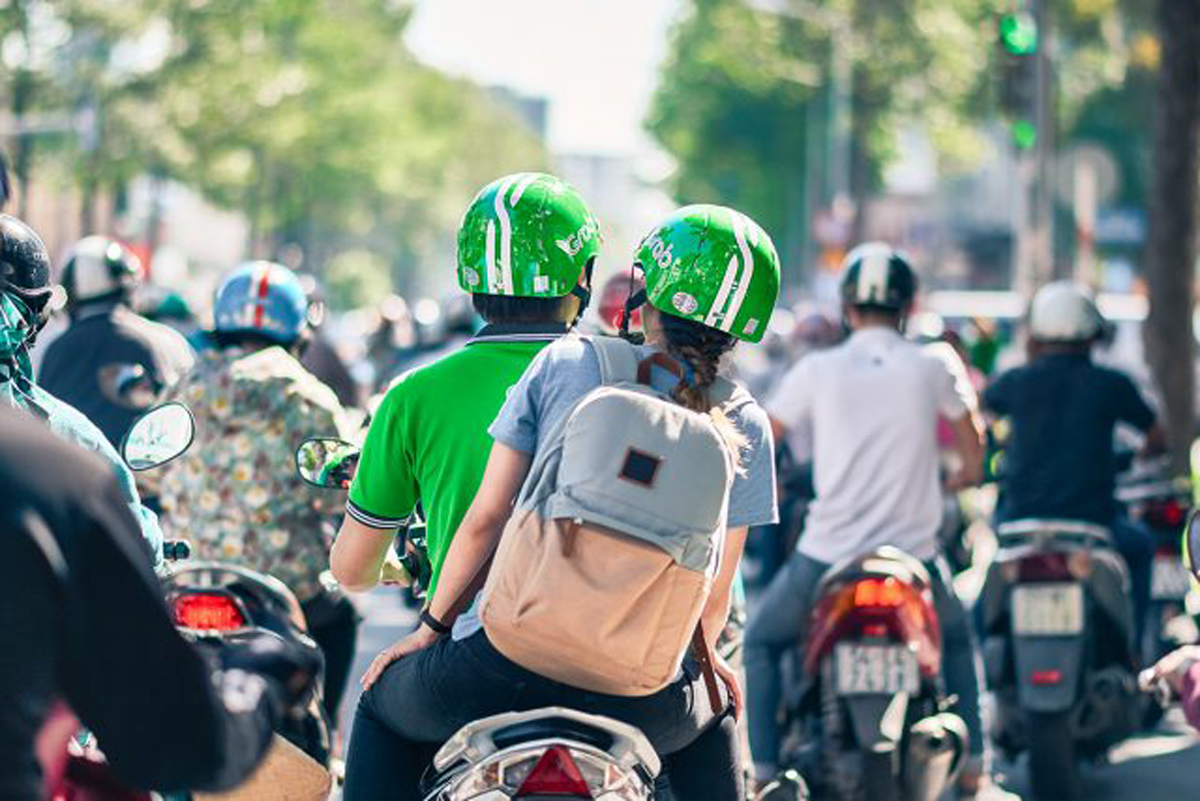
    In Ho Chi Minh City (HCMC), approximately 14,000 ride-hailing motorbike drivers have transitioned from gasoline-powered vehicles to electric versions. This represents about 3.5% of the total fleet. Ngo Hai Duong, Head of the Road Transport Management Department of the city’s Department of Construction, revealed at a recent forum that HCMC aims to completely transition its 400,000-strong ride-hailing motorbike fleet to electric vehicles (EVs) by 2029.

    Reducing Registrations for Gasoline-Powered Bikes

    The city has plans to decrease the number of registered gasoline-powered motorbikes for ride-hailing platforms starting next year. Duong revealed that out of the city’s 21,300 taxis, over 68% are now electric. He clarified that this transition was primarily driven by the businesses themselves rather than any city ordinances.

    Challenges in the Transition to Electric Vehicles

    However, one of the main obstacles to the successful transition to EVs is the limited availability of charging stations. The growing demand from electric motorbikes, cars, and buses is starkly in contrast to the city’s fewer than 1,000 charging stations with 15,000 ports. Duong acknowledged that the growth of charging infrastructure has not kept up with the rise in electric vehicle numbers.

    Hoang Anh Tuan, Director of the Transport and Traffic Safety Department of the Ministry of Construction, suggested that priority should be given to a city-wide plan for charging stations, akin to the existing network of gasoline stations. This would require setting criteria for locations and technical standards, along with a commitment to universal charging for all vehicles.

    The Vietnam Automobile, Motorcycle and Bicycle Association echoed this sentiment and urged the government to implement “non-monopoly” regulations for charging infrastructure. This means that charging stations should be open to all electric vehicles.

    Recycling Electric Vehicles and Batteries

    Analysts have proposed the establishment of a system for recycling electric vehicles and their batteries. There is also a proposal being considered by the city to give households up to VND20 million (approximately US$800) to trade their gasoline motorbikes for electric ones. This move is part of the city’s concerted efforts to reduce pollution and create low-emission zones.

    Questions & Answers

    What is the percentage of the total fleet that has transitioned to electric vehicles in HCMC?
    Approximately 3.5% of the total fleet in HCMC has transitioned to electric vehicles.

    What obstacles are being faced in the transition to electric vehicles?
    One of the main challenges is the lack of sufficient charging stations to meet the growing demand from electric motorbikes, cars, and buses.

    What initiatives are being considered to encourage the transition to electric vehicles?
    The city is considering a proposal to provide households with up to VND20 million (approximately US$800) to swap their gasoline motorbikes for electric ones. This initiative is part of the city’s broader efforts to reduce pollution and create low-emission zones.

  • Tata Motors Restructures Into Two Entities, Aiming For Enhanced Business Focus

    Tata Motors Restructures Into Two Entities, Aiming For Enhanced Business Focus

    In a major strategic move, Tata Motors has announced a significant restructuring of its company. As of October 14th, the company was divided into two separate entities – Tata Motors Passenger Vehicles and TML Commercial Vehicles. Despite the split, the passenger vehicles division remained listed on the stock exchange under the name “Tata Motors.” However, this will change as of October 24th when the name will officially become “Tata Motors Passenger Vehicles,” complete with a new logo.

    Consolidation of Commercial Vehicle Division

    Tata Motors has also unveiled plans to consolidate its Commercial Vehicle (CV) division and all associated investments under one dedicated entity. Concurrently, the Passenger Vehicle (PV) business and its related assets will be placed in a separate company. This move is intended to streamline operations and create a sharper focus on the different business segments.

    The restructuring has had a notable impact on the company’s share price, which has seen a significant drop since the division was announced. This change, however, reflects the separation of the commercial vehicle business rather than a reduction in investor value.

    Specialized Entities for Robust Operations

    The restructuring has led to the formation of two specialized entities. Tata Motors Passenger Vehicles Limited will be responsible for cars, SUVs, EVs, and the Jaguar Land Rover business. In contrast, the newly formed Tata Motors Limited will concentrate exclusively on commercial vehicles like trucks, buses, and pickups. This strategic split is intended to enhance business focus and unlock greater value in India’s vibrant automotive sector.

    The newly formed Tata Motors Commercial Vehicles Limited (TMLCV) is set to be renamed Tata Motors Limited once the necessary regulatory approvals have been secured. Until then, TMLCV shares will remain unlisted, a process that typically takes between 45 to 60 days. Meanwhile, the previous derivative contracts expired on Monday, and fresh F&O contracts for Tata Motors Passenger Vehicles Limited (TMPVL) started trading on Tuesday. However, TMLCV won’t be available for F&O trading immediately.

  • Everton’s New Stadium and How Fans Watched History

    Everton’s New Stadium and How Fans Watched History

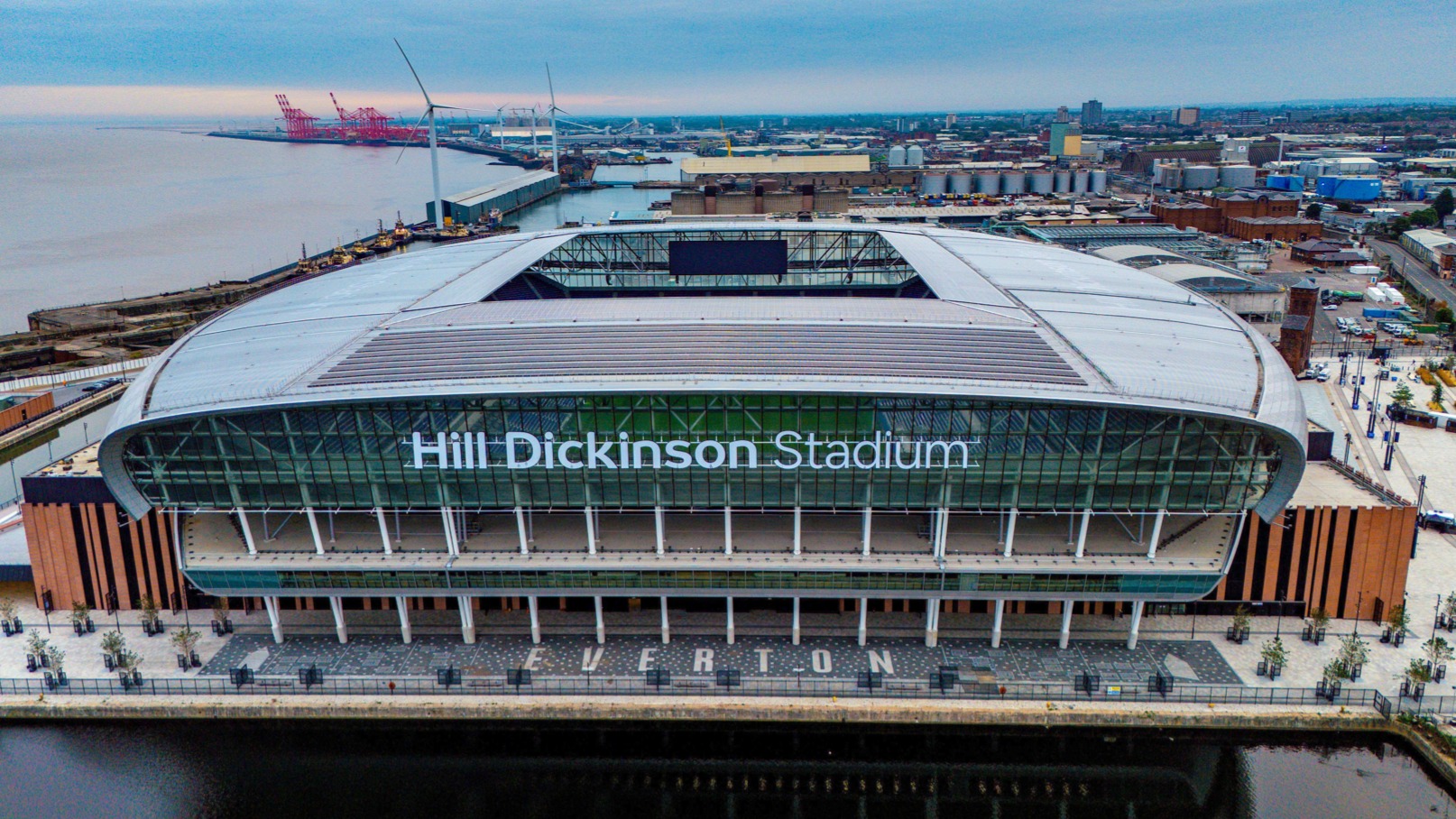
    Hill Dickinson Stadium hosted its first competitive match on August 24, 2025. Everton beat Brighton 2-0 in front of 52,769 fans. The £800 million stadium replaced Goodison Park after 133 years. Iliman Ndiaye scored the first goal at the new ground. He also scored Everton’s last goal at Goodison Park. Jack Grealish set up both goals in his first home game.

    Social media tracking showed Everton posts from 47 countries during the match. Most activity happened when Ndiaye scored in the 23rd minute.

    Official streaming services recorded viewers from 73 countries. Sky Sports saw 15% more international viewers compared to last season’s opener at Goodison Park.

    Brisbane Blues had 47 people watching at 11 PM local time. Three venues in Johannesburg hosted 83 South African fans. Bangkok supporters booked four different places with space for 240 people total. Kuala Lumpur fans had 156 people turn up – their biggest crowd since the 2009 FA Cup final. Their usual average last season was 89 people.

    West Coast Americans started watching at 6 AM. Singapore and Indonesian fans got a better 10 PM kickoff time. Australian fan clubs made it a full day event. Melbourne’s group watched for six hours including pre and post-match coverage.

    Stadium Tech and Online Activity

    The stadium has 1,200 WiFi access points covering all 52,888 seats. During the Brighton game, 34,000 different devices connected to stadium WiFi. Each device used an average of 2.1GB of data.

    The official Everton app saw 340% more international users during the match compared to the previous week. Ireland had the most users at 23%, then Australia (18%), United States (16%), Thailand (12%), and Malaysia (8%).

    Fans inside the stadium posted on social media reaching supporters across six time zones. International supporters clubs on Twitter were 280% more active than during away games.

    North American supporters club membership went from 2,847 in 2020 to 4,123 in 2025. Thailand’s group grew 87% to 1,340 members. Australia increased 64% to 2,156 registered supporters.

    International merchandise sales make up 31% of Everton’s retail money. Asian markets are growing fastest with jersey sales up 23% year-over-year. New stadium licensing deals should bring 45% more overseas partnerships by 2027.

    The season ticket waiting list has 1,847 international applicants. That’s 12% of all applications. This doesn’t count supporters who use UK addresses through family or business.

    What Fans Do During Games

    Surveys show overseas supporters act differently than UK fans. 67% of international fans do other things during halftime versus 23% of domestic supporters. North American groups start gathering 90 minutes before kickoff like at regular sports bars.

    Different regions want different content. Southeast Asian fan clubs participate 40% more when materials are in local languages. India has WhatsApp groups with over 3,000 members across 12 cities providing live commentary.

    During the off-season, British fans living abroad look for familiar entertainment. Many try non-UK casinos for UK players that offer football-themed games and keep connections to British sports culture.

    New Features

    Hill Dickinson Stadium works with Seat Unique to offer hospitality packages in six languages. Digital help services target traveling supporters. The club expects to make £2.3 million yearly from international digital services by 2027.

    Stadium tours will use virtual reality to let fans experience matchday atmosphere remotely. International TV partnerships will include region-specific programming that respects local fan cultures while keeping Merseyside traditions.

    The stadium has a 13,000-seat stand inspired by Borussia Dortmund’s “Yellow Wall.” Camera positions give elevated views of the stadium and Mersey waterfront specifically for international broadcasts.

    Changes from Goodison Park

    Goodison Park’s final season averaged 39,000 attendance with limited international viewing setup. The new venue’s 52,769 capacity is 33% bigger. WiFi capacity increased from 8,000 connections to 35,000.

    International fan club events during Goodison’s final season lasted 2.3 hours on average. Hill Dickinson Stadium’s debut caused 4.1-hour average viewing parties worldwide. Australian groups had the longest sessions at 5.8 hours average.

    The stadium opening matches Everton’s first Premier League season under The Friedkin Group ownership. International supporters make up 28% of the club’s social media followers, up from 19% in 2020.


  • Singapore’s Public Transport Fares To Rise, Offset By Lower Monthly Pass Costs And Transport Vouchers

    Singapore’s Public Transport Fares To Rise, Offset By Lower Monthly Pass Costs And Transport Vouchers

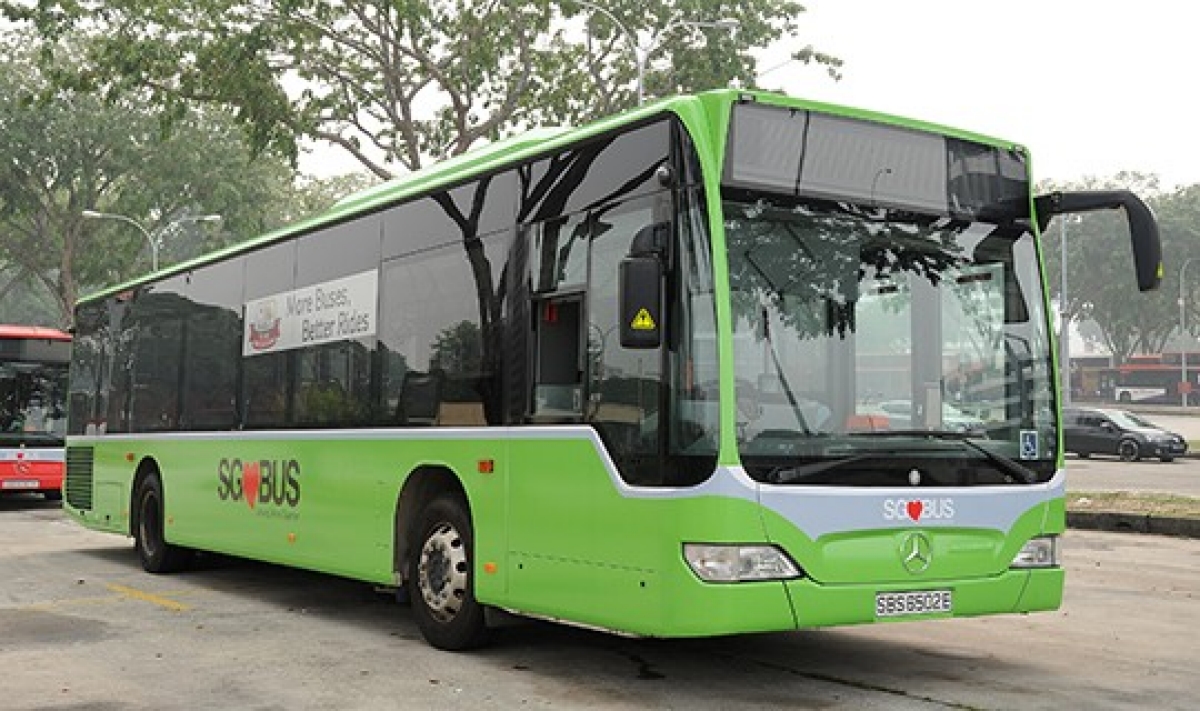
    Singapore’s adult commuters will soon face a 9-10 cent (0.07-0.08 USD) increase in their public bus and train fares per trip, corresponding to an overall public transport price increase of 5%.

    Rising fares from December 27

    Starting from December 27, the base fares for bus and train journeys for adults will increase by 9 cents for journeys up to 17.2 kilometers and by 10 cents for longer trips, according to a statement by the Public Transport Council (PTC) on Tuesday.

    Changes for concessionary card holders

    Fare changes will also affect concessionary card holders, including students, seniors, people with disabilities, and low-wage workers with workfare transport concessions. For these categories, the fare will increase by 3-4 cents for journeys longer than 3.2 kilometers, while fares for shorter trips will remain the same.

    PTC specified that more than a third of all concessionary trips, equating to around 450,000, are 3.2 kilometers or less. These short journeys are typically for commuting to school, work, or local amenities.

    Cash fares on public buses to rise

    Cash fares for public buses will likewise increase; adults will see a 20-cent rise, seniors and people with disabilities will face a 10-cent increase, and students will have a 5-cent increase. The council noted that fewer than 1% of all public transport trips are paid in cash.

    Express bus services fares to increase

    Fares for express bus services, which provide faster commuting options from residential areas to city centers and primary job hubs at higher rates than standard buses, will also see an increase. Adult passengers will pay an additional 49-50 cents per express bus trip, while passengers from concessionary groups will face a 20-24 cent increase. Cash fares for these services will rise by 60 cents per journey.

    Despite the increases, this year’s overall fare increase is less than the 6% and 7% increases experienced in 2024 and 2023, respectively.

    Reduced prices for monthly travel passes

    In an effort to support regular public transport users, the cost of monthly travel passes will decrease by 5% from December 27. The revised prices will be S$122 for adults, S$55 for seniors and people with disabilities, and S$92 for low-wage workers with workfare transport concessions. This discount is expected to benefit approximately 155,000 passengers, according to the council.

    Additionally, the government plans to issue S$60 public transport vouchers to households earning up to $1,800 per person per month to help offset the impact of the fare hikes. These vouchers can be used to top up fare cards or to purchase monthly passes.

    Questions & Answers

    When will the new fare rates take effect?
    The new fare rates will start from December 27.

    Who will be affected by the fare increases?
    The fare increases will affect adult commuters, concessionary card holders (including students, seniors, people with disabilities, and low-wage workers), and users of express bus services.

    What measures are being taken to ease the impact of fare hikes?
    To mitigate the impact of the fare hikes, the government will issue S$60 public transport vouchers to eligible households. Additionally, the price of monthly travel passes will be reduced by 5%.

  • Gold Prices Soar To New Heights Globally And In Vietnam Amidst Geopolitical Tensions

    Gold Prices Soar To New Heights Globally And In Vietnam Amidst Geopolitical Tensions

    The price of gold in Vietnam continued its upward trend on Thursday morning, with global rates reaching a new high. The price of Saigon Jewelry Company’s gold bar increased by 0.41%, reaching VND148.6 million (US$5,642.15) per tael.

    The price of gold rings also saw an increase, rising by 0.34% to VND148.1 million per tael. It’s worth noting that one tael is equivalent to 37.5 grams or 1.2 ounces.

    Gold Value Increase in Vietnam

    In Vietnam, the value of gold bullion has seen a significant increase, jumping by 76.5% this year.

    As of September 6, 2025, the SJC gold bar price stood at 135.4 million VND per tael, given that one million VND equals $37.96.

    Global Gold Price Record

    On the global stage, the price of gold breached the $4,200 per ounce mark for the first time. This record was driven by the rising possibility of interest rate cuts and geopolitical concerns, which have prompted investors to seek out the safety of the precious metal.

    Despite reaching a new high of $4,241, the spot gold price fell to $4,230 at the time of writing.

    Market analyst Fawad Razaqzada commented on the current trend: “The metal has been on a tear, and it doesn’t look like it wants to stop. With U.S.-China trade tensions being reignited in the last few days, investors have even more reason to hedge their long equity bets by diversifying into gold.”

    Over the course of this year, gold has seen a surge of over 60%. This surge has been driven by a combination of factors including geopolitical tensions, bets on rate cuts, central bank purchases, de-dollarization, and strong inflows into exchange-traded funds (ETFs).

    Questions & Answers

    What is the current trend in gold prices?
    Gold prices have been on a steady upward trend, both globally and particularly in Vietnam.

    What factors are contributing to the surge in gold prices?
    A combination of factors including geopolitical tensions, bets on rate cuts, central bank purchases, de-dollarization and strong inflows into exchange-traded funds (ETFs) have contributed to the surge.

    How are investors responding to the current trend in gold prices?
    With increasing geopolitical tensions and potential interest rate cuts, investors are seeking safety in gold, using it as a hedge and diversification tool against their long equity bets.

  • Vietnam’s Soybean Imports From U.s. Surge Amid Aquaculture Sector Growth

    Vietnam’s Soybean Imports From U.s. Surge Amid Aquaculture Sector Growth

    In the first three quarters of 2025, Vietnam saw a 9% year-on-year increase in its imports of U.S. soybeans, reaching a total value of $300 million. This surge has been attributed to ongoing efforts to incorporate these soybeans into the country’s aquaculture sector.

    U.S. Soybean Imports Rise

    Customs data indicates that the U.S. supplied 670,000 tons of soybeans to Vietnam, marking an almost 30% increase compared to the previous year. These imports accounted for roughly 33-34% of Vietnam’s total soybean imports, which is a slight increase from the previous year.

    Vietnam’s Growing Soybean Market

    According to the U.S. Soybean Export Council, Vietnam ranks as the third largest buyer of U.S. soybeans within Southeast Asia and maintains a strong position in the global market. The country’s rapidly evolving food and animal feed sectors, combined with an increasing consumer preference for plant-based products, are expected to stimulate further demand for soybeans.

    To further bolster the use of U.S. soybeans in Vietnamese aquafeed, the U.S. Soybean Export Council recently entered into a three-year memorandum of cooperation with the Vietnam Fisheries Association.

    Vietnam’s Aquaculture Industry

    Vietnam is among the top five global fisheries producers, with its aquaculture sector contributing 4-5% to the country’s GDP. In June, Do Duc Duy, the Minister of Agriculture and Environment, led a delegation of nearly 50 agricultural businesses and associations on a trip to the U.S. to participate in business dialogues aimed at fostering balanced and sustainable trade. During the visit, approximately 20 memorandums of understanding were signed, amounting to $3 billion in agricultural trade, including soybeans.

    Questions & Answers

    What accounted for the rise in Vietnam’s imports of U.S. soybeans?
    This increase is largely attributed to efforts to incorporate more U.S. soybeans into Vietnam’s aquaculture sector.

    What position does Vietnam hold in the global soybeans market?
    Vietnam is the third largest buyer of U.S. soybeans in Southeast Asia and is considered one of the most robust markets for soybeans globally.

    What measures have been taken to promote the use of U.S. soybeans in Vietnam?
    Recently, the U.S. Soybean Export Council and the Vietnam Fisheries Association entered into a three-year memorandum of cooperation to promote the use of U.S. soybeans in Vietnamese aquafeed.

  • Vietnam’s Fuel Prices Rebound Amid Global Market Shifts And Geopolitical Strains

    Vietnam’s Fuel Prices Rebound Amid Global Market Shifts And Geopolitical Strains

    After a three-week decline, Vietnam’s petrol prices began to rebound on Thursday afternoon. The nation’s widely used fuel, RON95, experienced a 0.91% increase, bringing it to VND19,900 (US$0.76) per litre.

    Shifts in Fuel Prices

    Alongside the price increase of RON95, Biofuel E5 RON92 also experienced a slight uptick of 0.47%, settling at VND19,220 per litre. Conversely, the price for diesel dropped by 0.97% to VND18,420 per litre.

    Factors Influencing Fuel Prices

    Several factors have influenced the global petroleum market over the past week. One key element was the announcement by OPEC+ of their plan to increase oil production for the month of November. While the increase was lower than initially expected, it still made significant waves in the market.

    In addition to OPEC+’s decision, weakening worldwide demand for oil and ongoing issues in Ukraine both had an impact on fuel prices. Specifically, the continued escalation of attacks on Russia’s energy infrastructure by Ukraine has added instability to the market.

    Global Price Changes

    On a global scale, RON95 saw an increase of 0.9%, bring its price to $79. Diesel prices, however, went in the opposite direction, falling by 1.4% to a price of $86.5.

    Questions & Answers

    What caused the increase in Vietnam’s fuel prices?
    The rise in prices was influenced by several factors including OPEC+’s announcement of increased oil production for November and ongoing geopolitical issues in Ukraine.

    Did all fuel prices in Vietnam increase?
    No, while the prices for RON95 and Biofuel E5 RON92 increased, the price for diesel actually dropped by 0.97% to VND18,420 per litre.

    How did global oil prices change?
    Globally, the price for RON95 increased by 0.9% to $79, whereas diesel prices fell by 1.4% to $86.5.

  • Vietnamese Jewelry Store Fined For Selling Counterfeit Chanel Items Amidst Gold Price Surge

    Vietnamese Jewelry Store Fined For Selling Counterfeit Chanel Items Amidst Gold Price Surge

    In central Vietnam, a gold and jewelry store has been hit with a substantial fine of VND55 million (US$2,088.08) and has been instructed to obliterate its existing stock for engaging in the sale of falsified Chanel brand jewelry.

    Counterfeit Jewelry Seized

    The Market Management Department of Gia Lai Province reported that they recently discovered bracelets with the logo of Chanel, a renowned French fashion brand that has registered for protection in Vietnam, in the store. The provincial authority refrained from revealing the name of the establishment.

    The estimated total value of the seized goods is around VND35.7 million. The authority highlighted that all the seized jewelry items were counterfeit and lacked the requisite documentation to verify the origin.

    Surprise Raid and Future Plans

    These surprising findings resulted from an unexpected raid. In the aftermath of this event, the department has announced plans to maintain strict vigilance and continue inspecting other gold enterprises to prevent any further violations of intellectual property rights.

    Gold Prices Reach Record High

    In a related development, the prices of Vietnamese gold have witnessed a significant surge of 76% this year, reaching an all-time high of VND148 million per tael (equivalent to 37.5 grams or 1.2 ounces).

    Questions & Answers

    What was the penalty imposed on the jewelry store for selling counterfeit Chanel brand jewelry?
    The jewelry store in central Vietnam was fined VND55 million (US$2,088.08) and was ordered to destroy its existing stock.

    What did the Market Management Department of Gia Lai Province discover during their raid?
    During their surprise raid, the Market Management Department of Gia Lai Province discovered counterfeit Chanel brand bracelets being sold in the store.

    What are the future plans of the Market Management Department of Gia Lai Province?
    Following the discovery of counterfeit jewelry, the department plans to continue monitoring gold businesses to prevent any violations of intellectual property rights.

  • Thai Airways Partners With Unilode For Advanced Uld Management: A Leap Towards Operational Excellence And Sustainability

    Thai Airways Partners With Unilode For Advanced Uld Management: A Leap Towards Operational Excellence And Sustainability

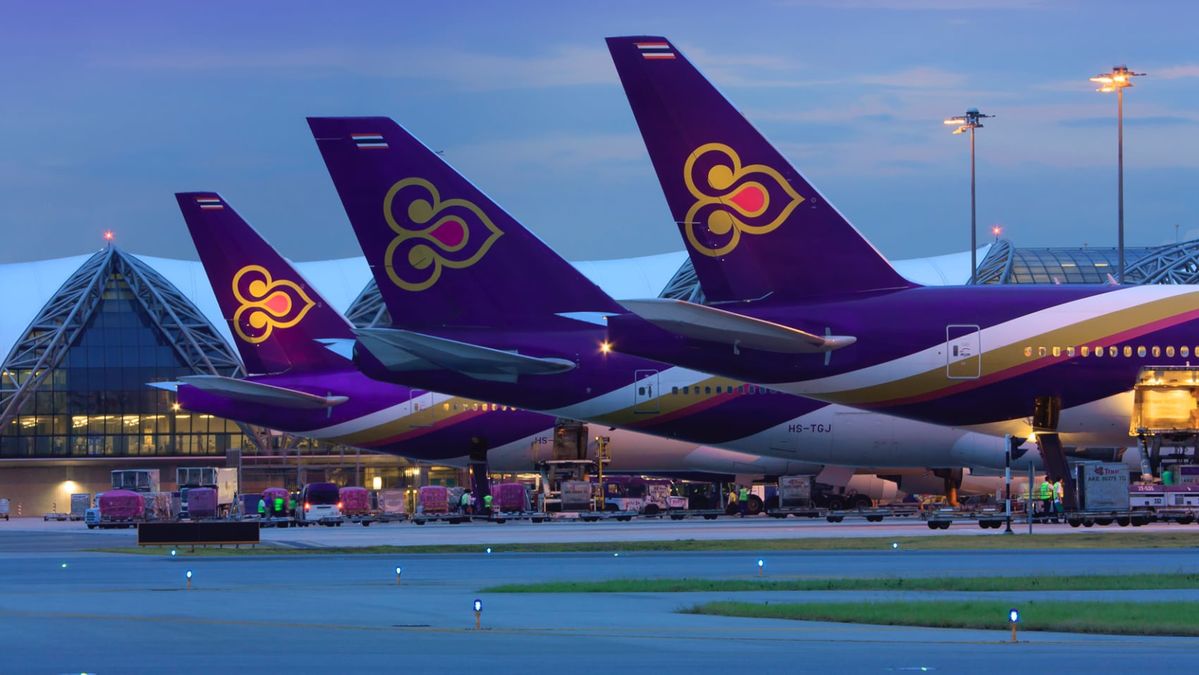
    THAI Airways, Thailand’s national airline, has named Unilode Aviation Solutions, a leader in the Unit Load Device (ULD) management, repair, and digital solutions realm, as its provider for comprehensive ULD management services.

    Advancing THAI Airways’ Transformation

    The partnership with Unilode Aviation Solutions signifies a significant stride in THAI Airways’ ongoing evolution, underlining the airline’s commitment to operational excellence, digital innovation, and long-term sustainability throughout its international network.

    After a successful business rehabilitation, THAI Airways is embarking on a new chapter of growth and modernization. The airline’s five-year strategic plan includes a focus on operational excellence, fleet renewal, and digital transformation. It also aims to nearly double its fleet to approximately 150 aircraft by 2033 and expand its market share across essential international markets.

    In collaboration, Unilode will deliver extensive ULD management, maintenance, repair, and digital tracking services across THAI Airways’ international network. This partnership will enhance fleet utilization, decrease operational complexity, and boost reliability for THAI Airways’ passenger and cargo operations.

    Sustainability Goals Alignment

    The alliance with Unilode Aviation Solutions aligns closely with THAI Airways’ sustainability objectives. The pooling of assets across Unilode’s international network results in fewer ULDs required to support operations, thereby diminishing raw material consumption, minimizing waste, and reducing carbon emissions. Unilode’s centralized repair and refurbishment service further prolongs asset lifecycles, promoting circular economy principles and more responsible resource use.

    Unilode’s digital platforms and data-driven insights, leading the market, will offer THAI Airways real-time visibility, improved asset utilization, and enhanced sustainability reporting throughout its operations. Unilode’s Operations Control Centre in Bangkok and a global team of over 800 ULD experts further support the partnership, ensuring local responsiveness and customer success at every interaction.

    Investment and Expansion

    Unilode has made significant investments over recent years, strengthening its infrastructure, expanding its Maintenance, Repair and Overhaul (MRO) footprint, and enhancing its workforce through advanced training, development, and external education programs. These initiatives, coupled with ongoing innovation in digital technology and product development, enable a broader international network and a larger, more flexible pool of assets, yielding higher efficiency, resilience, and service reliability for all airline partners.

    Unilode’s expanding asset base across an increasing number of airports and regions continues to provide tangible benefits to its entire customer network. These benefits include improved operational agility, quicker turnaround times, and greater access to resources and repair capabilities. These investments underscore Unilode’s commitment to long-term growth and customer value creation, reinforcing its position as a global leader in sustainable ULD management.

    As airlines worldwide prioritize sustainability and efficiency, ULD pooling and complete service management are rapidly becoming the industry norm. THAI Airways’ collaboration with Unilode emphasizes its leadership in adopting innovative, environmentally responsible solutions that combine operational excellence with long-term sustainability.

    Expert Opinions

    Ross Marino, Chief Executive Officer at Unilode Aviation Solutions, expressed his delight and pride in becoming THAI Airways’ comprehensive ULD management service provider. He believes that their partnership will yield measurable results, improve efficiency, foster digital transformation, and support THAI Airways’ sustainability goals.

    The Head of Cargo & Mail Commercial at THAI Airways acknowledged the partnership with Unilode as a critical step in their transformation strategy. They believe Unilode’s expertise, global network, and digital solutions will help streamline operations, fortify reliability, and make substantial progress towards sustainability goals.

    Questions & Answers

    What does the partnership between THAI Airways and Unilode Aviation Solutions signify?
    The partnership signifies a significant stride in THAI Airways’ ongoing evolution, reinforcing the airline’s commitment to operational excellence, digital innovation, and long-term sustainability throughout its international network.

    How will Unilode Aviation Solutions assist THAI Airways?
    Unilode will deliver extensive ULD management, maintenance, repair, and digital tracking services across THAI Airways’ international network. This collaboration will enhance fleet utilization, decrease operational complexity, and boost reliability for THAI Airways’ passenger and cargo operations.

    How does this collaboration align with THAI Airways’ sustainability goals?
    By sharing assets across Unilode’s international network, fewer ULDs are required to support operations, thereby diminishing raw material consumption, minimizing waste, and reducing carbon emissions. Unilode’s centralized repair and refurbishment service further prolongs asset lifecycles, promoting circular economy principles and more responsible resource use.

  • Central Pattana Invests $640m In Transformative Northern Bangkok Lifestyle Hub

    Central Pattana Invests $640m In Transformative Northern Bangkok Lifestyle Hub

    Central Pattana, a division of Thailand’s Central Group that specializes in property development, plans to infuse a staggering 21 billion baht (US$640 million) into the creation of an expansive new shopping and lifestyle hub in northern Bangkok.

    The Central Phaholyothin: More than Just a Mall

    The development, dubbed The Central Phaholyothin, will grace the Phaholyothin Road with its vast 457,000 square metre footprint. The complex will be a blend of retail, dining, entertainment, and cultural facilities, incorporating a concert hall and a convention centre tailored to accommodate international events. Furthermore, the prime location of the site will allow for a direct train connection to Don Mueang International Airport.

    Chanavat Uahwatanasakul, the Retail and Development President at Central Pattana, commented on the strategic placement of the development. “We have chosen a prime location that enables us to cater to more than 2.5 million people in northern Bangkok. However, The Central Phaholyothin aims to be more than just a shopping mall; it will be a world-class destination for entertainment, culture, and business.”

    Key Features of The Central Phaholyothin

    The Central Phaholyothin is set to be peppered with several distinctive features, all designed with a view to draw visitors and create a vibrant, energetic space. Some of the key features include:

    – Central Stage: This will serve as a connection between an upper-level international dining area and a ground-level street food zone.
    – Market Hall: A revolving pop-up space envisioned to host food and cultural events.
    – Waterfall Courtyard: An eco-friendly centerpiece featuring an Edible Garden, reflecting the ‘from farm to table’ concept.

    Moreover, other areas will be dedicated to fashion, family lifestyle, and creative arts.

    Nattakit Tangpoonsinthana, the Chief Marketing Officer at Central Pattana, mentioned that the project is designed to redefine northern Bangkok and enhance the city’s status as an international destination. “Through our developments, we have been successful in transforming key districts into significant landmarks. With The Central Phaholyothin, we aim to establish a new cultural and business hub that can rival the likes of global cities such as New York, London, Seoul, and Tokyo.”

    The Central Phaholyothin is expected to be completed by the end of next year.

    Questions & Answers

    What is the aim of The Central Phaholyothin project?
    The project aims to redefine northern Bangkok and enhance the city’s status as an international destination for entertainment, culture, and business.

    What are some of the key features of The Central Phaholyothin?
    Key features include the Central Stage, Market Hall, and Waterfall Courtyard, along with zones dedicated to fashion, family lifestyle, and creative arts.

    When is The Central Phaholyothin expected to be completed?
    The Central Phaholyothin is scheduled for completion by the end of next year.