Blog

  • Chow Tai Fook invited to open second shopping mall in Shanghai Free Trade Zone

    Chow Tai Fook invited to open second shopping mall in Shanghai Free Trade Zone

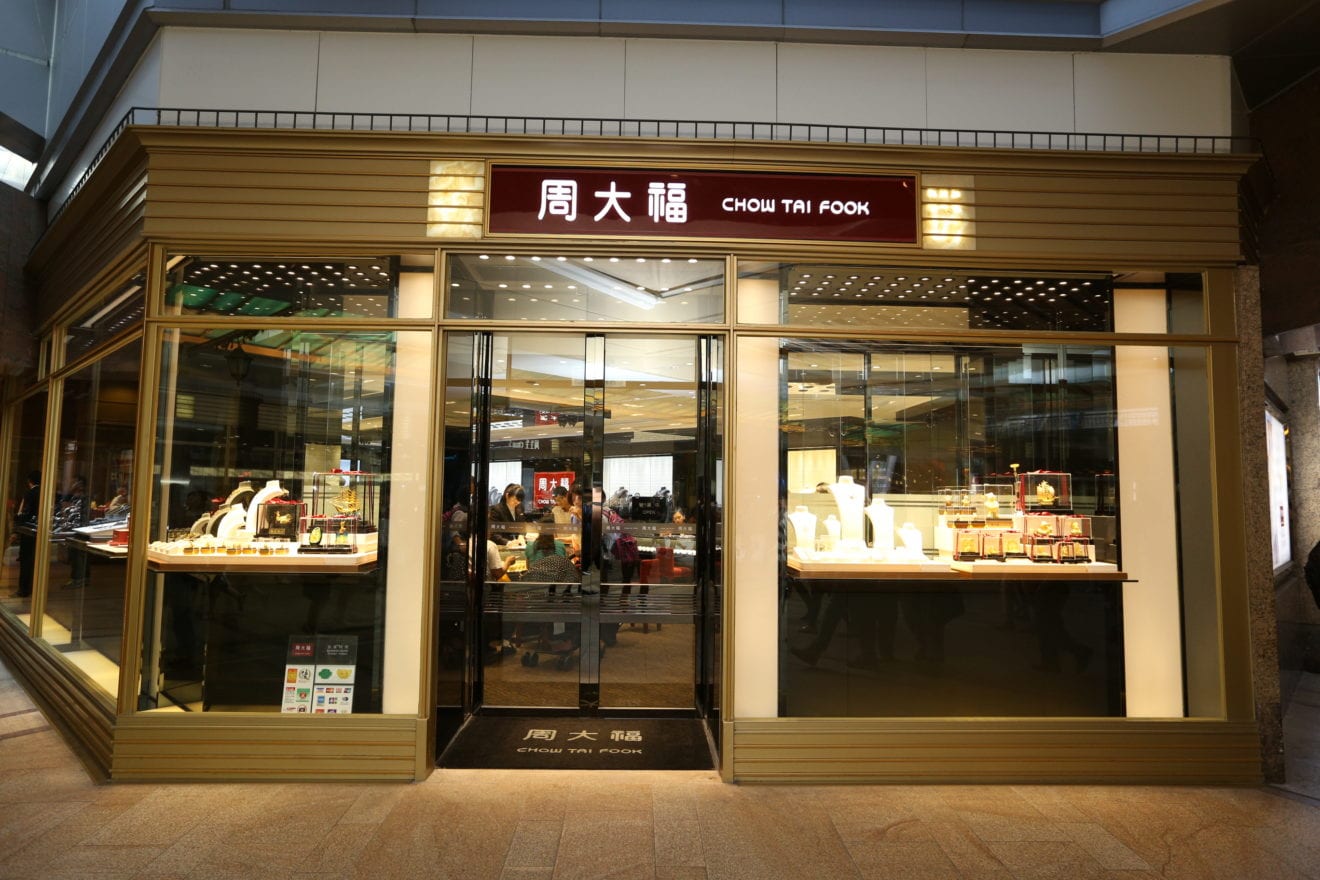
    Two months after jeweller Chow Tai Fook set up its first shopping mall selling Hong Kong products in the Qianhai free-trade zone, it was offered opportunities by several mainland cities, including Shanghai, inviting it to build such malls in their free-trade zones, a senior management official at the company said.

    Chan Sai-Cheong, Executive Director of Chow Tai Fook and who overlooks the company’s mainland operation, told the Post in a phone interview that “ [officials of] several free-trade zones of mainland cities have approached us, asking us to open a shopping mall there.”

    This fulfilled the wish made by Adrian Cheng Chi-Kong, the third-generation heir of billionaire Cheng Yu-tung’s family, at the opening ceremony of its Qianhai shopping mall – HOKO, when he said if Shanghai offered an opportunity, he will consider opening such malls in their free-trade zone.

    Unlike other traditional shopping malls, CTF’s HOKO mall provides two ways for customers to check out – the traditional “grab pay and go” model or and the online channel, under which customers order through a smartphone app and have the goods delivered to their home.

    Hong Kong retailers, such as Sasa, Chow Tai Fook, ISA, G2000 are among the 21 tenants.

    Retail prices of the online channel are typically cheaper than the traditional channel, as the Chinese government only applies a special “postal tax” for imported goods brought from the so-called cross-border e-commerce channel.

    Otherwise, customers need to pay three types of taxes if they purchase imported goods from traditional channels, which are usually higher.

    Despite the olive branch extended by the mainland free-trade zones, Chan said CTF will take its time before it decides on opening a second mall in other cities.

    The business performance of its second phrase mall in Qianhai, which is set to launch before May, will be a testing ground, said Chan.

    “We won’t rush in a hurry,” Chan said, adding the company didn’t have a timetable at the current stage.

    Located in the same area in Qianhai, the second phase HOKO mall will double the size of its first one, occupying a 12,000 sq m area.

    Chan said tenants would be more diversified compared to those in phase one as restaurants, supermarkets, automobile parts, electronics and furniture stores could be expected there.

    But only 50 per cent of the spaces would be used for retail, Chan said. The other half would be reserved for projects that enhance customers’ experience.

    He emphasised that the company won’t let too many milk powder retainers in just because their sales performances were among the best in its phase one mall.

    Beside, a bauhinia garden featuring Hong Kong characteristics will be added to CTF’s Qianhai complex, outside its shopping mall, with a group of selected art pieces on display. He said the idea was initiated by Adrian Cheng Chi-Kong, who also added art pieces to Hong Kong’s K11 mall.

  • Philippines’s Formoso new chairman of Asia-Pacific retail organization

    Philippines’s Formoso new chairman of Asia-Pacific retail organization

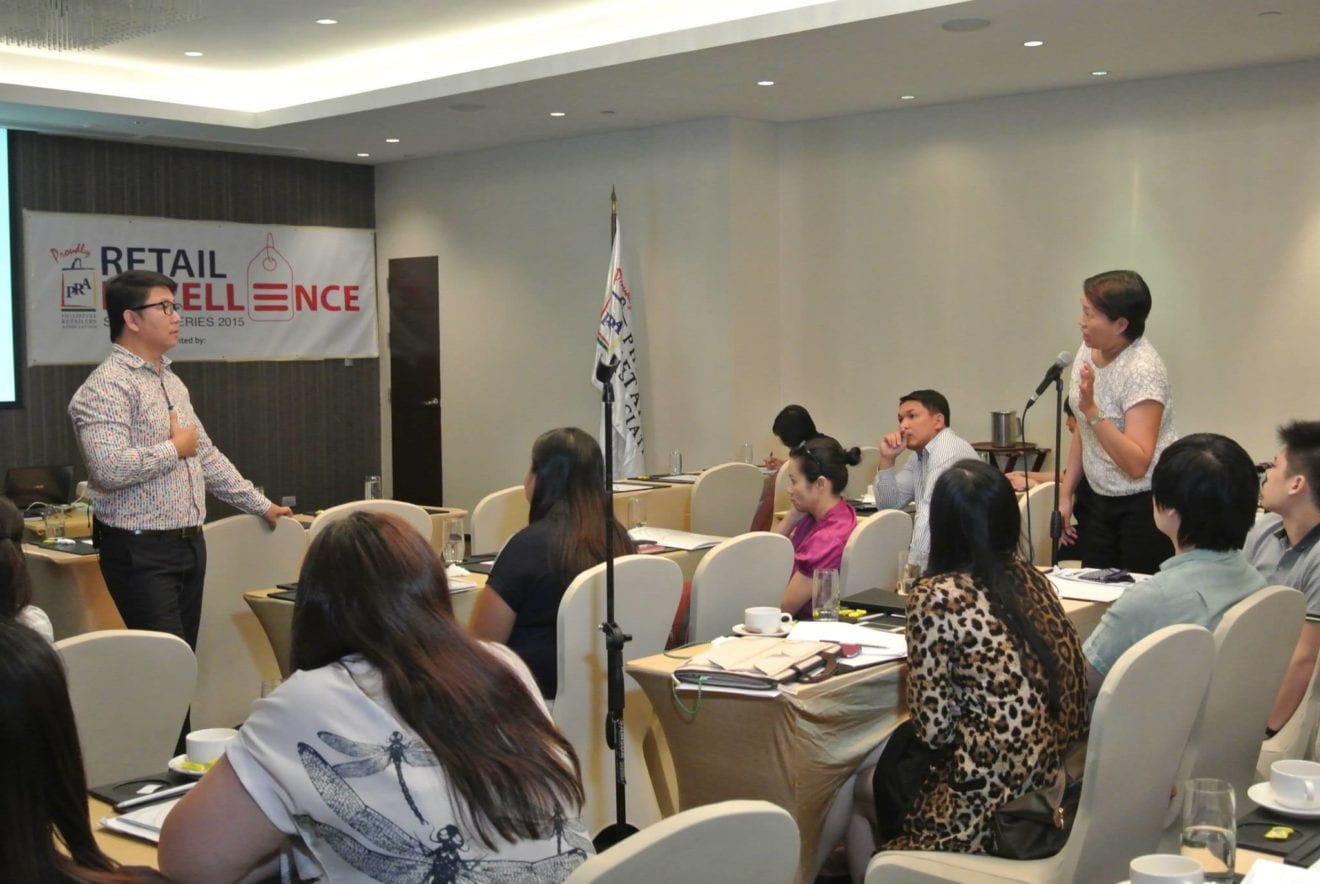
    The Philippines now takes the leadership role in charting the development direction of the Federation of Asia Pacific Retailers Associations (Fapra) in the next two years with the recent assumption of the Philippine Retailers Association (PRA) President Lorenzo C. Formoso as chairman of the Fapra.

    Formoso, COO of Duty Free Philippines, has assumed the Fapra chairmanship from Mehmet T. Nane, chairman of Turkish Council of Shopping Centers and Retailers, who formally turned over the federation’s leadership to him during ceremonies at the recently concluded Asia Pacific Retailers Convention and Exhibition (APRCE) 2015 that Manila hosted last October. The APRCE is the biggest and longest-running retail industry event in the region.

    The Fapra consists of the recognized national retail trade organizations in 18 member-economies—Australia, China, Chinese Taipei, Fiji, Hong Kong, India, Indonesia, Japan, Korea, Malaysia, Mongolia, Myanmar, New Zealand, the Philippines, Singapore, Thailand, Turkey and Vietnam.

    “As a veteran in the retail industry and being the concurrent president of PRA, we are confident Formoso’s chairmanship of Fapra would be very productive. We are sure he will guide the Fapra in the same way he ably shepherded the PRA,” the PRA Board said.

    Turkey held the Fapra chairmanship for two years—from 2013, the year it hosted the APRCE, to 2015, the year the Philippines hosted it.  The chairmanship of Fapra devolves to the immediate past host of
    the APRCE.

    The Philippines chairs the Fapra until 2017.

    The Fapra was founded in 1989. It has implemented various initiatives and programs designed to develop itself and promote information exchanges and sharing experiences and concerns toward the development of the retail industry and improving the retailers’ status and the welfare of their clients in the region.

    As new Fapra chairman, Formoso now presides over the federation’s policies and programs aimed at helping promote the growth and development of retailing in the Asia- Pacific region.

  • The Golden Rules to Buying the Best Resale Value Condo

    The Golden Rules to Buying the Best Resale Value Condo

    As you look into the condo market in Malaysia, always keep in mind that you should exercise utmost care. Remember, that although a condominium may appear aesthetically stunning and neat from the outside, some condo buildings are dens of problems arising from poor construction to mismanagement and unexpected repairs left unattended due to a lack of reserve funds. To avoid buying into such a property, here are a few golden rules if you are looking to invest in a condo as an investment vehicle or residence.

    Do Not be Rushed to Buy a Condo

    Buying on impulse is part of human nature, especially when people see something that look good. They will usually make a purchase before making a thorough inspection of the item they are buying, later to discover defects the seller was not aware of or failed to mention. Likewise, if you are an overeager condo buyer, you are likely to run into problems when you rush to complete the transaction without thoroughly examining the unit.

    People rushing to buy a condo are more likely tempted by:

    • The allure of becoming homeowners
    • Sales pitches pressure and developer promises that are too lofty
    • Not realizing that owning an apartment does have its problems
    • Not understanding what communal ownership entails

    Beware; There are Condo Bargains that Come With High Fees 

    If you find a condo unit selling at rock bottom price, but with unusually high fees, think twice before negotiations start. Some troubled condo complexes will sell their units for cheap rates due to poor construction or mismanagement, often also due to real-estate market drop. Such complexes deplete their reserve fund to cover repairs and maintenance. They will compensate for their low selling prices by charging higher than usual monthly maintenance fees.

    Avoid Low Down Payments

    To enjoy lower mortgage and associated monthly payments and enjoy greater chances of refinancing in the future, put more money in as down payment. Avoid advertisements that allow you to make down payments as low as 3 percent. Low down payments require that borrowers pay an extra fee for mortgage insurance which can add up to thousands of ringgits making the purchase that much more expensive.

    The best down payment should be of about 25 percent the value of the condo, and this will not attract private insurance fees. In addition, this will protect you from mortgage renewal should interest rates increase or your unit’s value decreases on the market. If a unit value drop during mortgage renewal, your only choice is to apply for a high-ratio mortgage using equity in your property – your initial down payment.

    No matter the size of your down payment, make sure it is not borrowed. Ideally, it should be from your savings. Borrowing cash for a down payment is risky since it create inequity in your budget and can place you in a risky position, much like those buying condos at low down payments. Remember the following:

    • If you do not have a solid down payment, do not commit to buy
    • Money should not be borrowed for down payment
    • A solid down payment should be from your savings, wait till you have enough
    • There are always great opportunities to own property at Property Guru. The longer you wait, the better you choice will be

    Verify the Physical Facts 

    Inspect your prospective condo unit carefully, especially the well-being of the complex. Each complex is different depending on its builder and developer. Construction quality also varies. Verify the reputation and experience of the complex builder. When buying into an existing property at Property Guru, find out from the residents if there have been any unexpected repair problems recently and whether they anticipate future repairs.

    Take note of utility billing. If each unit is billed separately, you will have more control over the energy you consume and monthly expenses. While some complexes are self-managed, others are run by contracted management companies. If the latter is true in your case, investigate the management company to establish their reputation.

    To conduct checks, hire a qualified home inspector and an attorney. If the complex is poorly constructed or managed, you will be glad that you spent the money.

    You have to consider all the facts carefully before you make any form of commitment in what may be the biggest investment you make. Take a deep breath, if necessary; sleep over your decision for a few days. Otherwise, you might succumb to developer or real estate broker pressure as they seek to make a sale for a commission.

    In addition, do not let others make the decision for you. Read the rules above for days and even weeks. When you adhere to them, you will develop the buying skills that will enable you make educated decisions before putting your signature to paper.

  • Panasonic cuts full-year operating profit outlook on China slowdown

    Panasonic cuts full-year operating profit outlook on China slowdown

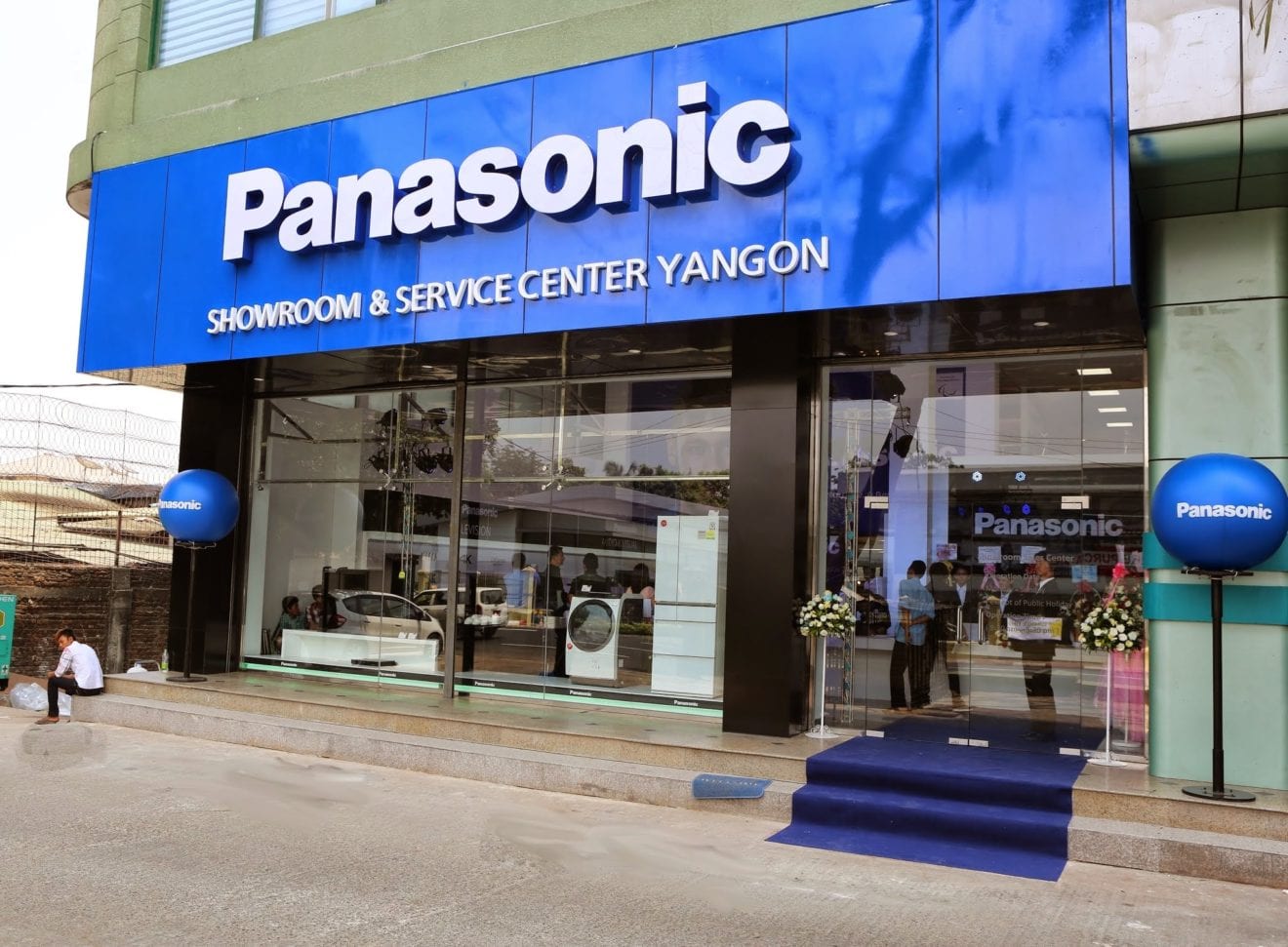
    Japanese electronics firm Panasonic Corp cut its full-year outlook for operating profit on Wednesday due to concerns over weaker home appliances sales in China amid an economic slowdown.

    Panasonic forecast group operating profit of 410 billion yen ($3.42 billion) for the year through March, down from a previous estimate of 430 billion yen.

    Panasonic said October-December operating profit increased to 119.8 billion yen from 113.3 billion yen a year earlier. That missed an average forecast of 122.9 billion yen in a Thomson Reuters survey of six analysts.

  • Selling Your Depok Home for the Best Price in a Tough Market

    Selling Your Depok Home for the Best Price in a Tough Market

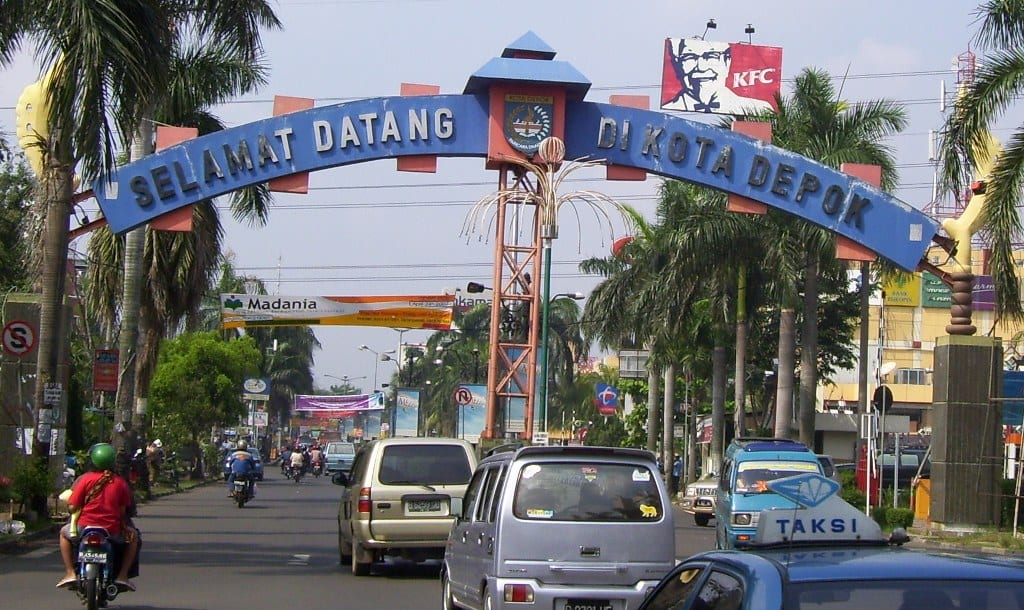
    Your home is more than just where you live, it’s an investment – especially in a city with a University like Depok. Just as with any other investment, when you go to sell, you want to make sure you are getting the best return that you can. This can be difficult, especially in a tough real estate market. Here are a few tips to get you started as you work on selling your home in Depok.

    Stay Realistic

    The market dictates the selling price of your home, so you have to prepare yourself by understanding what you home is worth and how much you can get for it. When the market is softer you cannot expect to get the price you could have a year or two earlier. You can save yourself a big headache by beginning with a price that is best for you home and best for the market at the time you plan to sell. This will save you time and ultimately money. Understandably, sellers are often reluctant to undercut the market, but it’s a guaranteed way to sell your home fast and for more money than you would probably get by keeping it on the market for an extended amount of time.

    A good rule of thumb is to list your home in a soft market for 10 to 15 percent less than the other houses for sale in your area. This is bring a lot of attention to your home and may just end up with two or more people in a bidding war – and that means more money for you!

    Give It a Facelift

    You need to the put the best face of your home forward if you want to sell it fast and get the most money you can out of it. Think about what you would look for in a home you were buying. Would you be more reluctant to buy a shabby home in need of repairs or a home that is in good condition? When the market is good this may not be as much of a problem in Depok since most properties will sell no matter the condition. However, it is always a good idea from an investment standpoint to present an attractive product to potential buyers.

    You will get the most return for you investment when you put money into updating kitchens and bathrooms. They tend to be the most expensive rooms in a home to update, but they also will attract the most interest of the people who are looking to buy. Make sure if you do attempt updates, however, you take the time to do them right. If new materials aren’t installed correctly, people can tell and this will not end up making your updates an attractive feature.

    For the kitchen, stainless steel appliances are a must, and potential buyers are also looking for granite countertops. If a slab of granite is out of your budget, try granite tiles to get the look of granite without the large cost. If you cabinets are in good shape you don’t need to replace them, simply refinish them or paint them to give them a facelift.

    Market the Property Well

    Marketing is one of the most important things to do if you want to sell your house quickly and for the most money. The best person to help you with marketing is a certified real estate agent. They have the connections and the know-how to market your property correctly and to the right people. Aside from placing ads, open houses are also very popular. This allows potential buyers to see your property for themselves and to see if they can envision themselves living there.

    If you do have an open house, make sure you make your property look as appealing as you possibly can. So, clean every nook and cranny. Another great tactic, though a lesser known one, is to advertise the open house well to make sure there are many people there. This has the psychological impact on people viewing the property because they see it as a demand for the home.

    Buyer Incentives

    If the market is slow then you need something that will attract buyers to your particular property, so incentives are a great tactic. Buyers want to feel as if they are getting a good deal and incentives are a way to create that feeling for them.

    You can throw in a free home inspection with the sale of your house or offer to pay a portion of the closing costs. There’s no hard and fast rule for this one, and you can get creative with it if you want to. The bottom line is that if your buyer feels they are getting favorable terms, they’ll be happy.

    If All Else Fails

    If you have tried everything to sell your home in a slow market and have had no luck then renting is always an option. In fact, in a city like Depok you may be able to make a nice income from the population of students or young people commuting to Jakarta.

    These are just a few of the things you should know to make sure your home sells fast and for the most money it an in a slow market. If you have other questions, you should contact a real estate agent.

  • Home Purchasing Tips: What to Look for in a Townhouse

    Home Purchasing Tips: What to Look for in a Townhouse

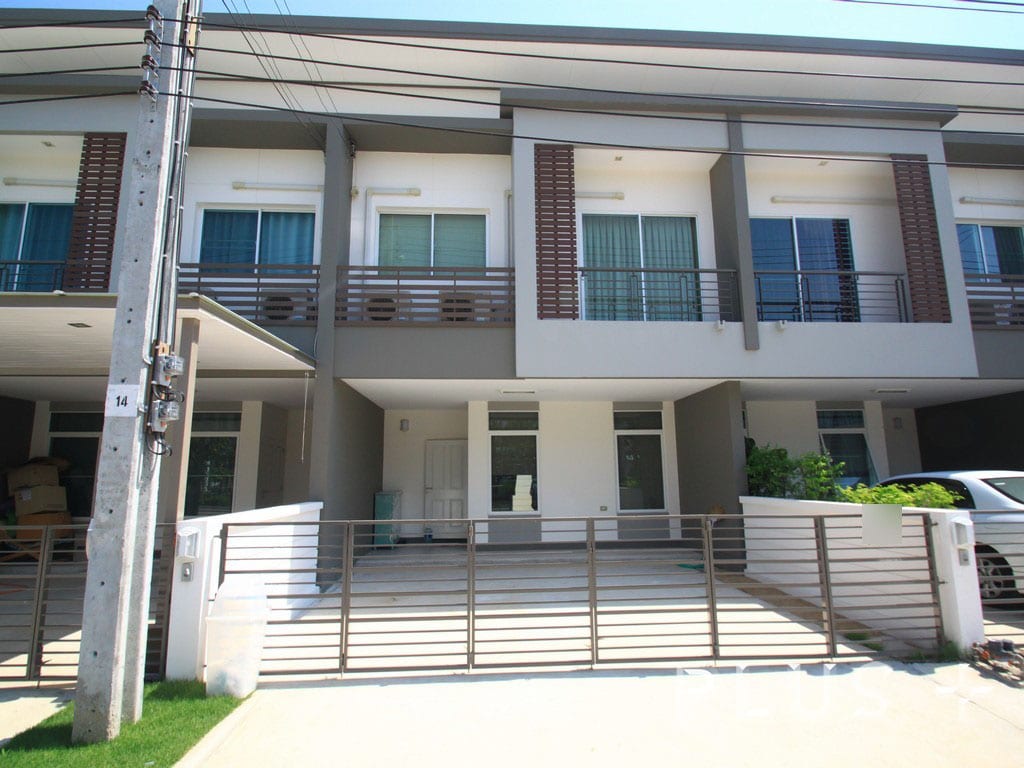
    You’ve reached a point in your life where you are now thinking about buying a property that you can live in well into the conceivable future. After a few days of internal debate, you believe that a townhouse in the city would be an adequate purchase since you don’t really need a lot of space and you want to be close to where you work and the different malls. However, before you start visiting DD Property and typing in “townhouse” in the search bar, there are several different factors that you need to take into consideration.

    What Can You Reasonably Afford?

    Before you even start looking for a townhouse, you need to determine what sort of payment scheme you would be able to afford in the long term. For example, if you make 35,000 baht per month yet the payments for the house amount to 30,000 baht per month, this just leaves you with 5,000 baht which is far too small to be able to buy enough food for the rest of the month, this doesn’t even take into consideration other expenses such as electricity, water, etc.

    As such, it is highly advisable that you contact the bank that you have an account with, determine how much money you can reasonably borrow for a home purchase loan and examine the interest rates and the number of years to pay a particular loan has. While it might be tempting to pick loans that allow you to pay the entire amount within 20 years, these often have extremely high rates of interest. It is advisable that you select loan terms that allow you to pay the entire amount in 10 years with stipulations that allow you to increase the amount you pay in order to reduce the interest rates.

    Once you have a budget outlined based on the loan terms that were presented, that’s when you can begin searching since, at this point, you know what you can afford.

    Examining Potential Locations

    Another factor is the general location that you want to start living in and its proximity to different services. Just because a townhouse may seem affordable in an online listing doesn’t ensure that it is located in an area that is actually nice. The value of land tends to increase significantly the greater its proximity to certain services and locations such as malls, hospitals or business centers.

    This has a corresponding impact on the price of the townhouse itself resulting in situations where two townhouses are exactly alike yet one costs two times more because it is located a short walk away from a mall. While it is tempting to get a townhouse close to where you work, since this helps to cut down on the amount of time you spend commuting, you have to ask yourself whether you’re going to be working for the same company 5 years down the line.

    If not, then your purchase of a townhouse in that location would be a complete waste since the office of the new company that you would work for could be located much farther away. The best method of selecting a good location is to consider which areas you are familiar with, which locations you frequent for fun (i.e. which malls, bars, etc.) and make your choice based on these areas. You should not choose a location just because it’s close to where you work, you should choose based on where you will be spending most of your time when you’re not at work and where you can relax.

    Gated Community or Not?

    The last decision you should make is to determine whether you want to purchase a townhouse in a gated community or not. Within Thailand, gated communities have become increasingly popular over the years due to the amount of crime within the city. With their amenities and security, gated communities seem to be an ideal choice; however, there are some factors that do detract from their appeal.

    One of the first issues is connected to the monthly association dues that you have to pay. While on the surface this may seem to be reasonable, you have to consider that the amount paid often reaches 3,000 baht or more a month which is an additional added cost on top of the amount that you will be paying the bank for the loan. Not only that, the price of townhouses within gated communities is far higher than those that are located outside of them.

    Conclusion

    Once you have gone over the steps outline in this article, that is when you can start searching for a townhouse online since at this point you will know what you can afford, where you want it and whether or not a gated community appeals to you.

  • E-commerce in Asia grows 32%

    E-commerce in Asia grows 32%

    E-commerce grew to $835 billion in Asia in 2015, the kind of expansion that beckons web retailers around the world. But moving into cross-border e-commerce means mastering the different market conditions from country to country, according to Internet Retailer’s new 2016 Asia 500.

    The lure of Asia, and particularly China, for international merchants is strong and growing stronger: Chinese consumers alone purchased $589.61 billion worth of goods online in 2015, an increase of 33.3% over the same period a year earlier, according to the National Bureau of Statistics in China. By comparison, online retail sales in the U.S. grew by 15.5% per year from 2011 to 2014 and were up by nearly 15% in the first three quarters of 2015, according to the U.S. Commerce Department.

    The largest domestic e-commerce players are driving the bulk of the sales and growth in China. The 266 China-based merchants ranked in the new Internet Retailer 2016 Asia 500—the largest online retailers in Asia as measured by their annual online sales—grew 65.7% in 2015 to $173.69 billion from $104.82 billion, representing 79% of total Asia 500 sales of $220.00 billion and 89% of the growth. By comparison, the 30 United States-based retailers ranked in the Asia 500 grew online sales 24.2% to $21.91 billion last year—the bulk of that for most of them coming from Chinese customers.

    Indicative of e-commerce growth in Asia overall, total 2016 Asia 500 online sales were up 54.5% in 2015 to $220.00 billion from $142.42 billion in 2014.

    When factoring in the roughly $411 billion transacted through the seven largest online marketplaces, including those owned by Rakuten Inc. and Alibaba Inc., Internet Retailer estimates the Asia-Pacific e-commerce market is worth $834.71 billion, up 32.1% from $631.81 billion in 2014.

    E-retail growth in Asia and China remains far ahead of that in the U.S., one reason many U.S. brands and retailers are looking to expand into these markets. For the first nine months of 2015, adjusted U.S. e-commerce sales totaled $251.98 billion or 7.2% of total retail sales (excluding foodservice) of $3.51 trillion, according to U.S. Commerce Department data.

    Such heady online growth isn’t lost on merchants based outside Asia, particularly those targeting Chinese consumers that crave foreign goods. As added incentive for buyers and sellers, the Chinese government in recent years has made it easier for consumers to buy overseas goods via the web. That includes setting up free trade zones in 10 cities where China’s customs service provides fast clearance of small orders from Chinese consumers. Foreign companies can ship the orders from abroad or store goods in these areas without them clearing customs, and then, as orders are received, send them through the streamlined customs process.

    One way U.S. retailers are reaching shoppers in Asia is through marketplaces. For example, when BCBG Max Azria Group LLC wanted to step up its presence online in China, the U.S. women’s apparel manufacturer and retailer decided the best place to start was Tmall Global, Alibaba’s marketplace for imported goods. BCBG previously shipped online orders to China, letting international e-commerce fulfillment specialist Borderfree handle orders. But growing sales justified a bigger investment in China, says Michelle Magallon, senior vice president of digital commerce and omnichannel.

    In November 2015 BCBG signed a deal with VoyageOne to manage its website on Tmall Global, including marketing and fulfillment, Magallon says. BCBG is in the early stages of putting together a multichannel distribution strategy in China, which includes two stores in Singapore. The company also has five stores in Taiwan.

    BCBG isn’t alone among merchants in the U.S. and other countries looking to sell to the growing number of Asian online shoppers, notably the 375 million Chinese consumers who buy online. But those retailers aiming to enter or expand their online sales in Asian countries all face similar challenges, regardless of home country. To succeed online in Asia, retailers in the U.S. and other nations first are assessing the challenges of marketing, logistics, culture and regulations—and associated costs—for conducting e-commerce in each country.

    For companies like BCBG, which is not yet ranked in the Asia 500 but is No. 424 in the Internet Retailer 2015 Top 500 Guide with online sales of $37.9 million in 2014, the key to connecting with online shoppers in Asian countries is understanding what shoppers want and then evaluating the local vendors who can provide the services needed in each market, Magallon says.

  • Competition that hit Alibaba down

    Competition that hit Alibaba down

    Alibaba appears to be facing increasingly stiff competition from rival JD.com, which like Alibaba has worked to boost sales from foreign retail companies in China. While Alibaba has talked in recent months of the potential of reaching consumers in rural China, JD.com has focused on reaching the more affluent shoppers in urban areas.

    While it’s true that e-commerce is increasingly important in more remote areas of China, income there remains low, as does spending, and China’s recent economic turmoil is likely slowing down growth.

    In addition to its focus in more rural areas, Alibaba continues to face problems over sales of counterfeit items, more so than JD.com, an issue of increasing important not just to retailers abroad and the U.S. government, but also to wealthier Chinese shoppers.

    And JD.com enjoys a positive, Amazon-like reputation for fulfillment.

    “[JD] have faster shipping speeds, and the quality is more trustworthy,” Zoe Li, who works at a tech start-up in Beijing.

  • Goodbaby China aims to deliver $161m HK IPO

    Goodbaby China aims to deliver $161m HK IPO

    Goodbaby China broke the equity capital markets silence on Tuesday by launching Hong Kong’s first initial public offering in almost two weeks.

    Braving choppy market conditions, the Chinese maternity, baby, and children’s products seller hopes to raise as much as HK$1.25 billion ($161 million) by wooing investors with a positive tale of growth.

    With global stock markets faring poorly as fears of an economic slowdown gather steam amid a slump in oil prices, conditions are hardly favourable for primary share sales, not least in Hong Kong and mainland China. The Hang Seng index fell another 2.5% on Tuesday, extending its losses so far in 2016 to almost 14% as shares in Shanghai and Shenzhen tumbled another 6.5% to 7%.

    But bankers familiar with the transaction hope the underlying quality of Goodbaby China plus an appealing valuation will help to counter sluggish market sentiment and support the IPO.

    Goodbaby China is scheduled to take orders until February 2 and aims to list on February 12, the second day after the Chinese New Year break. It is the first IPO in Hong Kong for which marketing has begun within the 2016 calendar year and would be the first since Virscend Education listed on January 13.

    Indicative deal terms include the sale of 333.3 million shares at a price range of HK$2.68 to HK$3.76 per share. The company is selling 25% of its enlarged share capital through the IPO with an option to increase the deal size by 15% depending on subscription levels.

    Based on these terms Goodbaby China could raise between $115 million to $161 million on a pre-shoe basis and up to $185 million if the upsize option is fully exercised.

    By Hong Kong standards that is not a large trade; the territory was the world’s largest IPO fundraising hub last year, raising a total of $33.7 billion. So Goodbaby China’s offering is less likely to be undermined by broader market sentiment, assuming the company and its representatives can pitch a good equity story during the bookbuilding process.

    Initial readings are encouraging. Goodbaby China, which is China’s largest multi-channel retailer of children’s products, according to its prospectus, ticks some of the hottest investment boxes in China as it stands to benefit from China’s new two-child policy, increased consumption, and the boom in e-commerce.

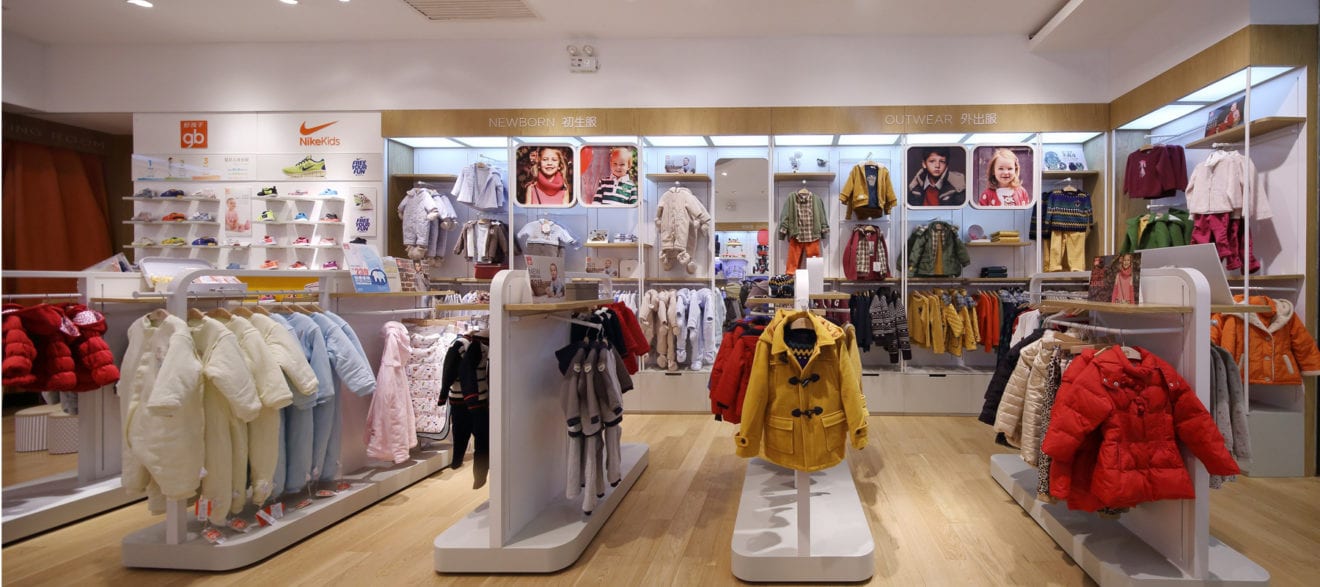
    Goodbaby China sells maternity, baby, and children’s products both under its own brands and third-party brands. It operates in the downstream of the value chain and is independent to Goodbaby International, the Hong Kong-listed manufacturer of children’s products.

    The company was formed through a spinoff from Goodbaby International in 2010.

    Moving online

    Like other consumer retailers, Goodbaby China is in the midst of transforming into an online and offline retailer through the introduction of internet and mobile sales platforms.

    It appears to have executed the transformation well with a significant portion of its growing sales shifting to online platforms.

    According to the company’s prospectus, online sales as a percentage of revenue grew from 5.2% in 2012 to 22.4% in the first 10 months of last year. During this same period, Goodbaby China’s revenue and net profit grew at a compound annual growth rate of 11.75% and 14.5%, respectively.

    One of the company’s strengths is the extensive strategic partnerships it has entered into with international brands like Nike, Adidas, Reebok, and Puma. Sales of third-party brand products have become a key sales component for the company, accounting for around 35% to 40% of its total revenue in the last four years.

    Goodbaby China’s multi-channel retail sales model and its focus on children’s products make it difficult to benchmark against individual listed companies. So for comparison purposes, syndicate analysts are using a basket that comprises Chinese offline retailers Anta Sports and Cosmo Lady and online retailer Jumei International.

    One source familiar with the matter told FinanceAsia that the indicative price range for Goodbaby China’s IPO equates to about 9.5 times to 13.3 times estimated 2016 earnings, based on the syndicate consensus. That is a significant discount to the trio of reference companies, which are much bigger in terms of their market capitalisation but trade at around 18 times forecast 2016 earnings.

    The company intends to continue expanding both online and offline sales model, with the proceeds of the IPO allocated fairly evenly between the two.

    Approximately 30% of the proceeds will be deployed for expanding self-operated stores, while another 25% will be used for potential acquisitions of new businesses and technologies. The company also plans to use 22% of the proceeds to improve its supply chain management and IT infrastructure, according to its prospectus.

    Morgan Stanley is the sole sponsor of the IPO and also a joint bookrunner with BOC International.

  • South Korea’s discount store sales fall at fastest pace in 4 mths

    South Korea’s discount store sales fall at fastest pace in 4 mths

    Sales at South Korea’s top department stores snapped three months of rises in December and marked their biggest annual fall in four months due to warmer weather compared with the previous year, government figures showed on Wednesday.

    Combined sales at department stores run by Hyundai Department Store, Lotte Shopping and Shinsegae Co fell 5.7 percent on-year, finalised data from the Ministry of Trade, Industry and Energy showed on Tuesday.

    This compared with a rise of 1.0 percent in November and was worse than a 3.8 percent decline estimated by the finance ministry. December’s drop was the biggest since a 6.5 percent fall in August last year.

    Warmer weather resulted in poor apparel sales as customers bought less winter clothes, the trade ministry said. High-end watches, jewellery and household electronics sales capped the decline.

    The average temperature in Seoul was 1.6 degrees Celsius (34.88°F) in December, compared to an average negative 2.9 degrees a year prior. The same data showed annual sales at South Korea’s major discount stores fell 5.1 percent in December in their third straight month of declines and the biggest fall since August.

    It was worse than a 2.1 percent fall estimated previously.

    Discount store sales also suffered from warm weather as well as softened demand for food products, the trade ministry said. On a whole for 2015, sales at department stores and discount stores fell 1.2 percent and 2.1 percent, respectively, mainly due to an outbreak of a deadly virus in the middle of the year and surging online shopping, according to the ministry.

    The trade ministry data came a day after fourth-quarter GDP slowed by more than half from the third quarter of 2015, as growth from private consumption was offset by poor construction investment.


  • Korea to release online price index

    Korea to release online price index

    South Korea plans to unveil a new index tracing online retail prices this year by using big data from private sector to reflect actual economic sentiment, according to Statistics Korea on Tuesday.

    The state-run agency plans to release an online price index that will complement the consumer price index by the end of this year, the agency reported in its 2016 plan to President Park Geun-hye.

    To develop the new indicator, Statistics Korea is currently collecting price data from six major online shopping malls and discount store chains — E-Mart, Homeplus, Lotte Mart, Lotte Supermarket, 11st and Interpark.

    “The online price index will be calculated based on the prices of a sample of representative items being sold online,” an official at the agency said.

    He added that the index will show the average price change on a daily basis unlike the consumer price index which shows monthly data.


  • L’Occitane China sales rise, the other drop by 14.5pc

    L’Occitane China sales rise, the other drop by 14.5pc

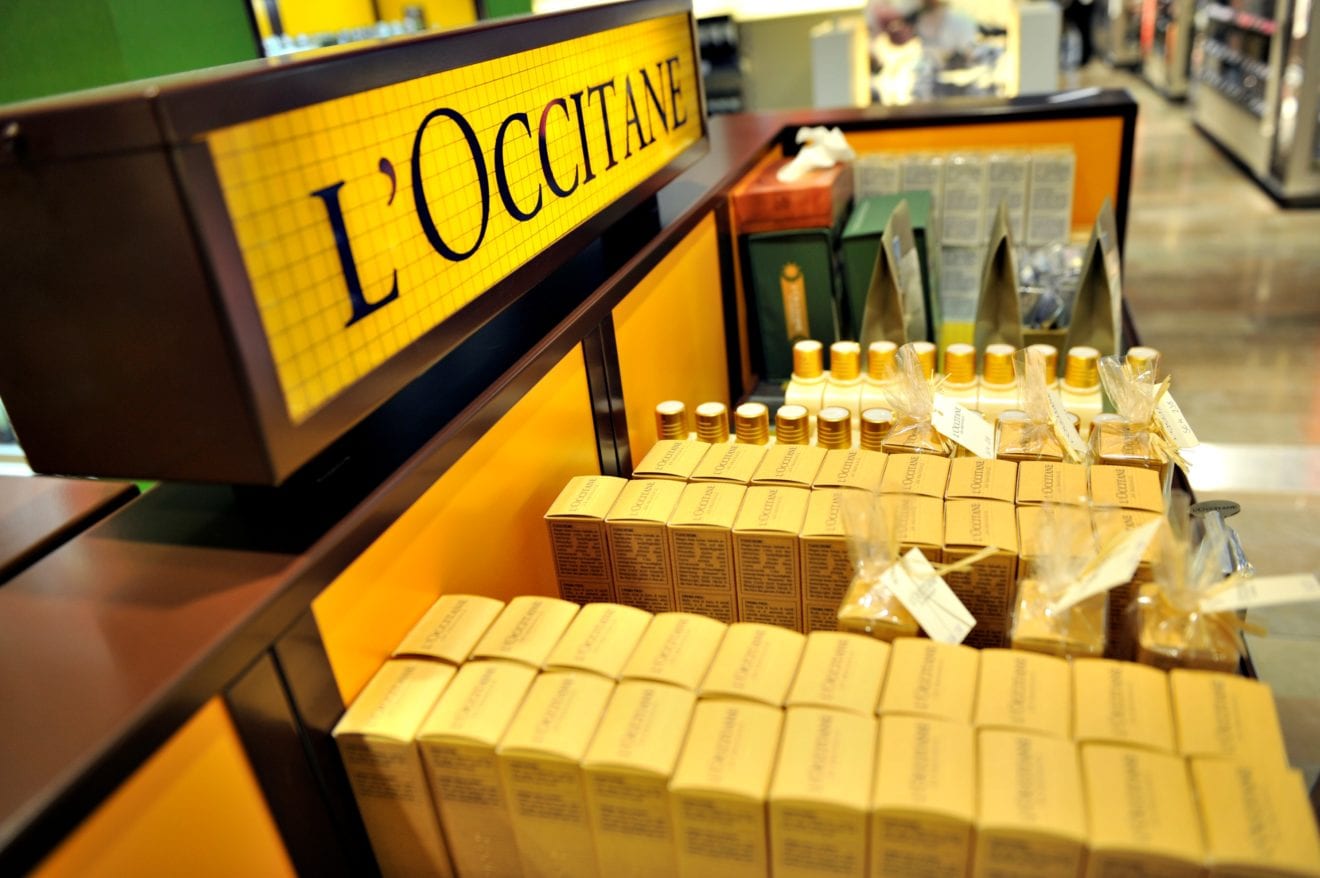
    Cosmetics and skincare products company L’Occitane International reported China was the main driver of sales in the nine months ended December 31. But Hong Kong and Macau retail sales dropped by 14.5 percent.

    Hong Kong travel retail business also suffered from the lower traffic in the Greater China region. In local currency terms, sales in China recorded the highest growth of 19.1 percent, the company announced.

    Overall net sales in China amounted to 94.8 million euros in the nine months. China remained the fastest growing country and the primary contributor to overall growth, followed by France, Brazil, Russia and Japan, the company reported. Overall group net sales were up by 11.6 percent to 984.7 million euros for the nine months of the financial year 2016. At constant exchange rates, the growth was 5.8 percent, L’Occitane said.

    China, France, Brazil, Russia and Japan were among the countries with highest sales growth in local currencies. Overall same store sales growth was 1.8 percent. Sales through the group’s e-commerce channels grew by 17.7 percent at constant exchange rates.

  • Featured: DFS Group interview

    Featured: DFS Group interview

    In an exclusive interview, DFS Group’s Brooke Supernaw, Senior Vice President Spirits, Wines and Tobacco, told Charlotte Turner that the new accreditation is a reflection of the retailer’s dedication to its customers and staff. She also revealed that this training course is something which they are rolling out in Singapore, then Hong Kong before doing so globally.

    Charlotte Turner: Tell us what it means to be in charge of travel retail’s first Whisky Ambassador venue, and why does travel retail need these venues?

    Brooke Supernaw: We’re very honoured to be the world’s first travel retail venue to receive this accreditation. It’s really a reflection of our dedication to both our customers and our staff, to invest in their education, to bring a better experience to our customers.

    And that then relates to delivering a better experience to the customer. I see more and more and I hear more and more from our staff that our customers are becoming very savvy, especially when it comes to the world of whisky, and then even more so in the world of single malts.From our customers’ point of view when they shop for a whisky – which is inclusive of all different types of whisky – they want to know the history; they want to know the heritage; they want more information than just the age and the price. By putting our staff through this strong training programme, it’s not only going to build their confidence, but their passion around how whisky is made and really appreciate the heritage behind it.

    There are a lot more connoisseurs coming through over the last few years as this category starts to grow and we need to not only keep up with that, but we need to be ahead of it. We want our sales associates to not only feel confident, but deliver the best experience for the consumer, and to really inspire them through their knowledge and through their education. So for us we’re going to be rolling this out in Singapore and then in Hong Kong and then ultimately globally as part of our DFS University; our training programme.

    CT: How did this initiative come about exactly?

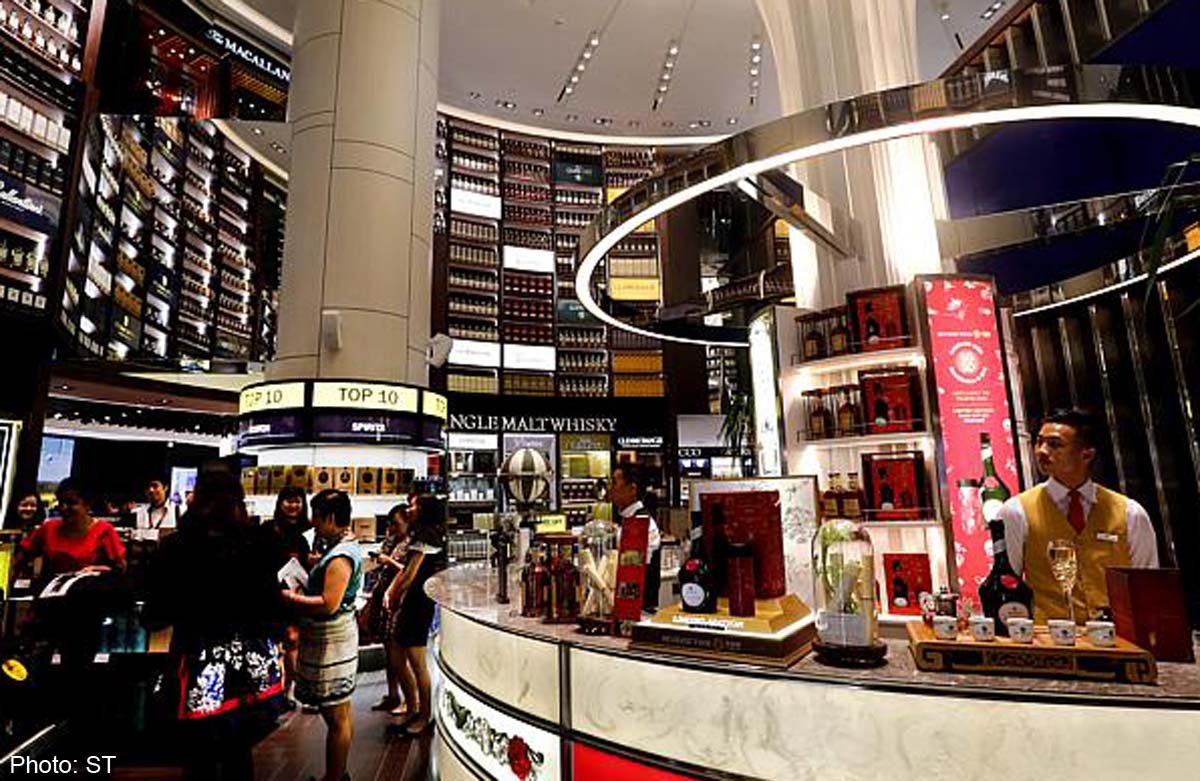
    BS: It first started with the launch of our duplex store here in Changi, and part of our ambition with the duplex store was to create a different environment and a different experience here. So each of the different shop-in-shops we have here – whether it’s The Macallan or Glenfiddich or Johnnie Walker – has a unique product and they have brand ambassadors that deliver a slightly more enriched experience.

    So they’re sent to a Chateaux, they’re trained with the distillers; they have a slightly higher knowledge, if you will, because of the investment that’s been made. But when we sat back and thought about it we said, ‘that’s great, but we want that for a broader range of our sales associates’. We want our customers to walk in and take away that enriching and educational experience, so why limit it to just the duplex?

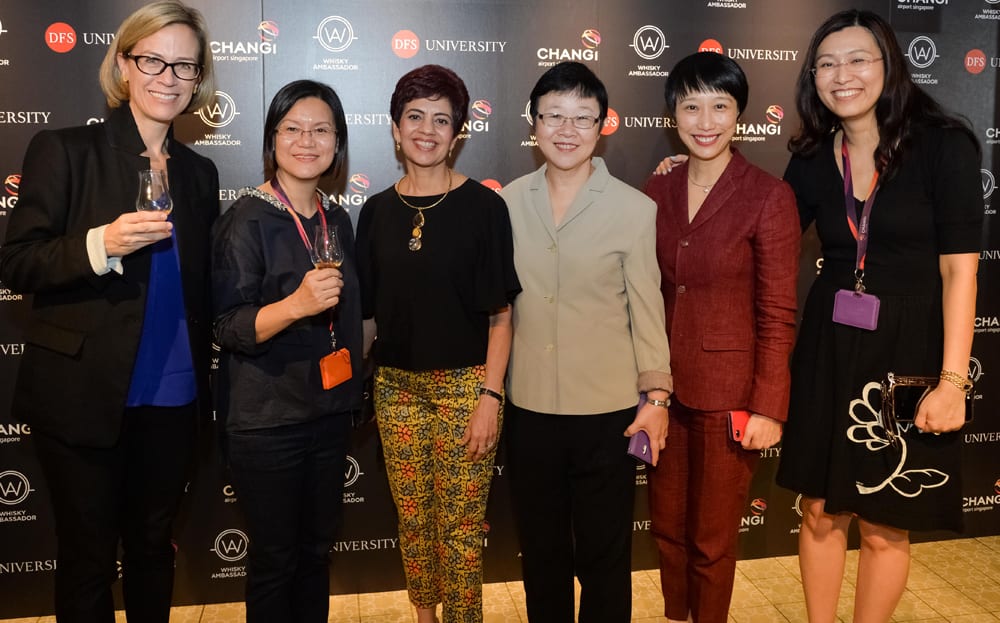
    Brooke-Supernaw,-Teo-Chew-Hoon,-Monet-Aluquin,-Patricia-Sim,-Wilcy-Wong,-Lim-Peck-Hoon

    L-to-R: Brooke Supernaw; Teo Chew Hoon; Monet Aluquin; Patricia Sim; Wilcy Wong; Lim Peck Hoon.

    That’s how we got inspired to say let’s incorporate it into our DFS University. We already had a wine school that you may be aware of? We have a DFS wine school that we branched into a DFS spirits school and within that a specific whisky programme because of the growth that we see and the potential that we see. It’s so amazing to see this.

    I’m guessing this is a DFS Group initiative so we won’t be seeing this from other retailers…

    It is. Whisky Ambassadors, this is actually a company that is based in the UK. They do have programmes that are accessible to hotels and restaurants and retailers and we actually went and interviewed multiple companies and we found that the Whisky Ambassador programme was the best fit for our needs, so we brought it into our school. I do believe we are the only travel retail operator that has an in-house university and an in-house training programme, and this is going to be one section of that.

    Moving back to the duplex itself, how have consumers reacted to it since it opened and does DFS think that the investment is worth it, because it was substantial…

    It was substantial and it was absolutely worth it and we had great responses from our customers on the second floor, and we really wanted to deliver a truly differentiated experience on the second level.

    When you come up the escalator the views of the double height wall bays and the bottles that surround it are quite breath-taking. Then you’re welcomed by the Raffles Bar before going through this series of boutiques that each speak to the brands’ personalities; to the DNA; to the history and to the heritage. You have welcoming brand ambassadors; you’re tasting product that isn’t traditionally tasted in travel retail; you have engraving services and scent labs. It’s truly not only a journey, it’s a unique experience almost like going through an art gallery.

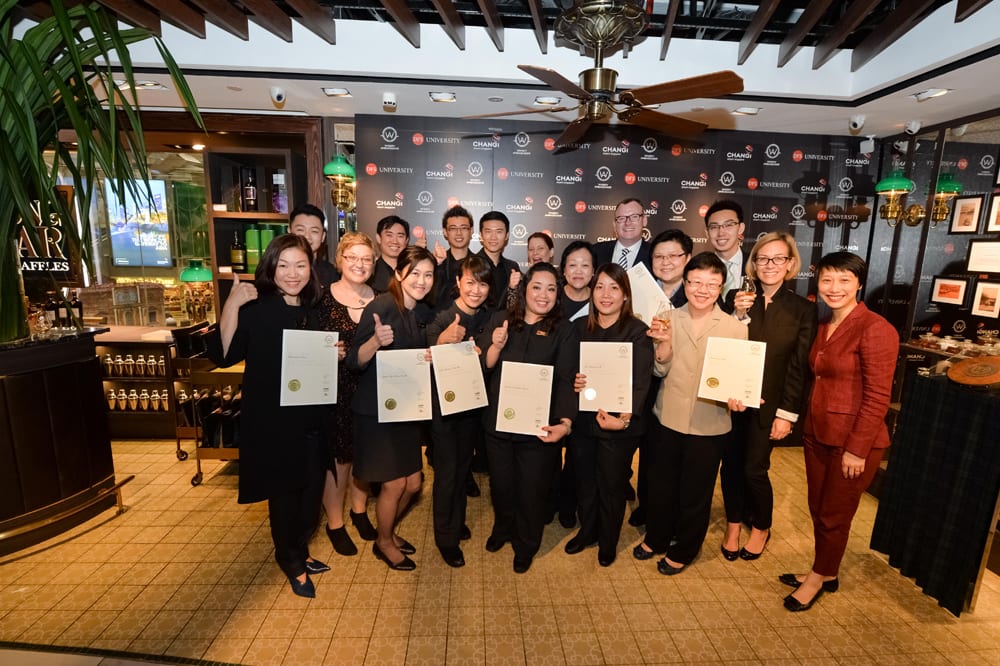
    DFS-Changi-Whisky-Ambassadors-with-Brooke-Supernaw-&-Wilcy-Wong

    DFS Changi Whisky Ambassadors with Brooke Supernaw and Wilcy Wong.

    So we’ve had great responses as, again, customers become more savvy and they travel through travel retail. One of the values we can offer them is differentiated, unique and exclusive product and that’s really what this second level is delivering, as well as service.

    So it goes back to proper training, in-depth training, really engaging the consumer and inspiring them, and that’s a lot of what this is all about.


  • Lendlease-ADIA to include 429 apartments in Paya Lebar project

    Lendlease-ADIA to include 429 apartments in Paya Lebar project

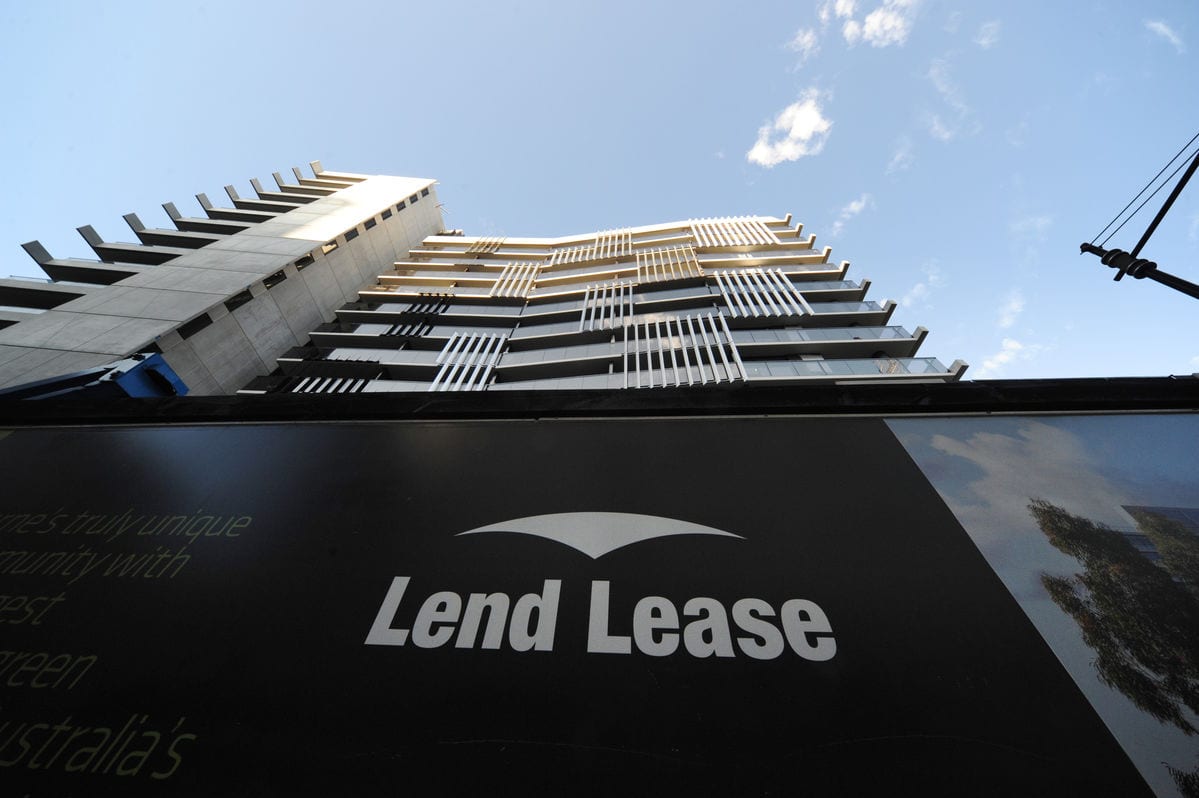
    The consortium comprising Lendlease and Abu Dhabi Investment Authority (ADIA) that last year bagged a plum site in Paya Lebar Central, has obtained provisional permission from Singapore’s planning authority to build a project that will comprise offices, retail space as well as 429 apartments.

    Going by market talk, the apartments are expected to be launched for sale probably next year.

    This will mark the first time the Australian group will be developing homes in Singapore. It has been operating here for more than four decades.

    The Urban Redevelopment Authority (URA) granted provisional permission last month for the developers to build a project that will have 91,340 square metres (983,175 sq ft) gross floor area (GFA) of office space and 43,740 sq m (470,813 sq ft ) of retail space in addition to the 429 apartments.

    The project is expected to be completed, that is, receive Temporary Occupation Permit in 2018, according to fourth quarter 2015 property market data released by the URA recently.

    When contacted, a spokesman for Lendlease said that the apartments will be in three towers. ” . . . Lendlease is confident that the . . . project will rejuvenate the precinct when it is completed,” he added.

    Word on the street is that CBRE and JLL have been appointed as leasing agents for the office space. Given its experience in the Singapore retail market, Lendlease will probably market the retail space itself.

    The Lendlease-ADIA consortium was the highest bidder for the 99-year leasehold site at a state tender that closed on March 31, 2015. Its winning bid of S$1.67 billion worked out to S$942.56 per square foot of potential gross floor area.

    The site comprises four plots – two land parcels, an underground area and an airspace. The site can be developed to a maximum GFA of 164,794 sq m (about 1.77 million sq ft). Of this, at least 90,000 sq m (968,751 sq ft), amounting to nearly 55 per cent of total GFA, has to be for office use. The project will boast direct connection to both the Paya Lebar East-West Line and Circle Line MRT stations .

    Lendlease has a 30 per cent stake in the consortium developing the project, while ADIA holds the majority 70 per cent.

    According to a previous article, the Abu Dhabi sovereign wealth fund (SWF) is said to be an investor in the Asian Retail Investment Fund (ARIF) managed by Lendlease.

    ARIF I has a 75 per cent stake in the 313@Somerset mall in Orchard Road, while ARIF III owns 75 per cent of the Jem office and retail development in Jurong East.

    ADIA is also understood to have invested in BlackRock-managed funds that developed the Asia Square project in the CBD.

    The SWF also previously held a 49 per cent direct stake in AXA Tower along Shenton Way in addition to being one of the investors in a BlackRock-managed fund that had owned the other 51 per cent in the circular office building opposite Tanjong Pagar MRT Station. They sold AXA Tower to a consortium led by Perennial Real Estate Holdings last year for S$1.17 billion.

    Lendlease is an integrated property and infrastructure group that has operated in Singapore since 1973; its capabilities span the entire property spectrum – development, investment management, project management and construction, and asset and property management.

    The URA’s Q4 2015 data also showed that MCL Land, a unit of Hongkong Land, obtained provisional permission in October for a 710-unit condo along Jurong West Street 41. The project’s name is Lake Grande.

    Chinese developer MCC Land received the URA’s provisional nod in December for a condo project of 626 units along Tampines Street 86.

    Meanwhile Gem Homes, the shareholders of which are Malaysia-listed group Gamuda, Evia Real Estate (7) and Maxdin, received provisional permission in November to develop a 578-unit condo in Lorong 5 Toa Payoh. When contacted, Evia Real Estate managing director Vincent Ong said that the project is slated for release in late April or early May; the average price will be S$1,480 psf. The development will have two 38-storey towers.

    The project was slated for launch in late March, but this has been delayed after the authorities turned down an earlier proposed name; the developers are now awaiting approval for a new name that they have proposed for the 99-year leasehold project.


  • Hong Kong feels squeeze of slowing China, rising rates

    Hong Kong feels squeeze of slowing China, rising rates

    AS a premier Asian financial center parked at the doorstep of one of the fastest-growing economies on the planet, Hong Kong has long lived a charmed life.

    The former British colony’s Western-style legal and regulatory system made it a magnet for global investors interested in buying listed Chinese stocks on the Hong Kong Stock Exchange.

    Its banks, insurance companies, ports and cargo carriers have made a nice living off their powerful neighbor. An added bonus: Since 2008, low global interest rates in the post-financial crisis era have powered a property market that has kept the $300-billion economy humming.

    Yet, now China’s economy is decelerating and just turned in its weakest full-year economic growth since 1990. Global investors are no longer gravitating to Hong Kong—they’re scrambling for the exits.

    The Hang Seng Index has slumped 13 percent so far this year. Housing prices have fallen 8 percent from their September peak and are poised to drop as much as 30 percent this year, according to Bocom International Holdings Co. analyst Alfred Lau.

    The Hong Kong dollar peg is under pressure and short-term interest rates have spiked. Exports are falling and big-spending Chinese tourists are staying away.

    “Hong Kong is facing a wave of pressure,” said Kevin Lai, chief economist for Asia excluding Japan at Daiwa Capital Markets in Hong Kong, who likens the growing storm to the market gyrations of the Asian financial crisis. “The situation right now is potentially worse” than the regional turmoil in 1997 and 1998.

    Lai is particularly concerned about the rapid credit expansion over the past five years, as Chinese companies rushed to borrow in Hong Kong, leaving the city’s banks “massively leveraged and exposed.” Daiwa estimates that $237 billion in broad inflows has poured into Hong Kong since 2005.

    Capital flows accelerating

    For Hong Kong, the worst-case scenario could play out like this: A sustained dive in the Hang Seng Index and heavy downward pressure on the local dollar triggers a massive departure of capital, squeezing liquidity in the banking system and driving up interest rates. That, in turn, sparks a speculative attack on the local dollar peg, forcing the Hong Kong Monetary Authority to defend it by spending its foreign-currency reserves. Or abandon the peg altogether.

    Capital flows out of Hong Kong appear to be accelerating. The Hong Kong dollar has traded at the lower side of its trading range against the US dollar, and recently touched a seven-and-a-half year low versus the greenback. Local interest rates have also surged: The three-month Hong Kong Interbank Offered Rate (Hibor) has jumped 30 basis points to 0.697 since the end of last year, exceeding the London Interbank Offered Rate on January 20.

    A sustained spike in Hibor could push mortgage rates higher, further hurting housing affordability, Morgan Stanley analysts led by Derrick Y. Kam wrote in a note. The bank said it cut its price targets for Hong Kong property stocks by an average of 17 percent.

    While global investors can quickly withdraw money from this Westernized financial center, local banks and investors face a tougher time pulling their cash out of the mainland economy.

    “It could take a matter of seconds for the rest of the world to draw money out from Hong Kong—but it would be a lot more difficult for Hong Kong to do the same from China,” Lai said.

    If the US Federal Reserve (the Fed), which raised rates last December for the first time in almost a decade, pushes up rates again as expected later in the year, it could pull the rug out from housing prices that have surged more than 350 percent from their low in 2003. To maintain its peg with the US dollar, Hong Kong must match interest-rate hikes by the Fed, increasing borrowing costs to homeowners.

    “The property market in Hong Kong is going to go down the tubes when eventually the Americans will continue to increase interest rates,” said Andrew Freris, CEO of Ecognosis Advisory, a Hong Kong-based economic and financial consultancy.

    Meantime, Hong Kong developers with significant yuan-denominated cash holdings face greater currency risks from the yuan’s increasing volatility, according to Bloomberg Intelligence.

    Retailers paying heavily

    Hong Kong retailers are also paying heavily because of Hong Kong’s peg.

    The city is losing its luster as a shopper’s paradise for mainlanders, who are instead flocking to Japan and South Korea in search of better bargains for Louis Vuitton handbags and Patek Philippe watches, thanks to those countries’ weaker currencies.

    Retail sales fell 3.1 percent in the first 11 months of 2015, with jewelry, watches and clocks, especially hard hit with a 15.4-percent decline. There have been other disappointments, too. The Shanghai-Hong Kong Stock Connect, a program allowing individual investors on either side of the border to invest in each other’s stock markets hasn’t delivered the boost to Hong Kong shares its architects had envisioned.

    Since its launch in November 2014, Chinese buyers have only reached the 10.5 billion yuan daily buying quota on two days, and total ownership has never reached the 250-billion yuan limit.

    That said, Hong Kong does have a track record of weathering market storms, and its bourse isn’t the only one suffering losses. The MSCI Asia Pacific Index is down 10 percent this year as oil’s slide and concerns over China’s economic outlook dents shares around the world.

    The city also has deep resources to respond to any attack. During the 1997-1998 Asian financial crisis, the Hong Kong Monetary Authority spent HK$120 billion buying up Hong Kong stocks, and successfully defending the dollar against speculators.

    In 2003 after the severe acute respiratory syndrome virus epidemic leveled the economy, Beijing created a free-trade deal with Hong Kong through the Closer Economic Partnership Agreement that gave its businesses a leg up over rivals in China. Easing of travel restrictions unleashed a flood of Chinese visitors and buoyed retail sales.

    Hong Kong’s $358.8 billion in foreign exchange reserves as of the end of December and a budget surplus give local authorities room to maneuver.  “The speculators right now want to make Hong Kong just like 1998,” said Banny Lam, cohead of research at the Agricultural Bank of China International Securities Ltd. in Hong Kong.

    Lam reckons that a key difference between now and the Asian financial crisis is that the system is flush with interbank liquidity, which means the speculators will be proven wrong.

    Yet, even if Hong Kong can pull through the current market turmoil, it faces bigger challenges ahead. David Dodwell, executive director of the Hong Kong Asia-Pacific Economic Cooperation Trade Policy Group, says that going forward the city has to move beyond its position as the gateway to China by having its banks and professional services help Chinese companies establish their global operations using the city as their base.

    “For me, the litmus test is the flow of headquarters to Hong Kong,” Dodwell said.