Blog

  • Berrybenka beefing up eCommerce

    Berrybenka beefing up eCommerce

    With demand from Hong Kong, Brunei and Malaysia, Indonesian fashion brand Berrybenka is taking steps to beef up its eCommerce services.

    It will also be opening more pop-up stores outside Jakarta, its main stronghold, The Jakarta Postreports.

    CEO Jason Lamuda says the brand is also aiming improve customer relations through digital media. It aims to step up customer interaction this year through messaging apps, improve its mobile app, and partner with convenience store ChainIndomaret on a possible new payment mechanism.

    He says this will help promote Berrybenka as a national fashion eCommerce platform. “Our goal in the end is to not only become the most notable fashion brand in Indonesia, but to also help promote the creation of local brands.”

    Berrybenka has 1.5 million subscribers in its database, with demand from Hong Kong, Brunei and Malaysia through sister company Hijabenka. Berrybenka has partnered with around 1000 small and medium enterprises.

    In Indonesia, the company plans pop-up stores in Medan, North Sumatra, Makassar in South Sulawesi, Yogyakarta, Semarang in Central Java, Manado in North Sulawesi and Balikpapan in East Kalimantan. Medan will have the first of the new outlets, opening on Thursday.

    Also being considered are eCommerce hubs for Surabaya, East Java and Bandung, West Java.

    About 90 per cent of Berrybenka sales comprise local products. Between 2013 and 2014, the company had 150 to 200 per cent revenue growth, with a further 200 per cent growth between 2014 and 2015.

  • Premium SMS Scam in Thailand by Foreign Content Providers

    Premium SMS Scam in Thailand by Foreign Content Providers

    Scammers create SMS competitions or trivia scams to trick you into paying extremely high call or text rates when replying to an unsolicited text message on your mobile or smart phone. Over the last few months mobile operators in Thailand managed to close some sms gateways from frauduleus foreign content providers like Mexcomm.

    A Malaysian company, with offices in Thailand who’s tricking mobile users offering free gifts and promises to win numerous prizes. All fake. True Move together with AIS and DTAC are doing everything they can and even created mobile scam teams to reveal the companies behind these marketing techniques. Shortcode 4741777 was used by one of them, to trick unwilling clients and let them pay high mobile fees. Mobile operators have shut down the companies shortcode and is on the look for other companies who’r running similar marketing campaigns.

    According to their website, Mexcomm has won several mobile content prizes. You can question this, as most of the events were sponsored direct or indirectly by the company over the last decade.

    How this scam works

    An unsolicited text message may invite you to enter a competition for a great prize—for example, a smart phone or tablet or gift vouchers for a well-known retailer. You will be required to send a text message back. You may also receive an email or encounter a pop-up window online asking you to enter your mobile number in order to claim a prize you’ve supposedly won. Sometimes these come in the guise of a ‘customer survey’ in which you are prompted to provide your mobile number.

    Alternatively the message may invite you to take part in a trivia contest with a great prize on offer if you answer a certain number of questions correctly. The first lot of questions will be very easy – scammers do this intentionally to encourage you to keep playing. However, the last one or two questions that you need to answer to claim your ‘prize’ could be very difficult or impossible to answer correctly and may even require you to guess a random number.

    The scammers make money by charging extremely high rates for the text messages you send, and any further messages they send to you. These charges will not be made clear to you, and could be as high as $4 for each message sent and/or received. You may also be automatically subscribed to ongoing charges. You will not discover these charges until you see your next itemised phone bill.

    Warning signs

    • You receive a text message, which may look like an advertisement, offering you the chance to win a great prize by sending a return text to enter a competition.
    • A text message tells you that you could win a great prize by participating in a trivia competition over SMS. The first message may even contain a very easy question to tempt you.
    • The text message (or advertisement) does not contain all the terms and conditions, or an ‘opt out’ to stop receiving more messages.

    Protect yourself

    • Do not respond to text messages or missed calls that come from numbers you don’t recognise.
    • Look out for SMS and MMS numbers that start with 19 or phone numbers beginning with 190. These are charged at a premium rate, even sometimes for receiving a message, and can be very expensive.
    • Contact your mobile phone service provider to ask about the number—they will know if it comes from a premium rate service. Ask your telephone company to put a bar on premium rate services (190 numbers) to and from your phone.
    • If you did not want to participate and you receive more messages, contact your mobile phone service provider and explain that the charges are being made without your permission.
    • Do not provide your mobile number to websites or in response to unsolicited emails claiming you can win a prize without very carefully checking the terms and conditions. If there are no terms and conditions or they seem to be hidden from plain view, don’t risk it.
    • Read all terms and conditions of any offer very carefully. Claims of ‘free’ or ‘very cheap’ offers often have hidden costs. Before you sign up to a subscription service check that there is an option to ‘unsubscribe’.

    Retail News will hold a close watch and will monitor this more the next few weeks and months.

  • Smartphones outpace tablets in Asian eCommerce

    Smartphones outpace tablets in Asian eCommerce

    For the first time, 34 per cent of browser-based online transactions globally are now made on a mobile device, compared to slightly more than 30 per cent last quarter.

    And smartphones are starting to outpace tablets.

    These were key findings of the fourth quarter edition of the Mobile Payments Index by Global payments technology company Adyen, which tracks mobile payment data from browser-based transactions across its client base and monitors Asian eCommerce shopping patterns.

    It also found that many consumers in Asia are increasingly using mobile devices to shop online. This is being driven particularly by such major payments methods as Alipay, JCB and UnionPay. JCB had the highest share (54 per cent) of mobile payments on the Adjen platform, up from 47 per cent the previous quarter. Alipay increased to 44 per cent (up from 35 per cent) while UnionPay reached 31 per cent (from 23 per cent).

    “The checkout stage of the shopper journey is not the end, but the beginning of an on-going relationship with the consumer,” says Adyen Asia Pacific president Warren Hayashi. “Merchants with a frictionless mobile checkout experience are driving repeat traffic, especially in Asia.”

    For the first time, the index shows that smartphones have overtaken tablets as the preferred device for online shopping – 17.5 per cent on smartphone against 16 per cent on tablet, compared to 14 per cent and 17 per cent respectively the previous quarter.

    When it comes to mobile payments globally, the trend to use smartphones rather than tablets continues for the 10th consecutive quarter. Last quarter this share was up 2 per cent to 68 per cent on smartphone versus 32 per cent on tablet.

    Smartphone use far outweighed tablet in Asia, with 29.5 per cent of online payments on a smartphone compared to 4.5 per cent on a tablet.

    In terms of average transaction value, iPad led the way for the first time at $107, edging out not just smartphones but also desktop/laptop, the traditional leader (at $106). Following were Android tablets at $86, iPhone at $83 then Android smartphones at $73.

    Adyen has been tracking the evolution of mobile payments since June 2013. The index is based on its global browser-based mobile payment transaction data. It does not track in-app mobile payments. With its headquarters in Amsterdam and San Francisco, Adyen serves more than 4500 businesses, customers including Airbnb, Booking.com, Crocs, Dropbox, Facebook, KLM, Mango, Netflix, Spotify and Yelp.

  • Korea’s Hotping fashion mall goes global

    Korea’s Hotping fashion mall goes global

    Korean women’s clothing mall Hotping entered the global market just six months ago – and already cross-border sales account for 10 per cent of its turnover.

    Monthly sales to customers outside Korea have now surpassed the 100 million won (US$84,000) mark.

    “We believed that winning new markets quickly would secure future competitiveness after we started up in 2014 and we launched the English, Chinese, and Japanese versions of our online mall through the global eCommerce platform of cafe24,” explained CEO Kim Yeo-jin.

    “We received orders from international customers even when we had the Korean site only, which also quickened our entry into the global market.”

    Established in 2014, Hotping is a Korean women’s clothing specialty mall that carries trendy products popular in the world of fashion. Like its name suggests, Hotping is a ‘portmanteau’ word mixing hot trend and lovely pink. Another notable characteristic is that Hotping satisfies customers of various body types since it carries sizes from 44 (equivalent to XS in the US) to 105 (equivalent to XXL) for most of its products.

    As a result of the company’s continued sponsorship of the wardrobes used by Korean costume dramas, Hotping has been enjoying great brand awareness, particularly in countries swept by the Hallyu, or ‘Korean Wave’, notably the US, China, and Japan. In addition, as it carries a number of elegant and exclusive clothing lines, news anchors have also been inquiring about sponsorship.

    Hotping is also winning immense popularity with its line of highly elastic Magic Pants, whcih are proving popular globally thanks to a fun marketing campaign that sees dancers posing in a number of positions that highlight their extreme elasticity.

    Kim adds: “We will continue to make efforts to win new markets and will also continue offering beautiful clothes to our customers at reasonable prices like we do now.”

  • More space, lower rents in Singapore

    More space, lower rents in Singapore

    More retail space is available in the city, with a slight dip in prices and a decrease in rental costs.

    Singapore retail vacancy rates rose to 7.2 per cent at the end of the fourth quarter last year from 7 per cent at the end of the third quarter, according to the Singapore Urban Redevelopment Authority.

    During the quarter, there was a 0.1 per cent dip in the prices of retail space, compared to a decrease of 0.3 per cent the previous quarter. Rental rates fell 1.3 per cent, following a 2 per cent drop in the third quarter.

    For the year overall, prices for retail space were down 0.8 per cent while rentals fell by 4.1 per cent.

    At the end of the fourth quarter, there were 808,000 sqm of retail space in projects in the pipeline.

    Occupied retail space grew 8000 sqm in the fourth quarter of last year, compared to a drop of 13,000 sqm in the previous quarter. In the same period, the stock of retail space increased by 22,000 sqm compared to a 24,000 sqm decrease.

  • McDonald’s is back

    McDonald’s is back

    Turnaround efforts are paying dividends for McDonald’s.

    The fast food giant’s latest results show continued progress with global comparable sales up 5 per cent, while the US had a very strong quarter with comparable sales rising 5.7 per cent.

    This momentum is important as it signals McDonald’s is reconnecting with consumers which is driving both customer traffic and sales. This has been the result of a number of changes, especially in the core US market.

    The first of these is the reengineering of the menu, including the introduction of all day breakfasts. While this has added to operational complexity, it has been a vital step in providing more choice and variety – which, according to our research, are two of the main things that lapsed McDonald’s customers mentioned as reasons for their defection. The early signs are that this step change has been successful in attracting back lost customers, especially over the important lunchtime period.

    Menu enhancement has also resulted in the addition of more premium and healthy options; something that will continue into this year as McDonald’s tries out new items like kale salads. While these changes are unlikely to attract highly health conscious consumers, and arguably will never be the mainstay of McDonald’s menu, offering them is an important positioning statement. It will help the company compete more successfully against some of its more premium rivals, as well as ensuring that the needs of all members of families or groups who visit are satisfied.

    Making menus more premium is all well and good but this forms part of a difficult balancing act – not least because low prices and good value remain key motivating factors for trips to McDonald’s. Here we are encouraged by the company’s decision to roll out the new McPick2 menu (in the US), which allows a choice of two options for $2. After the abandonment of of the popular Dollar Menu, and the bungled attempts at replacing it with unsatisfactory alternatives like the Dollar Menu & More, this gives McDonald’s US the firepower to compete against rivals like Wendy’s and Chik-fil-A.

    The final positive shift is the demonstration of greater flexibility in menu options through things like digital menu boards, which allow changes to be made according to weather and other conditions. This has helped to increase conversion rate and average spend per customer.

    Naturally, the downside of all this greater flexibility is that it adds to complexity, cost and makes operations somewhat slower than they once were. This has, in fact, been the main source of complaint from some franchisees. However, in our view this is very much a case of there being no alternative: the market has changed and the customer has slightly different priorities now to 10 years ago. McDonald’s had to move with the times or face continued deterioration.

    At a corporate level, the decision to convert more stores to the franchise model is savvy. The next few years are likely to see more operational complexity and higher costs for developments like store enhancements. These things will be easier and faster to manage, both operationally and financially, via the franchised model.

  • Courts opens second Indonesia megastore

    Courts opens second Indonesia megastore

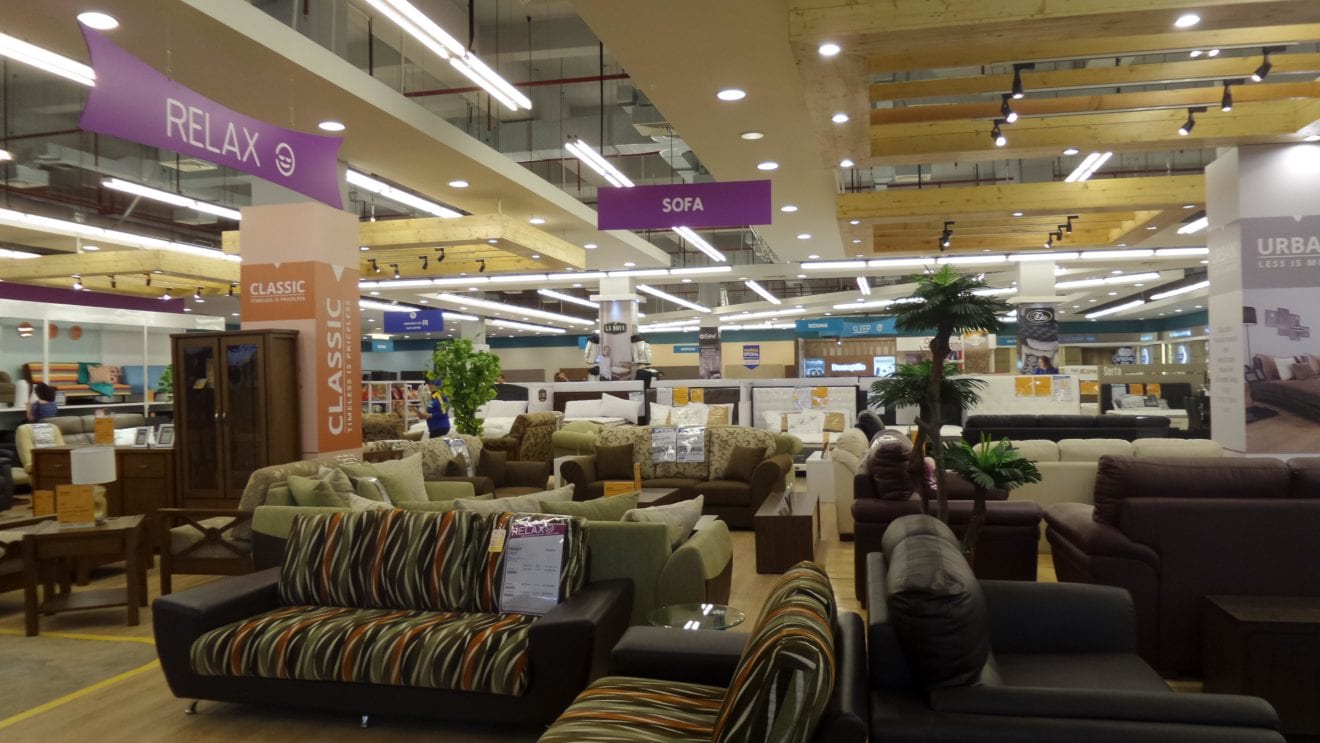
    Courts Indonesia has opened its second megastore – inside BSD City, about 42 km west of Jakarta.

    The new store is part of a strategy by Singapore-listed Courts Asia to expand its footprint beyond its core Singapore and Malaysia markets.

    Billed as the largest Courts Megastore in Asia, the new outlet covers 22,694 sqm of land and boasts a shopping area of about 20,400 sqm.

    “Indonesia is currently the driver of Courts’ growth,” said Roy Santoso, Courts Retail Indonesia CEO in a statement.

    “Since we first entered Indonesia in 2014, we now operate two megastores and three regular outlets. We aim to open 12 more outlets by 2018. This is our commitment in catering to the demands of Indonesians,” he said.

    The first Courts megastore, pictured above, opened at Bekasi, in Kota Harapan Indah, on the eastern side of Jakarta.

    Courts Asia said that as of November 2015, Indonesia accounted for 1.7 per cent of the company’s total sales of S$186.1 million – up 4.2 per cent year-on-year.

    Indonesia is expecting retail growth of between 11 and 12 per cent this calendar year, after a modest 8 per cent growth in 2015.

  • Apple to Open a New Store in China’s Largest Luxury Shopping Mall

    Apple to Open a New Store in China’s Largest Luxury Shopping Mall

    Apple Inc.  announced on Saturday that it would soon open its 31st outlet in Qingdao, China. The retail outlet will be located in China’s biggest shopping complex, MixC luxury shopping mall, according to the reports. The new store is expected to open between 10AM to 10 PM local time on weekdays and weekends.

    China has always been a lucrative market for the tech giant and in recent years, Apple has aggressively expanded its franchise operation in the world’s largest smartphone market under the leadership of Angela Ahrendts, senior VP of retail and online stores at Apple.

    Previously, the tech giant has also effectively carried out its operations in the leading Chinese cities and provinces, which includes Chengdu, Beijing, Nanning, Shenyang, and Xiamen. As of now, there are five stores operating in Beijing.

    Apple is one of the leading foreign smartphone manufacturers operating in China, and generates billions of dollars in revenues from the country. In the last quarter, Apple’s sales in China, including Hong Kong and Taiwan surged 99% to $12.5 billion year-over-year (YoY), while iPhone sales in the region rose 120% YoY. Amid increasing demand, the tech giant also aims to open more than 40 stores in China in the next few years. China is the company’s fastest growing market in recent years, and it plans to take full advantage of the potential growth opportunities in it.

    In addition, the smartphone manufacturer is making continuous efforts to increase its market share in the world’s second largest economy. On the other hand, growing trend of online shopping has significantly increased demand for the mobile users in the mainland territory.

    china apple user

    Based on month-over-month results, the number of Chinese mobile consumers has increased tremendously in the past one year. This number is mainly attributed to the boom in the movie industry, resulting in the increasing online ticket booking. Similarly, the boom in the e-commerce industry also raised the number of smartphone users in recent years. According to a report, as traffic issues in the country prevails, an increasing portion of population is using their smartphones to book movie tickets or for online shopping.

    China is considered to be the second largest revenue-generating country for Apple after the US. The company’s sales have grown to $12.5 billion from $5.7 billion last year. If the growth continues at such an increasing rate, it is expected that China will surpass the US and becomes the company’s largest market by 2017.

    According to a claim made by 9to5Mac’s analyst Mark Gurman, the California-based company plans to come up with a new iPhone in March 2016. The new device will be called the “iPhone 5se.” In addition, Mr. Gurman also indicated that iPhone’s latest version will also contain an upgraded 8 megapixel rear camera, a curved glass design, and Live Photos feature. Given the previous track record, the product will likely become a success in China.

  • Lotte World Tower wins awards in challenging times

    Lotte World Tower wins awards in challenging times

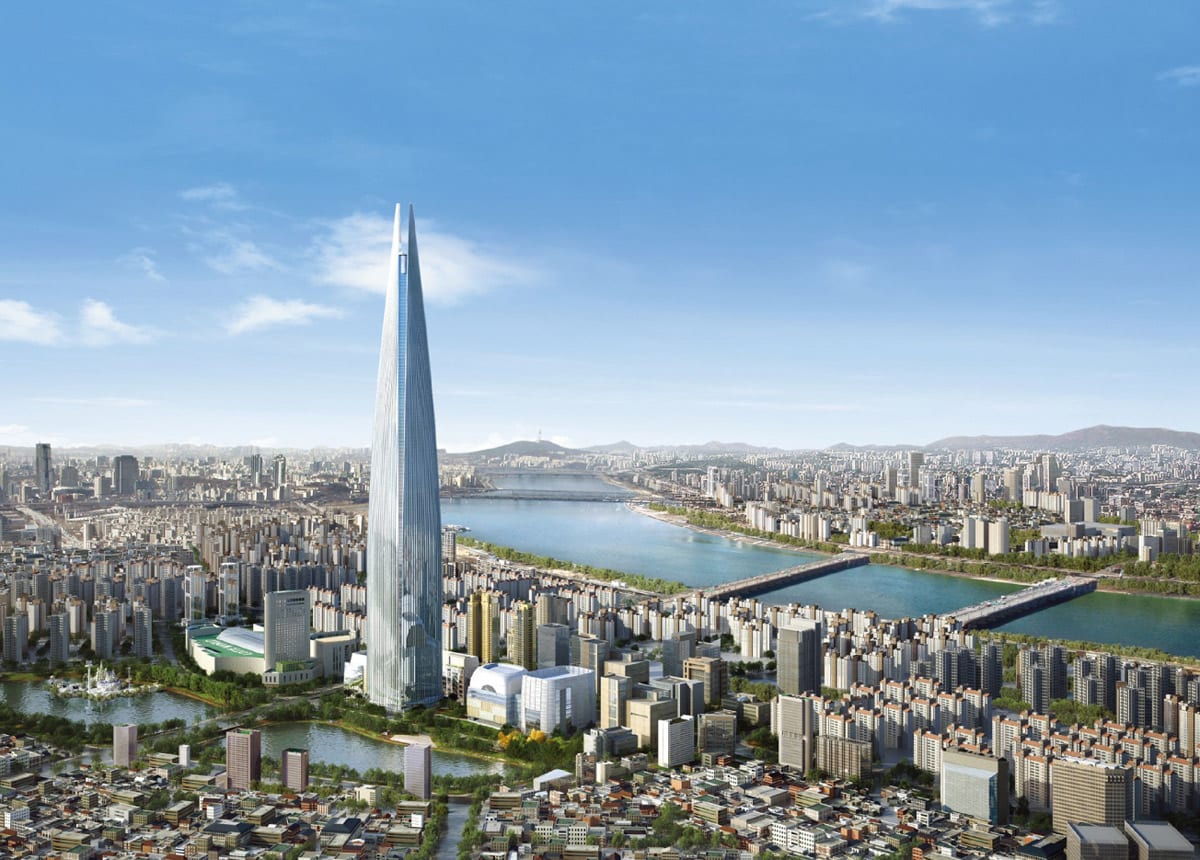
    Lotte Duty Free’s $3bn 555m World Tower duty free store in Seoul has won three globally recognised and prestigious design awards for the first time in the Korean duty free business.

    Besides winning the ‘2015 Good Design Awards’ in the Environments category, the retailer also swept the board with three world-class prestigious design awards in the USA.

    Sun-wook Jang, President of Lotte Duty Free said: “Lotte Duty Free World Tower has contributed a lot in promoting the new duty free shopping environment. I’m so glad that we won the prestigious global design awards for the first time as a Korean duty free shop.”

    The retailer says it is the first duty free shop in Korea to win the Good Designs Awards prize, although it should be said that celebrations related to this high recognition are doubtless a little less than normal, considering Lotte actually lost its duty free licence back in November of last year.

    [Lotte Duty Free] Interior of the Worldtower store (3)

    [Lotte Duty Free] Interior of the Worldtower store (2)

    Lotte Duty Free opened its $3bn World Tower branch in the southern Seoul Chamshil area of Gangnam on October 16, 2015

    The duty free industry in Seoul was shocked at the time, although we understands that Lotte has since been investigating whether it will be possible to transfer one of its other Seoul duty free retail licences to the World Tower 11,000sq m operation to maintain its ‘downtown duty free’ status which it still holds at this time.

    But this aside, few could argue that the building itself is not a huge achievement and this has been recognised with these latest awards. South Korea’s largest duty free retailer says that the interior design was optimised for shopping right from the very beginning, with high ceilings to allow brands to express offers and cultures.

    In addition, the retailer has installed ‘world-class’ LED screens to support the environmental design in harmony with the digital era.

    In a statement, the retailer said: “The Media Wall (large LED screens), the Column (cylindrical LED screens surrounding the columns) and the Cylinder (LED screens hanging on the ceiling) make the place new and trendy.

    [Lotte Duty Free] Interior of the Worldtower store (1)

    [Lotte Duty Free] Interior of the Worldtower store (4)

    Within the store, chiffon and indirect lighting has been used to create an effect of ‘the sun shining through white clouds’. Other features include a large number of HD TV screens located around the store, providing details of products and special promotions. At the opening these featured exclusive promotional advertisements featuring the top model Su Hyun Kim.

    “The company has invested more than three thousand million Won ($2.4m) for installation [and] six hundred million Won ($498,174) for the initial stage of content development, which needs a steady investment.”

    Lotte adds that the three LED installations are integrated throughout the shop space, with the video content alternating throughout the day to offer entertainment, local heritage and natural environmental content.

    The company concluded: “The distinct shopping experience of [the] Lotte Duty Free World Tower store which presents the new cultural experience beyond shopping has been highly valued in terms of design by the awards.

    “Besides, the company has won the Bronze prize of HUB Prize (USA) in [the] Brand Experience category and [the] Merit award of Graphis Competition (USA) in Innovative Environment category.”

  • Starhill Global Reit’s Q2 distribution per unit rises 2.3%

    Starhill Global Reit’s Q2 distribution per unit rises 2.3%

    YTL Starhill Global REIT (SGReit) said its second quarter distribution per unit rose by 2.3 per cent to 1.32 cents.

    Revenue for the three months ended Dec 31 grew by 13.8 per cent to S$55.6 million while net property income (NPI) rose by 10.4 per cent to S$43.7 million.

    The growth in revenue and NPI was mainly driven by the contribution from Myer Centre Adelaide which was acquired in May 2015 and the resilience of the Singapore portfolio performance.

    This was partially offset by lower contributions from China and net foreign currency movements. Income distributable to unitholders was S$28.8 million, up 3.7 per cent. On an annualised basis, the second quarter distribution represents a yield of 6.94 per cent, based on the unit closing price of 75.5 cents as at Dec 31. Unitholders can expect to receive their distribution on Feb 29.

    YTL Starhill Global chairman Francis Yeoh said the Reit delivered another strong earnings growth in the second quarter, underpinned by the resilience of the Singapore portfolio and contribution from its latest acquisition.

    “While Asia’s economic growth is expected to ease, we are confident our prime assets in key Asia-Pacific cities will remain resilient in an evolving retail landscape,” he noted.

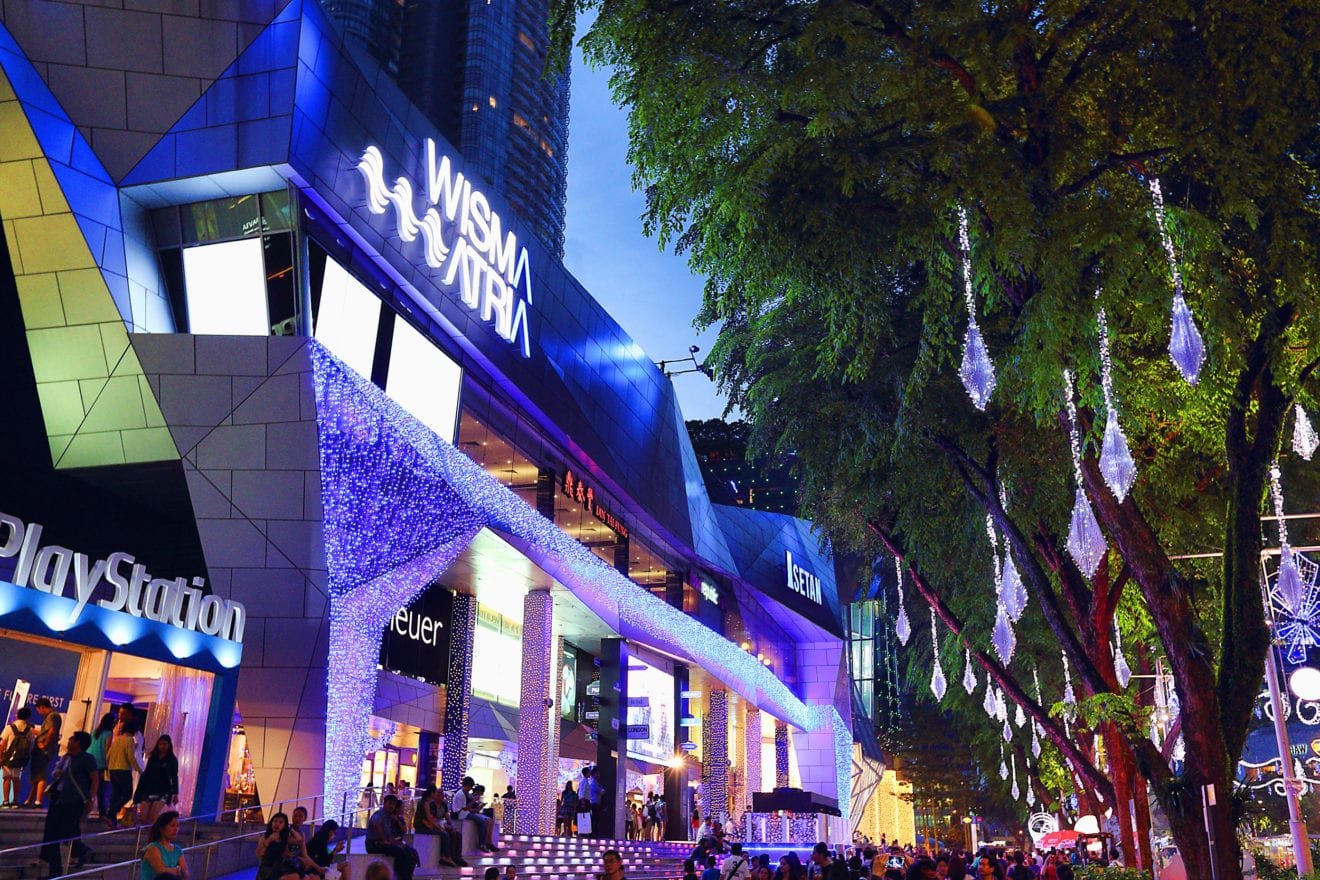
    SGReit’s Singapore portfolio, comprising interests in Wisma Atria and Ngee Ann City on Orchard Road, contributed 60.8 per cent of total revenue or S$33.8 million.

    Its NPI increased by 2.7 per cent to S$27.3 million, led by positive rental reversions achieved in previous quarters. Singapore retail portfolio recorded flat rental reversions for leases committed during the quarter.

    Wisma Atria retail revenue increased 1.7 per cent and its NPI grew 3 per cent over the previous corresponding period on the back of higher revenue and lower operating expenses.

    On the flip side, tenant sales at Wisma Atria declined 1 per cent, mainly due to lower committed occupancies at the mall and tenant transitions during the quarter. Shopper traffic was down 2.5 per cent as the majority of Isetan’s strata-owned space remained closed for renovations since April 2015.

    Wisma Atria retail recorded lower committed occupancy of 94.9 per cent as at Dec 31, largely due to tenant mix reconfiguration at level 1. Ngee Ann City retail revenue gained 1 per cent while NPI increased 2 per cent. The next rent review for the Toshin master lease is due in June 2016.

    Meanwhile, the Singapore office portfolio continues to be supported by leasing demand as office supply pipeline in Orchard Road remains limited. The Singapore office portfolio revenue and NPI increased 3.9 per cent and 3.4 per cent respectively, on the back of 1.7 per cent positive rental reversions for leases committed in the second quarter.

    As at Dec 31, full occupancies were achieved for both Wisma Atria and Ngee Ann City offices. Some 40 per cent of the office leases due for expiry this financial year by gross rent have been either renewed or newly leased out as at Dec 31. SGReit units today ended half a cent higher at 73 cents.

  • Strong Resale Market for iPhones Boosts Apple in China

    Strong Resale Market for iPhones Boosts Apple in China

    The Journal is detailing Apple Inc.’s remarkable success in China, particularly with the iPhone, and questions about Apple’s future as China’s economy slows.

    Part of that success stems from the strong resale value of used iPhones, which many consumers view as a way to narrow Apple’s price premium, compared with most other smartphones. Unlike in the U.S., most Chinese purchasers pay for the iPhone in full up front.

    Apple offers its own trade-in program at its retail stores in China, where it offers store credit for used iPhones. But there’s also a massive network of small shops that buy and sell used iPhones.

    In Chongqing, the biggest city in southwestern China, Luo Lishan operates a stall in the basement of an electronics market only steps from an Apple store. She sells new and used iPhones and says that a year-old iPhone in good condition can fetch 3,000 yuan ($450) depending on the model, while other brands’ phones usually go for less than 1,000 yuan.

    “The iPhone keeps its value better than other phones,” she says, as she puts a SIM card into a new iPhone 6S Plus for a customer.

    To protect the resale value, Chinese consumers use their phones differently than many in the West. For example, they make more use of Apple’s “Assistive Touch” feature, which is intended for people with disabilities who have trouble pushing the home button to control the phone.

    Chinese users who worry about wearing out the home button instead tap Assistive Touch, which appears among other apps as a dimly lit gray square containing a white circle surrounded by two rings. Enabling the feature offers on-screen shortcuts to access Siri, raise the volume and other actions.

    To protect the screen, many Chinese iPhone owners also affix a screen cover. It’s so common that many electronics retailers affix the cover in the store at the time of purchase. Screen-cover vendors also set up booths outside Apple stores.

    Last October, a few weeks after Apple introduced the iPhone 6S and 6S Plus, hawkers waited outside Apple’s Sanlitun store in Beijing. Inside, Apple had sold out of metallic pink iPhones – a color Apple calls rose gold. Hawkers sold the hard-to-get phone outside at a mark-up.

    Prospective customers were directed to a man sitting on the steps next to the store. His job was to inspect the condition of an old phone offered for trade. If it was an iPhone, he’d check the screen for nicks and dings and look inside the phone software to verify details such as storage size and country of origin.

    After the inspection, he offered a price for the old phone. If the customer agreed to the price, the customer paid the difference between the cost of the new iPhone and the resale price of the old phone.

    After one trade, the man added the cash to thick bundle in his hand and tossed the old phone with other handsets purchased that day.


  • Government operating marine vessel power plant in North Sulawesi

    Government operating marine vessel power plant in North Sulawesi

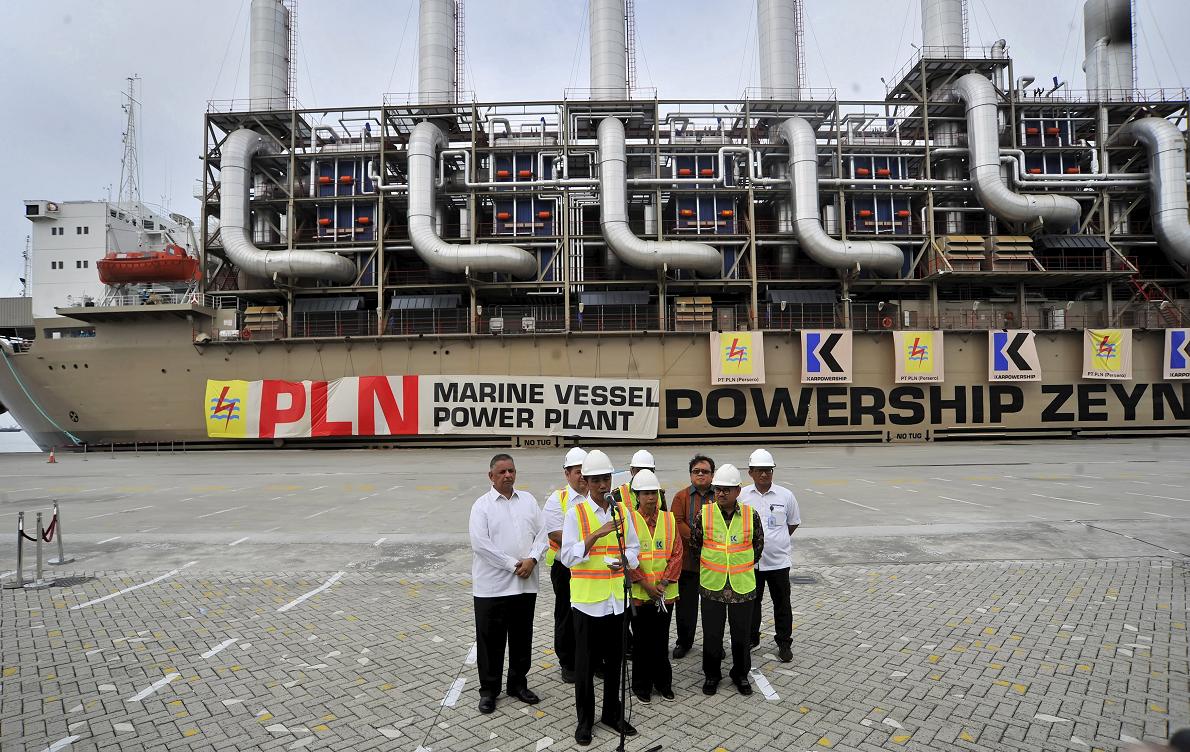
    The Indonesian government is operating a marine vessel power plant (MVVP) called Zeynep Sultan to deal with electrical power deficit in North Sulawesi province.

    “The presence of this vessel is part of the governments attention to the current electrical power deficit affecting various areas (in the country),” acting North Sulawesi governor Sono Sumarsono said while inaugurating the operation of the electrical power supplying vessel in South Minahasa on Sunday.

    The operation of the marine vessel power plant is part of the governments program to develop power plants with a combined capacity of 30 thousand megawatts to overcome electrical power deficit in several regions in the country.

    “Hopefully, this national program will be successful so all areas in Indonesia will have electricity in the future,” he said.

    Sumarsono, who is also director general of regional autonomy at the Home Affairs Ministry asked South Minahasa district head Rene Hosang to help secure the vessel while it is in the district.

    The Santiago military district command 131 will also deploy its personnel everyday to safeguard the vessel, he said.

    He expressed the hope the operation of the vessel will deal with electrical power crisis in the provinces of North Sulawesi and Gorontalo.

    “The power crisis has become cause for major concern in the two neighboring provinces. Mr Habibie (Gorontalo Governor Rusli Habibie) and I have been protested almost everyday in case of power blackout,” he said.

  • Indonesia lures Indians with free visas

    Indonesia lures Indians with free visas

    Indonesia may be attracting almost double the number of global tourists than India but visitors from here are few and the southeast Asian country has decided to grant free visas to Indians to attract more travelers from India which is a “big market” for them.

    Vinsensius Jemadu, Indonesia’s tourism director, was in India to promote Indonesian tourism and attract more Indians. He says Indonesia and India enjoy very good relations which will help in attracting more tourists. Indonesia is also participating in the South Asian Tourism and Travel Expo (SATTE) 2016.

    Jemadu said that more than 10 million people from across the globe visit Indonesia every year – but only 270,000 from India. Indonesia attracts the highest number of tourists from Singapore, followed by Malaysia, Australia, China, Japan, South Korea and then India.

    “Realising that India is a big market, the Indonesian government decided to grant free visas to Indians. We have set a target to attract 350,000 tourists from India this year, which is a big challenge for us,” he said. “Most of the people from India visit Bali. May be it is because they do not know about other places there. We want them to explore other places of the country as well,” he said.

    Indonesia’s tourism industry contributes nine percent to the country’s GDP. “Our plans are to boost tourism industry and increase it to 15 percent of the GDP by the end of 2019.”

    “As many as 60 percent of the total tourists visit Indonesia because of its rich cultural heritage while 35 percent come to the country to see its natural beauty. Five percent tourists come here to enjoy manmade activities,” Jemadu told IANS.

    Expressing concern over lack of direct connectivity between India and Indonesia, Jemadu said: “So far there is no direct flight between the two countries. People from India reach Indonesia via Singapore or Malaysia which is not good for tourism because people have to spend more time and money in travelling.”

    He, however, added that this issue will be sorted out soon as both the governments have agreed to start direct flight between the two nations.

    “I am hopeful that the direct flight between Mumbai and Bali will start by March or April. Garuda Indonesian airline had agreed to operate flights between the two countries,” he said.

  • Indonesia’s ex-President Habibie to build billion-dollar apartment project in Batam

    Indonesia’s ex-President Habibie to build billion-dollar apartment project in Batam

    The company of former president BJ Habibie, who ruled Indonesia from 1998-1999, is set to built luxury apartments worth a total of US$1 billion (S$1.42 billion) in Batam.

    The project, which features 11 towers of apartments, offices, hotel rooms and a hospital on a nine-hectare plot of land, aims to attract buyers from Indonesia’s neighboring countries, particularly Singapore.

    Work on the project, called Meisterstadt, will start in the middle of this year, Ilham Akbar Habibie, President Habibie’s son and commissioner of his company, Pollux Habibie International, told thejakartapost.com at the project’s launch in Batam on Saturday that the Meisterstadt superblock would be built in four stages.

    “Initially, the plan to construct a hospital in the superblock was in the last will and testament of my mum (the late Ainun Habibie) it will be implemented in the third stage of this superblock’s construction,” said Ilham.

    Pollux Properties Indonesia president commissioner Muladi, who was known as Habibie’s right-hand man during the latter’s presidential term, Batam Free Trade Zone Authority (BPK FTZ) head Mustofa Widjaja, Batam mayor Ahmad Dahlan and Meisterstadt Batam operational general manager Yosef Eduardus attended the ceremony.

    Ilham said the property business in Batam was promising because the area was quite close to Singapore. The developer hoped Singaporeans would be the main buyers of the apartments.

    “Singapore now has 5 million residents and it has continued to grow. We hope that we can benefit the country’s population, particularly in the property sector,” said Ilham.

    He added: “It happened in Hong Kong in the 1950s, during which the region’s population had flown to several provinces of the Chinese mainland near Hong Kong. We’ve now seen a similar situation in Guangdong, in which industries and businesses from Hong Kong have flown to the city.

    “Such an effect will happen between Singapore and Batam.”

    Ilham said the company hoped that a third of the apartments in the superblock complex would be bought by foreigners while the remainder would be marketed to local buyers.

    As many as 1,575 apartments in two of the towers, which will be built in the first stage of the construction project, have been booked by potential buyers with VVIP pass cards who attended the launch. In total, 1,874 VVIP pass cards were issued for the event.

    Three sizes of apartments, namely 24.82 sq m, 42.51 sq m and 51.59 sq m, will be built in the first stage of construction from 2016 to 2019. Prices for the units start at Rp 400 million (S$41,618).

    Batam mayor Ahmad said it was time for Batam to shift from landed to vertical housing due to its limited land.

    “The land in Batam is very limited. For our urban planning, we have recommended residences with the tower or vertical building concept. From the business aspect, it is very prospective because many noted developers have built their projects here. It means they see a huge market potential here,” said the Batam mayor.

    Mustofa said the authorities need to accommodate the need for premium residential compounds in Batam.

    “The growth of the number of Batam residents is the fastest in the world because of migration. To anticipate such a rapid growth, the Batam administration will also complement this city with toll roads and overpasses, which have been included in the national strategic project,” he said.

    “The toll roads and overpasses are aimed at anticipating traffic congestion in the next 10 years.”

  • Expatriates Start Acquiring Properties in Surabaya

    Expatriates Start Acquiring Properties in Surabaya

    About 10 percent of 450 apartments and Small Office Home Office (SOHO) developed by Operational Cooperation (KSO) PT Darmo Permai and PT Waskita Karya in the 88 Avenue Surabaya Project had been purchased by expatriates.

    KSO Wskita Darmo Permai managing director Kevin Sanjoto said that 65 percent of the 450 units had been sold. About 50 percent of the buyers were from Surabaya, 10 percent were expatriates, 15 percent from Jakarta and the rest of them were buyers from East Indonesia.

    “The expatriate buyers are from Japan, Singapore, and Korea. Some of them need places during their stay in Surabaya, including as preparations to face the ASEAN Economic Community (AEC),”Kevin said during the ground breaking ceremony of the project on Saturday, January 30, 2016.

    Waskita Karya Realty president director Didit Oemar Prihadi said that KSO Waskita Darmo Permai would hold road shows in big cities to boost the sales.

    “With such a strategy, we believe that we will gain new buyers, because many investors outside Java are interested in investing in Surabaya,” Kevin added.

    The apartment and SOHO project was a part of a superblock project developed on a 3.4-hectare land in West Surabaya. It was planned that the project would have eight towers consisting of SOHO, The Residence, The Suites, The Sky, The View, The Terrace, The Heritage and The Infinity. SOHO and The Residence would be the first towers to be completed.

    “By looking at the sales figure, and since the development project has been started, we expect to complete the project by 2018, and the handover can be conducted on August 8, 2018,” Didit said.