Blog

  • Platinum industry group to develop more investment products in Singapore

    Platinum industry group to develop more investment products in Singapore

    Singapore, which has seen a flurry of activity in its gold sector in recent years, could now see platinum take off in a similar way as the World Platinum Investment Council (WPIC) ramps up its promotional work here.

    The industry body has joined the Singapore Bullion Market Association (SBMA) here as it seeks to stimulate investor demand for physical platinum and increase the ways in which Asian investors can invest in the metal.

    As one of the most important wealth management markets globally with US$0.5 trillion in assets, Singapore offers “an abundance” of opportunities for both retail and institutional investment products, including coins and bars, and exchange-traded funds, said WPIC’s director of market development Marcus Grubb.

    SBMA chief executive Albert Cheng said WPIC is coming at “an interesting time” in the market’s development.

    “Since the removal of the Goods and Services Tax (GST) in 2012, there has been a real step-change in Singapore’s prominence as a major hub for precious metals trading and investment, a position we are working hard to consolidate,” said Mr Cheng. “The WPIC membership will undoubtedly contribute to our efforts by strengthening the region’s range and availability of investor products.”

    International Enterprise (IE) Singapore, the government agency responsible for developing the commodities sector in here, said the partnership will further strengthen the country’s position as Asia’s precious metal trading hub.

    “WPIC brings knowledge, experience and technical expertise in platinum as an investment, complementing SBMA’s role as a major association for precious metals for the region,” said IE Singapore assistant CEO Satvinder Singh.

  • USW Seeks Tariffs on Bus and Truck Tires From China

    USW Seeks Tariffs on Bus and Truck Tires From China

    The United Steelworkers (USW) union has filed yet another petition asking the U.S. Government to impose anti-dumping and countervailing duties on tires manufactured in China. This time, the union is targeting truck and bus tires.

    The petition was filed Jan. 29, 2016.

    In it, the USW cites import data from the International Trade Commission (ITC), which points to an increase of more than 650,000 tires imported in the first nine months of 2015 compared to the same period in 2014.

    Jan.-Sept. 2014 Jan.-Sept. 2015
    Customs value $787,313,598 $817,636,180
    Number of tires 6,048,859 6,701,201

    The USW has filed a petition seeking tariffs on truck and bus tires imported into the U.S. from China. It’s the second tariff request this month affecting the commercial tire business.

    The USW has filed a petition seeking tariffs on truck and bus tires imported into the U.S. from China. It's the second tariff request this month affecting the commercial tire business.

    As the petition notes, “the volume of subject imports from China is significant by any measure.

    “From 2012 to 2014, the U.S. imported from 6.3 million to 8.4 million truck and bus tires a year from China, valued at close to over a billion dollars each year. China exported more tires to the U.S. than all other countries combined throughout the period.”

    In the latest Modern Tire Dealer Facts Issue, published in January 2016, MTD estimated U.S. truck tire imports from China for 2015 at 9.4 million, up 14.6% from the previous year.

    The petition covers all truck and bus tires with a “TR,” “MH” or “HC” suffix, as well as all tires listed in the “Truck-Bus” section of the Tire and Rim Association Year Book. Like the petition seeking tariffs on OTR tires from China, Sri Lanka and India, the truck and bus petition includes tires whether or not they’re mounted on wheels. The only truck or bus tires excluded from the petition are recycled and retreaded tires, and non-pneumatic tires, such as solid rubber tires.

    The USW is asking the ITC to gather and compare prices on four sizes of tires:

    11R22.5 (14 or 16 plies, load range G or H, any speed rating)

    11R24.5 (14 or 16 plies, load range G or H, any speed rating)

    295/75R22.5 (14 plies, load range G, any speed rating)

    285/75R24.5 (14 plies, load range G, any speed rating)

    In its petition, the USW says it represents workers at truck and bus tire production facilities in the U.S. Those plants are operated by Bridgestone Americas Inc. and Goodyear Tire & Rubber Co. Additional truck and bus tires are produced by non-union workforces for Continental Tire the Americas in Mount Vernon, Ill., General/Yokohama in Mount Vernon, Ill., and Michelin North America Inc. in Spartanburg, S.C.

  • Myanmar Year in Review 2015

    Myanmar Year in Review 2015

    A decisive victory for the opposition in Myanmar’s general elections in late 2015 generated a fresh wave of investor optimism, raising hopes of increased economic stability in 2016 after a somewhat uncertain year.

    Victory at the polls in November for the National League for Democracy (NLD), under Daw Aung San Suu Kyi, will see greater civilian participation in government, although the military will retain control of the Ministries of Defence, Interior and Border Affairs in the new Cabinet, alongside a minimum of 25% of seats in parliament and substantial economic holdings.

    Growth leaders

    Growth was robust in 2015 despite cooling in the global economy, with Myanmar posting GDP growth of 8.5%, according to the IMF. This ranks ahead of average growth among the five original ASEAN member nations – Indonesia, Malaysia, the Philippines, Singapore and Thailand – which stood at 4.6%, and average global growth, which reached 3.1%. GDP growth is expected to remain relatively steady in 2016, easing somewhat to 8.3%, as per IMF forecasts.

    Strong consumer demand helped drive expansion in Myanmar’s retail sector, while also boosting the appeal of the industry to foreign brands. International brewers like Heineken and Carlsberg opened in-country production facilities through joint ventures with local partners during the year, and Japan’s Kirin acquired a 55% stake in market leader Myanmar Beer for a reported $560m in August.

    The year also saw strong growth in commercial property development, buoyed by rising demand for prime business space, particularly in Yangon, the country’s financial and business capital. Such demand should help sustain activity in Myanmar’s construction sector, which already has several infrastructure projects on its books.

    In a key development for the country’s financial services sector, nine foreign banks granted licences to operate in the market commenced operations, albeit on a limited scale, by early 2016.

    Trade and budget prospects

    However, the incoming NLD government, expected to be formally sworn in this March, will inherit an economy faced with ongoing structural challenges, including a widening fiscal deficit, projected to reach 5.5% of GDP, according to the IMF.

    Rising inflation also weighed on Myanmar’s economic performance somewhat in 2015, having gained momentum on the back of high levels of liquidity, rising demand and food shortages caused by mid-year nationwide flooding. In its latest Article IV consultation with Myanmar, the IMF projected inflation would rise to 13.3% by the end of FY 2015/16, up from 7.4% in FY 2014/15.

    Price increases have been exacerbated by depreciation of the kyat, which lost around 21% of its value against the US dollar over the year, driving up the cost of imports and affecting both consumers and firms that rely on overseas technology and equipment for expansion.

    To ease pressure on the kyat and rein in inflation, the Central Bank of Myanmar announced plans in late November to raise the reserve requirement ratio of banks and increase the value of its fortnightly deposit auction, with an interest rate hike also signalled as a possibility.

    A weaker kyat contributed to a widening of the trade deficit, with the gap between imports and exports reaching MMK3.1trn ($2.4bn) for the first six months of FY 2015/16, up 27% year-on-year.

    Major flooding weakened export trade further in mid-2015, after damage to farmlands led to lower production. To maintain food security and stabilise domestic food prices, the government imposed a six-week freeze on rice exports, one of the mainstays of Myanmar’s foreign trade.

    Investment forecast

    Foreign investment has also slowed somewhat, reaching $4.1bn as of December 2015, according to the Directorate of Investment and Company Administration. By the end of FY 2015/16, foreign investment was expected to reach $6bn, down from $8bn in FY 2014/15.

    The oil and gas sector has attracted the bulk of the investment to date, accounting for more than $2bn of the total as at December, while transportation and communications saw $736m worth of investments and manufacturing received $685m.

    Investment inflows are expected to ramp up again in 2016, with a smooth election in hand and the promised transition of government scheduled in the coming months.

    According to U Aung Naing Oo, secretary of the Myanmar Investment Commission, greater investment from EU countries in particular is forecast during the first six months of 2016.
  • Chinese retailing giant JD.com tests drone in rural areas

    Chinese retailing giant JD.com tests drone in rural areas

    China’s online retailing giant JD.com has started conducting trial deliveries using drones, and plan to roll it out for delivery in rural China, the state media reported today.

    The company said the unmanned aerial vehicles or drones will not deliver packages directly to shoppers but will instead help transport bundles of items from its distribution stations to 150,000 representatives mobilised across rural China who will then get them to shoppers.

    The distance between distribution stations to rural representatives, usually less than 10 km according to JD, are more fixed for engineers to design drone itineraries and landing points. Representatives will be notified in advance to wait for drones to land with packages, Xinhua news agency reported.

    JD.com’s CEO Richard Liu Qiangdong had said last year that the company is developing drone delivery to meet the rising retail demand in China’s rural areas, where complex terrain and underdeveloped infrastructure have compromised timely human courier delivery.

    Both JD.com and its arch rival Alibaba have been working to unleash consumption demand from China’s 618 million rural residents, whose income growth has been outpacing their urban peers in recent years despite a slowing economy, the report said.

  • Police, retailers in central Singapore partner to deter crime

    Police, retailers in central Singapore partner to deter crime

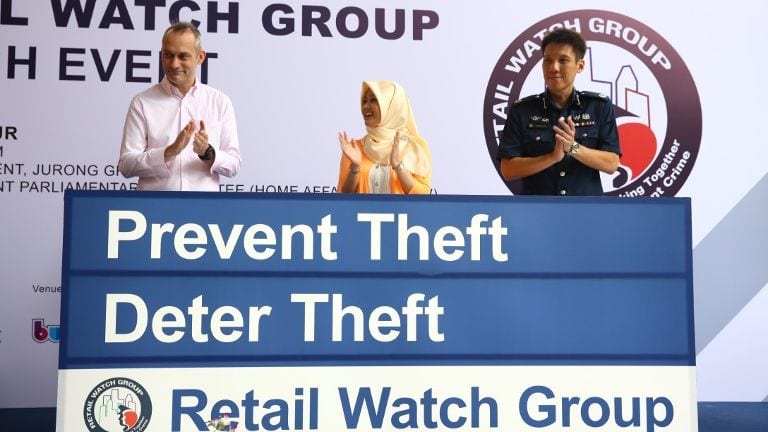
    The Marina Bay Neighbourhood Police Centre on Saturday (Jan 30) launched the Central Division Retail Watch Group, which aims to establish a partnership between the police and retailers to deter, detect and prevent crime.

    Rahayu Mahzam, Member of Parliament for Jurong GRC and a member of the Government Parliamentary Committee for Home Affairs and Law was the Guest of Honour for the event. In her speech, she referred to recent terrorist attacks in the region, and called on owners of retail and commercial establishments to be more vigilant and partner with the police to help ensure the safety and security of shoppers.

    In a media release, police said the Central Division Retail Watch Group consists of retailers from major shopping malls such as Bugis+, Bugis Junction, Raffles City, Marina Square and Suntec City. Membership is also open to all other retailers whose outlets fall within the jurisdiction of the Marina Bay Neighbourhood Police Centre.

    Police added that this Retail Watch Group serves as a platform for the police and retailers to exchange information and tips on how they can strengthen vigilance and measures against potential terrorist attacks.

    According to the release, the Central Division Retail Watch Group will implement two initiatives. Police will disseminate an e-newsletter to retailers with information on crime trends and statistics, as well as crime prevention and security practices. The second initiative is a “red teaming” exercise conducted by police and retail management.

    “These exercises aim to test the effectiveness of the stores’ security features and the vigilance of the duty staff,” said the police in their statement. “Following these exercises, the police will hold a review with the retail management to reinforce the learning points.”

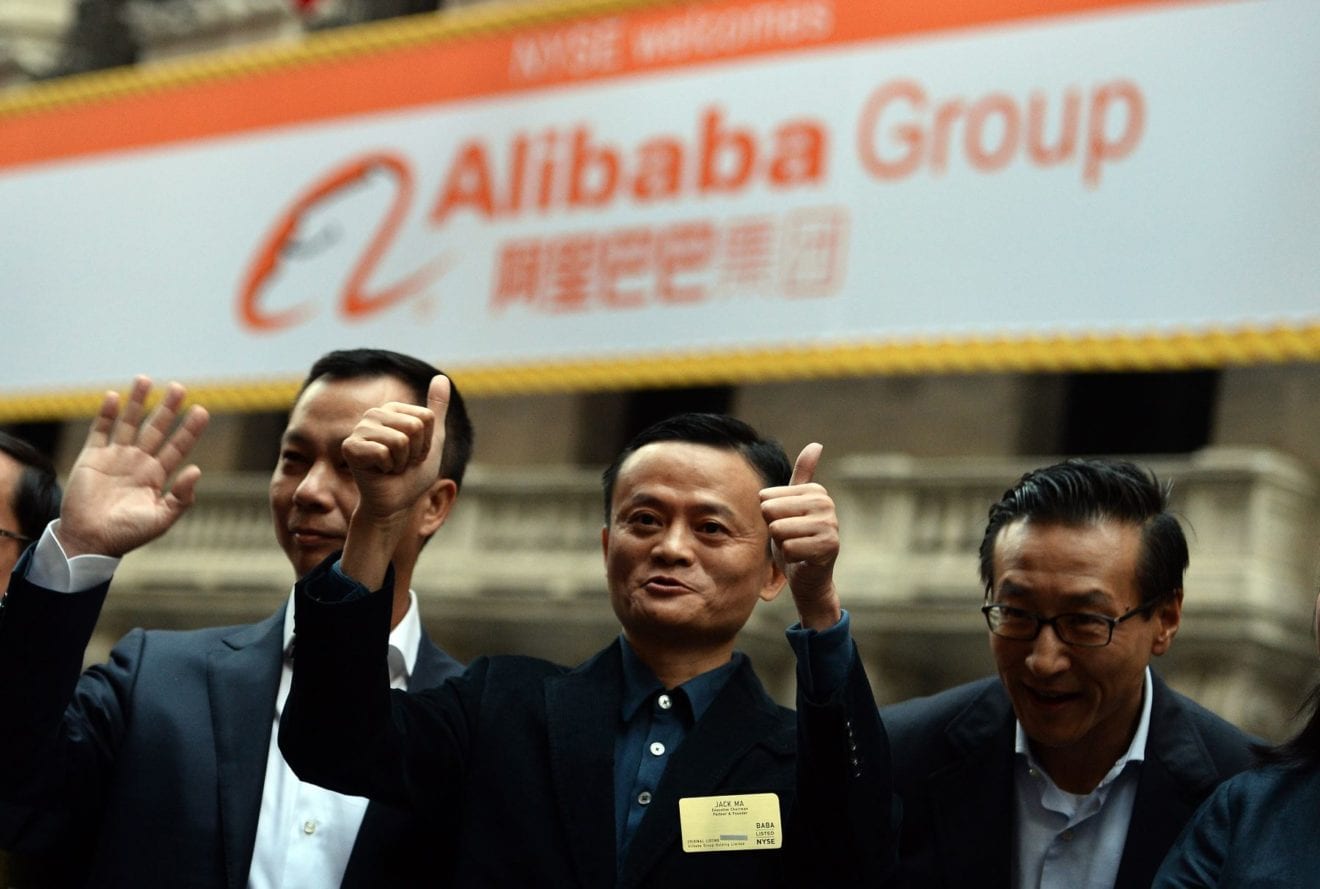
  • Sales soar 32% at Alibaba Group in Q4

    Sales soar 32% at Alibaba Group in Q4

    For the three months to December 31, 2015, sales at Alibaba Group Holding Limited soared 32 per cent year over year to RMB 34,543 million or $5,333 million.

    Of this, in the fourth quarter of 2015, China retail marketplace revenue totaled RMB 28,714 million or $4,433 million, an increase of 35 per cent over the fiscal ago quarter.

    As per an Alibaba press release, in the same quarter, mobile revenue from China amounted to RMB 18,746 million or $2,894 million, up a massive 192 per cent year on year.

    “Annual active buyers on our China retail marketplaces increased to 407 million, a rise of 21 million from the prior quarter, while mobile MAUs in December reached 393 million, a growth of 47 million over the previous quarter,” it said.

    In the reporting quarter, GMV transacted on its China retail marketplaces was RMB 964 billion or $149 billion, up 23 per cent in the year ago quarter, with mobile GMV accounting for 68 per cent of total GMV.

    Alibaba further said that Koubei, the local services joint venture it recently established with Ant Financial, is gaining strong momentum and winning market share.

    The joint venture generated RMB15.8 billion or $2.4 billion in GMV transacted through Alipay during the quarter, with daily transactions averaging more than 5 million in December.

    Its cloud computing and internet infrastructure business continued its rapid expansion, with revenue surging 126 per cent over the fourth quarter to RMB 819 million or $126 million in the quarter under review.

    “In the fourth quarter of 2015, non-GAAP free cash flow totaled RMB 23,719 million or $3,662 million,” the online retail giant added in the press release.

    “Alibaba Group had an outstanding quarter, reaching a milestone of over 400 million annual active buyers and continuing our unrivaled leadership in mobile,” Daniel Zhang, CEO of Alibaba Group said.

    “Our proven ability to deliver an unparalleled consumer experience and to help merchants attract, engage and retain buyers will drive future growth in our core business,” he too added.

    “We remain focused on our top strategic priorities, including global imports, rural expansion, increasing our footprint in first-tier Chinese cities and building a world-class cloud computing business,” Zhang noted.

    “We achieved impressive revenue growth as we are increasingly monetising the user activity on our marketplaces, particularly on mobile devices,” CFO Maggie Wu also said.

    “In this quarter, revenue grew 32 per cent year over year and China retail marketplace revenue grew 35 per cent year on year,” Wu informed.

    “Meanwhile, we generated strong free cash flow of $3.7 billion this quarter and so the fundamental strength of our core business gives us the confidence to invest in our strategic priorities,” she observed.

  • Xiaomi to take its time on deciding on single brand retail licence

    Xiaomi to take its time on deciding on single brand retail licence

    Xiaomi is keen on applying for a single-brand retail licence in India and will take a final call on the matter in a couple of weeks after more consultations as the Chinese company strives to deepen its presence in the world’s fastest-growing smartphone market, where it just recorded its best-ever quarter by sales.

    As part of its India strategy for 2016, Xiaomi will locally manufacture most of the phones it will sell in the country, begin investing in startups and expand its offline presence, Manu Jain, the company’s head of India operations, told ET.

    “We would be very keen (on applying for single-brand retail) but we would want to understand this better. We are talking to multiple people who are subject matter experts on this to understand everything about it before we go ahead,” Jain said. “Overall, this looks very positive from our perspective.”

    Once it applies, Xiaomi would join Apple as among the top foreign brands opting for a direct presence in India, which eased foreign direct investment rules for single-brand retailing in November. The South Asian nation relaxed mandatory local procurement conditions for high-tech companies and allowed single-brand licence holders to sell their products directly online.

    Xiaomi currently sells 90% of its products through online portals Flipkart, Amazon, Snapdeal and its own store, Mi.com, and has ventured into the offline market with outlets of Airtel and The Mobile Store selling about 10% of its devices. The company will forge more partnerships to expand its offline presence in 2016 and will focus equally on revving up sales through its own portal.

    Jain said the aim would be to achieve a balance between online and offline sales, similar to what it has in China, where one-third of its sales comes from offline channels.

    Through a combination of online and offline sales in India, Xiaomi clocked its best-ever three months yet, selling between 1 million and 1.5 million smartphones in the quarter ended December. “This is the second consecutive quarter that we’ve crossed 1 million…despite the competition, we continue to grow aggressively,” Jain said. In the September-ended quarter, sales were up 45% on-quarter.

    “One of our targets for 2016 is to invest in startups,” Jain said, which would replicate the model followed by the company in China. Though Jain didn’t specify the amount, he said the company would be flexible and investments would depend on the startup and the stage it has reached.

    India will continue to be a critical market and Xiaomi will reduce the time gap between China and India product launches and also introduce more models in 2016. Separately, it will scale up local manufacturing to make a majority of the phones that it sells in the country.

    Jain did not share the present manufacturing capacity at Sri City in Andhra Pradesh, where Foxconn manufactures phones for Xiaomi, but said that the scale-up will be “significant.”

  • Singapore’s retail sector receives boost in talent development

    Singapore’s retail sector receives boost in talent development

    This initiative sees the integration of Enhanced Internship with SkillsFuture Earn and Learn Programme; whereby five local retailers will invest in talent management and retention programmes during students’ internships.

    Singapore’s five polytechnics – Nanyang Polytechnic (NYP), Temasek Polytechnic (TP), Ngee Ann Polytechnic (NP), Singapore Polytechnic (SP) and Republic Polytechnic (RP) – together with the Institute of Technical Education (ITE) and five local retailers signed on Tuesday (26 Jan 2016) a Memorandum of Understanding (MoU) to integrate the Enhanced Internship with the SkillsFuture Earn and Learn Programme.

    The signing took place at an Industry Practitioner Seminar organised by the Singapore Institute of Retail Studies (SIRS), and was witnessed by Mr Ong Ye Kung, Acting Minister for Education (Higher Education and Skills).

    The MoU were coordinated by NYP, which leads the Retail Sector Coordination Team (SCT) in support of the national SkillsFuture movement. The Retail SCT also comprises the other four polytechnics, ITE and SIRS.

    Under this partnership, the five retailers – Charles & Keith (Singapore) Pte Ltd, Cold Storage Singapore Pte Ltd, Isetan (Singapore) Limited, StarHub Ltd and Wing Tai Retail Pte Ltd – will invest in talent management and retention programmes during students’ internships.

    Students who successfully complete at least 20 weeks of the Enhanced Internship with these firms may have a chance to be offered employment through the SkillsFuture Earn and Learn Programme.

    The duration of the SkillsFuture Earn and Learn Programme will be reduced to 12 months instead of the usual 18 months, and will culminate in a Singapore Workforce Skills Qualifications (WSQ) Specialist Diploma or WSQ Advanced Certificate in Retail Supervision. Supported by the Singapore Workforce Development Agency (WDA), this fast-track route enables a seamless integration of Enhanced Internship and the SkillsFuture Earn and Learn Programme.

    Another 11 retailers signed a separate MoU to offer Enhanced Internships to retail students. It was announced last year that Enhanced Internships would be offered to second- or third-year polytechnic or ITE students; and by 2020, all polytechnic and ITE courses will offer this.

    “As the sectoral lead for retail – an industry which is ever-changing and high in manpower demands – Nanyang Polytechnic aims to continue encouraging organisations to play a stronger role in talent growth and retention. The partnerships today will see more students getting a deeper knowledge of retail operations, and more importantly, allow companies to retain high-potential talents from the time they are interns,” said Jeanne Liew, Principal & Chief Executive Officer, Nanyang Polytechnic.

    “Integrating the Enhanced Internship with the SkillsFuture Earn and Learn Programme provides a seamless learning experience for students as they transit from school to the workplace. At the same time, the integration will boost employers’ efforts in identifying, attracting and developing skilled local talent. Both initiatives will work in tandem to better match polytechnic and ITE students with employers in their fields of study,” added Ng Cher Pong, Chief Executive of WDA.

  • Burma’s Gasoline Retailers Urged to Cut Prices

    Burma’s Gasoline Retailers Urged to Cut Prices

    With world oil prices sinking, the Myanmar Petroleum Traders Association (MPTA)has urged the country’s gasoline retailers to slash prices.

    In a letter to the association, the Ministry of Energy said that although the retail price at Rangoon gas stations has seen a small decline—from about 50 to 80 kyat (US$0.04 to 0.06) per liter—the gap between world and domestic prices has yet to be sufficiently bridged.

    “While importers can easily reduce the wholesale price, it’s more difficult to reduce the retail prices at gas stations because there are costs for running these stations,” said Win Myint, chairman of the MPTA.

    “Some stations in other cities haven’t reduced their retail price. That’s why now we’re encouraging them to cut the price as much as they can,” he added.

    Distribution at gas stations has proliferated since the Burmese government eased restrictions on importing gasoline in 2011. More than 50 companies now import from Singapore alone.

    Burma imports some 80,000 tons of octane and 200,000 tons of diesel each day, according to the MPTA. In Burma, one liter of octane is about 550 kyats, down from 600 kyats, while diesel prices have fallen from 570 to 500 kyat over the last week.

    In the world market, one barrel of oil runs for approximately $30 to $50.

  • South Korea’s industrial production rebounds

    South Korea’s industrial production rebounds

    South Korea’s industrial production rose 1.2 percent in December from a month earlier, posting the first rebound in three months, a government report showed on Friday.

    The production in all industries declined 1.3 percent in October and 0.4 percent in November each before gaining 1.2 percent in December on a month basis, Xinhua cited Statistics Korea as showing.

    The rebound came on the back of improvement in both production and investment among manufacturers.

    Production in the manufacturing and mining industries grew 1.2 percent in December from the previous month. It was attributable to the resumption of operations in oil refiners and petrochemical companies after the end of the regular maintenance period.

    Output in chemical products increased 4.7 percent, with oil-refining activity expanding 7.3 percent.

    Inventory among manufacturers reduced three percent, and the factory utilisation rate in the manufacturing industry averaged 73.8 percent in December, up one percent from the previous month due to a year-end demand.

    Production among service companies were steady last month due to slump in finance, insurance and wholesale & retail sectors that offset growth in transport and leisure sectors.

    Retail sales, which reflect private consumption, reduced 0.1 percent in December from the previous month, falling for two straight months.

    The private consumption jumped in October thanks to massive promotion events, called Korea Black Friday, and consumption tax cuts for cars, but it turned downward for two months through December.

    Sales of semi-durable goods like clothing tumbled five percent as the average temperature of the winter season was higher than usual despite a temporary cold wave.

    Durable goods sales increased 3.8 percent on demand for cars.

    Facility investment declined 6.1 percent in December on a monthly basis as machinery and transport companies spent less on equipment.

    Construction works completed expanded 7.4 percent as a large number of apartments went on sale and social overhead capital (SOC) was spent much last month.

    For the whole year of 2015, industrial production increased 1.5 percent, up from a 1.3 percent expansion in 2014.

    Production in the manufacturing and mining industries reduced 0.6 percent last year as sluggish exports dragged down the demand for production of ships and electronic devices such as handsets.

    It marked the first reduction in manufacturing production since 2009 when the global financial crisis peaked.

    Manufacturers posted a capacity utilisation rate of 74.2 percent in 2015, down 1.9 percent from a year earlier.

    It was the lowest in 32 years since 1998 when the Asian foreign exchange crisis hit South Korea.

    Production in the service industry grew 2.9 percent in 2015, recording the biggest yearly expansion in four years.

    Retail sales increased 3.4 percent last year, with facility investment growing 6.2 percent.

  • Maitland Smith Philippines Designer Exquisite Vase Pottery, retail$349

    Maitland Smith Philippines Designer Exquisite Vase Pottery, retail$349

    Beautiful hand made designer artistic vase pottery designed by Maitland Smith Ltd. in Philippines, selling for $150, cash only. Retail price is $349.95 plus tax, reduced to sell quickly, original tags from purchase on bottom of vase

    Maitland-Smith specialises in fine home furnishings and accessories that are made to become treasured family heirlooms. The company is a leader in manufacturing premium and antique-inspired furniture, wall décor accessories, lighting, and many more items for luxury home furnishing. To ensure your home furnishing is indeed unique, Maitland-Smith furniture often comes out with limited editions of its products.

    Paying meticulous attention to intricate details, Maitland-Smith signifies luxury in its one-of-a-kind elegance in terms of designs, exemplary quality, impeccable craftsmanship and extensive choice of materials. The products are handcrafted by expert craftsmen and skilled artisans and showcase beautiful design sense and creative interpretation over a wide variety of traditions and styles.

    Maitland-Smith creates high quality furniture that promises to be unique additions to any home. Their eclectic use of bronze, penshell inlays and lacquer techniques highlights their devotion to quality and styling. Hence, whether you are looking for fine living room furniture, dining room lighting, or pedestal tables; Maitland-Smith furniture promises to be one of the safest bets!

  • A New Breed of Museum Retail in Singapore

    A New Breed of Museum Retail in Singapore

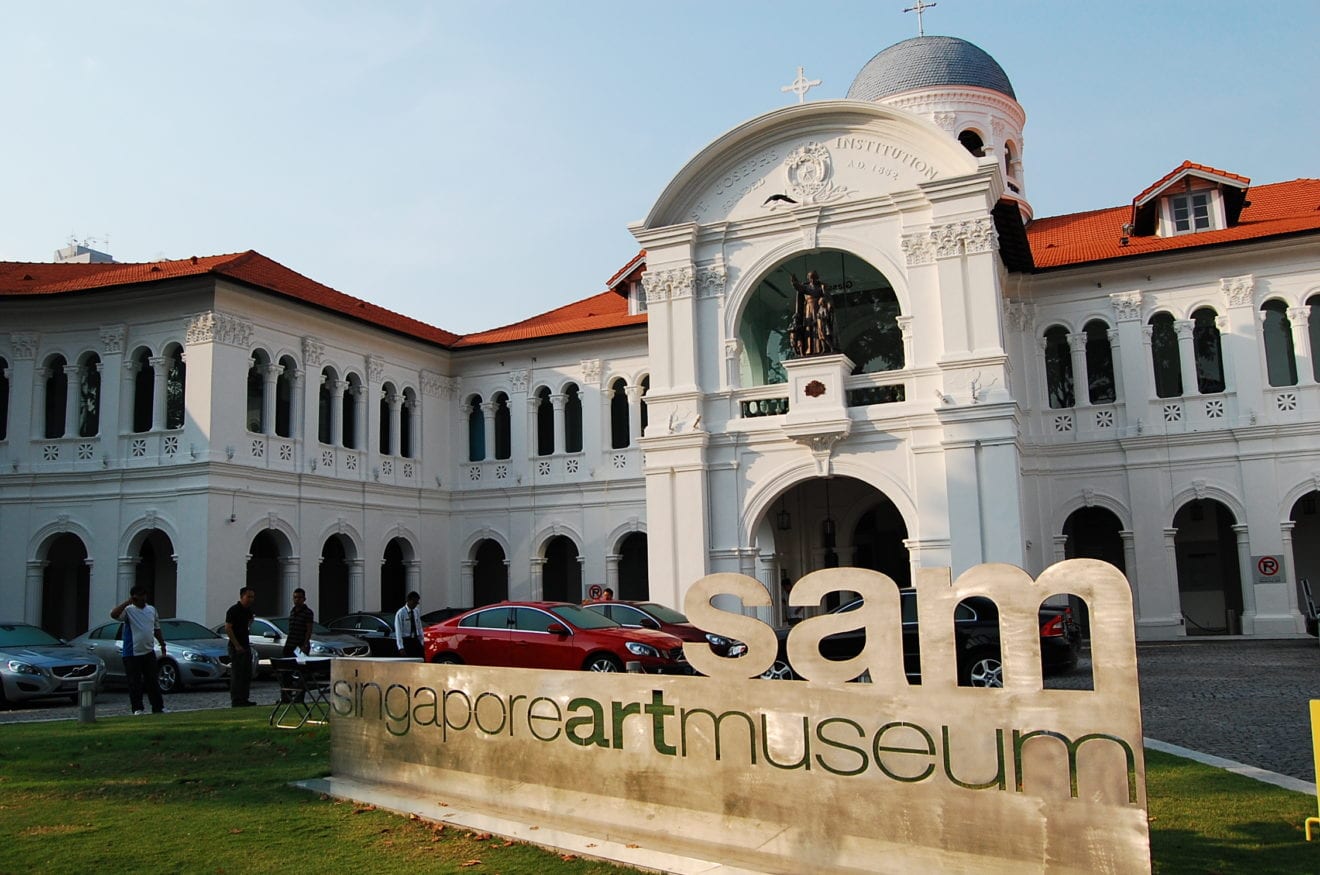
    Collecting things, it can be said, is the bane of modern living. So it is refreshing to see just how Gallery & Co. boldly eschews the easy materialism of museum retail. Modeled to offer visitors a curated experience of its bookstore, bar, cafeteria, café and museum store in one continuous space, the new design merchandise and dining venue opened at National Gallery Singapore on Thursday, taking up 8,800 sq ft space on the first floor of the Southeast Asian art-centric museum’s City Hall Wing.

    As a museum store, Gallery & Co. is quite unlike any other in Singapore to date, and understandably so, being the result of a partnership between the National Gallery Singapore and interdisciplinary collective & Co. The latter comprises industry movers and shakers in the form of hotelier and restaurateur Loh Lik Peng; creative designers Yah-Leng Yu and Arthur Chin, and Luxasia managing director Alwyn Chong.

    Heading the retail strategy is Chong, who worked with Yu to drive merchandising, brand curation and exclusive collaborations. The culinary direction is helmed by Loh; Yu and Chin lead the branding, space and product design.

    Across the varied categories of fashion, design collectibles, home decor, publications and more, all the objects elected as part of the store selection come with creative appeal. Brands carried in-store include Maison Kitsune, Smile Q&Q, Garance Dore, Marou, Supermama, General Object and Matter Prints. As Chong commented, nothing in this “living and evolving space” is permanent. “We do not want to be a museum store that just accumulates, but rather one that truly curates our offerings.”

    With the museum’s Southeast Asian art focus, the space will merge artisanal design with artistic encounters in the museum itself. Products inspired by current artworks on display, as well as of the heritage building’s architectural features, will be part of the retail offerings. Collaborations between regional and international creatives are in the pipelines; in the works are a capsule collection by Matter Prints and artwork-inspired candles by Mud Rock and Candles of Light.

    There are also plans to introduce limited run menus inspired by the museum’s blockbuster exhibitions at the all-day dining cafeteria. Not that the contemporary Southeast Asian menu by Restaurant Ember chef Sufian Zain — including the Green Curry Seafood Pasta and the Otah Stack, a sandwich with grilled mackerel fish cake — is lacking at all.

  • Why Should Alibaba Be A China Macro Play? Nomura Sees 30% Upside

    Why Should Alibaba Be A China Macro Play? Nomura Sees 30% Upside

    Alibaba Group lost about a third of its value in the last year mainly because it is “deemed as a China proxy due to its size and high profile,” according to Nomura Securities in a new China Internet anchor report.
    But Alibaba is by no means Bank of China. Nomura sees China’s e-commerce to grow at an impressive annualized 33% over the next two years, far outpacing China’s sub-7% “crawl.”

    First, China’s retail sector is a lot resilient thanks to the growing middle class. Consulting firm BCG estimates China’s domestic consumption will grow by an annualized 9% through 2020.

    Second, and more importantly, e-commerce will grow a lot faster than physical retail, thanks to China’s vast rural population coming online. Currently, China’s online shoppers are still concentrated in the more affluent tier-1 and tier-2 cities, accounting for more than 80% of the 500 million online shoppers.

    But the rural population is huge. As of June last year, China’s rural population was 619 million, or 45% of the total. Just imagine them starting to shop on Taobao! And the rural population is getting richer, especially now that Beijing allows them to sell their land. Rural consumption expenditure rose from 32.5% of the urban total in 2013 to 42% in 2015.

    Alibaba Group knows where the growth is:

    Ali’s rural e-commerce solution is a two-way model, ie, selling to and by farmers. On the one hand, farmers are also selling local produce or handmade crafts via Taobao to customer nationwide.

    The Taobao-based entrepreneurship is thriving in some rural areas. The number of socalled “Taobao Villages” or clusters of rural online entrepreneurs who have opened shops on Taobao Marketplace has increased from three in 2009 to 211 by end- 2014, according to Alibaba.

    Alibaba will report its December quarter earnings next week, before the US market opens on January 28. Nomura’s Jialong Shi is more bullish than the street, expecting the e-commerce to report 30% revenue growth, versus the street consensus of 26%. It has a price target of $91, implying 28.7% upside to yesterday’s close.

  • Standard Chartered Korea puts wealth at center of vision

    Standard Chartered Korea puts wealth at center of vision

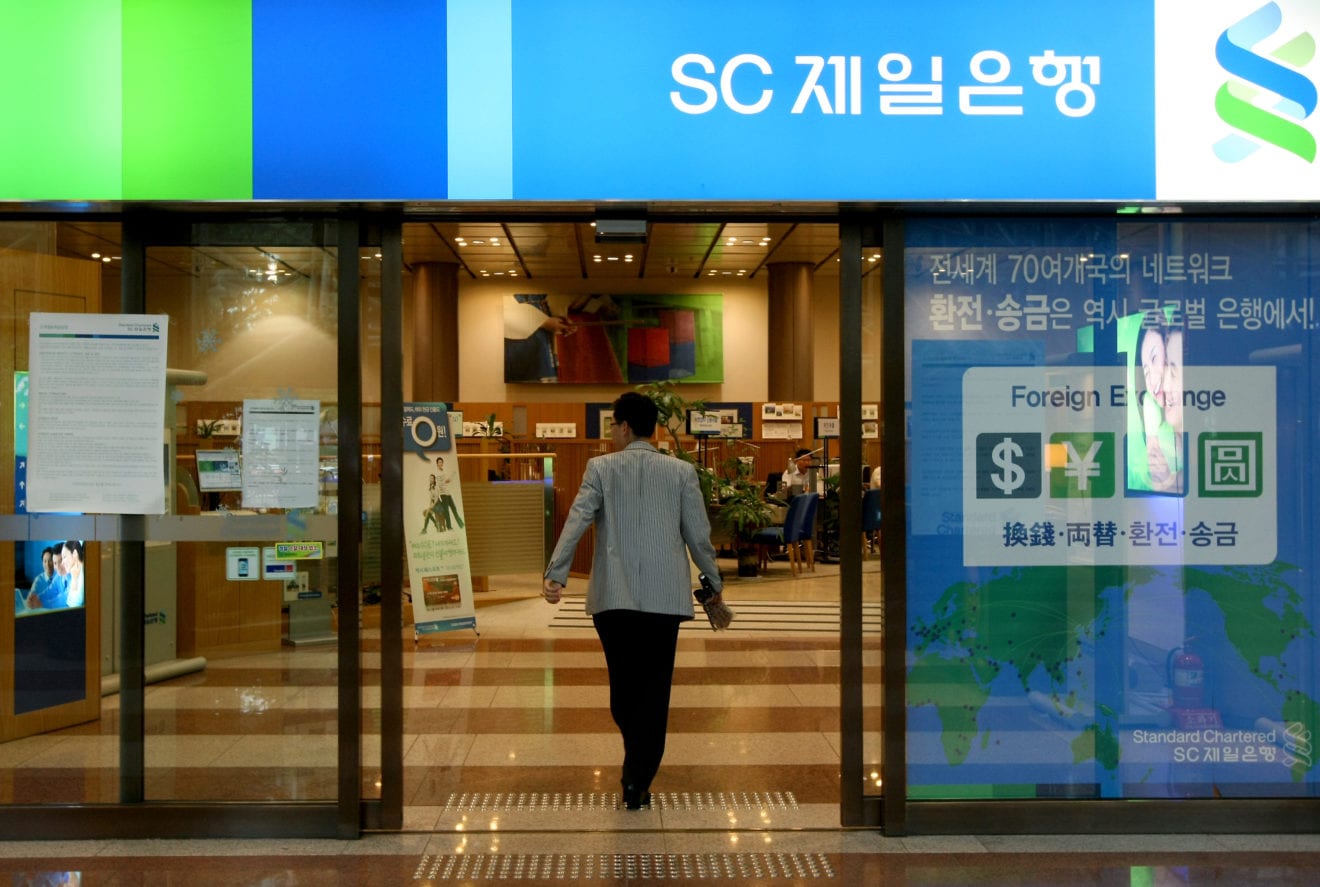
    Standard Chartered Bank Korea plans to invest 10 billion won ($8.24 million) in its wealth management, aiming to double the size of operations over the next five years, a top company executive said Thursday.

    “We have set a target of 100 percent growth in the number of clients, revenue and assets under management at our wealth business by 2020,” Chang Ho-june, head of wealth management at SC Bank Korea, said at a press conference in Seoul.

    The London-based bank has about 5 trillion won of assets under management.

    To realize the goal, the bank will invest 10 billion won to hire more specialized managers and financial experts as well as strengthen information technology infrastructure and platforms over the next two years. He said the key to this year’s wealth management business strategy lies in making strides toward greater accessibility for customers.

    The announcement comes as banks around the world are increasingly relying on wealth management as a stable revenue generator that could offset potentially volatile businesses such as trading.

    Listing the details, Chang said the bank would expand the number of mini-branches, which offer seven-day banking services at retail stores, to 62 by the end of January from the current 52.

    Last year, the bank signed a deal with Shinsegae to implant sales and marketing channels at the retail giant’s outlets including department store and discount store E-Mart.

    The bank will adopt a video consulting service in the second half of 2016 to enable Korean customers to get advice from SC Group’s global investment experts in Singapore and Hong Kong.

  • Indonesia’s Best Honored at the 2016 Frost & Sullivan Indonesia Automotive Awards

    Indonesia’s Best Honored at the 2016 Frost & Sullivan Indonesia Automotive Awards

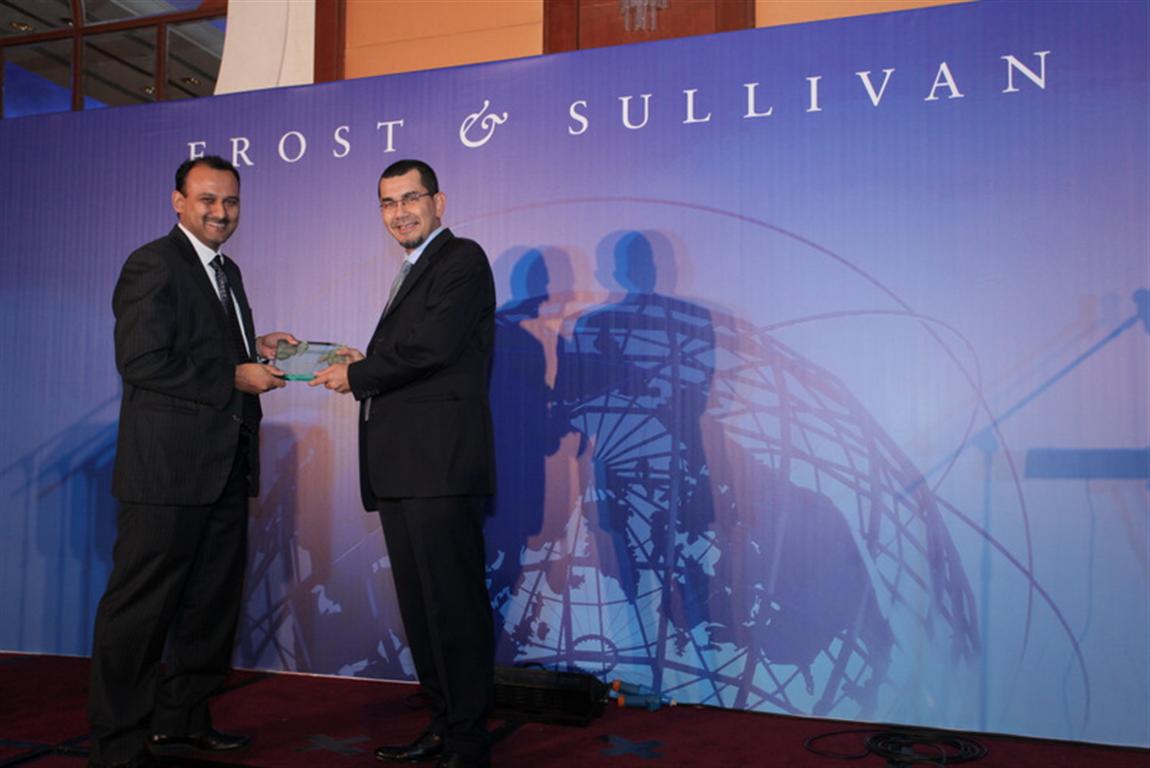
    Frost & Sullivan today honored Indonesia’s best Automotive companies at the 2016 Frost & Sullivan Indonesia Automotive Awards, held in Jakarta.

    Now in its 9th year, the Indonesia Awards program has identified many outstanding companies in Indonesia across various industries.The Indonesia Excellence Awards are a timely and fitting acknowledgement of the progress within best practices in these industry segments and the companies that have demonstrated growth leadership. Award recipients are those with the diligence, perseverance, innovation and dedication required to develop a successful business plan and excel in the increasingly competitive global marketplace.

    Spike Choo, Country Director, Frost & Sullivan Indonesia said that the Indonesia Excellence Awards, in its nine year running now, have identified and honored best-in-class companies that have demonstrated excellence in their respective industries.

    Spike Choo said that he hopes the awards will serve as an inspiration and a source of encouragement for Indonesian companies to continue striving hard to grow and expand their business.

    “We are extremely proud and happy to host the 9th annual Indonesia Excellence Awards to celebrate best practices in Indonesian companies. I am confident that the Award recipients will put Indonesian companies on the global map of Excellence,” said Vivek Vaidya, Vice President of Automotive & Transportation, Frost & Sullivan Asia Pacific.

    The recipients of the 2016 Frost & Sullivan Indonesia Automotive Awards were identified based on an in-depth research conducted by Frost & Sullivan’s analysts. The short-listed companies were evaluated on a variety of actual market performance indicators which include revenue growth; market share and growth in market share; leadership in product innovation; marketing strategy and business development strategy.

    Frost & Sullivan congratulates all the outstanding recipients of the 2016 Frost & Sullivan Indonesia Automotive Awards