Blog

  • Indonesia becomes favorite destination for Chinese new year 2016

    Indonesia becomes favorite destination for Chinese new year 2016

    Chinas largest online travel agency, Ctrip.com, has revealed that Indonesia is one of the ten favorite destinations for Chinese tourists who want to celebrate Chinese New Year 2016 abroad.

    The ten favorite destinations based on the bookings made by the customers since mid January 2016 are Thailand, Japan, South Korea, Taiwan, Singapore, Hong Kong, United States of America, Indonesia, Malaysia, and Australia.

    Easy access in obtaining visas is one of the strong reasons they chose such countries, one of local media quoted the Publicity Manager of Ctrip, Yan Xin as saying here on Sunday.

    Indonesia ranked eighth of the ten countries that became the favorite destinations of Chinese tourists.

    Deputy of Sales affairs Director for the Asia Pacific Mission of the Indonesian Ministry of Tourism, Jordi Paliama said it was a good news to consider Indonesia as one of the Chinese tourists favorite destinations.

    “We would continue to improve our a variety and innovative promotions to attract more and more Chinese tourists,” he said in the event of “Indonesia Direct Promotion”, Beijing.

    The Ministry of Tourism has set a target of 200 visits of Chinese tourists for January-February 2016. It increased around 50 percent from the amount of 137,181 Chinese tourists visiting Indonesia at the same period in 2015.

    To increase the number of Chinese visits, the Ministry of Tourism also conducted a promotion programs in Wuhan, Shanghai, and Beijing.

    Ctrip.com estimated around six million Chinese people would spend their Chinese New Year holiday in foreign countries, starting from 7 February, with some 100 countries to be visited including Antarctic.

    East Asian countries such as Japan and South Korea remained the most popular destinations, while Singapore and Thailand became two Southeast Asian countries which attracted a lot of Chinese tourists during the celebration of the Year of Monkey.

    Around ten thousand Chinese tourists have been making reservations for holidays in Thailand, while some other preferred to choose Universal Studio, Singapore, to enjoy the warmth of tropical breeze.

    For a cruise tourism, around 90 percent of Chinese people chose to go to Okinawa and Kagoshima in Japan, and Jeju Island in South Korea.

    The Office of China National Tourism Administration (CNTA) reported that in 2015 there were 5.2 million Chinese people spent their Chinese New Year holiday abroad. The number was increased around 10 percent compared to the same holidays in 2014.

  • Why red-packet retailers are popping up in prime locations

    Why red-packet retailers are popping up in prime locations

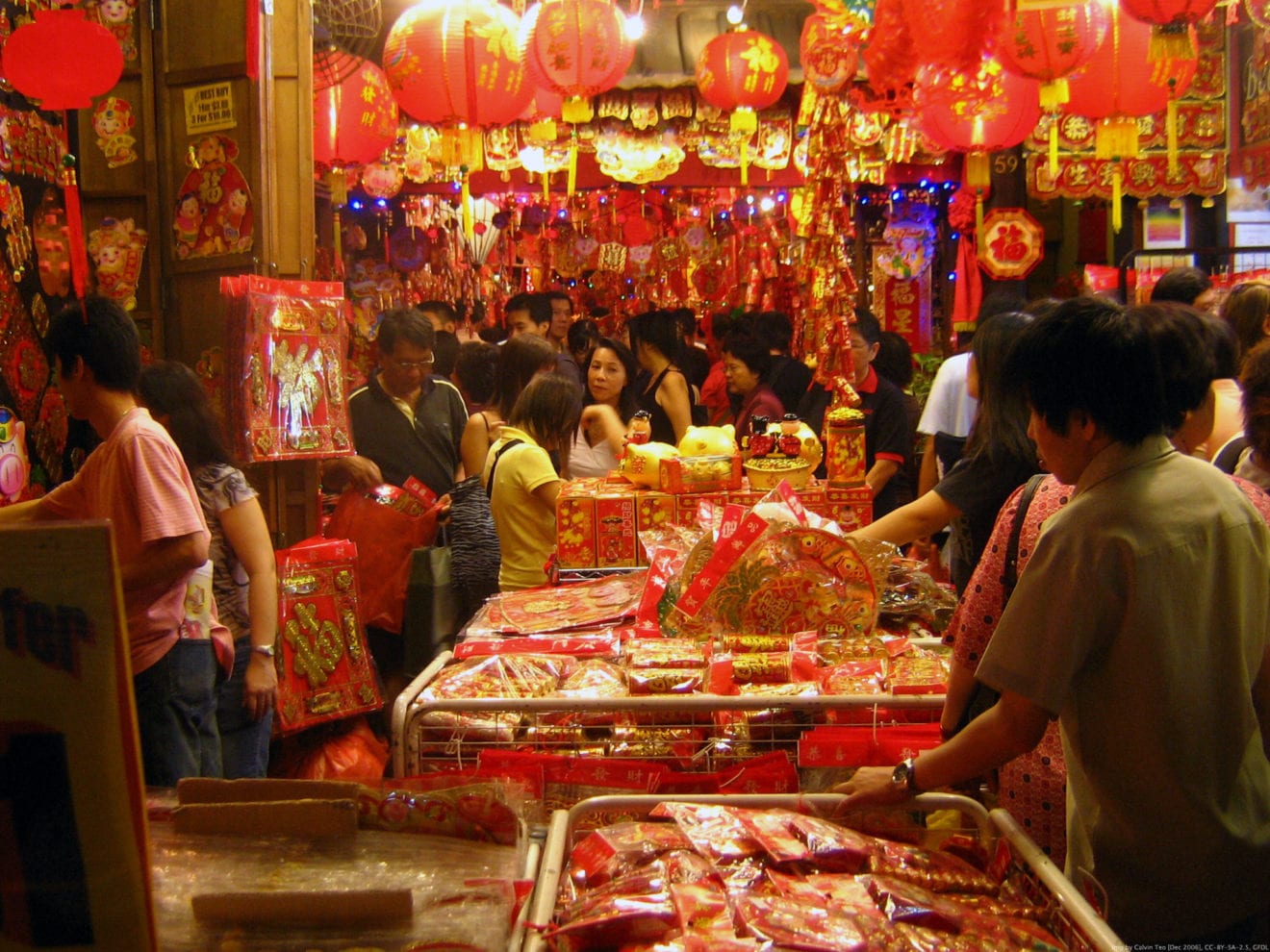
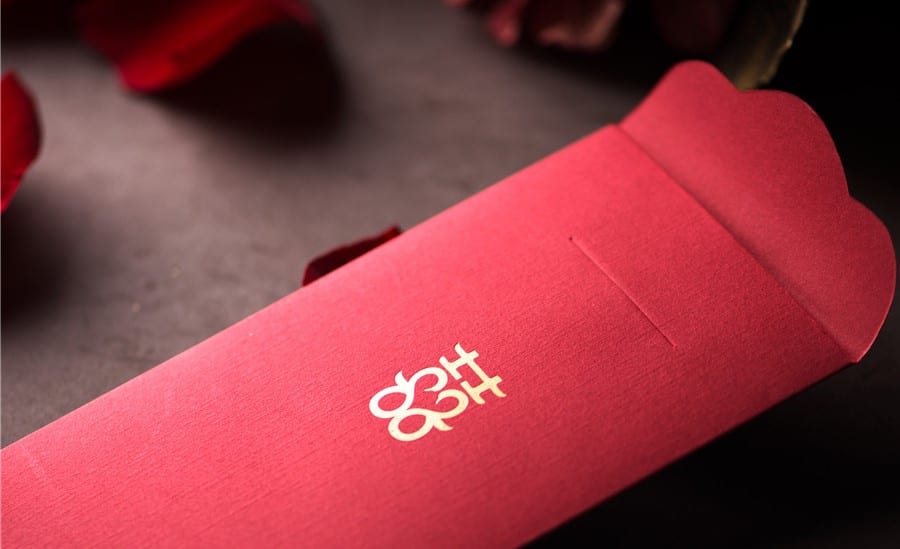
    During the Lunar New Year period, most Hongkongers would need some red envelopes to put in lucky money for kids, for young unmarried colleagues or for doormen.

    The envelopes are often obtained free as they are given away by banks, corporate houses or business counterparties. Hence, not many people would actually want to, or need to, pay for the items.

    So, it’s a bit surprising that in prime districts such as Tsim Sha Tsui, Causeway Bay and Mongkok, we have seen some new red packet outlets opened by a specialist retailer, Chinese Red Packet.

    The Tsim Sha Tsui outlet is located on premises where a Chow Tai Fook store once stood. The jewelry shop, which used to pay HK$2.6 million a month as rent, decided not to extend the lease due to a general slowdown in Hong Kong’s luxury retail segment.

    The Hong Kong Economic Journal talked to some real-estate agents to find out how the red packet vendor is able to afford that premium retail space.

    The truth is that there have been rising vacancies in street-level shops due to the lackluster sales. Landlords are more willing to accept short leases while waiting for long-term tenants.

    While some spots have been successfully leased out to long-term tenants, there is still a time lag before the new lease starts. Owners don’t mind offering the shops for a month or two on the cheap to at least get some income during the period.

    Still, we are talking something like HK$200,000 monthly rental. Are sales enough to cover that?

    Locals who want their red packets printed with unique or funny blessing words don’t mind forking out a small sum. There are also locals who want their surname on the envelopes to differentiate the gift packets from those of others.

    Meanwhile, the items are also said to be very popular with visitors who buy them as souvenirs, as the products come in all kinds of designs and colors including gold, pink, and purple.

    Going for about HK$100 a small pack of 50, the pricing is actually quite high and the profit margin pretty fat.

  • Is Time Running Out For Luxury in China?

    Is Time Running Out For Luxury in China?

    In 1992 Louis Vuitton made its debut in China with a store in Beijing’s bustling shopping district of Wangfujing, becoming the first luxury brand to set foot in the Middle Kingdom. The timing was perfect. The Chinese economy was just coming into its own, embarking on a spectacular journey of double-digit economic growth. This was the start of the consumerist boom that would shape the fortunes of many Western brands in China.

    Louis Vuitton’s signature monogram soon became ubiquitous in China as the company expanded its footprint across the country, first in all the major cities like Beijing, Shenzhen and Guangzhou, and then in second and third-tier cities. Gradually China became a big contributor to Louis Vuitton’s revenues globally. In a 2009 interview with Reuters, Jean-Marc Lacave, the then North Asia chief executive for LVMH Watches & Jewelry, said that the company aimed to strengthen its presence in China’s third- and forth-tier cities and gain market share.

    Several years have gone by, and now the legendary Louis Vuitton monogram seems to be losing some of its sheen in China.

    In 2015, Louis Vuitton closed three of its stores in China, including its flagship store in Guangzhou. Rumor has it that the Paris-headquartered company will continue to shutter more stores in the country.

    Louis Vuitton is not the only luxury brand that has run into rough weather. For most luxury brands, China is no longer the cash cow it once was. Multiple reports suggest that the luxury retail business in China is shrinking, leaving several big brands in a quandary.

    Two decades ago, when the likes of Louis Vuitton and Prada entered China, they had the much-coveted first-mover advantage in a market that was just starting to come into its own. Data from Euromonitor shows that the retail luxury market in China has grown from a very low base to $135 billion by 2013. But the tide seems to be turning. The size of the retail luxury market in China contracted slightly to $134 billion in 2014. And by all indications, this is just the beginning of a bigger slump.

    The top 10 global luxury brands as per market research company Millward Brown’s latest BrandZ report—a list that includes names like Louis Vuitton, Hermes, Gucci and Chanel—saw 6% of their total brand valuation evaporate in 2015. “Following a strong recovery from the global financial crisis, the pace of sales flattened for several reasons, including the economic slowdown in China, Brazil and Russia. In addition, China’s anti-corruption regulations trimmed luxury gift giving in that country,” the report said.

    In the first quarter of 2015, Italian luxury brand Prada experienced a 19% slump in sales from the Greater China region. The group also reported a 23% plunge in net profit in the first half of 2015. Similarly Burberry has hit upon hard times. According to a Financial Times report, the Greater China area contributes 25% to the classic English luxury brand’s sales numbers. But in 2015, demand in China (and from China) has been hit. “Burberry’s like-for-like sales in Hong Kong fell by more than 20 per cent in the three months to the end of September as fewer Chinese shoppers travelled to the region. Like-for-like sales in China fell by a mid single-digit percentage in the quarter,” said the report. The company blames the overall disappointing performance to an “increasingly challenging environment for luxury, particularly Chinese customers”.

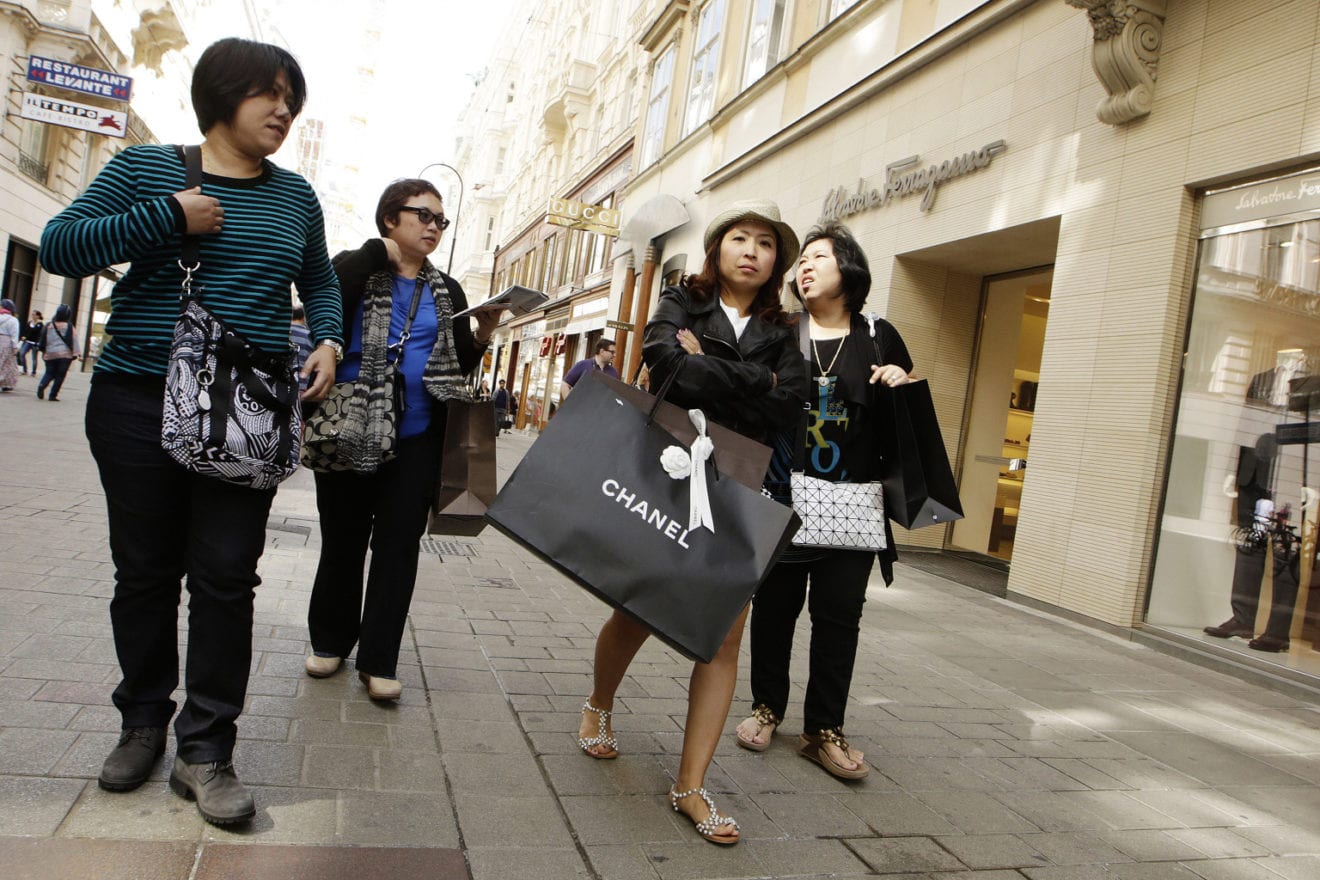
    Confronted with an unstable market performance, several luxury companies have started shrinking their store numbers. In the past two years Burberry, Armani and Prada have reportedly shut down four, five and 16 stores respectively. Hugo Boss shut seven stores in China and Chanel is down to 11 stores in China, half the number it had during the good days.

    End of a Dream Run?

    Some of the reasons for China’s luxury slowdown are obvious, such as the Chinese government’s crackdown on corruption under President Xi Jinping’s regime. Cases of bribery, gifting, lavish purchases and ostentatious show of wealth have come under the scanner hurting luxury good manufacturers. The overall slowdown in the Chinese economy is also leading to belt-tightening measures further slowing luxury sales.

    But there’s another less obvious reason for the slowdown in China’s luxury market, according to Benoit Garbe, Senior Partner at Millward Brown. Till the slowdown hit China, this was a market on steroids and brands were expanding like crazy resulting in oversupply. “It’s been an easy ride for many luxury brands over the past 5-10 years when there was fast growing demand. [For brands] it was all about growing their distribution footprint, opening new stores. Now the market is a real market with more intense competition, more sophisticated demand,” says Garbe. “The best brands would think strategically in terms of differentiation and building relevance, and will be the brands that win.”

    As Chinese luxury buyers become more sophisticated, they don’t want to have the same luxury brand being used by every second person on the street. They are looking for more exclusivity. Adds Timothy Coghlan, Associate Director of Luxury Retail at Savills, “There’s a lot of evidence that the Chinese customer isn’t loyal. They will change between brands depending on which brand is trendy.”

    Another big factor that has been denting the China sales numbers is the trend of consumers shopping for luxury overseas in order to avoid paying high import taxes in China. “High import taxes within China are a big incentive for shopping abroad—the same luxury handbag can often cost a third more in Beijing than in Paris, for example. But, holidays also encourage more extravagant spending habits,” writes Fflur Roberts, Head of Luxury Goods at Euromonitor, in an email response. If you look at the annual reports of several luxury brands, you may find weakened sales performance in China, but improved performance in neighboring countries like Japan and Korea, or even the brands’ countries of origin, such as France. Some of this is due to demand from Chinese travellers. Roberts adds that “wealthy Chinese tourists have been key drivers of global luxury goods sales for more than a decade. According to Euromonitor International, the Chinese made over two million trips to the US in 2014, an increase of almost 12% on 2013 and a massive 286% increase since 2009….”

    However, getting a good bargain doesn’t always require travel. Thanks to China’s e-commerce revolution, haitaos and daigous, or cross-border buying agents, have become popular. In the case of daigous (literally translated as “substitute buyers”), individual professional buyers usually stationed abroad can fulfill customized orders for consumers in China. Usually the daigous are Chinese students studying overseas, tour guides or air hostesses, in short, people who fly in and out the country frequently. Professional daigous will usually first take orders from customers and then procure and send the goods to China. In the case of haitaos, instead of individuals, companies do the buying. According to a report from Bain & Company, luxury purchases through daigous amounts to up to 15% of Chinese consumers’ total spending on luxury.

    Daigous and haitaos exist in a legal grey area as they skirt the government’s tariff regulations. The goods they ship to China somehow skirt Chinese import tax regulations. Daigous are not licensed sellers, which leaves issues of consumer rights in a grey area as well. While the Chinese government is starting to crack down on daigous, it will be a while before it has any serious impact on luxury sales via the proper channels.

    Luxury market infographoic

    Engineering a Bounceback

    Clearly, the problems luxury brands are facing in the Chinese market aren’t going away anytime soon. So what can brands possibly do to ease the pain? A few suggestions:

    Narrow the Price Differential:

    In March 2015, Chanel shocked onlookers by announcing its decision to increase prices in Europe by 20% and reducing them by a similar percentage in China. Prada was quick to follow suit by lowering prices in China. While it is hard to predict the impact this will have, it can be safely assumed that it will undo some of the damage done by high import taxes in China, and hence, help brands narrow the price differential between China and overseas. After all, in some cases, goods are 60% more expensive in China than they are in Europe. This will also help brands counter daigous who have been undercutting them with a vengeance.

    Customized Offerings:

    For the super rich price may not matter all that much. Some Chinese customers probably don’t feel that they are being overcharged: as long as they enjoy good customer service here, they won’t bother going overseas for a better bargain. “Buying a luxury product is more emotional than functional,” says Millward Brown’s Garbe. As Chinese customers become mature, they want exclusivity, privacy and service, and it’s not so much about price anymore. This is where brands need to think in terms of tailoring the experience accordingly. As Garbe puts it: “How do you make sure you know the customer very well, and then you deploy strategy and operations that allow you to, in-store, instantly recognize them? So they walk in the stores, [and] automatically on your iPad you know them, you know what they’ve bought, and you can really tailor your offer.”

    Adds Coghlan from Savills, “One of the things that I think is very important for brands is to set up a CRM program so they can track their customers globally. They can do it to some degree through WeChat or things like that.”

    Abroad at least, some brands are going out of the way to make important customers feel special. In some US stores, brands like Gucci, Prada and Louis Vuitton have created a special space for important customers. One of the Louis Vuitton outlets has “a rooftop area where guests can sun themselves and enjoy Champagne”.

    ‘Affordable’ Luxury:

    High net worth individuals are a very small group of people but the biggest consumers of luxury brands. There’s another demographic that cannot be categorized as super rich but is affluent nevertheless and aspires for luxury. Luxury brands can think of catering to this target group by rethinking their portfolio. The big three luxury groups, LVMH (owner of Louis Vuitton and Moët & Chandon Champagne), Richemont Group (owner of Cartier and Chloe) and Kering Group (owner of Gucci and Yves Saint Laurent) have all created or acquired lower profile brands for those who still want luxury, but a little more affordable and understated. Affordable luxury brands include the likes of Baume & Mercier (Richemont), Pomellato (Kering) and Loewe (LVMH). Another benefit of having a diversified portfolio, apart from profits coming from different streams, is offering the customer greater exclusivity. A Miu Miu, after all, can be far more exclusive than a Prada.

    Aligned Businesses:

    Some brands are going a step further and tapping into new categories altogether. Gucci, for instance, opened a full-service restaurant  in Shanghai. 1921 Gucci Café, as the restaurant is called, is connected to the Gucci store in the mall by an elevator. After browsing in the store, customers can stop by for an Italian lunch or dinner. Globally, Prada and Chanel have tapped into food as a category too. In 2014, Prada bought a stake in iconic Milan cafe Pasticceria Marchesi. The café “serves everything form breakfast and lunch to aperitifs, with custom-made fine china, it aims at creating a very luxurious experience for its customers.” Restaurants and cafes might help improve the customer experience or add to the brand, though not everyone agrees with this view.

    Tapping E-Commerce:

    A couple of years back the widespread notion was that e-commerce is not for luxury, mostly because e-commerce was associated with discounts, something that doesn’t go with the idea of luxury. “For many years there was this belief that digital was not for luxury brands… and there [was] a lot of resistance to it,” says Garbe. Also, shopping online almost certainly meant sacrificing the customer experience. As Garbe puts it, for lots of luxury brands “digital and e-commerce was all about price and discounts, it [was] not experiential as a store experience”. The tide, however, is starting to turn.

    The reality is that given Chinese customers penchant for shopping online, luxury brands can no longer afford to ignore e-commerce. According to a Bain study on luxury behavior, 73% of luxury buyers search online before they purchase. “If you think of Tmall or how consumers actually behave, they really seek for peer inducement or they seek for recommendation or reviews. In a way e-commerce is very important because consumers now shop based on the reading or what is being said on the brand. You need to start those conversations as well to be able to get the positive review from people.” says Garbe.

    The e-commerce or digital space also give brands opportunities to experiment with different scenarios. “I think Tmall or any online platform allows you to try different things, some of which will be added value offers, some of it will be experiential offers, maybe pricing. But again you try multiple ones and you see what works and you adapt and you change. That’s the beauty of online platforms: that you can really learn and experiment,” says Garbe.

    Once a luxury brand sets up an online shop, the physical and online stores will play separate roles in tandem with each other. “One of the opportunities is making your retail (physical store) as a full experiential center, where consumers get to touch, feel, be transported,…. Maybe you don’t need to have as much inventory in the store, you use the store as a brand building platform where people can go and buy online, but it should be the same price (as the physical store), and vice versa people could go screen [the] shop [online], but they still want to touch the product and then they can go and pick it up at a store and make sure this is what they want.”

    Tailor to China:

    For some brands, tailoring their products or experiences to China might work wonders for their sales. Tiffany has a “tailor for China” strategy. “The Tiffany Keys Collection, a jewelry collection tailored for China, [has] been one of their fastest growing items [here]. Again it’s tapping into that Chinese value of the key representing the possibility to unlock which is very relevant to many women who want to wear the keys for what it means and what it stands for in the mind of Chinese consumers.”

    Relating your products to Chinese culture is another way to get Chinese customers interested. Dolce and Gabbana (D&G) did this in their 2016 Spring & Summer collection, which was inspired by Chinese motifs from the 17th century. “They were using all those visual Chinoiserie or Chinese motifs to really bring into the DNA of D&G. In a way it’s a European brand saying: ‘How do we win in China?’” Designers of Burberry were also inspired by Chinese culture, and customized their products especially for the Chinese consumers. During the 2015 Spring Festival, they launched a scarf collection with the Chinese character for ‘prosperity’ embroidered on it. That move, however, backfired as Chinese consumers felt it made the scarf look like a knockoff. So while tailoring for China is great in theory, it needs to be done carefully.

    The bottomline is that the Chinese market is too big for luxury brands to ignore. They just need to find new ways to tap the opportunity here.
  • Changi Airport hits record high in retail sales

    Changi Airport hits record high in retail sales

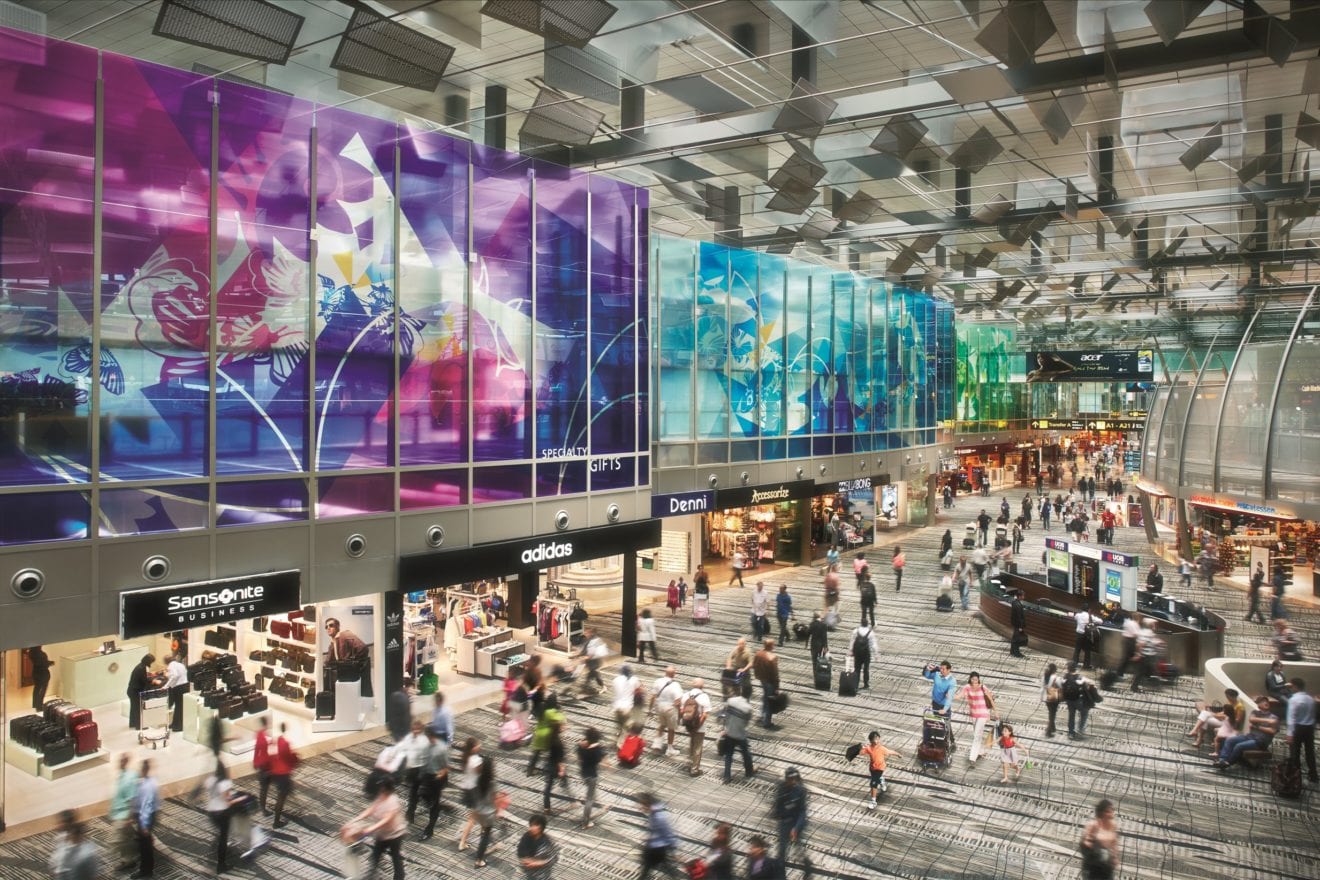
    Sales at Changi Airport hit a record high of $2.2 billion last year, on the back of growing passenger numbers.

    Spending at the airport’s retail and food stores grew by 8 per cent year on year, it was revealed yesterday.

    Travellers from China accounted for a third of the airport’s retail market and Singapore consumers, a fifth. The other top spenders were from Indonesia, India and Australia.

    Passenger traffic figures are expected to be released next week.

    In 2014, Changi Airport was among the top three airports in the world in terms of retail business performance. Last year’s ranking is not available yet.

    Ms Lim Peck Hoon, executive vice-president (commercial) at Changi Airport Group (CAG), said yesterday: “We are delighted to achieve yet another record high for concession sales at Changi Airport in 2015. This is positive for the Singapore air hub as profits from our retail business help to offset the cost of our aeronautical operations.”

    Despite the depressed market conditions, Ms Teo Chew Hoon, senior vice-president of airside concessions, said CAG is gunning for an even better sales target this year.

    Shoppers’ favourite buys are liquor, tobacco, cosmetics and perfumes. These are followed by luxury goods, electronics and equipment and chocolates and sweets.

    Ms Lim said last year’s retail performance was down to a successful commercial strategy, which saw the introduction of three liquor, beauty and fashion duplex stores, the first of their kind in the world. They even have their own bar lounges and wine-tasting corners.

    Well-known brands such as Zara and Samsung also launched their first stores at Changi Airport.

    Other promotions, such as one for Star Wars soft toys during the year-end holidays and the “Be a Changi Millionaire” draw, contributed to the retail buzz.

    British administrator Linda Tobin walked away a million dollars richer yesterday, after she won the Changi Millionaire draw.

    The 52-year-old took the top prize after her niece suggested that she pick boarding ticket No. 3, which fitted into a jigsaw puzzle of a picture of a boarding pass.

    Ms Tobin, one of the seven finalists picked for the grand draw, was on her third flight through the airport. She qualified after buying a $412 bottle of whisky.

    “I am on top of the world,” said Ms Tobin, who plans to use the money to spruce up her home and garden and buy a car. She also promised her niece a trip back to Singapore.

  • Nakheel to showcase USD4.6bn real estate in Dubai Property Show in Hong Kong

    Nakheel to showcase USD4.6bn real estate in Dubai Property Show in Hong Kong

    Dubai-based real estate master developer Nakheel , creator of some of the world’s most famous landmarks including Palm Jumeirah, is heading east to showcase new projects with construction values of over US$4.6 billion at the Dubai Property Show in Hong Kong this week.

    Nakheel , whose projects already span more than 15,000 hectares and provide homes for over 200,000 people, is the biggest developer at the show, which will highlight Dubai’s unrivalled opportunities for real estate investment. Nakheel will exhibit a diverse range of new master developments, residential properties and retail and hospitality projects at the three-day event.

    Investors from Hong Kong and other parts of the Far East and South-east Asia have already bought around 500 villas, apartments or land plots from Nakheel , spending a combined US$245 million in the process. Chinese investors account for nearly 80 per cent of these purchases: 390 properties worth US$212 million. The biggest group of overseas investors with Nakheel is Indians (4,400 properties worth US$2.5 billion).

    Thousands more Chinese people have invested in Dragon Mart, Nakheel ‘s sprawling, recently-expanded retail and trading complex in Dubai. Dragon Mart is the world’s biggest Chinese trading hub outside mainland China, with more than 4,000 shops, restaurants and entertainment outlets welcoming an average 80,000 visitors daily.

    Nakheel Chairman, Ali Rashid Lootah, said: “The Dubai Property Show is the ideal platform from which to highlight how investors in Hong Kong can be part of the Dubai real estate success story, as end-users or with a view to renting out.

    “Dubai’s excellent transport, education, trade and leisure facilities act as a magnet for people to live and work in the emirate. These people need accommodation, meaning a huge demand for rental properties, which offer substantial investment returns. We look forward to further strengthening our relationship with investors in this part of the world through this exciting event.”

    Nakheel ‘s projects on show in Hong Kong include the 15.3 square kilometre Deira Islands coastal city; luxury high-rise apartments in the 52-storey Palm Tower and high-end waterfront units at Azure Residences at Palm Jumeirah; and spacious three-bedroom townhouses at Warsan Village, a new, gated community located near Dragon Mart and Nakheel ‘s biggest master community, International City. Warsan Village and International City are already home to 300 investors from China and the Far East.

    Deira Islands

    Deira Islands, Nakheel ‘s new, 15.3 sq km waterfront city, is set to transform Dubai’s Deira district into a world-class hub for tourism, retail and entertainment, adding 40 km, including 21 km of beachfront, to Dubai’s coastline in the process.

    The project will contribute significantly to the Government of Dubai’s tourism vision by paving the way for the development of hundreds of new hotels, serviced apartments, mixed-use buildings and residential waterside developments.

    Nakheel itself is developing a significant amount of the 4.5 million square metre south island, creating a unique creek side destination with an array of retail, entertainment and hospitality attractions including Deira Mall; Deira Towers and Boulevard and Deira Islands Night Souk. Nakheel is also developing five hotels at Deira Islands, with planned joint ventures already announced for three of them with Spain’s RIU Hotels & Resorts, Thailand’s Minor Hotel Group and Thailand-based Centara Hotels & Resorts.

    The Palm Tower Residences, Palm Jumeirah

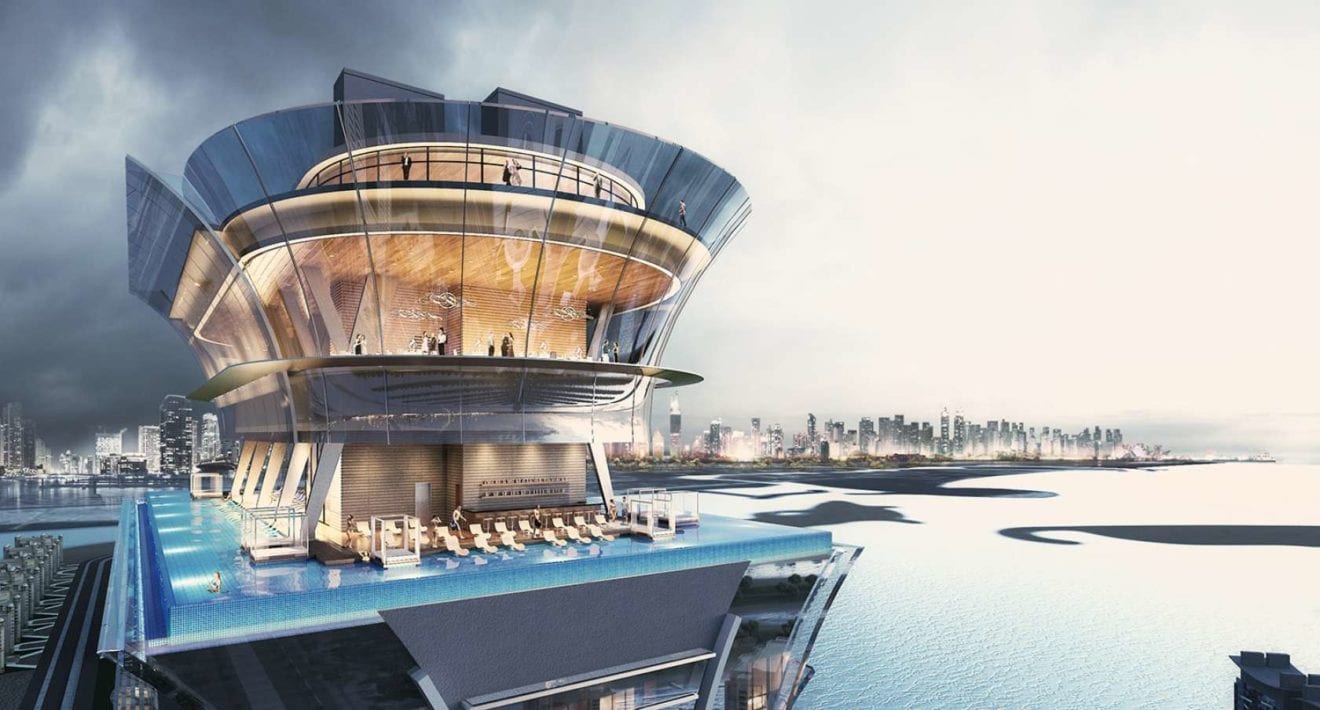
    The 52-storey Palm Tower, currently under construction at the heart of Palm Jumeirah, is a landmark development with 504 luxury residences and a five star, 290-room hotel – to be managed by Starwood Hotels & Resorts under the luxury St Regis brand – with an array of dining and leisure facilities, including a rooftop infinity pool, restaurant and viewing deck

    The Residences, on sale from around US$460,000, comprise furnished studios and one, two and three bedroom apartments with uninterrupted, panoramic views of Palm Jumeirah, the Arabian Gulf and the Dubai skyline.

    The Palm Tower is adjacent and linked to Nakheel Mall, also under construction, meaning residents will have more than 300 shops, cinemas, medical facilities, fitness centres and a roof terrace with fine dining outlets on their doorstep. Palm Jumeirah’s beach clubs and other retail and entertainment outlets are within easy reach, too.

    Azure Residences, Palm Jumeirah

    Azure Residences is a new collection of beachfront apartments and dining outlets on Palm Jumeirah’s eastern shoreline. With spectacular views of the Arabian Gulf and Dubai’s skyline, Azure Residences includes 170 one and two bedroom apartments – which will ready for occupation by summer – and nine restaurants, including the Breakwater signature restaurant with 360 degree water and city views. There is also a sea-facing infinity pool, rooftop gym, 266 car parking spaces and mooring facilities for water taxis.

    Apartments come with an equipped kitchen and private terrace. Prices start from approximately US$690,000 for one bedroom units and US$1.28 million for the two bed option. All two bedroom units have a maid’s room. Azure Residences is close to a wide range of Nakheel retail, dining and entertainment developments on the island, including the newly-opened Golden Mile Galleria and the upcoming Nakheel Mall, The Pointe, Palm Tower, Boardwalk and Palm Promenade.

    Warsan Village

    Warsan Village is a new gated, mixed-use community with over 1,300 quality, three-bedroom townhouses, a sprawling souk with 1,170 shops, a mosque and a sports and recreation centre.

    Currently under construction, Warsan Village is set on a 47.5 hectare site close to the recently expanded Dragon Mart retail hub.

    Each town house covers 2,000 square feet and comes with a maid’s room, three bathrooms, powder room, two balconies, private garden and parking for two cars. Prices start at around US$480,000.

    At the heart of Warsan Village will be a recreation centre with swimming pool, sports courts and gymnasium; a mosque with car parking; and extensive shaded, green space including a large park with a 1.7km jogging track. The community also features Warsan Souk, a vibrant retail and dining hub with 1,170 shops, two department stores and 30 cafes and restaurants with indoor and outdoor dining. The souk, designed as a modern take on a traditional Arabic souk is already fully leased.

    Nakheel is also offering investment opportunities at a diverse selection of large-scale retail, dining and entertainment hubs in Dubai. Among them are Nakheel Mall and The Pointe on Palm Jumeirah; Deira Mall on Deira Islands and Al Khail Avenue and the Circle Mall at Jumeirah Village.

    Nakheel and its projects,was in stand D8 at the Dubai Property Show, Hong Kong Convention and Exhibition Centre, 28-30 January 2015.

  • Aquazzura’s First Asian Store Opens In Hong Kong End Of 2016

    Aquazzura’s First Asian Store Opens In Hong Kong End Of 2016

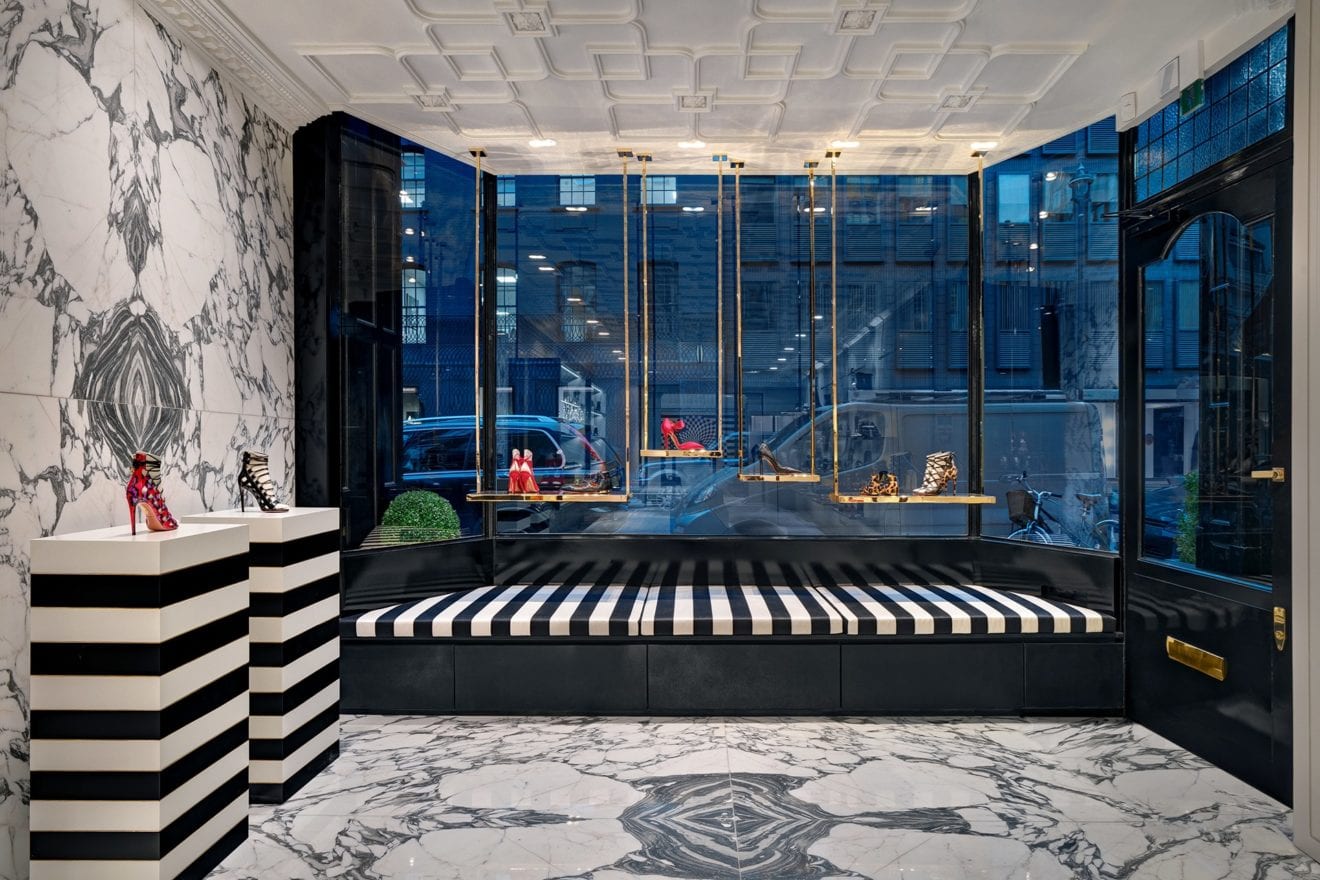
    Florence-headquartered luxury shoe brand Aquazzura plans to open its first Asian store in Hong Kong at the end of 2016.

    Edgardo Osorio, co-founder and creative director of Aquazzura, said that Hong Kong is a window to Asia and an excellent place to start the brand’s business expansion in Asia. Though Osorio refused to provide a detailed sales figure, he said that the brand is doing amazing things in the Asian market already.

    He added that they have been expanding and their stores maintain good sales performance.

    The luxury shoe brand Aquazzura was founded by designer Edgardo Osorio in 2011. Its products combine Italy’s traditional craftsmanship with luxury designs, which are popular among fashionable women.

  • Asics Bugis Junction and VivoCity in Singapore

    Asics Bugis Junction and VivoCity in Singapore

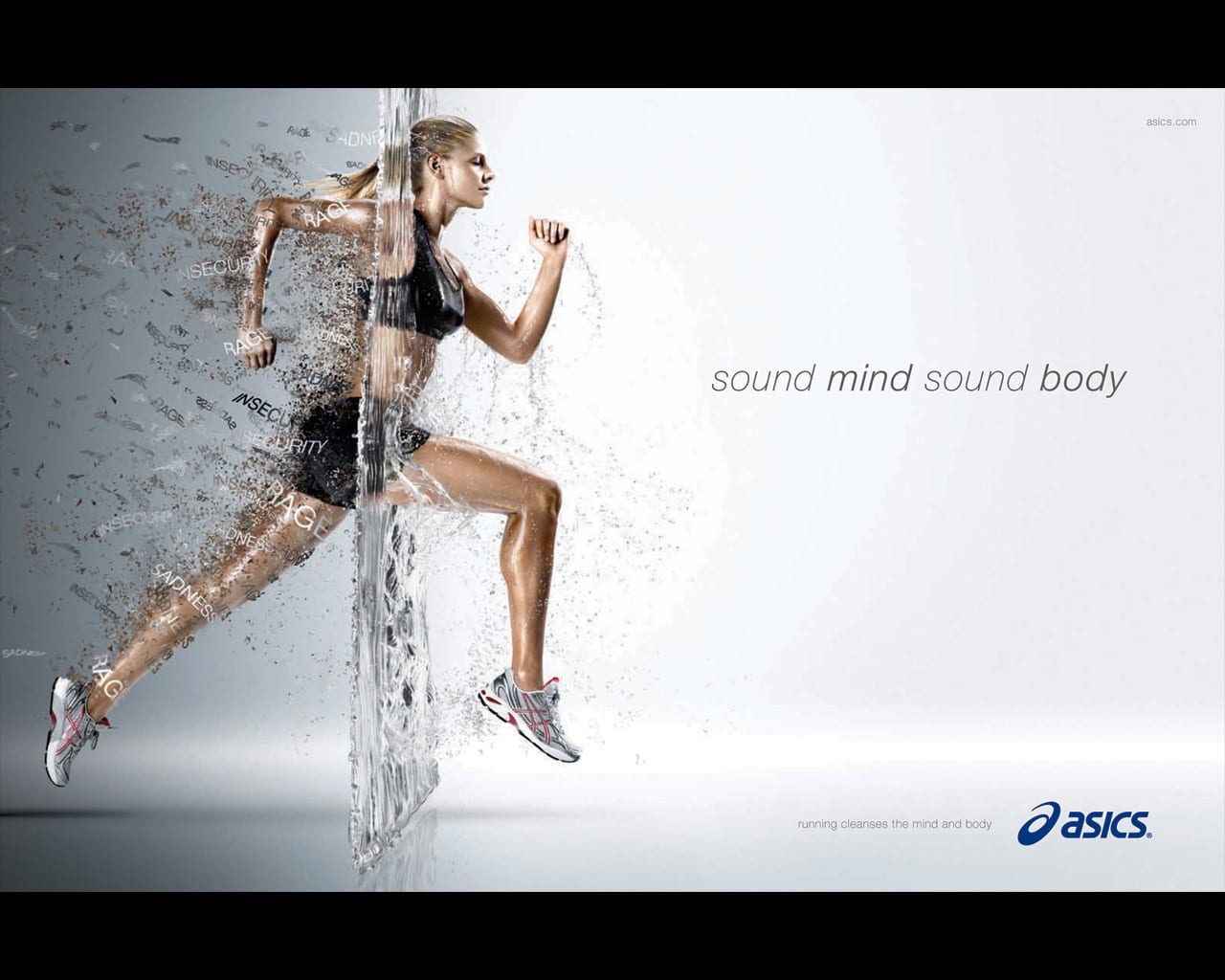
    ASICS, a true sport performance brand, has opened 2 new stores in Singapore, increasing the number of ASICS stores to 7 locally to strategically cater to an increasingly more distributed retail need.

    Located in Bugis Junction Shopping Mall, a vibrant and popular mall in the central business district, and in VivoCity, the largest retail and lifestyle destination in Singapore, these new ASICS stores will front cutting-edge ASICS footwear and apparels for running and popular sports in the region, including badminton, netball, tennis, soccer and gym training. Products are displayed with the latest ASICS visual merchandising concept congruent with innovative trends, to inspire a premium and positive shopping experience for each customer.

    ASICS’ aspirational “Mix Up Your Run” concept inspires runners to run stronger, faster and further. To activate and strengthen different muscle groups for better performance, runners train under varied regimes. Runners “run long” to build endurance and conquer the longest distances, “run natural” to give the muscles a completely different workout, “run fast” to break the speed limit and attain new PB (personal best) and “run tough” to stimulate agility and improve balance.

    In line with the ASICS visual merchandising concept, finding the best footwear has now been simplified with colour coding; “RUNLONG” (in blue), “RUNNATURAL” (in magenta), “RUNFAST” (in orange) and “RUNTOUGH” (in green). Customers can easily select the right footwear by looking for footwear displayed with the relevant colour codes.

    Running enthusiasts will be spoilt for choice with the comprehensive range of footwear available in the store, including the much awaited GEL-KINSEI 6, GT-2000 4, GEL-KAYANO 22, GEL-NIMBUS 17 LITE-SHOW, and GEL-QUANTUM 360.

    ASICS Bugis Junction Store, Singapore

    ASICS Bugis Junction Store, Singapore

  • Disney Resort expected to bring realty-and-retail boom to Shanghai

    Disney Resort expected to bring realty-and-retail boom to Shanghai

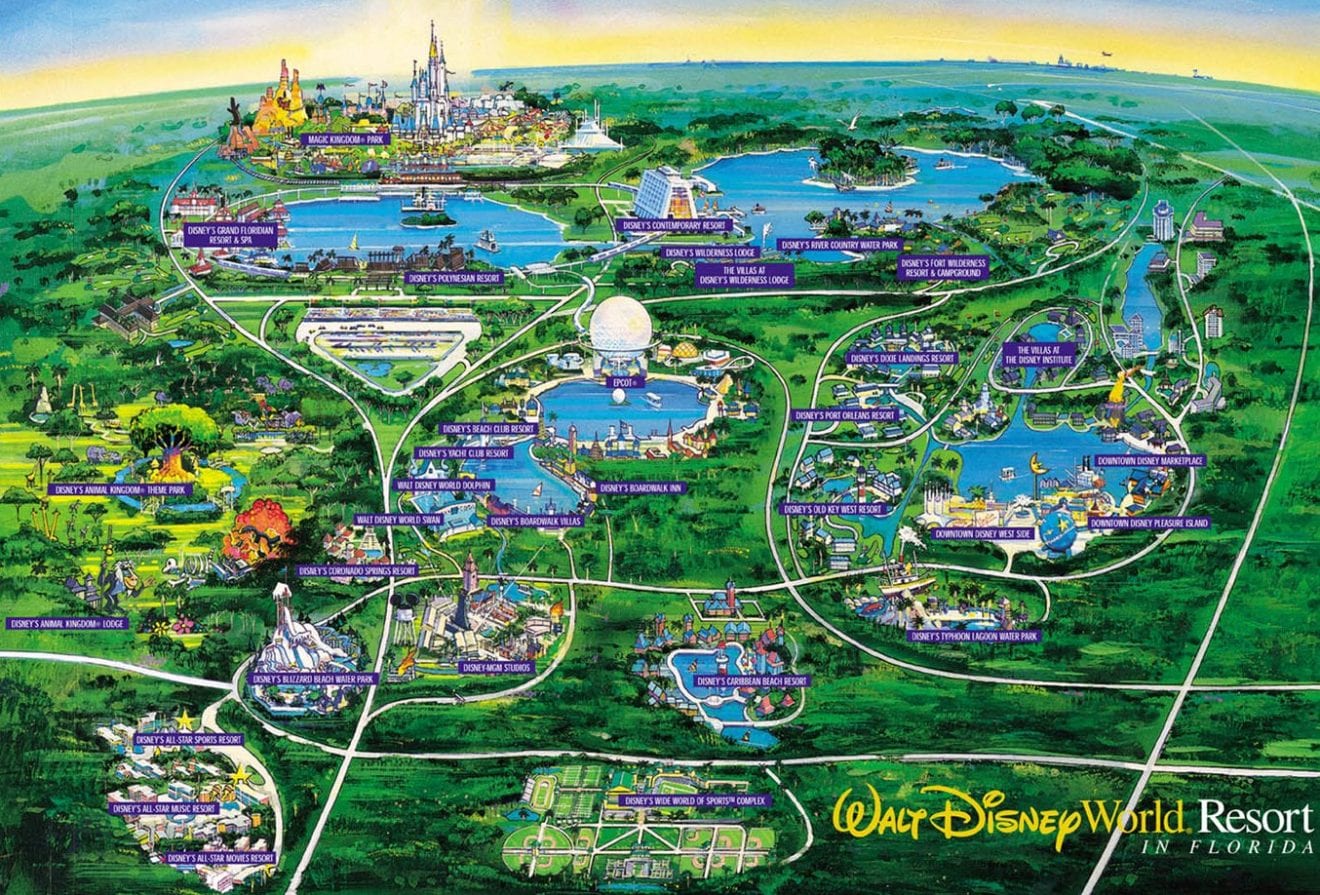
    Lu Jianxin, a real estate agent with Shanghai Huayu Property Ltd, has had some of his busiest business weeks in January since he joined the sector in 2002. Lu receives more than 50 phone calls every day asking him if he can find unoccupied retail properties near Shanghai Disney Resort, the long-anticipated multi-billion-dollar amusement project that is scheduled to open this summer (June).

    Typically, Lu tells his callers they should have acted earlier. “Supplies of retail properties are really limited now and prices have more than doubled in the past 12 months. Obviously, investors believe that even a 10 square meter space for a noodle stand will be really profitable if it is close enough to Disneyland,” said Lu.

    Disney Resort expected to bring realty-and-retail boom to Shanghai

    It’s not just business-minded people who are all excited about Shanghai Disney. Even 13-year-old Zhang Zihao in Hangzhou, Zhejiang province, can’t wait for Disney to open its gates. He has been saving his pocket money for a long time so he could visit Shanghai Disney Resort during the summer vacation.

    “The admission ticket price is expected to be announced this week. I have saved 500 yuan ($75.92) so far for the ticket alone, and another 1,000 yuan for dining and accommodation, and another 500 yuan for merchandise like stuffed animals, stationery, T-shirts and gifts for friends. That’s about 2,000 yuan in total.”

    The project has been under construction for more than six years now. Jun 16-that is, 6-16-2016-has been apparently chosen as the date of opening because the three 6s are believed to be auspicious, heralding success.

    Real estate professionals believe any success of Shanghai Disney Resort would entail all-round benefits for the area. For example, visitors in huge numbers would likely spark a retail boom in Shanghai.

    According to Centaline Property Agency, the average price of commercial properties within a 5 kilometer radius of Shanghai Disney Resort, including shops and restaurants, has grown more than 300 percent in the past five years.

    What used to cost some 20,000 yuan per square meter in 2011 would now command a price of more than 60,000 yuan per square meter. Some properties are even priced more than 72,000 yuan per square meter, about 50 percent higher than that of other suburban areas in Shanghai.

    The growth rate is among the highest for premier locations such as Nanjing Road, Huaihai Road and Lujiazui.

    In comparison, the average price of residential properties in the same area doubled from 20,000 yuan per square meter to 40,000 yuan per square meter in the same period, similar to that of the city’s average growth rate.

  • McDonald’s wins with all-day breakfast, China back on track

    McDonald’s wins with all-day breakfast, China back on track

    McDonald’s Corp smashed analyst expectations for quarterly same-restaurant sales as the launch of all-day breakfasts proved a hit with diners in the United States and demand continued to recover in China.

    The performance adds fuel to McDonald’s revival, after the chain had seen its US sales fall for two years up to the third quarter of 2015 following a series of missteps under former chief executive Don Thompson, who left the world’s biggest restaurant chain last year.

    “Once upon a time, under previous leadership, it seemed like McDonald’s became a less nimble company where it took a really long time to roll out new products and innovations,” said Morningstar analyst RJ Hottovy.

    New Chief Executive Steve Easterbrook implemented a turnaround plan last year that involved making the menu simpler, improving service times and raising worker wages.

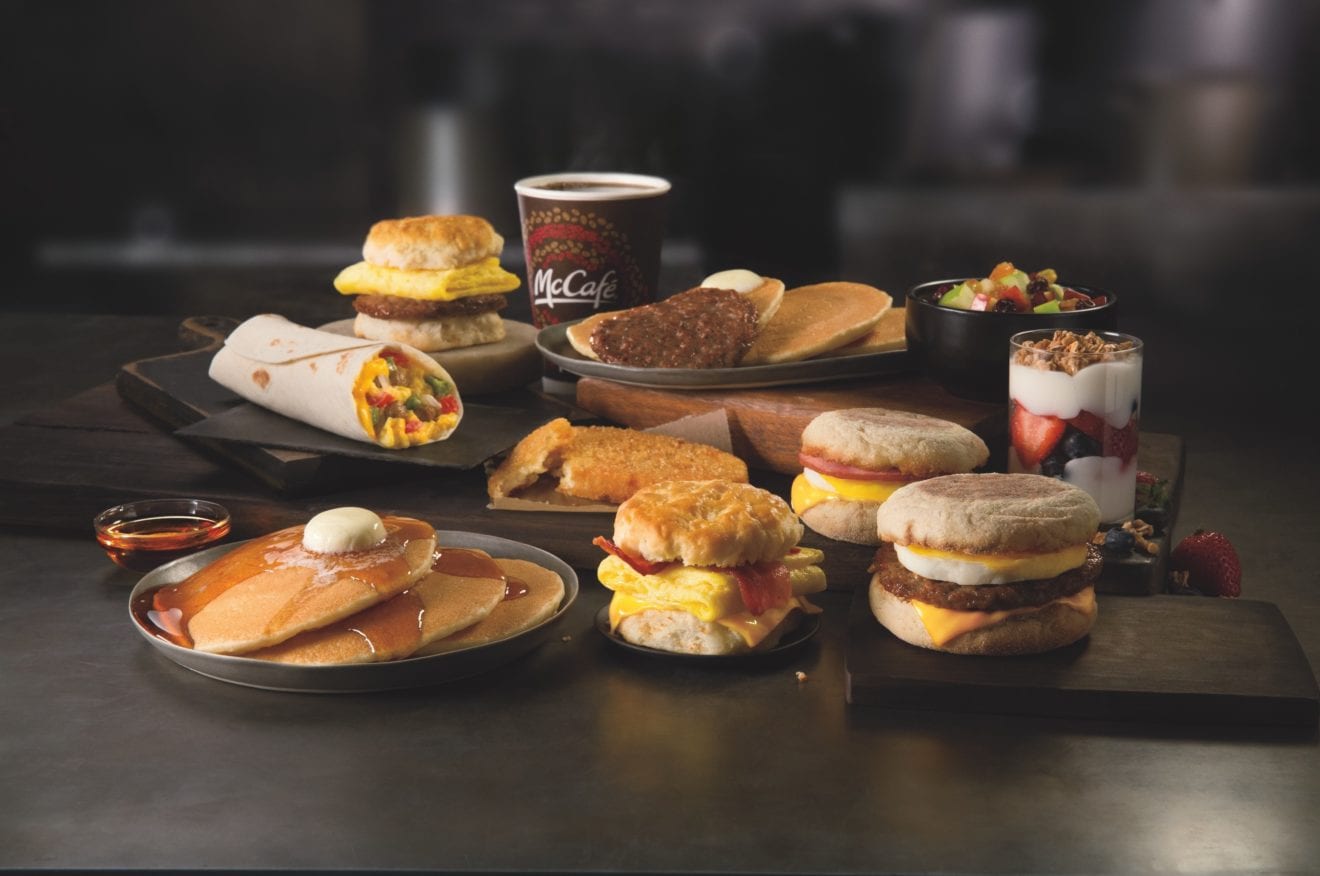
    McDonald’s also launched all-day breakfasts in October in the United States, a move aimed at countering increasing competition from chains such as Wendy’s Co, Starbucks Corp and Burger King.

    “All-day breakfast positions us to regain market share we had given up in recent years,” Easterbrook said on a post-earnings conference call, adding it would take at least six more months of positive sales to cement a more sustained turnaround.

    Sales at US outlets open at least 13 months rose 5.7 per cent in the quarter ended December 31 – the best quarterly growth in nearly four years and far ahead of forecasts of 2.7 per cent.

    Shares rose 3 per cent to a record of $121.90 on Monday.

    China back on track

    In China, where McDonald’s and rival Yum Brands Inc are still recovering from a July 2014 food safety scandal, same-store sales rose 4 per cent, the second straight quarter of growth after four quarters of falling sales.

    The growth, however, was slower than the 26.8 per cent jump in the July-September quarter, when sales ticked up sharply against a steep drop in the same period in 2014 immediately following the food scare at key supplier OSI Group.

    McDonald’s and Yum, the parent of KFC and Pizza Hut, are slowly turning things around in China, although same-restaurant sales for both firms remain below pre-scandal levels, according to a Reuters analysis of available data.

    “It’s back to par rather than getting ahead too much, but it’s good for them to see stable sales,” said Ben Cavender, Shanghai-based principal at China Market Research Group.

    He added it would be tough for the firm to re-ignite the kind of rapid growth it enjoyed before 2012, as Chinese diners now had far greater choice and often looked for more healthy options.

    What’s more, the recovery comes as the world’s second-biggest economy faces its weakest growth in 25 years, a slowdown that has roiled global markets in the past few months.

    Globally, McDonald’s same-restaurant sales rose 5 per cent, above the 3.2 per cent expected by analysts polled by research firm Consensus Metrix.

    Fourth-quarter net income rose 9.9 per cent to $1.21 billion, or $1.31 per share, on revenue of $6.34 billion, handily beating analysts’ estimates.

    The company also said it was exploring a sale of a portion of its Japan business, confirming earlier reports on the move.

  • Fake Apple Stores In China Are On The Decline

    Fake Apple Stores In China Are On The Decline

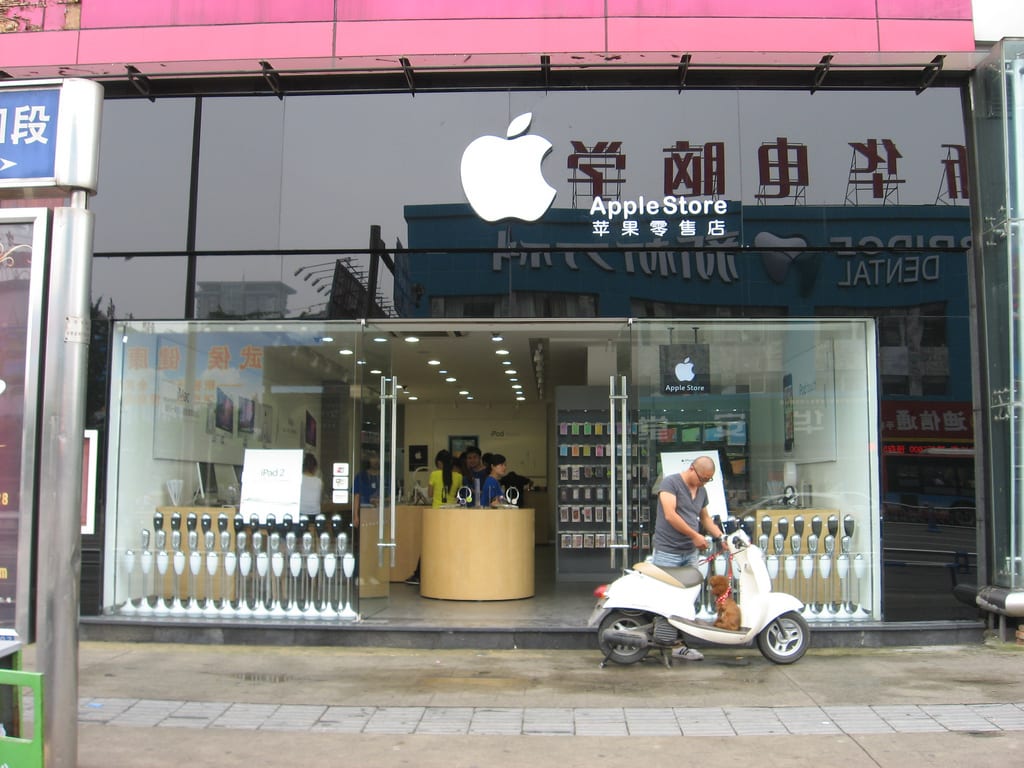
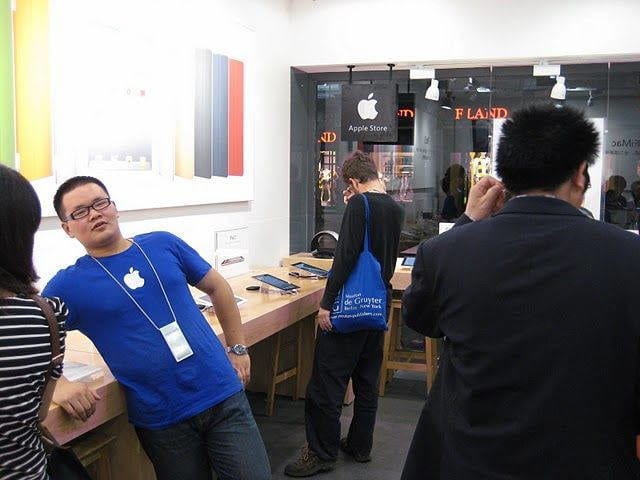
    Due to stricter copyright laws and laws to protect intellectual property in the US, finding a fake Apple retail store is next to impossible. However over in China, such stores used to run rampant several years ago where not only did the shops look like the official Apple Store, but employees were also given similar uniforms.

    In fact there was once this story about an employee who had no idea he was working in a fake Apple Store. That being said, a report from Reuters has recently noted that the number of fake Apple Stores in China are said to be on the decline. Some claim that this is because interest in Apple products in China are on the decline, while others speculate that Apple might be working with the government to clamp down on these stores harder.

    fake apple store

    A third possibility is that with Apple expanding their official retail presence in the country, residents of China are starting to wisen up to these fake stores, leading to their decline. The third option is probably the most likely, especially since Apple will be opening its 33rd store in the country this week, with plans to expand to 40 locations by the middle of the year.

    In the meantime some of these fake stores have since been replaced by regular smartphone stores which sells local brands such as Xiaomi, Huawei, Meizu, OPPO, and etc.

  • Korea’s Samsung and LG TV Prices Are 2~3 times Expensive than Those of USA’s

    Korea’s Samsung and LG TV Prices Are 2~3 times Expensive than Those of USA’s

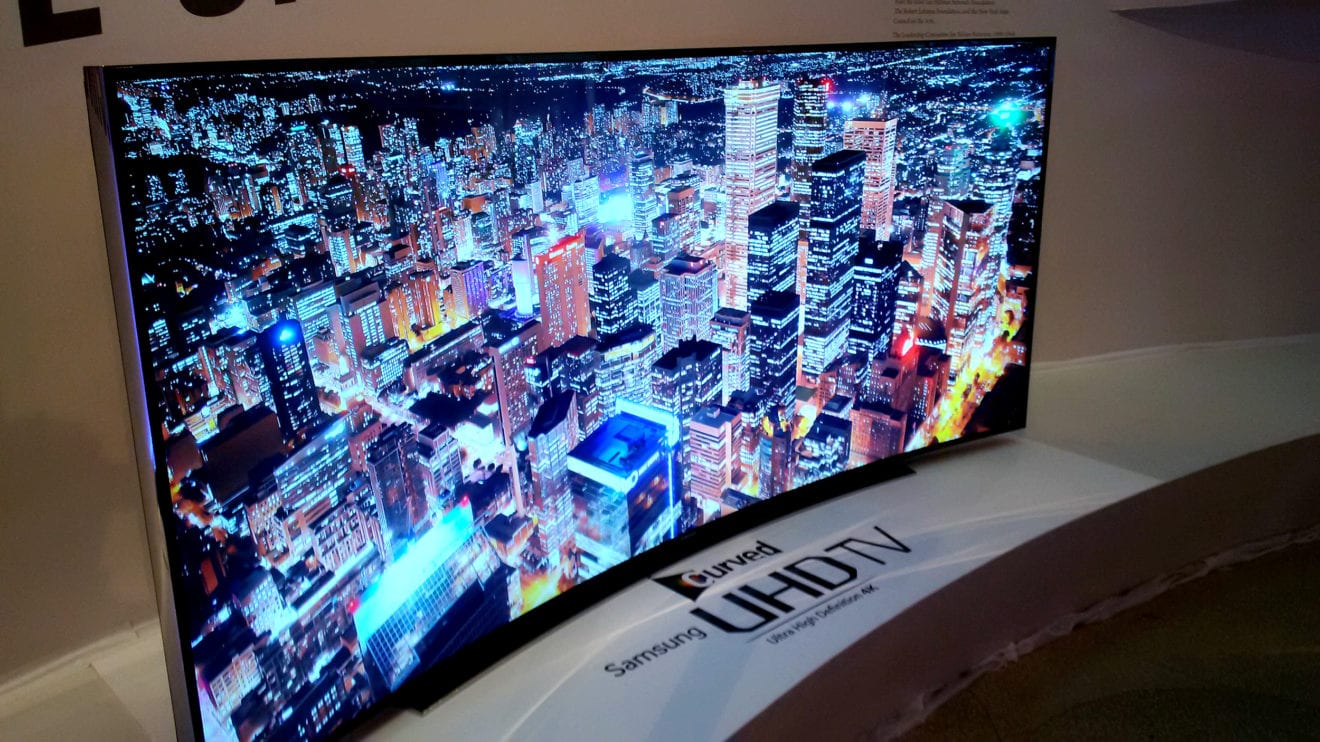
    During the Black Friday event in the United States in November 2015, Samsung Electronics’ 55-inch SUHD TV was sold at a price of 1.15 million won. This was when it was sold at a price of around 3 million won at retail stores in Korea.

    LG Electronics’ 65-inch UHD TV was sold at a price of around 5 million won in domestic consumer electronics stores, much higher than its U.S. price of 2.43 million won.

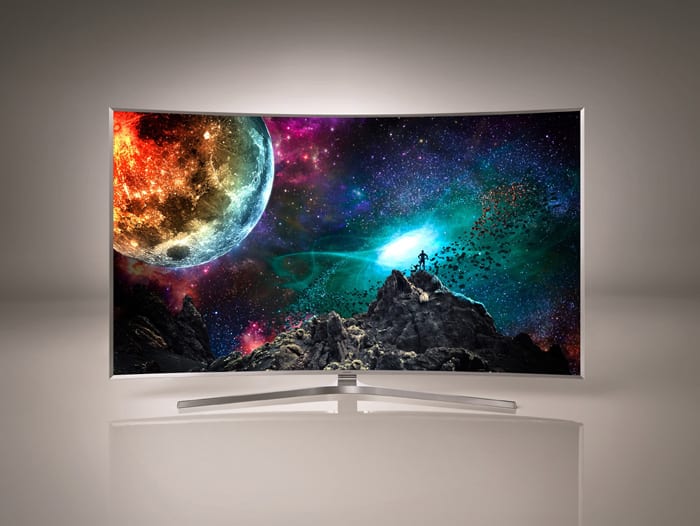
    Samsung SUHD_JS9500

    The prices of consumer electronics items are staying high in Korea. The average domestic sales prices of TVs, smartphones, laptop computers, tablet computers, vacuum cleaners, and coffee makers are higher than those of major industrialized countries, including the United States, Germany, and Japan. This is the background behind last year’s 20-percent increase in Koreans’ online purchase of foriegn products.

    Most of Korean home electronics items come equipped with “excessive features.” Unlike major foreign home electronics companies which focus on core functionalities, Korean counterparts are raising the prices of their products by adding a variety of high-end specs.

  • Major retailers prepare campaigns for Chinese New Year

    Major retailers prepare campaigns for Chinese New Year

    The Mall Group will celebrate Chinese New Year with a variety of activities and promotions to boost customer spending. The company projects the campaign to generate Bt2.5 billion in sales.

    Chamnarn Maytaprechakul, executive vice president of The Mall Group, said that towards the end of 2015, customer spending improved. During the final two months, the Consumer Confidence Index was the highest in eight months, fuel prices had declined, tourist numbers increased, and the government provided a year-end tax break.

    The Mall Group saw a 20-per-cent sales increase during the seven-day tax-break period, which helped the company reach its annual sales goal of Bt52 billion, 4-per-cent growth compared with 2014. “For 2016, we expect consumer spending momentum to continue, especially with Chinese New Year, an important celebration in Thailand that is just as popular as [January 1] New Year and Songkran. Spending during Chinese New Year is no less than Bt50 billion,” Chamnarn said.

    Robinson Department Store targets growth of 8 per cent year on year in the first quarter of this year as its “Robinson Chinese New Year” campaign welcomes the Year of Monkey. Shoppers will receive a red packet of discounts worth Bt1,200 for every Bt1,000 of spending. Prosperity-boosting and cultural activities in the Chinese tradition will also be in place.

    Sompong Rungnirattisai, chief commercial officer of Tesco Lotus, said Chinese New Year was an important occasion for a large number of people in Thailand. He said Tesco Lotus wanted to make the celebration affordable for customers as they were facing a challenging economic situation.

    “We have invested more than Bt250 million to bring down the prices of fresh food items by up to 46 per cent when compared with last year. We are also offering several cash coupons to help customers save during the season.

    “In addition, we have prepared special gifts for customers. Those spending Bt600 or more at Tesco Lotus will instantly receive a Chinese New Year red envelope containing special discounts on 50 items, worth a combined Bt4,400. Customers who spend Bt400 or more can redeem a lucky monkey doll at a special price of Bt159, down from the full price of Bt299,” he said.

    Siam Piwat Co, operator of Siam Paragon and Siam Center, together with Muang Thai Life Assurance, Kasikornbank and Advanced Info Service, has announced “Siam Prosperous Chinese New Year 2016”, a campaign to celebrate Chinese New Year and greet the Asean Economic Community. The campaign, to be held from February 3 to March 13 in Siam Paragon and Siam Center, will provide discounts of up to 80 per cent, lucky red envelopes and many other privileges, said Chanisa Kaewruen, Siam Piwat deputy managing director for marketing events and business relations.

    Central Pattana (CPN), Thailand’s largest retail developer and operator of CentralWorld, CentralPlaza and CentralFestival, along with their business partners, has invested Bt40 million in a campaign named “The Great Chinese New Year” to be held from February 5-29.

    Nattakit Tangpoonsinthana, executive vice president for marketing at CPN, said the company understood the needs of the new generation of Thai-Chinese customers and what they want during this festive season. They have more purchasing power than in the past and tend to be selective and require a certain standard of quality in the products and services they receive.

    At Big C Supercenter outlets, red packets of shopping discounts have been offered since mid-January. As well, shoppers get the chance of winning gold prizes every day until February 8, Chinese New Year’s Day.

    Future Park, the largest mall in Rangsit area, also launch an event called ‘Sweetest Moment of Chinese New Year’, between February 5 and 14, in which more than 1,000 shops within the complex will offer promotional sale of up to 80 per cent discount.

  • Royal Greenland to launch frozen range in Chinese retail

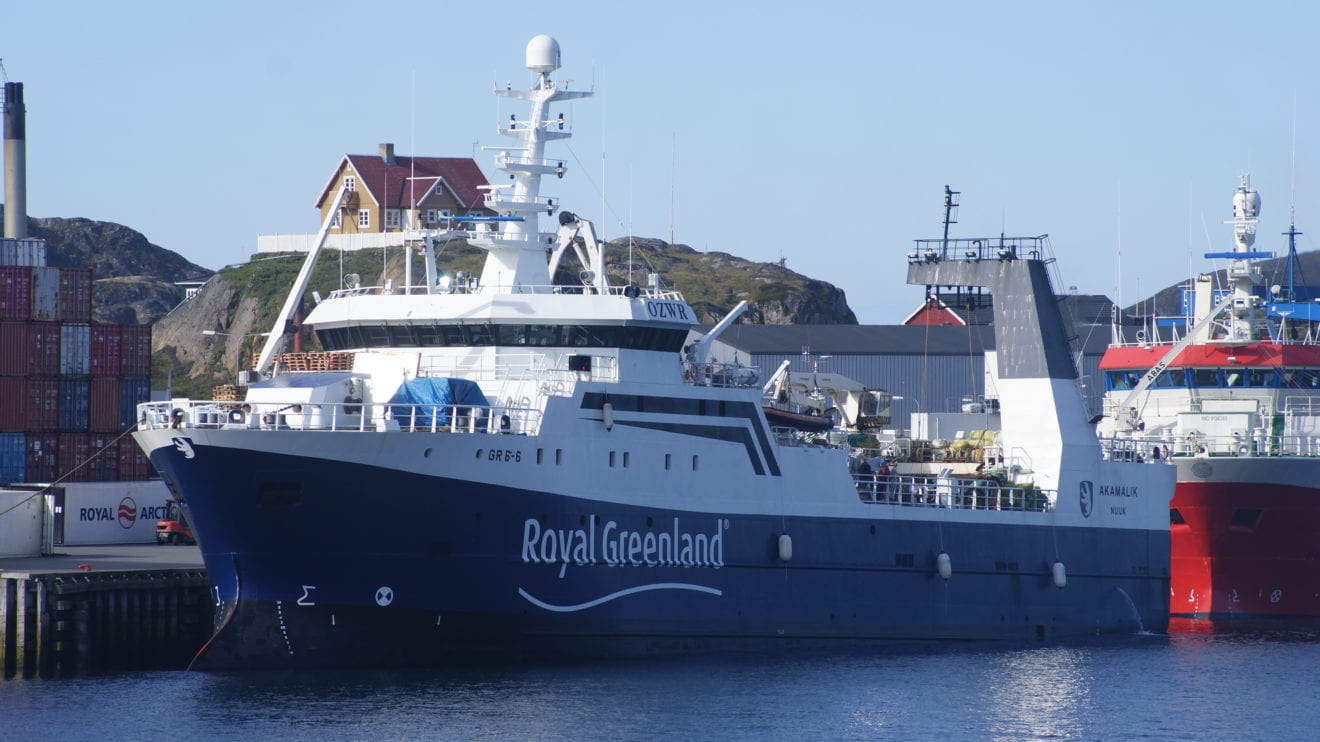
    Royal Greenland to launch frozen range in Chinese retail

    Royal Greenland is expanding its sales team in China, and preparing the launch of a frozen seafood range for retail.

    The company opened a sales office in Qingdao in its 2014/2015 financial year, in which it reported a record profit, with increasing frozen seafood sales in retail a target, CEO Mikael Thinghuus told.

    “We have had activities in China for a number of years, production and quality control, but also wholesale sales on a large scale. What we are talking about now is a sales office, directed to retail,” he said.

    The company is currently in Chinese retail with a few products based on the European assortment and packaging design, said Hanne Kvist, director of group market development and marketing.

    Royal Greenland has an expanded range in the works.

    “We are finalizing the assortment targeted at Chinese retail, but designs will not be revealed prior to launch. Key items will be based on coldwater shrimp and Greenland halibut,” she told.

    The timing is right for such a launch and focus, said Thinghuus.

    “My perception at least, is the Chinese retail market for frozen fish has changed quite a lot in the past four or five years. Some of our colleagues do a very good job on the frozen fish category on frozen fish. We think this is the right time to make this investment,” he told.

    The company’s 2014/2015 report states the sales office is focusing “exclusively on sales to retailers, and ultimately sales to consumers via e-commerce”.

    The 2014/2015 financial year has been used to prepare for the future retail sales by establishing the company, recruiting staff and developing the range, the report states.

    This is due to rising demand for Royal Greenland’s products in China and Taiwan, “which has resulted in increasing prices, to the benefit of both the company and the fishermen”, the report continues.

    The report notes that “Greenland halibut is a popular food in China”, and cuts of halibut can be found in most supermarkets in the northeastern part of the country.

    The increased sales to the retail segment have compensated for the slowdown in dining out.

    Royal Greenland’s ambition is “to establish itself as a strong brand in the awareness of Chinese consumers – and there seems to be considerable potential at the affluent end of the market, where there is a great demand for imported food”, the report states.

    In connection with this move, Zhifa Zhang, known as Tony, has been hired as sales manager responsible for retail sales, the report states.

    “We will make more hires, we already have made couple,” said Thinghuus.

    The sales team in China “work closely” with the company’s production and quality organization, sitting in the same offices in Qingdao, he said.

    Zhang will be working closely with Finn Laursen, sales director of Royal Greenland International, the report states.

    The company’s market development and marketing department in Svenstrup, Denmark “will draw up packaging and marketing plans for the Chinese market in cooperation with Chinese advertising agencies”, the report continues.

    In the 2014/2015 financial year, Royal Greenland for the first time achieved revenues of DKK 1 billion in Asia.

    Around half of this is attributable to the sales office in Japan, while the other half was achieved through sales by Royal Greenland International in China and other Asian countries, according to the report.

    The revenue growth of 18% was driven by price increases for the main species of Greenland halibut, shell-on coldwater shrimp and snow crab, the company said.

    The total growth in volume terms is only just below 1%. Asia now represents 23% of group revenue.

    In Japan, it remains difficult to increase sales in the wake of the many price increases, which were a necessary consequence of the devaluation of the Japanese Yen, but sales in local-currency have risen steadily, while earnings in the market are increasing.

  • The EcoChic Design Award 2015/16 winners announced

    The EcoChic Design Award 2015/16 winners announced

    Environmental NGO Redress concluded their week long programme of sustainable fashion activities in Hong Kong, the epicentre of Asia’s fashion industry, further cementing emerging designers’ power to drive positive change and pushing the global agenda to reduce waste in the fashion industry.

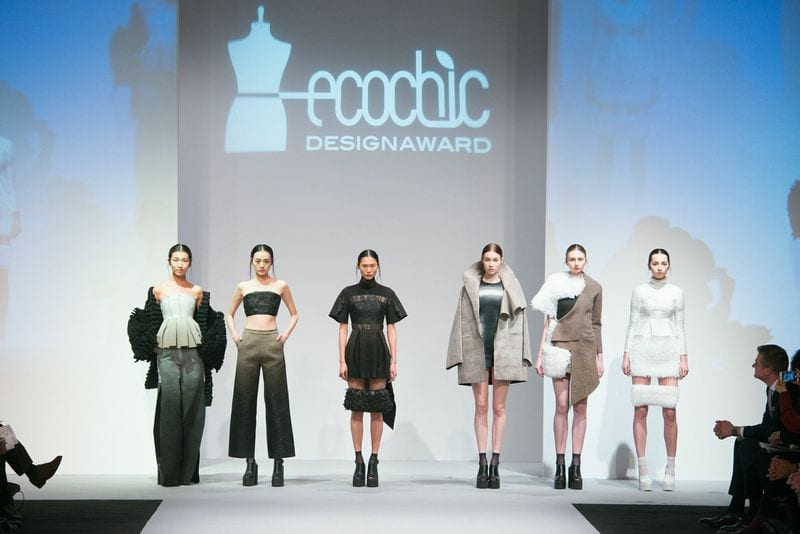
    The week included a design challenge, two workshops and an industry seminar before culminating at the grand final fashion show of the world’s largest sustainable design competition for emerging designers, The EcoChic Design Award 2015/16.

    Here ten finalists from Asia and Europe united to command Hong Kong Fashion Week’s runway, and the influential industry onlookers, with their textile-waste-reducing collections, having already out-designed an unprecedented level of competition entries from designers living in 40 countries across Asia and Europe. Two winners, from Poland and Spain, were crowned winners.

    Christina Dean, Founder of Redress said, “We must face the pressing reality that the fashion and textile industry, as the world’s second biggest global polluter, can’t carry on as-is without crippling our planet. Change is not happening fast enough. In contrast to the majority of the industry, emerging fashion designers are demonstrating that they, as tomorrow’s leaders, are more in tune with solutions and they are creatively cashing in on the environmental and economic opportunities within reducing and re-using textile waste. These designers are cementing a positive future for fashion”.

    Leading up to the grand final, the ten finalists collaborated with multi-stakeholders to the find collaborative solutions and to share their expertise in sustainable design techniques.

    The Redress Forum: Ford Design Challenge saw them up-cycle Ford’s sustainable materials into statement pieces for the runway; the reconstruction workshop set their creativity free in a huge discarded clothing warehouse; and their zero-waste workshop saw them travel to China to rub shoulders and share ideas with one of the region’s pioneering apparel manufacturers.

    Further influencing, Redress co-organised a widely-attended panel discussion on circular business models with HKTDC.

    Mr Jerry Liu Wing-leung, Head of Create Hong Kong, the competition’s major sponsor, said, “Sustainability is a global issue, and with a global perspective sustainable fashion design can transcend technicalities and become a way to the future. The EcoChic Design Award makes a significant impact on the way people view fashion.”

    Prizes to fuel the new force of design talent

    Three panels of judges, including influential personalities Susie Lau, Orsola de Castro, Johanna Ho and Nadya Hutagalung, were tasked to shortlist and identify the competition’s fifth cycle winners, which had neck-to-neck scores, the closest in the competition’s history.

    Patrycja Guzik won the 1st Prize: The EcoChic Design Award 2015/16 with Shanghai Tang and she will spend three months in Hong Kong designing an up-cycled collection for China’s leading luxury brand’s global retail using their surplus textiles. Her winning collection was created using the up-cycling and reconstruction design techniques and she made her fabrics by tufting damaged textiles and unraveled secondhand garments.

    “As the curators of modern China chic, it says a lot to the rest of the industry and our consumers that Shanghai Tang is translating Redress’ international search for emerging sustainable design talent into an up-cycled collection for our global customers. Our experience working with the last cycle’s winner inspired us about how business can do the right thing”, said Raphael le Manse de Charmont, Executive Chairman, Shanghai Tang.

    “This week has been life changing and a real eye-opener for me that us designers really can design the future we want! Winning amplifies everything I’ve dreamt of about using my passions to prove that a more sustainable fashion industry can be a reality,” said Patrycja.

    Cora Maria Bellotto won 2nd Prize: The EcoChic Design Award 2015/16 with Orsola de Castro and she will receive a tailored mentorship to propel his/her career in sustainable fashion design forwards.

    Judged solely by supermodel Janet Ma, Patrycja also won The EcoChic Design Award 2015/16 Special Prize and she will design a sustainable outfit for Janet to reveal at a high profile public event and in a fashion photoshoot to redress consumers’ attitudes towards sustainable fashion.

    In addition, a ‘Hong Kong’s Best’ recognition was given to Esther Lui to commend her achievements for leading Hong Kong’s pool of creative emerging designers.

    Competition legacy lives on

    With five cycles already behind them, Redress now celebrates over 100 talented alumni, who are previous semi-finalists and finalists, who are increasingly forging sustainable fashion careers, with some expanding their sustainable brands’ retail footprint.

    As part of the week’s activities, Redress exhibited five alumni’s sustainable brands in The EcoChic Design Award Alumni Booths at HKTDC Hong Kong Fashion Week, attracting some of the region’s top buyers and driving more orders and expansion of the alumni’s stockists.

    The booths form part of Redress’ over-arching The EcoChic Design Award Alumni Network, a platform to support this growing collective of sustainable designers with industry collaborations so as to magnify the designers’ momentum way beyond the runway. An additional retail and business development prize was awarded to Wan and Wong Fashion and Clémentine Sandner by Hong Kong’s retail store, kapok.

  • Hong Kong Indian entrepreneur out to build ‘the next Alibaba’ in Mumbai

    Hong Kong Indian entrepreneur out to build ‘the next Alibaba’ in Mumbai

    Akanksha Hazari’s parents were relieved when she announced in 2013 that she was moving to Mumbai on her own.

    “After Palestine, India was fine,” says her mother, Anjali. “Akanksha wanted to go to Africa originally, but her father and I managed to convince her that it was probably not a good idea.”

    Home for the 32-year-old former Middle East strategist turned star technology entrepreneur is Hong Kong, the city she moved to with her Indian parents when she was eight. She attended West Island School,and became so good at squash she was selected to play for Hong Kong in her teens.

    “For me, Hong Kong is very much home … I am an Indian-Hong Kong girl,” she says.

    Hazari is the founder of m.Paani, a phone-based customer loyalty platform that helps to bring together small retailers andconsumers in emerging markets.

    It may sound esoteric, but as she explains in her parents’ Mount Davis flat, this is just the first step in building a global business that can help the world’s underserved “offline” population access important services from which they have been excluded. In short, she wants m.Paani to be the next Alibaba.

    Her ambition is matched by an iron will that has seen her take on a large American charity co-founded by Hollywood star Matt Damon, and win.

    In 2010, Hazari was studying for an MBA at Cambridge University and formed a team to enter an annual competition for business students run by the Hult Prize Foundation. That year, participants were asked to submit business plans that could help address water scarcity issues, and Damon’s Water.org was brought in as an adviser. Hazari’s team came up with m.Paani (paani means water in Hindi), a mobile phone-based customer loyalty programme that encourages the supply of clean water to low-income families in India. When they won, Hazari – the only team member who wanted to launch the start-up for real – asked for the US$1 million prize money she believed they had been promised. Water.org, however, was under the impression that the US$1 million was going to its own projects.

    Our goal was to support Hult in its efforts to teach about the urgency of this issue among students and the need for innovation,” writes Rosemary Gudelj, the charity’s senior manager, global advocacy and office of the CEO, in an email. “However, we also knew that these students only had two months to develop ideas. While we were hopeful that the winning case or other cases would be actionable by Water.org, we clearly were not comfortable committing to implementing the winning idea.

    “When [Hazari’s] team won, we offered to have her and her team work with Water.org on looking into and developing the group’s idea to probe further, and see how this concept could be applied to local needs and circumstances. However, her request was to receive the full US$1 million grant to fund the organisation she launched.”

    In the end, Water.org kept the US$1 million and the Hult family gave Hazari a separate grant of US$300,000 that allowed her to widen m.Paani’s business.

    “At the time, Hult Prize thought it a better strategy to partner with a non-government organisation to help the winners manage and deploy the prize capital, rather than to directly give the money to a young student team. But once the US$1 million was transferred to Water.org, they kept it. That’s why I couldn’t start m.Paani straight away. It took me two years to get the money, which Philip Hult privately gave me,” says Hazari.

    That tenacity helped her secure most of the funding she needed to set up the business in Mumbai around 18 months ago. Today, the loyalty point network has around 200 merchants and 10,000 customers.

    “Think of it as something like air miles or credit card points. You earn points when you buy your groceries at your neighbourhood m.Paani corner shop. The shopkeeper taps in your mobile phone number – that’s your m.Paani account number – and your point balance is updated in real time,” says Hazari. The points can be used to pay for items or to redeem practical gifts from the m.Paani gift shop: water filters, English language textbooks or small appliances, for example.

    While m.Paani has a social agenda – to leverage the often-neglected purchasing power of lower-income households and to boost the competitiveness of small, independent retailers that make up about 70 per cent of India’s US$600 billion a year retail market – it is very much a for-profit business.

    It makes money by charging shop owners a commission for each transaction recorded. In return, previously offline mom-and-pop shops get a customised website, mobile app and digital transaction histories, and a consumer database.

    The latter is key to Hazari’s ultimate goal: for m.Paani to become a “big data” player. The idea of data collection may be anathema to many internet users concerned with privacy, but she says those who do not have any data to offer get left behind.

    “These shopkeepers tend to write everything down in a notebook. They can’t get insured, or apply for a bank loan, because there is no data about their business,” she says.

    The same goes for the customers. Without any credit history, they are not likely to get bank loans or access other financial services. From this year, m.Paani will start scoring individuals and businesses on their creditworthiness, a first step in utilising their shopping records.

    Hazari says small retailers with no online presence will struggle to compete against the growing presence of international chains such as Wal-Mart and Tesco as India gradually liberalises its retail sector. Online giants such as Amazon are also expanding aggressively in India. Issuing loyalty points helps rope in their customers.

    The next step for m.Paani is to go national, and eventually spread to Africa and Southeast Asia.

    “I want to build an Indian company that’s international,” she says. “For me there’s a lot of pride in that. Why can’t the next Google come out of India? That’s why Alibaba is such an exciting company. It’s the first company to do that out of our market.”

    After earning a degree in politics and Middle Eastern studies from Princeton, Hazari worked for the Aspen Institute, encouraging Israeli and Palestinian joint business ventures as a way to promote peace. It meant living in Jerusalem and crossing the border every day to manage operations such as a hospital and a power plant in Gaza.

    “Her time in the Middle East meant months of sleeplessness for me,” says her mother. “But I’m very proud of her.”

    After two years,Hazari decided that business had a lot of power to change people’s lives and immersed herself in the corporate world, becoming a consultant in clean energy at Booz & Co. in the US and Dubai. That was followed by a year of designing environmentally sustainable services and information technology applications to help rural Indian families, and then the MBA in Cambridge.

    Hazari’s parents had settled in Hong Kong so that their children could have access to better education, and a better quality of life (dad Ajay is a director in a shipping company, and mum Anjali teaches at an international school). But for her, the opportunities lie in India and beyond.

    I think we have a desire to be a part of that story, of building our country and taking it forward.

    Akanksha Hazari

    “For my parents, or people like them in India and mainland China, the dream was to get their kids to go out. That’s not the case for us any more. These countries are no longer the same. We see so much opportunity to do something bigger than just go the West and get a job. If we come home we can actually build something of our own. And also, I think we have a desire to be a part of that story, of building our country and taking it forward. We are shaping the future of that country, and that’s a huge opportunity,” says Hazari.

    The start-up in India has yet to make her a billionaire (“We’ve been surviving by bootstrapping, she says). But it has already earned her valuable international recognition. On March 9, she is receiving an award from the Vital Voices Global Partnership, the NGO set up by Hillary Clinton and former secretary of state Madeleine Albright, at a gala celebrating women leaders around the world.

    Investors are also beginning to see m.Paani’s potential. “We’ve just closed series A [funding]. Our user numbers are growing 20-40 per cent month-on-month and investors are starting to see this as a proper business,” Hazari says. Their backers include an Indian venture capital firm and a select group of Indian angel investors.

    She is not surprised that Hong Kong – once known as a breeding ground for entrepreneurship – has failed to produce many start-ups that grab the world’s attention.

    “There’s a lot of pushback here for those who want to set up their own business. You have to be a very strong personality to do it anyway. I didn’t take any money from my parents. I knew the decision I was making meant I would not have a great lifestyle but I was OK with that. You need to be ready to deal with the negative pushbacks… and work a lot harder to prove your point and make sacrifices,” she says.

    Besides, Hong Kong is fundamentally a very small economy and very focused on financial services, which means that young people who want to pursue big ideas tend to have to go abroad, or to China. And she expects more people will.

    “Our generation is more purpose-driven than it is pay-cheque driven. The time is right – we are very educated and have the luxury of thinking about what values we want in life and not just how much money we want to make. I think it’s a fundamental shift,” she says.