Blog

  • Dentsu Aegis Network and UnionPay Smart Announce Partnership

    Dentsu Aegis Network and UnionPay Smart Announce Partnership

    Dentsu Aegis Network China today announced a strategic partnership with UnionPay Smart, a China UnionPay company specializing in big data applications. Combining the existing big data analytics of UnionPay Smart, with advertising and user browsing behavioral insights from Dentsu Aegis Network, the two parties will co-develop and operate a precision brand marketing platform for advertising; providing data-driven marketing solutions for brands.

    It is the first ever crossover collaboration between financial data, advertising and marketing communications industries in the field of data connection. The landmark partnership has been achieved through a year-long collaborative effort between UnionPay Smart and Isobar China Group, a digital marketing agency owned by Dentsu Aegis Network. Based on research and design of business models, the project has enabled a deep integration of media and marketing data on the premise of strict privacy and data protection; creating a reciprocal ecosystem that benefits advertisers, data solution providers as well as media platforms.

    Together with UnionPay Smart, Isobar China Group will establish a data management platform (DMP) targeting online advertising, synchronizing UnionPay Smart consumer portraits with browsing and search data shared by publishers. The platform empowers advertisers to map consumer insights with decision-making and buying processes, creating more accurate target audience portraits. Specifically, the data exchange will prioritize automotive, finance, maternity and infant as well as other key sectors.

    Isobar China Group and UnionPay Smart will then co-develop and co-own a demand-side platform (DSP) for programmatic buying. Set on the key precondition of ensuring all data is safe and legal, the platform will incorporate online and offline behavioral data to optimize audience targeting across publishers to greatly enhance returns on investments.

     Isobar China Group will collaborate with UnionPay Smart to deliver customized services for brands and media owners:

    • Customer relationship management (CRM) data solutions targeting automotive, finance, maternity and infant, and other fields;
    • Optimizing advertising investment solutions for key clients;
    • Offering customized advertising for long-term media partners.

    Founded in 2012, UnionPay Smart is a subsidiary of UnionPay. Dedicated to big data innovation, UnionPay Smart is dedicated to creating and optimizing big data platforms based on consumer data and providing diversified big data application solutions, such as industry analysis, business decisions and business strategies for China UnionPay and its partners.

    Kelvin Long, Cofounder & CTO of UnionPay Smart said: “As a pioneer and advocate of enacting data privacy legislation, UnionPay Smart will push forward innovative applications of UnionPay data under relevant regulation in a safe and legal manner. This partnership is unprecedented in the history of UnionPay Smart as it’s the first time we have collaborated with a market leader in advertising that has crossover connection of big data solution at its’ core. Big data is the future of marketing, but it cannot be achieved without massive real data, cutting-edge data mining technology and expertise in data analytics. UnionPay Smart has exclusive data of tagged consumer behavior and leading big data technology; Dentsu Aegis Network has access to unparalleled data and intelligence in digital and marketing. Through the integration of our own strengths on the precondition of protecting data safety and privacy, our shared vision is to enable brands to achieve new levels of efficiency, effectiveness and customer satisfaction.”

    Commenting on the partnership with UnionPay Smart, Phil Teeman, Group Managing Director, Dentsu Aegis Network China, said: “Dentsu Aegis Network has always attached great importance to the collection and application of data. We have been continuously investing in consumer insight studies, which include the unique CCS (Consumer Connection Study), the largest consumer survey in China, and our Brand and Consumer Data Analyzing Platform- Code 1. Data integration is critical and we have been working to bring all of our data together into one platform – consumer data, ad data, and performance data. Our partnership with UnionPay Smart will further reinforce that focus on big data. As the leading integrated communications group with digital at its core, we will work with UnionPay Smart to develop more industry beneficial data products to support brands’ ‘internet plus’ strategy in China.”

    Jane Lin-Baden, CEO of Isobar China Group added: “Brand consulting has always been our focus. We are dedicated to applying real time big data to the modelling and delivery of brand commerce. The data solution with UnionPay Smart is able to meet the needs of brand commerce, incorporating brand experiences with purchasing decision making, in order to identify consumer motives more precisely in the last mile. This is a significant milestone for Isobar China Group.

    As the largest digital advertising group in China, Dentsu Aegis Network is also the first to drive integrated digital marketing communications in the industry; serving top brands spanning automotive, finance, retail, maternity and infant as well as other fields. Isobar China Group, part of the Dentsu Aegis Network, is a full service digital marketing agency, driven by the aim of delivering marketing solutions with borderless ideas enabled by technology and new media communications, to transform businesses and brands.  
     

  • Reliance retail business thrives

    Reliance retail business thrives

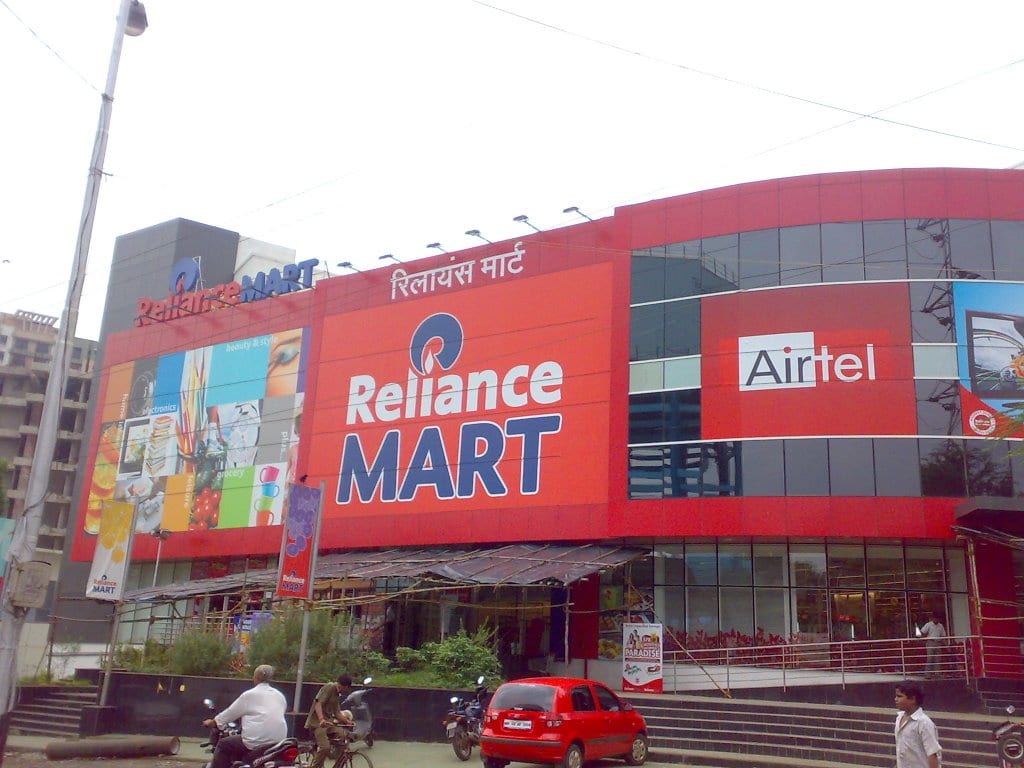
    Indian retailer Reliance Industries has reported a 50 per cent growth in sales in its consumer electronics category for the quarter to December 31.

    Reliance Retail also consolidated its leadership in the grocery category, optimising its network to enhance profitability. Several private-label products were launched in the grocery and general merchandise categories during the quarter. The contribution of private-label sales to overall sales increased to 14.6 per cent from 8.6 per cent in the same period the previous year.

    There are now more than 2 million registered members across 37 countries for Reliance Mart stores. These 1537 outlets specialise in consumer electronics. Strong year-on-year growth in this category was helped by Digital Express Mini rapidly scaling up during the quarter to reach more than 1250 outlets across the country in a short time since launch.

    Also delivering a strong performance, the fashion and lifestyle category was 16 stores opened byReliance Trends during the quarter.

    A Reliance Retail joint venture with Marks & Spencer continued to grow with new store openings, whileReliance Brands launched Dutch lingerie brand Hunkemöller, and also opened the first airport store in India for UK games and toys retailer Hamleys, in Delhi.

    Initiatives encompassing fashion and lifestyle e-commerce are also proceeding through beta testing. The development of a marketplace platform and distribution ecosystem for 4G devices are on track and being rolled out. It will be the largest distribution reach for devices in India, says the company.

    Meanwhile, the company is training 4G sales specialists while integrating supply chain and service centres. Reliance Retail also launched its own brand of 4G LTE smartphones, under the brand LYF, during the quarter.

  • Ele.me may go to Alibaba

    Ele.me may go to Alibaba

    As more people start using their smartphones or the internet to order food, China’s eCommerce leaders are in a battle for supremacy.

    Now a food-delivery startup backed by Tencent Holdings, Ele.me, is planning a fast funding round of at least $1.25 billion, in a deal led by competitor Alibaba Group Holding, reports Deal Street Asia. It is aiming to close the round next month.

    If it goes ahead, Alibaba will become Ele.me’s controlling shareholder. It values the service at about $4.5 billion, and the deal could be announced before the Lunar New Year holiday starting on February 8, according to an insider.

    Earlier merger talks between Ele.me and group-buying site Meituan.com fell through, and Caixinpreviously reported that Ele.me was in discussions with Alibaba to raise funds.

    Meanwhile, Tencent and Alibaba are battling with China’s largest search company Baidu for front position as the local-services industry gains traction with more people going online or using mobile technology to order food, schedule beauty treatments or hire domestic helpers. Users of these services are predicted to rise 29 per cent to 400 million by next year, with sales expected to reach 7.28 trillion yuan ($1.1 trillion).

    Chinese internet companies have been the subject of $91.6 billion in acquisitions and investments over the past 12 months, according to Bloomberg data. Meanwhile, Tencent shares have fallen 1.7 per cent in Hong Kong to HK$133.10 ($17.08) – the lowest in almost four months.

    Alibaba and its financial affiliate, Zhejiang Ant Small & Micro Financial Services Group, have formed a joint venture called Koubei, in which each has agreed to invest three billion yuan to help the company expand into neighbourhood services.

    Baidu last year said it would invest $3.2 billion over three years in its own provider of local services,Nuomi.

  • BNI Syairah resolved to attract more investors

    BNI Syairah resolved to attract more investors

    State-owned Bank BNI Syariah is determined to attract more strategic investors this year as part of its efforts to increase capital, according to its President Director Dinno Indiano.

    The Bank BNI Syariah has opened itself to investors over the past three years.

    “This year we will make even more intensive efforts to lobby for investors. After all, we have the confidence, supported by good performance over the past three years,” Dinno told a press conference in Jakarta on Tuesday.

    Earlier, President Director of Bank BNI, Achmad Baiquin, said the state-owned bank was exploring the possibility of cooperating with strategic investors to support the BNI Syariah business. Bank BNI Syariah is a subsidiary of Bank BNI.

    Bank BNI was willing to sell 20 percent or more of the stake of its subsidiary to strategic investors. Yet, Bank BNI will remain the majority holder of the Bank BNI Syariah stake.

    Last week, Bank BNI said it was optimistic that its Peoples Business Credit (KUR) would increase rapidly in 2016 after the interest rate on the credit scheme was cut to 9 percent per year.

    Achmad Baiquni said in a statement that between August 2015 till 2015-end, the publicly traded state lender had already disbursed more than Rp3 trillion in KUR.

    Baiquni said this amount is predicted to surge to more than Rp10 trillion in 2016 .

    KUR disbursement by BNI was made symbolically at the Glenmore sugar factory in Banyuwangi, East Java, on Wednesday in the presence of the Minister for State Enterprises Rini Soemarno and Achmad Baiquni.

    Baiquini said the KUR funneled by BNI in 2015 represented an increase of 70 percent from 2014.

    In 2015, there were more than 12,200 KUR recipients all over Indonesia. In East Java alone, BNI funneled Rp476.5 billion in KUR to 2,022 clients, including micro businesses, retailers and workers.

    In East Java, KURs are offered to labor intensive and productive sectors such as processing industry, agriculture and trade.

    There is a potential KUR market in East Java, and it may attract sugar farmers under the coordination of state plantation company, PT Perkebunan Nusantara (PTPN).

    BNI is optimistic that there would be more KUR users in 2016 because of the cut in interest rate and improved economy.

  • Jakarta’s airport train to be operational in 2017

    Jakarta’s airport train to be operational in 2017

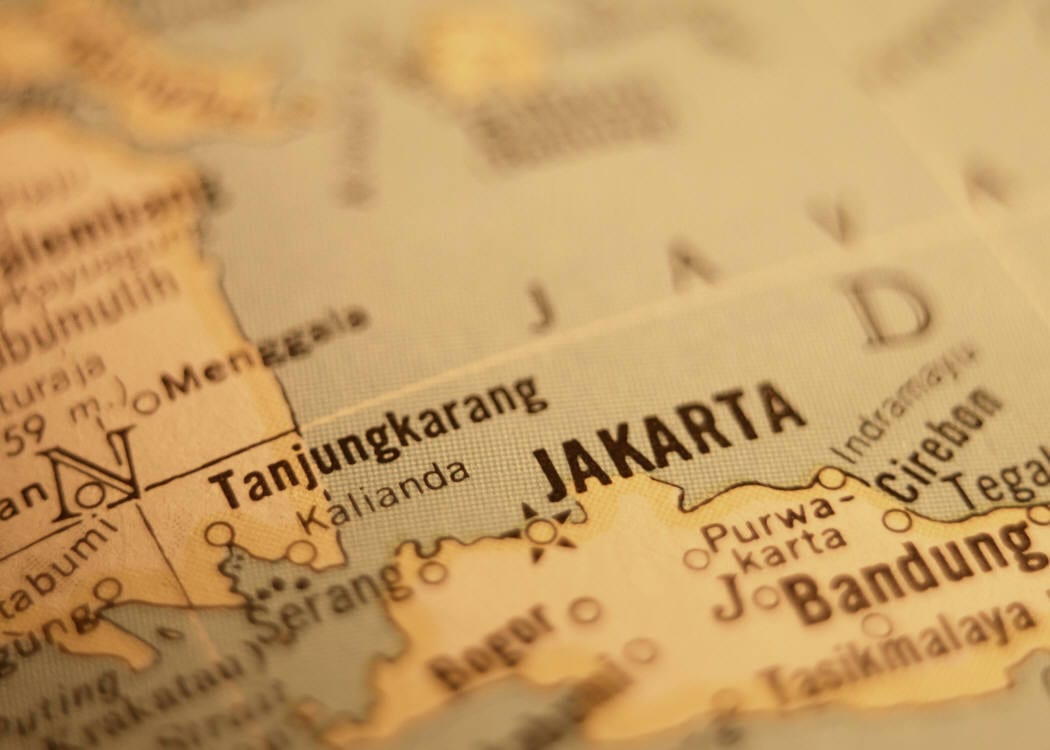
    Development of rail track between Jakarta’s Manggarai railway station and Soekarno Hatta airport is expected to be completed in 2017.

    “We already coordinated with PT Railink. It is to be completed in February 2017,” President director of the state owned airport operator PT Angkasa Pura II Budi Karya Sumadi said here on Wednesday.

    PT Railink is a joint venture between PT Angkasa Pura II and state owned railway company, PT Kereta Api Indonesia.

    PT Railink to revamp old track and build new track totaling 38.3 kilometers between the Manggarai railway station in Jakarta and the airport and operate the train.

    Budi said the train would take 54 minutes between Manggarai and Soekarno Hatta airport and there would be departure of train every 15 minutes.

    Everyday there would be 61 trips with a carrying capacity of 35,000 passangers.

  • Direct flights between Indonesia, India likely this year

    Direct flights between Indonesia, India likely this year

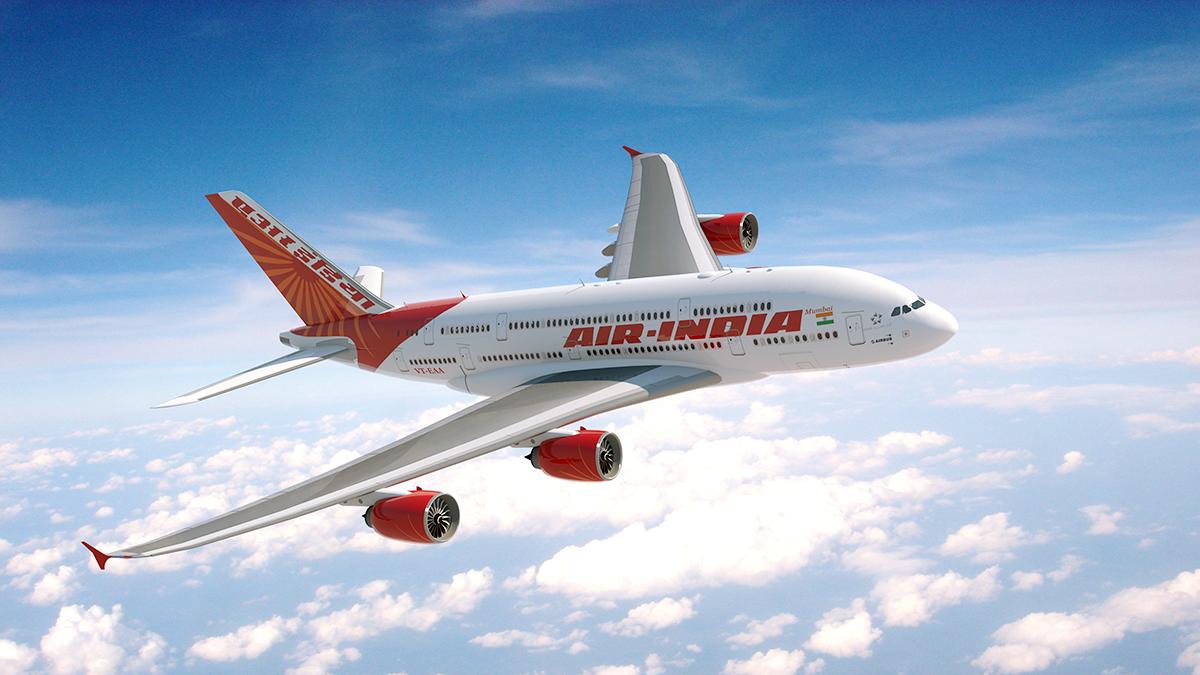
    Direct flights between India and Indonesia are likely to begin this year to facilitate tourism, Indonesian ambassador Rizali W. Indrakesuma said on Wednesday.”The Indian government has already given permission; it is a matter of how Indonesia responds. We are hoping that direct flights between the two countries begin by this year or by next year at the latest,” said Indrakesuma said.The first flights both governments plan to launch initially are between Delhi and Jakarta and Mumbai and Bali. Garuda Indonesia and Air India will operate flights between the two countries.

    The ambassador said a deal on the matter could be finalised in March when the transport minister of Indonesia will participate in an event organised by the civil aviation ministry in India.”This is an opportunity for our minister to engage with the Indian civil aviation minister (Ashok Gajapathi Raju Pusapati) at an event organised in Hyderabad in March,” the ambassador said.”The consulate general of Indonesia in Mumbai will push the ministry of tourism to open direct flights for the first time between Delhi and Jakarta and Mumbai and Bali.

    Last year, 262,000 tourists from India visited Indonesia; we expect the figure to go up to 350,000 this year. First it’ll be a government-to-government engagement and later we can engage private airlines,” said Taufik Nurhidayat, deputy director, ministry of tourism, Republic of Indonesia.Indonesia attracts the highest number of tourists from Singapore, followed by Malaysia, Australia, China, Japan, Korea and India.

  • Wuling to Build Factory in Indonesia

    Wuling to Build Factory in Indonesia

    Chinese-bases automotive company PT SAIC General Motor Wuling (SGMW) is preparing investment of US$700 million or around RP9.7 trillion to open up business in Indonesia.

    PT SGMW Motor Indonesia President Feiyun said the company is building its first factory in Indonesia. The factory is located in Greenland International Industrial Center, Cikarang, West Java, and is built on land of 600,000 square meters.

    “Besides factory, the company will also build supplier park,” said Xu Feiyun on Thursday, January 28, 2016.

    The factory is scheduled to begin the operation in 2017 and will become production basis to expand the company’s business to ASEAN countries. The first product that will be launched is multi-purposes vehicle (MPV). “We are optimistic that the people of Indonesian can accept our products,” said Feiyun.

    The factory is also planned to produce 150,000 vehicles per year so that Indonesia will become the main export basis of Wuling vehicles in Southeast Asia. Through this project, SGMW is expected to create 3,000 job fields.

    PT SGMW Motor Indonesia is a part of global expansion of SAIC, General Motors and Wuling Automobile in China. “We will utilize capital, technology and system from stakeholders, SAIC, General Motors and Wuling to give the best services,” said Xu Feiyun.

  • DHL Signs EMS Deal with Pos Indonesia

    DHL Signs EMS Deal with Pos Indonesia

    International logistics service provider DHL Express has signed an addendum to the  cooperation agreement with PT Pos Indonesia (Persero) for an Express Mail Service (EMS) to overseas destinations.

    The agreement was signed on Wednesday, January 20 by DHL Express Indonesia’s senior technical advisor Ahmad Mohamad and PT Pos’ president director Gilarsi Wahyu Setijono.

    The collaboration is aimed at supporting the growth of small and medium enterprises (SMEs) in Indonesia, through the provision of a reliable international express delivery service to more than 220 countries and territories within DHL’s global network; facilitating the growth of SMEs on a global scale.

    The partnership was first developed in 2005, and has since provided significant benefits for SMEs through the opening of access to global markets. Pos Indonesia can learn best practices in handling international express delivery service through this cooperation.

    “The most important thing is that, through this cooperation, Pos Indonesia and DHL Express Indonesia can grow and advance together to serve the people of Indonesia,” Gilarsi said.

  • Peruri expands operation to digital security business area

    Peruri expands operation to digital security business area

    The Indonesia state-owned money printing company Peruri has expanded operation to digital security business area in preparation to enter the era of integrated smart security to be competitive and able to keep pace with the modernization.

    “In order to have greater competitiveness in digital era we are expanding our wings to digital security that we could provide an integrated smart security service,” President Director of Peruri, Prasetio, said here, Thursday.

    The expansion is prompted by the rapid advancing technology that necessitated change in the world economic system that forces Peruri to continue to expand from service to business model, he said.

    “We are not only strengthening our core business of money printing , but we are also expanding operation to digital security business area through our subsidiary Peruri Digital Security by providing solution such as Certificate Authentication and Smart Card,” he said.

    Peruri also has a strategy in entering the era of integrated smart security, which is centered in transformation of company including transformation of human resources, business , structure and system as well as culture, according to him.

    “With the transformation we hope Peruri could continue to chalk up positive growth in the coming years,” he said.

    In a bid to achieve the positive growth, this year Peruri will be focused on market expansion, promoting reputation and strengthening competitiveness, he added.

    The strategic steps include reorientation of market from formerly focused only on domestic market to global market, and restructuring parent and subsidiaries to be more effective in marketing, he said.

    “Another strategic step is reorganization to be in line with the 2016 company budget working plan and long term business road map,” Prasetio said.

    With the strategic steps and preparation made ahead of the era of integrated smart security, the company is set to contribute significantly to the countrys economic development, he said.

    Peruri chalked up around Rp3.051 trillion in income in 2015 or more than doubling income of Rp1.39 trillion in the previous year.

    Its net profit rose to Rp284 billion or an increase of more than ten times from Rp23.49 billion in 2014.

    The company signed a memorandum of understanding to improve synergy with a number of state construction companies including construction companies — Adhi Karya, Amarta Karya, Brantas Abipraya, Hutama Karya, Istaka Karya, Pembangunan Perumahan, Nindya Karya, Perum Perumnas, Waskita Karya and Wijaya Karya.

    It also signed MoU with state-owned telecommunication company to develop digital business.

  • Garuda to launch non-stop Heathrow-Jakarta service

    Garuda to launch non-stop Heathrow-Jakarta service

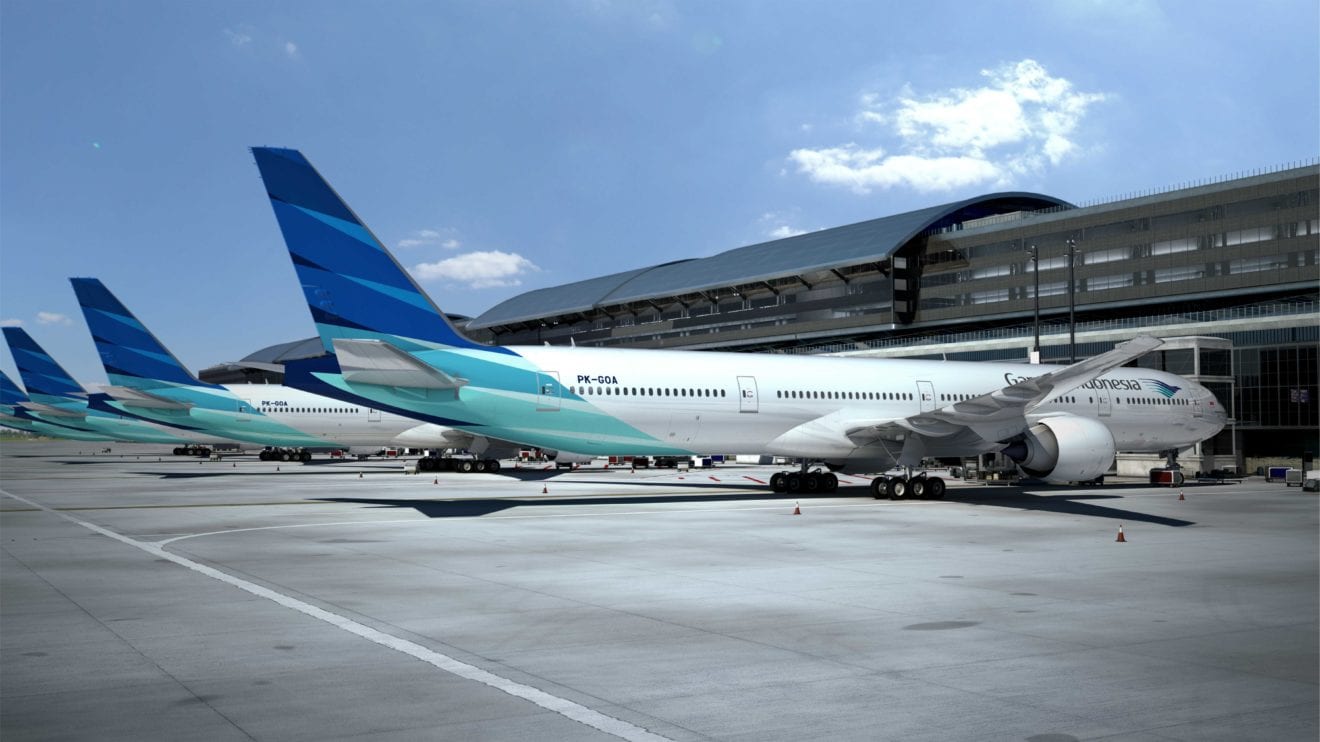
    Garuda Indonesia has confirmed it’s leaving Gatwick to launch a direct service to Jakarta from Heathrow.

    From March 31, the airline will use its fleet of B777-300ERs to operate a five-times weekly service to the Indonesian capital, an increase from the three-times weekly service it operates from Gatwick.

    Flights to Jakarta will also no-longer stop at Amsterdam, creating the UK’s first non-stop flight to Indonesia.

    Heathrow CEO John Holland-Kaye said the deal shows how important Heathrow is to British business.

    “As the UK’s only hub, Heathrow is able to support regular direct flights to 75 long haul destinations not served by any other UK airport,” said Holland-Kaye.

    “With expansion, we can bring the world to Britain’s doorstep by adding up to 40 more long haul routes to high growth markets and more than doubling the number of UK cities served.”

    Jubi Prasetyo, general manager UK & Ireland said: “Making the move to Heathrow Airport has been an ambition of ours since joining Sky Team in March 2014.

    “Heathrow’s pivotal role in servicing the alliance’s 1,052 destinations makes it an ideal departure airport for our passengers. Flying non-stop direct to Jakarta means we will truly be the most efficient way to reach Indonesia from the UK.”

  • Middle East Eyes Indonesian Beaches

    Middle East Eyes Indonesian Beaches

    Alwi Shihab, the Presidential envoy to the Middle East and the Organization of Islamic Coopeation (OIC), said that several Middle Eastern countries had expressed their interests to develop Indonesian beaches.

    Alwi revealed the Middle Eastern countries planned to build bigger exclusive resorts in order to compete with the famous Maldives.

    “Many Middle Eastern countries want to make bigger [tourist destinations] than Maldives. But they’re having difficulties to find a 300-hectare land,” Alwi said in Bandung on Thursday, January 28, 2016.

    Alwi explained that investors from Middle East wanted to develop accessible beaches, such as Pelabuhan Ratu in Sukabumi, West Java.

    “They want beaches with mounts located near Jakarta. We suggested investing in Sukabumi,” Alwi added.

    Since it was hard to find a sizable land in Pelabuhan Ratu, Alwi proposed other locations outside Java, such as those in Tanjung Lesung, Belitung, Padang, Selayar and Lombok. Alwi revealed that most of the investors were members of the Gulf Cooperation Council (GCC), such as the United Arab Emirates, Saudi Arabia, and Qatar.

    “Saudi Arabia has invested in Maldives,” Alwi said.

    Alwi explained that the Middle Eastern countries were more than willing to provide fund to develop beaches in Indonesia. The United Arab Emirates, for example, books an annual state revenue up to Rp 2,000 trillion (US$144.9 billion) per year.

    “I can’t say the exact number. You can do the math. It means they have money,” Alwi said.

    Alwi added that one of the reasons behind their interest to invest in Indonesian tourism was that Indonesia is open to Middle Eastern tourists. In addition, Europe and the United States had been paranoid when they see people with Islamic names spend their holidays in the two regions.

    “It’s related to the political dynamics in the Middle East. There’s Islamophobia and suspicion that make them uncomfortable when students or tourists from Middle East come to the United States or Europe. Therefore, the alternative is Indonesia, one of their friendly countries because there is no suspicion here. In addition, the majority of the population is Muslim. However, we’re not ready yet,” Alwi said.

  • Stelux sales slide in third quarter

    Stelux sales slide in third quarter

    Stelux Holdings International has reported a 12.7 per cent slide in sales in the three months to December 31.

    A large component of the decline was the exchange rate – on a fiscally neutral basis, sales fell a more modest 8.8 per cent, the company has reported to the Hong Kong stock exchange.

    Turnover totalled HK$850.8 million for the quarter, down from the $974.6 million of the same period last year.

    “Our Mainland Optical 88 operations saw turnover growth of around 8 per cent in local currency terms, and the growth momentum from our eGG business in Greater China was sustained, but other business units within the group generally saw turnover decline,” the company reported.

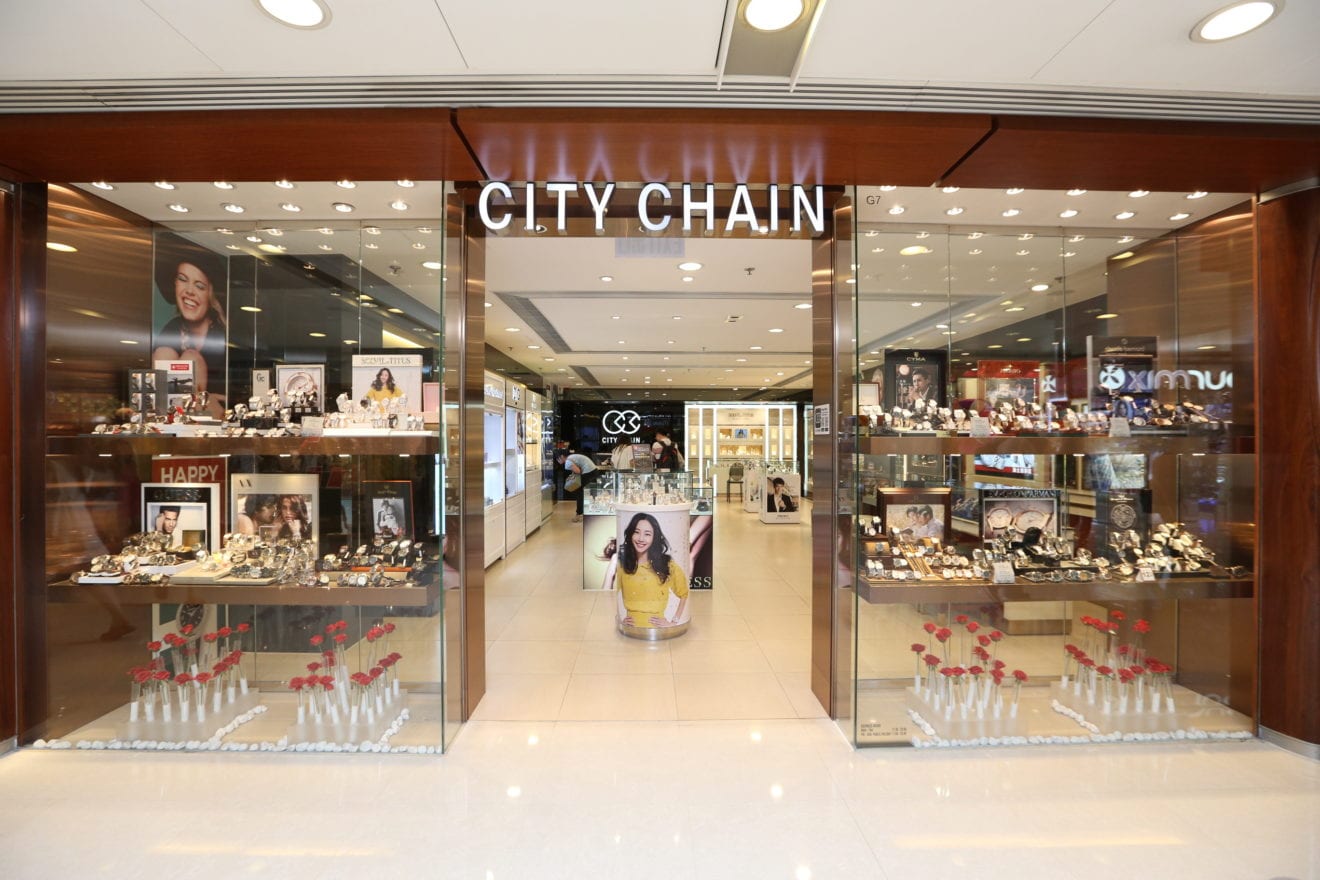
    The main contributor of the decline would appear to be the City Chain jewellery and watch operation which has been hit by changing tourist spending patterns in Hong Kong and weak consumer sentiment in Malaysia, Singapore and Thailand. Stelux did not release figures for that subsidiary.

    The unaudited consolidated turnover of the Group for the nine months to December 31 was HK$2.637 billion, a decrease of 11.4 per cent, or 8 per cent on a foreign exchange neutral basis.

    “The group maintains stable liquidity with reduction of inventory by around 7 per cent and 15 per cent against that as at the end of September 2015 and March 2015 respectively,” the statement concluded.

  • Korea’s CJ Group launches Malaysia shopping channel

    Korea’s CJ Group launches Malaysia shopping channel

    CJ O Shopping Co, a home shopping unit of CJ Group, said Thursday it will launch a new channel in Malaysia in a joint venture with Media Prima TV Networks, a major Malaysian media group.

    CJ O Shopping plans to start airing the new shopping channel in the first half of the year to target rising middle-class consumers in the Southeast Asian nation.

    CJ O Shopping will shoulder 51 per cent of the bill for the 19 billion-won (US$15.7 million) investment, while Media Prima TV Networks will make up the remaining 49 per cent.

    CJ will be in charge of operating the shopping channel, and Media Prima will provide media infrastructure.

    Media Prima TV Networks operates Malaysia’s four leading free-to-air television stations, as well as radio stations and online channels.

    Since launching a Chinese shopping channel in 2004, CJ O Shopping has expanded its global presence in India, Thailand, Turkey, Mexico and four other nations.

  • South Korea to Promote Indonesian SME

    South Korea to Promote Indonesian SME

    Agus Mahram, secretary of the Cooperatives and Small and Medium Enterprises Minister, said that the his institution has set a cooperation with the Busan-Indonesia Center (BIC) in South Korea to promote Indonesian small and medium enterprises (SME).

    “100 Indonesian SMEs will partner with South Korean’s,” Agus said in Jakarta on Thursday, January 28, 2016.

    Agus said that Busan has prepared a place for Indonesian SMEs to display their products in South Korea while the BIC will prepare marketing personnel to promote Indonesian products.

    “SMEs to be selected are those operating in the manufacturing sector, such as metal, mechanical, information technology components, software and food,” Agus explained. Agus revealed that the South Korean government realized the importance of the Cooperative and Small and Medium Enterprises Ministry to develop local businesses. The Cooperation, Agus added, was aimed at boosting South Korean investments in Indonesia.

    In addition to boost investments, Agus said that the ministry would also promote technology transfer between South Korea and Indonesia. Similar cooperation had been established between the Indonesian government and the Korean Trade Investment Promotion Agency.

    “The cooperation was aimed to develop regional signature products by crafting a program called the ‘One Village One Product’ through cooperatives,” Agus added.

    Agus also encouraged local products to be displayed at Smesco building in Jakarta. He had prepared spots for local products to increase their competitiveness at the national and international levels.

    “South Korea can buy products at Smesco to be promoted in the country,” he said.

  • China retail consumption to jump 50%

    China retail consumption to jump 50%

    China’s total retail consumption will jump 50 per cent to $6.5 trillion by 2020, with online transactions accounting for half of that growth, according to new research.

    Seventy per cent of those e-tail purchases will be conducted via mobile devices. Over that same five-year period, cross-border eCommerce will have grown so high – to $152.1 billion – that it will represent one-third of the country’s total foreign trade.

    So say think tanks and research firms watching the world’s second-largest economy as it transitions from its former manufacturing base to one driven by consumption. The predictions were issued by Alibaba Research Institute, the research arm of Chinese eCommerce giant Alibaba Group, as part of its inaugural “Think Tank Summit on the New Economy” held last weekend in Beijing.

    The new annual event brought together over 600 thought leaders to look at ahead at the next five years in Chinese commerce. A panel of judges surveyed research from the 40 participating organisations and picked “10 Forecasts for the New Economy,” which focused not only on the importance of eCommerce but also the impact the internet will have China’s manufacturing, logistics, rural economy and society.

    The use of data, culled from billions of transactions as Chinese consumers buy and sell goods and services online, will also play a key role.

    “China today is in the midst of transforming from an industrial-driven economy to a data-driven economy,” Gao Hongbing, dean of AliResearch and vice president of Alibaba Group, said in a statement.

    “These 10 forecasts are a small part of our observation and thinking, and we hope they can play a part in stimulating further deliberation on the society’s future development.”

    Bain & Company predicted that China’s online retail market would reach $1.52 trillion, accounting for 22 per cent of the country’s retail industry, with maternity and baby products being the strongest category and third-and fourth-tier cities driving a significant part of the growth. The Boston-based management consultancy also said that mobile Internet would make up 70 per cent of all online sales.

    Bain put the total figure for cross-border eCommerce in China at $152 billion, with AliResearch in a separate prediction saying it expects cross-border eCommerce to make up one-third of China’s foreign trade in five years. The China Center for International Economic Exchanges said “e-international trade” will change how trade overall is done and that it will account for account for 30 per cent to 40 per cent of total world trade by 2025.

    Boston Consulting Group estimated that China’s consumer market will climb $2.3 trillion, or 50 per cent, to $6.5 trillion by the close of the decade. Online will account for 42 per cent of that growth, the management consultancy said.

    The internet would also penetrate all rural areas of China, according to Zhejiang University’s China Academy for Rural Development. As a result, the Information Research Department of the State Information Center of China said the sharing economy will rise to full prominence given this full penetration of broadband coverage in China. The Institute of Information Society Studies said China would have a “soft law” system providing a framework for Internet governance by 2020 as well.

    The other predictions included one from the Information Society 50 Forum & Department of Sociology and Anthropology at Peking University, which said that data will digitise how consumers are assessed, say, in providing individual recommendations. The Information Society also noted that the vast reams of data collected as consumers buy and sell goods online will as a result erode some of their privacy.

    ZenCoo, meanwhile, predicted that social measurement and cognitive experiments will replace statistical sampling, revolutionising the fundamental theories of many disciplines including psychology, sociology, economics, and communications.

    And finally, according to the Data Center of China Internet, the 3D printing market will reach $15.2 billion, with households using them the most.