Blog

  • Top art dealer David Zwirner looking to open gallery in Hong Kong

    Top art dealer David Zwirner looking to open gallery in Hong Kong

    David Zwirner, one of the most powerful art dealers in the world, is looking for a place in Hong Kong to open his first Asia gallery.

    “A couple of years ago, we thought we would just come to the art fair. Now, I’m convinced we need a gallery here,” said the founder of the eponymous New York and London gallery during a whirlwind visit to meet local clients.

    Christopher D’Amelio, senior partner in the gallery, said it wanted to have a permanent presence in Hong Kong “as soon as possible” after witnessing a steady growth in its Asian business.

    To cultivate awareness of the 51 artists it represents, and demand for their works, the David Zwirner Galllery wants to be able to put on exhibitions in Hong Kong and engage in dialogue with Asian clients outside of the art fairs.

    The arrival of Zwirner, named the third most influential person in the contemporary art world by ArtReview magazine, would be a big vote of confidence in the long-term prospects of the Hong Kong art market amid economic uncertainty and growing competition from other cities in the region. Among the artists he represents are Jeff Koons, Yayoi Kusama and Richard Serra.

    The years 2011 and 2012 saw a flurry of major international galleries, such as Gagosian Gallery and White Cube, open in Hong Kong after auction sales in the city doubled from 2009 to 2010. But there have been few additions since Pace Gallery opened in 2014.

    One reason is the dearth of good gallery space, especially compared with what Zwirner is used to. In New York, for example, he had a new, five-storey building with 30,000 square feet of floor space put up in 20th Street three years ago so that he could put on museum-quality shows.

    “We are spoilt. We have large galleries that in some instances we’ve built from the ground up. What I’d like to have is a space that inspires artists. But that is difficult in Hong Kong, so we might start with something modest,” Zwirner said.

    He said he had yet to find a suitable space and was prepared to wait for Hong Kong’s retail rents to fall further.

    It is only because Hong Kong is by far the easiest place to trade that he would put up with the high cost of opening a gallery in the city and the space restrictions. The gallery believes it can find much better properties in Beijing and Shanghai, with the latter becoming more attractive in recent years because of the proliferation of private museums and the establishment in 2013 of a tax-free zone. But opening a branch in China is less urgent than setting up shop in Hong Kong.

    “For now, both us and our clients find it much easier to transact in Hong Kong than in mainland China. But for us, I know we’d like the sort of space that we can find in the mainland,” said Zwirner.

    Singapore, another Asian city where there’s been a proliferation of art market activities, is not yet on Zwirner’s radar. “It’s a perfectly interesting market but to us, it’s a secondary market,” he said.

    The art market veteran predicts 2016 will be “complicated”.

    “America has an election – that’s not good, there’s instability there. The auction houses are very weak right now. Chinese economy is decelerating. All kinds of external pointers suggest we will have a rougher year,” he said.

    This was a good time for the art market to focus on quality again, he said. “One problem in the art market is too much art that maybe is not of the greatest quality, but fetches too high a price,” Zwirner said.

    Artists who had relied on the support of auction results alone would see their works become less popular compared with those who had “real careers”, he said. “If you get a show at the Museum of Modern Art in New York or the Tate Gallery in London, and they acquire your work, then one can assume that your career is real. That’s an objective criteria,” he said.

    As an example, he cited Ai Weiwei as an artist who has a “real” career. “He really hit international fame as a dissident. When he was put into prison he became a worldwide celebrity and then people discovered his art. Be that as it may. He is widely collected by major museums and he just had a major show at the Royal Academy. I think it’s a healthy career,” he said.

    Zwirner will bring a wide selection of works by their artists to this year’s Art Basel Hong Kong. The gallery is presenting a group of artworks by Isa Genzken, a major name in Germany, in the “Encounters” section of the art fair. The works are free-standing sculptures she made in 2015 for her Schauspieler (Actors) series.

    The gallery’s booth will feature, among others, new works by Belgian artist Michaël Borremans, who will also visit Hong Kong during the fair.
  • Korean grocery prices among world’s highest

    Korean grocery prices among world’s highest

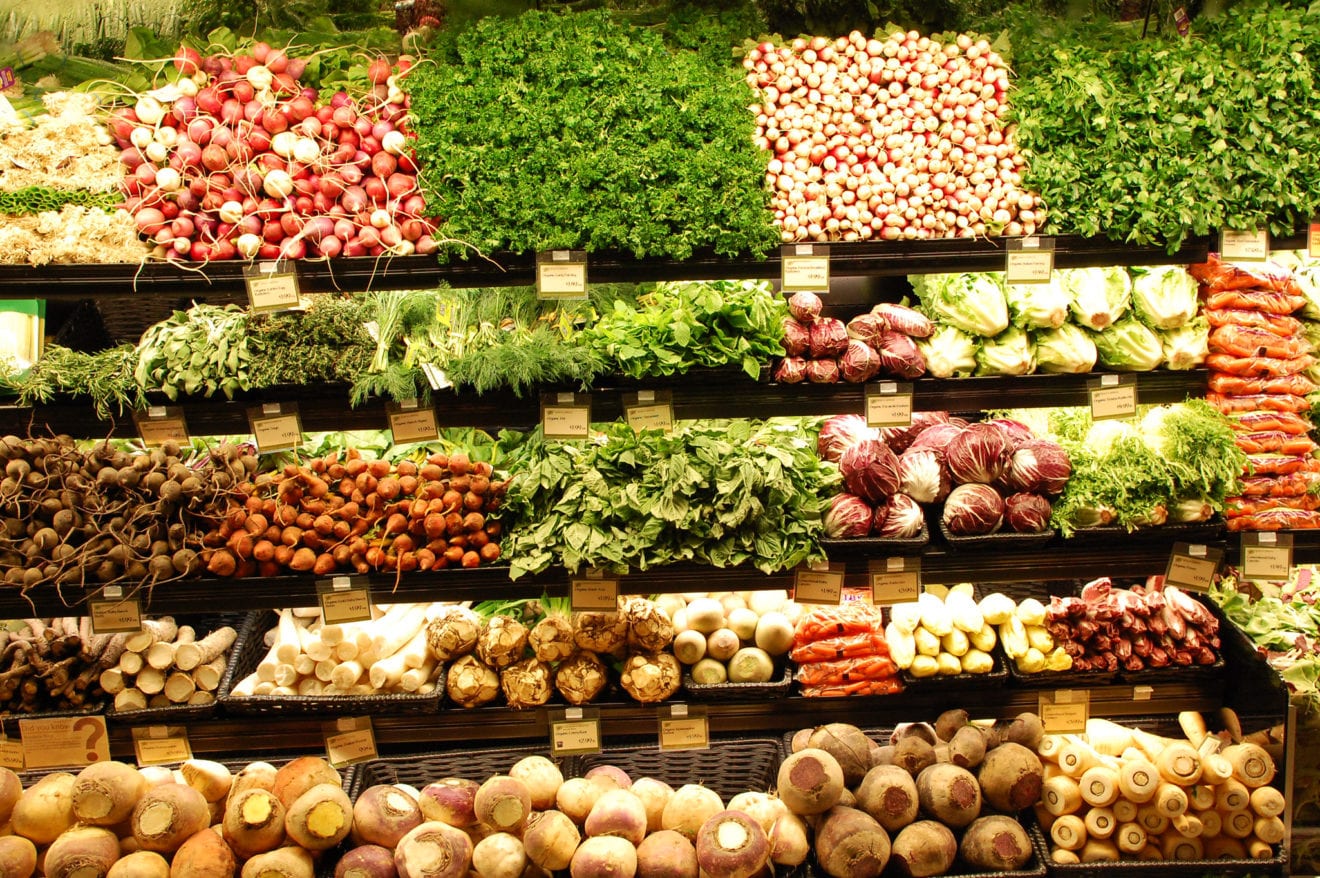
    A recent report from a Korean consumer protection agency reveals that the prices of imported fruit, wine, beer and Starbucks coffee in Korea are much more expensive than in other countries.

    According to Consumers Korea, the domestic prices of imported grapes, wine, and domestic pork belly were among the highest levels in the world. The prices of groceries in the major cities of 13 countries were compared.

    The report indicated that 800 grams of American grapes cost 7009 won in Korea, which was twice as high as the price in the U.S. (4069 won), and wine was being sold for an average of 38,875 won, which was 71 per cent higher than the price of wine in the Netherlands (22,681 won), which has the fifth-highest wine prices in the world.

    The price for a kilogram of domestic pork belly (27,930 won) was almost twice as high as the comparable price in China (14,679 won), which was the second-highest among the 13 countries compared.

    The cost of coffee at Starbucks (Americano tall size), domestic beef sirloin (one kilogram, steak), imported sirloin (one kilogram, steak), bananas (Philippines, one bunch), American oranges (one), American grapefruit (one), Coca Cola (1.5l), Heineken (330ml), and Miller (355ml) in Korea were the second highest among the 13 countries compared.

    Of note, the price of Heineken in Korea (2016 won) was 2.9 times higher than the price in the Netherlands (729 won), and the price of Miller in Korea (2203 won) was 2.3 times higher than the price in the US. (960 won).

    Officials from Consumers Korea commented that among the 35 products compared across the 13 cities, the Korean grocery prices of 31 products ranked in the top five.

    “Prices of Korean agricultural products were expensive compared to prices in other countries. Since customs tariffs are being lowered due to different free trade agreements, regulations should be established so that the financial benefits of free trade can be passed on to consumers,” said the officials.

  • DHL eCommerce Eyes Thailand’s Fast-Growing Online Retail Sector

    DHL eCommerce Eyes Thailand’s Fast-Growing Online Retail Sector

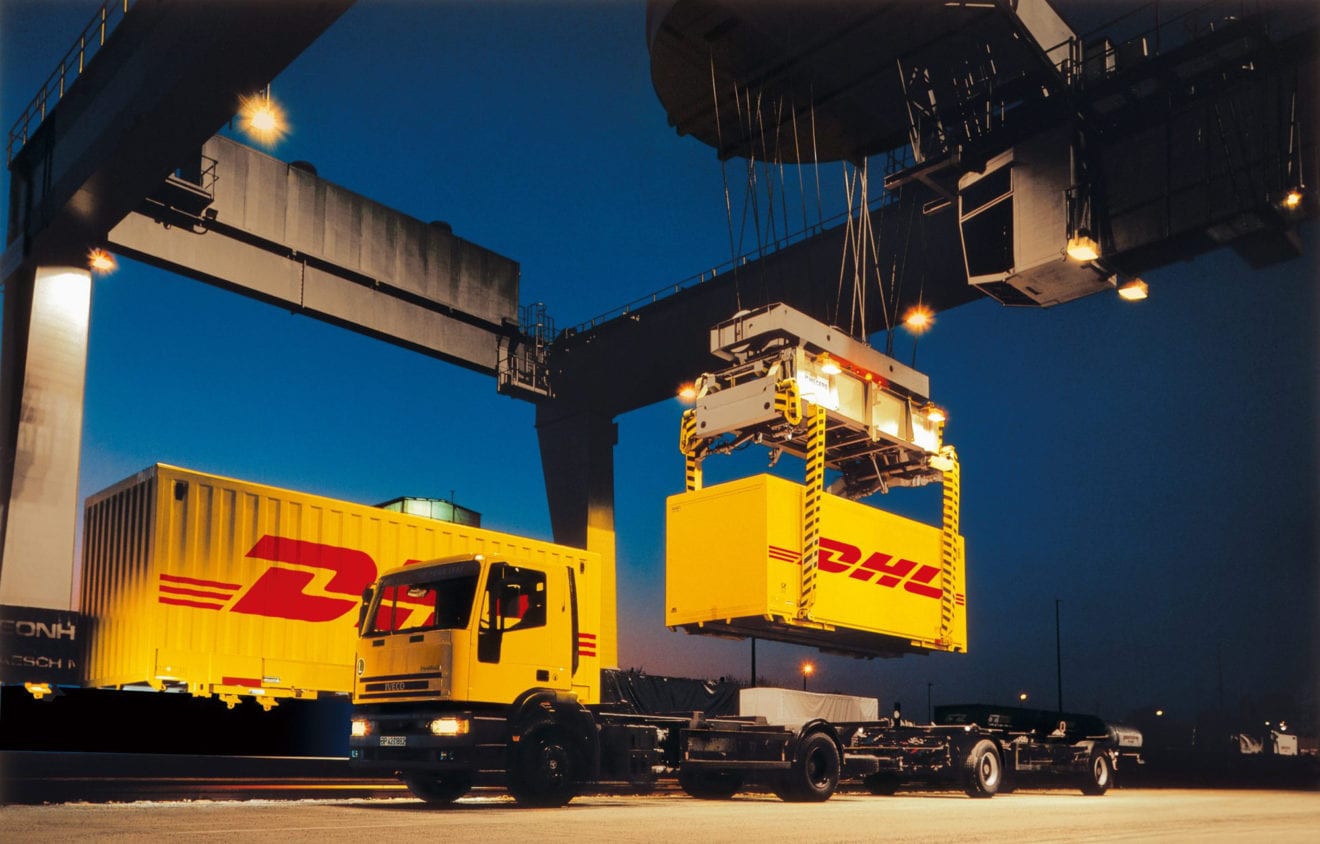
    DHL eCommerce, a division of the world’s leading logistics company, Deutsche Post DHL Group, has expanded its operations into Thailand and is offering end-to-end domestic delivery service for Thai e-commerce merchants. With its new service, DHL eCommerce is offering a range of unique service options that caters to Thailand’s burgeoning e-commerce market.

    Understanding that a strong backbone for e-commerce growth lies in a good logistics system, DHL eCommerce aims to enable a better e-commerce experience for both consumers and merchants through efficient logistics and a seamless online shopping experience. Major additions will be made to DHL’s delivery infrastructure in the country, including a 3,000 sqm central distribution center in Bangkok and a network of over 20 depots located throughout Thailand ensuring full coverage across the entire country. To meet increasing business demands, DHL plans to more than double the number of depots in Thailand by 2017 and expand its fleet primarily in two-wheel vehicles that can operate more efficiently in the traffic situations in Thailand’s major cities.

    As part of its service offerings, DHL eCommerce’s fleet of two- and four-wheel vehicles will provide next-day delivery to all urban areas, and a 2-3 day delivery to all other locations. All merchants have access to Cash on Delivery (COD) with daily remittance and access to a multilingual call center.

    DHL eCommerce launches in Thailand

    The launch of DHL eCommerce in Thailand is a great showcase for Strategy 2020, the corporate strategy of Deutsche Post DHL Group, which has seen a rename of its Mail division to “Post – eCommerce – Parcel” to better reflect the focus on products and services offered for the high-growth e-commerce market. DHL has been operating in Thailand since 1973, through its other business units – DHL Express, DHL Global Forwarding and DHL Supply Chain.

    “Thailand, with its tremendous growth potential, fast e-commerce adoption and high smartphone penetration rates, has been identified as the first Southeast Asian country to launch DHL eCommerce’s domestic delivery service in line with our group’s Strategy 2020,” said Thomas Kipp, CEO, DHL eCommerce. “The Thai e-commerce market is expected to more than triple in size to EUR 3.6 billion between now and 2020[1] and with this investment, we are well positioned to support the growth of e-commerce businesses in Thailand.” 

    “We see major strategic opportunities for e-commerce growth in Thailand, particularly with the Asean Economic Community which is expected to increase the movement of goods within the region. Despite e-commerce already being a billion-dollar sector with extremely rapid adoption, Thailand’s e-commerce share of the retail market is still relatively low compared to other high-growth economies. Only 1.7% of total sales in Thailand are obtained from e-commerce, compared to more than 10% in China,” said Malcolm Monteiro, CEO, Asia Pacific, DHL eCommerce. “Thailand is ranked as one of our top priority markets in Southeast Asia: its expected annual market growth of more than 20% (from 2014 to 2020) is likely to be largely driven by significant numbers of SMEs beginning to extend their business models into online marketplaces.”[2]

    “In order to fulfill Thai consumers’ expectations of seamless and simple e-commerce, businesses need logistics services that keep up with extremely rapid changes in consumers’ expectations while providing high operational excellence,” said Kiattichai Pitpreecha, Managing Director, DHL eCommerce Thailand. “This makes the need for a tailored e-commerce delivery service greater than ever before – so that merchants, especially SMEs, can focus on their core business and grow faster based on a high performing logistical backbone.”

    “Our successful offerings in India and China have proven that exceptional customer service bolstered by robust and scalable end-to-end delivery networks are the two essential ingredients needed to win e-commerce market share. That applies to all players, from small businesses to multinational retail conglomerates,” added Malcolm Monteiro, CEO, Asia Pacific, DHL eCommerce. “As Thai consumers continue to come online and join the region’s appetite for e-commerce, we are confident that our services will give customers both a first-mover advantage and a unique competitive edge.”

  • 2C2P helps Myanmar revolution

    2C2P helps Myanmar revolution

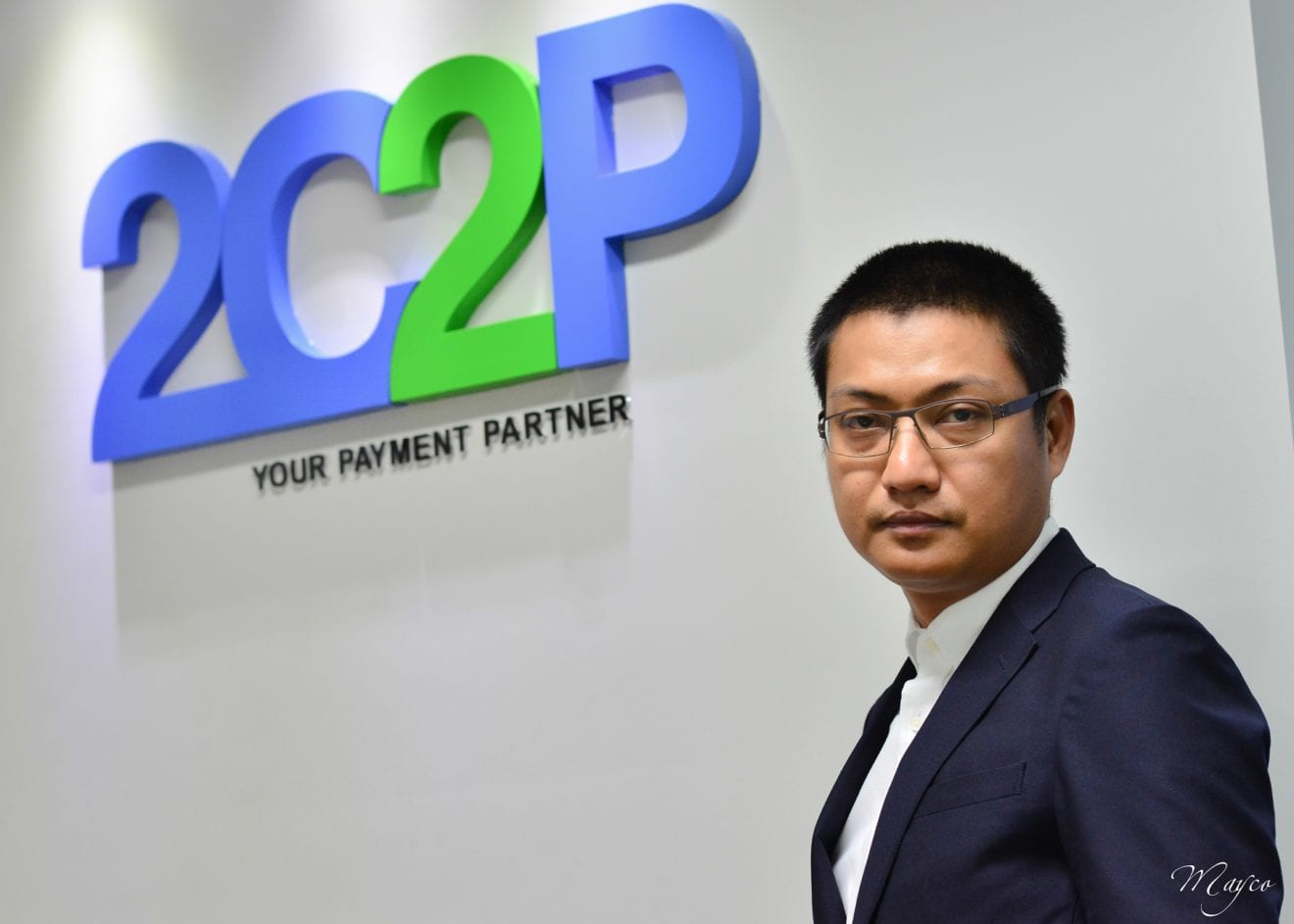
    Southeast Asia payments company 2C2P of Singapore, with its Burmese founder and CEO Aung Kyaw Moe, has taken a step to modernise Myanmar’s economy with the country’s first co-branded debit card so its citizens can shop with international merchants.

    The new UnionPay and Myanmar Payments Union (MPU) co-branded debit card is being introduced along with the launch of 1-Stop, a cash acceptance network of sellers and buyers, bringing digital commerce to Myanmar, especially helpful for its rural communities. Also a partner of the debit card is Myanmar’s Asia Green Development Bank (AGD Bank).

    Anyone in Myanmar can now set up a microbusiness to sell goods and services online. Domestic transactions are processed by MPU, while international transactions go through UnionPay International, which is recognised by more than 4000 merchants domestically and more than 26 million across 150 countries, as well as at 1.8 million ATMs internationally.

    MPU is Myanmar’s national payment network, authorising the issuance and acceptance of all payment cards within the country, of which there are more than 1.2 million. With UnionPay International, a subsidiary of China UnionPay, cardholders can shop with international merchants for the first time. UnionPay is the largest global payment card company with more than five billion cards issued.

    Myanmar is expected to quadruple the size of its economy from $45 billion in 2014 to $200 billion by 2030 (McKinsey), with a reboot of its cash-based economy seen as the key to growth. This will be driven by Myanmar’s young population (47 per cent of its 51.4 million citizens are 24 years old or younger). The World Bank pegs Myanmar’s annual growth rate as leading Asia at 8.3 per cent annually between 2014 and 2017.

    Myanmar’s millennials are also responsible for the country’s spike in outbound tourism. This sector grew from $29 million in 2002 to $257 million in 2012, a rise of 24 per cent, according to the World Trade Organisation.

    “2C2P is committed to support Myanmar’s financial institutions,” says CEO and founder Aung Kyaw Moe. “We do this by bridging the gap between local and international infrastructure.

    “We bring our robust platform, as well as our experience and knowledge in international payments, making it possible for Myanmar’s banking and financial institutions to innovate – offering new services that leapfrog legacy financial technologies.”

    AGD Bank customers can download an app to manage card transactions in real time with online support. A loyalty program offers discounts and privileges from more than 4000 merchants domestically, across food and beverage, retail, hospitality, and travel and tourism.

    “We are committed to innovate, offering Myanmar’s young, fast-growing and connected population the financial services that meet their evolving needs,” says AGD Bank chairman U Than Ye.

    Meanwhile, 1-Stop’s network has more than 3000 locations through 2C2P’s strategic partnerships with the country’s largest distribution network for the agriculture sector Myanmar AWBA Group, retail and convenience store chains Capital Hyper Mart and Grab & Go, mobile stores eCity, Lu Gyi Min andMr.Fone, as well as independent stores.

    It is aiming to contribute to modernising the economy through its online-to-offline commerce approach in a market with relatively high smartphone penetration but limited e-payment infrastructure.

    Myanmar is the fourth-fastest growing mobile market globally, according to Ericsson. In the third quarter of last year, it accounted for nearly 6 per cent of the world’s 87 million new mobile subscribers. Research firm Ovum estimates mobile subscriptions in Myanmar grew by 87.4 per cent in 2014 to 10.7 million. This is forecast to grow at a 21 per cent compounded annual growth rate to reach 38.5 million by the end of 2019 as networks expand to rural areas.

    Last year, 2C2P also launched easyBills, the country’s first online bill-payment system. Previously, along with Myanmar Citizens Bank, 2C2P launched the Citizen Card, a reloadable prepaid card accepted by MasterCard and merchants globally.

    2C2P has offices across Southeast Asia, including Cambodia, Indonesia, Laos, Malaysia, Myanmar, Singapore, Thailand and The Philippines, as well as in Hong Kong.

  • Indonesian Steel Breaks through Malaysian Market

    Indonesian Steel Breaks through Malaysian Market

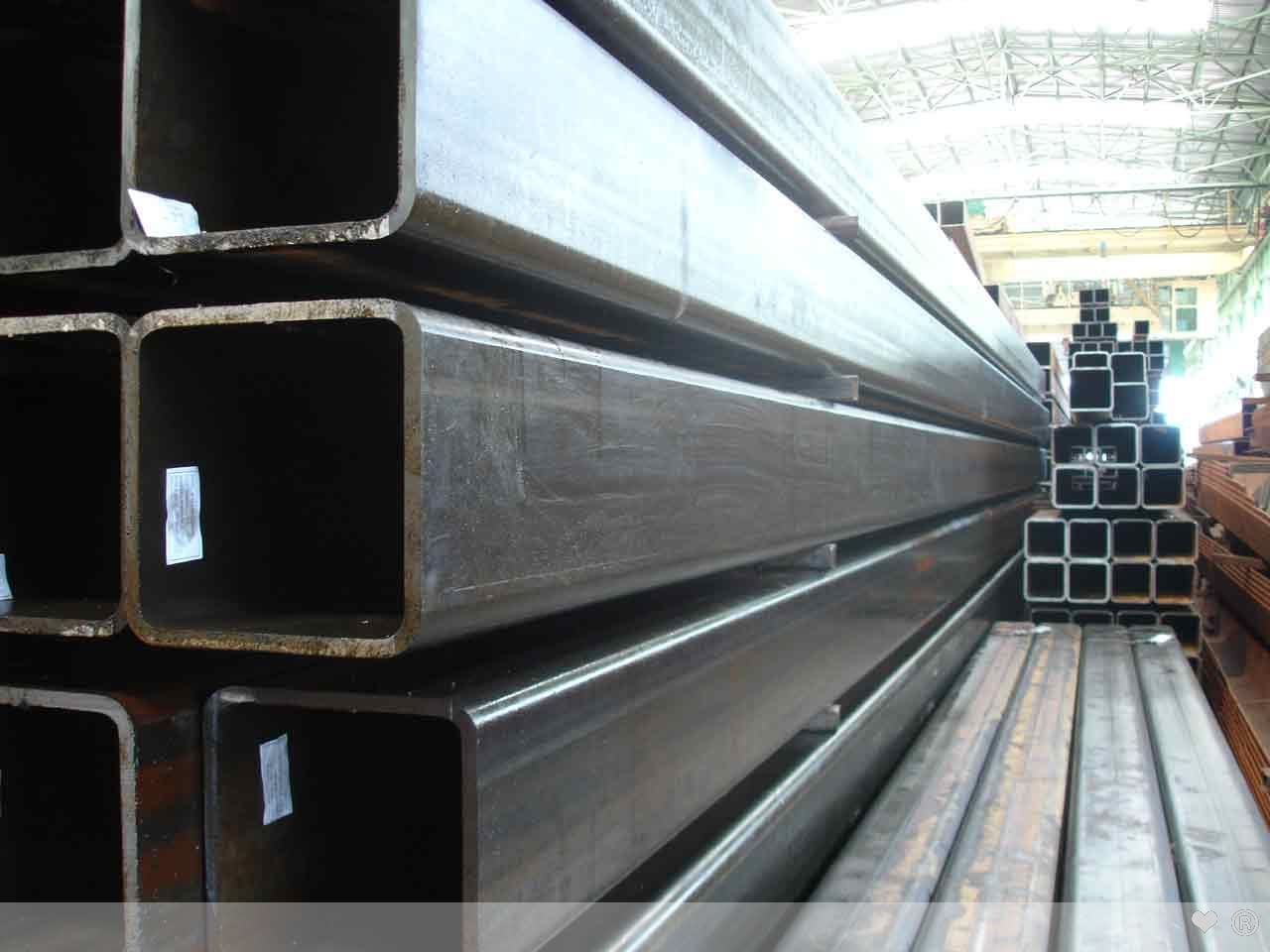
    Indonesian hot rolled coils (HRC), which is a type of steel product, can now enter the Malaysian market. The coils managed to tap Malaysia’s market following their government’s decision to stop the investigation on safeguards after assessing that Indonesian steel will not jeopardize the sales of Malaysia’s local products.

    Karyanto Suprih, acting director general of foreign trade at the Trade Ministry, said that the Malaysian Ministry of International Trade and Industry (MITI)—the authority that handles the safeguard investigation—has completed its studies.

    “They did not find indications for possible losses or threats of loss resulting from importing products,”Karyanto said in Jakarta on Tuesday, January 26.

    According to Karyanto, the decision was announced in the Notice of Negative Preliminary Determination on January 6.

    The safeguard investigation over Indonesian HRC began on September 7, 2015 at the request of one of Malaysia’s largest steel producers, Megasteel Sdn. Bhd.

    The investigation was based on allegations of domestic industry losses due to an imports surge of HRC products.

    Karyanto hopes that the termination of the safeguard investigation can help expand Indonesia’s export share for HRC product to Malaysia. In 2014, Indonesian HRC had a 6.1-percent share of Malaysia’s total imports.

  • Jack Ma versus George Soros: who do you trust on China’s economy

    Jack Ma versus George Soros: who do you trust on China’s economy

    No one really trusts China’s official statistics. In the past ten days since the government announced the economy grew at the much-slower-but-still-solid pace of 6.9 per cent last year, a roll-up of economists and money managers have been putting forward their own best estimates for growth.

    Billionaire investor George Soros raised Beijing’s ire by claiming last week the current growth rate was probably around half the official figure at 3.5 per cent and said a hard landing was “unavoidable.”

    Other economists say growth is somewhere between four and six per cent, which leaves investors looking around for alternative measures of the economy.

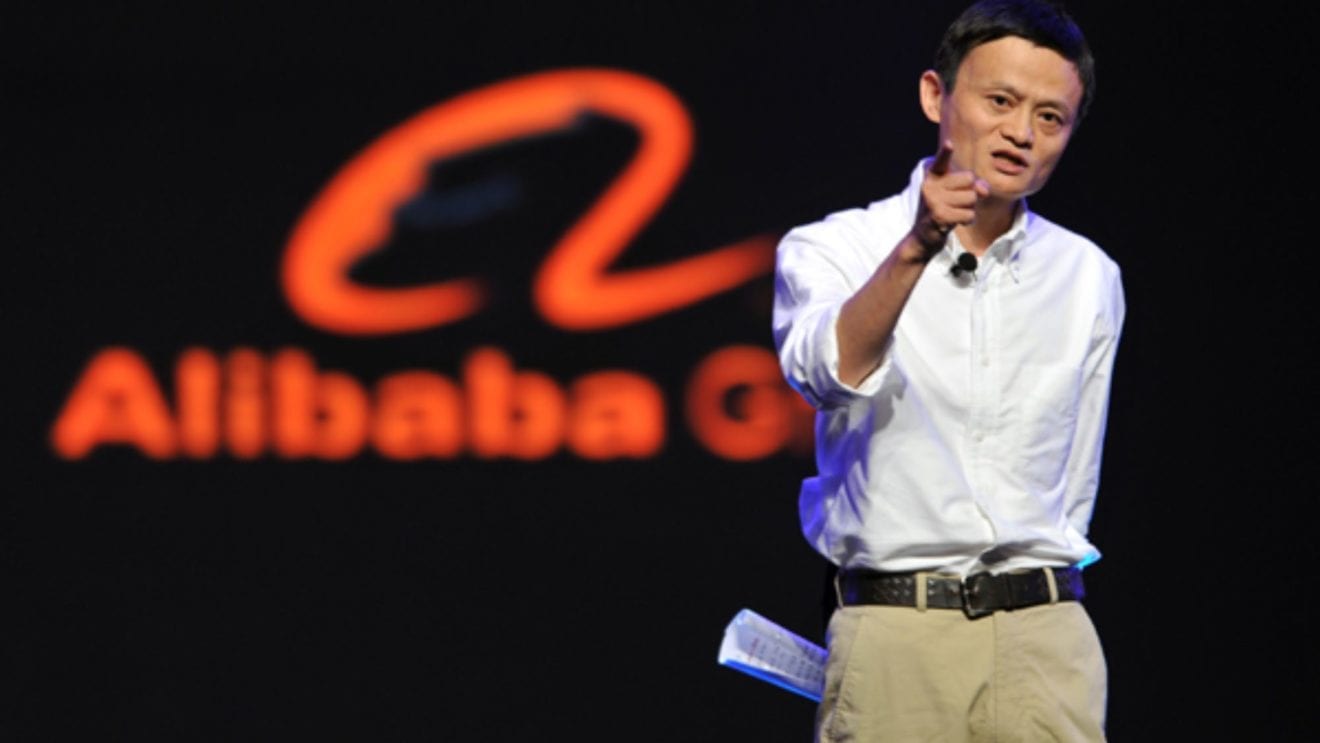
    When it comes to a gauge for consumption, it’s hard to go past the profit result for China’s biggest e-commerce company, Alibaba, which now accounts for about 80 per cent of the online retail market.

    And there was much to cheer about in Alibaba’s better-than-expected third-quarter results, released on Thursday in the United States.

    Revenue jumped 32 per cent to 34.5 billion yuan ($7.4 billion) compared to the same period a year earlier, while profit more than doubled to 12.5 billion yuan, largely driven by consumers shopping on their mobile devices.

    Despite the strong result, there were some signs of China’s slowdown.

    The value of overall product sold across Alibaba’s retail platforms – the so-called gross merchandise revenue (GMV) — rose 23 per cent to 964 billion yuan, much slower than this time last year.

    Still, it’s a strong result and the smaller increase in GMV might be partly due to the company’s efforts to crackdown on the sale of counterfeit goods on its platforms.

    Alibaba said China’s growing middle-class was driving sales especially to younger people, who are more likely than their parents and grandparents to spend money rather than save.

    Alibaba’s founder Jack Ma set up the company in his Hangzhou apartment, an hour’s train trip from Shanghai, in 1999. At the time, it was an online listings service, connecting Chinese manufacturers to potential customers. But four years later he launched Taobao, revolutionising China’s online retail market. He followed Taobao with Tmall, which allows global brands such as Nike and Gap to sell direct to consumers and the company listed on the New York Stock Exchange in 2014.

    More than 400 million people are now active buyers on Alibaba’s retail marketplaces.

    The company is also investing in financial services, video and media content and cloud-computing to diversify its earnings.

    Investors had been betting against Alibaba this year because of China’s economic woes, pushing its shares down 14 per cent before the result came out. Alibaba fell 3.8 per cent to $US66.92 in New York on Thursday.

  • Hang Lung Properties China woes hit developer’s 2015 earnings

    Hang Lung Properties China woes hit developer’s 2015 earnings

    China’s slowing economy has claimed another victim, as Hang Lung Properties reported on Thursday a 56% fall in 2015 net profit from a year ago.

    The property developer said its net income declined to 5.09 billion Hong Kong dollars ($653 million) for the financial year ended on Dec. 31. Total revenue shrank by 47% to HK$8.94 billion from a year ago. Property sales in Hong Kong fell 88% to HK$1.2 billion.

    Over the year, only 63 apartments and a few car parks were sold — a dramatic downturn from 2014’s sales of 412 residential units that generated a turnover of HK$9.81 billion.

    Although the company’s rental income from commercial properties in both Hong Kong and the mainland rose by 7%, total operating profit of its mainland China portfolio — comprising eight shopping malls and three office towers — dipped 3% year-on-year to HK$2.72 billion. Overall rental margin fell by 7 percentage points to 65%.

    “The [property] market in mainland China is in the doldrums, if not deteriorating,” said Hang Lung Chairman Ronnie Chan. He said that turnover in the second half of the year typically outperformed the first half, but that was not the case in 2015. “I can’t see how it is going to improve in the short run,” said Chan.

    Such distress was most palpably felt in cities outside of Shanghai. Occupancy rates in Hang Lung’s malls in Shenyang and Wuxi fell 87% and 72% respectively, while retail sales, excluding autos, dropped 3%.

    “If the market is not there, we may have no choice but to lower rent,” said Chan, adding that negative rent reversion is a pressure.

    Hang Lung’s commercial and office complexes are built for the high-end, premium market. But China’s slowing economic growth is eroding sentiment and demand for luxury goods in Hong Kong. International brands are worried about opening in China and Hong Kong.

    Hang Lung said the weakness in retail supply, rental growth and high-end spending will continue in 2016. But Chan said the company had no plans to refashion its establishments for the mid-market, or to suspend construction projects in China, given their still bullish outlook for China in the long run.

    “It is the only country that can maintain a higher-than-6% GDP growth in the next few years,” said Chan.

    In line with its lackluster annual results, dividend payout for the year will be slightly trimmed to HK$0.75 per share. “The cut is less about maintaining cashflow, but a reflection of our bearish outlook on the [property] market strained by China’s slowing economy. I don’t have a clue when spring will return,” said Chan, adding that the company is still holding plenty of cash at around HK$31.3 billion.

    Hang Lung’s shares have shed 17.8% to HK$21.25 year-to-date. Citibank analysts see no upside for the stock.

  • Alibaba’s Q3 sales grow 23% and profits double

    Alibaba’s Q3 sales grow 23% and profits double

    Alibaba reported consumers bought 964 billion yuan ($149 billion) worth of goods on its Chinese online marketplaces in the quarter ended Dec. 31, an increase of 23% from the gross merchandise value, or GMV, of sales in the same quarter of 2014. Shoppers made 68% of those purchases on mobile devices.

    The value of purchases on Alibaba’s China marketplaces during the 12 months ended Dec. 31 totaled just under $449 billion, well above anticipated U.S. e-retail volume for 2015 of around $350 billion. Alibaba’s China sites accounted for about 76% of the $589 billion in China 2015 online retail purchases reported recently by China’s National Bureau of Statistics.

    “We had excellent results this quarter. We achieved impressive revenue growth as we are increasingly monetizing the user activity on our marketplaces, particularly on mobile devices. In this quarter, revenue grew 32% year over year and China retail marketplace revenue grew 35% year-over-year,” says Maggie Wu, chief financial officer of Alibaba Group. “Meanwhile, we generated strong free cash flow of US$3.7 billion this quarter. The fundamental strength of our core business gives us the confidence to invest in our strategic priorities.”

    Alibaba attributes the growth mainly to more consumers shopping its online shopping sites. Alibaba said active buyers, those who purchased in the past year, increased to 407 million in this quarter, a 22% increase from 334 million a year ago. Mobile active users who shop every month in December reached 393 million, up 48% from the prior-year period.

    While Alibaba derives most of its revenue from its big China web marketplaces—Taobao, Tmall and Juhuasuan—it also reported growth in international ventures.

    One of those is the Tmall Global marketplace, launched last year to allow foreign companies without a business license in China to sell online to Chinese consumers. Sales on Tmall Global increased 179% in the recent quarter, though Alibaba did not report the actual sales. Plus, more foreign companies that have obtained China business licenses opened branded stores on the main Tmall.com site. Among the more than 200 international brands opening flagship stores on Tmall during the quarter were Coca-Cola, Starbucks and Lululemon, Alibaba says.

    Alibaba also sells to online shoppers around the world through its AliExpress.com retail marketplace. Revenue from selling products to overseas consumers, mainly on Alixpress.com, totaled 632 million yuan ($97 million) in the quarter, an increase of 14% from 554 million yuan in the same quarter of 2014.

    Like U.S. e-retail powerhouse Amazon.com Inc., Alibaba’s fastest-growing business is its cloud computing service. AliCloud, which grew its sales to 819 million yuan ($126 million), representing a year-over-year increase of 126%, Alibaba said.

    “Alibaba reported results mostly above expectations, highlighted by strong revenue growth and impressive mobile monetization improvement,” Colin Sebastian, a senior research analyst at investment firm Robert W. Baird & Co., said in a note to investors today. “While slowing GMV growth is a potential yellow flag, we believe concerns about the effects of China’s macro conditions on Alibaba are largely overblown. Overall, we view these results as largely reinforcing a positive view of Alibaba, even in the face of a transitioning China economy.”

    For the fiscal third quarter ended Dec. 31, Alibaba also reported:

    • Revenue was 34.543 billion yuan ($5.333 billion), an increase of 32% year-over-year from 26.179 billion yuan in same period 2014.
    • Mobile revenue was 18.746 billion yuan ($2.89 billion), an increase of 192% from 6.42 billion yuan in same quarter of 2014.
    • Net income of 12.456 billion ($1.923 billion), a 108% increase compared to 5.983 billion yuan in the same quarter of 2014

    For the 12 months ended Dec. 31, Alibaba reported:

    • Chinese retail transactions increased 29.4% year over year to 2.95 trillion yuan ($448.71 billion) from 2.28 trillion yuan in 2014.
    • Revenue grew 33.3% year over year to 94.39 billion yuan ($14.35 billion) from 70.81 billion yuan in 2014.
    • Net income reached 66.44 billion yuan billion ($10.10 billion), a 146% increase from 27.05 billion yuan in 2014.
  • Indonesia makes strides in fight against corruption

    Indonesia makes strides in fight against corruption

    A researcher for Transparency International Indonesia (TII) elaborates on findings in the Corruption Perception Index 2015 on Monday. Indonesia ranked 88th out of 168 countries, a better position than a year earlier when it ranked 107.(JP/Wendra Ajistyatama)

    Indonesia has shown improvement in the 2015 global Corruption Perception Index (CPI) survey, released by Berlin-based Transparency International (TI) on Wednesday, appearing in 88th position out of 168 countries surveyed and scoring 36 points compared to 34 in 2014.

    The survey, which measures private sector perceptions of public services, recognizes a score of 0 as highly corrupt and 100 as very clean. The agency released results from the survey in 174 countries on Wednesday.

    Although Indonesia only scored two points higher than last year, the feat helped the country to move up 19 notches in the 2015 CPI from 107th position in 2014.

    TI Indonesia’s program director Ilham Saenong said President Joko “Jokowi” Widodo’s extensive efforts to conduct reforms in state institutions had contributed greatly to Indonesia’s good performance in the 2015 CPI.

    “There has been a sense of confidence measured by the survey in the field of public services, for example in driving licenses and passport-making processes,” Saenong told a press briefing on Wednesday.

    The survey revealed that in 2015 Indonesia performed better than neighboring Singapore, Malaysia, Thailand and the Philippines, which saw their CPI scores and ranks drop compared to last year.

    In the study, Indonesia was the only Asia-Pacific country that saw its score and rank increase.

    In 2012, the country ranked 118th with 32 points, while in 2013 it achieved the same score but appeared in a higher position at 114. In addition, 2014 saw Indonesia score two points higher at 32 and appear in 107th position.

    With a current score of 34, Indonesia only needs six and nine points to achieve the ASEAN regional average score of 40 and the Asia-Pacific average score of 43.

    “We need to work harder in the future because our current score is still far from G20 countries’ CPI average of 54,” TI Indonesia secretary-general Dadang Tri Sasongko said.

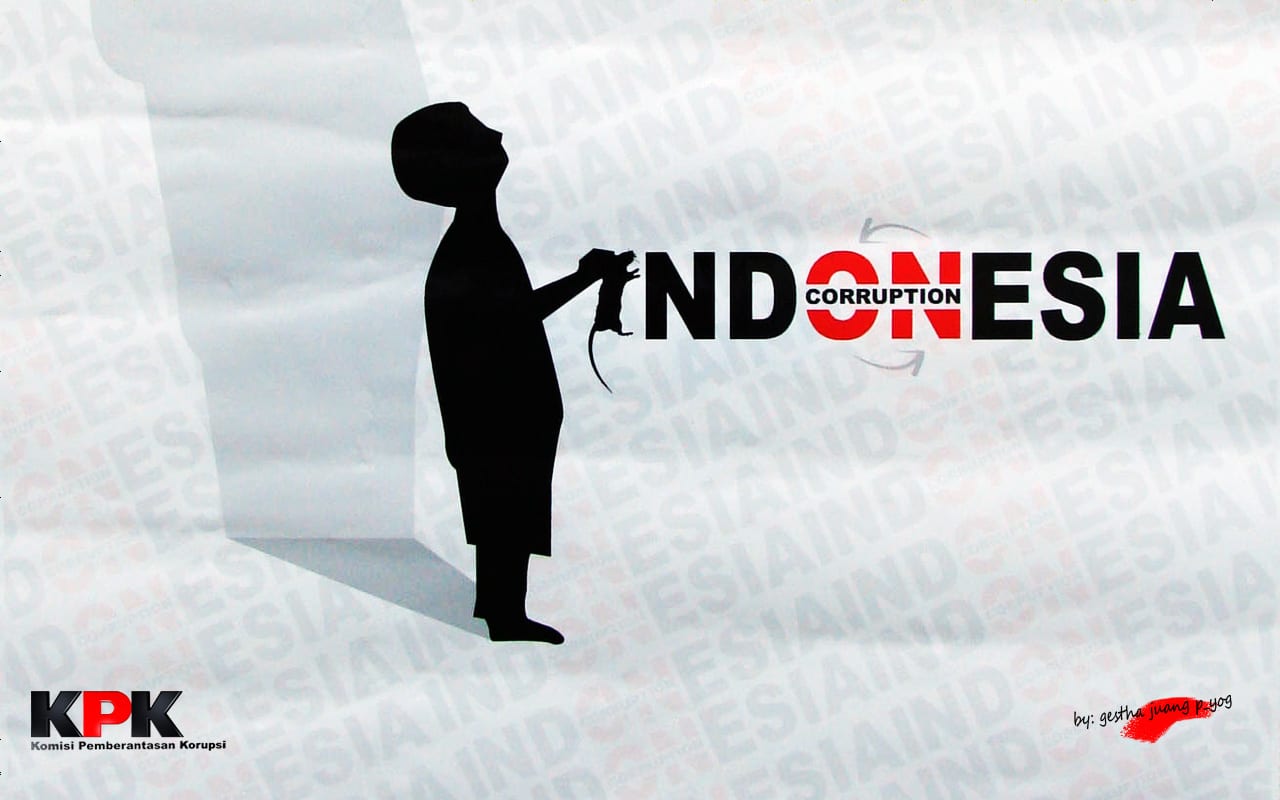
    Dadang said that in previous surveys Indonesia’s CPI score had fluctuated as the Corruption Eradication Commission (KPK) was engaged in a standoff with the National Police, but its dustup with the police did not prevent the country from achieving a higher CPI score.

    “Jokowi’s image as a businessman and his good track record very much give hope for business sector actors, in addition to the already good management of the current state of affairs in public services,” he said.

    Dadang added that Indonesia could achieve a higher score if it managed to crack down on corrupt practices involving law enforcement agencies and political corruption.

    “Despite the business community’s confidence in public services now, they also want to see good progress in law enforcement and politics because what they want is legal certainty should they be involved in legal matters in the future,” Dadang said.

    KPK gratuity director Giri Suprapdiono said Indonesia could have earned a better CPI score in 2015 if former KPK commissioners Abraham Samad and Bambang Widjojanto as well as KPK investigator Novel Baswedan had not faced police prosecution.

    He added that politics had also hindered the fight against graft.

    “I can say that we are already on the right track but we still need to work harder and harder. Because it is difficult to see this country free from graft because our politics costs a lot of money,” Giri said.

    In the survey, Denmark came in first position with 92 points, followed by New Zealand with 91, Finland with 90, Sweden with 89, Switzerland with 86 and the Netherlands with 87.

    At the bottom of the list were war-torn Somalia and isolated North Korea with eight points each as well as Afghanistan with 11 points.

  • Lane Crawford Fetes Lunar New Year With Visual Art Installations

    Lane Crawford Fetes Lunar New Year With Visual Art Installations

    Lane Crawford has big plans to celebrate the upcoming Lunar New Year — also called the Chinese New Year — which kicks off in early February.

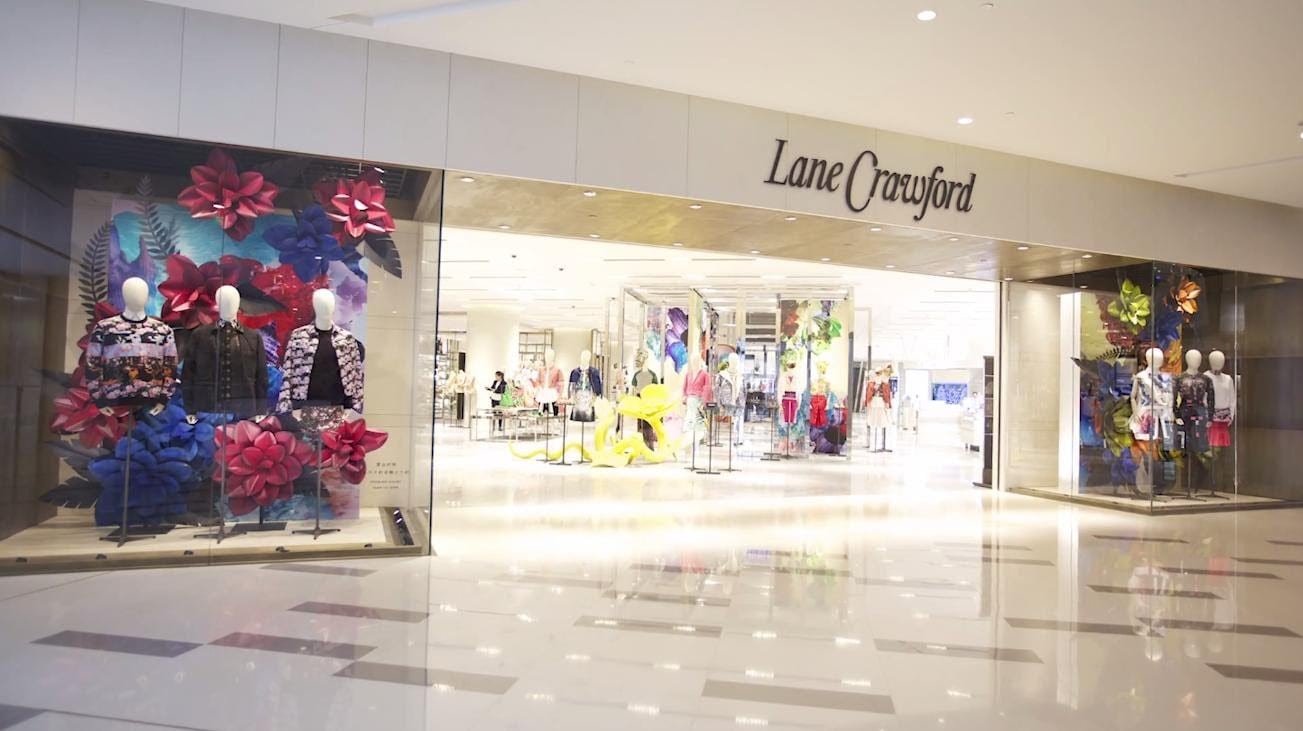
    According to the Chinese zodiac tradition, this will be the year of the monkey. Lane Crawford has tapped nine artists to create a series of visual installations for the luxury retail company’s stores in Hong Kong and China. 

    Participating artists include Andrea Minini, Angel Chen, Desmond Leung, Hui Hoi Kiu, Huijun Guan, Mosaic Art Projects (which is led by visual artists Karen Pow and Chao Harn Kae), Jan Zhou and Yeli Gu — WWD reported. 

    Pow and Kae created a massive, papier-mâché sculpture of a monkey, which references the traditional Chinese art of paper-cutting. 

    In related news, British luxury brand Burberry is also celebrating the Lunar New Year in February.

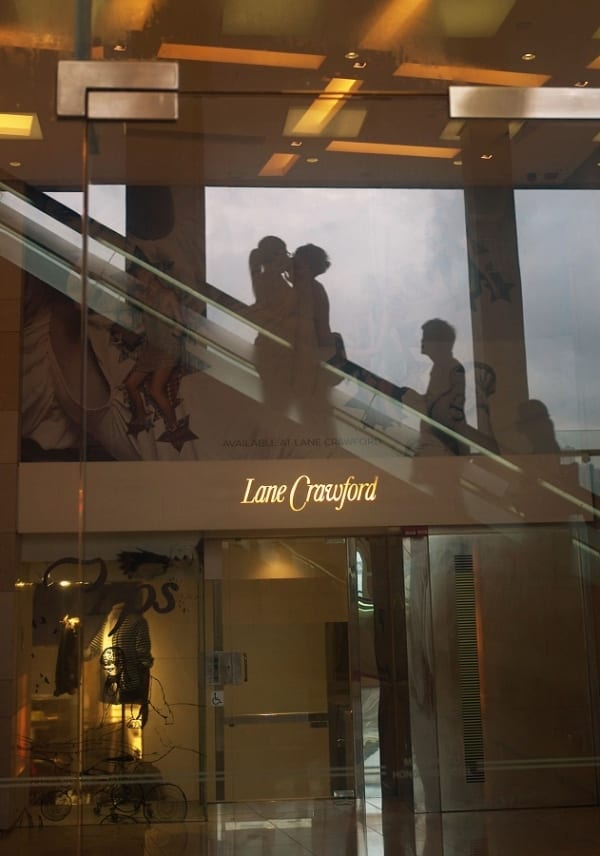
    Shoppers viewed through a window of the Lane Crawford store in Hong Kong

    Beginning at the start of the Chinese New Year, Burberry fans will be able to use WeChat, a popular Chinese social messaging platform, to reveal gifts from the label and send personalized celebratory envelopes to family and friends.

    Additionally, users in China will have the opportunity to win limited edition physical Burberry Lunar New Year envelopes.


  • Xiaomi keen on single brand retail license

    Xiaomi keen on single brand retail license

    Xiaomi is keen on applying for a single-brand retail licence in India and will take a final call on the matter in a couple of weeks after more consultations as the Chinese company strives to deepen its presence in the world’s fastest-growing smartphone market, where it just recorded its best-ever quarter by sales.

    As part of its India strategy for 2016, Xiaomi will locally manufacture most of the phones it will sell in the country, begin investing in startups and expand its offline presence, Manu Jain, the company’s head of India operations.

    “We would be very keen (on applying for single-brand retail) but we would want to understand this better. We are talking to multiple people who are subject matter experts on this to understand everything about it before we go ahead,” Jain said. “Overall, this looks very positive from our perspective.”

    Once it applies, Xiaomi would join Apple as among the top foreign brands opting for a direct presence in India, which eased foreign direct investment rules for single-brand retailing in November. The South Asian nation relaxed mandatory local procurement conditions for high-tech companies and allowed single-brand licence holders to sell their products directly online.

    Xiaomi currently sells 90% of its products through online portals Flipkart, Amazon, Snapdeal and its own store, Mi.com, and has ventured into the offline market with outlets of Airtel and The Mobile Store selling about 10% of its devices. The company will forge more partnerships to expand its offline presence in 2016 and will focus equally on revving up sales through its own portal.

    Jain said the aim would be to achieve a balance between online and offline sales, similar to what it has in China, where one-third of its sales comes from offline channels.

    Through a combination of online and offline sales in India, Xiaomi clocked its best-ever three months yet, selling between 1 million and 1.5 million smartphones in the quarter ended December. “This is the second consecutive quarter that we’ve crossed 1 million…despite the competition, we continue to grow aggressively,” Jain said. In the September-ended quarter, sales were up 45% on-quarter.

    “One of our targets for 2016 is to invest in startups,” Jain said, which would replicate the model followed by the company in China. Though Jain didn’t specify the amount, he said the company would be flexible and investments would depend on the startup and the stage it has reached.

    India will continue to be a critical market and Xiaomi will reduce the time gap between China and India product launches and also introduce more models in 2016. Separately, it will scale up local manufacturing to make a majority of the phones that it sells in the country.

    Jain did not share the present manufacturing capacity at Sri City in Andhra Pradesh, where Foxconn manufactures phones for Xiaomi, but said that the scale-up will be “significant.”

  • Siam Piwat mounts “The Siam Prosperous Chinese New Year 2016”

    Siam Piwat mounts “The Siam Prosperous Chinese New Year 2016”

    Siam Piwat Company Limited—the operator of Siam Paragon and Siam Center—together with Muang Thai Life Assurance Public Company Limited, Kasikornbank, and Advanced Info Service Public Company Limited, sends happiness during Chinese New Year to welcome the lucky year by launching a special campaign “The Siam Prosperous Chinese New Year 2016” to boost spending during the festival and to attract local shoppers and international tourists to the shopping centers where they enjoy shopping for propitious items as well as fashion and lifestyle ones from leading brands in Siam Paragon and Siam Center. Moreover, the two shopping centers are offering a blow-out sale with up to 80% discount while giving customers a chance to win Siam Ang Pao (red envelope) and many other prizes totaling over 7.5 million baht.

    These special promotions are available from 3 February to 13 March 2016. Siam Paragon also holds a special activity “Siam Paragon The Prosperous Chinese New Year 2016”, allowing its visitors to witness the magnificence of a Hong Kong-based rare-to-see performance “The Magic of Seven Animals of the Gods” by “Lok Chee Fu”—the old performance troupe renowned for over eighty years. The official opening of the event is schedule on Thursday, 4 February 2016 at 17.30 hrs at Parc Paragon. The performance is open to the public with free of charge from 5 to 8 this February, one session a day at Parc Paragon from 17.00 hrs onward.

    Miss Chanisa Kaewruen, Deputy Managing Director for Marketing Events and Business Relations, Siam Piwat Co., Ltd., says, “Every year during the Chinese New Year festival sees a big increase in spending. Siam Piwat has been investing in activities and promotions in order to boost sales in the first quarter. As seen previously, we are constantly holding activities to celebrate many occasions from the New Year festival to Children’s Day and upcoming Chinese New Year and Valentine’s Day. Each of the previous activities attracted the attention of many Thai shoppers and foreigners, allowing the lively economic atmosphere and boosting sales.”

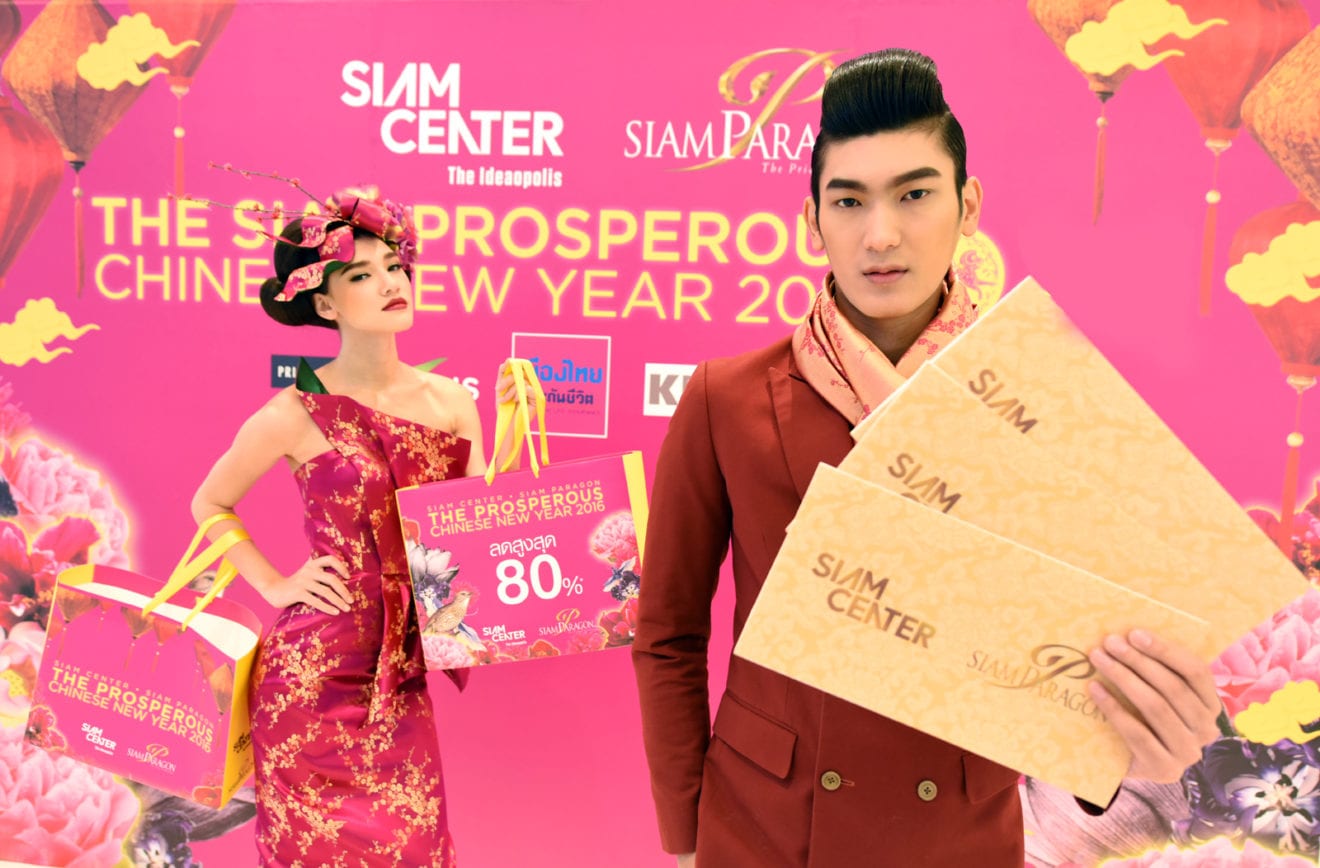
    Chanisa Kaewruen, Deputy Managing Director for Marketing Events and Business Relations, Siam Piwat (center) and models

    Chanisa continues, “The Chinese New Year festival marks the celebrations of Chinese New Year and the ASEAN Economic Community (AEC). Siam Paragon and Siam Center consequently mount “The Siam Prosperous Chinese New Year 2016”, the first campaign with a budget of over 7.5 million baht to have special activities and promotions. This is to create atmosphere which will then persuade consumers, both Thai shoppers and foreign tourists into spending more—making the economy flow—on fashion products, clothes, accessories, gold jewelry, IT products, food products to name but a few. The Chinese New Year festival is the festival which has the biggest spending of the year, allowing an immense amount of money spent each year. This festival manages to attract more tourists—especially the ones from China, Hong Kong, Taiwan, Singapore and South Korea—to the shopping centers than ever. These tourists of Chinese descent are almost 50 percent of the number of foreign tourists who enjoy visiting the two shopping centers. At the same time, this Chinese New Year marks the first year when the ASEAN Economic Community has been officially effective. More Asian people of Chinese descent from different countries joining in the AEC are expected to travel and spend in Thailand.”

    The promotional campaign to welcome this Chinese New Year includes a parade of full-on promotions that feature a chance to win grand prizes. Simply spend every 2,000 baht in the two shopping centers, get one lucky-draw coupon to have a chance to win several special prizes worth over 7.5 million baht. The biggest prizes include gold bullion worth 1 million baht with a quota of one, Royal Barge Suphannahong’s propitious piece of craftsmanship made of 99.9% yellow gold by Prima Art, with a quota of two, as well as eight propitious trees made of 99.9% yellow gold by Prima Art with a quota of twenty. Customers with top spending of the week instantly win The Scarlett Clinic’s Golden Ratio Body Contouring course worth 100,000 baht with a quota of twenty four. Plus many privileges from the participating credit cards.

    Last but not least, the campaign allows customers to go on shopping thanks to “Siam Chinese New Year Sale”—the sale which offers up to 80% discount on items from leading brands from 3 to 14 February 2016. Special Siam Ang Pao, aka Siam red envelopes, are also given away to win many prizes such as gift vouchers from shops, discount cards and complimentary vouchers from service shops in the two shopping centers. These Ang Pao are available from 6 to 8 February 2016 for any customer who shops in Siam Paragon and Siam Center. Very special to Siam Paragon’s customers only on 8 February, spending of 300,000 baht instantly gets TWG Hamper Set worth 10,000 baht with a quota of ten.

    Enjoy shopping with the promotion “The Siam Prosperous Chinese New Year 2016” in celebration of Chinese New Year from 3 February to 13 March 2016 in Siam Paragon and Siam Center.


  • Al Futtaim in joint venture to launch Robinsons

    Al Futtaim in joint venture to launch Robinsons

    Ties up with Chalhoub Group to bring in the Singapore-based fashion department store

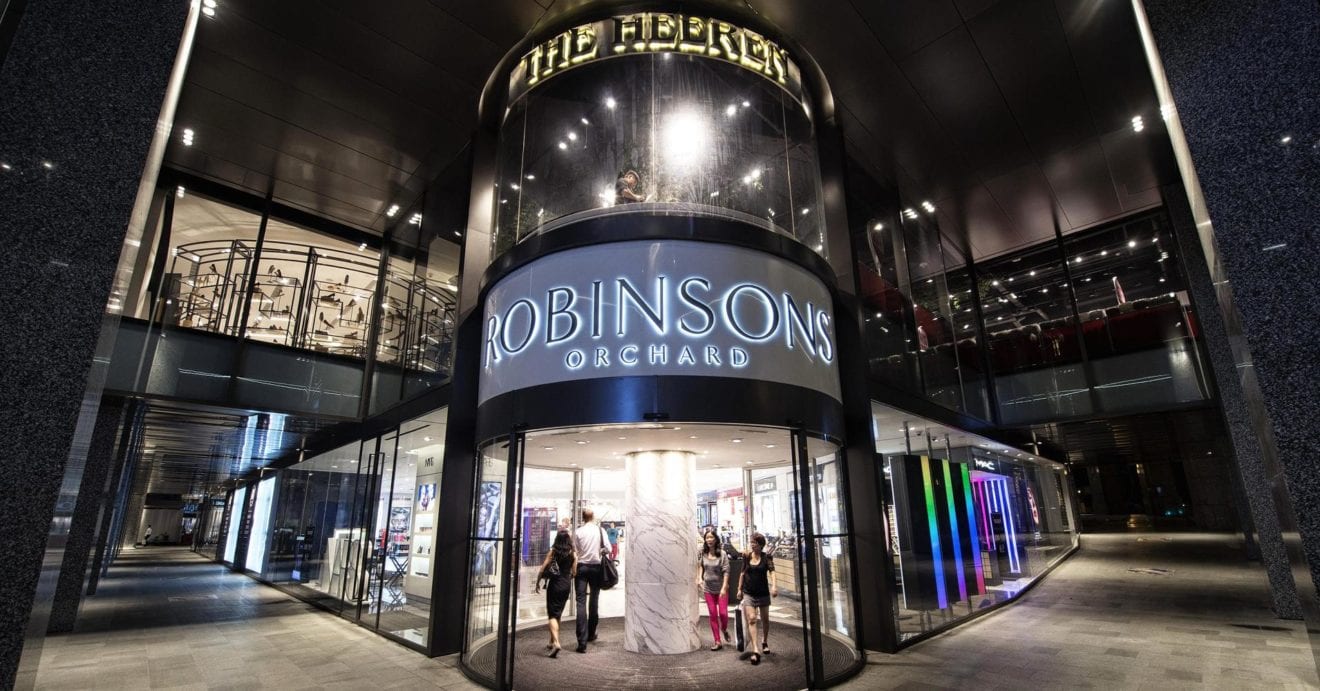
    Dubai: Two UAE based retail groups have come together to launch the first Robinsons fashion department store in the region. The first of the Singapore-based brand will open in the Spring of 2017 at the Dubai Festival City Mall, currently in a major expansion mode. The store will spread over 18,000 square metres across three levels.

    “Al-Futtaim has already been operating four Robinsons department stores in Singapore and Malaysia,” said Paul Delaoutre, President — Retail, Al-Futtaim. “Through our partnership with the Chalhoub Group we will bring this unique format department store to the Middle East expanding the brand’s footprint and strengthening its international appeal.”

    It was in 2008 that Al-Futtaim acquired the Robinsons Group, regarded as Singapore’s legacy retailer having been in existence now for 150 years. The Group currently operates three Robinsons stores in Singapore and one in Malaysia.

    According to Patrick Chalhoub, Chief Executive of Chalhoub Group, “We are excited about this partnership as we will be combining Al Futtaim’s vast experience of operating over 200 companies with our intimate knowledge of the Middle East luxury market, to deliver the most relevant offer of the department store adapted to the Middle East customer.”

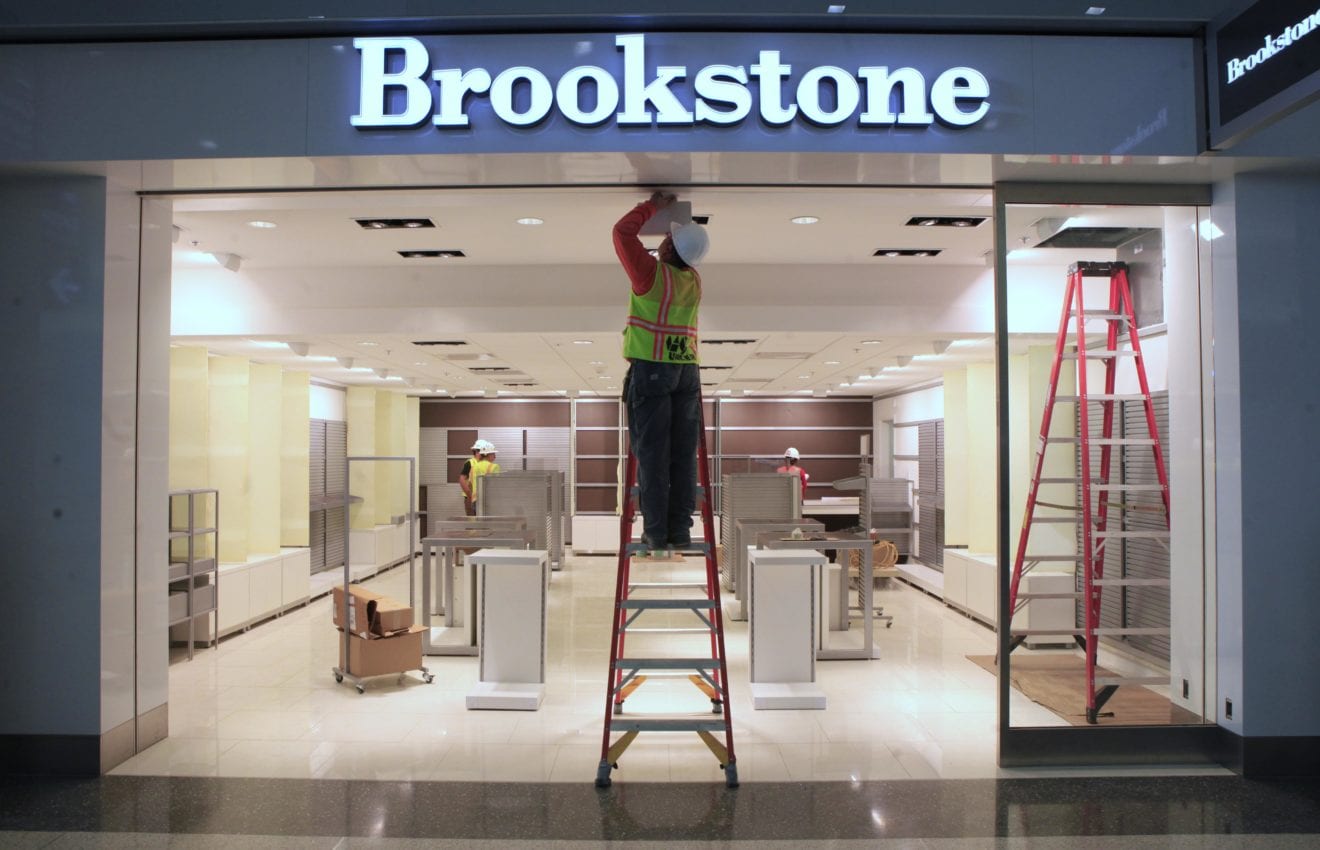
  • Brookstone Opens First Overseas Stores in China

    Brookstone Opens First Overseas Stores in China

    First Step Includes One Walk-In Retail and Three Store-in-Store Location. The company’s strategy is “to bring premium American lifestyle products to shoppers in China while providing China-based makers access to American and international retail markets.” (Image: sargarch.com)

    • Brookstone’s new retail store is located in one of China’s largest retail shopping centers in Nanjing.
    • Brookstone, founded in Massachusetts in 1965, was acquired in 2014 by the China-based Sanpower Group.
    • Brookstone’s goal in China is to offer shoppers “Easy Surprises…premium, unique and innovative products.”

    Innovative product developer and specialty retailer Brookstone has taken its first step into the global arena with the opening of one walk-in retail and three store-in-store locations in China.

    The retail store is located in one of China’s largest retail shopping centers in Nanjing with the three store-in-stores in Funtalk Telecommunication’s stores in Beijing and Shanghai.

    Brookstone company strategy will generate more shipments of export cargo and import cargo in international trade.

    “We’re thrilled with how enthusiastically customers are embracing their first Brookstone China store experience,” said Brookstone CEO Tom Via. “They love being able to try out our massagers, wear the Cat Ear Headphones and see the drones in action.”

    Brookstone, founded in Massachusetts in 1965, was acquired in 2014 by the China-based Sanpower Group, a multi-national conglomerate, and “is fulfilling its corporate mission to bring premium American lifestyle products to shoppers in China while providing China-based makers access to American and international retail markets,” the company said in a statement.

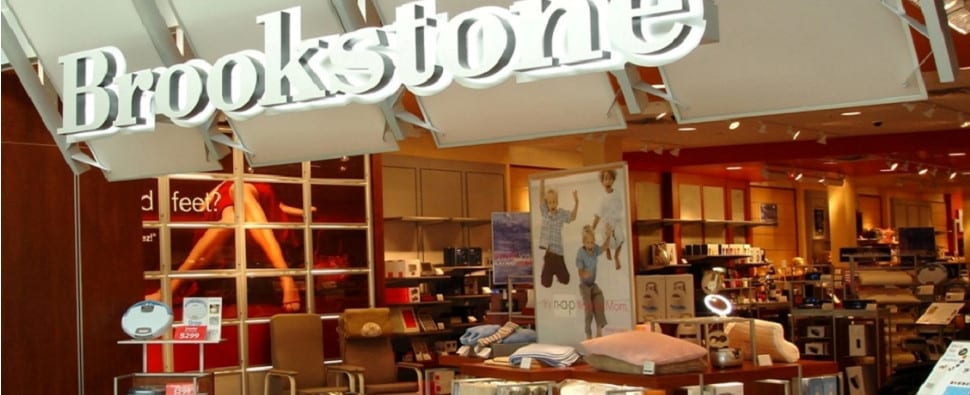
    Known in the U.S. for its memory foam pillows, sleep sound machines, massagers and checkpoint-friendly luggage, the company’s goal in China is to offer shoppers “Easy Surprises…premium, unique and innovative products” and position it “as a destination for people to find surprising innovations that make life easier,” said Brookstone China CEO Xin Kexia.

    In time, Brookstone China “will adopt a sales model that features a hands-on interactive shopping experience with stores transitioning from being simply sales channels to platforms for hands-on and interactive experiences,” the company said.

    “Store associates will be not so much salespersons as friendly guides that let customers experience products on their own. Associates will show the customers how to operate the wildly successful Brookstone cat ear headphones, massagers, and sleep machines,” it said.

    According to the Sanpower Group, plans call for Brookstone to open independent shops in airports and high-speed railway stations, and continue to launch store-in-stores in its offline retail brands, including Hisap and Smart Funtalk Telecommunications, “so as to synergize with the business resources of the Group.”

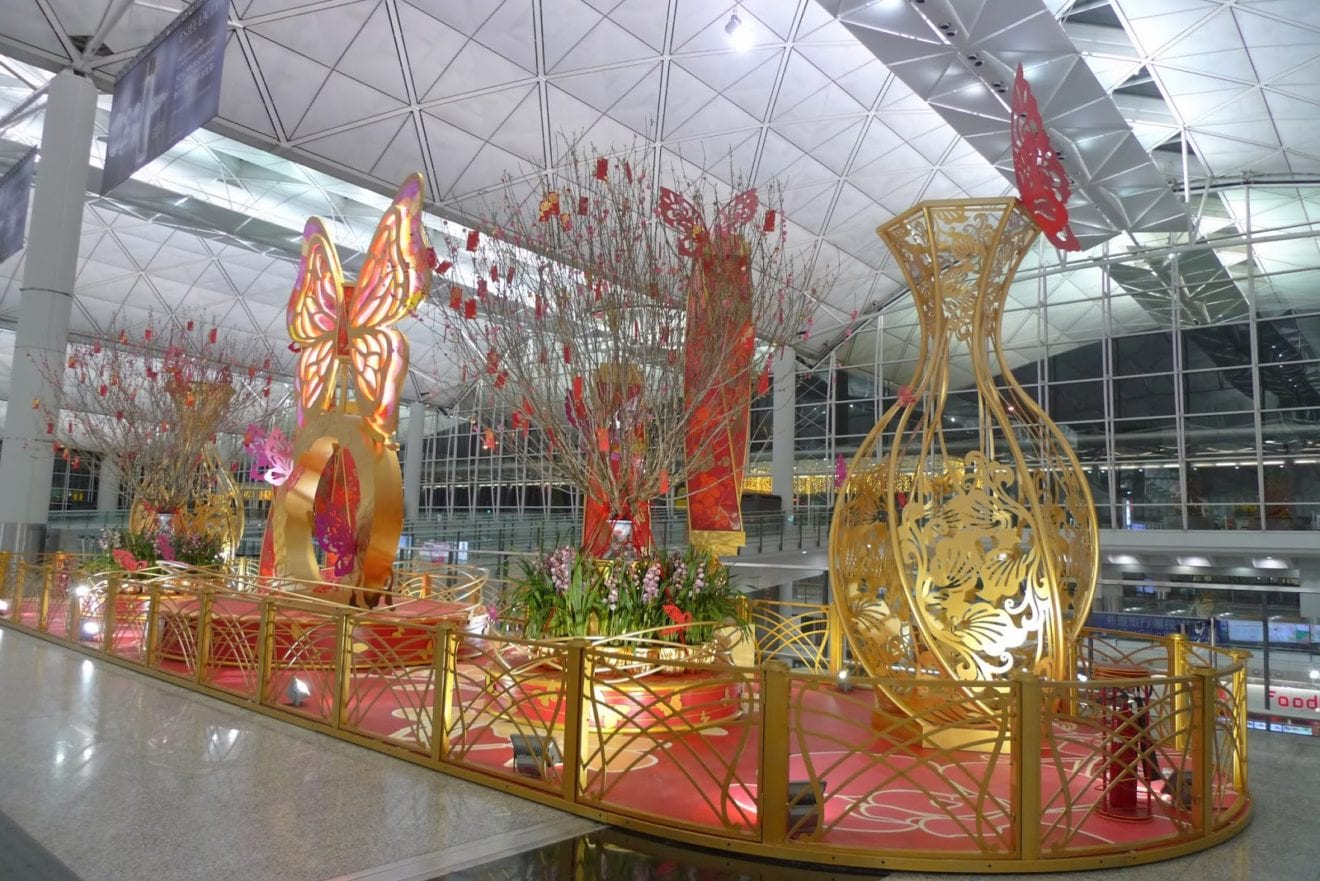
  • Hong Kong airport launches Chinese New Year promotions

    Hong Kong airport launches Chinese New Year promotions

    Hong Kong International airport (HKIA) is to offer various promotions including cash redemptions of up to HK$5,000 ($640)  in celebration of the upcoming Chinese New Year.

    From February 4 to February 15, travellers spending over HK$2,000, HK$5,000, HK$10,000 and HK$50,000 by electronic payment can redeem HKIA cash-coupons of HK$100, HK$300, HK$700 and HK$5,000 respectively. During the campaign period, designated retailers at HKIA will also offer free red packet redemption on a first-come-first-served basis.

    HKIA’s mascot will dress in the Year of the Monkey costume at T1 and distribute specially designed Fai Chuns for free.

    In departures east hall level six, travellers will find a grand display box with a selection of Chinese New Year products and an interactive-game booth. Passengers with boarding passes and any purchase receipt from HKIA can participate in the game. Among the 12,000 prizes are suitcases, massagers and necklaces, along with HKIA cash-coupons and HKIA red packets.

    Travellers spending over HK$1,000 in a single transaction at HKIA can enjoy free local delivery service. Free delivery service to Mainland China, Macao and Taiwan is also offered to travellers spending over HK$2,500 on clothing bags and accessories in a single transaction.

    Those interested in Chinese New Year traditions will also be treated to various music performances during the festive period including the lion dance.