Blog

  • E-commerce will boost smaller South Korean brands

    E-commerce will boost smaller South Korean brands

    As growth indicators such as commodities and oil test their lowest price levels for more than 10 years, the fear of deflation that gripped Japan for many decades is quickly becoming a global phenomenon. Even in the U.S., where economic growth is relatively strong, there is a noticeable lack of wage inflation in the face of strong employment reports over the past 12 months.

    While we can blame part of this problem on the aftermath of the global financial crisis of 2008, I place at least some of the blame on the rapid proliferation of Internet technology. A clear example is the loss of traditional retail jobs to ballooning online sales.

    South Korea is a good leading indicator on this issue because of its heavy Internet penetration and dense population, making it a good market sample for other economies to track. South Korea’s retail industry is also an interesting case of being both a victim and beneficiary of the creative destruction of traditional retail channels caused by the onset of e-commerce.

    South Korean retail businesses are dominated by large corporations, often part of one of the country’s huge conglomerates known as chaebols. The scale these corporations enjoy at the group level gives them a huge cost advantage over small to medium sized enterprises, which need to build from the ground up. Right now, e-commerce is killing retail businesses through intense price competition that is driving down margins.

    In South Korea, traditional retailers are hurt not just by domestic online sales but also overseas Internet purchases. In 2014, the value of purchases from overseas websites delivered to South Korean homes reached more than $1.5 billion, from $274 million five years earlier. This figure slipped slightly in 2015 because of government restrictions on purchases, but will continue to rise in the coming years at the expense of traditional retailers and their workers.

    For decades, chaebols operating in domestic retail and consumption industries enjoyed outsized margins due to protectionism against imported goods. In the last decade, however, the South Korean government has forged trade agreements with 52 nations far and wide, including one with China just last year.

    The combination of e-commerce and trade deals has driven the rapid rise of overseas online purchases, especially from the U.S., where a much broader selection of products is available, often at huge discounts to local prices. South Korean shoppers have become so successful at arbitraging this pricing gap that the South Korean government has placed an unofficial limit on cross-border online transactions that qualify for exemption from customs duties.

    Viable competitor

    Another driver of online imports is cheap and efficient delivery, made possible by a growing logistics industry. Strong growth in e-commerce has allowed for rising efficiency in deliveries, which now makes it a viable competitor to offline retailers.

    Overseas online purchases hurt all South Korean retail and consumer brands, but they hurt the large corporations most. For two decades, the chaebols have enjoyed government support through import protection and distribution networks built over many decades of lobbying and cooperating with myriad regulatory hurdles.

    South Korean SMEs never benefited from this because they were usually niche players in crowded markets. As a result, the flood of foreign brands coming into South Korea through online purchases threatens the profitability of large corporations more than the SMEs. A good example is Samsung Electronics’ 60 inch LED TVs, which South Korean shoppers have been buying from U.S. e-commerce shopping sites. Even after delivery and customs duties, prices are up to 20% cheaper than in South Korea.

    But these developments are not all bad news for South Korean retailers. The advent of technology will also allow South Korean SMEs to penetrate a much bigger market: China.

    Historically, when South Korean companies wanted to expand overseas, they would spend years investing in distribution channels and learning how to deal with customs and local regulations. As a result, expansion outside South Korea was a high-risk strategy that yielded patchy results for smaller companies. But the rapid development of e-commerce in China is making the expensive and time-intensive task of establishing distribution channels as quick as the click of a mouse. Already we are seeing companies that have rocketing China revenues, driven by online sales that would previously have taken years of investment and experience to achieve.

    The speed at which China’s online giants are making e-commerce accessible to outsiders will help companies from South Korea that have a good following at home but lack the scale to expand overseas. As South Korea continues to attract millions of mainland tourists annually, recognition of domestic-oriented brands will spread through China and create follow up demand.

    Right now, investors seeking to benefit from Chinese interest in South Korea are focusing on duty free stores. But the next phase of investor attention will be consumer brands that attract attention from Chinese customers seeking to buy outside duty-free channels. E-commerce and information distribution via the Internet will accelerate that process.

    As China tries to promote domestic consumption to compensate for the declining economic growth coming from falling investments, the tax incentives that duty free stores attract will have to decline. That will put brand owners in pole position in the China market rather than traditional retailers such as department stores, hypermarkets and duty free channels.

    Peter S. Kim 
  • Should We Worry About The Hong Kong Dollar?

    Should We Worry About The Hong Kong Dollar?

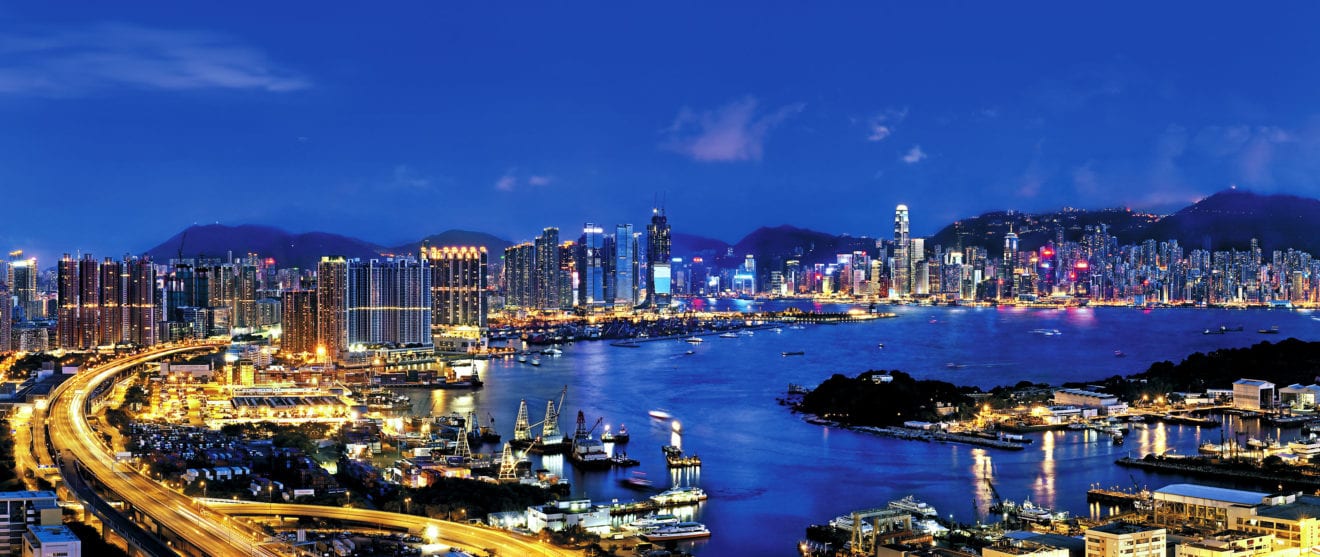
    Winter is coming to Hong Kong. The Hong Kong dollar breached its 2007 low today, down to as low as 7.8226, just haircuts away from the 7.85 level that would prompt the Hong Kong Monetary Authority to intervene.
    After China decoupled its loosely pegged yuan from the dollar last August, we Hong Kong residents are understandably worried Hong Kong may de-peg its currency as well.

    But really, rather than the Hong Kong dollar, we should worry about the Hong Kong economy instead.

    First of all, it is highly unlikely Hong Kong would want to rock the boat even though Hong Kong’s economy is more closely tied to China (and so should its monetary policy be). After all, this is the government that lets its citizens kidnapped across the border without consequences.

    Second, HKMA has enough gun power to defend its currency when it comes to it. Hong Kong’s foreign reserve is currently at $359 billion, which covers 1.75 times its monetary base. See my last week’s blog for Credit Suisse‘s commentary on the possibility of Hong Kong de-pegging.

    But what this means is that Hong Kong has to raise its interest rates to compensate for the Hong Kong dollar outflow, estimated to be around 300 billion Hong Kong dollars, or $38 billion. This certainly is not good news for the Hong Kong economy, especially when it is already in the downturn. In 2015, Hong Kong retail sales, a growth engine in recent years, is expected to slump over 5%, even worse than the SARs epidemic in 2003.

    Hong Kong investors are catching up to reality today, sending the Hang Seng Index down 3.1% a new 40-month low. No surprise, Hong Kong property developers tumbled today. Cheung Kong Property fell 5.6%, Wheelock dropped 4.8%, Wharf Holding was down 3.7%.

    Year-to-date, the iShares China Large-Cap ETF (FXI) fell 13.5%, the iShares MSCI China ETF (MCHI) fell 13.4%, the iShares MSCI Hong Kong ETF (EWH) was down 10%.

  • Is It expensive to enjoy Rambler Channel?

    Is It expensive to enjoy Rambler Channel?

    How much would you be willing to pay for a stay at a Li Ka-shing hotel? Well, how about just a tad over HK$90?

    No, we’re not kidding! This is exactly what some mainland tourists are paying this month for a night at a Tsing Yi hotel owned by the Hong Kong billionaire. 

    According to rates quoted by Qunar, a popular mainland travel portal whose name means “Where to go?”, one can get a double bedroom at the Rambler Garden Hotel for as little as 73 yuan (HK$86.7).

    Adding the tax, you get an all-in price of 76.65 yuan (HK$91.1) for a night’s stay at the Cheung Kong Group property. That was price offered for January 28, a date that falls less than two weeks before the Lunar New Year.

    Who says Hong Kong is an expensive destination? Of course, not everyone can get a room with a splendid view of the Rambler Channel and the nearby container terminal.

    To be eligible for the offer, you have to be a mainlander. So, if you hold a passport of any other country or region — even those of Taiwan or Macau — count yourself out.

    Next, you can only check in after 5pm. Meanwhile, you would also have to put up with another problem: there won’t be in-room wi-fi.

    All these point to a typical mainland group tour package as Hong Kong’s hospitality and retail sectors grapple with a decline in visitor numbers from across the border.

    Tourism workers, meanwhile, are also faced with tougher rules as the Travel Industry Council has unveiled measures such as refund protection scheme for visitors and curbs on “forced shopping”.

    As new regulations have basically killed “zero fee” tours, travel operators and related firms have been forced to readjust their marketing strategies.

    It is possible that mainland operators are securing extra-low rates from hotels by offering firm commitments on the occupancy volume.

    As for the hotels, guaranteed bookings for a portion of their inventory, even it means selling the rooms at cost, will help them remain on the radar of cross-border tourists.

    A sub-HK$100 rate per room puts the clock back to the 70s when a breakfast at Cafe de Coral used to cost less than HK$10 and the Hang Seng Index was around 1,000.

    This makes it a screaming bargain for visitors, helping them forget the outdated TV sets in the rooms and the absence of modern communication facilities.

    Well, we should also bear in mind that January is a non-peak travel season this year given the gap between Christmas and the Lunar New Year.

    Seizing the low-season fares and hotel room rates, many people have booked trips to Hong Kong this month.

    A friend who came to Hong Kong this week for medical check-up paid merely HK$500 per night in a four-star Causeway Bay business hotel.

    He kept saying it was a bargain – although the yuan devaluation made him pay slightly more than what he used to earlier – because he remembered the same hotel was charging over HK$3,000 yuan per night during a Lunar New Year season previously.

    Mainland visitor arrivals were down 1.7 percent to 42.1 million in the first eleven months of 2015, according to Hong Kong Tourism Board data.

    Things could get more challenging this year as the weaker exchange rate will make mainlanders think twice before making their usual trips across the border.

    But if more Hong Kong hotels step up discounts and offer rooms at bargain-basement prices, the story could well turn out different.


  • China quarter feeblest since ’09

    China quarter feeblest since ’09

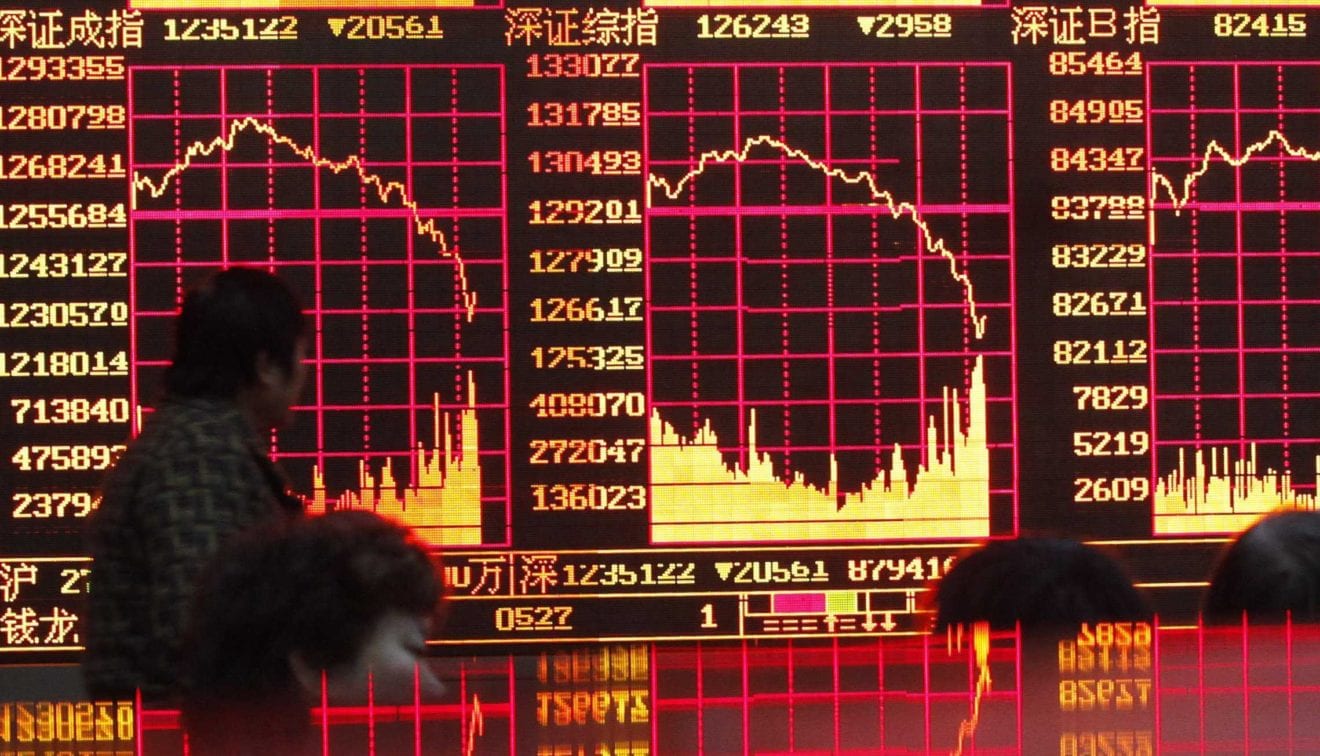
    China’s economy slowed in December, capping the weakest quarter of growth since the 2009 global recession, as the Communist leadership grapples with a transition to consumer-led expansion.

    Industrial production, retail sales and fixed-asset investment all slowed at the end of the year, while gross domestic product rose 6.8 percent in the fourth quarter from a year earlier. Full-year growth of 6.9 percent, the least since 1990, was near the government’s target of about 7 percent.

    Policymakers must weigh the need for further monetary easing with the risk it would spur more weakness in the yuan and additional capital outflows. Arguing against major stimulus: A rise in services, which became more than half of the economy for the first time, cushioned the slowdown and underpinned employment.

    “2016 will be another challenging year as the old capital-intensive, highly levered industrial sector continues to be placed under severe strain,” said Kenneth Courtis, former Asia vice chairman at Goldman Sachs Group Inc. and now chairman of Starfort Holdings. “But we remain constructive on the outlook for the period ahead,” he said, citing steady job gains and retail sales that are rising faster than GDP.

    Industrial production posted one of the weakest gains in the past quarter century, increasing 5.9 percent in December from a year earlier, compared with a 6 percent median estimate of analysts and November’s 6.2 percent.

    Retail sales increased 11.1 percent from a year earlier, compared with the 11.3 percent projected by economists. Fixed-asset investment excluding rural areas expanded 10 percent last year, the slowest pace since 2000.

    The Shanghai Composite Index closed 3.2 percent higher as the data fueled speculation of increased stimulus and industrial shares rallied on prospects of state-fund buying.

    In an update to its annual outlook published Tuesday, the International Monetary Fund left its estimate for China’s growth this year unchanged at 6.3 percent even as it lowered the global projection to 3.4 percent. The fund said risks to the global outlook remain tilted to the downside, with the world facing three big adjustments: the emerging-market slowdown, China’s shift to growth driven less by exports and manufacturing, and the Federal Reserve’s gradual exit from ultra-low interest rates.

    China’s top leadership has signaled in recent months it may allow some additional slowness as officials tackle delicate tasks such as reducing excess capacity, but nothing that could threaten President Xi Jinping’s goal of at least 6.5 percent growth through 2020. The world’s second-largest economy will slow to 6.5 percent this year and 6.3 percent next year, according to the median of economist estimates.

    Reaching the official 6.5 percent target “is fast becoming a challenge,” Shen Jianguang, chief Asia economist at Mizuho Securities Asia Ltd. in Hong Kong, said in a note.

    China’s economy is going through a “tough transition to make, but critical if growth is to be sustainable,” former Fed Chairman Ben Bernanke said at a forum Tuesday in Hong Kong. “You have to have a transition to more services if you want to keep the economy growing and providing jobs.”

    China’s economy is growing at two speeds, with old rust-belt industries from steel to coal and cement in decline while consumption, services and technology do better. Services accounted for 50.5 percent of output last year.

    The policy response to last year’s slowdown included accelerated monetary easing with six interest-rate cuts since late 2014 and increased fiscal spending. Through market turbulence, the central bank forged ahead with interest-rate liberalization by removing a cap on deposit rates and won the IMF’s approval for the yuan to enter its Special Drawing Rights basket of reserve currencies.

    This year, attention is likely to turn more to a new focus on supply-side tactics such as cutting excess industrial capacity and labor in state enterprises, lowering taxes and increasing productivity.

    Information for this article was contributed by Xiaoqing Pi, Ailing Tan, Jeff Kearns, Enda Curran and Christopher Anstey of Bloomberg News.

    Business on 01/20/2016

  • Keppel Reit divests Sydney property for $160 million

    Keppel Reit divests Sydney property for $160 million

    Keppel Reit has divested its 100% interest in 77 King Street in Sydney, Australia to ARE Noble Pty Ltd, a wholly-owned subsidiary of Invesco Asia Core Fund for A$160 million (S$160 million), resulting in a divestment gain of A$28 million (S$28 million).

    77 King Street is located within Sydney’s CBD, and has 147,000 sq ft of net lettable area over 18 levels of offices and two basement levels of retail space. The sale price is 40% above Keppel Reit’s original purchase price of A$116 million at end 2010, and a 27% premium over the property’s latest valuation of A$126 million.

    Following the divestment of 77 King Street, Keppel Reit will still have four premium grade office buildings in Australia, comprising a 50% interest in 8 Chifley Square in Sydney; 275 George Street in Brisbane; the office towe and annex at the Old Treasury Building site in Perth; as well as 8 Exhibition Street, with two retail units and a 100% interest in its three adjoining retail units in Melbourne.

  • Charoen said to also compete for Big C in Thailand, Vietnam

    Charoen said to also compete for Big C in Thailand, Vietnam

    Some of Thailand’s richest families are preparing to compete for the Southeast Asian operations of French supermarket operator Casino Guichard-Perrachon SA, according to people with knowledge of the matter.

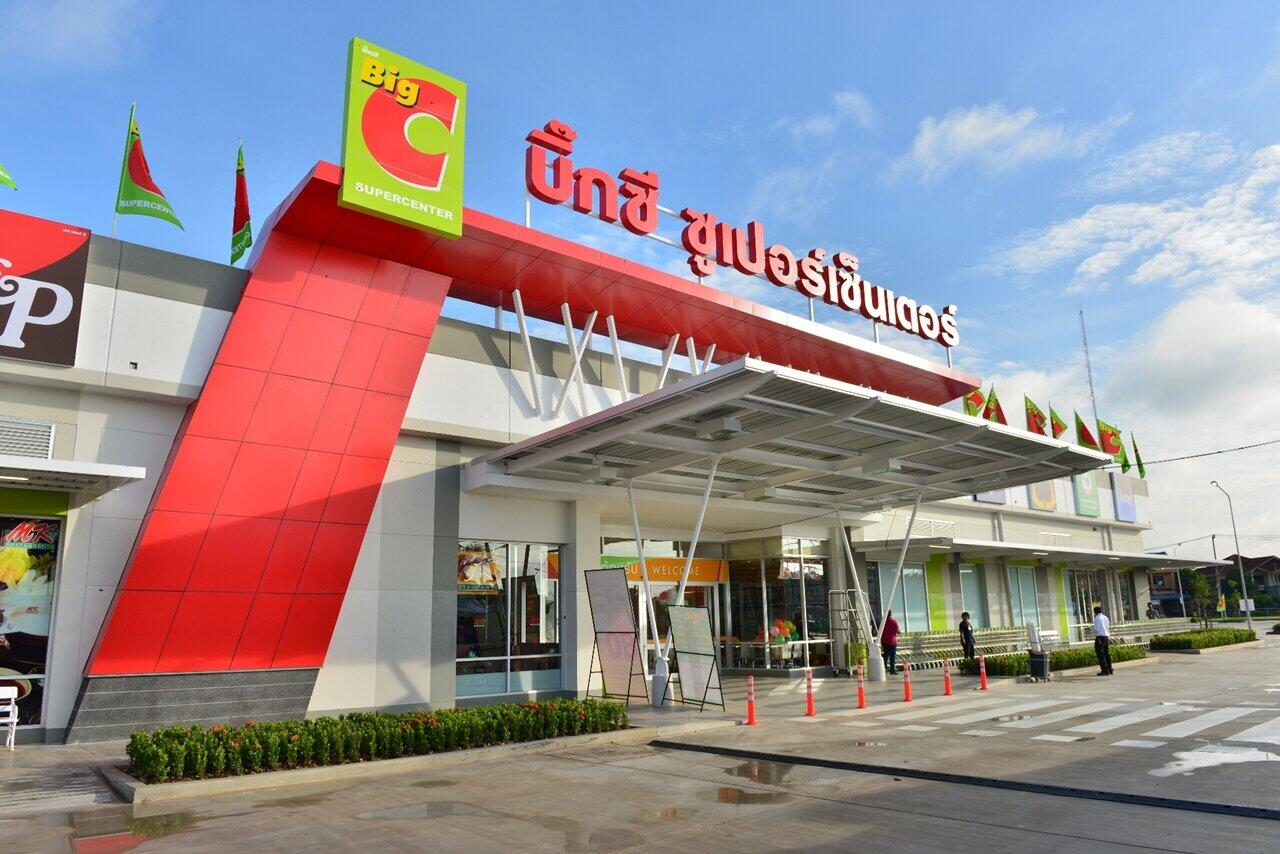
    Billionaire Charoen Sirivadhanabhakdi’s TCC Holding Co and the Chirathivat family’s Central Group are weighing first-round bids for the Big C Supercenter chains in Thailand and Vietnam, which are due Feb 5, the people said.

    The companies have been speaking with banks about advisory roles and financing options, according to the people, who asked not to be named as the process is private.

    Casino’s controlling stake in Bangkok-listed unit Big C Supercenter Plc could fetch more than $3 billion (108.4 billion baht), while a sale of its Vietnam business could raise as much as $800 million, the people said. The Vietnamese operations have also drawn interest from Tokyo-based retailer Aeon Co, two of the people said.

    A deal would add to the $54.9-billion of acquisitions in Southeast Asia over the past 12 months, data compiled by Bloomberg show. The proposed disposals are part of Casino’s plan to cut debt by more than €4 billion ($4.3 billion) this year, after its share price slumped more than 50% in the past 12 months.

    Casino may sell its businesses in the two countries together or separately, depending on the offers it receives, the people said. The French company owns 58.6% of SET-listed Big C Supercenter.

    A person who answered the phone at Mr Charoen’s office in Bangkok said he wasn’t available for comment. Spokesmen for Aeon and Big C Supercenter declined to comment, while representatives for Casino, Central Group and TCC didn’t answer phone calls seeking comment. An investor-relations official for Berli Jucker Plc, the Bangkok-listed consumer goods distributor controlled by TCC, also didn’t answer a phone call seeking comment.

    Central Group is among Thailand’s biggest conglomerates, employing over 70,000 people in businesses from retail to real estate, according to its website. It bought Italian luxury department store La Rinascente in 2011 and Danish department store Illum in 2013.

    TCC, led by Thailand’s richest man, agreed last year to buy Metro AG’s Cash & Carry wholesale business in Vietnam for €655 million. The conglomerate acquired control of Singapore food and beverage maker Fraser & Neave Ltd in 2013.

    Big C Supercenter, founded by the Chirathivat family, opened its first store in Bangkok in 1994, according to its website. Casino took control of the Thai-listed company five years later.

    Shares of Big C Supercenter have gained 15% this year, giving it a market value of 191.4 billion baht ($5.3 billion). The company has 580 stores in Thailand at the end of March 2014, ranging from hypermarkets to convenience stores, according to its website.

  • Philippine growth short of target at 5.8 percent in 2015

    Philippine growth short of target at 5.8 percent in 2015

    The government initially forecast growth of 7-8 percent for 2015 but later lowered its projection to 6-6.5 percent.

    “Though this is lower than what we targeted for the year, this growth is respectable given the difficult external environment,” Economic Planning Secretary Arsenio Balisacan said Thursday.

    The Philippines has been one of the fastest growing economies in Asia for several years. Despite increased government efforts to raise living standards, the country of more than 100 million still faces considerable challenges including its vulnerability to typhoons and other natural disasters, poverty, corruption and poor infrastructure.

    The economy expanded 6.3 percent in the last quarter of the year, the fastest for 2015. It was up from 6.1 percent the previous quarter but down from 6.6 percent in the same period of 2014.

    Balisacan said growth has averaged 6.2 percent in the past six years, which is the best performance since the late 1970s. The growth has not been due to unsustainable borrowings like in the 1970s and short-lived portfolio capital but fueled by investments that create jobs and increase incomes, he said.

    He said last year’s growth was driven by much stronger domestic demand and government spending that grew 9.4 percent compared to the previous year’s 1.7 percent. Growth in public and private investments more than doubled, primarily led by public construction.

    Service industries were also robust, growing 6.7 percent in 2015 from 5.9 percent in 2014. Industry expanded 6.0 percent while agriculture grew a tepid 0.2 percent.

    Finance Secretary Cesar Purisima said the Philippines was well-positioned to withstand turbulence in financial markets caused by uncertainty about the strength of the global economy.

    He said foreign exchange reserves are more than healthy at $80.6 billion as of the end of last year, enough to cover 10.3 months of imports and equivalent to more than six times the country’s external short-term funding requirements.

  • UC browser grabs over 50 percent market share in Indonesia

    UC browser grabs over 50 percent market share in Indonesia

    Coinciding with its consistent rise in overseas markets, UCWebInc, the global leading provider of mobile Internet software and services and maker behind UC Browser, has hit a new milestone in Indonesia.

    The browser has clocked in 55.27 percent monthly page-view market share as of 2015 year-end, as per StatCounter. The announcement comes on the heels of another feat, where UC Browser became the world’s second most popular mobile browser with 18.6 percent monthly page-view market share in December 2015. UC Browser is already the undisputed leader in the Indian market with over 55 percent market share, according to StatCounter.

    Looking ahead, Kenny Ye, Director of UCWeb International Business, said: “We’re going to sustain our development by enlarging our network of local partners besides keeping innovating our product. All those learnings from partnerships with e-tailers, content providers, etc. last year have made us remain steadfast in increasing our commitment to the local community.”

    As of today, one of every two mobile pages viewed in Indonesia is processed by UC Browser, and it has become the crucial artery in the country’s mobile traffic. The achievement comes about half year after UC Browser secured first place in the local industry.

    Looking back at Indonesia’s mobile browser market in 2015, StatCounter shows that only UC Browser continued a growth trajectory to climb 3 percentage points per month on an average throughout the year. The browser closed out the year 2015 by doubling its market share compared with its share in early 2015 when it took the championship.

    UCWeb Inc. (UCWeb) is a business within Alibaba Group’s mobile business division and a leading provider of mobile internet software and services. Since its inception in 2004, UCWeb’s mission has been to provide better mobile internet experience to people around the world.

  • Gunnebo looks to expand above inflation

    Gunnebo looks to expand above inflation

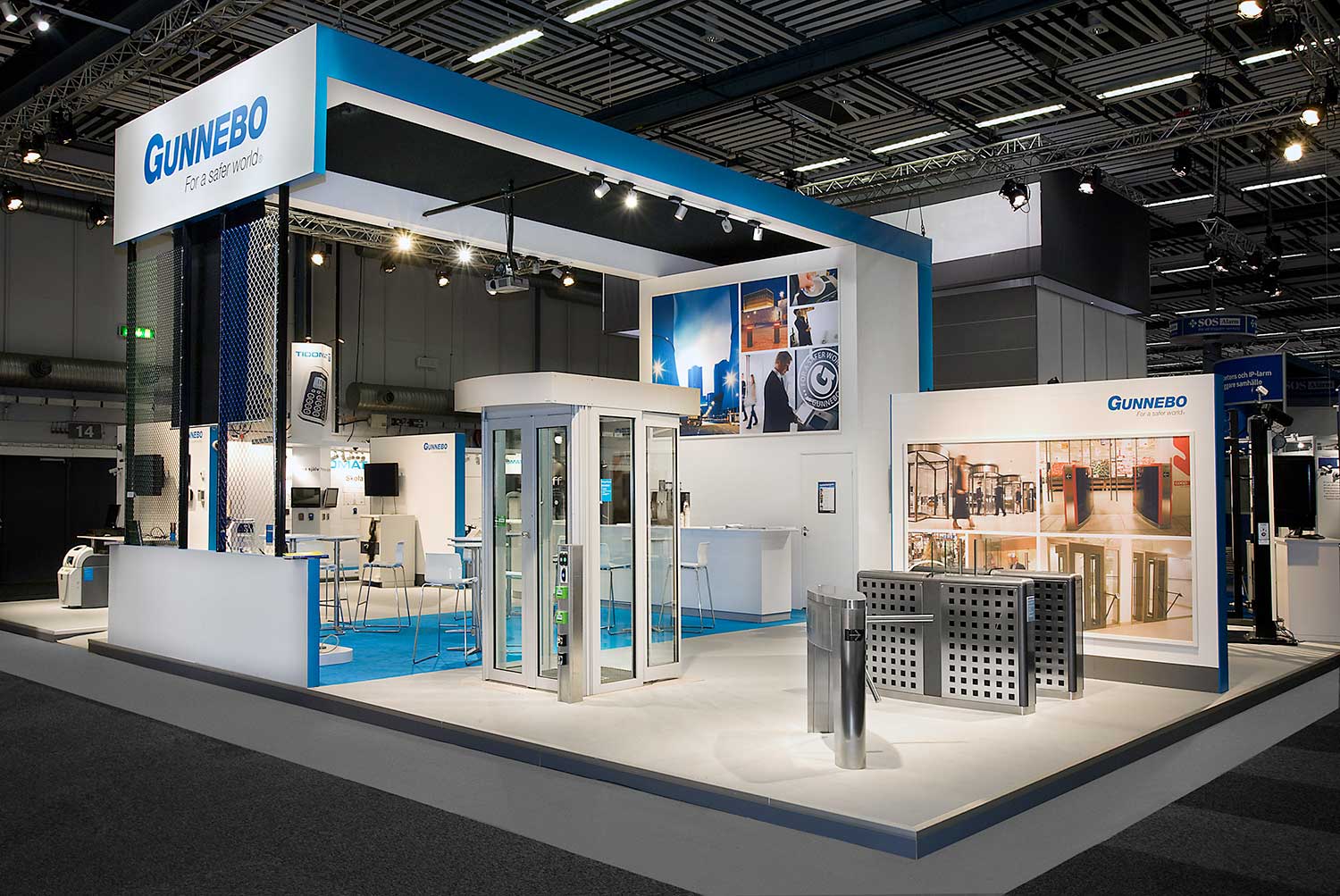
    Sweden-based security service provider Gunnebo Security Group is looking to see its Indonesian business grow by better than inflation, especially with support from infrastructure projects and its newly installed cash-management facility, the company’s regional executive says.

    Senior vice president for Gunnebo’s Asia-Pacific region, Sacha de La Noe, said on Tuesday that his company would keep its investment focus on cash-management products, one of the group’s backbone businesses, while at the same time he expected growth from other lines, such as from its fire-system services.

    De La Noe said the presence of a local production facility in the country was also expected to have a significant impact on regional sales, with about 70 percent of the local production being shipped to other countries, he added.

    “With more cash to handle in society, we need to find more effective ways to manage that cash. In Indonesia, I see a high number of notes in circulation, and retailers are looking for better ways to handle the cash and that will increase,” he said.

    The group announced in a press statement dated Jan. 15 that it would optimize its cash management manufacturing footprint by transferring production from its Trier plant in Germany to manufacturing units in Binefar, Spain and in Indonesia, to improve customer service levels and manufacturing efficiency. The Trier plant has turnover of around 9 million.

    Indonesia is the second-largest market for Gunnebo in Asia Pacific, with the largest being India. Indonesia contributes around 20 percent to regional sales.

    Gunnebo Indonesia country manager Hindra C. Kurniawan said his company’s revenue normally grew by around 10 percent annually. He added that his company expected that local cash-handling facilities would be its backbone in five years.

    Among its attempts to boost its cash-handling business in Indonesia, Gunnebo has cooperated with taxi operator Express Transindo Utama (Express Group) since 2014 to provide cash-handling equipment in taxi pools in the greater Jakarta area.

    Besides focusing on the cash-handling business, Gunnebo is also looking to see growth in other businesses, such as fire systems, which will be supported by a number of infrastructure projects in the country.

    Among the company’s key projects is providing a fire system for a major power plant in Cirebon, West Java, and with the government’s massive 35-gigawatt power-generation expansion, De La Noe said the group expected an increase in future demand.

    He also said that his company would work with state-run airport operator Angkasa Pura to provide security services in 32 airports that were being built and expanded across the nation. He said that a discussion with the airport operator was scheduled in March.

    The company is also involved in Jakarta’s Mass Rapid Transport (MRT) project, providing, among other facilities, entrance security and ticketing, with De La Noe stating that the MRT’s security system was among the group’s key businesses.

    According to a previous report, Gunnebo produces 30,000 safety deposit boxes annually; 60,000 fire extinguishers and 5,000 to 10,000 cash-handling machines at its factory in Cibitung, West Java.

    Gunnebo had annual turnover of around 610 million in 2014. It has 32 sales companies worldwide, 11 factories across the globe and around 100 additional networks. Its businesses include cash management, safes and vaults, entrance security, electronic security and specifically in Indonesia, fire security.

  • Indonesia’s Low Internet Penetration Rate Curbs Economic Growth

    Indonesia’s Low Internet Penetration Rate Curbs Economic Growth

    Each day the world’s Internet users watch an average of 8.8 billion YouTube videos, share 186 million photos on Instagram, make 152 million Skype calls, purchase 36 million products through Amazon, send 207 billion emails, post 803 million Tweets, and make 4.2 billion searches on Google.

    Although digital technologies have spread rapidly across the globe, the World Bank says digital dividends have lagged behind for part of the global population. The Washington-based financial institution defines digital dividends as “the broader development benefits from using these technologies”. For example, the business community can use digital technologies to expand their business, people can use these technologies to find jobs and the government can use it to enhance services. In other words, digital technologies support financial inclusion, job creation, and overall economic growth.

    However, the fruits of these dividends are unevenly distributed. One of the key solutions in order to let all people enjoy the benefit of digital technologies is to enhance Internet connectivity. But the World Bank also states that well developed Internet access alone is not enough. “Countries also need to work on the ‘analog complements’ by strengthening regulations that ensure competition among businesses, by adapting workers’ skills to the demands of the new economy, and by ensuring that institutions are accountable.

    In essence, two factors are the cause that digital dividends cannot be enjoyed by part of the world population. Firstly, almost 60 percent of the world population still lacks Internet access, hence cannot participate in the digital economy in a meaningful way. Secondly, some of the perceived benefits of digital technologies are offset by emerging risks.

    The first factor should be combated by governments by encouraging (affordable) access to the Internet (and other digital technologies) for its citizens, while creating conducive regulations for the Internet and mobile operators.

    After India and China, Indonesia has the highest amount of people who are not connected to the Internet. The World Bank report stated that the Indonesian government is on the right track to address these aforementioned issues. For example, the Indonesian government is currently finalizing an e-commerce road-map that aims to improve and develop the country’s e-commerce industry. Previously, the Indonesian government said it may allow foreign investors to own a 100 percent stake in Indonesian e-commerce companies in this road-map.

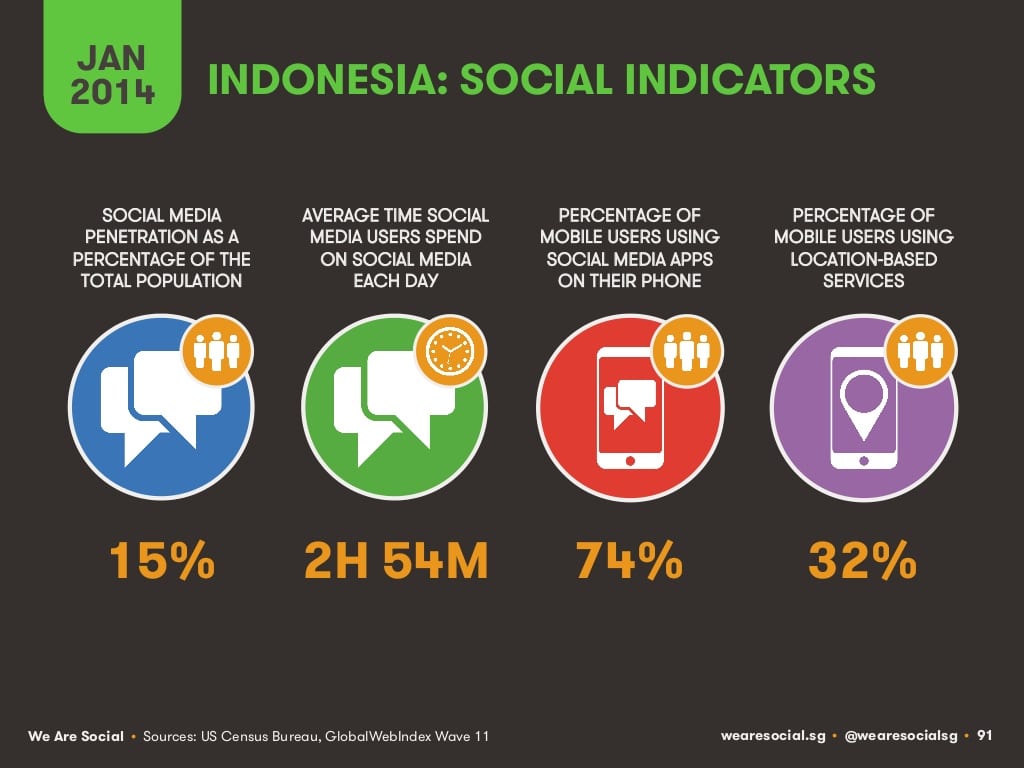
    According to the Association of Internet Service Providers in Indonesia (APJII), Indonesia had around 88.1 million Internet users in 2014, up 22 percent (y/y) from 71.9 million in the preceding year. Given that the total population of Indonesia numbers more than 250 million individuals, Indonesia’s Internet penetration ratio stood at around 35 percent in 2014. This low rate implies there is still ample room for growth in the online business industry.

  • Netflix blocked by Indonesia’s biggest telecom

    Netflix blocked by Indonesia’s biggest telecom

    Netflix hit a snafu during its expansion today, with the biggest telecom in Indonesia, PT Telekomuniksai Indonesia Tbk, blocking access to the service. The blockage is said to be over Netflix’s lack of a content provider permit, as well as objections to some content made available through Netflix. Concerns about adult and violent shows were cited as part of the reason for the banhammer.

    Earlier this month, Netflix’s CEO Reed Hastings announced that 130 new countries would be getting access to the streaming service, something that would hugely bump the number of regions where Netflix is available (from 60 to 190). The announcement came a short while ahead of the company’s crackdown against VPN users, a business move largely criticized.

    One of those 130 news countries is Indonesia, but rolling out there won’t go as smoothly as the company may have hoped. The nation’s Censor Board had made it clear earlier this month that it objects to some content made available on Netflix; furthermore, cable operators in the nation had expressed upset about the business move, likely due to the competition Netflix would pose.

    Telkom’s Netflix block is a big one, as the telecom controls both ISPs Wi-Fi.id and IndiHome, covering a large number of Internet users in Indonesia. Telekom also happens to be the company behind a local VOD service called UseeTV.

    Telekom’s VP Arif Prabowo said in a statement today, “Netflix’s content should adjust to regulations in Indonesia,” claiming the block is for the good of the people. It isn’t clear how Netflix will proceed, though it has said it will comply with whatever laws in the region it must.

  • Toyota’s Daihatsu Buyout May Widen Global Lead Over Volkswagen

    Toyota’s Daihatsu Buyout May Widen Global Lead Over Volkswagen

    Toyota Motor Corp. is staying on the offensive after besting Volkswagen AG for bragging rights as the world’s biggest automaker. Now, it’s weighing a deal that might widen its lead, especially in Southeast Asia.

    In buying the rest of its 51 percent-owned Daihatsu Motor Co. unit, a move Toyota confirmed Wednesday that it’s considering, the automaker would gain full control of a company that’s a sales leader for Japanese minicars and compact vehicles in Indonesia and Malaysia. Daihatsu said it’s cooperating with Toyota in buyout discussions and its shares surged by the most since 1999.

    Toyota continues to bound from strength to strength and has grabbed the industry’s sales crown for the fourth straight year. It was also the only automaker to sell more than 10 million vehicles, with Volkswagen falling back amid the diesel-emissions scandal that has tainted its image with consumers and regulators. The potential Daihatsu purchase points to another acquisition option at Toyota’s disposal: It has an almost identical stake in truck maker Hino Motors Ltd.

    “Daihatsu needed support,” Koji Endo, an analyst at Advanced Research Japan, said by phone. “It could not make business in China, the Indonesian market is not doing as well as expected, especially for the last two years, and their domestic minicar business is in harsh competition with Suzuki.”

    Shares of Daihatsu climbed 16 percent, their biggest gain since November 1999, at the close Wednesday in Tokyo. Toyota rose 3.8 percent after confirming it was considering a deal, which was first reported by the Nikkei newspaper.

    At Daihatsu’s current market value, the portion of the company Toyota doesn’t already own is worth about 360.8 billion yen ($3 billion). The deal would give Toyota full say over a company that competes with Suzuki Motor Corp. in Japan’s minicar segment, which has expanded even as the overall domestic auto market has shrunk.

    The Nikkei reported separately Wednesday that Toyota had begun talks with Suzuki to form an alliance and better compete in emerging markets including India, without citing a source. Toyota and Suzuki denied the Nikkei report in filings with the Tokyo exchange.

    Although Daihatsu is a force in Japan’s minicar segment and in Indonesia and Malaysia, the company struggled last year. Sales in its domestic market fell 14 percent, the result of a price war with Suzuki for sales leadership in the fiscal year ended in March 2015.

    Daihatsu sales have been slumping in Indonesia, with deliveries dropping 10 percent through the first half of its fiscal year. Owning all of the carmaker could help Toyota to better navigate these challenges, said Matt Stover, a Boston-based analyst at Susquehanna International Group.

    ‘More Latitude’

    “There are certain things that you can’t get at when it’s an independent company versus when it’s something that you totally own,” Stover said by phone. “There are some duplicate expenses you can get rid of and you have a lot more latitude to pursue your strategy.”

    Global sales for Toyota, including Hino and Daihatsu, slipped 0.8 percent to 10.15 million vehicles last year, the company said Wednesday in a statement. Volkswagen earlier this month reported a 2 percent drop to 9.9 million, while General Motors Co.’s deliveries rose 0.2 percent to 9.8 million.

    “Toyota’s hegemony will probably not be challenged for the next few years after the big setback for VW,” said Zhou Jincheng, a Nagoya-based analyst at researcher Fourin Inc. “The gap will only get wider and wider because VW will take time to adjust its strategies for markets such as the U.S. and Europe.”

    Toyota first tied up with Daihatsu in 1967 and has owned its majority stake since 1998. Daihatsu started making Toyota-branded minicars in 2011 and also builds vehicles for its parent in Indonesia. The company was the top-selling automaker in Malaysia for nine straight years through 2014.

    Daihatsu traces its beginnings to March 1907, when two academics and a group of businessmen set up a company in Osaka, Japan’s second-largest city, to produce internal combustion engines. The company changed its name to Daihatsu Motor in December 1951.

  • Chin Teck Q1 earnings halved on losses in Indonesia

    Chin Teck Q1 earnings halved on losses in Indonesia

    Chin Teck Plantations Bhd earnings fell 43.5% to RM5.98mil in the first quarter ended Nov 30, 2015 from RM10.61mil a year ago, partly because its associates sustained losses in their Indonesian oil palm plantations.

    It said on Thursday its revenue was slightly higher at RM27.81mil from RM27.72mil a year ago due to slightly higher prices for the fresh fruit bunches (FFB).

    However, the average selling price of crude palm oil (CPO) was lower despite higher prices for the FFB. It also said that a year ago, there was a gain from the sale of investment.

    Also overall operating expenses were higher due to the increase in replanting expenses.

    Its oil palm plantations in Lampung Province, Indonesia had to suspend harvesting due to unrest in the nearby villages.

    “The plantations have commence harvesting. At end-November, the total harvested area was about 13% of the total area planted,” it said.

    Earnings per share were 6.55 sen versus 11.61 sen. It declared an interim dividend of eight sen, which was similar to a year ago.

  • Singapore designer Sabrina Goh is creating a new fashion vision

    Singapore designer Sabrina Goh is creating a new fashion vision

    The petite designer has launched her new concept store at the boutique-centric Capitol Piazza

    Local fashion had a tough year in 2015, what with the high-profile shuttering of well-known labels such as Hansel by Jo Soh, the long-standing M)phosis and multi-label boutique Inhabit at Mandarin Gallery.

    The influx of fast fashion brands and e-commerce, rising rents and a murky economic outlook have all resulted in a particularly challenging retail environment here, with smaller labels taking the brunt of the impact.

    Yet, there have been a few bright sparks in recent months. There was the opening of local fashion label In Good Company’s first stand alone store in ION Orchard; and the sprawling 5,000 sqf Mporium, which champions Asian designers and indie labels, that took root at Suntec City. This week, local fashion designer Sabrina Goh officially launched her new flagship store at Capitol Piazza.

    sabrinagoh

    Simply called SABRINAGOH, the launch also coincides with the seventh anniversary of her label ELOHIM by Sabrina Goh. The petite designer spearheads two of her own labels — Light by Sabrina Goh, and the more conceptual, premium label, ELOHIM — both of which are stocked on the 870 sqf store at the second level of the boutique-centric mall.

    However, unlike her previous boutique at Orchard Central, which closed in August last year, this flagship store boasts a new retail concept. Apart from Goh’s own designs, it also features offerings from other independent Singaporean and Asian labels that, according to Goh, share a similar DNA with her designs.

    The in-store offerings range from skincare, courtesy of Singaporean beauty labels FrankSkincare and Rough Beauty; to handmade cookies infused with local flavours from Spatula & Whisk. Handcrafted accessories such as snap-cases for iPhone 6 (by Fabrix), cool and quirky handbags (from Woodview) and whimsical stationary from local brand The Paper Bunny also make up the indie vibe at the boutique.

    “I was looking to shift from our previous location at Orchard Central as it was undergoing major revamp and renovation, and I felt that Capitol was very suitable for a new-to-market concept store like this,” said Goh. “My team and I wanted to develop a different kind of retail concept that is more about a complete lifestyle — but also showcasing many more Singaporean and international labels that people may not be familiar with.”

    Still, it’s interesting that, at a time when retailers are either downsizing their brick-and-mortar businesses or closing shop altogether, Goh has decided to take this leap of faith at this particular juncture in her designing career. Here, she explains why she made such a move.

    Q: What was behind the decision to open a flagship store at this point in time?

    A: I’ve always felt that having a physical space is very important. When we started in 2009, we were stocked in different concept stores where it was difficult to communicate our story. A stand alone store will be better able to have more interaction and receive feedback from our customers, which helps the brand to shape and grow. Plus, a store where people can try on your clothes is crucial to recruiting new customers to your brand, especially for one with our unique aesthetic.

    Q: Many local brands are going online. What do you think of the current retail environment for niche brick-and-mortar stores such as yours?

    A: After five years of running the boutique at Orchard Central, I realised that retail is very dry, very transactional — I feel challenged when it comes to retail. It’s very cold and there’s not much conversation about the creative process, or two-way communication between the designers and the customers. I feel that as a local designer, I cannot compete with big brands with big budgets, but I can share my feelings and my inspirations and brand identity; and this is the strength of the indie designer.

    Q: How is this translated in the store?

    A: There’s a need for designers to share and communicate the stories of their brands to their customers, something which we emphasise in the store. We trained our staff to share the story of all the different brands we carry: How they started, the inspirations (behind the designs or products), the unique stories — in order to create a more intimate retail experience. We also conduct workshops in-store where we invite customers and our partner brands to come and share their stories. We’ve done two for FrankSkincare and Amuse Projects Tea, and they have both been very well-received.

    Q: But why open a multi-label, lifestyle concept store?

    A: I wanted a more diverse range of products that have the same DNA as my labels, and we wanted to showcase other labels made in Singapore. We want to build a community in the creative industry here as retail is so transactional and it’s hard to find stockists here (for indie labels). We also find that Singaporean shoppers are now more open to hearing about the stories of the brands. They are looking for more meaningful products, in fashion and everywhere else in their lives.

    Q: What’s your advice to young designers looking to break into the local fashion scene?

    A: For new local designers, it’s definitely more challenging than when we started in 2009. There weren’t as many brands and variety for customers to choose from then; now, it’s more crowded. It’s essential to have a very strong unique point of view, otherwise you won’t stand out.

    We try not to compare ourselves to other local labels — we wanted to focus more on creativity with fashion design, conceptual clothing, playing around with cuts, materials and silhouettes. And we are fortunate to also have gotten international interest (ELOHIM is currently retailing in selected stores in the United States and Japan); and this year, we are also focused on moving into department stores such as Tangs and Takashimaya to try and capture a 
wider audience.

    The SABRINAGOH flagship store 
is at #02-14 Capitol Piazza.

  • Online retail Visa offers new payment method to deal with abandoned carts

    Online retail Visa offers new payment method to deal with abandoned carts

    Visa has launched a new payment service that simplifies the payment process for online shoppers in a bid to address the high percentage of abandoned online shopping carts caused by inconvenient payment methods.

    The service, Visa Checkout, captures and saves customers’ payment details. Registered users can pay for their online shopping at several merchants that have partnered with Visa through just one payment point. Users simply enter a username and password to pay for items, instead of filling up credit card information and shipping address for every transaction. The service can be used via a smartphone, tablet, laptop or PC.

    Visa Checkout is available in 16 markets worldwide, including China, Malaysia and Singapore. The company plans to extend this service to other parts of Southeast Asia in the near future.

    Ooi Huey Tyng, Visa country manager for Singapore and Brunei said that as more consumers spend more time and money on ecommerce, they are also “demanding a fast, secure and frictionless way to shop online.”

    “Two in three Singaporean shoppers have abandoned a purchase because it took them too much time to complete the payment process or it was too cumbersome to enter their personal details,” the company said in a press release on Wednesday.

    According to a recent Visa study, Singapore is among the top online shopping countries in Southeast Asia. At 88%, the city-state has the highest smartphone penetration of any country in the world, and 71% of Singaporeans shop online at least once a month, an increase from 59% last year.