Blog

  • Inflation May Accelerate to 4.38% in January

    Inflation May Accelerate to 4.38% in January

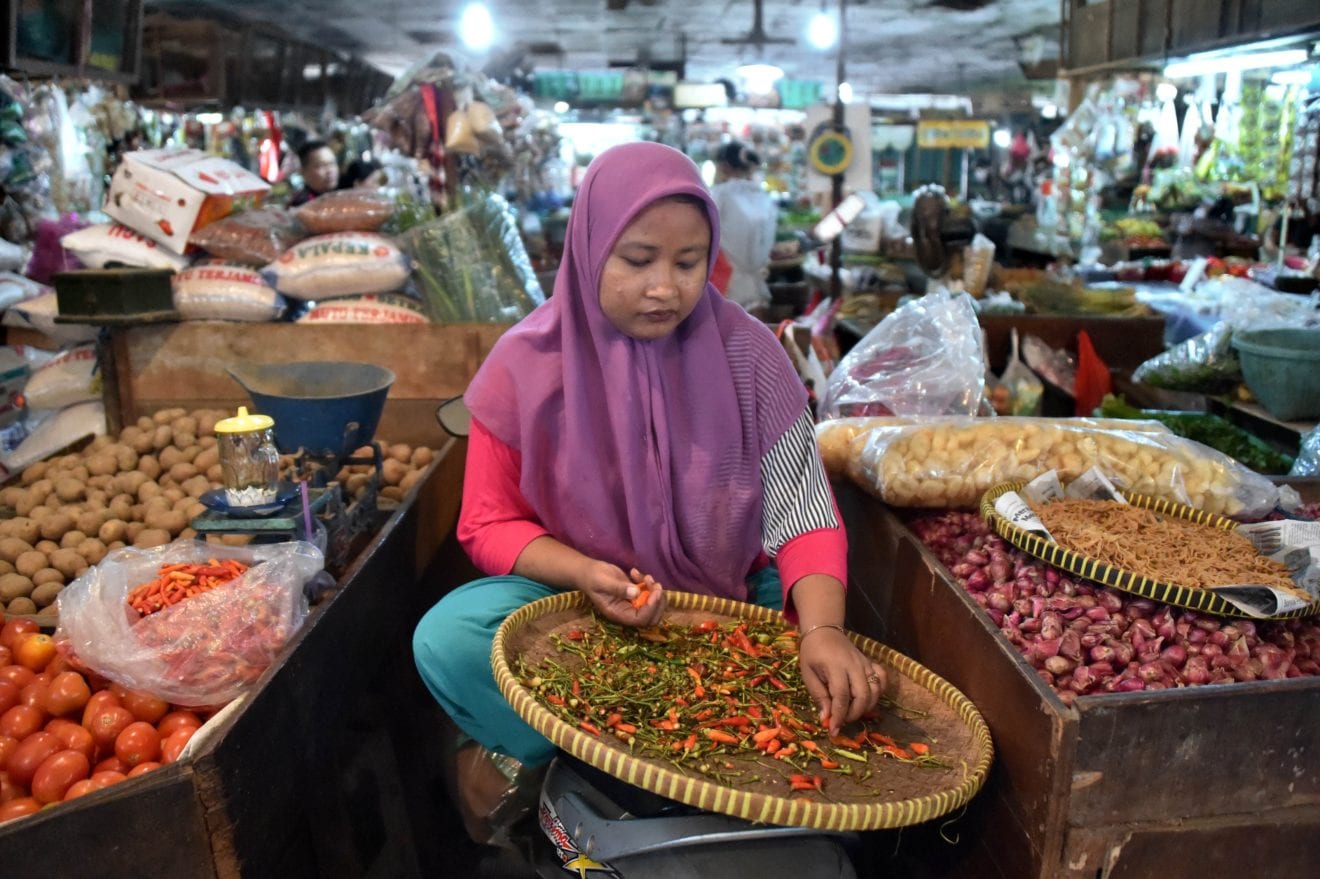
    Supplies of shallots and chili, staple ingredients in Indonesian meals, are often low during the rainy season, propping up the prices index, said Sasmito Hadi Wibowo, the deputy of goods and services distribution at the Central Statistics Agency (BPS).

    Beef prices are also on the rise, increasing by 1 percent alone this month after the government slapped a 10 percent value added tax on beef trade and import in the beginning of this year. Officials reversed the policy on Friday.

    Bank Indonesia has targeted an inflation rate of between 3 percent and 5 percent this year.

    The central bank just cut its benchmark interest rate to 7.25 percent last week as it seeks to stimulate bank lending and boost growth, but an accelerating inflation would undermine its ability to trim the interest rate further.

    The government aims to expand Southeast Asia’s largest economy by 5.3 percent this year, rebounding from an estimated 4.7 percent last year, its slowest pace since 2009.

  • Creative Industry Positive in Digital Era

    Creative Industry Positive in Digital Era

    Cooperation and SME Minister, Anak Agung Gede Ngurah Puspayoga, visited Marketers Creativity Day expo of creative products in Smesco building, Jakarta. He emphasized that creative industry has a big chance in the digital economy era.

    “The chance is open for anyone, be it internet users or women,” he said.

    Moreover, economy expert, Sri Adiningsih, said that Indonesia owns many creative products in the Asean Economic Community, only the marketing is still the problem. She even boosts women to create business and promote their products through social media in internet. Sri also calls on the people to use Indonesian origin products.

    Initiator of Galeri Indonesia WOW, Hermawan Kertajaya, said that Marketers Creativity event will be held on monthly basis. The expo is expected to inspire creative business in Indonesia, in the wake of Asean Economic Community.

  • The New PasarBella Gourmet foodcourt, Singapore

    The New PasarBella Gourmet foodcourt, Singapore

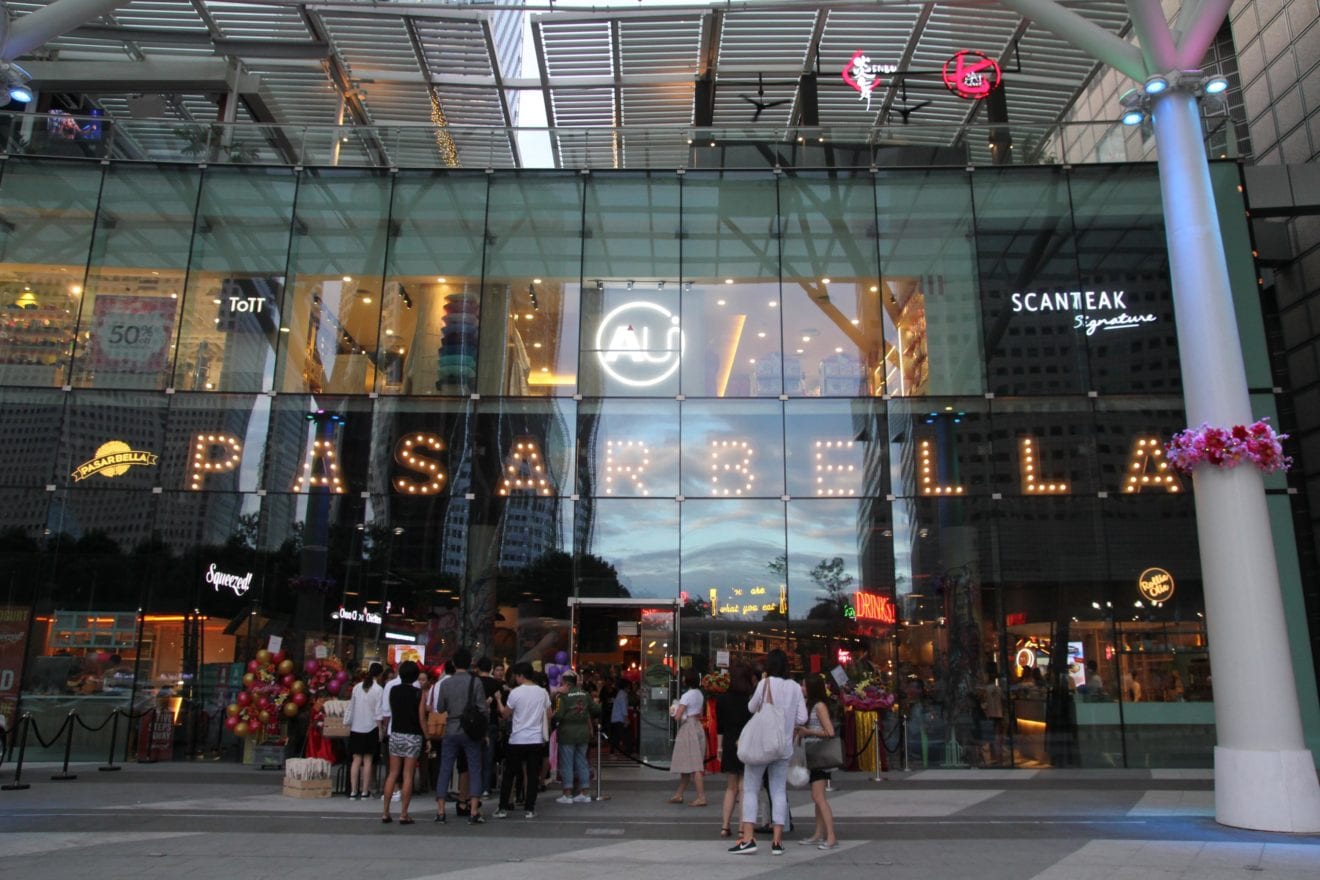
    Singapore design firm, Greymatters recently completed the interior design for PasarBella’s second outlet, at Suntec City.

    The design has been described as “an enclave of enchantment” with diverse food and beverage and retail offerings.

    The new space houses 15 gourmet concept stalls in its 7000 sqft (650 sqm) space, each of which was designed by the boutique firm.

    PASARBELLA INTERIOR2

    Greymatters says it took inspiration for the design from the streets of Lower East Side New York City, the enchanting one-of-a-kind marketplace features, graffitied walls and street art illustrations of happy food and familiar cartoon caricatures, hanging fruit crates and urban paved walkways “that resemble a bustling streetscape littered with vibrant stalls that will send you on a captivating marketing experience”.

    “It was an extremely exciting project, not only to give PasarBella@Suntec a new identity, but also to conceptualise each trader’s store design in a manner that would complement the overall theme of the space,” explains Alan Barr, founder and MD of Greymatters.

    PASARBELLA INTERIOR

    “This is our fourth collaboration with PasarBella and truly allowed us to express our creative ideas and solutions, in order to create a dynamic space that emulated the ethos of PasarBella, yet manifesting it in a unique way.”

    The eclectic space features painted roadways and zebra crossings on the floor, directory signage inspired by NYC’s subway map allow customers to follow their favourite coloured line from the directory to the trader of choice. Cobble tiles are also used for the flooring, which is a relic of NYC street paving of the past.

    The tabletops are made of recycled hardwood timber and salvages street and construction signage, adding to the overall vibe of the space.

    PASARBELLA INTERIOR5

    Each of the vendors in the space have their own distinct identity, all of which reflect the loud, organised chaos of the bustling streets of Barr’s hometown, New York City. In the streets of New York, caffeine is a staple, and serving up its infamous coffees and sweet treats at PasarBella@Suntec is well-loved brand Sarnies, nestled in a storefront that was designed to emulate that of the takeaway coffee joints along the streets of the Big Apple.

    PASARBELLA INTERIOR DETAIL1

    Pimp My Salad is another of the star contenders at PasarBella@Suntec, focusing on healthy food-togo; the compact kiosk is designed with visual impact in mind, featuring a glass display for the different meats, fish, vegetables and grains to be displayed allowing diners a feast of the senses as they select their ingredients in customising their salads.

    Other favourites include Porsena that adopted a New York City Deli vernacular for the stall, and stands proud at one of the main entry points. Wolf Burger is nestled in a loud and proud glistening space of glossy red tile, with a seductive female wolf head pieced together in red and white mosaic tile.

    PASARBELLA INTERIOR DETAIL2.

    Drinks was designed as an interpretation of an upcycled shipping container that can be seen all over the storage lots in the Lower East Side of New York City.

    PASARBELLA INTERIOR8

    Overall 14 choices of different cuisines in an extremely unique environment make for a dining experience unlike any other in Singapore. Designed at a world-class level, with no detail left untouched, PasarBella Suntec City traverses cultures, cuisines, and design styles with its diverse offerings, providing a one-of-a-kind dining experience for all foodies in Singapore.

    Earlier in October, the hospitality design firm was ranked #68 in Interior Design magazine’s annual industry rankings under “Hospitality Giants”, making it the only Singapore-based firm to make the list this year, and one of the only two firms headquartered in Asia.

    PASARBELLA INTERIOR9

    Greymatters recently celebrated its third anniversary in August 2015. The firm is set to complete its first full hotel project, the Amari Hotel & Resort in Galle, Sri Lanka, followed by a string of other accommodation venues across the region; Elbow Room, a bespoke cocktail bar in Phnom Penh, Cambodia that will launch early 2016; and Skin+bones restaurant slated to launch in Bangkok, in March.

    Greymatters’ next project with PasarBella, which is already in design, is the PasarBella iLights 2016 venue at Marina Bay Sands.

  • Balenciaga Malaysia opens second store

    Balenciaga Malaysia opens second store

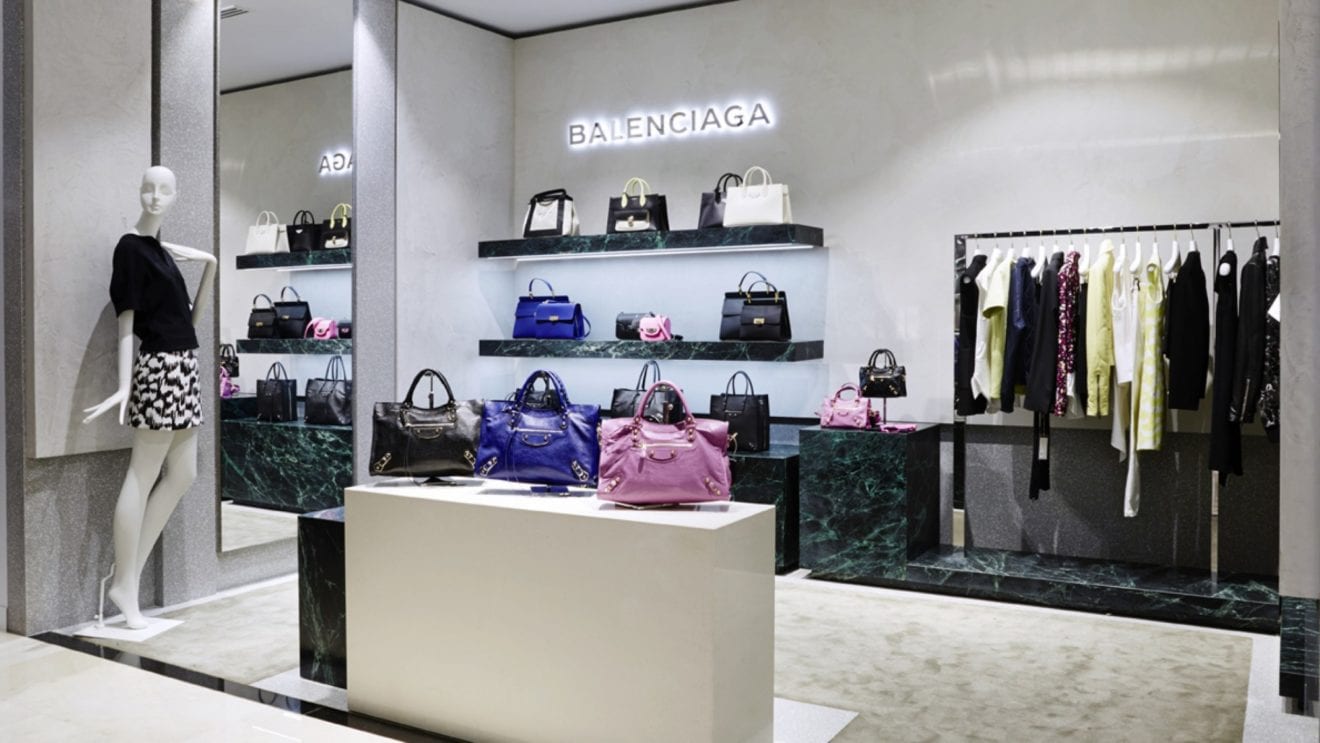
    Balenciaga Malaysia has opened its second boutique – located in The Gardens Mall.

    It is the brand’s first store to stock both the women’s and men’s collection. The brand’s original boutique, in Suria KLCC stocks only the women’s.

    Balenciaga Malaysia 5


    Balenciaga Malaysia 3


    The design and fitout of the new store was inspired by the brand’s Parisian flagship. It features marble, terrazzo, marmorino, limestone and chrome, with contrasting suede carpets and sofas.

    Balenciaga Malaysia 1


    Balenciaga Malaysia 4

    The store has opened with the Autumn Winter 2015 collection, the second to last collection by Alexander Wang, whose last offer if the Spring Summer 2016 range.

    Balenciaga Malaysia 2


    The Spanish-founded luxury fashion brand Balenciaga is now owned by France’s Kering.

  • Papua to use e-tender for goods and service procurement

    Papua to use e-tender for goods and service procurement

    The district of Biak Numfor would use online system of electronic tender for the procurement of goods and service in the 2016 fiscal year for efficiency .

    “Online system of e-tender would soon be applied to help accelerate the utilization of district budget fund,” assistant II of Biak district administration Mahasunu said here on Wednesday.

    Mahasunu said the mechanism of offering packages of project for the procurement of government goods and service would be socialized through website of the district administration.

    He said with the only system in project tender, it is hoped that there would be no misunderstanding between the providers of goods and services and the business players taking part in the tender.

    Another important benefit is that the system would allow less room for malfeasance and corruption, he said.

    “I hope that the process of implementing the online tender would be properly carried out,” he said.

  • Ford to exit Japan, Indonesia on poor sales outlook

    Ford to exit Japan, Indonesia on poor sales outlook

    Ford Motor will close down all operations by the end of this year in Japan and Indonesia, where the United States carmaker says it has no path to boost sales or earn profits.

    The step is being taken “after pursuing every possible option”, Ms Karen Hampton, Ford’s Asia-Pacific spokesman, said in an e-mailed statement. The company will provide ongoing support to customers for service, spare parts and warranties, she said.

    “It has become clear that there is no path to sustained profitability, nor will there be an acceptable return over time from our investments in Japan or Indonesia,” Ms Hampton said. Ford is committed to restructuring parts of its business that “have no reasonable path to achieve sales growth”, she said.

    The exits by Ford are the latest examples of a carmaker losing patience in struggling car markets in parts of Asia that are dominated by Japanese manufacturers.

    General Motors last year closed down its factory in Indonesia, the largest car market in South-east Asia. For 16 straight months, four- wheeler sales on the archipelago have shrunk. If the decline continues, the country will soon lose the distinction of being a one-million-cars-a-year market.

    NO PATH TO GROWTH

    It has become clear that there is no path to sustained profitability, nor will there be an acceptable return over time from our investments in Japan or Indonesia.”

    MS KAREN HAMPTON, Ford’s Asia-Pacific spokesman

    Industrywide sales in both Indonesia and Japan slumped in each of the last two years.

    While Indonesia is the largest economy in South-east Asia, Toyota Motor and its affiliate Daihatsu Motor dominate by accounting for about half of all vehicles sold, according to LMC Automotive. Including Honda Motor and Suzuki Motor, the companies have market share of about 80 per cent.

    Japan’s more developed car market peaked in 1996 with almost 7.3 million vehicles sold and has declined during much of the last two decades. Carmakers sold about five million vehicles in Japan last year, and foreign brands had less than 6 per cent market share.

    Ford is not alone in struggling in Indonesia or Japan. Hyundai Motor and Kia Motors combined to sell fewer vehicles than Ford in Indonesia last year. Each of GM’s brands also trailed Ford by registrations in Japan last year.

  • Imported salted fish flooding Sukabumi market

    Imported salted fish flooding Sukabumi market

    Imported salted fish products have flooded the traditional markets and attracted consumers in Sukabumi, West Java, because of its low pricing.

    “Imported fish products, including from Thailand and Taiwan, dominated salted fish stalls in Sukabumi,” trader Dani Supriyadi said at Cisaat Market, Sukabumi, on Monday.

    According to him, the imported salted fish products remained the main attraction at the local traditional market due to scarcity of local fish supplies.

    Traders opted for imported products to meet the market demand for salted fish, and stocked them. Another reason for the popularity of the imported salted fish is its low price, compared to the fish produced domestically.

    Sadly, domestic salted fish has been difficult to find lately, because of its limited stock.

    The quality of local salted fish products in the country is better than the imported stock, yet it cannot last long because it is processed traditionally. It does not use chemical preservatives.

    “The local salted fish products should dominate the domestic markets because Indonesia has access to vast water resources in the form of Indian Ocean and Pacific Ocean, in comparison to Taiwan and Thailand which have rare Sepat fish species and anchovies,” he added.

    Meanwhile, Chairman of Palabuhan Ratu Community Collectors and Fish Processing Palabuhanratu, Telly Supriatna said too little catch of anchovies ios now found in Indonesia due to inappropriate weather. It is believed that since December 2015 and till April this year, the supply will continue to decrease.

    When entering the rainy season, salted fish processing declines due to the fact that drying process takes a long time. As a result, next April, fish production will decrease and supply will fall as well.

    “Salted fish processing in Indonesia is mostly done traditionally, relying on nature for its drying process. Compared to imported products that are already using modern tools, our products become less competitive in the market,” he said.

  • Indonesia to speed up EU CEPA negotiation

    Indonesia to speed up EU CEPA negotiation

    Indonesia will speed up negotiations on the Indonesia-European Union (EU) Comprehensive Economic Partnership Agreement (CEPA), aiming to have an agreement with the EU come into effect within two years.

    The two parties had discussed the implementation of the CEPA in a meeting with EU trade ministers during the World Economic Forum (WEF) in Davos last week, Trade Minister Thomas Lembong said.

    “It has been decided in a Cabinet meeting that we will have a trade agreement with the EU. We must start it immediately because the President gave us two years to complete the agreement,” Thomas said in Jakarta on Tuesday.

    In contrast to the discussion of trade agreements in the Trans Pacific Partnership (TTP), which still required time for assessment to solve the challenges, Thomas underlined that there were no special constraints on the Indonesia-EU CEPA discussion.

    The planned Indonesia-EU CEPA has been stagnant since 2013. Vietnam, which started free trade agreement negotiations with the 28-member trading bloc in the same year reached an agreement in August last year.

    The EU CEPA covers issues of trade and business, including the reduction of trade barriers and liberalization of government procurement. The two points are also included in the TPP framework.

    Aside from the two agreements, Thomas continued, the ministry also held meetings with trade ministers from several countries to discuss bilateral trade agreements.

    “We are exploring bilateral trade agreements with Australia. Also with the EFTA [European Free Trade Association] which consists of Norway, Switzerland, Iceland and Liechtenstein,” Thomas said.

  • US e-commerce giant eBay plans to open office in Indonesia

    US e-commerce giant eBay plans to open office in Indonesia

    According to information on eBay’s Linkedin link, the head will also be representative and spokesperson for the company.

    eBay already has an existing joint venture company named PT MetraPlasa with a unit of state-owned telecommunication operator PT Telekomunikasi Indonesia Tbk (Telkom). In 2012, eBay and Telkom partnered to increase e-commerce business in Indonesia through Plasa.com, now known as Blanja.com.

    One of the primary objectives of eBay’s new head will be to find local products that can be sold in the global market and to support Indonesian retail exporters.

    Telkom expects the partnership with eBay will enable small and medium enterprises (SME) in Indonesia to tap the global market.

    Blanja.com, a trading site that is in the same space as the likes of Tokopedia, Lazada, Blibli, has more than one million products listed of which 90 per cent would be locally made and sourced.

    This site operates several categories: fashion & accessories, health & beauty, gadgets, toys, home, computer, movies, music, automotive, photography, sports equipment, travel and food.

    The US-based eBay, set up in 1995, currently has branches in more than 30 countries. The site implements consumer to consumer (C2C) and business to consumer (B2C) trade. It can be accessed freely by buyers. However, the seller should pay to put their products on eBay.

    EBay’s move comes at a time when the Indonesian government is planning to launch a roadmap for e-commerce business in February to boost foreign direct investment.

    The government is warming up to the idea of allowing foreign ownership of up to 100 per cent for marketplace platforms with assets of over Rp10 billion.

    At present, Indonesia does not allow foreign ownership in local (business to customer (B2C) retail e-commerce companies, but this restriction does not apply to online marketplaces that mediate between buyers and sellers (C2C).

  • Printed Media Enters Twilight Period

    Printed Media Enters Twilight Period

    In line with the increasing popularity and knowledge of internet in the society, many online media have successfully attract readers and printed media advertisers. “This is what we call the twilight of print media,” said Communications and Informatics Minister Rudiantara on Tuesday, January 26, 2016.

    According to Rudiantara, the progress of online media can be seen from the constantly improving financial performance of the companies. “Just look at their balance sheets in the stock market,” said Rudiantara.

    Rudiantara added that compared to printed media, online media can be considered to have the upper hand in presenting information. By accessing a digital news website, consumers can read texts, see pictures and watch videos almost at the same time. In addition, readers who wish to interact with writers can just leave a comment and immediately receive responses.

    Such advantages also attract advertisers. Rudiantara predicted that more advertisers will prefer to advertise through online media. “For advertisers, online media offer advantages, ranging from placement to payment,” Rudiantara said.Ari Fadyl, head of transformation and innovation at AXA Indonesia, also said that it is easier to attract consumers through online media. Only by clicking links, prospective consumers can enter a company’s homepage or mobile app. “This is important because to buy an insurance, for example, people need to be assured with explanations or ‘experiences’,” said Ari.

    Ari explained that ‘experiences’ can be in the forms of online test to identify a children’s talent in relation to finding the right school, which will eventually attract parents to apply for an educational insurance. Such method, Ari claimed, is proven to be effective in gathering customers. “We just started using digital platform two years ago, and now we have around eight million customers from [online platform],” Ari said

  • Tight market hits Watches & Wonders

    Tight market hits Watches & Wonders

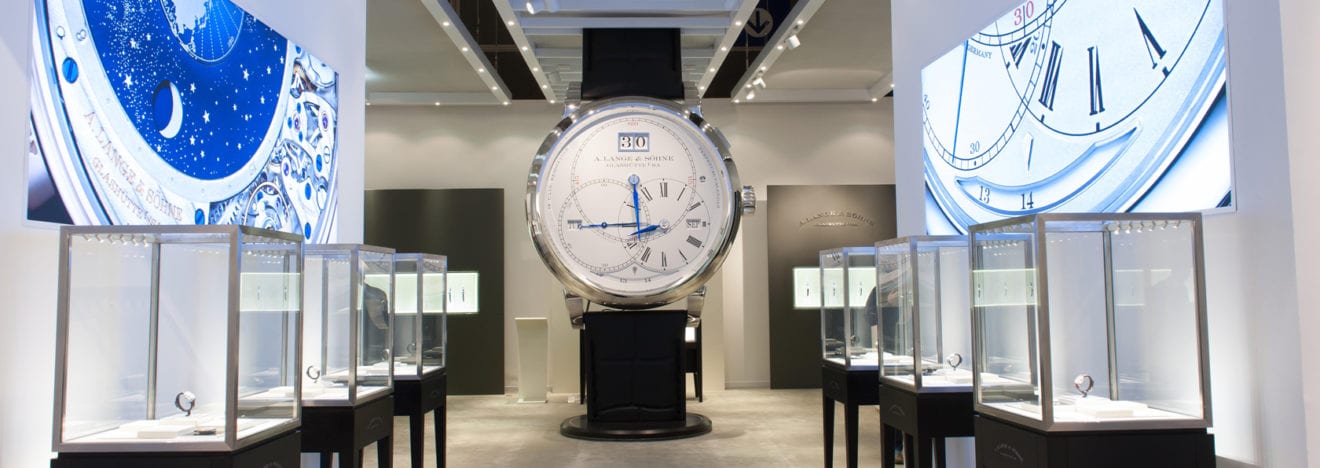
    With sales slipping in the industry’s largest market, the annual Watches & Wonders exhibition in Hong Kong may be cut back to every two years.

    High-end watchmakers are looking at a shift in strategy in Hong Kong in the face of the most severe downturn the industry has faced since the 2008-09 financial crisis, reports Reuters.

    Branching out from the two biggest trade shows in Switzerland, the Salon International de la Haute Horlogerie (SIHH) in Geneva and Baselworld, Watches & Wonders was launched in 2013 by theFondation de la Haute Horlogerie, which is now talking with exhibitors about the show’s future format, according to Richard Mille, CEO of independent watchmaker Richard Mille.

    Watches & Wonders mainly showcases Richemont-owned brands like Cartier, Montblanc and Vacheron Constantin, as well as some independents, reports Bloomberg.

    “Some brands have been fighting to get out, completely out, to stop Watches & Wonders,” Mille said at this week’s SIHH in Geneva, the industry’s first event of the year.

    “Some of the brands want to do it every two years, some say every year. It’s a negotiation.”

    A decision will be made after this week’s show, according to foundation chairwoman Fabienne Lupo.

    The event also competes with the annual Hong Kong Watch & Clock Fair, which had nearly 800 exhibitors last year.

    China’s crackdown on extravagant spending plus currency fluctuations have hit the demand for expensive timepieces in Hong Kong, with Swiss watch exports to the island city plunging 23 per cent in the first 11 months of 2015, and facing the first annual decline since 2009. TAG Heuer closed one of its Hong Kong stores in August.

    Mille, whose watches sell from about 70,000 Swiss francs ($70,000) upward, says the objective of exhibiting in Watches & Wonders is to make contact with clients who are unable to attend the boutique shows. “It’s not cheap, but it’s worthwhile.”

    Meanwhile, high-end watchmakers are considering expanding their range of more affordable products. Executives at the Geneva event say the industry is having to adapt to a market with fewer Chinese, Middle Eastern and Russian buyers than a year ago, an outcome of record low oil prices and signs of economic weakness in China.

    Cartier, Richemont’s leading brand and main source of profit, is presenting more models than ever at more accessible prices at this week’s SIHH. Among them is Cartier’s new Drive model, a steel-cased men’s watch priced at a little more than 5000 euros ($5430). Previously, Cartier would offer only new models in gold and leather, with prices starting at more than 10,000 euros.

    Sister brand Piaget, generally starting no lower than 10,000 euros, has re-launched a women’s line starting at about 7000 euros, while Richemont stablemate Montblanc has introduced a wide range of lower-priced models.

    Montblanc CEO Jerome Lambert says that whatever happens, his company will stay active in Hong Kong with major exhibitions.

    “There is a different price awareness among customers now… and less price elasticity,” Piaget chief executive Philippe Leopold-Metzger told Reuters at the fair. “Times are difficult.”

    Several watchmakers have cut staff numbers in recent months, including Kering‘s newly acquired Ulysse Nardin and privately owned Parimigiani and Christophe Claret. Piaget closed a boutique in Shanghai last month, and Parmigiani plants to cut back its global outlets to about 250 from around 300 by the end of the year.

    Van Cleef & Arpels, one of the fastest-growing brands within the Richemont group, has also seen a slowdown in Hong Kong, Macao and the US. It is looking at new growth opportunities in such markets as Australia, Canada and Thailand, where it has just opened a store.

  • Malaysian banks in Indonesia to gain from BI rate cut

    Malaysian banks in Indonesia to gain from BI rate cut

    The interest rate cut by Bank Indonesia (BI) last week and further anticipated rate cuts in that country could be a game changer for Malaysian banks in Indonesia as they could see an uplift in their loan growth and earnings amid a challenging economic environment following weaker commodity prices and slower economic growth.

    Malayan Banking Bhd (Maybank) and CIMB Group Holdings Bhd’s units had been bogged down by provisions due to pressure on their asset quality but this scenario is set to change amid signs of further rate cuts by the Indonesian central bank.

    Maybank operates in Indonesia via PT Bank Maybank Indonesia Tbk and has about 80% shareholding in Maybank Indonesia Tbk while CIMB Group has 97.94% stake in PT Bank CIMB Niaga Tbk.

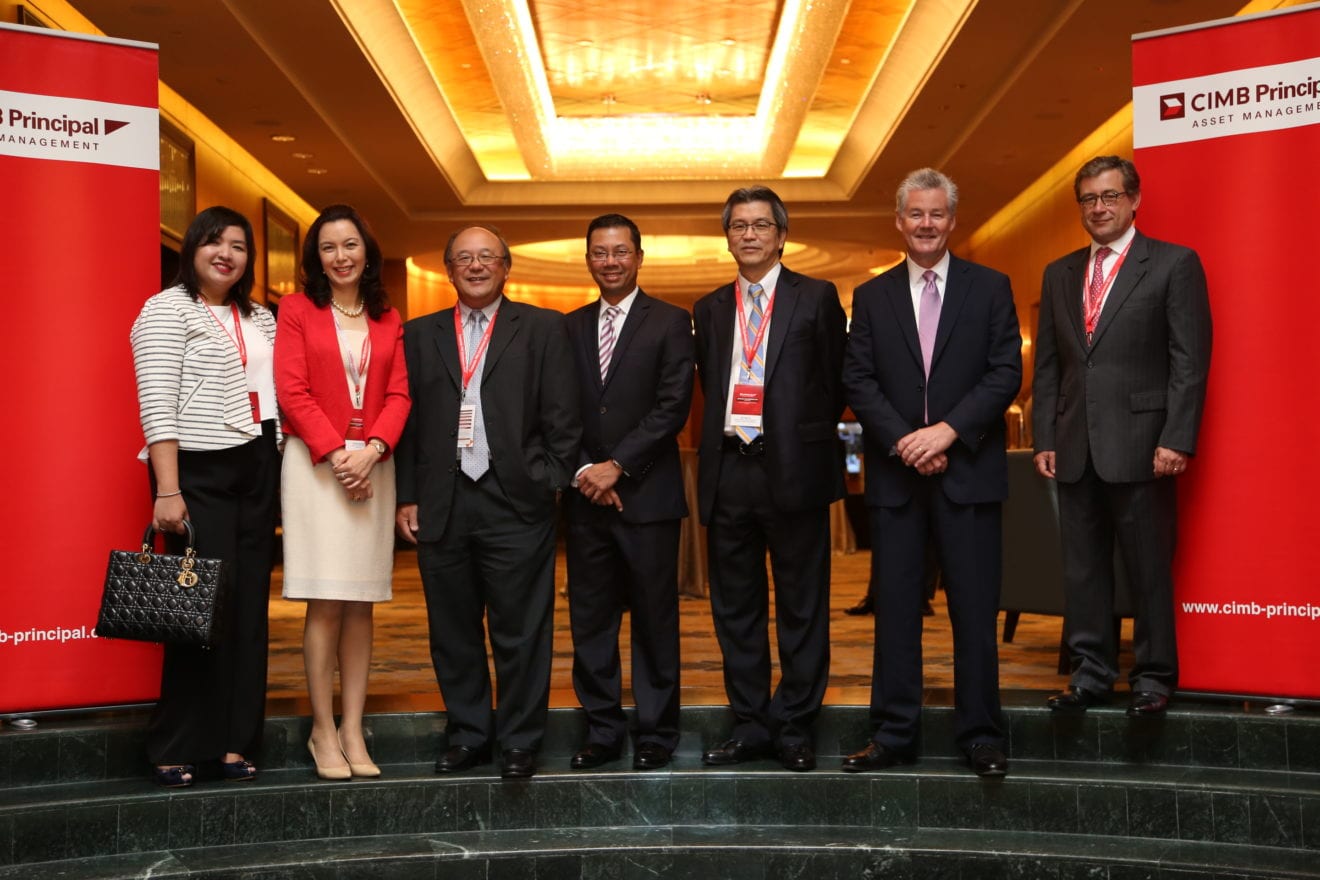
    CIMB Group chief executive Tengku Datuk Seri Zafrul Aziz, via an e-mail, told StarBiz the move to cut interest rates by BI would see further uplift in CIMB Niaga’s loan growth this year.

    “BI is adopting a growth strategy for its 2016 monetary policy. As such, we believe there will be further interest rate cuts this year. We expect CIMB Niaga earnings to improve this year on the back of sustained net interest income, improved non-interest income as well as lower loan provisions,” he said.

    He said the group was still positive on the longer-term growth and opportunities in Indonesia and were placing added focus on the consumer and small-medium enterprise (SME) segments in a bid to boost earnings growth.

    “With the government’s economic policy packages that aim to boost the economic growth in Indonesia, we are cautiously optimistic of our business growth there.

    “On the direction of the gross non-performing loans (NPL) of the industry, it is highly dependent on the macroeconomic shifts from commodity prices, the currency and consumer consumption. For CIMB Niaga, we expect gross NPLs to gradually reduce, going forward, from the high of 2015,” Zafrul added.

    For the third quarter ended Sept 30, 2015, CIMB Niaga’s gross NPL ratio improved to 3.17% compared with 3.35% in the same period a year ago as a result of sales of asset to an affiliated company of CIMB Group. Its loan loss coverage during the period increased to 120.96% from 82.89% a year ago.

    The group’s Indonesian arm posted a net profit of 442 billion rupiah (RM137.4mil) for the third quarter. Comparatively, it recorded 93 billion rupiah a quarter ago.

    The bank kept its position as Indonesia’s fifth largest bank by assets, with total assets standing at 244.29 trillion rupiah, representing a 7.3% increase year-on-year.

    Total gross loans rose 7.2% year-on-year to 178.89 trillion rupiah, driven largely by growth in corporate loans, consumer loans and in micro small-medium enterprise banking, while commercial loans remained flat.

    BI, on Jan 14, announced a 25-basis-point cut in its benchmark policy rate to 7.25% in a bid to lift an economy growing at its slowest rate in six years.

    Zafrul said CIMB Niaga would follow suit with the rate reduction and also make adjustments to its lending interest rate accordingly as the cost of funds would be correspondingly lower.

    He said the banking group has also identified a few key priorities for CIMB Niaga this year. These include looking at ways to optimise its SME franchise, further developing its treasury and market capabilities and growing the consumer banking business while focusing efforts to increase CASA (current account/savings account), improve asset quality and continuing with its stringent cost management initiatives.

    Additionally, Zafrul said CIMB Niaga would play a more active role as the leading digital bank in Indonesia with the support of a new core banking infrastructure.

    Meanwhile, despite weakening asset quality, Maybank Indonesia’s net profit for the nine months ended Sept 30, 2015 increased by 70.7% to 592 billion rupiah (RM187.1mil) from 347 billion rupiah a year ago. Its gross NPL stood at 4.34% in the third quarter from 2.55% last year. The bank posted loans growth of 6.6% to 111.5 trillion rupiah in the nine months from 104.6 trillion rupiah in the same period in 2014.

    On the loan growth for CIMB Niaga and Maybank Indonesia as a result of the interest rate cut, Malaysian Rating Corp Bhd head of banking Sharidan Salleh said: “During the nine months of last year, the two banks’ loans grew by about 7% year-on-year. We expect the banks’ loan growth could be higher in 2016 at about 9%-10% in tandem with the expected higher GDP growth at 5.3% in 2016 from 4.73% in 2015.

    “The economic growth is expected to be supported by Indonesian government-driven infrastructure projects. However, banks’ profits from Indonesian operations could be pressured by provisions and compressed margin. Given the current challenges in the economy, we expect the asset quality of these banks would remain under pressure in 2016.”

    UOB Kay Hian analyst Alexander Margaronis said that based on historical data, significant loan growth in Indonesia might take three quarters to pick up after the first rate hike.

    Furthermore, he said the relationship between time-deposit (TD) rate cuts to BI reference rate cut was 1:1 in the short term with no lag time.

    “As we expect further BI rate cuts down the road, cost of funds could come down further as time deposit rates decrease. This should keep the industry’s net interest margin relatively stable or even higher.

    “In the last major round of rate cuts by the BI (2009-2013), BI reference rates came down by a total of 350 basis points (bps) versus TD rates declining by about 500 bps whereas lending rates came down by about 300 bps,” Margaronis noted.

  • Singapore’s Anchanto in MoU with Pos Logistik Indonesia

    Singapore’s Anchanto in MoU with Pos Logistik Indonesia

    Singapore-headquartered e-commerce fulfillment company Anchanto said it has signed a Memorandum of Understanding (MoU) with Pos Logistik Indonesia to bring its technology, expertise and regional network to the fast-growing Indonesian market.

    Indonesia is the largest e-commerce market in South-East Asia, and growing rapidly as local consumers shift to online purchasing, Anchanto said in a statement.

    However, one barrier is that logistics providers continue to use processes built for B2B (business-to-business), and not purpose-built technology. This results in a lack of end-to-end visibility of orders, errors and delays in deliveries, and higher costs, the company argued.

    Anchanto was founded in June 2011, and last November landed an undisclosed Series B round from Japan’s Transcosmos Inc.

    The MoU between Anchanto and Pos Logistik Indonesia, a subsidiary of PT Post Indonesia, will bring Anchanto’s e-commerce-focused technology to Indonesia, it added.

    This will offer both local and cross-border companies fulfillment services that are developed from the ground-up.

    “This MoU allows us to build the biggest e-commerce fulfillment and logistics offering for the Indonesian market,” said Anchanto cofounder and chief executive officer Vaibhav Dabhade.

    “Our mission is to let e-commerce companies, sellers and brands focus on what they do best, while we take care of providing world-class fulfillment technology and infrastructure with 3PL (third-party logistics) partners in the region to them at scale, on demand,” he added.

    Once implemented by March, Anchanto and Pos Logistik Indonesia will carve out a dedicated e-commerce team to offer a complete suite of services.

    This will include real-time order visibility, picking and packing, channel sales management, persistent inventory listing across local and regional marketplaces, and customer support.

    “We have a robust plan to capture e-commerce logistics and cross-border e-commerce market share for the Indonesian market by helping SMEs (small and medium enterprises), local businesses and brands,” said Pos Logistik Indonesia director Hariyanto.

  • CapitaLand Malls ‘resilient’ to tough times

    CapitaLand Malls ‘resilient’ to tough times

    CapitaLand Mall Trust says its portfolio of “necessity malls” has proven resilient to the challenging economic and retail period of the last year.

    CapitaLand Mall Trust Management (CMTML), the manager of CapitaLand Mall Trust (CMT), has reported a distributable income for 2015 of S$392.0 million, up 4.4 per cent on 2014.

    Danny Teoh, Chairman of CMTML, said CMT has delivered a good set of financial results in 2015.

    “Distribution per unit to unitholders for 2015 increased 3.8 per cent to 11.25 cents, underscoring the underlying strength of our portfolio – made up of predominantly necessity shopping malls connected to or near transportation hubs serving large catchment areas.”

    Teoh says the trust reinforced its leadership position as Singapore’s largest real estate investment trust with the acquisition of Bedok Mall on October 1.

    “In addition, we unlocked value for unitholders with the sale of Rivervale Mall on December 15, where we recognised a gain of about S$72.7 million. Going forward, CMT’s established track record in proactive mall and asset management will ensure that we remain well-positioned to continually create value for our unitholders.”

    Wilson Tan, CEO of CMTML, said tenants’ sales per square foot and shopper traffic increased by 5.3 per cent and 4.9 per cent respectively last year.

    “Portfolio occupancy remained high, registering 97.6 per cent at December 31.”

    Clarke Quay achieved more than 90 per cent committed occupancy for the reconfigured space in Block C. Anchored by Zouk, a world-class dance club, Block C also comprises popular food and beverage (F&B) and entertainment outlets such as DV8 Club, a top notch live Mandopop concert club; Warehouse, a restaurant and bar with live music; Privé Clarke Quay, a new bar concept by lifestyle group Privé Group; Maziga Café & Bollywood Club, an Indian restaurant helmed by the team behind the Punjab Grill; and the highly anticipated Ramen Keisuke Lobster King, the latest offshoot of the well-known ramen chain Ramen Keisuke.

    “Singapore’s largest outlet mall IMM Building further enhanced its shopping experience and increased its total number of outlet stores to 85 with new designer brands such as Outlet by Club 21, Juicy Couture and Cole Haan. It also boosted its F&B offerings with additions such as Dôme Café. We will continue to transform our malls through asset enhancement initiatives and reinforce our relevance to the communities that we operate in,” said Tan.

    CapitaLand Mall Trust owns 16 shopping malls, strategically located in the suburban areas and downtown core of Singapore, comprise Tampines Mall, Junction 8, Funan DigitaLife Mall, IMM Building, Plaza Singapura, Bugis Junction, Sembawang Shopping Centre, JCube, Raffles City Singapore (40.0% interest), Lot One Shoppers’ Mall, 90 out of 91 strata lots in Bukit Panjang Plaza, The Atrium@Orchard, Clarke Quay, Bugis+, Westgate (30 per cent interest) and Bedok Mall.

    CMT also owns 122.7 million units in CapitaLand Retail China Trust, the first China shopping mall REIT listed on SGX-ST in December 2006.

  • GE sells appliance business to China’s Haier for $5.4 bn

    GE sells appliance business to China’s Haier for $5.4 bn

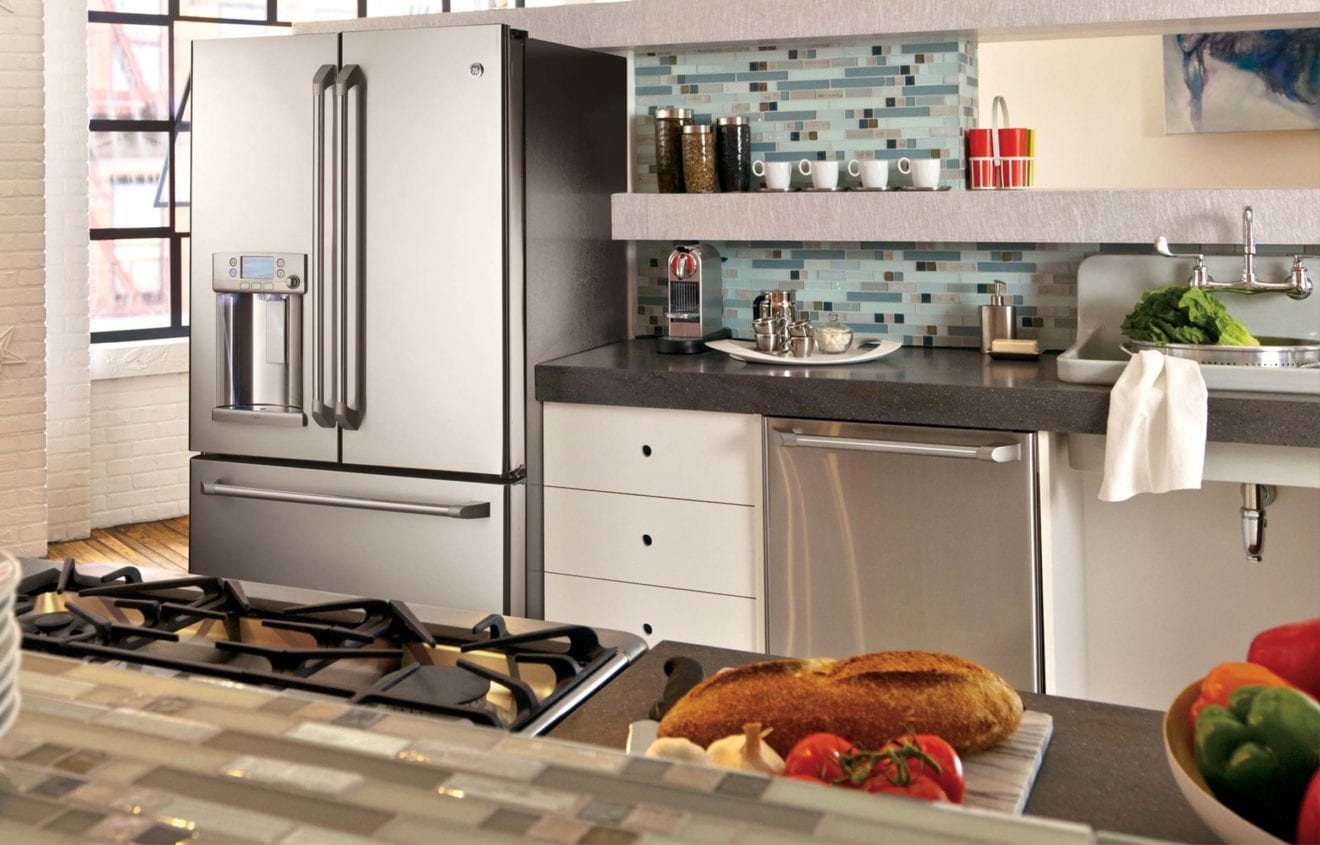
    US industrial giant General Electric will sell its appliances business to China’s Haier Group for USD 5.4 billion, it said today, in one of the largest Chinese acquisitions of an American firm yet.

    The transaction epitomises the changing nature of the global economy, with a 100-year-old US company selling what was once one of its core units to a Chinese upstart that emerged from a refrigerator factory that was nearly bankrupt 30 years ago.

    Haier is seeking to establish itself as a global brand, while China is looking to re-balance its economy more towards consumption and away from the infrastructure and investment-driven model of the past.

    The Chinese firm was “committed to growing the business globally”, GE chairman and CEO Jeff Immelt said in a statement, calling the agreement “a good deal which will benefit our investors, customers and employees”.

    GE had previously been due to sell the unit to Swedish rival manufacturer Electrolux for USD 3.3 billion, but the deal ran into opposition from US competition authorities.

    Haier Group is China’s second largest electronics manufacturer, and emerged from the Qingdao Refrigerator Factory, in the eastern port of the same name, which its CEO Zhang Ruimin was appointed to run in the mid-1980s.

    Zhang is renowned for his reaction to a customer complaint, when he examined the firm’s warehouse and found 76 fridges out of more than 400 in stock were substandard.

    He ordered the personnel to smash them to pieces, personally leading the destruction with a hammer.

    “If I allow the 76 fridges to be sold, it would imply that I would allow 760 or even 7,600 such substandard fridges to be produced tomorrow,” he was quoted as saying by the official news agency Xinhua.

    The tool Zhang wielded is now in a national museum, Xinhua said.

    Haier’s methods have been studied in business schools including Harvard, but its exact ownership structure remains opaque.

    Officially, the group is divided into several units which are collectively owned. It has two quoted subsidiaries, Haier Electronics in Hong Kong and Qingdao Haier in Shanghai — which is the vehicle for the GE acquisition.

    Haier has close ties to the ruling Communist Party, and Zhang is an alternate member of the party’s elite central committee.

    The deal is the latest major Chinese acquisition of a US company, and comes in the same week that Wanda Group, founded by China’s richest man Wang Jianlin, acquired Hollywood studio Legendary Entertainment for USD 3.5 billion.

    Previous major acquisitions have included 2013’s USD 7 billion purchase of Smithfield Foods by Shuanghui, and Lenovo buying IBM’s PC business for USD 1.75 billion.

    Haier says it is the world’s biggest large household appliance brand, with a 10.2 percent global market share, and also has businesses in communications, logistics, finance and real estate.

    It had a global turnover of 200.7 billion yuan ($30.47 billion) and total profit of 15 billion yuan in 2014, according to its website, with activities and customers across 100 countries and regions.

    Haier bought the white goods operations of Japanese company Sanyo in 2011, the first time a Chinese firm has bought major business segments from a large Japanese manufacturer.

    But it had just a one percent share of the US consumer appliance market in 2015, the state-run China Daily cited market analysts Euromonitor as saying.