Blog

  • 100th store for Toys R Us China

    100th store for Toys R Us China

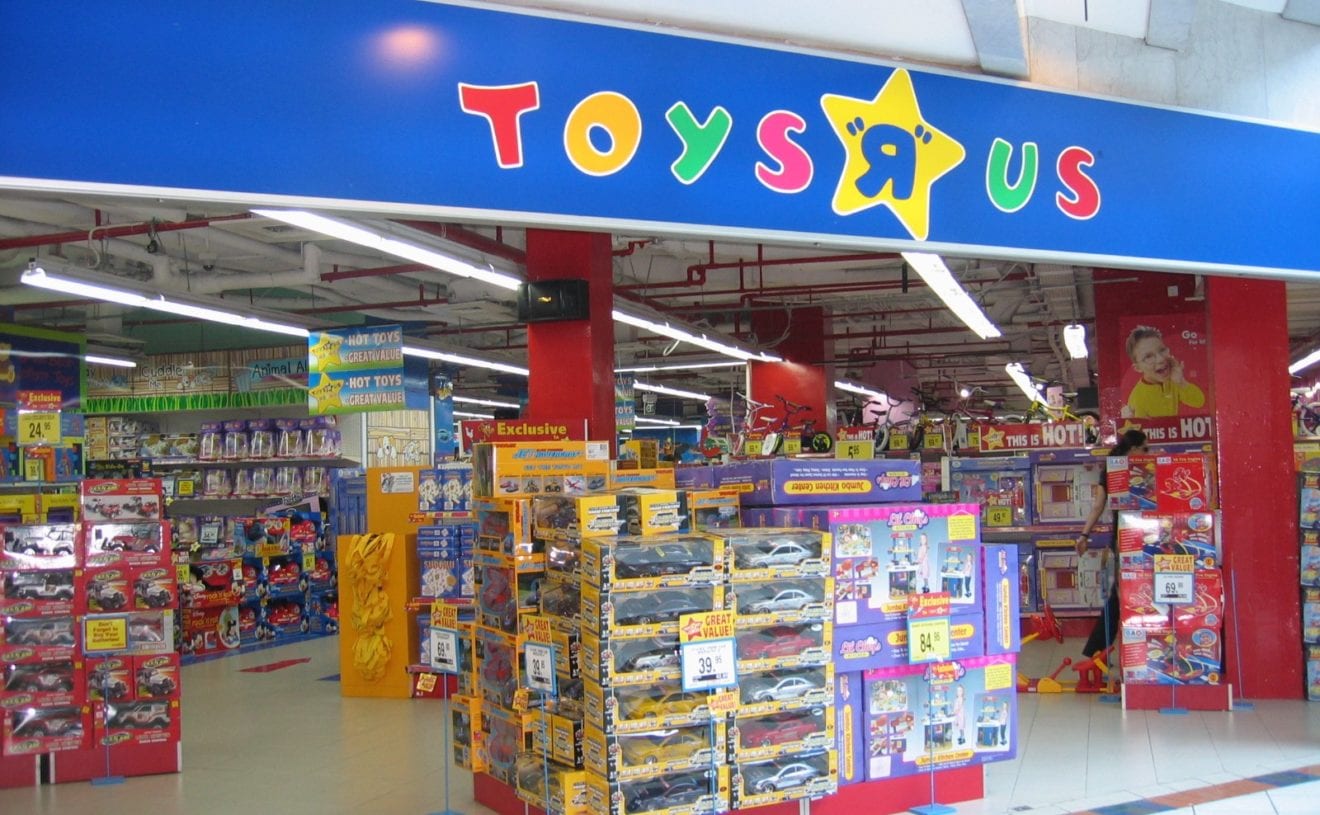
    Toy and baby products retailer Toys R Us has opened its 100th store in China.

    Ten years after entering the market, the US-based chain has its milestone outlet in the APM Shopping Mall in Wang Fu Jing, Beijing.

    During the past year, Toys R Us China has opened 27 stores across the nation.

    “International expansion, particularly throughout China and Southeast Asia, continues to be an important part of our long-term growth strategy,” says chairman/CEO Dave Brandon, who was at the Beijing opening ceremony. He notes an increasing demand in this market for quality children’s products and family entertainment experiences.

    Opening its first store in China in 2006, the company now has outlets in 44 cities, and plans to open another 30 stores this year.

    As part of the grand opening in Beijing, families were invited to meet such popular mascots as Balala Emma, Barbie, Geoffrey the Giraffe, Ninjago Kai and Ultraman. The store showcases the latest in “retailtainment”, digital technology and customer interaction. Customers can use a 70in. digital screen at the store entrance to browse through promotional items, make purchases, take “selfies” with special photo frames, play games and join the company’s Star Card loyalty program.

    Beijing’s store also features exclusive products not available elsewhere in the market, and throughout the APM mall are several new features sponsored by Toys R Us.

    Founded more than 65 years ago with headquarters in Wayne, New Jersey, Toys R Us formed a joint venture in 2011 with its licence partner in China and Southeast Asia, Fung Retailing. It took a 70 per cent interest in Fung Retailing’s stores in Brunei, China, Hong Kong, Malaysia, Singapore, Taiwan and Thailand.

    Toys R Us also has a T-mall Store in China, launching its eCommerce website in 2012. It also has a mobile-optimised website in China. Toys R Us has 1 million WeChat followers, with 80 per cent of them joining the Star Card membership program.

    As well as 863 outlets in the US and Puerto Rico, the company has more than 755 international stores and more than 250 licensed stores in 38 countries. In Asia, there are more than 400 stores in Brunei, Hong Kong, Japan, Malaysia, Singapore, Thailand, Taiwan as well as mainland China. There are also licensed stores in Korea, Macau and The Philippines.

  • Chengdu IFS challenge to Hong Kong

    Chengdu IFS challenge to Hong Kong

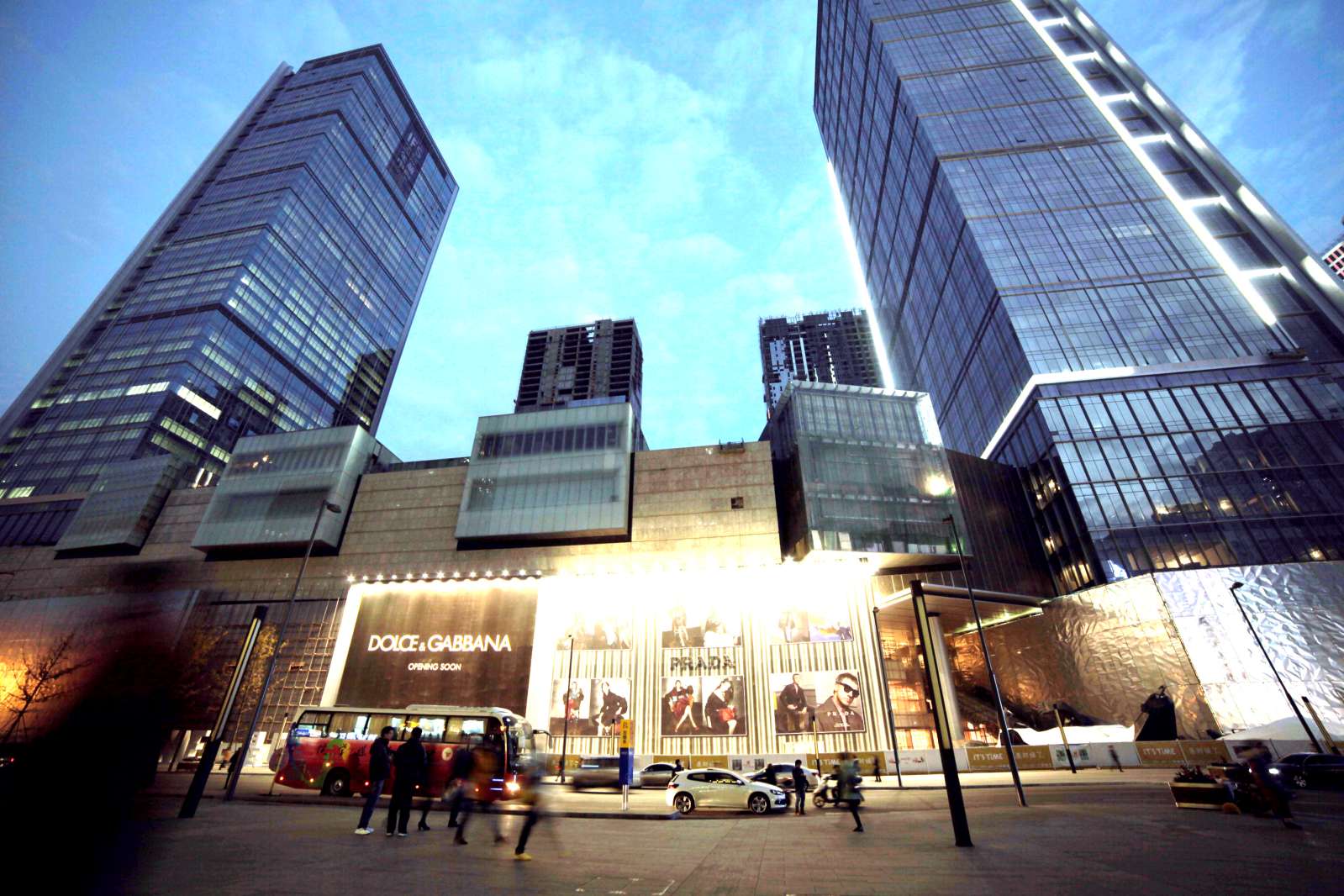
    To mark its second anniversary, Chengdu IFS has launched the “All In Here – World Fashion Tour” to introduce the south-west China city’s latest initiative to be part of the global fashion scene – and a direct challenge to Hong Kong’s Harbour City on Canton Rd.

    A key event of the Jinjiang Shopping Festival, the tour was organised by the Chengdu municipal government and Jinjiang district government in a move toward transforming the city into an international travel and shopping destination. It has been supported by trade representatives from France, Italy and Switzerland as well as Elle magazine.

    Chengdu IFS opened in 2014, and with its architecture, brand collections and international-standard management has become a landmark in the city. As the first major world-class, high-end mixed development in urban Chengdu, it brings together about 300 top brands, 90 of which are new to the region. Multi-level flagship stores featuring international brands line Hongxing Road as part of the 530 metre. ‘International Fashion Walk’”.

    Chengdu’s city fathers announced an action plan in July to build Chengdu into an international shoppers’ paradise as a key element of its development as a new first-tier city. Officiating at the launch ceremony of the “All In Here – World Fashion Tour” were Chengu Business Committee deputy-director Wen Feng, Jinjiang district deputy-head Wu Wenhui, Wharf Holdings vice-chairman Doreen Lee Yuk Fong and Wharf China Estates GM Christina Hau.

    Speakers also included Italy’s consul-general Sergio Maffettone, France’s consul-general Olivier Vaysset, Milan’s general director of creative programs Alessandro Pollio Salimbeni, Swiss Chinese Chamber of Commerce GM Rolf Studer, and Elle China publisher Chris Hu.

    Taking on a carnival atmosphere, the opening brought together art, fashion, tradition and style with performances including a mid-air fashion show, a parade of orchestral musicians and a VIP gala dinner at the Niccolo by Marco Polo. Guests at the dinner were surprised when Hong Kong artiste Carina Lau wore her own Anirac creations to present the brand’s first-ever catwalk show.

    Since its “I Am Here” promotion in 2014, Chengdu IFS has increased its turnover and traffic flow by 50 per cent. The number of VIP members doubles last year, with sales up 50 per cent. As the first of five IFS projects in which Wharf Holdings has invested RMB 46 billion (US$6.9 billion), Chengdu IFS has set a solid foundation for the development of Chongqing IFS, scheduled to open next year as a boutique version of Harbour City, and also Changsha IFS, which will be the largest of the group.

    Featuring panda sculptures as an external feature, Chengdu IFS has become a benchmark for urban fashion as well as a favourite spot for young people to meet.

  • Nakheel to showcase portfolio in Hong Kong

    Nakheel to showcase portfolio in Hong Kong

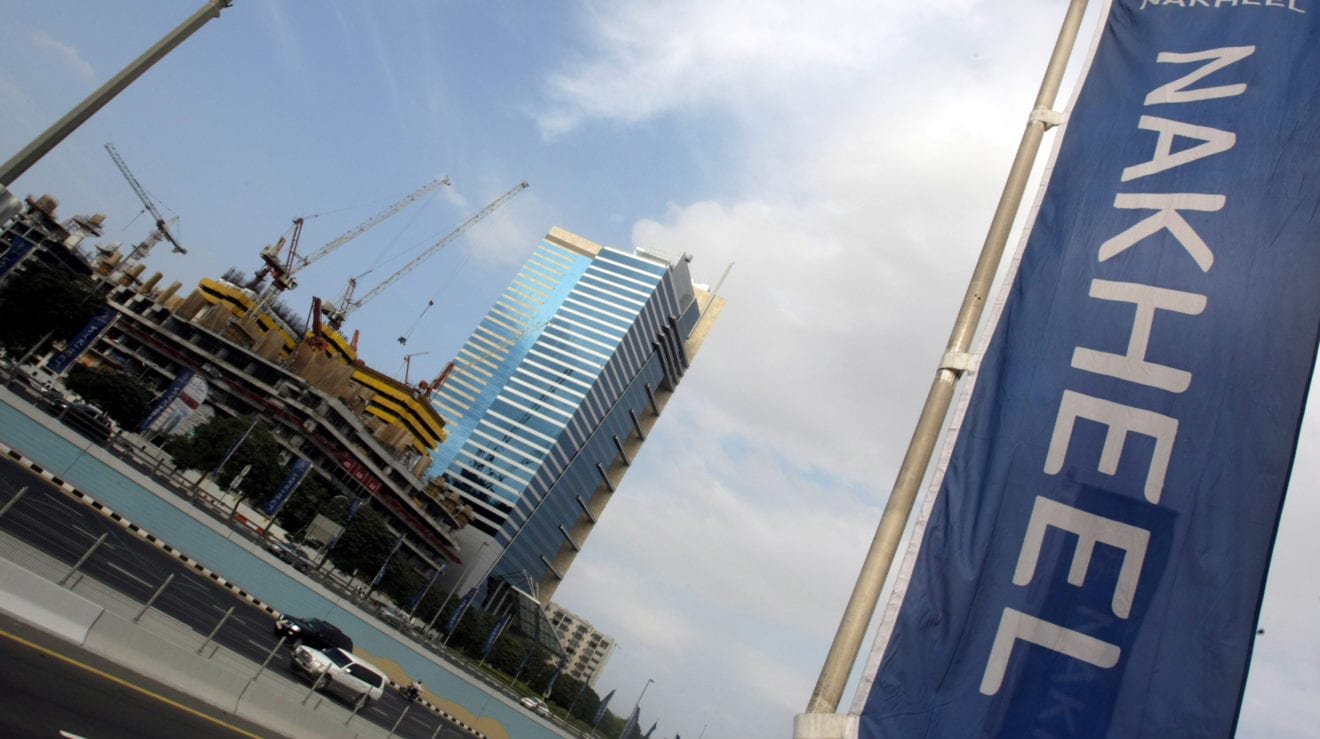
    Nakheel will exhibit a diverse range of new master developments, residential properties and retail and hospitality projects at Dubai Property Show in Hong Kong.

    Dubai-based real estate master developer Nakheel is heading east to showcase new projects with construction values of over $4.6 billion at the Dubai Property Show in Hong Kong this week.

    Nakheel, whose projects already span more than 15,000 hectares and provide homes for over 200,000 people, is the biggest developer at the show, which will highlight Dubai’s unrivalled opportunities for real estate investment.

    Nakheel will exhibit a diverse range of new master developments, residential properties and retail and hospitality projects at the three-day event.

    Investors from Hong Kong and other parts of the Far East and Southeast Asia have already bought around 500 villas, apartments or land plots from Nakheel, spending a combined $245 million in the process.

    Chinese investors account for nearly 80 per cent of these purchases, with 390 properties worth $212 million.

  • Spending at Changi Airport hits record high to reach $2.2 billion in 2015

    Spending at Changi Airport hits record high to reach $2.2 billion in 2015

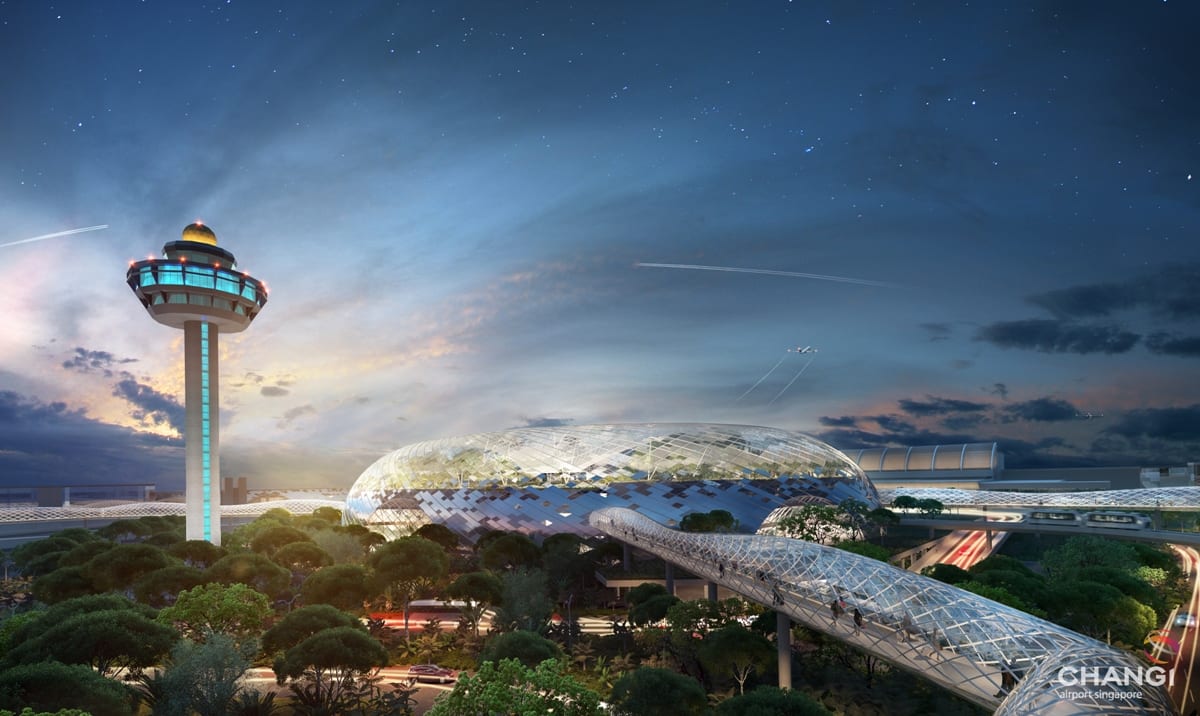
    Sales at Changi Airport has hit another record high of $2.2 billion last year, placing it along the top three airports in the world in terms of retail business performance.

    Spending at the airport’s retail and food stores grew by 8 per cent year on year, on the back of a growing number of passengers using the airport. Passenger traffic figures are expected to be released next week.

    Travellers from China accounted for a third of the airport’s retail market, followed by Singapore consumers, who made up one-fifth. The other top spenders were from Indonesia, India and Australia.

    Ms Lim Peck Hoon, executive vice-president of commercial at Changi Airport Group, said on Sunday (Jan 24): “We are delighted to achieve yet another record high for concession sales at Changi Airport in 2015. This is positive for the Singapore air hub as profits from our retail business help to offset the cost of our aeronautical operations.”

    At Changi, shoppers’ favourite buys are liquor, tobacco, cosmetics and perfumes. They are followed by luxury goods, electronics and equipment and chocolates and candies.

    Ms Lim said last year’s retail performance was due to a successful commercial strategy, which saw the introduction of liquor and beauty duplex stores that are the first in the world. These two-storey stores have their own bar lounges and wine tasting corners.

    Last year also saw well-known brands such as Zara and Samsung launching their first stores at Changi Airport.

    Other promotions such as the Star Wars soft toys promotion during the year-end holidays and the “Be a Changi Millionaire” draw also contributed to the retail buzz.

    This afternoon, one traveller would walk away a million dollars richer from the sixth annual Changi Millionaire contest.

  • Jakarta index closes higher on Friday

    Jakarta index closes higher on Friday

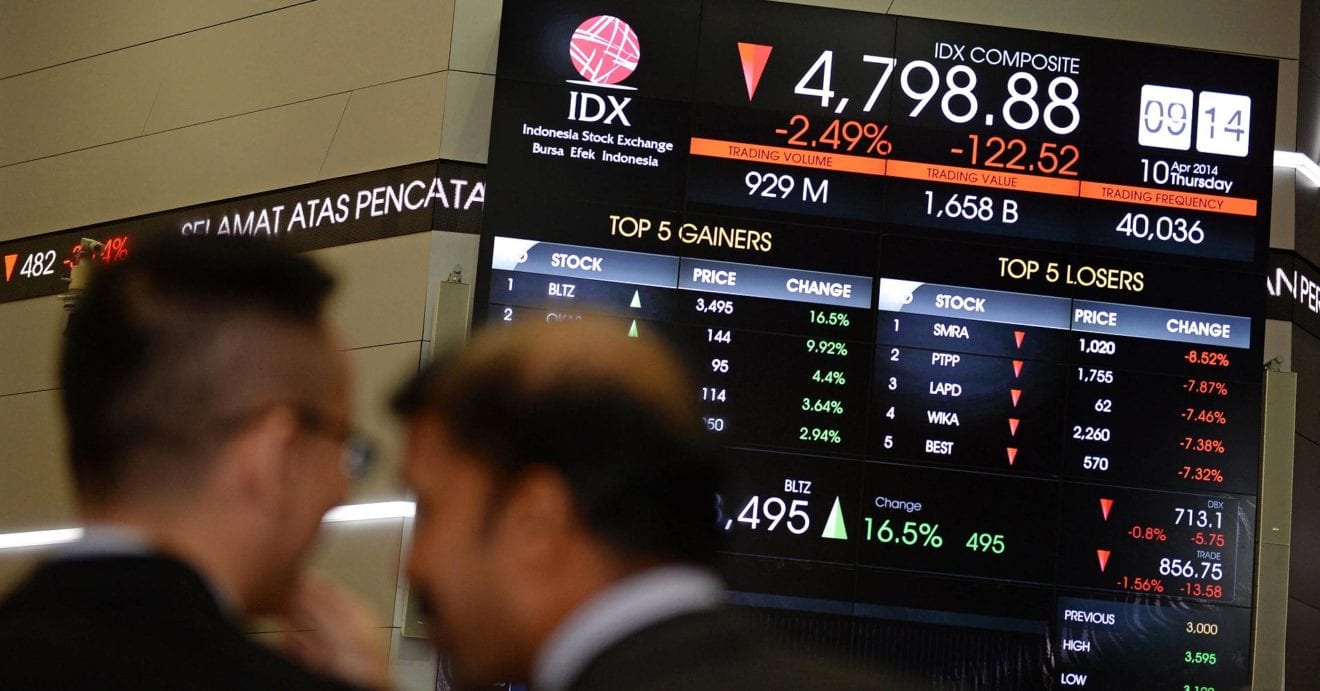
    The Jakarta composite index (JCI) closed 42.61 points higher on Friday on selective buying by market players.

    The index of the Indonesian Stock Exchange rose 0.96 percent to 4,456.74 points with index of 45 blue chips up 1.48 percent to 779.31 points.

    Selective buying of big capitalization shares pushed up the JCI slightly, HD Capital analyst Yuganur Wijanarko said.

    “In addition, share prices in foreign markets generally rose on oil prices being on the increase lately , prompting market players on the domestic market to buy shares< he said.

    The price of WTI on Friday afternoon rose 4.3 percent to S$30.80 per barrel and Brent pri9ce was up 5.09 percent to US$30.74 dollar.

    Satisfaction expressed by the Capital Investment Coordinating Board (BKPM) with the achievement in direct investment to Rp545.4 trillion in 2015 gave positive sentiment to the market.

    In 2016, BKPM set growth target at 9.3 percent for direct investment to Rp594.8 trillion .

    There were 213,493 transactions in the market on Friday with 4.07 billion shares valued at Rp5.25 trillion changing hands .

    Regional markets such as Hang Seng, Nikkei and Straits Times recorded gain in index.

    Meanwhile the national currency rupiah closed stronger trading at 13,834 per U.S. dollar gaining from the previous level of 13,906 per dollar.

    “Rising trend of oil prices propped up the currencies of emerging countries ,” financial market observer from Bank Himpunan Saudara, Rully Nova, said.

  • Indonesia wins three Aseanta 2016 awards

    Indonesia wins three Aseanta 2016 awards

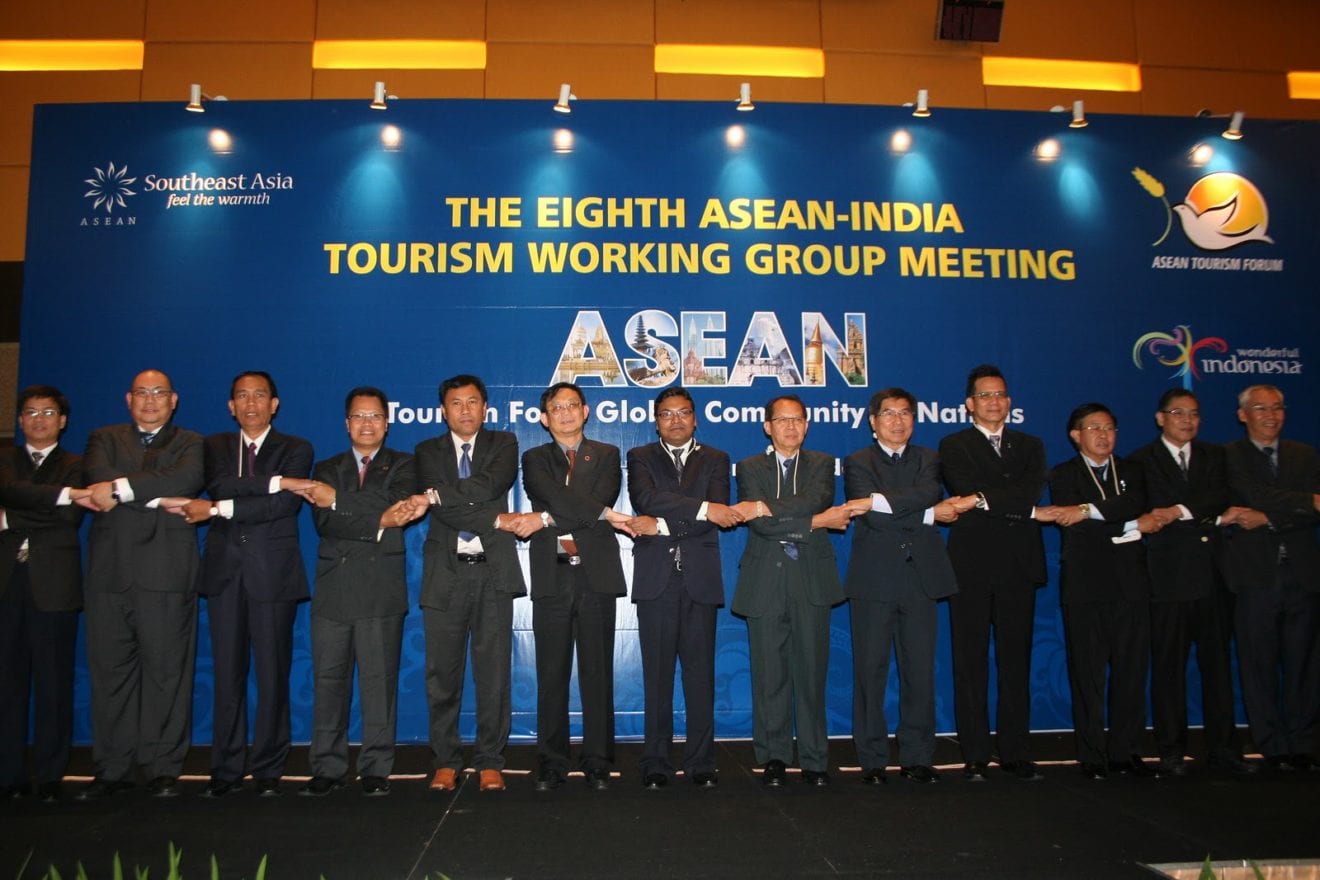
    Indonesia has won awards in three out of the six categories of the ASEAN Tourism Awards (ASEANTA) 2016 at an event held in Manila, the Philippines, a minister said.

    “Wonderful Indonesia” won awards in three of the six categories of the ASEAN Awards, Tourism Minister Arief Yahya said in a press statement on Friday.

    “We have beaten some competing countries, including Malaysia,” Arief Yahya said.

    The three awards were in the categories of the Best ASEAN Tourism Photo, the Best ASEAN Cultural Preservation Effort, and the Best ASEAN Travel Article.

    “Morning in Bromo” by Agung Parameswara grabbed the award in the Best ASEAN Tourism Photo category.

    “Mang Udjo,” the Angklung bamboo musical instrument center in Bandung, Indonesia, was the winner of the Best ASEAN Cultural Preservation Effort category.

    And for the Best ASEAN Travel Article category, the winner was “The Perfect Wave,” published in Garuda Indonesia Color Magazine.

    “Meanwhile, Malaysia won two awards and Singapore only one award,” the minister said.

    Minister Arief Yahya was in Manila to attend the 35th ASEAN Tourism Forum (ATF), held from January 18 to 22, 2016.

    The ASEAN Tourism Forum is very strategic to Indonesia because the ASEAN market is the largest contributor to tourist arrivals, he noted.

    In the ATF held in Manila, tourism ministers from all ten member countries of ASEAN – Indonesia, Brunei Darussalam, Malaysia, Cambodia, Singapore, Thailand, the Philippines, Vietnam, Myanmar and Laos participated.

    He believed that the ASEANTA Awards would help promote Indonesian tourist destinations internationally.

    The three other ASEAN Award categories were the Best ASEAN Marketing and Promotion Campaign, the Best ASEAN New Tourism Attraction, and the Best ASEAN Airline Program.

    Filipino President Benigno S. Aquino III spoke before the ASEAN tourism ministers on Wednesday.

    He said that the number of tourist arrivals in ASEAN reached 105.1 million in 2014, a staggering 42.4 percent increase from 73.8 million tourist arrivals in 2010.

    Of those 105.1 million visitors, he said, 49.22 million came from within the ASEAN itself.

    “We belong to a region that holds vast potential in terms of tourism,” President Benigno was quoted as saying by the Philippine Information Agency (PIA).

  • Auto market flooded with imports from Thailand, Indonesia

    Auto market flooded with imports from Thailand, Indonesia

    A report of the General Statistics Office (GSO) showed a high car import growth rate in the last year. Vietnam imported $6 billion worth of cars in 2015, an increase of 59 percent in comparison with 2014.

    These include 125,000 CBU cars (complete built unit) worth $3 billion, an increase of 77 percent in quantity and 88 percent in value in comparison with the year before.

    Of the imports, transport vehicles were worth $1.2 billion, less-than-9-seater cars $507 million and large-size cars $34 million.

    Analysts noted that of the 10 largest markets from which Vietnam imports cars, including China, Japan, South Korea, Germany, the UK, France and India, imports from Thailand and Indonesia have seen sharp increase in the last months of the year.

    According to the General Department of Customs (GDC), in the first 11 months of 2015, Vietnam imported 23,516 CBU cars from Thailand, worth $406.1 million. The figures were much higher than 14,416 cars and $243 million in the same period of the year before.Both of them are ASEAN members.

    The car imports from Indonesia were lower than from Thailand, but have also seen a high growth rate. In 2014, Vietnam imported 1,686 cars from the market with the value of $16.9 million. Meanwhile, in 2015, the figure rose to 3.277 and $32.6 million.

    Analysts pointed out that Vietnam also imports vehicles in a large quantity from China, but the imports from the market are mostly trucks and specialized vehicles, while the imports from Thailand and Indonesia are mostly those with less than nine seaters.

    Vietnam not only imports CBU cars from Thailand and Indonesia, but car components as well, $542 million and $105 million, respectively, in 2015, which were even higher than the CBU import turnover.

    Analysts commented that large imports from two ASEAN countries are predictable, especially since the car price decreased by 40-42 percent recently.

    They believe that the imports from ASEAN would dominate the domestic market thanks to their more reasonable prices, compared with imports from developed countries and domestically made products.

    According to the Strategy Research Institute, the car price in Vietnam is much higher than Indonesia because taxes and fees make up 40-50 percent of the cars’ value.

    Toyota Camry in Vietnam, for example, is priced at $50,000, while it is just $40,000 in Indonesia. Similarly, the price of Honda CR-V is $45,000 in Vietnam and $29,000 in Indonesia.

    The Ministry of Finance estimated that from 2019 when the import tariff and luxury tax are cut, cars with cylinder capacity of less than 1,000 cm3 would see prices drop by 42 percent.

    Car owners complain about regulations on equipping their cars with fire extinguisher

    • Renault eyes Vietnam expansion
    • Vietnam buys many Chinese goods, from onions to cars
  • Baewan Airport Ready to be Operated

    Baewan Airport Ready to be Operated

    Harun Thohir airport in Bawean, East Java province, is ready to be operated in early 2016. The construction of the airport began in 2008.

    “The airport is ready and now we’re waiting for the readiness of Transportation Minister Ignasius Jonan to come to Bawean (to inaugurate the airport),” said Head of East Java Transportation Agency Wahid Wahyudi on Saturday (23/1).

    According to Wahid, the airport is 100 percent ready to be used.

    The airport is expected to be used by DHC 6 Twin Otter Series 3000 planes owned by airline PT Airfast Indonesia and the plane has the capacity of 18 passengers.

    Meanwhile, Surabaya-Bawean route flight will receive transportation subsidy. However, Wahyudi admitted that the discussion of the subsidized price of ticket has not been settled but it is estimated that the price would be around Rp350,000.

  • Astino to market agro-house products in Vietnam and Indonesia

    Astino to market agro-house products in Vietnam and Indonesia

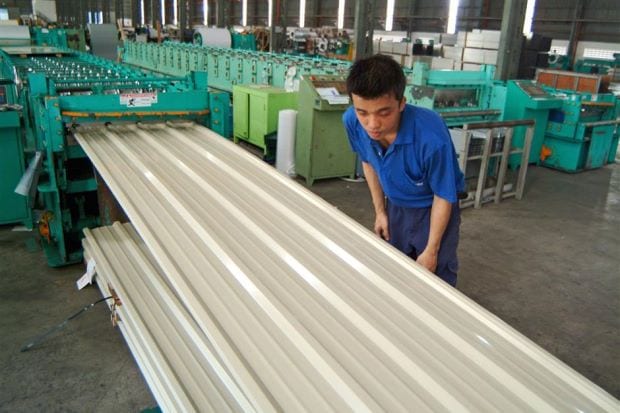
    Building material and roofing product manufacturer Astino Bhd plans to tap new markets overseas in two years selling its agro-house and green-house structure products. Group chief executive officer Ng Back Teng said the group was now selling the products only in Malaysia. “We want to strengthen our presence in the country first before going overseas,” he said after the company’s AGM on Friday.

    “We have in mind the markets in Vietnam and Indonesia.” At present, the products contribute less than 10% to the group’s revenue. “In the future, the contribution is expected to increase significantly,” he said. For the second financial quarter, the group’s business continued to be weak, due primarily to the slowdown in the construction sector, according to Ng. “The first quarter ended Oct 31, 2015 saw the group registering an 8%-9% drop in revenue. We expect the business for the second quarter to remain flat,” he said. Ng said the group had also reduced the import of steel-based materials due to the weakened ringgit.

    The group has seven facilities in the country, with three in Penang, two in Bukit Beruntung (Selangor), one in Pahang, and another in Malacca. “There are no plans for expansion this year,” he said. Ng said the group would focus on improving operational efficiencies and explore the possibility of producing new metal building material products to penetrate into new local and overseas markets. He added that the second facility in Bukit Beruntung started operations in late 2015. “The new plant should help the group to strengthen its foothold in the central and southern regions,” he said. Astino shares shed 2.5 sen to close at 66.5 sen on Friday.

  • Singapore-Based Courts Retail Opens Second Megastore in Indonesia

    Singapore-Based Courts Retail Opens Second Megastore in Indonesia

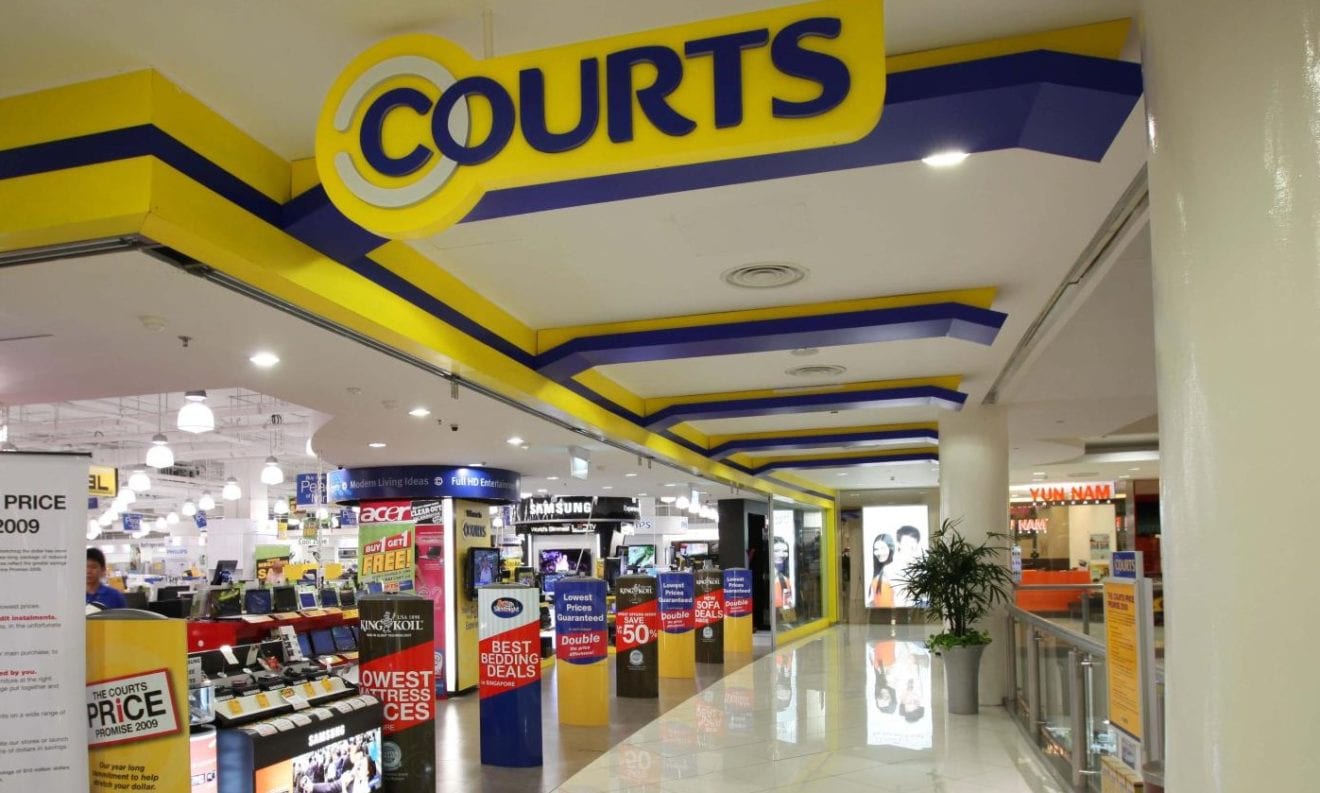
    “Indonesia is currently the driver of Courts’ growth. Since we first entered Indonesia in 2014, we now operate two megastores and three regular outlets. We aim to open twelve more outlets by 2018. This is our commitment in catering to the demands of Indonesians,” Roy Santoso, Courts Retial Indonesia country chief executive officer, said in a statement over the weekend.

    Courts opened its first big-box store in Indonesia last year in the Kota Harapan Indah township of Bekasi, on the eastern outskirts of the capital, before expanding with smaller stores in Bogor, West Java. Its Singapore-based headquarters currently operates 80 stores with over 1.6 million square meters of retail space in Southeast Asia.

    As of November last year, sales from Indonesia contributed to 1.7 percent of Courts Asia’s sales of S$186.1 million ($130.17 million), up 4.2 percent year-on-year, according to a listing on the Singapore Exchange.

    Retailers, both local and foreign-owned, have long touted Indonesia as an attractive market, thanks to its expanding middle class and young consumers.

    The country’s retail industry is projected to grow between 11 percent and 12 percent this year, after a modest 8 percent growth last year, as purchasing power across the country is expected to rebound alongside improving economic growth, according to Indonesia’s Retailers Association chairman Roy Mendey.

    “There was some cooling down in [purchasing power] last year because of slowing growth but we started to see an upward trend in sales during the fourth quarter,” he said recently.

  • 200m Chinese to travel by 2020 as HK/Macau slow

    200m Chinese to travel by 2020 as HK/Macau slow

    Credit Lyonnais Securities Asia (CLSA) is maintaining its long-standing forecast of 200m Chinese overseas trips by 2020. However, it warns that mainland Chinese travel to Hong Kong and Macau is likely to average only 3% growth in future, while Chinese trips to other locations will grow much more strongly by an estimated 16%.

    CLSA’s latest report says Hong Kong simply has too few new attractions, increased competition, capacity constraints, a strengthening HK$, tension against mainlanders and it also faces a reduction in import tariffs in China.

    This unpalatable cocktail resulted in inbound Chinese tourist numbers to Hong Kong declining by -2% between January and November 2015, compared to the much healthier 16% to 26% annual growth rates experienced in better years between 2010-2014.

    Hong Kong airport large

    CLSA’s highly-anticipated report – ‘2016 Chinese Tourists: Expanding Cultural Horizons’– is the independent brokerage and investment group’s third annual appraisal of the key growth drivers to Chinese outbound travel, as well as the destinations, sectors and stocks set to benefit the most.

    As part of its central Chinese tourist theme it remains bullish on its long-standing forecast of 200m Chinese overseas trips by 2020, despite its prediction that Chinese outbound tourist growth will slow to 9% over the next five years from 17% over the past five.

    Of this 9%, the authors say that travel to Hong Kong and Macau will average 3% growth, whereas trips to other locations will grow on average by 16%. Improved affordability, easing travel restrictions and the increasing desire to travel remain the key drivers underpinning Chinese outbound tourism growth, says CLSA.

    Within its proprietary survey of more than 400 outbound Chinese travellers it found that experiencing foreign cultures, enjoying nice environments, relaxing, and broadening horizons are increasingly more important goals for Chinese tourists compared to shopping. This also supports CLSA’s general structural negative on the future for Hong Kong’s tourism and retail sectors.

    001 aa Chinese Tourism Research Australia

    “…IF MONEY WAS NO OBJECT, THE MOST HIGHLY DESIRED DESTINATIONS FOR CHINESE TOURISTS ARE ACTUALLY THE USA, FRANCE, MALDIVES AND AUSTRALIA – IN THAT ORDER.”–CLSA REPORT.

    Chinese travellers looking for ‘unique cultural experiences’ are most likely to head to South Korea, Japan, Thailand, or the USA in the next three years, says CLSA. South Korea is attractive for its relatively cheap luxury goods and cosmetics, whereas Thailand offers beaches and other cultural destinations.

    CLSA also reveals that if money was no object, the most highly desired destinations for Chinese tourists are actually the USA, France, Maldives and Australia – in that order.

    The report adds that ‘the key risks to growth of outbound Chinese travel figures’ are safety, lower income growth and a weaker Yuan. Within its survey, CLSA said that 75% of survey participants confirmed that safety was the clear number one factor influencing their choice of destination in 2015 – up from 63% in 2014 and 41% in 2013.

    By contrast, mainland Chinese respondents said that lower income growth in China this year could also impact upon their travel plans. Some 60% admitted that they would reduce their outbound trips and 68% adding that they will cut back their travel-related shopping if family income drops.

    Chinese shoppers. Source Global Blue

    “…A WEAKER YUAN WILL ALSO AFFECT TRAVEL PLANS, WITH 43% INDICATING THEY MAY REDUCE THE NUMBER OF TRIPS THEY TAKE IF THE YUAN DEPRECIATES BY 10% IN THE NEXT YEAR. MEANWHILE, 35% SAID THEY WOULD CUT SHOPPING SPENDING…” CLSA REPORT.

    The research also confirmed that a weaker Yuan will also affect travel plans, with 43% indicating they may reduce the number of trips they take if the Yuan depreciates by 10% in the next year. While 35% said they would cut shopping spending. Only 14% said there would be no impact to their travel plans.

    More positively, the report adds that China is the number one contributor to global outbound travel with a worldwide share of 10% and CLSA predicts that this share will reach 14% by 2020. In the current report, it also expects this tidal wave of Chinese tourists to drive major structural growth in the airline, gaming, luggage, retail and internet industries over the next few decades.

    Melbourne Chinese NY activation

    THE OUTLOOK FOR TOP FOUR CHINESE/ASIAN DESTINATIONS:

    AUSTRALIA: In Australia, mainland Chinese visitor numbers are soaring, with this nationality of tourists now accounting for the second-largest source of inbound arrivals to Australia. There were more than one million Chinese tourists visiting Australia between Jan-Nov 2015, surpassing the one million mark for the first time – an increase of 21.6% over the same 12-month period in 2014.

    This has been aided by the removal of constraints to airline-seat capacity growth and the easing of visa requirements (‘albeit on a regional basis that they still appear relatively strict’, says CLSA).

    Chinese tourists spent A$7.7bn ($5.4bn) in Australia over the 12 months to September 2015, more than double the A$3.5bn ($2.4bn) level two years ago, according to Tourism Australia’s estimation. China is Australia’s biggest spending inbound nationality, with expenditure more than double that of the UK – the next most important country.

    Interestingly, the CLSA survey found that Australia ranks as a ‘top-four destination’ for Chinese tourists ‘if money was no object’.

    JAPAN: Chinese visitors to Japan doubled in 2015. Inbound arrivals soared from 2.4m in 2014 to 5m and CLSA is predicting this number will more than double again by 2020 to 11.4m Chinese became the biggest contributor of all foreign tourists in Japan last year, aided by the fact that three out of five of the world’s most popular theme parks are located in Japan.

    Average spending per tourist in 2015 was JPY187,165 ($1,583) but Chinese were the biggest spenders, with an average of more than JPY280,000 ($2,368).

    King Power International Group's downtown Bangkok Srivaree Complex ©

    SOUTH KOREA: According to the research, South Korea is still regarded by Chinese as both a shopping and cultural heaven and CLSA now expects Chinese inbound traffic growth to rise by 28% year-on-year in 2016 due to natural organic growth following the eradication of the Mers virus.

    South Korea is one of the top three destinations for Chinese tourists for the next three years according to CLSA since it meets one of Chinese tourists’ major interests – shopping. CLSA also adds that its appeal to Chinese tourists is considerable, since it is safe, with moderate travel costs and rich in culture and sightseeing.

    THAILAND: One in four tourists visiting Thailand is Chinese, as inbound tourist numbers continue to grow, with visitors from China having grown at an annualised rate of 47.7% over the past five years, outpacing the non-Chinese tourist annualised growth of 7.6%.

    Bangkok continues to be the most popular destination, followed by Phuket, Chonburi, Chiang Mai and Krabi. Thailand is also one of the top three destinations for future outbound trips, according to CLSA’s survey.
  • China’s overseas luxury spending shifting to the web

    China’s overseas luxury spending shifting to the web

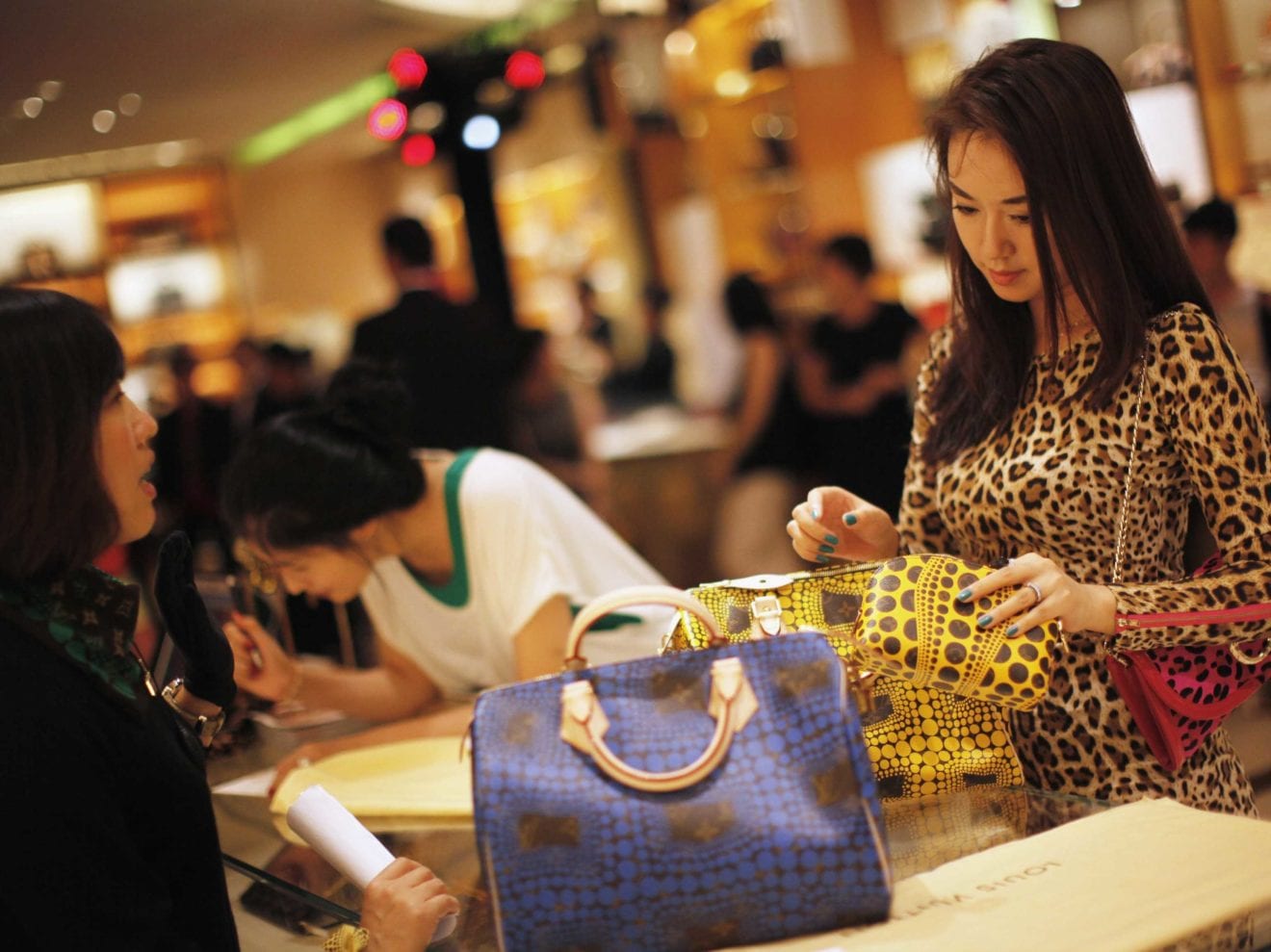
    Changes in spending on luxury goods by mainland Chinese consumers might dictate a revamp in how luxury retailers do business in that market. More shoppers than ever are buying overseas because items are more expensive in China, according to Bain’s 2015 China Luxury Market Study.

    Overall luxury spending by Chinese consumers in 2015 fell 2% to 113 billion yuan ($17.2 billion), driven by falling sales of watches, men’s wear and leather goods. Overseas luxury purchases grew 10%, especially in Japan, where their spending increased more than 200%, but also in South Korea, Europe and Australia, thanks to favorable exchange rates and competitive pricing. Meanwhile, luxury spending of mainland Chinese in Hong Kong and Macau fell 25%.

    Because of crackdowns by the Chinese government designed to tighten imports and bring spending back, including new rules discouraging the use of personal shoppers, or “Daigou” who make duty-free purchases overseas for their Chinese customers, more Chinese are buying their luxury goods via websites and mobile sites instead. “Buying overseas has been a trend for years, but destinations have changed,” Bain partner and report author Bruno Lannes said in a statement.

    In 2014 and 2015, brands with strong fashion heritage and track record of original designs did better in the Chinese market. And, while transitions in China’s economy are causing some turmoil in markets and worry among investors, the general environment for luxury retailers will remain more or less the same—though the still-rising middle class will continue to become more sophisticated about luxury brands, Bain says. Global pricing will become more important, the report notes.

    Luxury brands should strengthen digital platform building and digital content creation, with an emphasis on localization to reflect local market preferences, Bain says. Nearly 80% of survey respondents said they get their luxury brand information from the internet or apps, and 60% said social media sites Weibo and WeChat are their source for that information. That’s why brands on average spend 35%—and growing—of their marketing budget on digital.

    Luxury brands must also emphasize youth and fashion to turn the heads of the next generation of luxury customers in China, Bain said. This year and forward, there will be even more of a focus on “exclusivity” in product design and store footprint, according to the report.

    Some changes are already underway. Luxury retailers in China, for example, have begun streamlining their approach to brick-and-mortar in the country, with a greater focus on fewer, larger and better located stores. Many brands have realized the need to regain a sense of exclusivity, which was marred by too many stores, according to the report.

    “Despite persistent macro, economic and industry challenges in China, all hope is not lost for luxury brands,” said Lannes. “There are plenty of growth opportunities for those with more exclusive and fashion collections, digital platform engagement and digital content creation, as well as with pricing that encourages Chinese consumers to spend locally.”

  • BMW Thailand bully for big-bike boom

    BMW Thailand bully for big-bike boom

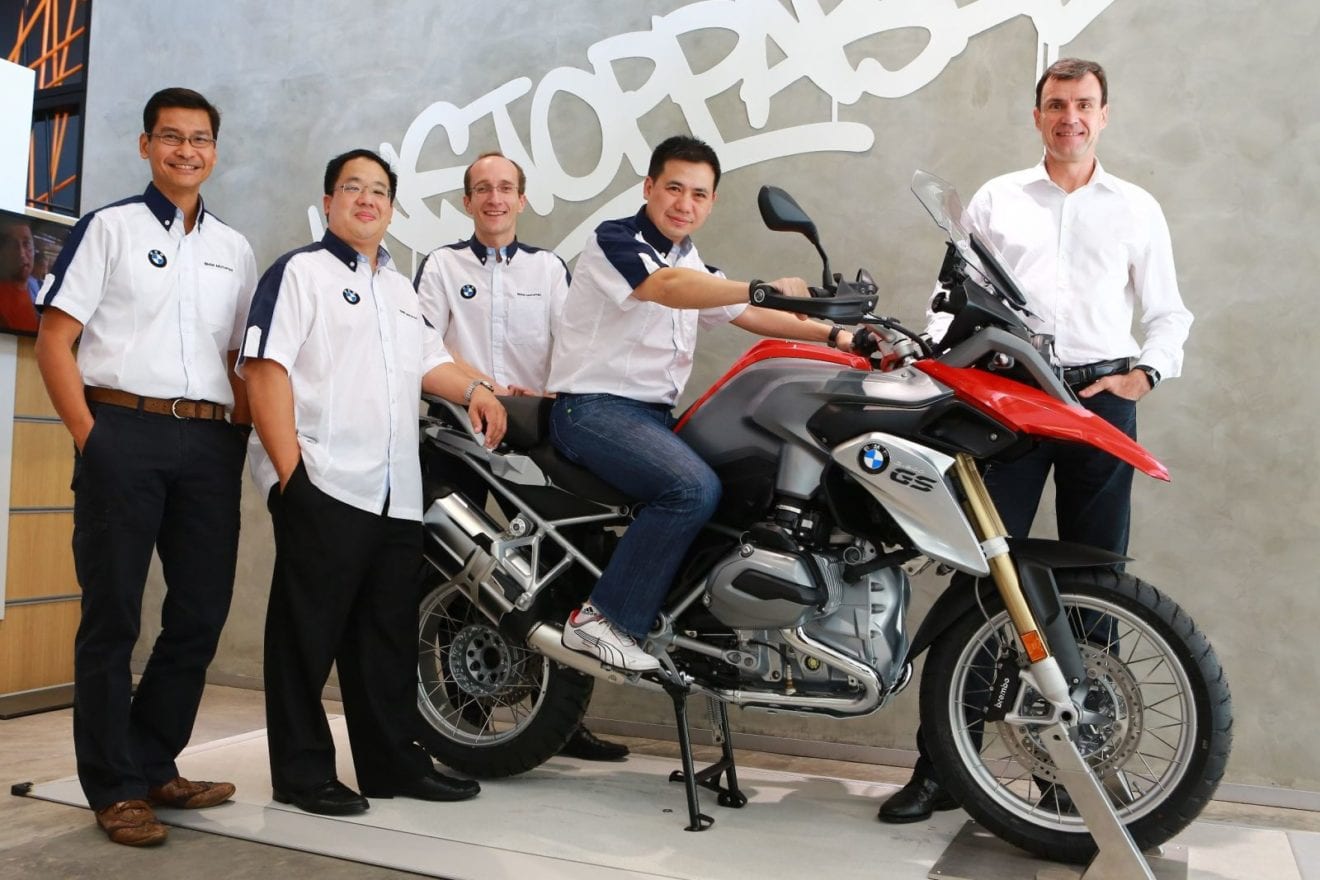
    German luxury car maker BMW Group Thailand is bullish about the prospects of the big-bike market, expecting double-digit growth this year.

    Markus Glaeser, head of BMW Motorrad Thailand, said the market had developed over several years, with many brands and manufacturers making the Thai big-bike market more interesting.

    “As most Thai bikers want to own a second motorcycle, the market will remain very attractive and continue growing going forward,” he said.

    Some 18,000 motorcycles above 500cc were sold here last year, up by 20% from 2014, bucking the bearish overall market, where sales fell by 3.67% to 1.64 million units.

    BMW Motorrad Thailand sold a record 1,280 motorcycles last year, up by 83%, in the top three for sales worldwide last year along with China and Malaysia.

    The group is keen on the local big-bike market because it localised its assembly production at Rayong’s Amata City Industrial Estate in 2014, making BMW Motorrad’s retail prices 30-40% cheaper than imported models.

    Last year, the company spent 1.1 billion baht to double annual production of BMW and Mini models to 20,000 cars and raise production of BMW motorcycles to 10,000 a year from 1,000. New production is due to start this year.

    The Rayong facility makes eight models for BMW and one for Mini, while the eight for BMW Motorrad are the F700GS, F800R, F800GS, F800GT, S1000R, S1000RR, R1200GS and R1200GS Adventure. This is the only site in BMW’s global network with full operations for all three brands.

    Mr Glaeser said BMW Motorrad produced 2,700 motorcycles at its Rayong factory last year, with 1,000 shipped to China and Malaysia. The group is studying the feasibility of exporting more motorcycles to Asian markets this year, as these markets are growing quickly.

    In Thailand the company will introduce the mid-sized G310R motorcycle in the first quarter but has not said whether it would be built locally or imported from India. Mr Glaeser said the mid-sized market was very attractive, with 20,000 sales last year for 250-500cc engines.

  • Vegetables prices increases threefold in China

    Vegetables prices increases threefold in China

    Severe cold weather affecting in Southern China throughout the weekend as residents are racing to stock up on the essential foods and vegetables so they’ll have the capacity to stay at home in the following couple of days, causing some chaos to local authorities. Pictures from stores across the nation appeared in social media that shows big crowd and empty shelves.

    Ahead of snowmageddon, the price of essentials tripled at supermarket stores.  In some part of the country the cost of pork has surged from 14 yuan for each 600 grams to 19 yuan, while the costs of vegetables have tripled from 5 yuan for every 500 grams to 15 yuan.

    The Local Authorities called residents to relax and stop hoarding. But to little benefit with the coming days forecasted to be the coldest winter in 35 years with the temperature in Shanghai’s urban territories will plunged to minus 7 while it could get as low as less 10 in rural regions.

    The National Meteorological Center forecasts that temperatures will soon dive by as much as 13 degrees across the nation. Even Hainan isn’t getting away from this cool wave with temperatures anticipated that would go down to a comfortable 13 degrees.

    As of now, the frosty climate is bringing about a few issues in Shanghai where two water channels have braked and many long- distance transports have been canceled. Shanghai occupants are reminded to store some water in basins and wrap up outside water channels with fabric.

  • First Internet Retailing Expo in Asia Took Place in Jakarta

    First Internet Retailing Expo in Asia Took Place in Jakarta

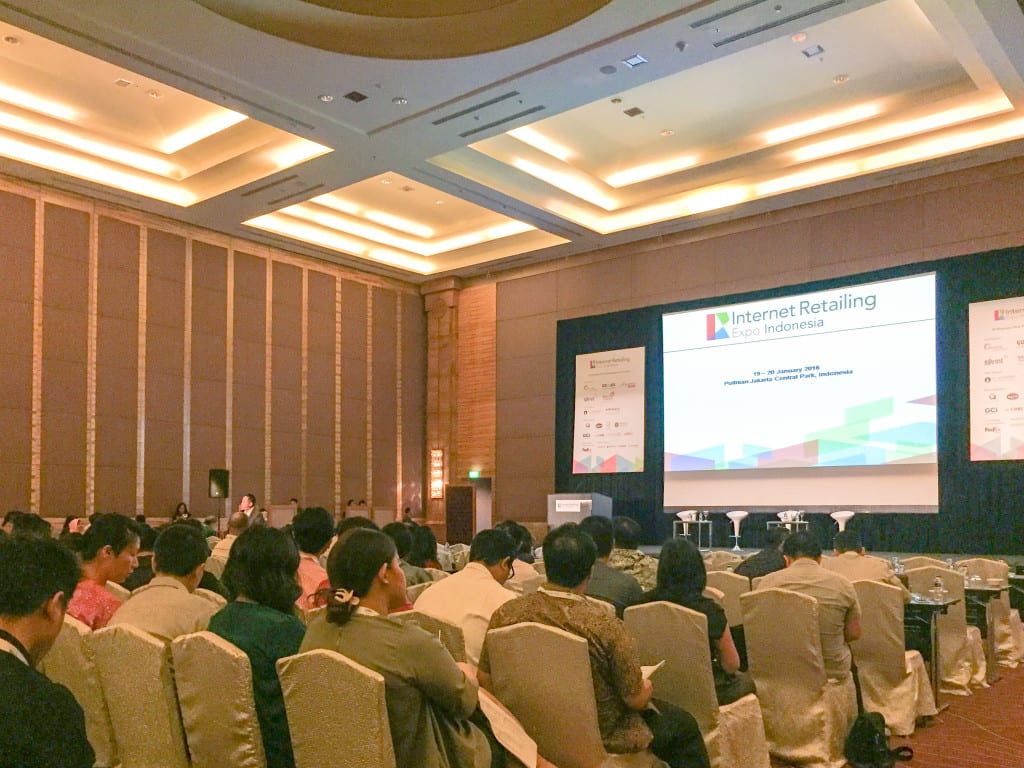
    On 19-20 January 2016, Internet Retailing Expo successfully launched its first edition in Jakarta. Indonesia was chosen to host the event due to the potential of country’s consumer market and an online market that is ready to take-off.

    The two-day conference happened in Pullman Hotel at Central Park, Jakarta, with focuses on both learning and the evaluation of technologies, products and services to help retailers looking to establish and grow their online retails strategies.

    IRX Indonesia 2016 was a roaring success with more than 700 industry professionals and 500 retailers attending the event. It aims to be the meeting place for the multichannel industry where retailers meet key suppliers and together will learn through best practice implementation case studies from a mature market.

    “That’s the power of mobile. Purchasing becomes easy for customers,” said Khrishnan during his interview session for IRX 2016.Throughout the event, 40 expert speakers shared their views on online retail business in Indonesia; many also touched upon the importance of having omni-channel retailing strategy. They include notable names such as Nadiem Makarim (CEO and Founder of GO-JEK Indonesia), Hadi Wenas (CEO, MatahariMall.com) and Krishnan Menon (CEO and Founder of Fabelio).

    The online retail business in Indonesia is definitely still in its developing stage and there are many challenges ahead, such as: lack of relevant talents, concentration of internet users in Jabodetabek, and inadequate infrastructure. However, it holds a tremendous potential as mobile is becoming a key role for any business who wants to be big in the country.

    Global Indonesian Voices is a proud media partner of IRX 2016.