Blog

  • Hong Kong foreign trade undergoes structural change

    Hong Kong foreign trade undergoes structural change

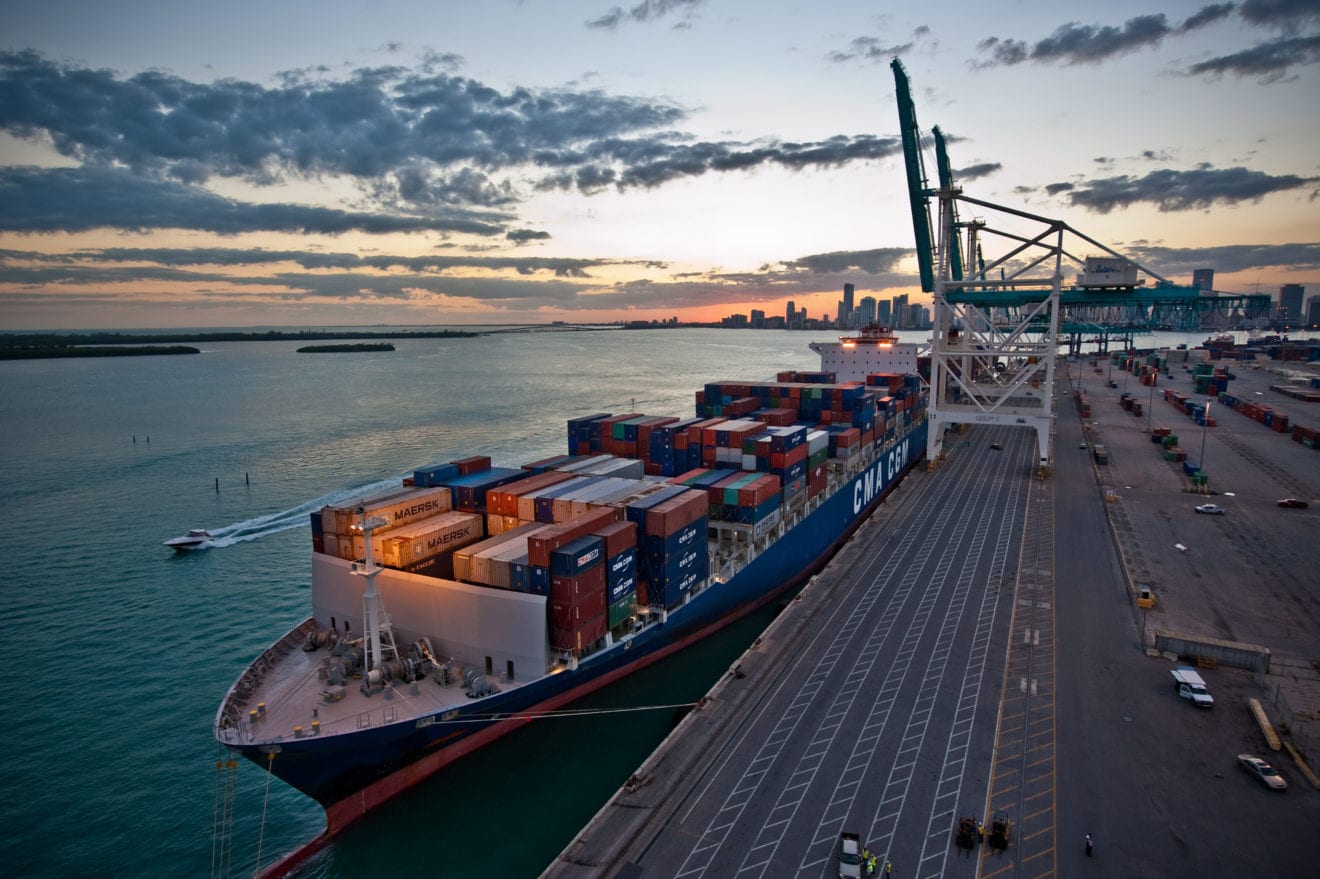
    Growth in Hong Kong’s import and export trade exceeded the world average for a long time.

    However, things started to change early last year.

    There is a “new normal” in the city’s foreign trade, which may have a far-reaching impact on its future economic growth.

    Hong Kong’s trade maintained an annual growth rate of 9 percent between 1990 and 2008, compared with an average of 6 percent in world trade.

    The city’s trade managed to grow 3.6 percent even in 2014, versus a 2.8 percent rise around the world.

    However, Hong Kong’s trade volume dropped 3 percent in the first 11 months of last year, and it’s heading for its second annual decline since the financial crisis.

    By contrast, global trade is expected to have grown 2.8 percent last year, World Trade Organization figures show.

    Hong Kong registered a contraction in trade only during the Asian financial crisis.

    What’s the underlying reason for the recent decline in trade?

    Over the last 15 years, the city’s exports to Asian cities jumped threefold, compared with 170 percent growth in the city’s overall exports.

    However, Hong Kong’s exports to other Asian cities dropped 1.7 percent between January and October last year.

    That dragged down overall export growth by 1.56 percentage points.

    Also, it’s a sign that the city’s export destinations are undergoing a structural shift.

    That is closely related to the relocation of the processing trade of multinational companies.

    These firms built a processing trade manufacturing chain in Asia centered around China for several decades.

    Hong Kong benefited from the model of “stores in front and factories behind”.

    However, many multinational companies have moved their factories to low-cost countries because of surging labor costs in China.

    It’s a persistent and structural change. That’s the key reason behind Hong Kong’s falling exports.

    Meanwhile, China is shifting from an export-led economy to a consumption-driven model.

    The country won’t maintain the rapid growth in import and export trade of the past.

    Instead, it will emphasize the service sector.

    As a result, trade between the mainland and Hong Kong will also suffer.

    In addition, the number of inbound travelers to Hong Kong is growing more slowly, and their consumption habits have changed.

    That would exert a huge impact on the city’s retail sales.

    Hong Kong’s exports to the mainland soared 3.4 times over the last 15 years, representing 76.8 percent of the city’s export growth to Asia and 65.8 percent of its overall export growth.

    Now, the city will face challenges in maintaining its role as a trade hub, since the region’s processing trade chain has gone through structural changes.

    Also, Hong Kong’s trade-related service exports surpassed HK$500 billion (US$63.9 billion) in 2014, accounting for half the city’s total exports of services.

    Slower growth in trade will therefore weigh on the exports of services.

    Declining trade growth will also affect economic growth and employment.

    In 2013, the trade and logistics sectors contributed 23.9 percent of the city’s gross domestic product, or nearly 30 percent if related services are included.

    The trade and logistics industries have created 770,000 jobs, or nearly 1 million jobs, including related services.

    Easing trade growth will mean the creation of fewer jobs.

    Nevertheless, the “One Belt One Road” strategy is expected to create several hundred billion dollars of incremental trade for the city.

    And Hong Kong is also involved in regional trade talks in an attempt to open up new markets.
  • DFP upgrades Manila T2 duty free shop offering

    DFP upgrades Manila T2 duty free shop offering

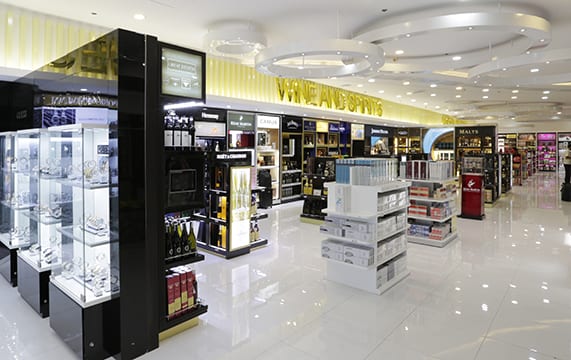
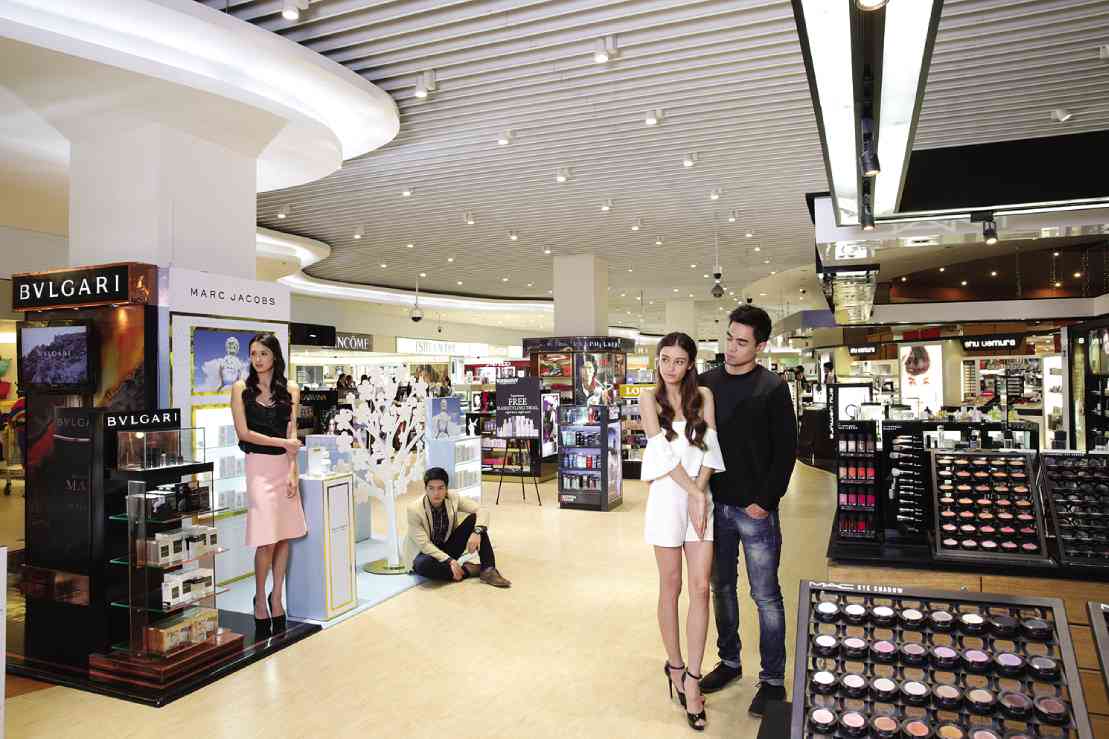
    Duty Free Philippines has recently completed work on upgrading its duty free offer in Manila Airport Terminal 2, which is used exclusively by national carrier, Philippines Airlines.

    The T2 duty free shops currently record the second largest share of duty free sales at Manila Airport, generating a 30% slice of DFP’s total Manila Airport revenue. Arrivals sales in T2 are larger than departures, with the two stores selling liquor, tobacco and chocolates mainly to Filipino workers and travellers.

    “We did an upgrade of our T2 departure store in 2014. We used a Hong Kong designer,” said Duty Free Philippines Merchandising Division Manager Jennifer Start, talking exclusively to TRBusiness. “We have a cute store with boutiques for Chanel, Salvatore Ferragamo, Pandora, Lancôme and Longchamp.

    DFP at Manila Airport T3 departure 3

    This image actually shows the newly refurbished Duty Free Philippines shop in Terminal 3 at Manila Airport – a standard the retailer has set for all of its new shops – including those in Terminal 2.

    “T2 departure hall has one long open shop with liquor, tobacco and confectionery on one side, while the other side is perfume, cosmetics and fashion.”

    DFP’s Internet shopping is also another new service that is planned to boost sales in future, allowing customers to collect pre-purchased goods on departure from the Philippines, or buy goods for collection in airport arrivals or at the downtown Fiesta Mall.

    “We have a website showing our products on offer,” Start said. “Our online shopping platform site is being developed. We are still talking to vendors and hopefully we can get this up soon. We are working on details with the Bureau of Customs.”


  • Tokyo Milk Cheese popup at Hysan Place

    Tokyo Milk Cheese popup at Hysan Place

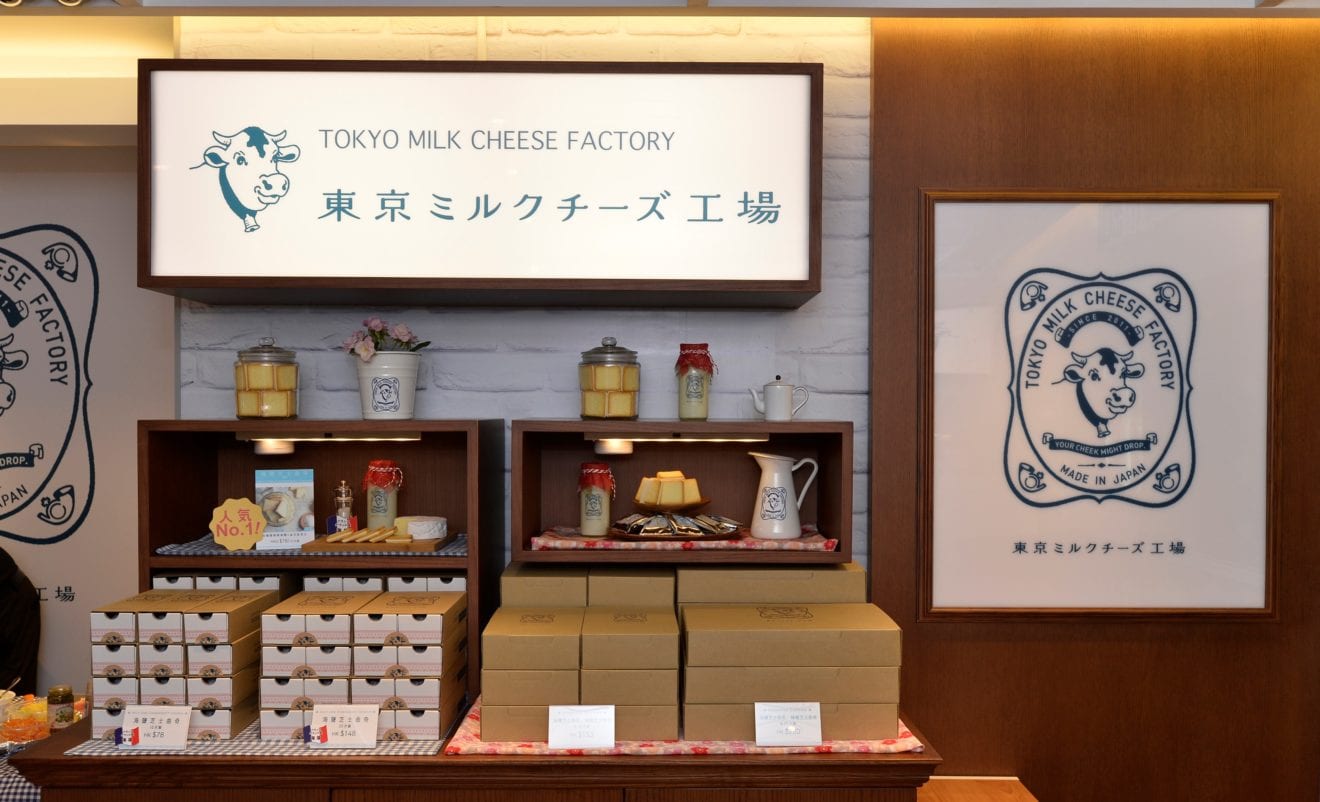
    Japanese dessert concept Tokyo Milk Cheese opened a one day popup store at Hysan Place on Saturday (January 16).

    Tokyo Milk Cheese uses Hokkaido milk to create sweets which it describes as like “no one has ever made”, using carefully selected milk and high quality cheese, combined with ingredients from not only Japan, but also around the world.

    Tokyo Milk Cheese 1

    The concept of Tokyo Milk Cheese Factory is the factory filled with creativity and innovation, the company explains. “We combine the new with nostalgic, the unexpected with the flavorful.”

    Saturday’s popup will feature the company’s Strawberry Milk Roll, combining fresh strawberries with Hokkaido milk and white chocolate mousse.

    Supplies will be flown in from Japan in time for the popup’s opening.

    Tokyo Milk Cheese has a regular store at Hysan Place, at Level 1/F.

  • Apple seeks nod to open India stores amid concerns of slowing sales growth

    Apple seeks nod to open India stores amid concerns of slowing sales growth

    Apple sells its iPhones, iPads and Macs in India through third party resellers, and industry analysts estimate that the Cupertino, California-based company has less than a 2 percent share in India’s smartphone market, dominated by cheaper brands.

    The company has filed an application with India’s Department of Industrial Policy and Promotion to open its own stores, Amitabh Kant, secretary at the federal trade ministry unit told Reuters.

    Apple also confirmed the application filing, but declined to give details.

    Its expansion plans in India come at a time when concerns about slowing growth in the United States and China, the world’s most important market for smartphones, have weighed on the company’s stock in the last few months.

    Shares in Apple, the world’s most valuable company by market value, are down 28 percent from their peak in April last year.

    The company operates more than 450 stores in 18 countries. Chief Financial Officer Luca Maestri told Reuters in October that Apple had 25 stores in China and was opening a new one roughly every month.

    Its plans for India have been held back due to restrictions on foreign investment in the retail industry, which require single brand overseas retailers to buy close to a third of the goods sold at their stores from local producers.

    Apple representatives held talks with Indian government officials about a relaxation of the 30 percent local-sourcing norms before filing the application, said a source familiar with the company’s plans.

    Apple’s plans come against the backdrop of initiatives unveiled by Indian Prime Minister Narendra Modi, who met with Apple chief Tim Cook during his U.S. visit last year, to boost foreign investments in India.

    In November, the government eased foreign investment norms in 15 major sectors, including relaxing the mandatory local-sourcing rule for foreign single-brand retailers in the case of “cutting-edge technology” products.

    Kant said his department would examine Apple’s application in view of the changes made for local sourcing.

    For years, India has been a low priority market for Apple as spending power is weaker than in China, where the company’s iPhones swiftly became must-have devices after their 2007 launch.

    But Apple is now looking to boost its market share in India’s rapidly growing market, and the company’s recent growing spend on advertising in the country has indicated an aggressive campaign to sell more.

    India is likely to overtake the United States to become the world’s No. 2 smartphone market in 2017, according to research firm Strategy Analytics. The local smartphone segment is dominated by Samsung Electronics and India’s Micromax.

  • Divestment of Big C stake to shake up retail industry

    Divestment of Big C stake to shake up retail industry

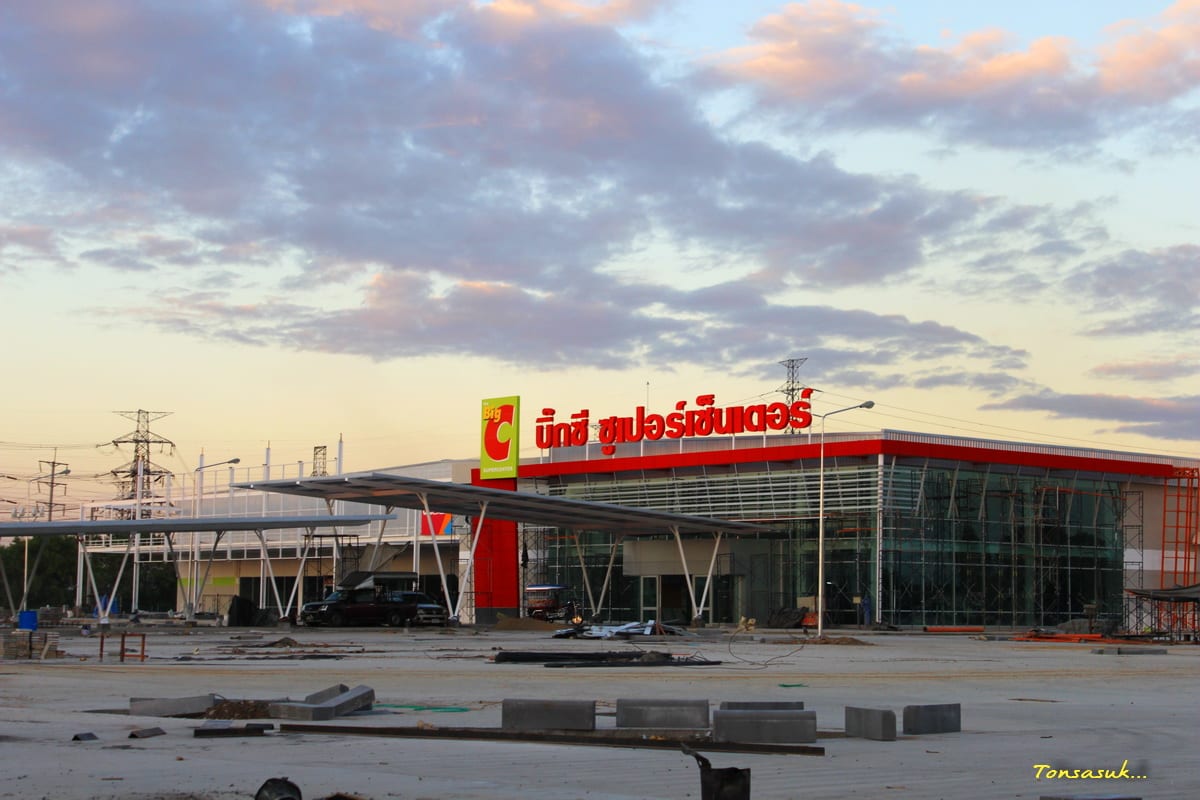
    Big C was at the centre of the previous shake-up when it bought the Thai arm of Carrefour, another French retailer, in 2011. Carrefour Thailand’s network of 42 stores helped make Big C the No 2 player in the hypermarket segment, second only to Tesco Lotus.

    This time, Big C is also at the centre, as the target of big names like the Chirathivat family, Charoen Pokphand Group and Berli Jucker – a business unit owned majority by the Sirivadhanabhakdi family.

    The Chirathivat family seems to be the most likely suitor. Big C was established as a joint venture of that family and Casino Group. But the family sold its stake in Big C to Casino Group after the 1997 financial crisis.

    The family’s operations in the retail industry would be complete with the inclusion of the hypermarket format.

    Another suitor is CP Group. Sitting on piles of cash and rich in experience in retail business, it is the founder of Ek-Chai Distribution System, which operates Tesco Lotus. Also owning Siam Makro, its control in the market would be strengthened.

    However, CP Group’s bid to buy back shares in Ek-Chai Distribution from embattled UK retailer Tesco has reportedly been rejected. Tesco last year sold the assets in South Korea for 4 billion pounds (Bt208 billion). In September, it assured shareholders that it would not sell other overseas assets, including in Thailand. In October, it instead sold 14 land plots for 250 million pounds.

    Berli Jucker has recently expanded into the retail industry. After acquiring the retail chain Family Mart (renamed B’s Mart) in Vietnam in mid-2014, it acquired Metro Cash & Carry Vietnam from its German owners. It is not beyond imagination that it would want to make its presence felt in the Thai retailing industry.

    Among the three, whoever turns out to be the winner of this race may need to pay would surely need not to concern with financial matters.

    Yesterday, Big C’s share price ended at Bt226, gaining Bt28.50 or 14.43 per cent from the previous closing. If the transaction is executed at that price, the buyer will need to pay at least Bt109 billion for the 483.45 million shares or a 58.6-per-cent stake currently owned by Casino.

    The price is about 23 times its prospective earnings. More than 1 million shares were traded yesterday, the highest in recent months when the number of shares changing hands on a daily basis ranged widely from below 20,000 to more than 900,000.

    On December 15, Casino Group announced a plan to strengthen its balance sheet and enhance its financial flexibility with by deleveraging more than 2 billion euros (Bt79 billion) through real-estate transactions and disposal of non-core assets.

    It was confident that the proceeds from the deleveraging plan would reduce its consolidated debt. More than half of the total proceeds of the plan are expected to be generated by the disposal of assets fully owned by Casino. It also announced that in the last 10 years, Casino had always achieved its deleveraging plans.

    In a statement dated January 14 concerning the sale of Big C in Thailand, Casino Group said: “In the context of the ongoing process for the sale of its operations in Vietnam, Casino Group has received expressions of interest for its publicly listed subsidiary Big C in Thailand. The group is taking steps towards the sale of this asset, which will be implemented in the best interest of the company and its shareholders.”

    Big C is now waiting for the new shareholder, while proceeding with business plans. Among them, it plans to open six hypermarkets this year.

    “As Casino is receiving a number of expressions of interest to acquire its shares of Big C Thailand, it clearly demonstrates the great company that Big C is and the strong relationships between customers and Big C itself,” said Warunee Kitjaroenpoonsin, director of corporate affairs at Big C.

  • Sales lose sparkle for Luk Fook

    Sales lose sparkle for Luk Fook

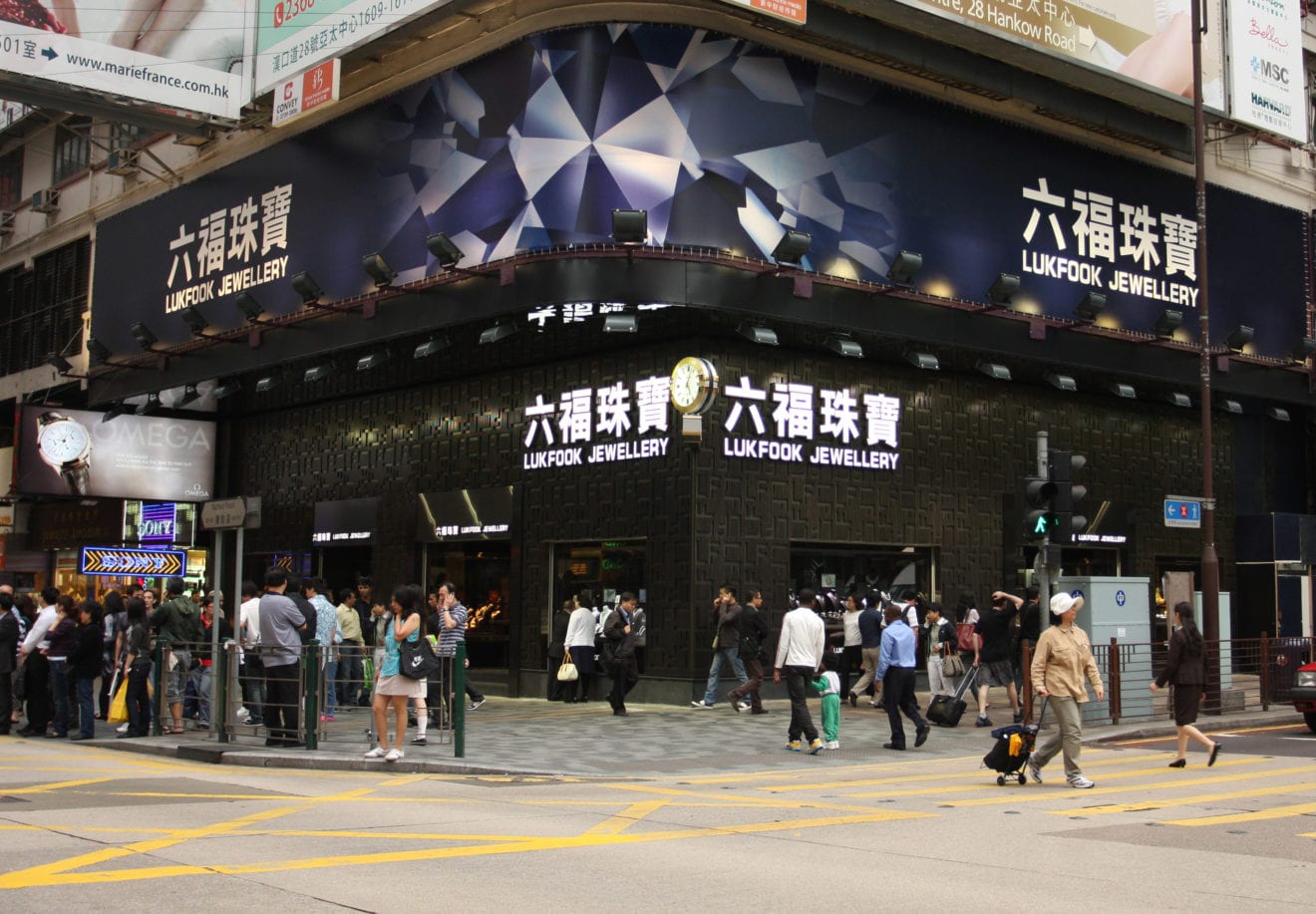
    In the face of a continuing sluggish market, Hong Kong-based Luk Fook Jewellery posted a 25 per cent drop in overall sales in the three months to December 31 against the previous two quarters.

    Its same-store sales growth (SSSG) for mainland China was down 10 per cent, despite its gemset jewellery products gaining 2 per cent grown. The SSSG of the Hong Kong and Macau market dropped 26 per cent.

    As at December 31, the group had 159 self-managed shops – 96 in China, 47 in Hong Kong, 10 in Macau and six overseas, one being established in Toronto, Canada, in the current quarter. There were 1260 licensed shops in China with one in Korea. Altogether, there were 1420 Luk Fook shops worldwide, including 1356 in China and outlets in Australia and the US.

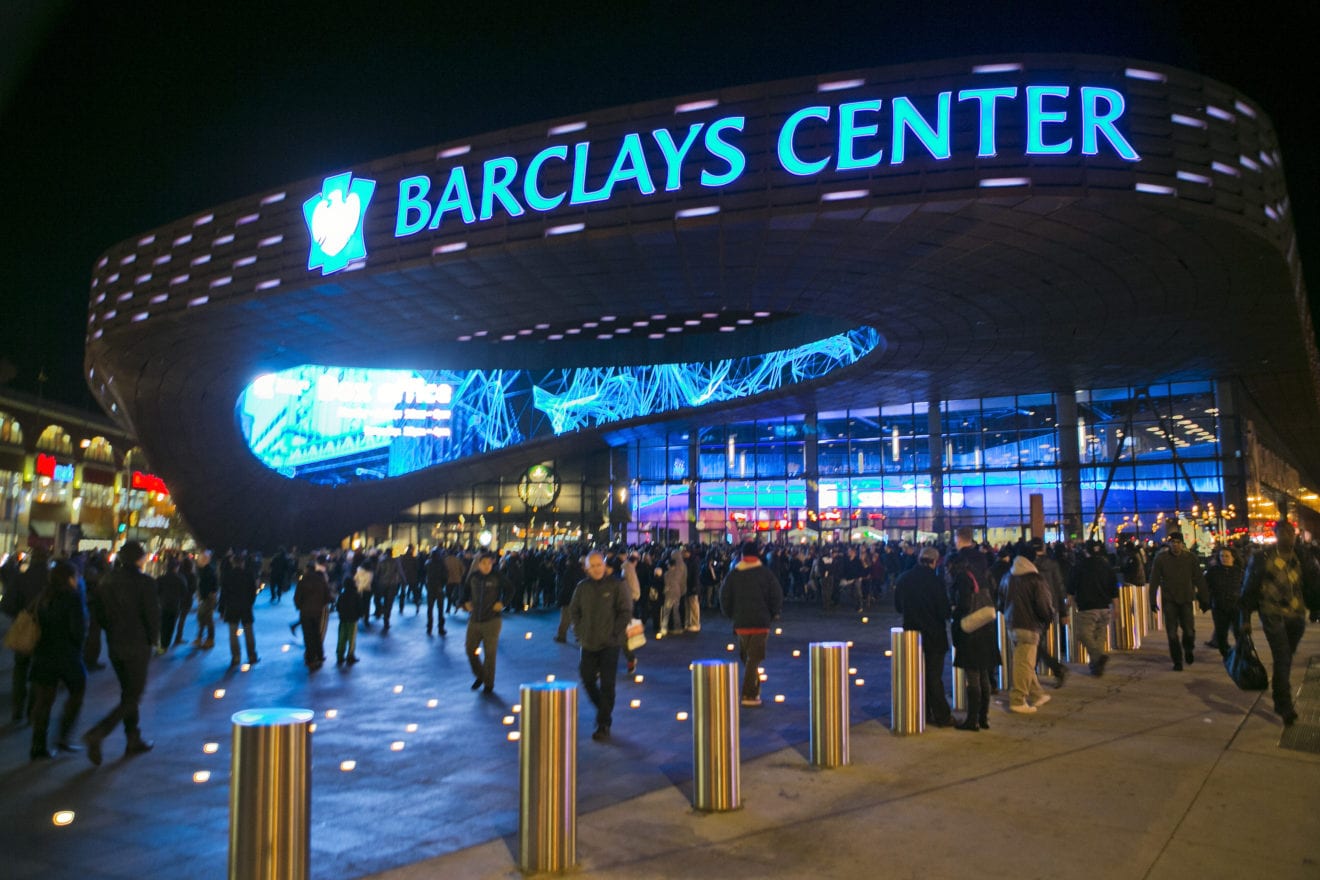
  • Barclays to pull out of Korean market

    Barclays to pull out of Korean market

    British banking group Barclays will close its Seoul office as part of its global slimming down strategy, an official from the financial regulator said Wednesday.

    A director at the Financial Supervisory Service (FSS) said Barclays told the authorities of its plan to close its banking and securities business in Korea.

    “Barclays plans to pull out of the Korean market,” said the director, asking not to be named.

    Foreign banks have been withdrawing from the local market, or downsizing, as part of their global strategy to exit non-core businesses. Last month, U.S. banking giant Citigroup signed an agreement with Apro Service Group to sell its consumer finance subsidiary in the country, Citigroup Capital Korea.

    Barclays confirmed that it is looking for business chances in other countries, but said no firm decisions have been made.

    “We are constantly monitoring our opportunities in different geographies and businesses over the cycle,” Barclays said. “If any firm decisions are made, we will provide an update.”

    In December, Barclays said it had agreed to sell its Italian retail banking network of 89 branches, including a broadly balanced portfolio of assets and liabilities, to CheBanca!, a member of the Mediobanca Group.

    “This transaction is further evidence of the reshaping of Barclays Group to focus on our core businesses,” said Barclays Group CEO Jes Staley. “We continue to make progress in the reduction of Barclays non-core assets as we target risk-weighted assets of around 20 billion pounds at the end of 2017.”

    According to Barclays, its rundown of non-core businesses continued last year, with risk-weighted assets (RWAs) decreasing to 55 billion pounds in September from 57 billion pounds in June.

    The U.K. banking group said its announced sale of the Portuguese retail business in the third quarter last year, which will be completed in the first quarter this year, is expected to result in a further 1.7 billion pounds reduction in non-core RWAs.

    Barclays reported 4 percent growth in the group’s adjusted profit before tax to 5.2 billion pounds for the first three quarters of 2015 from the previous year, reflecting improvements in all core operating businesses. Its adjusted return on average shareholder equity also increased to 7.1 percent during the period.

  • Taste Hong Kong lineup revealed

    Taste Hong Kong lineup revealed

    IMG, organisers of the inaugural Taste Hong Kong in March, have revealed a star studded initial lineup of participating restaurants.

    A lucky eight Michelin stars have been accrued by the restaurants combined! Taste of Hong Kong will take place on the Central Harbourfront from March 10-13, with limited edition, early bird tickets on sale from today.

    The festival itself will host 12 of Hong Kong’s latest, greatest and hottest restaurants, transforming the Central Harbourfront into a foodie wonderland for four days of eating, drinking and entertainment. Founding Restaurants at Taste of Hong Kong include Aberdeen Street Social, Amber, Arcane, Chino, Duddell’s, Serge et le Phoque, Tin Lung Heen, Tosca, Yardbird and Ronin, with yet more to be revealed. The festival will also see international celebrity chefs and visiting restaurants engaging with the Hong Kong gourmet community.

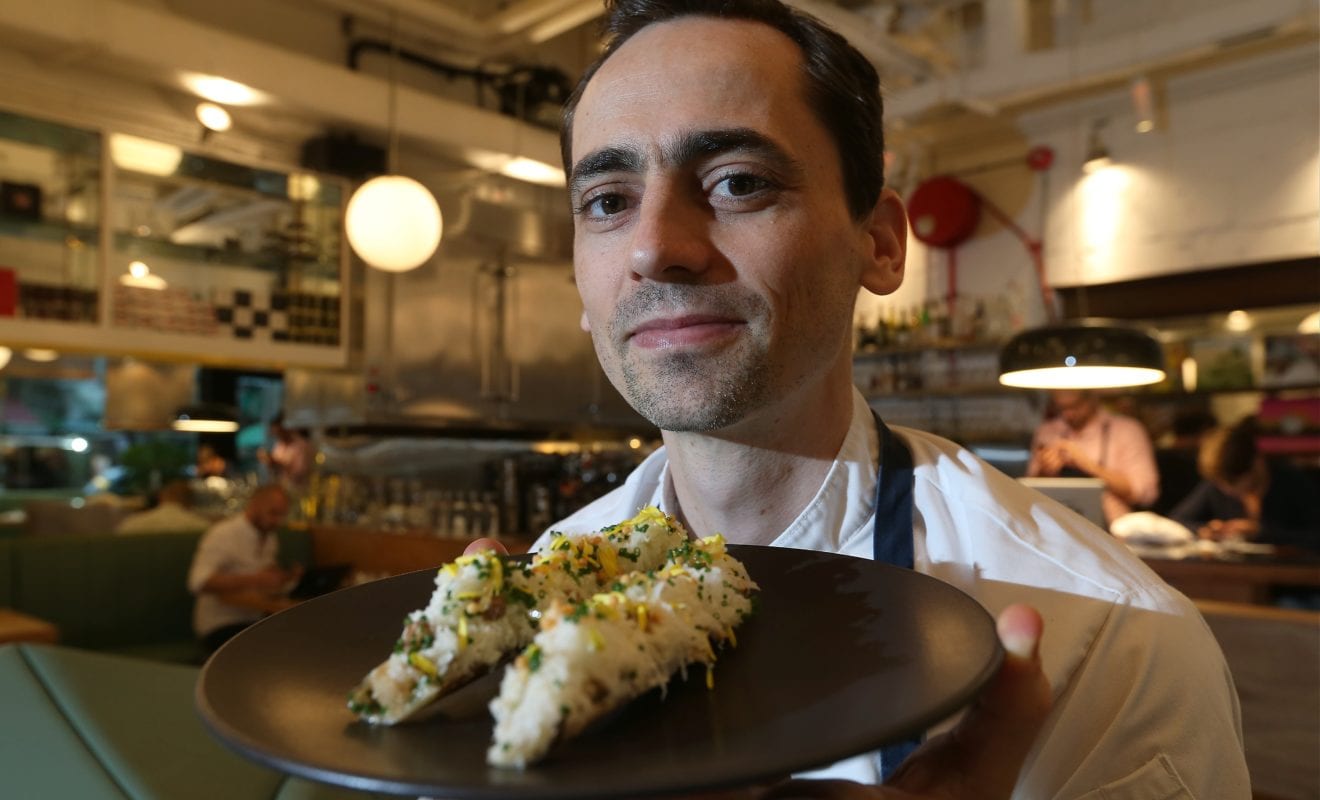
    Taste of Hong Kong chef

    Guests will see top chefs create spring dishes in live demonstrations, get hands on with interactive masterclasses, indulge in Champagne, wine and sake tastings and sample exceptional ingredients and artisanal products amongst the producers market. Three signature dishes will be served-up by each participating restaurant alongside one ‘Icon Dish’- an exclusive item created especially for the festival.

    Taste of Hong Kong Early Bird tickets are on sale from today (January 14) on Ticketflap. Tickets start at HK$108 on weekdays and HK$138 for weekend sessions. VIP pass holders enjoy fast track festival entry, exclusive access to the VIP enclosure, HK$300 worth of the official festival currency “Crowns” and three complimentary premium beverages.

    International banking group Standard Chartered is the presenting partner of the premium dining event, adding to its longstanding support of dynamic, citywide events.

  • Lagardère Travel Retail renews Relay concession at Hong Kong Airport

    Lagardère Travel Retail renews Relay concession at Hong Kong Airport

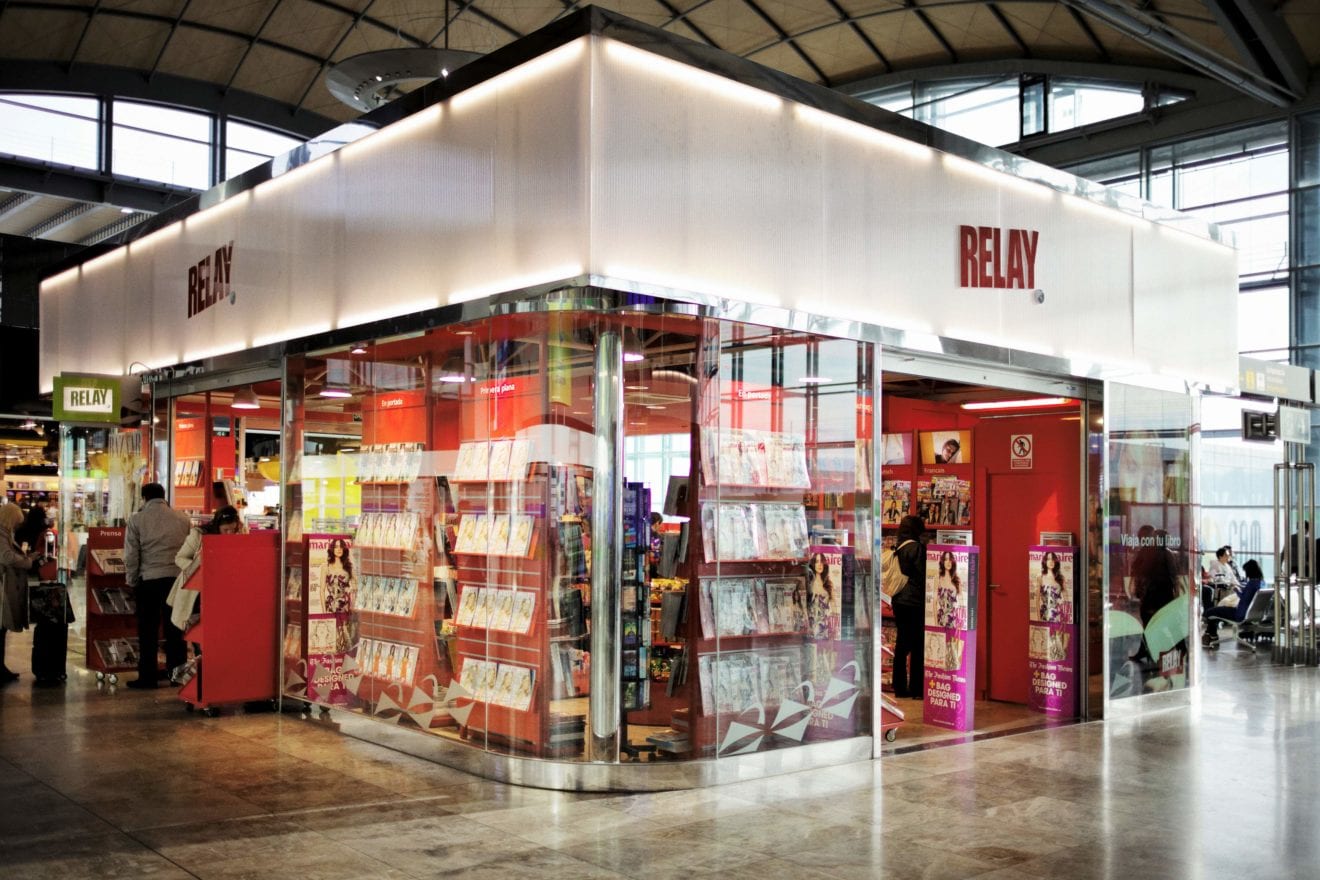
    Lagardère Travel Retail has renewed its news concession at Hong Kong International airport (HKIA) with its Relay concept, being awarded five stores in the existing and new concourses.

    This win follows soon after Lagardère Travel Retail was recently awarded the luxury fashion and souvenir stores at HKIA, with Kate Spade, Pandora, CK Platinum, and Paul & Shark, as well as three Discover Hong Kong stores. “This diversification demonstrates the group strength and capability to operate in different business lines and confirms our development strategy with HKIA” said the travel retailer.

    With the new contract, Lagardère Travel Retail will take the opportunity to launch the Relay brand’s latest global evolution and roll out its updated brand logo and store features. Relay will continue to offer to the HKIA traveller the great range of books and magazine that it has become famous for and a good range of other stationery, souvenirs & gifts.

    The retailer said Relay has been a trusted landmark at HKIA with more than a decade in operations and will “proudly continue to operate following the latest tender process”.

    The Relay stores sets itself apart through its attractive design and clear accessible zoning allowing travellers the ease to search and manoeuvre as they travel on their journey and within the different sections of offer, according to the retailer.

    Offering travellers a tailored selection of books, magazine, stationery, souvenirs & gifts to facilitate and enrich the journey, the brand’s tagline states: “Rely on RELAY: upgrade your journey”.

    Lagardère Travel Retail operates more than 1500 Relay stores within more than 120 airports and 700 train stations. The Relay brand is the global market leader within this category and continues to evolve to meet the changing needs of passengers worldwide, said the company.

    Lagardère Travel Retail general manager Louis Dambrine said: “We value our collaboration with HKIA where we have operated for 10 years. Relay renewal is a great achievement and we are ready to deliver our commitment in terms of innovative concept and operational excellence.

    “Since more than 65 million passengers will pass by our new stores every year, special attention has been placed towards creating an inviting shop front, understandable offer, visible display and coupled with an effective cashier system to ensure a seamless experience.

    “While we continue to operate Relay, we will be able to reinforce our partnerships with the airport, the brands and the distributors, supporting our common goal to develop the business to the benefit of the final consumer. We have been continually investing in order to always meet or exceed our promise on service level; the 25 service awards in 2015 alone including “Best Of The Year Customer Service Award” is a testament to our ability to deliver.

    “Moving forward, we will definitely continue to grow our business, expanding our footprint in Travel Essential as well as in Duty Free & Luxury and Food Service. We thank Hong Kong International airport for supporting our vision and partnering us on these exciting projects.”

    Airport Authority Hong Kong executive director, Commercial Cissy Chan said: “It is our pleasure to continue our strong partnership with Lagardère Travel Retail.  We look forward to the new Relay stores and new products that will be brought into HKIA.”

  • Myanmar Property Awards 2016 returns for a second year

    Myanmar Property Awards 2016 returns for a second year

    Awards gala in Yangon will be preceded by the high-level forum Property Report Congress

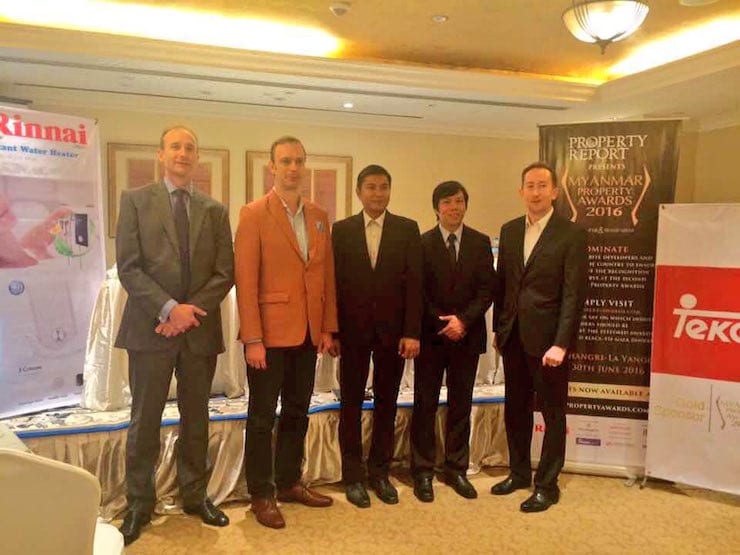
    Richard Emerson of Savills Myanmar, chairman of the judging panel; Terry Blackburn, founder of Asia Property Awards and publisher of Property Report; Aung Kuaw Thu, project manager of gold sponsor Rinnai; Htun Naing, general manager of Empire Holding Co Ltd, authorised distributor of gold sponsor Teka Myanmar; and Paul Ashburn, co-managing partner of BDO Myanmar, awards supervisor

    Following on from a hugely successful inaugural event in 2015, the Myanmar Property Awards gala dinner and awards ceremony will once again bring together the leading names from the real estate industry.

    More than 250 of the country’s top and emerging industry players last June celebrated the success of the likes of Yoma Strategic Holdings, which picked up the highest award for Best Developer (Myanmar), and multiple winner Myint & Associate Co Ltd.

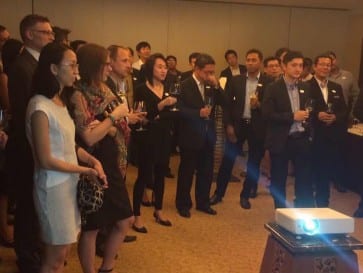
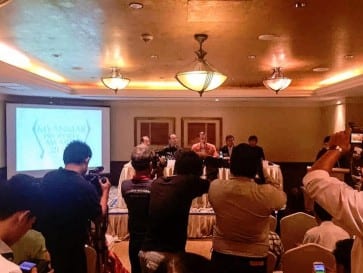
    A pre-launch party for the Awards – part of the acclaimed Asia Property Awards series – was held on Tuesday, 19 January, at the Sule Shangri-La Yangon, the official hotel venue of the Awards, followed by the press launch on Wednesday morning, 20 January.

    The 2016 event has already started to welcome nominations from developers and the general public. The official shortlist will be revealed on Monday, 30 May, and the Winners will be announced at a glittering black-tie awards gala at the prestigious Sule Shangri-La Yangon, on Thursday, 30 June. For the first time ever, the gala will be supported by the Property Report Congress Myanmar 2016, a high-level conference featuring top regional executives and local experts who will discuss the past, present and future of Myanmar real estate.

    With 2015’s historic general election – widely considered the country’s first free election in 25 years – behind it, Myanmar is on the brink of welcoming potential game-changing policy changes, including the proposed Condominium Law, that should impact the country’s growing real estate sector.

    “Now that the election period is over, market activity is Myanmar is expected to accelerate once again, with a flurry of exciting, new, world-class projects under construction or in the planning stages,” commented Terry Blackburn, founder of the Asia Property Awards.

    “The Myanmar Property Awards is the most respected platform to showcase those developments to a global audience,” he said. “As we begin 2016 with the exciting news that the Asia Property Awards, along with Asia’s industry-leading Property Report magazine and the Property Report Congress, are now part of the PropertyGuru Group, we’re delighted to recognise the innovations coming from talents in Myanmar for the second year running, and we encourage everyone to submit their nominations in advance.”

    Covering a range of segments, including condominium, housing, hotel, resort, serviced, renovated, office and retail, the Myanmar Property Awards will hand out more than 20 trophies in 2016.

    Entry for the Myanmar Property Awards is free. Nominations are accepted until 1 April, while entries for the various Developer, Development and Design categories will be open until 8 April.

    Judging will again be supervised by BDO, one of the world’s largest accounting and auditing firms, and the trusted awards supervisor of the Asia Property Awards, which, in its 11th year, is widely recognised for its fairness and transparency.

    In addition to the various award categories, the editors of Property Report will present a special recognition to the Myanmar Real Estate Personality of Year, whose influence and achievements have made an indelible mark on the industry. At the inaugural ceremony in 2015, the honour belonged to Dr Stephen Suen, founding chairman of Marga Group of Companies, the driving force behind the ambitious Dagon City 1 project in Yangon.

    More information on the Myanmar Property Awards 2016 are available on the official website. Super early bird tickets for the gala dinner in Yangon can be purchased until 12 April only.

    Sponsorship and media partner opportunities are also available. For details, email info@asiapropertyawards.com or call +66 (0) 2662 5195.

  • Hong Kong Bar uses ‘Drink Exchange’ to set beer prices

    Hong Kong Bar uses ‘Drink Exchange’ to set beer prices

    Patrons of Hong Kong’s Rude Bar and Lounge can now experience the rush of Wall Street in a unique experience where demand sets market price for their beers.

    The Rude Bar Stock Exchange – or RBSX for short – lets customers looking for a drink engage in over-the-bar trading.

    The RBSX was created thanks to a software program known as the Drink Exchange, which simulates the experience of a stock market in a bar or restaurant setting. For example, when a certain drink becomes popular among patrons, the software will raise the price of the brew automatically. On the other hand, if a certain brand or drink is unpopular, then the software will reduce the price. The television screens of Rude Bar and Lounge display current brew prices as well as daily highs and lows. This allows the customers to gauge how prices may fluctuate throughout the evening.

    Amanda Folcarelli, marketing manager of Rude Bar and Lounge, is enthusiastic about the new software.

    “We wanted to defy the norm and offer our clientele something new,” Folcarelli said.

    “Something exciting. Something they’d never seen in Hong Kong before. Some of our  regulars had seen the concept in place in New York and Barcelona, and they were massively excited to see it here.”

    A bar that uses the Drink Exchange software can offer promotions in a very unique manner. They can simulate a market crash, where the prices of all drinks drop dramatically. Bar owners can link drinks to each other, so that when one goes up, the prices of others fall automatically. Suppliers can offer new products to the bar and have price parameters set low to test its popularity.

    And as is true with the real stock market, the RBSX allows for patrons to use certain strategies to stay ahead of the market and avoid price spikes or even anticipate a fall in drink costs.

    “Unlike the regular stock market, we actually encourage insider trading,” Folcarelli said. “If a group orders a specific drink, then yes, the price will go up, but rest assured that the other drinks will go down in price. At the moment, we only offer beer on the RBSX, but we’re definitely going to expand on that list in the future.

    “The RBSX has definitely added to the community spirit that we have. When our rugby and football teams come in after their Saturday matches, there are players who drink only Asahi, or only Estrella, or only Magners’ all night, so the prices end up staying fairly steady so everyone is happy. And, of course, if someone is looking for something new, or the price is counting down to the next update, or we’re hinting at a market crash, our staff is happy to tease them a little.”

    Rude Bar and Lounge is located in the Upper Basement of 79 Wyndham St, with doors opening to the top of Pottinger St.

  • Indonesia retail sales growth rebounds

    Indonesia retail sales growth rebounds

    Indonesia retail sales rose 10.2 per cent year on year in November, according to data from Bank Indonesia.

    The rise followed a lesser 8.7 per cent growth in October, a figure revised downwards by 0.1 per cent this week.

    But the bank predicts weaker growth in December – as little as 6.7 per cent – with retailers pessimistic despite expectations of increasing sales of recreational goods, cultural items and parts and accessories.

    Bank Indonesia surveys 700 retailers in 10 cities to compile the monthly trend data.

    Food, beverages and tobacco were the major drivers of November’s growth.

    The bank said the survey expected price pressures will cool off over the  next three months.

  • Lotte Mart faces pork probe

    Lotte Mart faces pork probe

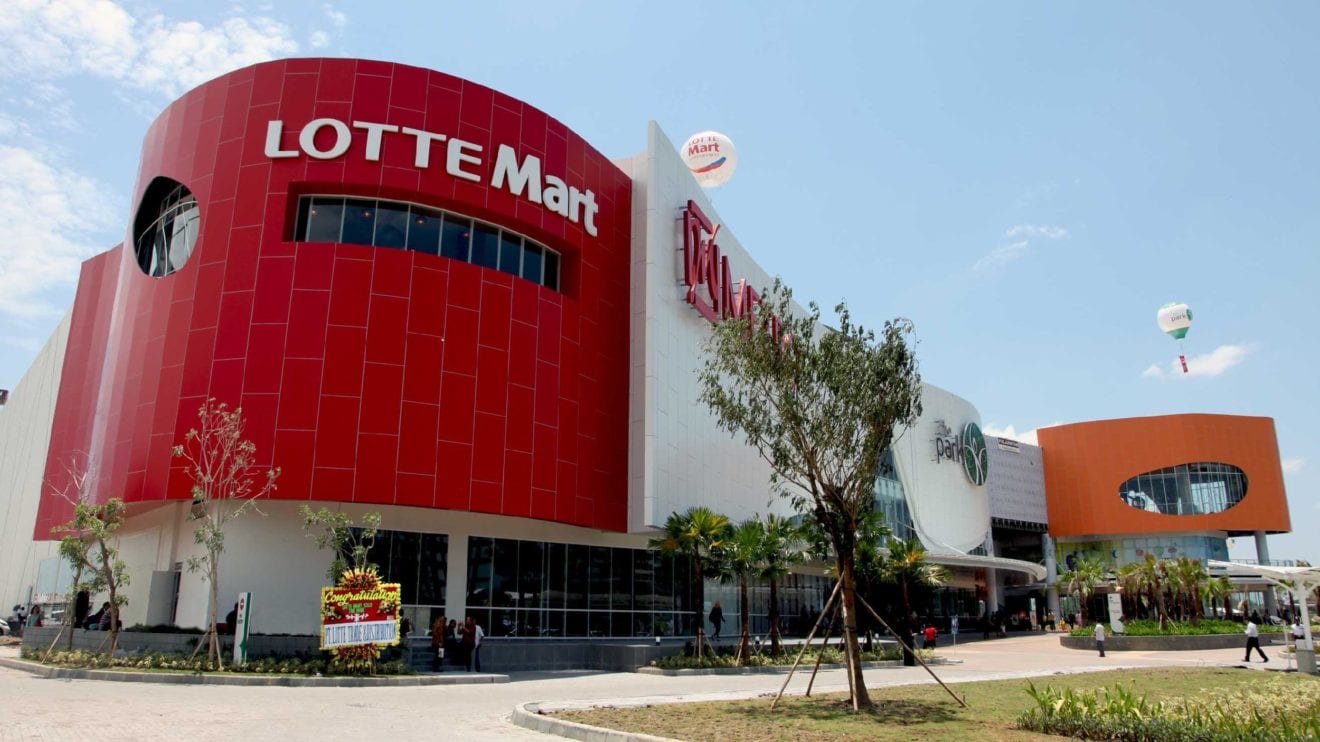
    Lotte Mart, South Korea’s No. 2 discount chain, is under investigation for allegations of unfairly pressuring a supplier into selling pork bellies below production cost, Korea’s antitrust watchdog said Tuesday.

    A source at the Fair Trade Commission (FTC) said investigators have been checking the retailer since December after a local pork producer raised complaints that Lotte Mart not only forced suppliers to sell at below the cost of production, but insisted on covering shipment and credit card payment-related expenses.

    Lotte Mart has been engaged in a so-called ‘pork belly day’ sales promotional event for some time that boosted demand for the meat cut.

    “A supplier claimed that Lotte’s unfair demands resulted in 10 billion won (US$8.3 million) in damages since it had to sell the meat at 30-50 per cent discounts,” the official said.

    In August, Lotte Mart contested a ruling by the Korea Fair Trade Mediation Agency (Kofair) that called on the discount store to pay 4.8 billion won (US$3.96 million) to the supplier.

    Under existing rules, if a company rejects Kofair’s verdict, the matter has to be forwarded to the FTC.

    Lotte Mart argued that while it did cut prices during the promotional event, it immediately marked up prices to reimburse suppliers for any losses incurred.

    “Kofair only accepted the allegations raised by the supplier when it ruled on the size of the fine,” a Lotte Mart spokesperson said. “The company will provide all information being requested by the FTC and cooperate fully with the probe.”

    Market watchers said that even if the corporate regulator rules against Lotte Mart, the suppliers will still have to engage in a court battle to get compensation.

    Lotte Mart, meanwhile, was fined 1.38 billion won in late 2014 for passing on the cost of a product promotion campaign to a supplier.’

  • Philippines Plans to Restrict Access to Cash-Mopping Tools

    Philippines Plans to Restrict Access to Cash-Mopping Tools

    The Philippines plans to close a loophole in regulation of trust funds, by restricting those overseen by banks from parking short-term cash at the central bank.

    Bangko Sentral ng Pilipinas is considering limiting lenders’ trust units from placing funds in its short-term deposit facility, monetary board member Felipe Medalla said Tuesday. Policy makers are reviewing access to its liquidity-mopping tools “under the overall framework” of its interest-rate corridor, Governor Amando Tetangco said Wednesday.

    Banks’ trust units have undue advantage over non-bank trust groups that aren’t allowed to put money in the central bank’s special deposit account or SDA facility, and also over lenders themselves that must comply with the reserve requirement, Medalla said in an interview.

    Placements in the so-called SDA facility, which the central bank uses to control liquidity, totaled about $16.8 billion as of December 29. The central bank is preparing to shift to an interest-rate corridor by the second quarter, a move intended to strengthen its policy tools.

    Limiting fund managers’ access to SDAs will make it a purely cash-mopping tool, said Eugenia Victorino, an economist at Australia & New Zealand Banking Group Ltd. in Singapore. In line with plans to shift to an interest-rate corridor system, “the central bank may be thinking of making SDAs a liquidity-management tool that should not be thought of as an investment vehicle.”

    At present, the central bank pays 2.5 percent for funds placed at SDAs, compared with its benchmark rate of 4 percent. The 91-day Treasury bill fetched 1.684 percent at the most recent auction.

    BSP has tools to ensure liquidity growth is healthy and is seeking comments on the proposal, Medalla said.

  • Starbucks China plans massive expansion

    Starbucks China plans massive expansion

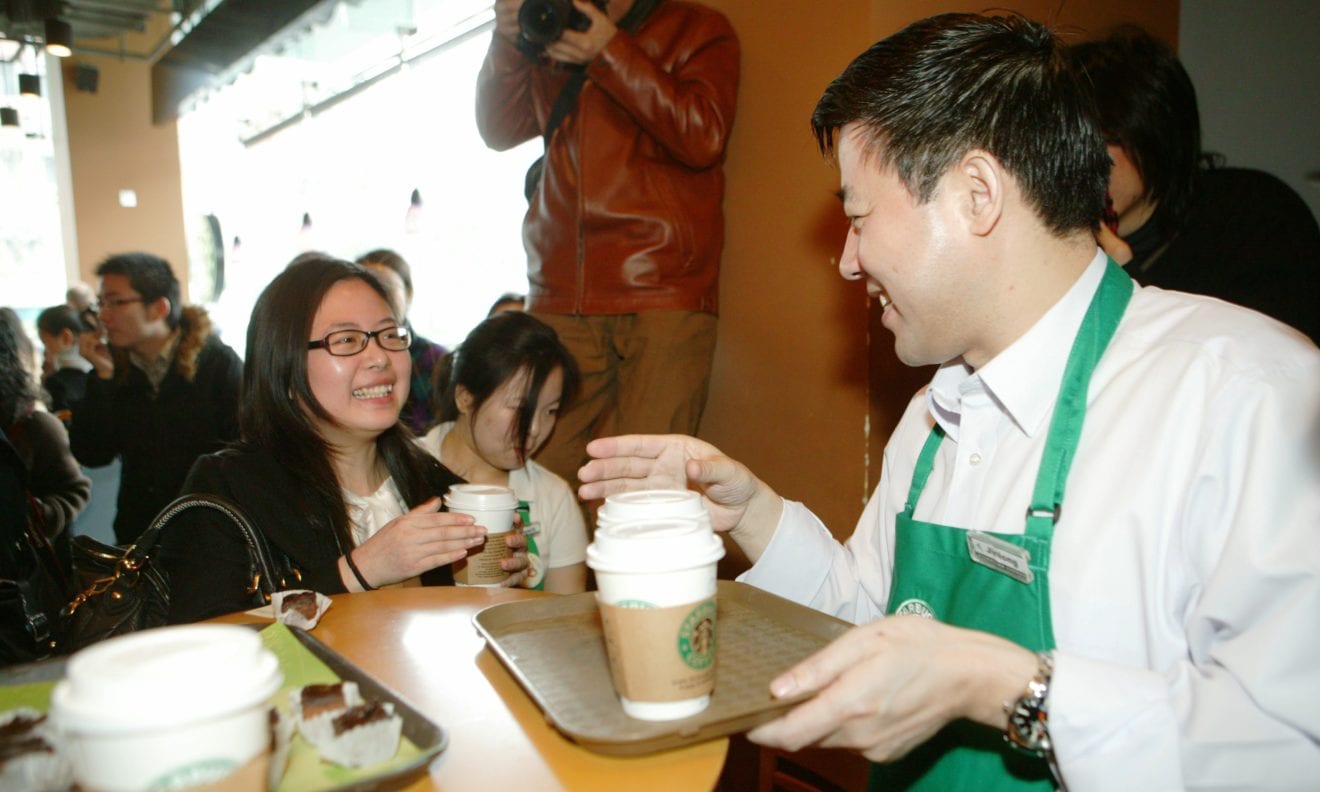
    Starbucks China is planning to open a further 1400 cafes by 2019, the company has revealed.

    Currently, the US headquartered coffee giant has about 2000 locations in 100 Chinese cities – and it uses Alibaba’s Tmall to sell giftcards and coupons to Chinese customers, at the same time boosting its brandawareness and appeal.

    Starbucks said its Tmall Global virtual store collected 300,000 registered fans in the past month and launched a “social gifting” feature that allows users to send those cards and coupons to friends and family through the Tmall platform. On top of its digital push, Starbucks said it was aiming to boost its overall store count to 3400 by 2019.

    “As Starbucks’ second largest and fastest-growing market globally, China represents the most important and exciting opportunity ahead of us,” Schultz said.

    The news followed a milestone meeting between Starbucks CEO Howard Schultz and Alibaba founder Jack Ma who said afterwards they sought to “redefine the roles and responsibilities of a for-profit public company, one that invests in its people, giving back to the local communities in meaningful ways, and creating unique developmental opportunities for the youths of today.”

    Alibaba and Starbucks share a similar vision, according to the two businessmen: building a company that’s doing more than just generating profits.

    During a speech in Chengdu at an annual Starbucks event celebrating the company’s Chinese employees, Ma emphasised the point by highlighting the important role that young people play at both companies. At Alibaba, the average employee age is 26, while at Starbucks it’s 26.

    “Alibaba hopes to work together with Starbucks to create even more opportunities to develop Chinese youth because they are our future,” Ma said at the Starbucks China Partner-Family Forum, sharing the stage with famed Starbucks CEO Howard Schultz. “All of you at today’s event represent China’s future.”

    The China Partner Family Forum celebrates Starbucks’ 30,000 Chinese employees, reinforcing the company’s commitment to what it calls “conscious capitalism.” The goal is to boost company productivity by enhancing the work experience for those employees.

    Starbucks launched its Tmall Global, store in December. The platform allows foreign companies to sell into China without having a physical presence in the country. Already major brands such as Costco, Macy’s and Nike, Japan’s Uniqlo and Germany’s Metro Group operate stores on the platform. Some of these companies, including Nike and Metro Group, do have physical stores in China, but they are selling through Tmall Global because the continued growth of eCommerce gives them another way of reaching consumers.