Blog

  • Empty shops ahead, says DTZ Hong Kong

    Empty shops ahead, says DTZ Hong Kong

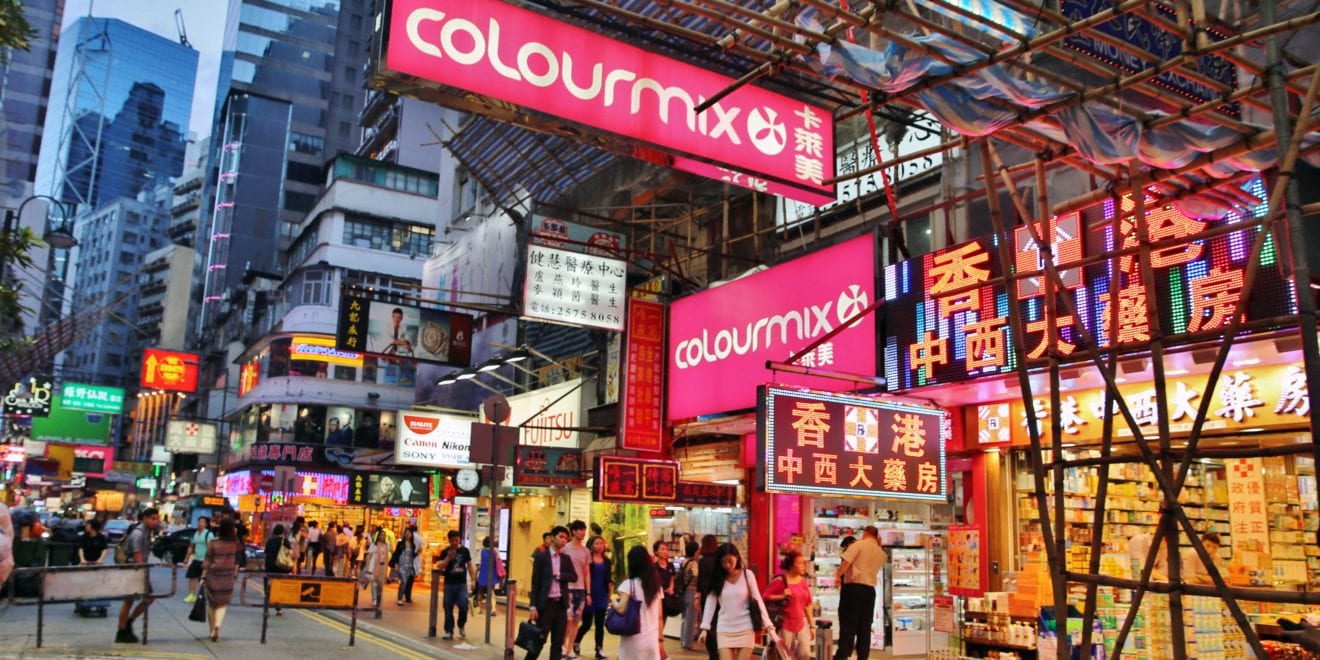
    Higher vacancy rates in prime retail sites in Hong Kong are expected after the Chinese New Year holidays, reports property consultancy DTZ.

    This could potentially lead to a 5 to 10 per cent drop in rental rates in the first half of this year, whereas rents are likely to rise for prime office space in the Central district.

    Vacancy rates of prime storefronts in the city’s four major districts – Causeway Bay, Tsim Sha Tsui, Central and Mongkok – are in the 2.4 to 6.8 per cent range, says DTZ Hong Kong head of business space Kevin Lam.

    He has told the Hong Kong Economic Journal that many short-term tenants will move out after the Chinese New Year.

  • Myanmar City Mart secures IFC loan

    Myanmar City Mart secures IFC loan

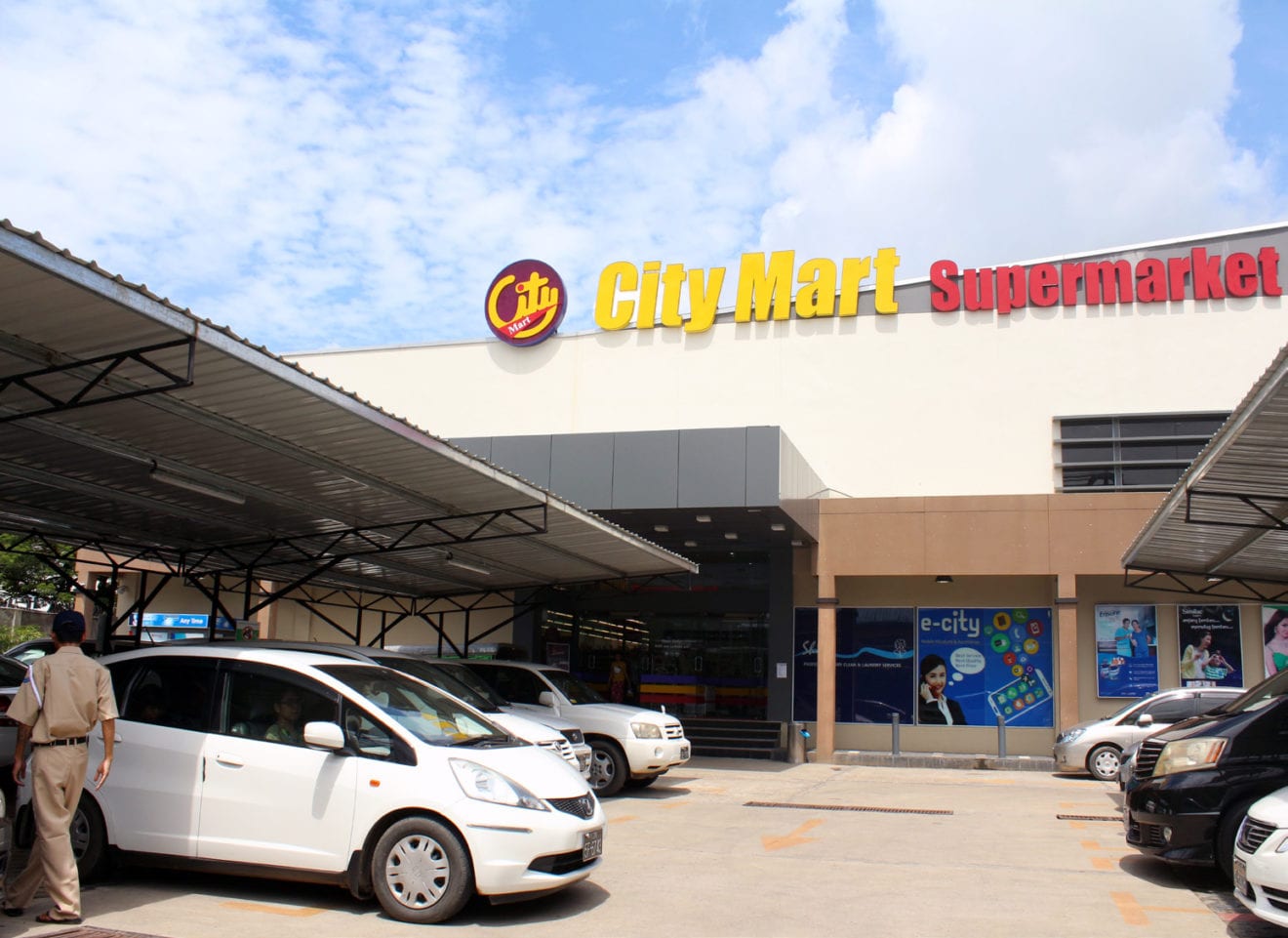
    Supermarket group Myanmar City Mart Holding Company (CMHL), the nation’s largest private retail group, is borrowing $25 million to finance a nationwide expansion.

    With more than 150 retail outlets in Myanmar, the company plans to build 20 more supermarkets and hypermarkets over the next three years.

    It plans a sixfold increase in its purchases from domestic suppliers to reach around $150 million by 2021, and create nearly 4000 jobs, half of which will be for women, reports Deal Street Asia. CMHL’s financing is in the form of a loan from the International Finance Corporation (IFC), the private lending arm of the World Bank Group.

    IFC hopes that CMHL’s expansion will not only help create jobs, but also develop supply chain and logistics infrastructure as well as support smaller businesses. “With our global expertise and industry knowledge, we will be delighted to work with CMHL to improve efficiency and standards to become a model retailer in Myanmar,” says IFC regional director Vivek Pathak.

    CMHL’s shareholders are Win Win Tint, the founder and MD, and her relatives.

    “IFC’s investment is a sign of confidence in our business plan as well as in Myanmar’s retail sector potential,” says Win Win Tint.

    “In addition to funding, IFC’s expertise and advice on food safety, good social and environmental practices and corporate governance will also help us take the company to the next level.”

    Myanmar’s $12 billion retail sector is predominantly informal, with formal retailers holding less than 10 per cent of the market, according to the loan documents. It is the second such loan extended by the IFC to CMHL. In October, IFC had already extended a  $25 million loan for a $46 million retail expansion plan.

    IFC is supporting reforms and investments in Myanmar with the aim of strengthening the private sector, creating jobs for poverty reduction and boosting shared prosperity.

  • First Singapore Apple Store starts construction

    First Singapore Apple Store starts construction

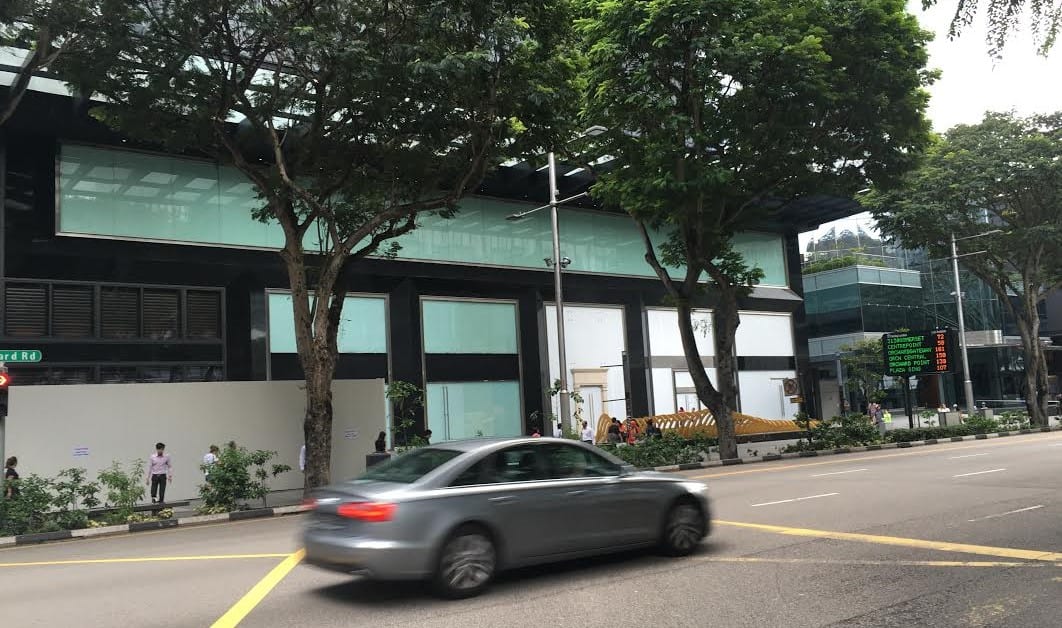
    Singapore’s first Apple Store is taking shape on Orchard Road – not that anyone would notice.

    To keep the design a secret ahead of its grand opening later this year, the company is taking its usual security of measure of keeping the site under wraps, reports iphonehacks.com. There is no sign of the Apple logo.

    In the Knightsbridge retail centre, the store was previously the Pure Fitness gym, which vacated last month. Nearby stores include Tommy Hilfiger and Tangs.

    Despite its low-key approach, Apple has confirmed it will be opening its first retail store in Singapore. “We have more than 900 incredible employees working in our Singapore contact center and are thrilled to begin hiring the team that will open our first Apple Store in Singapore,” Apple retail guru Angela Ahrendts said in a statement last year.

    Iphonehack.com says the debut Singapore store may be powered by renewable energy, possibly solar power. Meanwhile, Apple has posted job vacancies on its website, including business manager, business specialist and Apple Store leader.

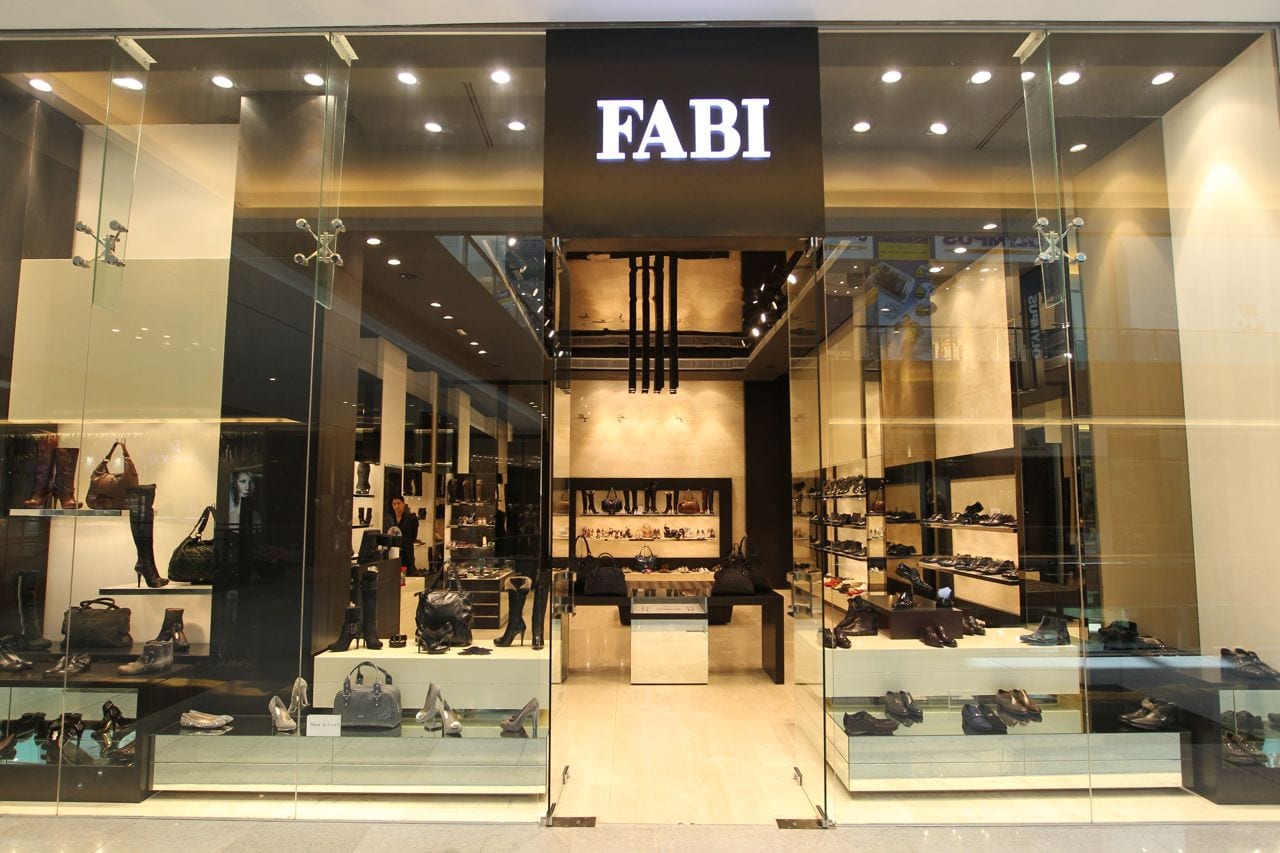
  • Fabi launches first retail store in India

    Fabi launches first retail store in India

    Designed by Alessandro Germini, the store decor is in line with contemporary stores across Europe and the rest of the world. The store exhibits class and its décor is pristine with a touch of the latest global trends. The store’s cordial staff, international feel and strategic location in the city of Delhi will ensure the ultimate shopping experience for its customers.

    Sameer Singh, director, Mescos Shoes Ltd., was born and brought up in Delhi. He always had a burning desire to make it big in life. He completed his Mussorie Modern in 1998. Later on, he moved to Italy where he got his first job as director Vanilla Fashion. After working with the international fashion brand Vogue in Dubai, he finally joined the renowned Mescos group as director in 2014. His eye for detail, focused approach, eagerness to learn ‘something new’ and ability to seamlessly bring together the necessary resources to ‘get a job done’ gained him a lot of appreciation. As the director of Mescos, Singh has made his mark as a dynamic professional and has many responsibilities under his hat, from business expansion to charting a future growth path for the Mescos brand. With 5 years of total work experience in India and abroad, he has garnered thorough and superior skills and knowledge of the Indian market and has become the driving force of the company. His vision is to expand Mescos’s base in India and to transform it as a brand of choice for the discerning customers. When not working, Singh enjoys travelling and spending time with family and friends. His interests include theatre, music, reading and sports like tennis, squash and cricket. A bundle of energy, he is creative, goal-oriented and certainly an inspiration for the younger lot.

    Founded by Enrico Fabi in 1965, Fabi is a premium Italian brand with its headquarters in Monte San Giusto, Italy. The company has three hundred sixty five employees including master shoemakers and artisans who work closely with specialists in IT technology and state-of-the-art machinery. The brand’s first set of samples was 12 hand-stitched tubular models which instantly became hit among people. After getting success in such a short span of time, Fabi expanded its horizons and established its reputation as a dynamic brand. It has now become a perfect beacon of Italian made designs, a promoter of elegant style and an astute observer of trends who always anticipate new ways of life.

  • Walmart shuts 269 stores worldwide

    Walmart shuts 269 stores worldwide

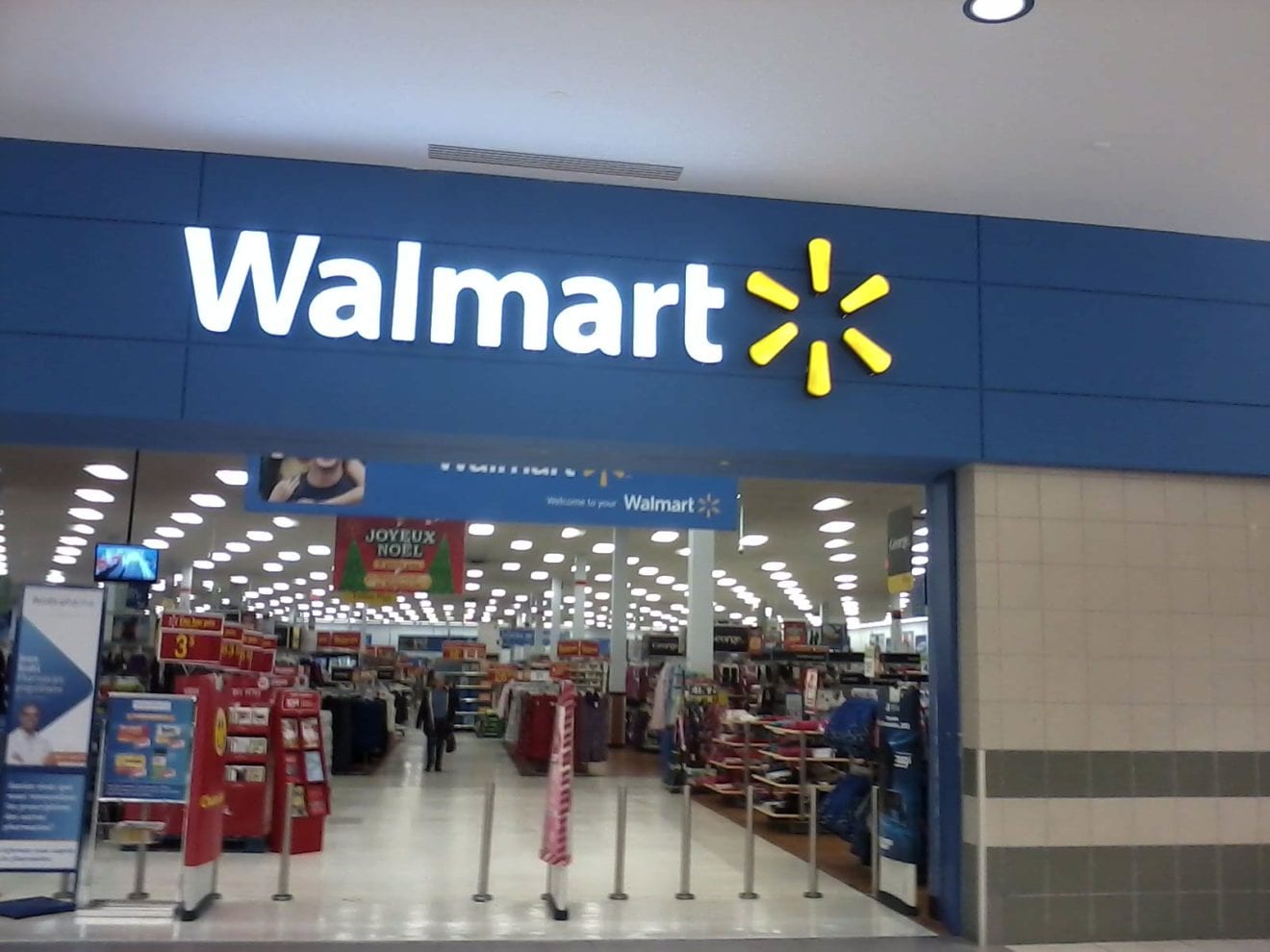
    On Friday, Walmart announced it will close 269 stores globally as it struggles to compete with online retailers like Amazon.

    The news came as US retail figures showed lower than expected holiday sales figures across the market.

    Sales rose just 3% in November and December, falling short of the expected 3.7% growth according to the National Retail Federation.

    The Walmart closures will affect 10,000 US workers and 16,000 worldwide.

    The announcement came three months after Walmart chief executive Doug McMillon told investors the company would focus on becoming more nimble.

    “Closing stores is never an easy decision. But it is necessary to keep the company strong and positioned for the future,” Mr McMillon said in October.

    The national shortfall in holiday shopping came even as retailers offered steep discounts to attract customers.

    Online retailing did see a significant increase, rising 9% to $105bn (£73.4bn), but it was not enough lift the overall figures.

    Concerns about holiday shopping added to market concerns as stocks fell sharply. The Dow Jones fell 400 points in morning trading.

    Neil Saunders, chief executive of retail analysts Conlumino, said it was a significant move: “Walmart’s decision to scale back its store numbers in the US underlines how much the retail landscape has changed over the past few years. The blunt truth is that while stores remain a vital part of the retail mix, they are not quite as relevant as they used to be.

    “The growth of online, and especially of Amazon, has undermined that advantage and has given almost all consumers easy access to a comprehensive and relatively cheap assortment of products.”

    He added that where Walmart was going, others would follow.

    Weak

    The weak economic outlook was not confined to the service sector.

    On Friday, the Federal Reserve reported industrial production in December shank by 0.4% the second month of contractions.

    Industrial production, which includes manufacturing, mining and utilities has been hit by a strengthening dollar and global economic weakness.

    “With the dollar still rising at a rapid pace and global demand clearly pretty weak we don’t expect much from the US manufacturing sector this year,” Paul Ashworth, chief US economist at Capital Economics, wrote in a research report.

    Warm weather also hit industrial production figures.

    The unusual temperatures pushed utility output down 2% in December following a 5% decline in November.

  • Dynafit China appoints retail partner

    Dynafit China appoints retail partner

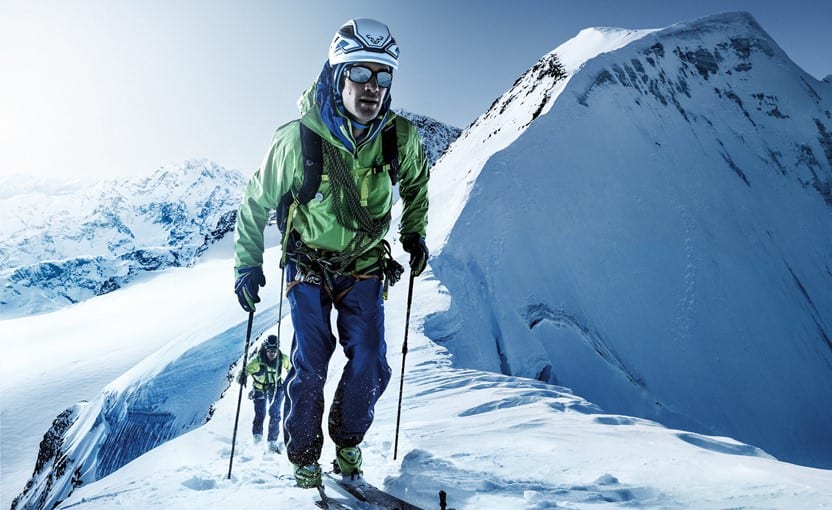
    Ski, mountaineering and backcountry gear manufacturer Dynafit has announced Blue Ice Adventure as its retailing partner for the Chinese market.

    It is part of the Swiss company’s strategy to expand its business in the Asia Pacific region, and it says in a statement that the collaboration is for five years.

    In South Korea, K2 was appointed as its retailer in October, the Dynafit also opened an office in Tokyo.

    It has plans to expand its exclusive sportswear and skiing gear outlets from 120 to 160 in the next two years.

    Dynafit China will showcase its three collections – Vertical Running, Alpine Running and Ultra Running – at the sports business trade show ISPO Beijing, from February 24 to 27.

  • Hang Lung’s Chan Says Hong Kong Property Market Healthy

    Hang Lung’s Chan Says Hong Kong Property Market Healthy

    Hang Lung Group Ltd.’s Chairman Ronnie Chan said Hong Kong’s property market, which began a correction last quarter, is the “healthiest” he’s seen in 25 years.

    Speaking in an interview Monday with Bloomberg Television, Chan said a price decline of 10 percent to 20 percent in Hong Kong’s housing market is “no big deal.” Chan also said the residential property market in mainland China is getting “healthier and healthier,” after data showed that home-price gains are spreading to more Chinese cities, especially smaller ones.

    Chan’s optimism on the Hong Kong market comes against a backdrop of slumping prices in the city. Secondary residential prices in Hong Kong dropped 6.9 percent in the fourth quarter of 2015, the biggest quarterly slump in seven years, according to data from Centaline Property Agency Ltd. Home sales in December fell 32 percent to HK$29.8 billion ($3.8 billion) from a year earlier, the Hong Kong Land Registry said Jan. 5.

    Hang Lung, which is listed on the Hong Kong Stock Exchange, invests in property in Hong Kong and mainland China through its subsidiary.

    Chan’s outlook for the China retail market was less bullish. He said a combination of falling rents, a weakening domestic economy and the slowdown in retail sales, especially for high-end luxury, created a “triple whammy” for Hang Lung’s shopping malls in the mainland.

    He said that retail outlets in Shanghai and Beijing will weather the storm better than in second and third-tier cities, which “are being hit pretty hard.” One of those cities is Dalian, where Hang Lung just opened a new 2.4 million square foot shopping center.

    Still, Chan said the longer-term prospects for China retail are good.

    “If anything in the economic world is sure, it’s going to be consumerism in China,” he said. “In the long run we are okay, it’s just in the short run it is very very difficult.”

  • Central Group eyes Casino’s units in Thailand, Vietnam

    Central Group eyes Casino’s units in Thailand, Vietnam

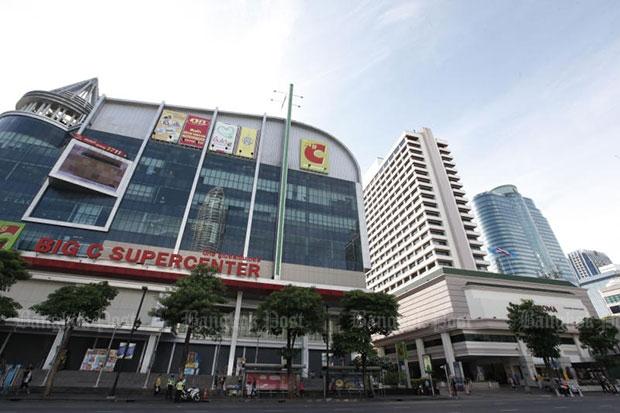
    Thailand’s largest retail conglomerate Central Group is keen to bid for Casino Group’s Thai and Vietnam operations, a company executive said.

    Casino owns 58.6% of Big C Supercenter Plc, which has a total a market value of $5.5 billion. Casino said last week it was keen to sell this stake after announcing it would sell its Vietnam unit in the first quarter.

    “We are interested in both Big C in Thailand and Vietnam,” Prin Chirathivat, deputy chief executive officer.

    “If the prices are not too expensive, we will be keen to bid,” Mr Prin said adding his family, the Chirathivats, has a combined 25% stake in Big C.

    Central has been actively looking to buy assets overseas as it wants to expand into Southeast Asia and Europe.

  • Fashion Business will Grow in 2016, Association Says

    Fashion Business will Grow in 2016, Association Says

    Dwi Iskandar, chairman of Bali Indonesian Fashion Chamber (IFC), said that the fashion business in Indonesia is expected to grow by 20 to 30 percent in 2016.

    “We believed that [2016] is better than last year. We also hope our members will use Balinese fabrics, such as the endek, tenun and songket so that the fabric can be recognized outside Bali,” said Dwi on Monday, January 18, 2016.

    Dwi believed that Indonesian fashion products, especially from Bali, has the ability to compete with products fron other Southeast Asian countries. Dwi added that Indonesian fashion products has its own local cultural richness.

    “Last year, we promote flashy colors. For this year, we will still be colorful, but with a more natural touch with monochrome colors,” Dwi said.

    Dwi added that textile export from Bali will continue to attract customers. “Our products are mostly exported to Europe and Asia. Compared with other Southeast Asian countries, they can’t compete with Indonesia because business players in Indonesia focues on quality rather that quantity,” said Dwi.

  • Kertajati airport project to cost Rp3.7 trillion

    Kertajati airport project to cost Rp3.7 trillion

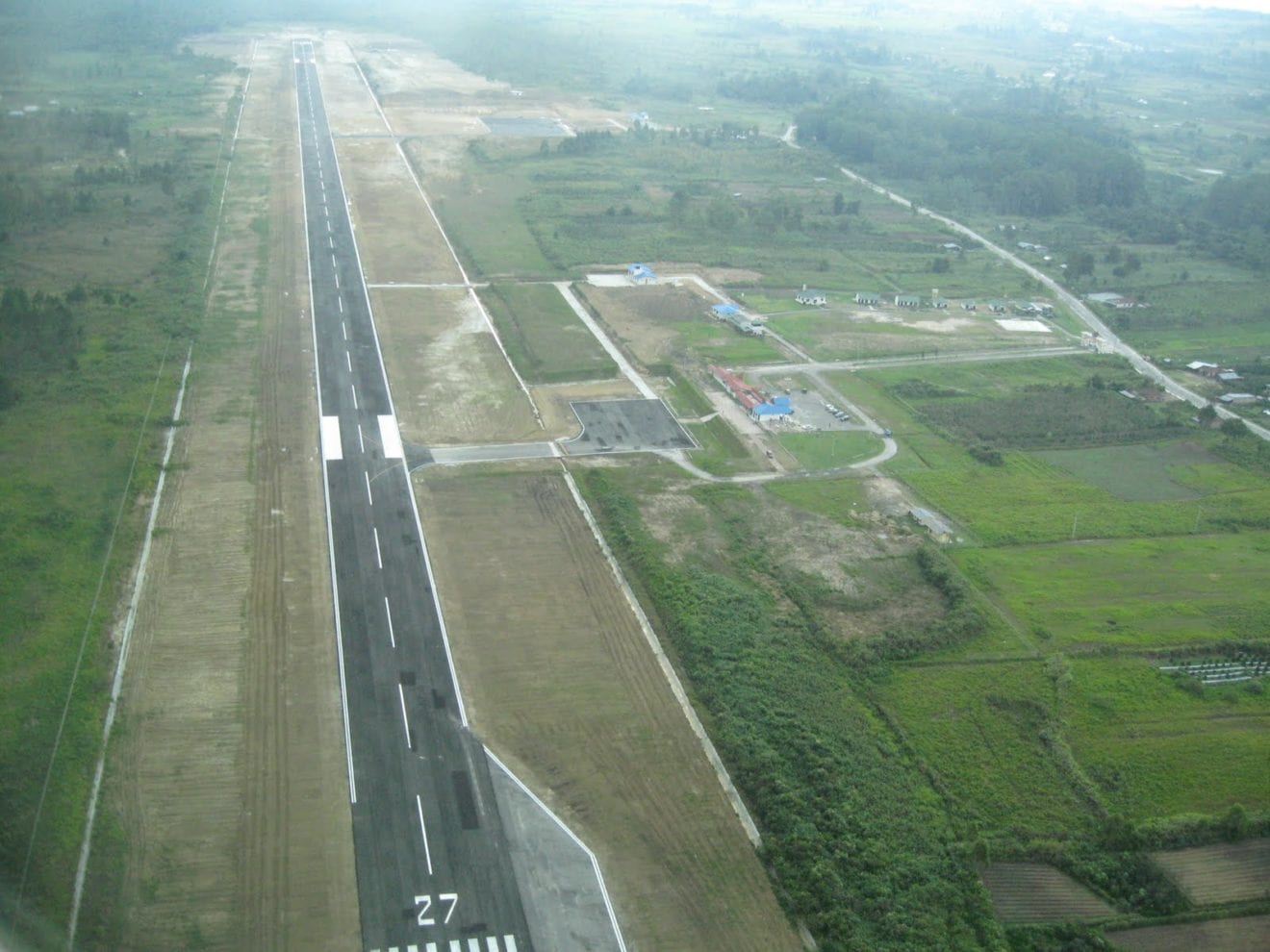
    The Kertajati airport project in West Java will cost around Rp3.7 trillion, to be paid by the central governmernt West Java Governor Ahmad Heryawan said.

    The central government through the transport ministry will finance the construction of the international airport in the regency of Majalengka, the governor said here on Monday.

    President Joko Widodo announced the decision on the project financing during his visit to Majalengka on Sunday.

    The governor said construction of the runway and the monitoring tower will cost around Rp1.6 trillion and the terminal and other facilities will cost around Rp2.1 trillion.

    The West Java administration is to pay only for the 1,800 hectare land clearing, the governor said, adding land clearing has been 1,000 hectares completed.

  • Ford Philippines delivers record sales in 2015

    Ford Philippines delivers record sales in 2015

    Ford Philippines sales last year jumped a record 25 percent to 25,372 units, firmly establishing Ford as the number three-selling automotive brand in the country.

    EcoSport, Everest and Ranger each deliver record full-year sales in the Philippines.

    Record December sales soar 48 percent to 2,824 units, capping record quarterly performance with jumping 50 percent to 8,691 units.

    The record sales year and continuing momentum helped Ford jump one spot to become the number three-selling automotive brand in the Philippines in 2015.

    “It’s been a breakthrough year for Ford in the Philippines. We launched more global Ford vehicles that showcased the very best of Ford, and expanded our retail presence across the country to make the Ford brand closer to our customers through a strong dealer network,” said Lance Mosley, managing director, Ford Philippines. “We’re truly proud of how the Ford brand is being embraced by our Filipino customers.”

    The EcoSport compact urban SUV’s continuing impressive run made it Ford’s best-selling nameplate in the Philippines in 2015. December retail sales of EcoSport rose 49 percent to 799 units, helping drive full-year sales up 67 percent to 8,702 units – the highest full-year total for a single Ford nameplate.

    The highly capable and versatile Ranger finished 2015 as the second best-selling pickup truck in the Philippines with total retail sales that increased six percent year-over-year to 8,445 units.

    “We launched the new Ranger here in August, and it really helped to build on an already strong reputation as the most capable, powerful and smartest pickup in the market,” explained Mosley.

  • Xiaomi’s sister firm taps into Korean market

    Xiaomi’s sister firm taps into Korean market

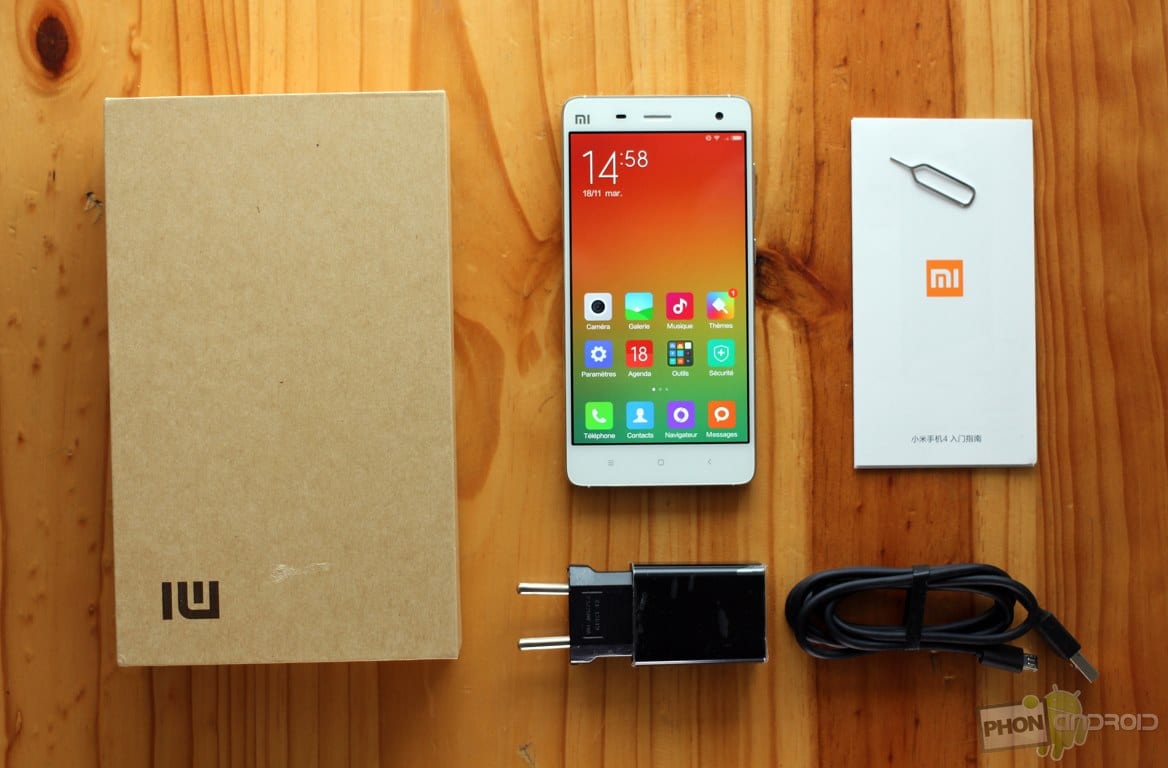
    Chinese electronics giant Xiaomi’s sister company Zmi has tapped into the Korean market by partnering with local online retail site 11st.co.kr.

    The online auction and retail site said Monday that it signed a deal with Zmi, offering exclusive retail channels for the Chinese company. This came months after the retail giant signed a memorandum of understanding with Xiaomi last November.

    Xiaomi and Zmi have been at the forefront of the “Made in China” sensation here, selling 3,000 batteries in April. The Xiaomi subsidiary also held a special promotion event for its batteries and fans last month, and more than 10,000 have been sold in three days through the retail site.

    An 11st official attributed its success to its price competitiveness.

    “The Xiaomi and Zmi products are extremely cost effective,” said the official. “Their performance does not lag behind that of its local rivals, but the price is much lower than them.”

    In particular, Xiaomi’s weighing machine, Mi Scale, gained huge popularity last year for its cost-effective features including its connectivity with other Xiaomi products such as Mi Band, a smart band which allows users to check their body condition.

    “The latest deal led us to become a frontrunner in selling Chinese IT products,” said Lee Chi-hun, digital business department chief for the retail site, in a statement.

    He added the company will keep helping Xiaomi affiliates and partnering companies to penetrate into the Korean market.

    Zmi is best known for producing Xiaomi’s portable battery packs. The latest deal will allow 11st to sell Zmi’s light-emitting diode (LED) lamps and electric fans and its own battery packs. The retail giant added it will also introduce Zmi’s new products including multi-tabs and cables through its site.

    “11st has established a strong foothold in the nation’s retail channel, often dubbed as a representative of Korea’s e-commerce market,” said Wenyuan Huang, co-founder of Zmi. “We are pleased to establish an official retail channel through which Korean customers can buy our products.”

    Meanwhile, local smartphone makers have been strengthening their budget phone lineups in their bid to compete with Chinese super-cheap smartphones. In particular, the Chinese telecom giant’s latest budget phone, Y6, has sold more than 20,000 units in less than a month after launching here. Last week, LG Electronics unveiled its new budget smartphone K10 with a price tag of 275,000 won.

  • Toys”R”Us® Opens Its 100th Store In China

    Toys”R”Us® Opens Its 100th Store In China

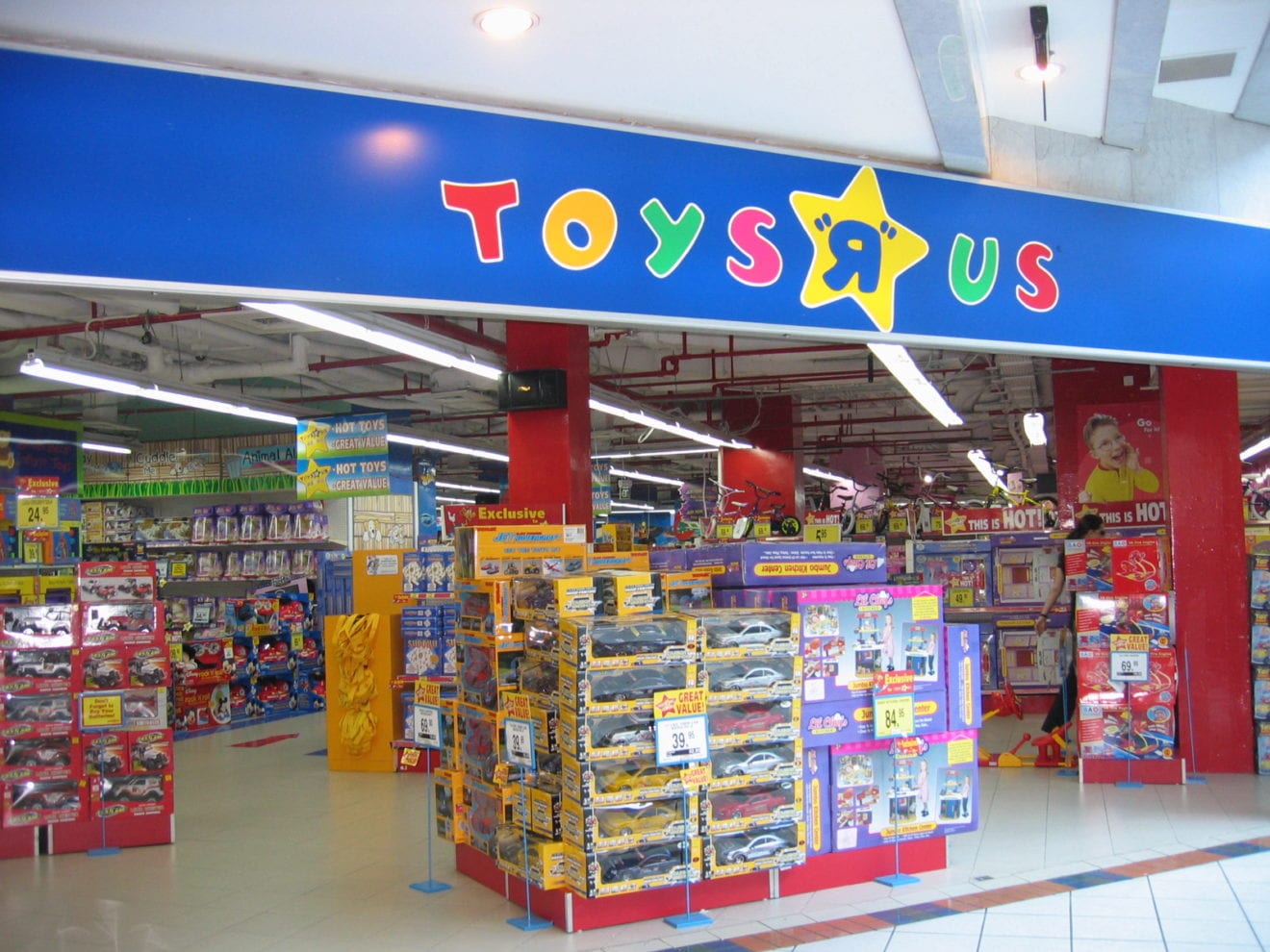
    Ten years after first entering the market, Toys”R”Us, Inc., the world’s leading dedicated toy and baby products retailer, today announced that the company has opened its 100th store in China. The milestone achievement was marked by a grand opening celebration event that took place Saturday, January 16, at the APM Shopping Mall in Wang Fu Jing, one of the leading retail districts in Beijing, where Toys”R”Us® opened one of its 27 new stores across the country within the past year.

    “It’s our mission to be the best toy and baby products retail company in the world, and international expansion, particularly throughout China and Southeast Asia, continues to be an important part of our long-term growth strategy,” said Dave Brandon, Chairman and CEO, Toys”R”Us, Inc. “The opening of the 100th store in China represents a significant achievement for our business as it allows us to meet the increasing demand for high-quality children’s products and family entertainment experiences in this market.”

    Toys”R”Us opened its first store in China in 2006 and currently operates in 44 cities throughout the country, including six where the company established a presence for the first time last year. China has been one of the most important markets for the company’s global expansion plans, and growth in this region is expected to continue with the planned opening of more than 30 new Toys”R”Us stores in 2016.

    “The grand opening of our 100th store is a major milestone for Toys”R”Us on our exciting journey in China,” said Andre Javes, Managing Director, Toys”R”Us, Greater China and Southeast Asia. “What differentiates Toys”R”Us as a specialty toy retailer is the memorable shopping experience we provide for our customers. This includes a combination of the widest assortment of toys and baby products, including exclusive items not available anywhere else in the market, fun store layouts, interactive in-store experiences, product displays and demonstrations, activities and more.”

    Attending the iconic 100th store opening ceremony in the heart of the Capital were: Dave Brandon, Chairman and CEO, Toys”R”Us, Inc.; Dr. Victor Fung, Group Chairman, Fung Group; Monika Merz, President, Toys”R”Us, Asia Pacific; Pieter Schats, Executive Director of Fung Retailing Ltd; and Andre Javes, Managing Director, Toys”R”Us, Greater China and Southeast Asia, along with many important business partners and executives from the toy industry.

    As part of the grand opening, families were also invited to meet and greet popular mascots such as Geoffrey the Giraffe, Ultraman, Barbie™, Ninjago Kai, Balala Emma and more.

    Toys”R”Us at Beijing APM Shopping Mall Features Innovative Retail Environment
    The new store showcases the very latest in “retailtainment,” digital technology and customer interaction, making shopping at Toys”R”Us a unique and fun experience for kids and adults alike.

    Upon entering the store, customers are immediately immersed into the world of Star Wars™: The Force Awakens – the first-ever Star Wars movie released on the big screen in Chinese theaters – with life-size characters and dramatic scenes from the movie. Shoppers will also find interactive displays from LEGO® and TOMICA, a Balala magical mirror and more.

    Customers can further interact with the huge, 70-inch digital screen at the store entrance, enabling them to browse through promotional items, make purchases, take “selfies” with special photo frames, play games and easily become members of the company’s “Star Card” loyalty program.

    The Toys”R”Us store at Beijing APM also brings amazing exclusive products and assortments, which are not available anywhere else in the market. These private brands offer great value, quality and innovation from the Toys”R”Us brand consumers know and trust, and include FastLane®, Dream Dazzlers®, Universe of Imagination, Pavilion®, Just Like Home®, Edu Science®, You & Me, STATs® and Avigo®.

    In addition, consumers will find various new features throughout the APM mall, sponsored by Toys”R”Us.

    Toys”R”Us in China
    Toys”R”Us has been the leading dedicated retailer of toys and baby products around the world for more than 65 years. Toys”R”Us opened its first licensed store in Shanghai, China in 2006, and since then, has continued to expand aggressively in the country. In 2011, Toys”R”Us, Inc. formed a joint venture with its long-term license partner in China and Southeast Asia, Fung Retailing Ltd, for its businesses in the region, with stores in Brunei, China, Hong Kong, Malaysia, Singapore, Taiwan and Thailand, and became 70 percent majority owned and controlled by Toys”R”Us, Inc. and 30 percent owned by Fung Retailing Ltd.

    As of January 2016, the company has 100 stores in 44 cities across China, including: Beijing, Shanghai, Shenzhen, Chengdu, Chongqing, Hangzhou, Ningbo, Jiaxing, Jinhua, Shangyu, Nanjing, Suzhou, Nantong, Wuxi, Changzhou, Yancheng, Kunshan, Harbin, Shenyang, Changchun, Dalian, Tianjin, Baoding, Tangshan, Shijiazhuang, Zhengzhou, Jinan, Yantai, Zibo, Qingdao, Hefei, Wuhan, Changsha, Luzhou, Ganzhou, Xi’an, Kunming, Nanning, Guangzhou, Xiamen, Fuzhou, Zhuhai, Jinjiang and Zhongshan.

    Enhanced e-Commerce Business and Omnichannel Capabilities in the Chinese Mainland
    Toys”R”Us launched a T-mall Store in April 2012 and its own dedicated e-commerce website at Toysrus.com.cn at the end of the same year. Toys”R”Us, China also operates a mobile-optimized website, enabling tech-savvy consumers across the country to easily shop while on-the-go. Additionally, the company uses its “Ship from Store” capabilities to effectively transform the country’s existing Toys”R”Us stores into mini distribution centers by leveraging their inventory to fulfill online purchases.

    Now, millions of Mainland customers can access a wide assortment of toys, along with product authenticity and a toy safety guarantee from Toys”R”Us.

    Full Range of Toys
    Toys”R”Us provides a broad assortment of products from trusted domestic and international brands for children and their parents in China. Stores feature enticing product displays, demonstrations, “see-me touch-me” packaging, and a large number of products that are only available at Toys”R”Us. All products are made to the highest quality standards and have passed all required safety tests.

    As a global retailer, Toys”R”Us ensures country-by-country shopping patterns are taken into account at the local market level. Parents in China place great importance on the educational value of toys that help children learn and develop skills while they play. Within its Learning category, Toys”R”Us provides among the most comprehensive and widest selection of educational toys, including many uniquely designed by the company’s in-house team. These toys encourage skill development such as learning languages, mathematics, geography, color-differentiation and coordination.

    Digital and New Media Platforms
    Digital and new media is a booming business across China, with rapid growth of brands and stores across e-commerce websites and online instant messaging platforms.

    Mr. Javes also commented, “Toys”R”Us has 1 million followers in WeChat and continues to grow. WeChat followers have been expanding rapidly within the recent two years and we are seeing more than 80 percent of members join in our “Star Card” Membership Program via this social platform, where they can easily play our WeChat game, get the latest promotional information and explore bonus features, which enhance the fun of digital interaction. Along with the fast development of digital platforms such as mobile internet in China, we will continue to engage and excite our consumer on all their digital devices.”
  • CIMB: No more job cuts in Malaysia, Indonesia this year

    CIMB: No more job cuts in Malaysia, Indonesia this year

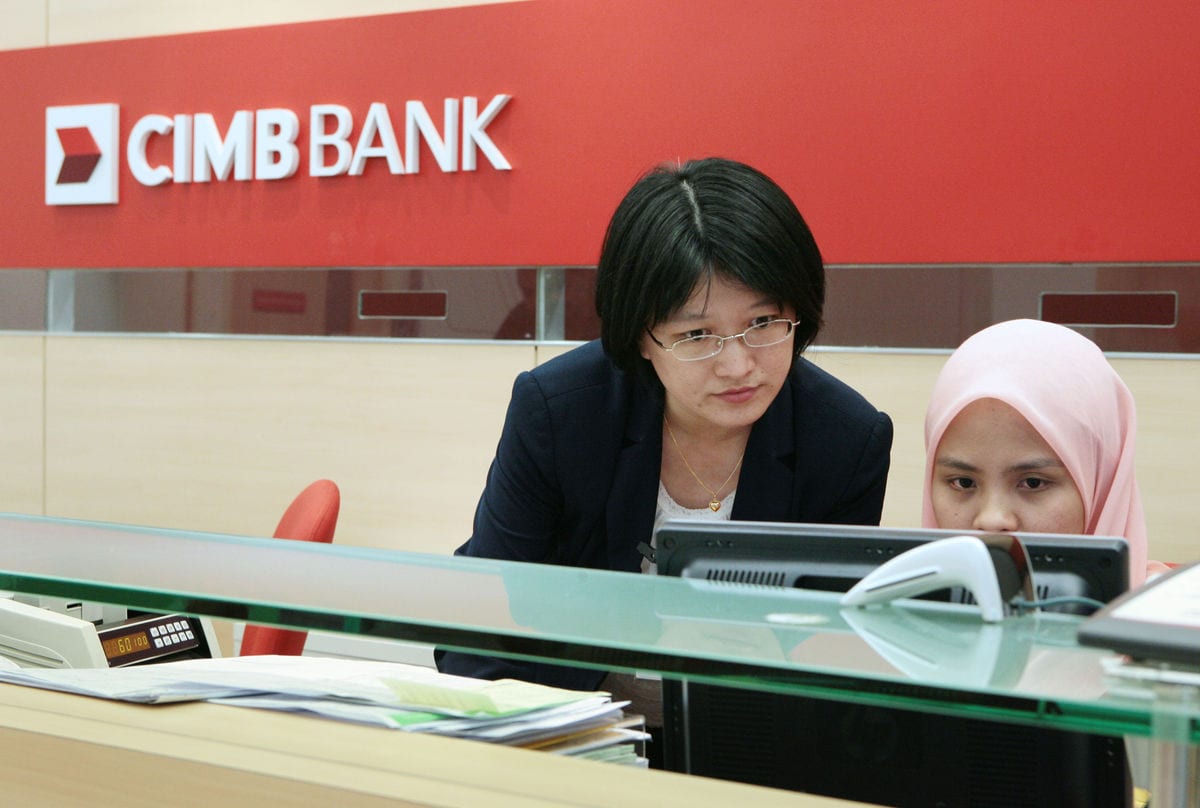
    CIMB Group will not undertake any more job cuts in Malaysia and Indonesia in 2016 after last year’s mutual separation scheme exercise.

    CIMB Group chief executive Tengku Zafrul Aziz said the bank was now focused on improving productivity and meeting its business agenda.

    “We have done the mutual separation scheme and we are not planning to do it any more here or in Indonesia,” he told reporters after presenting prizes to winners of the CIMB Asean Stock Challenge 2015 in Kuala Lumpur today.

    On Friday, CIMB cut 32 jobs in its Hong Kong investment banking and equities business due to worsening capital market conditions.

    Zafrul said for the first six months of 2016, the bank expected the outlook to be challenging based on the current economic environment.

    “But having said that, I think the bank has started to appreciate because if we look at the capital and equity ratio of all banks in Malaysia, we more than meet the requirement by the central bank.

    “We are also looking at a compatible growth economic growth of between 4.5 and 4.8 percent for the banking industry this year,” he added.

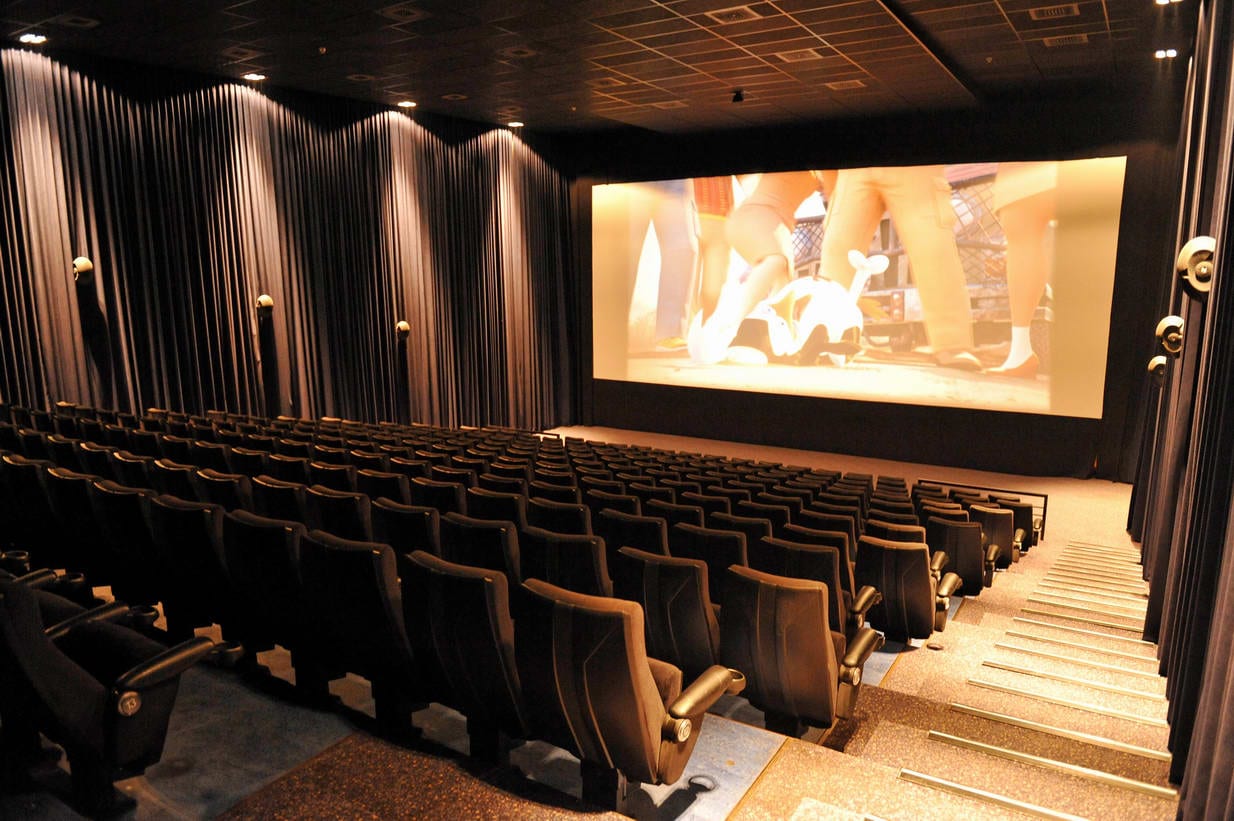
  • Foreign Investors Eyeing Indonesia’s Movie Theater Industry

    Foreign Investors Eyeing Indonesia’s Movie Theater Industry

    Foreign investors have had their eyes on Indonesia’s movie theater business for quite some time now. According to the information collected, there are investors from South Korea, Germany, Britain, and India that have made approaches; expressing their desire to invest in the industry.

    One of said foreign investor is Lotte Group. In 2012, the group made aggressive approaches to the government, with plans to open up to 100 cinemas in Indonesia.

    In mid last year, Deutsche Bank and Rothschild Group expressed their interest to provide US$ 100 million for the expansion of Cinemaxx, a cinema network owned by the Lippo Group. Using that fund, Cinemaxx aimed to open 2,000 theaters over the next ten years.

    Endah W. Sulistianti, the deputy for Regional Inter-Agency Relations and Creative Economy Agency, confirmed that foreign investors are attracted to Indonesia’s movie theater business. However, the law prohibits the industry from being entered by foreign investors.

    “Right now the government is discussing over the possibility of allowing foreign investment in the cinema business,” she said last week.

    Hilmar Farid, Director General of Culture, said that the government actually has no problem with foreign involvement in the industry—provided that it poses no harm to national interests. He said it is important to make sure that if foreign investment is allowed, Indonesian cinemas will not only play foreign films.

    “There needs to be clear regulations and the sharing scheme must be clear as well,” Hilmar said during his interview.